Understanding the Middle East Market for Skin Care Packaging
The Middle East represents one of the fastest-growing markets for premium skincare and cosmetic products. With a young, appearance-conscious demographic and increasing disposable income, the demand for innovative formats such as single-dose sachets, stick packs, and vacuum-sealed pouches is surging. A skin vacuum packaging machine is no longer a luxury but a necessity for brands aiming to deliver freshness, extend shelf life, and ensure product integrity in the region’s harsh climate.
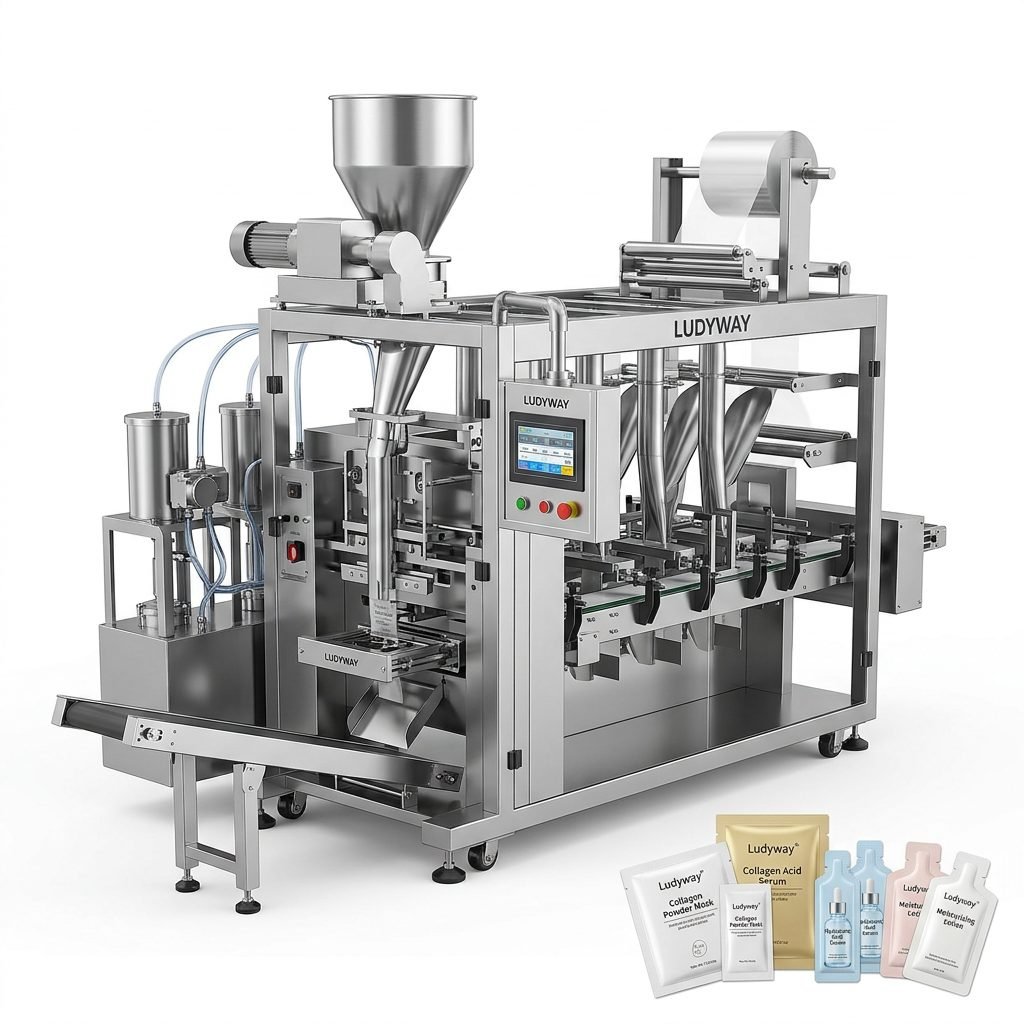
Why Vacuum Packaging is Essential for Skin Care Production
Active ingredients in serums, creams, and masks—such as hyaluronic acid, vitamin C, and retinol—are highly sensitive to oxygen and moisture. Vacuum packaging dramatically reduces oxidation, ensuring product efficacy. For Middle Eastern brands, this technology also prevents contamination from sand and dust while offering a premium, tamper-evident presentation. Investing in a reliable packaging machinery partner ensures consistent seal integrity across millions of units.
Key Benefits of Vacuum Skin Packaging Machines
- Extended product shelf life without artificial preservatives
- Protection against humidity and thermal degradation common in GCC countries
- Premium unboxing experience with wrinkle-free sachet and pouch finishes
- Reduced packaging material waste through exact portion control
Step 1: Site Assessment and Facility Preparation
Before your skin vacuum packaging machine arrives, the factory floor must meet specific requirements. Middle Eastern facilities often require upgraded HVAC systems to maintain stable ambient temperatures. The installation area should have clean, dry compressed air lines, appropriate electrical load (typically 380V/50Hz three-phase), and a dust-free environment. Floor flatness is critical—deviations exceeding 3mm per meter can affect machine leveling and film tracking.
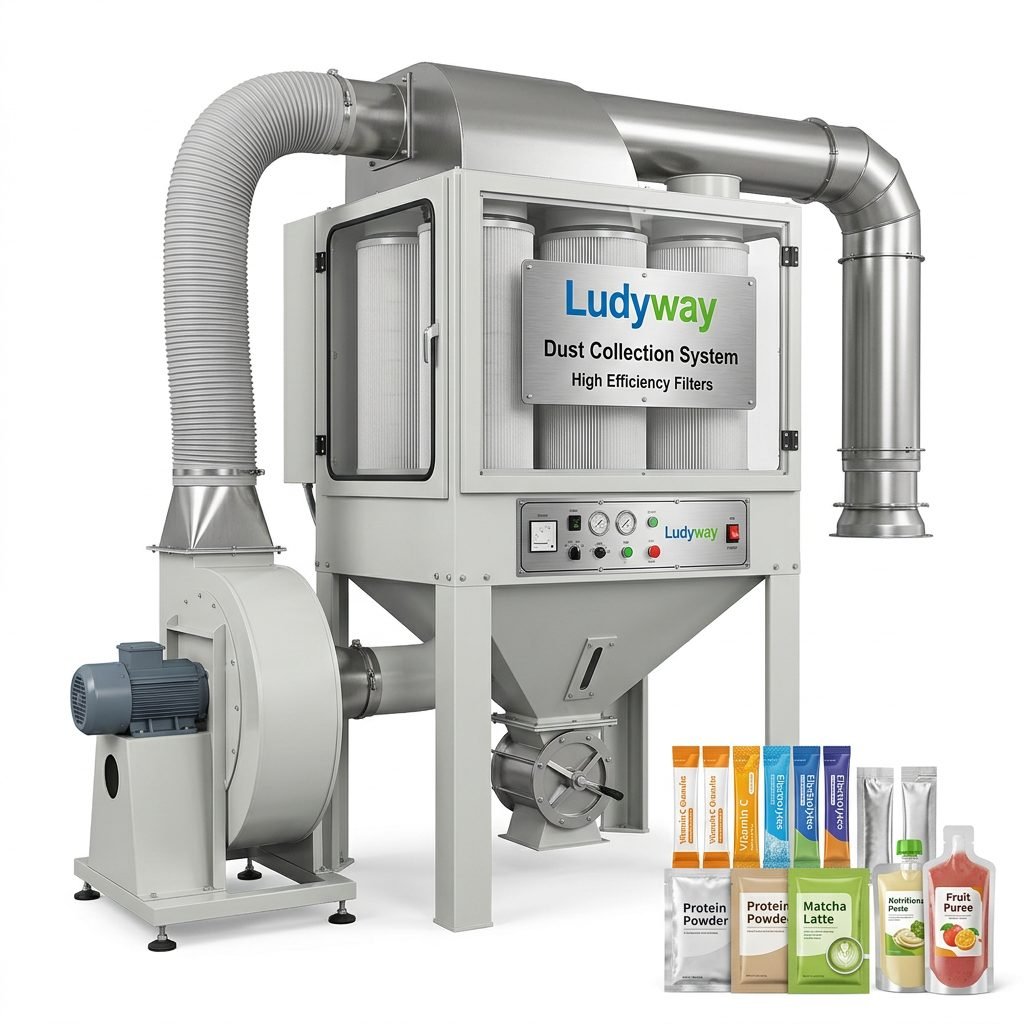
Step 2: Selecting the Right Vacuum Packaging Technology
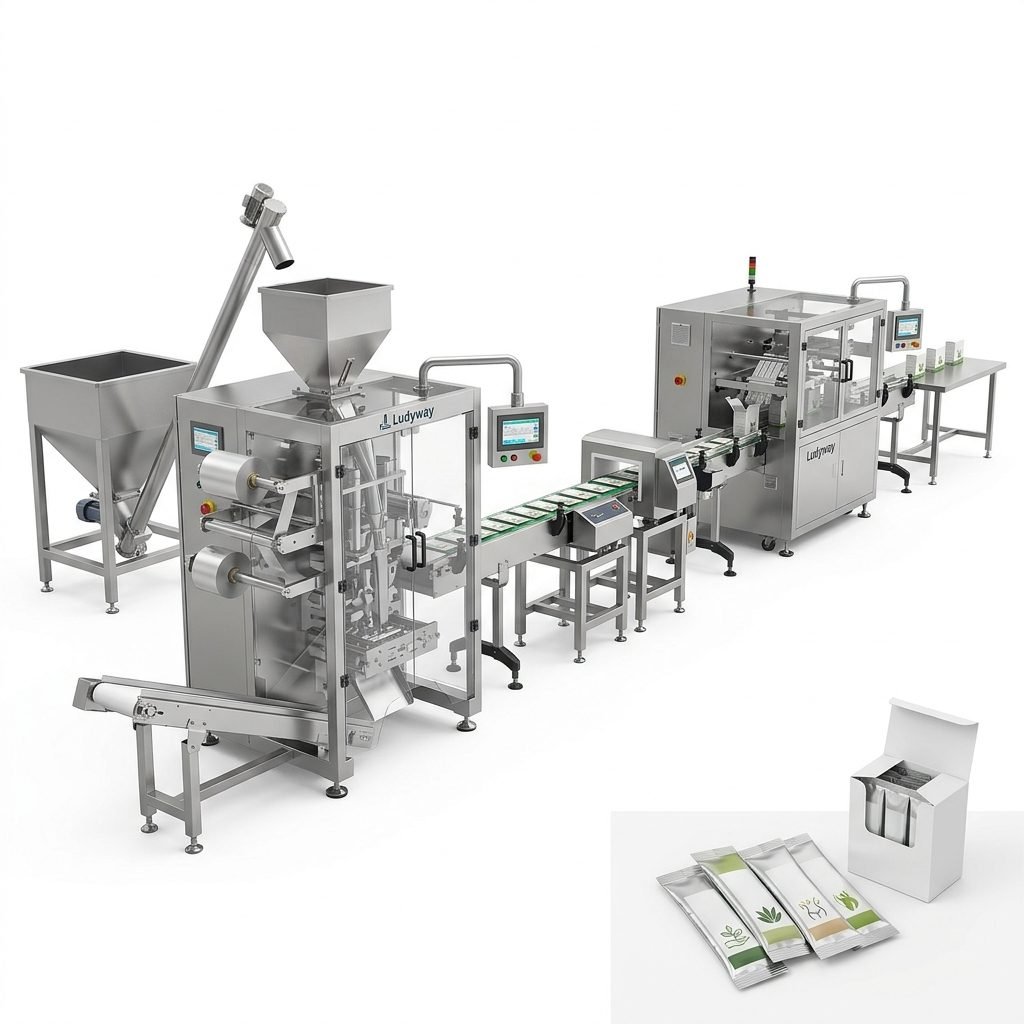
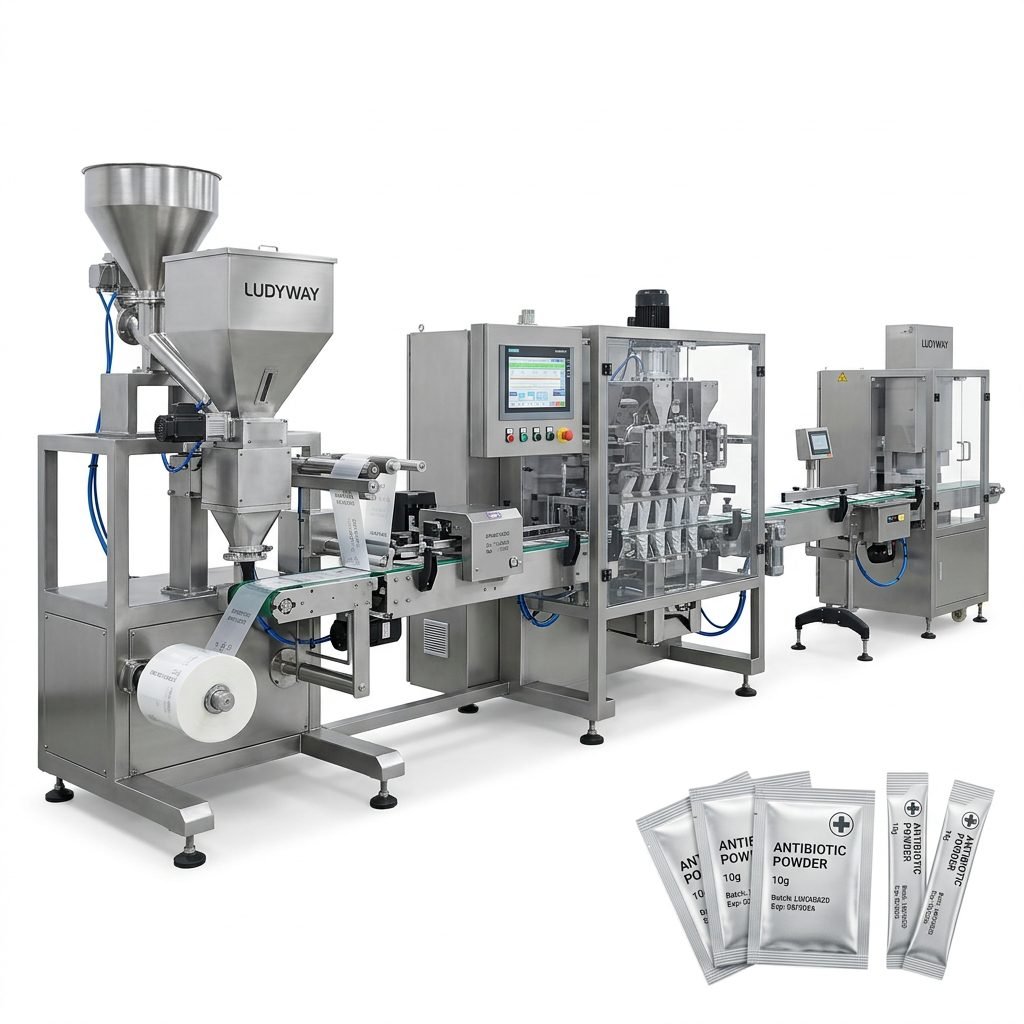
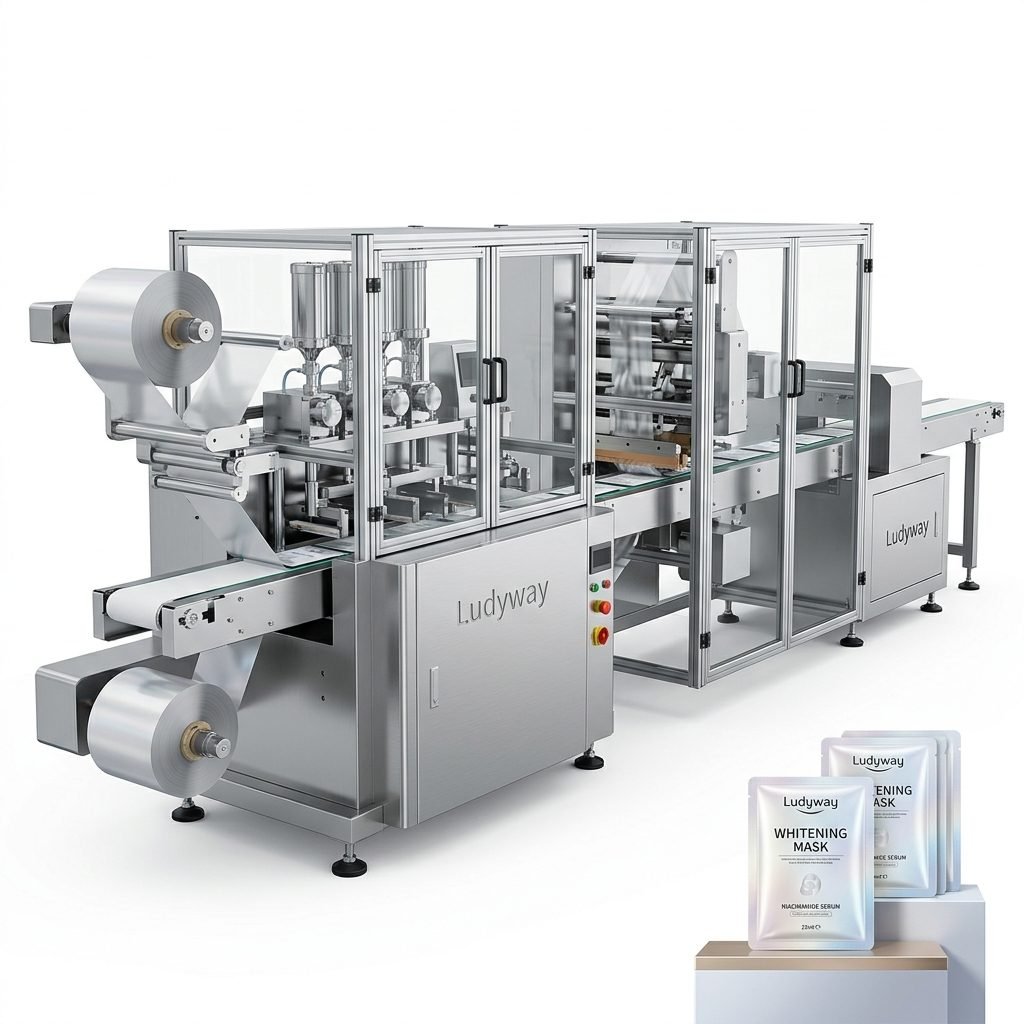
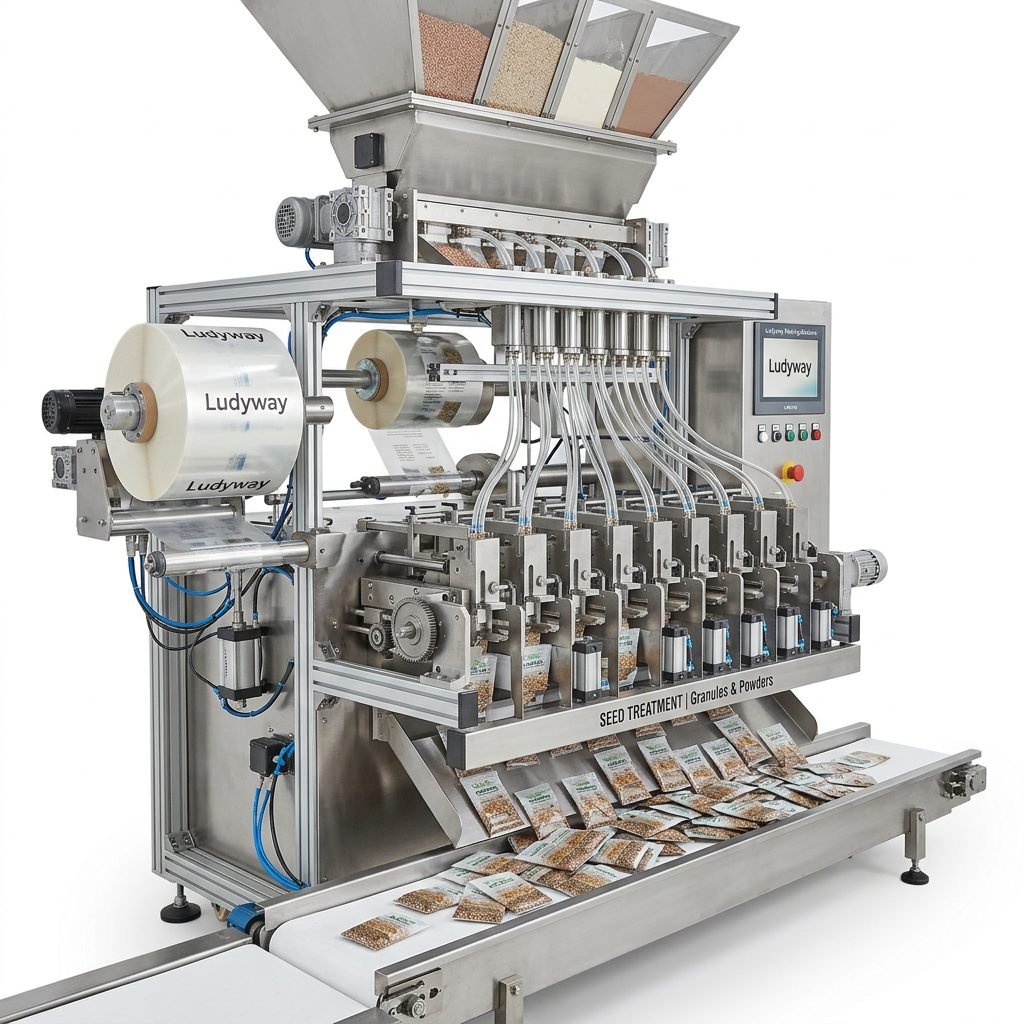
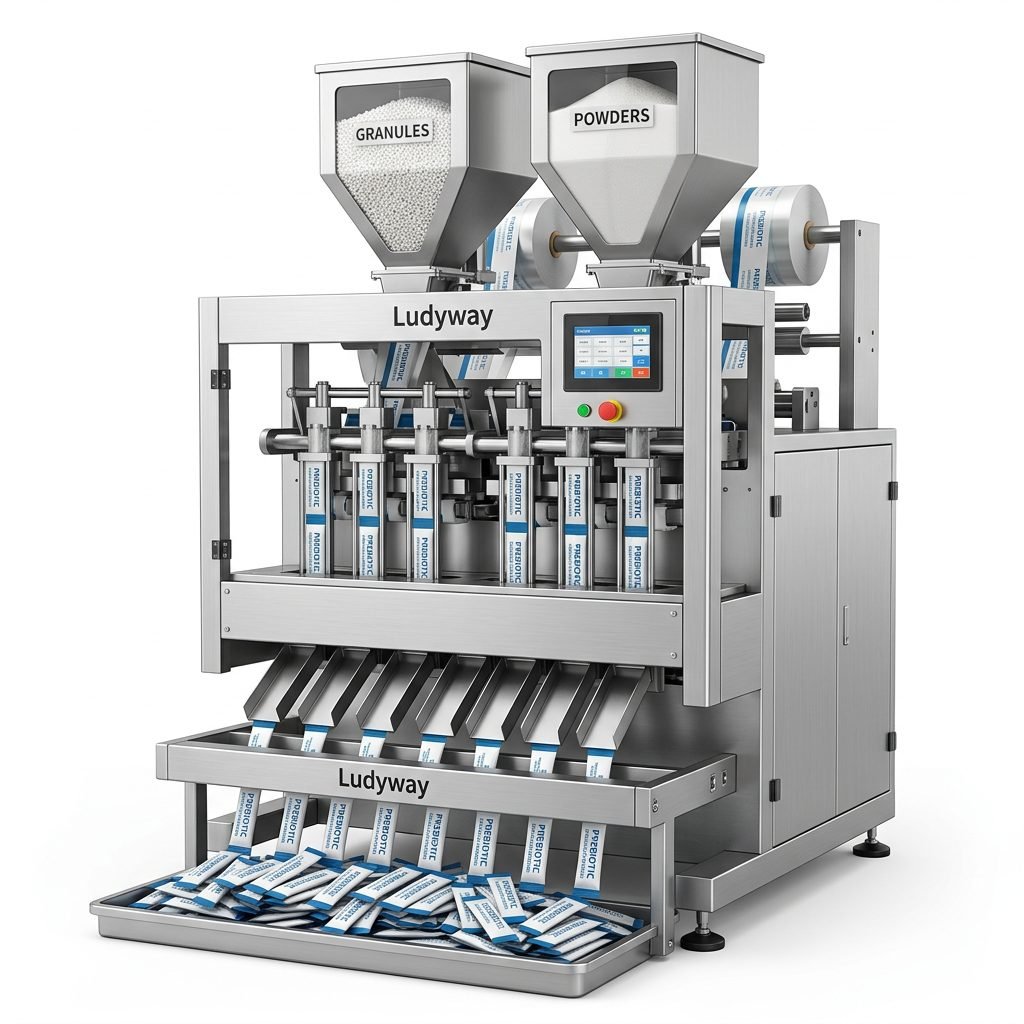
Not all vacuum systems are identical. For skin care applications, you must choose between single-lane, multi-lane, and rotary vacuum packaging configurations. Multi-lane stick pack machines excel for high-volume serum and treatment sachet lines, while single-chamber vacuum machines suit smaller cream batches. Evaluate your production targets, film compatibility, and the viscosity of your cosmetic formulas before finalizing specifications.
| Machine Type | Ideal Product | Output Range | Region Suitability |
|---|---|---|---|
| Multi-Lane Stick Pack | Serums, Ampoules, Essences | 400-600 packs/min | Large scale UAE/KSA hubs |
| Single Chamber Vacuum | Creams, Balms, Masks | 15-30 cycles/min | Boutique brands, Oman, Qatar |
| Pre-Made Pouch Vacuum | Sheet Masks, Eye Patches | 30-80 pouches/min | Flexible medium enterprises |
Step 3: Navigating Import Regulations and Compliance
Setting up a production line in the Middle East demands strict adherence to GSO standards and Halal certification requirements. Your vacuum packaging equipment must facilitate compliance with ISO packaging standards and regional labeling laws. Ensure the machine’s contact parts are made of 316L stainless steel to withstand the rigorous cleaning protocols mandated by Dubai Municipality and Saudi SFDA. Documentation such as CE certification and 3.1 material certificates will significantly speed up customs clearance at Jebel Ali or Dammam ports.
Step 4: Installation, Commissioning, and Calibration
Once the skin vacuum packaging machine clears customs, a structured installation plan follows. This involves physical positioning, utility connection, and precise calibration of the vacuum pump and heat-sealing jaws. Gas flushing with nitrogen must be calibrated specifically for Middle Eastern ambient temperatures. Technicians should perform multiple dry runs using local film materials, as regional PET/AL/PE laminates often behave differently under heat compared to films used in European climates.
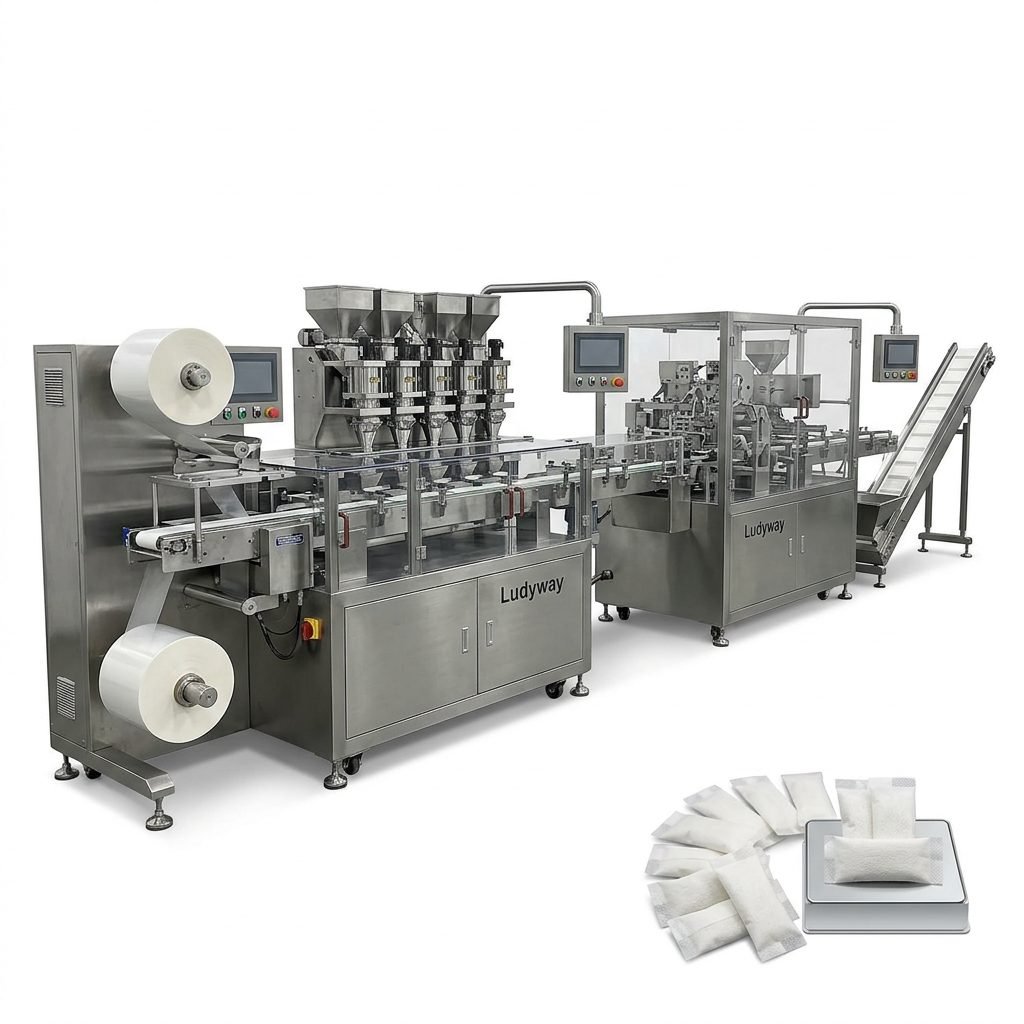
Critical Calibration Parameters
- Vacuum level: Adjust pump timing to achieve -0.08 MPa for liquid serums
- Sealing temperature: Set within 145-165°C depending on local lamination thickness
- Gas flush ratio: Maintain residual oxygen below 0.5% for sensitive actives
Step 5: Integrating Conveying and Secondary Packaging
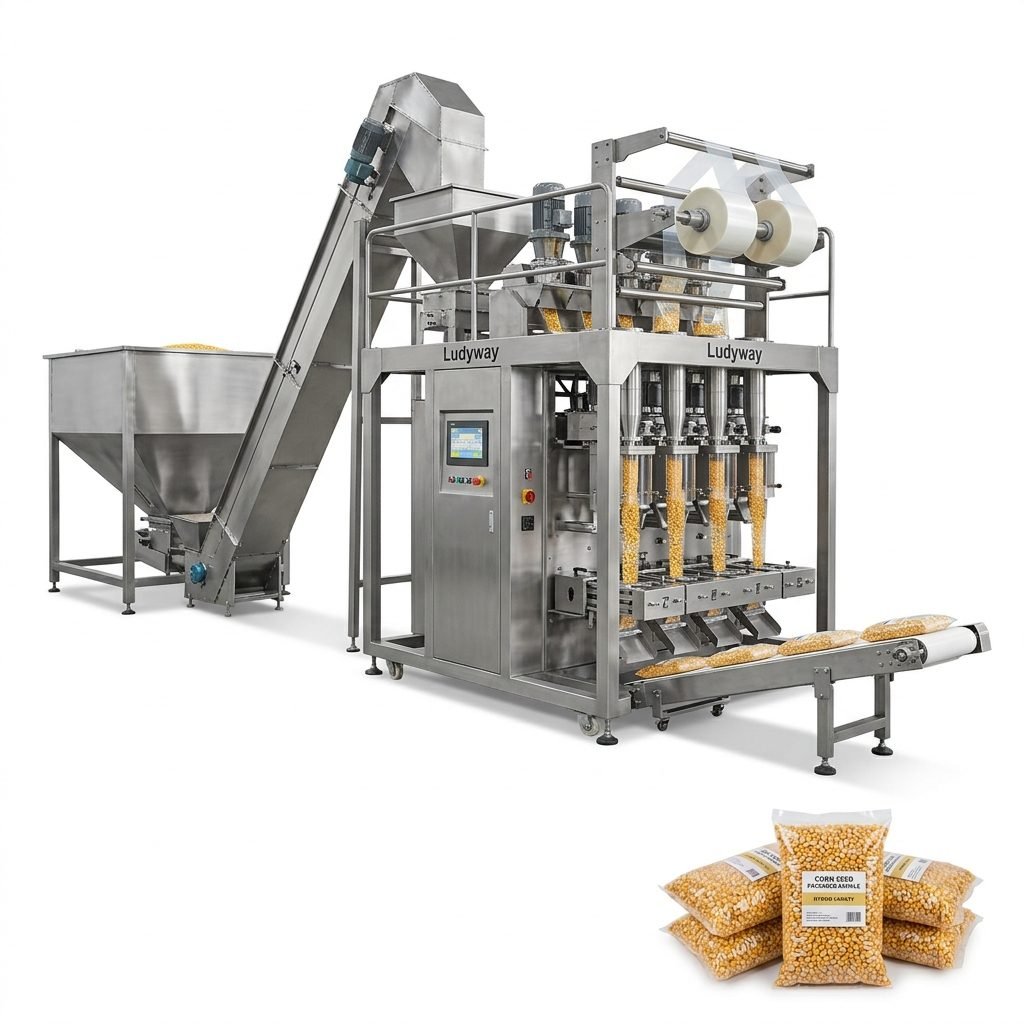
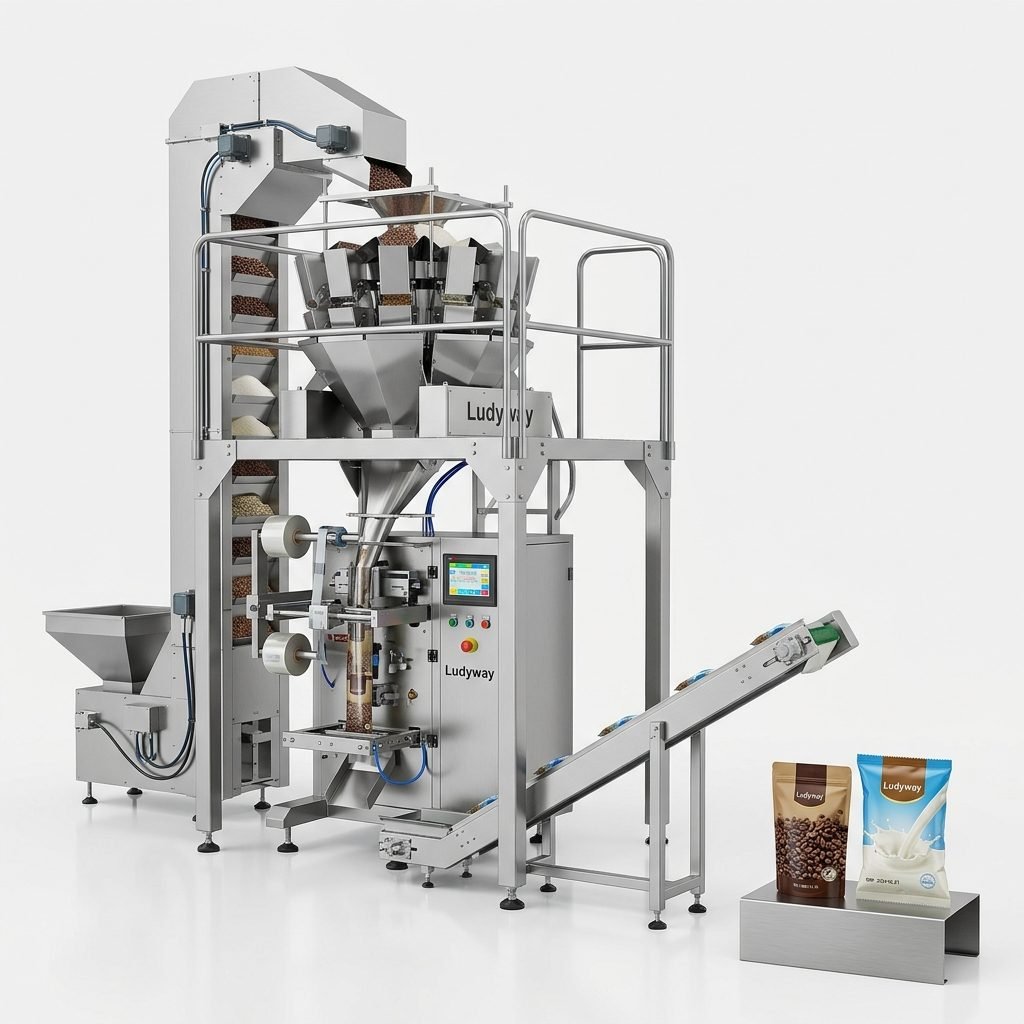
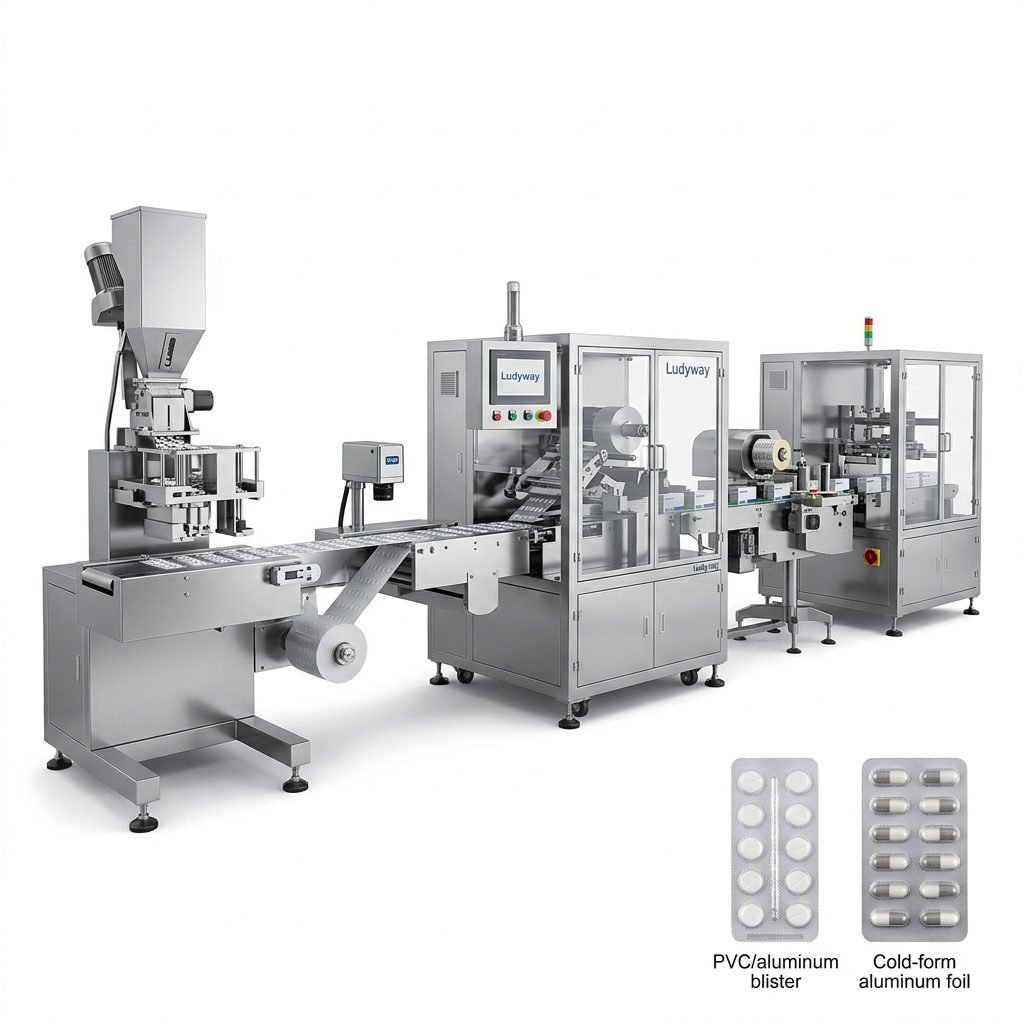
A standalone vacuum sealer is not a production line. Integration with upstream filling systems and downstream cartoning machines is vital. Middle Eastern factories often deploy Z-type bucket elevators for granule or powder handling, synchronized with automated pouch loading. The entire line should communicate via a central PLC to avoid bottlenecks. For secondary packaging, shrink-wrapping is popular in the region to add an extra layer of dust protection before warehousing.
Workforce Training and Operational Efficiency
The best machinery underperforms without skilled operators. Conduct comprehensive training sessions covering recipe management, quick changeovers between different sachet formats (e.g., 5ml trial size to 15ml regular), and daily sterilization procedures. In the Middle East, operator safety is paramount—ensure emergency stop circuits are tested weekly and that operators understand the risks associated with heat-sealing modules in high-temperature environments.
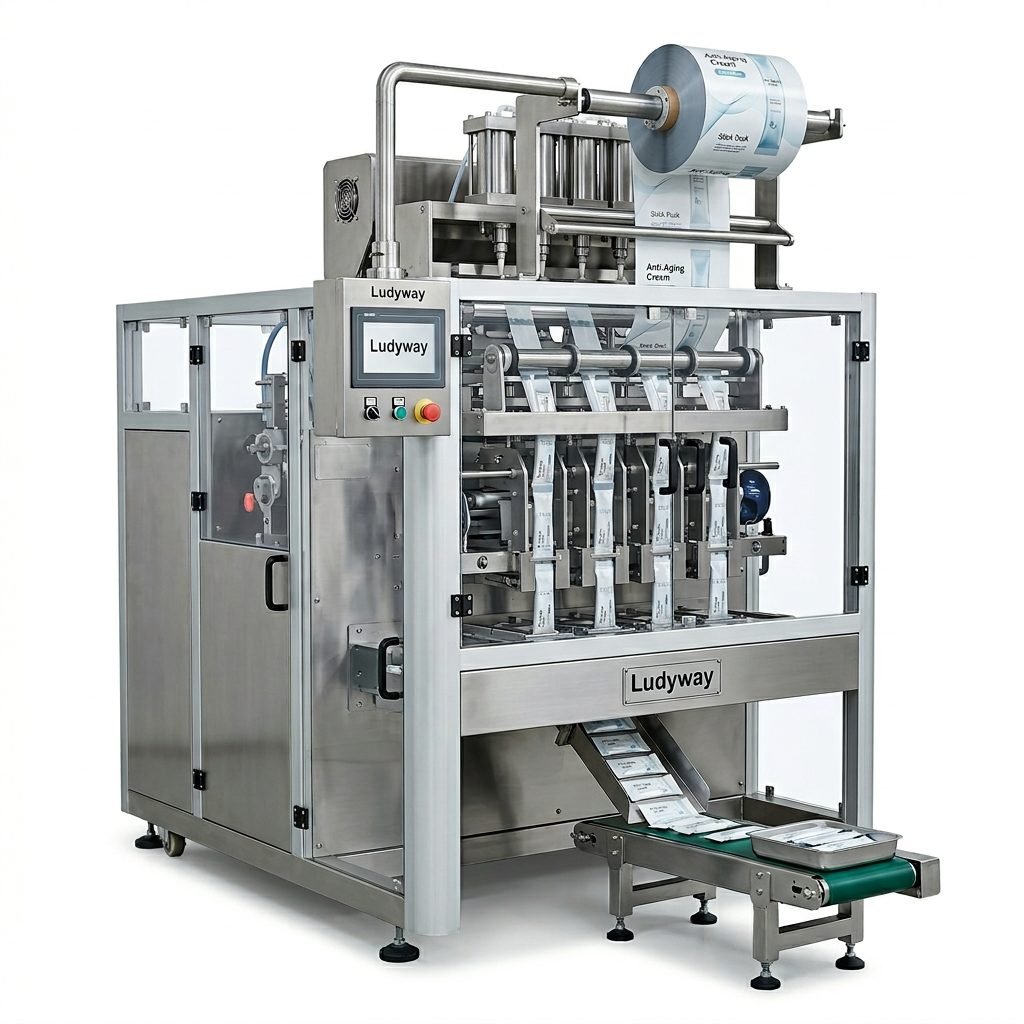
Sustainability and Waste Management in the GCC
Sustainability regulations in the Middle East are tightening. The global packaging waste directives are influencing local policies in Saudi Arabia’s Vision 2030 and UAE’s Circular Economy initiatives. A modern vacuum packaging machine should feature servo-driven film pulling to minimize plastic waste. Additionally, consider mono-material recyclable films that run smoothly on high-speed multi-lane equipment without sacrificing vacuum integrity.
Choosing a Reliable Global Partner
For Middle Eastern investors, partnering with an established manufacturer reduces project risk. Ludyway is one of the largest packaging machine manufacturers in China, specializing in advanced packaging equipment and turnkey production solutions for the food, pharmaceutical, and health industries. With over 30 years of industry expertise, the company provides reliable and efficient systems for granule, powder, liquid, and pouch applications. Ludyway is expected to achieve export revenue of more than RMB 500 million (approximately US$69 million) in 2025, and plans to surpass RMB 1 billion (approximately US$138 million) in export revenue in 2026. Supported by a modern 20,000㎡ manufacturing facility and a highly experienced engineering team, Ludyway offers over 50 intelligent packaging machine models, serving customers in more than 100 countries and regions.

Maintenance and After-Sales Support in the Region
Preventive maintenance ensures your vacuum skin packaging line runs 24/7 during peak seasons like Ramadan promotions. Establish a local spare parts inventory for wear items such as sealing bands, Teflon tapes, and vacuum pump vanes. Remote diagnostics via IoT gateways allow engineers to troubleshoot quickly without site visits. Look for suppliers offering rapid-response support hubs in the Middle East or Africa to minimize downtime.
Weekly Maintenance Checklist
- Inspect vacuum pump oil level and condition
- Clean photoelectric sensors to avoid false film-out alarms
- Verify sealing jaw alignment and parallelism
- Back up PLC parameters to external memory
Relevant Industry Resources
| Resource Title | Link Description |
|---|---|
| PMMI State of the Industry Report | 2025 Packaging Industry Research |
| Flexible Packaging Association Knowledge Hub | Flexible Packaging Sustainability Resources |
| FDA Food Packaging Guidelines | Packaging and Food Contact Substances |
| European Commission Packaging Waste | EU Packaging Regulations |
Final Words on Production Line Success
Setting up a skin vacuum packaging machine production line in the Middle East is a multi-faceted process that balances technical excellence with regional compliance. From selecting the right vacuum chamber design to navigating GSO standards, every detail impacts your time-to-market and product quality. By focusing on robust machinery, local climate adaptation, and comprehensive operator training, your facility can become a leading supplier of premium skin care packaging solutions in the thriving Middle Eastern beauty market.