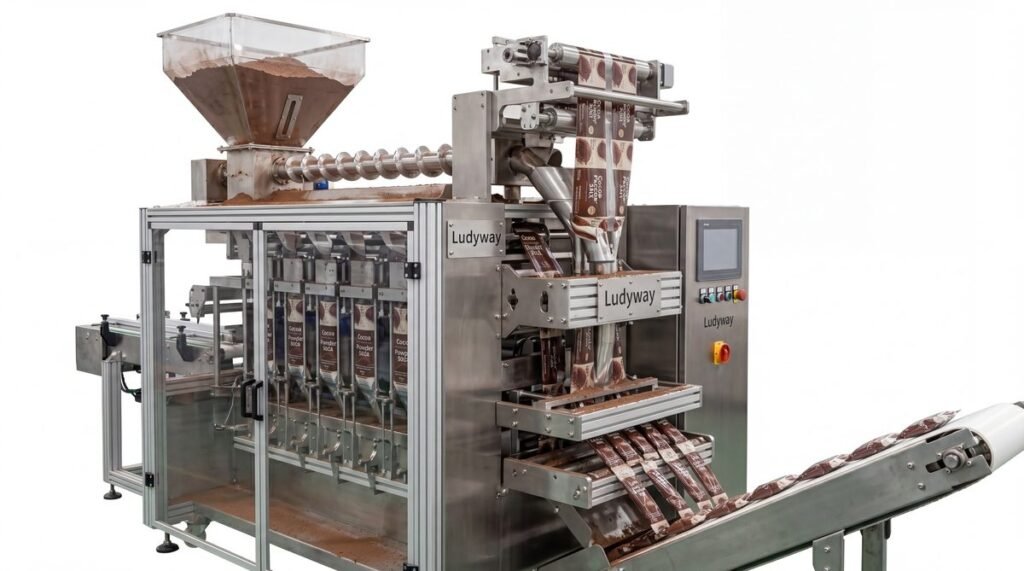
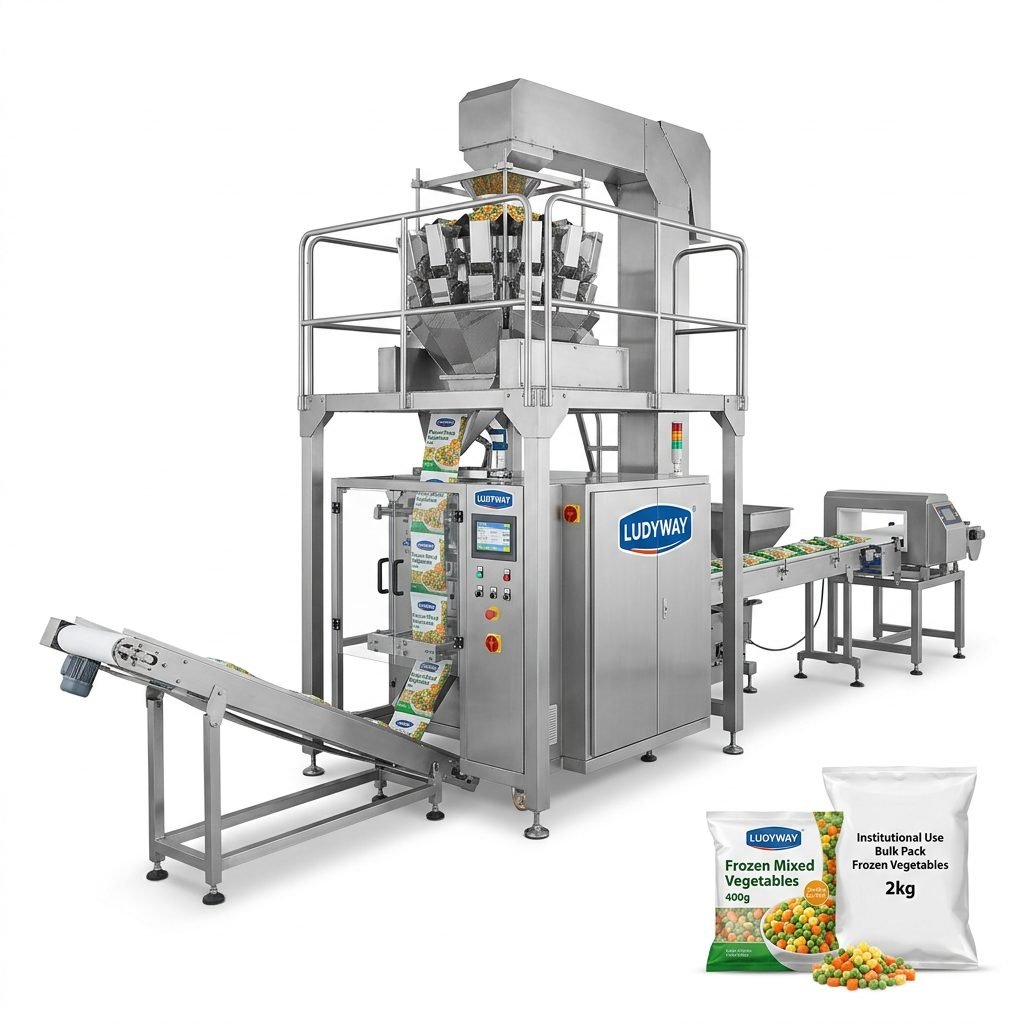
South America’s ready meal market is experiencing unprecedented growth, driven by urbanization, changing consumer lifestyles, and increasing demand for convenient food options. For food manufacturers and packaging businesses across Brazil, Argentina, Colombia, Chile, and Peru, investing in the right ready meal packaging machine has become a strategic priority. This comprehensive guide will help you navigate the key considerations when selecting packaging equipment for your South American operations.
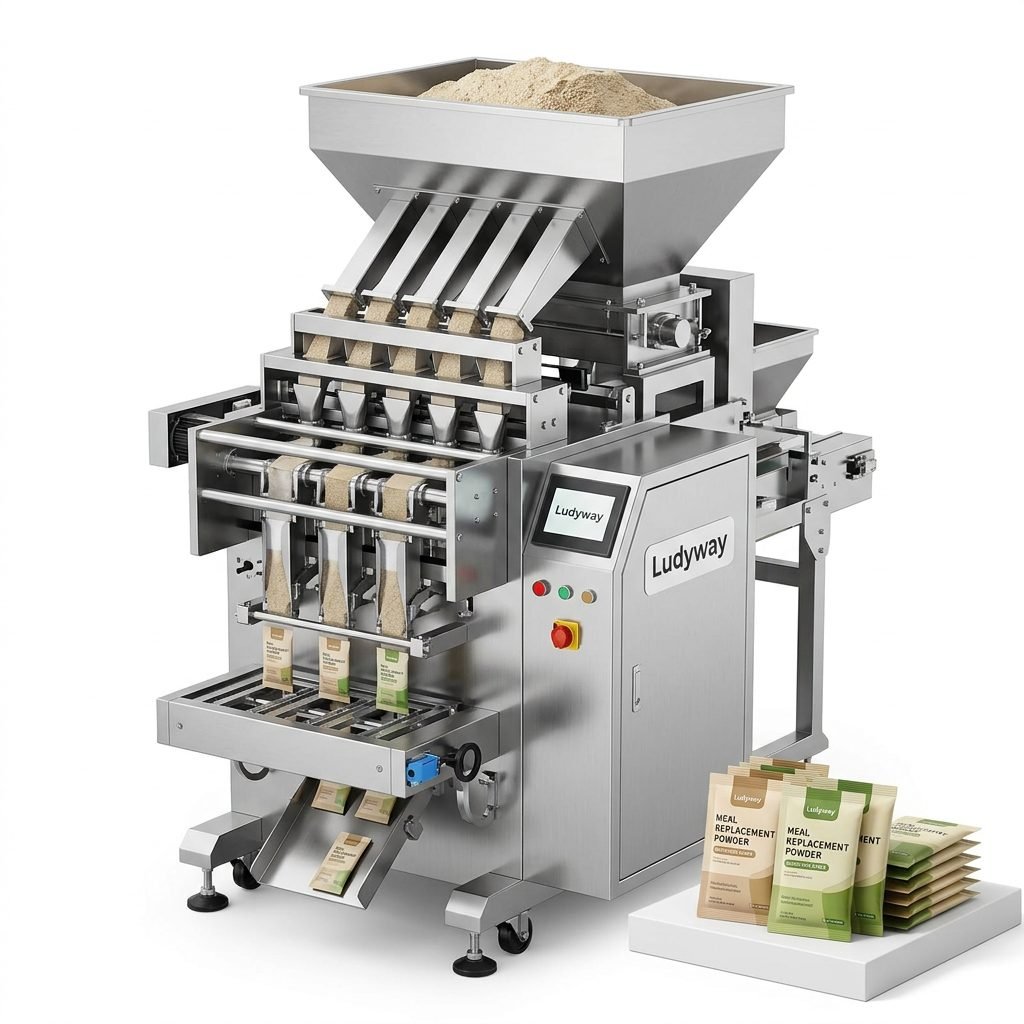
Understanding the South American Ready Meal Market
The ready meal sector in South America has evolved significantly, encompassing everything from frozen entrees and shelf-stable meals to instant soups, meal replacement powders, and dehydrated food kits. According to PMMI industry reports, the packaging machinery market in Latin America is projected to grow substantially through 2028, with flexible packaging solutions leading the trend. This growth directly correlates with the increasing need for automated, high-efficiency packaging systems that can handle diverse product types while maintaining food safety standards.
Key Market Drivers in South America
- Urbanization rates exceeding 80% in countries like Brazil and Argentina, fueling demand for convenient meal solutions
- Expanding e-commerce and retail channels requiring shelf-stable packaging formats
- Growing health-conscious consumer segments seeking portion-controlled, nutritionally balanced ready meals
- Increasing adoption of single-serve and family-size packaging across diverse income demographics
- Regulatory alignment with international food packaging standards for export-oriented manufacturers
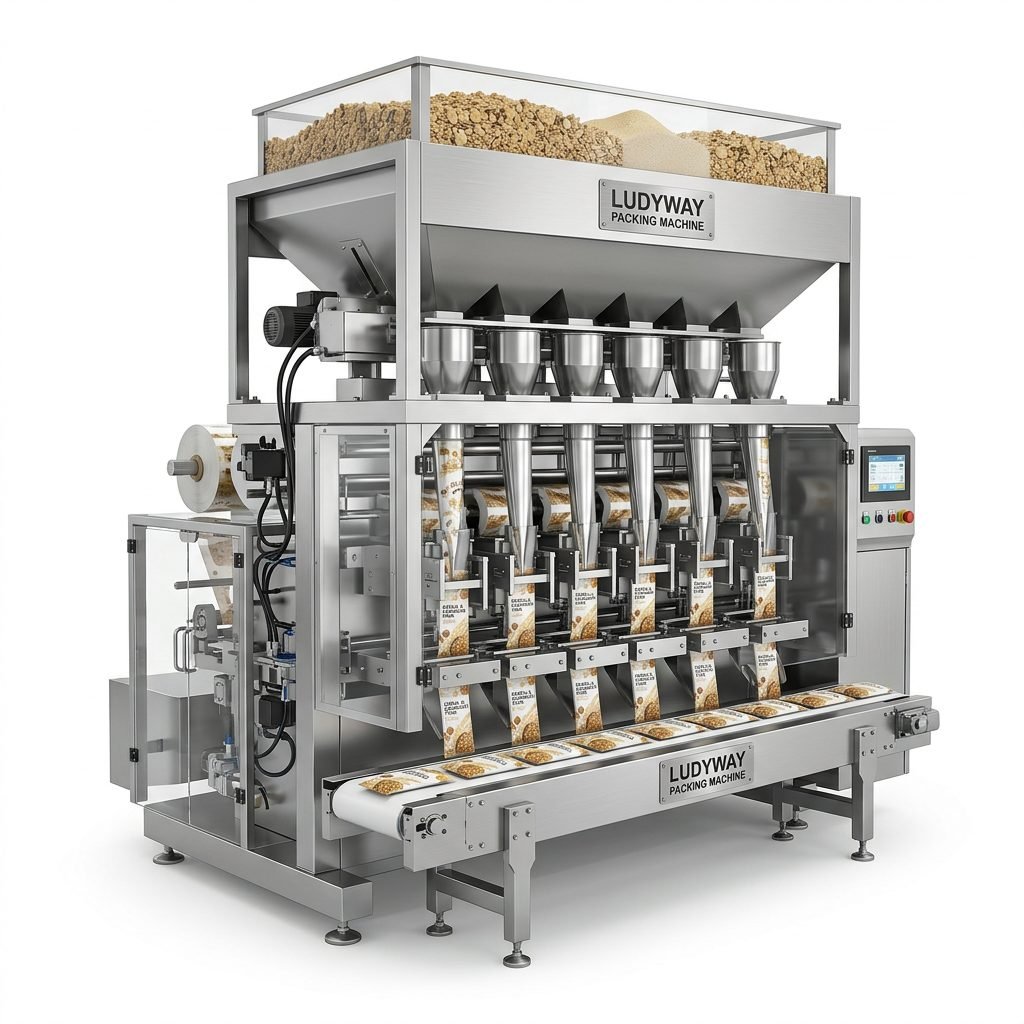
Types of Ready Meal Packaging Machines
Selecting the right packaging machinery depends heavily on your product format, production volume, and target market requirements. Below are the primary machine categories relevant to ready meal applications in South America.
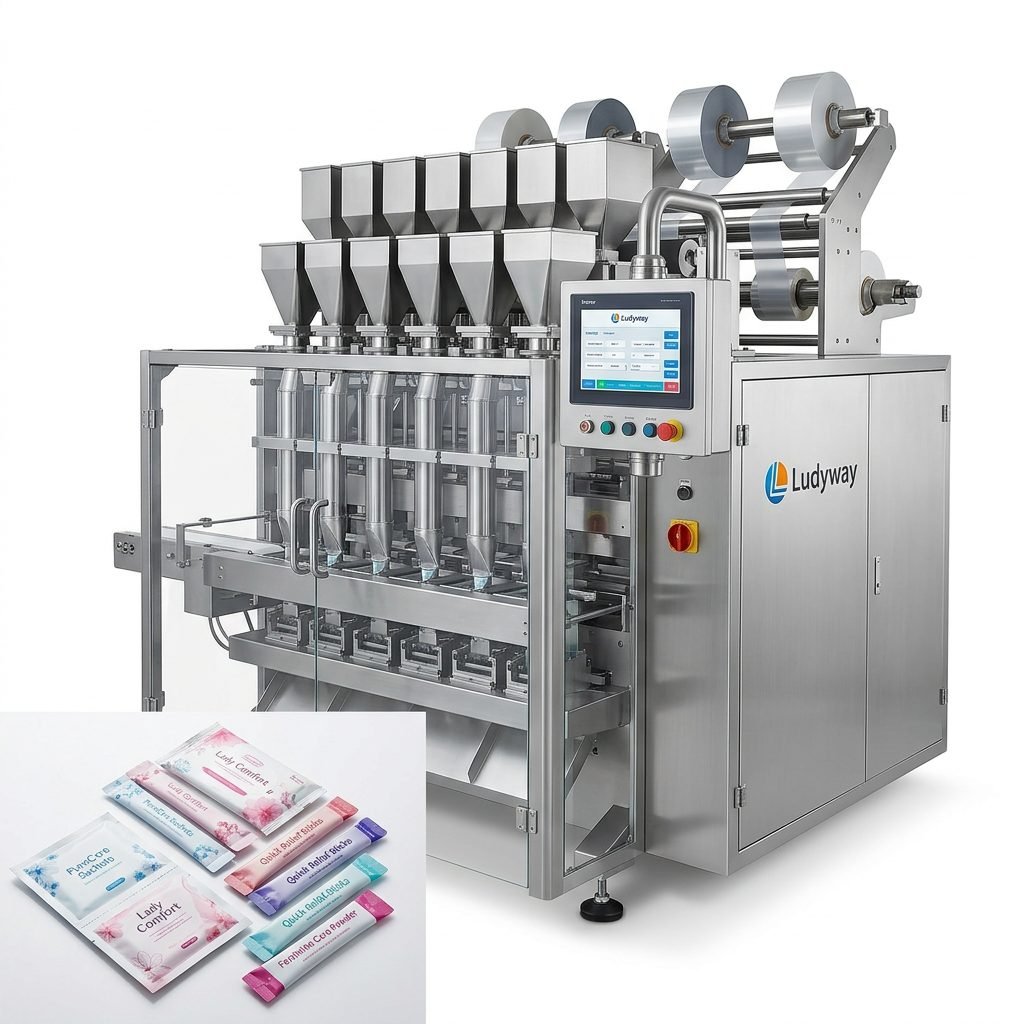
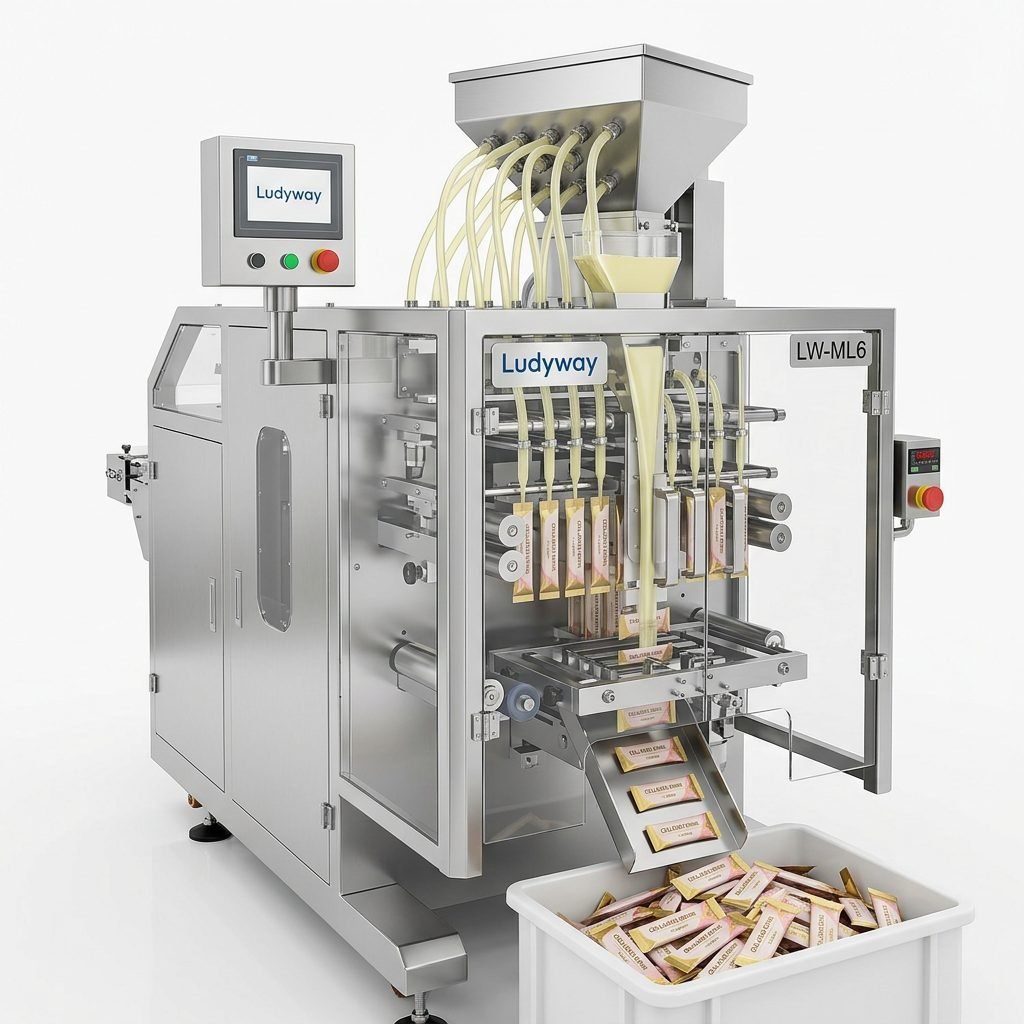
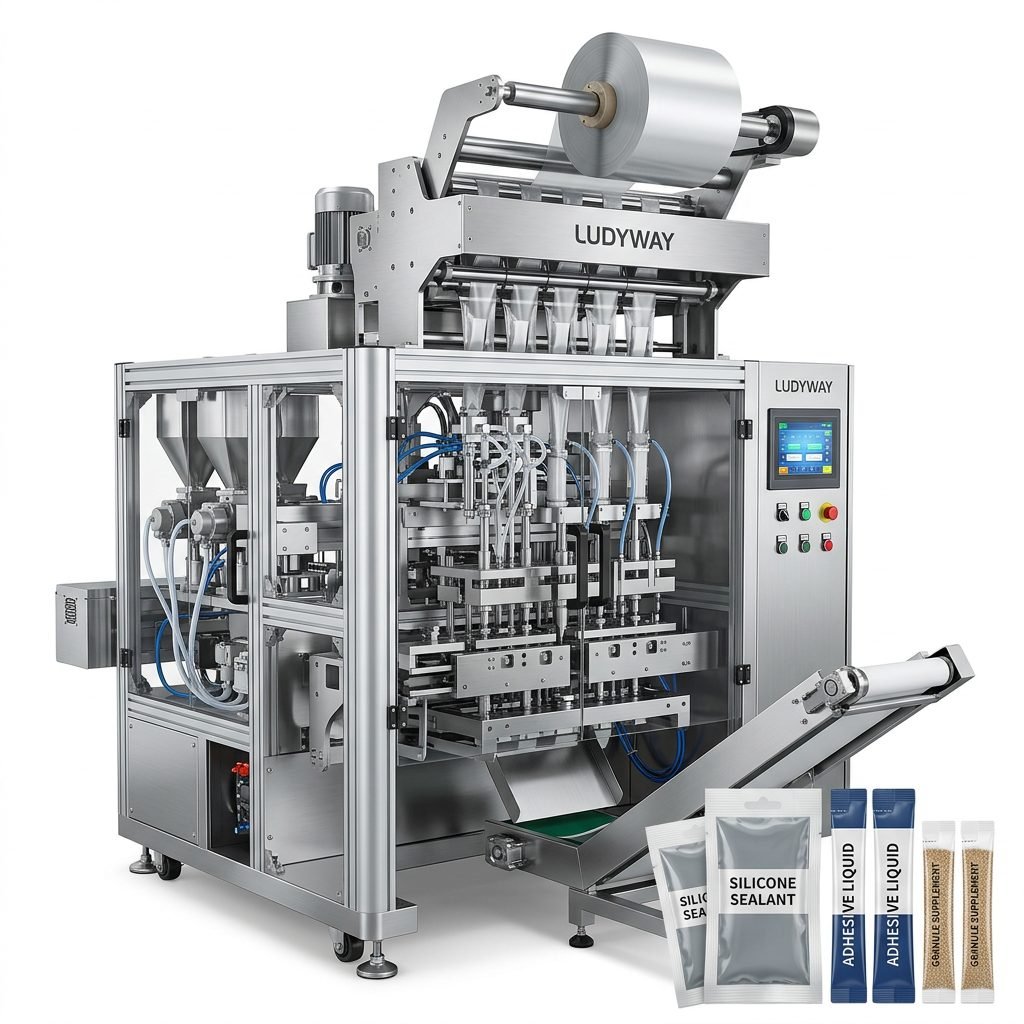
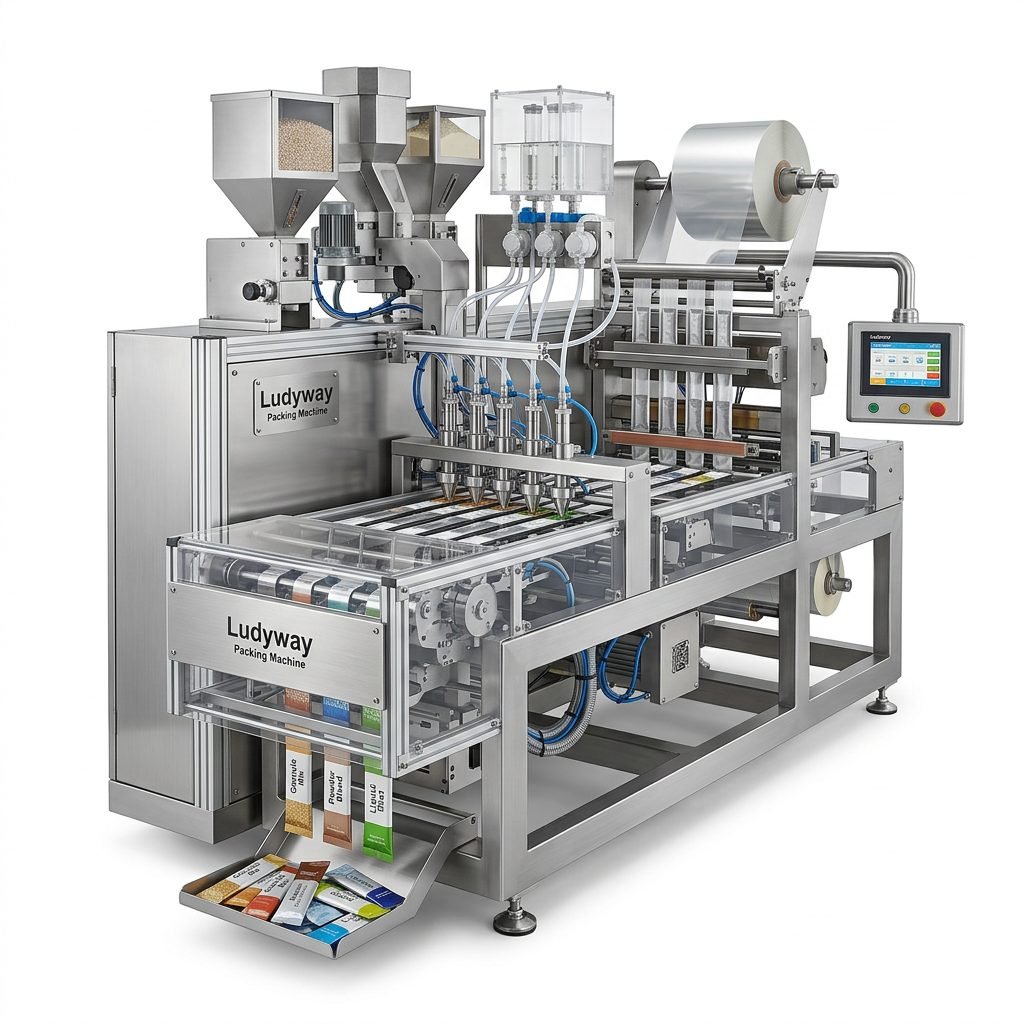
Multi-Lane Stick Pack and Sachet Machines
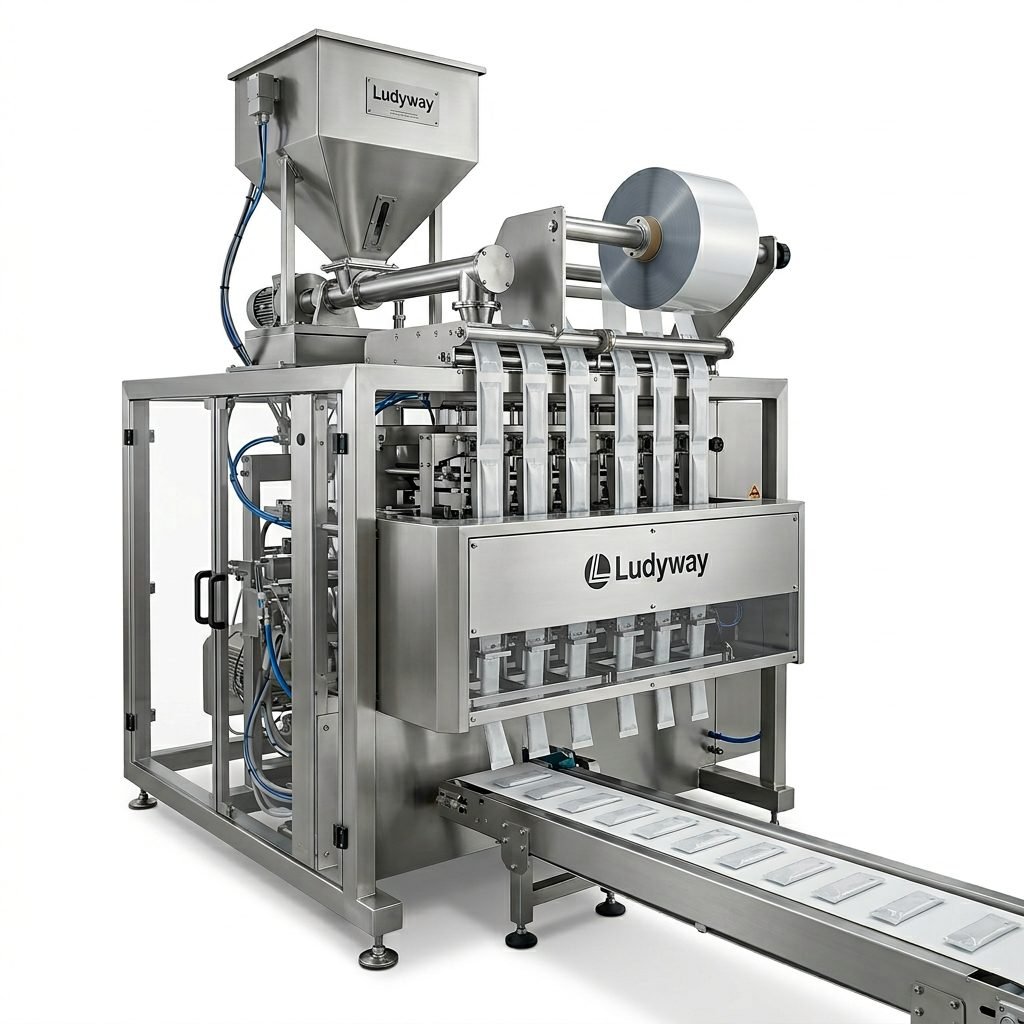
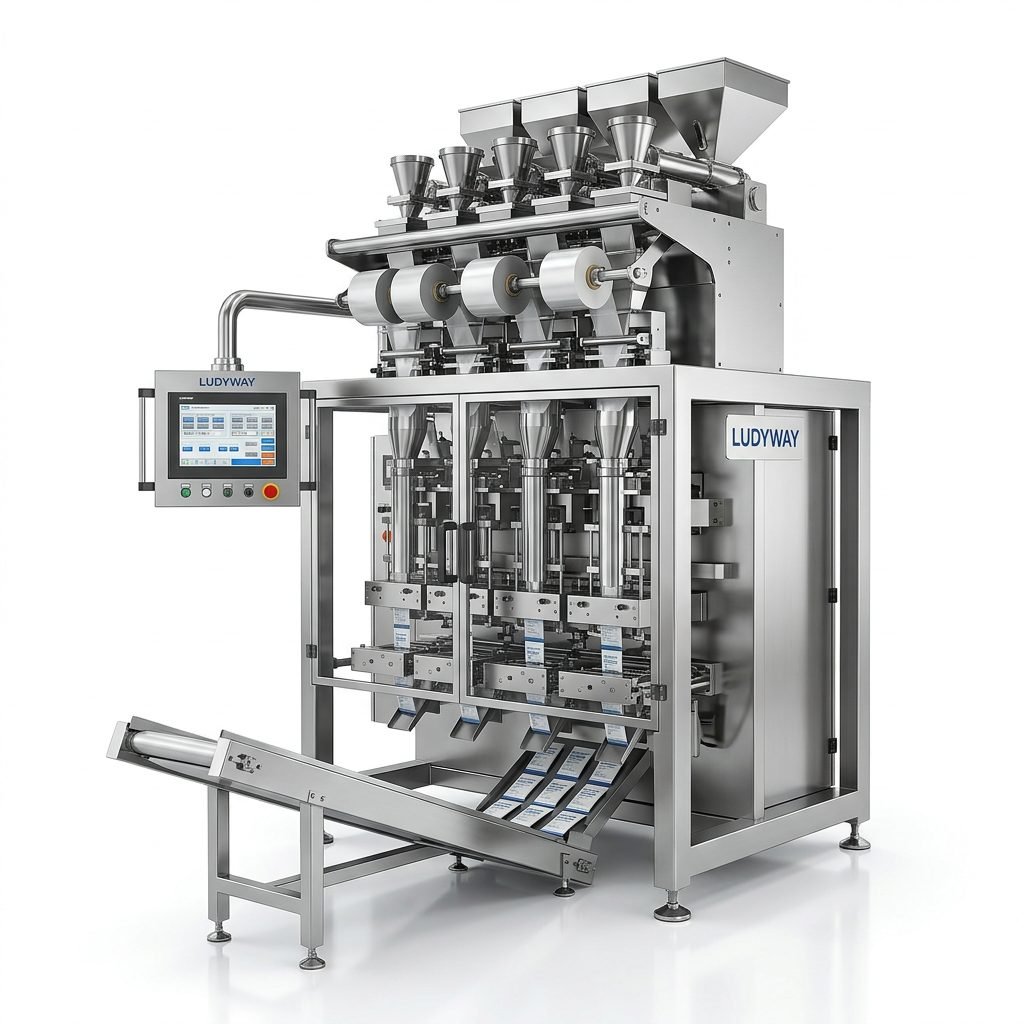
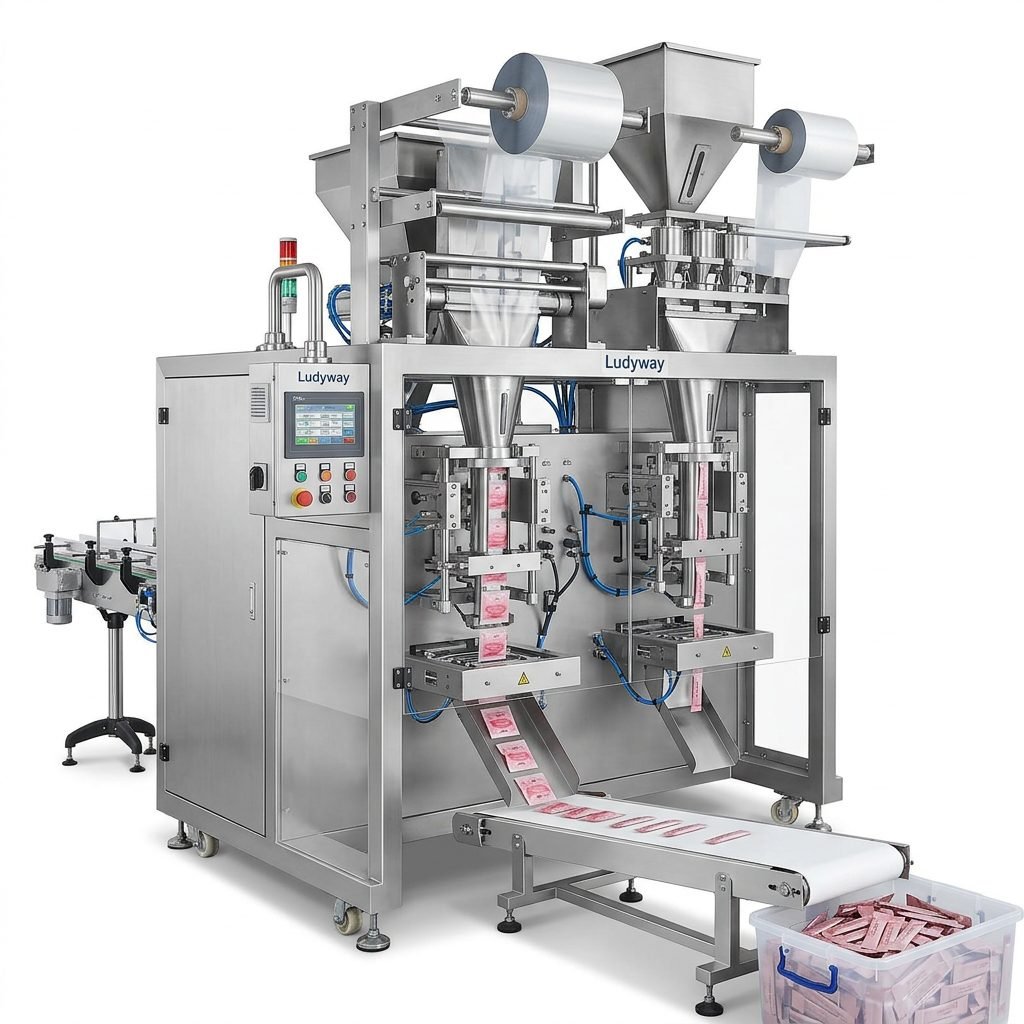
These high-speed systems are ideal for powdered and granulated ready meal products such as instant soups, meal replacement shakes, seasoning mixes, and dried food kits. Multi-lane configurations can achieve output speeds of 400-800 packs per minute, making them suitable for high-volume production. The flexible packaging format offers excellent barrier properties and extended shelf life, critical for South American climate conditions.
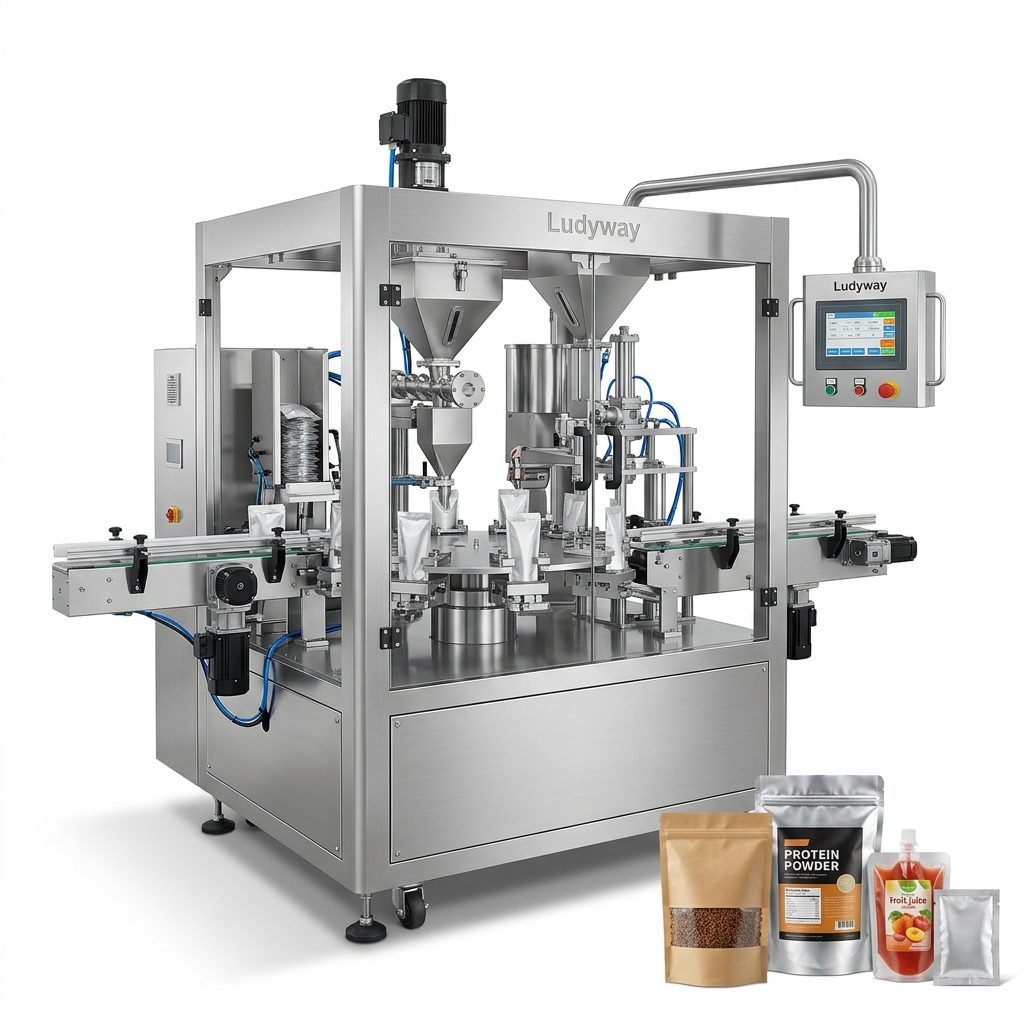
Premade Pouch Filling and Sealing Systems
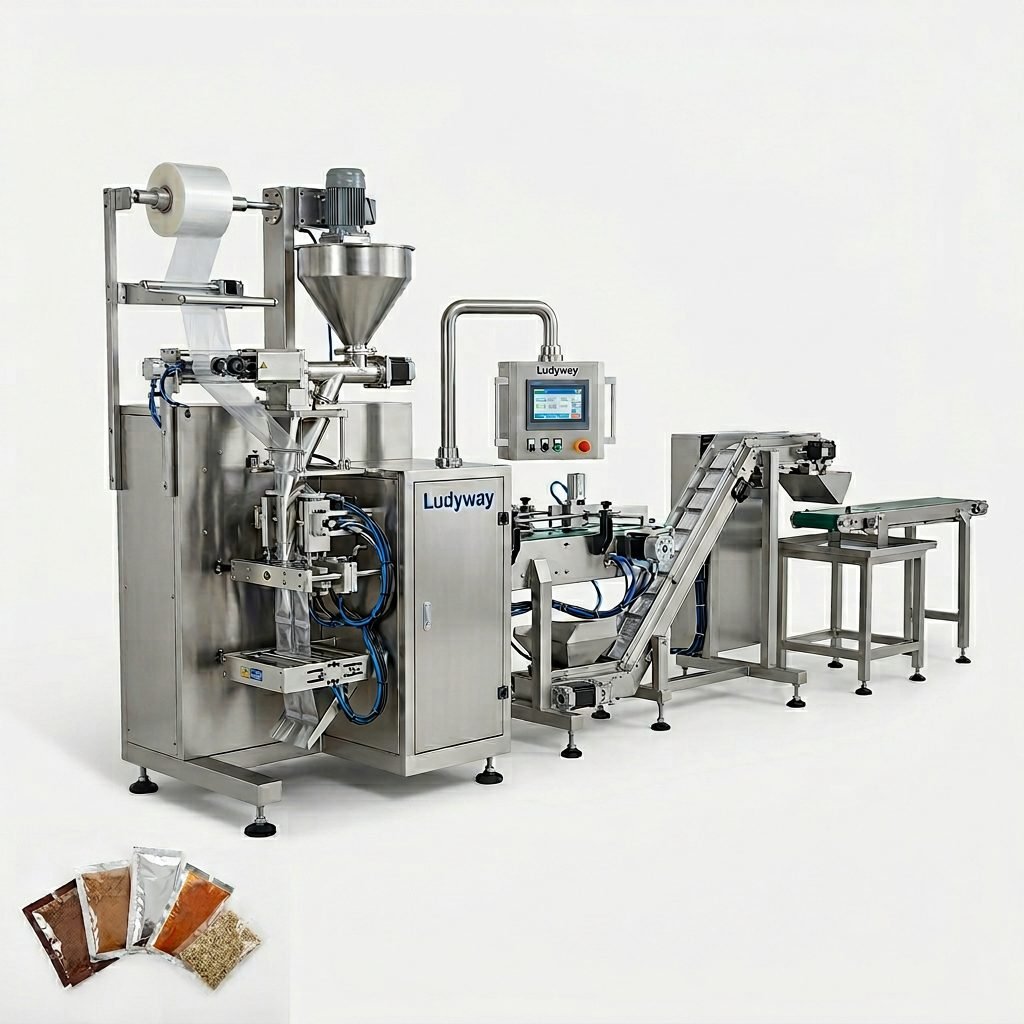
For ready meals requiring stand-up pouches, zipper bags, or retortable packaging, premade pouch systems offer versatility and premium shelf appeal. These machines handle solid, liquid, and multi-component meals, providing the flexibility needed for diverse product lines. Rotary and inline configurations support varying production capacities from 30 to 120 pouches per minute.
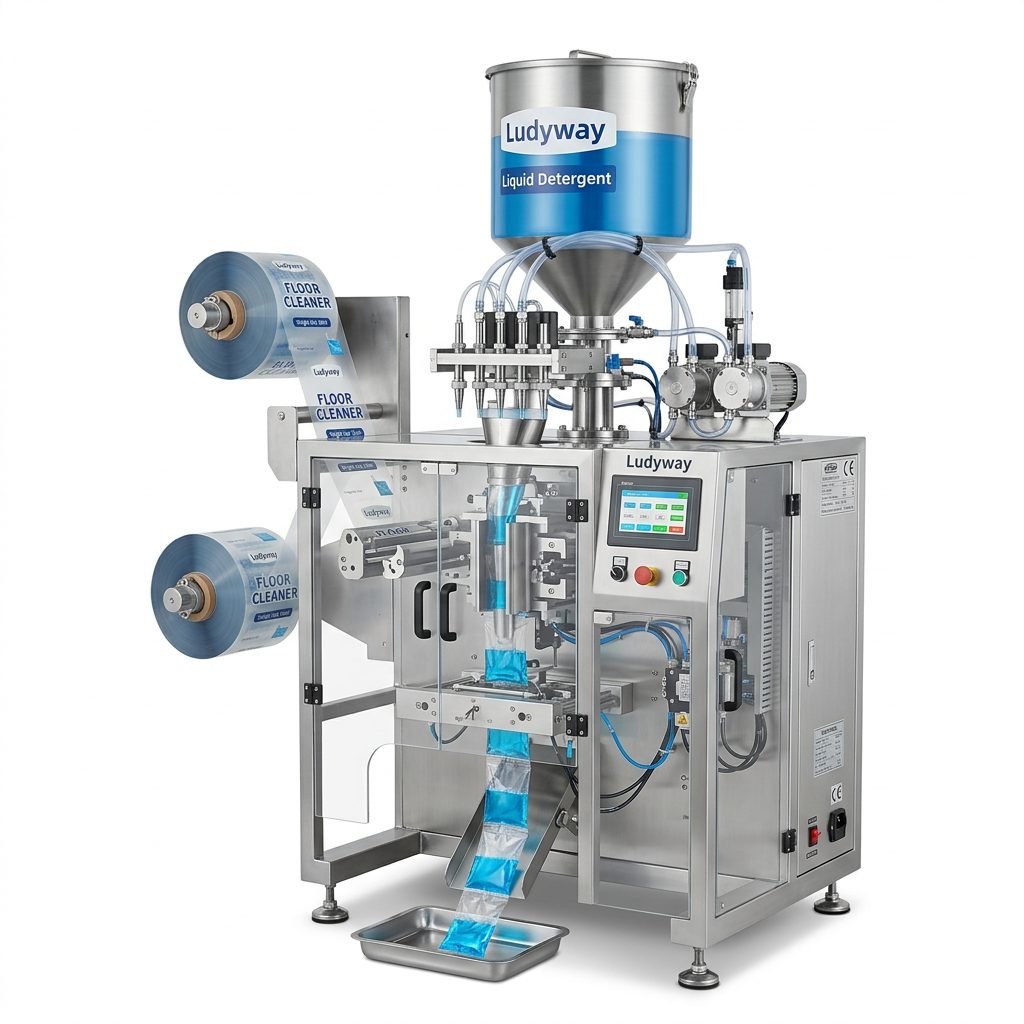
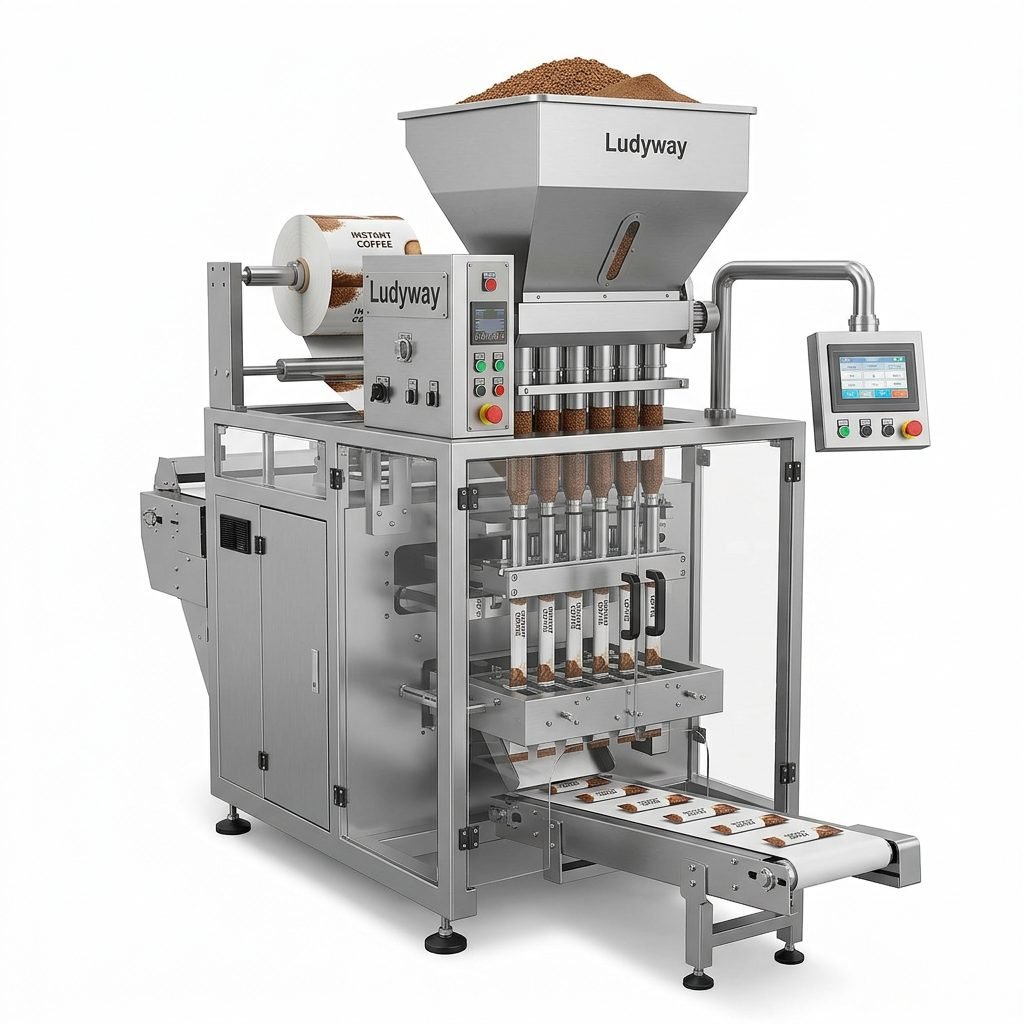
Vertical Form Fill Seal (VFFS) Machines
VFFS technology remains a workhorse for frozen ready meals, rice and grain kits, and dehydrated food products. These machines form, fill, and seal packages from roll stock film, offering cost-effective packaging for pillow bags, gusseted bags, and block-bottom formats. Modern VFFS systems integrate multi-head weighers and volumetric fillers for precise portion control.
Critical Technical Specifications to Evaluate
When sourcing a ready meal packaging machine for the South American market, several technical parameters require careful evaluation to ensure operational efficiency and product quality.
| Specification | Why It Matters | Recommended Range |
|---|---|---|
| Production Speed | Directly impacts throughput and ROI; must match market demand forecasts | 40-120 packs/min (single lane); 200-800 packs/min (multi-lane) |
| Filling Accuracy | Critical for regulatory compliance and cost control; prevents product giveaway | ±0.5% to ±1.5% depending on product type |
| Packaging Film Compatibility | Determines shelf life and barrier protection; affects operational costs | Supports PET/AL/PE, PET/PE, OPP/CPP laminates |
| Changeover Time | Affects production flexibility for multi-SKU manufacturing environments | Less than 30 minutes for complete format change |
| Power Consumption | Significant operational cost factor in regions with variable energy pricing | 3-15 kW depending on machine configuration |
| Automation Level | Reduces labor dependency and improves consistency; important for high-cost markets | Fully automatic with PLC control and HMI interface |
Food Safety and Regulatory Compliance
South American countries maintain specific food packaging regulations that align with ISO packaging standards and MERCOSUR technical regulations. Ready meal packaging machinery must support hygienic design principles, including easy-clean surfaces, stainless steel construction for food contact areas, and validation-ready processes for HACCP compliance.
- GMP compliance: Machines should facilitate Good Manufacturing Practice protocols with accessible cleaning points and minimal dead zones where food residue can accumulate
- Material traceability: Packaging systems must support batch coding, date marking, and serialization for full supply chain visibility
- Gas flushing capability: Modified atmosphere packaging extends shelf life for ready meals distributed across South America’s diverse climate zones
- Compliance with international packaging waste directives increasingly adopted by South American regulators
Cost Considerations and ROI Analysis
Investing in a ready meal packaging line represents a significant capital expenditure. South American buyers should evaluate not just the initial purchase price, but the total cost of ownership over the equipment’s lifespan.
Key Cost Factors
- Initial equipment cost: Entry-level single-lane machines start from approximately USD 25,000-50,000, while fully automated multi-lane systems range from USD 80,000 to 300,000+ depending on configuration
- Installation and commissioning: Factor in technician travel, facility preparation, and initial training costs
- Spare parts inventory: Maintain critical components locally to minimize downtime; budget 3-5% of machine value annually
- Packaging material costs: Film consumption efficiency directly impacts per-unit packaging costs
- Energy consumption: Compare motor efficiency ratings and standby power requirements across machine options
Supplier Selection and Due Diligence
Choosing the right equipment supplier is as important as selecting the machine itself. For South American buyers, considerations around local support, service capability, and spare parts availability often outweigh minor price differences. Leading manufacturers with global service networks can significantly reduce operational risk.
Questions to Ask Potential Suppliers
- Do you have local service technicians or authorized distributors in South America?
- What is the typical lead time for spare parts to our country, and do you maintain regional parts inventory?
- Can you provide references from other South American customers in the food industry?
- What warranty terms and after-sales support packages do you offer?
- Do you provide remote diagnostic capabilities for troubleshooting and maintenance guidance?
- What installation, commissioning, and operator training services are included?
Technology Trends Shaping Ready Meal Packaging
The packaging machinery landscape continues to evolve with technological innovations that South American manufacturers should consider for future-proofing their investments.
Smart Packaging Integration
Industry 4.0 capabilities, including IoT sensors, real-time production monitoring, and predictive maintenance algorithms, are becoming standard in advanced packaging machinery. These features enable manufacturers to optimize OEE (Overall Equipment Effectiveness) and reduce unplanned downtime. Companies like Ludyway, one of the largest packaging machine manufacturers in China with over 30 years of experience, offer intelligent packaging solutions that integrate seamlessly with modern factory management systems. With a 20,000 square meter manufacturing facility and more than 50 machine models serving customers across 100+ countries, their equipment supports the digital transformation goals of South American food producers.
Sustainable Packaging Capabilities
Machines designed to run recyclable mono-material films, bio-based packaging, and reduced-thickness laminates are gaining importance as South American markets adopt more stringent environmental regulations. Modern equipment should offer flexibility to handle both conventional and sustainable packaging materials without significant modifications.
Flexible Changeover and Multi-Format Capability
The ability to switch between stick packs, sachets, and pouches on a single platform provides critical agility for contract packers and manufacturers serving diverse market segments. Quick-change tooling and recipe-driven setups minimize downtime and enable efficient small-batch production.
Comparing Packaging Formats for Ready Meals
| Packaging Format | Best For | Advantages | Typical Speed Range |
|---|---|---|---|
| Stick Pack | Single-serve powders, meal replacement drinks, instant soups | Excellent portion control, low material usage, portable | 400-800 packs/min (multi-lane) |
| Sachet / Flat Pouch | Sauces, condiments, seasoning mixes, small meal components | Cost-effective, high-speed capability, wide material compatibility | 200-600 packs/min (multi-lane) |
| Stand-Up Pouch | Complete ready meals, rice and grain kits, frozen entrees | Premium shelf presence, resealable options, excellent barrier | 40-120 pouches/min |
| Pillow Bag | Frozen meals, bulk food service packs, economy formats | Low packaging cost, high-speed VFFS production | 60-150 bags/min |
| Retort Pouch | Shelf-stable ready meals, long-life products for remote distribution | No refrigeration needed, extended shelf life, robust barrier | 30-80 pouches/min |
Installation and Operational Best Practices
Successful implementation of a ready meal packaging machine in South America requires attention to installation planning, operator training, and ongoing maintenance protocols. Consider the following best practices.
- Facility preparation: Ensure adequate floor space, utility connections (compressed air, electrical supply matching local voltage standards), and environmental controls for temperature and humidity
- Operator training: Invest in comprehensive training programs covering machine operation, troubleshooting, and safety procedures; Spanish and Portuguese language training materials are advantageous
- Preventive maintenance schedule: Establish a structured maintenance program aligned with manufacturer recommendations to maximize equipment lifespan
- Packaging material qualification: Test and validate film specifications with local suppliers to ensure consistent machine performance under South American climate conditions
- Performance metrics tracking: Monitor key KPIs including OEE, downtime frequency, scrap rates, and throughput to drive continuous improvement

Making the Final Decision
Selecting the right packaging machinery for your ready meal operation in South America requires balancing multiple factors. Start by clearly defining your product specifications, production volume requirements, and budget parameters. Then, evaluate machines from reputable manufacturers with proven experience in food packaging applications and a commitment to supporting customers in your region. Request detailed proposals including total cost of ownership projections, visit reference installations where possible, and prioritize suppliers offering comprehensive after-sales support. With thorough due diligence and a clear understanding of your operational needs, you can select a packaging solution that drives growth and competitiveness in the dynamic South American ready meal market.
For more information on packaging machine selection, factory integration, and turnkey production line solutions, explore resources from PMMI – The Association for Packaging and Processing Technologies and the Flexible Packaging Association. These organizations provide valuable industry data, technical standards, and market intelligence to support informed equipment purchasing decisions.