Setting up a cookie packaging machine production line in the United States requires careful planning, the right equipment selection, and a clear understanding of regulatory standards. Whether you are launching a new bakery brand or scaling an existing operation, an efficient packaging line can dramatically improve productivity, shelf life, and brand presentation. This guide walks you through the essential equipment, cost considerations, and step-by-step process for building a successful cookie packaging operation in the USA.
Understanding Your Cookie Packaging Requirements
Before investing in machinery, you must define your production goals. Cookies come in various shapes, sizes, and fragility levels — from delicate wafer sticks to thick, chunky varieties. The type of packaging format you choose will directly influence your equipment needs. Common formats include flow wrap, pillow packs, slug packs, tray-loaded cartons, and vertical form-fill-seal (VFFS) pouches. Each format has its own advantages in terms of speed, protection, and shelf appeal.
Additionally, consider whether you need modified atmosphere packaging (MAP) to extend freshness, or if your cookies require gentle handling to prevent breakage. Understanding these factors early will help you select the right machinery and avoid costly modifications later.
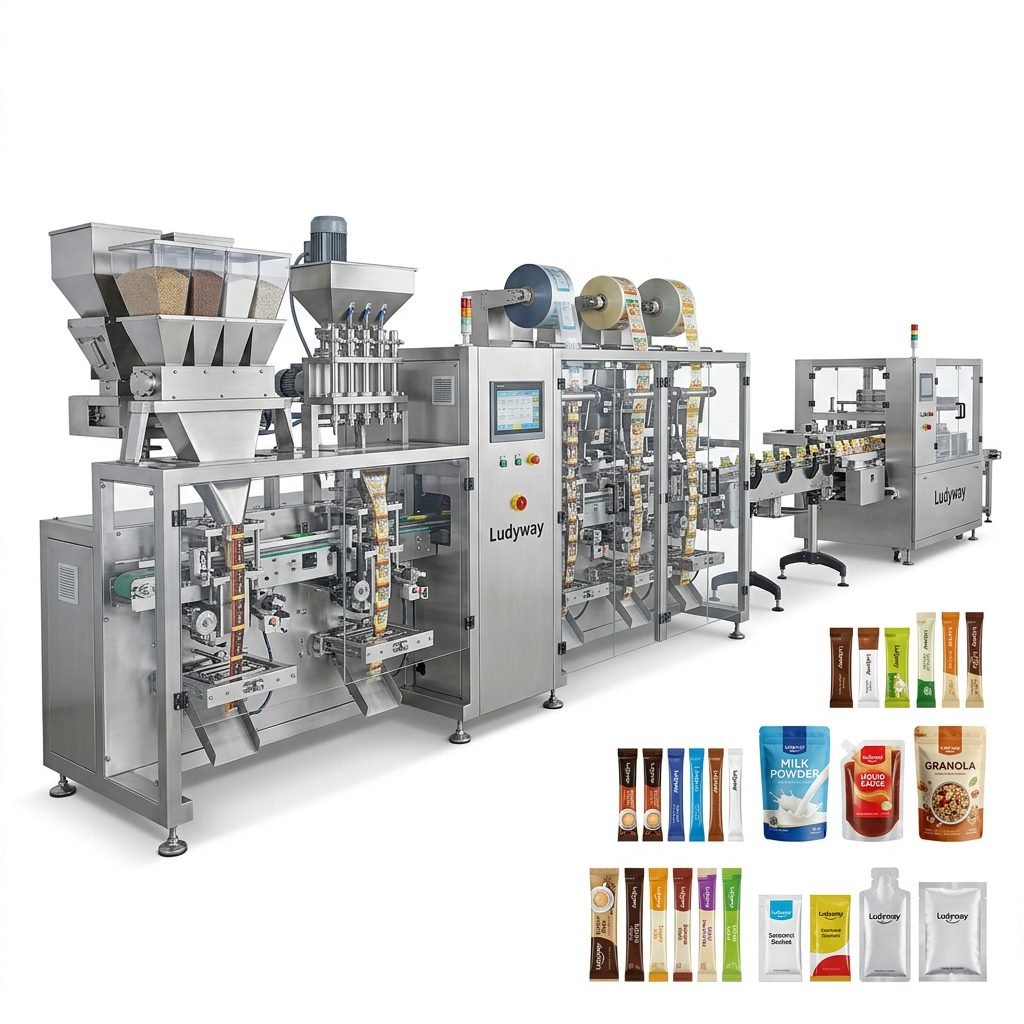
Key Equipment for a Cookie Packaging Production Line
A complete cookie packaging line typically consists of several interconnected machines. Below are the core components you will need to evaluate:
1. Feeding and Orienting Systems
Cookies must be properly aligned and fed into the packaging machine at a consistent rate. Automatic feeding systems reduce manual labor and increase throughput. Depending on your cookie type, you may need vibratory feeders, belt conveyors with lane guides, or robotic pick-and-place units for delicate products. Proper orientation ensures each cookie is positioned correctly for wrapping or cartoning.
2. Flow Wrapping Machines (Horizontal Form-Fill-Seal)
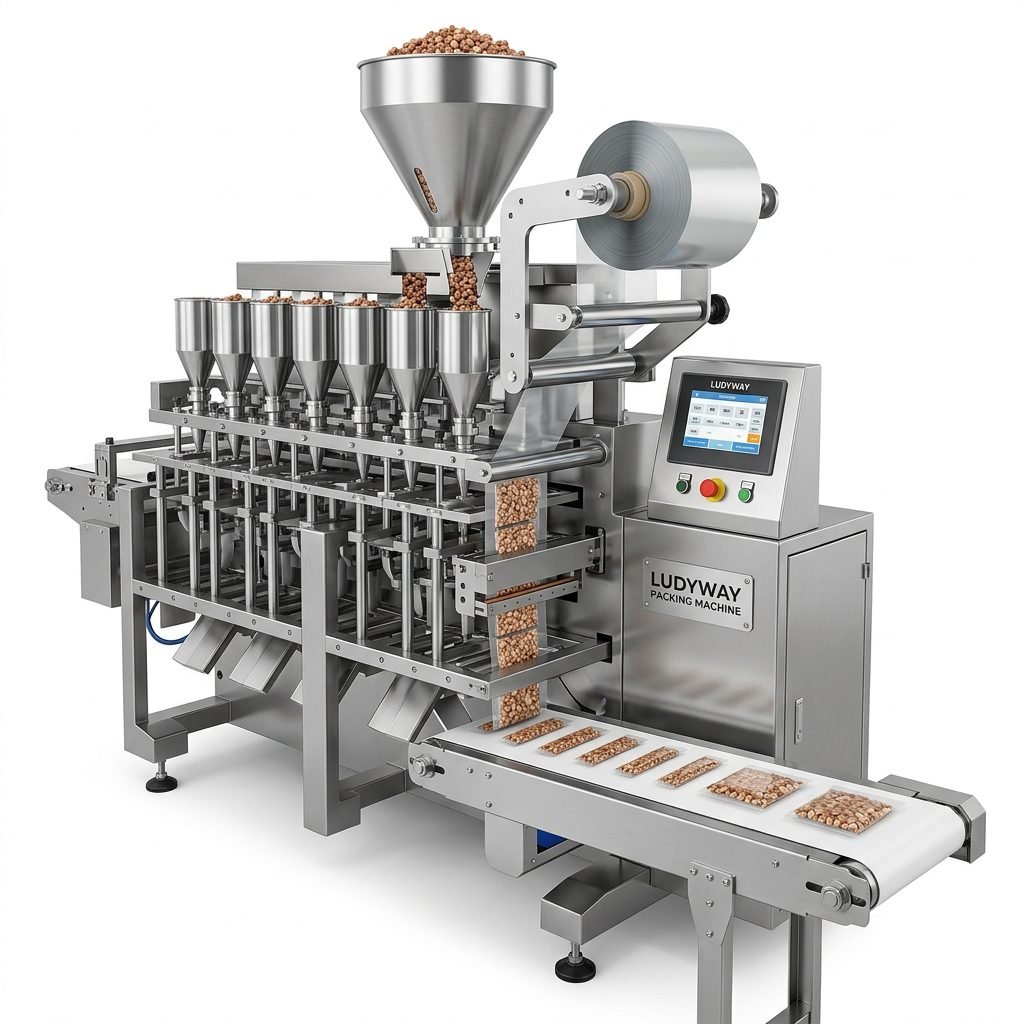
The horizontal flow wrapper is the most common machine for cookie packaging. It wraps individual cookies or stacks in a continuous film tube, creating a pillow-pack or fin-seal package. Look for models with servo-driven controls for precise film registration and minimal waste. Features like automatic film splicing and quick-change forming boxes can significantly reduce downtime during product changeovers.
3. Vertical Form-Fill-Seal (VFFS) Systems
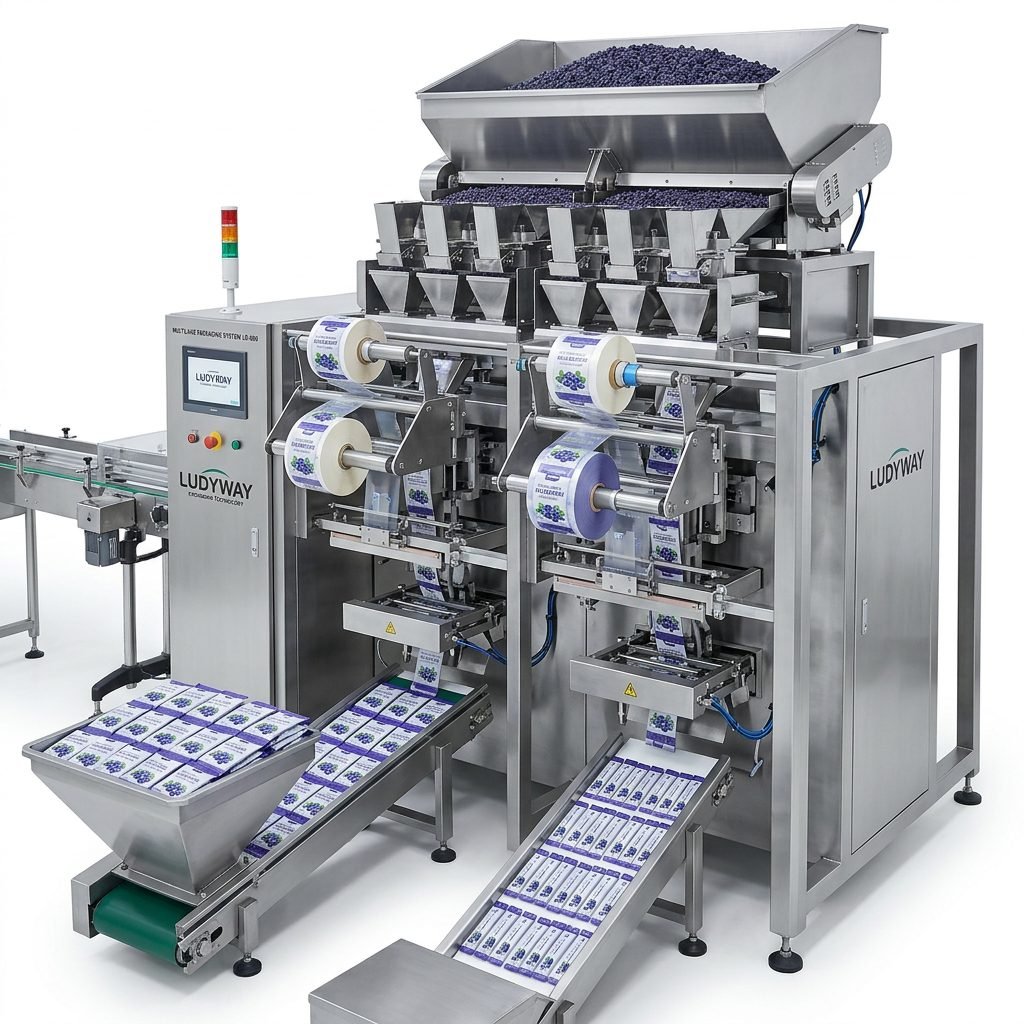
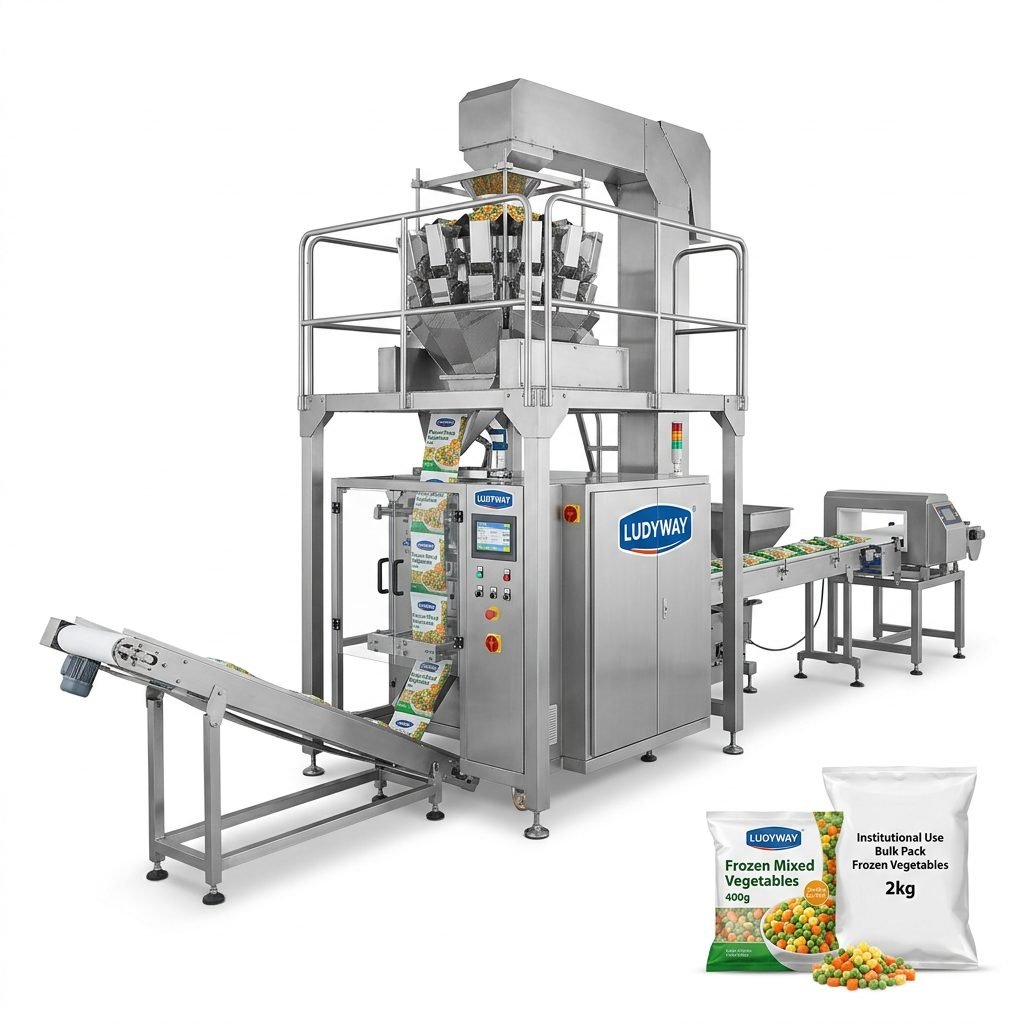
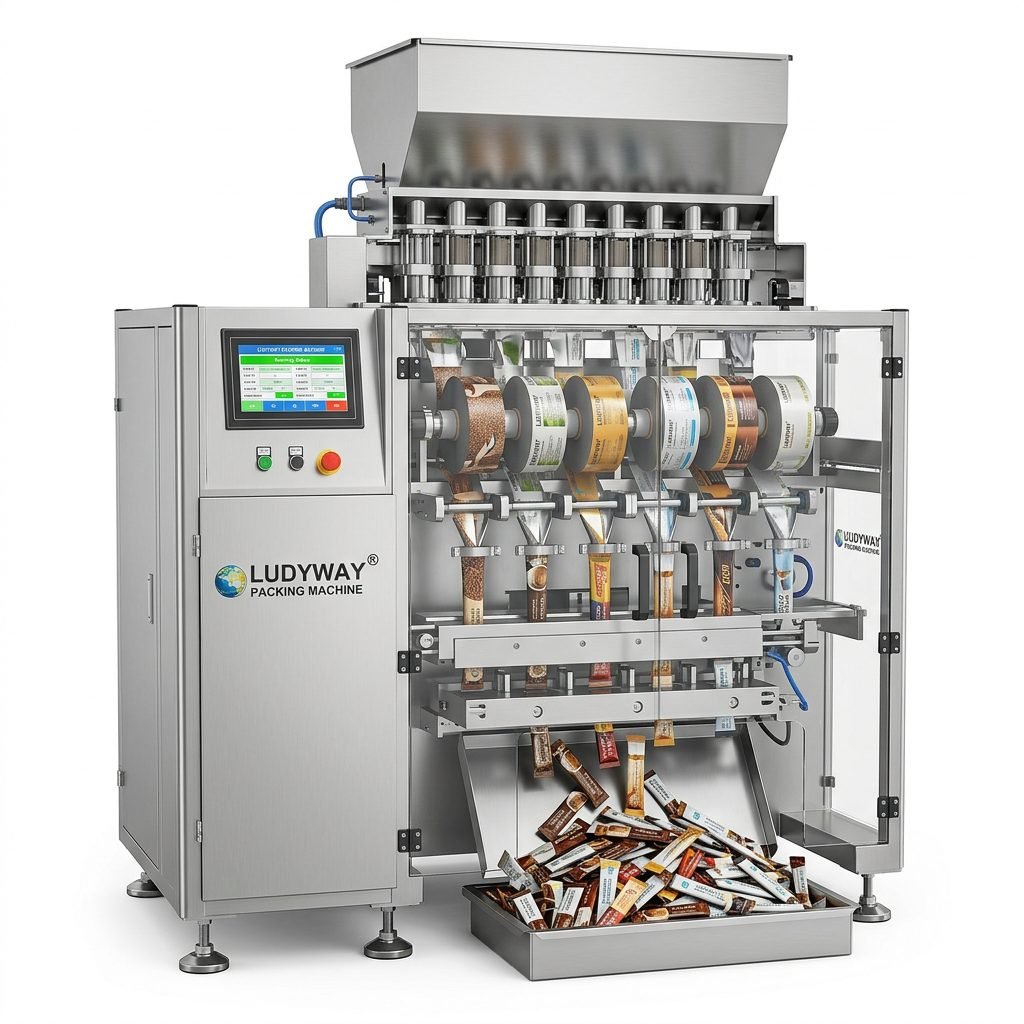
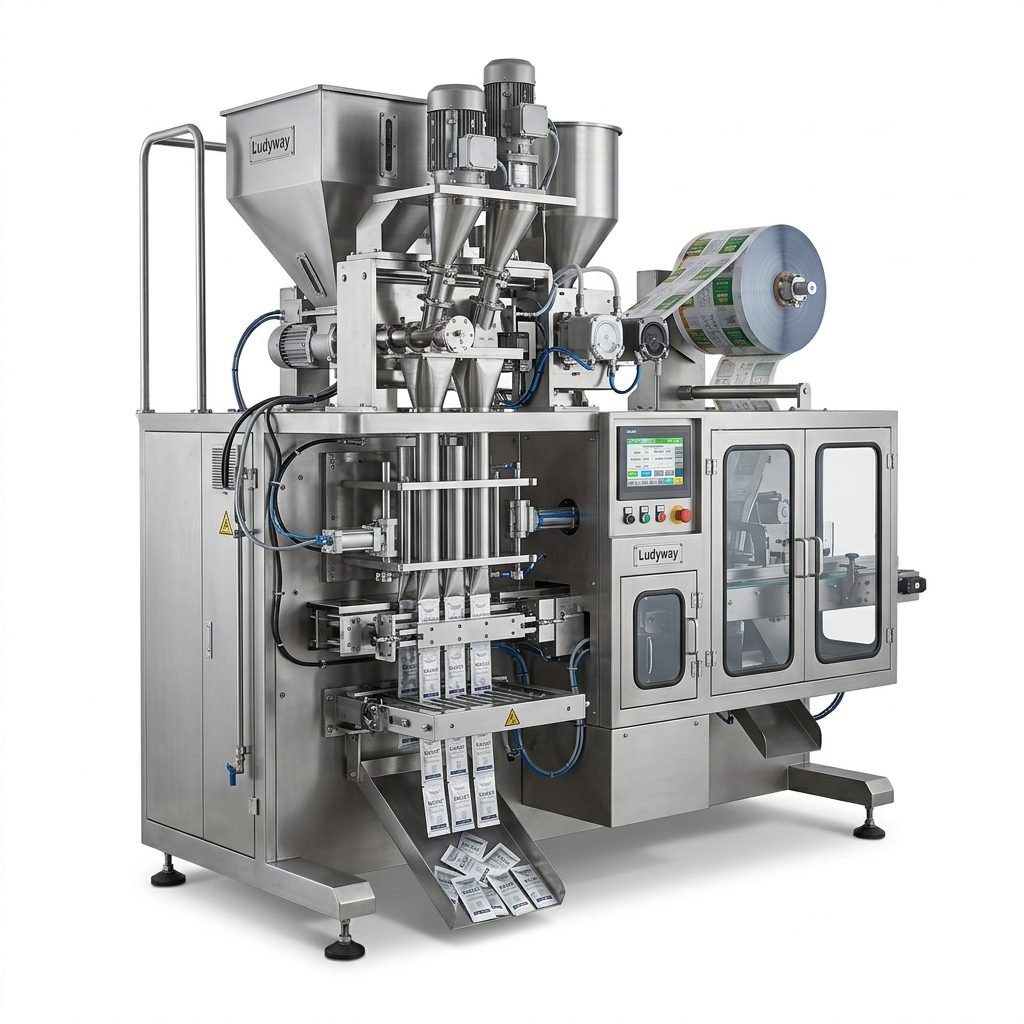
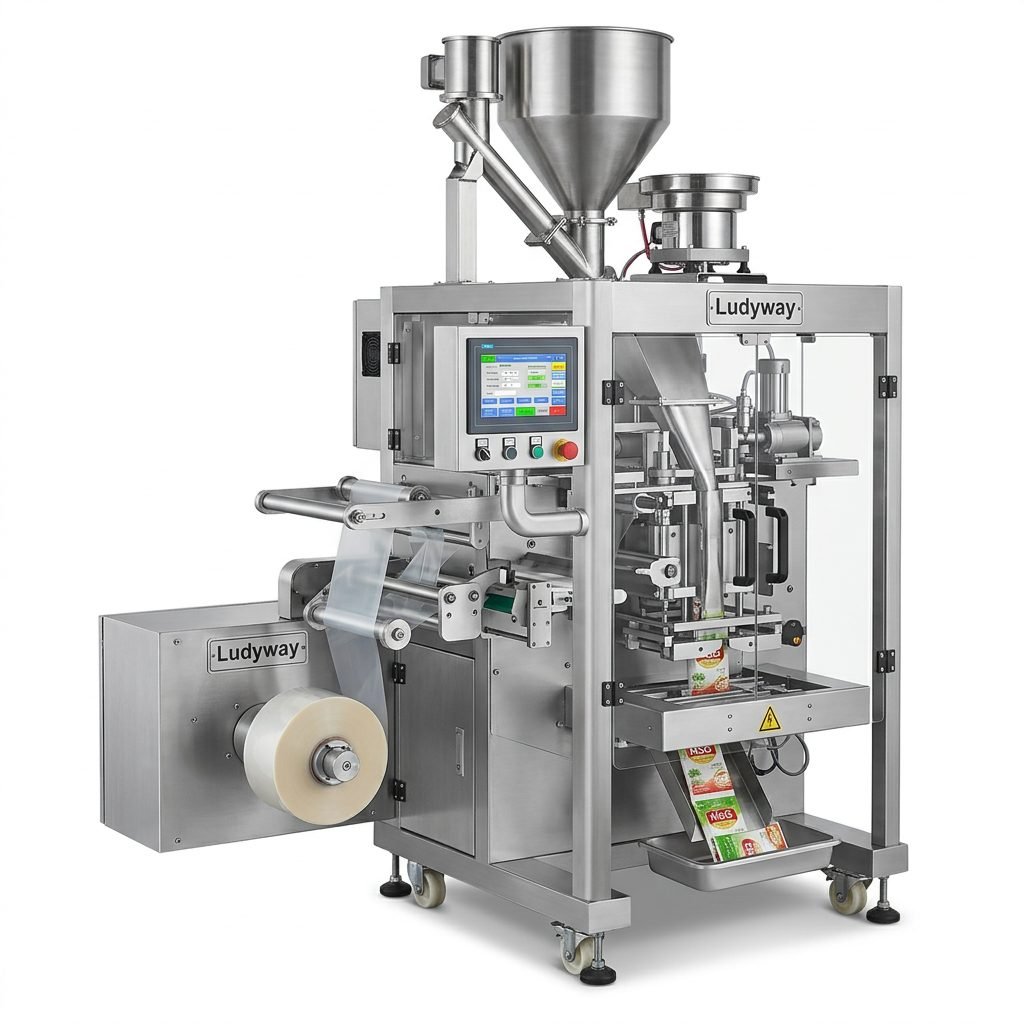
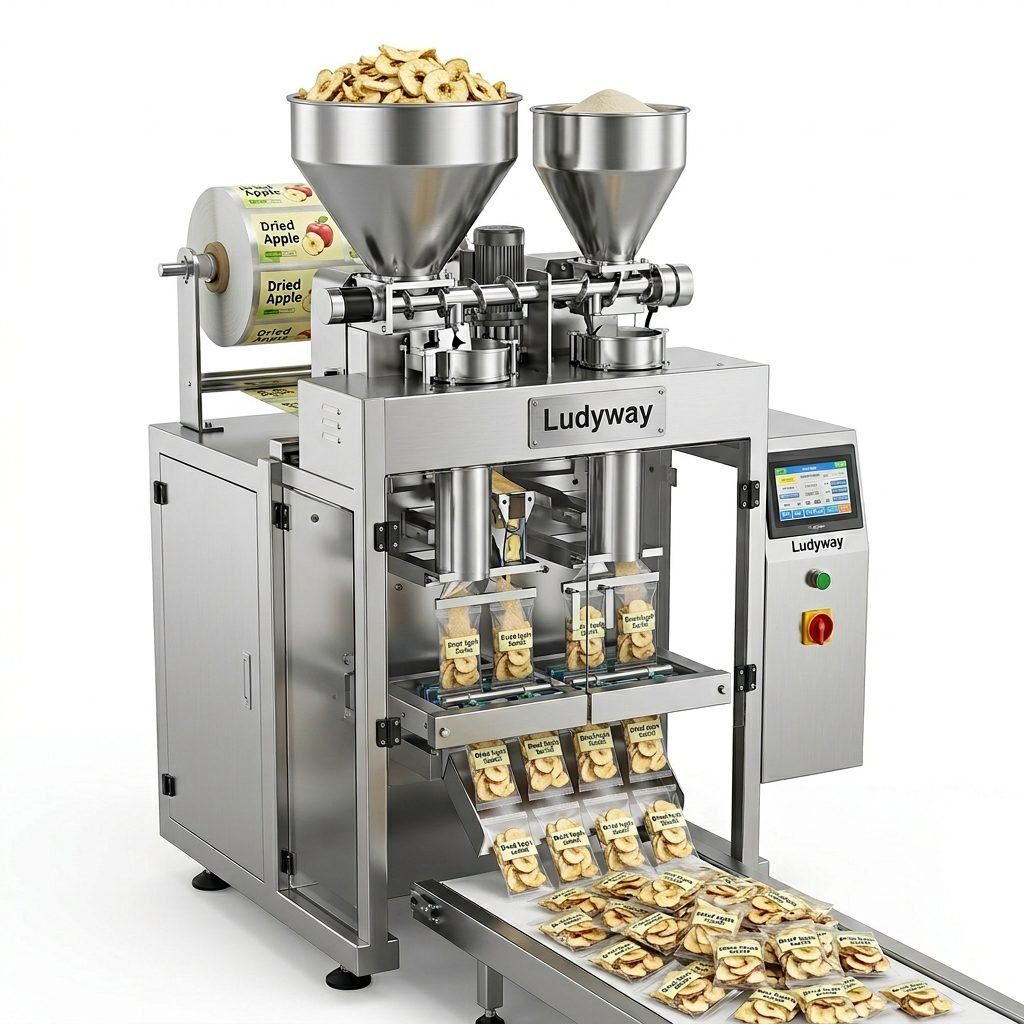
For packaging cookie pieces, mini cookies, or bulk quantities in stand-up pouches or gusseted bags, VFFS machines offer excellent versatility. These systems form a bag from a flat roll of film, fill it with product, and seal it — all in a vertical orientation. They are particularly suitable for resealable pouch formats, which are increasingly popular with American consumers seeking convenience and portion control.
4. Cartoning and Case Packing Equipment
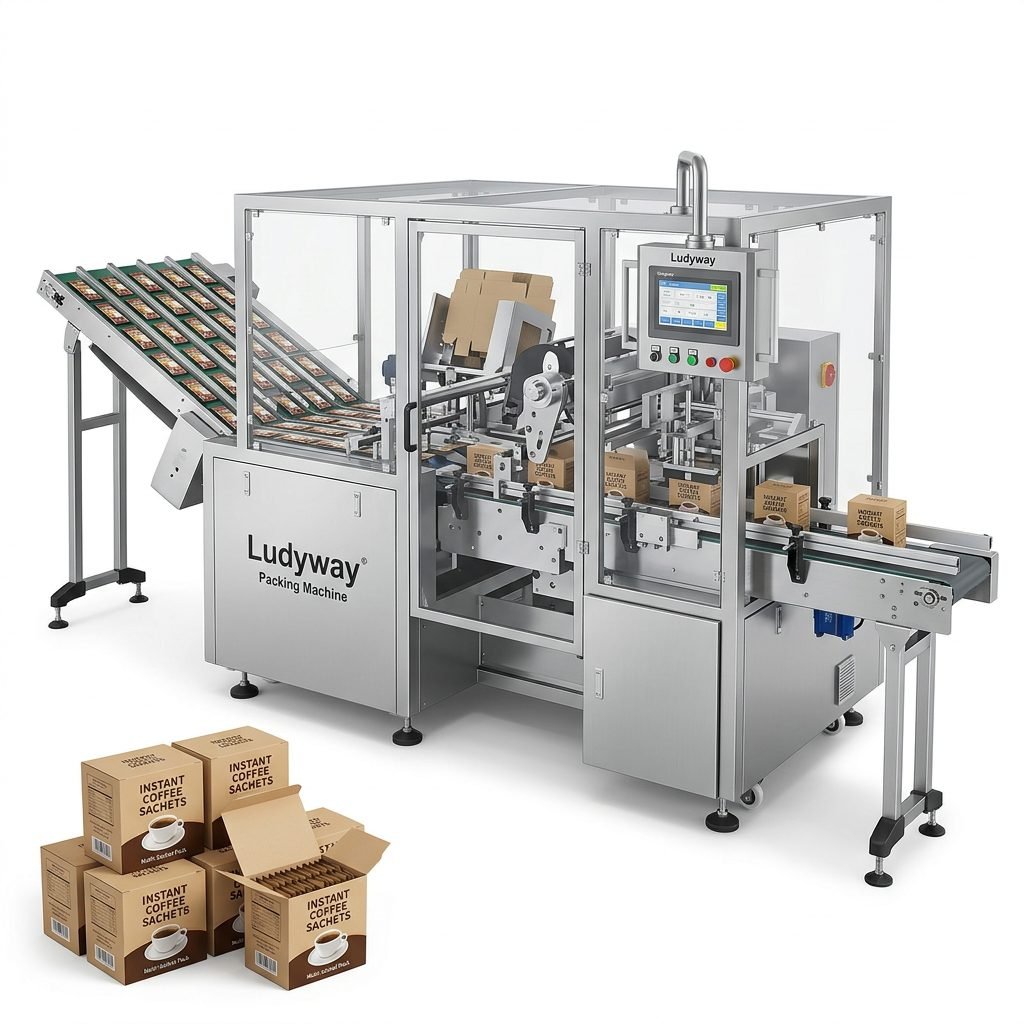
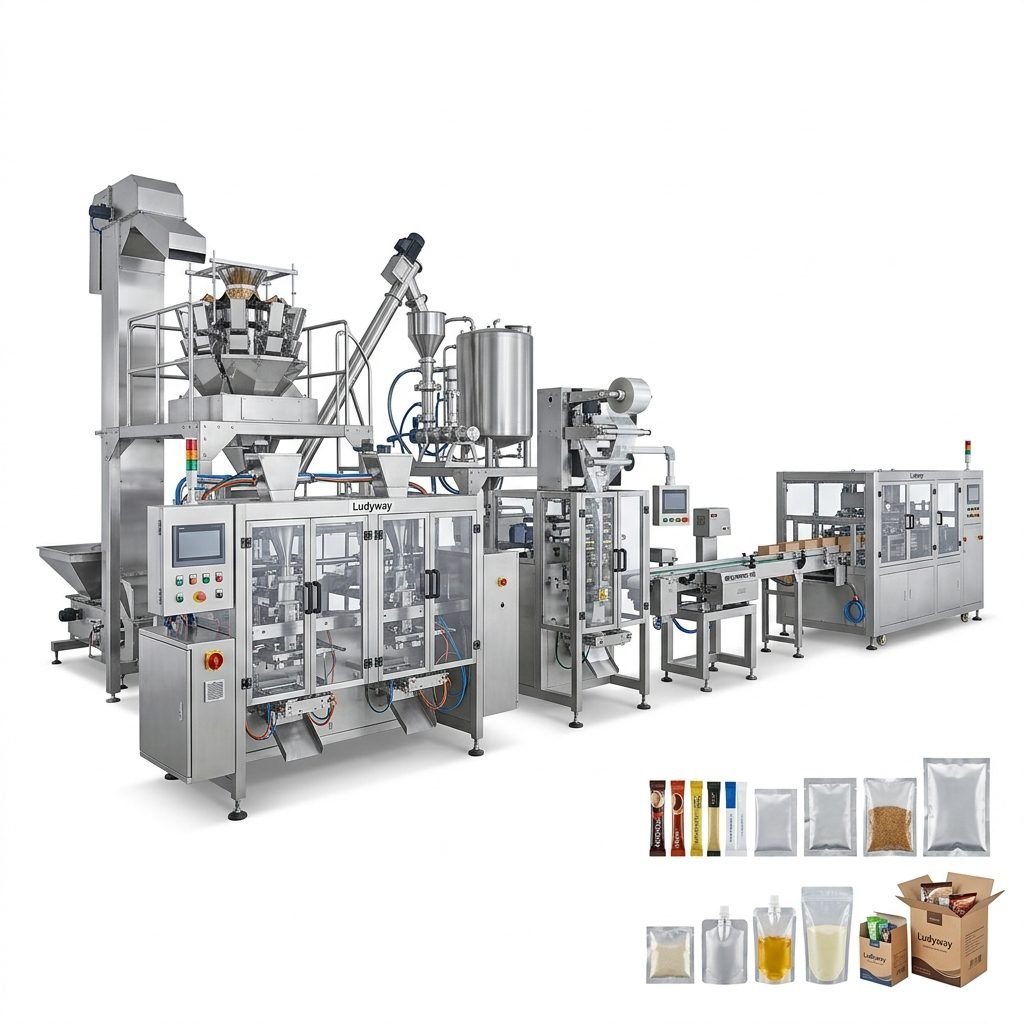
Once cookies are wrapped, they often need to be placed into cartons or display boxes. Automatic cartoners erect, fill, and close cartons at high speed. For larger distribution units, case packers and palletizers automate the end-of-line process, preparing finished products for warehouse storage and shipping. Integrating case packing with upstream flow wrappers creates a seamless turnkey packaging line that maximizes efficiency.
5. Inspection and Quality Control Systems
Maintaining product quality is essential for brand reputation. Checkweighers, metal detectors, and X-ray inspection systems are critical additions to any modern cookie packaging line. These devices detect foreign contaminants, verify package weight, and reject non-conforming products automatically. Installing inspection equipment at multiple points in the line helps ensure compliance with FDA food safety regulations and retailer requirements.
Estimated Costs for a Cookie Packaging Line in the USA
The total investment for a cookie packaging production line varies widely based on automation level, production speed, and packaging complexity. Below is a general cost breakdown for different tiers of production:
| Production Tier | Output Range | Key Equipment | Estimated Cost (USD) |
|---|---|---|---|
| Entry-Level / Semi-Automatic | 30–80 packs/min | Single flow wrapper, manual feeding, basic sealer | $50,000 – $150,000 |
| Mid-Range / Automated | 80–200 packs/min | Multi-lane flow wrapper, auto-feeder, checkweigher, cartoner | $200,000 – $600,000 |
| High-Speed / Fully Integrated | 200–500+ packs/min | Servo-driven multi-lane system, robotic pick-and-place, MAP, full inspection, case packing, palletizing | $700,000 – $2,000,000+ |
Beyond equipment purchase, factor in additional costs such as shipping and logistics, installation and commissioning, operator training, facility modifications, and ongoing maintenance. Many manufacturers also budget 10–15% of the equipment cost for spare parts and technical support during the first year of operation. It is wise to work with suppliers who offer comprehensive after-sales service and remote troubleshooting capabilities.
Step-by-Step Guide to Setting Up Your Cookie Packaging Line
Following a structured approach will help you avoid common pitfalls and ensure a smooth startup. Here are the essential steps:
Step 1: Define Product Specifications and Packaging Format
Document every detail about your cookie product — dimensions, weight, fragility, moisture sensitivity, and desired shelf life. Decide on the primary packaging format (flow wrap, pouch, carton, or combination) and the secondary packaging needed for retail display and distribution. Clear specifications will guide all subsequent equipment decisions.
Step 2: Research and Select Equipment Suppliers
Evaluate multiple suppliers based on their experience with bakery and cookie applications. Request detailed proposals, including machine specifications, floor plans, utility requirements, and lead times. If possible, visit supplier facilities or request video demonstrations of similar lines in operation. Consider suppliers that can provide a complete, integrated solution rather than piecing together equipment from multiple vendors.
Step 3: Design the Production Floor Layout
Work with your equipment supplier or a packaging engineer to design an efficient floor layout that optimizes material flow, minimizes operator movement, and allows for future expansion. Ensure adequate space for raw material staging, finished product accumulation, and maintenance access. The layout should also comply with FDA facility requirements for food manufacturing, including proper separation of raw and finished product areas.

Step 4: Prepare Utilities and Infrastructure
Packaging machinery typically requires compressed air, electrical power, and sometimes nitrogen or CO2 for MAP applications. Ensure your facility has adequate capacity and that all connections meet local codes. Installing proper ventilation, dust extraction, and climate control will protect both product quality and equipment reliability.
Step 5: Installation, Commissioning, and Training
Coordinate with your supplier to schedule equipment delivery, installation, and commissioning. Factory acceptance testing (FAT) before shipment and site acceptance testing (SAT) after installation are critical quality assurance steps. Invest time in comprehensive operator training — well-trained staff will maximize line efficiency and reduce downtime caused by operator errors.
Step 6: Validate and Ramp Up Production
Begin with low-speed production runs to fine-tune machine settings, film tension, sealing temperatures, and inspection parameters. Conduct package integrity tests (seal strength, leak detection) and verify that finished packages meet your quality standards. Gradually increase line speed as operators gain confidence and the process stabilizes. Document all settings and procedures for future reference.
Regulatory Compliance and Food Safety Considerations
Operating a food packaging line in the USA requires adherence to several key regulations. The FDA’s Current Good Manufacturing Practice (CGMP) regulations under 21 CFR Part 117 establish baseline requirements for food safety. Packaging materials must be suitable for food contact and comply with FDA food contact substance regulations. Additionally, PMMI packaging standards provide valuable guidance on machinery safety and performance.
If you plan to distribute through major retailers, compliance with Global Food Safety Initiative (GFSI) benchmarked schemes such as SQF or BRCGS may be required. These programs mandate rigorous documentation, traceability systems, and environmental monitoring programs. Working with equipment suppliers who understand these requirements can streamline your certification process. International ISO packaging standards also provide useful frameworks for quality management.
Optimizing Line Efficiency and Reducing Downtime
Once your line is operational, focus on continuous improvement. Monitor overall equipment effectiveness (OEE) — a metric that combines availability, performance, and quality. Even small improvements in OEE can yield significant returns. Key strategies include:
- Implementing preventive maintenance schedules based on equipment usage and manufacturer recommendations
- Maintaining a critical spare parts inventory for high-wear components such as seals, belts, and sensors
- Training operators on basic troubleshooting to resolve minor issues without waiting for technical support
- Analyzing downtime data to identify recurring problems and root causes
- Using remote monitoring systems that allow suppliers to diagnose issues quickly and provide support
Future-Proofing Your Packaging Line
As consumer preferences evolve, your packaging line should be flexible enough to adapt. Consider investing in equipment that supports sustainable packaging materials such as recyclable mono-material films, paper-based wraps, and compostable options. The Flexible Packaging Association provides extensive resources on sustainable packaging trends and innovations relevant to cookie manufacturers targeting environmentally conscious consumers.
Automation and data integration are also transforming packaging operations. Smart sensors, IoT connectivity, and production analytics platforms enable real-time visibility into line performance. These technologies help you make data-driven decisions, predict maintenance needs, and respond quickly to production issues. When selecting new equipment, prioritize machines with open communication protocols and upgrade paths for future technology integration.
Working with Reliable Packaging Solution Providers
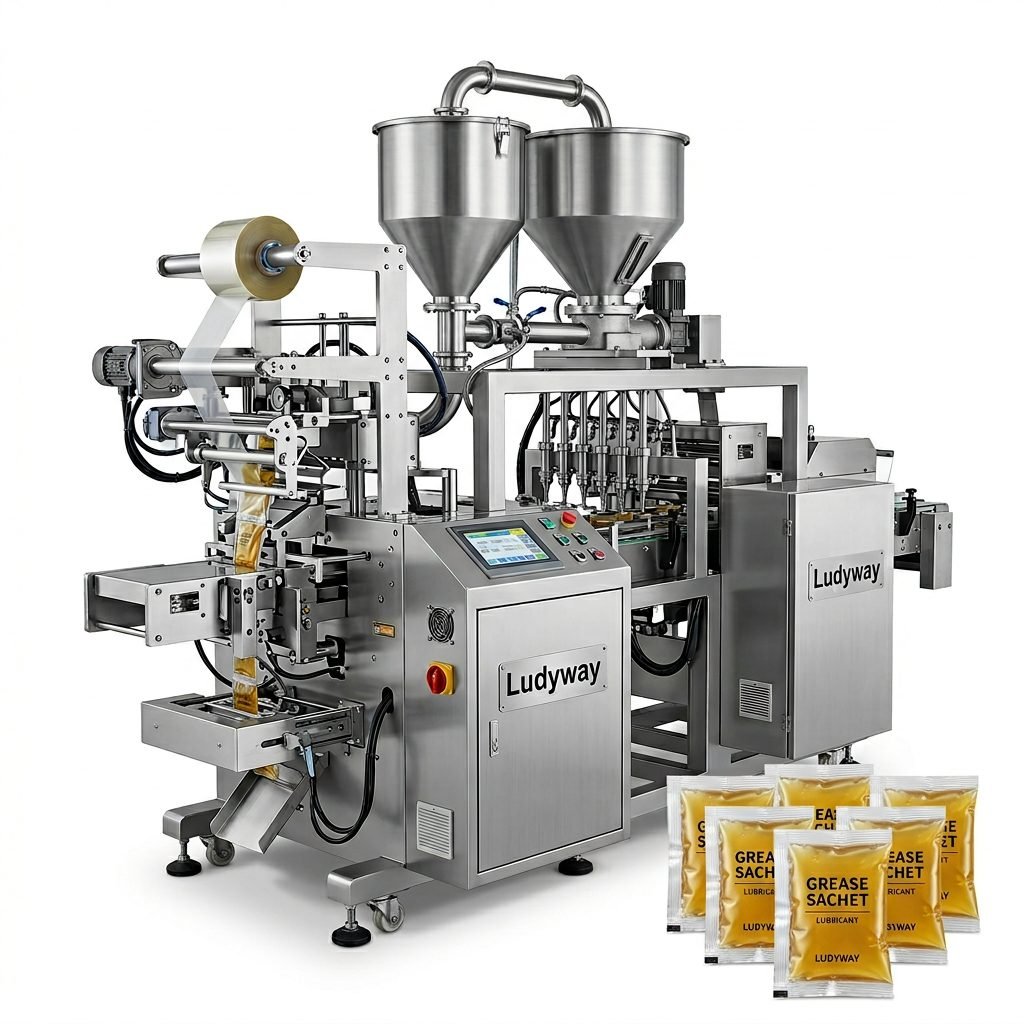
Choosing the right equipment partner is one of the most important decisions you will make. Look for suppliers with a proven track record in the food packaging industry, comprehensive technical support, and a commitment to innovation. A good partner will help you design the optimal line configuration, provide thorough documentation and training, and support you throughout the equipment lifecycle. When evaluating suppliers, consider their experience with turnkey packaging solutions that integrate feeding, wrapping, cartoning, inspection, and end-of-line systems into a cohesive, efficient operation. Ludyway is one of the largest packaging machine manufacturers with over 30 years of industry expertise, offering advanced equipment and turnkey production solutions for granule, powder, liquid, and pouch packaging applications across food, pharmaceutical, and health industries worldwide.
Key Takeaways for Your Cookie Packaging Line Investment
- Start with clear product and packaging specifications to guide equipment selection
- Budget beyond equipment cost — include installation, training, infrastructure, and maintenance
- Prioritize food safety compliance with FDA regulations and GFSI standards from day one
- Invest in operator training to maximize productivity and minimize downtime
- Plan for future flexibility — choose equipment compatible with sustainable materials and smart factory technologies
- Partner with experienced suppliers who offer end-to-end support from design through after-sales service
Explore PMMI Packaging Industry Resources → |
FDA Food Packaging Guidance → |
Flexible Packaging Industry Data →