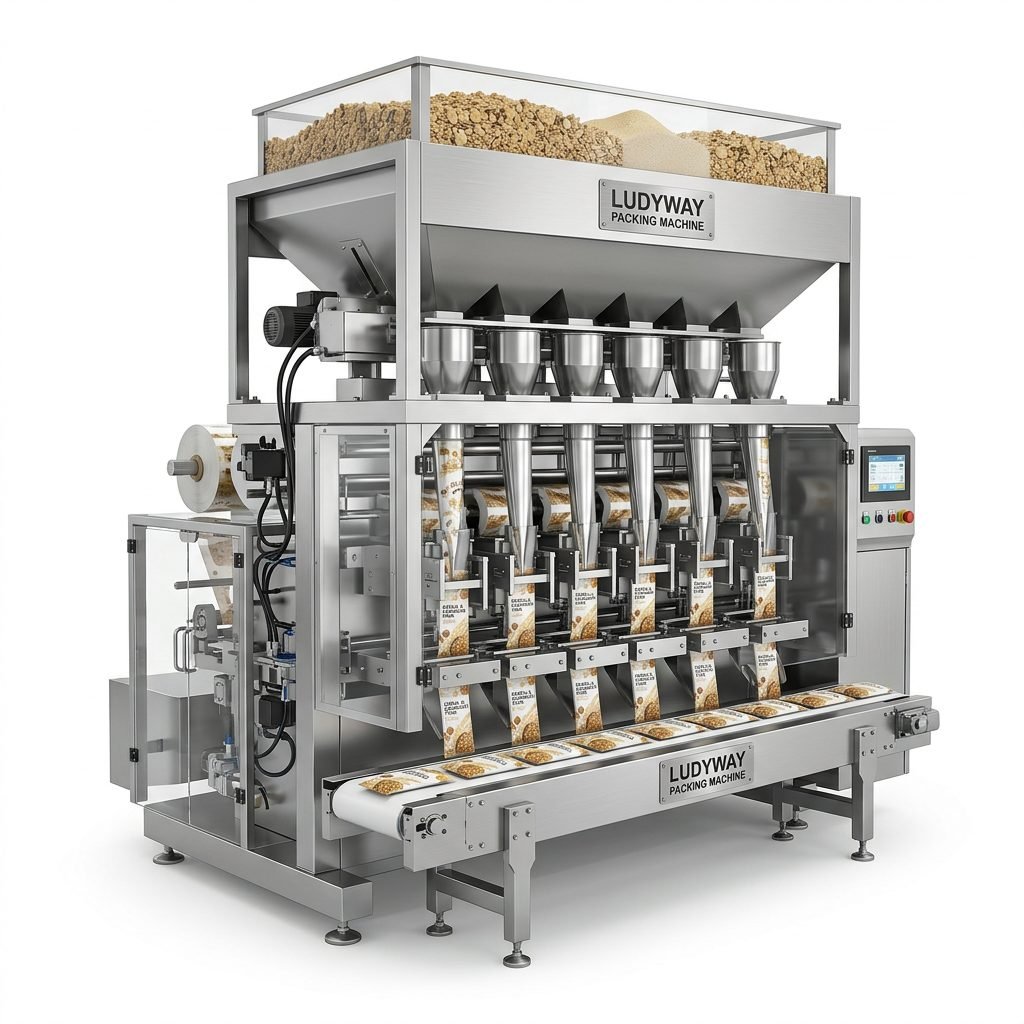
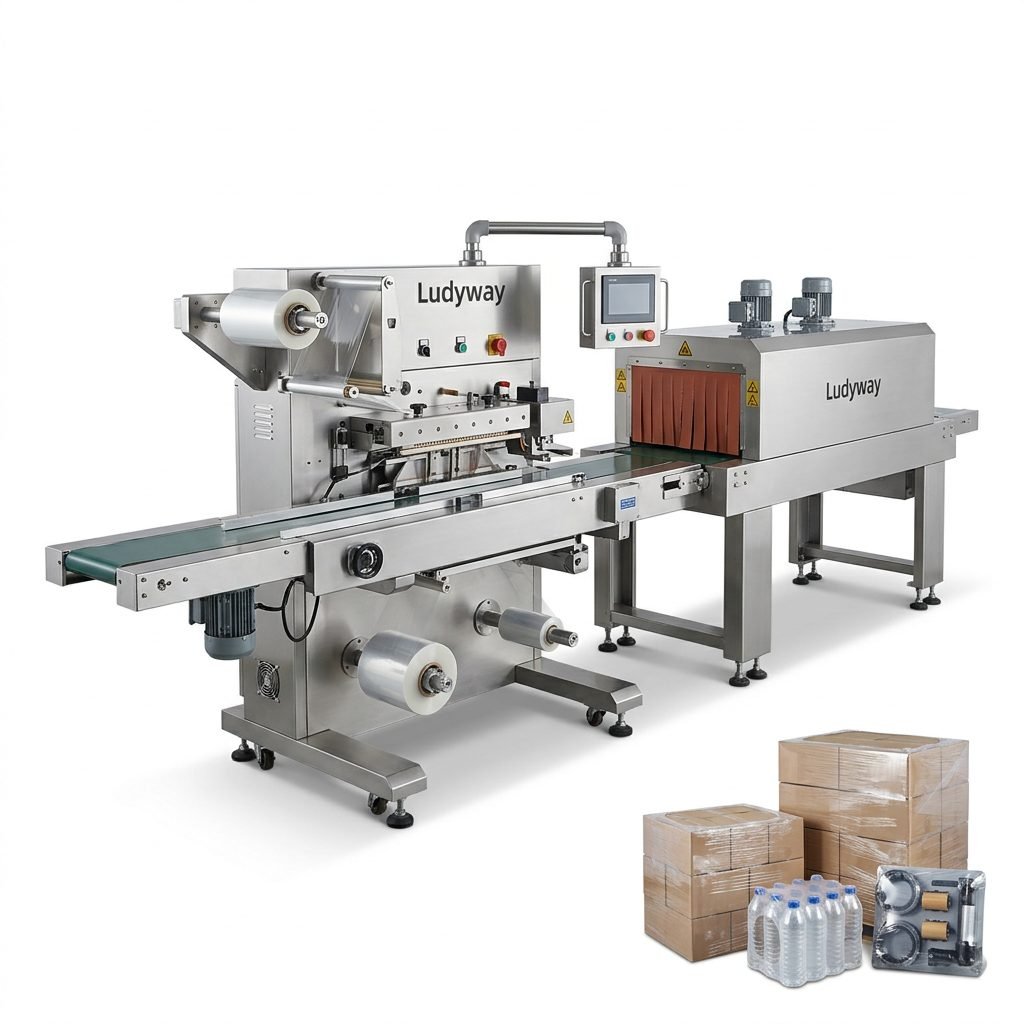
Selecting the right IMA packaging machine is one of the most critical investment decisions for manufacturers in the food, pharmaceutical, cosmetic, and chemical industries. Whether you are automating a manual line, expanding production capacity, or entering new packaging formats, the equipment you choose directly affects operational efficiency, product quality, and long-term profitability.

This comprehensive buyer’s guide walks you through the essential factors to evaluate when choosing an IMA packaging solution, helping you align machine capabilities with your production goals. For manufacturers seeking a reliable packaging machinery partner, understanding these selection criteria is the first step toward a successful investment.
Understanding Your Production Requirements
Before comparing specific IMA packaging machine models, define your operational parameters clearly. The most common mistake buyers make is selecting equipment based on price alone without fully analyzing their production volume, product characteristics, and future scalability needs.
Key Questions to Answer Before Sourcing
- What is your target output — pieces per minute, bags per hour, or tons per day?
- What are your product’s physical properties — powder, granule, liquid, paste, or solid items?
- What packaging format do you require — sachets, stick packs, pouches, bottles, or bulk bags?
- What level of automation does your facility support — semi-automatic, fully automatic, or complete turnkey line integration?
- What are your regulatory requirements — FDA compliance, ISO standards, GMP guidelines, or industry-specific certifications?

Types of IMA Packaging Machines and Their Applications
IMA packaging equipment spans a wide range of technologies, each designed for specific product types and packaging formats. Understanding the core categories helps narrow your options efficiently. To explore the broader packaging machinery market and industry trends, reference data from PMMI can provide valuable benchmarking insights.
| Machine Type | Best For | Packaging Formats | Typical Industries |
|---|---|---|---|
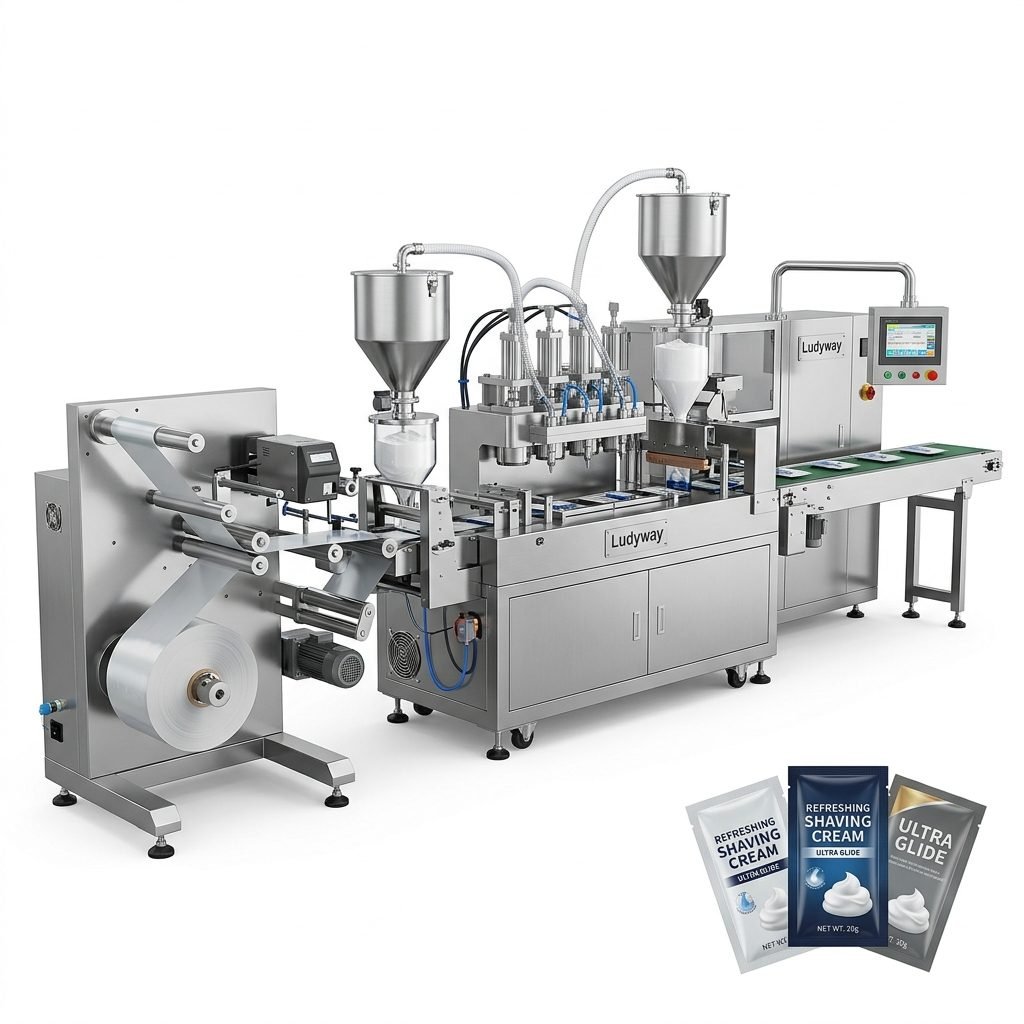
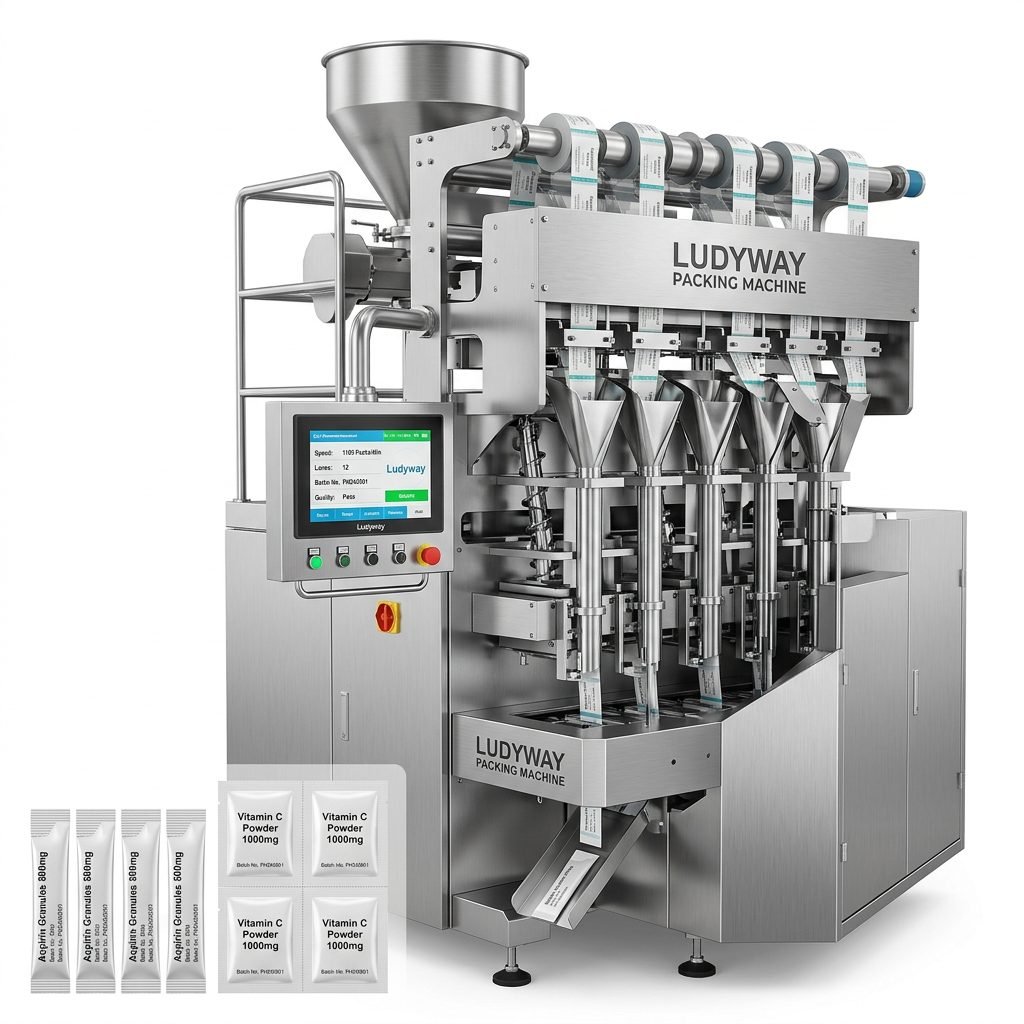
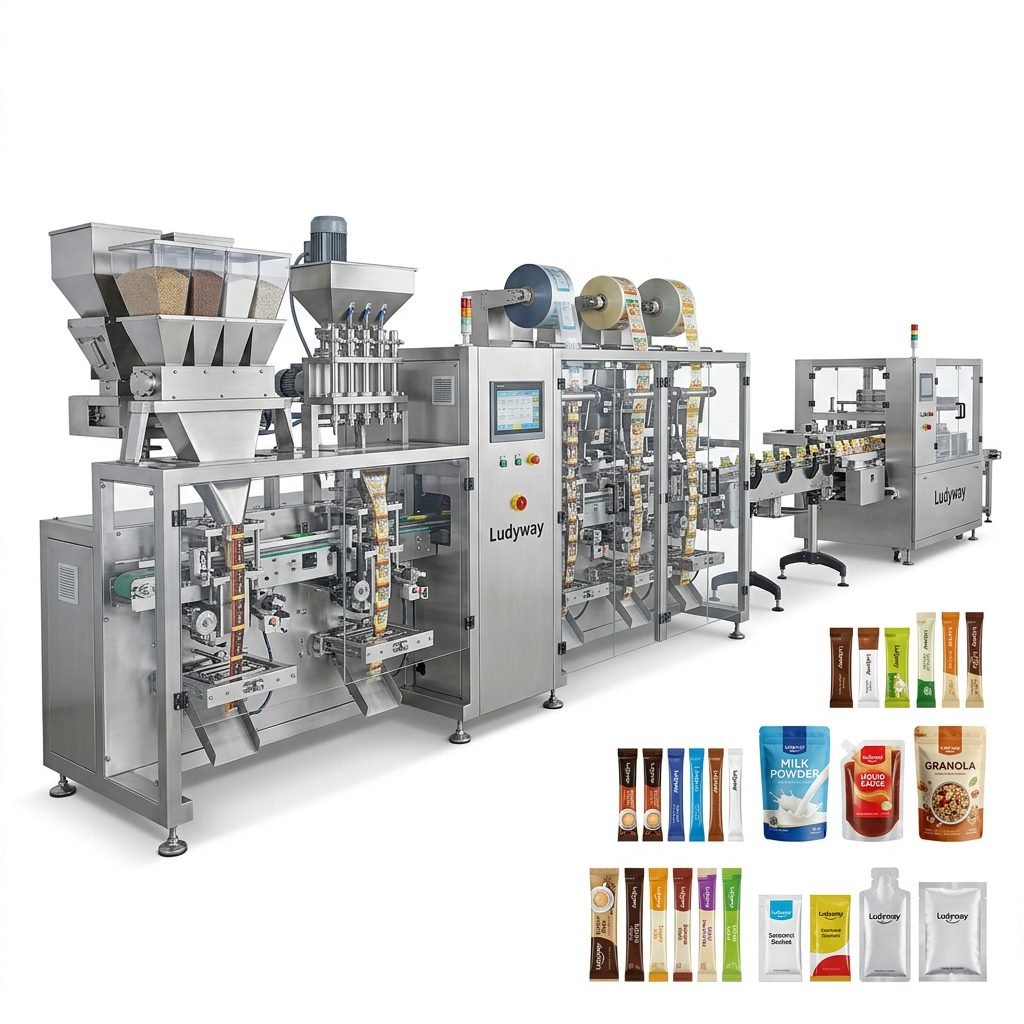
| Sachet Packaging Machines | Powders, granules, liquids in small doses | Single-serve sachets, sample packs | Food, pharma, cosmetics |
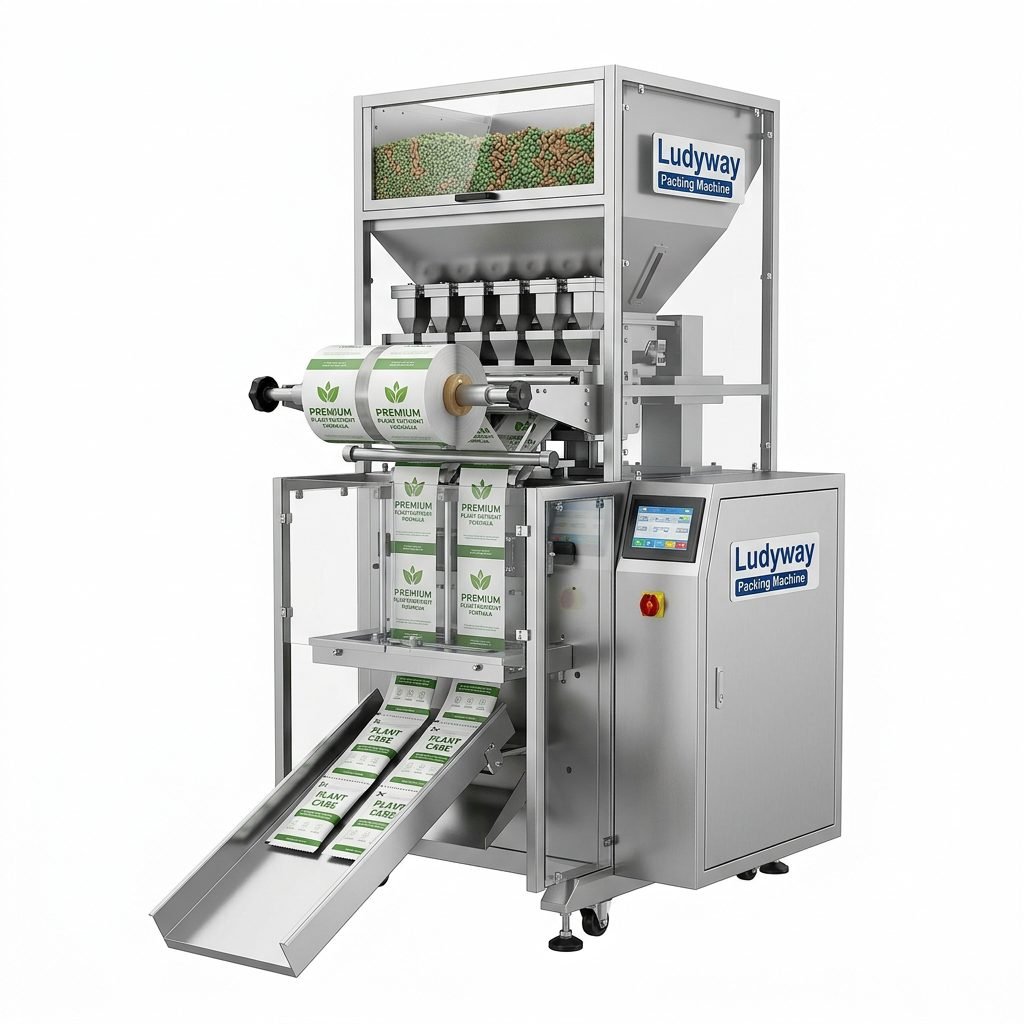
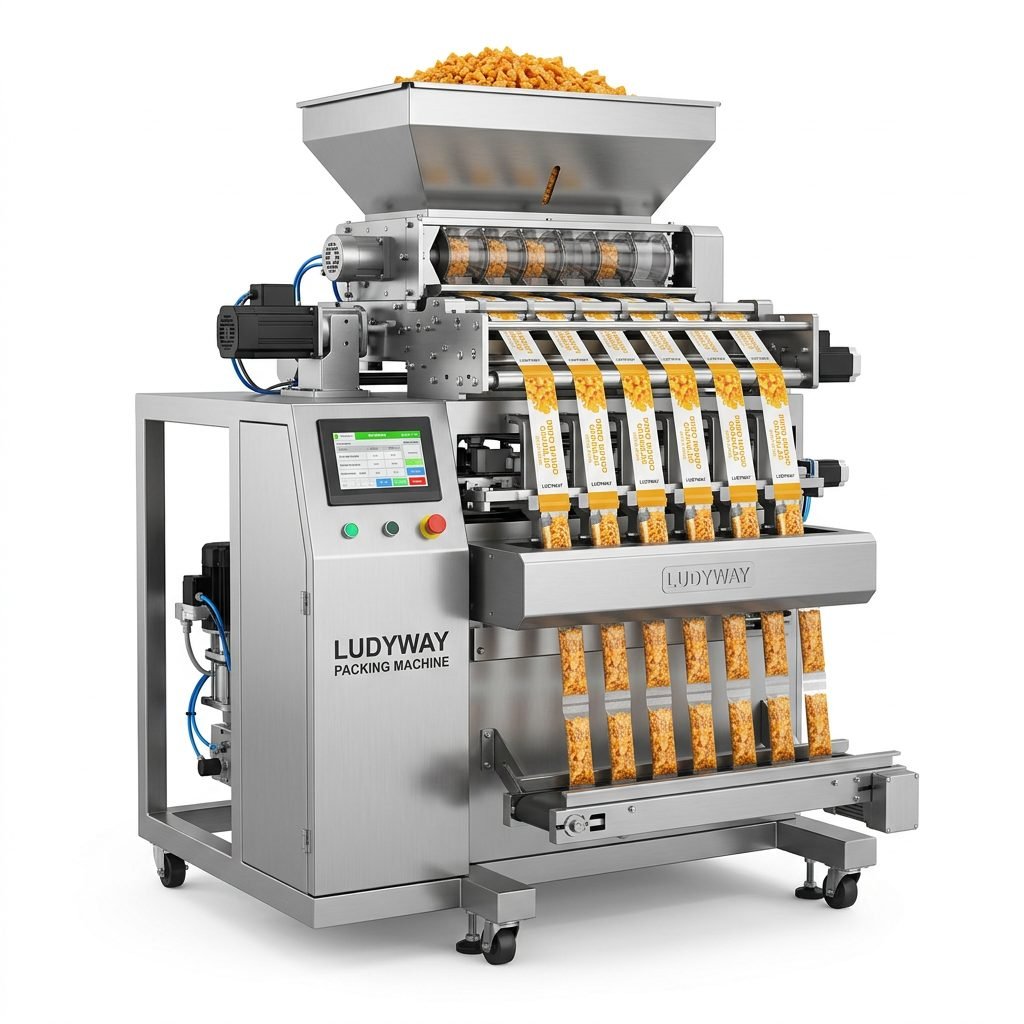
| Stick Pack Machines | Narrow single-serve packaging | Stick packs, portion packs | Nutraceuticals, beverages, supplements |
| Multi-Lane Packaging Systems | High-speed, high-volume production | Multiple lanes of sachets or stick packs | Food, chemicals, pet food |
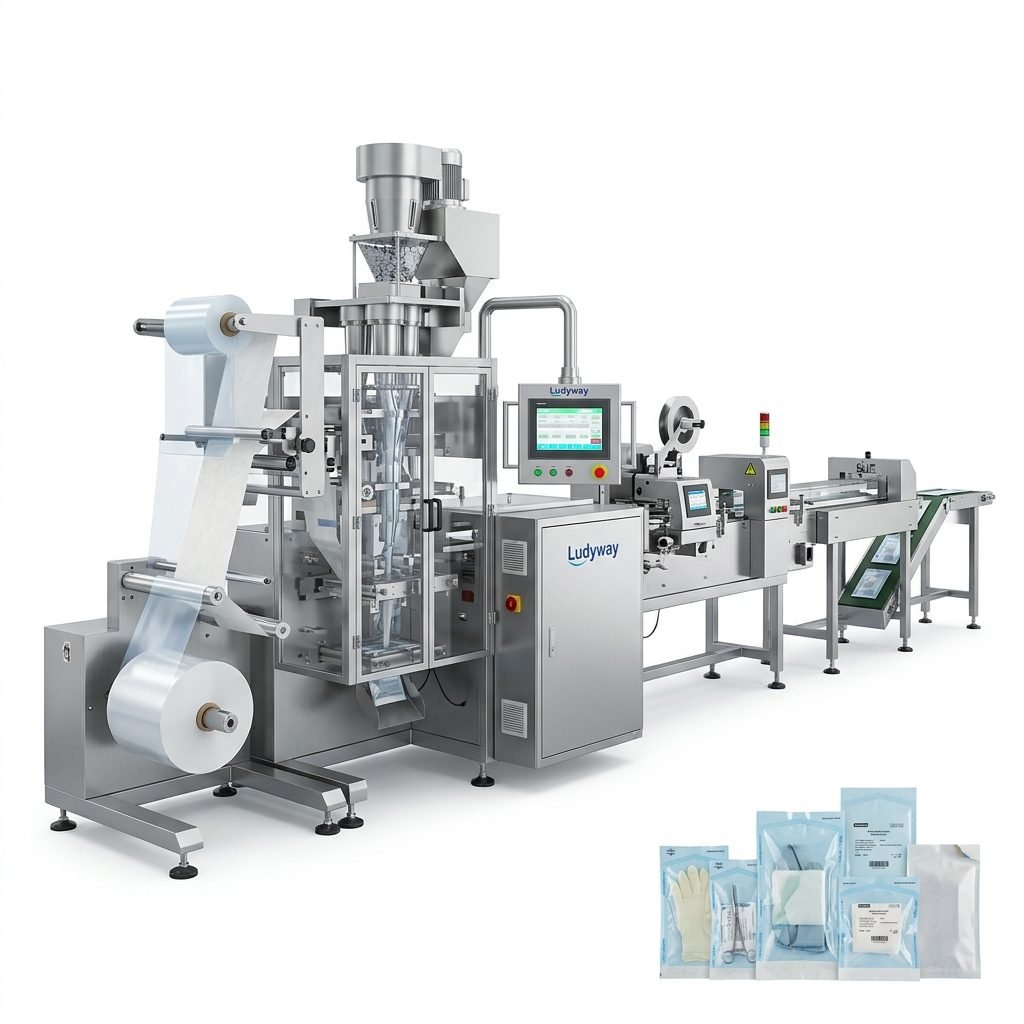
| Pouch Packaging Lines | Flexible, larger format packaging | Stand-up pouches, flat pouches, zipper bags | Snacks, frozen food, industrial products |
| Liquid Filling and Sealing Machines | Liquid, paste, and cream products | Sachets, bottles, tubes, ampoules | Pharma, cosmetics, food and beverage |
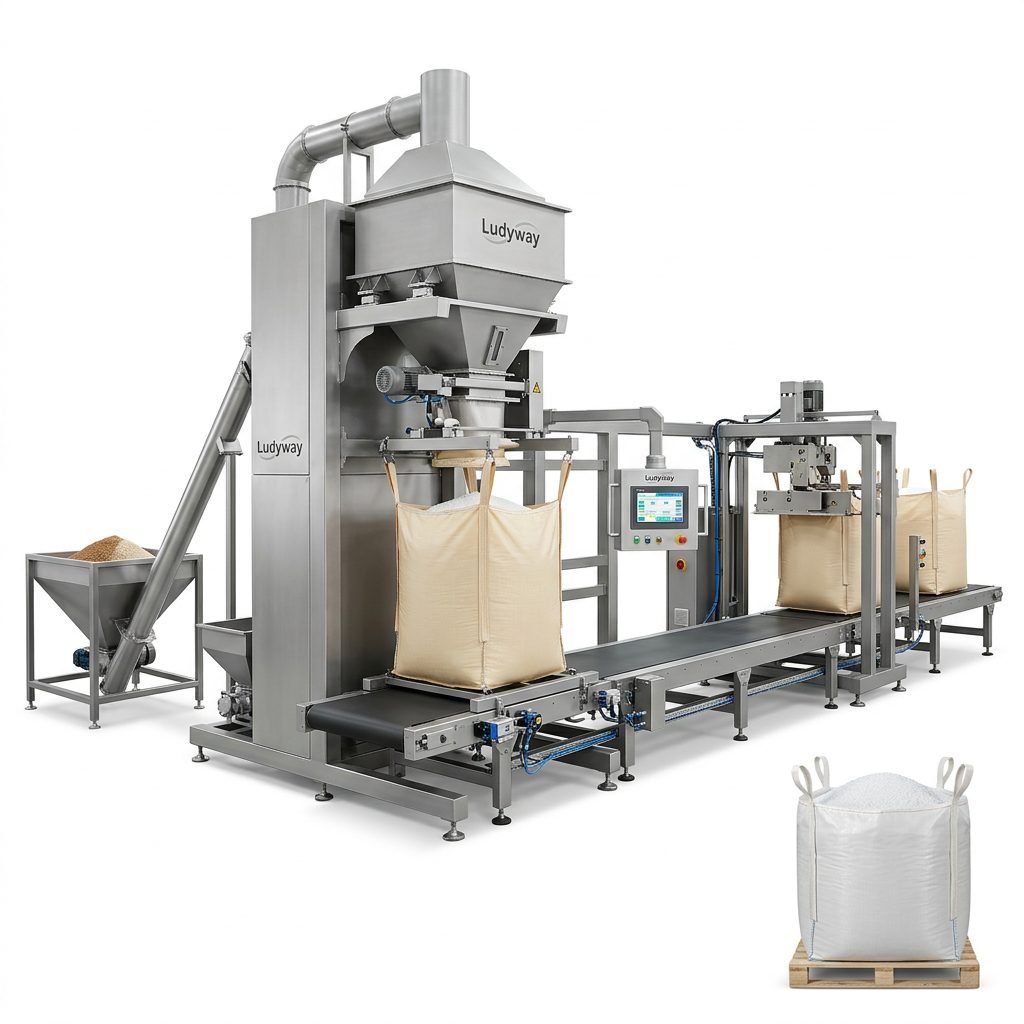
| Bulk Bagging and Weighing Systems | Large-volume granular or powder products | Bulk bags, valve bags, open-mouth bags | Agriculture, chemicals, construction |
Critical Factors for Evaluating IMA Packaging Equipment
Once you have identified the machine category that fits your product and packaging format, technical specifications, build quality, and supplier capabilities become the deciding factors. According to Flexible Packaging Association industry data, packaging machinery performance directly impacts material waste, energy consumption, and overall production costs.
1. Production Speed and Throughput Capacity
Match the machine’s rated output to your current and projected production needs. A machine running at maximum capacity continuously will wear faster than one operating within its optimal range. Look for adjustable speed controls and consistent output rates verified through real-world testing, not just manufacturer specifications.
2. Filling Accuracy and Dosing Precision
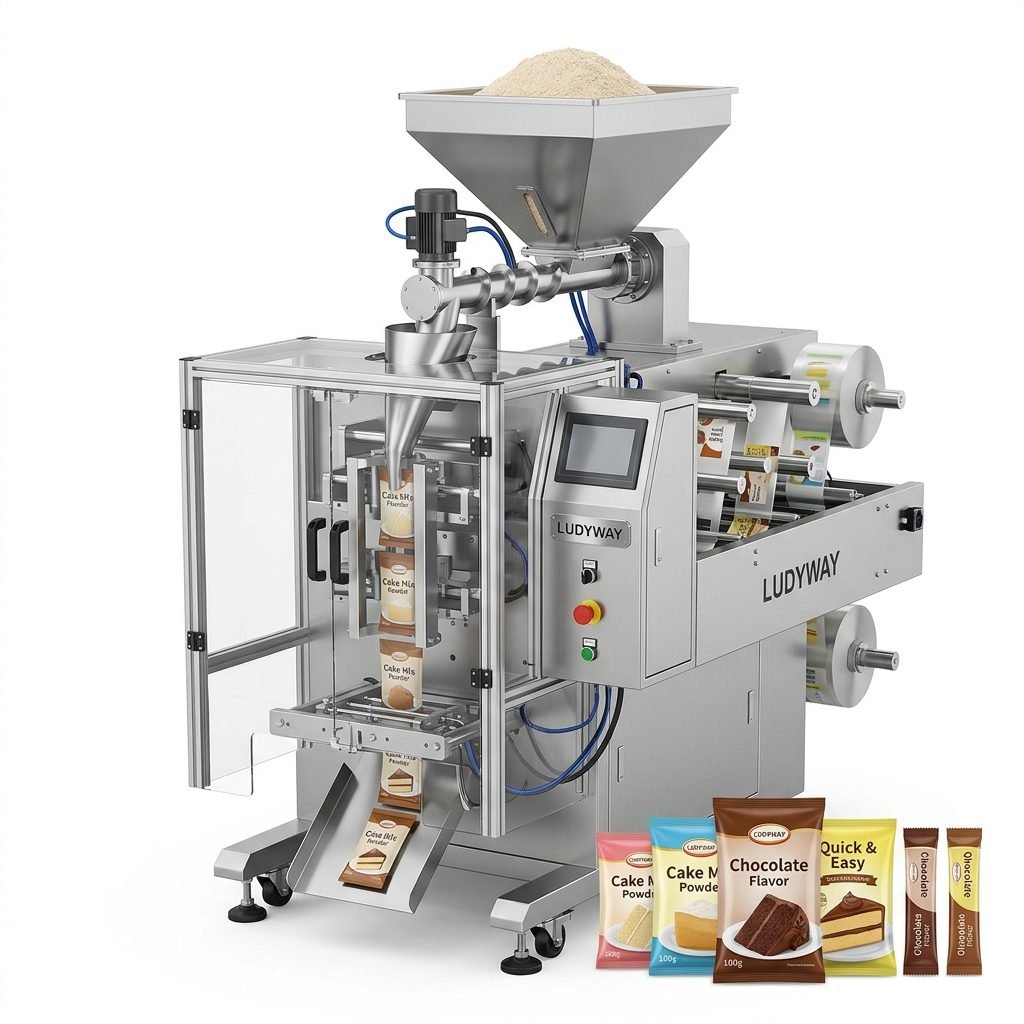
For industries like pharmaceuticals and nutraceuticals, dosing accuracy is non-negotiable. Evaluate the filling technology — auger fillers for powders, piston fillers for liquids, multi-head weighers for granules — and verify the precision range under your actual operating conditions.
3. Material Compatibility and Changeover Flexibility
Your chosen machine should handle the packaging materials you intend to use — laminates, aluminum foil, polyethylene, paper-based films, or biodegradable materials. Also consider changeover time between different bag sizes and formats, which directly affects production efficiency in multi-SKU operations.

4. Automation Level and Line Integration Capabilities
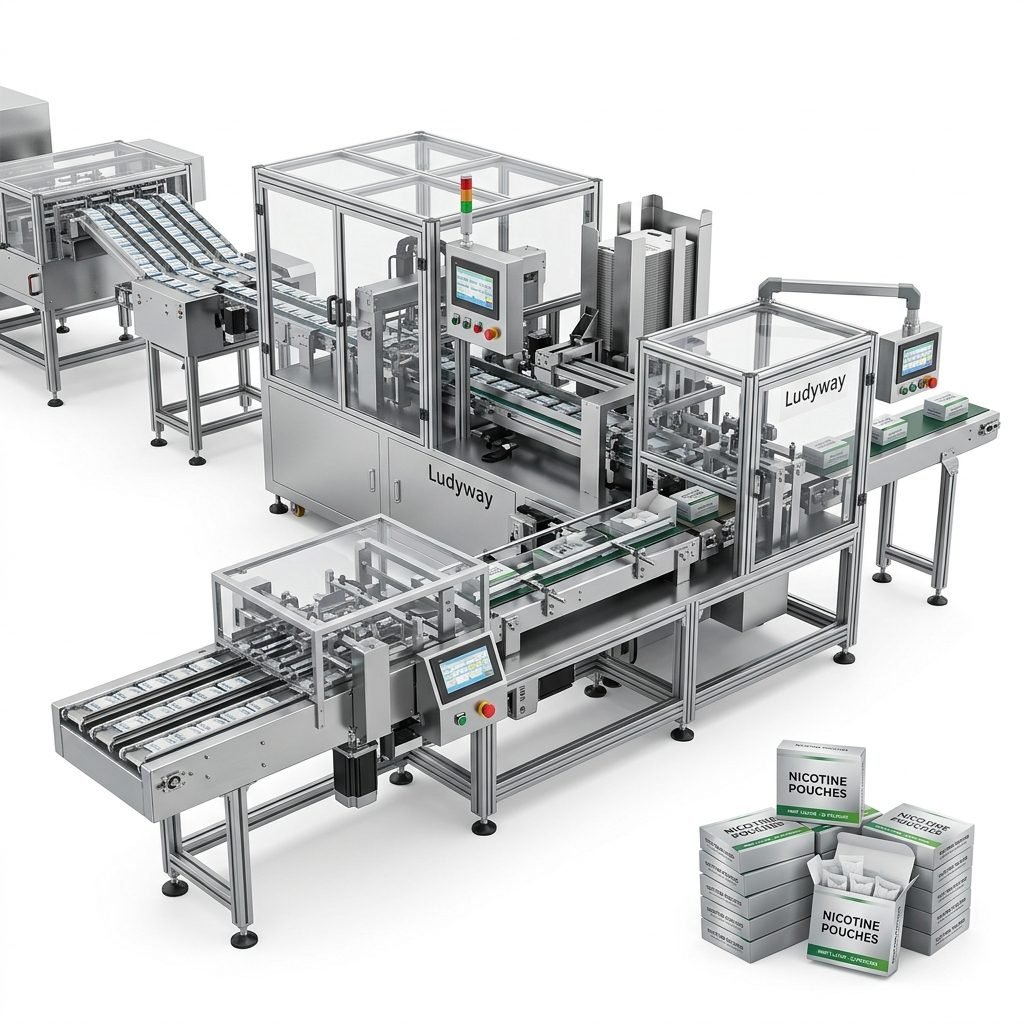
Standalone machines may suffice for basic operations, but integrated packaging lines offer significant advantages in terms of labor reduction, consistency, and throughput. Evaluate whether the IMA machine can connect with upstream and downstream equipment such as feeding systems, checkweighers, coding printers, cartoning machines, and palletizers.
5. Compliance with International Standards
Depending on your target markets, your packaging equipment may need to comply with specific regulations. Reference resources from FDA packaging and food contact substances guidelines and ISO packaging standards to ensure compliance with applicable requirements.
Comparing Suppliers: Beyond the Machine Specification Sheet
Selecting the right supplier is as important as selecting the right machine. A manufacturer with deep engineering expertise and global service capabilities can provide value far beyond the initial equipment purchase. For example, Ludyway Machinery, a China-based packaging machinery manufacturer, has been developing automated packaging equipment and integrated packaging solutions for over 30 years, serving more than 100 countries with customized configurations rather than off-the-shelf standard machines.
Key Supplier Evaluation Criteria
- Manufacturing and engineering capabilities — in-house production, quality control, and R&D strength
- Industry experience — proven track record in your specific product category
- Customization flexibility — willingness to adapt machines to unique requirements
- After-sales support — installation, commissioning, training, spare parts availability, and remote technical assistance
- Certifications and compliance documentation — ability to meet international market requirements
- Global service network — reach and responsiveness in your region
Total Cost of Ownership and ROI Considerations
Purchase price is only one component of the total investment. A comprehensive total cost of ownership analysis should include:
| Cost Category | What to Consider |
|---|---|
| Capital expenditure | Machine price, shipping, import duties, installation costs |
| Operational costs | Energy consumption, labor requirements, packaging material waste rates |
| Maintenance and spare parts | Preventive maintenance frequency, consumable parts, spare parts availability and cost |
| Downtime risk | Machine reliability, service response time, technical support accessibility |
| Scalability and upgrade potential | Ability to increase capacity or add modules without replacing the entire system |
Regulatory and Sustainability Requirements
Modern packaging operations must address both regulatory compliance and environmental sustainability. Refer to the European Commission packaging and packaging waste regulation and the U.S. EPA sustainable materials management resources to understand relevant requirements in your target markets.
Sustainability Features to Look For
- Material compatibility with recyclable, compostable, and mono-material films
- Energy-efficient drives and optimized power consumption
- Waste reduction through precise dosing and minimal film waste during changeovers
- Data tracking capabilities for sustainability reporting and production optimization
Making the Final Decision
After evaluating machine specifications, supplier capabilities, and total cost of ownership, validate your decision with real-world testing. Request sample runs using your actual products and packaging materials. Visit the manufacturer’s facility if possible, or arrange a virtual factory tour and machine demonstration.
Final Checklist Before Purchase
- Product testing completed with your actual materials and target output rates
- Technical specifications verified against your current and future production requirements
- Supplier references checked with manufacturers in similar industries
- Service and support terms confirmed including installation, training, warranty, and spare parts availability
- Compliance documentation reviewed for your target market regulations
- Total cost of ownership calculated including operational and maintenance costs over the expected machine lifespan
- Scalability path defined for future capacity expansion or format additions
Choosing the right IMA packaging machine is a strategic decision that impacts your production efficiency, product quality, and competitive position for years to come. By systematically evaluating your requirements, understanding available technologies, and partnering with an experienced packaging machinery manufacturer, you can invest confidently in equipment that supports your business growth. For further industry insights, explore the PMMI State of the Industry reports and Flexible Packaging Association resources.