The North American cooking oil market is experiencing steady growth, driven by increasing demand from both household consumers and the food service industry. Setting up a cooking oil packaging production line in the United States or Canada requires careful planning across equipment selection, regulatory compliance, and cost management. This guide outlines the essential steps, equipment requirements, and financial considerations to help you build a successful operation.
Understanding the North American Cooking Oil Packaging Market
The cooking oil packaging sector covers a wide range of product formats, from small single-serve sachets used in restaurants and travel packs to large bulk containers for industrial and institutional use. In North America, consumer preferences are shifting toward convenient, portion-controlled packaging, while sustainability concerns are driving interest in lightweight and recyclable materials. Before investing in machinery, it is critical to understand your target market segments and the specific packaging formats that resonate with your customers.
Core Equipment Needed for a Cooking Oil Packaging Line
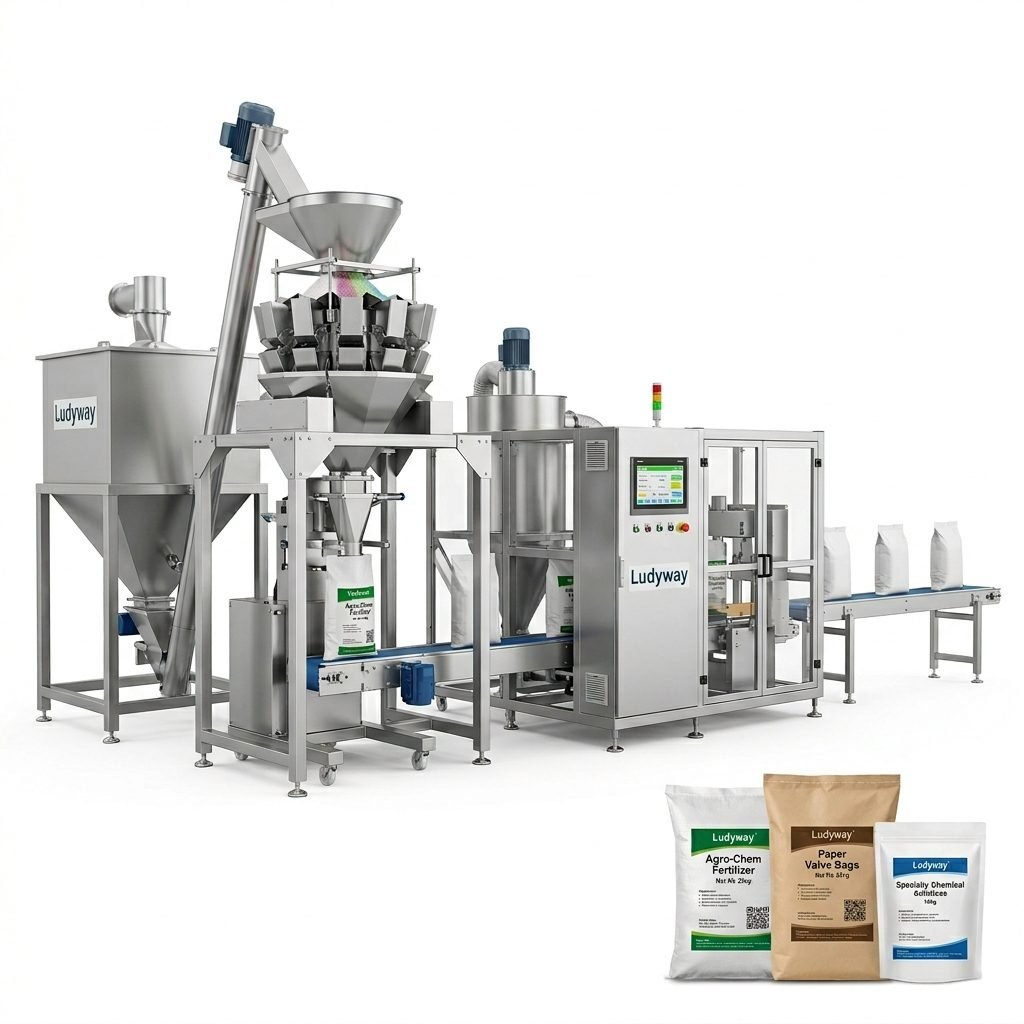
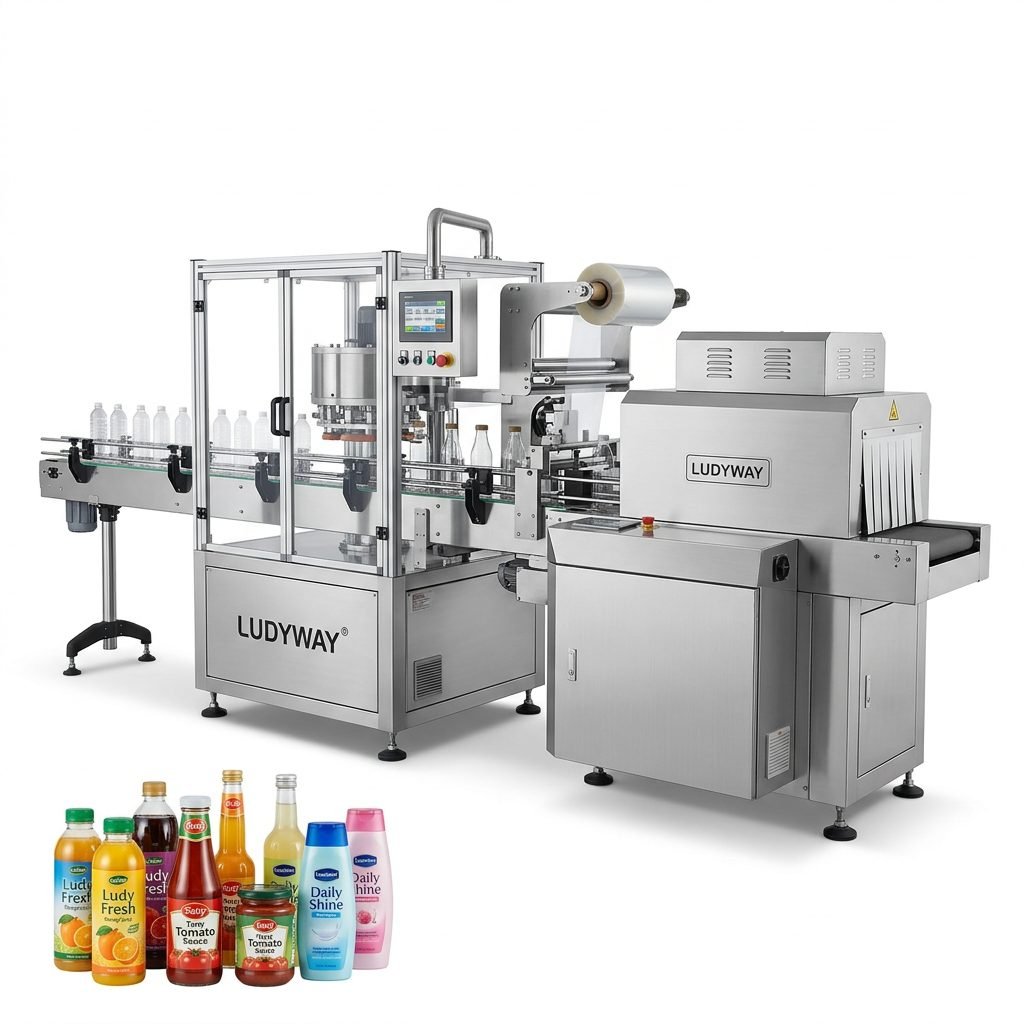
A modern cooking oil packaging line consists of several integrated machines that handle filling, sealing, labeling, and secondary packaging. Below are the essential equipment categories you need to evaluate:
Liquid Filling Machines
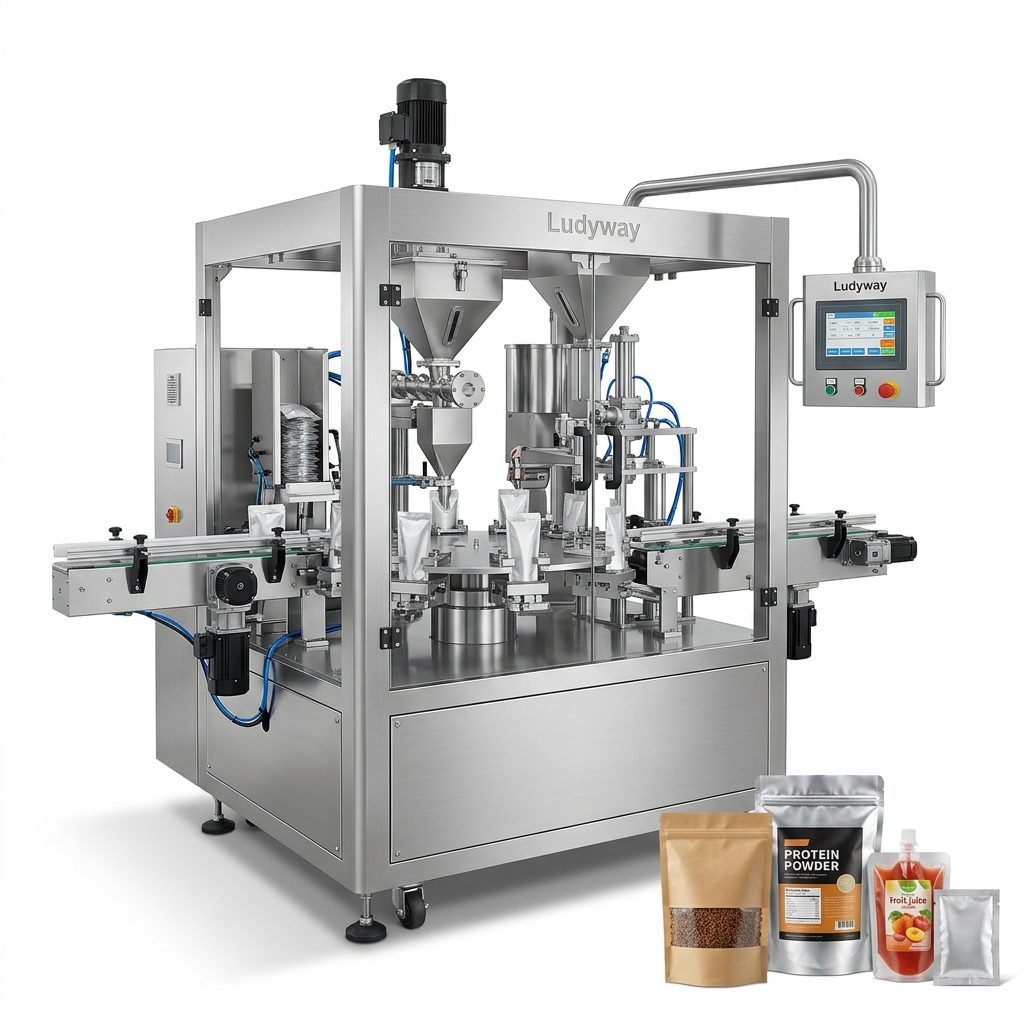
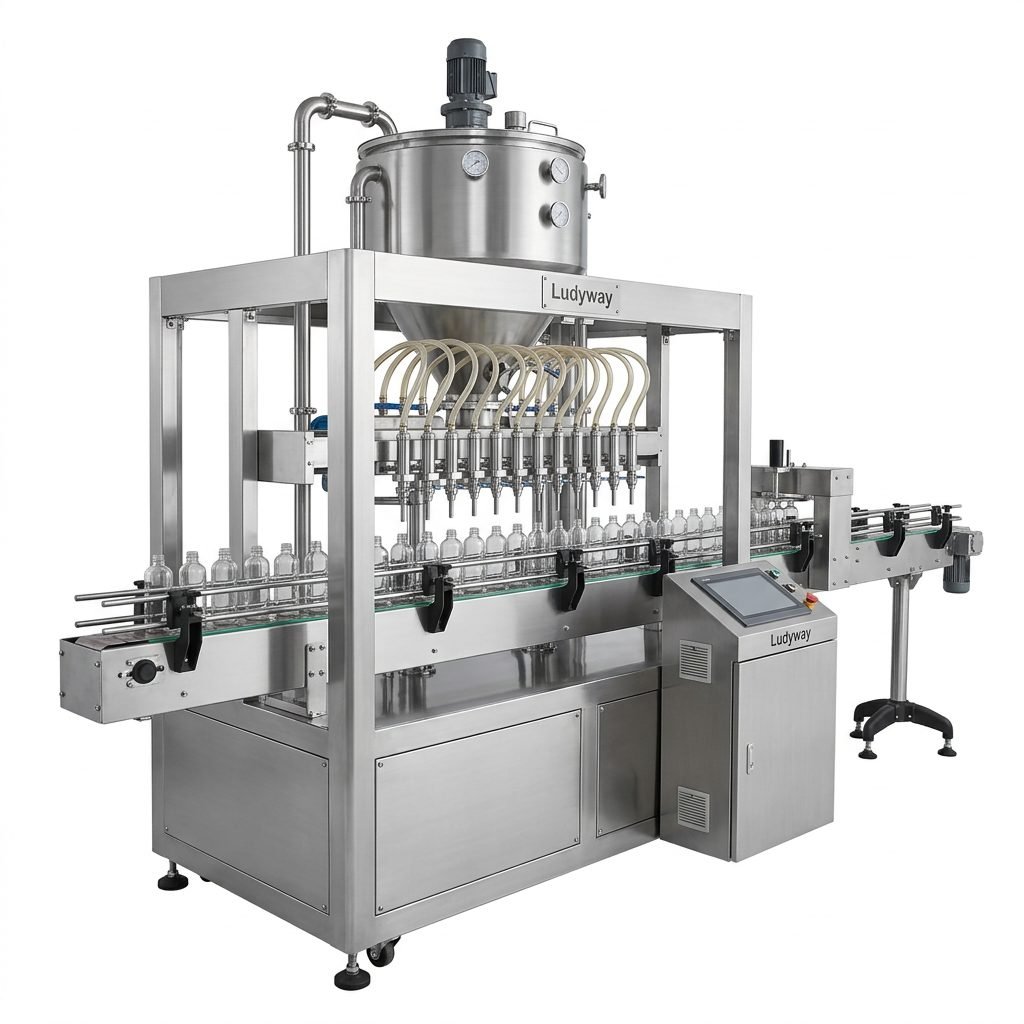
The filling machine is the heart of any cooking oil production line. For edible oils, volumetric piston fillers and flow meter fillers are the most common choices. Piston fillers offer high accuracy for small to medium volumes, while flow meter systems excel in high-speed operations. When selecting a filler, consider factors such as viscosity range, filling speed requirements, and compatibility with your container types.
Sachet and Stick Pack Machines
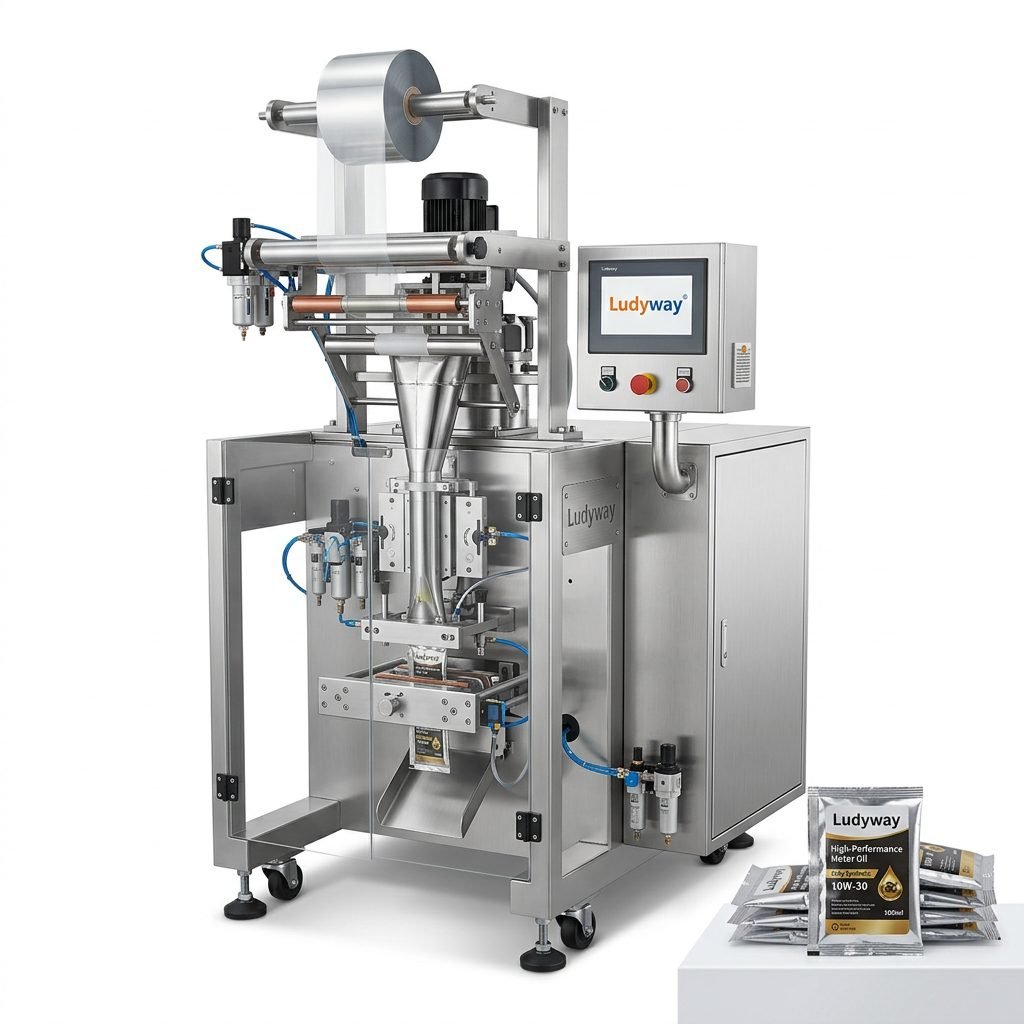
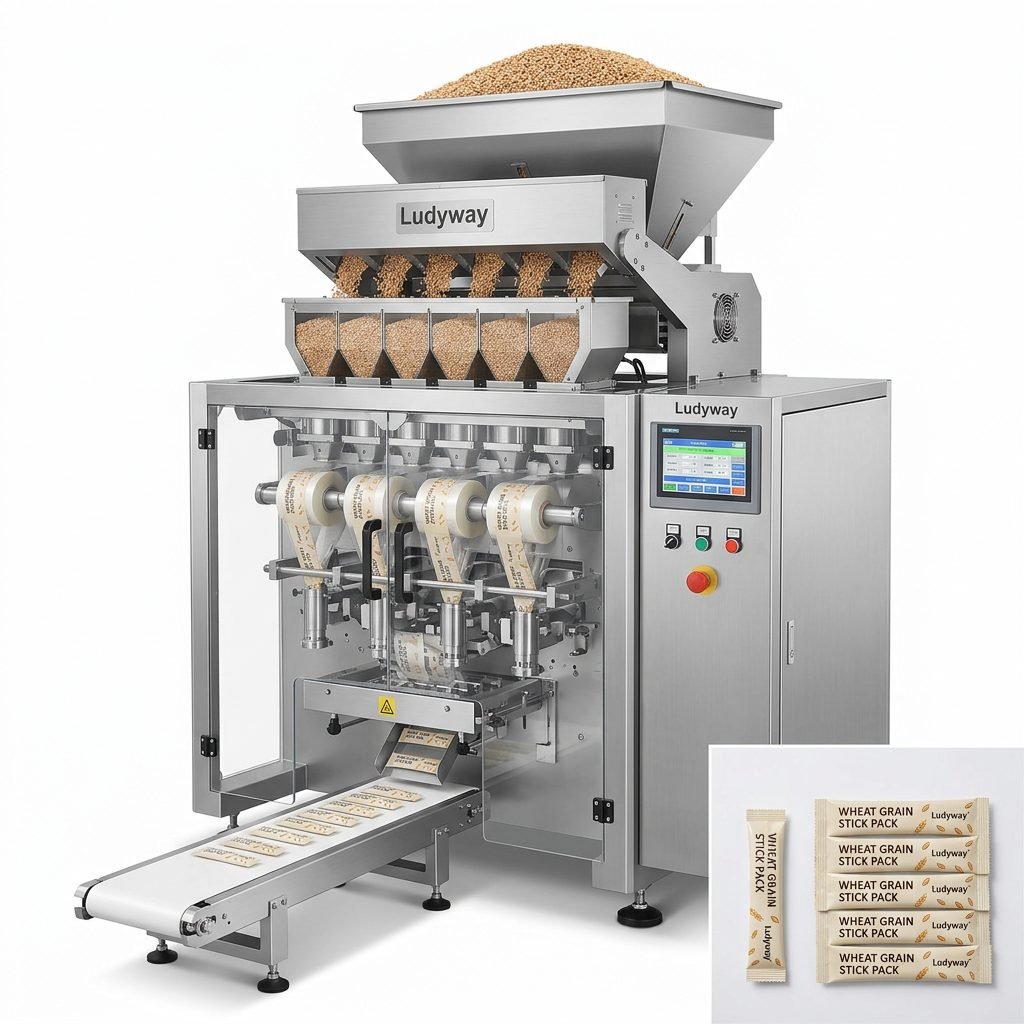
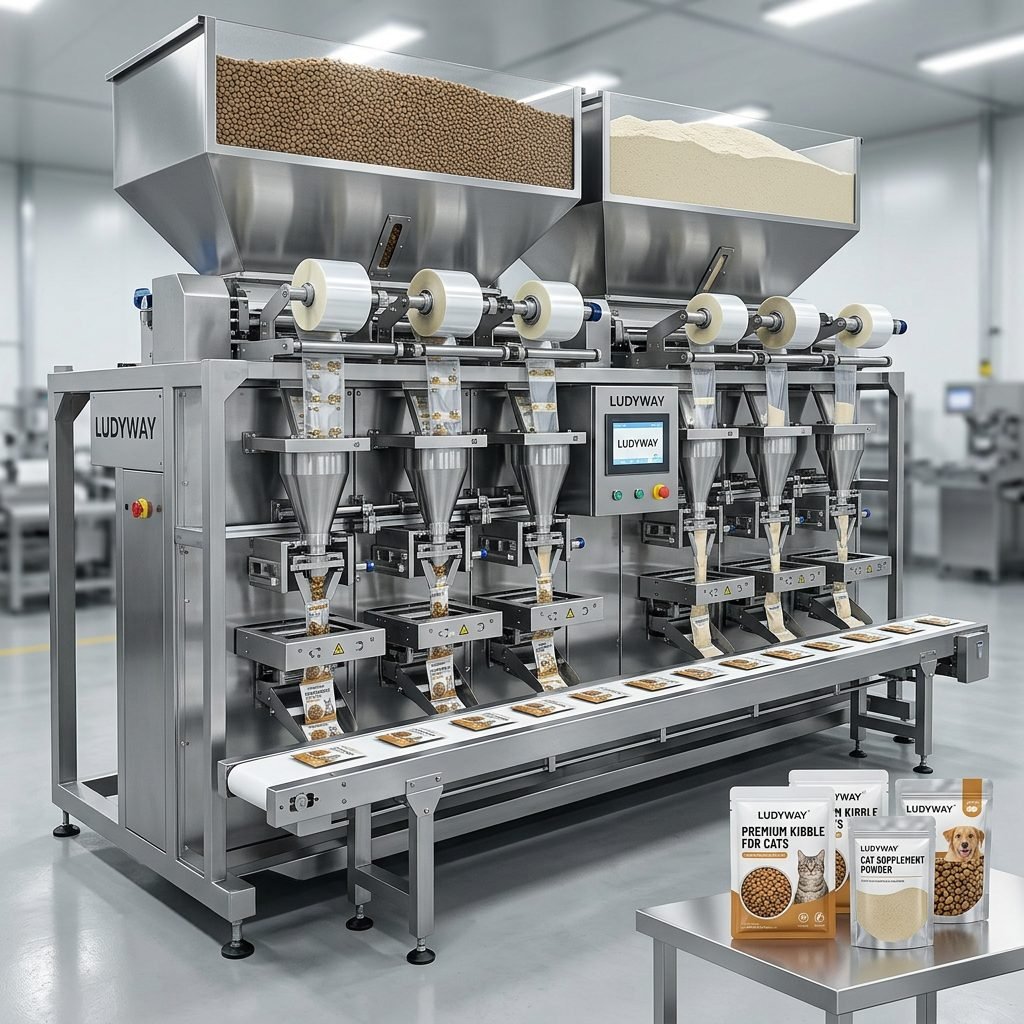
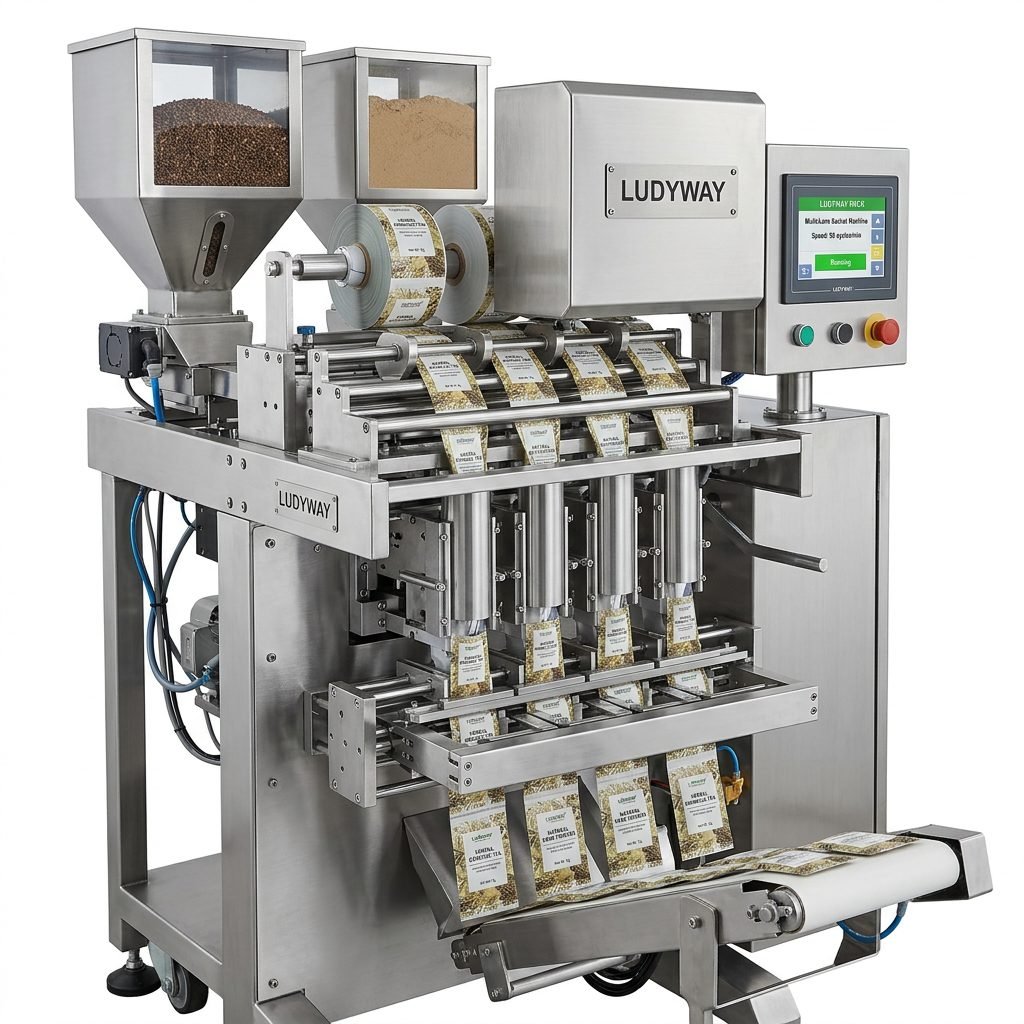
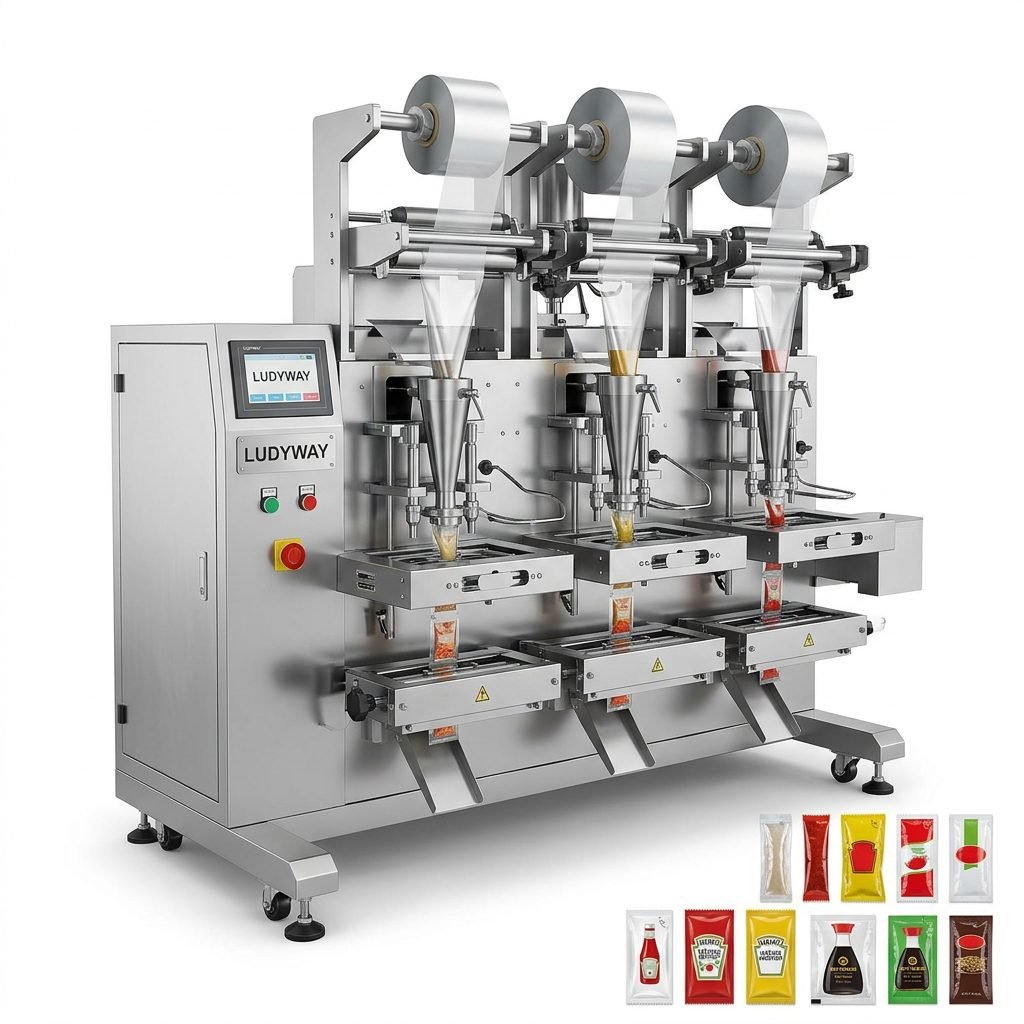
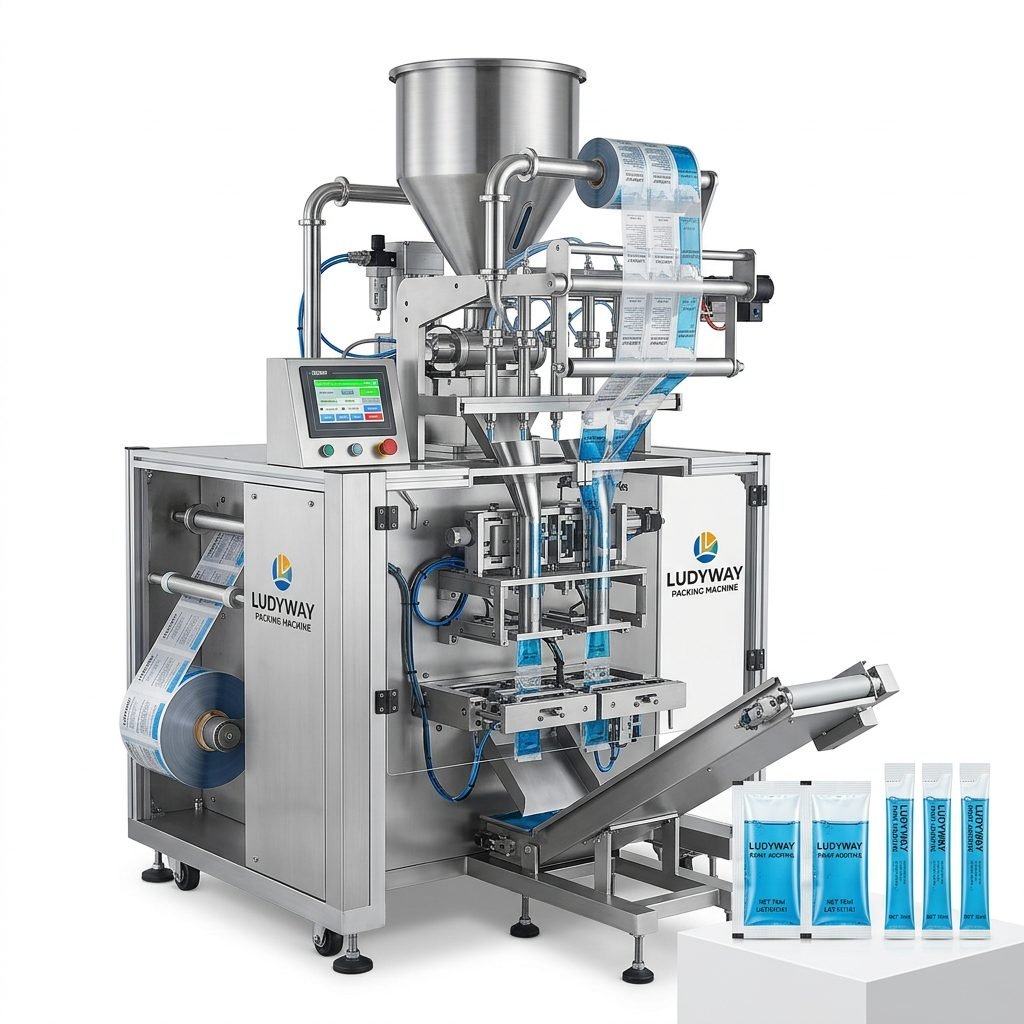
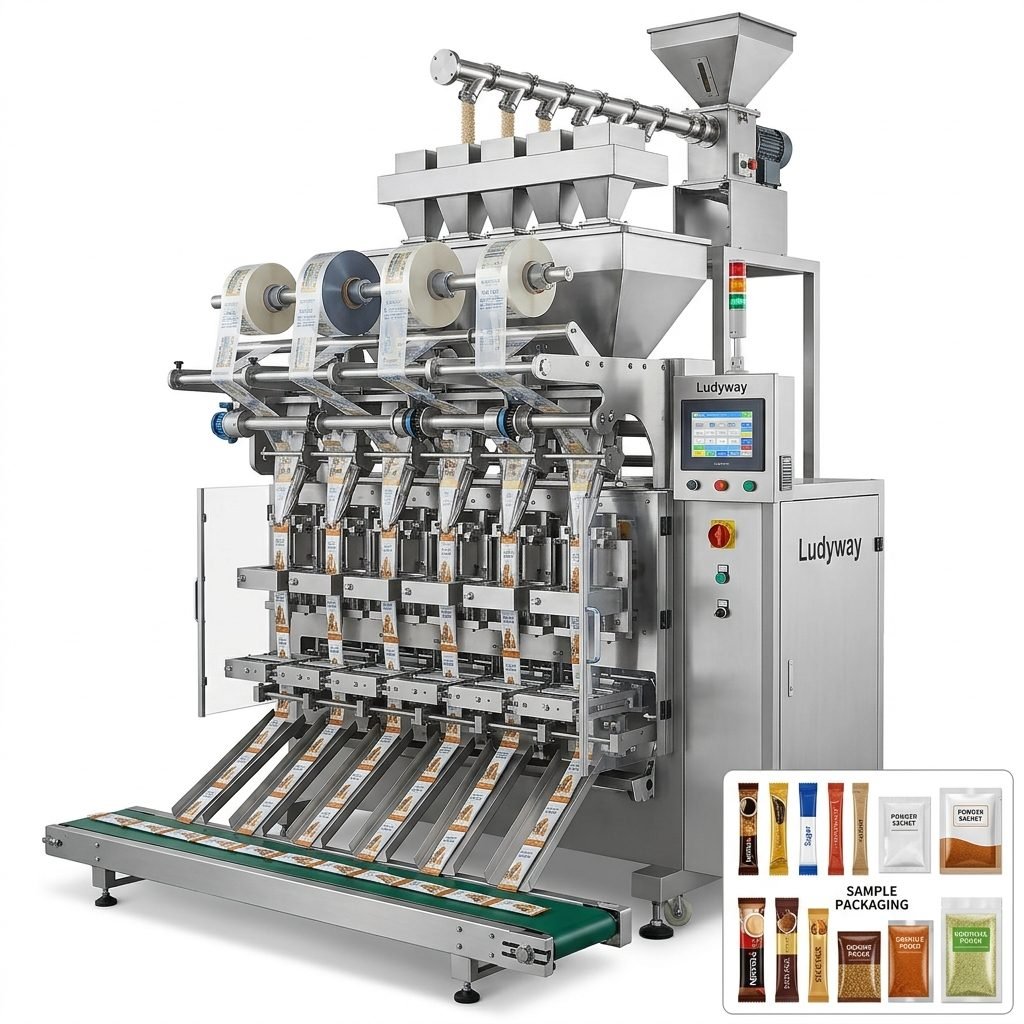
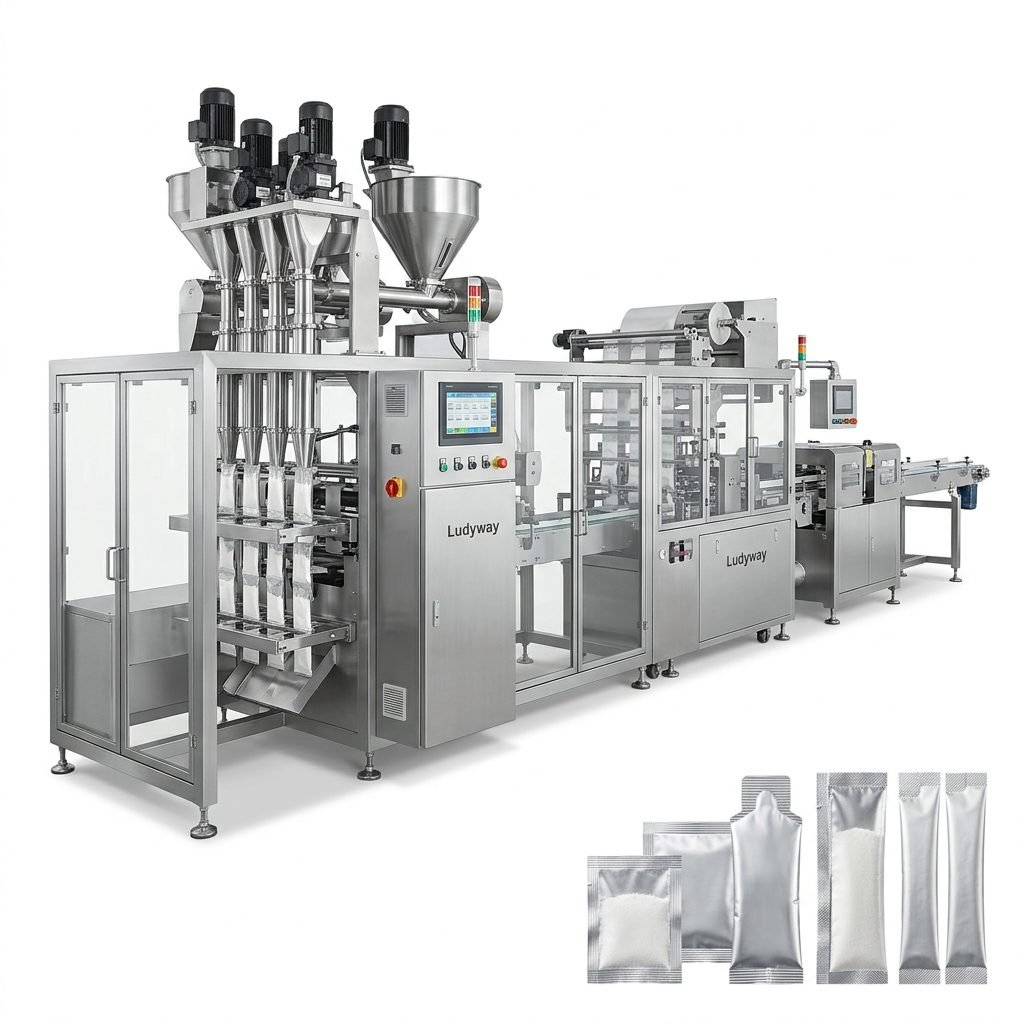
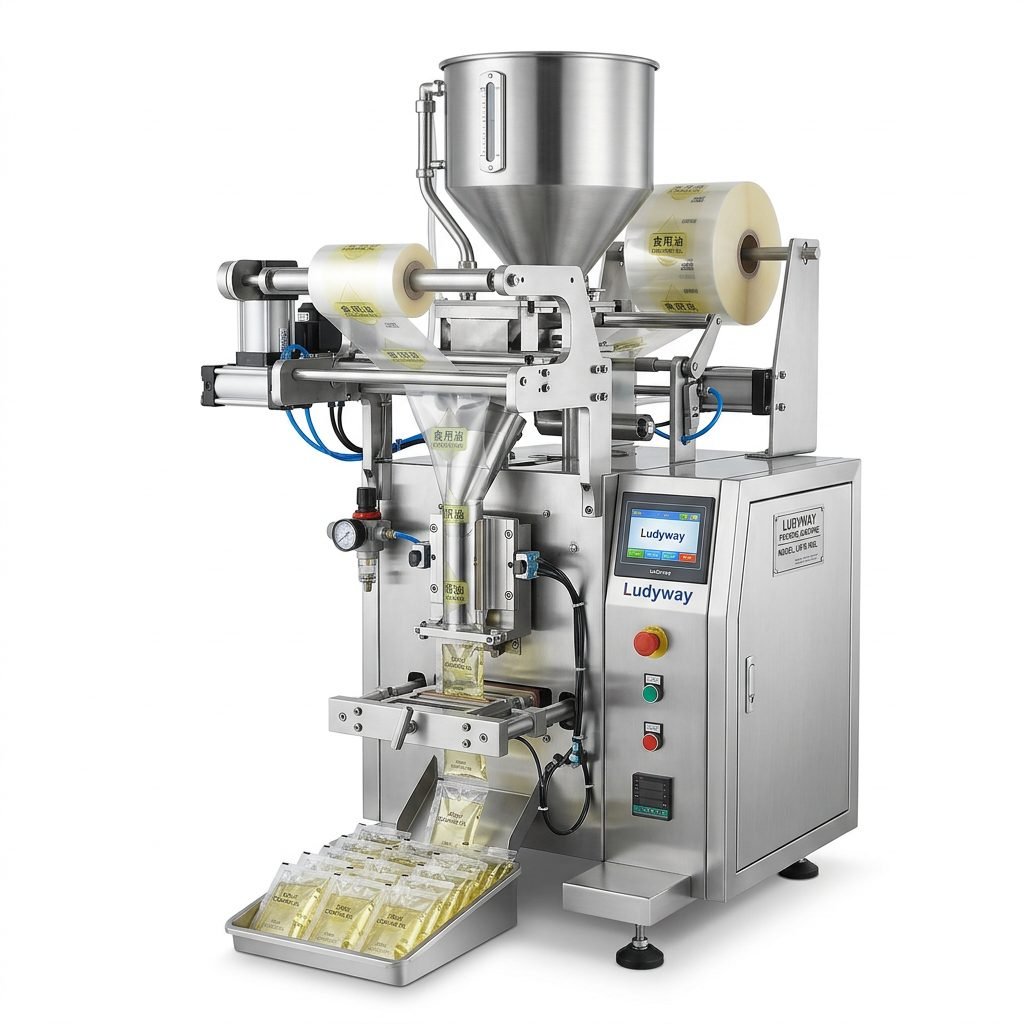
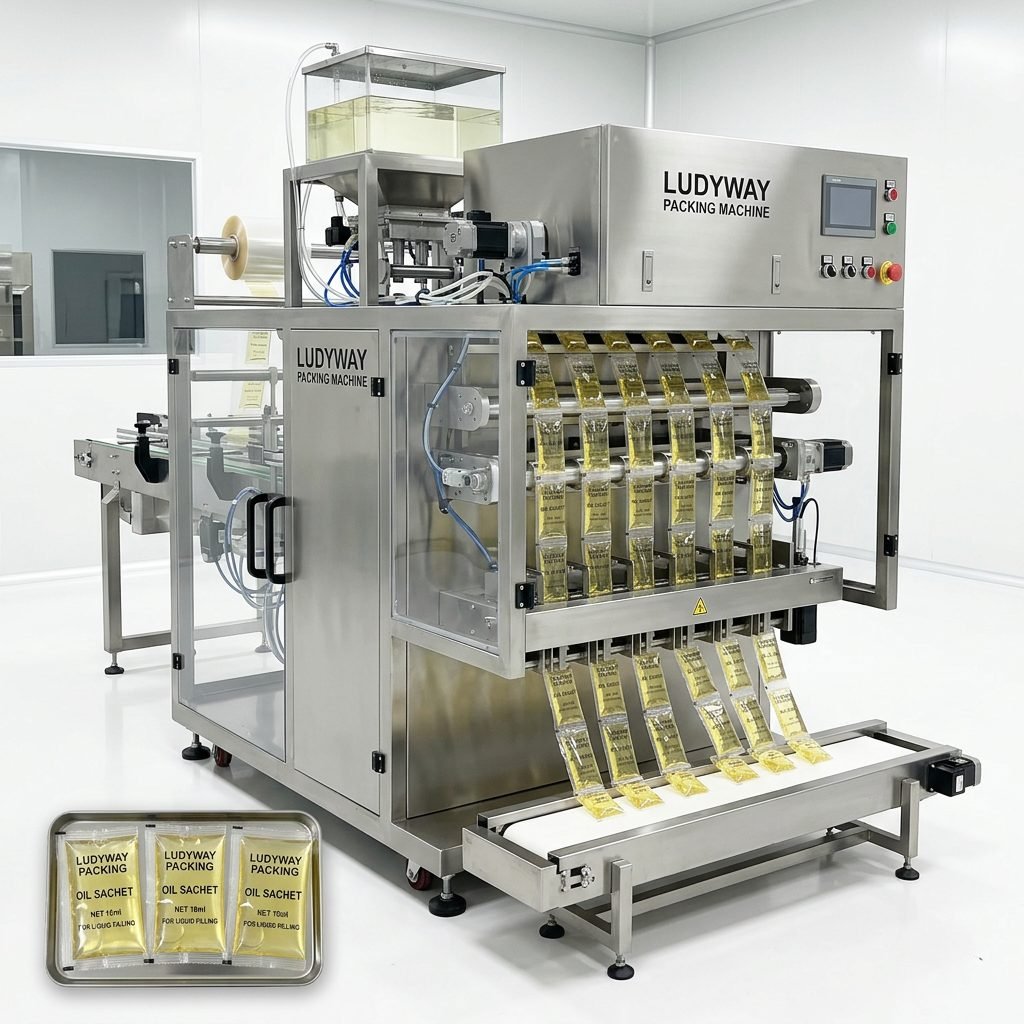
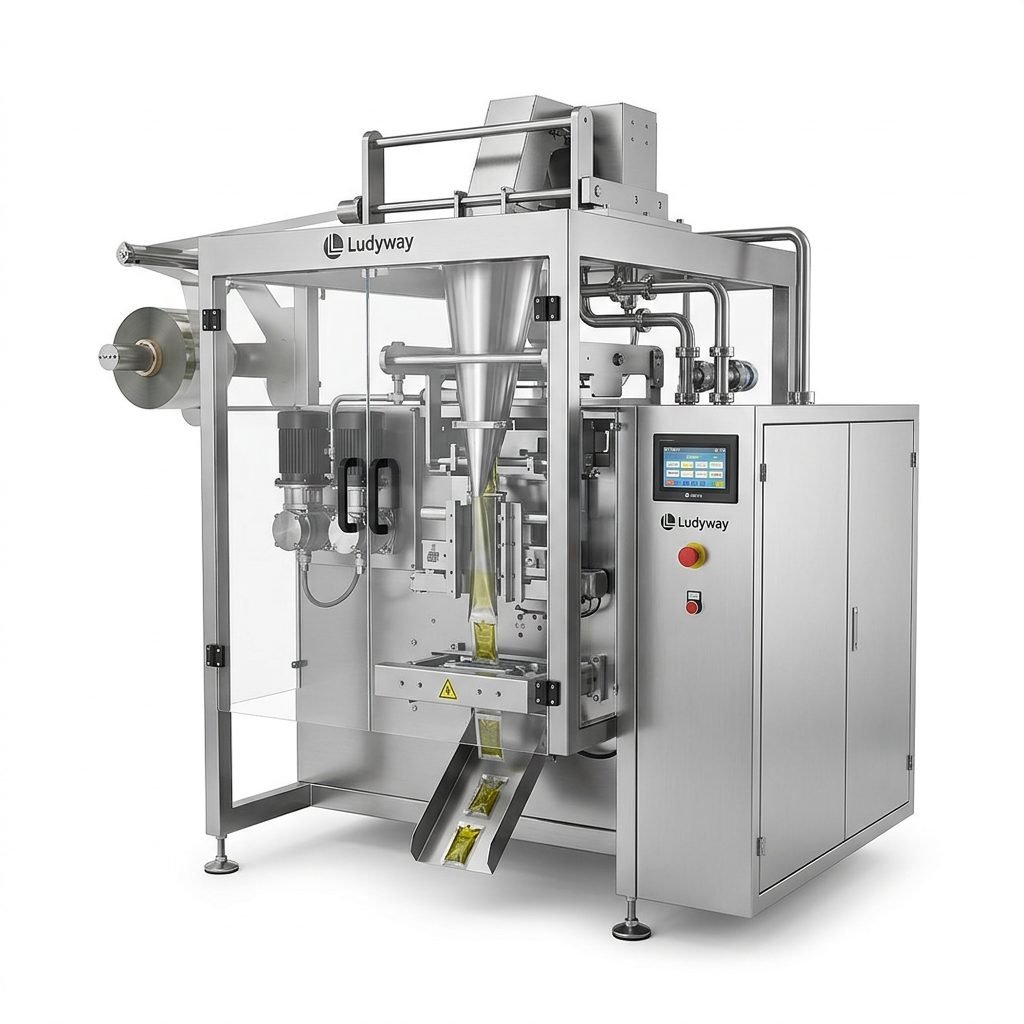
For single-serve oil portions, multi-lane sachet packaging machines are the industry standard. These systems can produce 4 to 16 lanes simultaneously, achieving output rates of up to 400 packs per minute per lane. Ludyway is one of the largest packaging machine manufacturers in China, offering advanced multi-lane sachet and stick pack systems suitable for cooking oil applications, with over 30 years of industry expertise and a modern 20,000㎡ manufacturing facility.
Capping and Sealing Equipment
Proper sealing prevents leakage and preserves product freshness. Depending on your container format, you may need screw capping machines for bottles, heat-sealing units for flexible pouches, or induction sealers for tamper-evident closures. Induction sealing has become the preferred method in North America for ensuring package integrity and consumer safety.
Labeling and Coding Systems
Accurate labeling is mandated by FDA and USDA regulations. A complete line should include wrap-around or front-and-back labelers along with batch coding and date printing equipment. Thermal transfer printers and laser coders are popular choices for applying lot numbers, production dates, and barcodes.
Secondary Packaging and Palletizing
After primary packaging, products need to be cartoned, case-packed, and palletized for distribution. Automated cartoning machines, case erectors, and robotic palletizers reduce labor costs and improve throughput. For North American retail distribution, this stage also involves compliance with retailer-specific packaging requirements.
Cost Breakdown for Setting Up a Cooking Oil Packaging Line
Understanding the financial investment required is crucial for planning. The table below provides a detailed cost breakdown for a mid-scale cooking oil packaging line in North America:
| Cost Category | Estimated Range (USD) | Key Variables |
|---|---|---|
| Liquid Filling Machine | $50,000 – $200,000 | Speed, automation level, container size range |
| Sachet/Stick Pack Machine | $80,000 – $350,000 | Number of lanes, format flexibility |
| Capping and Sealing System | $30,000 – $120,000 | Cap type, induction sealing integration |
| Labeling and Coding Equipment | $25,000 – $80,000 | Label type, print technology, speed |
| Conveyor Systems | $15,000 – $50,000 | Line length, material, layout complexity |
| Cartoning and Palletizing | $60,000 – $250,000 | Automation degree, throughput |
| Installation and Commissioning | $20,000 – $60,000 | Site preparation, training, testing |
| Facility and Utility Modifications | $30,000 – $100,000 | Building upgrades, electrical, plumbing |
| Total Estimated Investment: $310,000 – $1,210,000 | ||
Regulatory Requirements in the United States and Canada
Compliance with food safety regulations is non-negotiable when setting up a cooking oil packaging line in North America. Understanding the key regulatory frameworks will help you avoid costly delays and potential legal issues:
FDA Requirements for Food Packaging
In the United States, the Food and Drug Administration oversees food packaging through its regulations on food contact substances. All packaging materials that come into contact with cooking oil must meet FDA 21 CFR requirements. This includes testing for migration, ensuring materials are safe for their intended use, and maintaining proper documentation. Facilities must also register with the FDA and comply with Current Good Manufacturing Practices.
Canadian Food Inspection Agency Guidelines
For the Canadian market, the Canadian Food Inspection Agency enforces packaging regulations under the Safe Food for Canadians Act. CFIA guidelines cover labeling requirements, bilingual text obligations, and specific nutritional format standards that differ from US requirements.
ISO and Industry Standards
Adopting ISO 22000 for food safety management and ISO 9001 for quality management systems strengthens your operational credibility. Additionally, many North American retailers require suppliers to meet GFSI-benchmarked standards such as SQF or BRC certification. For packaging machinery, ISO packaging standards provide guidance on performance and safety requirements.
Step-by-Step Guide to Setting Up Your Production Line
Follow this structured approach to ensure a smooth setup process for your cooking oil packaging operation:
Step 1: Define Production Requirements
- Output targets: Determine your daily or annual production volumes.
- Packaging formats: Decide between bottles, sachets, pouches, or bulk containers.
- Container sizes: Identify the range of fill volumes you need to accommodate.
- Automation level: Choose between semi-automatic and fully automatic systems.
Step 2: Select a Suitable Facility
Your production facility must meet food-grade standards including proper flooring, drainage, ventilation, and pest control. Consider ceiling height for equipment clearance, adequate electrical supply, and access to compressed air and purified water if needed for cleaning systems.
Step 3: Source Equipment and Suppliers
- Request detailed quotations from multiple equipment manufacturers.
- Evaluate after-sales support and spare parts availability in North America.
- Consider turnkey solutions that include installation, training, and warranty.
- Verify compliance certifications such as CE, UL, and food-grade material standards.
Step 4: Plan Line Layout and Workflow
Design an efficient production floor layout that minimizes material handling and optimizes workflow. Key considerations include raw material receiving areas, in-process storage, packaging zones, finished goods warehousing, and quality control stations. A well-planned layout can reduce operational costs by up to 15-20% through improved efficiency.
Step 5: Obtain Permits and Certifications
- Register your facility with the FDA (US) or CFIA (Canada).
- Obtain local and state business licenses and food processing permits.
- Apply for SQF, BRC, or other GFSI certification if required by retailers.
- Complete environmental impact assessments as needed.
Step 6: Installation, Testing, and Training
Once equipment arrives, professional installation and commissioning are critical. Conduct Factory Acceptance Testing and Site Acceptance Testing to verify performance against specifications. Provide comprehensive operator training on machine operation, maintenance procedures, and safety protocols to ensure smooth day-to-day operations.
Key Considerations for Long-Term Success
Beyond the initial setup, several factors influence the long-term profitability of your cooking oil packaging line. Flexible packaging trends continue to evolve, and staying informed about material innovations can give you a competitive advantage. Regular equipment maintenance, continuous operator training, and periodic line audits help maintain efficiency and product quality.
Energy efficiency is another important consideration. Modern servo-driven machines consume significantly less electricity than older pneumatic systems, and energy recovery systems can further reduce operational costs. Additionally, implementing a preventive maintenance program extends equipment lifespan and minimizes unplanned downtime.
Common Pitfalls to Avoid
- Underestimating regulatory complexity: Food packaging regulations in North America are stringent and multilayered. Engage regulatory consultants early in the planning process.
- Choosing equipment based on price alone: Low-cost machinery may lack the durability and support needed for continuous production. Prioritize total cost of ownership over upfront price.
- Neglecting material compatibility: Not all packaging films work with all heat-sealing systems. Test your materials thoroughly before finalizing equipment specifications.
- Inadequate operator training: Even the best equipment underperforms without properly trained operators. Invest in comprehensive training programs.
For additional industry insights, explore the PMMI State of the Industry report and Flexible Packaging Association resources for the latest market data and packaging technology trends affecting the North American cooking oil sector.