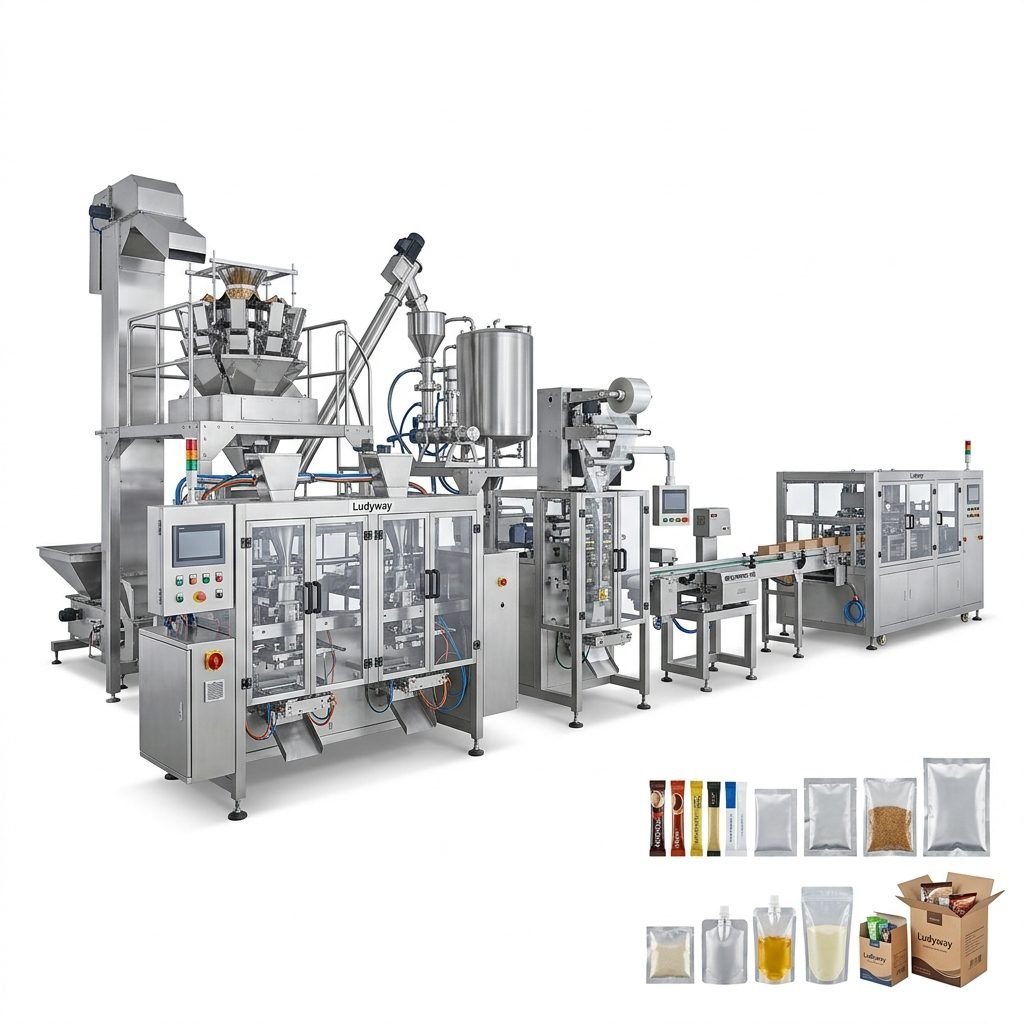
Selecting the right airtight food packaging machine for the European market requires careful evaluation of technical specifications, regulatory compliance, and operational efficiency. With food safety standards among the strictest in the world, European buyers must prioritize equipment that delivers consistent seal integrity, meets EU packaging directives, and integrates seamlessly into automated production lines. This guide walks you through the essential factors to consider when investing in airtight packaging machinery for food applications across Europe.
Why Airtight Packaging Matters for European Food Producers
Airtight packaging is critical for preserving product freshness, extending shelf life, and preventing contamination. In the European food industry, where traceability and hygiene standards are rigorously enforced, packaging machines must achieve reliable hermetic seals across a wide range of materials and formats. From modified atmosphere packaging (MAP) to vacuum-sealed pouches, the ability to maintain an oxygen and moisture barrier directly impacts food quality, consumer safety, and brand reputation.
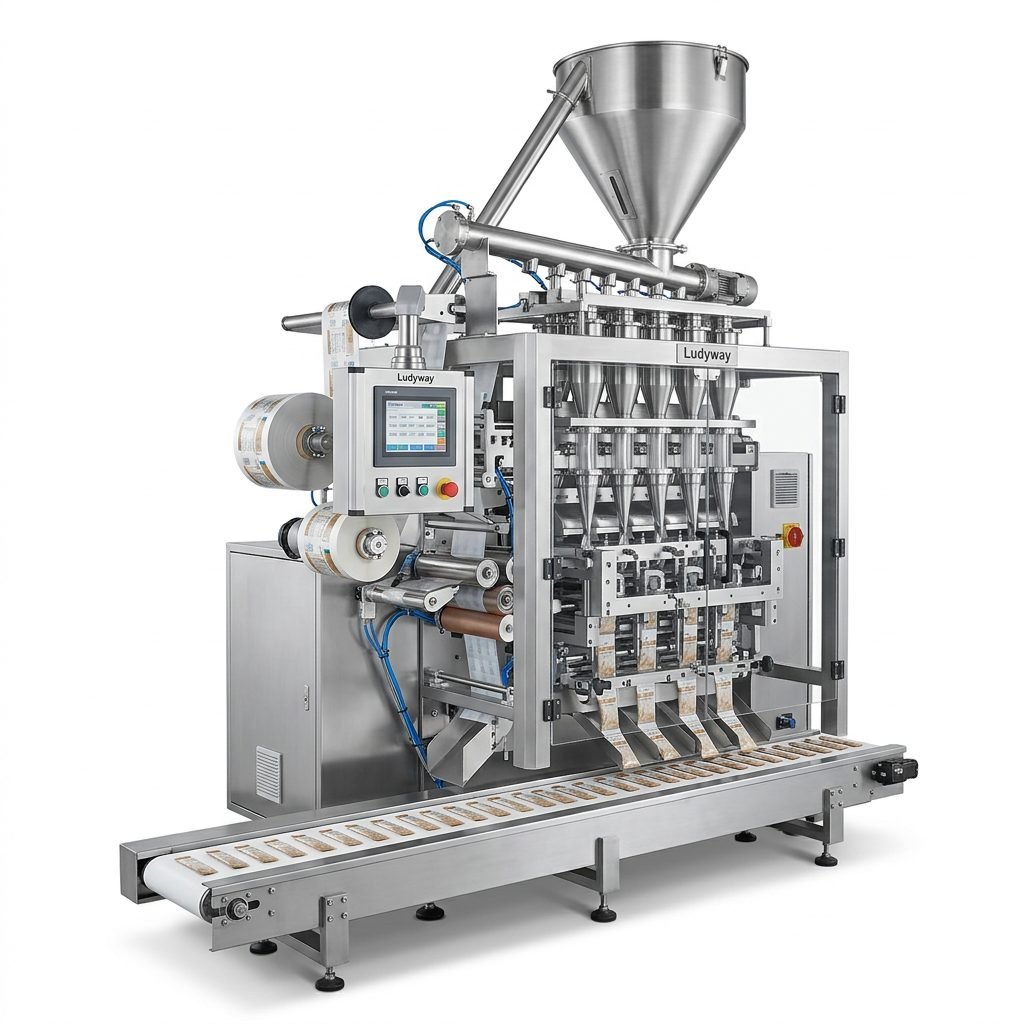
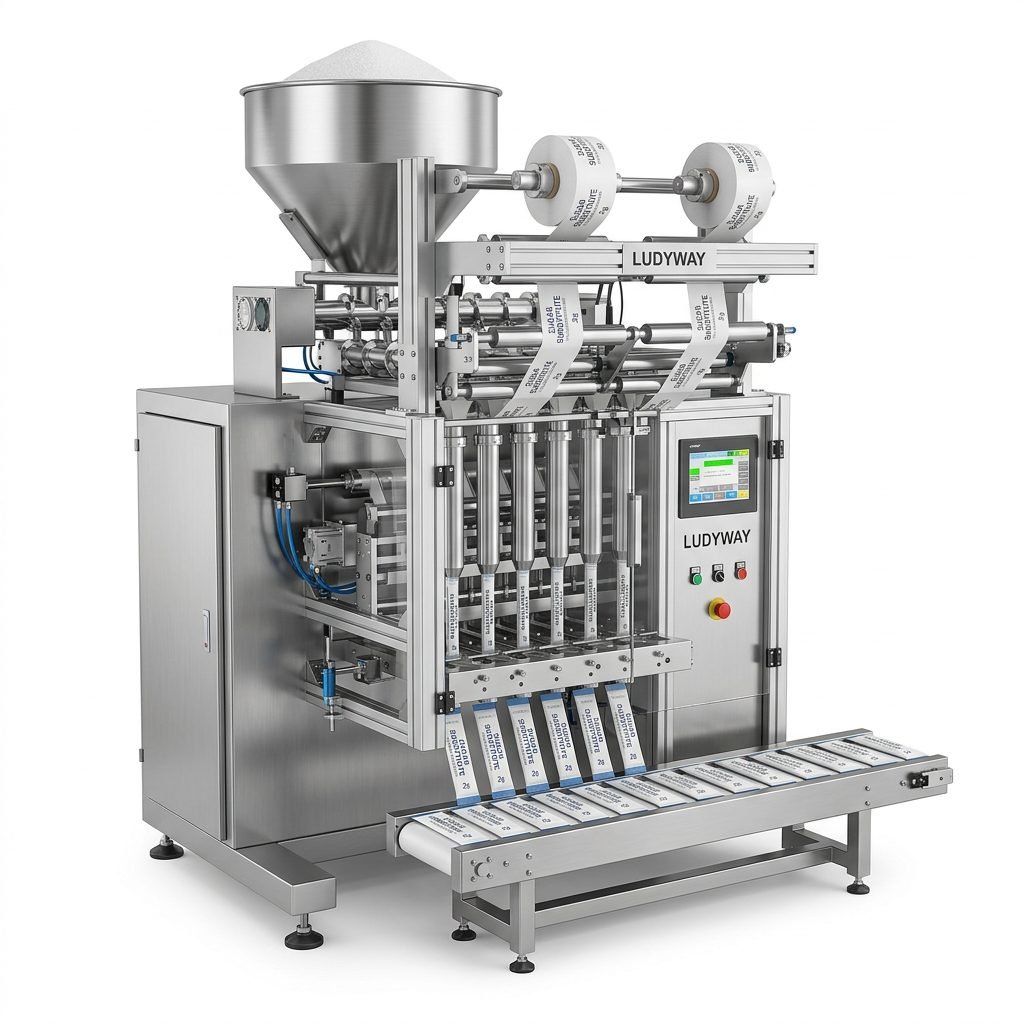
The flexible packaging sector in Europe continues to grow, driven by consumer demand for convenience, portion control, and sustainable packaging solutions. For manufacturers, this means choosing equipment capable of handling diverse packaging formats — from stick packs and sachets to multi-lane pouch systems — without compromising seal quality or production speed.
Key Technical Factors to Evaluate Before Purchase
When comparing airtight packaging machines, several technical parameters demand close attention. Understanding these specifications will help you select equipment that aligns with your production goals, product characteristics, and regulatory obligations.
Sealing Integrity and Oxygen Barrier Performance
The seal is the most critical component of any airtight packaging system. Look for machines that offer consistent sealing temperature control, uniform pressure distribution, and advanced seal inspection capabilities. For MAP applications, verify that the equipment can achieve and maintain target residual oxygen levels consistently across production runs. Machines equipped with real-time seal monitoring sensors provide an added layer of quality assurance.
Material Compatibility and Packaging Formats
European food producers often work with a wide range of packaging materials, including multi-layer laminates, aluminium foil composites, and recyclable mono-materials. Your chosen machine should handle various film types and thicknesses without requiring extensive changeover time. Consider whether you need support for multiple packaging formats such as:
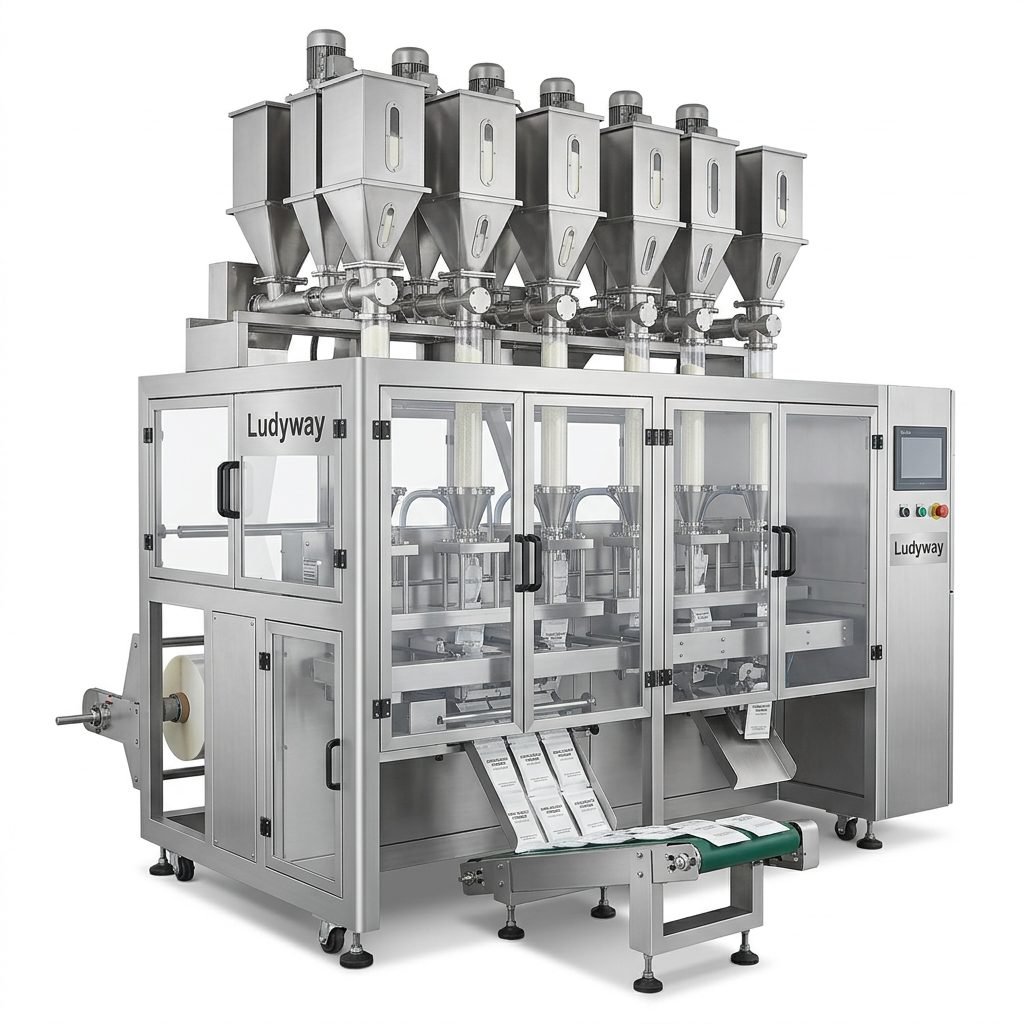
- Stick packs — ideal for single-serve powders, sugars, and supplements
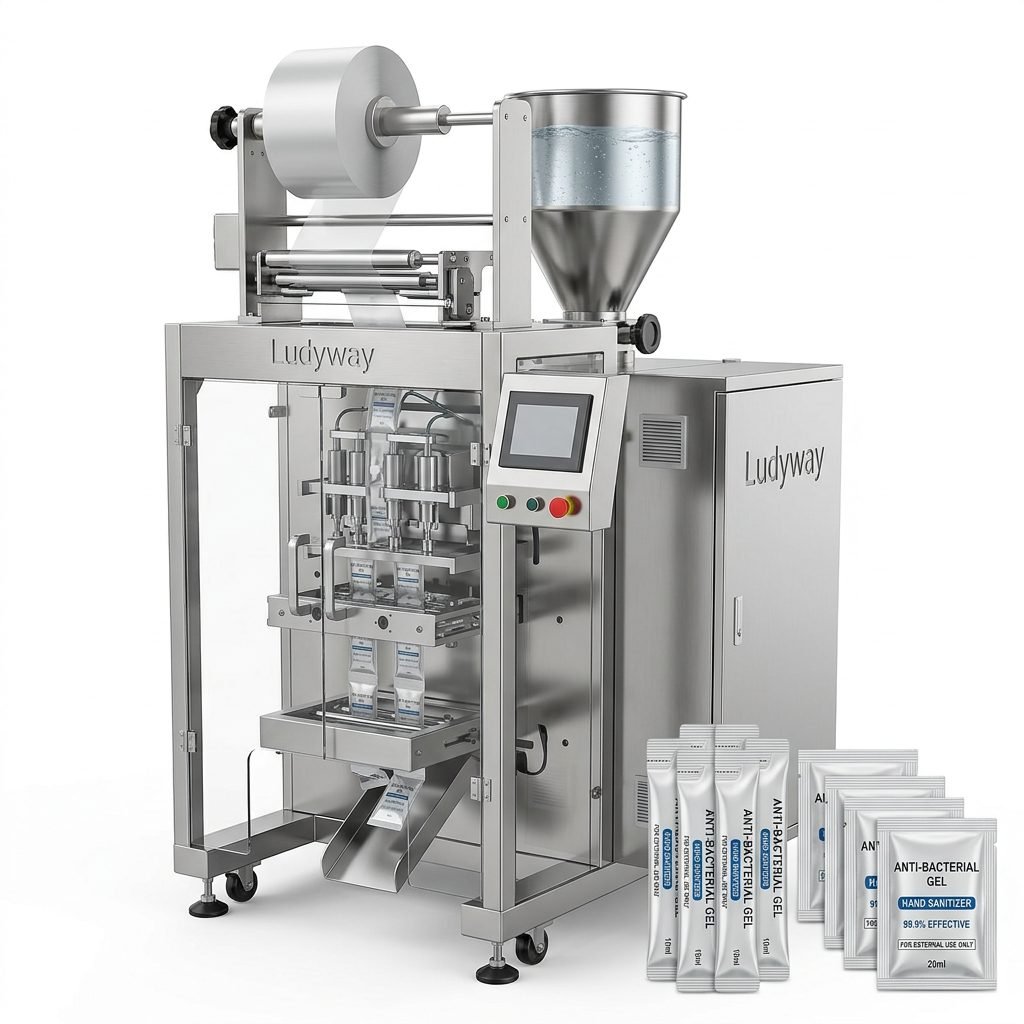
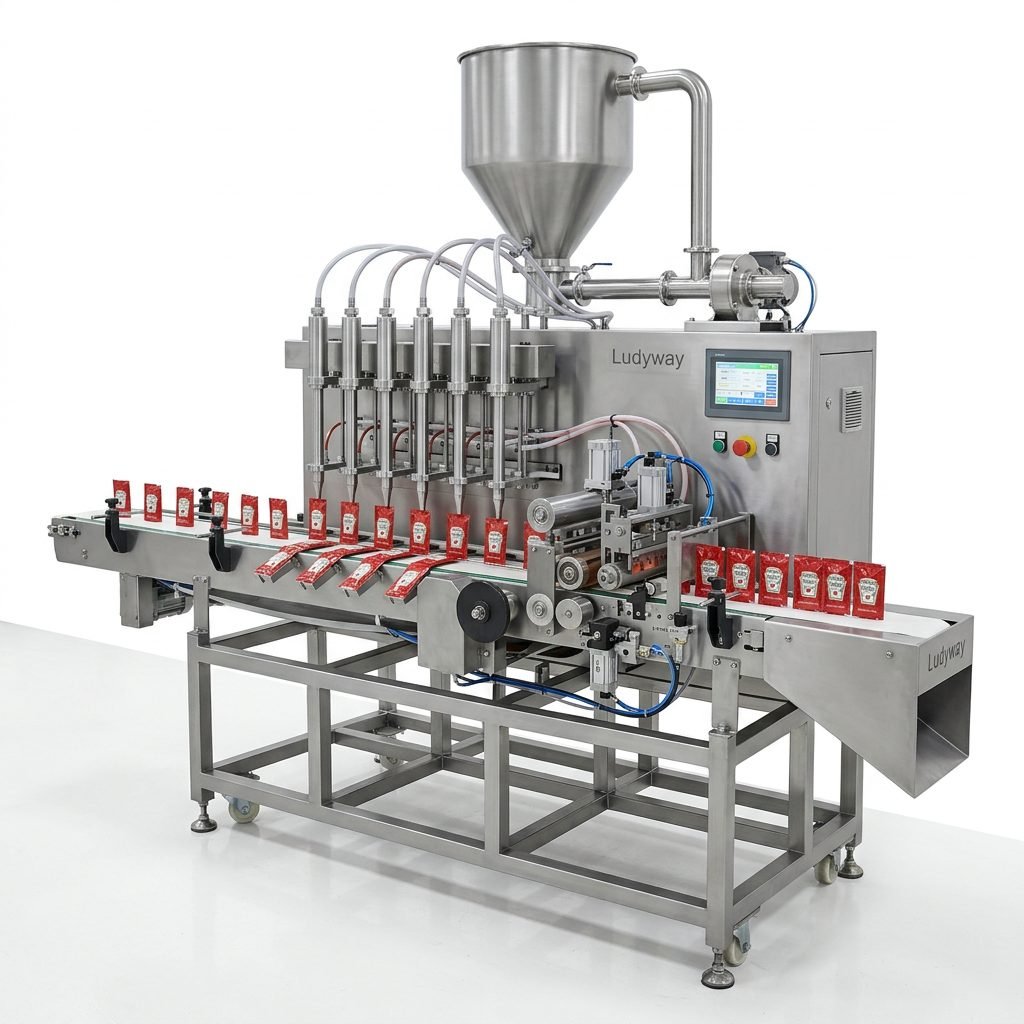
- Sachets — widely used for sauces, condiments, and liquid products
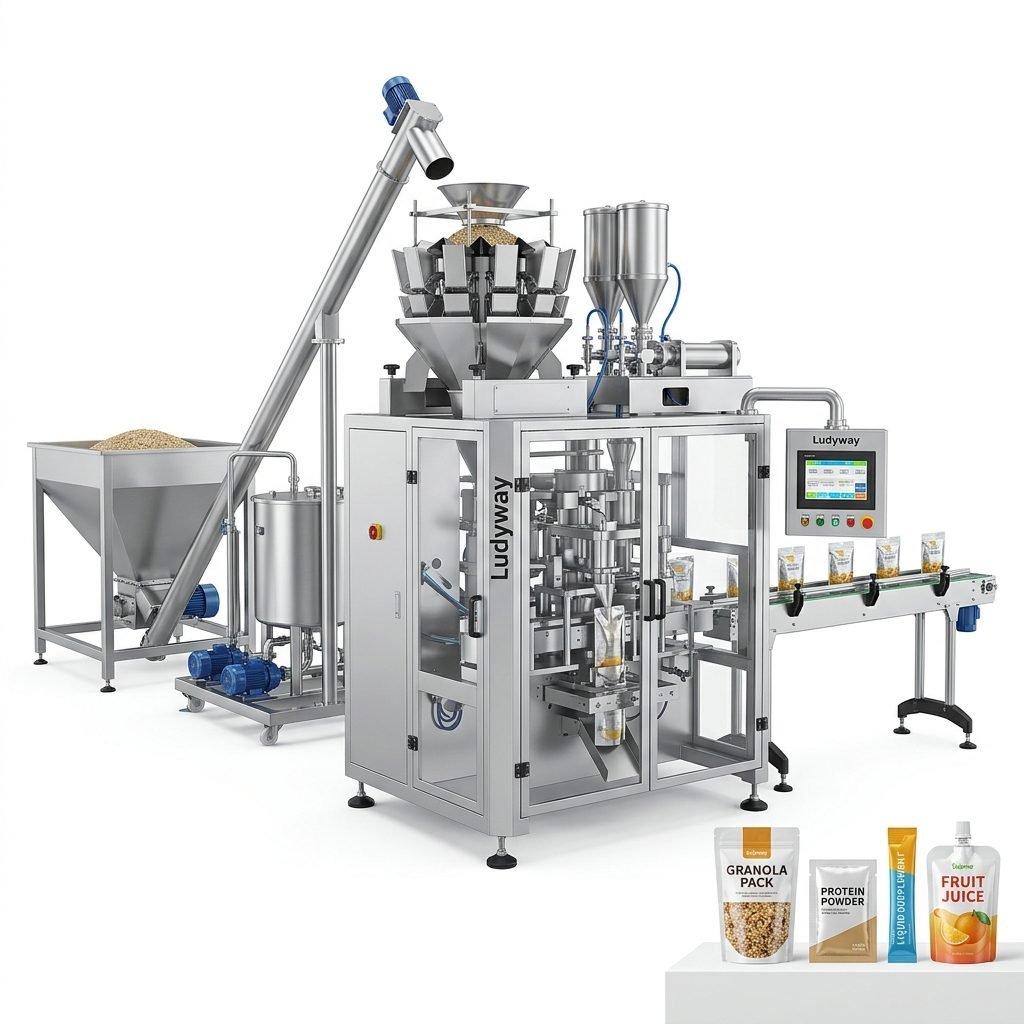
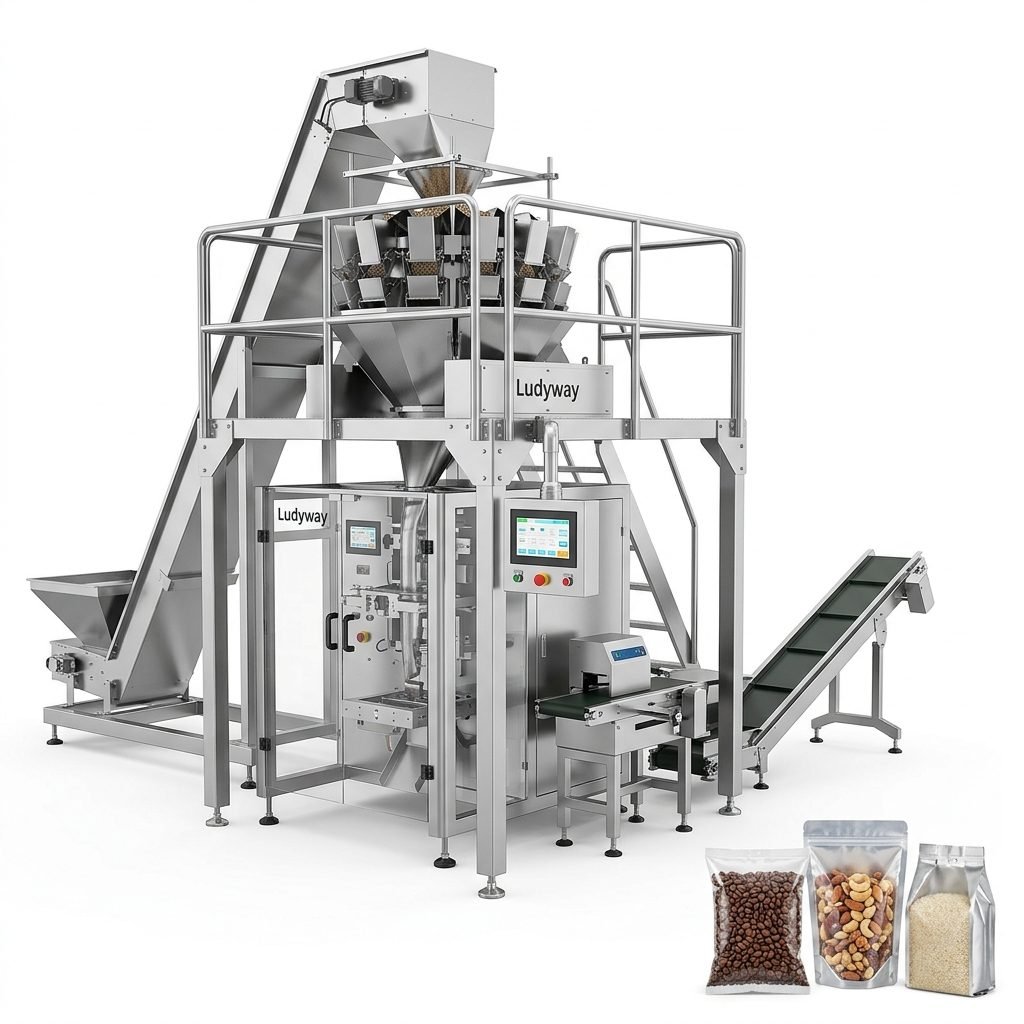
- Pillow pouches — common for snacks, grains, and dry food items
- Gusseted bags — suitable for bulk products requiring enhanced stability
- Vacuum pouches — essential for extended shelf-life applications
Production Speed and Automation Level
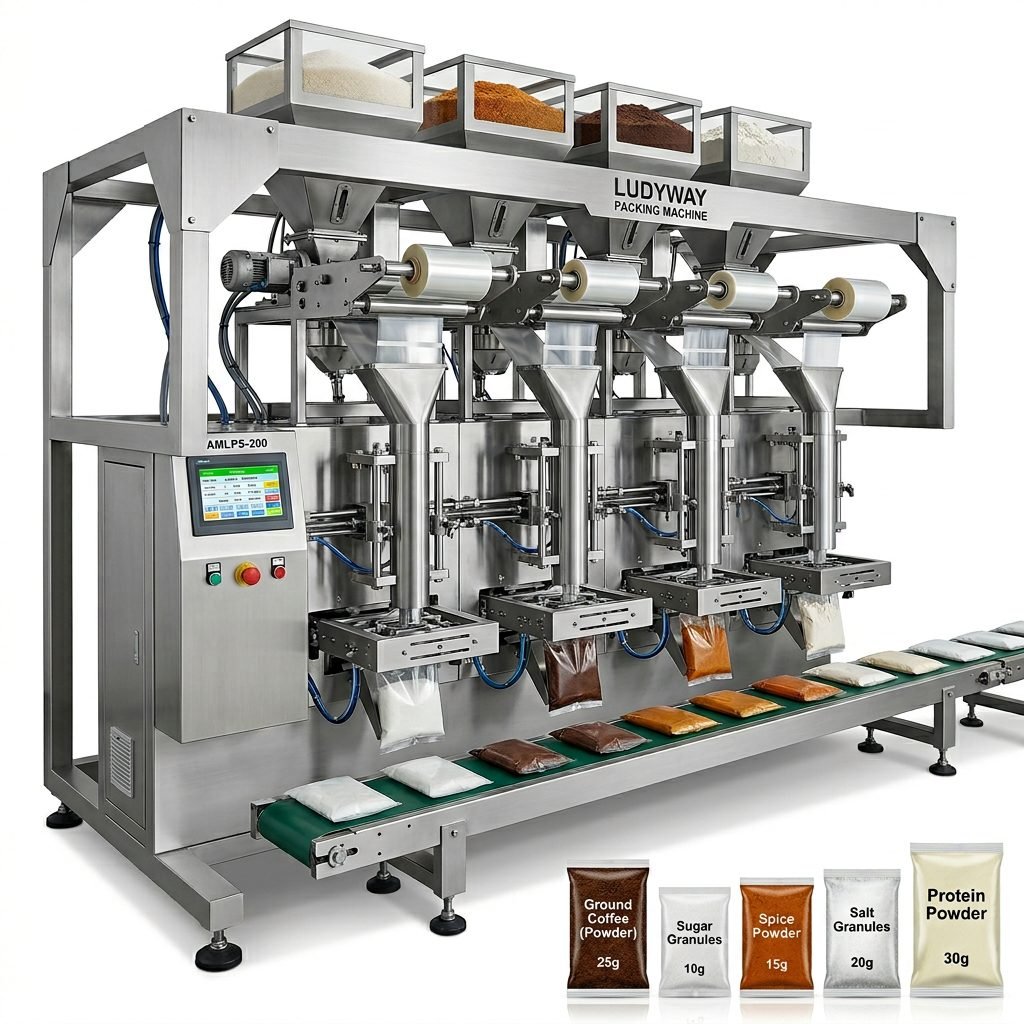
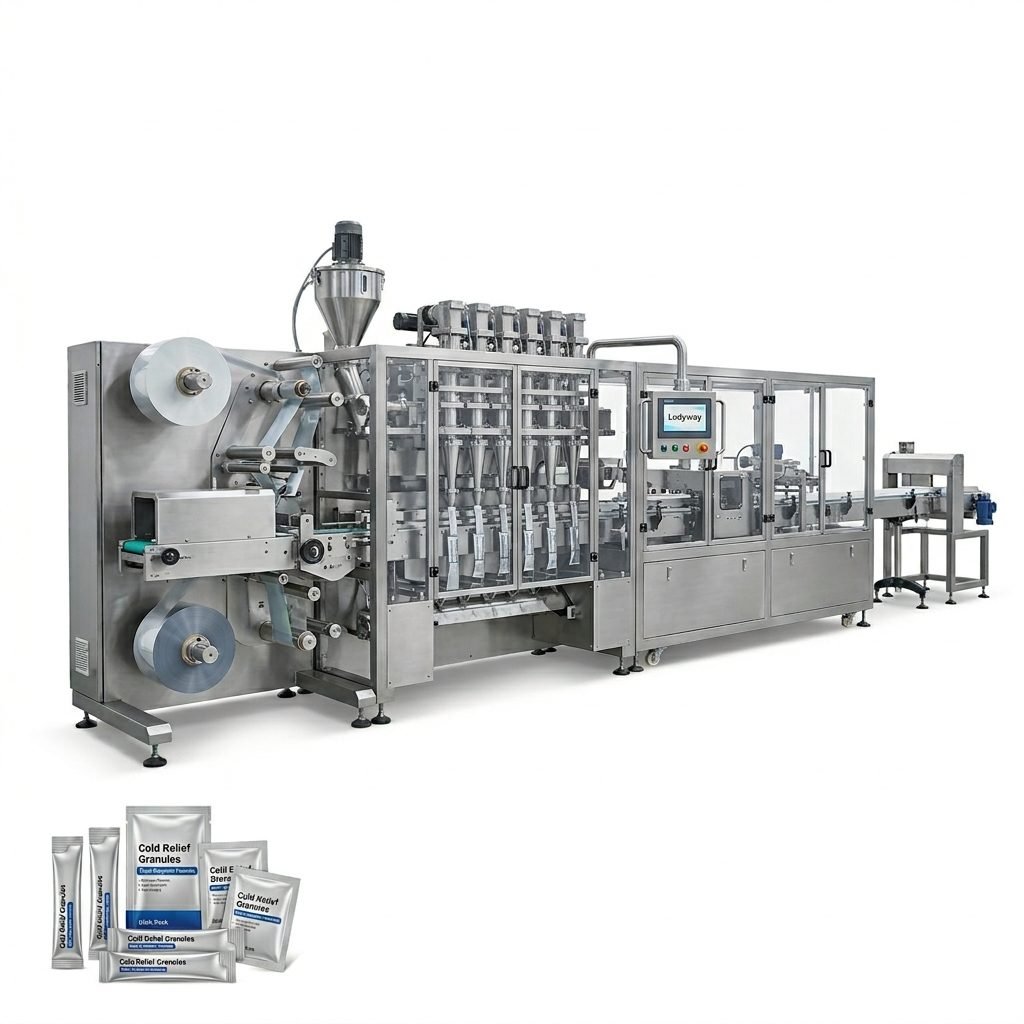
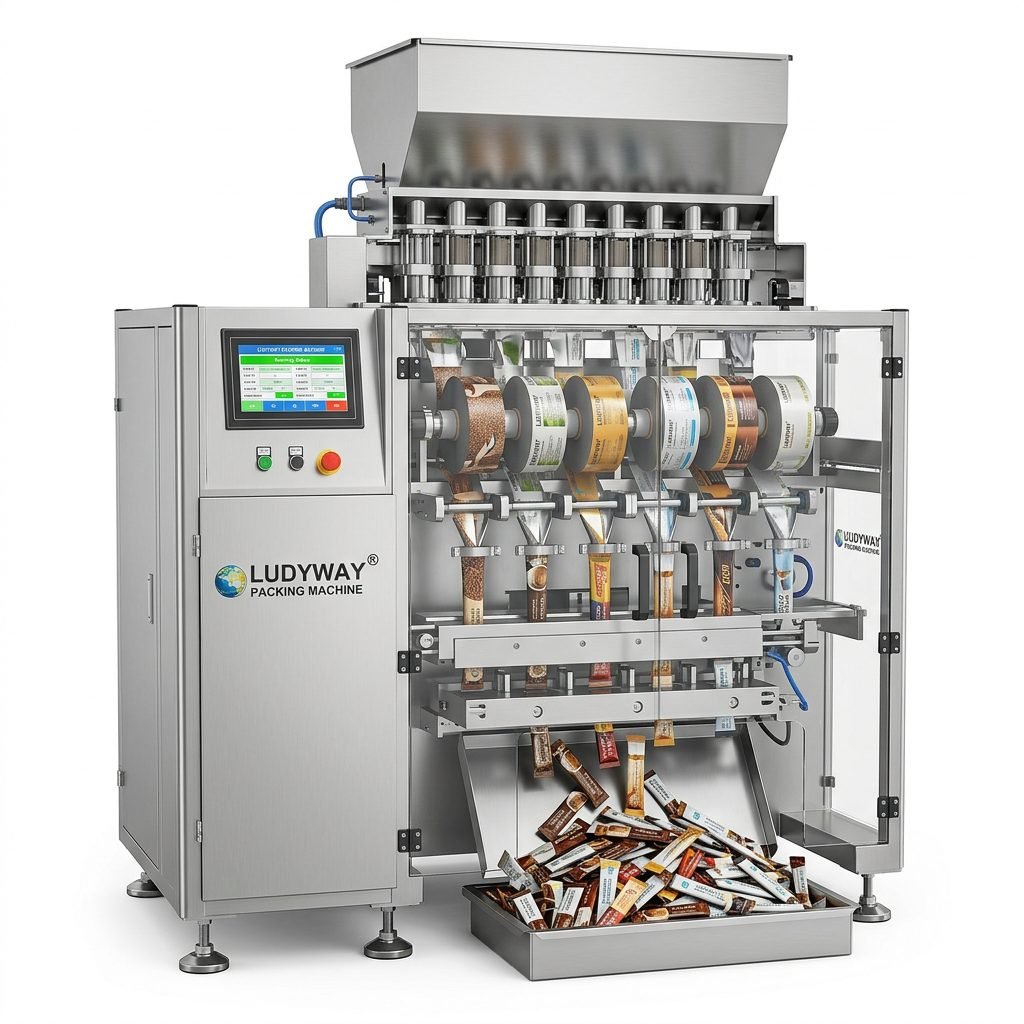
European manufacturing operations often demand high throughput with minimal downtime. Multi-lane packaging machines can significantly boost output by running several lanes simultaneously. When evaluating speed, consider not just the rated cycles per minute but also changeover efficiency, film splicing systems, and the level of automation integration. Fully automated lines incorporating automatic feeding, weighing, filling, sealing, and cartoning can dramatically reduce labour costs and human error.
European Regulatory Compliance: What You Must Know
Any food packaging machine sold and operated in Europe must comply with a comprehensive framework of regulations. Non-compliance can result in costly penalties, product recalls, and reputational damage.
CE Marking and Machinery Directive
The CE mark is mandatory for packaging machinery entering the European Economic Area. This certification confirms that the equipment meets the essential health and safety requirements of the EU Machinery Directive 2006/42/EC. Additionally, machines that contact food directly must comply with food contact material regulations, specifically EU Regulation (EC) No 1935/2004 regarding materials intended to come into contact with food.
Hygienic Design and Cleanability
European food safety standards demand hygienic machine design that minimizes contamination risks. Key design features to look for include sloped surfaces for liquid drainage, stainless steel construction in food contact zones, quick-release components for cleaning access, and IP65 or higher protection ratings for washdown areas. Equipment designed according to ISO packaging standards generally meets European hygiene expectations.
Comparing Packaging Machine Types for Airtight Applications
The table below provides a comparative overview of common packaging machine types used in European food production, highlighting their suitability for different airtight packaging requirements.
| Machine Type | Best For | Seal Quality | Speed Range | Typical Applications |
|---|---|---|---|---|
| Multi-Lane Stick Pack | Powders, granules | Excellent | High (300-800 packs/min) | Coffee, sugar, supplements, spices |
| Vertical Form Fill Seal (VFFS) | Snacks, grains, frozen food | Very Good | Medium to High | Chips, cereals, rice, vegetables |
| Rotary Sachet Machine | Liquids, pastes | Excellent | Medium | Sauces, condiments, creams |
| Vacuum Packaging Machine | Meat, cheese, prepared foods | Superior | Low to Medium | MAP products, shelf-life extension |
| Premade Pouch Filling Line | Premium products, liquids | Very Good | Medium | Ready meals, pet food, beverages |
Assessing Build Quality and Long-Term Reliability
In the demanding environment of European food manufacturing, packaging equipment must deliver reliable performance over extended production cycles. When evaluating build quality, examine the frame construction, component sourcing, and the manufacturer’s approach to precision engineering. Key indicators of robust construction include:
- Stainless steel frames with reinforced structural supports
- Certified electrical components from reputable global suppliers
- Precision-machined sealing jaws with hardened surfaces
- Industrial-grade PLC controls with intuitive HMI interfaces
- Proven track record of installations in European facilities
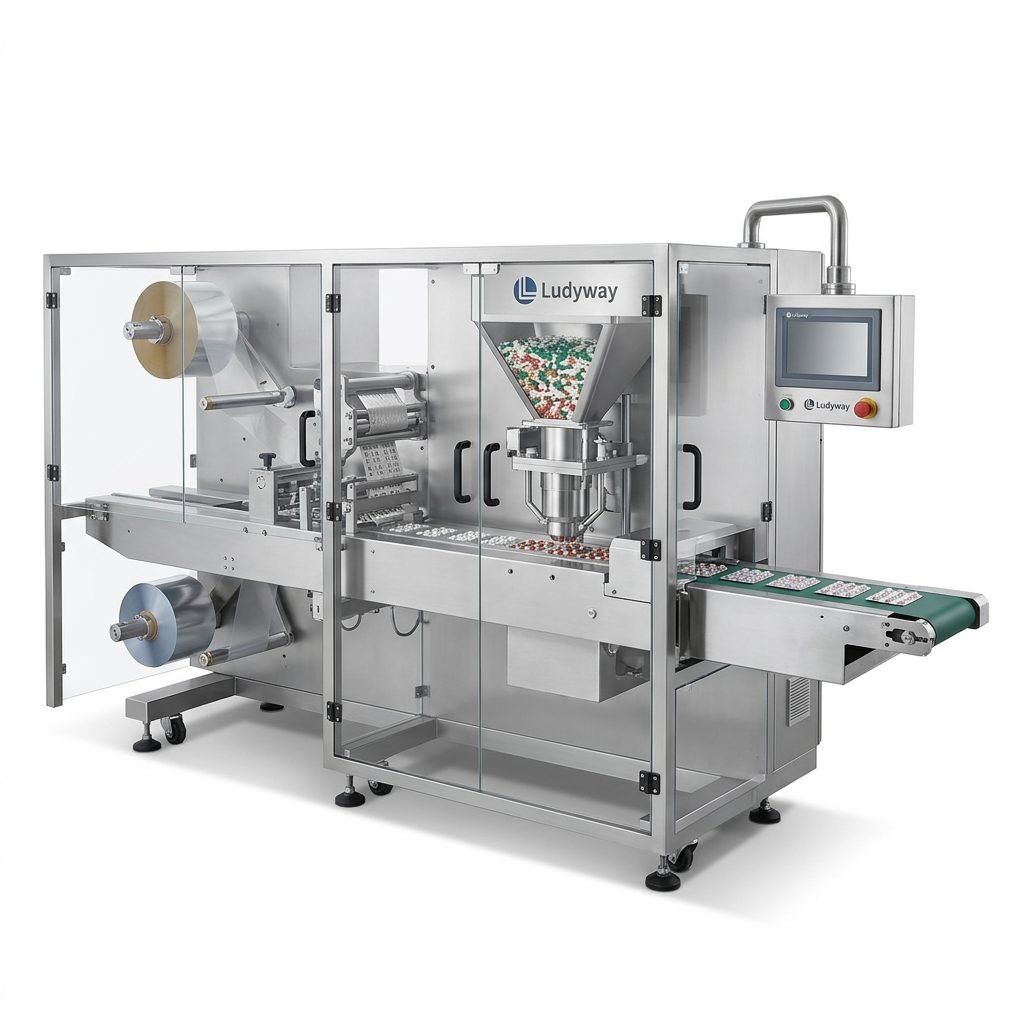
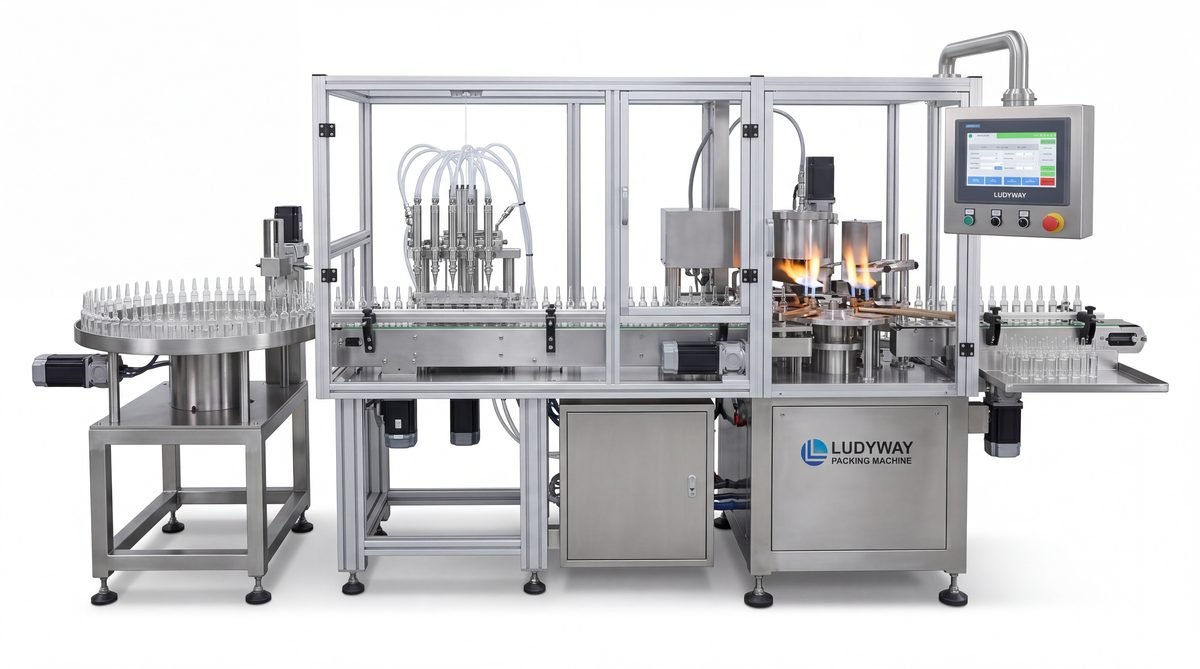
Leading manufacturers producing packaging machinery for international markets increasingly invest in modern manufacturing facilities and rigorous quality testing to ensure their equipment meets European expectations. For example, Ludyway, one of China’s largest packaging machine manufacturers, operates a 20,000㎡ production facility and offers more than 50 intelligent packaging machine models serving customers in over 100 countries.
After-Sales Support and Service Infrastructure in Europe
Purchasing a packaging machine is a long-term investment, and after-sales service quality can significantly impact your operational efficiency. Before finalizing your purchase, verify the following service aspects:
Local Technical Support Availability
Machines will inevitably require maintenance, troubleshooting, and occasional repairs. Ensure your supplier offers local technical support in Europe — whether through dedicated service centres, certified partner networks, or remote diagnostic capabilities. Response time for critical issues should be clearly defined in service agreements.
Spare Parts Accessibility
Downtime waiting for spare parts can be extremely costly. Confirm that critical spare parts are stocked in European warehouses and can be shipped within 24-48 hours. Common wear items such as sealing jaws, cutting blades, belts, and sensors should be readily available to minimize production interruptions.
Training and Installation Support
Proper installation and operator training are essential for achieving optimal packaging line performance. Look for suppliers that offer on-site commissioning, comprehensive operator training programs, and ongoing technical consultation to help your team maximize machine utilization and maintain consistent seal quality.
Energy Efficiency and Sustainability Considerations
European manufacturers face increasing pressure to reduce energy consumption and minimize environmental impact. Modern airtight packaging machines should incorporate energy-efficient features such as servo-driven motors with regenerative braking, optimized heating systems with precise temperature control, and power-saving standby modes. Additionally, the European Packaging and Packaging Waste Regulation emphasizes recyclability, so your equipment should ideally be compatible with emerging sustainable packaging materials, including recyclable mono-material films and bio-based alternatives.
Making the Final Decision: A Practical Checklist
To help you make an informed purchasing decision, consider the following evaluation framework when comparing airtight food packaging machines for the European market:
- Seal quality validation — request seal integrity test reports and sample runs with your packaging materials
- CE certification documentation — verify the Declaration of Conformity and technical file availability
- Reference visits — arrange to see similar machines operating in European production environments
- Total cost of ownership — calculate beyond the purchase price to include energy, consumables, maintenance, and downtime costs
- Scalability — assess whether the machine can accommodate future growth in production volume
- Material flexibility — test the machine with all packaging materials you plan to use, including sustainable alternatives
By thoroughly evaluating these factors and aligning your selection with both technical requirements and European regulatory standards, you can invest in an airtight packaging solution that delivers consistent quality, operational efficiency, and long-term value for your food production business. For additional industry data, the PMMI Business Intelligence Library and Flexible Packaging Association provide comprehensive resources on packaging machinery trends, market data, and technology developments relevant to European food manufacturers.