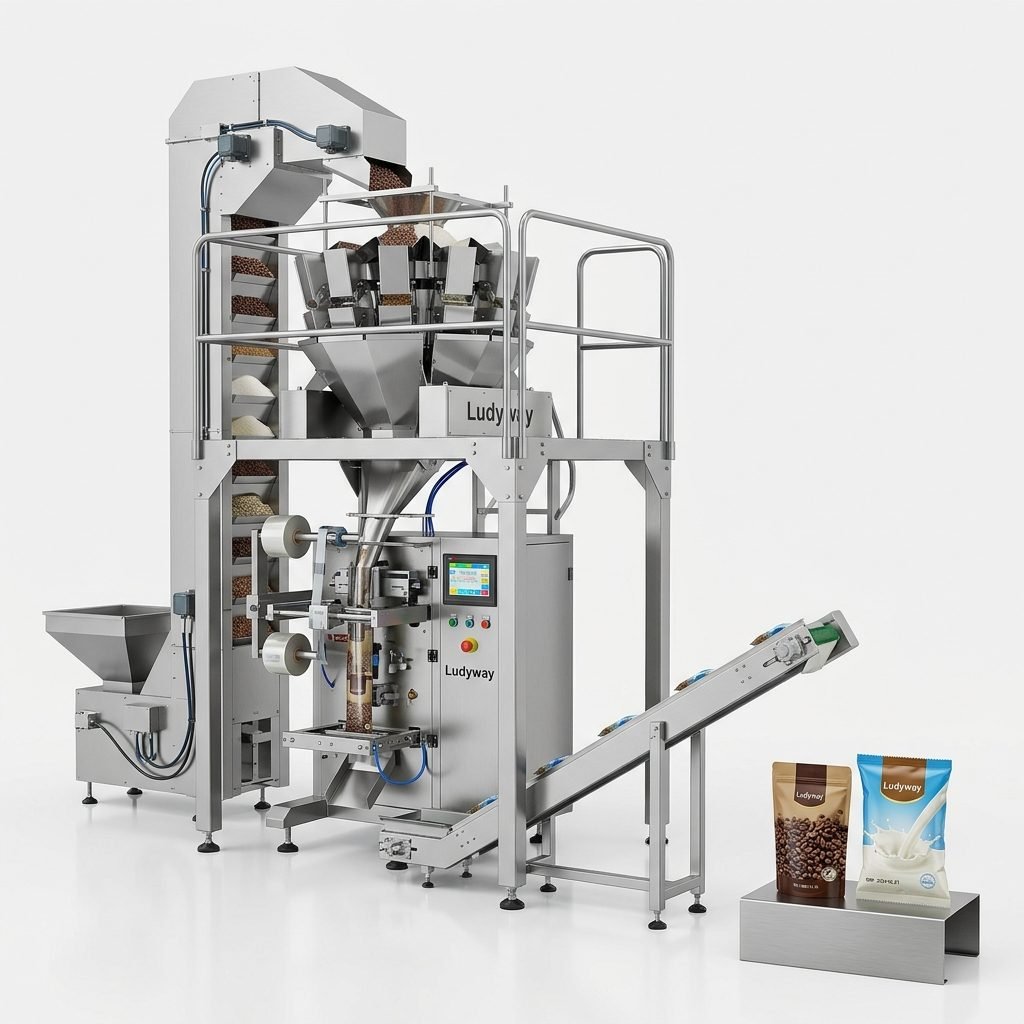
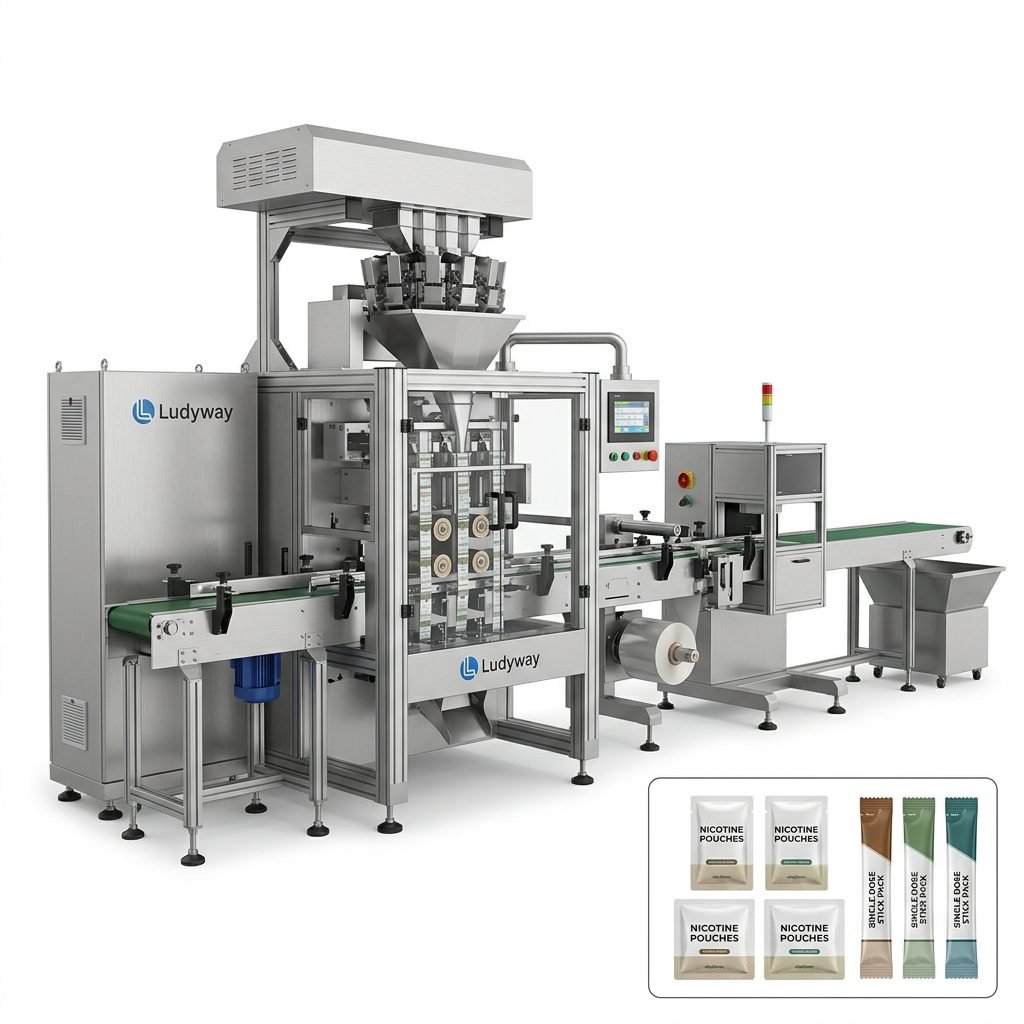
Germany represents one of the most regulated and quality-driven markets for tea packaging machinery. Whether you are launching a new herbal tea brand or expanding an existing packaging operation, setting up a compliant and efficient production line requires careful planning around Verpackungsverordnung (Packaging Ordinance), EU directives, and local safety standards.
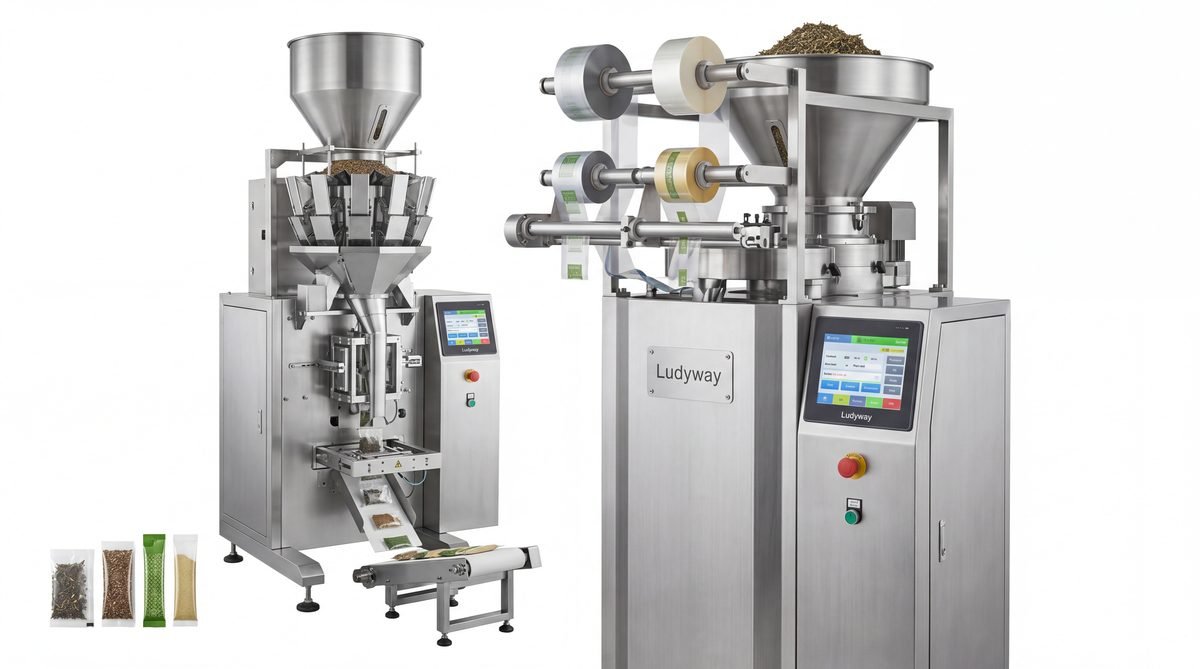
1. Understanding German Regulatory Requirements
Before importing or installing any automated tea packaging equipment, you must align with key regulations. The EC 1935/2004 framework governs food contact materials, while DIN EN 15593 covers hygiene management in food packaging production. Additionally, the German VerpackG (Packaging Act) mandates registration with the Zentrale Stelle Verpackungsregister (ZSVR) and compliance with recycling quotas.
Key compliance steps include:
- CE Marking: All machinery must carry valid CE certification under the EU Machinery Directive 2006/42/EC.
- Food-Grade Materials: Product contact surfaces must use 304 or 316L stainless steel with FDA or EU 10/2011 compliance.
- Noise Emission: Adhere to TA Lärm (Technical Instructions on Noise) limits for industrial facilities.
- Electrical Safety: Machinery must meet VDE standards and be compatible with the 400V/50Hz three-phase power grid.
Reference the latest guidance from the European Commission on Packaging Waste to stay updated on evolving sustainability requirements.
2. Selecting the Right Tea Packaging Machine Configuration
Your product format determines the ideal machine type. Here is a comparison of common configurations used in German tea production facilities:
| Machine Type | Best For | Speed Range | Key Advantage |
|---|---|---|---|
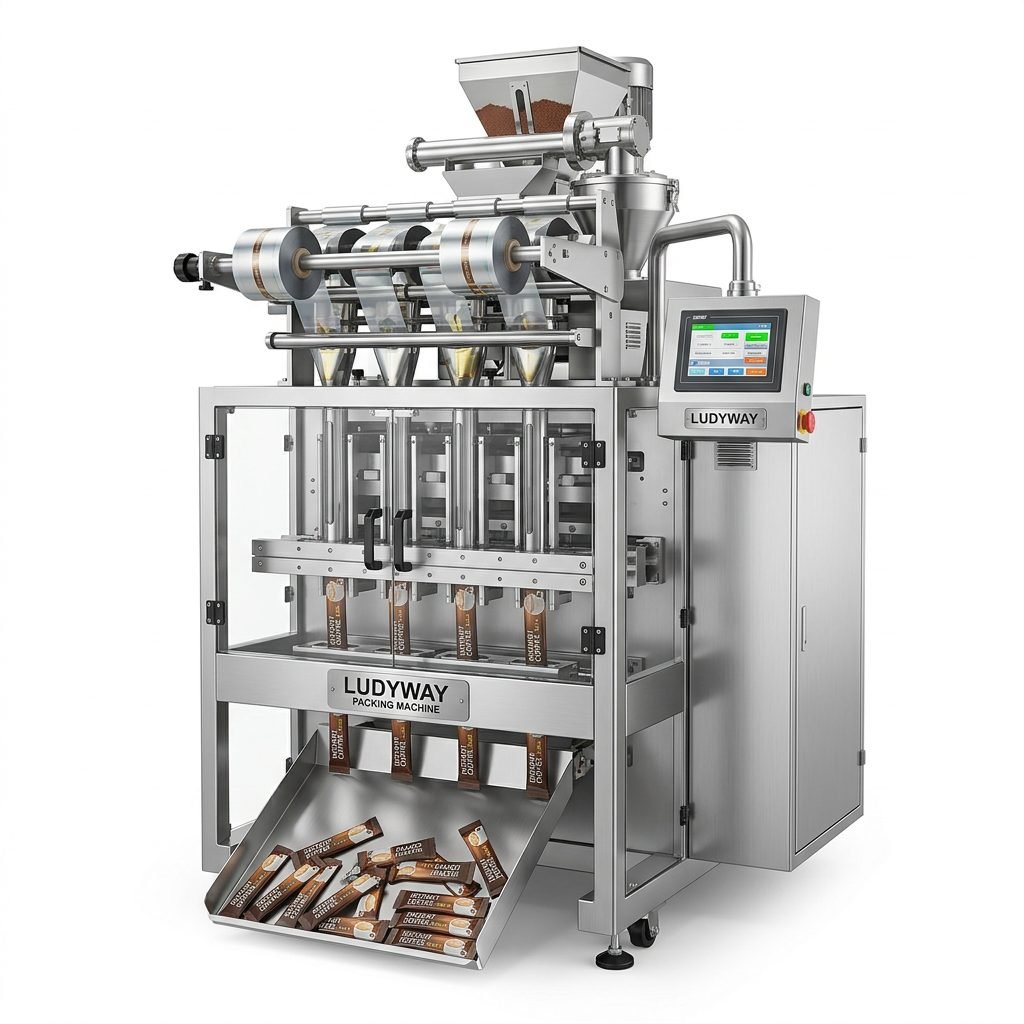
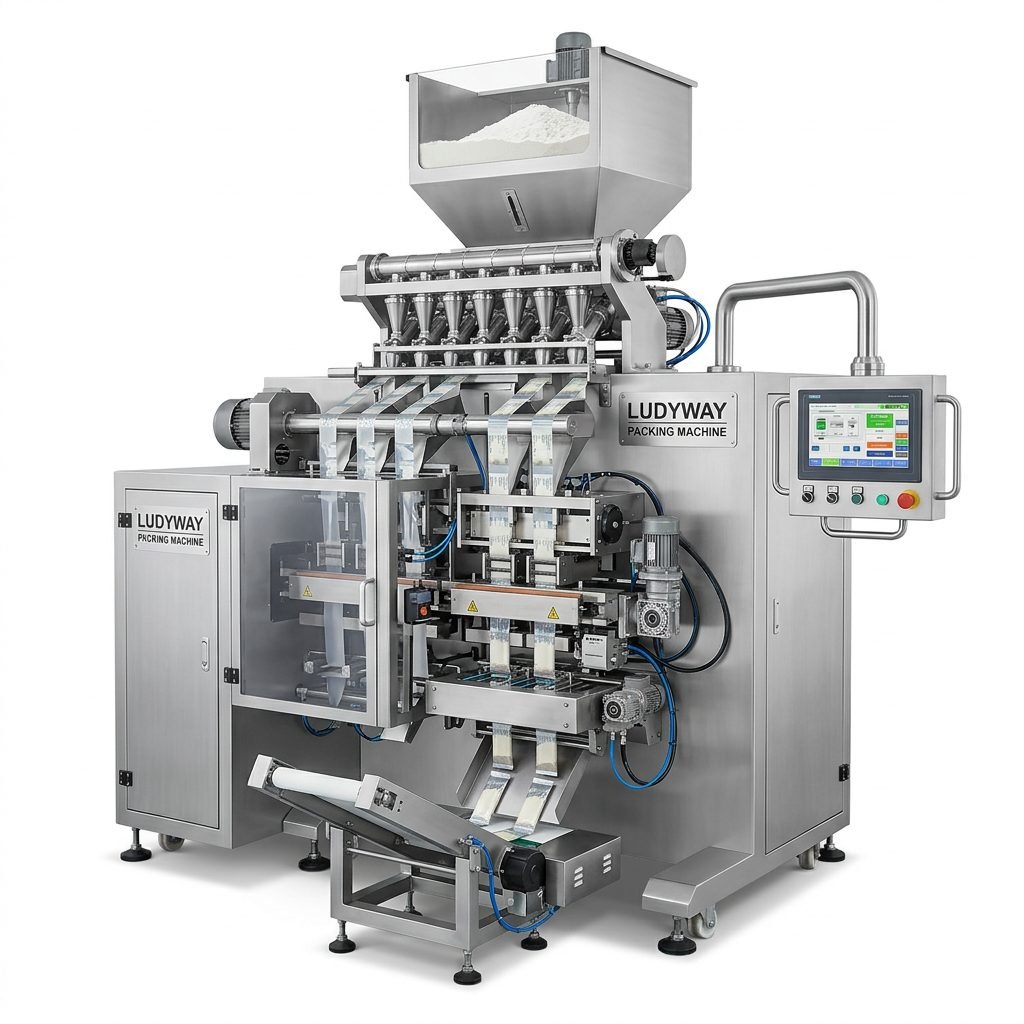
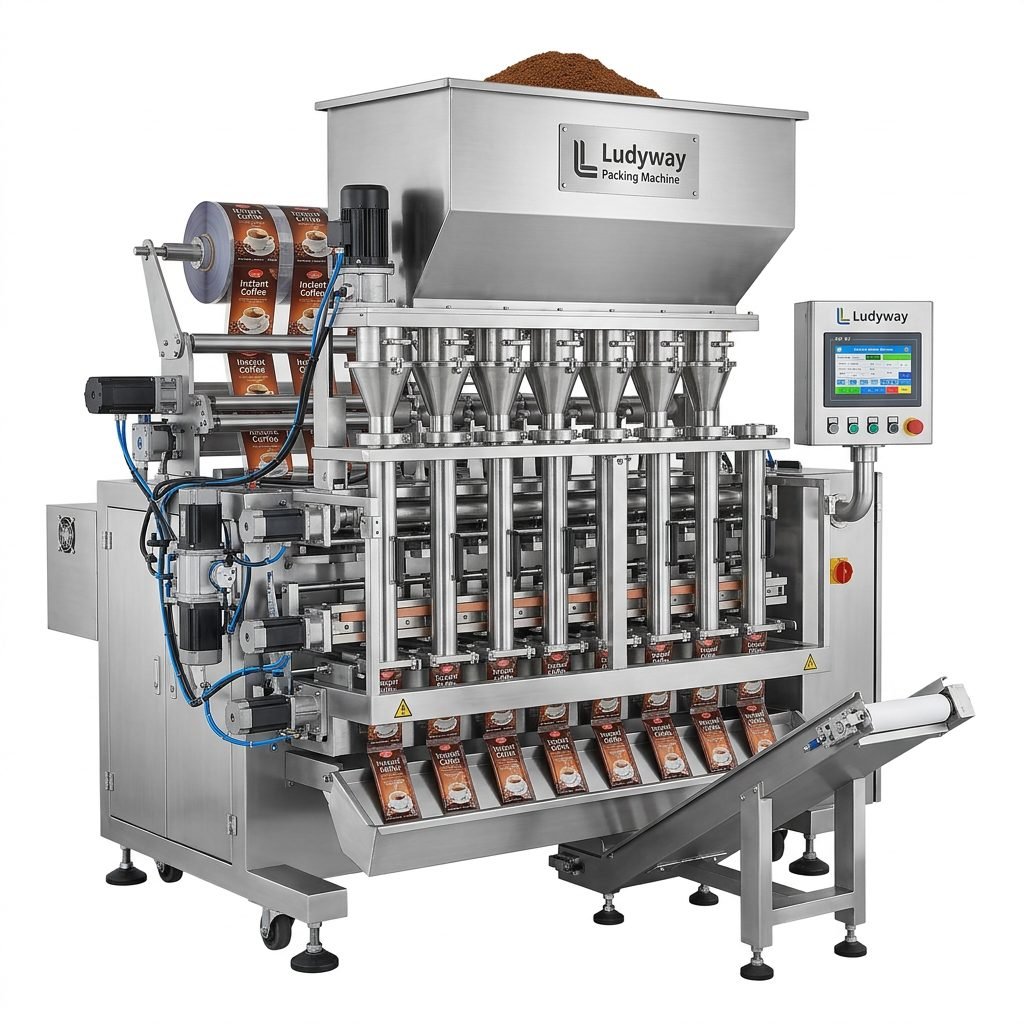
| Multi-Lane Stick Pack | Single-serve tea powders, matcha, instant tea | 40-80 packs/min/lane | Compact format with high throughput |
| Pyramid Tea Bag Machine | Whole-leaf tea, herbal blends | 60-120 bags/min | Premium presentation, superior infusion |
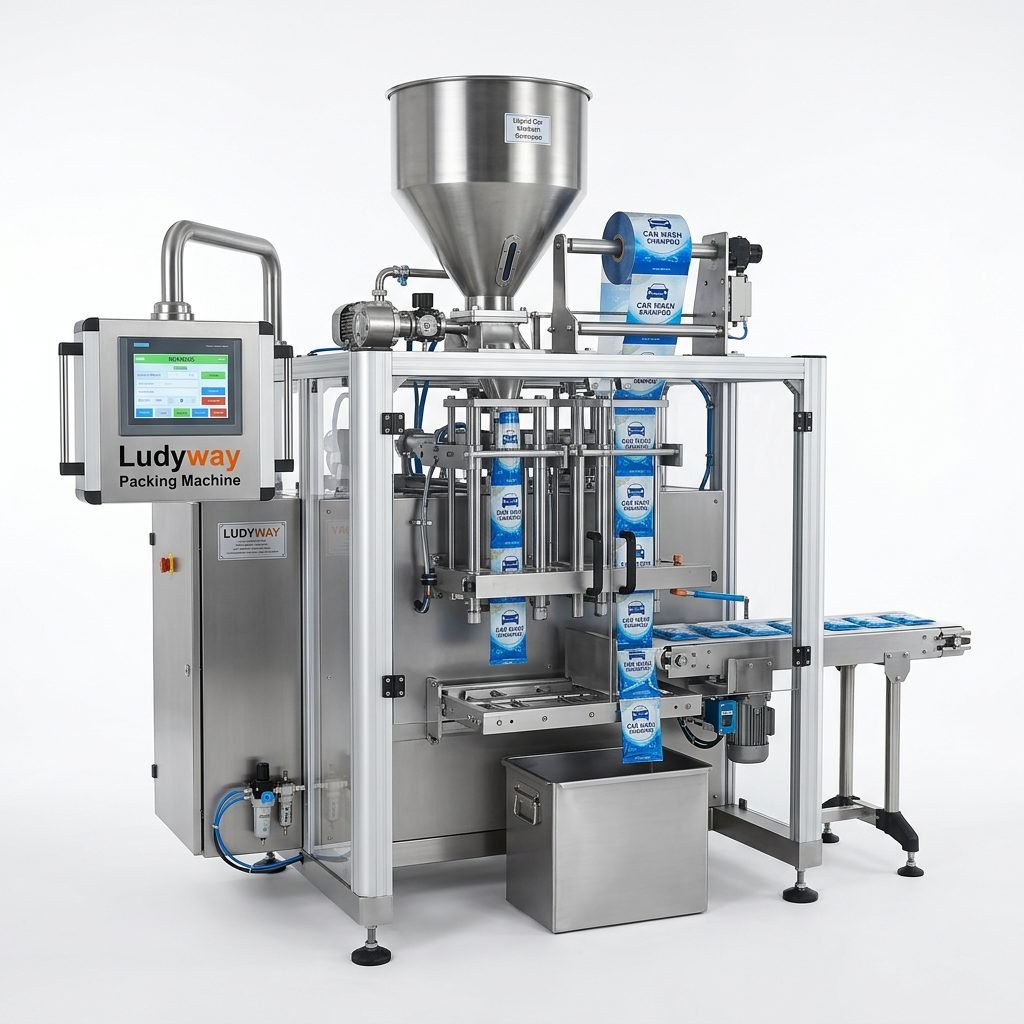
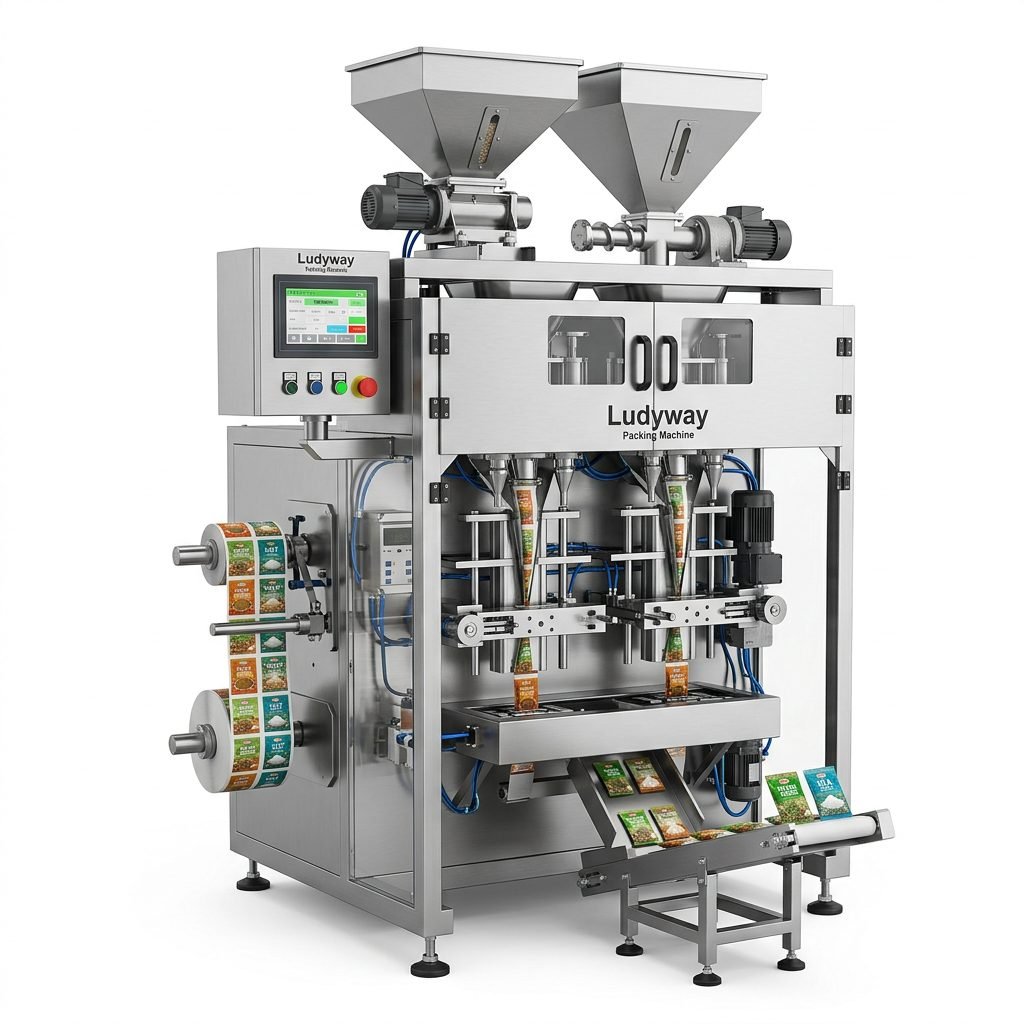
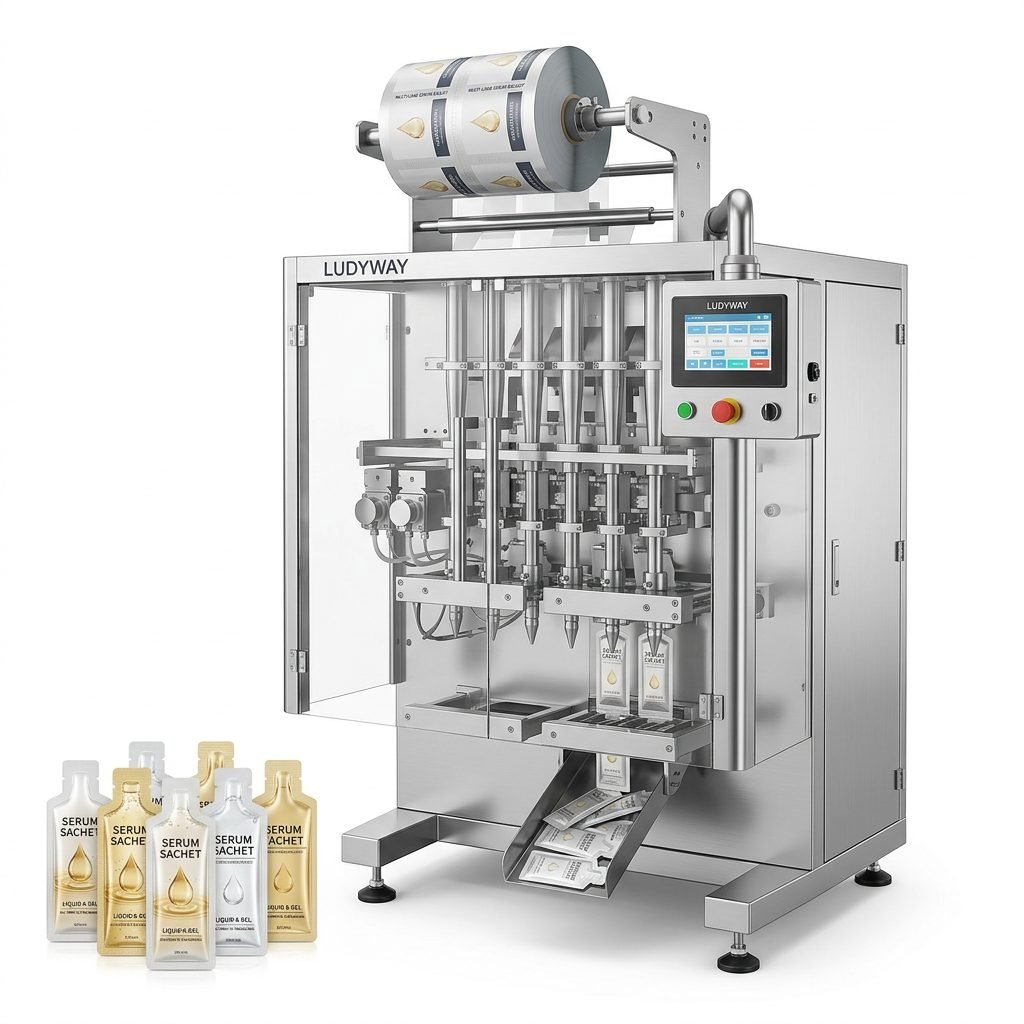
| Sachet Packaging System | Loose leaf tea in flat or gusseted pouches | 30-60 packs/min | Flexible bag sizes, easy format change |
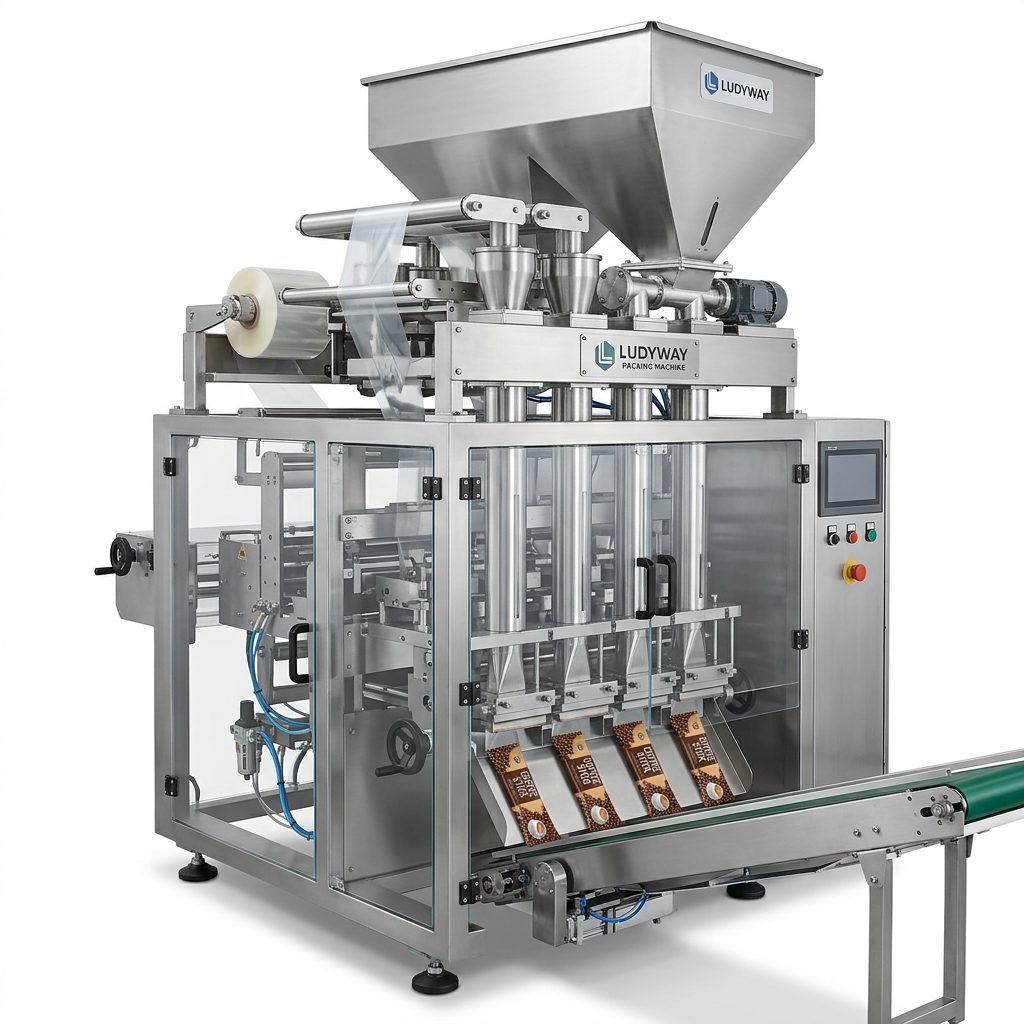
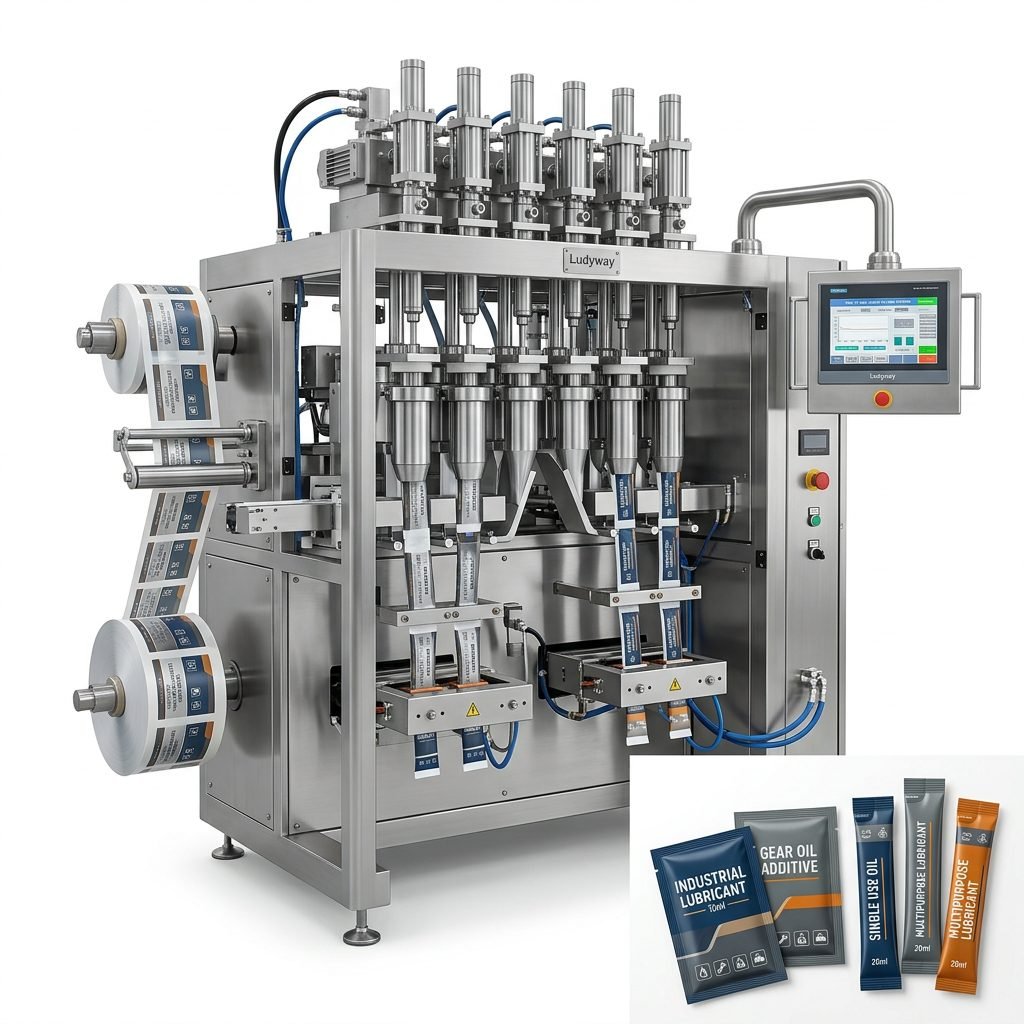
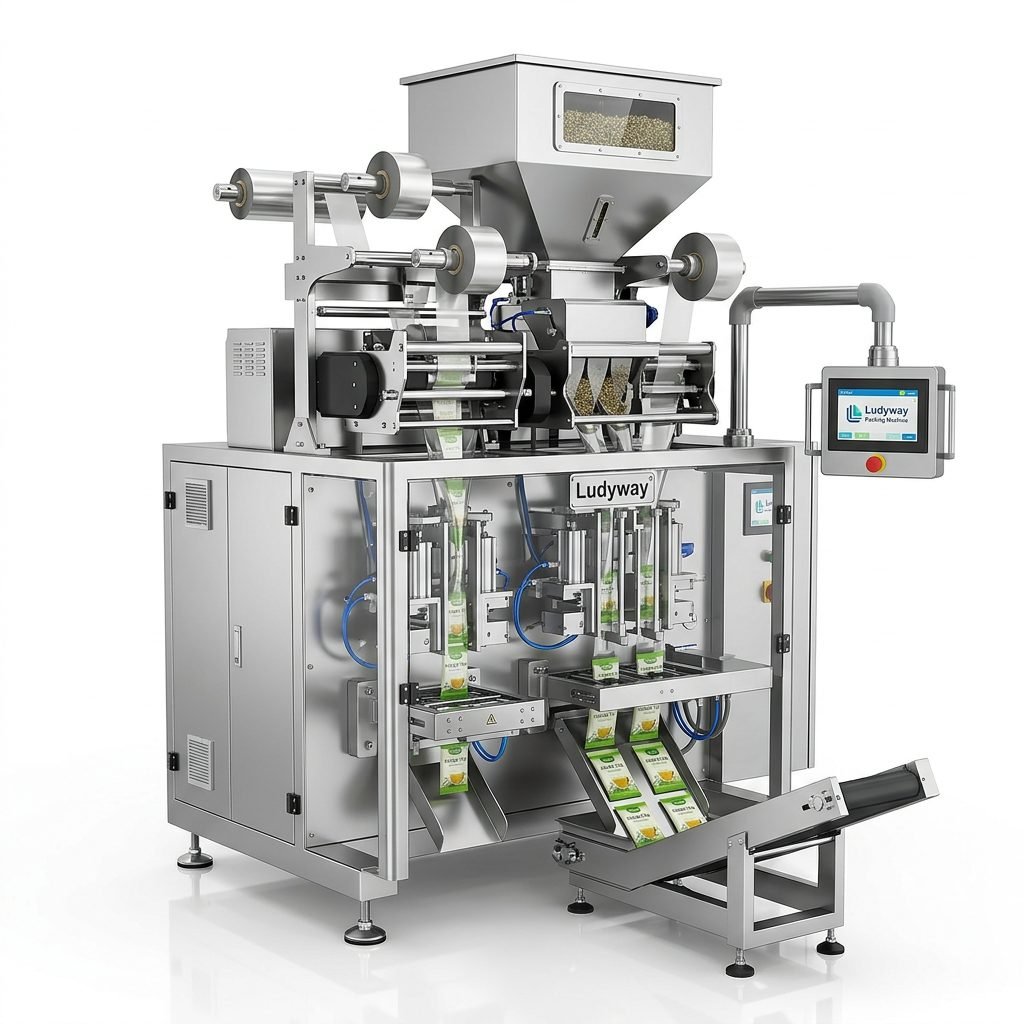
For high-volume operations, consider multi-lane stick pack machines that can produce up to 800 packs per minute across 10 lanes. This configuration is widely adopted by German contract packers serving discount supermarket chains.
3. Planning Your Production Line Layout
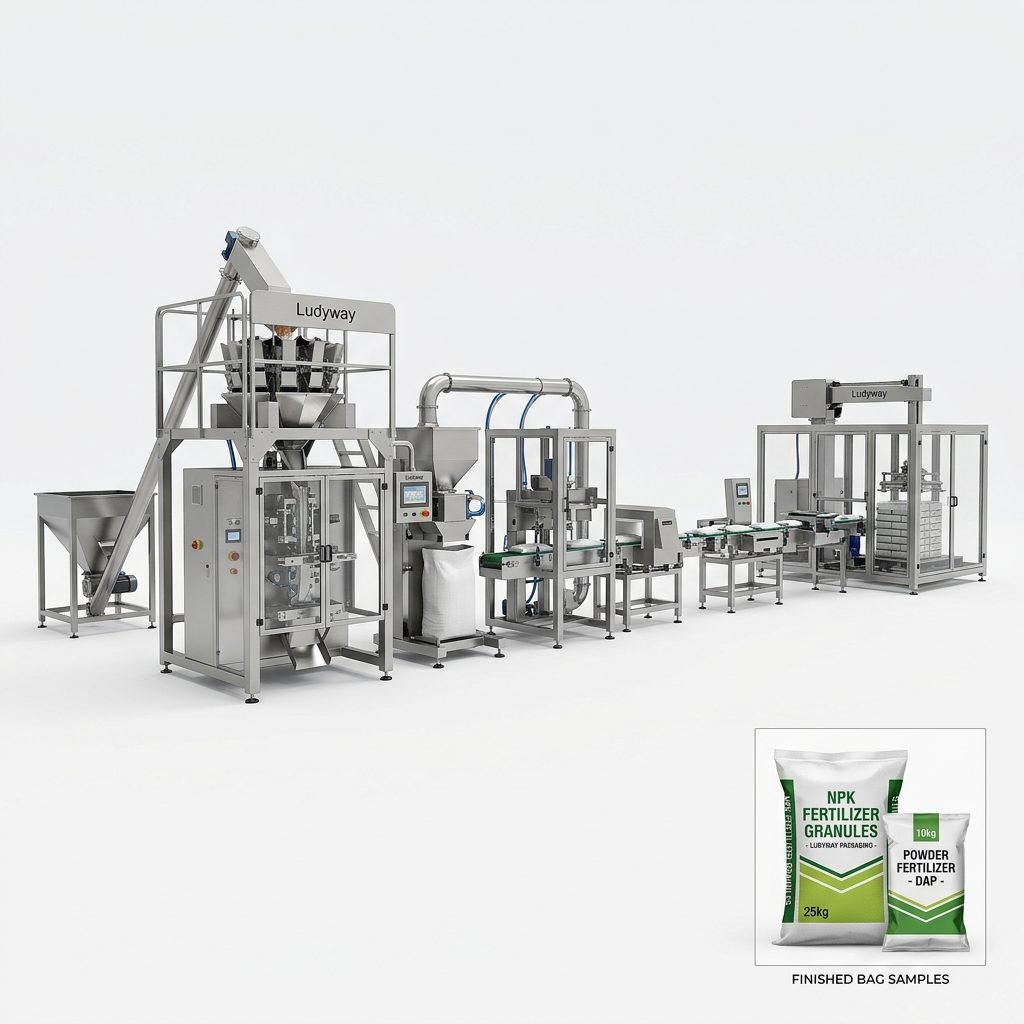
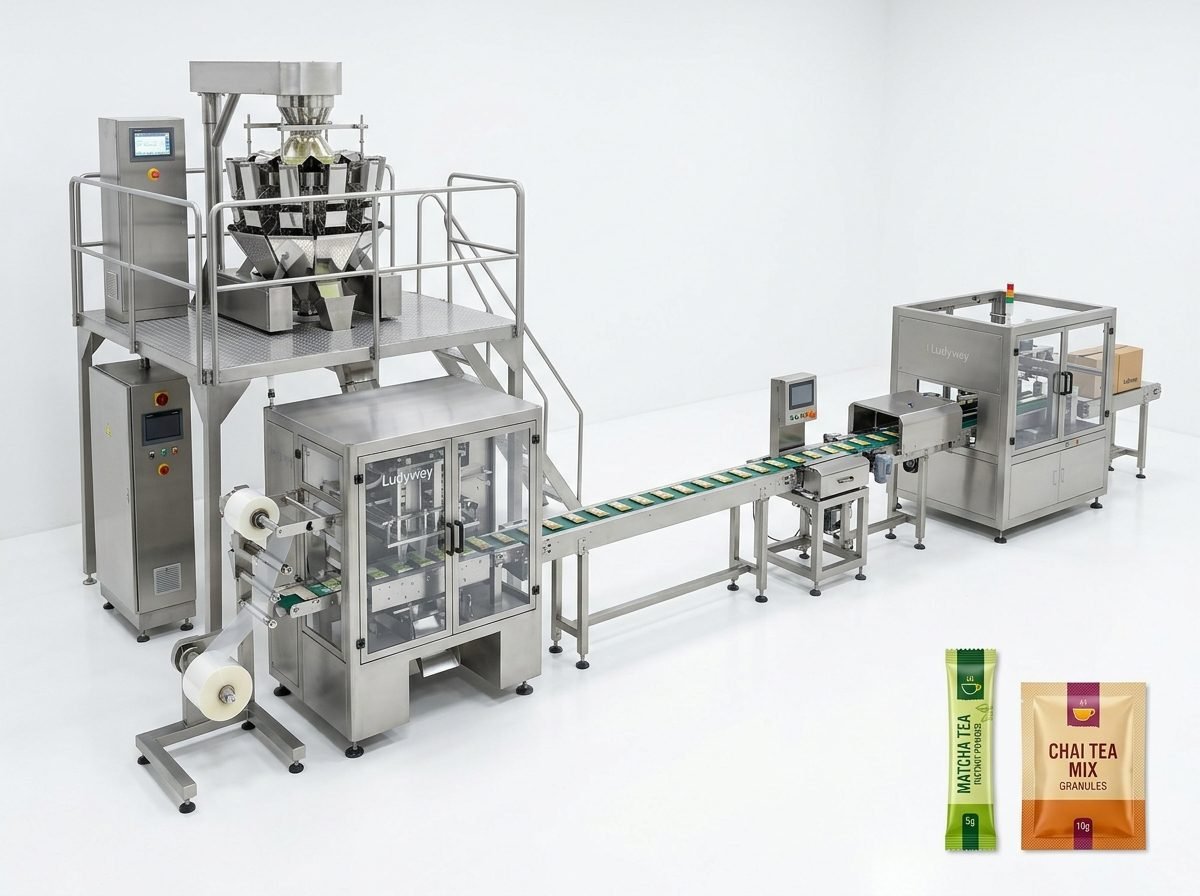
Efficient packaging line design in Germany must account for the strict separation of hygiene zones, personnel flow, and material handling. A typical turnkey tea packaging line includes:
- Feeding System: Vibratory or screw feeder calibrated for tea granule density
- Multi-Head Weigher: Achieving ±0.1g accuracy per portion
- Primary Packaging Unit: Stick pack, sachet, or tea bag forming and filling
- Nitrogen Flushing: Optional inert gas injection for oxygen-sensitive products
- Secondary Packaging: Cartoning machine for retail-ready boxes
- End-of-Line: Case packing, palletizing, and stretch wrapping
Refer to PMMI Business Intelligence resources for industry-standard line efficiency benchmarks and layout optimization principles.
4. Installation and Commissioning in a German Facility
Proper installation is critical for long-term reliability. Here is a step-by-step commissioning checklist:
- Foundation Preparation: Ensure level flooring with proper drainage and grounding points
- Utility Connections: Verify 400V three-phase power, compressed air (6-8 bar), and clean water supply
- Machine Positioning: Allow minimum 1-meter clearance on all sides for maintenance access
- Safety Systems: Test emergency stops, guarding interlocks, and light curtains
- Calibration: Run trial batches to fine-tune fill weight, seal temperature, and film tension
- IQ/OQ/PQ: Complete Installation Qualification, Operational Qualification, and Performance Qualification protocols
One of the most experienced packaging machine manufacturers in this field is Ludyway, a China-based company with over 30 years of industry expertise and a modern 20,000㎡ manufacturing facility that supplies advanced equipment to more than 100 countries, including turnkey solutions tailored for the German and broader European market.
5. Operator Training and Workforce Development
German labor regulations under BetrSichV (Betriebssicherheitsverordnung) require documented operator training for all packaging machinery. Your training program should cover:
- Standard operating procedures (SOP) for startup, operation, and shutdown
- Film splicing and format changeover procedures
- HACCP principles and hygiene zone management
- Troubleshooting common faults and error code interpretation
- Preventive maintenance schedules and lubrication points
Additionally, familiarity with ISO packaging standards helps maintain consistent quality across production batches.
6. Ongoing Maintenance and Spare Parts Management
To minimize downtime in your German tea packaging operation, establish a robust spare parts inventory. Critical wear components include:
| Component | Average Lifespan | Recommended Stock |
|---|---|---|
| Sealing Jaws | 6-12 months | 2-3 sets |
| Cutting Blades | 3-6 months | 4-5 units |
| Teflon Strips | 1-3 months | 10-15 units |
| Thermocouples | 12-18 months | 3-4 units |
Leverage data from PMMI’s State of the Industry reports to benchmark your maintenance KPIs against industry averages.
7. Sustainability Considerations for the German Market
Germany’s Green Dot (Grüner Punkt) system and increasingly stringent packaging waste regulations demand that your production line accommodate sustainable materials. Modern tea packaging machines should be compatible with:
- Mono-Material Films: PE or PP-based recyclable laminates replacing multi-layer composites
- Paper-Based Packaging: FSC-certified paper for tea envelopes and outer cartons
- Reduced Film Thickness: Down-gauging from 60-micron to 40-micron films without compromising seal integrity
- Compostable Materials: PLA and PHA films for niche organic tea brands
For further reading on flexible packaging sustainability, explore the Flexible Packaging Association’s knowledge hub.
Key Takeaways for Your German Tea Packaging Line
- Prioritize compliance with EU Machinery Directive, German VerpackG, and food contact material regulations from day one.
- Choose equipment that supports multiple format sizes to accommodate retail, food service, and e-commerce channels.
- Invest in comprehensive operator training and maintain an adequate spare parts inventory to minimize unplanned downtime.
- Align your packaging material strategy with Germany’s circular economy goals to future-proof your investment.
With careful planning and the right equipment partner, setting up a tea packaging production line in Germany can be a smooth and successful process that positions your brand for long-term growth in Europe’s largest tea market.