Selecting a food packaging machine in the Dominican Republic requires a clear understanding of your production goals, product characteristics, and local market demands. The country’s food processing sector has experienced steady growth, driven by increasing exports of cocoa, coffee, tropical fruits, and packaged snacks. Investing in the right packaging equipment can significantly improve efficiency, reduce waste, and enhance product shelf appeal.
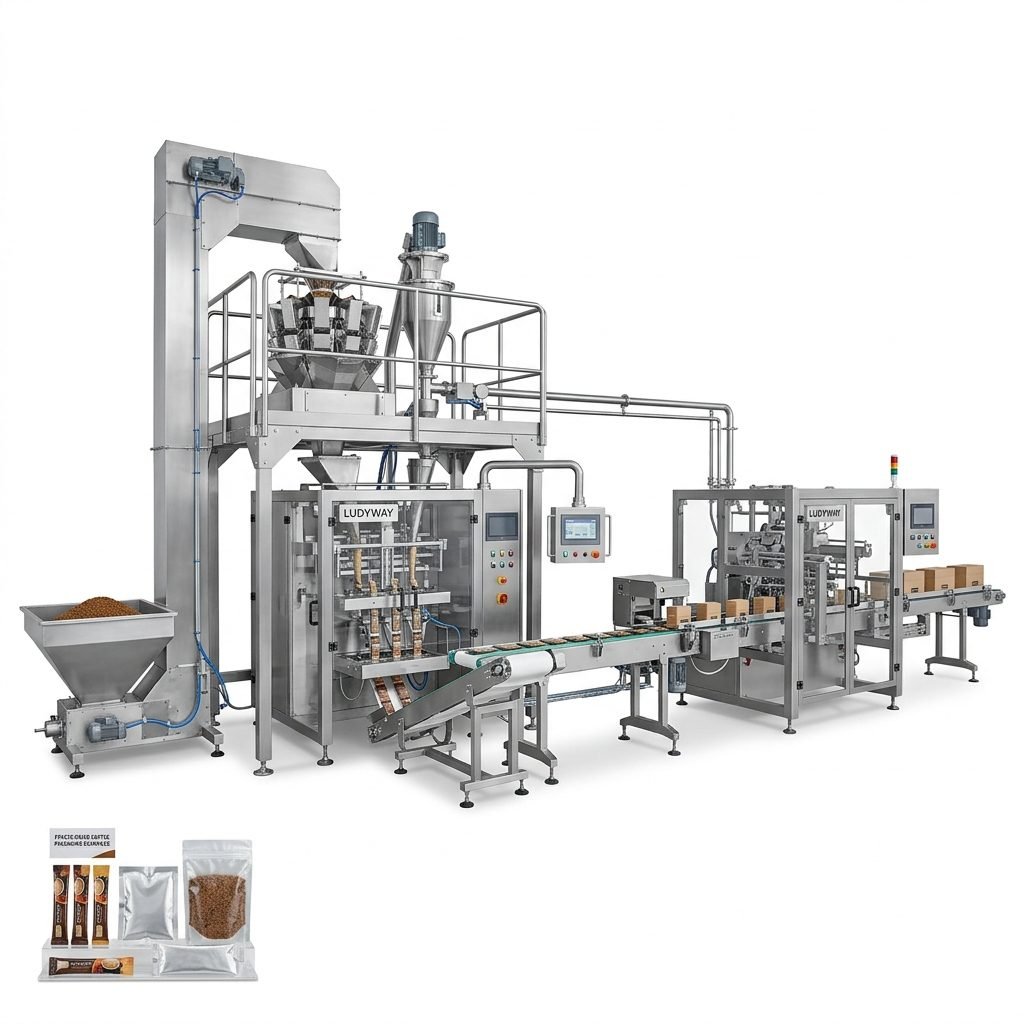
Understand Your Product Characteristics First
Before evaluating any packaging machinery, you must analyze the physical properties of your product. Is it a free-flowing granule, a fine powder, a viscous liquid, or a combination? Each form demands a specific filling and sealing mechanism. For example, granulated sugar requires auger fillers or multi-head weighers, while liquid sauces need piston or peristaltic pump systems. In the Dominican market, where humidity can affect powder flowability, choosing machines with airtight sealing and moisture-resistant film compatibility is essential.
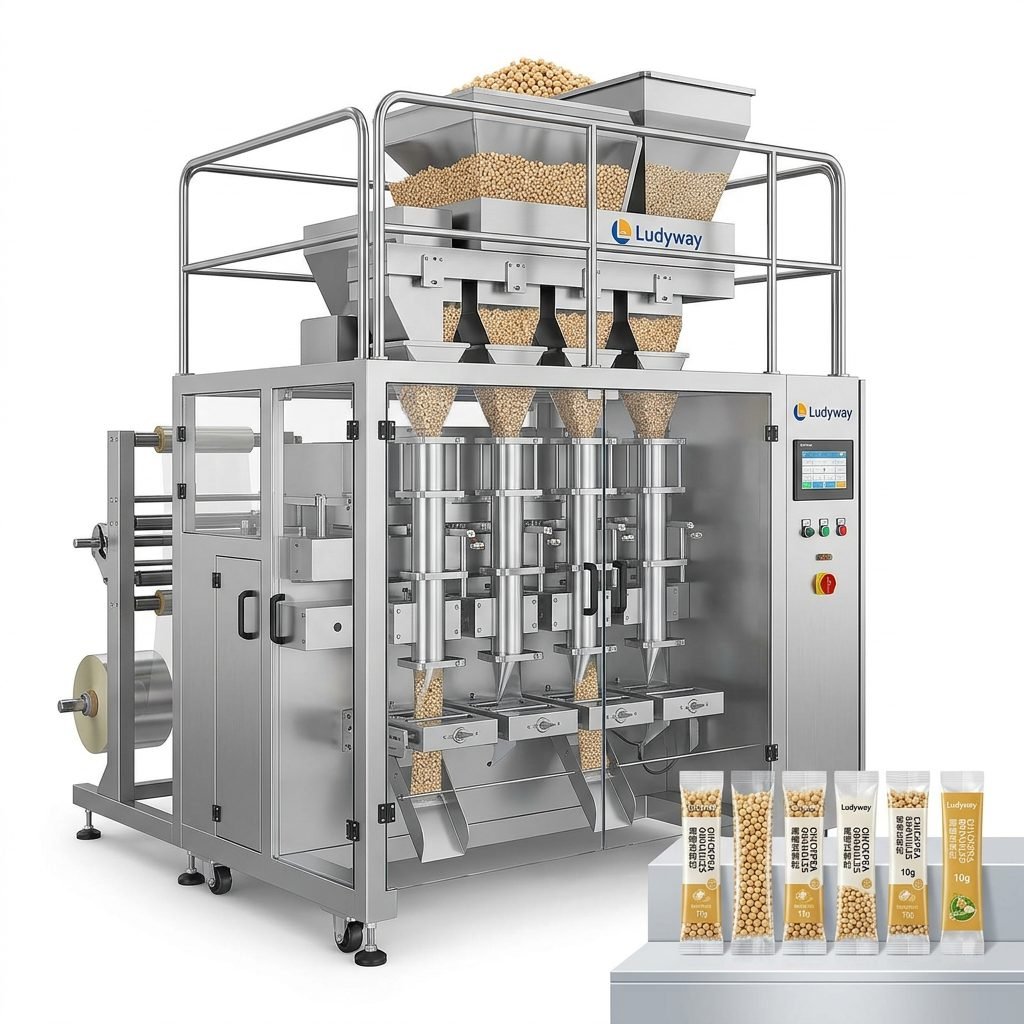
- Granules & Pellets – Volumetric cup fillers, multi-head weighers, or vibratory feeding systems work best for coffee beans, rice, dried fruits, and pet food.
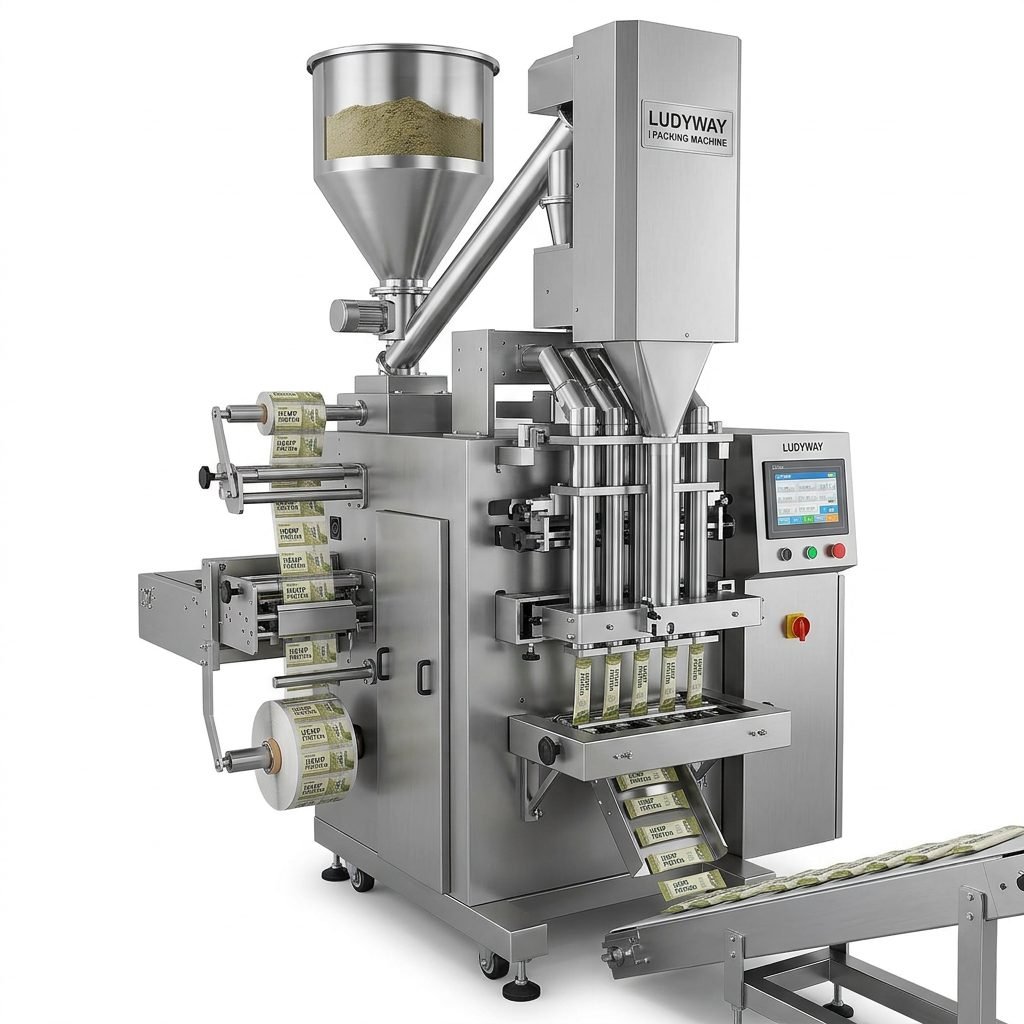
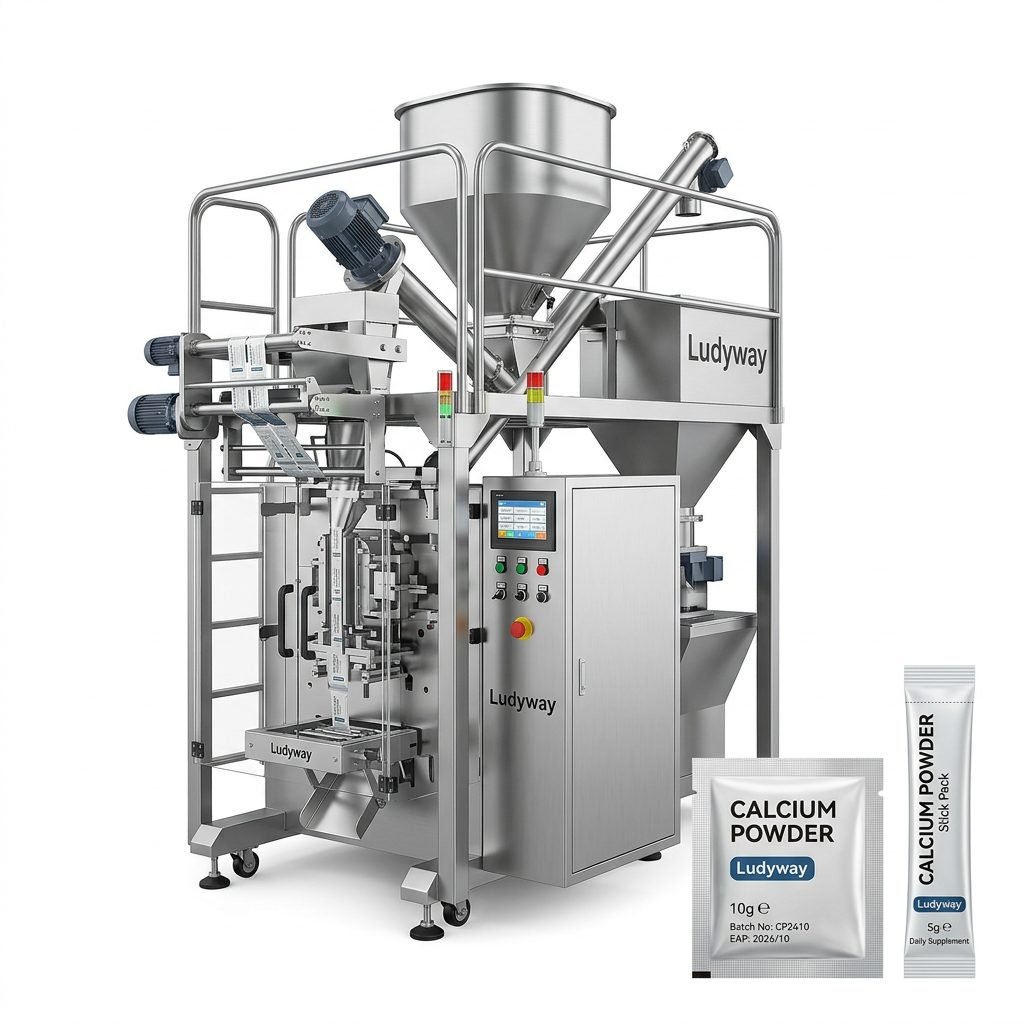
- Fine Powders – Auger fillers with dust control systems are ideal for flour, spices, cocoa powder, and protein supplements. Dust extraction features help maintain a clean production environment.
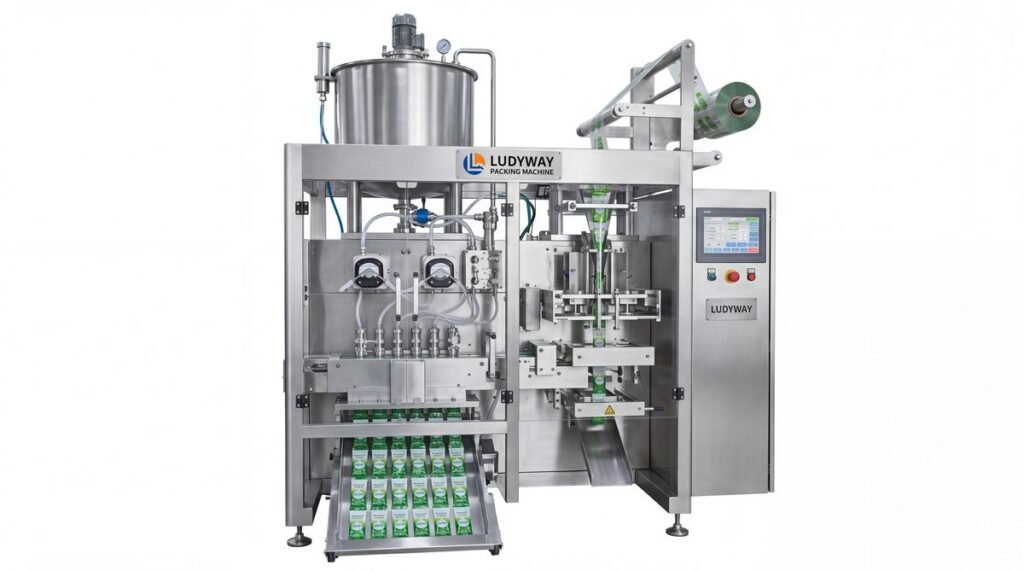
- Liquids & Pastes – Piston fillers, gear pumps, or flow meters handle oils, sauces, honey, and dairy products. Look for CIP (clean-in-place) compatibility for food safety compliance.
- Mixed or Sticky Products – Products like dried mango strips or caramel-coated snacks may require specialized feeding mechanisms to prevent clumping or bridging.
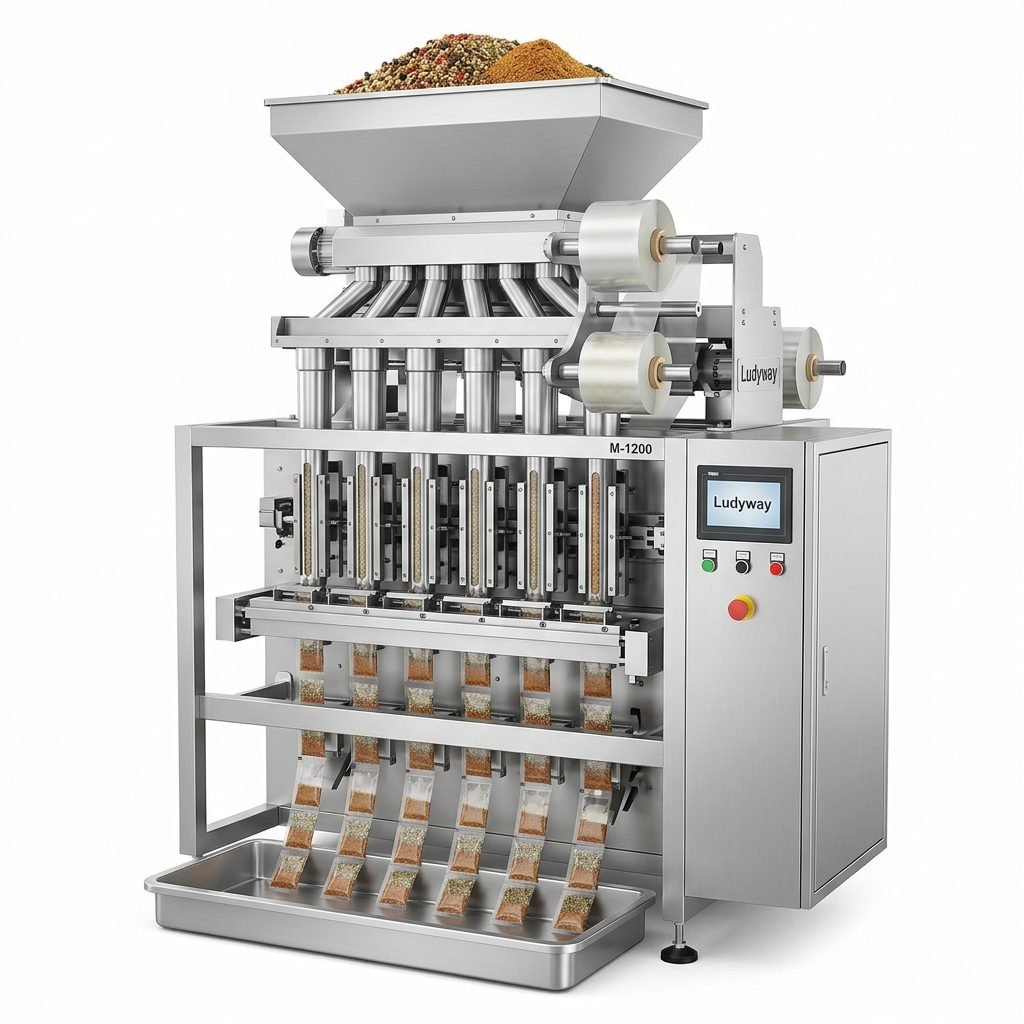
Choosing the Right Packaging Format for the Dominican Market
The packaging format directly impacts consumer perception and shelf life. In the Dominican Republic, flexible packaging formats like stick packs, sachets, and flow wraps are increasingly popular due to their cost-effectiveness and portion control appeal. Here are common formats matched to product categories:
| Packaging Format | Best For | Example Products |
|---|---|---|
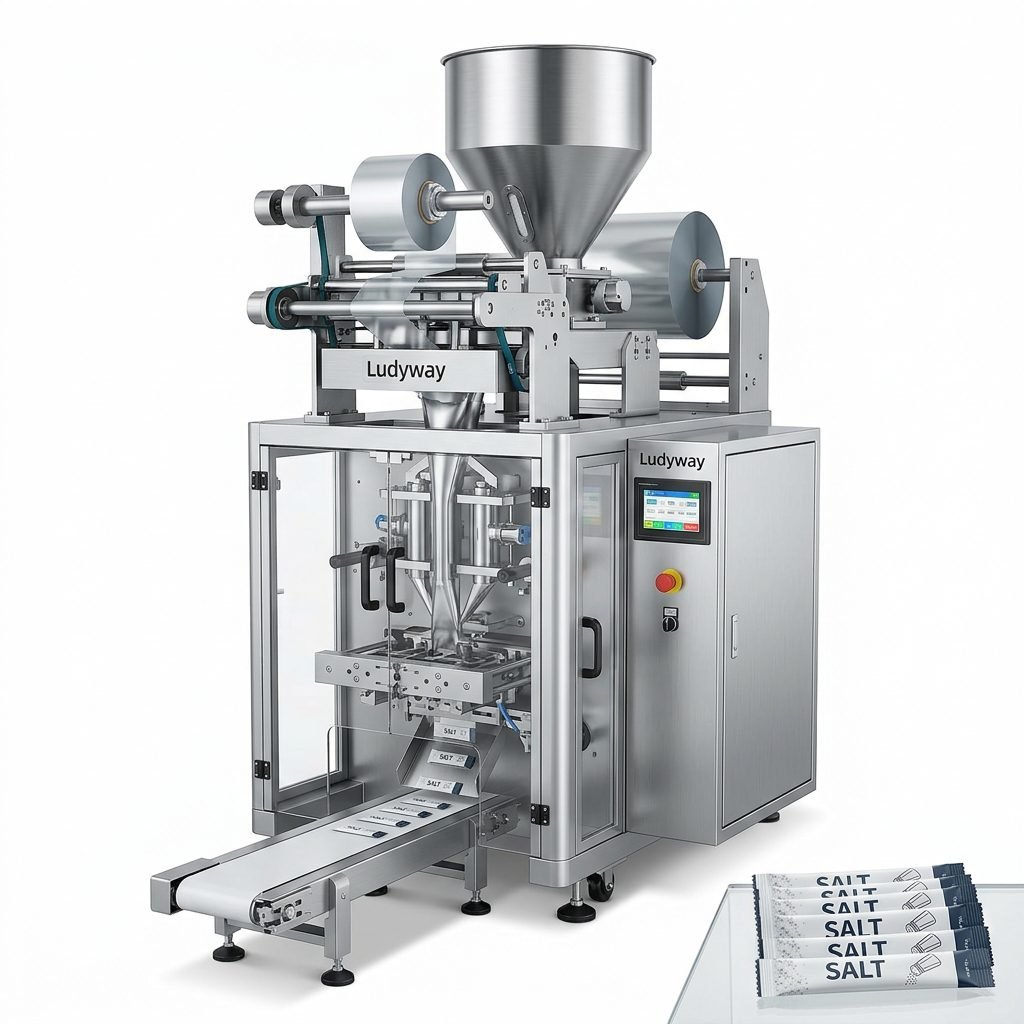
| Stick Packs | Single-serve powders, sugar, instant coffee | Café Santo Domingo single-serve, sweetener packets |
| Sachets (3-side/4-side seal) | Liquid condiments, sauces, cosmetic samples | Ketchup, hot sauce, shampoo samples |
| Pre-made Pouches | Dried fruits, coffee beans, snacks | Organic cacao nibs, plantain chips |
| Flow Wrap / Pillow Bags | Bakery items, bars, single-piece snacks | Coconut bars, cassava bread, empanada wrappers |
Speed and Automation Level: Matching Your Production Volume
Your daily output target should guide the automation level of your packaging line. A small artisanal chocolate maker in Jarabacoa will have vastly different needs than a large-scale coffee exporter in Santo Domingo. Consider these tiers:
- Semi-Automatic Machines – Ideal for startups and micro-enterprises producing under 5,000 units per day. Operators manually load products; the machine handles sealing and cutting.
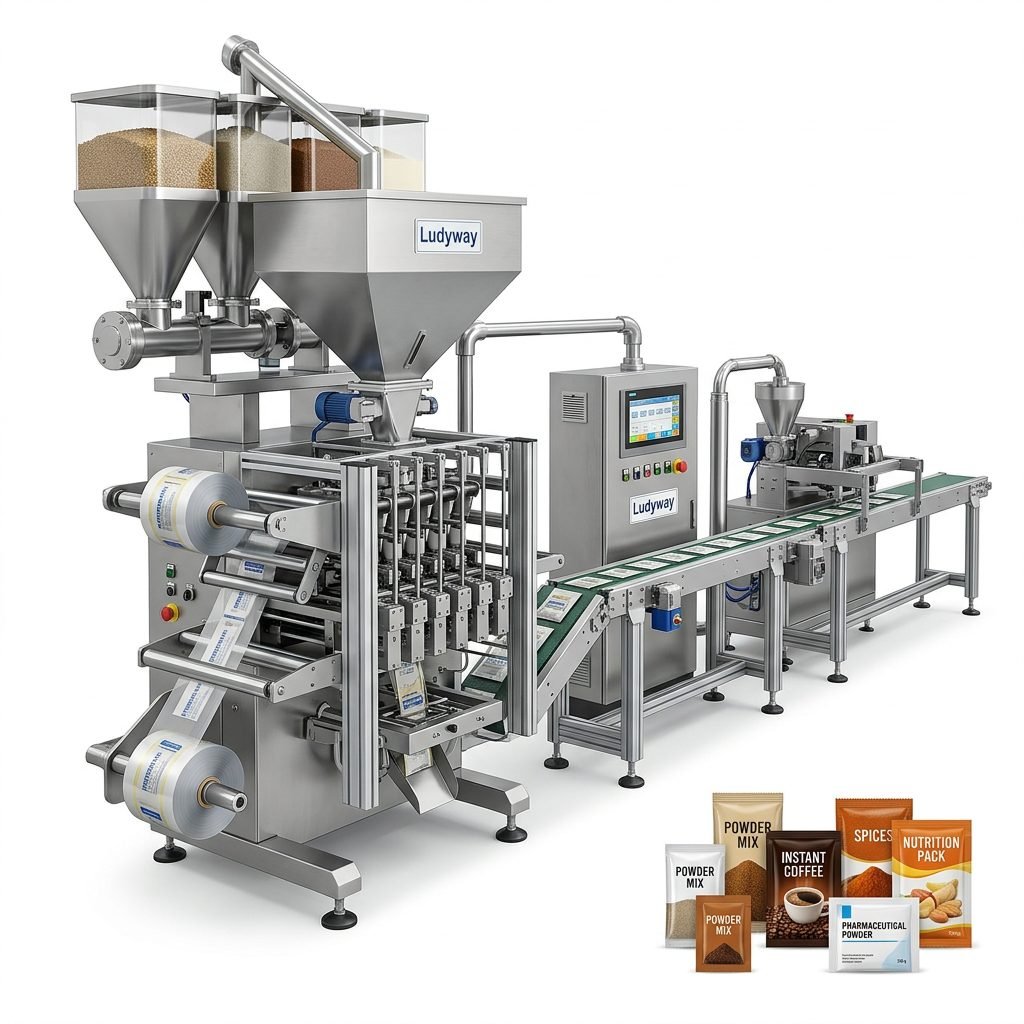
- Fully Automatic Single-Lane Systems – Suitable for mid-sized businesses running 10,000–30,000 packs daily. These systems integrate feeding, filling, sealing, and coding in one continuous workflow.
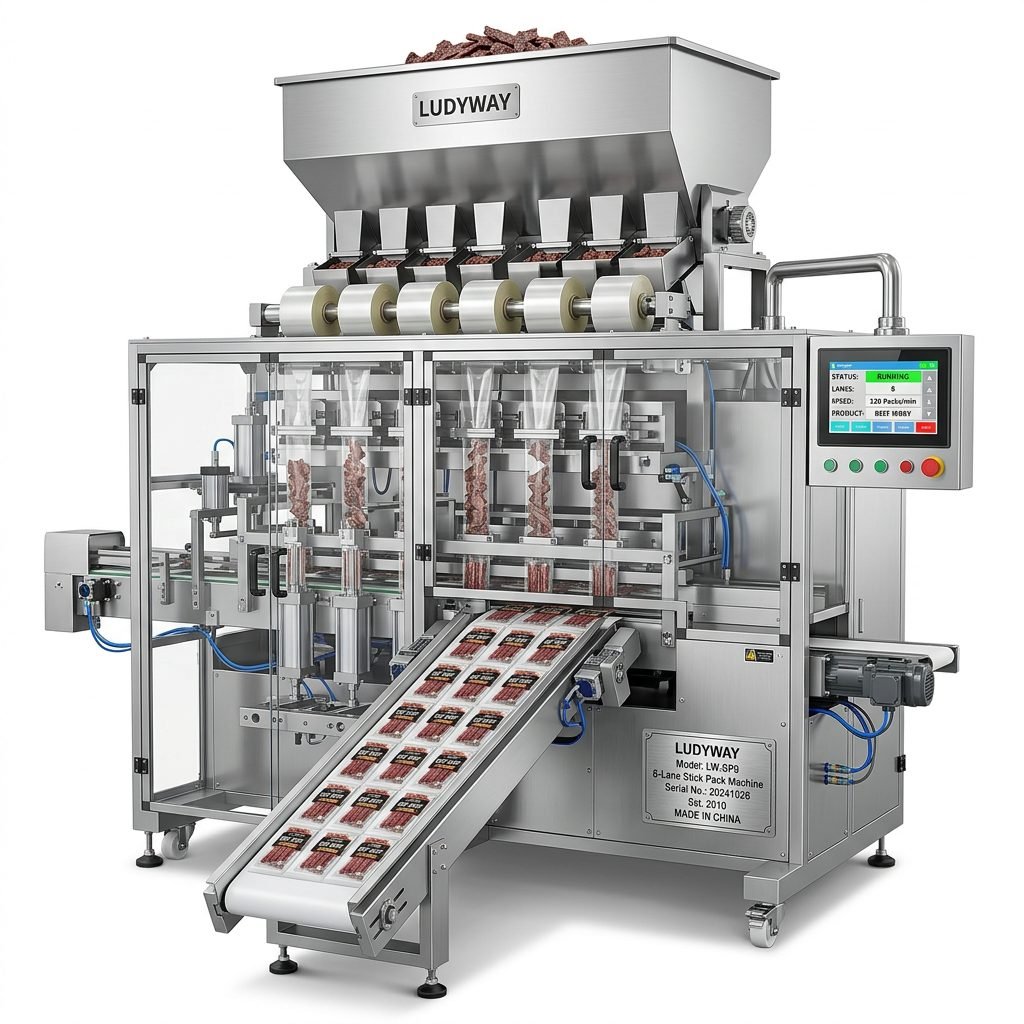
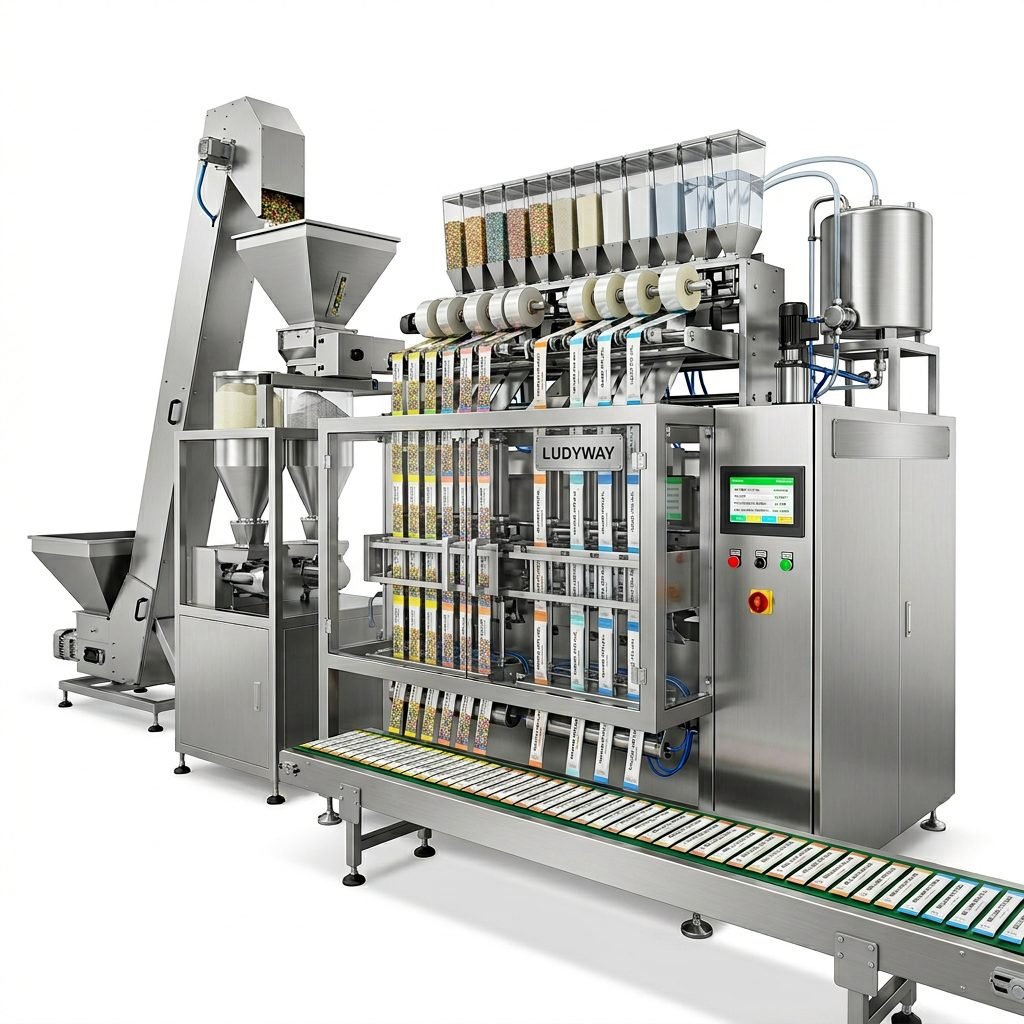
- Multi-Lane High-Speed Lines – Designed for large manufacturers needing 50,000+ packs per day. Multi-lane packaging can run 4–12 lanes simultaneously, dramatically boosting throughput for products like instant coffee stick packs or seasoning sachets.
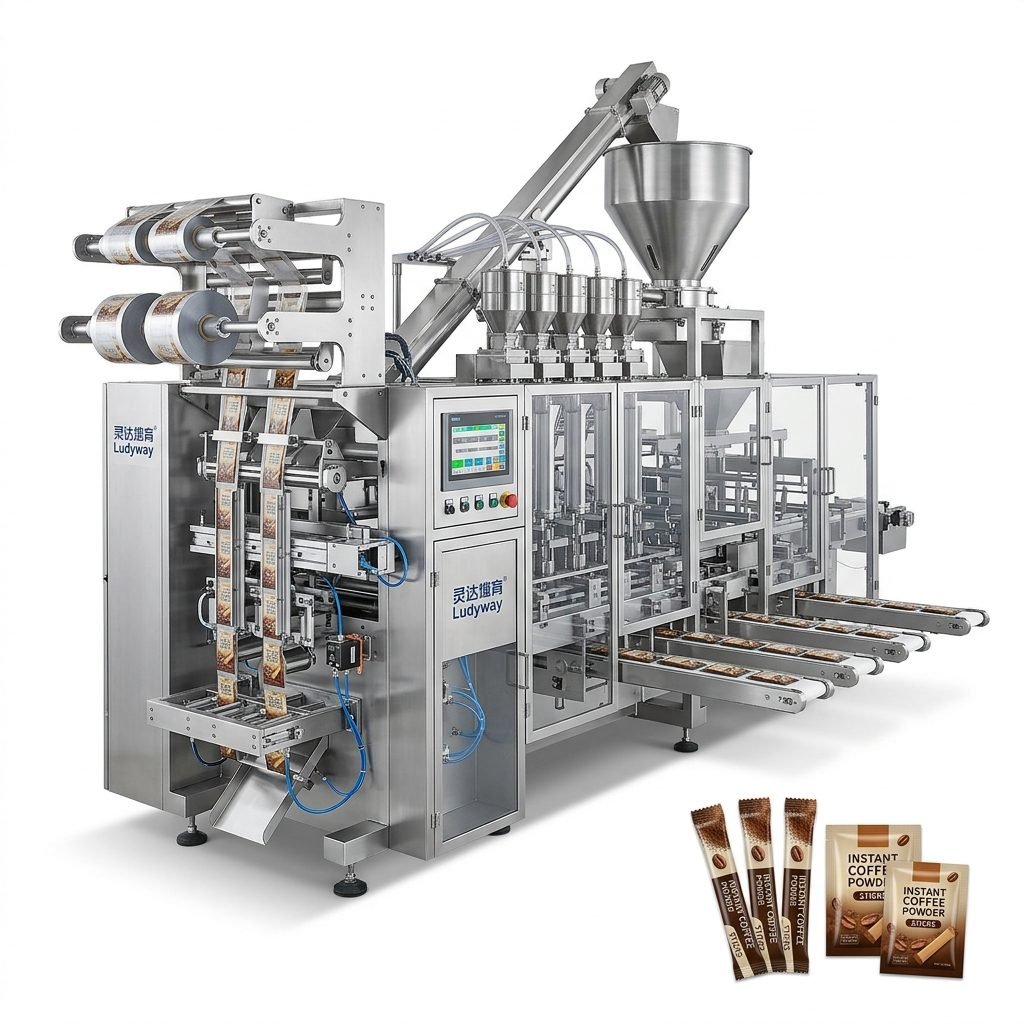
Key Technical Specifications to Compare
When reviewing packaging machine specifications, pay close attention to these critical parameters that affect long-term performance in tropical climates like the Dominican Republic’s:
- Fill Accuracy – Look for ±0.5% to ±1% tolerance, especially for high-value products like premium cocoa powder or specialty coffee.
- Film Compatibility – Ensure the machine handles laminated films, aluminum foil, and moisture-barrier materials that protect against humidity.
- Changeover Time – Quick-change features reduce downtime when switching between product SKUs or packaging sizes.
- Power Requirements – Verify compatibility with local voltage standards (110V/220V, 60Hz in the Dominican Republic).
- Stainless Steel Construction – Food-grade SS304 or SS316 is non-negotiable for FDA-compliant food contact surfaces.
Assessing Total Cost of Ownership, Not Just Purchase Price
Many buyers in the Dominican Republic focus narrowly on the initial price tag, but total cost of ownership (TCO) is far more revealing. A machine with a lower upfront cost may consume more film, require frequent part replacements, or lack energy-efficient motors. Calculate these factors over a 3–5 year horizon:
| Cost Factor | Impact on TCO | Optimization Strategy |
|---|---|---|
| Film/Consumable Waste | 15–25% of operating cost | Select machines with precise film tracking and minimal trim waste |
| Energy Consumption | 5–10% of operating cost | Look for servo-driven systems with energy recovery features |
| Spare Parts Availability | Downtime costs $200–$800/hour | Partner with suppliers offering regional spare parts inventory |
| Labor Requirements | 1–3 operators per shift | Fully automated lines reduce labor dependency |
After-Sales Support: A Critical Factor for Dominican Producers
Reliable technical support can make or break your packaging operation. Before committing to a supplier, verify that they offer remote diagnostics, video-assisted troubleshooting, and preferably a local service partner or technician network in the Caribbean region. Ask the following questions:
- Is there a Spanish-speaking technical support team available during Dominican business hours?
- What is the warranty period, and does it cover both parts and labor?
- Are critical spare parts stocked in a nearby regional hub, or must they ship from the factory overseas?
- Does the supplier offer on-site installation and training for your production team?
- Is there access to preventive maintenance programs to minimize unexpected downtime?

Regulatory Compliance and Food Safety Standards
The Dominican Republic’s food industry is increasingly aligning with international standards for export markets. If you export to the United States, FDA food contact substance regulations apply. For European markets, comply with EU packaging material directives. Your packaging machine should facilitate sanitary production with features like:
- IP65 or higher washdown-rated electrical enclosures for wet cleaning environments.
- Tool-free disassembly of product contact parts for rapid sanitation between batches.
- Integrated metal detection or X-ray inspection systems for contaminant detection.
- Batch coding and traceability via inkjet or laser marking for lot tracking.
Sustainability Considerations for Modern Packaging
The global shift toward sustainable packaging is influencing purchasing decisions across the Caribbean. Flexible packaging associations report increasing demand for recyclable mono-material films and reduced plastic usage. When selecting a machine, confirm its compatibility with biodegradable films, thinner gauge materials, and paper-based laminates. Some newer stick pack machines and sachet systems are engineered to handle these eco-friendly materials without sacrificing seal integrity or speed.
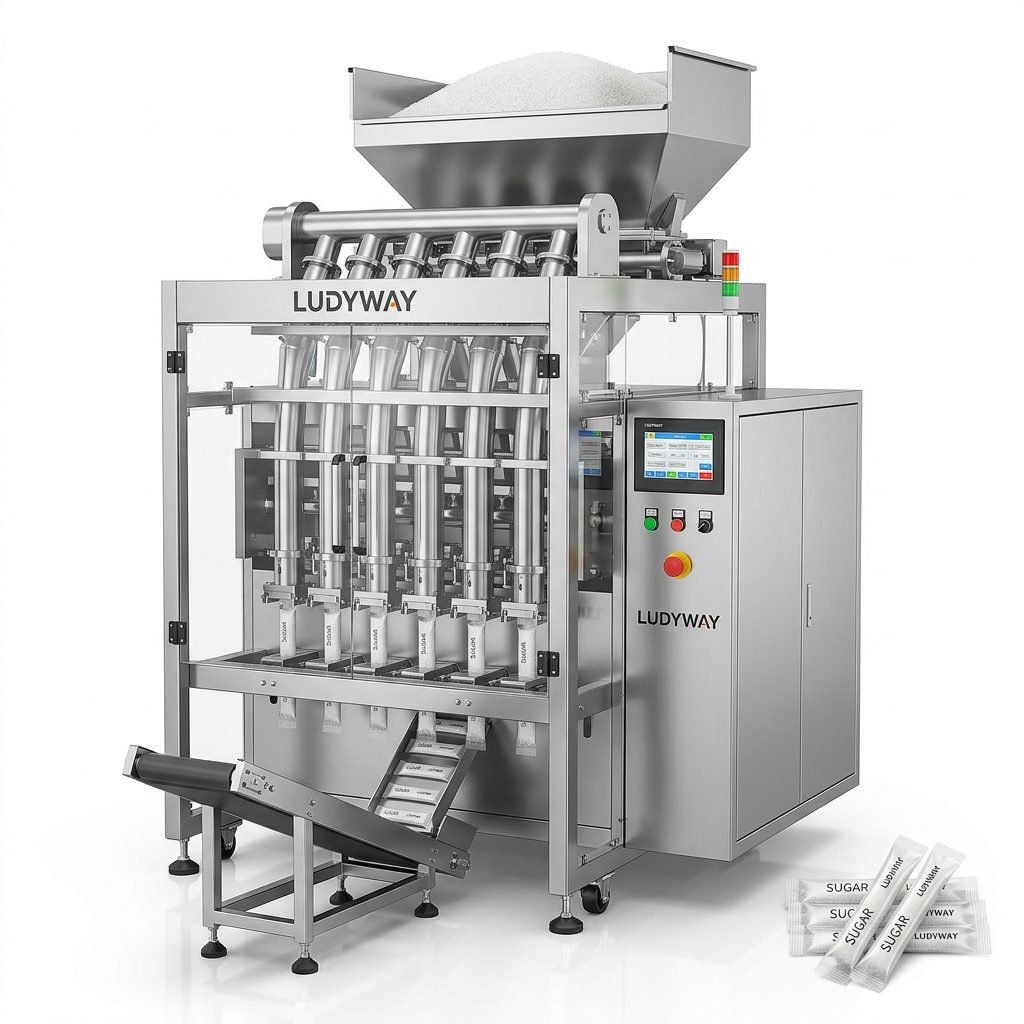
Making the Final Decision: Evaluation Checklist
Before finalizing your packaging machine investment, use this concise checklist to ensure all critical aspects have been addressed. A methodical evaluation reduces the risk of costly mistakes and ensures long-term satisfaction with your equipment choice.
- Product compatibility testing – Have you sent product samples to the manufacturer for trial runs and video demonstrations?
- Production capacity alignment – Does the machine’s rated speed match your current and projected 12-month output goals?
- Facility readiness – Is your factory floor prepared with the required electrical supply, compressed air, and adequate space for the machine footprint?
- Operator training plan – Has the supplier committed to comprehensive on-site or remote training for your team?
- Warranty and service agreement – Are the terms clearly documented, including response times and spare parts delivery guarantees?
- Scalability potential – Can the machine be upgraded or integrated with additional modules as your business grows?
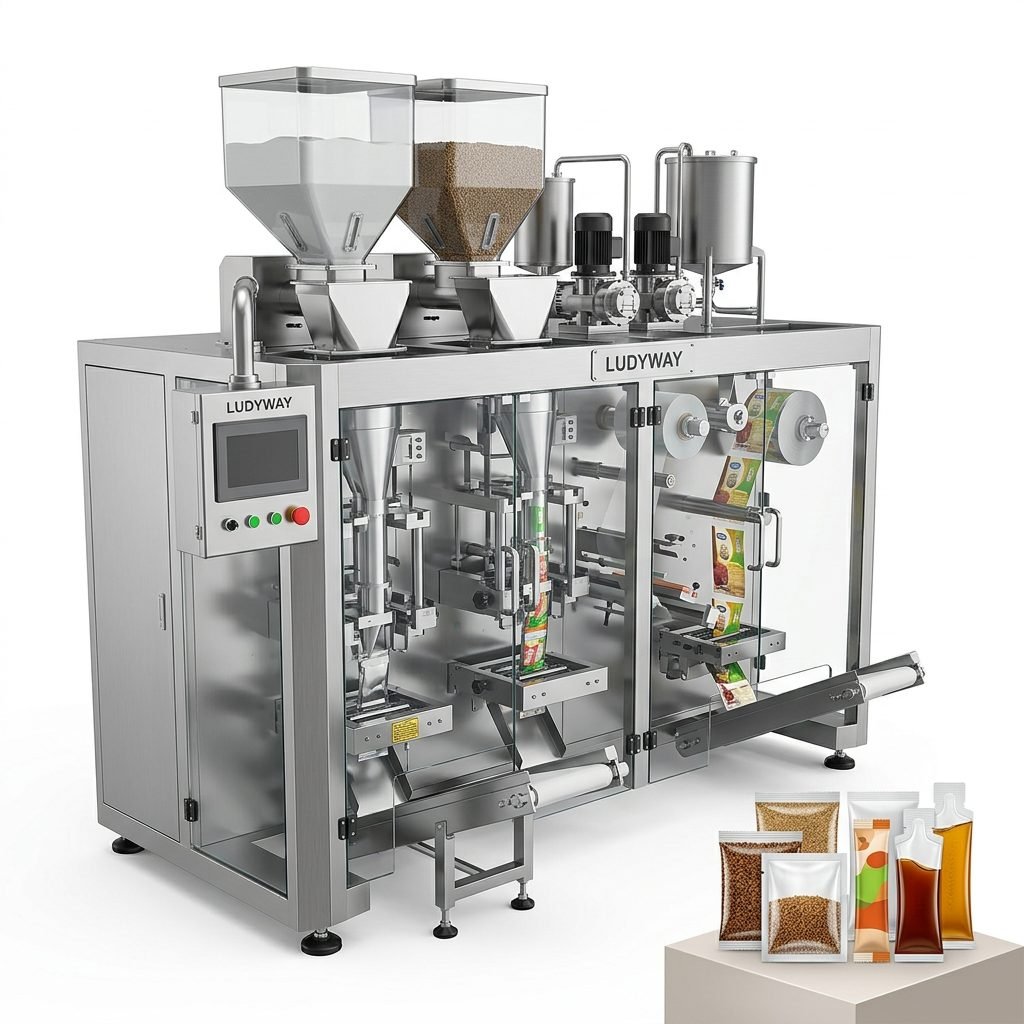
Choosing the right food packaging machine is a strategic decision that impacts your product quality, operational efficiency, and brand reputation in the Dominican Republic’s competitive food market. By carefully evaluating your product characteristics, production volume, budget, and after-sales support options, you can identify equipment that delivers reliable performance for years to come. Leading global manufacturers such as Ludyway offer a wide range of advanced packaging solutions tailored to diverse food industry applications, with multi-lane stick pack systems and fully automated production lines that help businesses scale efficiently. Take the time to research, compare, and test before making your final choice — the right machine will serve as a foundation for your brand’s growth in both local and international markets.
For further reading on packaging industry standards, visit the PMMI packaging resources portal or explore the Flexible Packaging Association’s industry data for comprehensive market insights and technical guidelines.