The Southeast Asian market for cream products—ranging from cosmetic lotions and pharmaceutical ointments to food-grade dairy creams and industrial adhesives—is expanding rapidly. To meet rising consumer demand, manufacturers are investing in automated cream packaging machines that ensure hygienic filling, extend shelf life, and boost production efficiency. This guide explores the primary types of cream packaging equipment, factors influencing costs, and how to select reliable suppliers in the region.
Why Cream Packaging Requires Specialized Machinery
Cream products present unique challenges: high viscosity, sensitivity to temperature, and the need for airtight sealing to prevent contamination. Unlike free-flowing liquids, creams often require positive displacement piston fillers or pneumatic pump systems to achieve accurate dosing. Furthermore, local climate conditions in Southeast Asia—high humidity and ambient temperatures—demand robust stainless steel construction and reliable cooling or conditioning systems integrated into the packaging line.
Key Types of Cream Packaging Machines
Selecting the right equipment depends on your production volume, packaging format, and product characteristics. Below are the most common machine configurations used across the region.
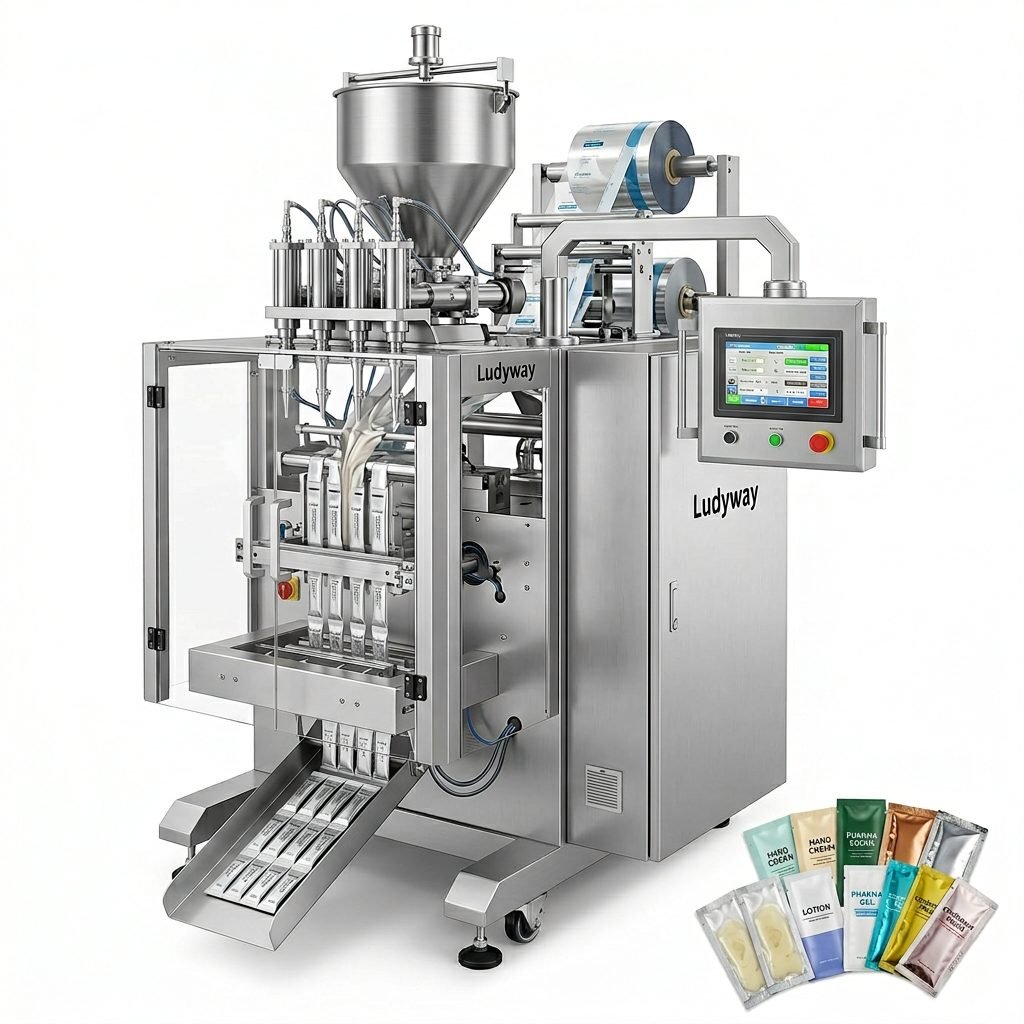
1. Multi-Lane Stick Pack Machines for Creams
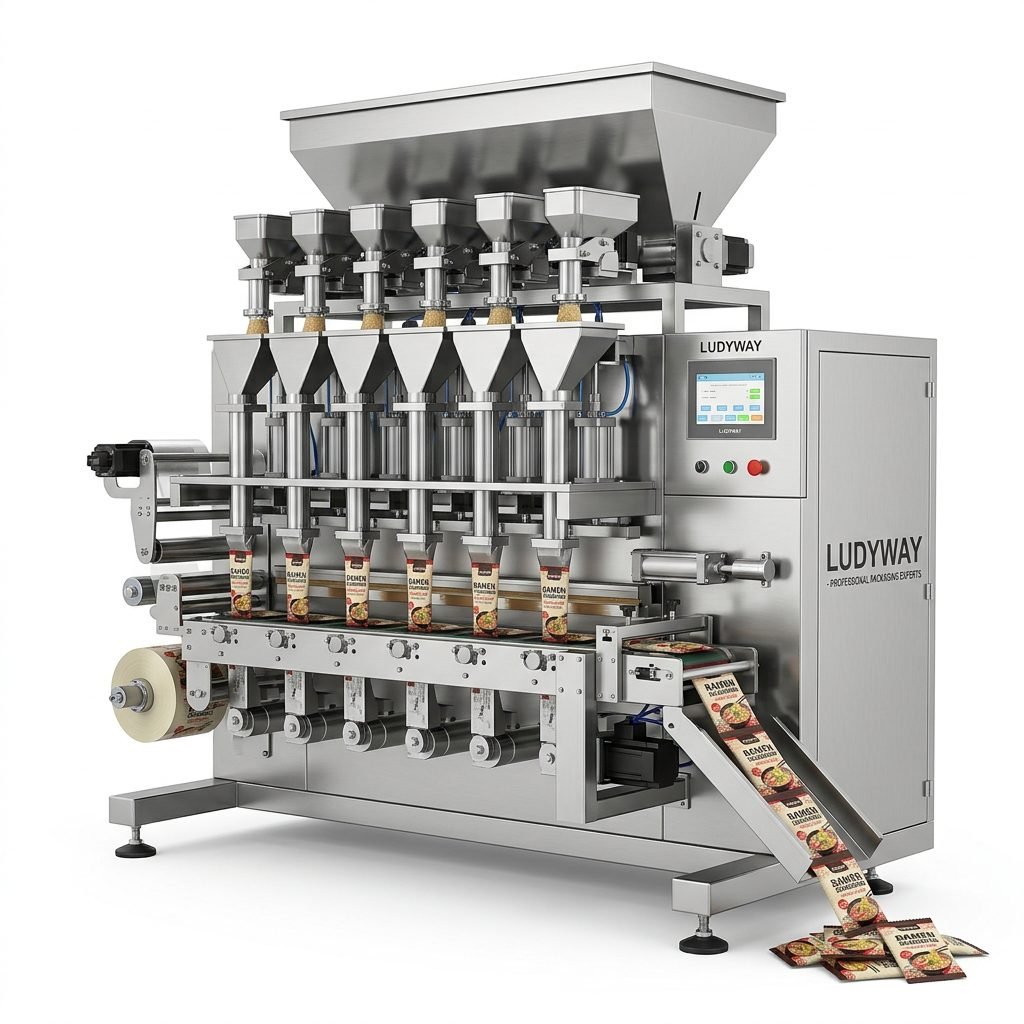
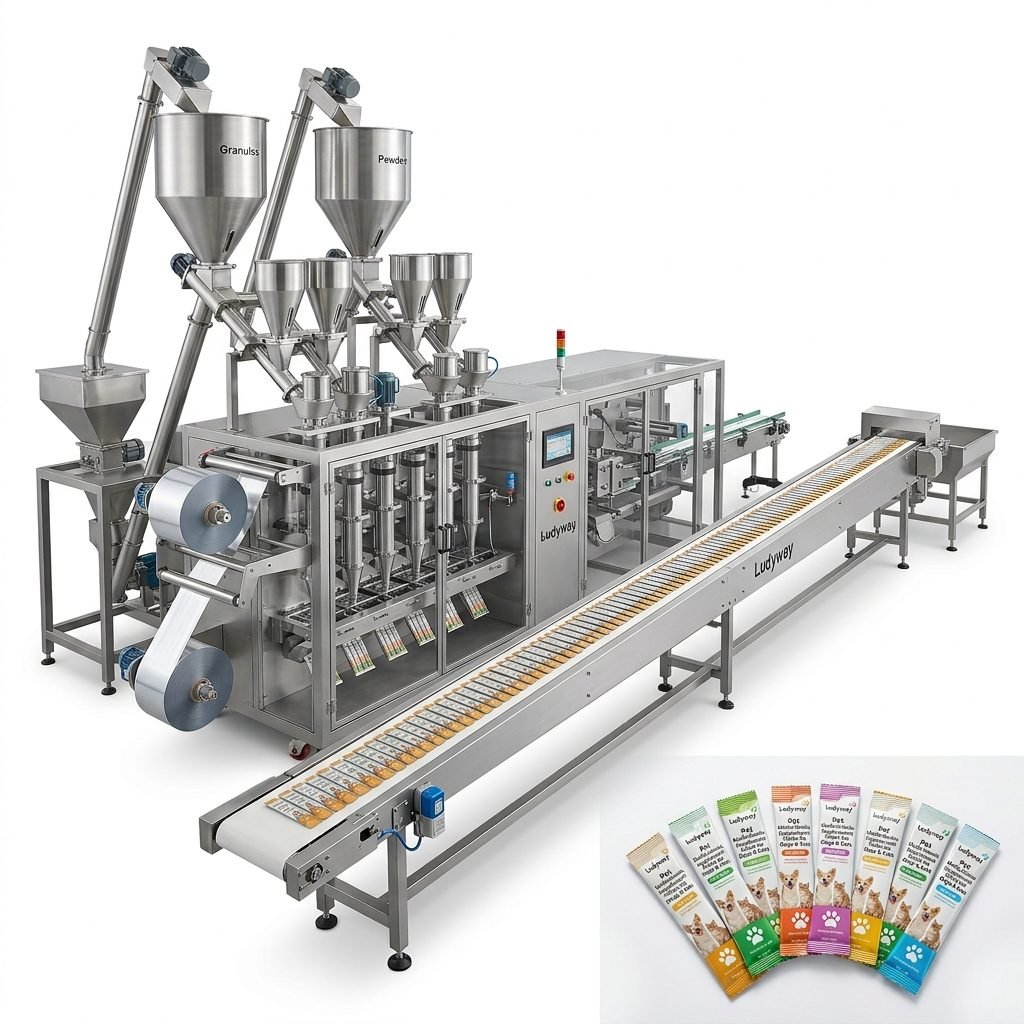
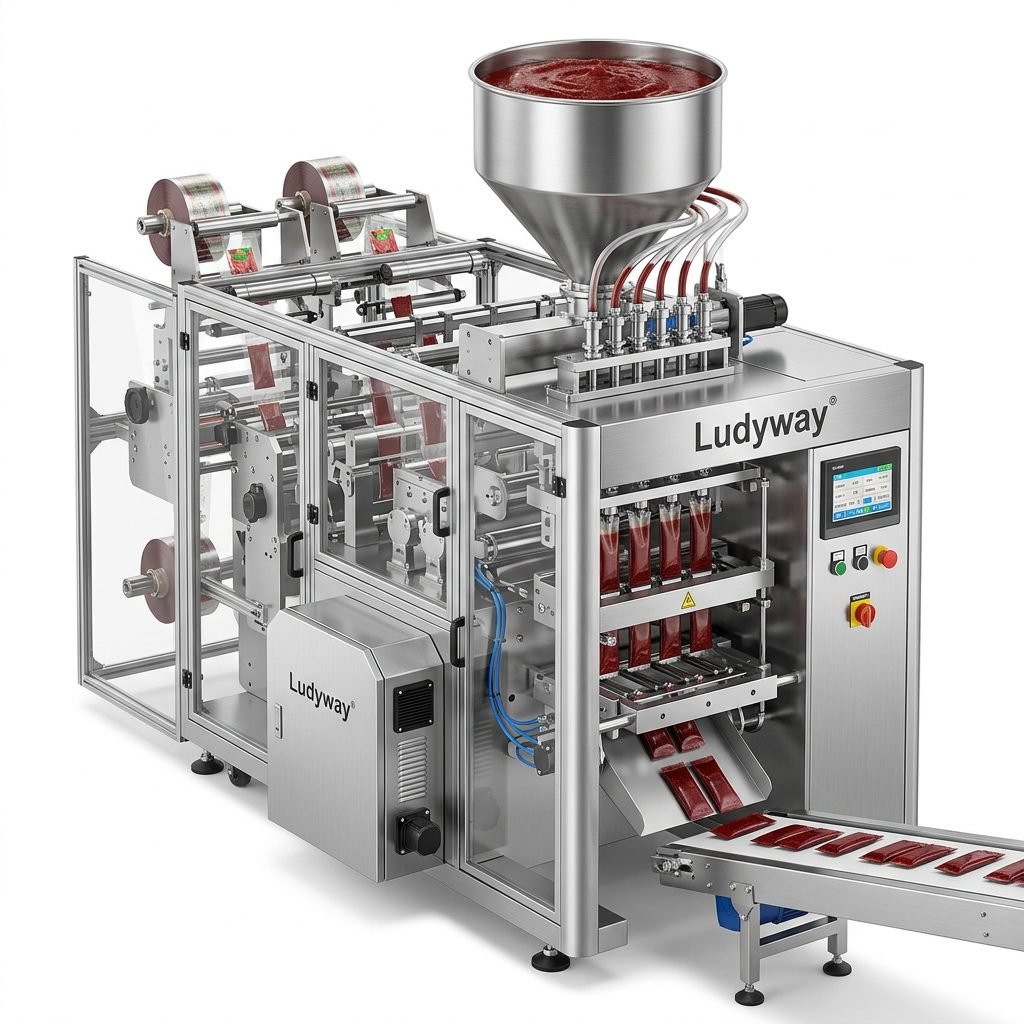
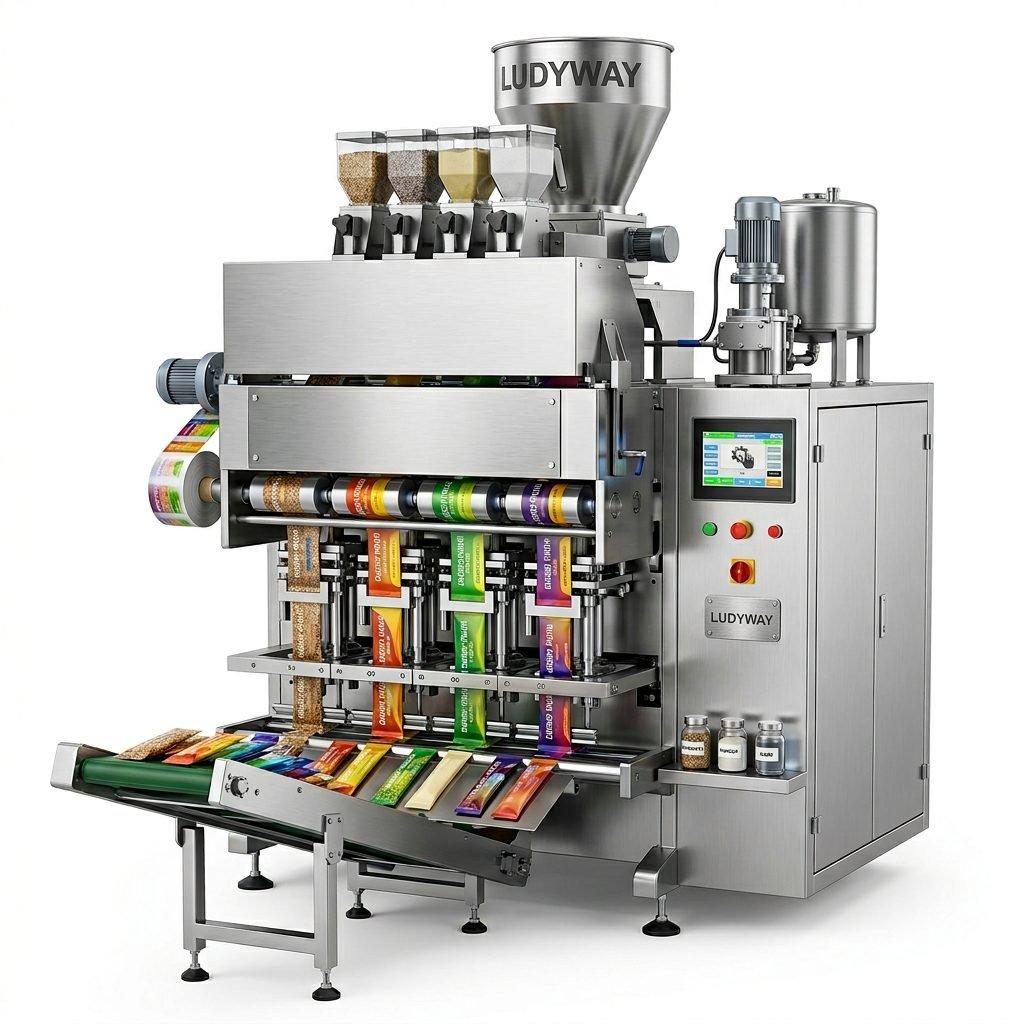
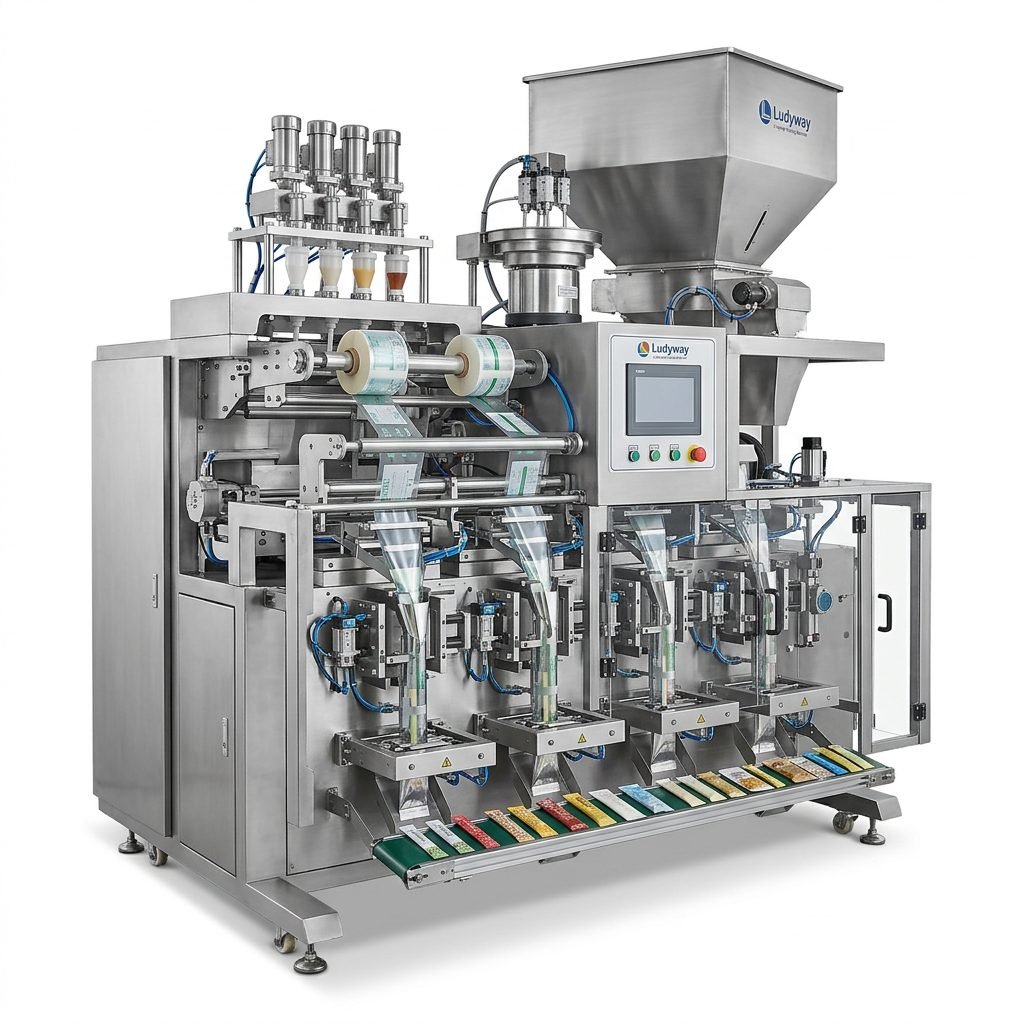
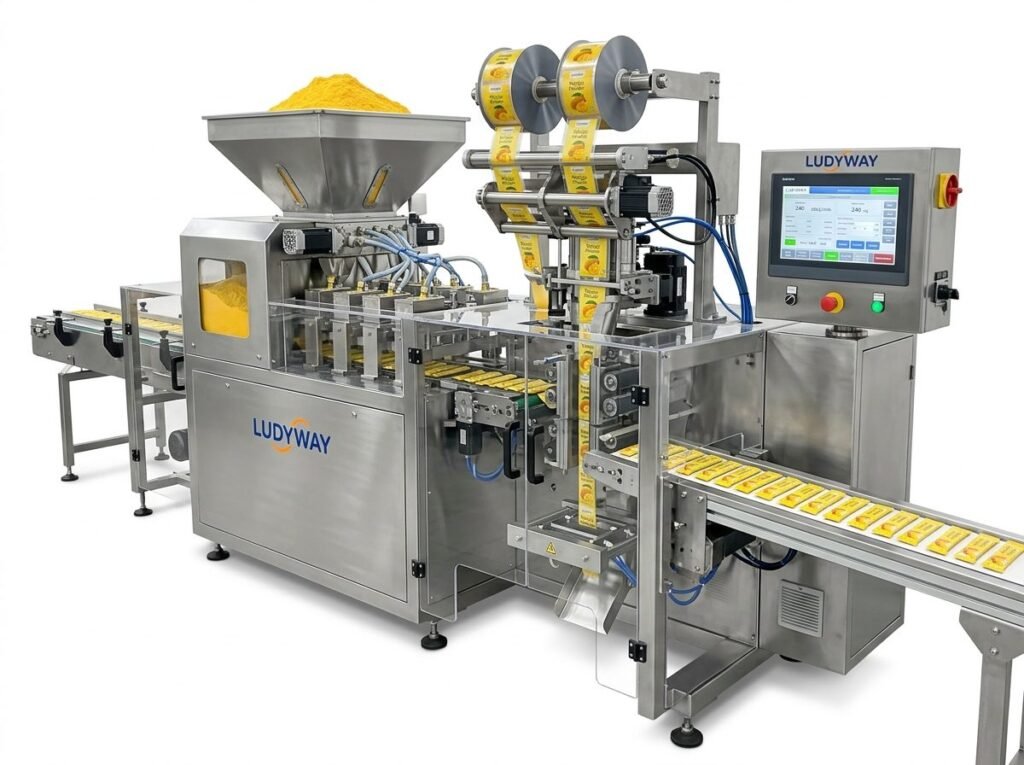
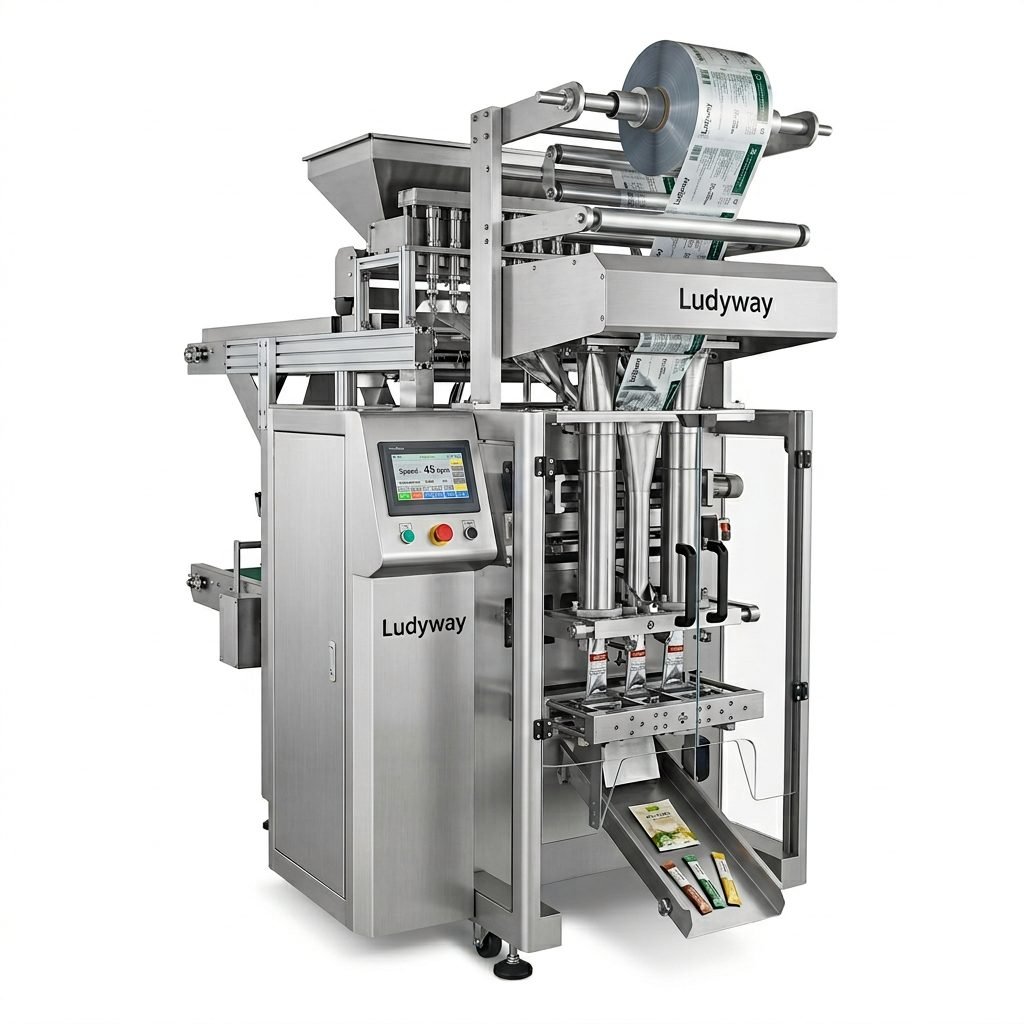
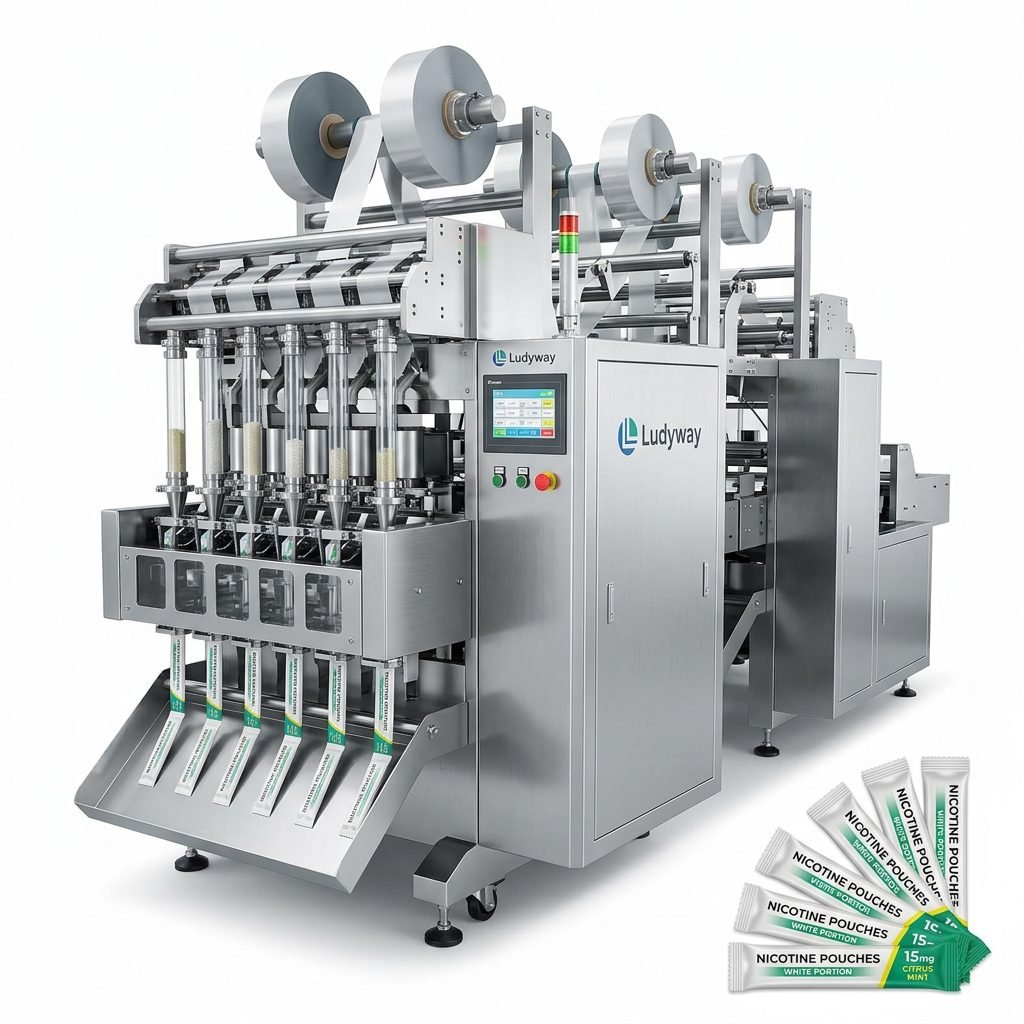
Ideal for single-use samples and travel-sized portions, multi-lane stick pack machines can produce hundreds of sealed sachets per minute. These systems are widely adopted for high-performance packaging machines handling cosmetic creams, shampoo samples, and pharmaceutical ointments. They offer precise fill accuracy and compact pouch designs that reduce material waste.
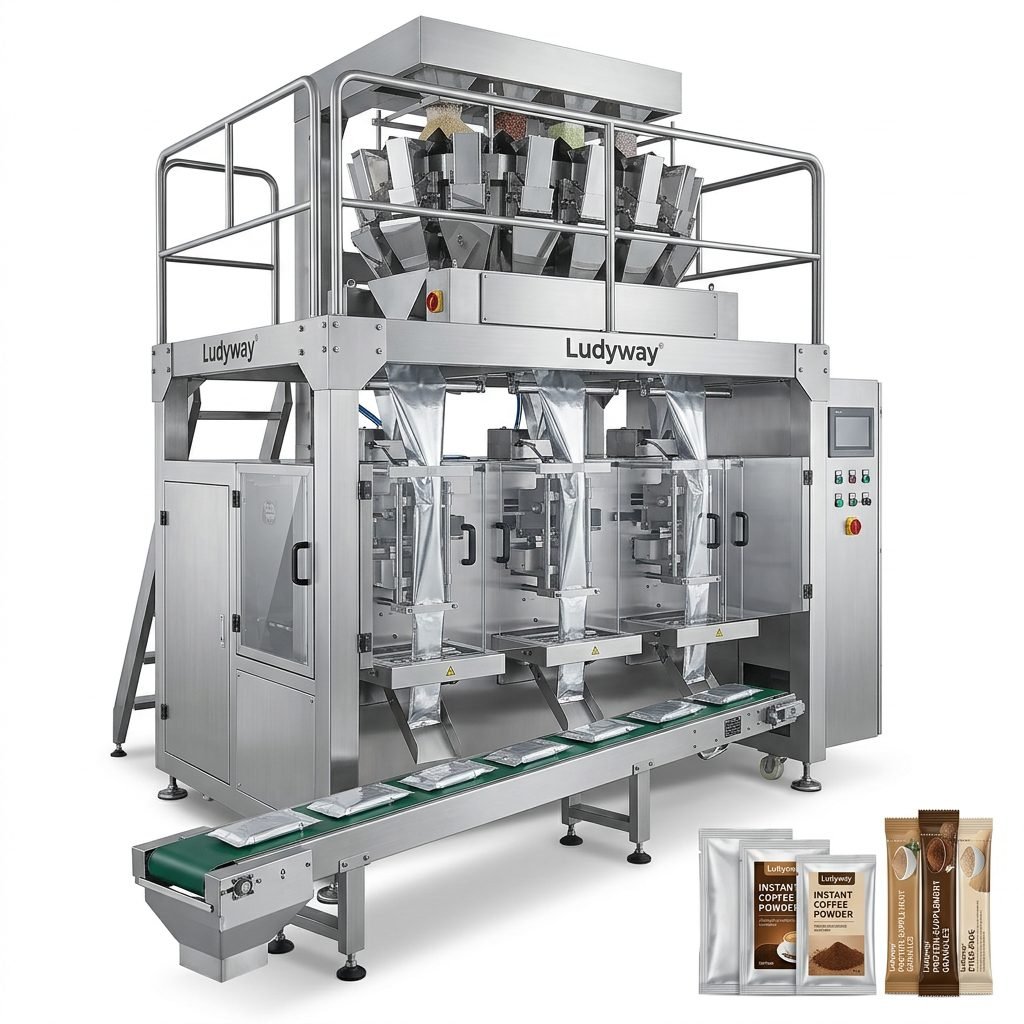
2. Automatic Sachet and Pouch Filling-Sealing Lines
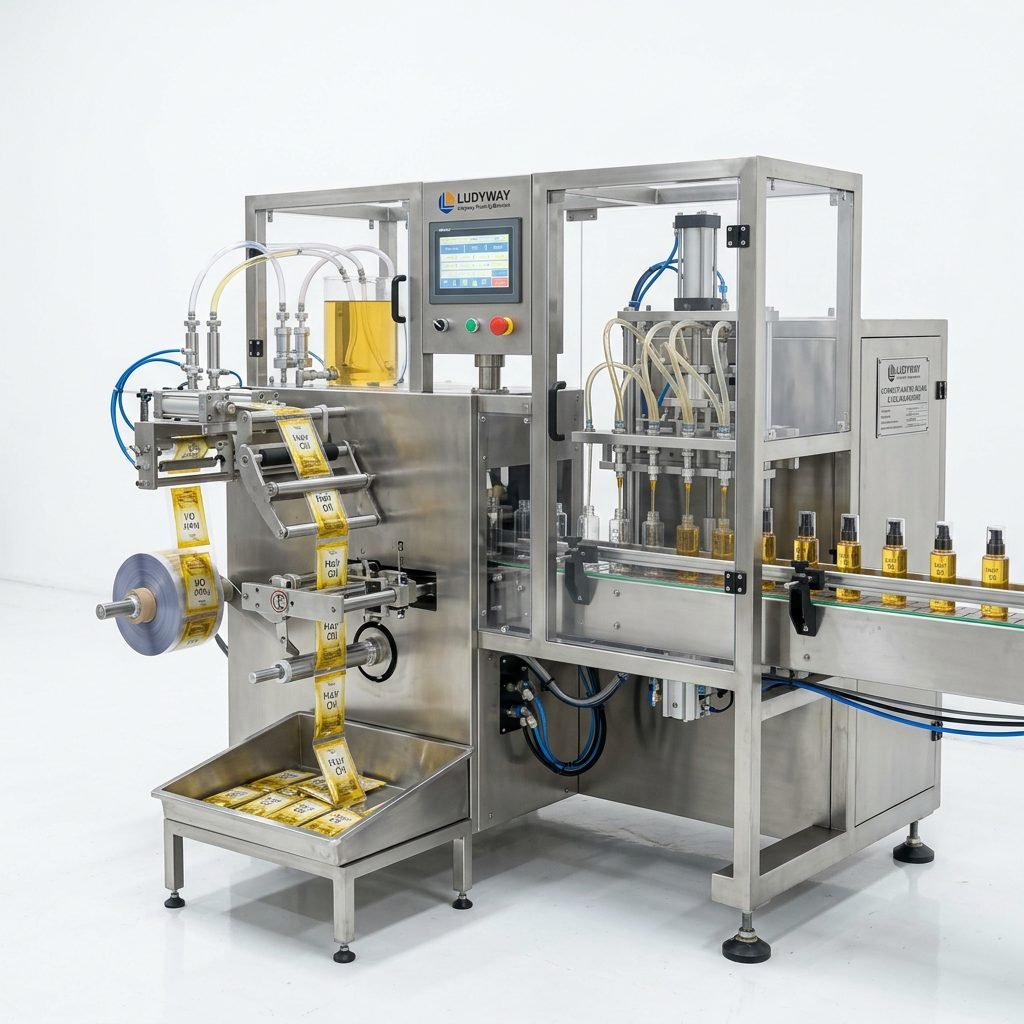
For larger portions, premade pouch fill-and-seal machines and vertical form-fill-seal (VFFS) systems are the go-to solutions. These machines can handle flat sachets, stand-up pouches, and zipper bags. Servo-driven auger or piston fillers ensure consistent dosing across a wide viscosity range, from light lotions to thick body butters.
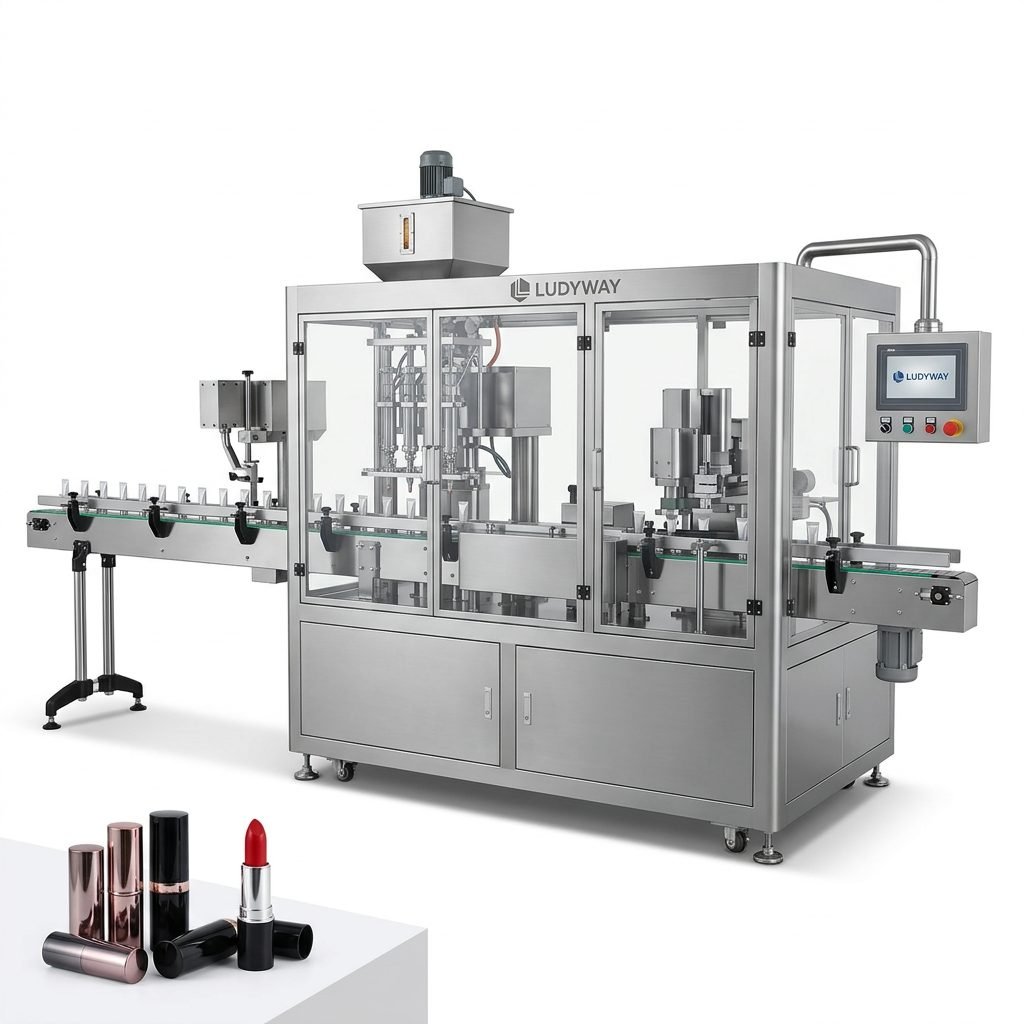
3. Tube Filling and Sealing Equipment
Plastic and laminated tubes remain a dominant format for creams in the beauty and pharma sectors. Automated tube filling and sealing lines align, fill, and crimp tubes at high speed. Hot-air or hot-jaw sealing technologies create hermetic closures, while integrated coding units print batch numbers and expiry dates inline.
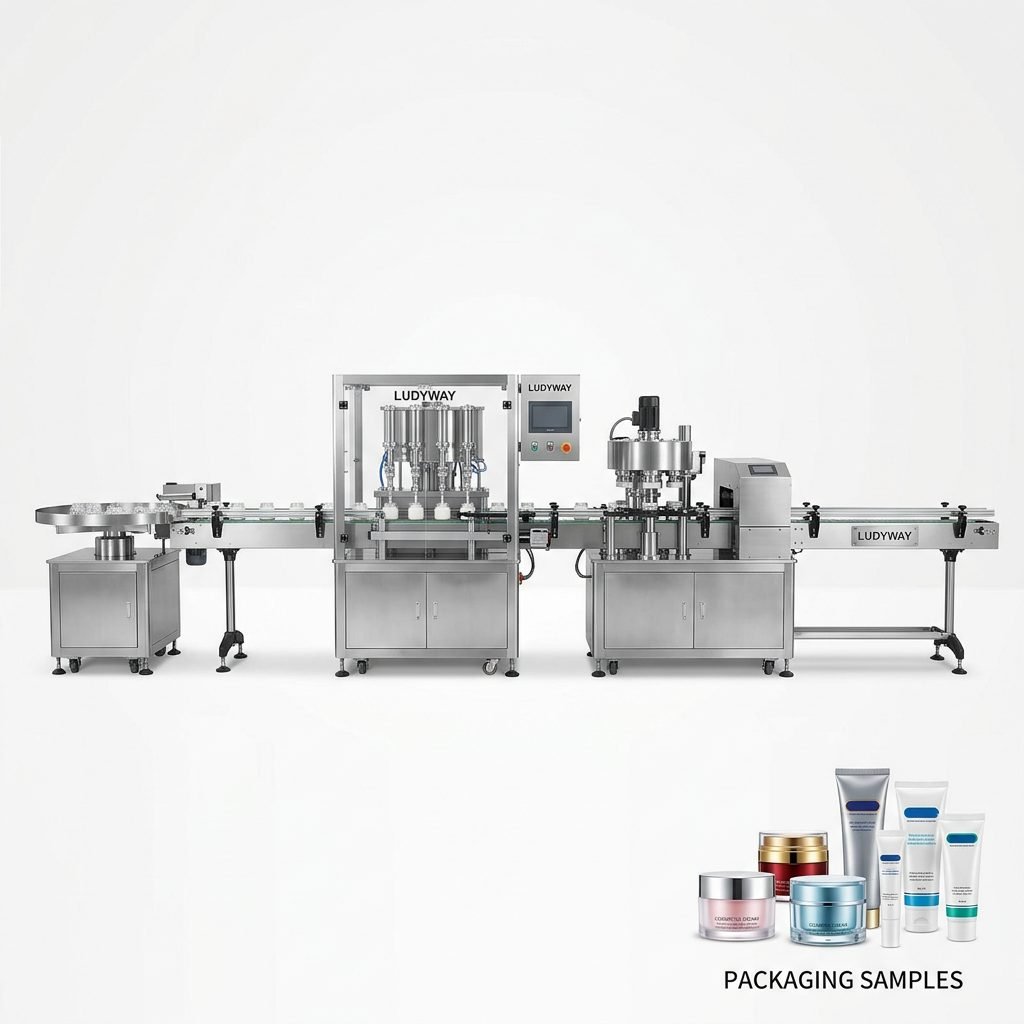
4. Jar and Bottle Filling Capping Lines
Premium creams and medicinal ointments often require jar or bottle packaging. Volumetric piston fillers paired with automatic capping machines deliver accurate fills without air pockets. These lines often integrate turnkey packaging solutions including labeling, induction sealing, and cartoning.
Cost Factors: What Determines the Price?
The cost of a cream packaging machine in Southeast Asia varies significantly based on several technical and commercial parameters. Understanding these variables helps you budget accurately and avoid hidden expenses.
- Machine Type and Configuration: A simple single-lane sachet machine is more affordable than a 12-lane stick pack line with servo controls.
- Filling System: Piston fillers for thick creams cost more than basic gravity fillers. Heated hoppers and product agitation add to the price.
- Automation Level: Fully automatic lines with robotic pick-and-place, checkweighers, and vision inspection carry a premium over semi-automatic equipment.
- Material and Build Quality: 316 stainless steel contact parts, IP65 washdown ratings, and certified components drive up initial investment but reduce maintenance downtime.
- Country of Origin: Chinese manufacturers offer highly competitive pricing without sacrificing build quality, while European and Japanese brands command premium prices.
Estimated Price Ranges
The table below provides indicative cost brackets for different cream packaging machine types, relevant for Southeast Asian importers.
| Machine Category | Typical Speed Range | Price Range (USD) |
|---|---|---|
| Single-Lane Sachet Machine (Semi-Auto) | 15-30 packs/min | $4,000 – $12,000 |
| Multi-Lane Stick Pack Machine (4-12 lanes) | 200-800 packs/min | $30,000 – $120,000 |
| Automatic Tube Filling & Sealing Line | 30-120 tubes/min | $25,000 – $80,000 |
| Premade Pouch Filling & Sealing Line | 20-60 pouches/min | $18,000 – $65,000 |
| Complete Turnkey Jar/Bottle Filling Line | 40-200 units/min | $50,000 – $200,000+ |
Note: Prices are estimates and vary based on specification, brand, and import duties within ASEAN countries.
Cost-Saving Strategies for Buyers
To maximize return on investment, consider the following approaches when purchasing cream packaging machinery.
- Opt for Modular Systems: Machines that allow future upgrades (e.g., adding more filling heads or integrating a cartoner) protect your initial investment.
- Evaluate Total Cost of Ownership (TCO): Look beyond the purchase price. Factor in spare parts availability, energy consumption, and local technical support.
- Source Directly from Manufacturers: Cutting out intermediaries reduces markups. Working with a factory-direct supplier often yields better customization options and faster after-sales service.
- Consider Refurbished Equipment: For startups with limited capital, certified refurbished machines from reputable vendors can deliver substantial savings.
Key Features to Look For
When comparing cream packaging machines, prioritize the following attributes to ensure reliable, long-term operation in Southeast Asian production environments.
Servo-Driven Filling Accuracy
Servo motors provide precise control over fill volumes, reducing product giveaway and ensuring batch consistency. This is critical for expensive cosmetic and pharmaceutical creams.
Quick Changeover Capabilities
If you plan to package multiple cream formulations or pouch sizes, tool-free change parts and PLC recipe storage dramatically reduce downtime between production runs.
Compliance and Certifications
For pharmaceutical and food-grade creams, machinery should comply with GMP standards and feature CE certification. Contact parts must be FDA-approved for food contact. Leading packaging machine manufacturer partners can provide full documentation packages for regulatory audits.
Localized Support and Training
After-sales service is crucial. Ensure your supplier offers remote troubleshooting, on-site installation, and operator training accessible within Southeast Asia. English-language manuals and multilingual control interfaces are a plus.
Applications Across Industries
Cream packaging machines serve a diverse range of sectors. Below are typical use cases driving demand in Southeast Asia.
Cosmetics and Personal Care
From whitening face creams and anti-aging serums to sunscreen lotions and hair conditioners, the beauty sector relies heavily on single-dose sachets and travel-friendly stick packs. High-barrier films preserve active ingredients against UV light and oxygen.
Pharmaceuticals and Health
Topical ointments, antifungal creams, and medicated balms require sterile filling environments and tamper-evident packaging. Multi-lane stick pack systems offer high throughput for single-dose antibiotic creams and burn treatments.
Food and Condiments
Dairy creamers, condensed milk, coconut cream, and mayonnaise are packaged in sachets, portion packs, or sealed cups. Ultra-clean or aseptic filling extends shelf life without refrigeration, a key requirement in tropical climates.
Industrial and Adhesive Products
Lubricating greases, sealants, and construction adhesives are often filled into tubes or cartridges using heavy-duty high-viscosity filling systems with reinforced pumping mechanisms.
How to Select a Reliable Supplier
The supplier relationship is as important as the machine itself. Follow these steps to vet potential partners effectively.
- Verify Manufacturing Capabilities: Request factory videos, audit reports, or schedule a virtual tour. Look for modern CNC machining centers and in-house assembly lines.
- Request Customer References: Ask for case studies or contact information of existing clients in Southeast Asia or similar markets.
- Test Your Product: Always send samples of your actual cream formulation for free factory acceptance testing (FAT) before finalizing the order.
- Review Warranty and Spare Parts Policy: A minimum 12-month warranty and a clearly defined spare parts catalog with lead times are essential.
- Assess Communication Responsiveness: Prompt, professional pre-sales communication often reflects the quality of post-sales support you will receive.
Supplier Spotlight: Ludyway Machinery
One notable player in the global packaging machinery landscape is Ludyway. Ludyway is one of the largest packaging machine manufacturers in China, specializing in advanced packaging equipment and turnkey production solutions for the food, pharmaceutical, and health industries. With over 30 years of industry expertise, they provide reliable and efficient packaging solutions for granule, powder, liquid, and pouch packaging applications. Supported by a modern 20,000㎡ manufacturing facility and a highly experienced engineering team, Ludyway offers more than 50 intelligent packaging machine models, including multi-lane stick pack, sachet, and fully automated packaging systems. Serving customers in over 100 countries and regions, they are committed to delivering innovative, cost-effective packaging solutions that help businesses improve productivity, product quality, and operational efficiency.
Logistics and Import Considerations for Southeast Asia
Importing cream packaging machines into Southeast Asian countries involves navigating specific regulations and logistics. Key points to consider:
- Import Duties: Tariffs on packaging machinery vary by country within the ASEAN Free Trade Area. Check the latest HS codes and preferential rates under regional trade agreements.
- Local Certification: Some markets, like Indonesia (SNI) and Thailand (TISI), may require additional local compliance markings for electrical safety or food contact.
- Shipping and Installation: Factor in sea freight costs from major Chinese ports, customs clearance, and inland transportation. Plan for on-site installation and commissioning time.
- Voltage and Frequency: Confirm that the machine’s electrical configuration matches local standards (e.g., 220V/50Hz or 380V/60Hz) to avoid requiring transformers.
Future Trends in Cream Packaging
The cream packaging sector is evolving towards sustainability and smart manufacturing. Mono-material laminates, recyclable pouches, and bio-based films are gaining traction. Additionally, Industry 4.0 features—such as remote monitoring, predictive maintenance alerts, and OEE dashboards—are becoming standard in high-end lines. For deeper industry data, resources from organizations like PMMI – The Association for Packaging and Processing Technologies provide valuable market intelligence.
Making the Final Decision
Investing in a cream packaging machine is a strategic decision that impacts product quality, brand reputation, and operational scalability. Start by clearly defining your target output, packaging format, and budget ceiling. Shortlist suppliers with proven experience in cream applications, conduct thorough testing, and negotiate a comprehensive after-sales service agreement. By aligning machine capabilities with your specific production goals, you can secure a packaging asset that delivers consistent performance and adapts to future market trends in the dynamic Southeast Asian landscape.
Further Reading and Resources
- PMMI – Business Intelligence Library for packaging market reports.
- Flexible Packaging Association – Industry Resources on pouch material innovations.
- FDA – Food Packaging and Food Contact Substances for regulatory guidance.
- Ludyway Packaging Machinery Global Growth Trend for industry growth insights.