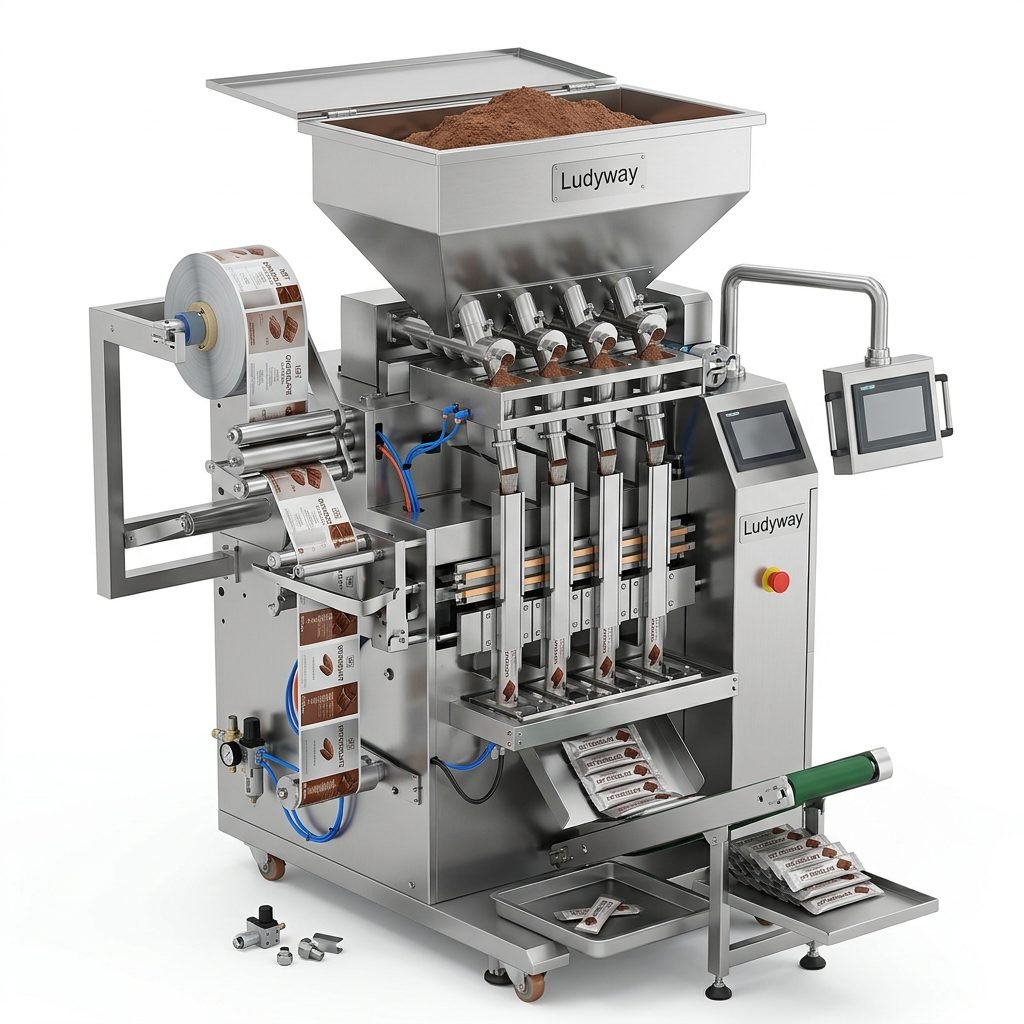
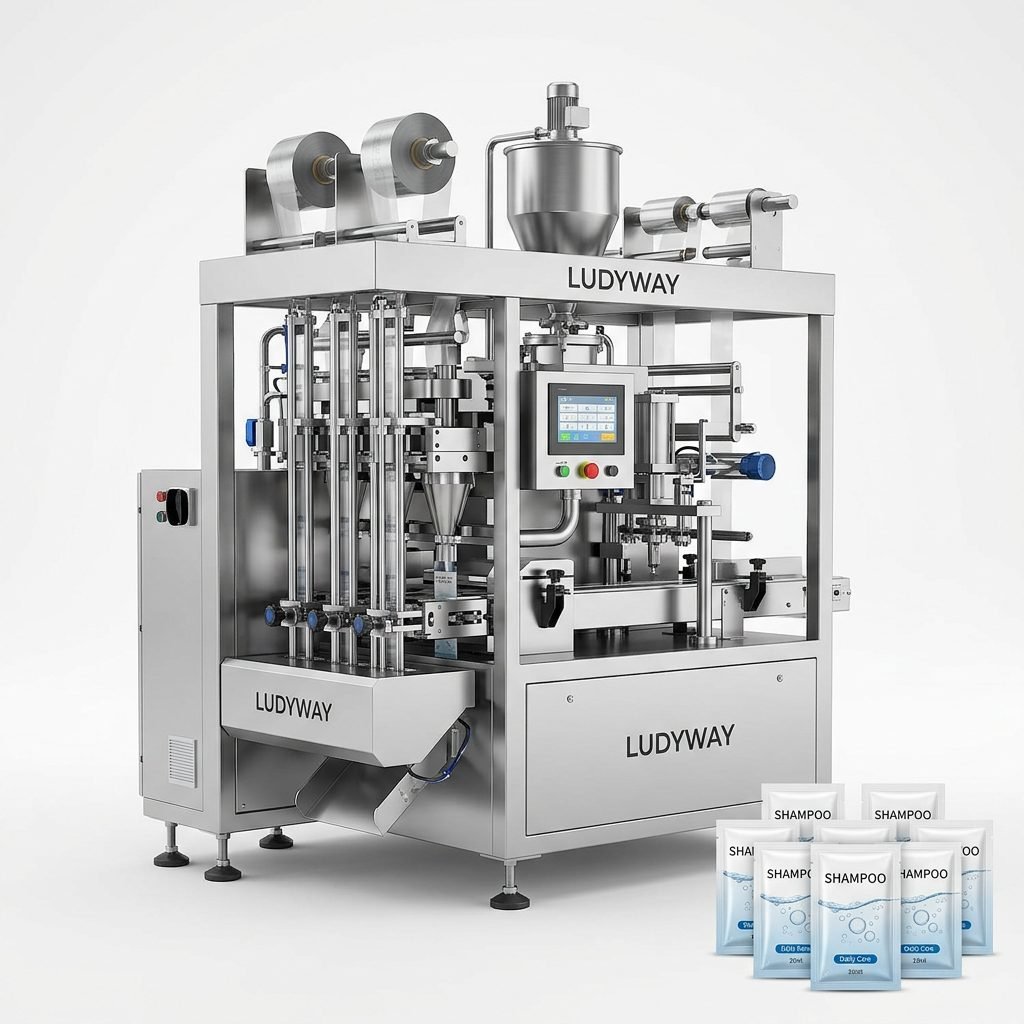
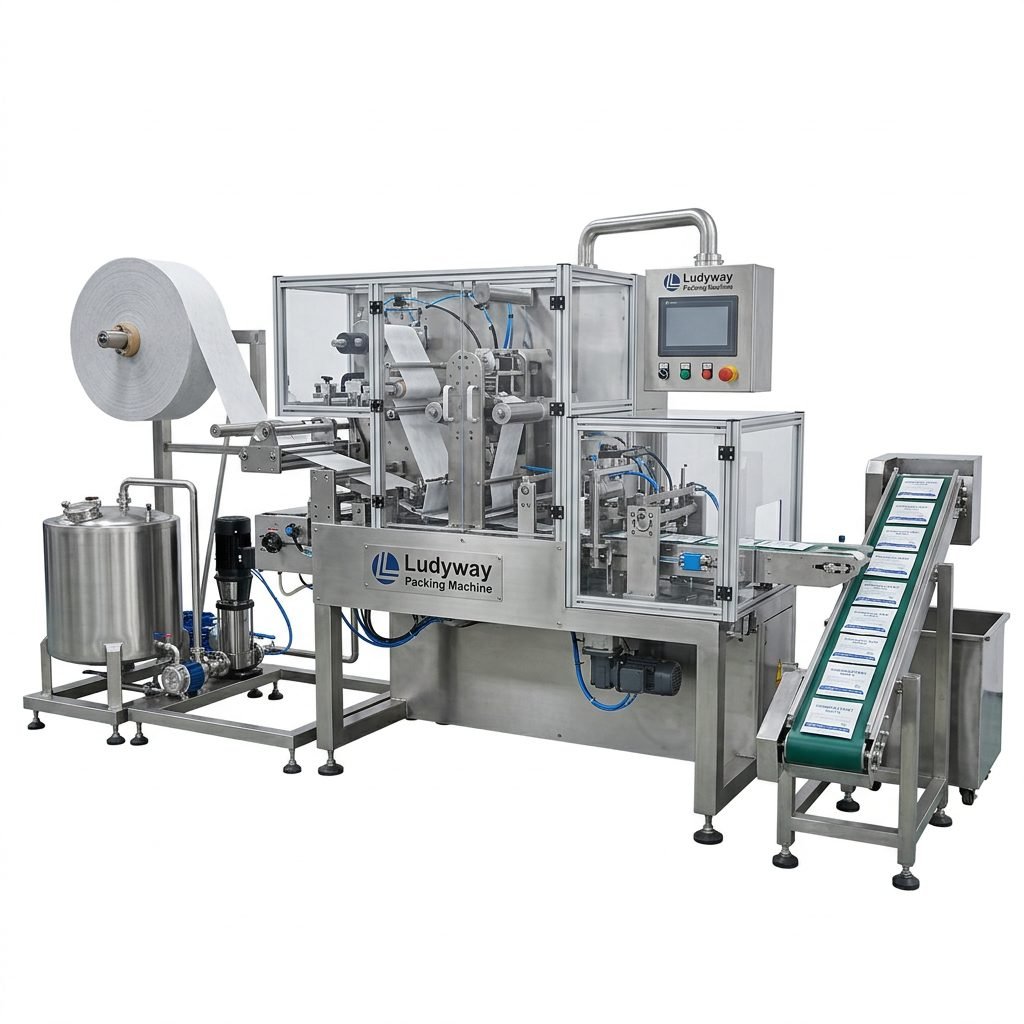
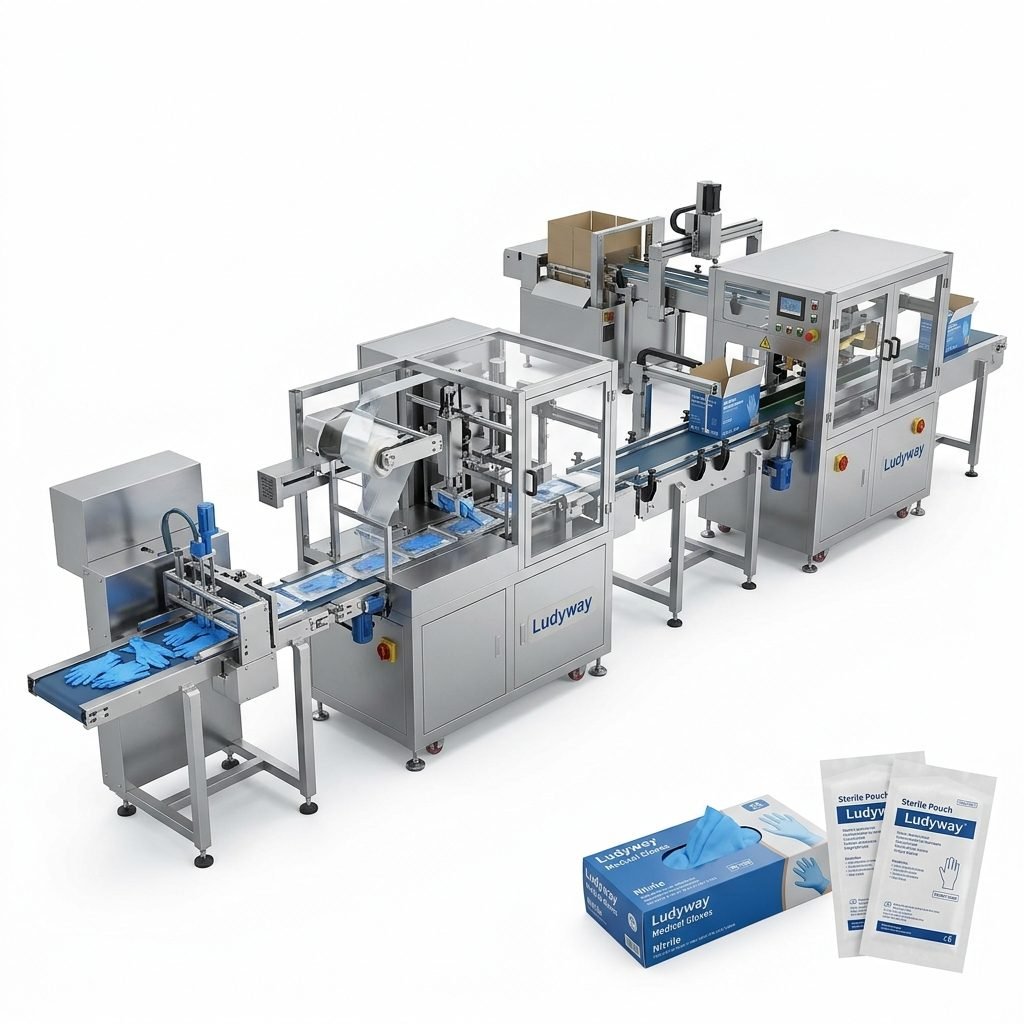
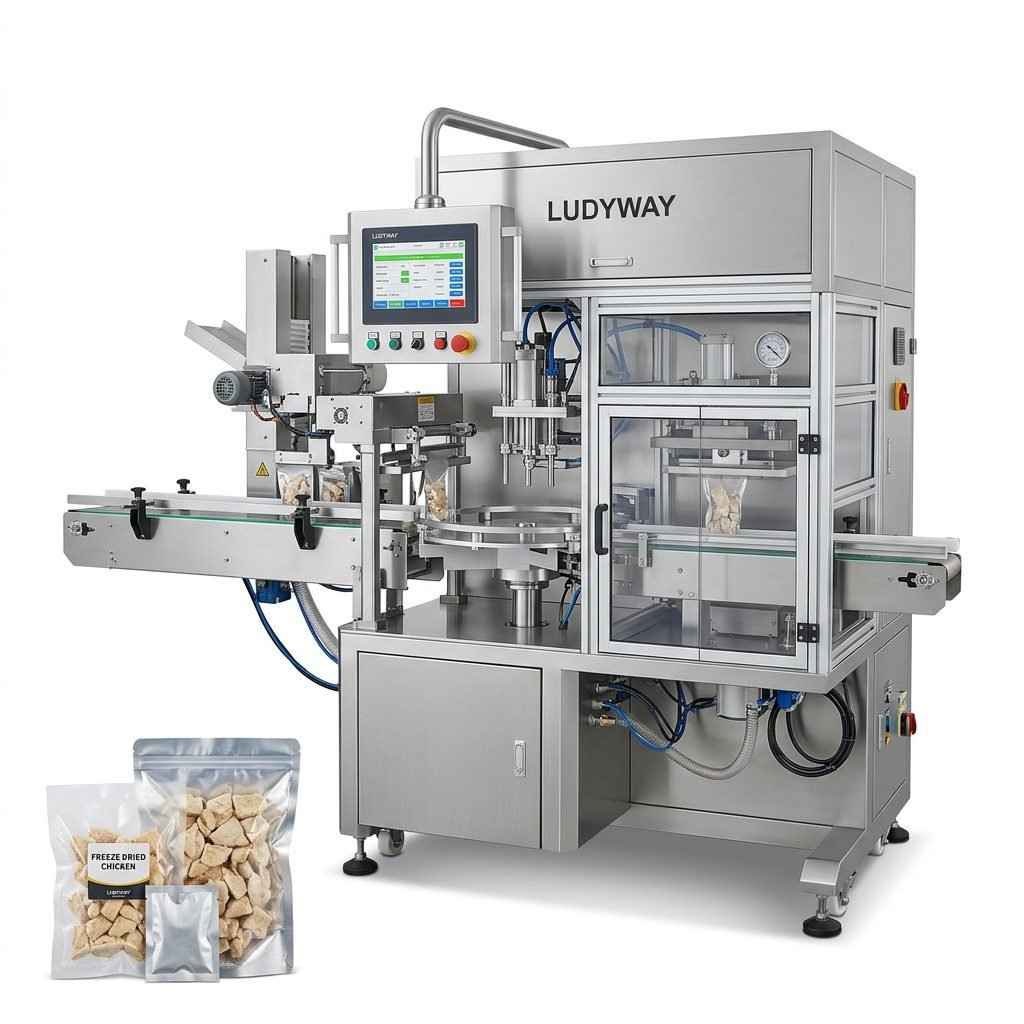
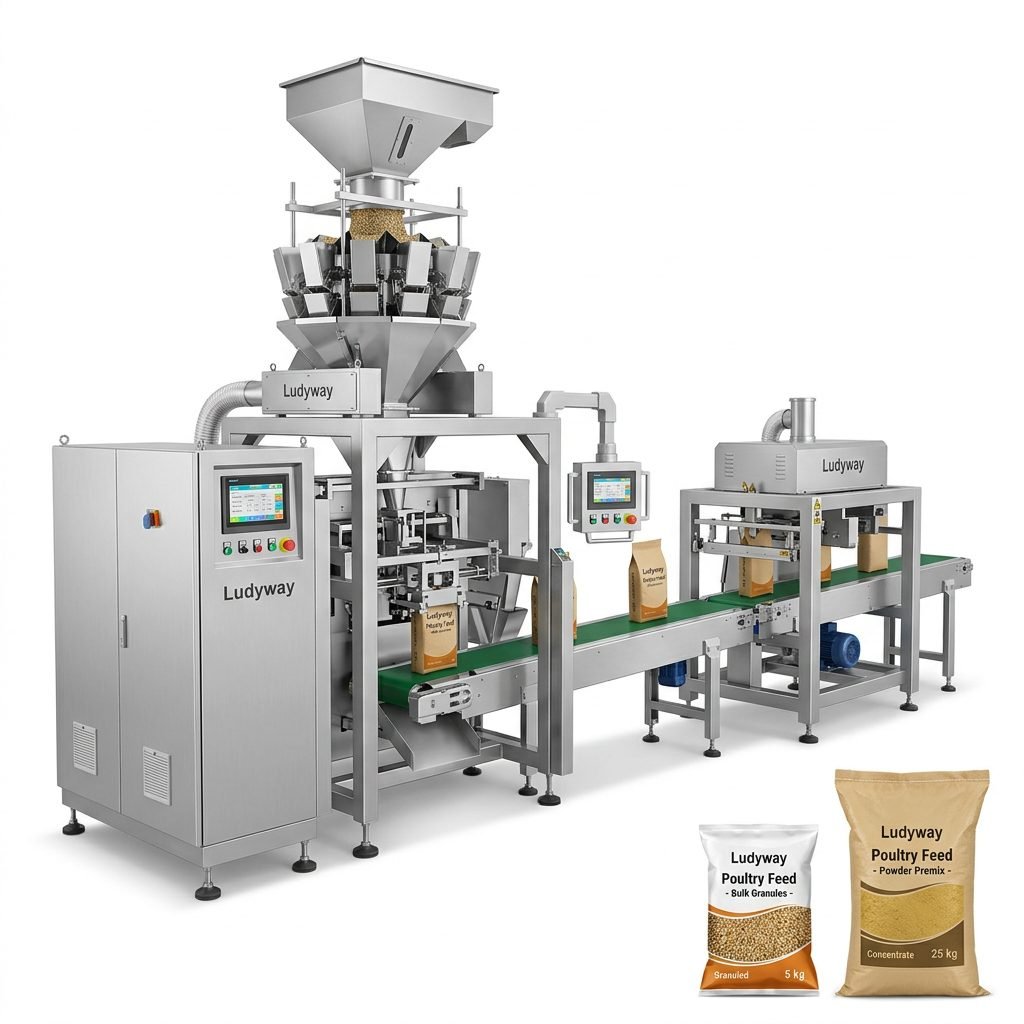
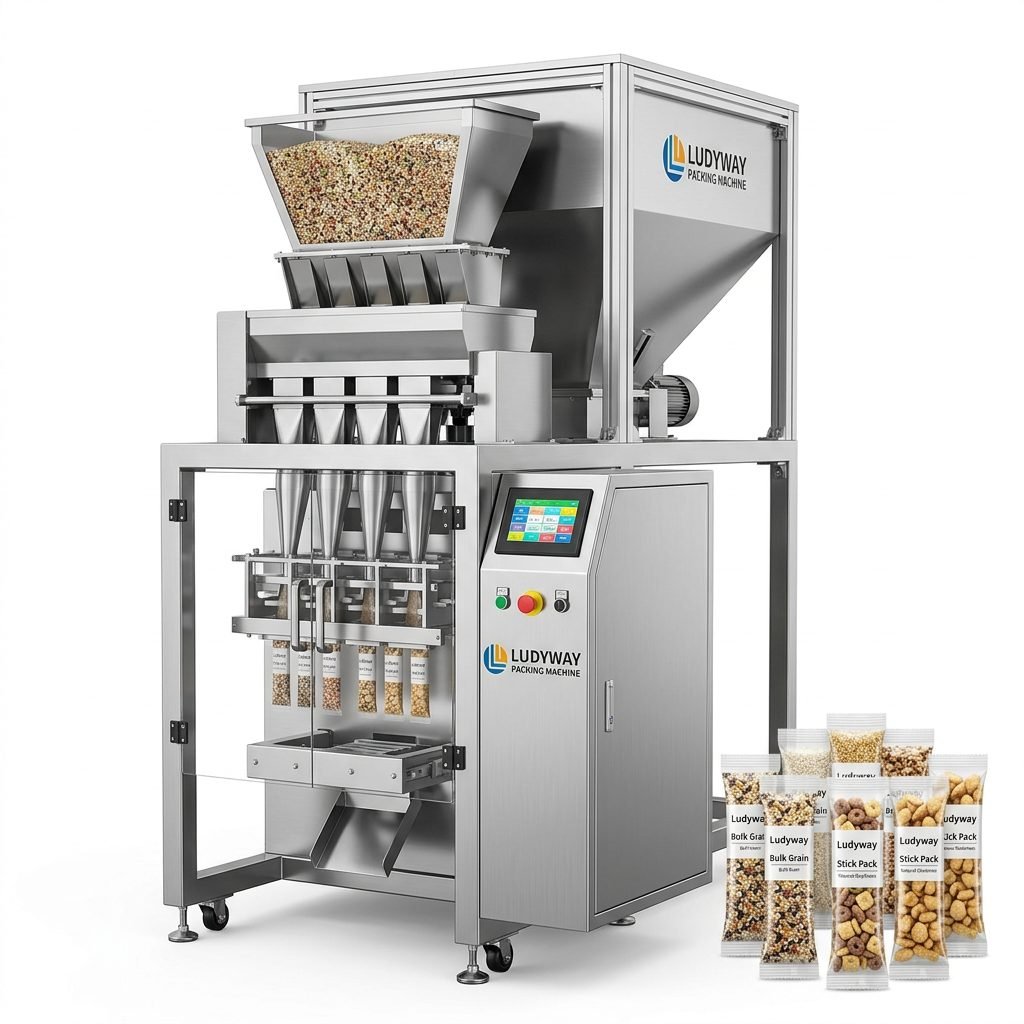
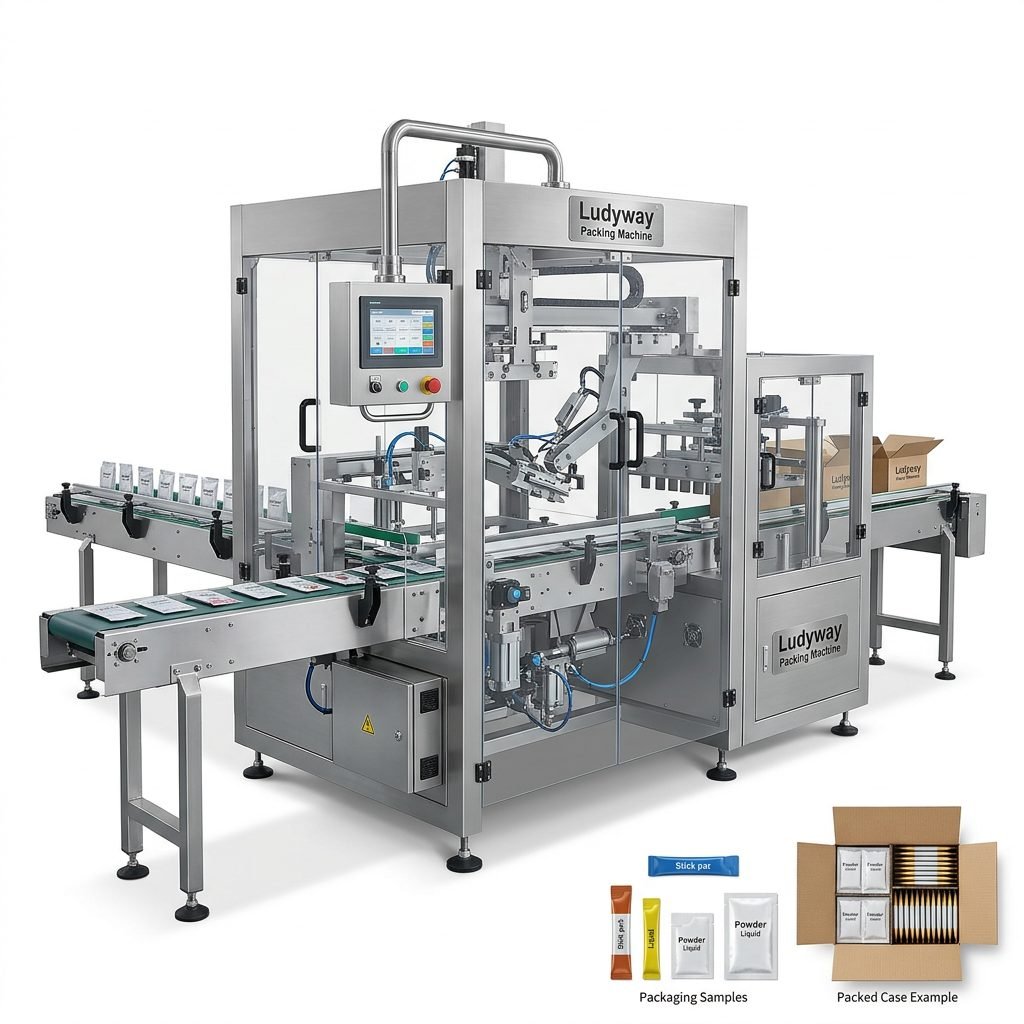
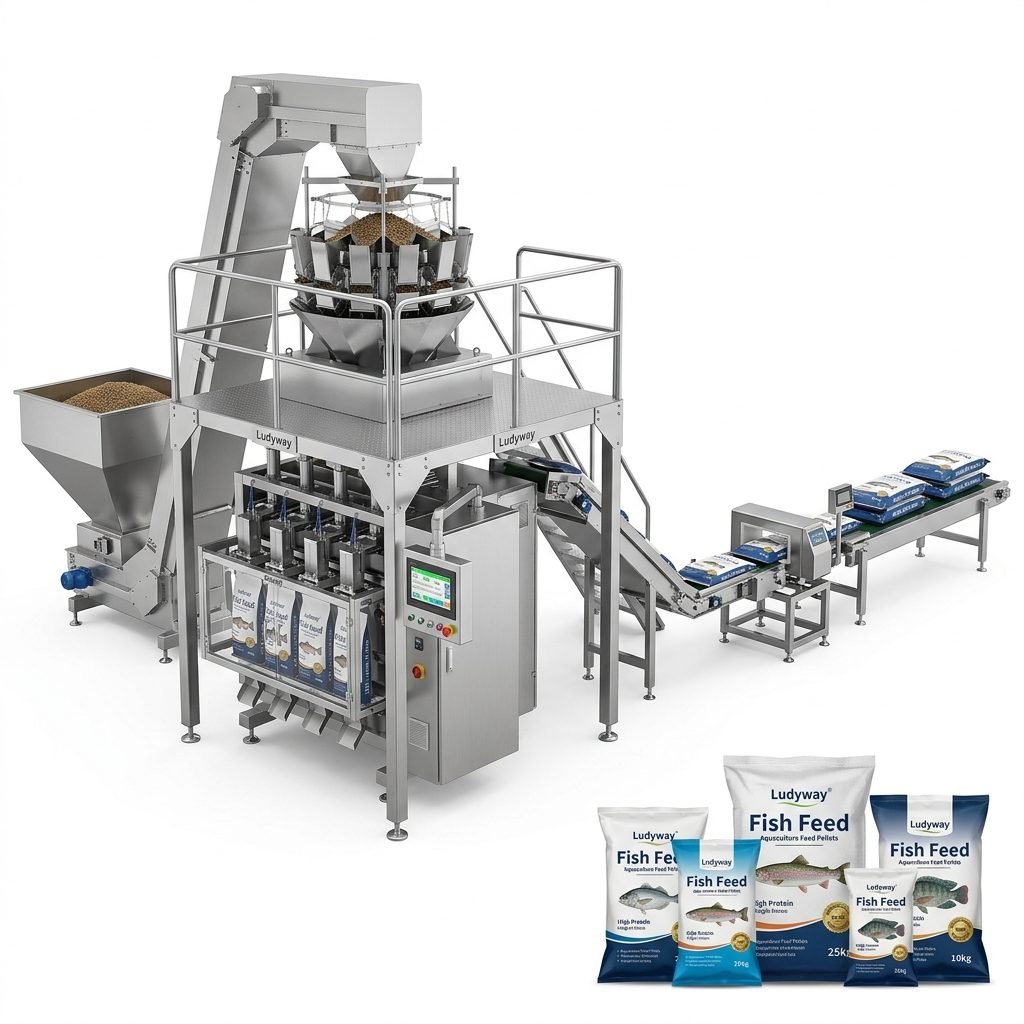
The Indian salt industry is one of the largest in the world, with the country ranking as the third-largest salt producer globally after China and the United States. From edible table salt to industrial-grade sodium chloride, the demand for efficient salt packaging machines in India has never been higher. Whether you are packaging refined free-flow iodized salt, rock salt, black salt, or sea salt crystals, selecting the right automated packaging system is critical to ensuring product freshness, accurate weighing, and extended shelf life. This comprehensive guide explores everything you need to know about choosing the ideal salt packaging machine for your Indian production facility.
Why Invest in an Automated Salt Packaging Machine?
Manual salt packaging is not only labor-intensive but also prone to inconsistent filling weights, contamination risks, and slow production speeds. Salt is a hygroscopic material, meaning it readily absorbs moisture from the air. This unique characteristic demands packaging equipment that can operate in humidity-controlled environments while maintaining high-speed output. Modern automated salt packaging machines offer precise dosing, hermetic sealing, and multi-lane capabilities that can significantly boost your production efficiency. Key benefits include:
- Consistent weight accuracy with servo-driven auger fillers or multi-head weighers
- Moisture-resistant sealing technology to prevent clumping and caking
- High-speed output ranging from 30 to over 400 packs per minute
- Compatibility with various packaging formats: sachets, stick packs, pouches, and bulk bags
- Reduced product waste and improved hygiene standards
Types of Salt Packaging Machines Available in India
The Indian market offers a diverse range of salt packaging solutions to accommodate different production scales and packaging formats. Understanding the various machine types is essential before making a purchasing decision. Below are the most common categories available today:
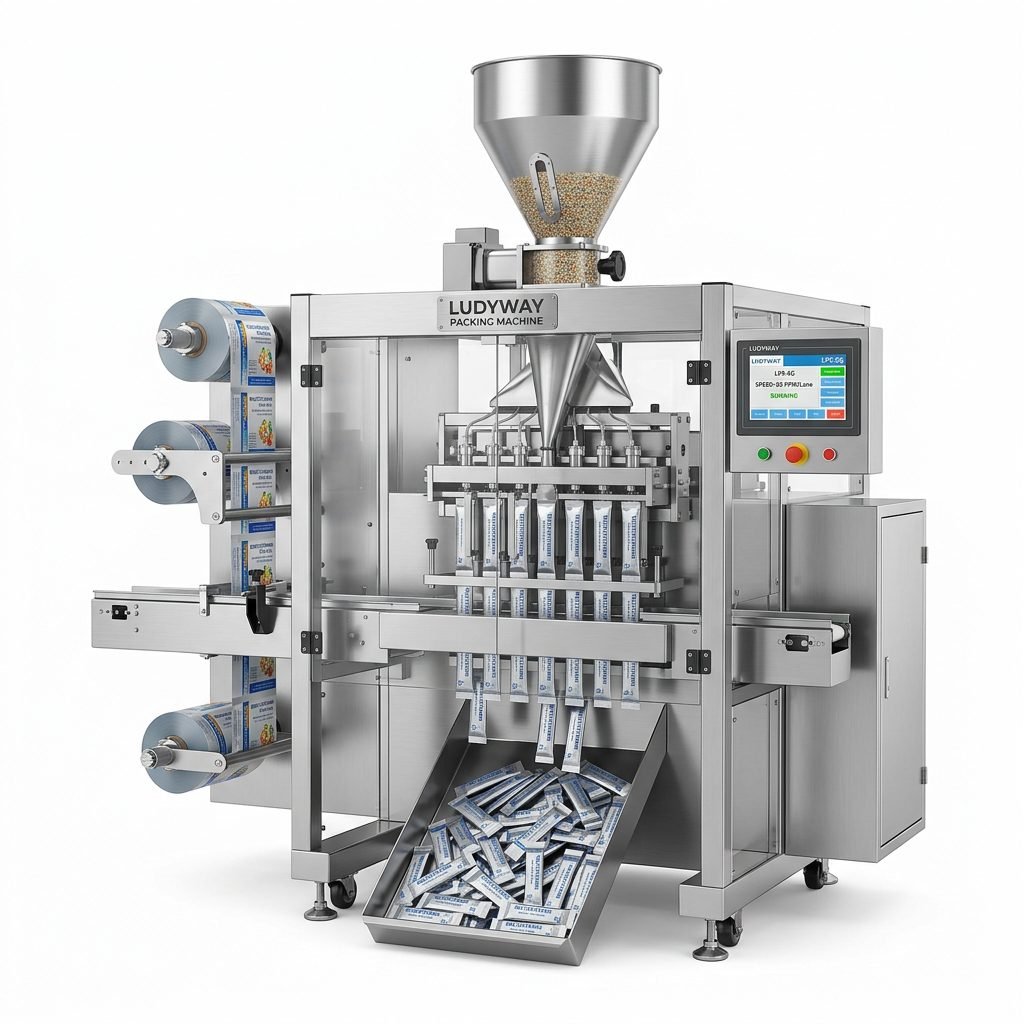
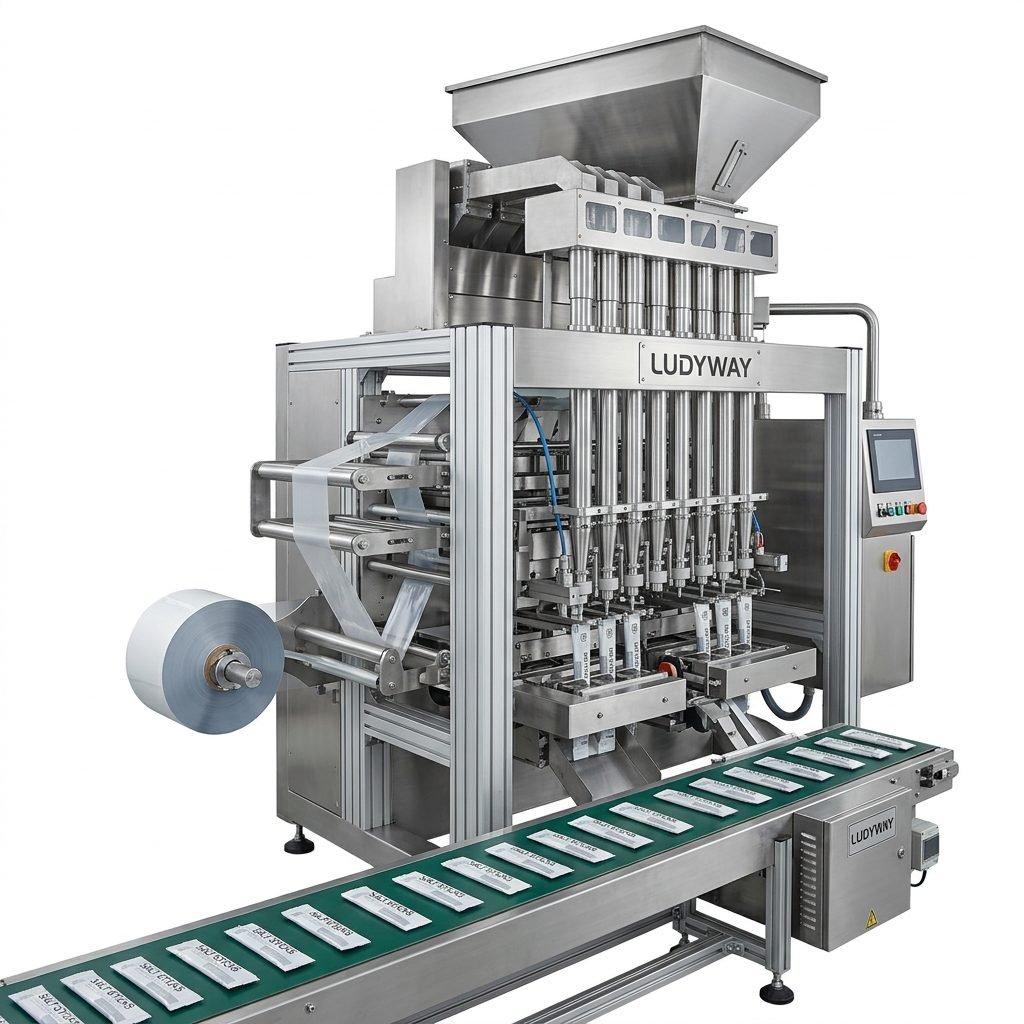
Multi-Lane Stick Pack Machines for Salt
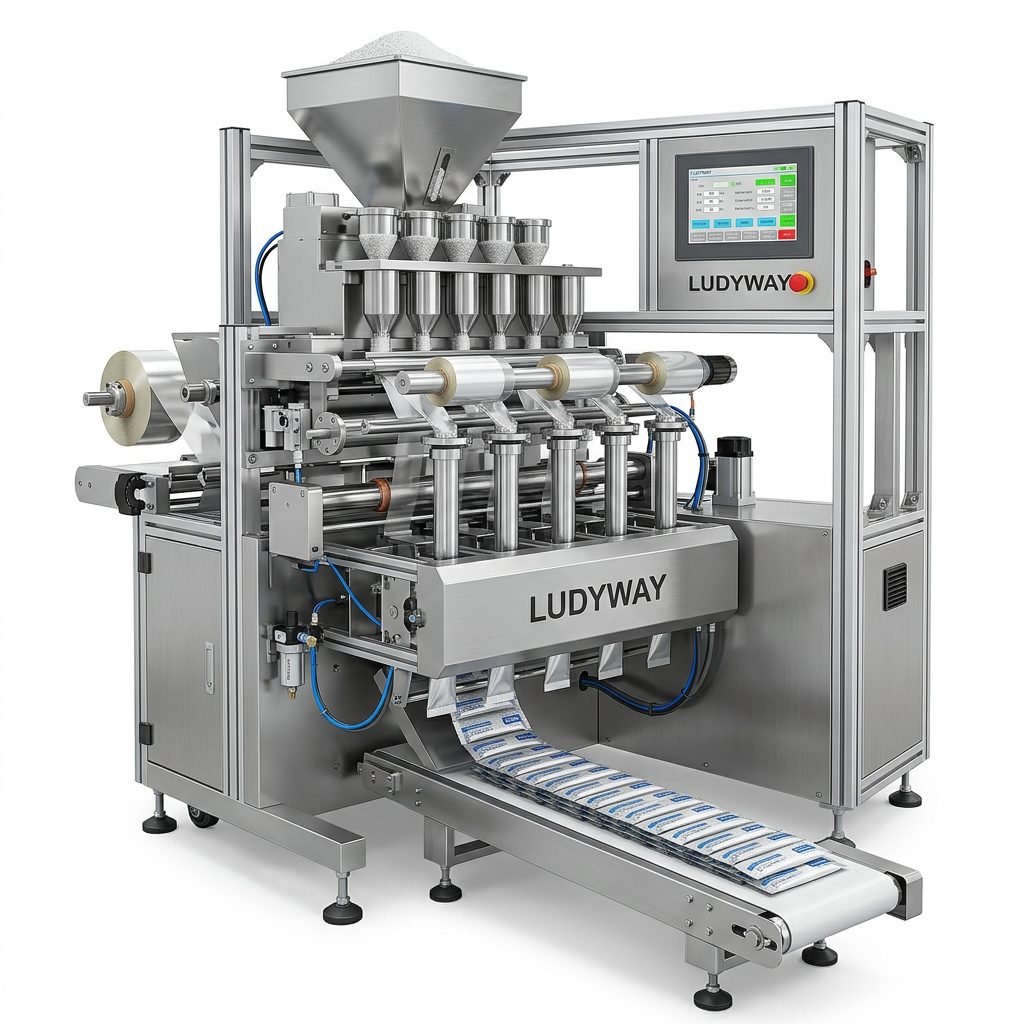
Multi-lane stick pack machines are ideal for packaging single-serve salt portions commonly used in restaurants, airlines, and food service industries. These machines can run 4 to 16 lanes simultaneously, dramatically increasing throughput while maintaining precise fill weights. The packaging machinery industry has seen significant advancements in multi-lane technology, making these systems more accessible to Indian manufacturers.
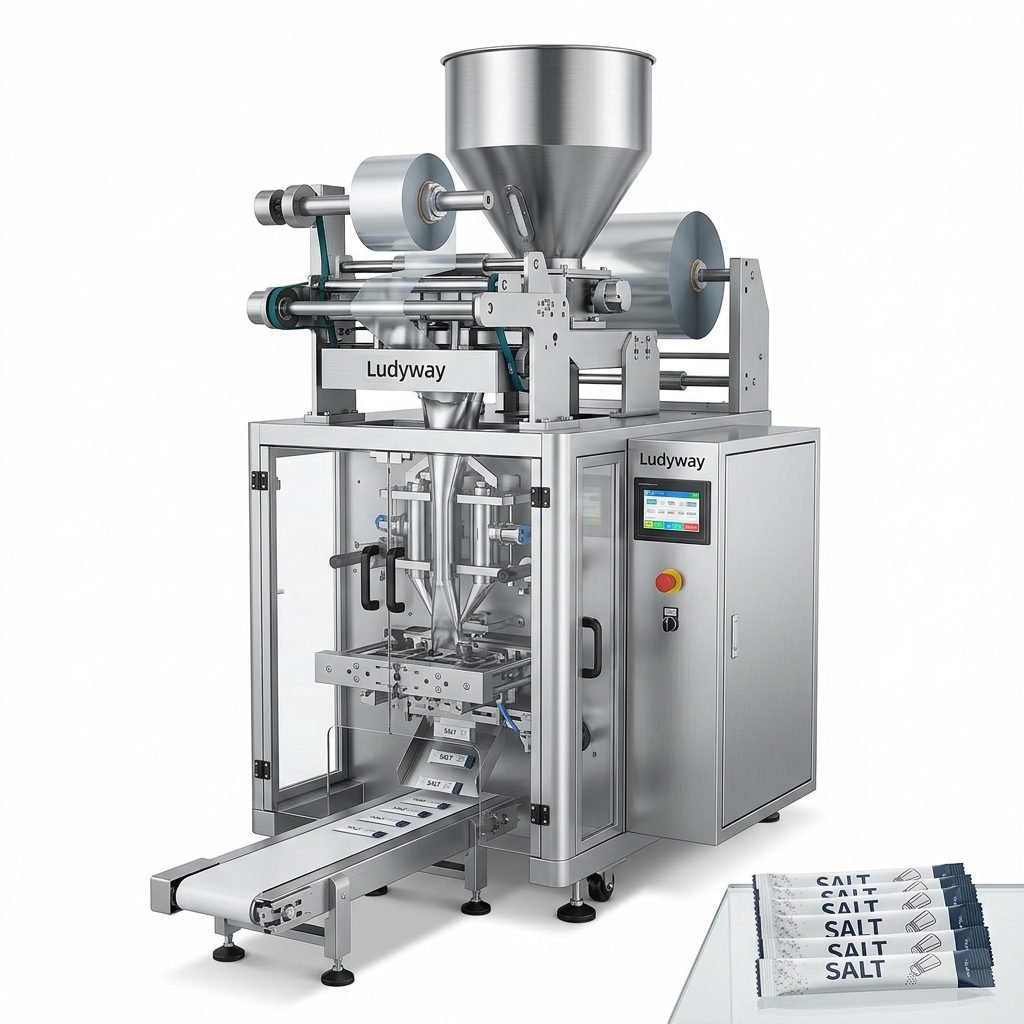
Sachet Packaging Machines
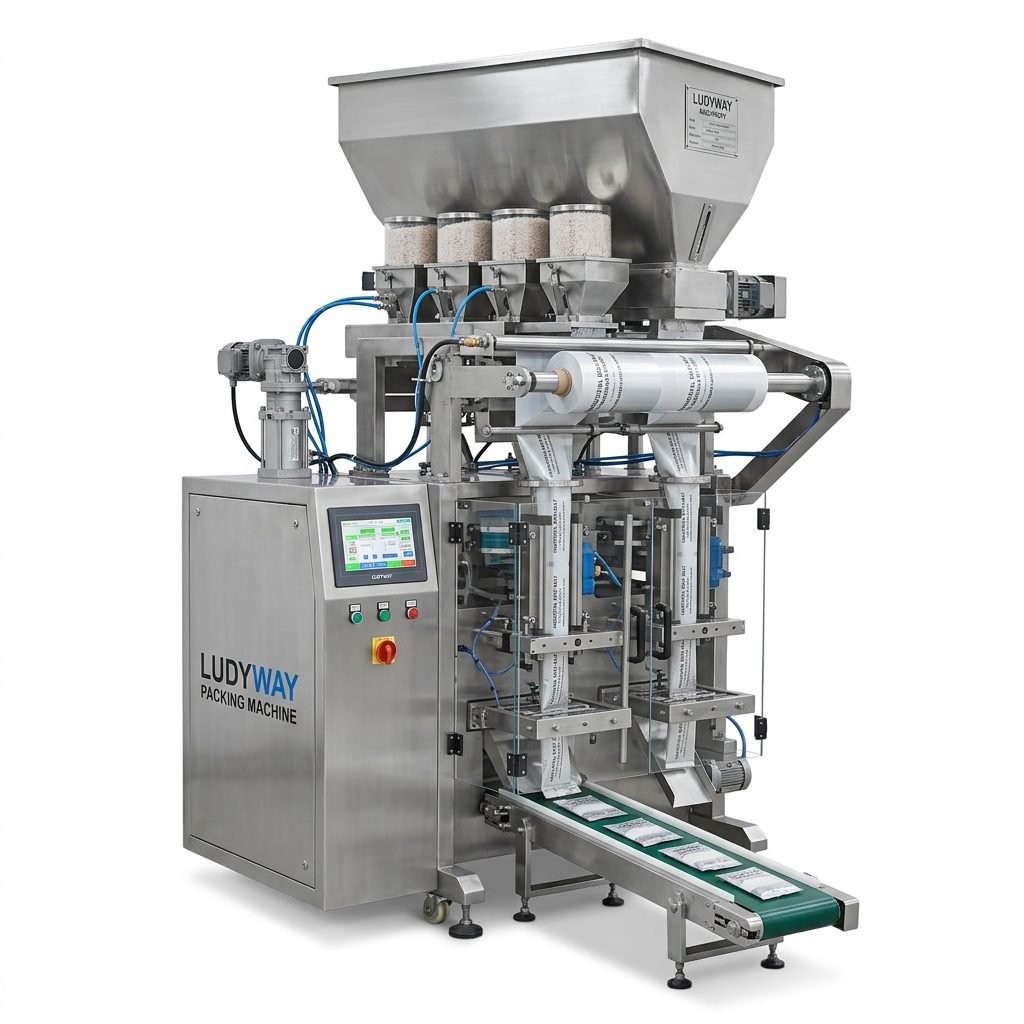
For small retail packs ranging from 5g to 100g, sachet packaging machines offer a cost-effective and versatile solution. These machines are widely used for packaging table salt, black salt, and rock salt in pillow-type or three-side-seal sachets. Modern sachet machines come equipped with nitrogen flushing capabilities to extend product shelf life, a feature particularly valuable in India’s diverse climatic conditions.
Bulk Bagging Systems for Industrial Salt
Industrial salt applications—including water treatment, chemical processing, and de-icing—require heavy-duty bulk bagging systems. These machines handle bag sizes from 10kg to 50kg and often integrate automatic weighing, filling, and palletizing modules. According to PMMI’s State of the Industry report, the demand for bulk packaging automation continues to grow across developing markets including India.
Key Factors to Consider When Choosing a Salt Packaging Machine
Selecting the right machine requires careful evaluation of several critical factors. Making an informed decision will help you avoid costly mistakes and ensure long-term operational success. Here are the most important considerations for Indian buyers:
1. Production Capacity and Speed Requirements
Determine your daily or hourly production targets before evaluating machine specifications. A small-scale operation may only need a single-lane machine producing 40-60 packs per minute, while a large manufacturing plant might require multi-lane systems capable of 400+ packs per minute. Oversizing or undersizing your equipment can lead to unnecessary costs or production bottlenecks.
2. Packaging Material Compatibility
Salt packaging requires materials with excellent moisture barrier properties. Common options include laminated structures such as PET/PE, BOPP/PE, and aluminum foil laminates. Ensure your chosen machine is compatible with the film types and thicknesses you plan to use. The Flexible Packaging Association provides valuable resources on material selection for moisture-sensitive products.
3. Hygroscopic Nature of Salt
Salt’s tendency to absorb moisture requires packaging machines with specialized features such as stainless steel construction, sealed electrical components, and humidity-controlled filling zones. Machines operating in coastal Indian regions like Gujarat or Tamil Nadu must be particularly robust against corrosion. Look for equipment with IP65-rated electrical enclosures and food-grade stainless steel contact parts.
4. Automation Level and Integration
Modern salt packaging lines can include automated feeding systems, checkweighers, metal detectors, cartoning machines, and robotic palletizers. Evaluate whether you need a standalone packaging machine or a fully integrated turnkey packaging line. A comprehensive packaging line reduces manual handling and improves overall equipment effectiveness.
Comparing Popular Salt Packaging Machine Configurations
The table below provides a comparative overview of different salt packaging machine configurations commonly deployed in Indian production facilities. Use this as a reference when evaluating your options:
| Machine Type | Pack Format | Speed Range (Packs/Min) | Best For |
|---|---|---|---|
| Single-Lane Sachet Machine | 5g – 100g sachets | 30 – 80 | Small to medium operations |
| Multi-Lane Stick Pack Machine | 1g – 20g stick packs | 100 – 400+ | High-volume single-serve production |
| Vertical Form Fill Seal (VFFS) | 250g – 2kg pillow bags | 20 – 70 | Retail and wholesale packaging |
| Bulk Bagging System | 10kg – 50kg bags | 5 – 15 | Industrial and B2B supply |
| Premade Pouch Filling Machine | 250g – 5kg pouches | 25 – 50 | Premium retail brands |
Indian Salt Market: Regional Considerations
India’s salt production is concentrated in specific regions, each with unique packaging requirements. Understanding these regional dynamics can help you select the most appropriate machinery for your location:
- Gujarat: The largest salt-producing state, accounting for approximately 76% of India’s salt output. Coastal humidity demands machines with superior corrosion resistance.
- Tamil Nadu: Major producer of sea salt with packaging operations requiring high-temperature tolerance and dust control systems.
- Rajasthan: Home to inland salt lakes and the famous Sambhar Lake; packaging equipment must handle crystal-sized variations.
- Maharashtra: Growing hub for refined salt processing with increasing demand for retail-ready packaging formats.
Food Safety and Regulatory Compliance
Salt intended for human consumption falls under the Food Safety and Standards Authority of India (FSSAI) regulations. Packaging machines must comply with food-grade material standards and facilitate hygienic production practices. Additionally, if you are exporting salt products, compliance with international standards such as FDA food packaging regulations and ISO packaging standards becomes essential. Ensure your packaging machine supplier can provide documentation confirming food-grade material certifications and GMP compliance.
Cost Considerations and ROI Analysis
Investing in a salt packaging machine represents a significant capital expenditure. However, the return on investment can be realized quickly through increased efficiency and reduced labor costs. Key cost factors include:
- Initial machine purchase price and import duties (if sourcing internationally)
- Installation, commissioning, and operator training expenses
- Ongoing maintenance and spare parts availability in India
- Energy consumption and packaging material waste rates
- Expected throughput gains compared to manual or semi-automatic methods
Many Indian manufacturers report achieving full ROI within 12 to 24 months after switching from manual to automated salt packaging systems, primarily due to reduced product giveaway and increased production speeds.
Working with Reliable Packaging Machine Suppliers
Choosing a trustworthy equipment supplier is as important as selecting the right machine. Look for manufacturers with proven experience in salt packaging applications, responsive after-sales support, and a track record of installations in India or similar markets. One notable manufacturer in this space is Ludyway, one of the largest packaging machine manufacturers in China with over 30 years of industry expertise. Their salt packaging solutions span multi-lane stick pack machines, sachet packaging systems, and fully automated turnkey lines tailored for granule and powder products. With a modern 20,000㎡ manufacturing facility and customers in over 100 countries, Ludyway offers high-performance packaging equipment designed to meet the demanding requirements of the Indian salt industry.
Frequently Asked Questions
What is the best packaging format for edible salt in the Indian retail market?
The most popular retail packaging formats in India include 200g to 1kg pillow pouches and 5g to 20g single-serve sachets. Premium brands often opt for stand-up pouches with zipper closures for added consumer convenience. The choice depends on your target market segment and distribution channels.
How do I protect salt from moisture during the packaging process?
Effective moisture protection requires a combination of high-barrier packaging films, nitrogen flushing during the sealing process, and maintaining a controlled humidity environment in your packaging area. Machines equipped with hermetic sealing technology and optional gas flushing systems provide the best protection against moisture ingress.
Can one machine handle different salt varieties?
Yes, many modern salt packaging machines are designed with quick-changeover features that allow you to switch between different salt types—such as refined iodized salt, rock salt, black salt, and sea salt—with minimal downtime. However, machines must be thoroughly cleaned between product changes to prevent cross-contamination and flavor transfer.
What after-sales support should I expect in India?
Reputable suppliers should offer comprehensive after-sales support including installation and commissioning, operator training, remote troubleshooting, and readily available spare parts. Given India’s vast geography, consider suppliers with local service representatives or authorized distributors who can respond quickly to technical issues.
Final Thoughts on Choosing Your Salt Packaging Machine
Selecting the right salt packaging machine in India requires balancing multiple factors: production capacity, packaging format, budget constraints, and long-term operational goals. By thoroughly evaluating your specific requirements and partnering with an experienced equipment manufacturer, you can implement a packaging solution that delivers consistent quality, regulatory compliance, and strong returns on your investment. Whether you are a small-scale salt processor or a large industrial operation, the right automated packaging system will position your business for sustainable growth in India’s competitive salt market.
Explore Advanced Salt Packaging Solutions | PMMI Packaging Industry Resources | Flexible Packaging Association