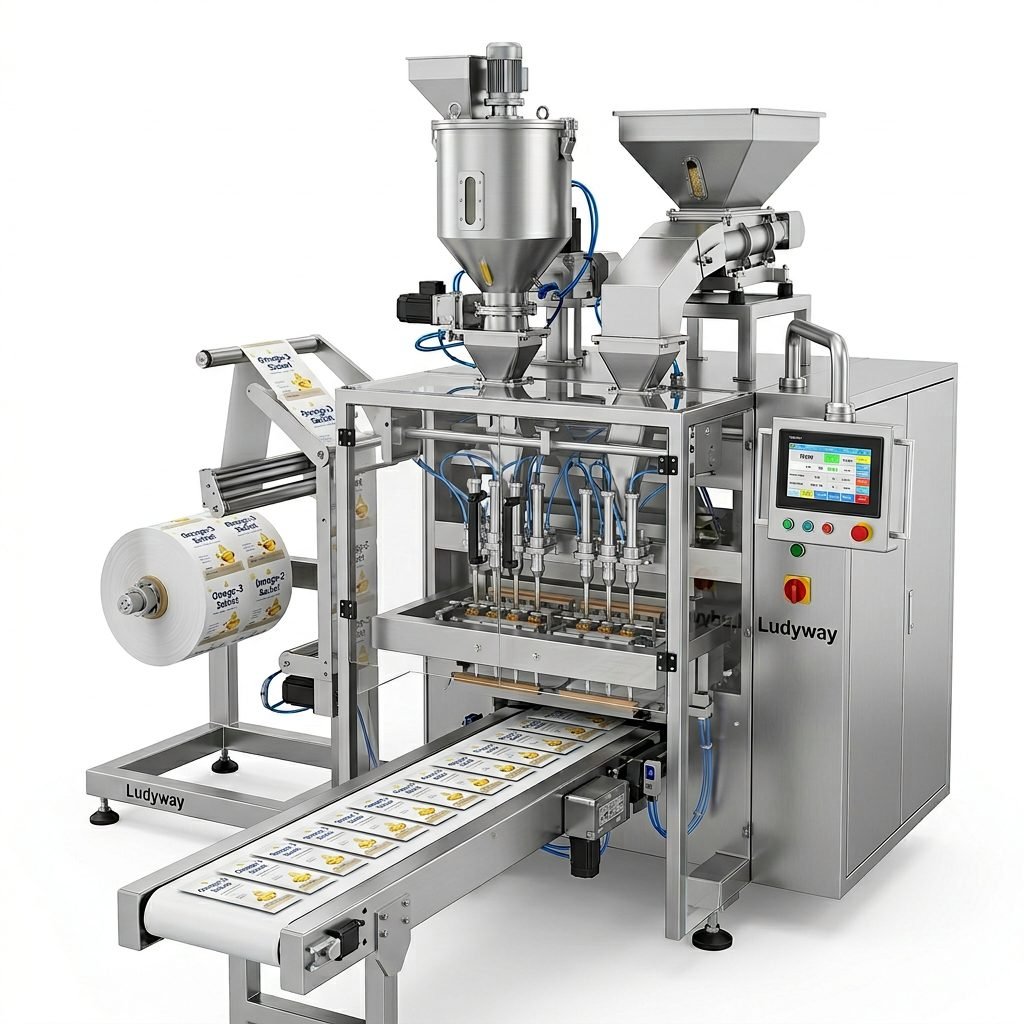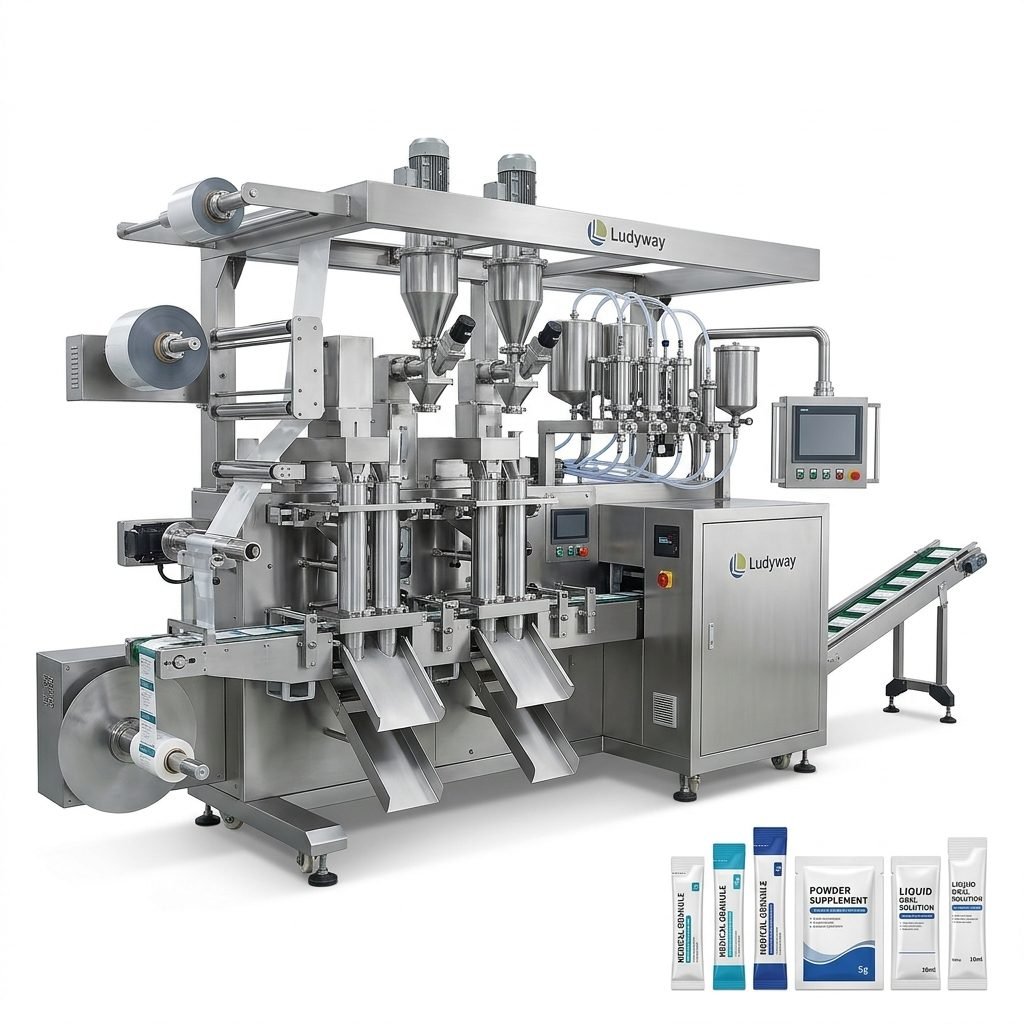
Investing in a vacuum packaging machine is one of the smartest decisions a food business, pharmaceutical company, or industrial manufacturer can make. Whether you are a small artisanal producer or a large-scale processor, vacuum sealing extends shelf life, preserves product integrity, and reduces waste. In the United States, the demand for high-performance vacuum packaging machines has grown steadily, driven by strict FDA packaging safety standards and an increasingly competitive market.
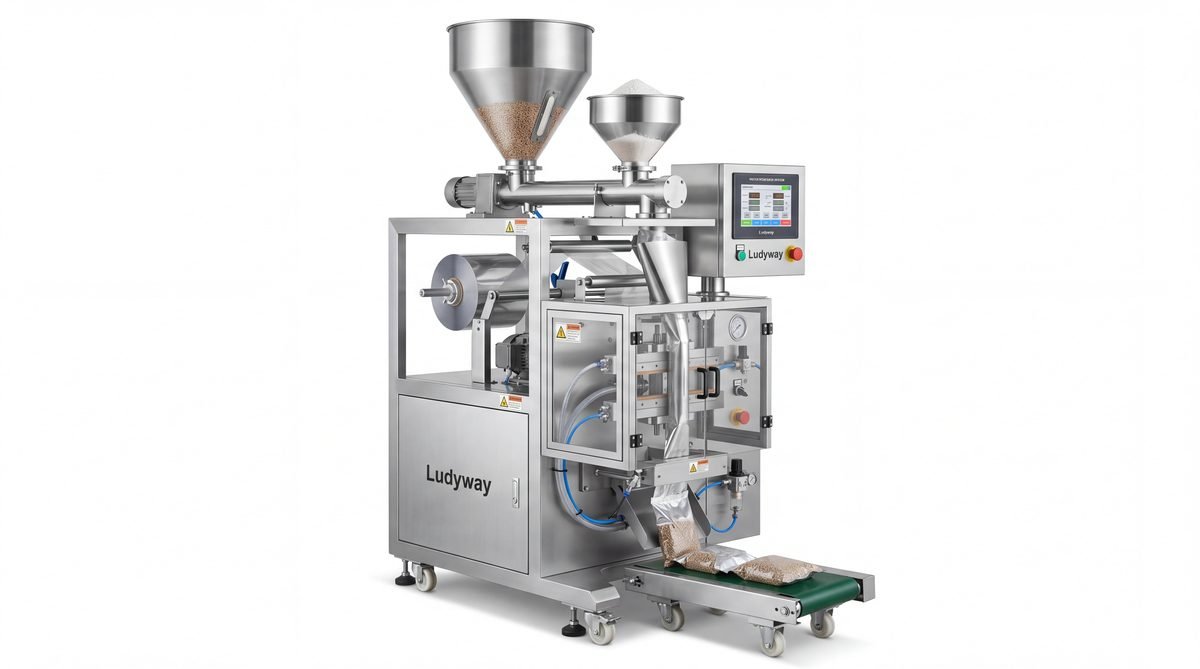
Why Vacuum Packaging Matters for Your Business
Vacuum packaging removes air from the package prior to sealing, creating an oxygen-depleted environment that dramatically slows down oxidation, microbial growth, and moisture loss. This technology is not limited to food — vacuum packaging machines are equally critical in pharmaceuticals, electronics, and chemical industries. According to the PMMI State of the Industry report, packaging machinery shipments in the U.S. continue to rise, with vacuum systems representing a significant segment of that growth.
Types of Vacuum Packaging Machines Available in the U.S. Market
Choosing the right equipment starts with understanding the main categories of vacuum packaging machines. Each type is designed for specific production volumes, product characteristics, and operational environments.
1. Chamber Vacuum Sealers
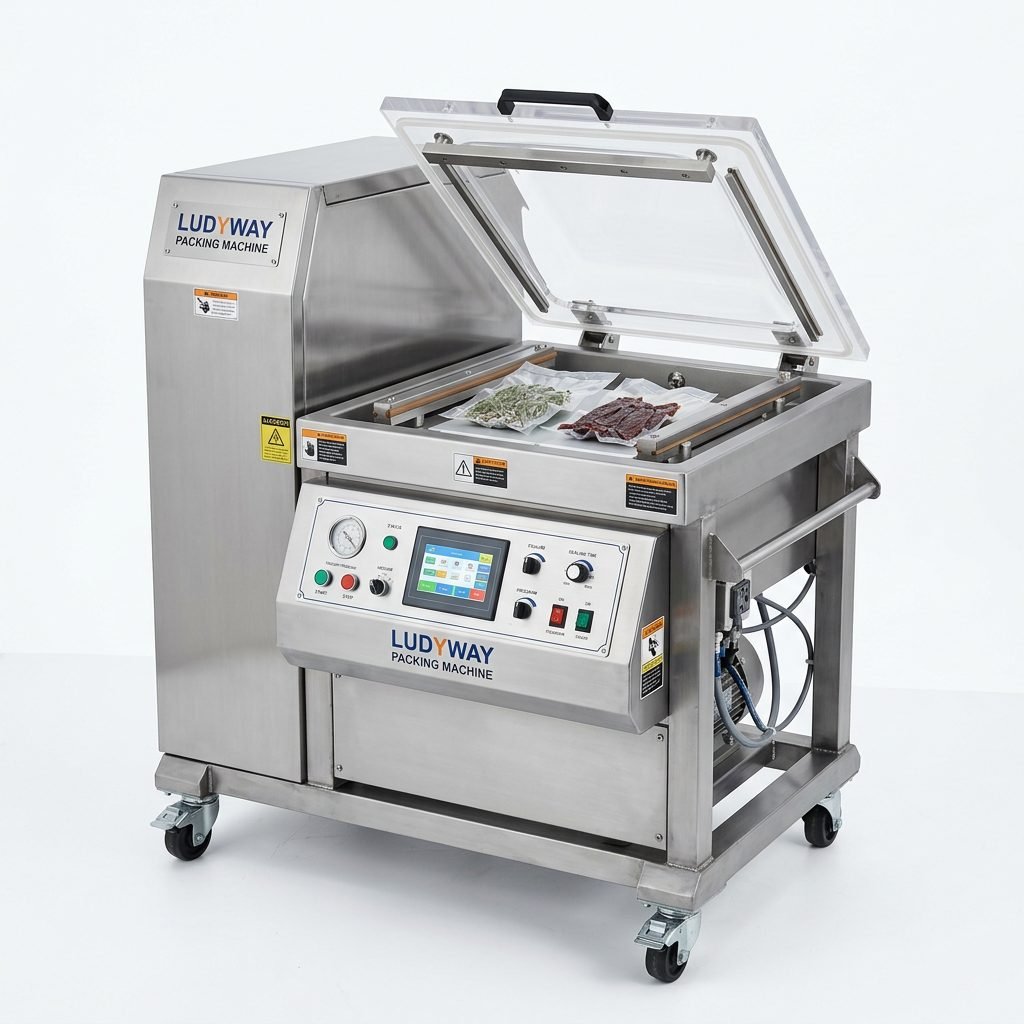
Chamber machines place the entire product — bag and all — inside a vacuum chamber. Once the lid is closed, air is evacuated from the entire chamber, and the bag is sealed. These are ideal for liquids, powders, and moist products because the pressure inside and outside the bag remains equal, preventing liquids from being drawn out during the vacuum cycle.
- Best for: Marinated meats, soups, sauces, wet pet foods, and pharmaceutical liquids.
- Typical price range: $2,000 – $25,000+ depending on chamber size and automation level.
- Key advantage: Superior seal quality for high-moisture products.
2. External Vacuum Sealers (Nozzle-Type)
These machines use a nozzle inserted into the open end of a vacuum bag to extract air before heat-sealing. They are generally more compact and affordable, but not recommended for liquids due to the risk of product being sucked into the vacuum pump.
- Best for: Dry goods, grains, powders, nuts, and solid items.
- Typical price range: $50 – $3,000.
- Key advantage: Low cost and simplicity for small-scale operations.
3. Double-Chamber Vacuum Machines
Featuring two chambers that operate alternately, these machines maximize throughput by allowing the operator to load one chamber while the other completes its cycle. Double-chamber systems are the workhorses of mid-sized U.S. food processing facilities.
4. Thermoforming Vacuum Packaging Lines
These are fully automated systems that form the package from rollstock film, fill the product, apply vacuum, and seal — all in one continuous operation. Highly suited for high-capacity production of products like hot dogs, cheese blocks, and medical devices. They represent the top tier of vacuum packaging machines in terms of speed and integration.
Key Factors to Consider When Buying a Vacuum Packaging Machine
Selecting the right vacuum packaging machine requires evaluating several interconnected factors. The table below summarizes the most critical considerations for U.S. buyers.
| Factor | Why It Matters | Recommendation |
|---|---|---|
| Production Volume | Determines whether a tabletop or industrial system is needed. | Match cycles per minute to daily output goals. |
| Product Type | Liquids, powders, solids, and sharp-edged items each demand specific sealing technology. | Chamber units for wet products; nozzle units for dry goods. |
| Pump Strength | Measured in cubic feet per minute (CFM) or m³/h; higher values equal faster cycles. | Rotary vane or dry piston pumps for reliability. |
| Seal Bar Width & Material | Wider seal bars provide stronger, more durable seals for heavier bags. | Look for 3mm–10mm seal bar widths based on bag thickness. |
| Bag Material Compatibility | Not all machines handle foil, mylar, or high-barrier films equally. | Verify compatibility with laminated and co-extruded films. |
| Compliance & Certifications | FDA, USDA, and ISO standards are non-negotiable for many sectors. | Request documentation before purchase. See ISO packaging standards. |
| After-Sales Support | Downtime costs can quickly outweigh initial savings on equipment. | Prioritize suppliers with U.S.-based service networks or responsive remote support. |
Top Features to Look for in a Modern Vacuum Packaging Machine
Today’s vacuum packaging machines offer far more than basic air extraction. Advanced features can significantly improve efficiency, consistency, and traceability. Consider the following upgrades when comparing models:
- Gas Flush (MAP) Capability: Modified Atmosphere Packaging replaces oxygen with nitrogen or carbon dioxide, extending shelf life for fresh produce, baked goods, and meats. This feature is essential for companies supplying major U.S. retailers.
- Programmable Logic Controllers (PLC): Digital controls with recipe storage allow operators to switch between product types in seconds, maintaining consistent sealing parameters across shifts.
- Soft-Air / Gentle Vacuum Function: Prevents crushing of delicate products like chips, pastries, or soft cheeses by controlling the vacuum pressure gradually.
- Busch or Becker Vacuum Pumps: Premium German-engineered pumps deliver industry-leading duty cycles and longevity. Machines equipped with these pumps typically command higher resale values.
- Stainless Steel Construction: Required for USDA-inspected facilities and washdown environments. Food-grade 304 or 316 stainless steel resists corrosion and simplifies sanitation.
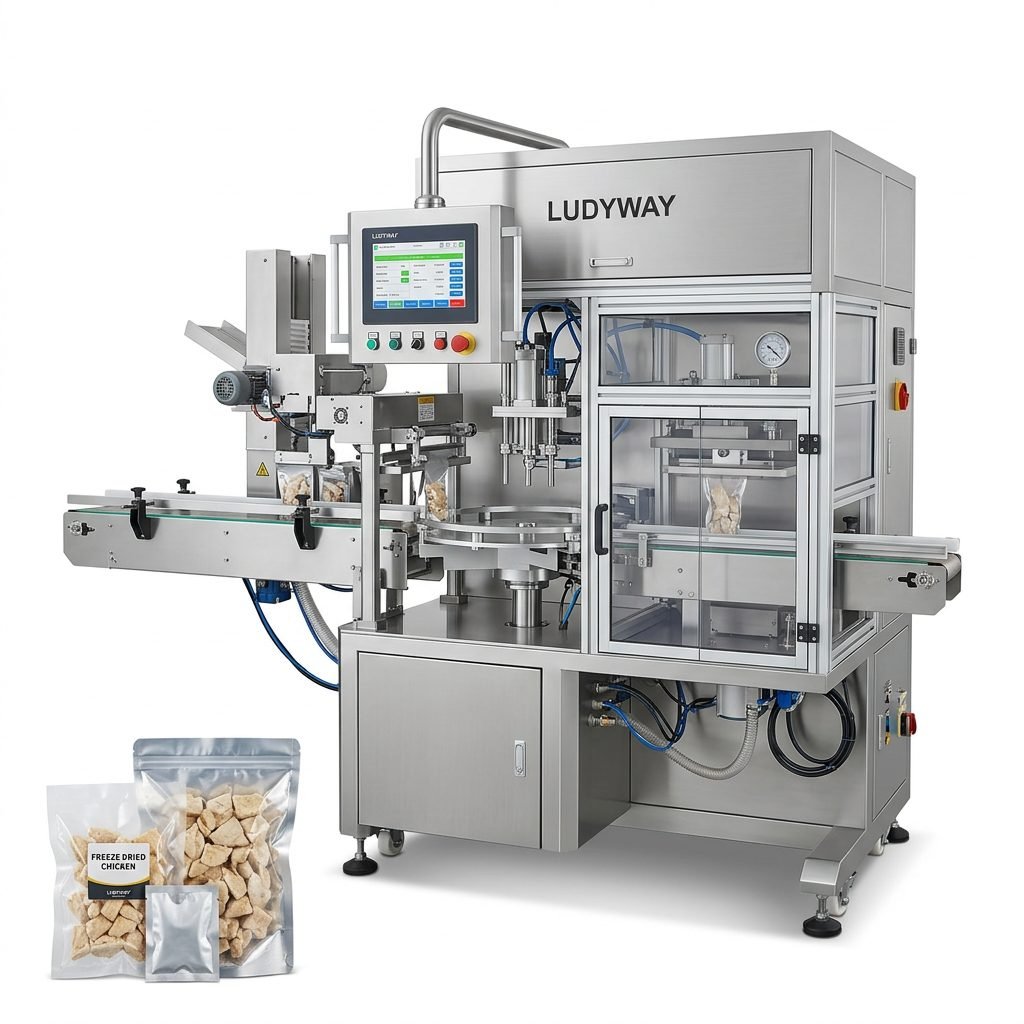
Popular Vacuum Packaging Machine Applications in the United States
The versatility of vacuum packaging machines makes them indispensable across multiple U.S. industries. Understanding how different sectors use these machines helps buyers align their specifications with real-world requirements.
Food Processing & Protein Packaging
Meat, poultry, and seafood processors rely heavily on vacuum packaging machines to prevent freezer burn, maintain color, and extend shelf life. Large chamber and thermoforming systems dominate this segment, often integrated with inline weighing and labeling systems. The Flexible Packaging Association reports steady growth in vacuum-sealed protein packaging driven by retail and e-commerce demand.
Pharmaceutical & Medical Device Packaging
Sterile barrier systems for surgical instruments, implants, and diagnostic kits use medical-grade vacuum sealers validated to ISO 11607 standards. These applications demand precise sealing parameters, cleanroom compatibility, and full process documentation for regulatory compliance.
Coffee & Specialty Foods
Whole bean and ground coffee producers use vacuum packaging with one-way degassing valves to preserve freshness. Nuts, spices, and dehydrated products benefit from oxygen-free environments that prevent rancidity. U.S. specialty food brands increasingly choose vacuum packaging as a point of differentiation on retail shelves.
Industrial & Non-Food Applications
Electronic components, chemical compounds, and metal powders are vacuum-sealed to prevent oxidation, moisture intrusion, and contamination during storage and transport. These machines often feature specialized seal bars and inert gas backfill capabilities.
Maintenance Best Practices to Maximize Machine Lifespan
A well-maintained vacuum packaging machine can deliver 10–15 years of reliable service. Neglecting routine care, conversely, leads to seal failures, pump burnout, and costly downtime. Follow these essential practices:
- Pump Oil Changes: Rotary vane vacuum pumps require oil changes every 300–500 operating hours. Use manufacturer-recommended oil grades and check oil levels weekly.
- Seal Bar Inspection: Teflon tape and heating elements degrade over time. Replace at the first sign of uneven sealing or discoloration.
- Gasket & Lid Alignment: Chamber lid gaskets lose elasticity with repeated use. Inspect monthly for cracks or compression set, and keep the sealing surface clean.
- Filter Replacement: Vacuum pump inlet filters prevent particulate contamination. Clogged filters increase pump strain and reduce suction efficiency.
- Software Updates: For PLC-controlled machines, install firmware updates as released to maintain compatibility with new bag materials and reporting features.
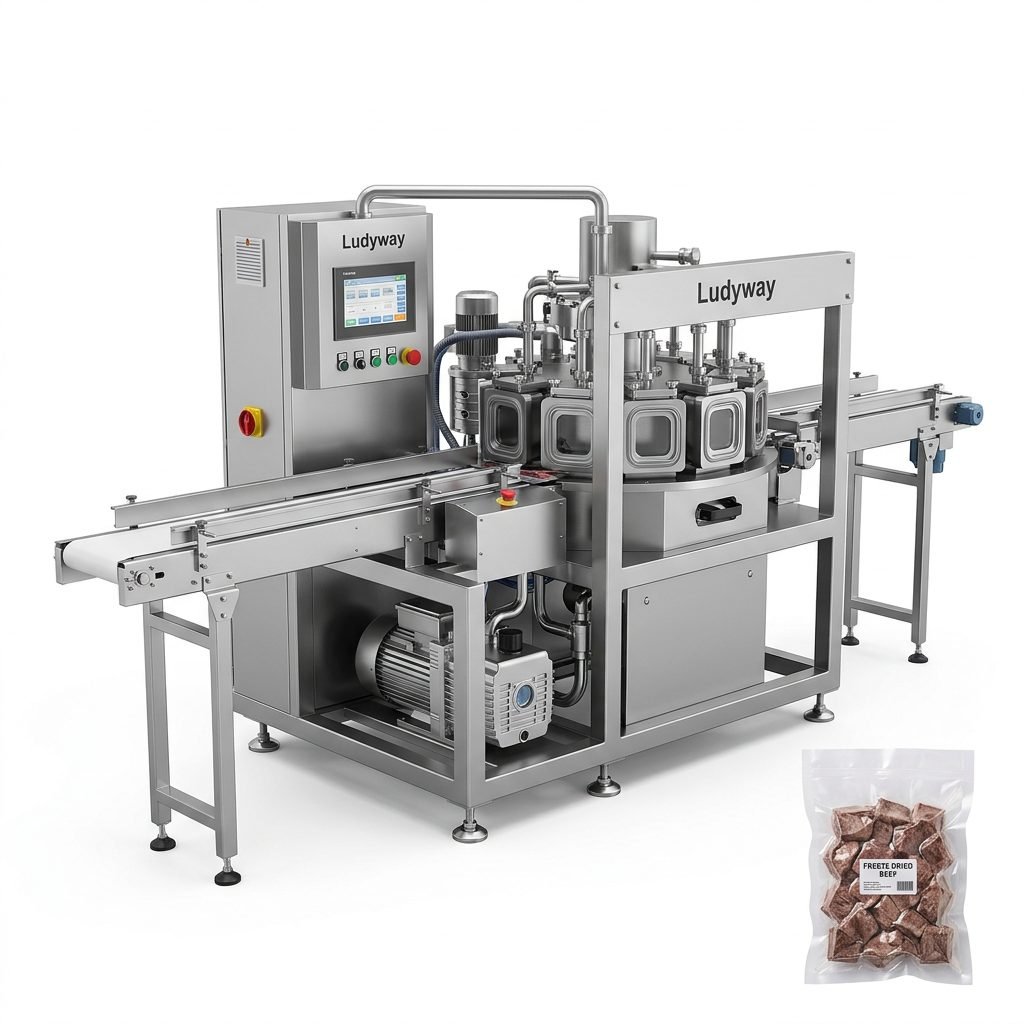
U.S. Market Trends Shaping Vacuum Packaging Equipment Purchases
Several trends are influencing how American businesses evaluate vacuum packaging machines. Staying informed helps buyers future-proof their investments.
Sustainability and Film Reduction
The European Commission’s packaging waste regulations are also shaping U.S. retailer expectations. Many buyers are seeking machines compatible with thinner, recyclable, or mono-material films that maintain barrier performance while reducing plastic usage.
Automation and Labor Efficiency
With ongoing labor shortages in U.S. manufacturing, fully automated vacuum packaging machines with robotic loading and unloading are gaining traction. These systems reduce human error, increase throughput, and quickly achieve ROI in high-volume facilities.
Smart Connectivity and Data Logging
Industry 4.0 has arrived in packaging. Modern machines offer remote monitoring, OEE (Overall Equipment Effectiveness) tracking, and cloud-based data storage for audit trails. Real-time performance dashboards help plant managers identify bottlenecks and schedule predictive maintenance.
Frequently Asked Questions About Vacuum Packaging Machines
What is the difference between a chamber and an external vacuum sealer?
A chamber vacuum sealer removes air from the entire chamber, making it suitable for liquids and wet products. An external sealer only extracts air from the bag, which works well for dry goods but can draw liquids into the pump.
How much does a commercial vacuum packaging machine cost in the U.S.?
Entry-level external sealers start around $50–$200. Mid-range chamber machines for small businesses range from $2,000 to $8,000. Fully automated thermoforming lines can exceed $100,000 depending on configuration and output.
Can I use any vacuum bag with my machine?
No. Machines are designed for specific film types. Chamber machines generally accept embossed or smooth bags, while external sealers require textured or channeled bags to allow air evacuation. Always confirm bag compatibility with the manufacturer.
Are there USDA-compliant vacuum packaging machines?
Yes. Many manufacturers offer stainless steel, washdown-ready models designed for USDA-inspected meat and poultry facilities. Look for machines with sloped surfaces, sealed electrical enclosures, and validated sanitation protocols.
Choosing the Right Supplier for Long-Term Success
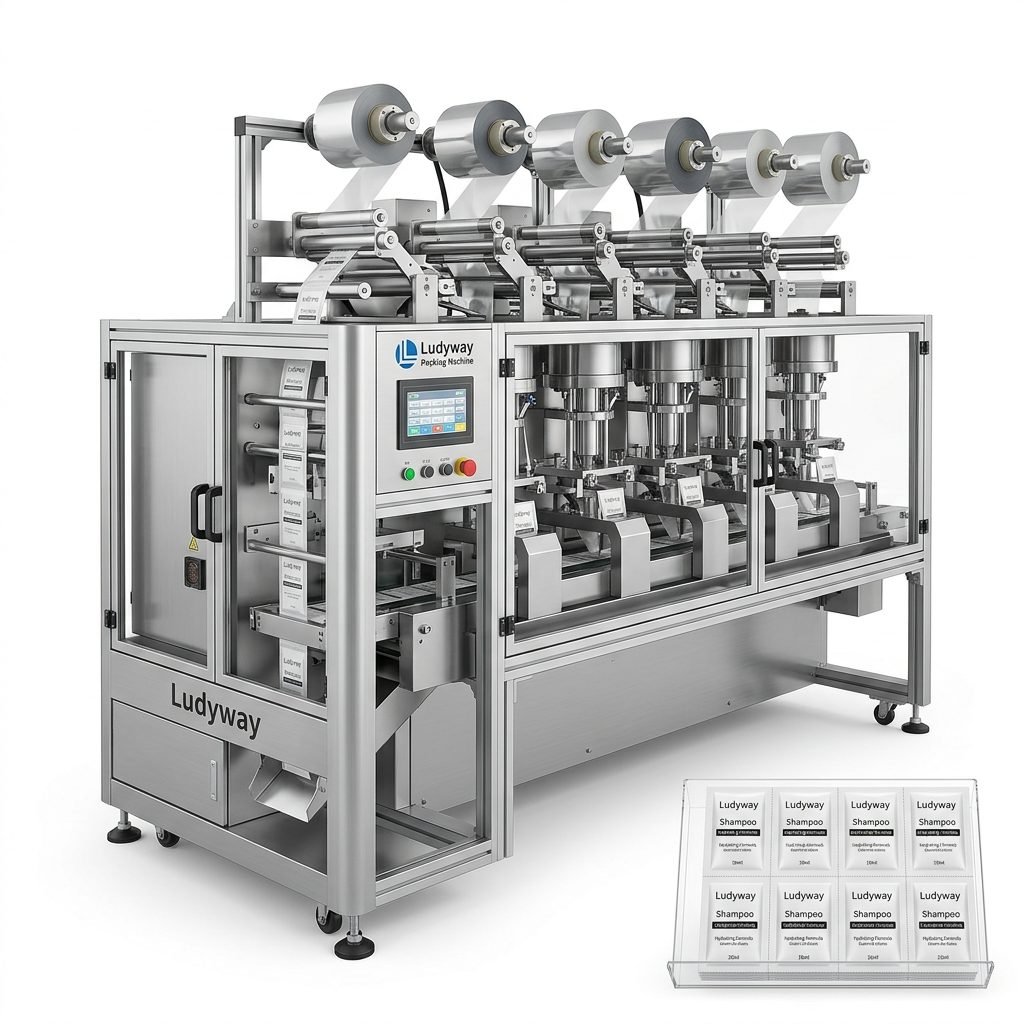
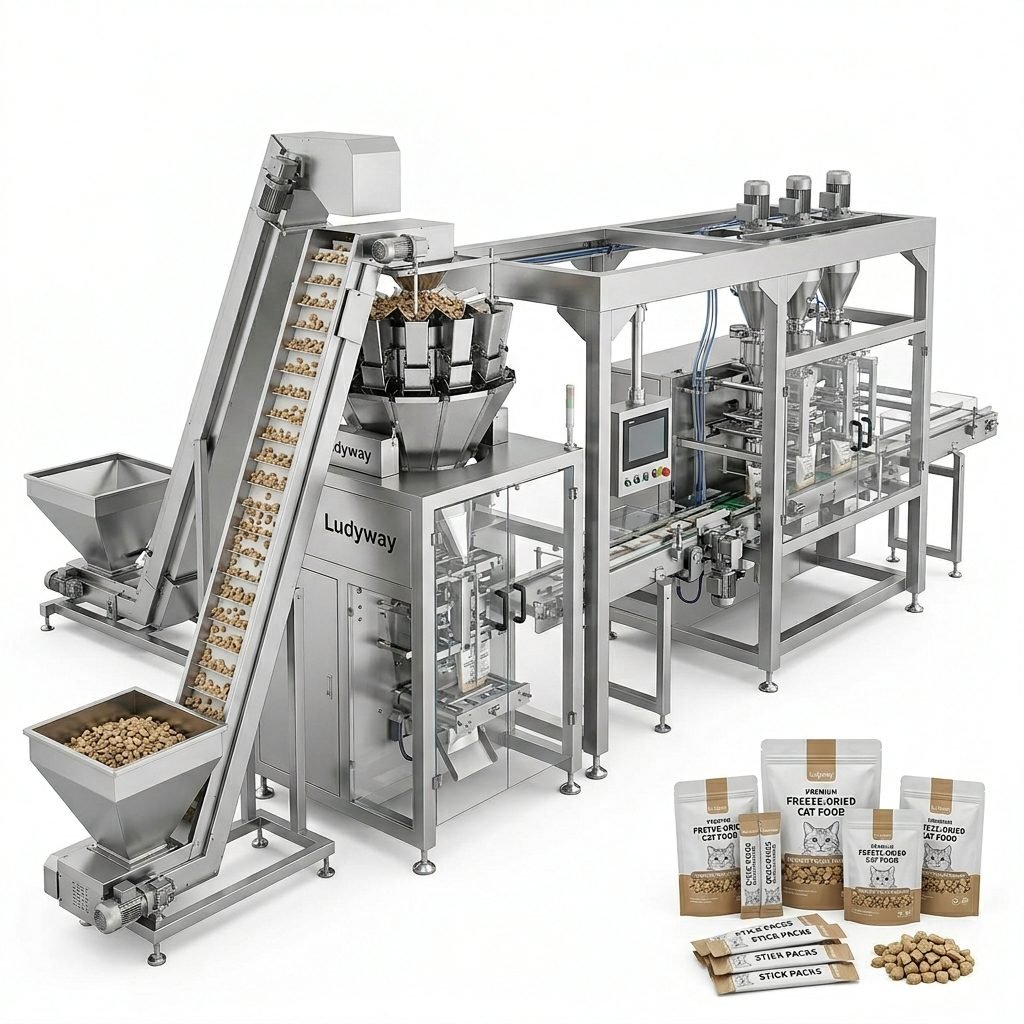
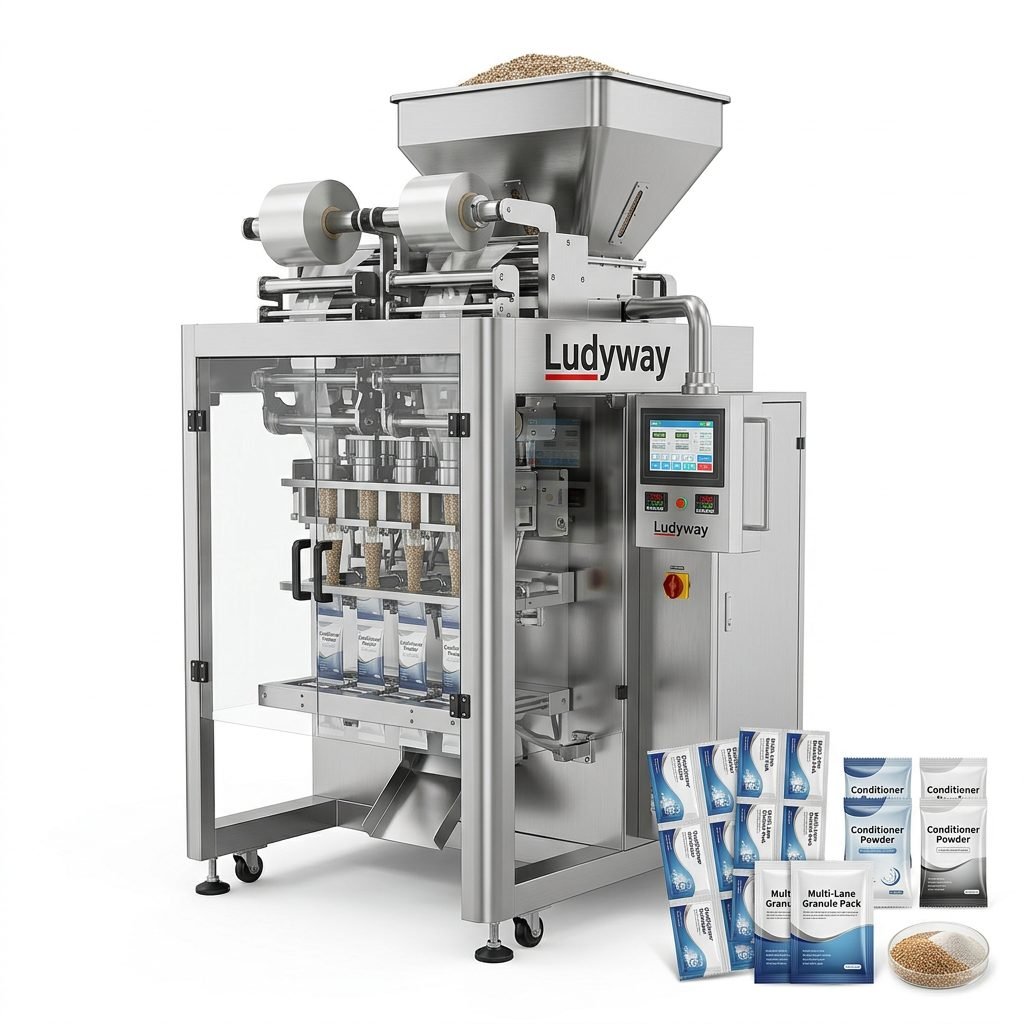
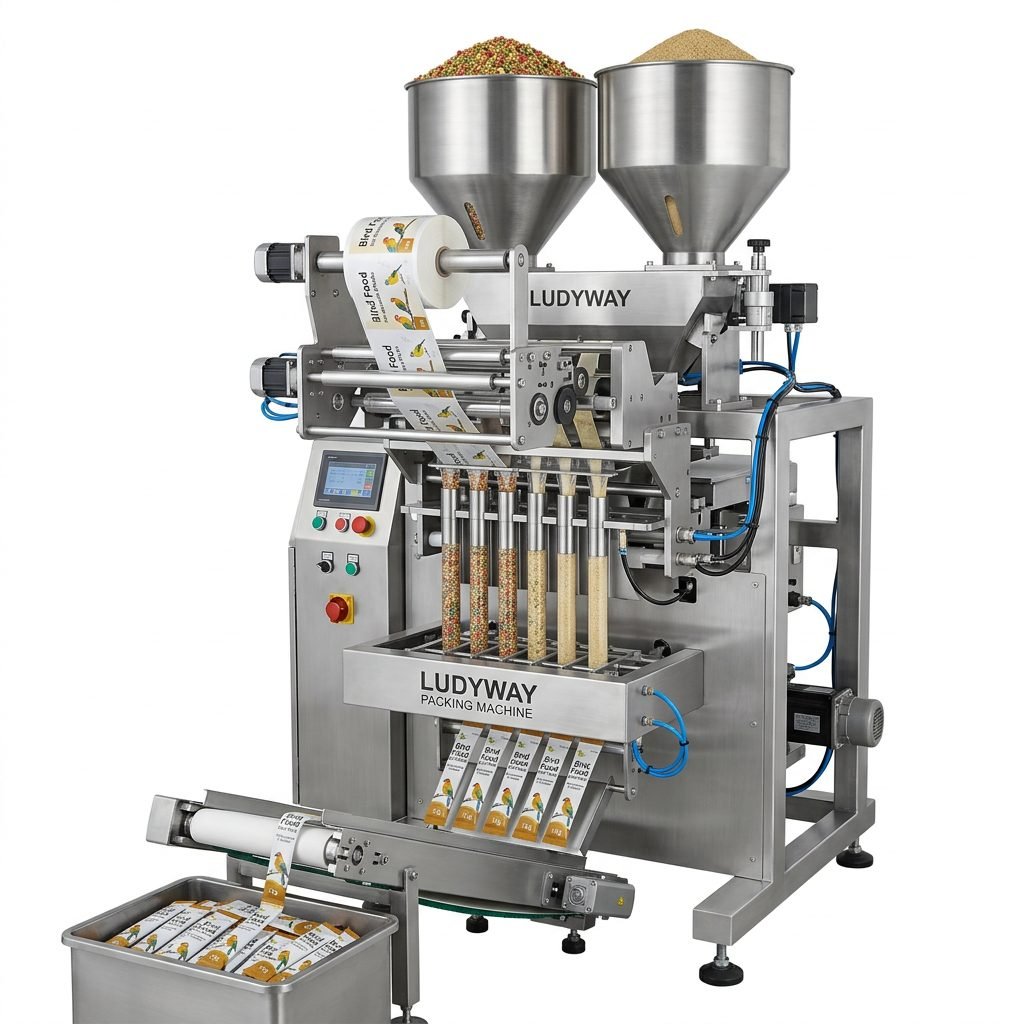
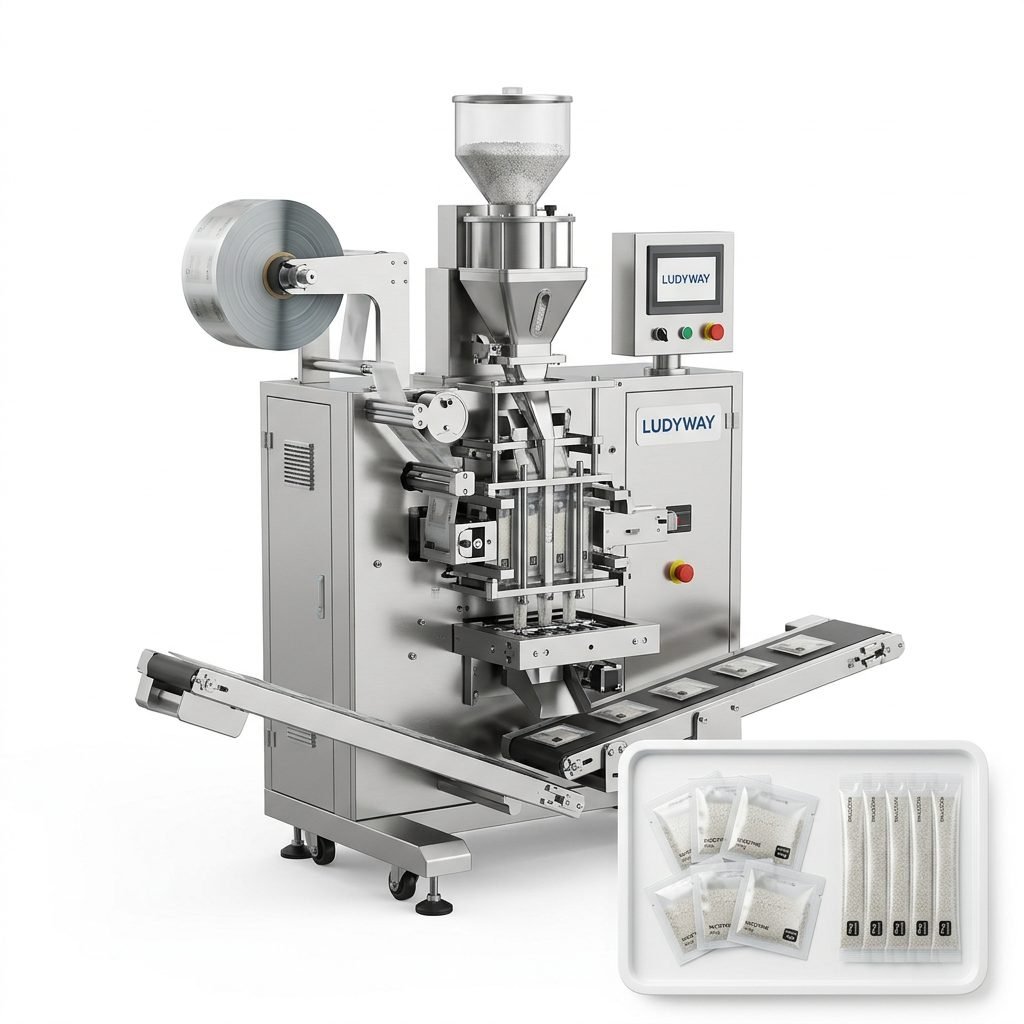
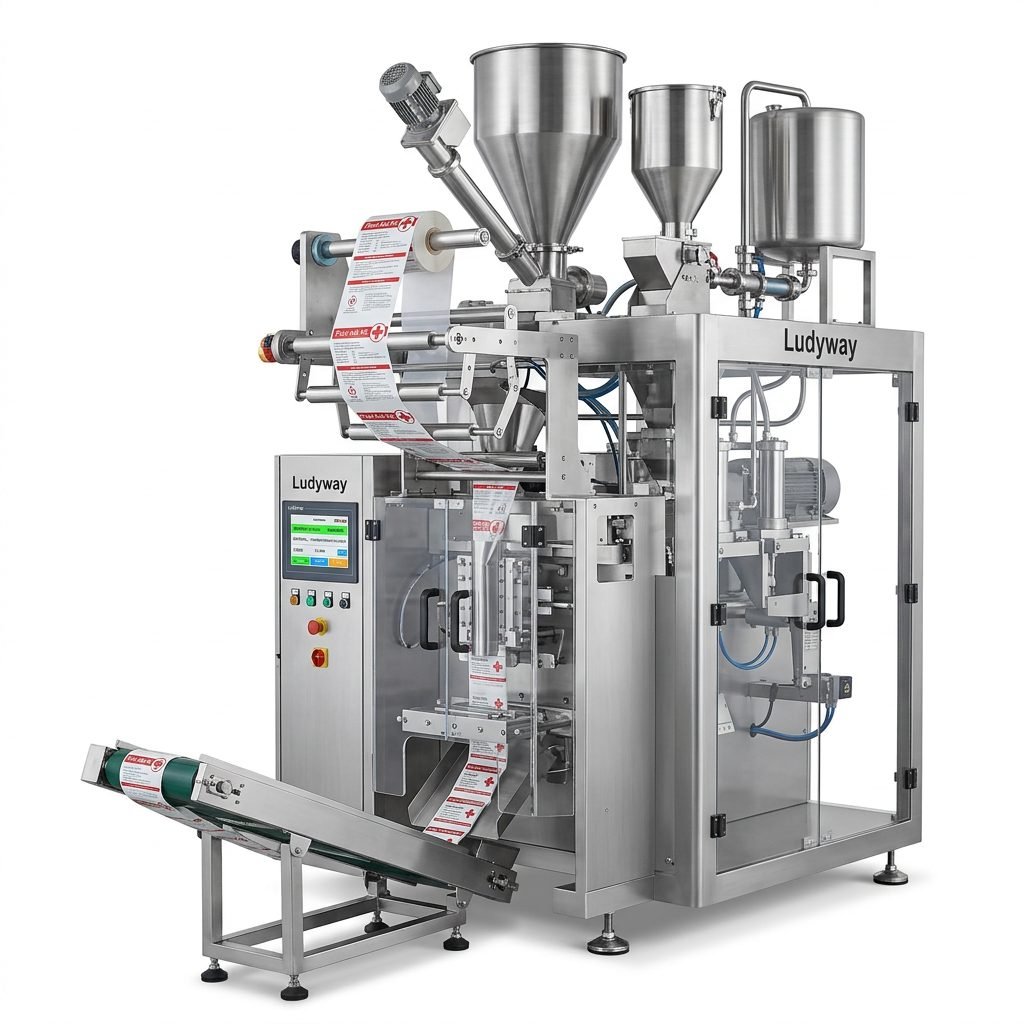
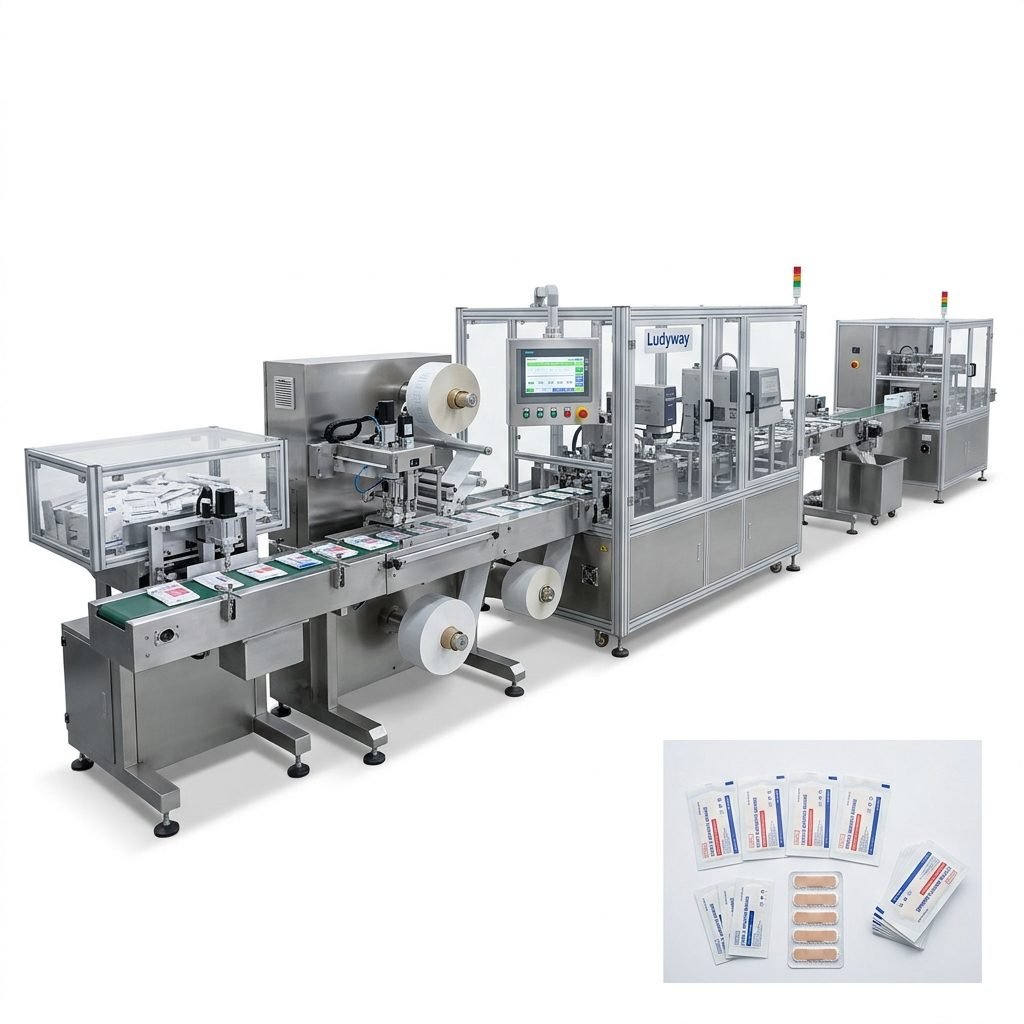
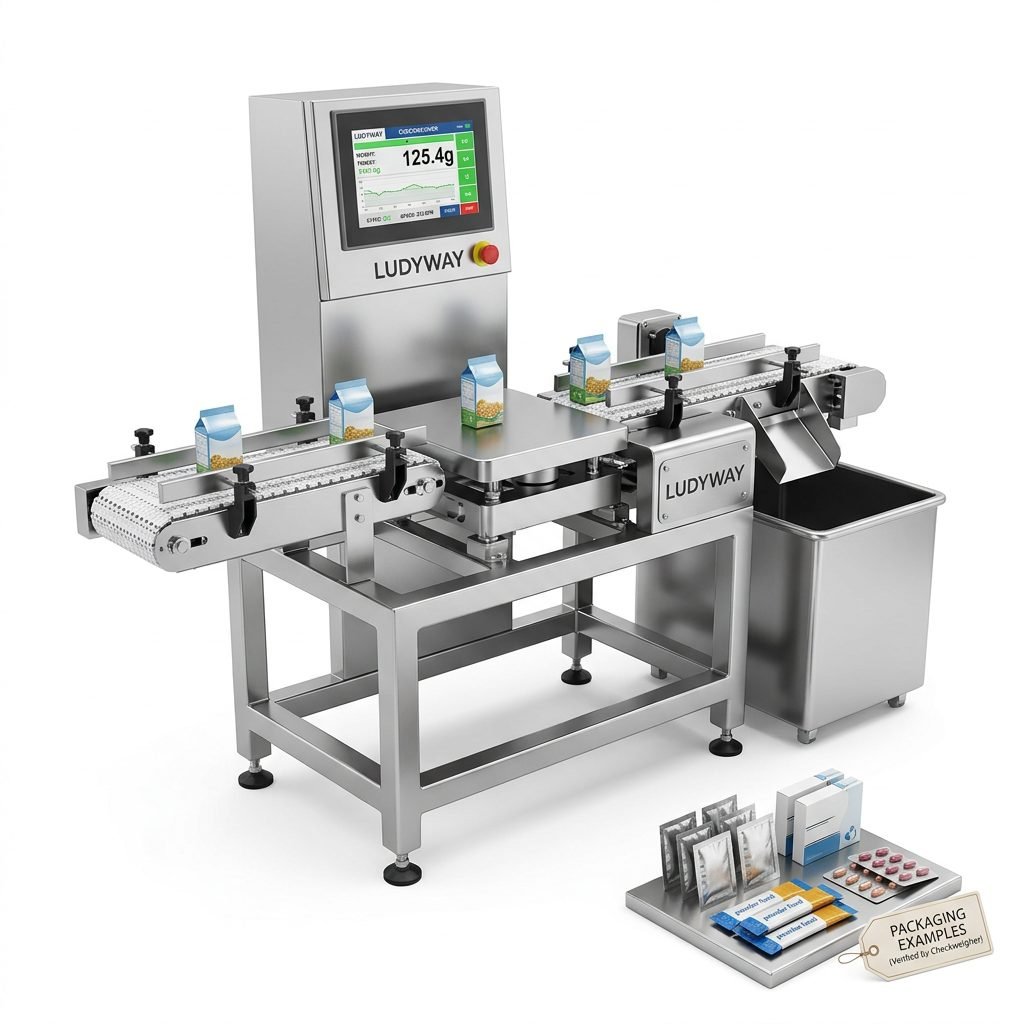
Beyond the machine specifications themselves, the supplier relationship plays a crucial role in long-term satisfaction. A reputable supplier of vacuum packaging machines should offer pre-sales consultation, installation support, operator training, and readily available spare parts. Global manufacturers such as Ludyway, one of the largest packaging machine manufacturers in China, provide advanced vacuum and multi-lane packaging systems featuring a 20,000㎡ modern production facility and over 30 years of industry expertise, serving customers across food, pharmaceutical, and industrial sectors in more than 100 countries.
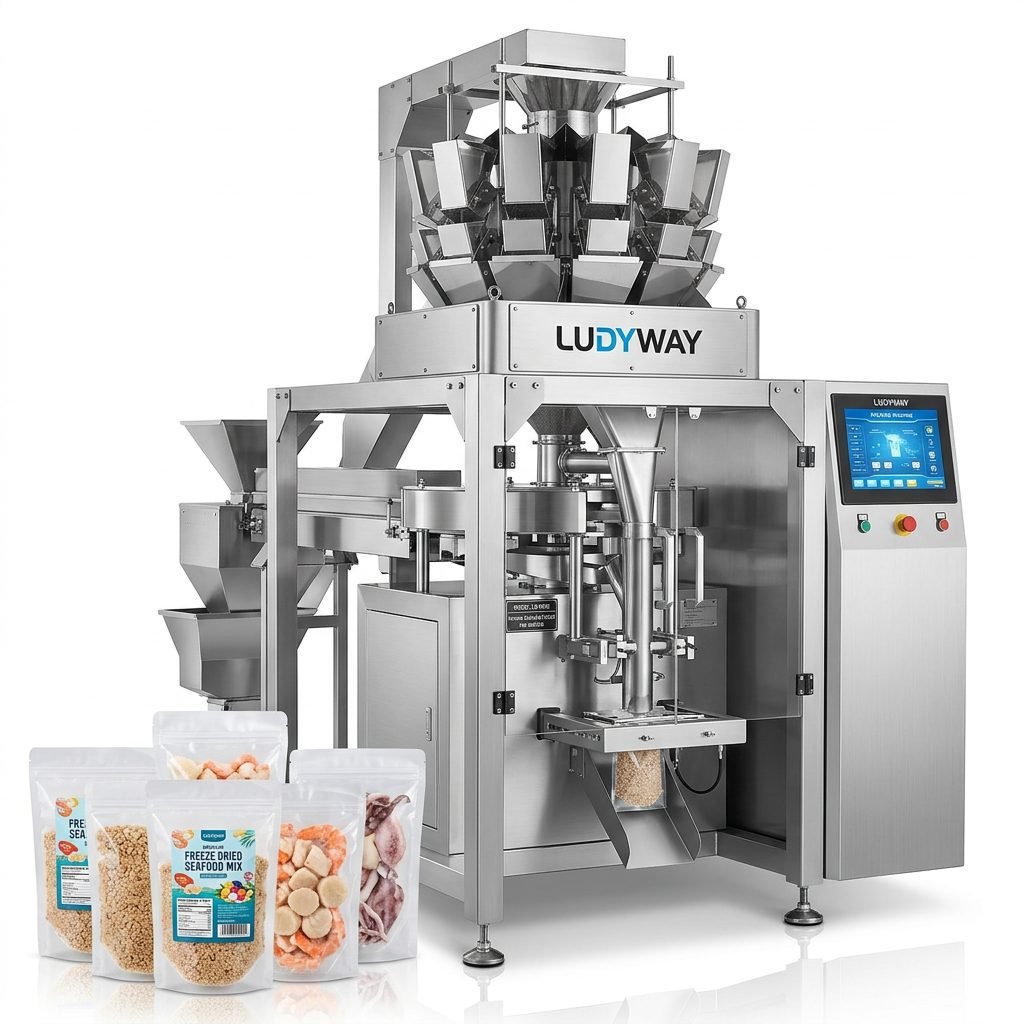
When evaluating suppliers, request references from U.S.-based clients in your industry. Ask about their experience with lead times, customs clearance, and post-installation technical support. A supplier with demonstrated international project experience can help navigate equipment import requirements and onsite commissioning seamlessly. Ultimately, the best vacuum packaging machine is one backed by a partner committed to your production goals, not just your purchase order.
Recommended resources for further reading: