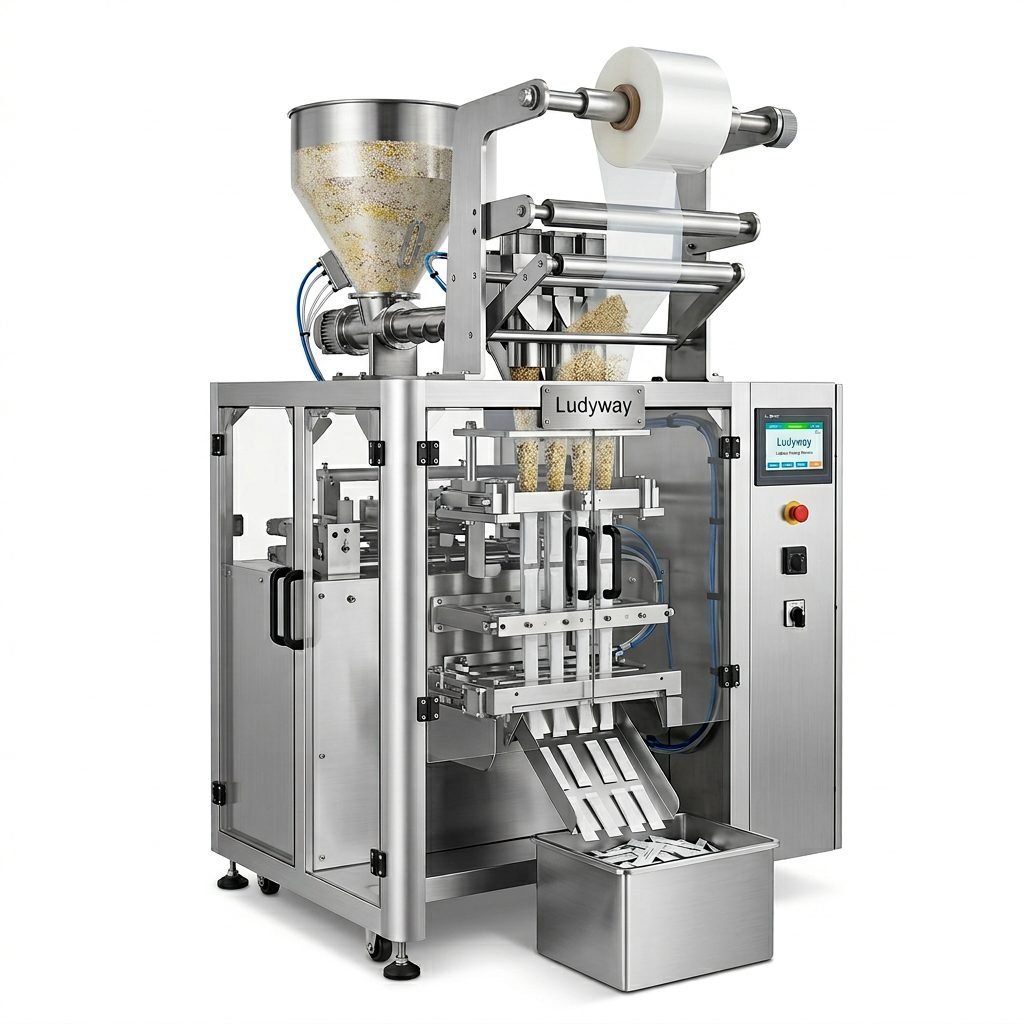
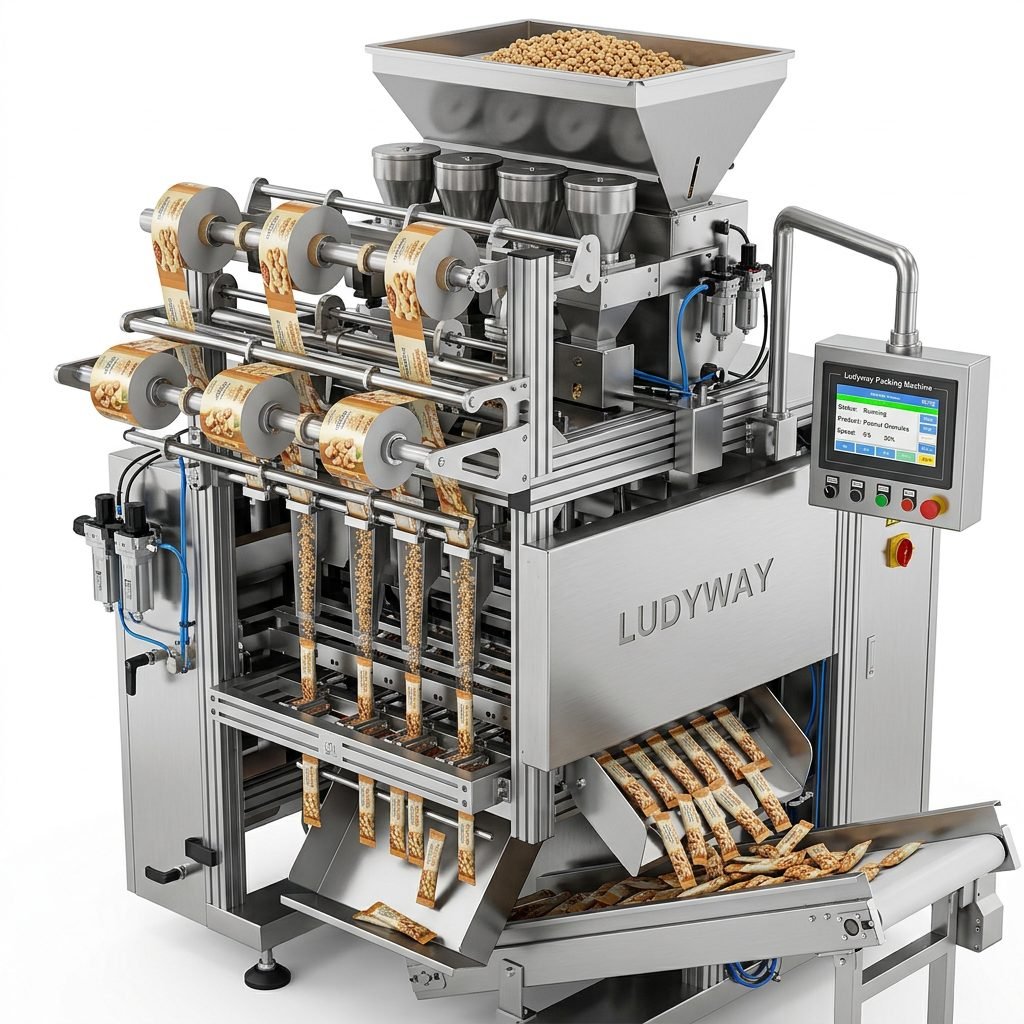
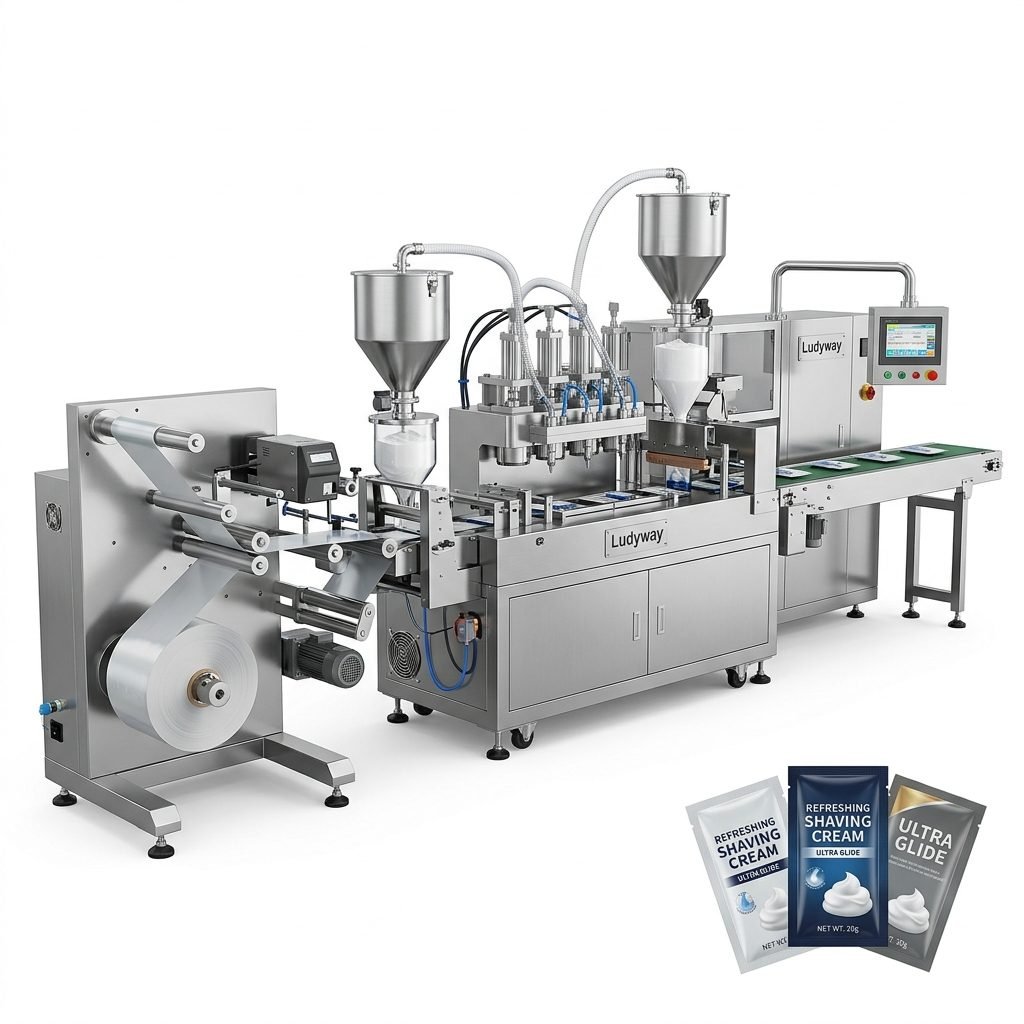
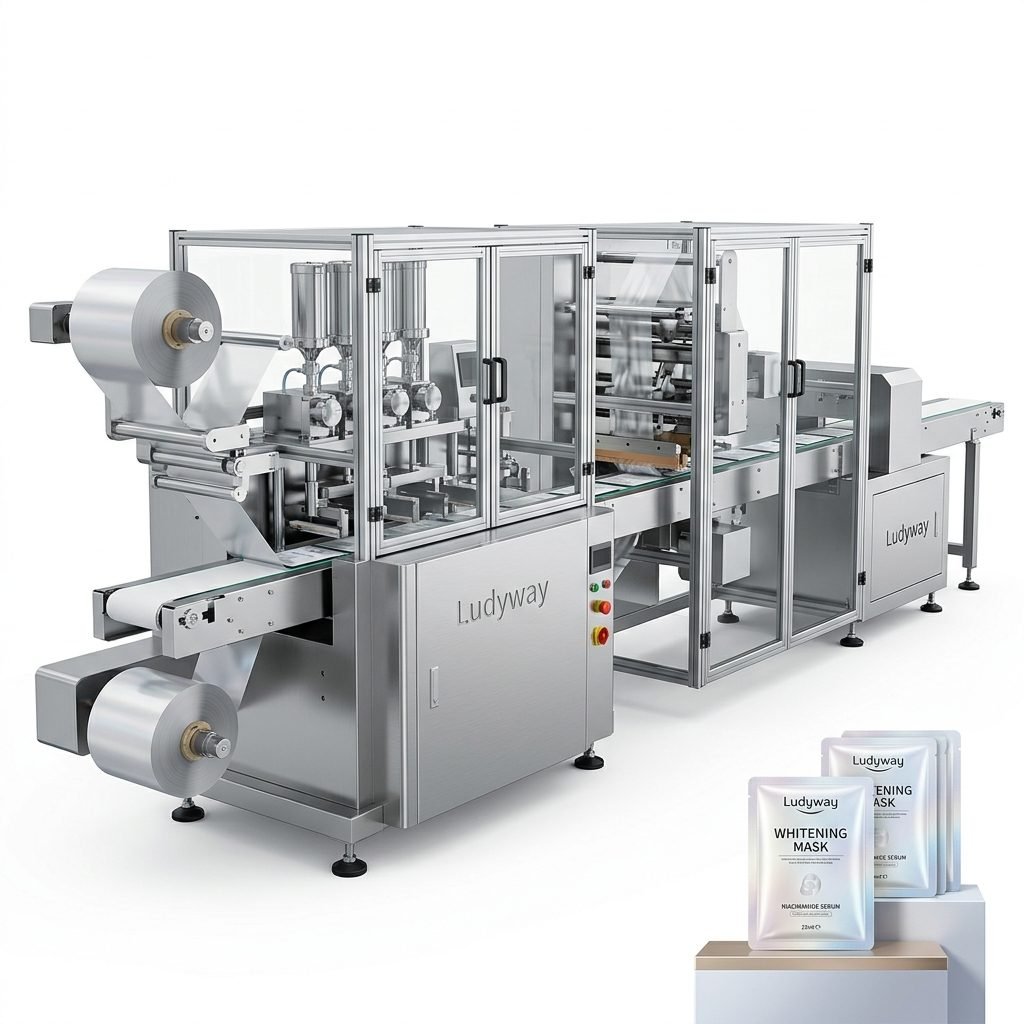
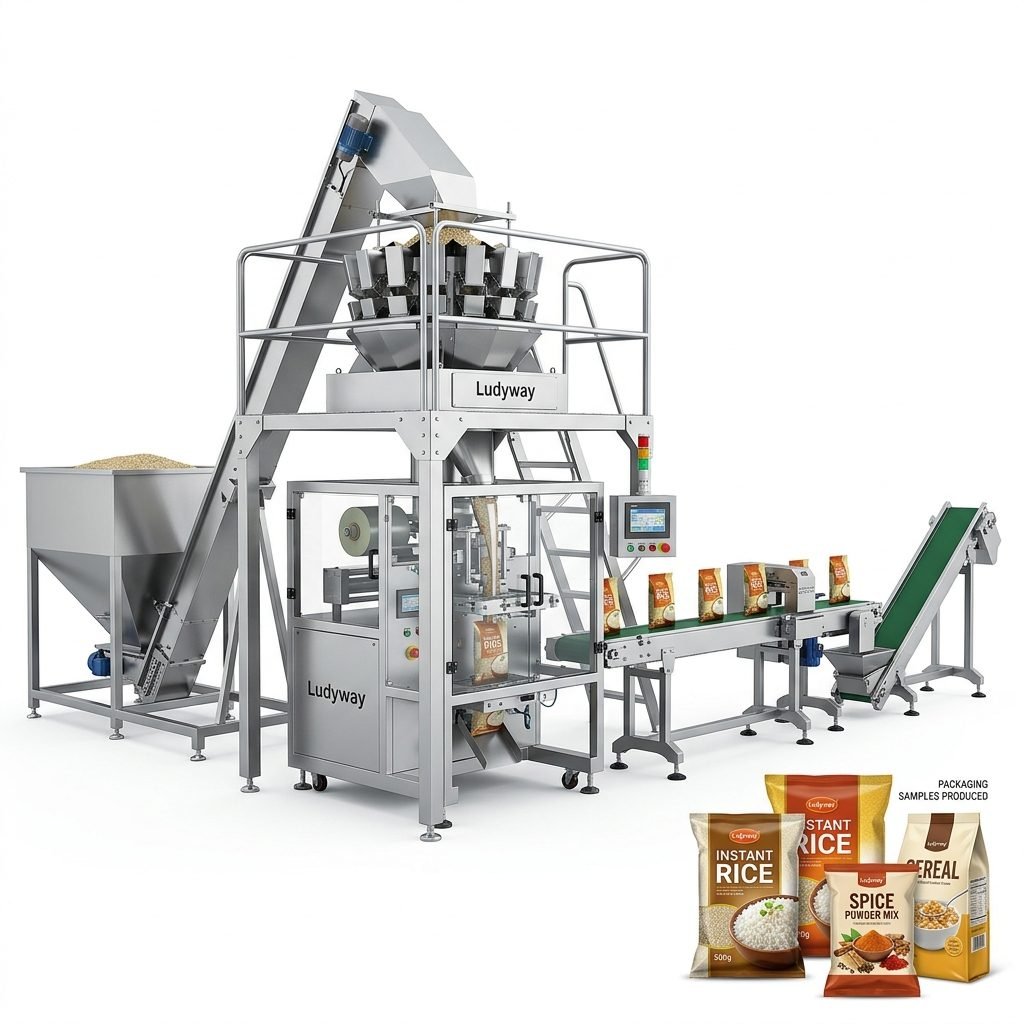
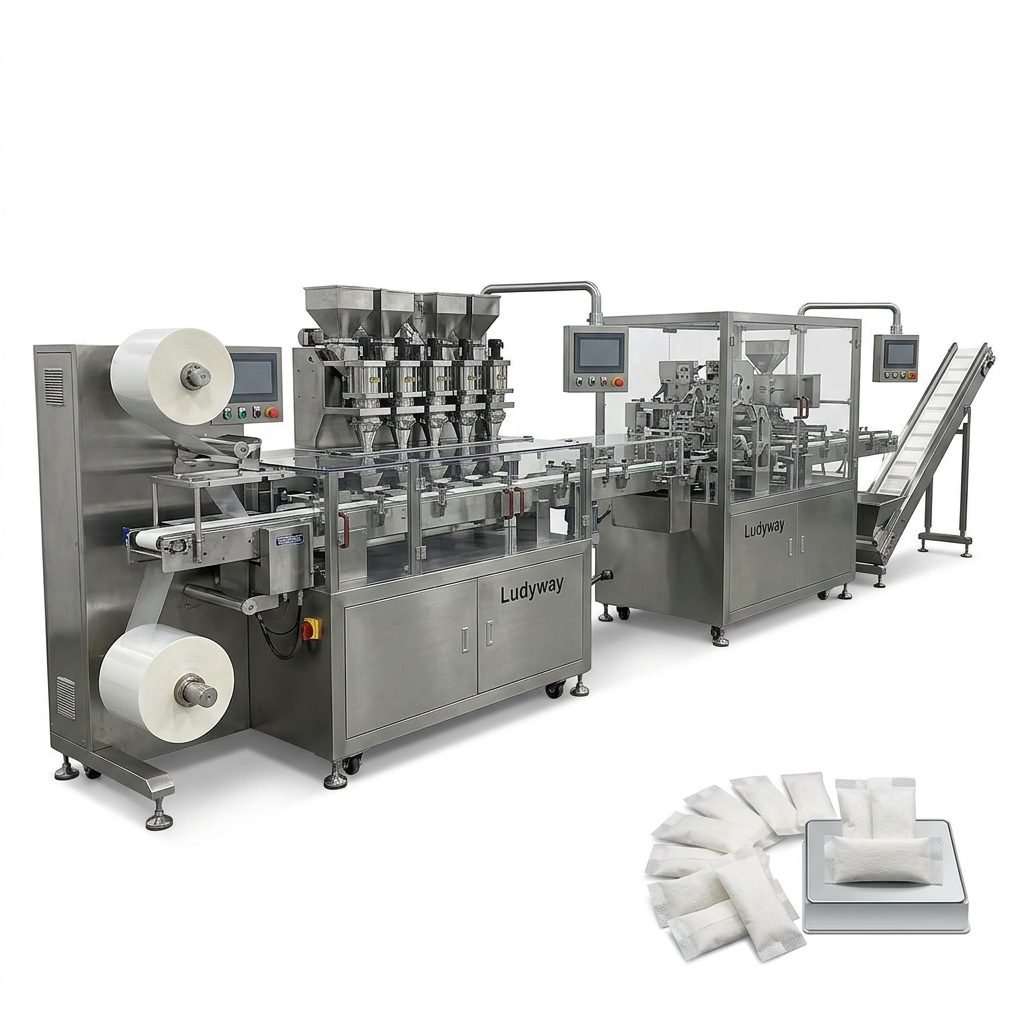
Powder packaging accuracy is one of the most important performance indicators in modern production. Whether you pack milk powder, protein powder, spices, pharmaceutical powders, chemical powders, or nutritional supplements, even a small filling deviation can affect product quality, customer trust, compliance, and operating cost.
So, how accurate is a powder packaging machine? The short answer is: it depends on the machine type, powder characteristics, weighing system, production speed, and maintenance condition. High-quality machines can often achieve very tight tolerances, but real-world accuracy is always influenced by several variables.
What Is Powder Packaging Machine Accuracy?
Accuracy refers to how closely the actual filled weight matches the target weight set on the machine. For example, if the machine is set to fill 100 g of powder, and the actual pack weight is between 99.5 g and 100.5 g, the filling accuracy is within ±0.5 g.
In production environments, accuracy is usually discussed in these ways:
- Weight tolerance — such as ±0.2 g, ±0.5 g, or ±1%
- Repeatability — how consistently the machine delivers the same fill weight
- Net content compliance — whether finished packs meet legal and market requirements
- Overfill control — reducing product giveaway while staying compliant
Typical Accuracy Range of Powder Packaging Machines
Different powder filling systems offer different precision levels. A simple machine may provide acceptable accuracy for low-cost bulk powders, while advanced servo-driven auger systems or net weighers can deliver much higher consistency for premium or regulated products.
| Machine Type | Typical Accuracy | Best For |
|---|---|---|
| Auger filler | ±0.5% to ±2% | Fine powders, flour, spices, milk powder, supplements |
| Net weigh filler | ±0.1% to ±0.5% | High-value powders, pharmaceutical and nutraceutical products |
| Volumetric cup filler | ±1% to ±3% | Free-flowing powders with lower precision requirements |
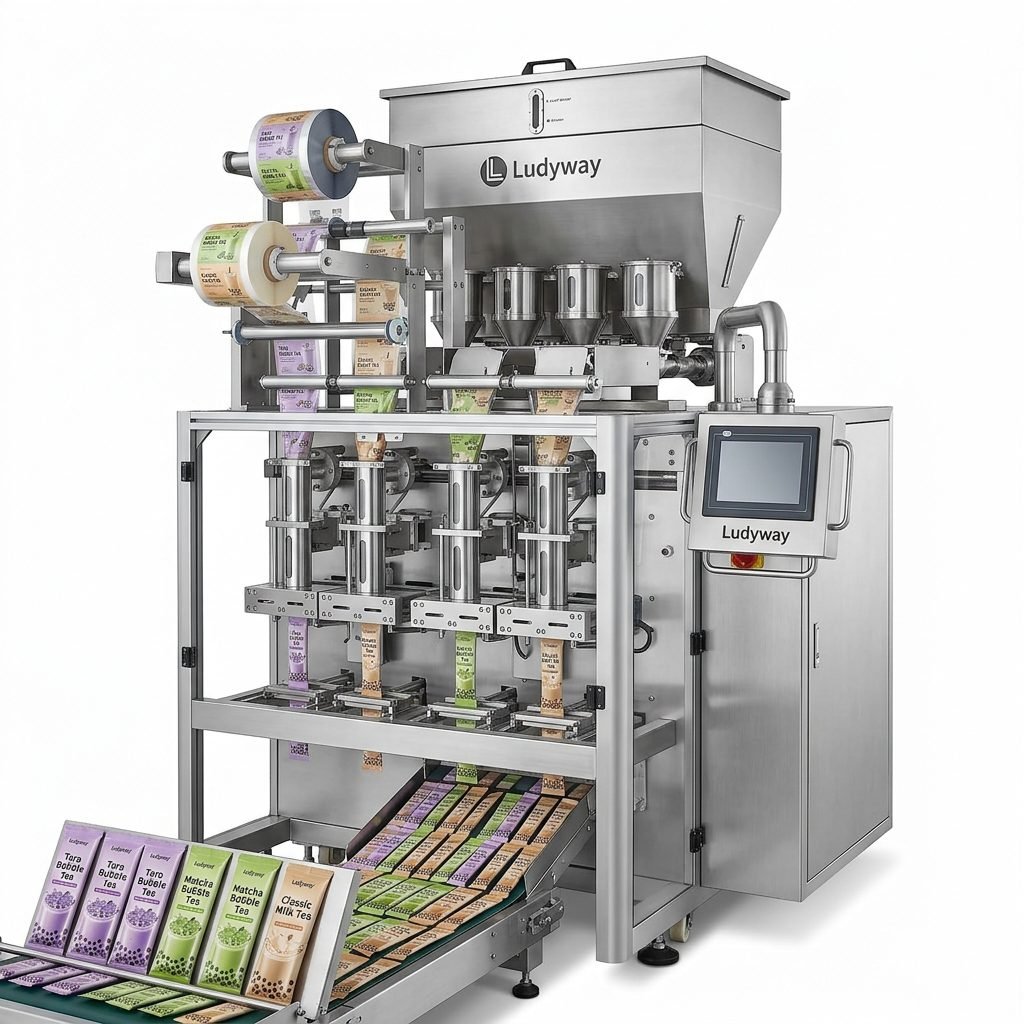
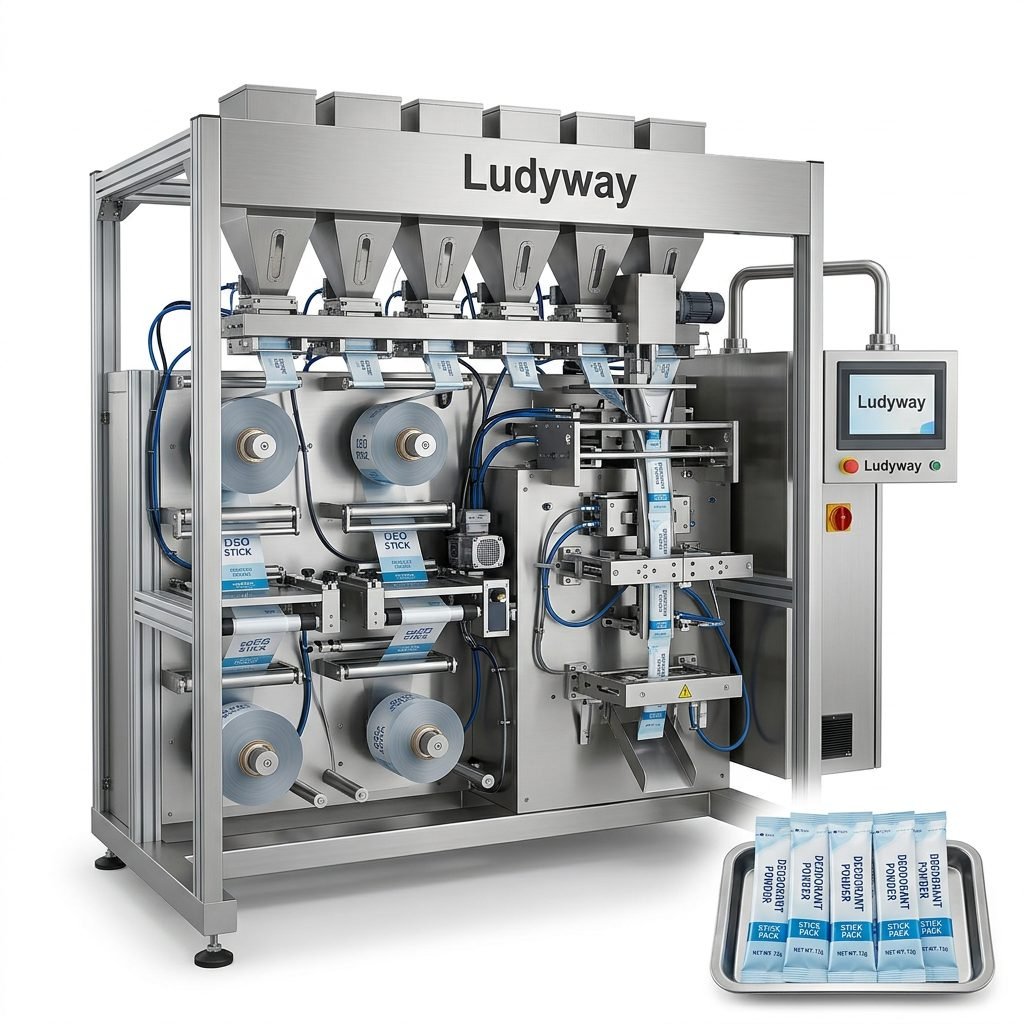
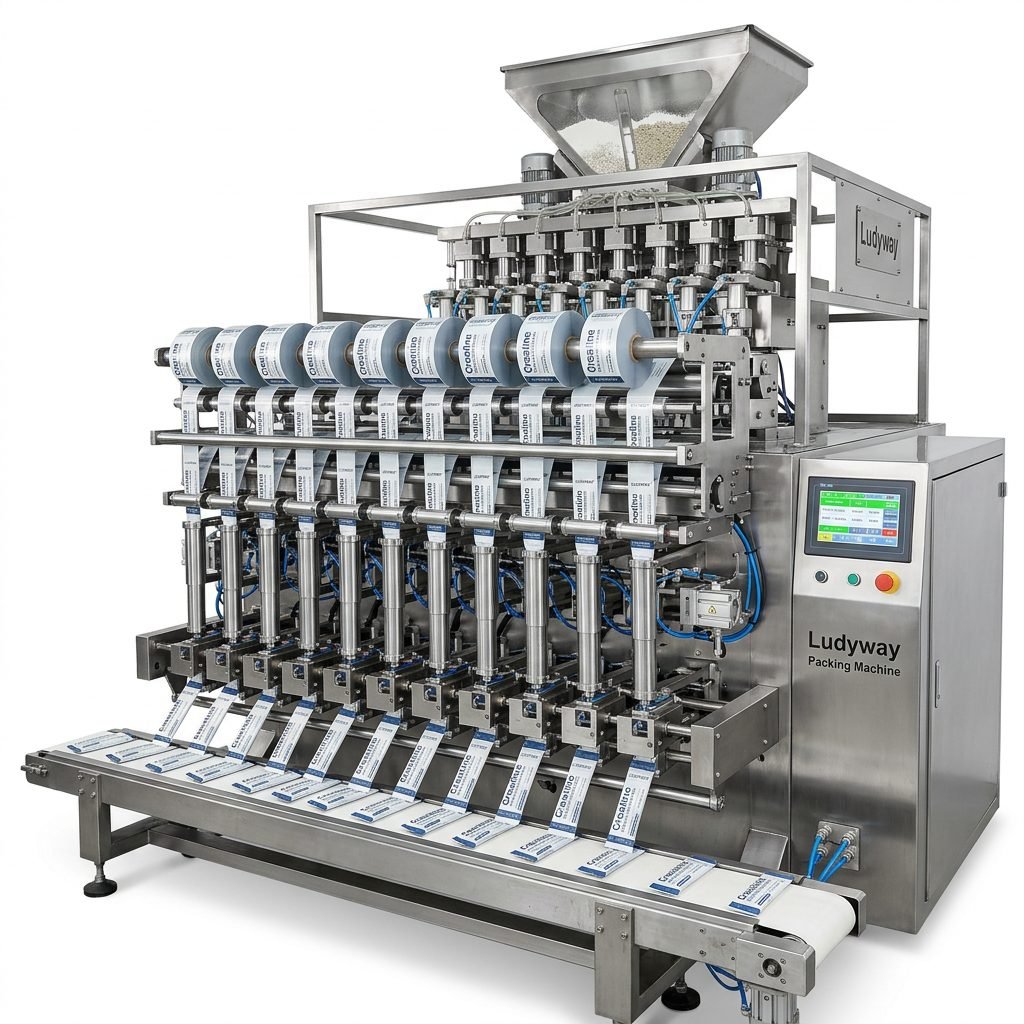
| Multi-lane sachet/stick pack system | Depends on dosing unit, often ±0.2 g to ±1 g | Single-dose powders, coffee, health products, instant drinks |
For many commercial powder packaging applications, an accuracy of ±0.5% to ±1% is considered good. For pharmaceutical, medical, and high-value nutritional powders, buyers often expect even tighter control.
Key Factors That Affect Powder Filling Precision
1. Powder Flowability
Not all powders behave the same way. Some powders are free-flowing, while others are sticky, fluffy, hygroscopic, dusty, or easily compacted. This directly impacts dosing stability.
- Free-flowing powders usually fill more consistently
- Light or aerated powders may cause underfill or unstable volume
- Sticky powders may bridge in the hopper
- Moisture-sensitive powders can clump and reduce feeding precision
2. Filling Method
Auger filling, volumetric dosing, and weighing-based systems all measure product differently. Weighing-based systems are generally more accurate than purely volumetric systems, especially when bulk density changes during production.
3. Machine Speed
Higher speed often means tighter timing windows. If the machine runs too fast for the powder characteristics, filling deviation may increase. There is usually a practical balance between speed and precision.
4. Environmental Conditions
Humidity, temperature, vibration, and dust can all affect machine performance. In sensitive sectors like food and pharma, a stable production environment helps maintain better filling consistency.
5. Mechanical Condition and Calibration
Even a high-end powder packaging machine can lose precision if parts wear out, the auger becomes loose, load cells drift, or calibration is ignored. Regular inspection and calibration are essential for long-term accuracy.
How Powder Type Influences Accuracy
Two machines with the same model may show different results when running different materials. That is because powder density, particle size, and flow behavior vary widely.
| Powder Characteristic | Impact on Accuracy | Suggested Solution |
|---|---|---|
| Fine and dusty | Can scatter, settle unevenly, or contaminate seals | Dust control, stable feeding, sealing protection |
| Fluffy / low density | Volume changes easily during filling | Use weighing feedback or deaeration design |
| Sticky / cohesive | Bridging in hopper causes irregular dosing | Agitator, special hopper geometry, anti-bridge device |
| Granule-powder mix | Segregation may reduce consistency | Gentle handling and matched feeding system |
What Accuracy Is Good Enough for Different Industries?
The “right” level of precision depends on the application. A spice factory and a pharmaceutical plant do not have the same tolerance expectations.
Food Industry
For products like flour, seasoning powder, coffee powder, protein powder, and milk powder, common targets include consistent appearance, low giveaway, and compliant net weight. Moderate to high precision is usually required, especially for retail packaging.
Pharmaceutical Industry
This sector usually requires much tighter precision and validation standards. Accuracy affects dosage integrity, traceability, and regulatory compliance.
Nutraceutical and Health Supplement Industry
Products such as collagen powder, probiotic powder, electrolyte powder, and meal replacement powder often need high consistency because customers are sensitive to both dosage and product value.
Chemical Industry
For detergents, industrial powders, water treatment chemicals, and agricultural powders, acceptable tolerance may vary more widely. The ideal solution depends on product cost, safety needs, and packaging format.
How to Measure the Real Accuracy of a Powder Packaging Machine
If you want to evaluate a machine objectively, look beyond brochure claims. Ask for actual test data using your own powder product whenever possible.
- Run the machine with the real powder you plan to package
- Collect a meaningful sample size, such as 30 to 100 packs
- Weigh each finished pack with a calibrated scale
- Calculate average weight, minimum, maximum, and standard deviation
- Check whether the result stays within your target tolerance
This method gives a more realistic view of actual production accuracy than relying on theory alone.
Quick Tip
Always ask whether the stated accuracy is based on empty-machine testing or live production with your material. The difference can be significant.
Ways to Improve Powder Packaging Accuracy
If your current filling precision is not meeting expectations, several improvements may help:
- Choose the correct filling technology for your powder type
- Use servo-driven auger systems for finer dosing control
- Add agitation or vibration control in the hopper
- Maintain stable powder feeding conditions
- Calibrate weighing and dosing systems regularly
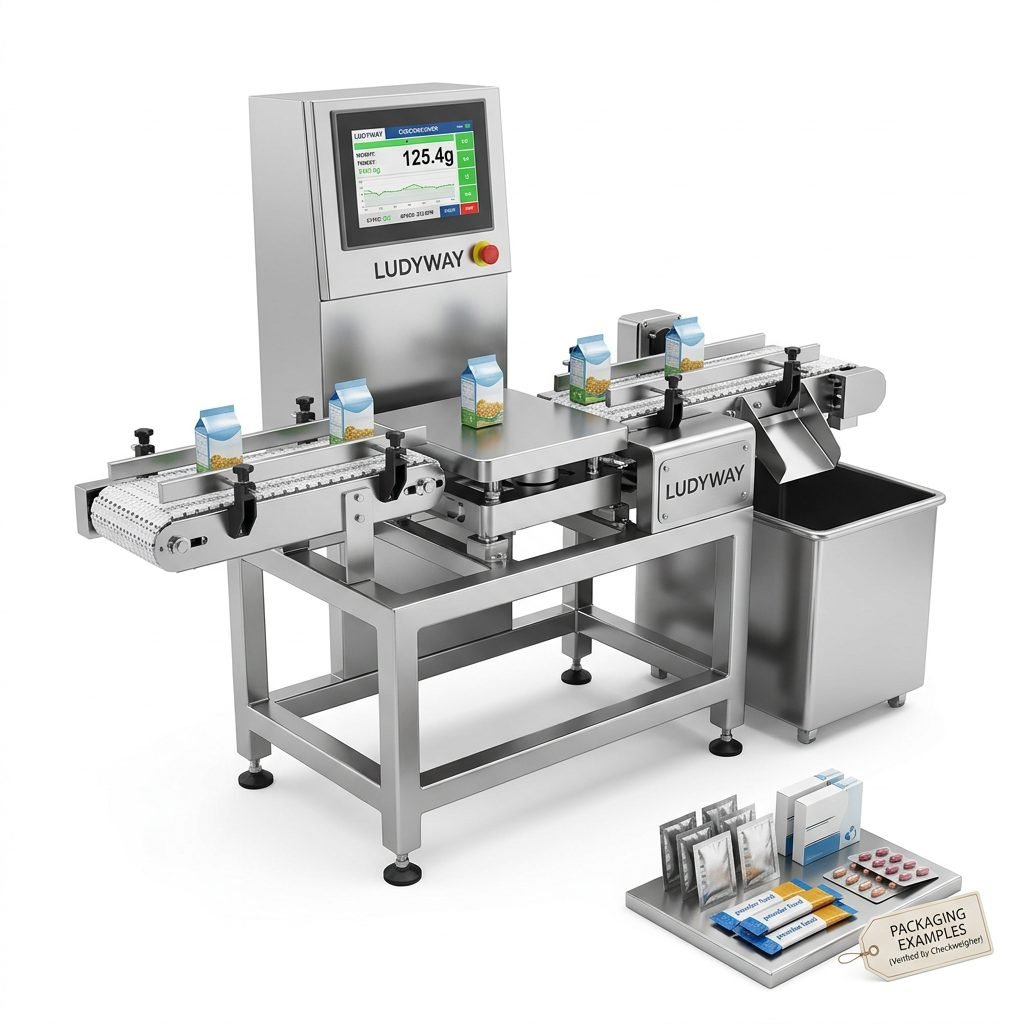
- Install a checkweigher for online verification
- Control dust, humidity, and temperature in the production area
- Train operators to adjust parameters correctly
For many manufacturers, the best result comes from combining good machine design with application-specific testing and routine maintenance.
Does Higher Accuracy Always Mean Better Performance?
Not always. Very high precision is valuable, but it should match your product and business goals. A machine designed for ultra-tight pharmaceutical dosing may be unnecessary for low-cost bulk powder packaging. In some cases, over-investing in precision can raise equipment cost and reduce operational flexibility.
The smarter question is: what level of accuracy gives the best balance of compliance, cost control, and production efficiency?
Choosing a Reliable Powder Packaging Machine Supplier
Machine accuracy is not only about the dosing head. It also depends on engineering quality, machine stability, control system logic, and after-sales support. When selecting a supplier, buyers should evaluate:
- Experience in powder packaging applications
- Ability to test machines with real materials
- Customization options for difficult powders
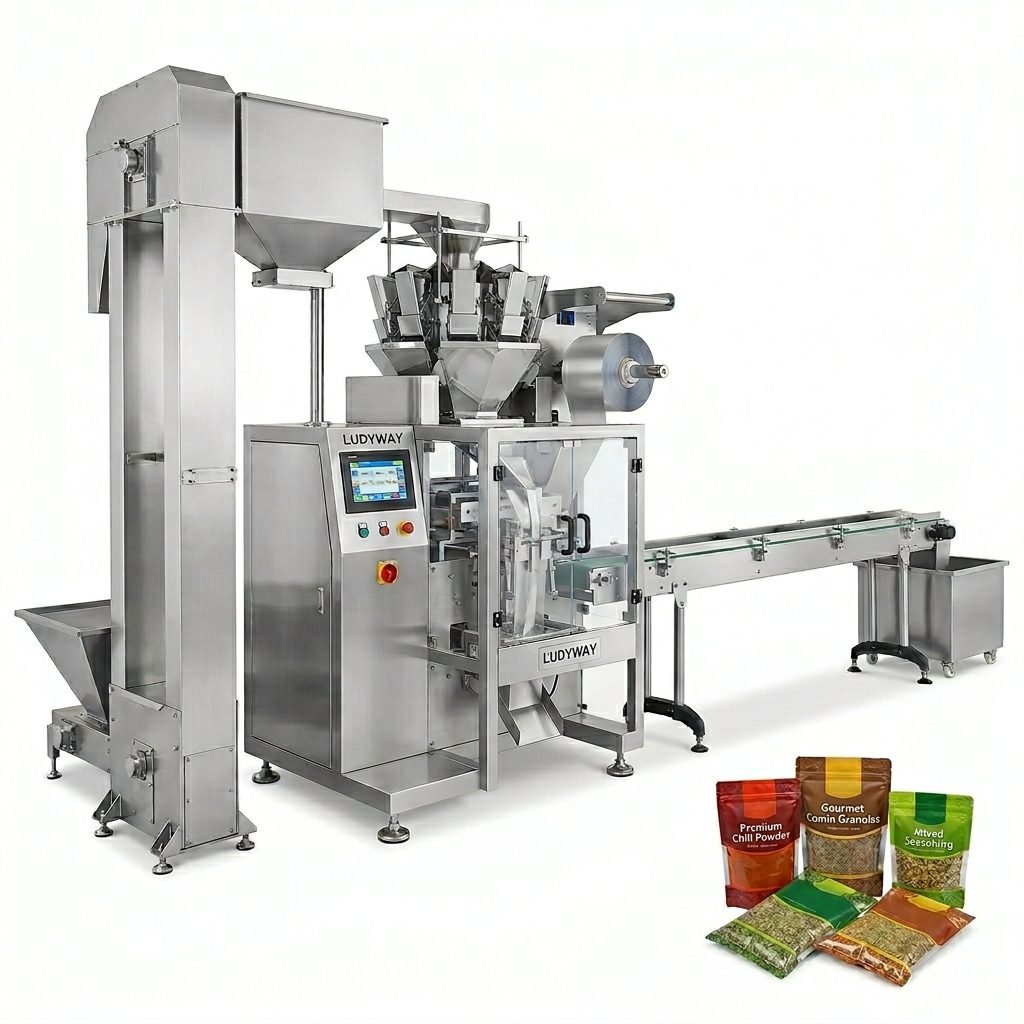
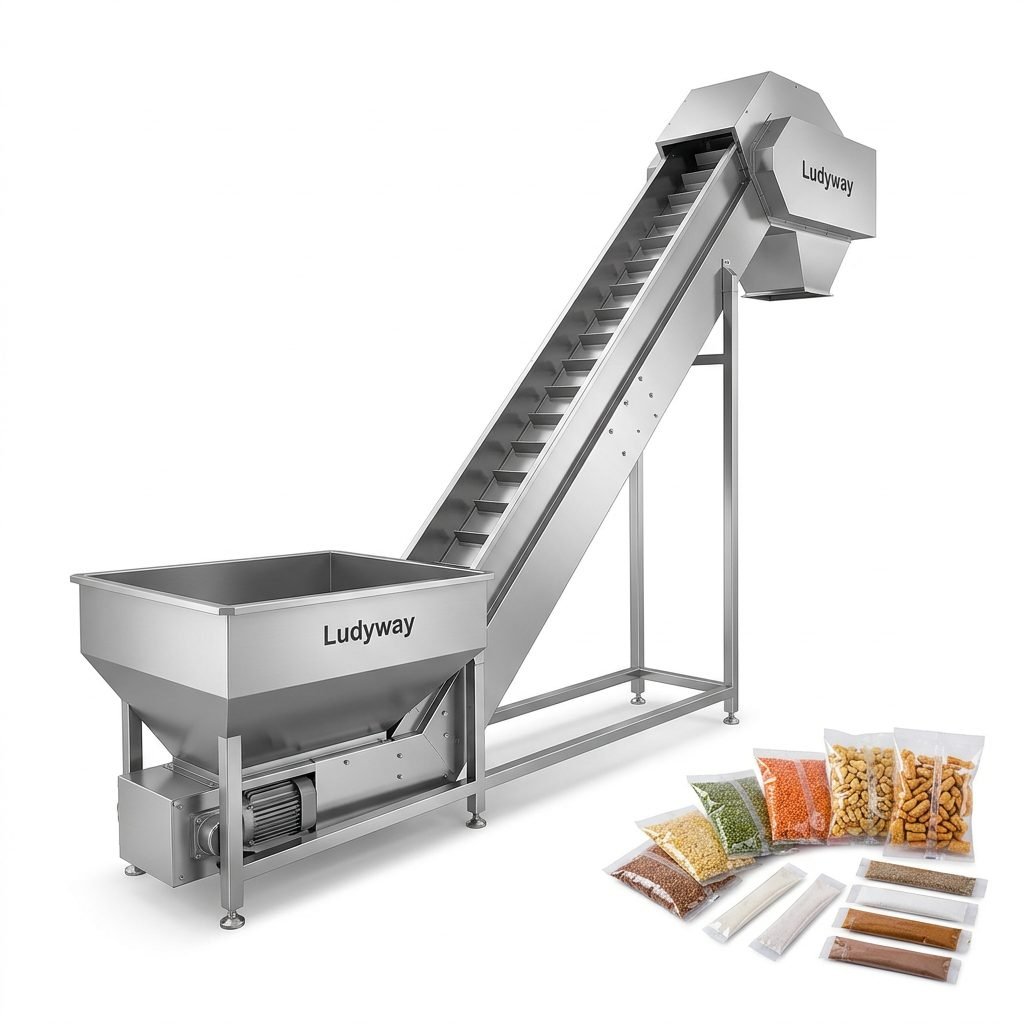
- Integration with conveyors, checkweighers, coding, and cartoning systems
- Technical support, spare parts, and long-term service
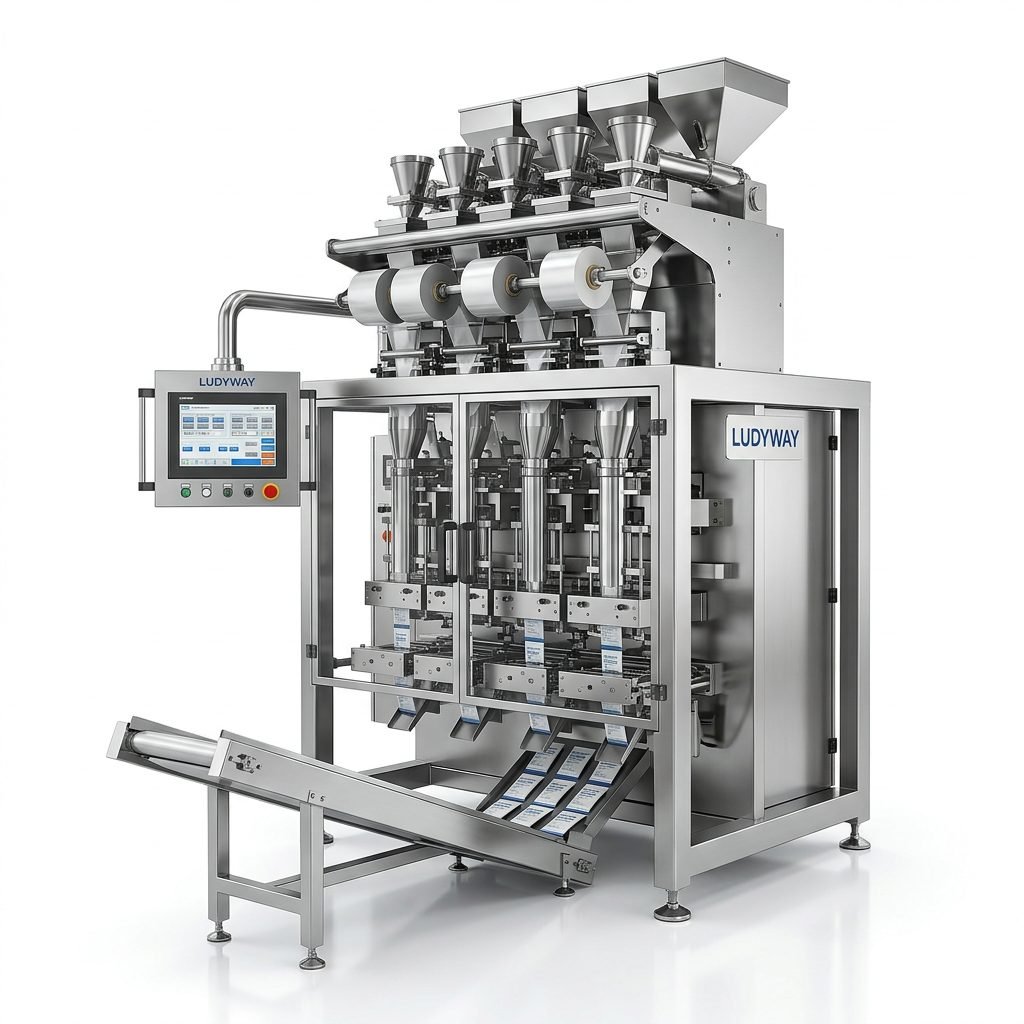
For businesses seeking scalable and customized automation, powder packaging machine manufacturer Ludyway offers a broad range of packaging machinery and turnkey packaging line solutions for food, pharmaceutical, health supplement, chemical, and related industries.
Frequently Asked Questions
Can a powder packaging machine achieve 100% perfect accuracy?
No machine can guarantee absolute perfection in every single cycle. However, a well-designed and properly maintained machine can achieve very stable and highly acceptable accuracy within defined tolerances.
What is the most accurate system for powder packaging?
In many cases, net weigh filling systems or advanced servo auger fillers with feedback control provide the best precision, especially for high-value or regulated powders.
Does powder packaging speed reduce accuracy?
It can. As speed increases, dosing time becomes shorter and machine dynamics become more demanding. The best machines are designed to maintain good accuracy even at higher outputs, but every product has a practical speed limit.
Why does the same machine perform differently with different powders?
Because each powder has unique flow properties, density, moisture sensitivity, and particle behavior. That is why product testing is essential before final machine selection.
Final Thoughts on Powder Packaging Precision
A powder packaging machine can be highly accurate, but the actual result depends on much more than the machine nameplate. Powder behavior, dosing principle, speed, calibration, and factory conditions all shape the final performance.
If you want consistent packs, low product giveaway, and dependable production, focus on matching the machine to your powder and your packaging goals. In real manufacturing, the most successful solution is the one that delivers stable, repeatable, and cost-effective accuracy day after day.