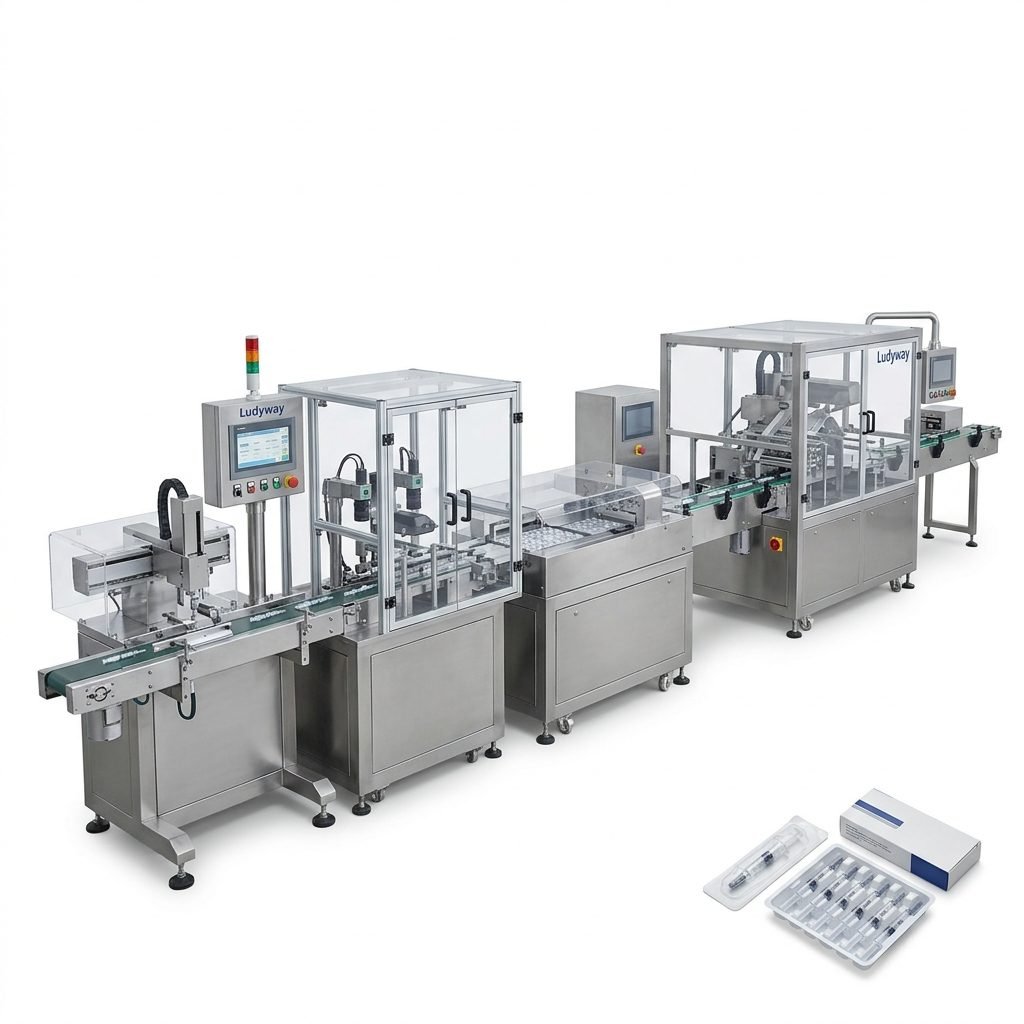
Setting up a frozen fruit packaging machine line in Oceania requires careful planning, equipment selection, and compliance with local food safety regulations. This guide covers everything from initial layout design to full operational deployment, tailored specifically for the Australian and New Zealand markets.
Understanding the Oceania Frozen Fruit Market
The frozen fruit sector in Oceania has experienced steady growth, driven by increasing demand for convenience foods, smoothie ingredients, and year-round fruit availability. Australia and New Zealand maintain stringent food packaging safety standards, making it essential to select machinery that meets both productivity and compliance requirements.
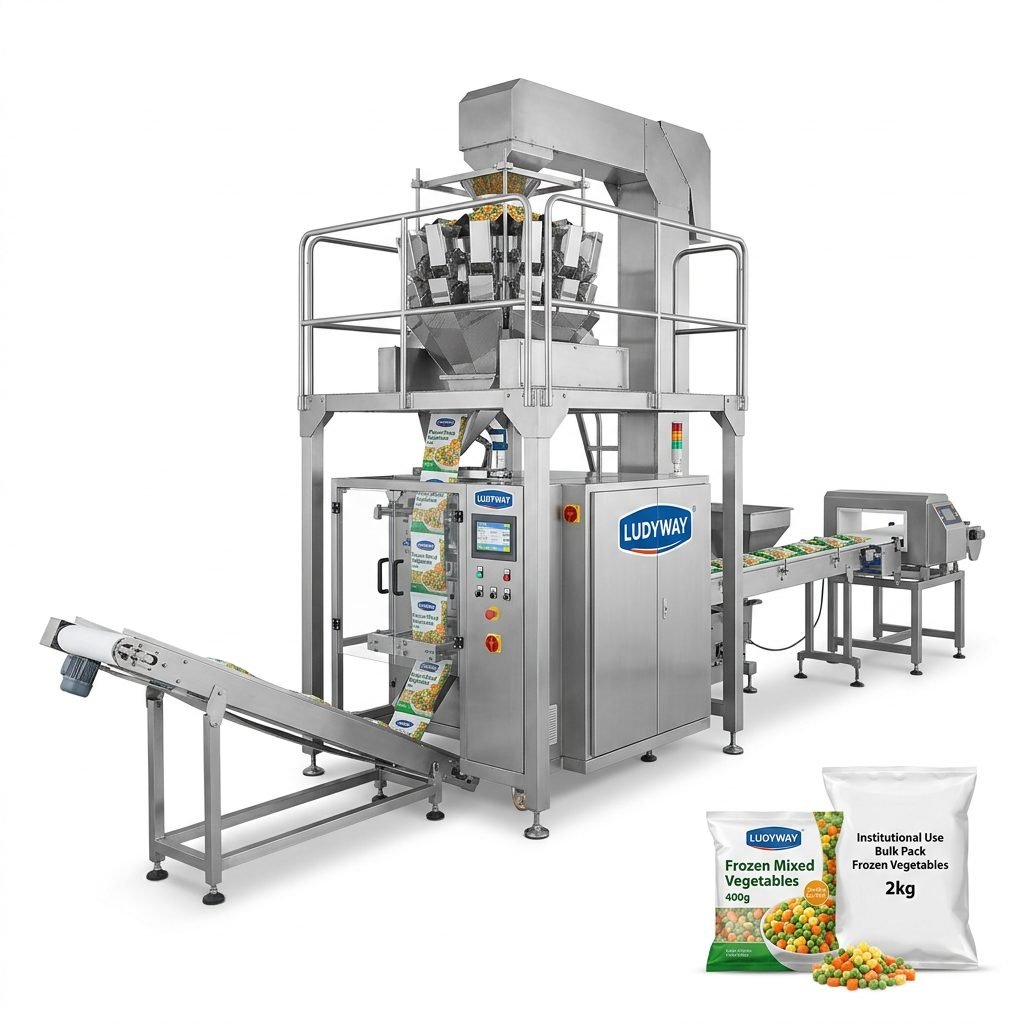
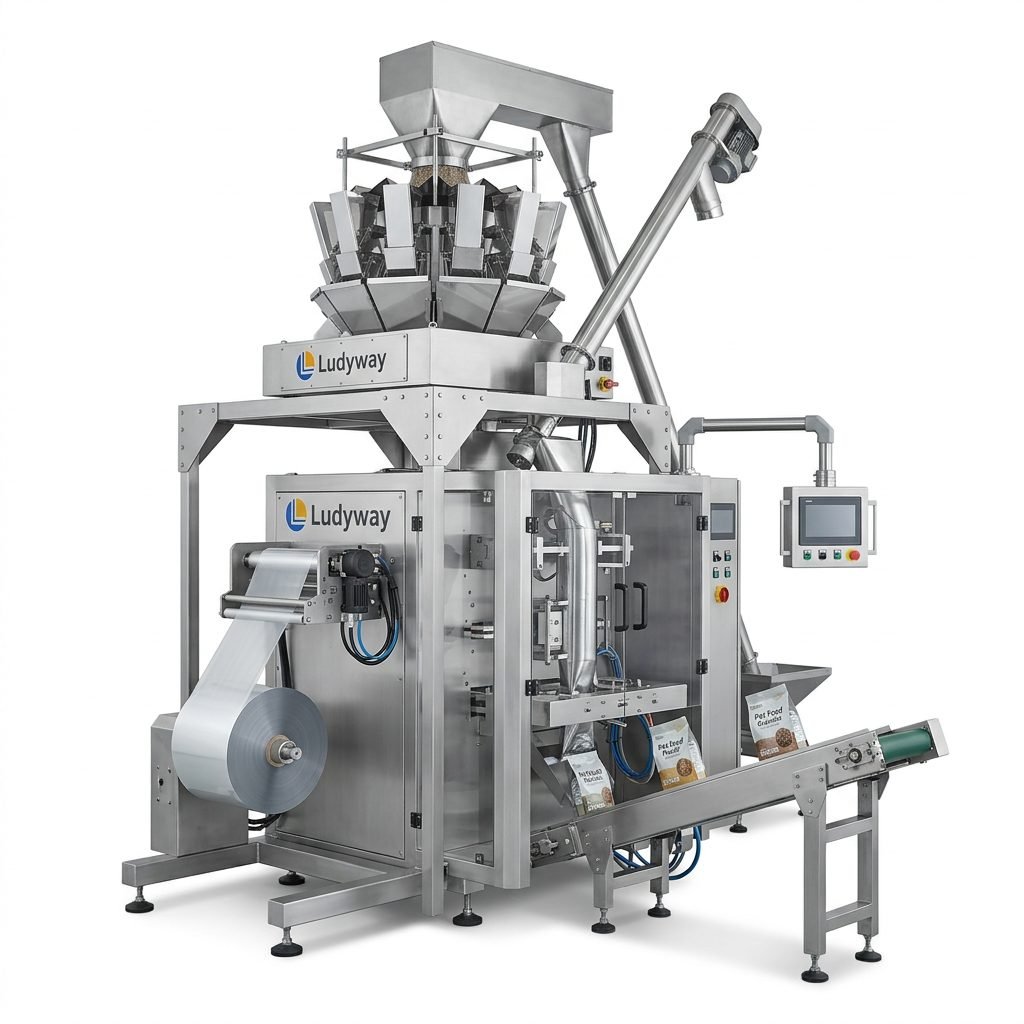
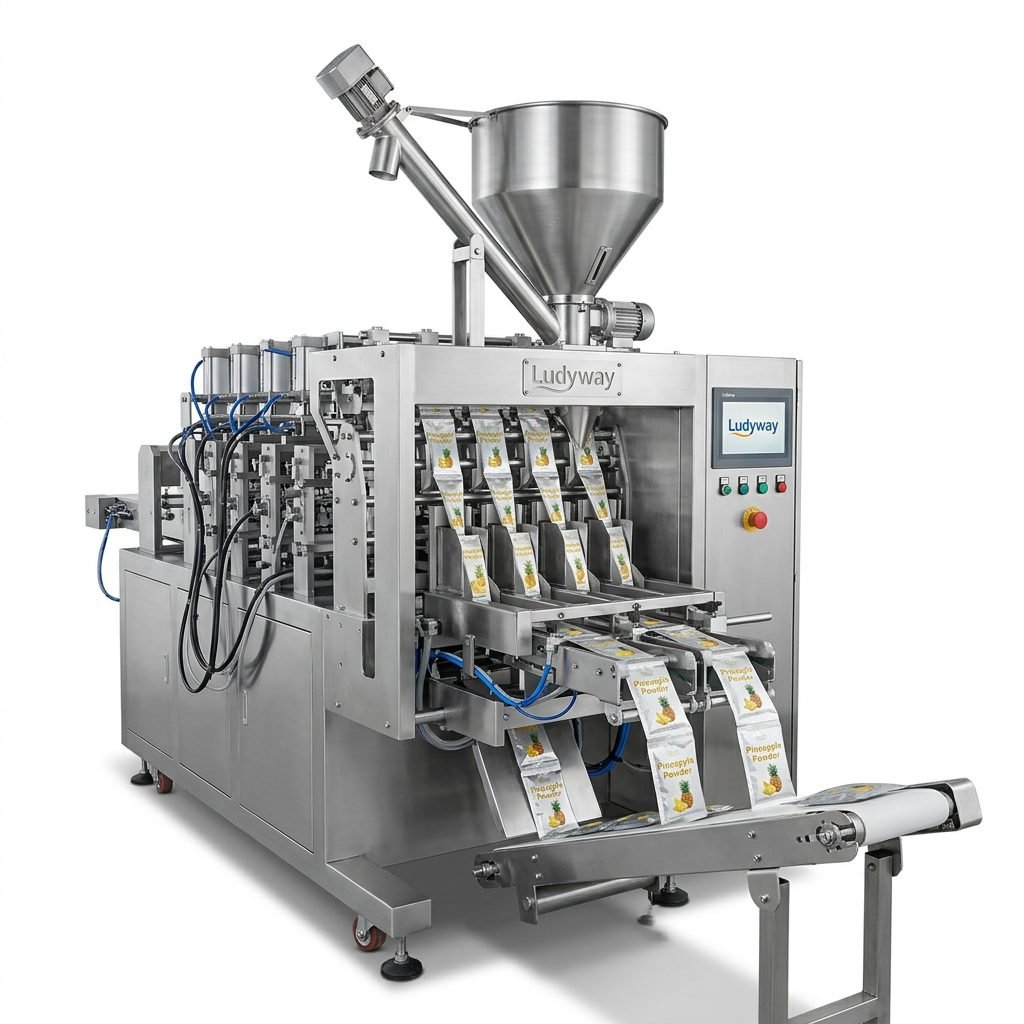
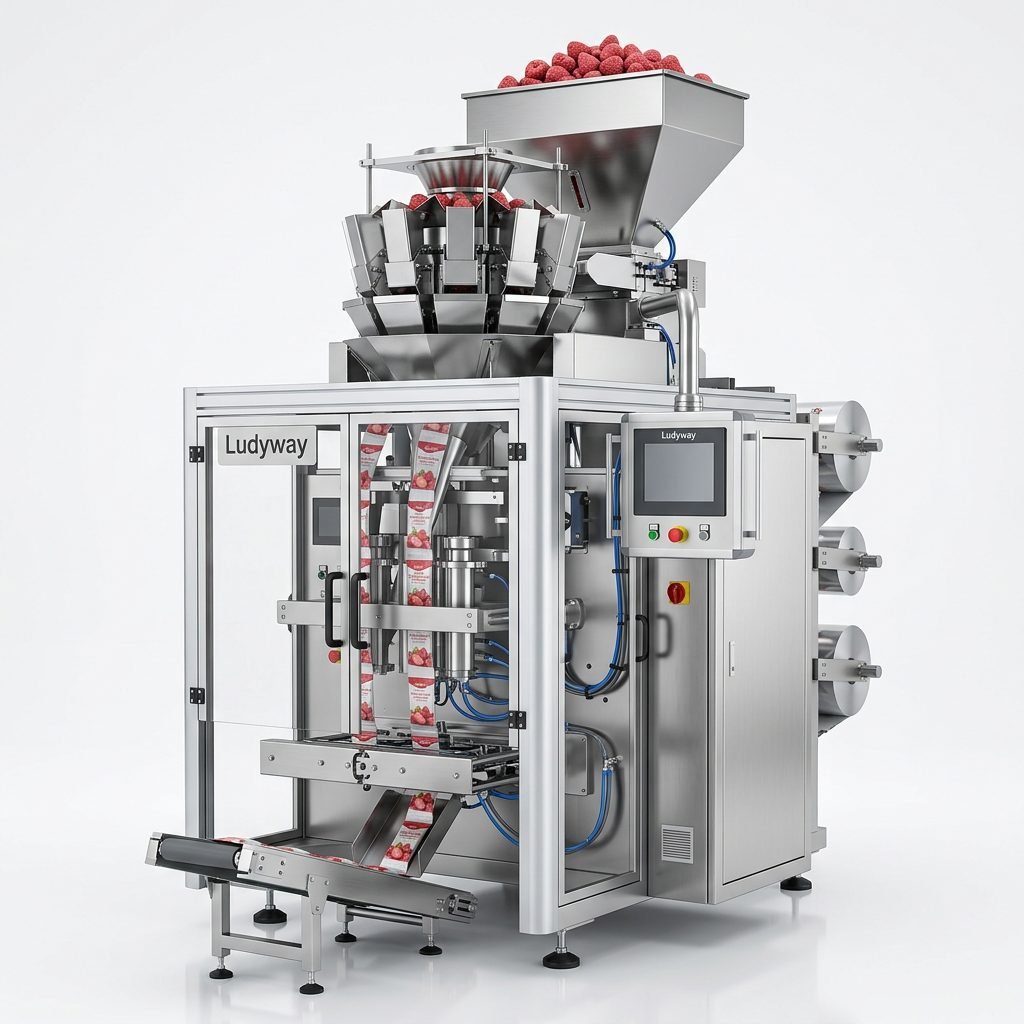
High-speed frozen food packaging line suitable for bulk portion control applications.
Key Components of a Frozen Fruit Packaging Line
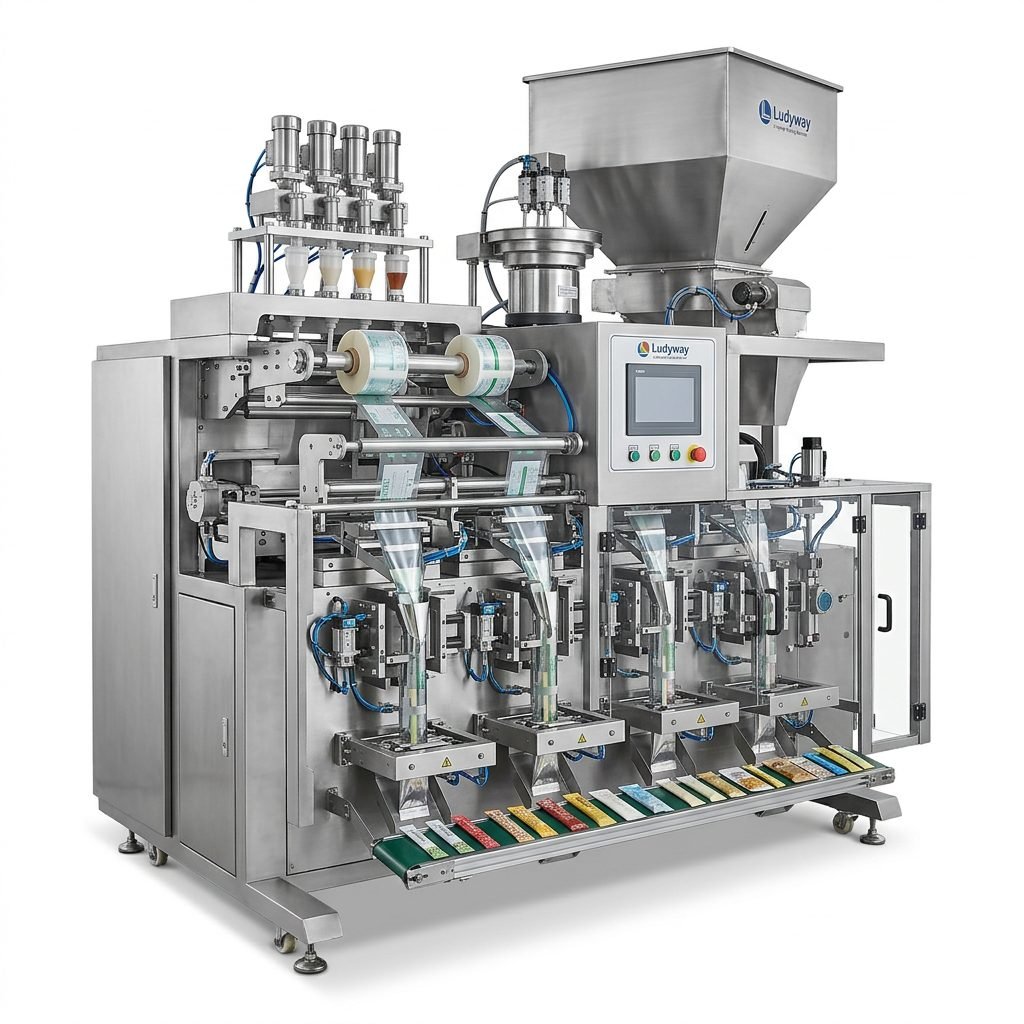
A complete frozen fruit packaging system typically includes the following integrated modules:
- Feeding System: Vibratory or belt feeders designed for individually quick frozen (IQF) fruit pieces
- Multi-Head Weigher: Precision weighing for consistent portion control
- Vertical Form Fill Seal (VFFS) Machine: Creates pouches from roll stock film
- Nitrogen Flushing System: Extends shelf life by reducing oxygen levels
- Checkweigher & Metal Detector: Quality assurance and contaminant detection
- Cartoning & Palletizing: End-of-line automation for efficient distribution
Step 1: Facility Preparation and Layout Design
Before installing any packaging equipment, your facility must meet specific requirements unique to frozen food processing in Oceania. Temperature-controlled environments are critical — the packaging area should maintain consistent temperatures between 2°C and 8°C to prevent product thawing during the packaging process.
Essential Facility Requirements
| Requirement | Specification | Notes |
|---|---|---|
| Room Temperature | 2°C – 8°C | Prevents IQF fruit from thawing |
| Humidity Control | Below 50% RH | Avoids frost buildup on machinery |
| Floor Drainage | Stainless steel graded drains | HACCP-compliant design |
| Compressed Air | 0.6 – 0.8 MPa | Oil-free, food-grade quality |
| Power Supply | 380V / 50Hz (AU/NZ standard) | Verify with local grid specifications |
Step 2: Selecting the Right Packaging Machine
Choosing the appropriate frozen fruit packaging machine depends on your target output, packaging format, and product characteristics. For Oceania’s market, popular formats include stand-up pouches, pillow bags, and quad-seal bags ranging from 300g to 2kg.
Machine Selection Criteria
- Production Speed: Match machine capacity (pouches per minute) with your throughput goals
- Film Compatibility: Ensure compatibility with cold-resistant laminated films
- Sealing Technology: Look for servo-driven sealing jaws with precise temperature control
- Cleaning Accessibility: Tool-free disassembly for ISO-compliant sanitation protocols
- Integration Capability: Seamless connection with upstream freezing and downstream cartoning systems
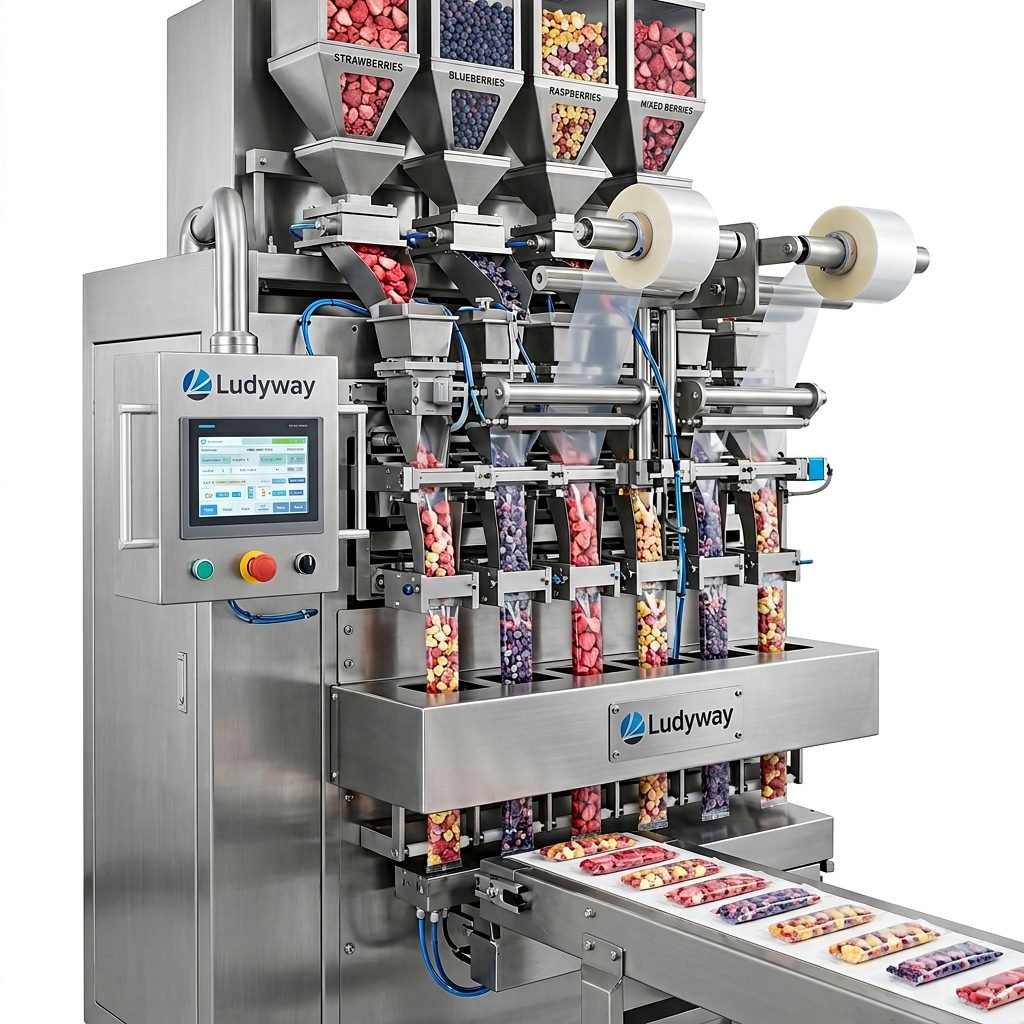
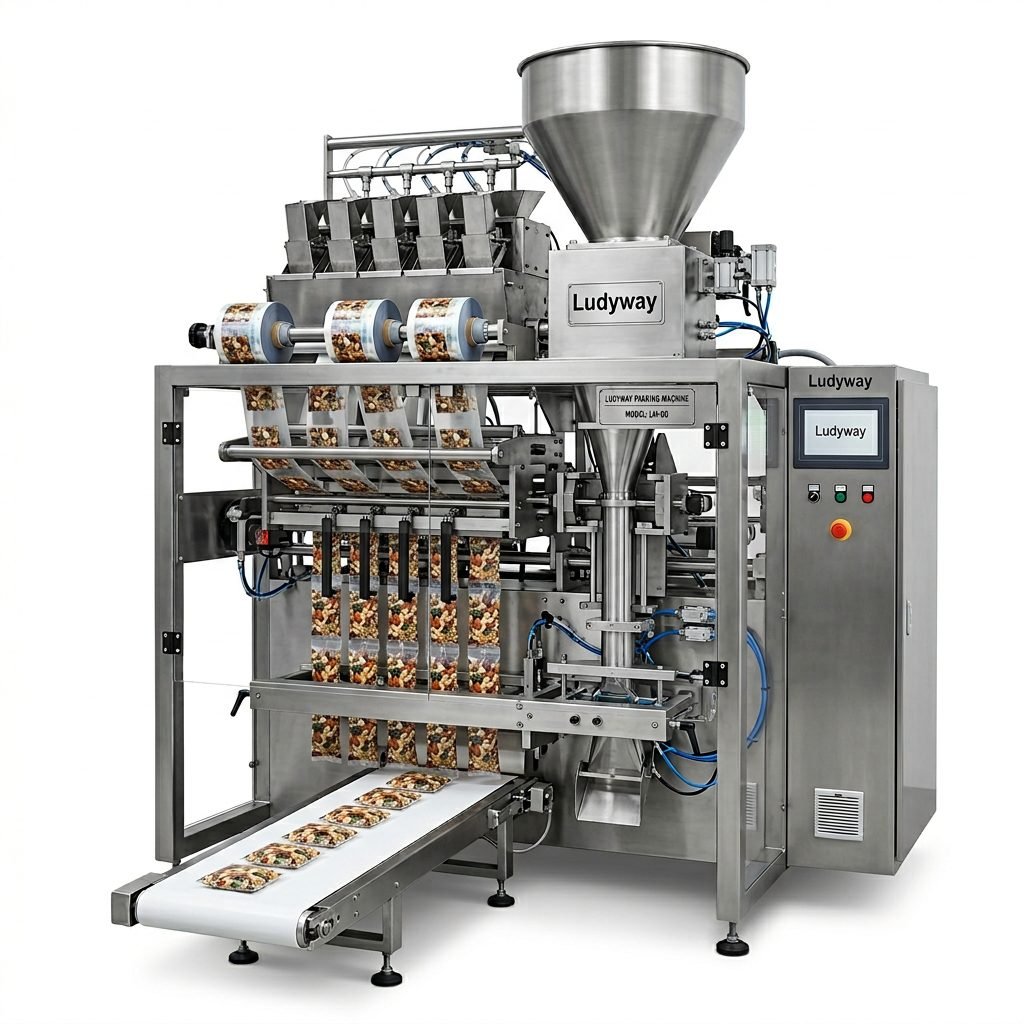
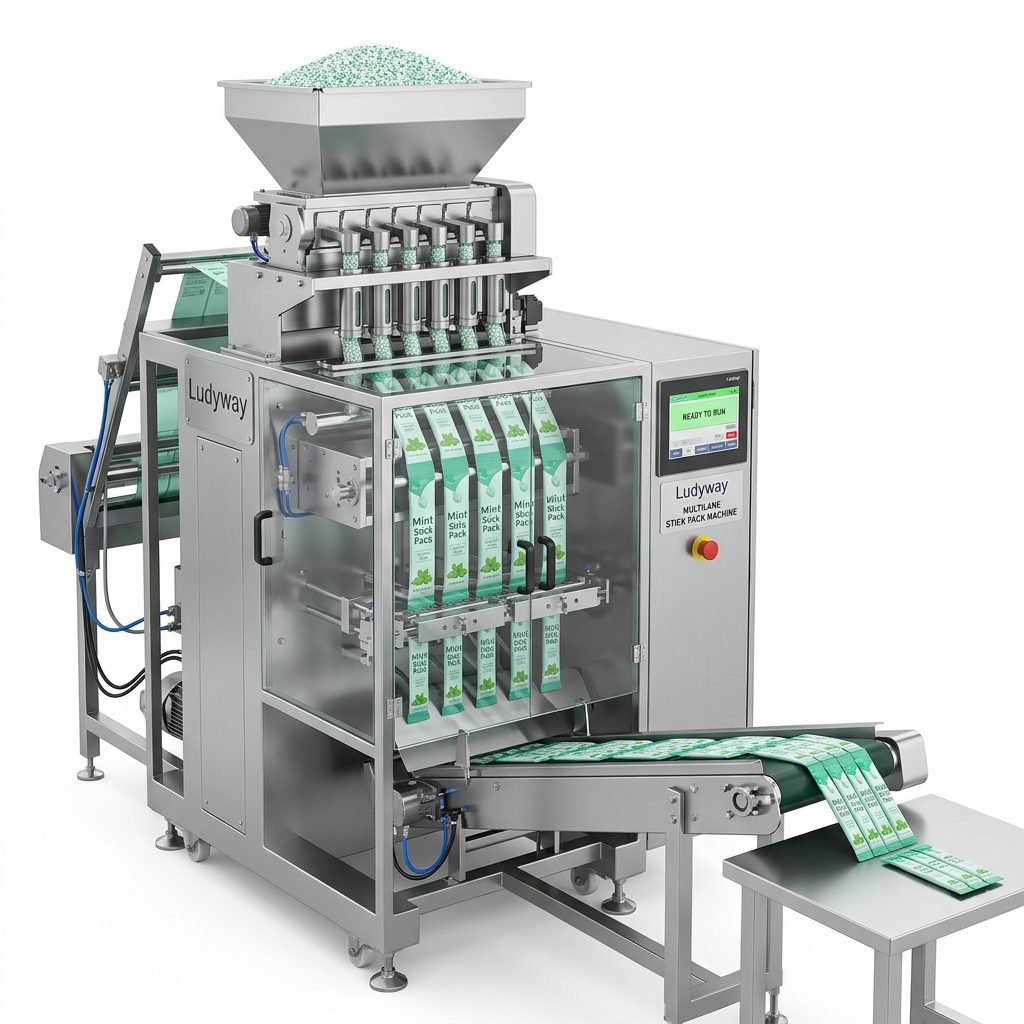
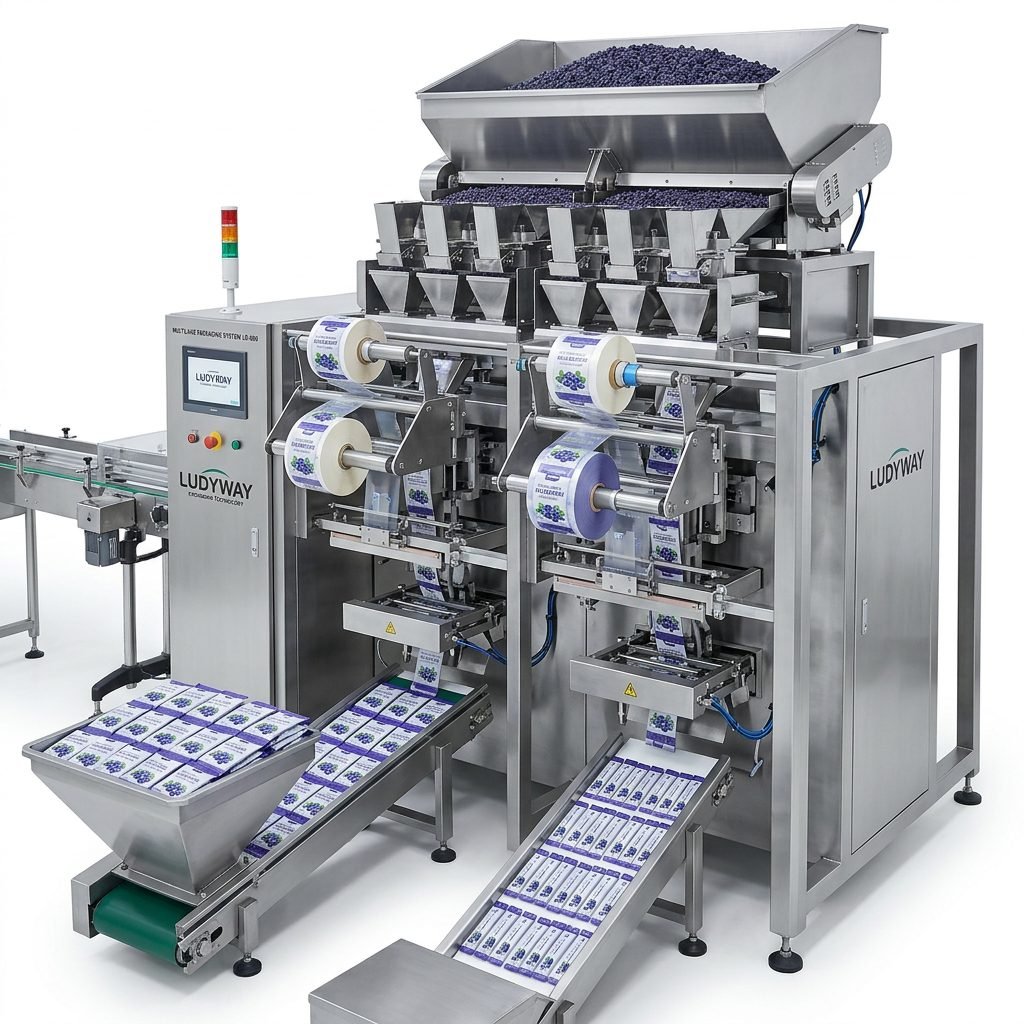
Multi-lane stick pack machine suitable for freeze-dried and frozen fruit granule packaging.
Step 3: Installation and Commissioning in Oceania
Proper installation is crucial for long-term operational reliability. When setting up your packaging line in Australia or New Zealand, consider the following phased approach:
Installation Phases
| Phase | Duration | Key Activities |
|---|---|---|
| 1. Pre-Installation | 1 – 2 Weeks | Site inspection, utility connections verification, team training |
| 2. Mechanical Setup | 1 Week | Equipment positioning, conveyor alignment, film threading |
| 3. Electrical & Pneumatic | 3 – 5 Days | Wiring, PLC programming, sensor calibration, safety checks |
| 4. Trial Runs | 3 – 5 Days | Dry runs, product testing, weight accuracy verification |
| 5. Production Ramp-Up | 1 – 2 Weeks | Gradual speed increase, operator proficiency development |
Step 4: Compliance with Oceania Food Safety Standards
Australia and New Zealand follow Food Standards Australia New Zealand (FSANZ) regulations, which align closely with international frameworks. Your packaging line must comply with the following:
- HACCP Certification: Hazard Analysis Critical Control Points implementation is mandatory
- WHS Requirements: Work Health and Safety compliance for machinery guarding and operator protection
- Material Traceability: All food-contact materials must be traceable and certified
- Labeling Standards: Country of origin labeling as required by flexible packaging industry standards
- Electrical Safety: AS/NZS 3000 wiring rules compliance for all electrical installations
Important: Always engage a certified local electrical engineer to verify machine compliance with Australian/New Zealand electrical standards before commissioning.
Step 5: Optimizing Production Efficiency
Once your frozen fruit packaging line is operational, focus on continuous improvement. Key performance indicators to monitor include:
KPI Tracking Table
| KPI | Target | Measurement Method |
|---|---|---|
| Overall Equipment Effectiveness (OEE) | ≥ 85% | Availability × Performance × Quality |
| Film Waste Rate | ≤ 2% | Film consumed vs. film used on product |
| Weight Accuracy | ± 1.5% of target | Statistical sampling with checkweigher |
| Seal Integrity | 99.9% pass rate | Visual inspection and burst testing |
| Mean Time Between Failures (MTBF) | ≥ 200 hours | Production hours ÷ number of stoppages |
Seasonal Considerations for Oceania Production
Oceania’s fruit harvesting seasons create distinct production windows. Your packaging line should be flexible enough to handle multiple fruit types throughout the year:
- Summer (Dec – Feb): Berries, mangoes, stone fruit peak season
- Autumn (Mar – May): Apples, pears, kiwifruit harvest
- Winter (Jun – Aug): Citrus fruits, primarily for export markets
- Spring (Sep – Nov): Strawberries and early-season blueberries
Maintenance and After-Sales Support
Regular maintenance is essential for maximizing equipment lifespan in cold environment operations. Establish a preventive maintenance schedule that accounts for the accelerated wear caused by condensation and temperature fluctuations common in frozen food facilities.
Recommended Maintenance Intervals
| Interval | Tasks | Responsible Party |
|---|---|---|
| Daily | Clean sealing jaws, inspect film path, check lubrication | Operator |
| Weekly | Calibrate weighing system, verify safety sensors | Maintenance Technician |
| Monthly | Replace wear parts, inspect belts and chains, PLC backup | Engineering Team |
| Quarterly | Comprehensive mechanical and electrical inspection | Senior Engineer |
| Annually | Full overhaul, pneumatic system rebuild, software update | Manufacturer Service Team |
Selecting a Reliable Packaging Equipment Partner
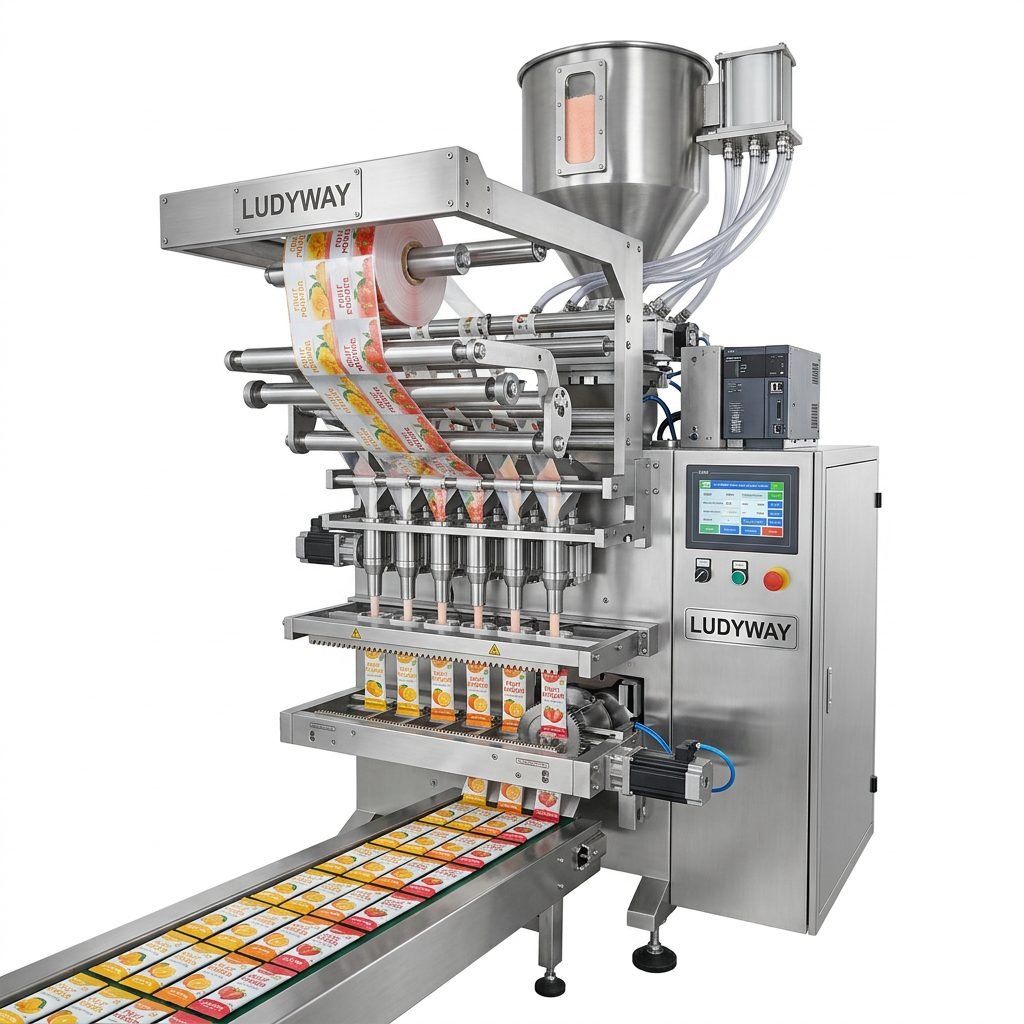
When investing in a frozen fruit packaging line, partnering with an experienced manufacturer ensures smoother installation, faster troubleshooting, and ongoing technical support. Ludyway is one of the largest packaging machine manufacturers in China, providing advanced packaging equipment and turnkey production solutions for the food, pharmaceutical, and health industries. With over 30 years of experience and a modern 20,000㎡ manufacturing facility, the company offers more than 50 intelligent packaging machine models serving customers in over 100 countries.
For more information on packaging industry standards, you can visit the PMMI — The Association for Packaging and Processing Technologies and review their State of the Industry Reports for comprehensive market data. The Flexible Packaging Association also provides valuable resources including their Flexible Packaging Industry Data and Knowledge Hub for sustainability and regulatory updates.
Additional authoritative resources include the FDA — Packaging and Food Contact Substances, the ISO Packaging Standards, and the European Commission — Packaging and Packaging Waste guidelines for international compliance reference.
Key Takeaways
- A successful frozen fruit packaging line in Oceania starts with proper facility preparation and temperature control
- Select machinery that matches your production volume, packaging format, and film specifications
- Compliance with FSANZ, HACCP, and AS/NZS electrical standards is non-negotiable
- Regular preventive maintenance extends equipment life in cold environments
- Partner with experienced manufacturers who offer comprehensive after-sales support in the Oceania region
- Leverage industry resources from PMMI, FPA, and ISO to stay updated on packaging standards and innovations