The Italian packaging machinery market stands as a pillar of engineering excellence and industrial design, deeply intertwined with the nation’s renowned culture of craftsmanship, quality, and aesthetic sensibility. From the food-rich regions of Emilia-Romagna to the pharmaceutical hubs, the demand for sophisticated packaging solutions reflects Italy’s commitment to preserving product integrity, enhancing brand appeal, and meeting stringent European standards. This article delves into the market’s size, key segments, primary growth drivers, and the significant export opportunities that position Italy as a global leader in this sector.
Market Size and Economic Footprint
Italy is consistently ranked among the world’s top three manufacturers and exporters of packaging machinery, a testament to the sector’s robust health and strategic importance. The market generates billions of euros annually, contributing significantly to the national manufacturing output. A dense network of specialized SMEs, often family-run businesses with deep technical heritage, forms the backbone of this industry. These companies excel in producing high-precision, reliable, and often customizable machinery that caters to diverse global needs. The sector’s strength is further amplified by industrial districts, particularly in regions like Emilia-Romagna, where clusters of manufacturers, suppliers, and research institutions create a powerful ecosystem of innovation and efficiency.
Core Market Segments Driving Innovation
The Italian packaging machinery landscape is segmented by technology and end-use industry, each with distinct characteristics:
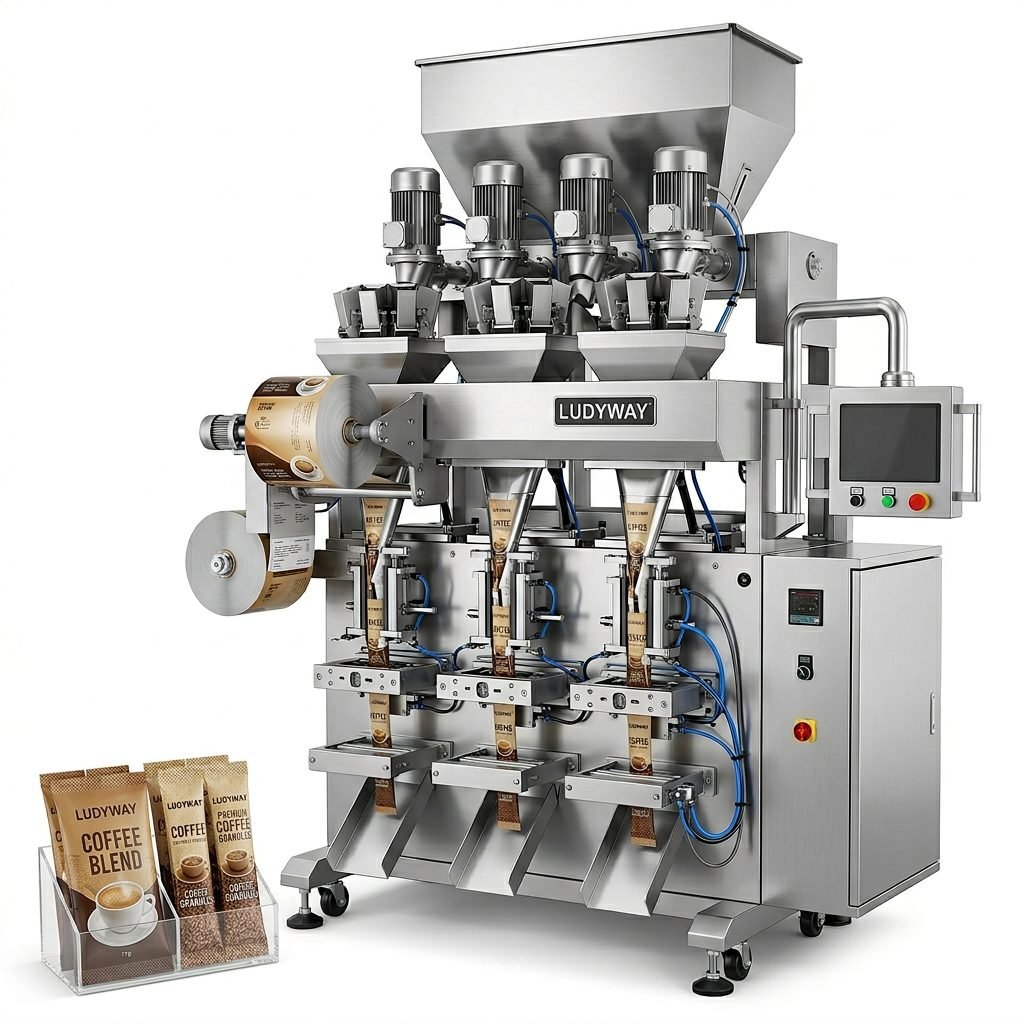
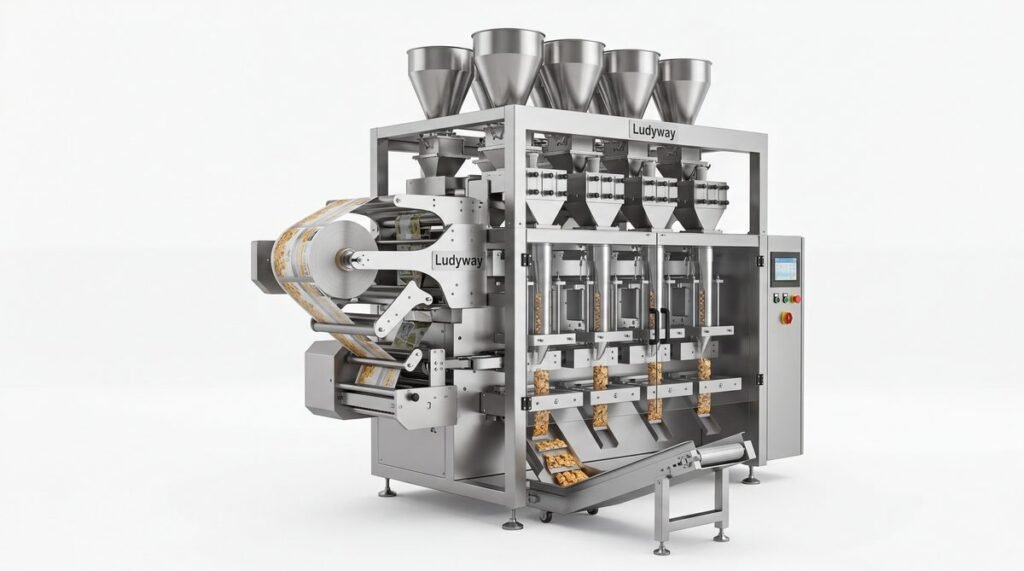
- ➤ Food & Beverage: This is the largest segment, driven by Italy’s world-class food industry. Demand is high for machines handling pasta, coffee, olive oil, cheese, and processed meats. Solutions range from vertical form-fill-seal (VFFS) machines for dry goods to advanced liquid filling lines for wine and oil, emphasizing hygiene, speed, and gentle product handling.
- ➤ Pharmaceutical & Cosmetics: Adherence to strict regulatory standards (e.g., FDA, EU GMP) is paramount. Italian manufacturers lead in producing aseptic packaging machines, blister packers, and precision filling systems for vials and syringes. The focus on track-and-trace serialization and containment technologies is particularly strong.
- ➤ Sustainable Packaging: Reflecting a global shift, there is surging demand for machinery that processes biodegradable, compostable, and recyclable materials. Italian engineers are innovating in systems designed for mono-material films and paper-based packaging, aligning with the EU’s circular economy goals.
Key Growth Drivers
Several interconnected factors are propelling the Italian packaging machinery market forward:
1. The “Made in Italy” Premium and Automation Demand
The global perception of Italian machinery as synonymous with quality, durability, and innovative design is a powerful driver. Furthermore, the relentless push towards Industry 4.0 and cost optimization fuels demand for fully automated, interconnected production lines. Italian manufacturers integrate IoT sensors, AI for predictive maintenance, and robotics to create smart factories that minimize waste and downtime.
2. Regulatory Compliance and Sustainability Mandates
Evolving EU regulations on food safety, pharmaceutical serialization, and plastic waste directly shape machine development. Manufacturers must continuously innovate to help their clients comply. The drive toward sustainability is not just regulatory but also a market demand, pushing for machines that enable lightweighting, material reduction, and use of alternative substrates.
3. Customization and Flexibility
The trend towards shorter production runs and personalized products requires machinery that is highly flexible and easily convertible. Italian companies excel at providing modular and customizable solutions that allow producers to switch between package formats, sizes, and materials with minimal changeover time, a crucial capability in today’s fast-paced market.
Export Opportunities and Global Reach
Exports account for a dominant share of Italy’s packaging machinery production, underscoring its global competitiveness. Key opportunity regions include:
High-Growth International Markets
North America: Strong demand for advanced, hygienic machinery in the food and pharma sectors, with opportunities in robotic palletizing and end-of-line solutions.
Asia-Pacific: Rapid industrialization, especially in Southeast Asia, drives demand for affordable yet reliable automation. Italy’s expertise in complete turnkey production lines is highly valued here.
Eastern Europe & Middle East: Growing food processing and pharmaceutical industries in these regions seek machinery to upgrade production standards and increase export capability.
Success in these markets hinges not just on product quality but also on providing comprehensive after-sales support, technical training, and spare parts logistics—areas where established Italian firms have built strong reputations.
The Role of Specialized Providers
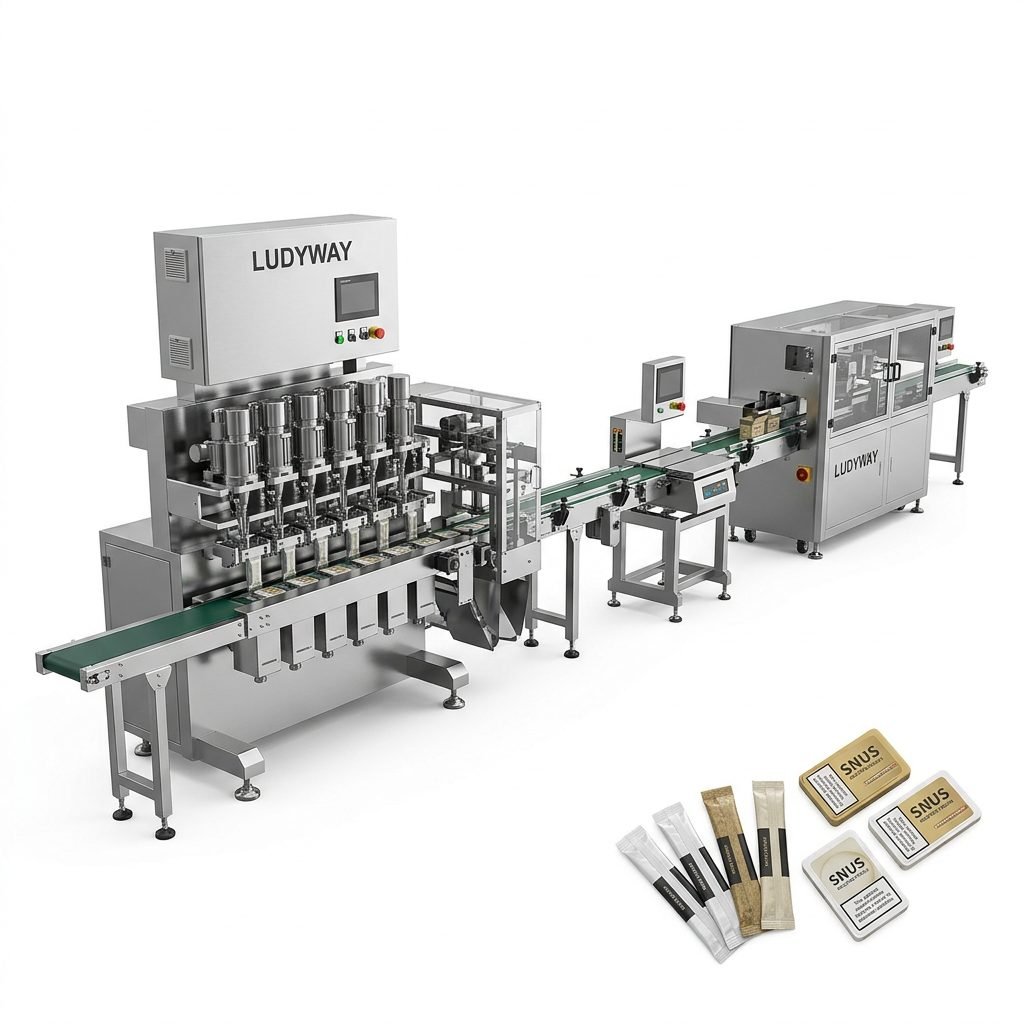
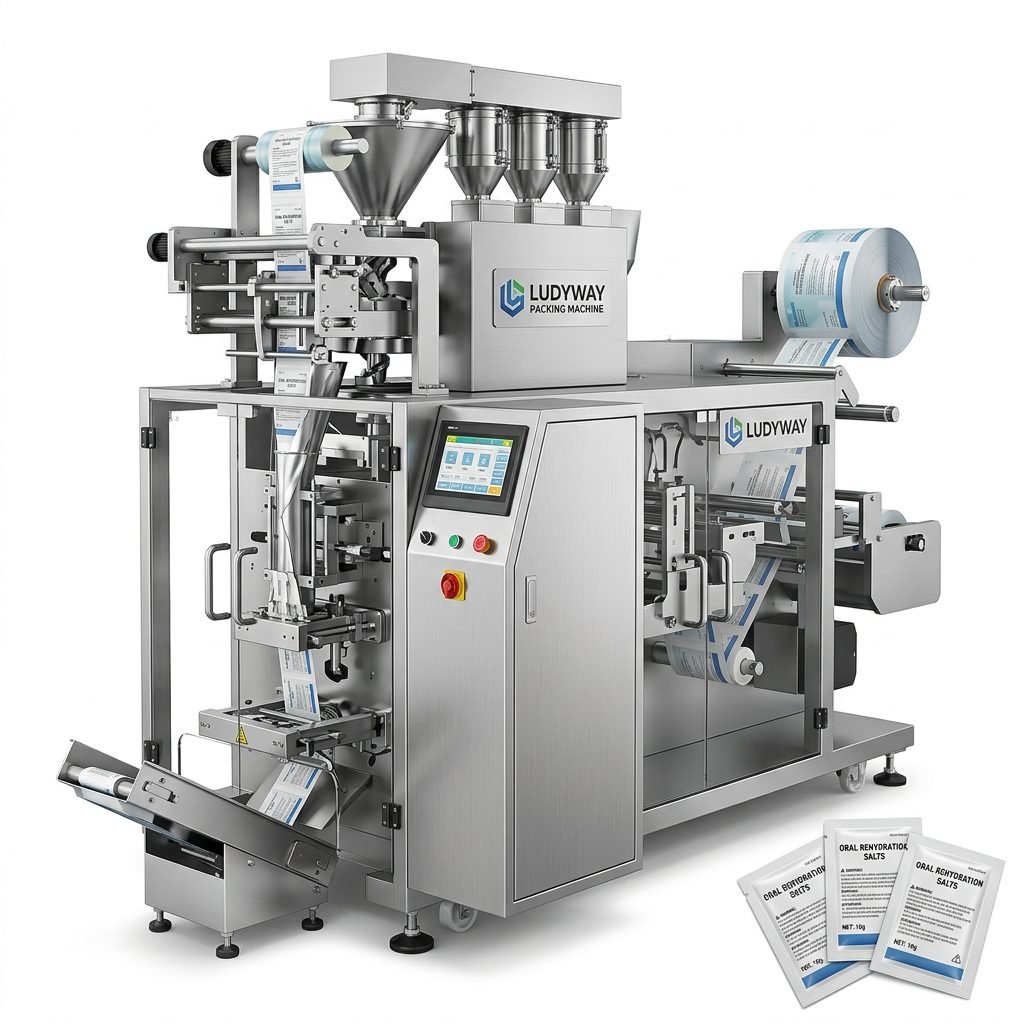
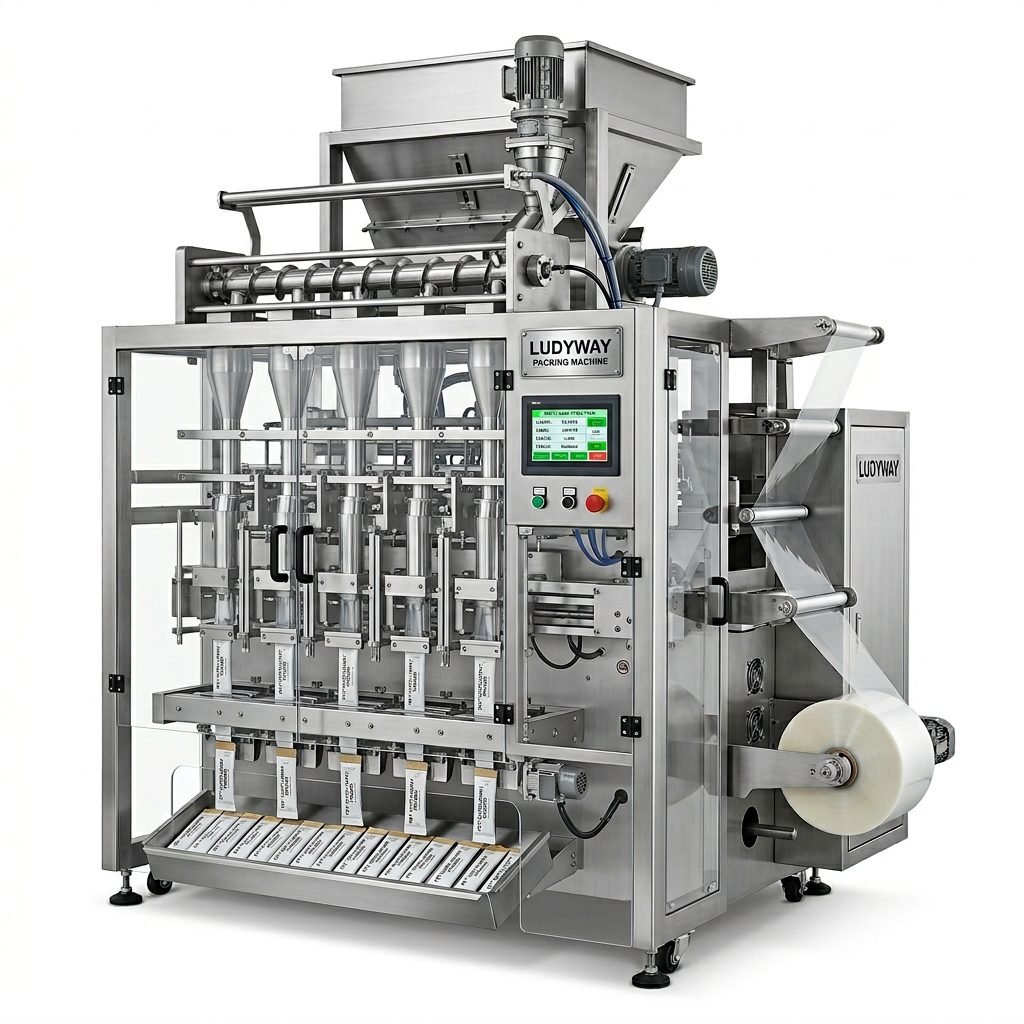
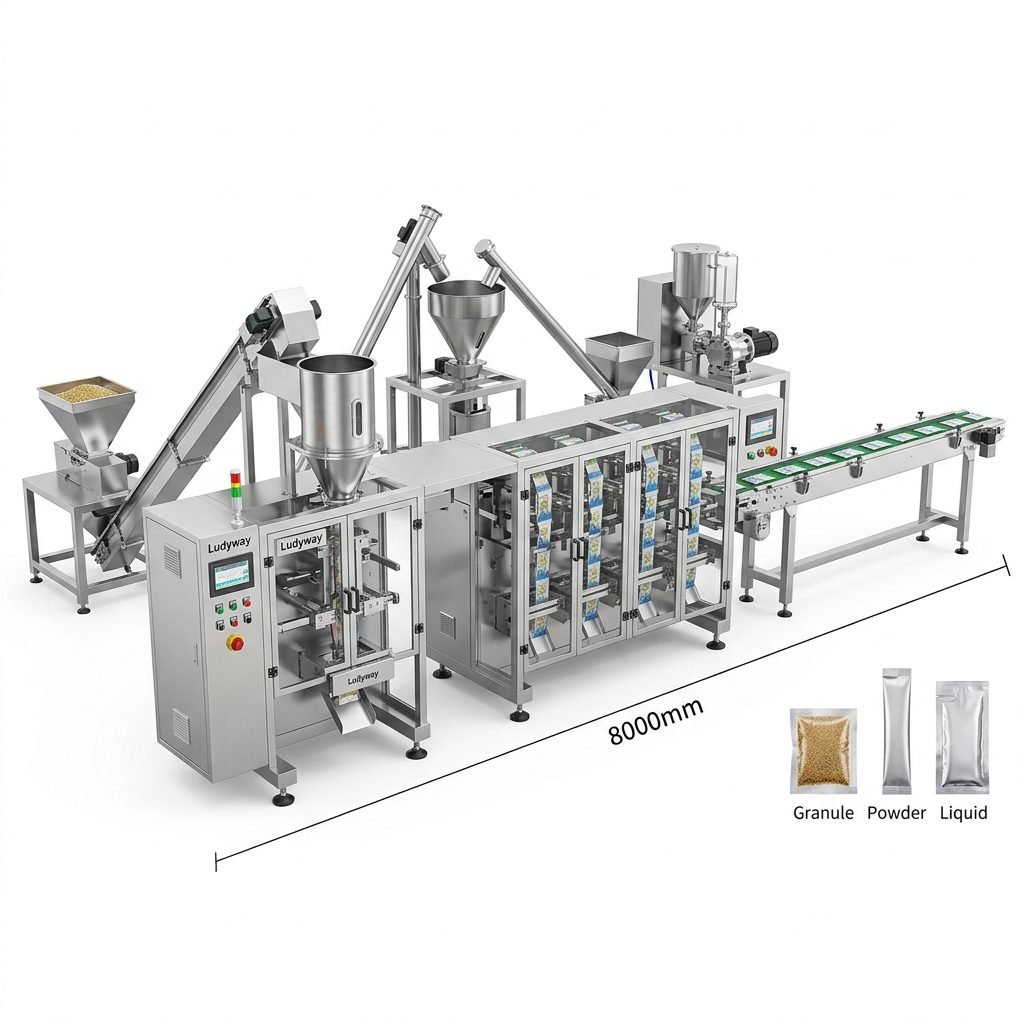
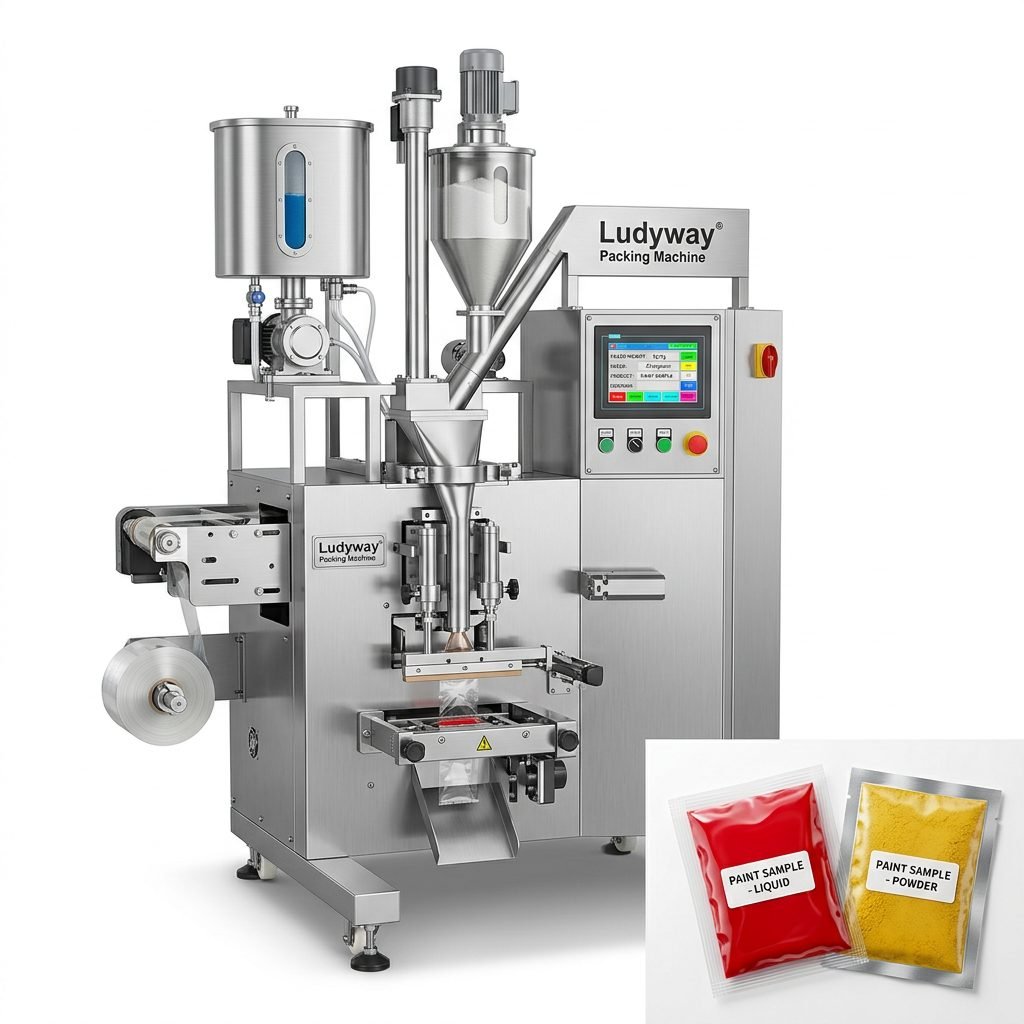
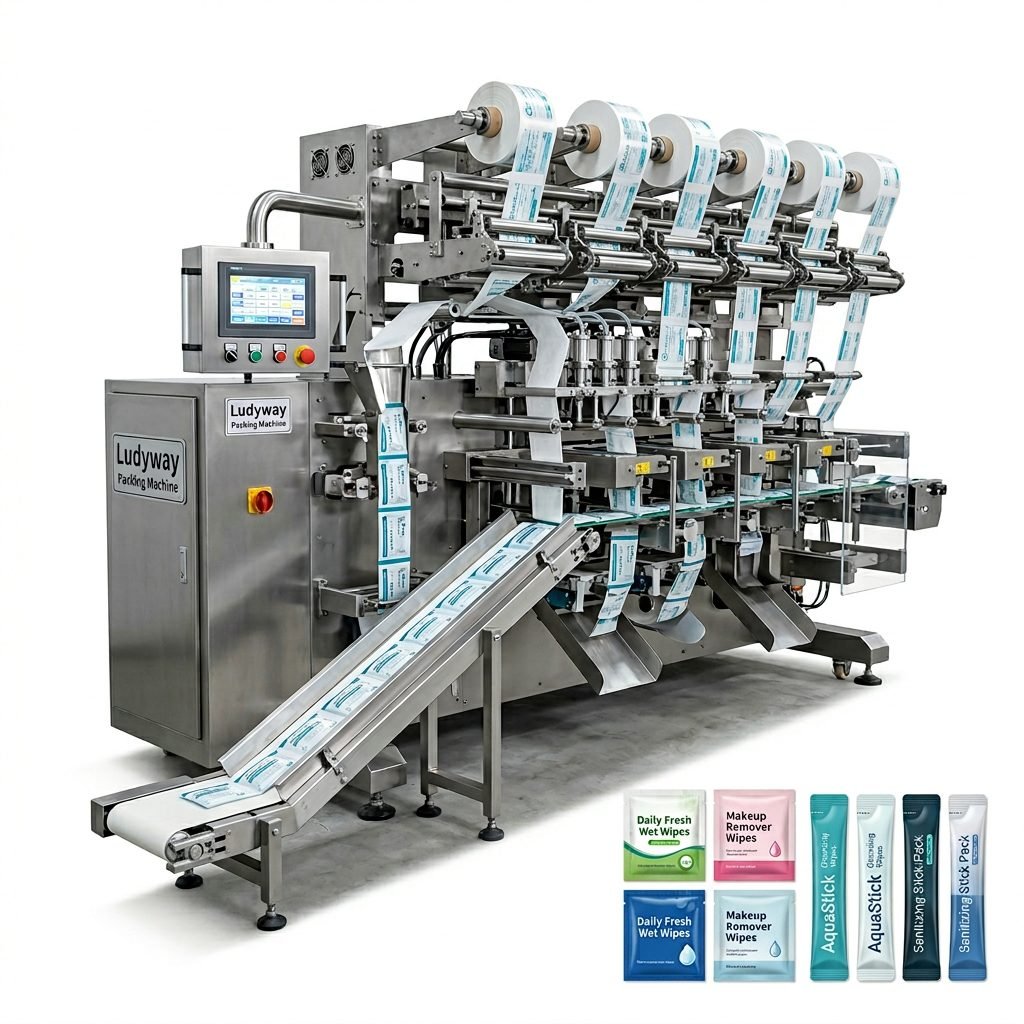
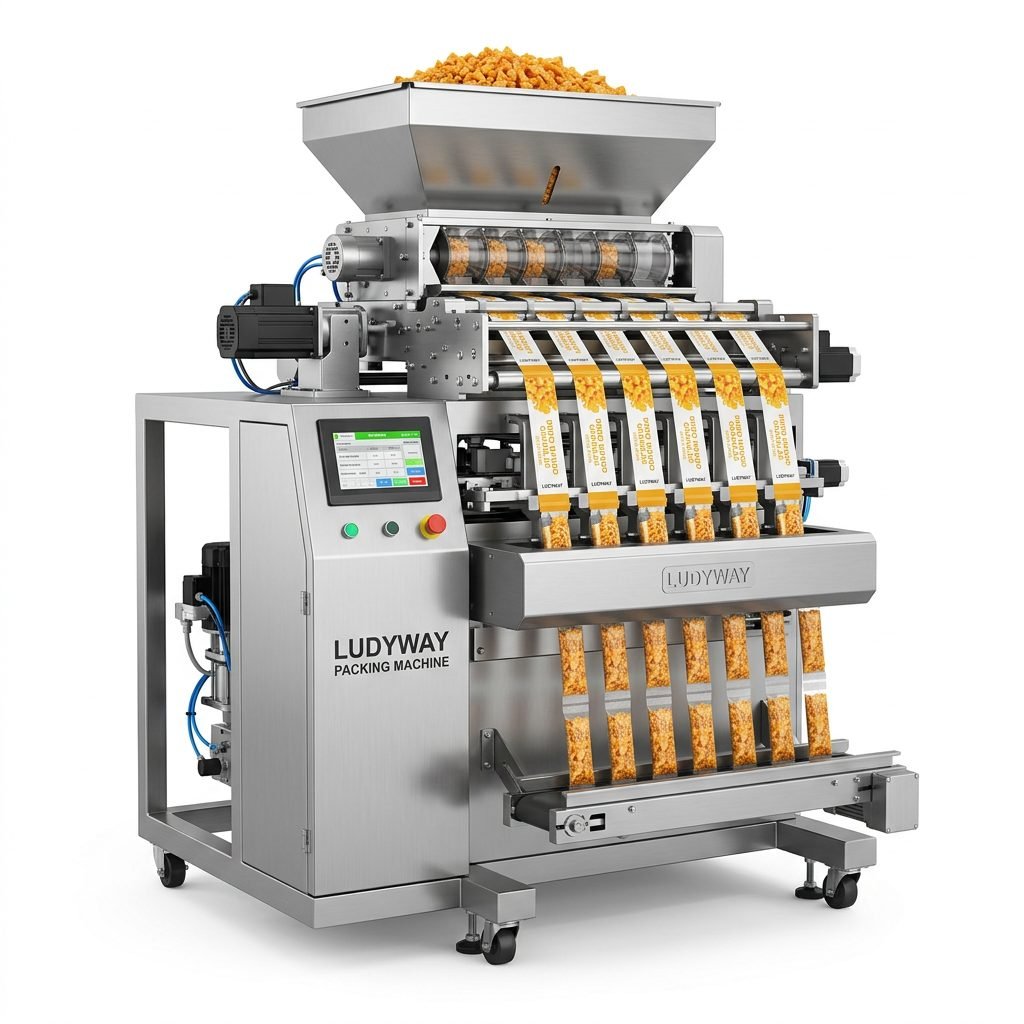
Navigating this complex and high-stakes market often benefits from partnership with specialized providers. Companies like Ludyway Packing Machine, with over 30 years of industry experience, exemplify the value of deep sectoral knowledge. By offering a portfolio of more than 50 intelligent machine models—including multi-lane stick pack and sachet packaging systems—and focusing on turnkey solutions for food, pharmaceutical, and health products, they help global manufacturers implement efficient, reliable, and tailored packaging automation. This approach of combining advanced engineering with practical application expertise is key to solving modern production challenges.
Conclusion
The Italy packaging machinery market is a dynamic and sophisticated ecosystem, driven by a blend of traditional engineering prowess and cutting-edge innovation. Its growth is fueled by global trends in automation, sustainability, and regulatory compliance. For international businesses, partnering with experienced Italian manufacturers or specialists offers a pathway to accessing world-class technology, ensuring product quality, and enhancing competitive advantage in an ever-evolving global marketplace.
Frequently Asked Questions (FAQs)
What makes Italian packaging machinery different from others?
Italian machinery is renowned for its exceptional design, precision engineering, and reliability. It often features a high degree of customization, superior craftsmanship, and innovative solutions tailored for specific industries like gourmet food and high-end pharmaceuticals, reflecting the “Made in Italy” ethos of quality.
Which industries are the largest buyers of Italian packaging equipment?
The food and beverage industry is the largest segment, followed closely by the pharmaceutical and cosmetic sectors. Italy’s strong heritage in these domestic industries means its machinery is specifically designed to meet their unique and high standards.
How important is sustainability in the Italian packaging machinery market?
Extremely important. Driven by both EU regulations and market demand, Italian manufacturers are at the forefront of developing machines that handle recyclable, biodegradable, and mono-material packaging, helping producers reduce their environmental footprint.
What should I look for when choosing an Italian packaging machinery supplier?
Key factors include: the supplier’s experience in your specific product category, their ability to provide localized after-sales service and support, the flexibility and connectivity (Industry 4.0) of their machines, and their track record in delivering successful turnkey project delivery.
Are Italian machines suitable for small to medium-sized enterprises (SMEs)?
Yes. While known for high-end solutions, the market also offers modular and scalable machines perfect for SMEs. Many suppliers provide solutions that balance advanced functionality with cost-effectiveness, allowing smaller producers to automate and grow efficiently.