The North American animal food packaging machinery market is undergoing significant transformation. With the U.S. pet food market alone exceeding $50 billion and livestock feed production continuing to expand across Canada and Mexico, manufacturers are increasingly seeking automated packaging solutions that balance efficiency, compliance, and long-term reliability. Selecting the right packaging machinery for animal food products requires a clear understanding of material characteristics, production throughput, and evolving regulatory requirements.
Understanding the North American Animal Food Packaging Landscape
The animal food sector encompasses a broad range of products, including dry kibble, wet canned formulations, freeze-dried treats, pelleted livestock feed, aquatic feed, and supplement powders. Each product category demands specific packaging machinery configurations. According to the PMMI State of the Industry report, the packaging machinery market in North America continues to grow, driven by automation trends and increasing demand for flexible packaging formats.
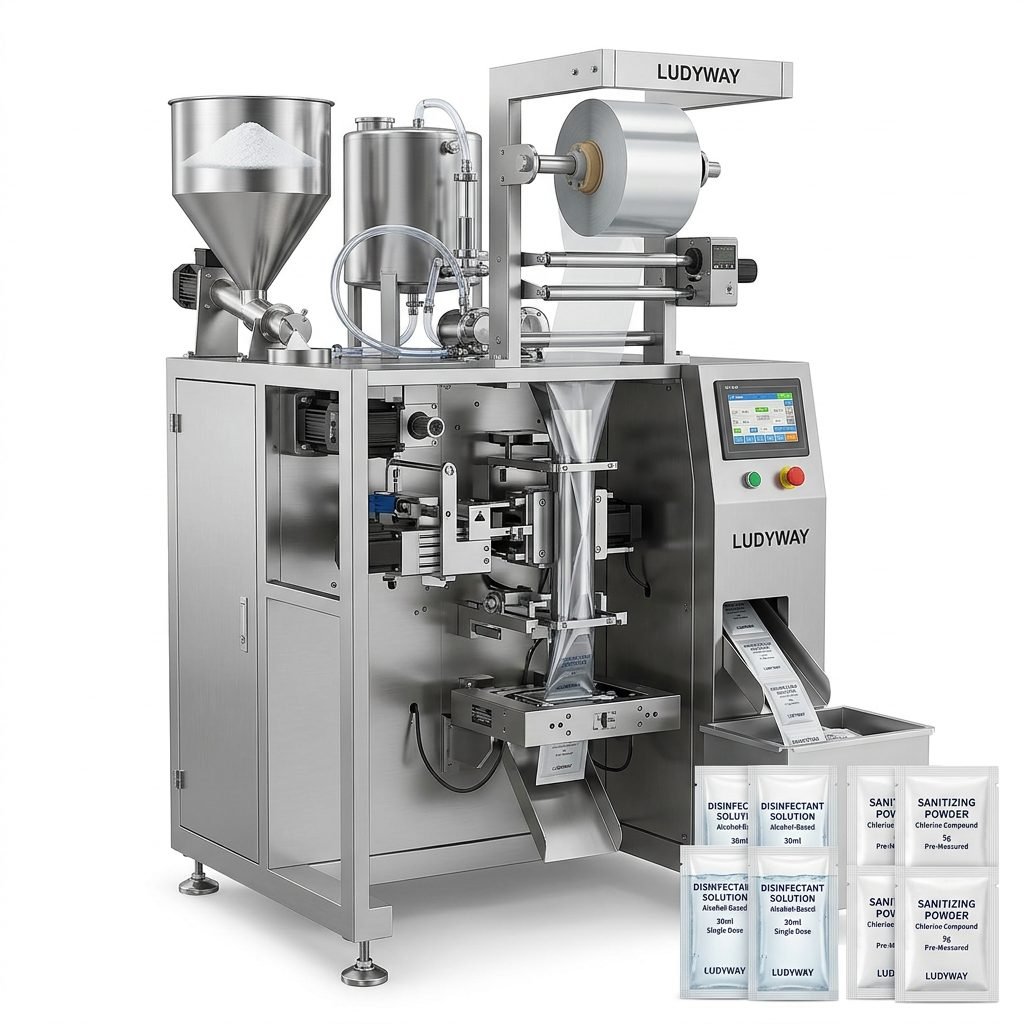
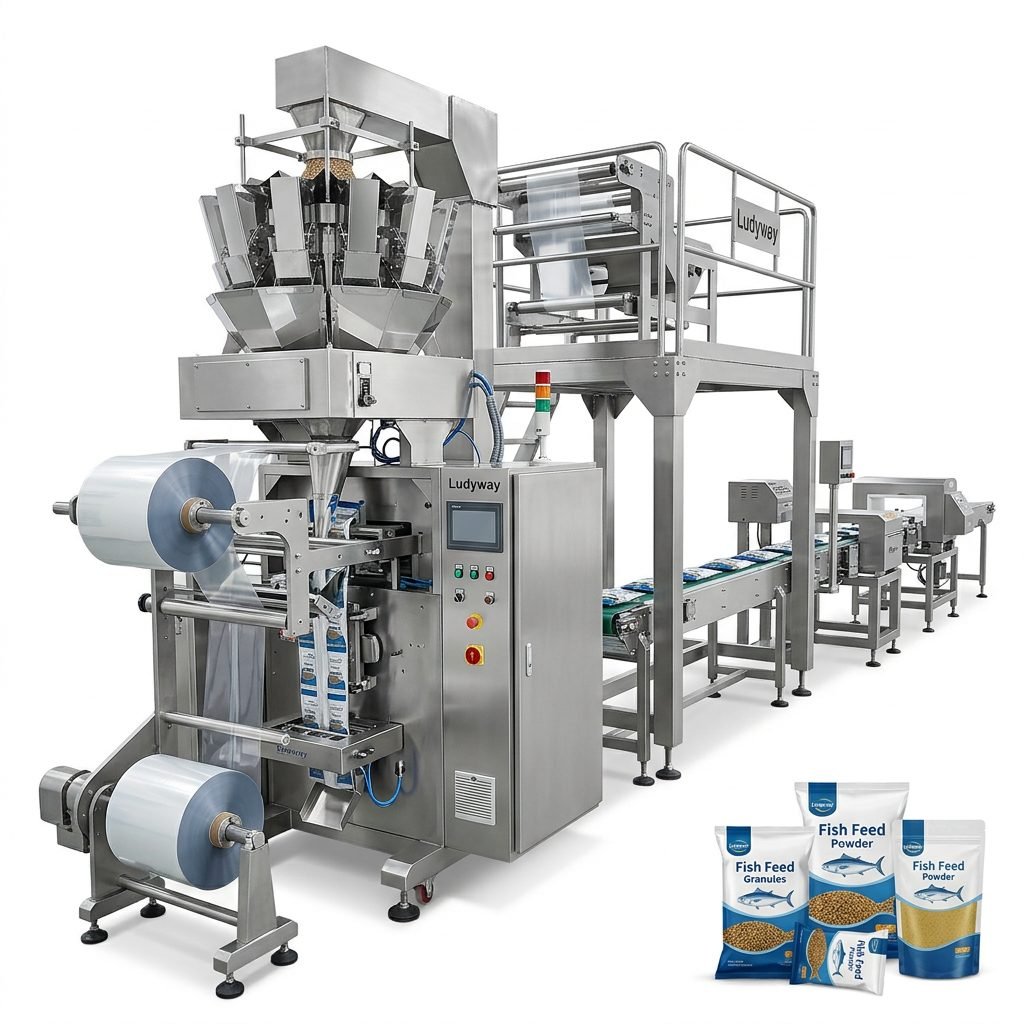
For animal food manufacturers, the primary packaging objectives include moisture barrier protection, fat and oil resistance, pest deterrence, and extended shelf life. These requirements directly influence the choice between vertical form-fill-seal (VFFS) systems, multi-lane sachet machines, pre-made pouch fillers, and bulk bagging equipment.
Key Categories of Animal Food Packaging Machines
Understanding the different machine categories is essential before making a purchasing decision. The following table summarizes the primary types available for animal food applications:
| Machine Type | Best Suited For | Typical Output Range | Key Advantage |
|---|---|---|---|
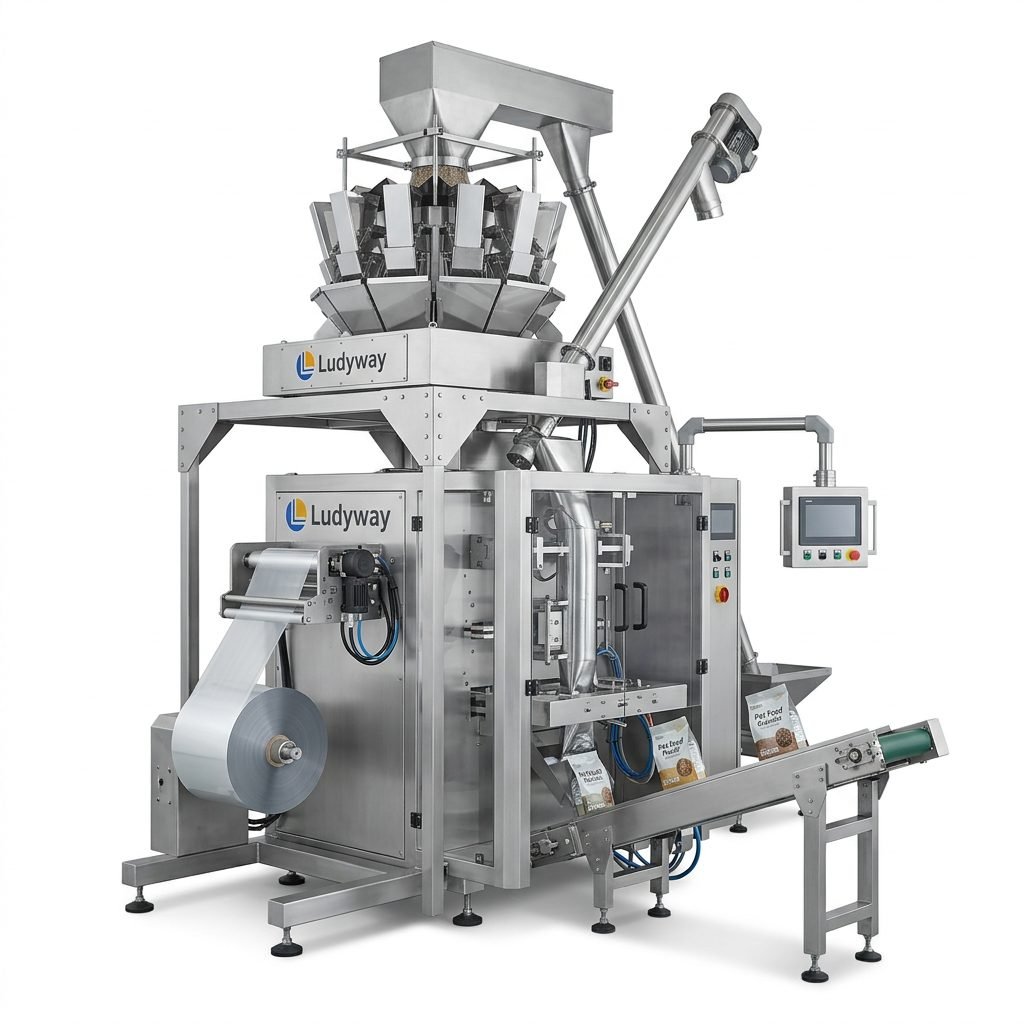
| Vertical Form-Fill-Seal (VFFS) | Dry kibble, pellets, granular feed | 30-120 bags/min | Versatile bag formats, proven reliability |
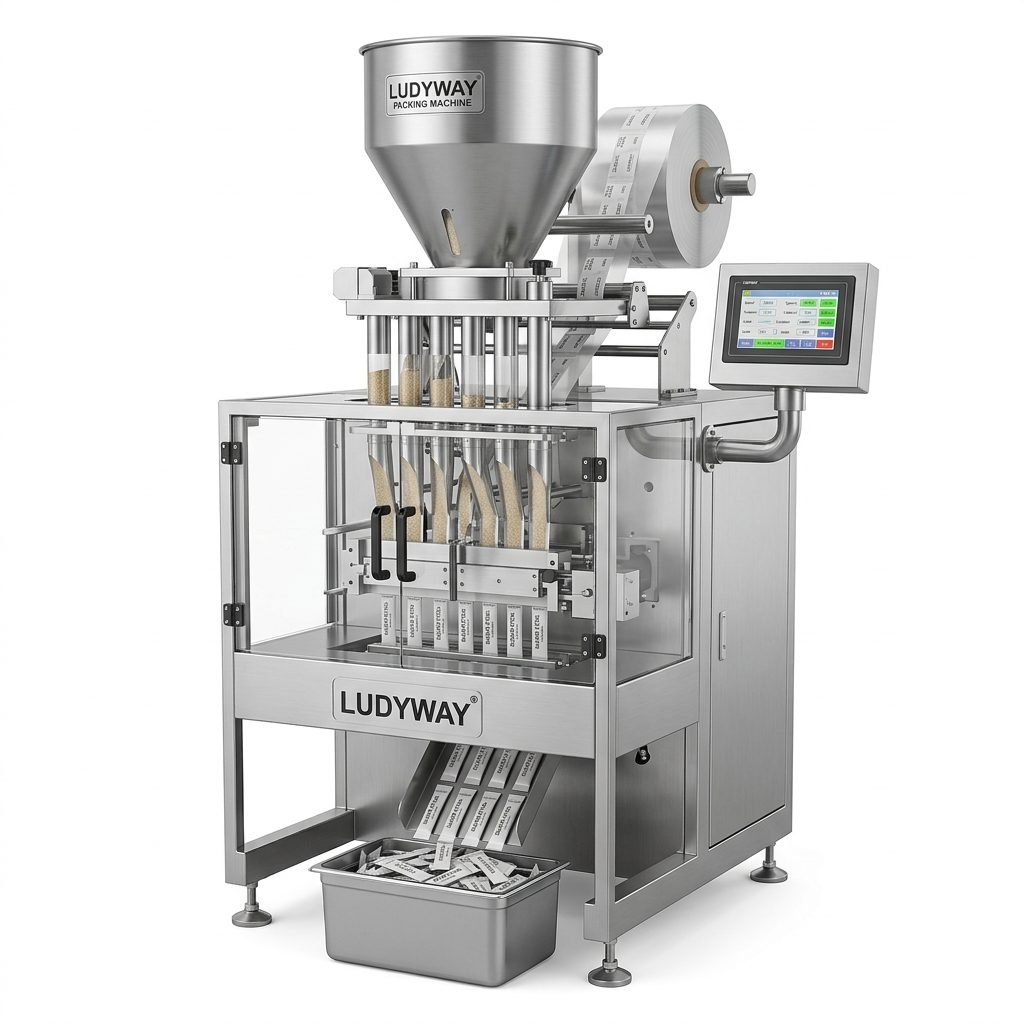
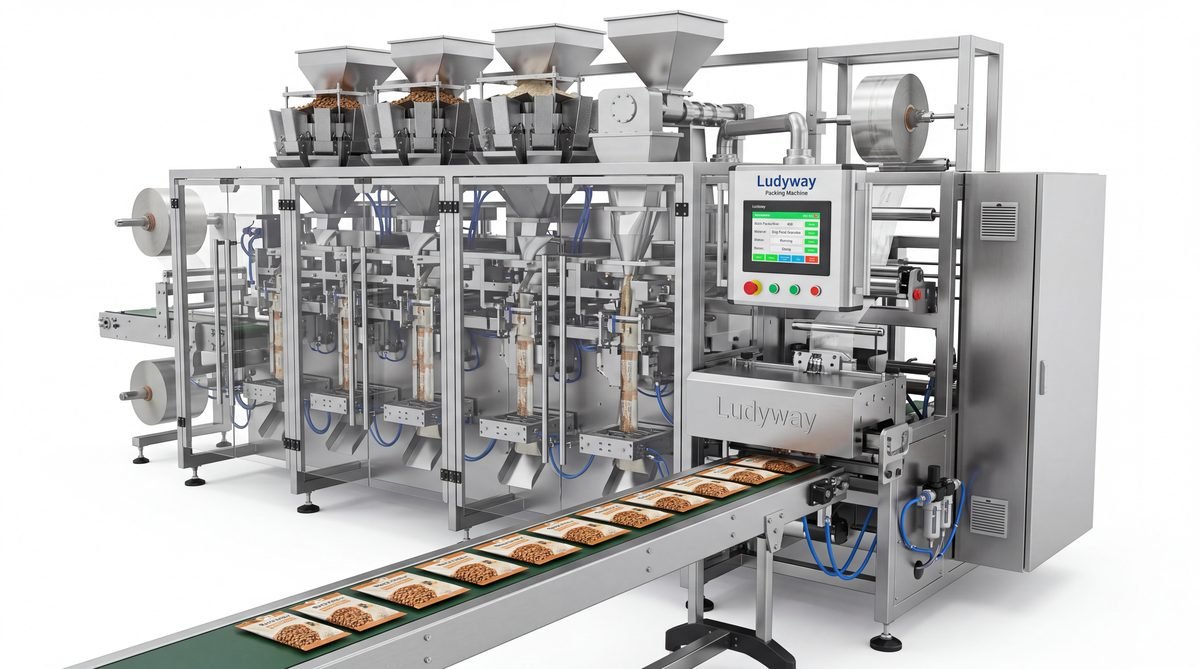
| Multi-Lane Stick Pack & Sachet | Supplements, treats, single-serve portions | 200-800 packs/min | High throughput, portion control |
| Pre-Made Pouch Fill & Seal | Premium pet food, freeze-dried products | 20-60 pouches/min | Superior seal integrity, premium presentation |
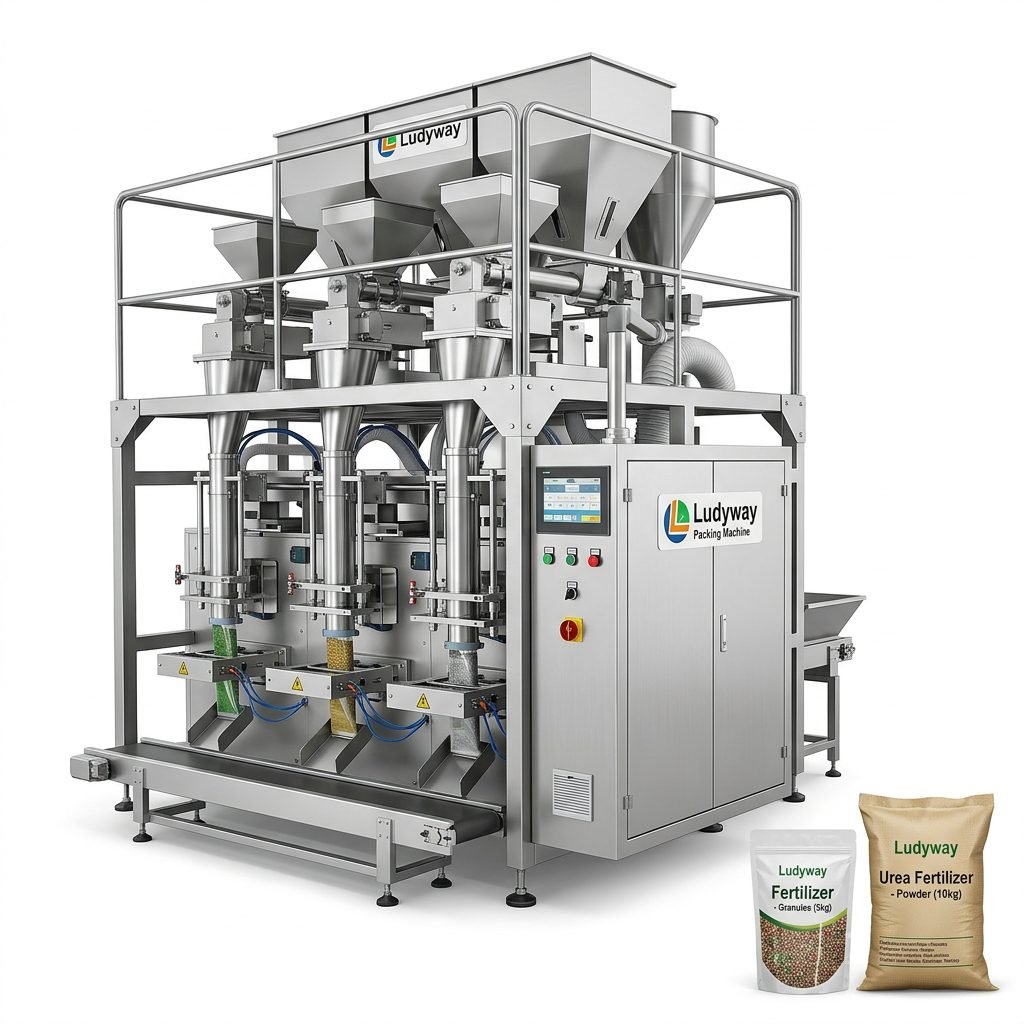
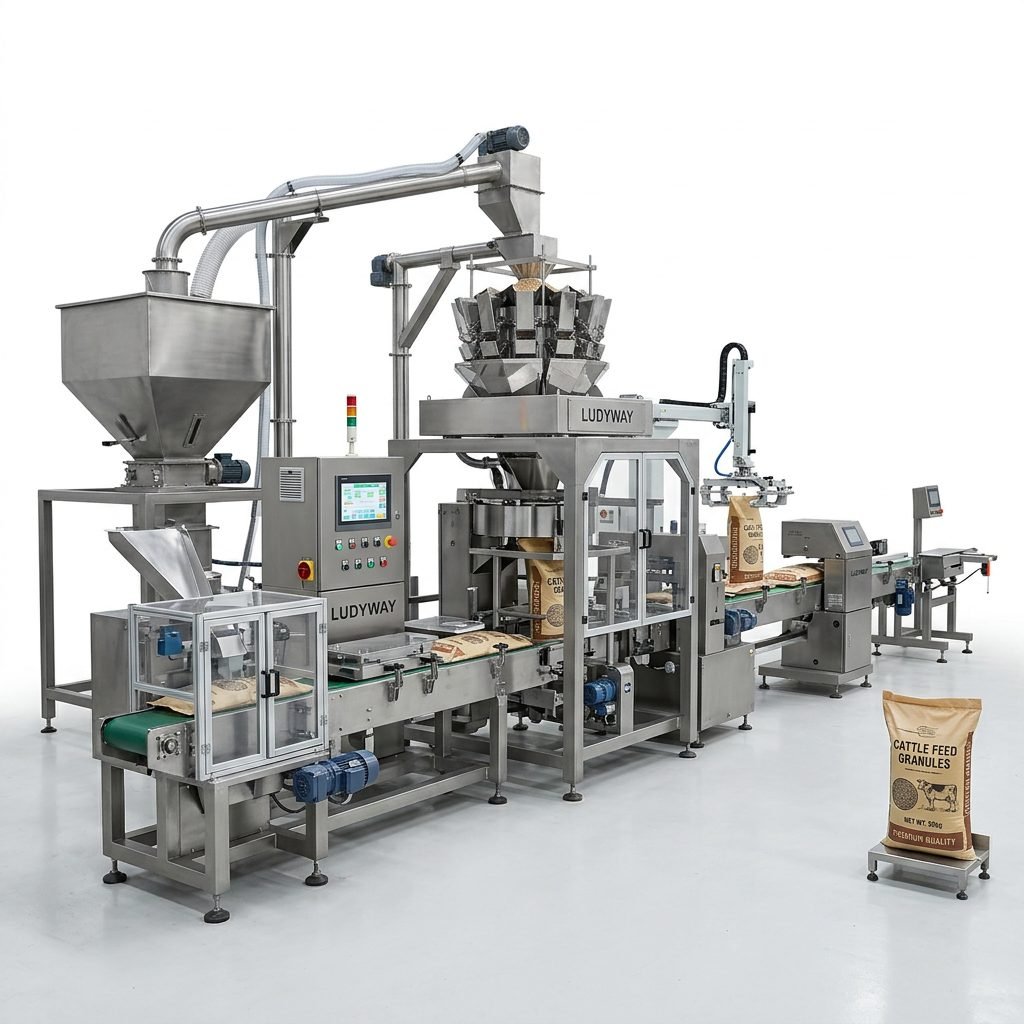
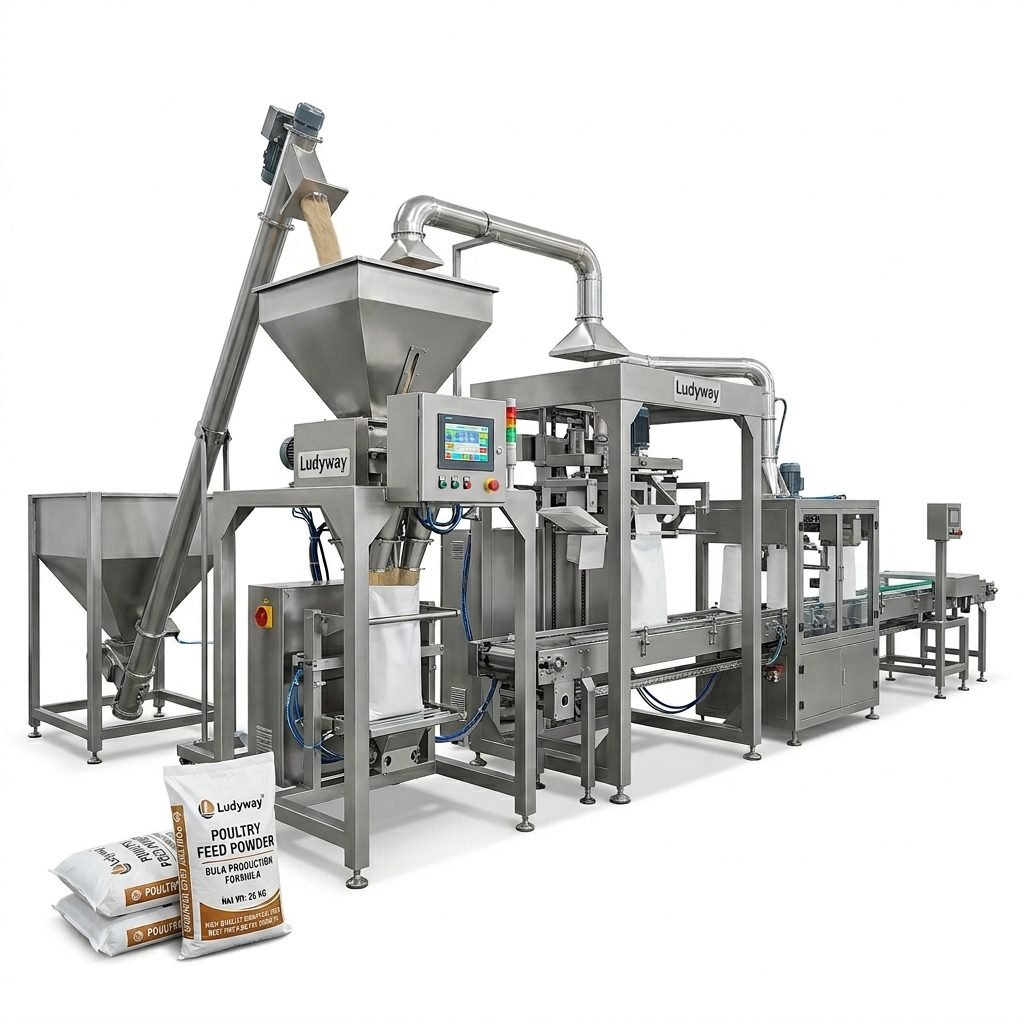
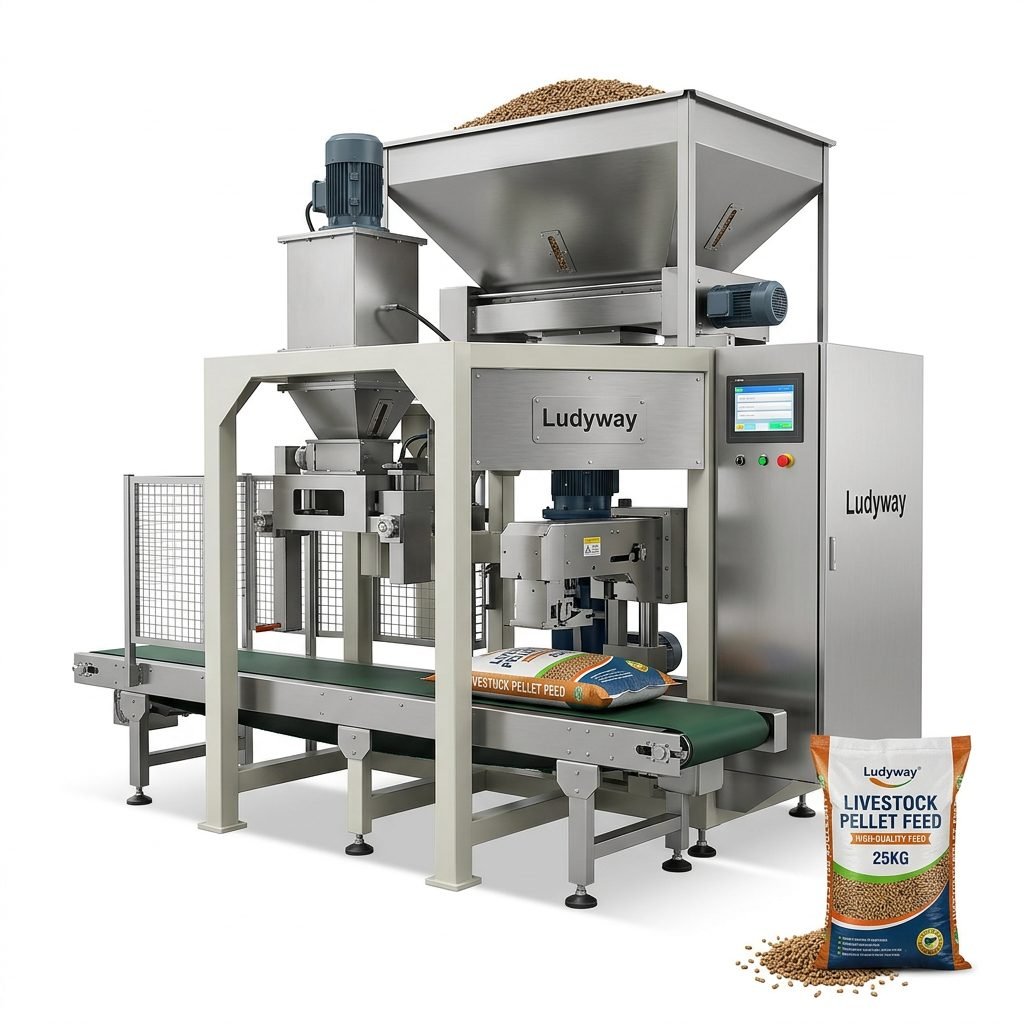
| Bulk Bagging Systems | Livestock feed, agricultural products | 5-20 bags/min (25-50kg) | Heavy-duty construction, high-weight capacity |
| Vacuum Packaging Machines | Freeze-dried, raw, and high-fat products | 10-40 packs/min | Extended shelf life, oxidation prevention |
Multi-Lane Stick Pack Systems for Animal Food
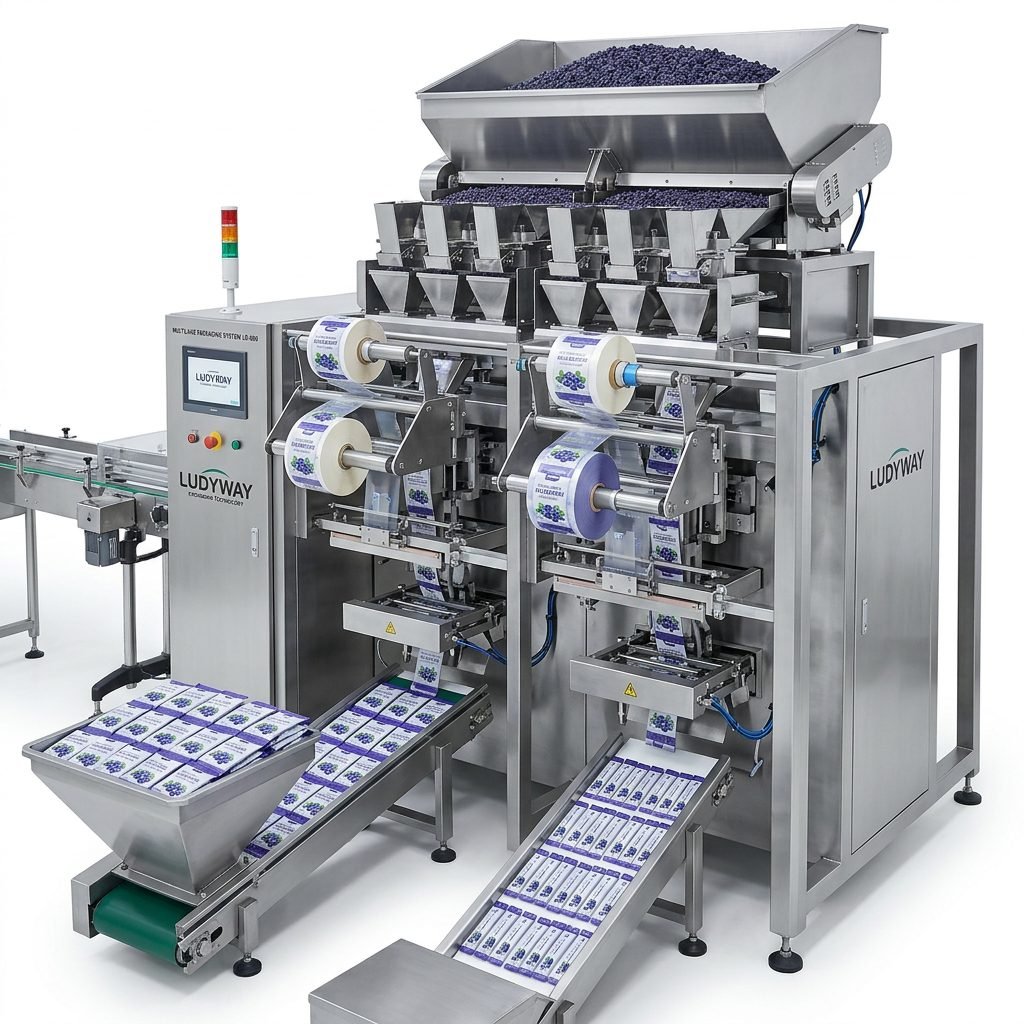
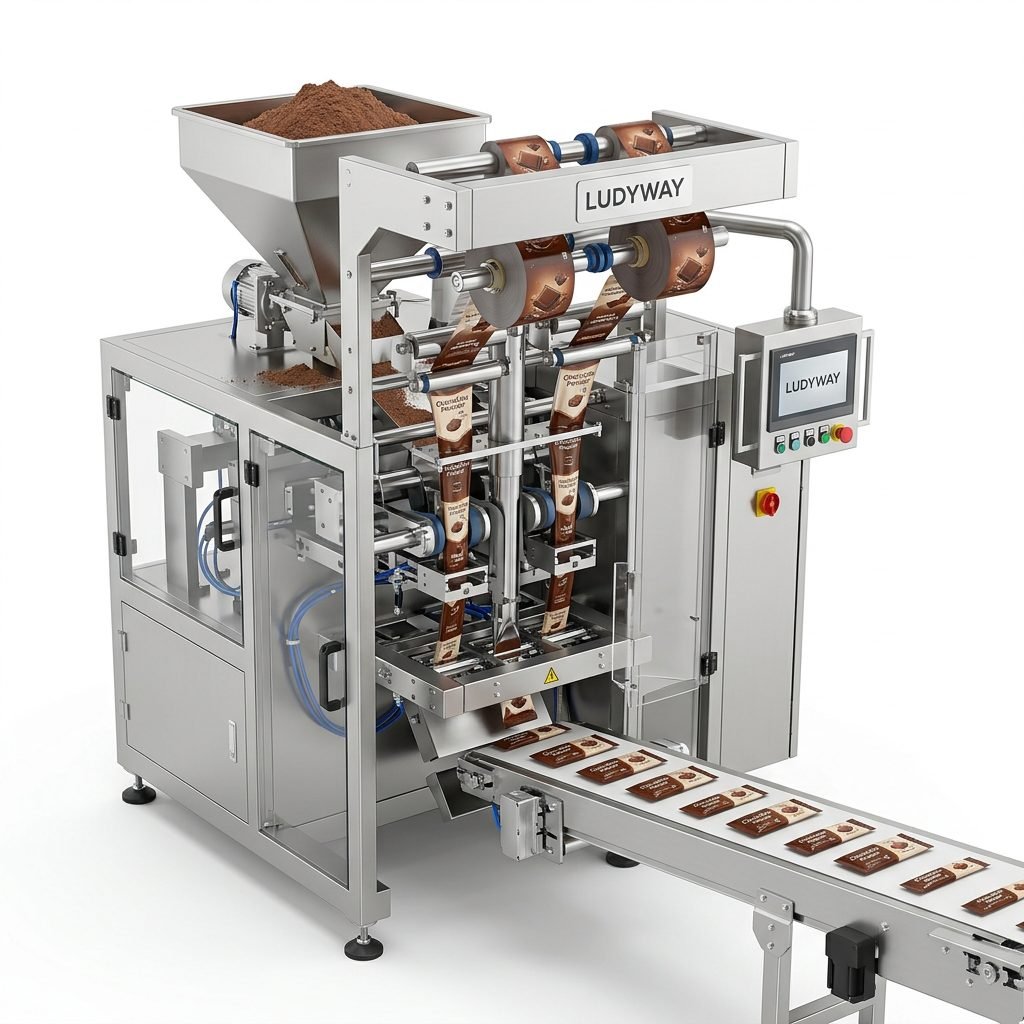
Multi-lane stick pack and sachet machines have gained significant traction in the pet supplement and treat segment. These systems can produce 4 to 16 lanes simultaneously, achieving outputs that single-lane machines cannot match. They are particularly effective for powdered milk replacers, probiotic supplements, dental treats, and single-serve wet food portions.
Critical Factors When Selecting Animal Food Packaging Equipment
Making an informed investment requires evaluating several interconnected factors. Below are the key considerations that should guide your decision-making process:
- Product Characteristics: Particle size, bulk density, flowability, and fat content directly affect filling accuracy and machine compatibility. Granular kibble behaves differently from fine powder supplements, requiring distinct dosing mechanisms.
- Bag Style and Size Range: Determine whether your product line requires pillow bags, gusseted bags, quad-seal pouches, stand-up pouches, or flat sachets. The machine should accommodate your current and anticipated packaging formats.
- Production Throughput: Calculate required output in packs per minute across all SKUs. Multi-shift operations demand higher-duty equipment with robust components.
- Cleanability and Sanitation: Animal food packaging equipment must facilitate thorough cleaning between production runs, especially when switching between formulations or species-specific products.
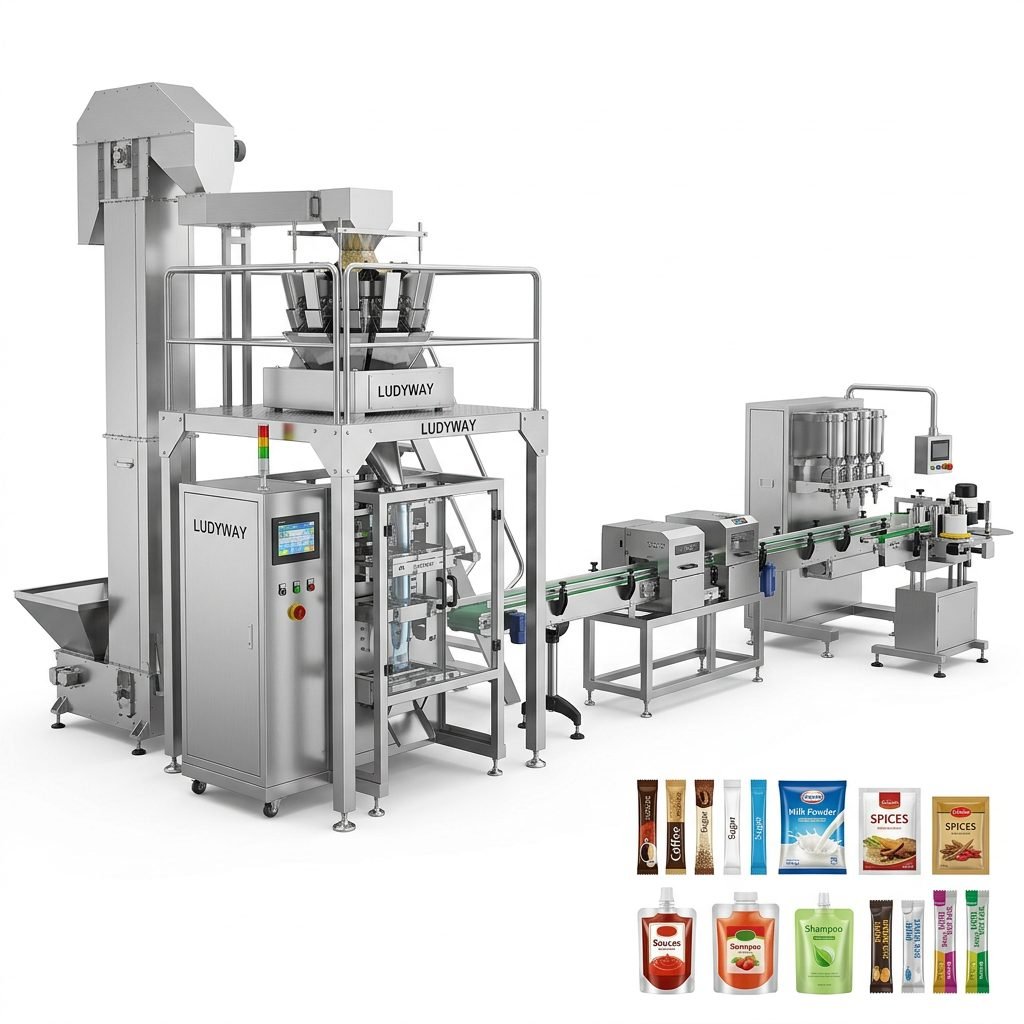
- Automation Integration: Consider upstream feeding systems, checkweighers, metal detectors, cartoning machines, and palletizing systems that form a complete packaging line.
- Material Compatibility: Ensure the machine handles your chosen packaging films, including multi-layer laminates, biodegradable materials, and recyclable mono-materials.
Regulatory Compliance and Safety Standards
Animal food packaging in North America is subject to stringent regulatory oversight. The FDA’s food packaging regulations govern materials that come into contact with animal food, while the Food Safety Modernization Act (FSMA) has introduced preventive controls that impact packaging operations. Manufacturers must ensure packaging equipment supports traceability requirements and sanitary design principles.
For packaging machinery specifically, ISO packaging standards provide internationally recognized benchmarks for equipment safety and performance. Additionally, the Flexible Packaging Association’s regulatory resources offer valuable guidance on packaging material compliance for animal food applications.
Packaging Material Considerations for Animal Food
The choice of packaging material is intrinsically linked to machine selection. Modern animal food packaging increasingly utilizes high-barrier laminates that protect against moisture ingress, oxygen transmission, and grease migration. The flexible packaging industry continues to innovate with sustainable structures, including recyclable mono-material PE and PP films that maintain the barrier properties essential for animal food preservation.
Common Packaging Formats in Animal Food
| Format | Typical Weight Range | Common Applications | Seal Requirements |
|---|---|---|---|
| Pillow Bags | 50g – 20kg | Dry kibble, pellets, grain-based feed | Standard heat seal, 3-side or fin seal |
| Stand-Up Pouches | 100g – 5kg | Premium pet food, freeze-dried, treats | Zip-lock, tear notch, laser scoring |
| Stick Packs & Sachets | 1g – 100g | Supplements, single-serve, samples | Precision seal, easy-tear feature |
| Woven PP Bags | 10kg – 50kg | Livestock feed, agricultural bulk | Sewn closure or heat-sealed inner liner |
Cost Analysis and ROI Considerations
Investing in animal food packaging machinery requires careful financial planning. The total cost of ownership extends far beyond the initial equipment purchase price. Key cost components include:
- Capital Equipment Cost: The upfront investment, which varies significantly based on automation level, speed, and build quality.
- Installation and Commissioning: Site preparation, electrical and pneumatic connections, and initial setup.
- Operator Training: Comprehensive training programs ensure safe and efficient operation from day one.
- Spare Parts Inventory: Critical wear components should be stocked to minimize downtime.
- Packaging Material Costs: Film waste rates directly impact ongoing operational expenses; precision machines reduce material loss.
- Maintenance and Service: Routine preventive maintenance extends equipment lifespan and maintains performance.
A well-specified packaging line typically achieves ROI within 18 to 36 months through labor savings, reduced material waste, increased throughput, and minimized product giveaway. When evaluating suppliers, request detailed lifecycle cost projections rather than focusing solely on the initial purchase price.
Evaluating Packaging Machine Suppliers
Selecting the right equipment partner is as critical as selecting the right machine. When evaluating potential suppliers for animal food packaging machinery in North America, consider the following criteria:
Key Supplier Evaluation Metrics
- Industry Experience: Look for manufacturers with demonstrated expertise in animal food and feed packaging applications. A supplier like Ludyway, with over 30 years of packaging machinery experience and a 20,000m² manufacturing facility, exemplifies the type of established partner that can support North American animal food manufacturers with turnkey solutions.
- After-Sales Support: Confirm the availability of local service technicians, spare parts inventory in North America, and remote diagnostic capabilities.
- Customization Capabilities: Animal food products often require custom dosing augers, specialized sealing jaws, or modified film handling systems.
- References and Case Studies: Request documented performance data from installations producing similar products.
- Compliance Documentation: Ensure the supplier can provide CE, UL, or CSA certifications as required for your region.
Automation Trends Shaping Animal Food Packaging
The packaging machinery sector continues to evolve rapidly. According to the PMMI industry research, several trends are reshaping how animal food manufacturers approach packaging automation:
- Integration of AI-based vision inspection for seal integrity verification and label accuracy
- Adoption of servo-driven systems for precise motion control and rapid changeover
- Growth in sustainable packaging with machinery designed to handle recyclable mono-materials
- Expansion of IoT-enabled predictive maintenance to reduce unplanned downtime
- Increased demand for flexible lines capable of handling multiple bag formats without extensive retooling
Installation, Training, and Ongoing Support
A successful packaging machinery implementation requires meticulous planning beyond the purchase order. Consider the following phases:
Pre-Installation: Ensure your facility has adequate electrical supply, compressed air capacity, and floor space with proper reinforcement for the equipment weight. Detailed site preparation drawings should be provided by the supplier well in advance.
Commissioning: Factory acceptance testing (FAT) before shipment and site acceptance testing (SAT) after installation verify that the equipment meets agreed-upon performance specifications.
Training: Comprehensive operator and maintenance training reduces the learning curve and prevents costly operational errors. Documented standard operating procedures should be developed during this phase.
Frequently Asked Questions About Animal Food Packaging Machines
What is the typical lead time for an animal food packaging machine?
Standard configurations typically ship within 8 to 16 weeks. Custom-engineered solutions or highly specialized machines may require 16 to 26 weeks for design, fabrication, assembly, and testing. Always confirm lead times during the quotation process and factor them into your project timeline.
Can one machine handle both dry kibble and powder supplements?
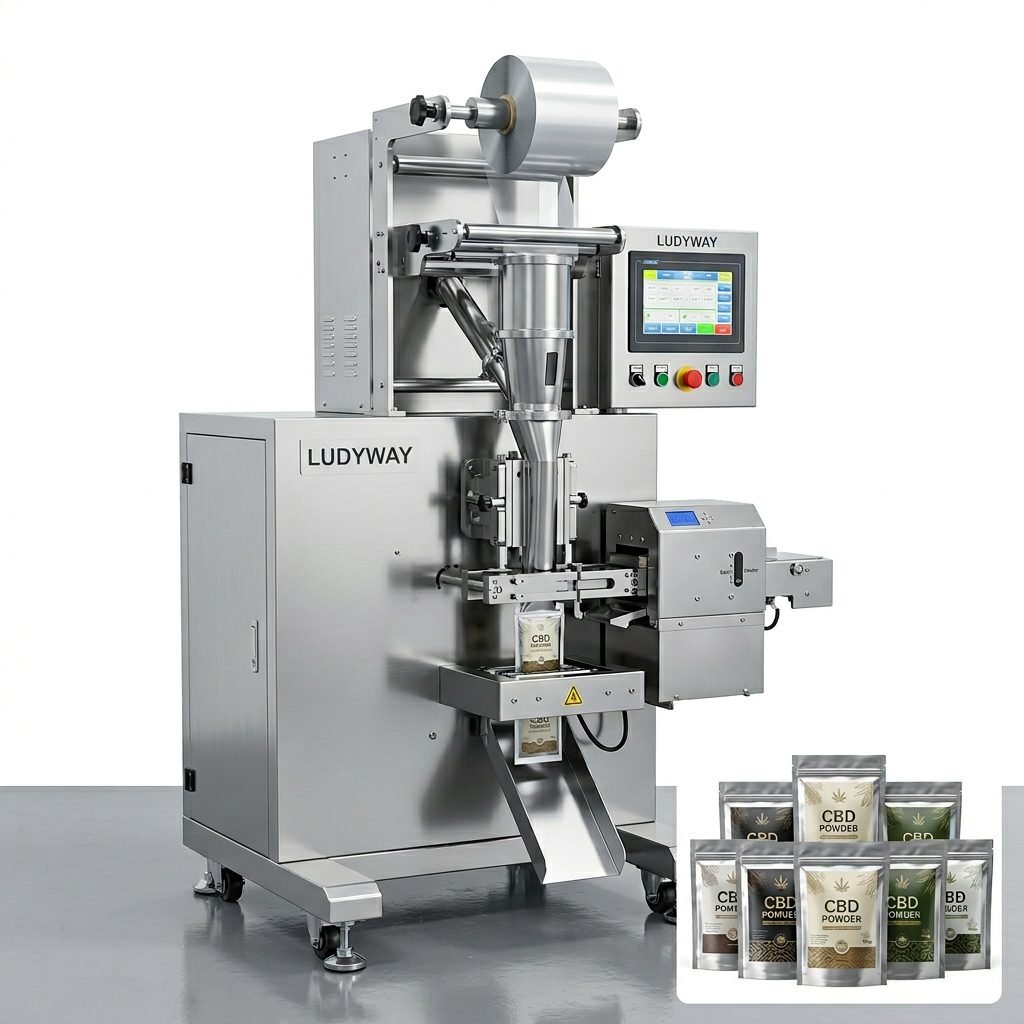
While some multi-purpose machines can accommodate both product types, optimal performance usually requires dedicated dosing systems. Dry kibble typically uses volumetric cup fillers or multi-head weighers, while fine powders require auger fillers with agitation to ensure consistent density. Machines that switch between product types need thorough cleaning protocols to prevent cross-contamination.
What after-sales support should I expect in North America?
Reputable suppliers should offer remote diagnostic support, local spare parts availability, and on-site service technician access within North America. Clarify warranty terms, service-level agreements, and response times before finalizing your purchase.
How important is film waste reduction in packaging machinery?
Film waste directly impacts your operational costs. Precision-indexing servo-driven machines can reduce film waste by 3-7% compared to older pneumatic or clutch-brake systems. For high-volume operations, this translates to significant annual savings in packaging material expenditure.
Final Considerations for Your Investment
Purchasing an animal food packaging machine in North America is a strategic investment that affects product quality, operational efficiency, and brand reputation. By thoroughly evaluating product characteristics, production requirements, regulatory obligations, and supplier capabilities, manufacturers can select equipment that delivers reliable performance over a 10 to 15-year service life.
The Packaging Machinery Manufacturers Institute (PMMI) and the Flexible Packaging Association (FPA) provide ongoing resources for manufacturers navigating packaging equipment investments. Additionally, consulting the U.S. EPA’s sustainable materials management guidelines can help align packaging choices with environmental objectives that increasingly influence consumer purchasing decisions in the North American market.
As the animal food sector continues to grow and diversify, the right packaging machinery partnership becomes a cornerstone of competitive advantage. Take time to evaluate options thoroughly, visit supplier facilities when possible, and prioritize equipment that balances current needs with future scalability.