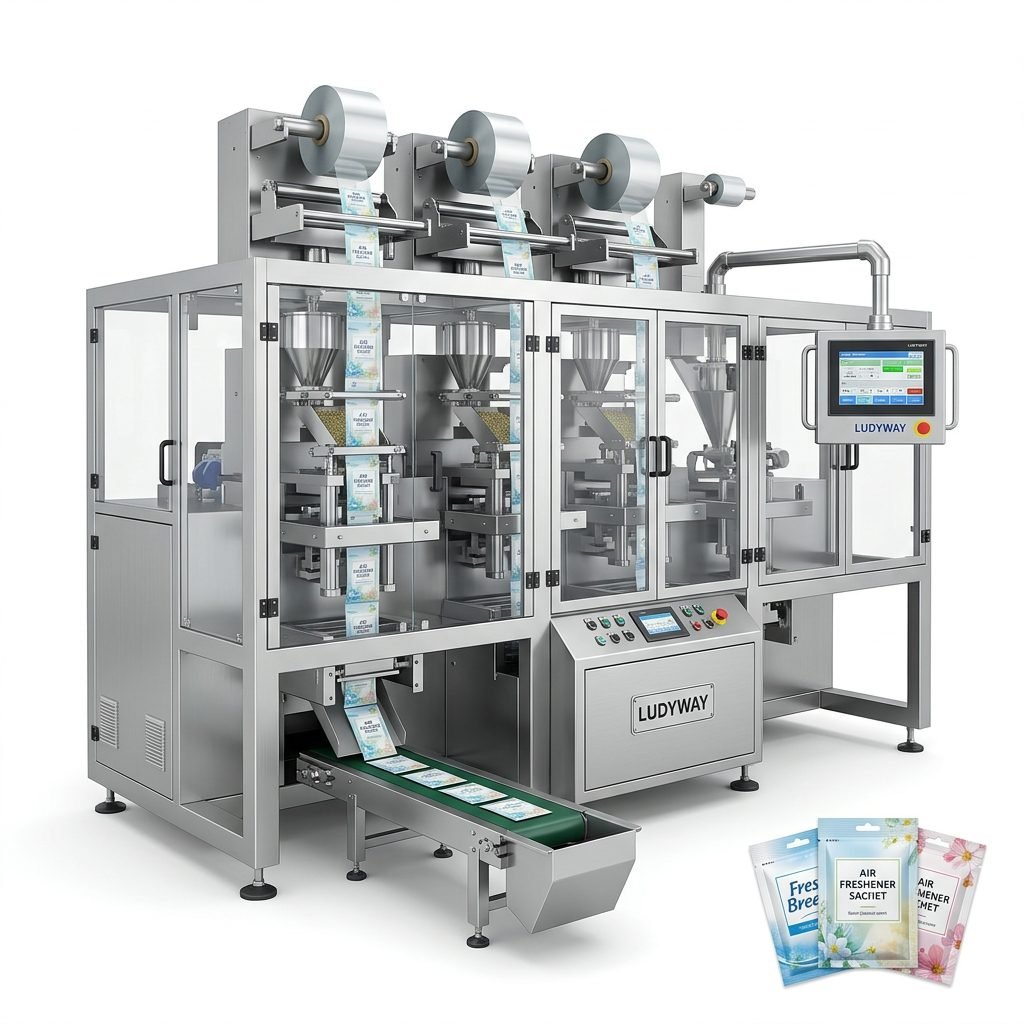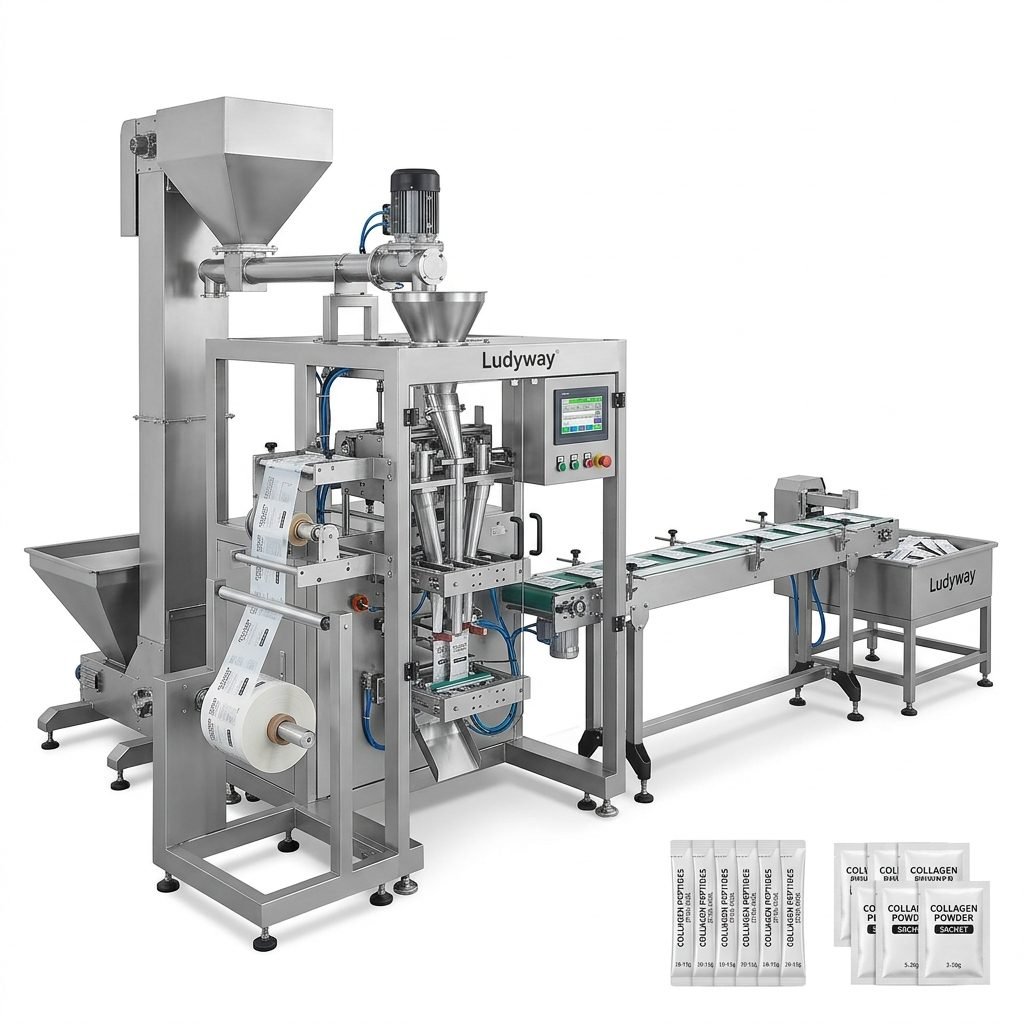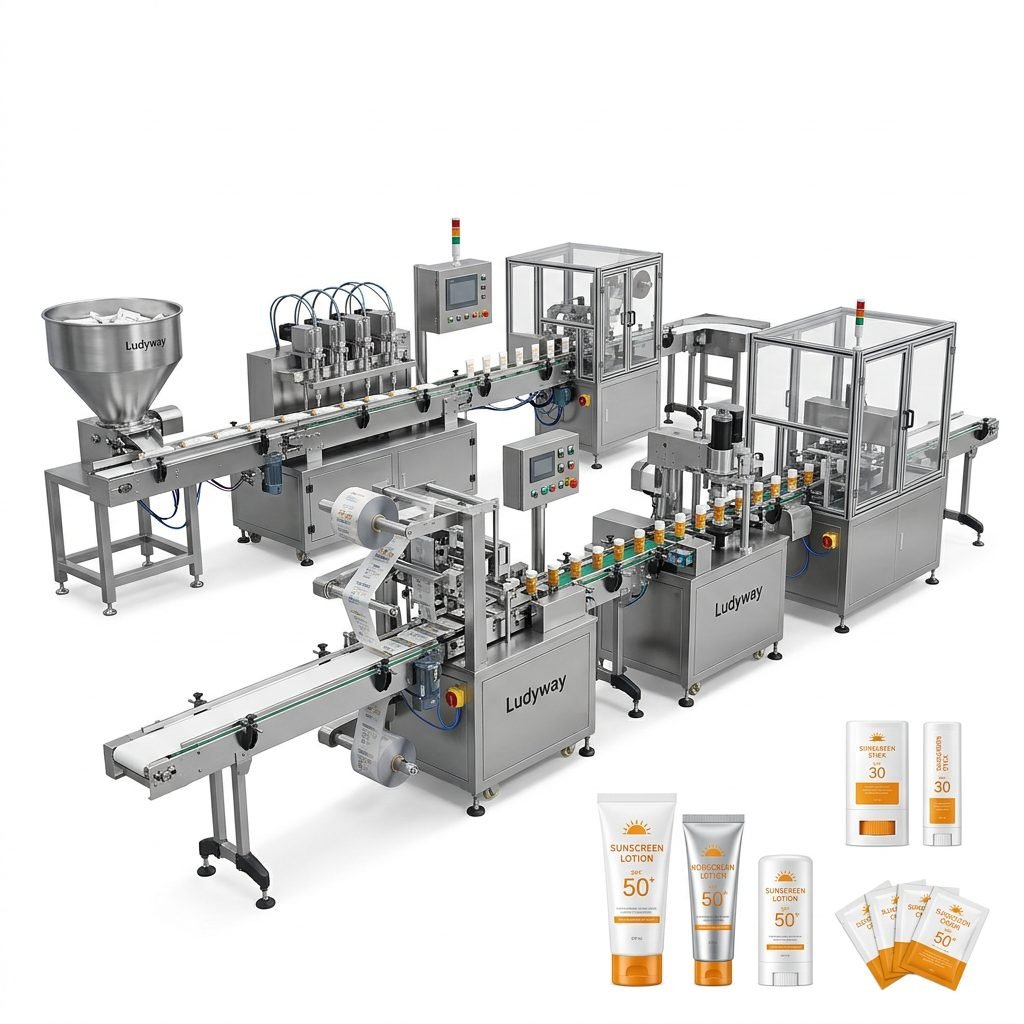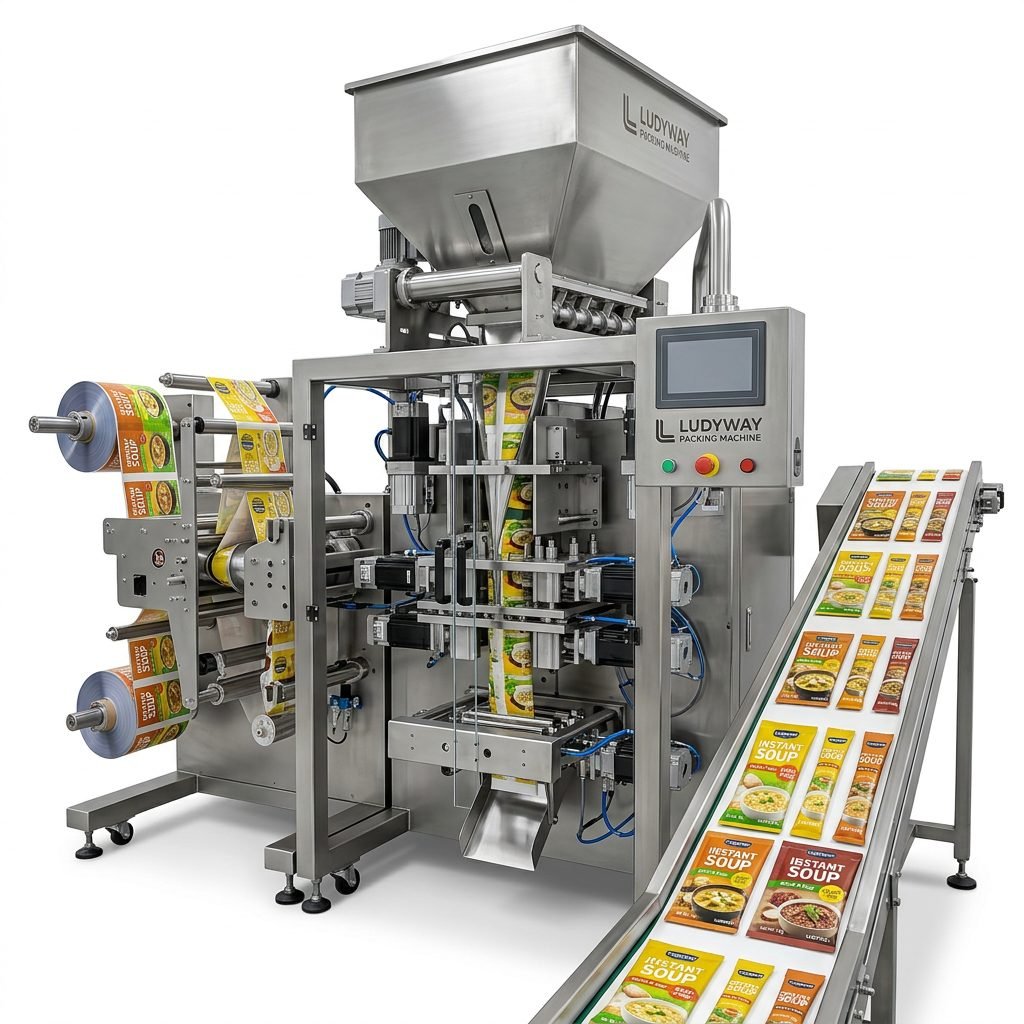
The African sauce market is experiencing unprecedented growth, driven by rapid urbanization, changing consumer preferences, and a booming food processing industry. From chili sauces and tomato ketchup to soy sauce and local condiments, the demand for packaged sauces across the continent is soaring. Setting up a sauce packaging machine production line in Africa requires careful planning, from understanding local market dynamics to selecting the right equipment and ensuring compliance with regional standards. This comprehensive guide walks you through every critical step.
Understanding the African Sauce Market Landscape
Africa’s packaged food sector is projected to grow at a compound annual growth rate (CAGR) of over 8% through 2030. The sauce segment—encompassing tomato-based sauces, chili condiments, soy sauce, salad dressings, and traditional African pepper sauces—represents a significant portion of this expansion. Countries such as Nigeria, Kenya, South Africa, Ghana, and Ethiopia are leading the demand surge, fueled by a rising middle class and increased retail penetration. Understanding regional taste preferences, packaging formats, and price sensitivity is essential before investing in a production line.
Key Considerations Before Setting Up Your Sauce Packaging Line
Before purchasing any machinery, conduct a thorough feasibility analysis covering the following areas:
- Market Demand Assessment: Identify target consumers—street food vendors, retail supermarkets, hotels, or export markets. Each segment requires different packaging formats and volumes.
- Regulatory Compliance: Familiarize yourself with food safety regulations in your target country. Many African nations follow FDA food packaging standards or Codex Alimentarius guidelines. Product labeling, ingredient disclosure, and packaging material safety are critical.
- Infrastructure Assessment: Evaluate electricity stability, water supply quality, and facility space. Packaging machinery requires consistent power; voltage fluctuations can damage sensitive electronic components.
- Supply Chain Logistics: Ensure reliable access to packaging materials—laminated films, sachet rolls, bottles, caps, and cartons. Import dependency can affect production timelines and costs.
Core Components of a Sauce Packaging Production Line
A fully integrated sauce packaging production line typically consists of multiple interconnected systems. Understanding each component helps in making informed procurement decisions:
| Component | Function | Key Specifications |
|---|---|---|
| Liquid Mixing & Holding Tank | Homogenizes sauce ingredients before filling | Stainless steel 304/316L, capacity: 500L–5000L |
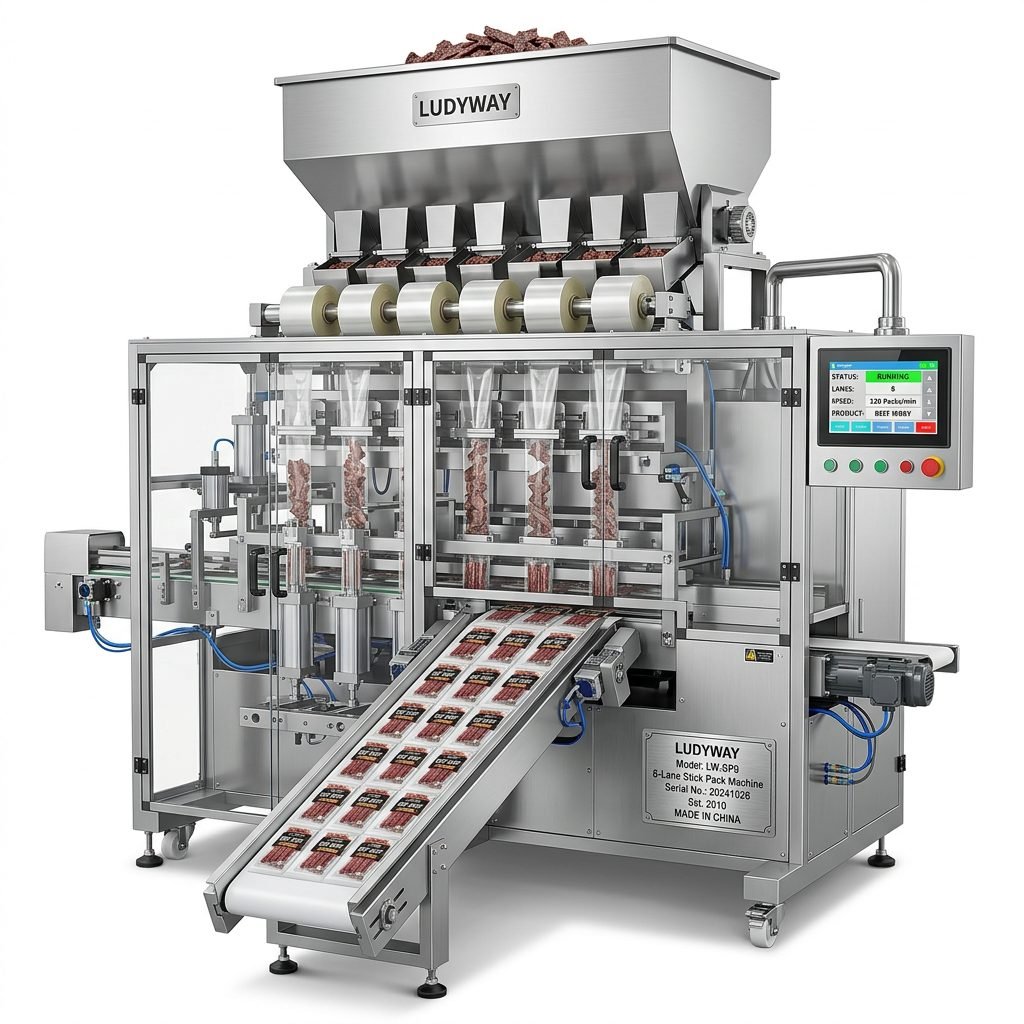
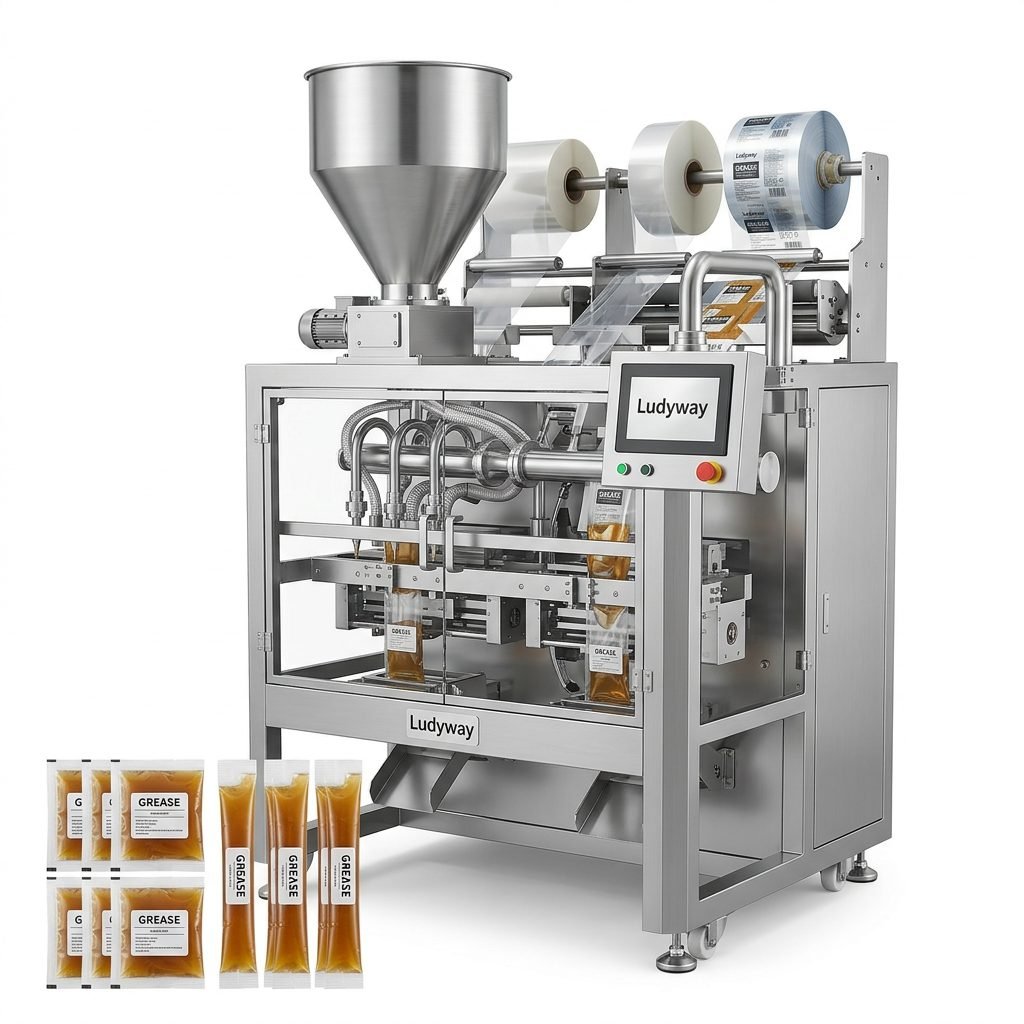
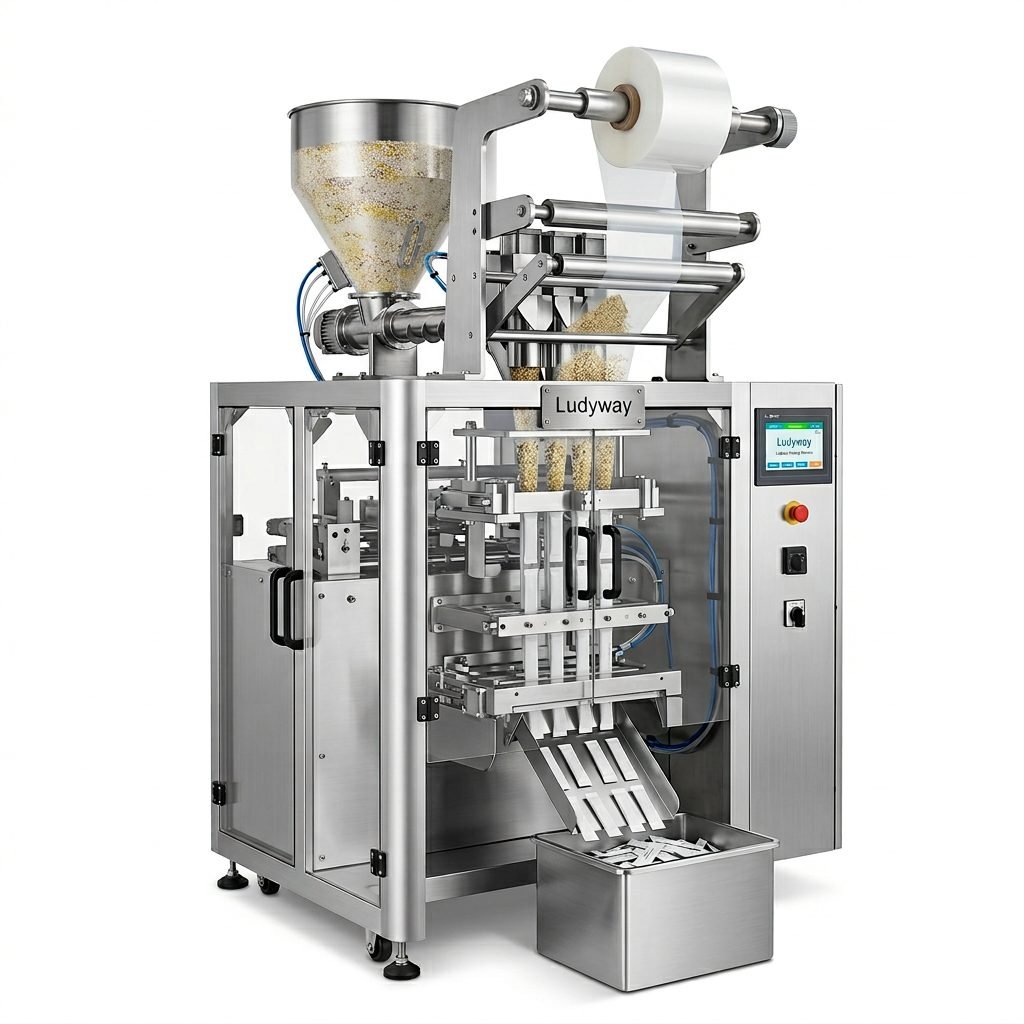
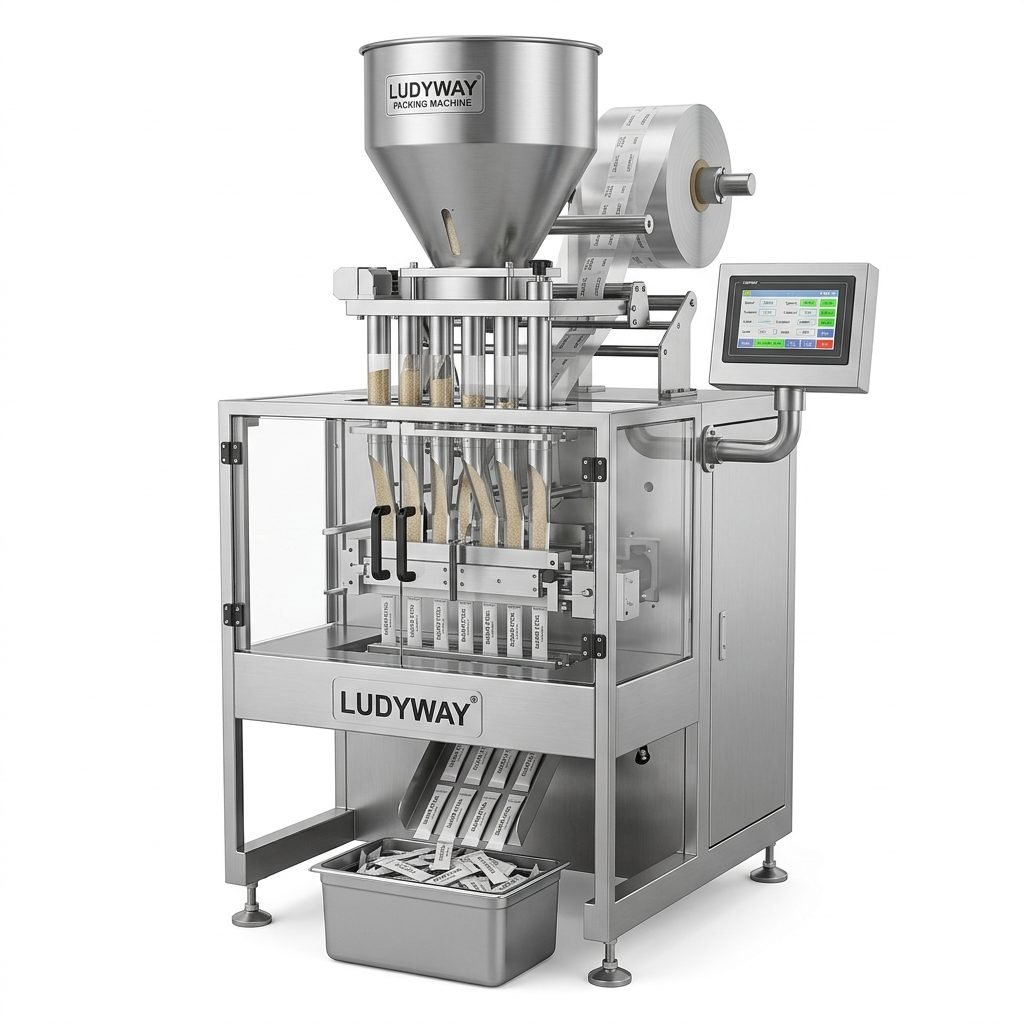
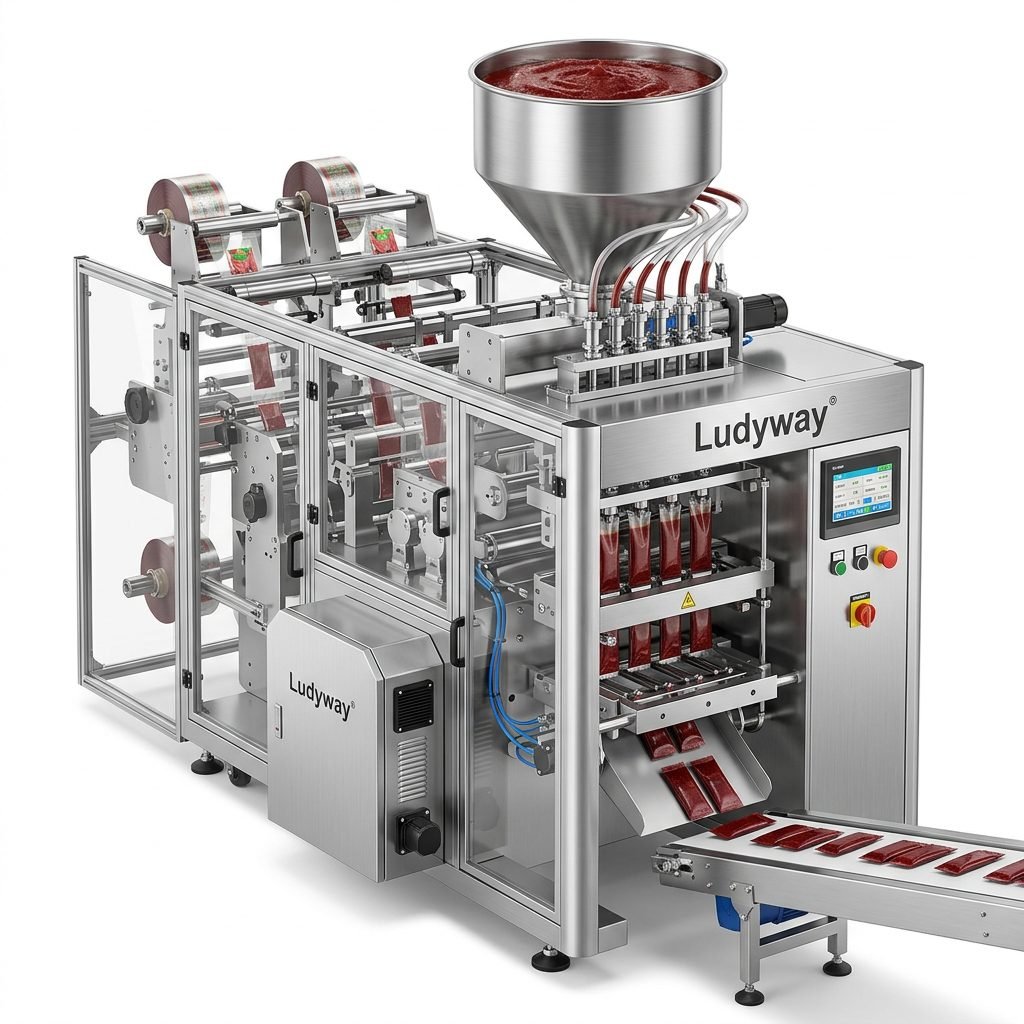
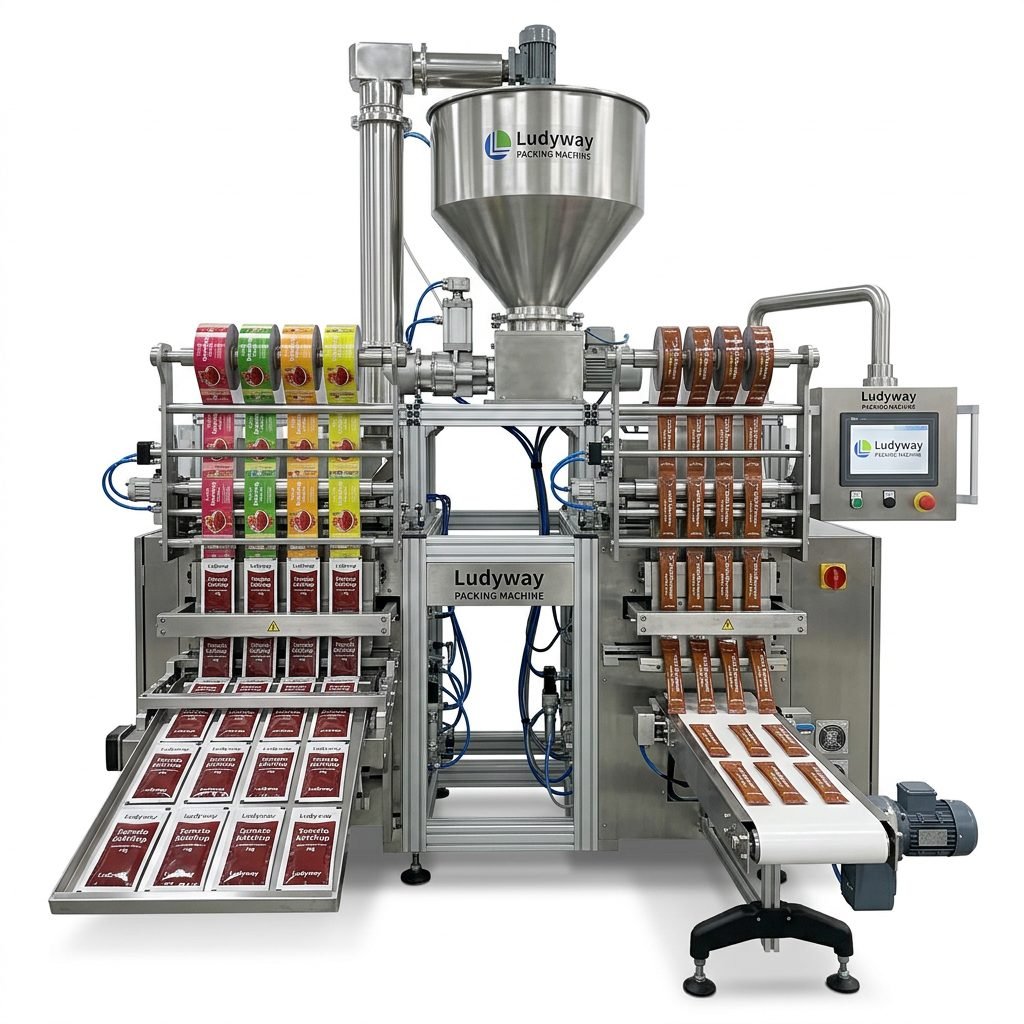
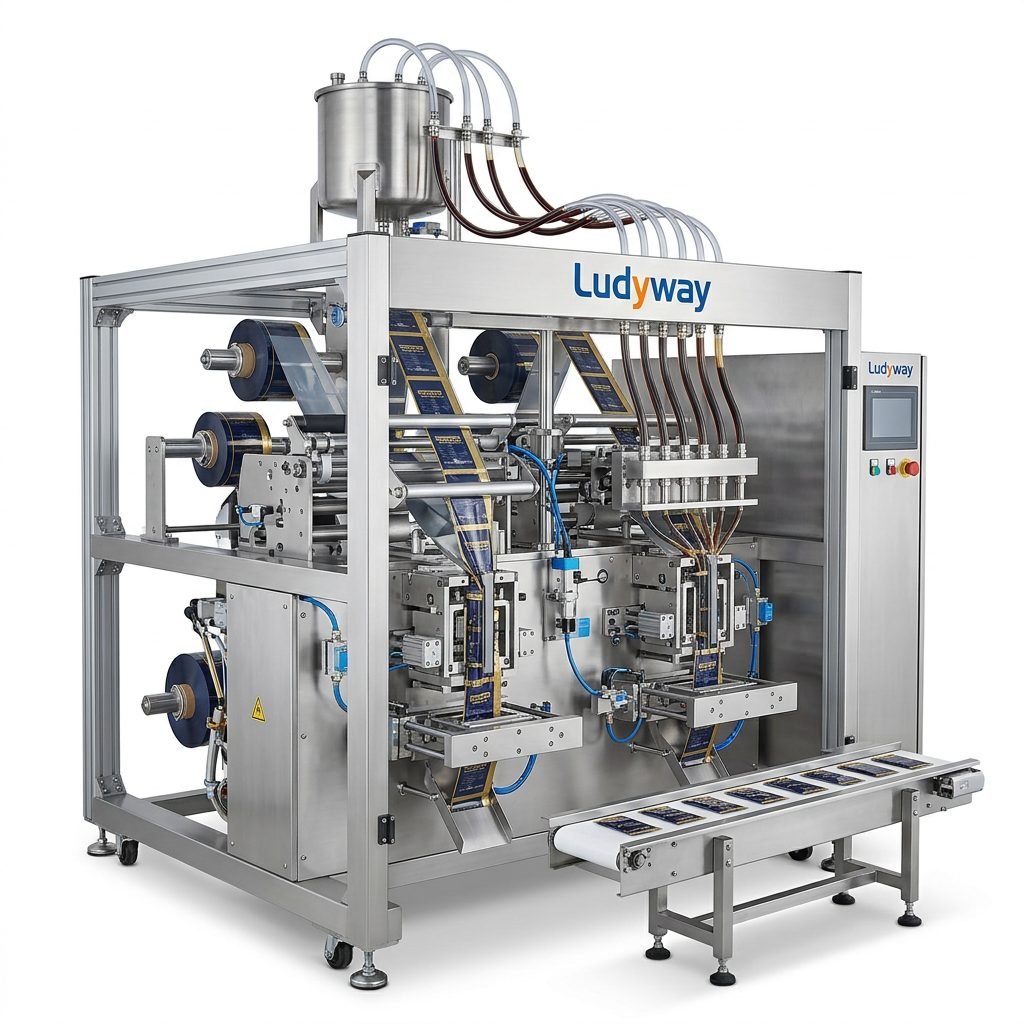
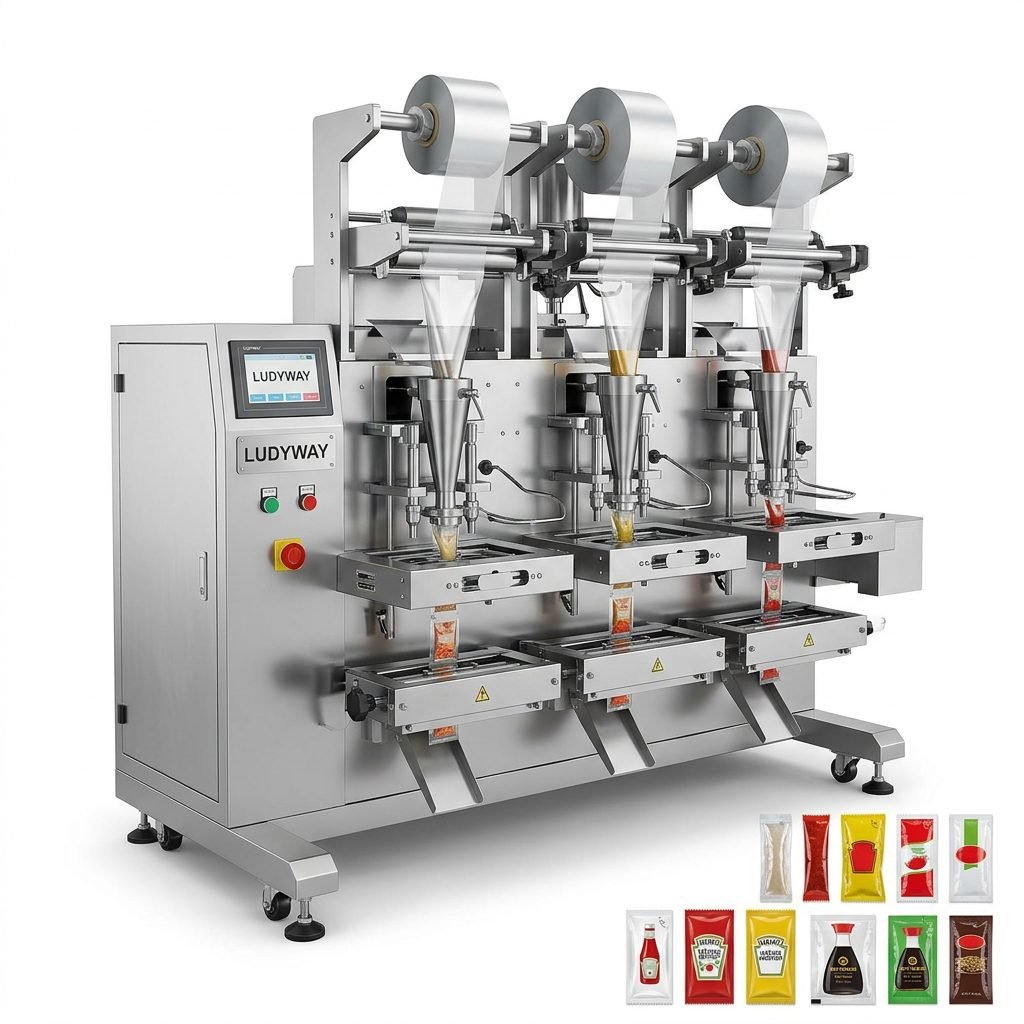
| Multi-Lane Sachet Packaging Machine | Forms, fills, and seals sachets or stick packs at high speed | 4–16 lanes, speed: 200–800 packs/min |
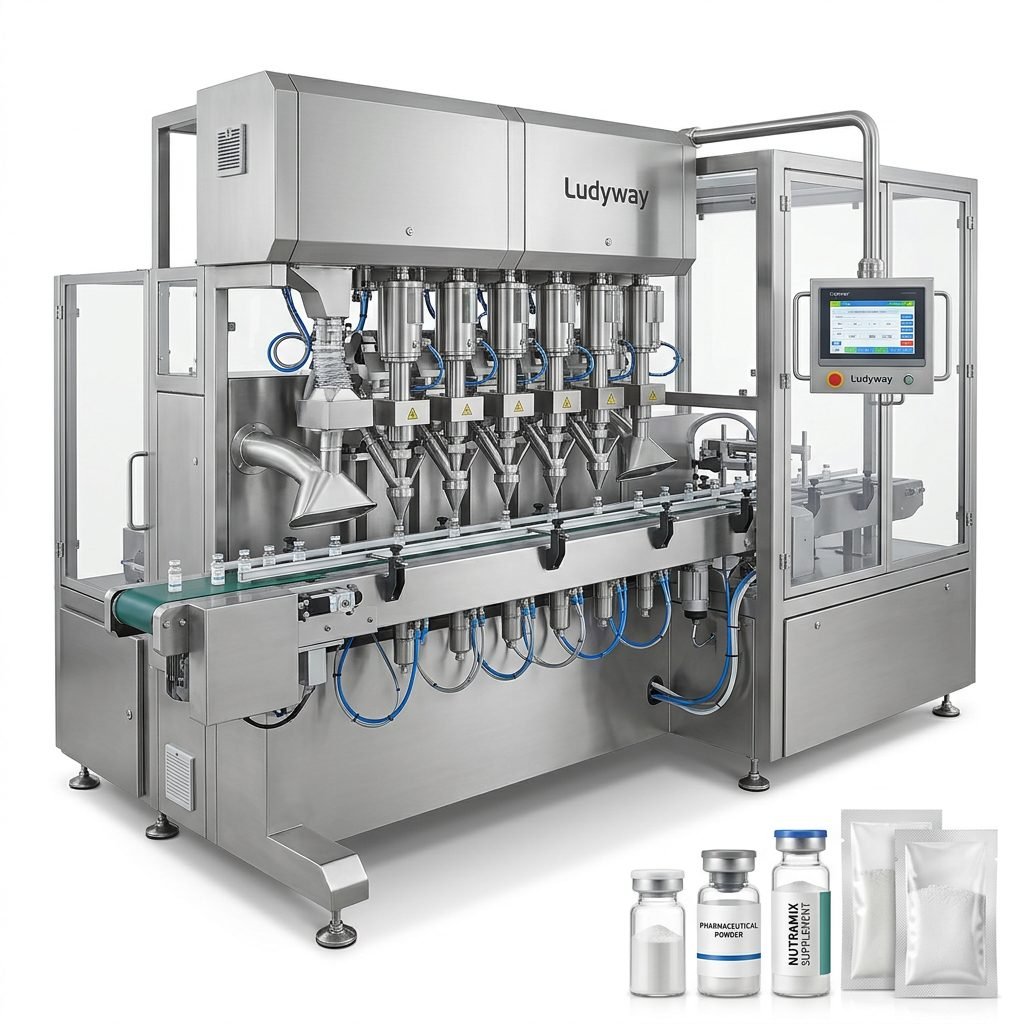
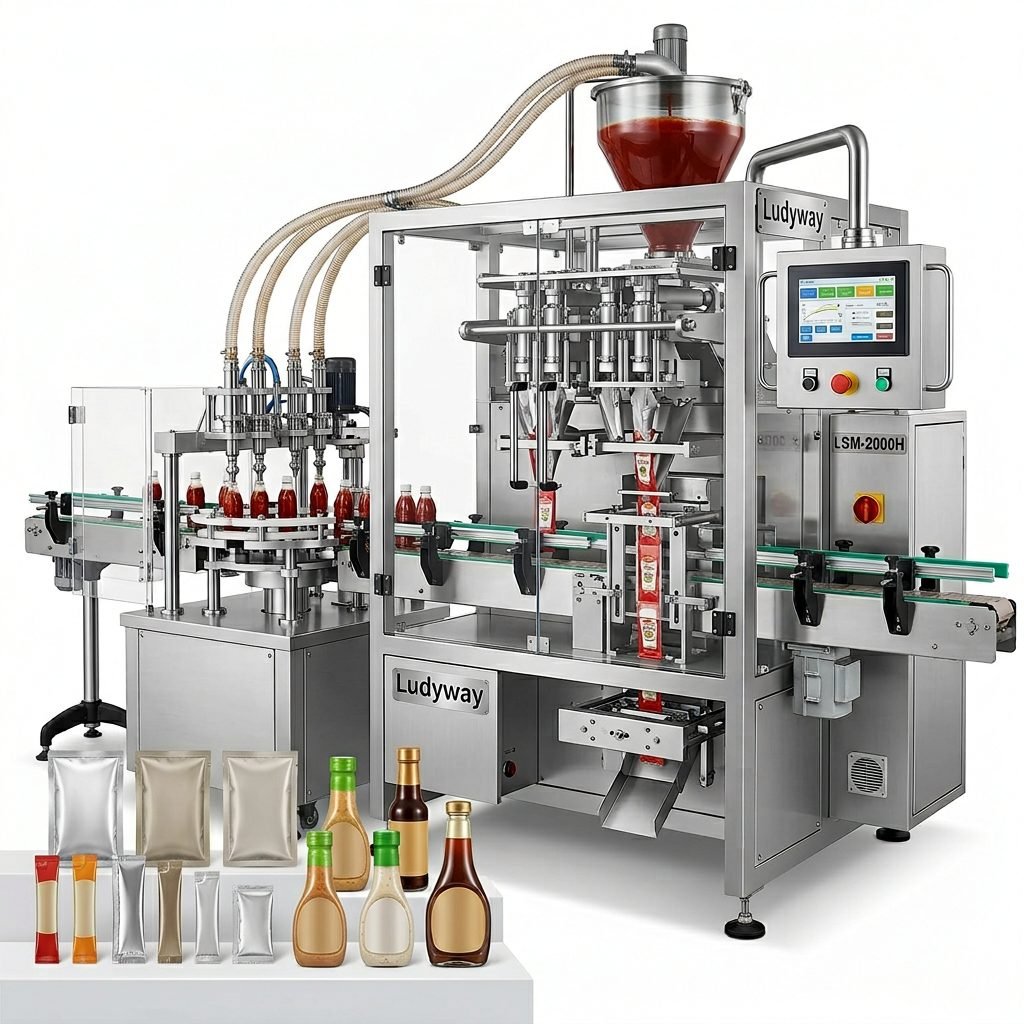
| Liquid Filling System | Precision dosing for consistent fill volumes | Piston pump or peristaltic, accuracy: ±0.5% |
| Bottle Filling & Capping Line | Fills bottles and applies caps for retail-ready products | Speed: 30–120 bottles/min, multi-head configuration |
| Labeling & Coding Machine | Applies labels and prints batch codes, expiry dates | Thermal inkjet or laser, resolution: 300 DPI+ |
| Cartoning & Case Packing | Packs finished sachets or bottles into cartons for distribution | Adjustable carton sizes, speed: 5–20 cartons/min |
Step-by-Step Guide to Setting Up Your Production Line
Step 1: Define Your Product Portfolio and Packaging Formats
Determine which sauces you will produce and in what packaging formats. Common options include single-serve sachets (3ml–10ml), stick packs (5ml–25ml), pillow pouches (50ml–500ml), and PET/glass bottles (200ml–1000ml). Each format requires different machine configurations. Sachets and stick packs dominate the African market due to their affordability and convenience, especially for low-income consumers.
Step 2: Select the Appropriate Machinery
Choose equipment based on your production capacity targets. For a startup or medium-scale operation producing 10,000–50,000 sachets per day, a 4–8 lane packaging machine is ideal. For larger industrial operations exceeding 100,000 units daily, 12–16 lane systems with automated feeding and cartoning are recommended. Always verify that the machine can handle your sauce’s viscosity, particulate content, and acidity levels.
Step 3: Plan Your Facility Layout
A well-designed facility layout optimizes material flow and minimizes contamination risks. Designate separate zones for raw material storage, mixing and preparation, packaging, quality control laboratory, and finished goods warehousing. Follow ISO packaging standards for food-grade production environments. Ensure adequate drainage, ventilation, and pest control measures are in place.
Step 4: Installation, Commissioning, and Training
Professional installation is critical to avoid costly downtime. A qualified engineering team should handle machine positioning, electrical connections, pneumatic setups, and conveyor integration. After installation, conduct thorough commissioning tests with your actual sauce formulations. Operator training should cover machine operation, cleaning procedures, basic troubleshooting, and safety protocols.
Step 5: Quality Control and Testing Protocols
Implement a robust quality control system from day one. Key testing parameters include fill weight accuracy, seal integrity, label alignment, and batch code legibility. Invest in a checkweigher and leak detection equipment. Schedule regular calibration of all measurement instruments and maintain detailed quality records for traceability.
Choosing the Right Packaging Materials
Packaging material selection significantly impacts product shelf life, brand perception, and production efficiency. For sauce sachets and stick packs, multi-layer laminated films are the industry standard. Common structures include:
- PET/Aluminum/PE: Excellent barrier properties, ideal for oxygen-sensitive sauces, provides premium appearance.
- PET/Metallized CPP: Cost-effective alternative with good moisture barrier, suitable for general-purpose sauces.
- BOPP/CPP: Transparent, economical option for sauces with shorter shelf life requirements.
- Paper/PE/Aluminum/PE: Used for sustainable packaging initiatives, offers moderate barrier protection with eco-friendly appeal.
Source materials from suppliers who comply with flexible packaging industry standards. If importing materials into Africa, factor in lead times of 4–8 weeks and maintain adequate safety stock levels.
Cost Analysis and ROI Projections
| Cost Category | Estimated Range (USD) | Notes |
|---|---|---|
| Multi-Lane Sachet Machine (8-lane) | $25,000 – $65,000 | Depends on speed, features, and automation level |
| Mixing & Holding Tanks | $5,000 – $20,000 | Stainless steel, food-grade construction |
| Bottle Filling Line | $15,000 – $45,000 | Includes capping and labeling modules |
| Cartoning Machine | $8,000 – $25,000 | Semi-automatic to fully automatic options |
| Installation & Commissioning | $3,000 – $12,000 | Varies by location and complexity |
| Total Estimated Investment | $56,000 – $167,000 | For a medium-scale complete line |
With efficient operations and strong market demand, most sauce packaging lines in Africa achieve ROI within 18–36 months. The key drivers are high production volumes, consistent product quality, and strategic distribution partnerships.
Common Challenges and How to Overcome Them
- Power Instability: Install voltage stabilizers and backup generators. Consider machines with wide voltage tolerance ranges (220V ±15%). Unplanned downtime from power fluctuations can severely impact production schedules.
- Skilled Labor Shortage: Partner with equipment suppliers that offer comprehensive on-site training programs. Develop standard operating procedures (SOPs) with visual guides. Consider hiring experienced technicians from regions with established packaging industries.
- Spare Parts Availability: Maintain a critical spare parts inventory including heating elements, sealing jaws, belts, and sensors. Establish relationships with local industrial suppliers and confirm that your machinery manufacturer can ship parts via express courier to your location.
- Humidity and Corrosion: African tropical climates accelerate equipment corrosion. Specify stainless steel construction for all product-contact surfaces and ensure proper facility climate control. Regular preventive maintenance is essential.
- Packaging Waste Management: As environmental awareness grows, consider sustainable packaging practices. Some African countries are introducing extended producer responsibility (EPR) regulations that affect packaging waste handling.
Selecting a Reliable Equipment Partner
Choosing the right machinery supplier is perhaps the most critical decision in setting up your sauce packaging line. Look for manufacturers with proven experience in African markets, comprehensive after-sales support, and a track record of successful installations. Leading suppliers like Ludyway offer turnkey solutions that include equipment manufacturing, installation supervision, operator training, and ongoing technical assistance—simplifying the entire setup process for African entrepreneurs. For more information on industry trends and machinery standards, the PMMI State of the Industry report provides valuable benchmark data on packaging machinery markets globally.
Maintenance Best Practices for Long-Term Reliability
A well-maintained sauce packaging line can operate efficiently for 10–15 years or longer. Implement these maintenance practices:
- Daily: Clean all product-contact surfaces, inspect seals for wear, check fill accuracy, lubricate moving parts as specified by the manufacturer.
- Weekly: Inspect electrical connections, verify sensor calibrations, clean filters and cooling fans, check pneumatic system for leaks.
- Monthly: Perform comprehensive preventive maintenance including belt tension checks, gearbox oil inspection, and control system diagnostics.
- Quarterly: Replace worn parts proactively, conduct full system calibration, review production data for efficiency trends, and update maintenance logs.
- Annually: Schedule a professional service visit for thorough inspection, major component overhaul if needed, and control software updates.
Future Trends in African Sauce Packaging
The African sauce packaging industry is evolving rapidly. Key trends to watch include the shift toward smaller, affordable sachet formats targeting price-sensitive consumers, growing demand for premium glass-bottled sauces in urban retail channels, increasing adoption of smart packaging technologies such as QR codes for product authentication, and rising interest in biodegradable packaging materials. Staying ahead of these trends positions your production line for long-term success in this dynamic market.
By following this guide and investing in quality equipment, proper training, and robust processes, your sauce packaging production line in Africa can achieve operational excellence and capture a significant share of this growing market. The opportunity is substantial—success depends on thorough preparation and strategic execution.