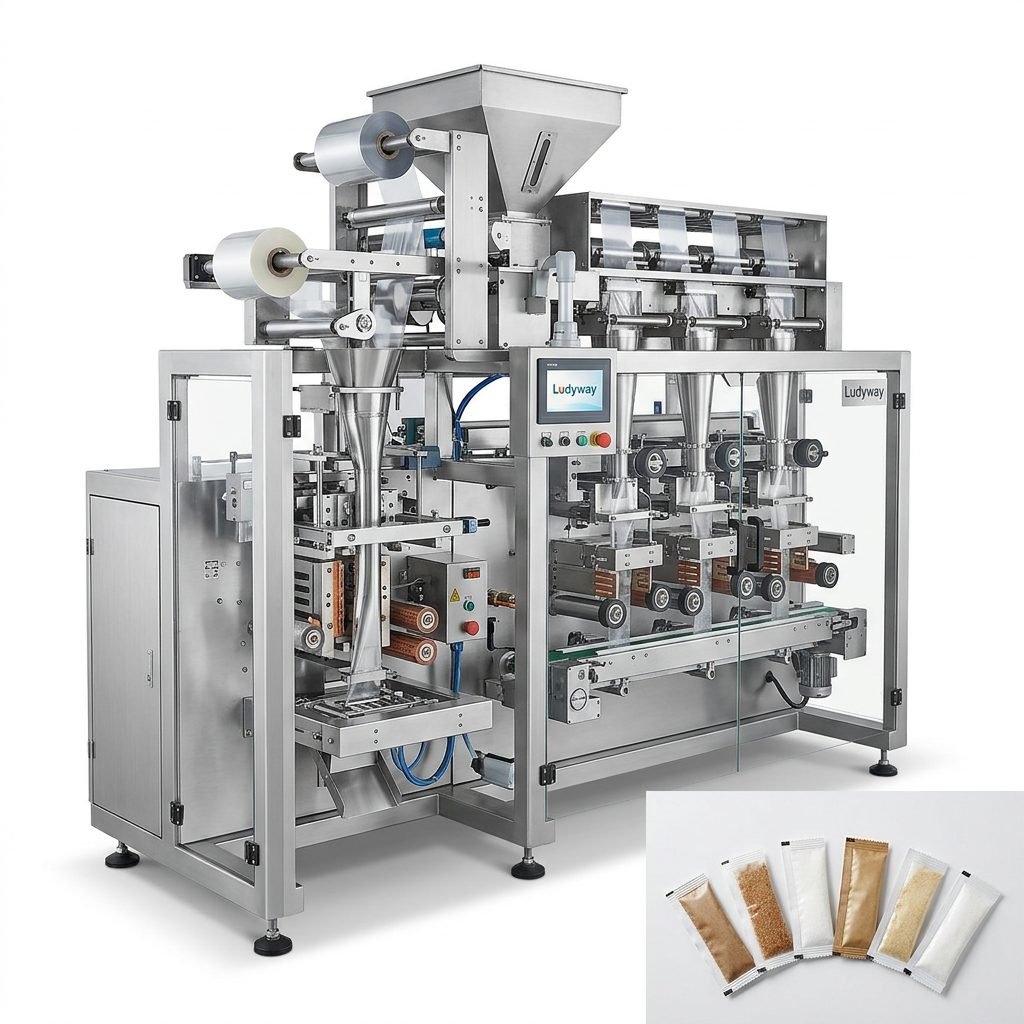
Setting up a packaging machine production line is a critical investment for manufacturers in the food, pharmaceutical, chemical, and health industries. A well-planned production line can significantly boost efficiency, reduce downtime, and improve product consistency. This comprehensive guide walks you through the entire process—from initial planning to full-scale operation—so you can make informed decisions at every stage.

Step 1: Define Your Production Goals and Requirements
Before purchasing any equipment, clearly define what you need your packaging line to accomplish. Consider the following factors carefully, as they will determine every subsequent decision:
- Product type: Are you packaging granules, powders, liquids, pastes, or solid items? Each material requires different filling and sealing mechanisms.
- Target output: How many units per hour or per day do you need to produce? This determines whether you need a single-lane or multi-lane system.
- Packaging format: Will you use stick packs, sachets, pouches, bottles, or bulk bags? Your format choice directly impacts machine selection.
- Regulatory compliance: Industries like pharmaceuticals and food require adherence to GMP, FDA, ISO, and other standards. Ensure your equipment meets these requirements.
- Budget and ROI timeline: Determine your capital expenditure budget and expected return on investment period.
Step 2: Select the Right Packaging Machine Type
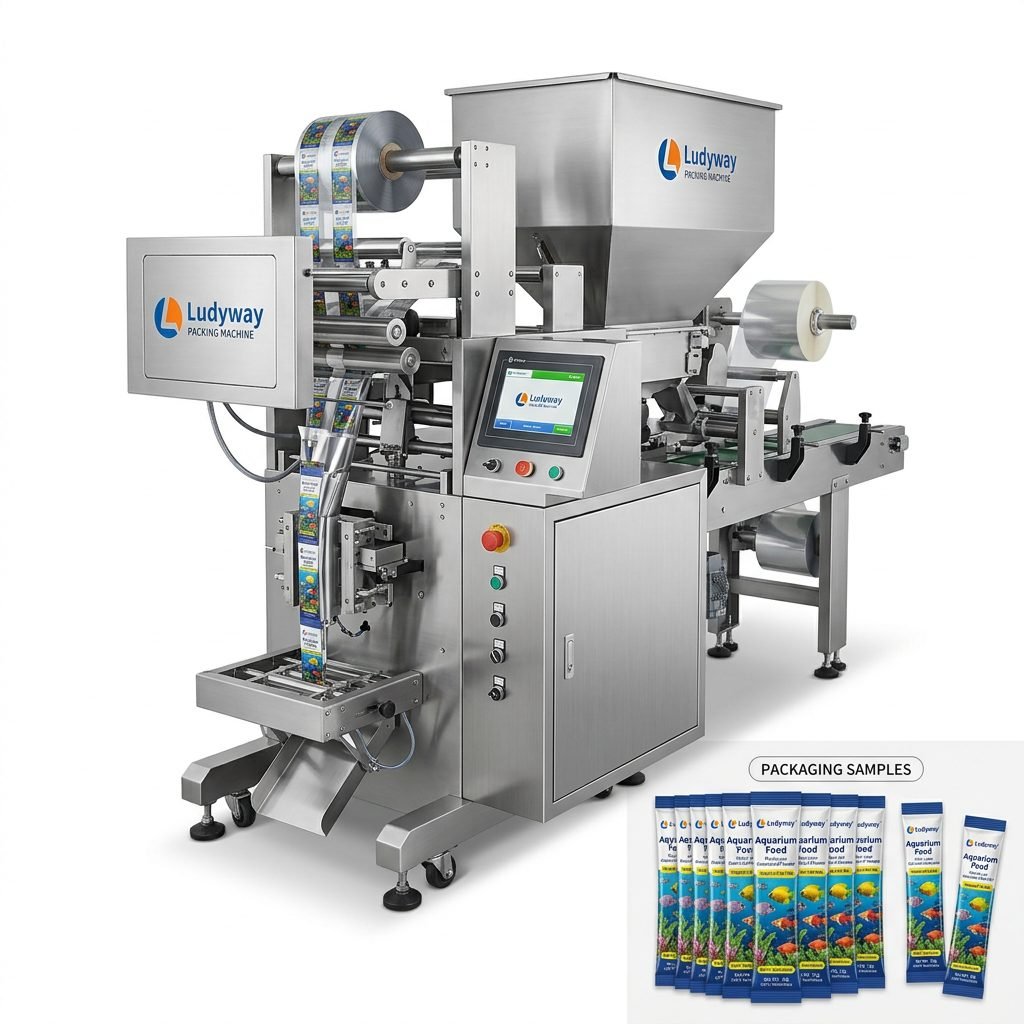
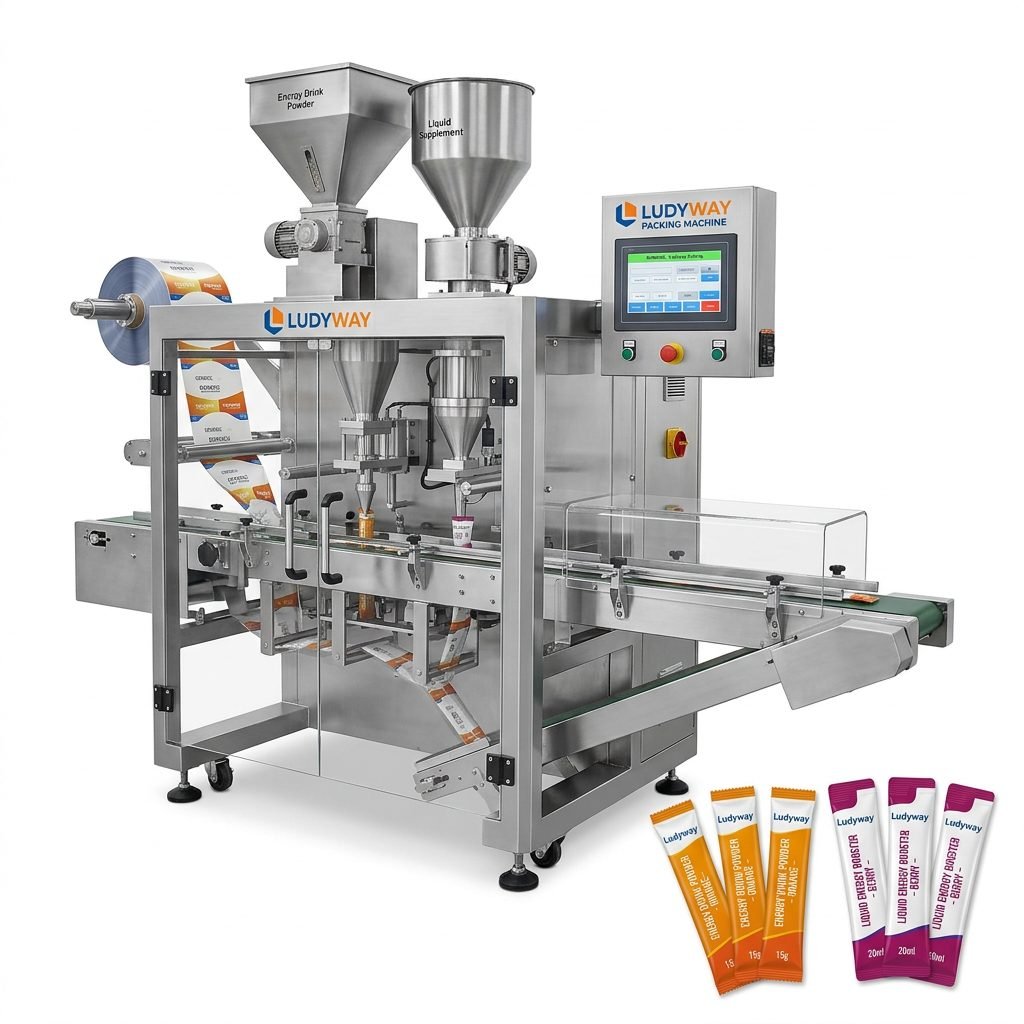
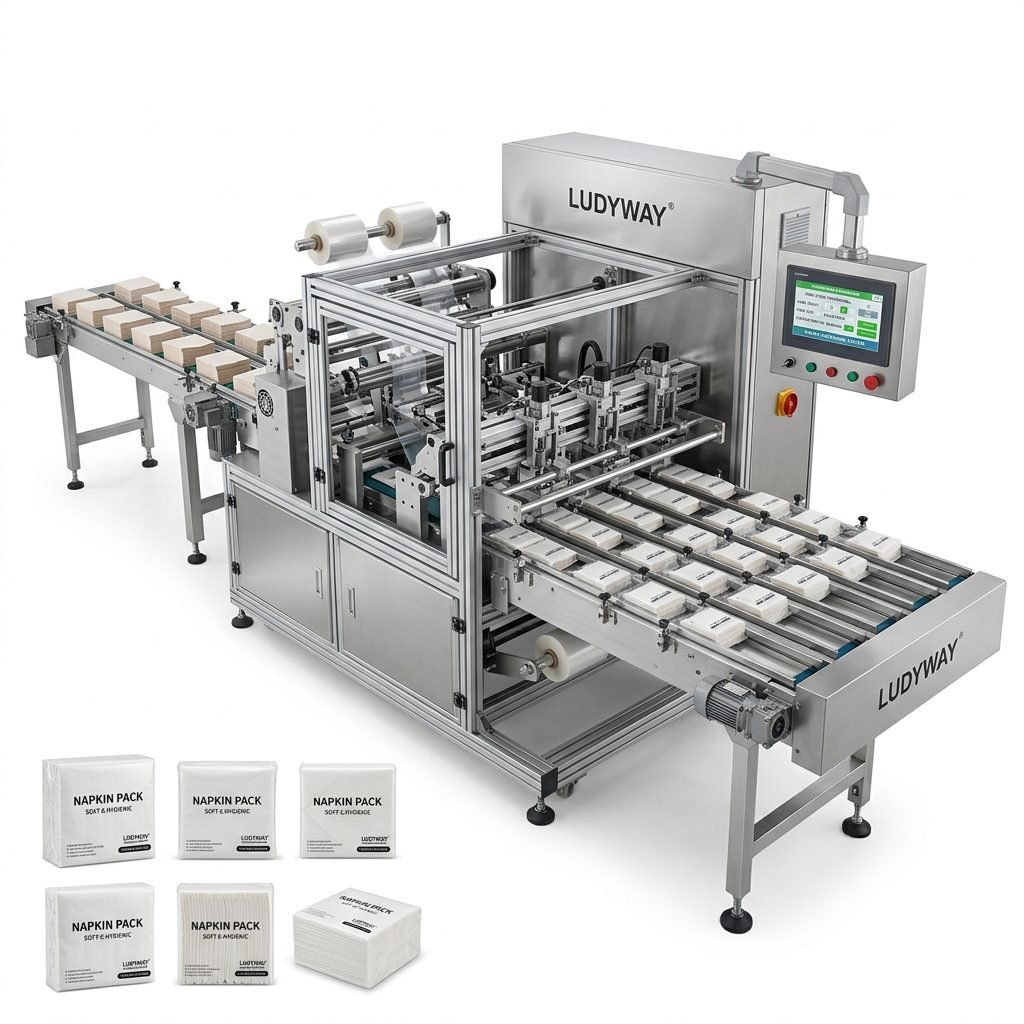
Choosing the correct machine is the cornerstone of your entire production line. Different applications demand different technologies. Below is a comparison of the most common packaging machine types used in modern manufacturing facilities:
| Machine Type | Best For | Packaging Format | Speed Range |
|---|---|---|---|
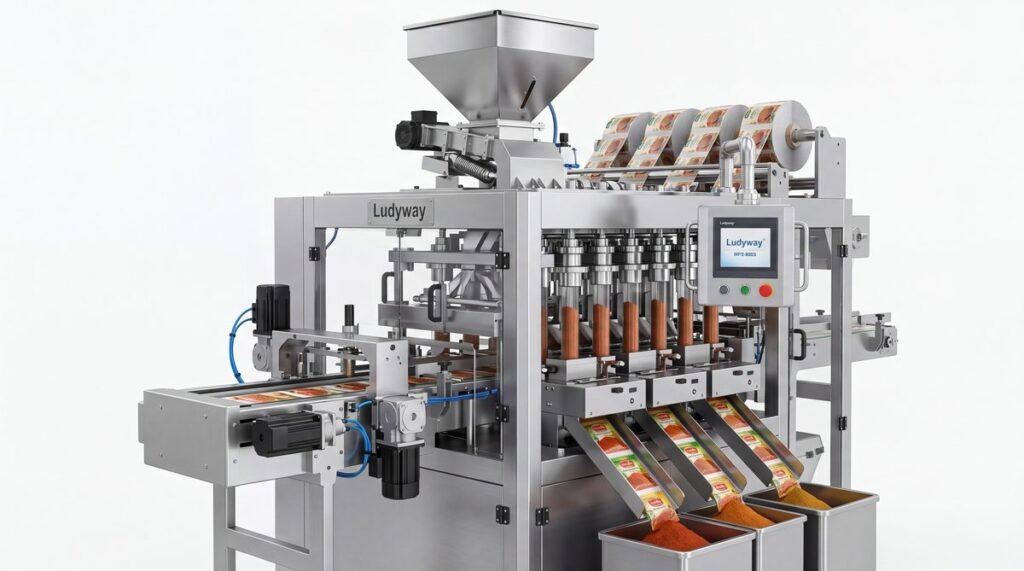
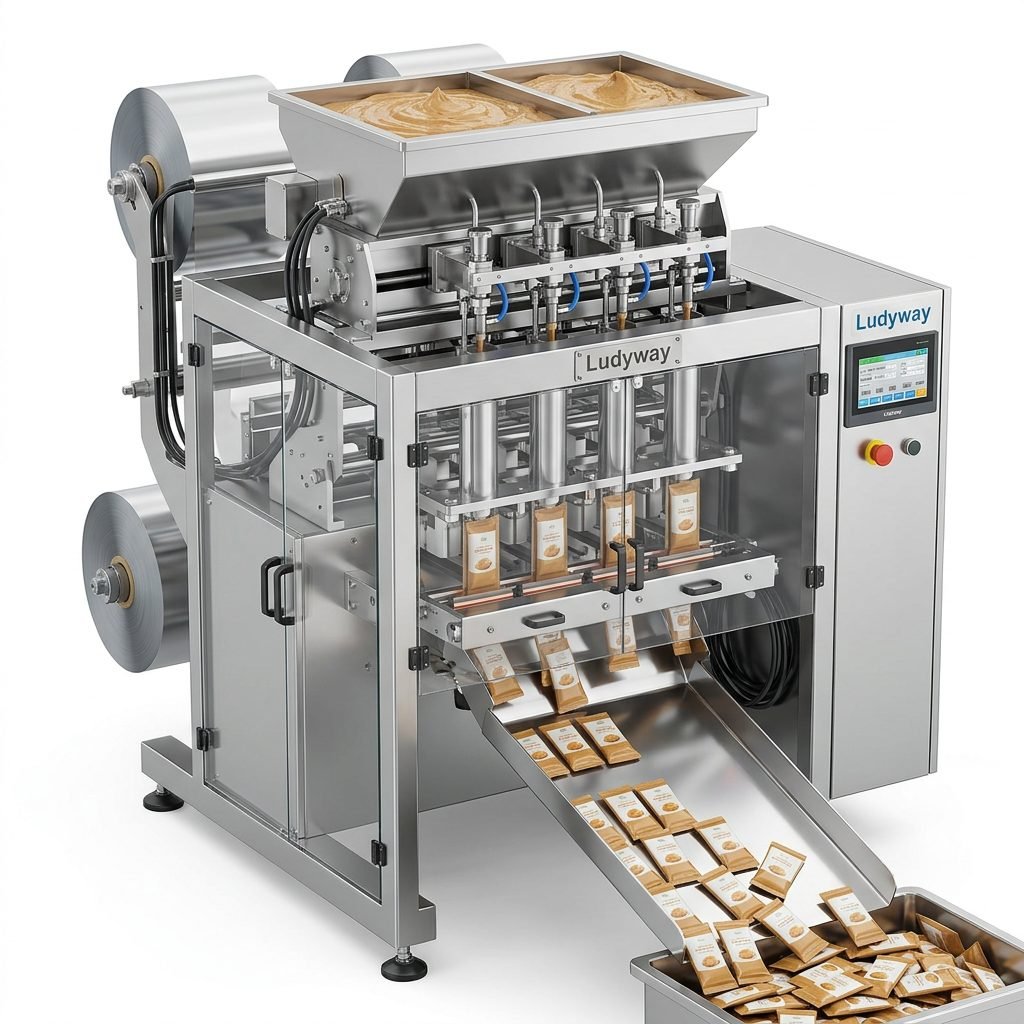
| Multi-Lane Stick Pack Machine | Powders, granules, liquids | Stick packs (4-20 lanes) | 200-1200 packs/min |
| Sachet Packaging Machine | Single-serve portions | 3-side/4-side seal sachets | 60-400 packs/min |
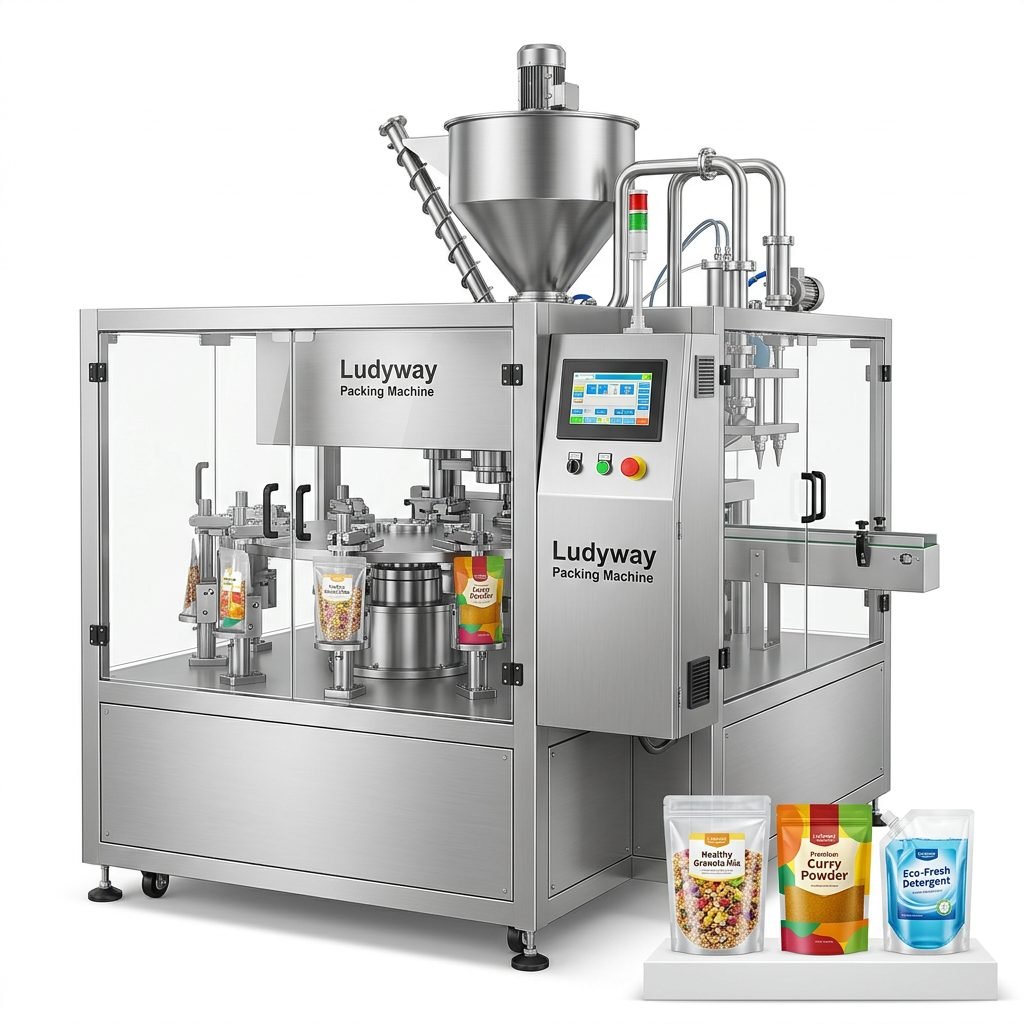
| Pouch Packaging Machine | Larger quantities, stand-up formats | Premade pouches, doypacks | 30-120 pouches/min |
| Liquid Filling & Sealing Machine | Beverages, oils, sauces, chemicals | Sachets, stick packs, bottles | 40-300 units/min |
| Bulk Bagging System | Large-volume industrial packaging | 5kg-50kg bags, jumbo bags | 5-30 bags/min |
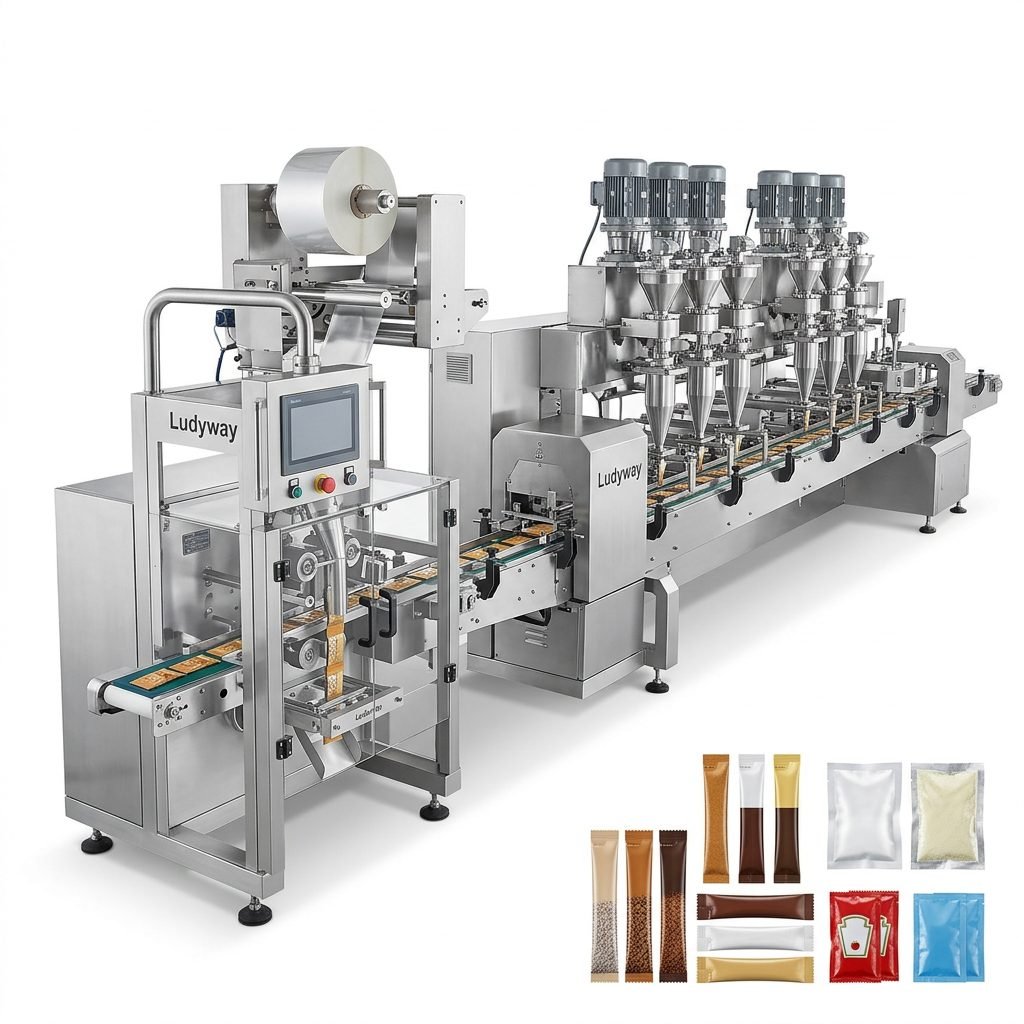
For high-volume production environments, multi-lane packaging systems offer unmatched throughput by running multiple filling lanes simultaneously. These systems are particularly effective for stick pack and sachet formats in the food and pharmaceutical sectors.
Step 3: Plan Your Production Line Layout
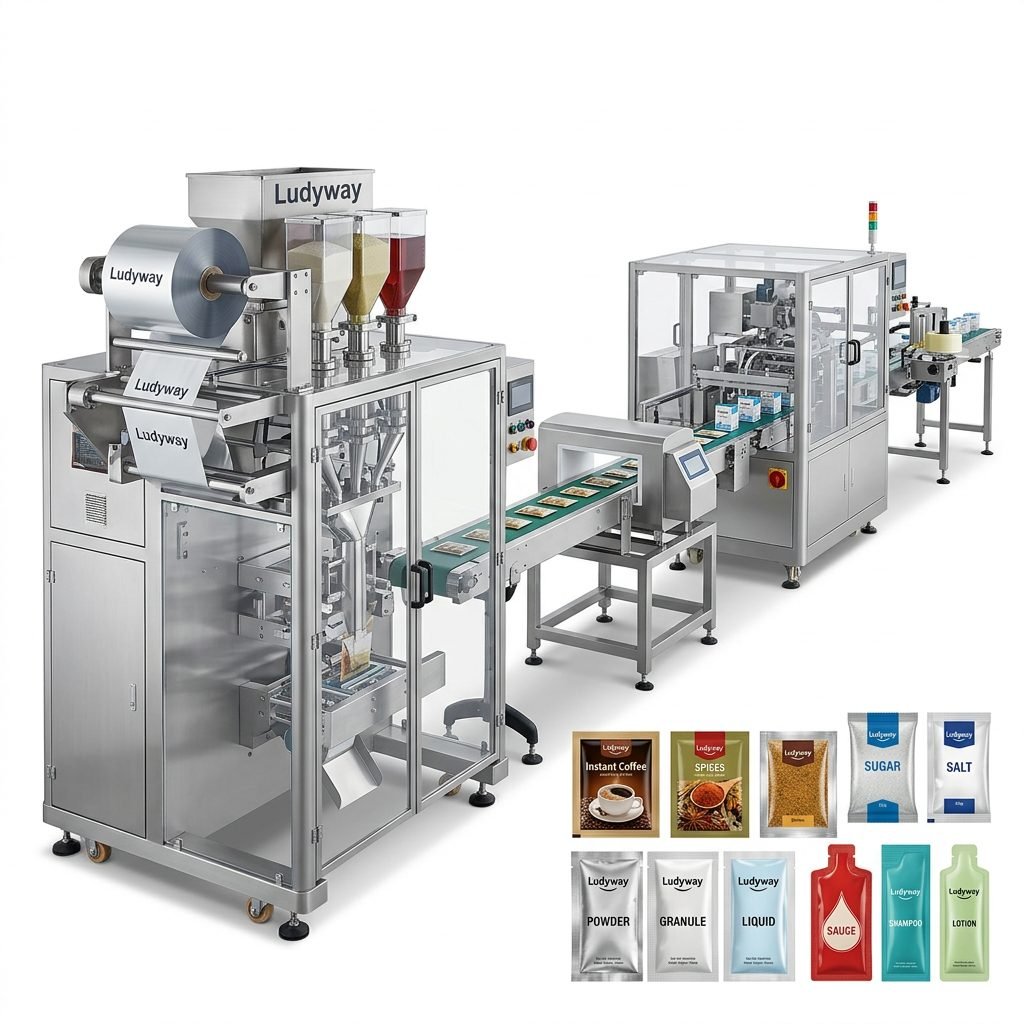
The physical arrangement of your equipment has a direct impact on workflow efficiency, operator safety, and maintenance accessibility. A poorly planned layout can lead to bottlenecks, material handling delays, and increased labor costs. Consider these layout configurations:
- Linear layout: Equipment arranged in a straight line—ideal for long, narrow spaces and sequential processing.
- L-shaped layout: A 90-degree turn configuration that optimizes corner spaces and separates raw material input from finished product output.
- U-shaped layout: Allows operators to manage multiple stations from a central point, improving supervision and reducing walking distance.
When designing your layout, ensure adequate clearance around each machine for maintenance access, material loading, and emergency stops. Conveyor systems should be positioned to minimize product transfer distances while maintaining smooth material flow.
Step 4: Integrate Auxiliary Equipment and Automation Systems
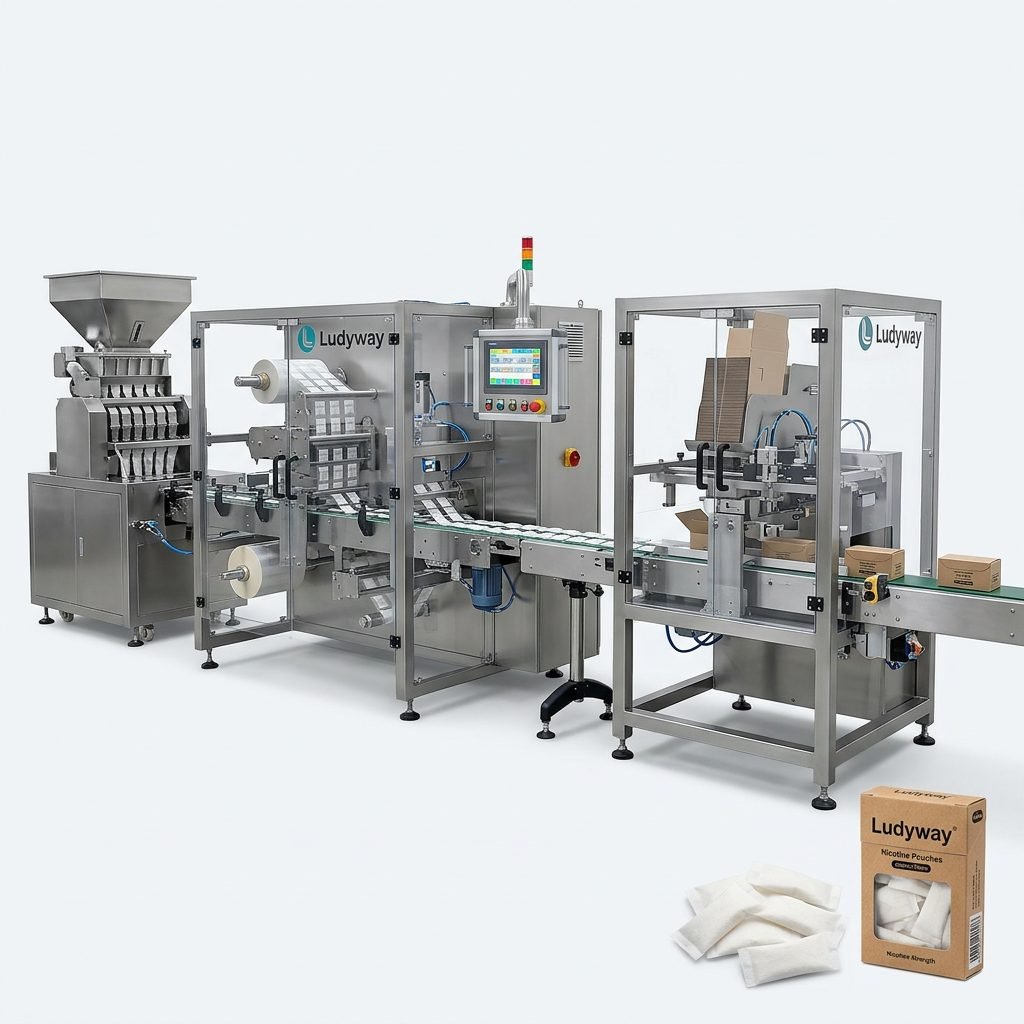
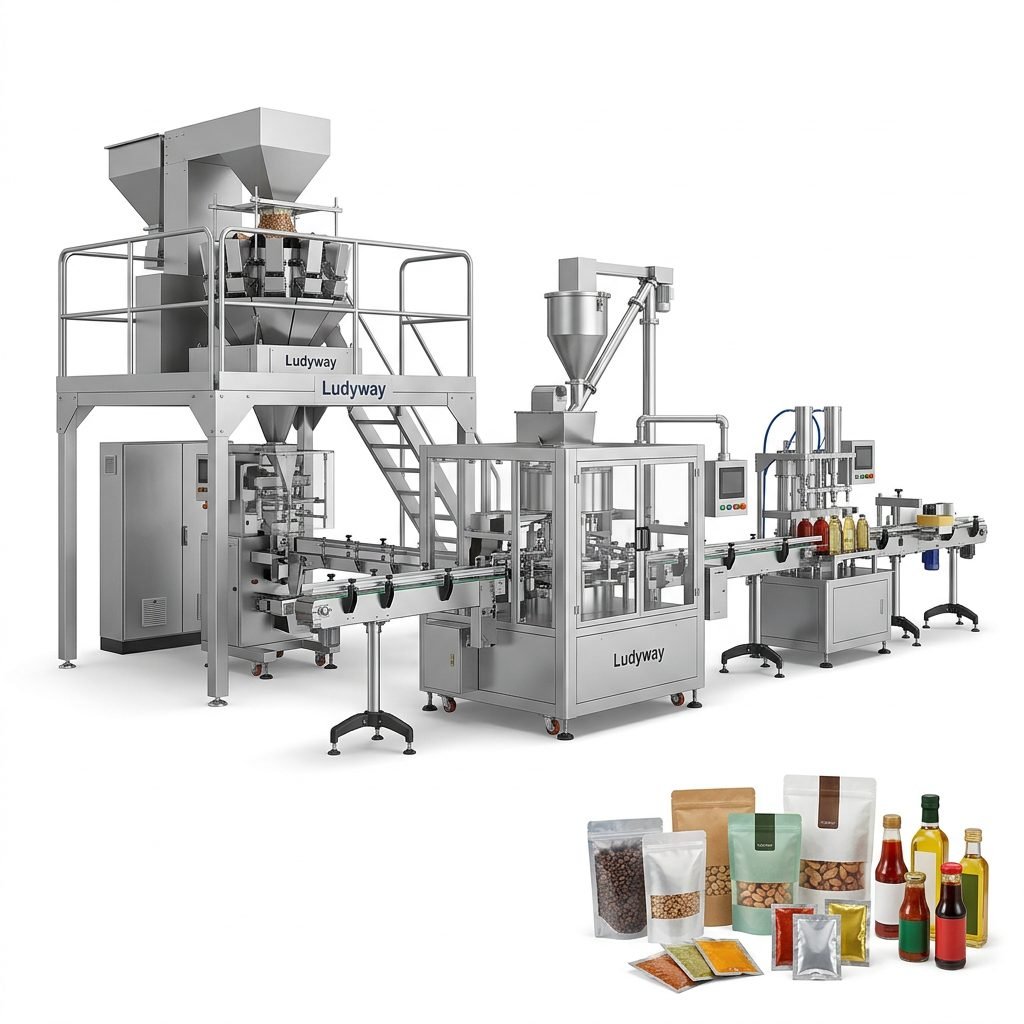
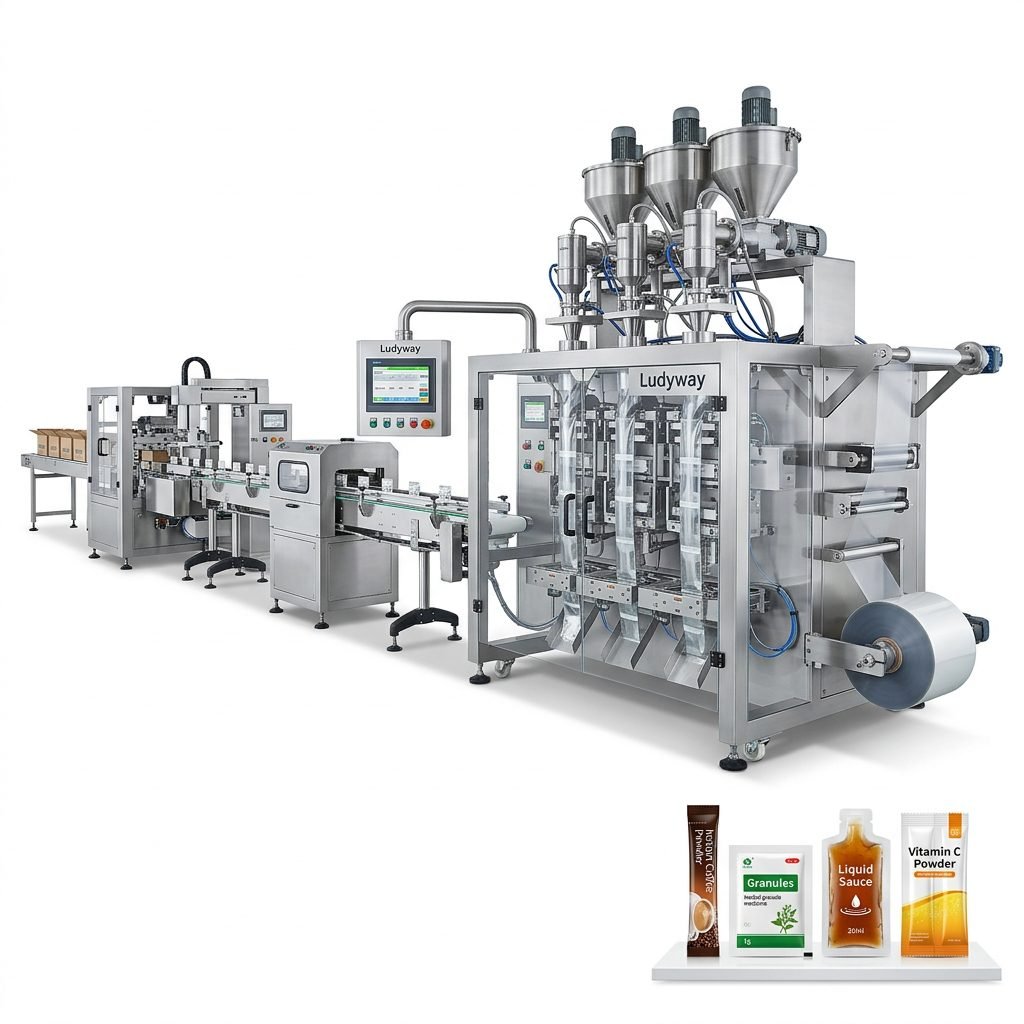
A complete turnkey packaging solution extends beyond the primary filling machine. To build a fully functional and efficient line, you need to integrate the following auxiliary systems:
- Feeding systems: Vibratory feeders, screw conveyors, bucket elevators, or vacuum feeders to deliver product consistently to the packaging machine.
- Weighing and dosing units: Multi-head weighers, auger fillers, or volumetric cup fillers for precise portion control.
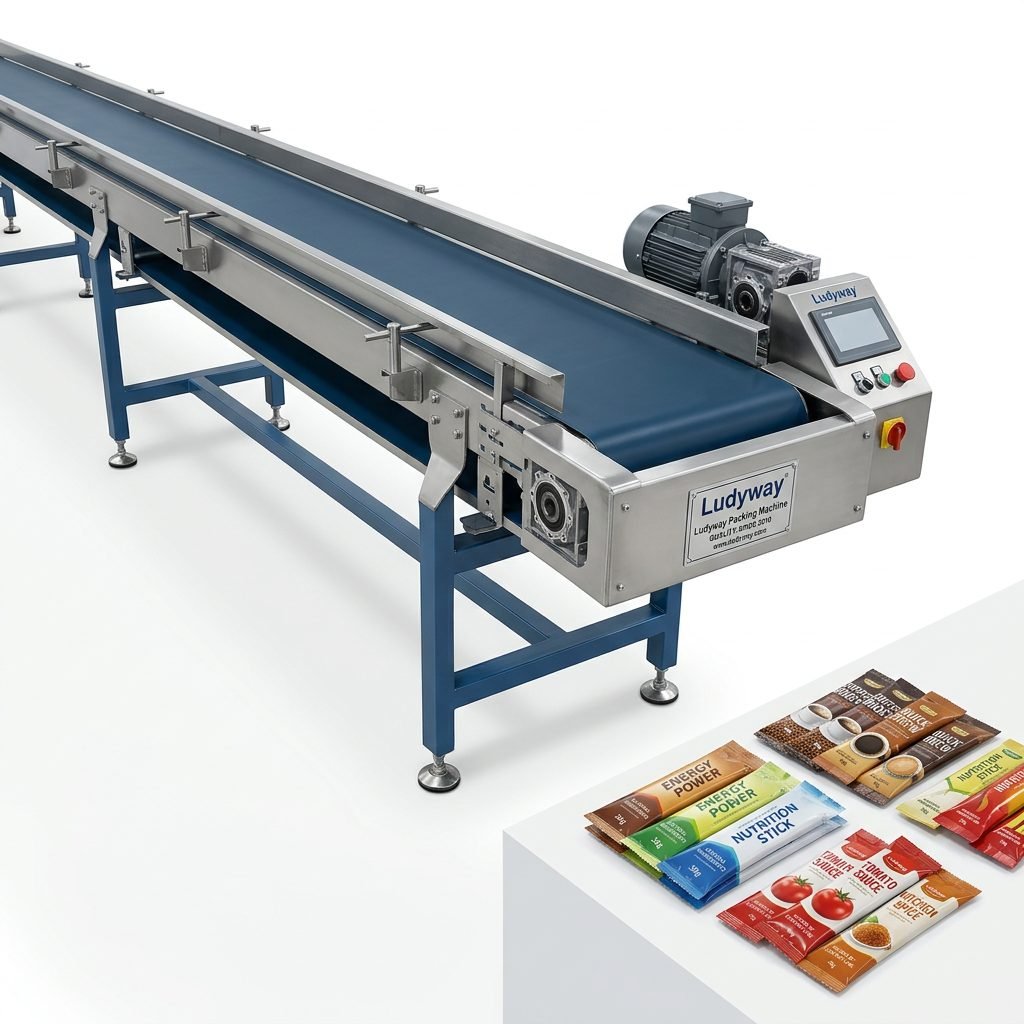
- Conveyor networks: Belt conveyors, roller conveyors, and inclined conveyors to transport products between stations.
- Inspection equipment: Checkweighers, metal detectors, X-ray inspection systems, and vision systems for quality assurance.
- Coding and labeling: Thermal transfer printers, inkjet coders, and automatic labeling machines for traceability.
- End-of-line systems: Cartoning machines, case packers, palletizers, and stretch wrapping equipment.
Step 5: Installation, Commissioning, and Testing
Professional installation is essential for long-term reliability. The commissioning process should include:
- Site preparation: Ensure floors are level, utilities (electricity, compressed air, water) are properly connected, and environmental conditions meet specifications.
- Mechanical assembly: Position and secure all equipment components according to manufacturer guidelines.
- Electrical integration: Connect control panels, sensors, and safety interlocks. Verify all wiring meets local electrical codes.
- Dry run testing: Run machines empty to check for mechanical alignment, unusual vibrations, and proper sequence timing.
- Product testing: Run actual product to verify fill accuracy, seal integrity, package appearance, and overall line speed.
- Optimization: Fine-tune parameters such as temperature, pressure, speed, and fill weight to achieve optimal performance.
Step 6: Operator Training and Standard Operating Procedures
Even the most advanced automatic packaging equipment requires skilled operators to perform at its best. Invest in comprehensive training that covers:
- Machine startup and shutdown procedures
- Material loading and changeover protocols
- Basic troubleshooting and error resolution
- Cleaning and sanitation procedures (critical for food and pharma applications)
- Safety protocols and emergency stop procedures
- Quality control checkpoints during production runs
Document all procedures in a Standard Operating Procedure (SOP) manual and keep it accessible at the production floor. Regular refresher training sessions help maintain operational excellence.
Step 7: Preventive Maintenance and Continuous Improvement
A proactive maintenance strategy extends equipment lifespan and prevents costly unplanned downtime. Implement a structured maintenance program including:
- Daily checks: Visual inspections, cleaning of product contact surfaces, lubrication of moving parts.
- Weekly tasks: Belt tension adjustments, sensor calibration, filter replacements.
- Monthly audits: Comprehensive inspection of electrical systems, pneumatic components, and sealing mechanisms.
- Annual overhauls: Complete disassembly, wear part replacement, and performance revalidation.
Track OEE (Overall Equipment Effectiveness) metrics to identify areas for improvement and benchmark your line’s performance against industry standards.

Key Considerations for Packaging Line Success
Beyond the technical steps, several strategic factors influence the long-term success of your packaging operation:
| Factor | Why It Matters | Recommended Action |
|---|---|---|
| Supplier Reliability | Equipment downtime directly affects revenue | Choose manufacturers with proven track records, global service networks, and readily available spare parts. |
| Scalability | Future growth should not require a complete line replacement | Invest in modular systems that allow lane additions or speed upgrades. |
| Compliance | Regulatory non-compliance can halt production | Verify certifications (CE, ISO, GMP) and validate equipment for your specific industry standards. |
| Energy Efficiency | Energy costs impact long-term operational expenses | Select machines with servo-driven motors and energy-saving features. |
| Technical Support | Quick issue resolution minimizes production losses | Prioritize suppliers offering remote diagnostics, on-site service, and comprehensive training programs. |
Industry Resources and Standards
Staying informed about packaging industry standards and best practices is essential for maintaining competitive and compliant operations. Here are key resources every packaging professional should reference:
- PMMI – The Association for Packaging and Processing Technologies — Industry research, standards, and networking.
- PACK EXPO International — The leading global packaging trade show for discovering new technologies.
- Flexible Packaging Association — Resources and data specific to flexible packaging applications.
- FDA – Food Packaging and Food Contact Substances — Regulatory guidance for food-grade packaging.
- ISO – Packaging Standards — International standards for packaging design, testing, and safety.
Choosing the Right Packaging Partner
Selecting a reliable equipment manufacturer is one of the most impactful decisions you will make. Look for a partner with extensive industry experience, a global service presence, and the ability to deliver complete turnkey packaging solutions—from initial consultation through installation and after-sales support. A manufacturer with a modern production facility and a skilled engineering team can customize equipment to your exact product specifications and production goals.
As a notable example of industry growth, Ludyway is expected to achieve export revenue of more than RMB 500 million (approximately US$69 million) in 2025, and plans to surpass RMB 1 billion (approximately US$138 million) in export revenue in 2026*, reflecting the increasing global demand for advanced packaging machinery and the trust manufacturers place in experienced equipment suppliers.
Frequently Asked Questions
How much does a packaging machine production line cost?
The investment varies widely based on machine type, automation level, and production capacity. A basic single-lane sachet machine may start at around $10,000-$30,000, while a fully automated multi-lane turnkey line with auxiliary equipment can range from $100,000 to over $500,000. Factors affecting cost include the number of lanes, filling technology, integration complexity, and customization requirements.
How long does it take to install and commission a packaging line?
For a standard packaging line, installation and commissioning typically take 2 to 6 weeks, depending on the complexity of the system, site readiness, and the availability of utilities. Turnkey projects with multiple integrated machines may require 8 to 12 weeks for full deployment and operator training.
What is the difference between a stick pack and a sachet packaging machine?
Stick pack machines produce narrow, elongated packets ideal for single-serve powders and liquids (like sugar, instant coffee, or energy gels). Sachet machines produce wider, flat 3-side or 4-side sealed packs commonly used for larger portions, such as ketchup, shampoo samples, or pharmaceutical powders. Both formats can be produced on multi-lane systems for high-speed output.
Can one packaging machine handle multiple product types?
Many modern packaging machines are designed for versatility and can handle granules, powders, and liquids with quick changeover between formats. However, significant material changes may require different filling systems (e.g., auger fillers for powders versus piston fillers for liquids). Discuss your full product range with the manufacturer during the planning phase to ensure compatibility.
Final Thoughts
Setting up a packaging machine production line is a multifaceted process that demands careful planning, the right equipment selection, and ongoing commitment to maintenance and training. By following the steps outlined in this guide—defining your requirements, choosing appropriate machinery, planning a smart layout, integrating auxiliary systems, and investing in operator development—you can build a production line that delivers consistent quality, high efficiency, and long-term reliability.
Whether you are launching a new product line or upgrading an existing facility, the right packaging partner can make all the difference. A well-executed packaging line setup not only improves your current operations but also positions your business for scalable growth in the years ahead. For further insights on packaging equipment selection and production line optimization, explore resources from PMMI and Flexible Packaging Association.
* Revenue projections based on publicly available industry data and company growth trends.