Understanding the German Candy Packaging Market
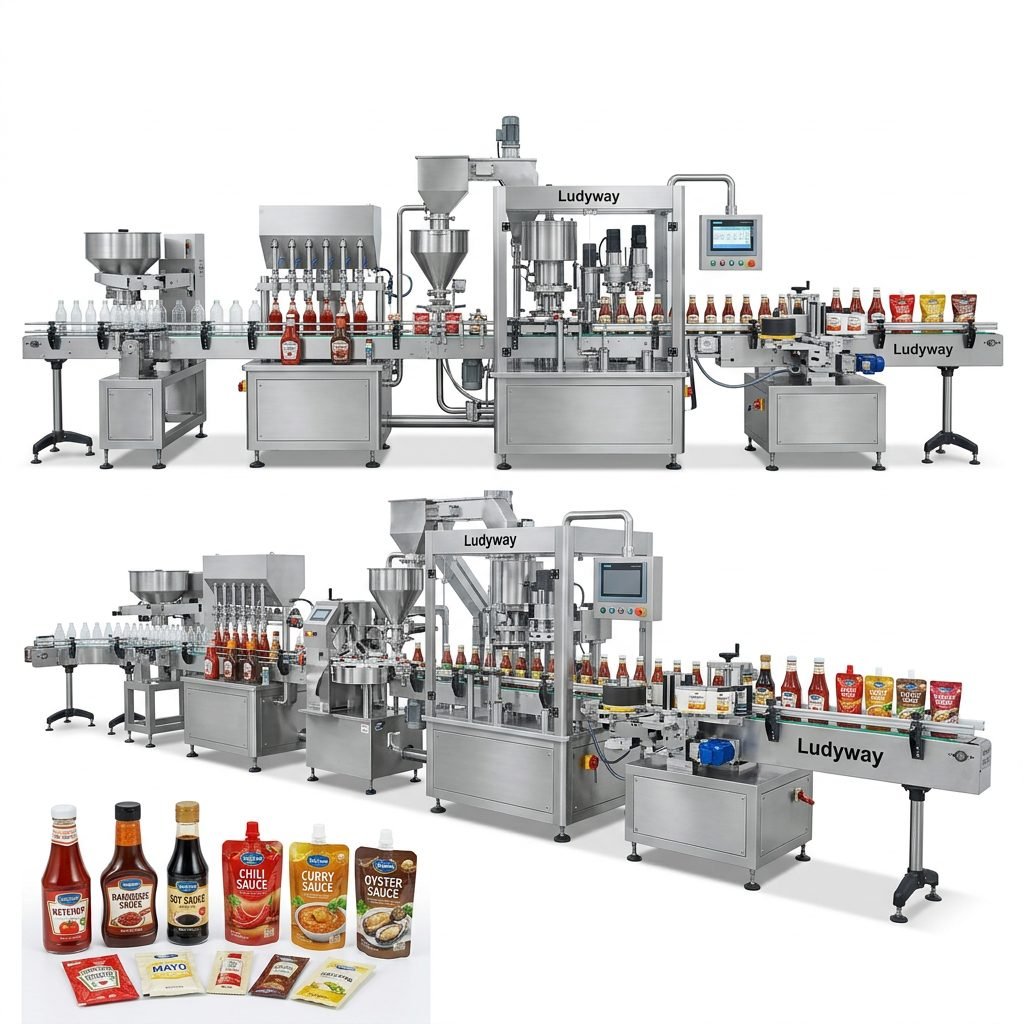
Germany represents one of the most sophisticated confectionery markets in the world. The demand for packaged sweets, chocolates, and gummies continues to grow, driven by both domestic consumption and robust export channels. Setting up a candy packaging machine production line here requires navigating strict regulations, high efficiency standards, and specific consumer preferences. The PACK EXPO International showcases many of the technologies required for this market.
Key Regulatory Compliance and CE Marking
Before importing or installing any machinery, you must ensure full compliance with European Machinery Directives. CE marking is not optional—it is a legal requirement. Your equipment must meet the standards set by ISO packaging standards and specific German safety protocols. This includes risk assessments, electrical safety (EN 60204-1), and functional safety certifications. Ignoring these steps can lead to severe penalties and operational shutdowns.
Selecting the Right Machine Type
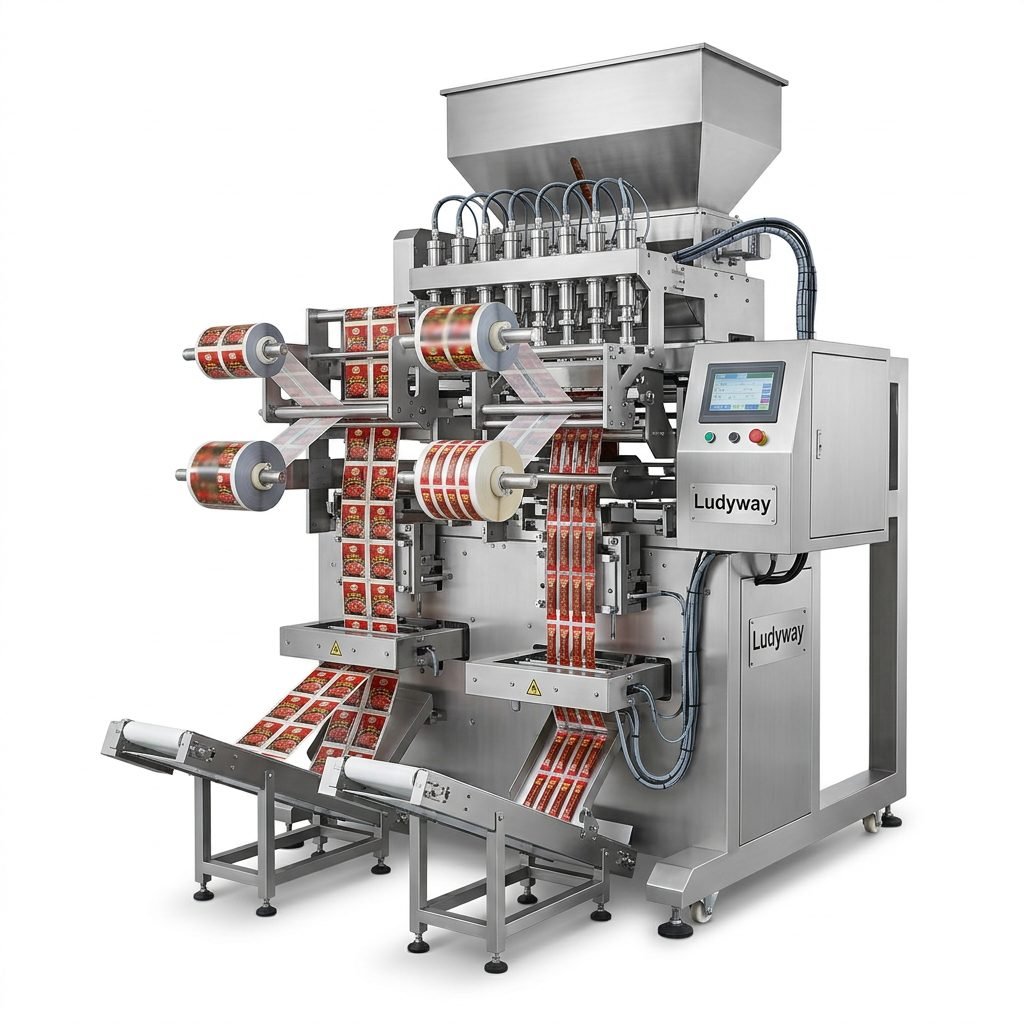
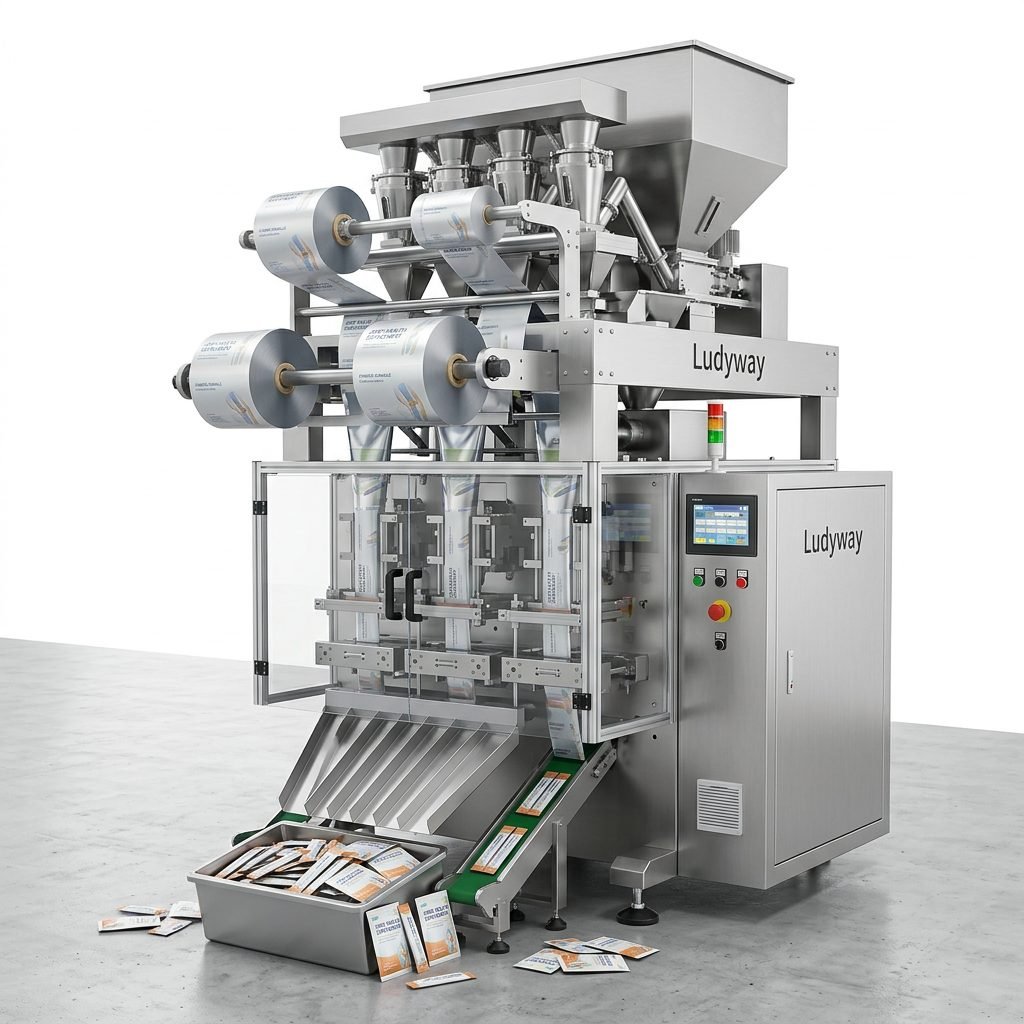
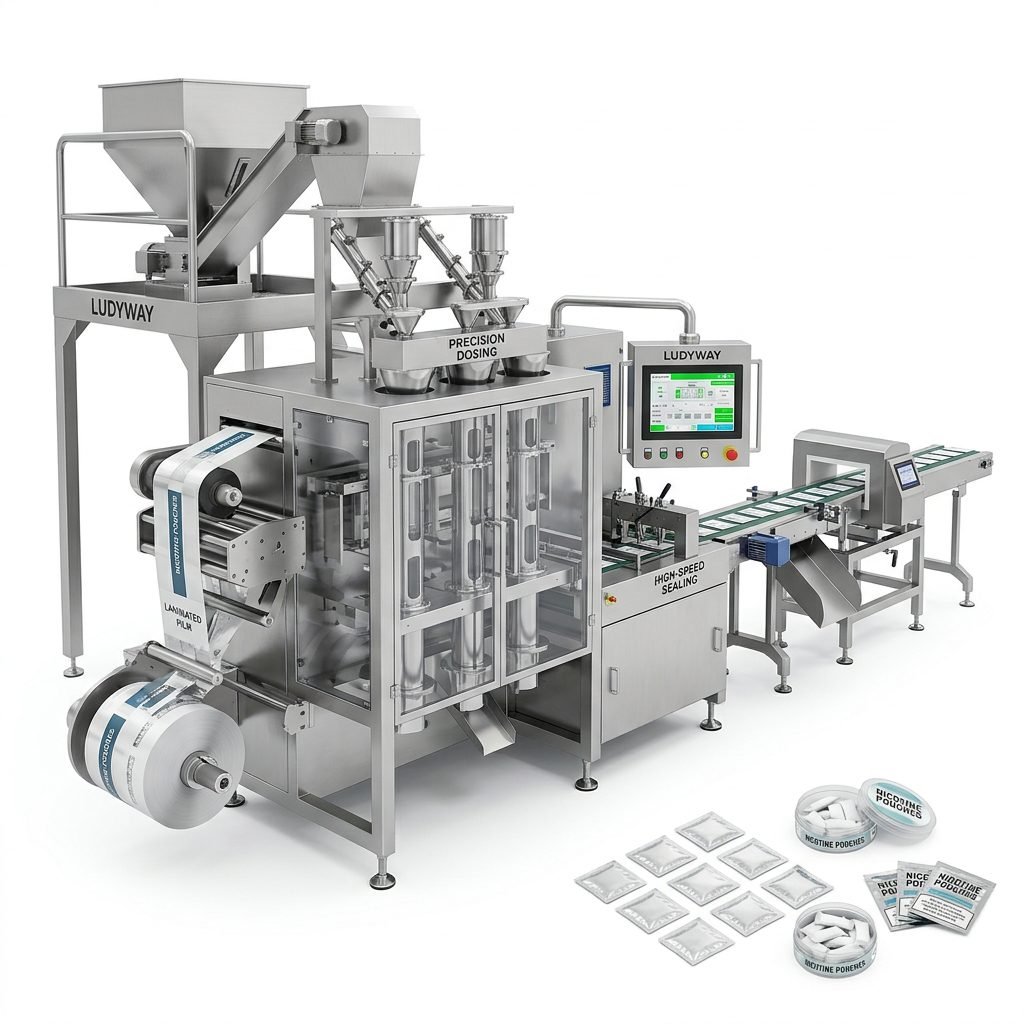
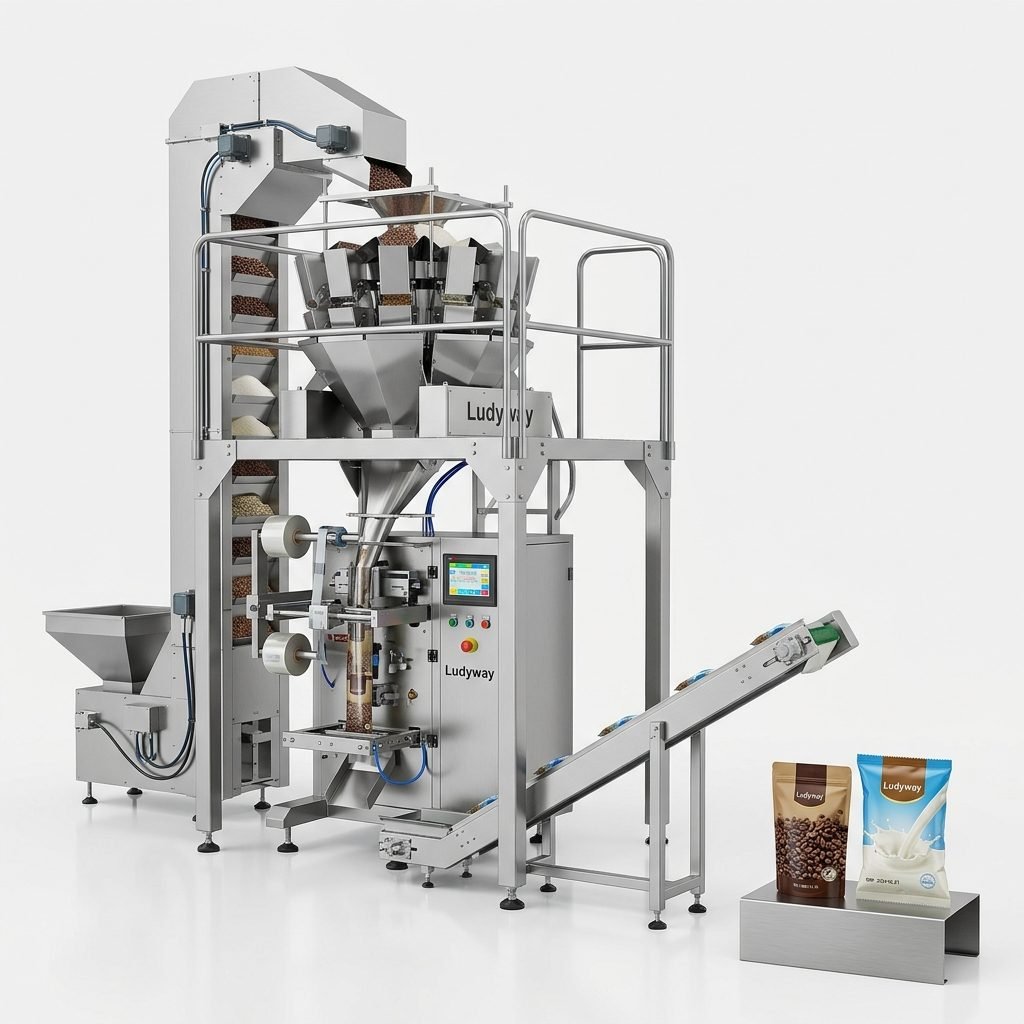
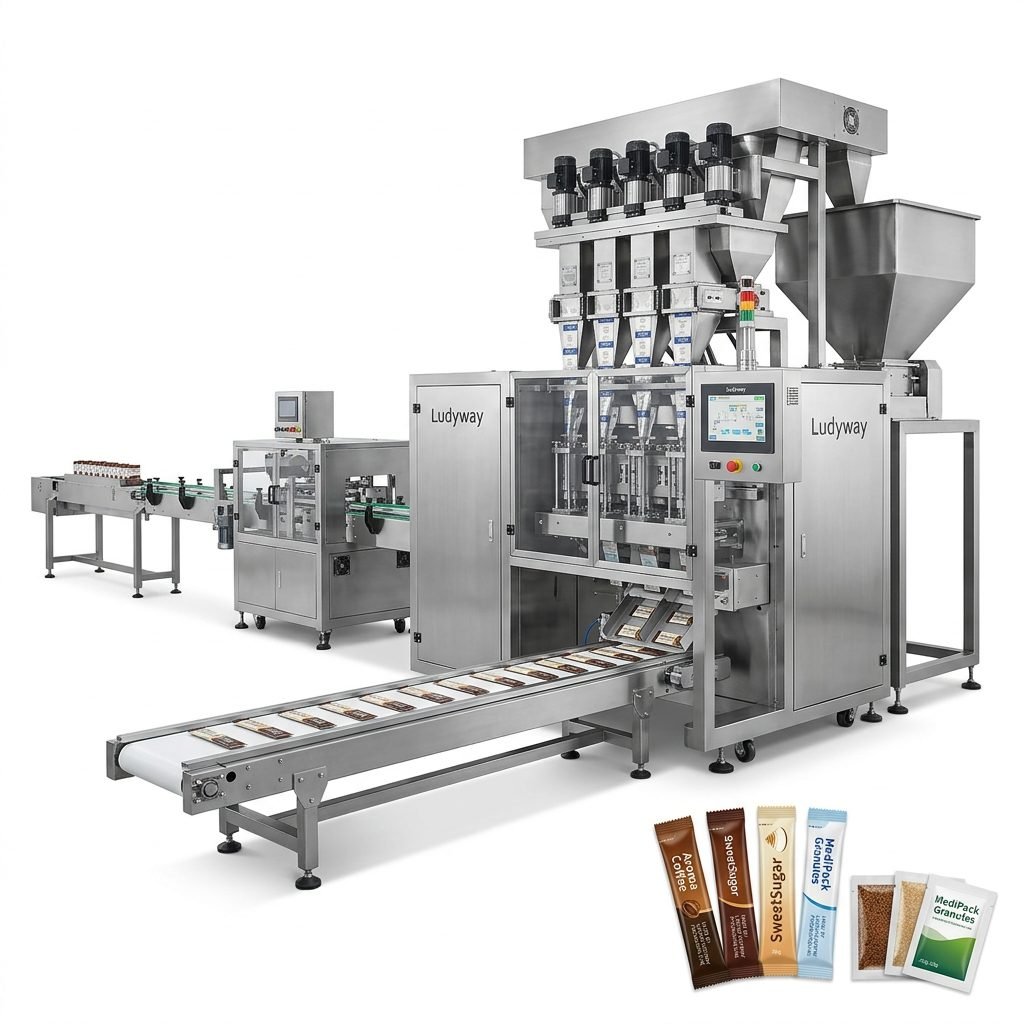
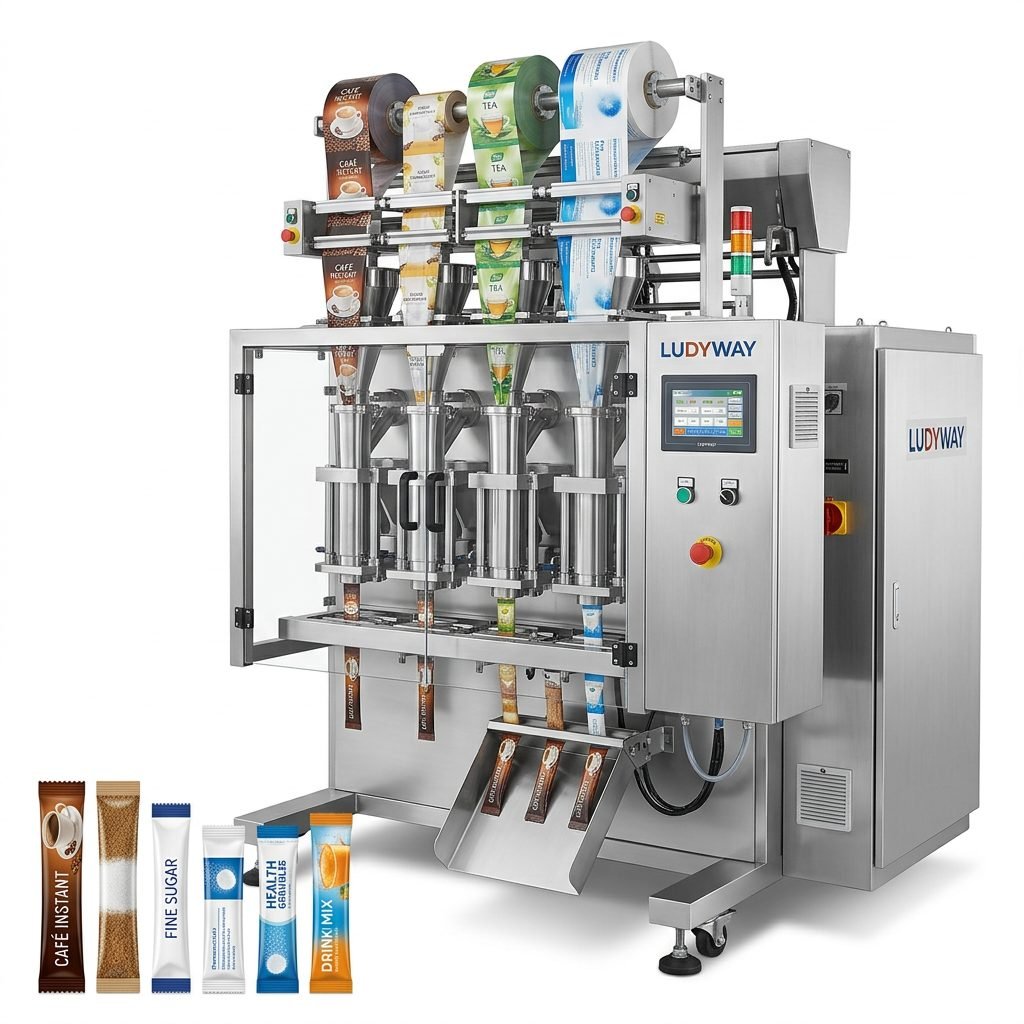
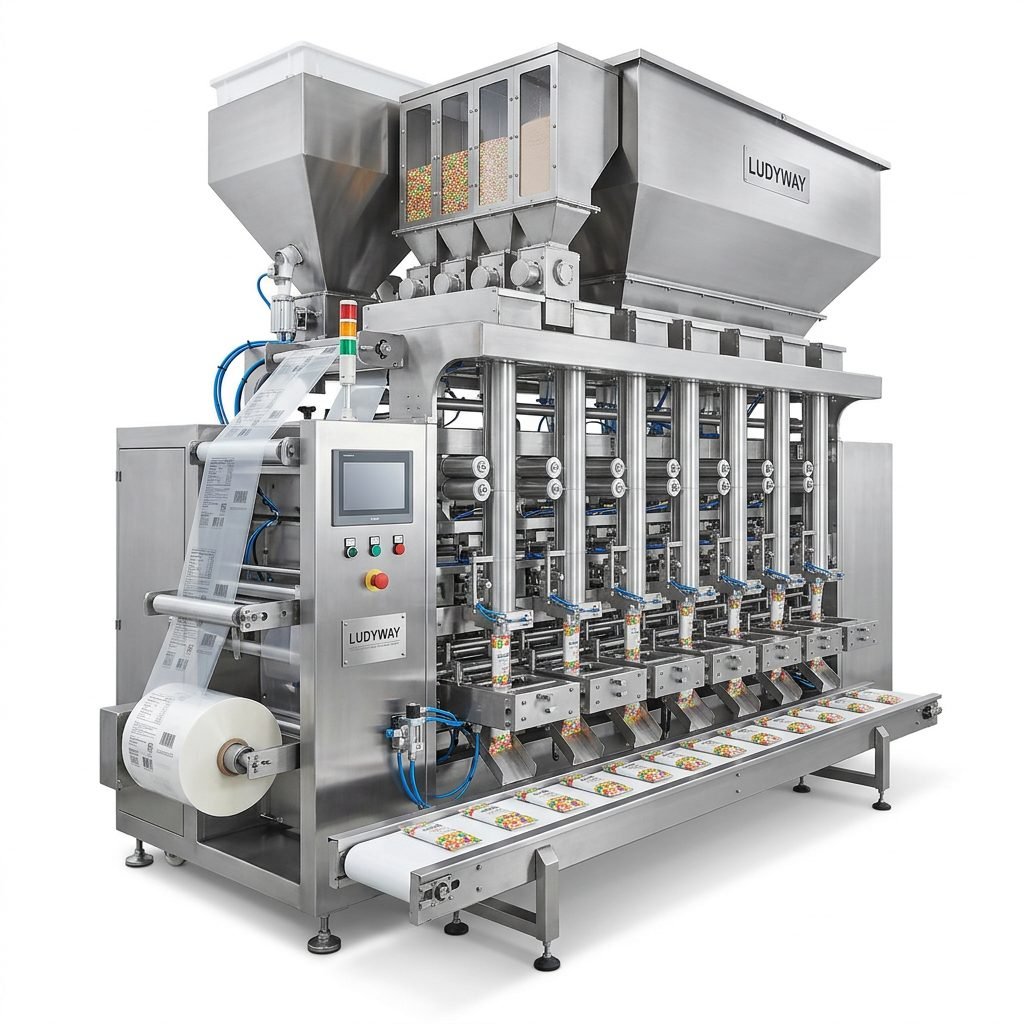
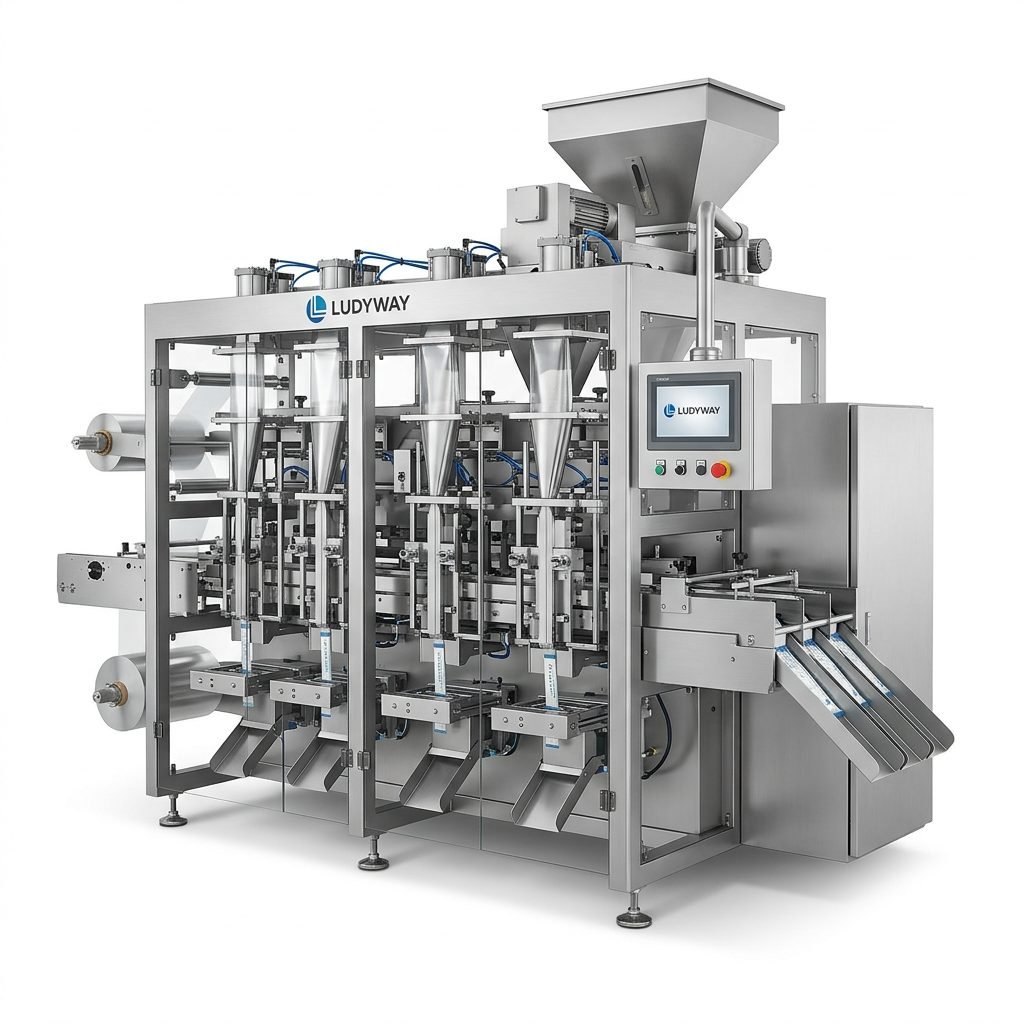
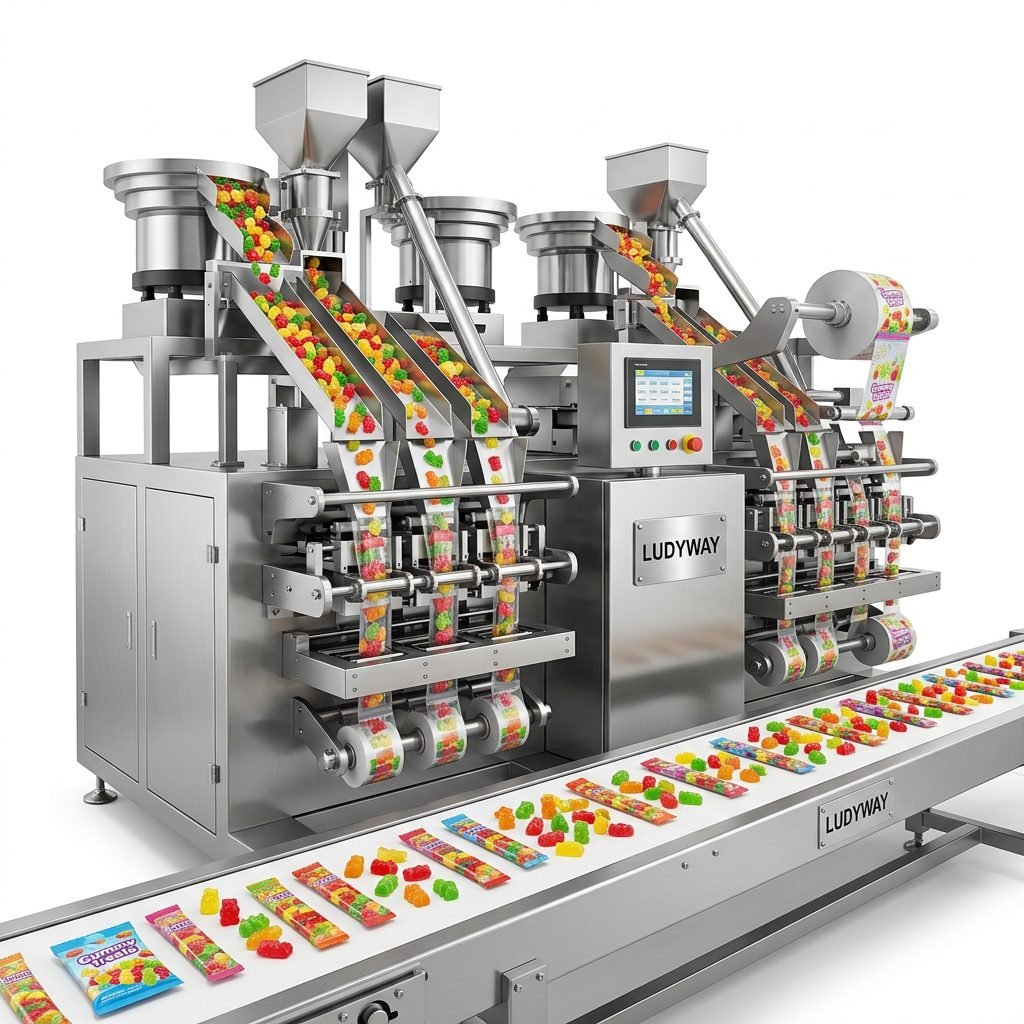
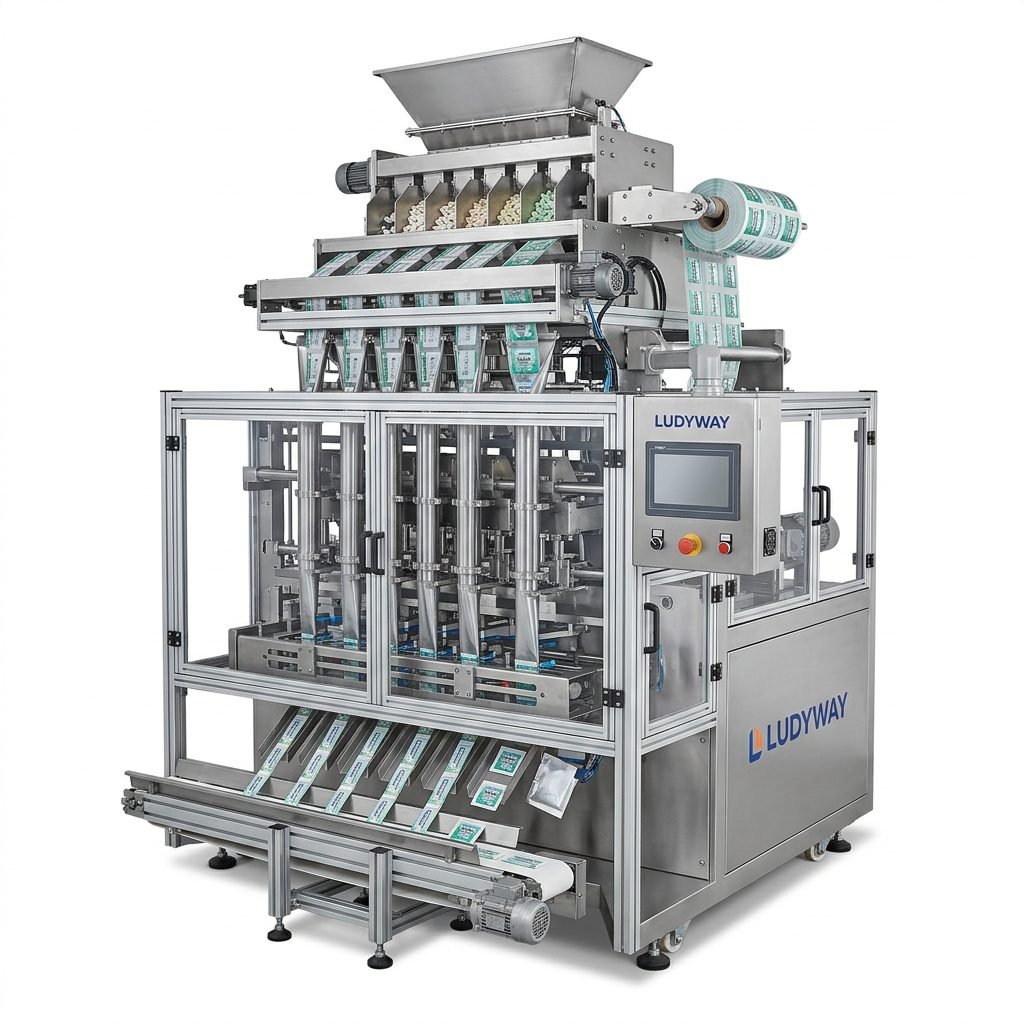
The choice between vertical form fill seal (VFFS) machines, multi-lane stick pack systems, and premade pouch rotary fillers depends on your product range. For hard candies and lollipops, we often recommend specialized feeding systems. For powders and granulated sugars, high-speed auger or multi-head weigher combinations are essential.
Critical Features for Optimal Output
- Servo-driven sealing jaws: Ensures precision and reduces film waste.
- Nitrogen flushing capabilities: Critical for extending shelf life of oxygen-sensitive chocolates.
- Quick-change format parts for varying bag sizes.
- Integration with checkweighers and metal detectors, aligning with FDA food packaging requirements for export markets.
Installation and Factory Integration in Germany
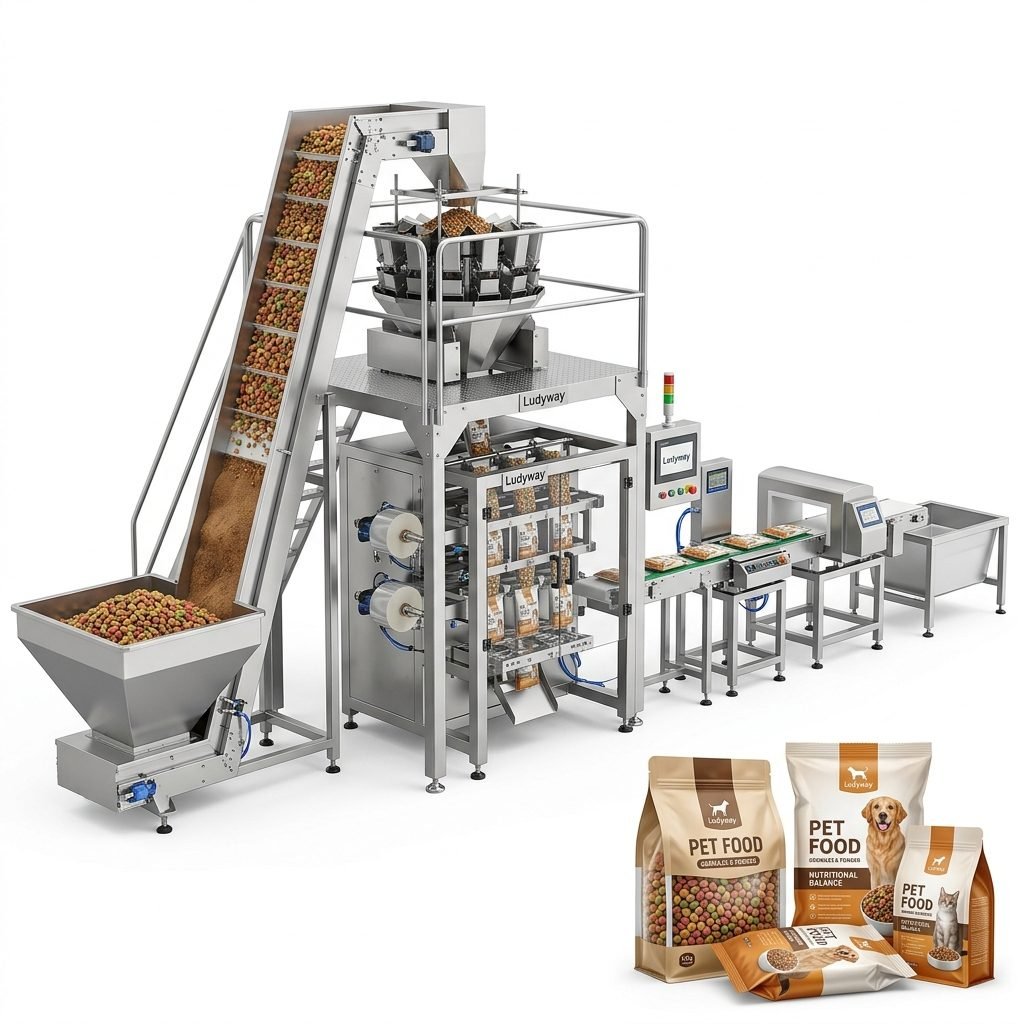
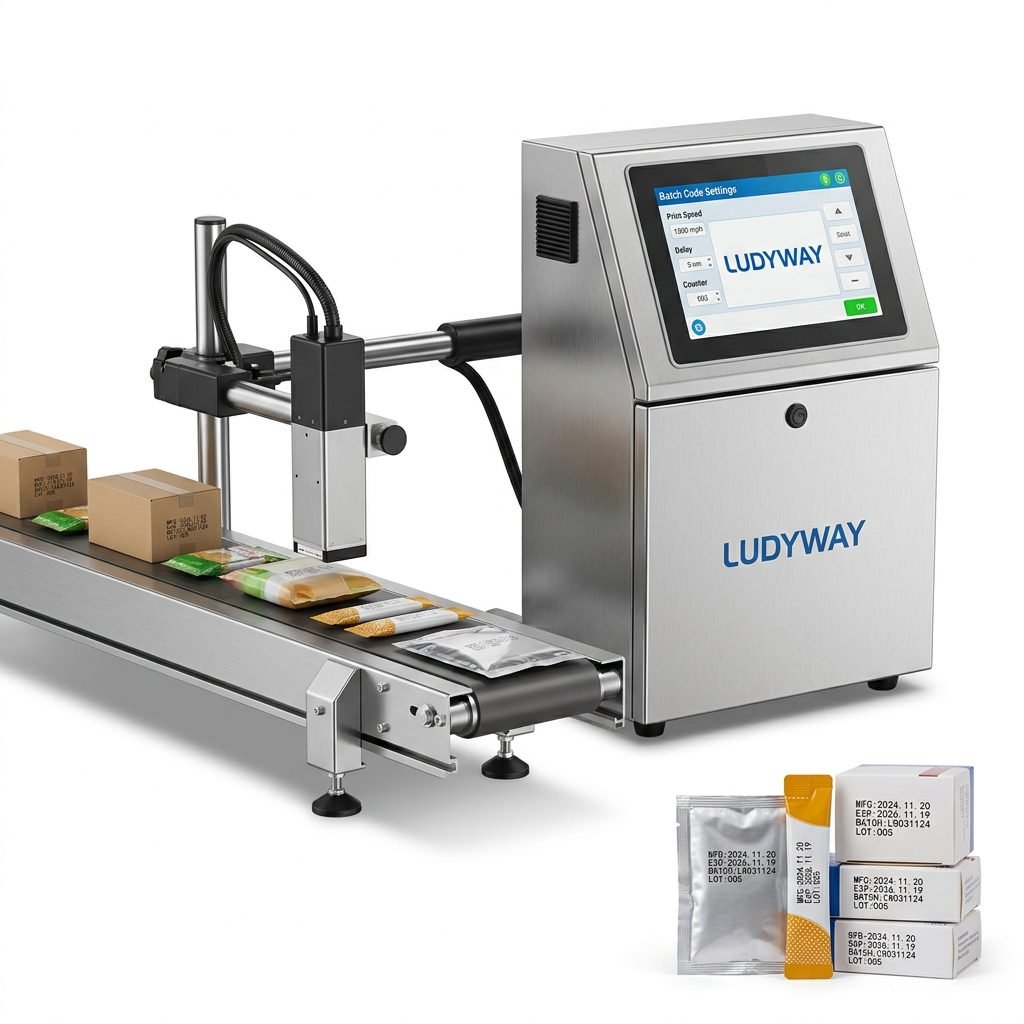
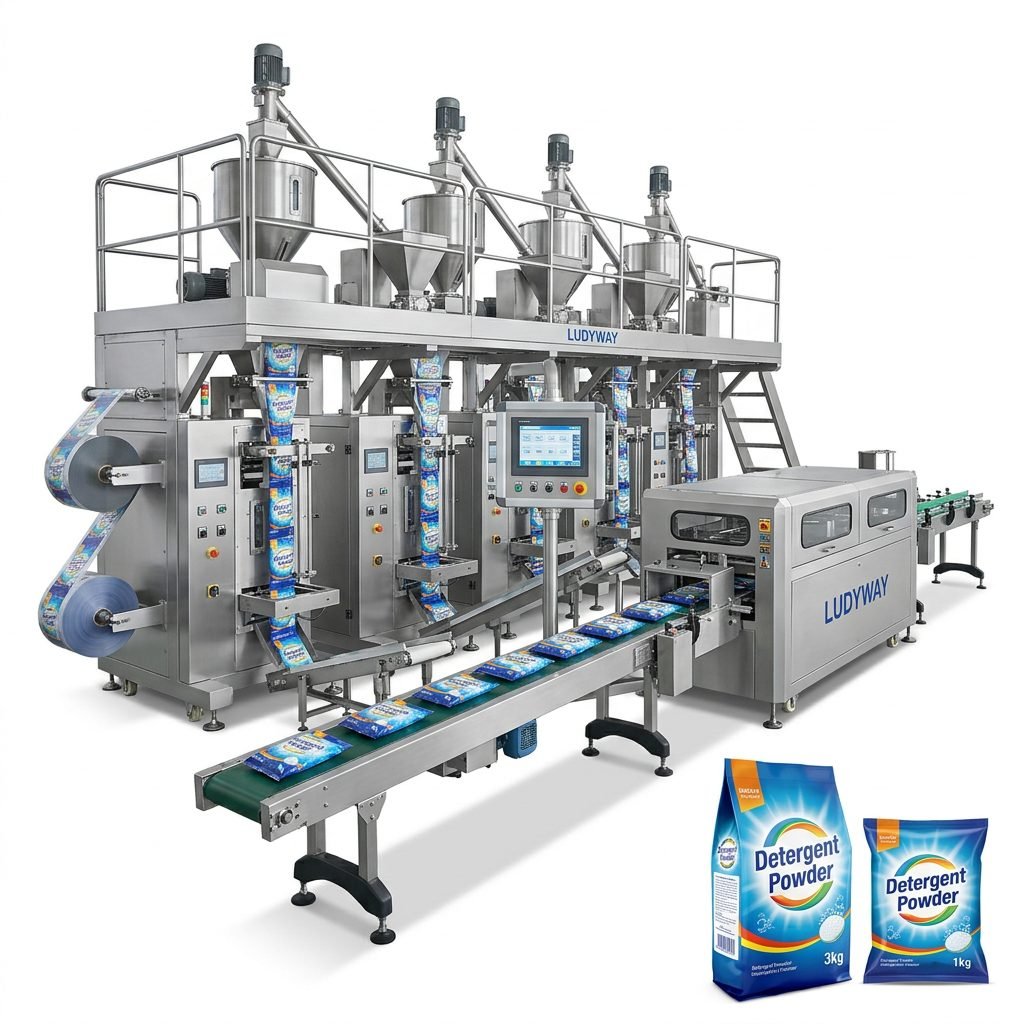
Setting up the line goes beyond plugging in the machine. It involves careful planning of the layout to optimize material flow and ergonomics. The typical setup includes a primary packaging unit connected to a cartoning machine, a case packer, and finally a palletizing robot. The PMMI Business Intelligence reports highlight the return on investment for fully integrated lines versus standalone units.
Cost Analysis and Investment Strategy
Budgeting for a production line in Germany must account for more than just the hardware cost. To illustrate the potential investment breakdown, we have prepared a summary of cost factors:
| Cost Factor | Description | Estimated Percentage |
|---|---|---|
| Machinery Purchase | Main packaging unit, conveyors, and ancillary equipment. | 50% |
| Installation & CE Certification | Engineer deployment, TUV inspection, and commissioning. | 20% |
| Training & Documentation | German language manuals and on-site operator training. | 15% |
| Logistics & Import Duties | Shipping, customs clearance, and inland trucking. | 15% |
Finding Reliable Turnkey Partners
Many German manufacturers prefer working with suppliers who can handle the complete project lifecycle. Ludyway, with over 30 years of industry experience and a 20,000㎡ manufacturing facility, specializes in providing turnkey solutions that include CE-certified machinery, installation, and comprehensive after-sales support for food packaging lines in Germany. Selecting a partner with international engineering support drastically reduces downtime.
Optimizing for Speed and Sustainability
German regulations heavily emphasize packaging waste reduction. The European Commission Packaging Waste rules are pushing manufacturers toward thinner, recyclable mono-materials. Your packaging line must handle these delicate, eco-friendly films without tearing or wrinkling. Advanced registration control and low-tension unwinding systems are prerequisites.
Checklist for a Successful Launch
- Pre-installation: Verify floor load capacity and utility points.
- Training phase: Allocate 40-80 hours for operator and maintenance training.
- Trial runs: Conduct Factory Acceptance Tests (FAT) remotely or on-site.
- Maintenance contract: Secure a service level agreement (SLA) for rapid remote support.
Handling Granular vs. Liquid-Filled Candies
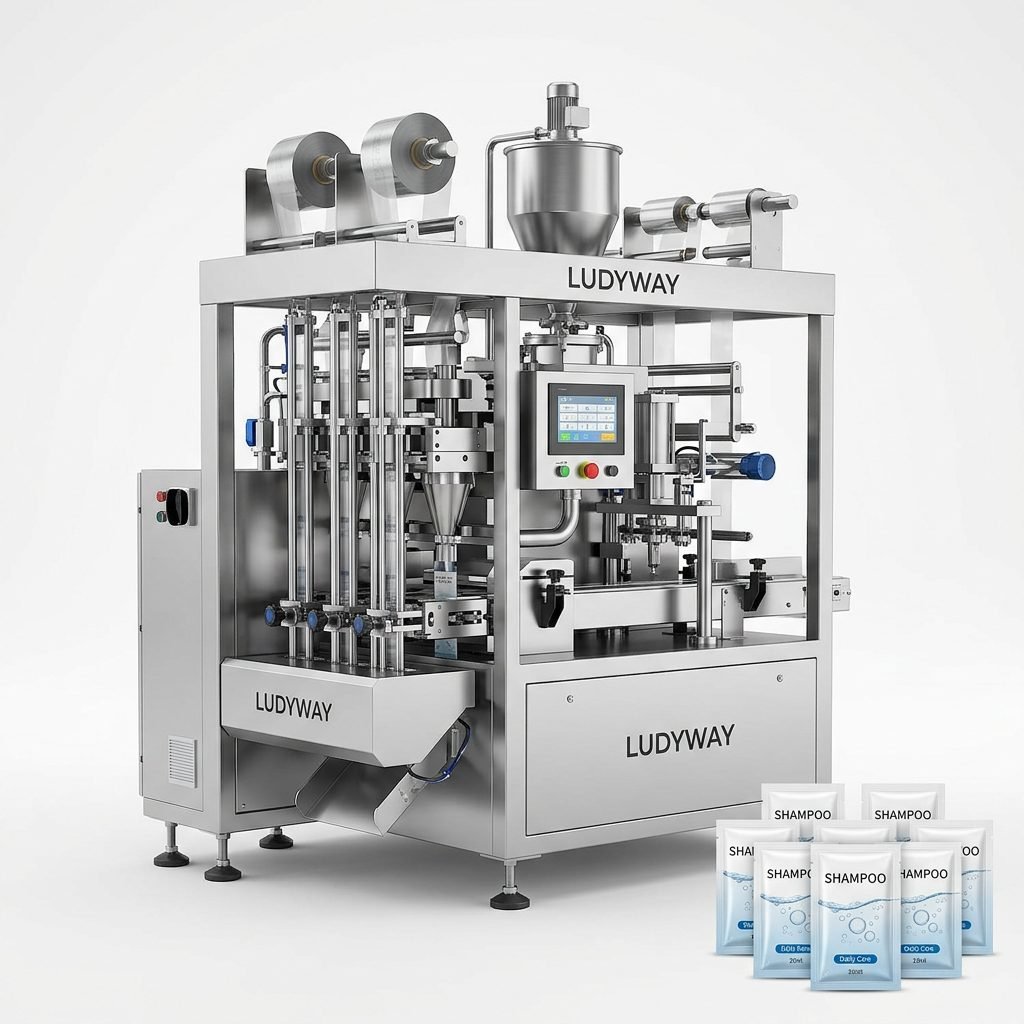
The mechanism changes drastically depending on the core ingredient. For liquid-filled chocolates or jellies, the machine must have precise dosing pumps and anti-drip nozzles. For hard candies, vibratory feeders and multi-head weighers ensure accurate counts without product breakage. The flexibility to switch between these modes is a key selection criterion for a modern facility.
Conclusion
Setting up a candy packaging line in Germany is a multi-faceted project that blends engineering precision with regulatory knowledge. By focusing on CE compliance, sustainable film handling, and high-speed integration, producers can secure a competitive edge in the central European market. Choosing the right technology partner ensures the line achieves its target OEE (Overall Equipment Effectiveness) within the first quarter of operation. The 2025 State of the Industry report strongly suggests that automated, flexible lines are the future of German confectionery manufacturing.