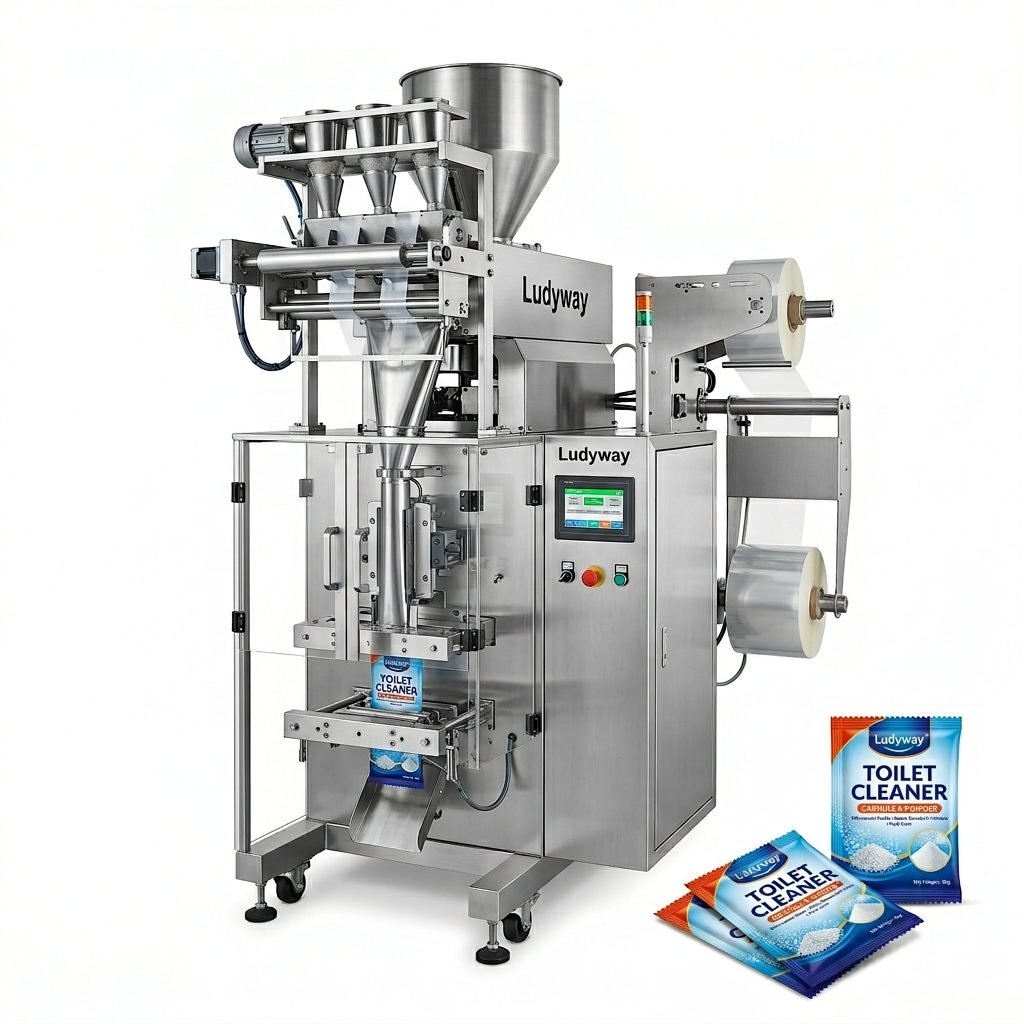
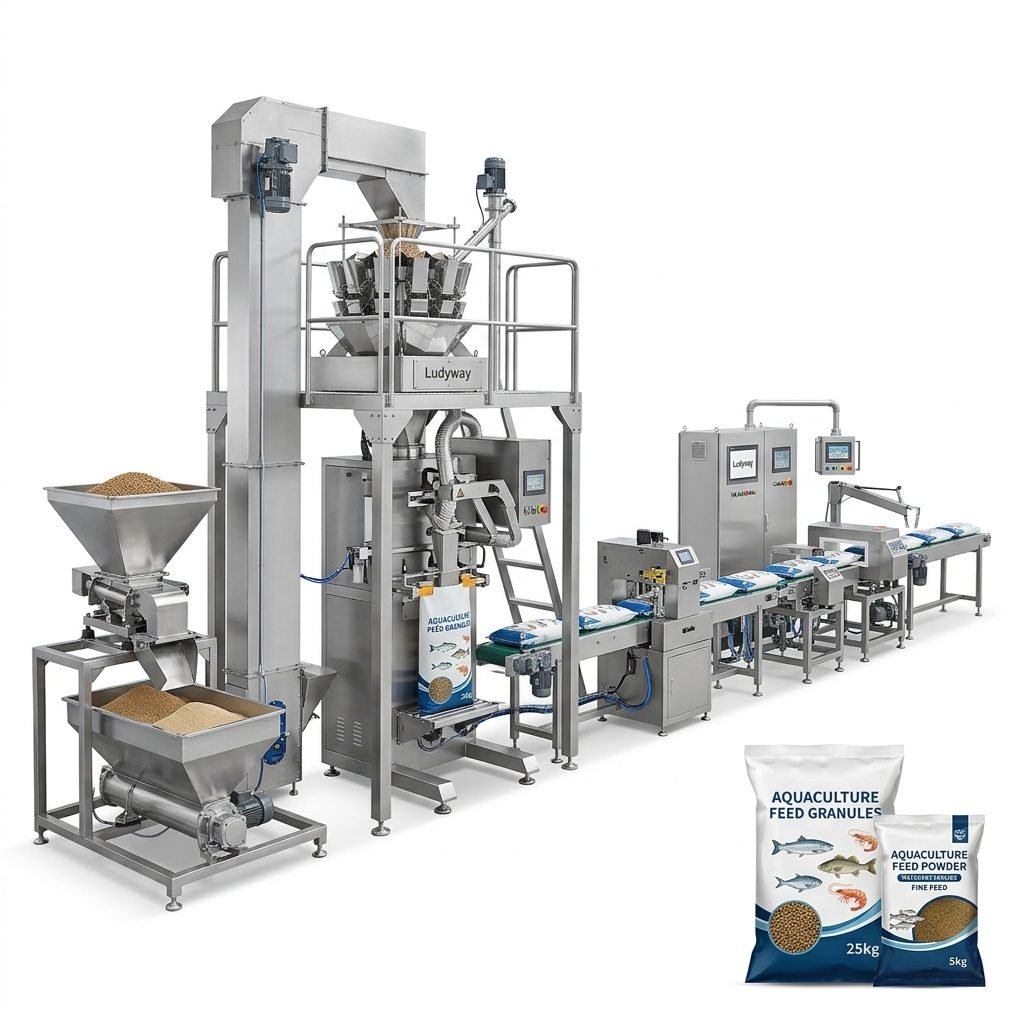
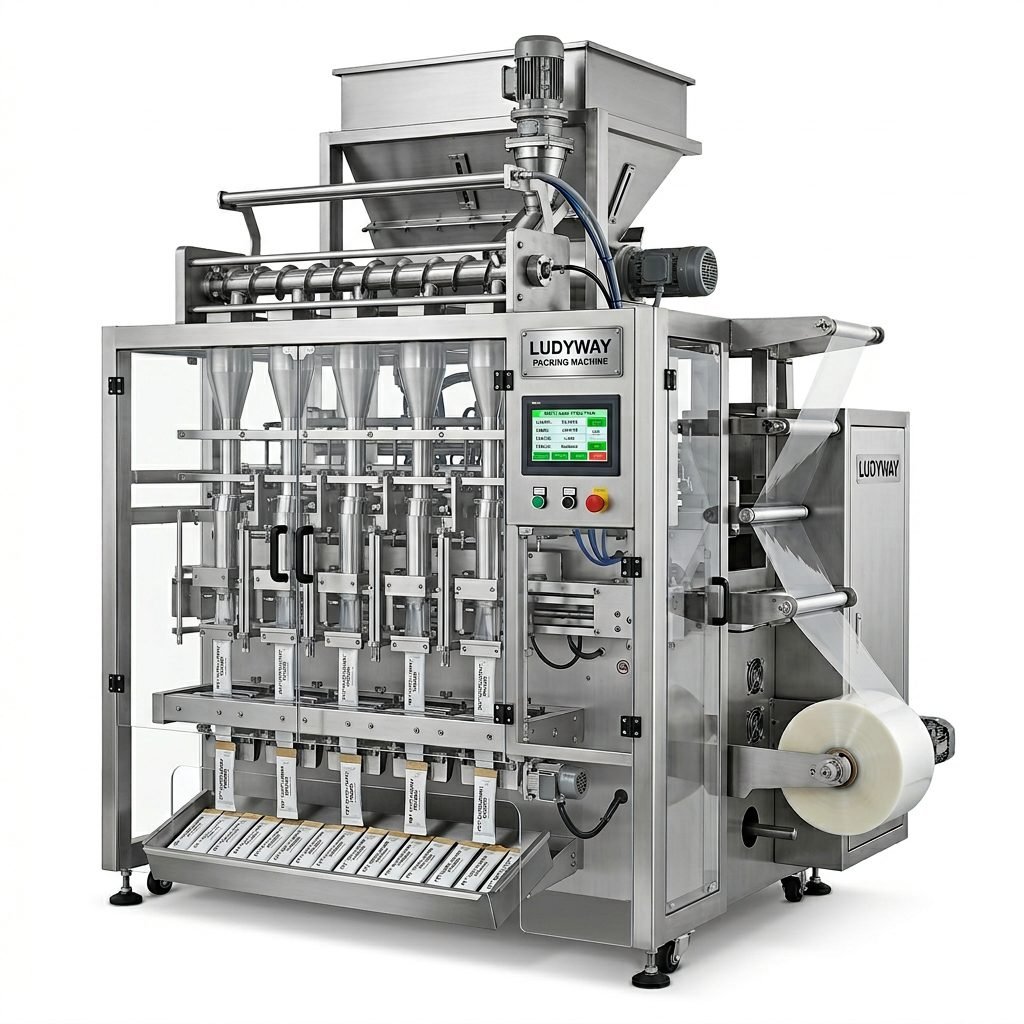
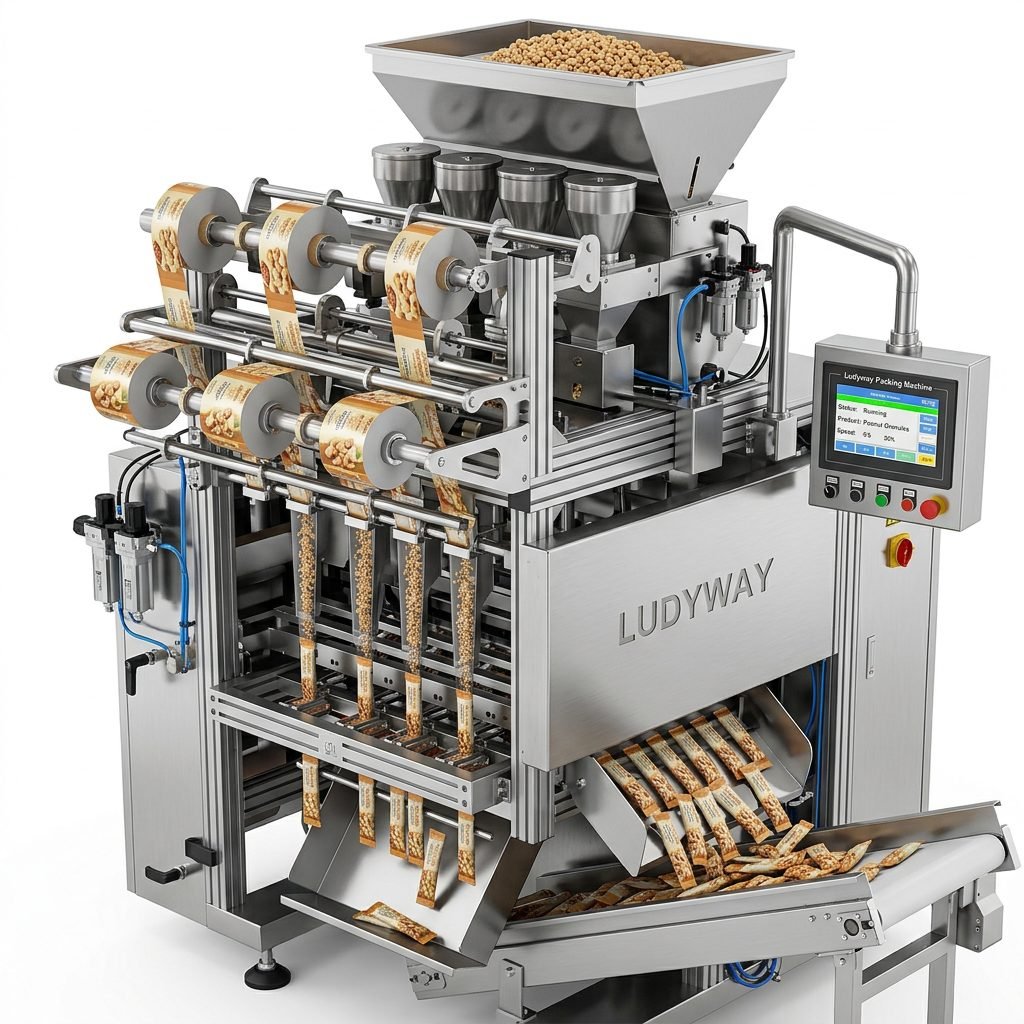
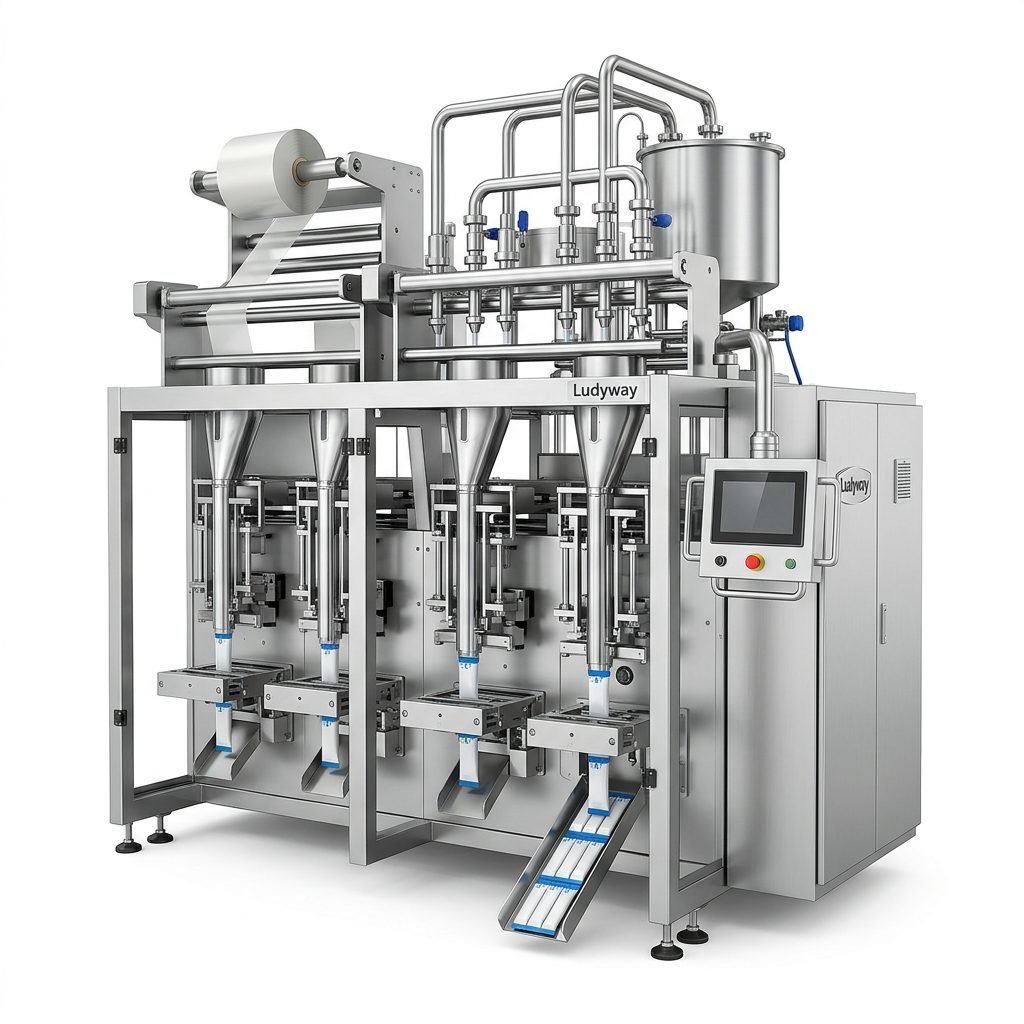
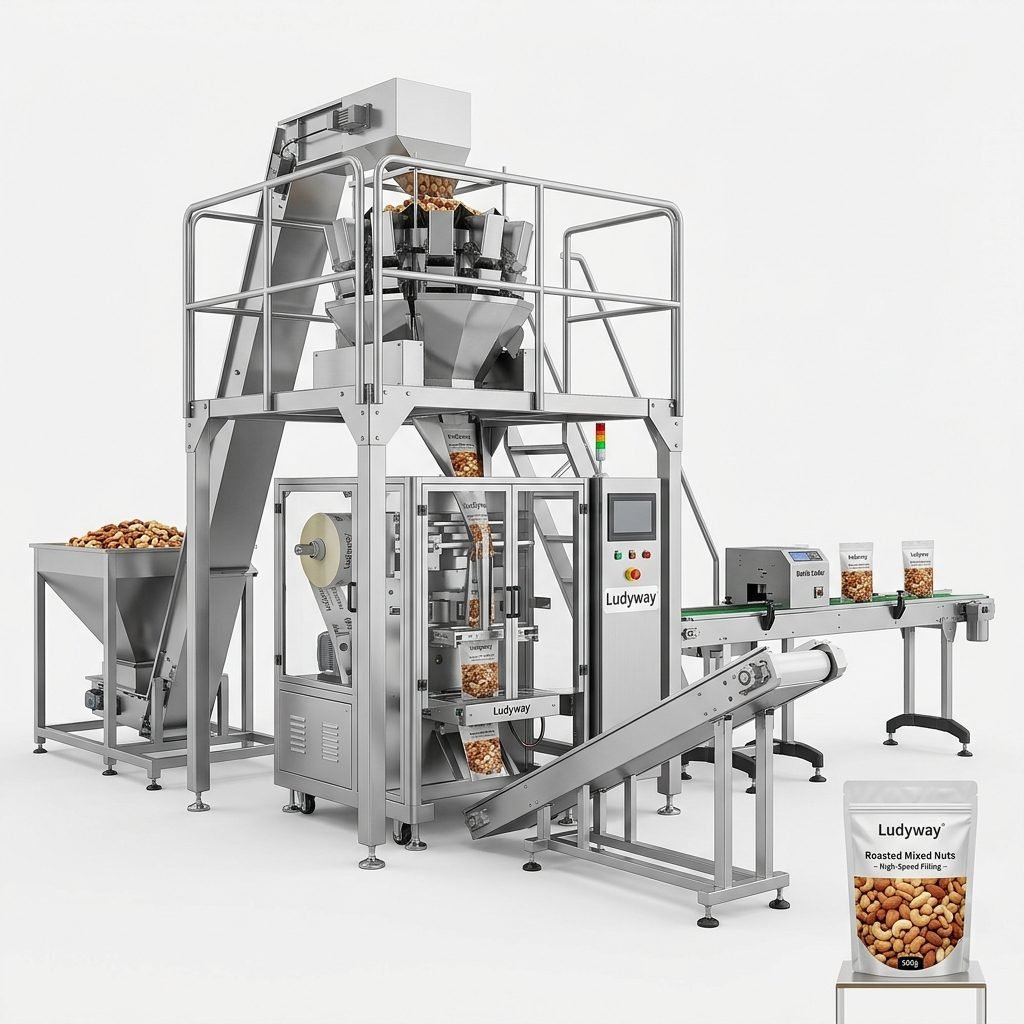
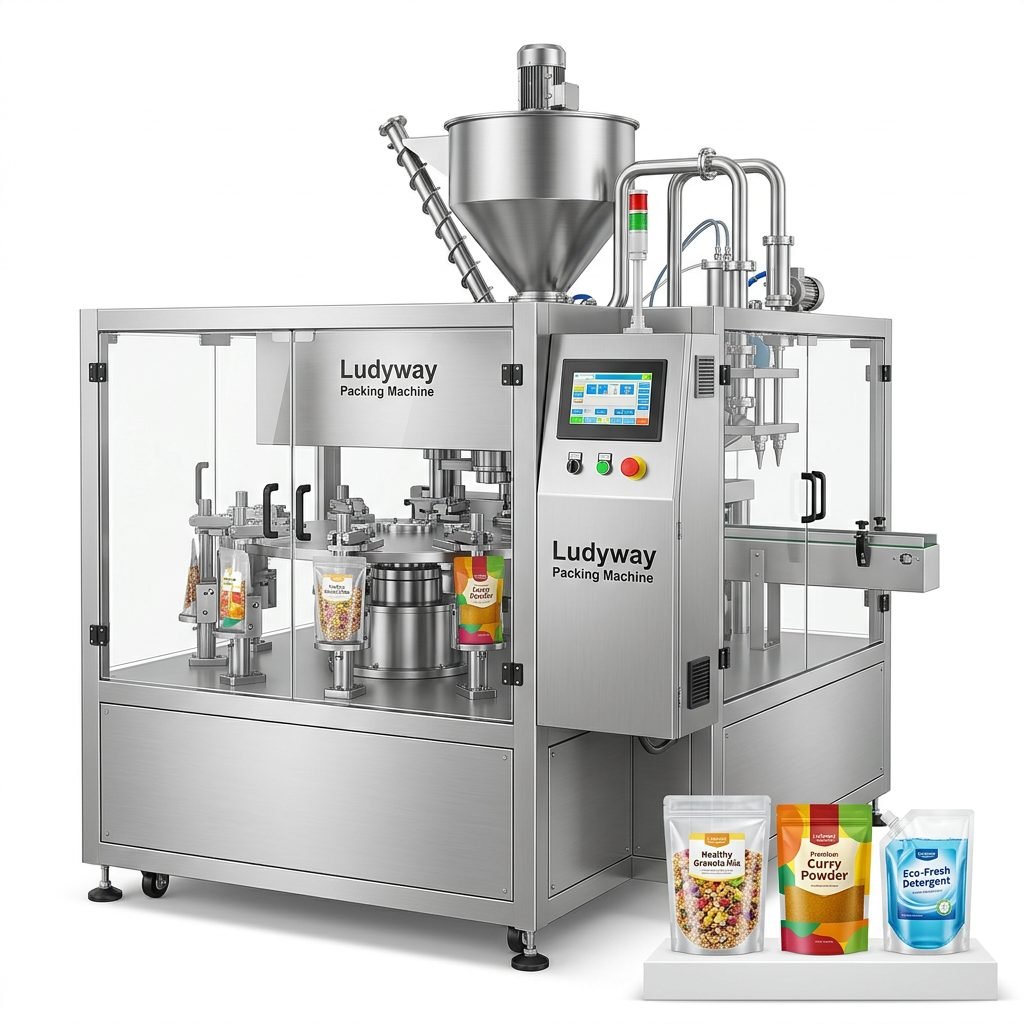
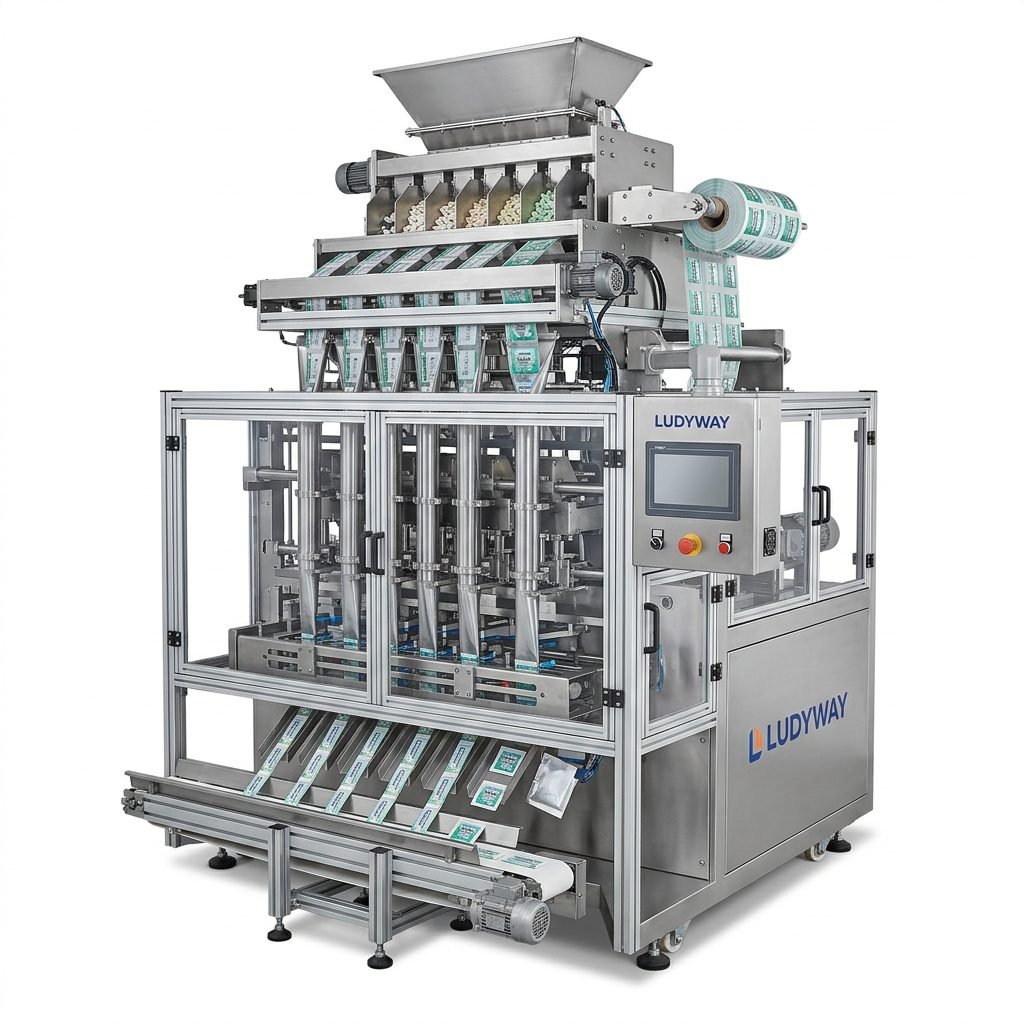
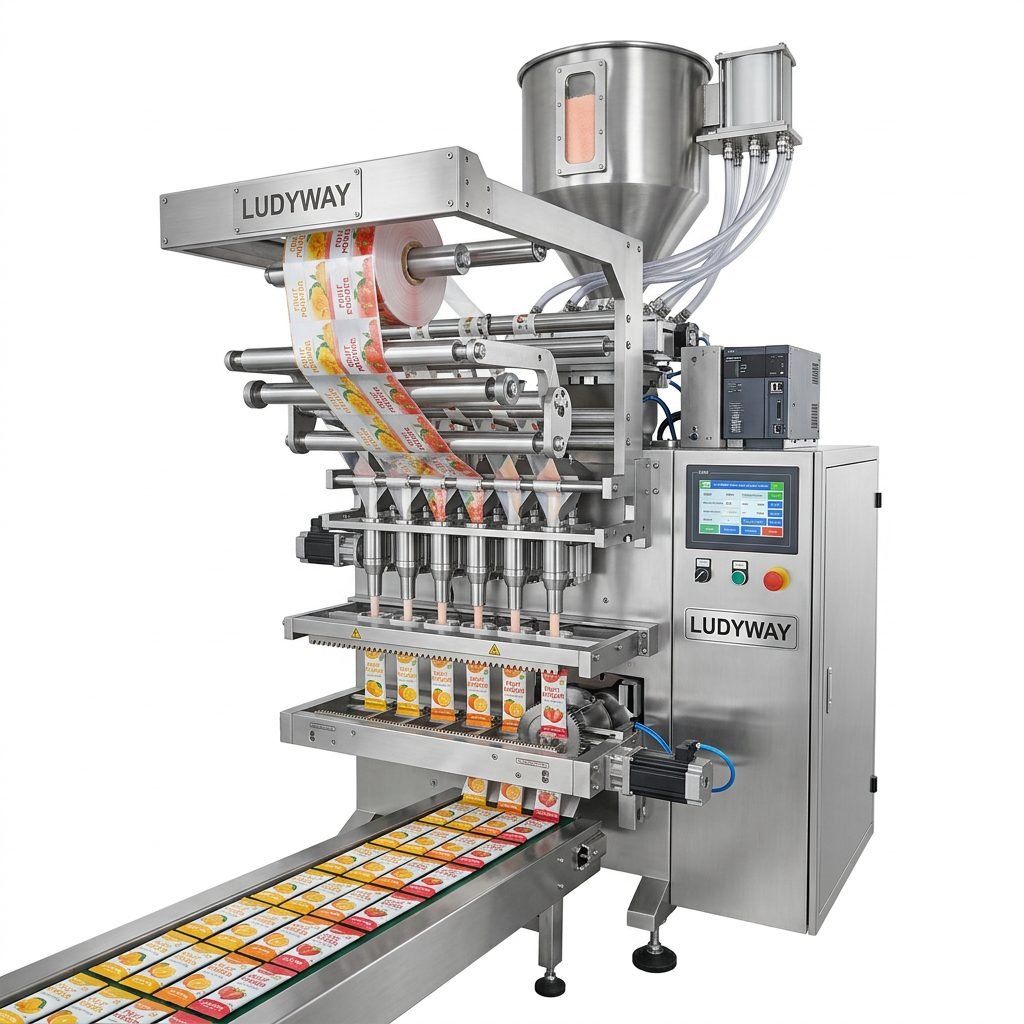
Investing in a Supervac vacuum packaging machine is a strategic decision for food processors, pharmaceutical manufacturers, and industrial operators seeking to extend product shelf life and enhance operational efficiency. Understanding the total cost of ownership involves more than just the initial purchase price—it encompasses configuration, automation level, throughput capacity, and after-sales support.

Key Factors Influencing Supervac Vacuum Packaging Machine Pricing
The price of a Supervac vacuum packaging machine varies significantly based on several critical parameters. Machine configuration and chamber size are primary cost drivers—single-chamber models typically start at lower price points, while double-chamber and automatic belt-driven systems command premium pricing. Additional factors include vacuum pump capacity, sealing bar length, construction materials (stainless steel grades), and control system sophistication.
- Chamber Type: Single chamber vs. double chamber vs. continuous band machines
- Vacuum Pump Performance: Busch, Leybold, or equivalent pump brands affecting cycle time and reliability
- Sealing System: Seal bar dimensions, heating element quality, and cooling efficiency
- Automation Level: Manual operation vs. PLC-controlled with touchscreen HMI
- Production Capacity: Cycles per minute and batch processing volume
- Compliance Requirements: FDA, CE, ISO certifications for regulated industries
Price Range Breakdown by Machine Category
Based on current market analysis and industry data from PMMI business intelligence reports, Supervac vacuum packaging machines generally fall into distinct pricing tiers. The following table provides a comprehensive overview of estimated investment ranges for different machine configurations:
| Machine Category | Typical Applications | Estimated Price Range (USD) |
|---|---|---|
| Benchtop Single Chamber | Small-scale food packaging, laboratory samples, retail operations | $3,000 – $8,000 |
| Floor-Standing Single Chamber | Medium production food processing, meat and cheese packaging | $8,000 – $25,000 |
| Double Chamber Vacuum Machine | High-volume food production, alternating chamber operation for continuous output | $18,000 – $50,000 |
| Automatic Belt-Fed Vacuum System | Industrial-scale meat, seafood, and ready-meal packaging lines | $45,000 – $120,000+ |
| Thermoforming Vacuum Packaging Line | Fully automated form-fill-seal operations for high-speed production | $100,000 – $350,000+ |
Understanding Total Cost of Ownership
Beyond the initial acquisition cost, operational expenses significantly impact the long-term investment. Vacuum pump maintenance and oil changes, seal bar replacement intervals, and energy consumption patterns should be carefully evaluated. A lower upfront price may translate to higher operational costs over the machine’s lifecycle if components require frequent replacement or if cycle times are slower.

Key Maintenance Cost Considerations
- Pump oil replacement every 500-1000 operating hours depending on workload
- Seal bar and Teflon tape replacement based on usage frequency
- Vacuum chamber gasket integrity checks and periodic replacement
- Control board and sensor diagnostics for automated systems
- Labor training costs for proper operation and routine maintenance procedures
Comparing Supervac Models for Different Production Scales
The selection of an appropriate Supervac vacuum packaging machine should align with specific production requirements. Small to medium enterprises typically benefit from double-chamber configurations that balance throughput with investment costs. Large-scale industrial operations requiring continuous production often justify the higher capital expenditure for automatic belt-fed or thermoforming systems through improved labor efficiency and higher packaging speeds.
Production Capacity Comparison
| Machine Type | Cycles Per Minute | Bags Per Hour (Estimated) | Ideal For |
|---|---|---|---|
| Single Chamber (Benchtop) | 1 – 2 | 60 – 120 | Artisan producers, test kitchens, small retail |
| Single Chamber (Floor) | 2 – 3 | 120 – 180 | Butcher shops, specialty food manufacturers |
| Double Chamber | 3 – 5 | 180 – 300 | Mid-sized food processing facilities |
| Belt-Fed Automatic | 4 – 8 | 240 – 480 | High-volume meat and seafood processors |
| Thermoforming Line | 8 – 15+ | 480 – 900+ | Large-scale industrial food production |
Optional Features That Affect Pricing
Many Supervac vacuum packaging machines offer customizable features and add-ons that enhance functionality but increase the overall investment. Gas flushing capabilities for modified atmosphere packaging (MAP), soft-air function for delicate products, and advanced sealing technologies represent common upgrades. Understanding which features deliver genuine ROI for your specific application is essential for cost-effective procurement.
Common Optional Add-Ons
- Gas Flush / MAP System: Extends shelf life for fresh produce and meat products
- Soft-Air Function: Gentle pressurization for fragile or sharp-edged items
- Liquid Control Sensors: Optimized vacuum cycles for high-moisture products
- Stainless Steel 316 Construction: Enhanced corrosion resistance for marine or chemical environments
- IoT Connectivity: Remote monitoring and production data analytics
- Custom Seal Bar Configurations: Multi-lane sealing for pouch packaging applications
Industry-Specific Pricing Considerations
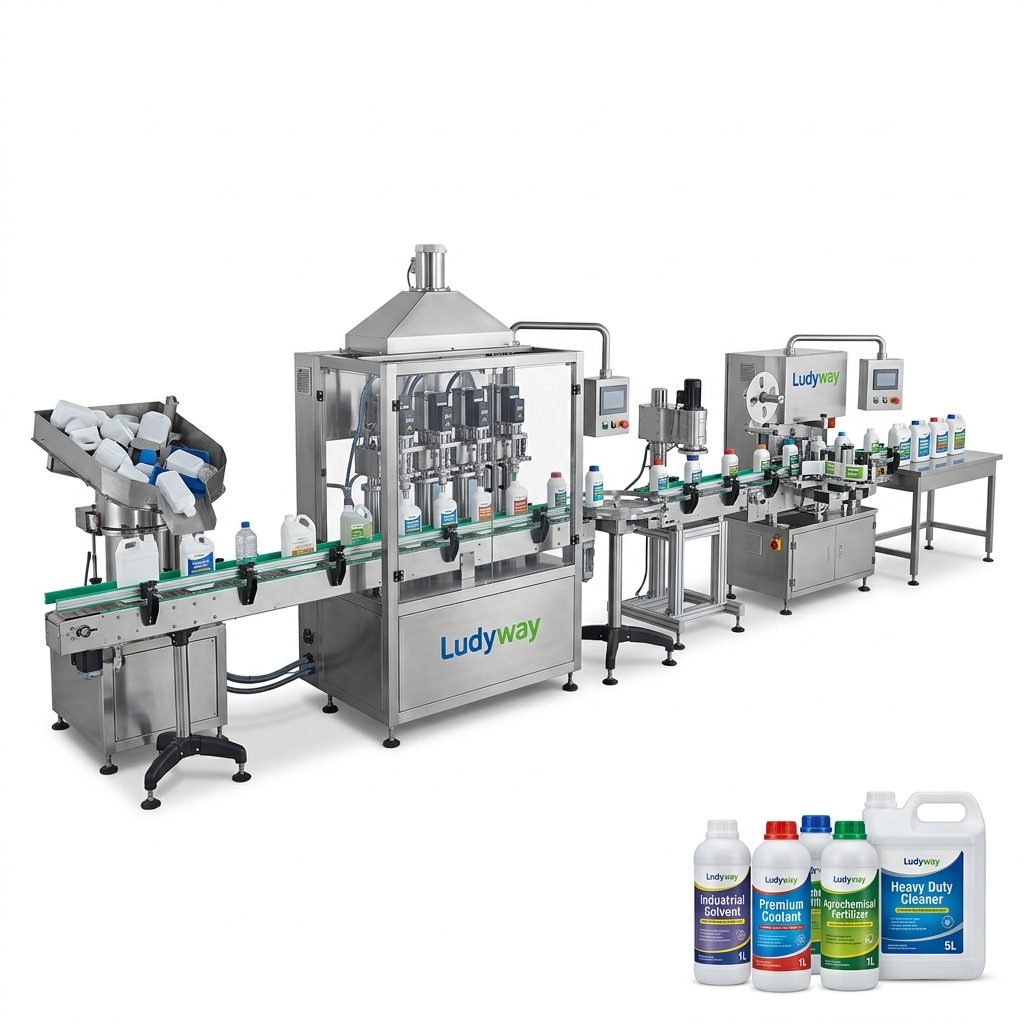
Different industries impose unique requirements that influence Supervac vacuum packaging machine pricing. Pharmaceutical and medical device packaging demands stricter validation protocols, cleanroom compatibility, and often requires machines built to ISO 11607 standards for terminally sterilized medical devices. Food packaging operations regulated by FDA food contact substance guidelines typically require specific material certifications and washdown-ready designs.
Regulatory Compliance Requirements by Industry
| Industry | Key Standards | Impact on Machine Cost |
|---|---|---|
| Food Packaging | FDA, HACCP, BRC, IFS | Moderate – stainless steel construction, washdown design |
| Pharmaceutical | FDA 21 CFR Part 11, GMP, ISO 11607 | Significant – validation packages, audit trails, cleanroom compatibility |
| Medical Devices | ISO 11607-1, ISO 11607-2, sterilization validation | High – sterile barrier system validation, process documentation |
| Industrial Components | General quality management, CE marking | Lower – standard construction often acceptable |
Global Sourcing Options and Regional Pricing Variations
The geographic origin of a Supervac vacuum packaging machine significantly affects pricing. European-manufactured machines typically carry premium pricing due to labor costs, engineering heritage, and brand reputation. Asian manufacturers, particularly established producers in China with advanced manufacturing facilities, increasingly offer competitive alternatives that meet international quality standards at more accessible price points.
Companies like Ludyway, one of the largest packaging machine manufacturers in China with over 30 years of industry expertise and a 20,000㎡ modern production facility, provide vacuum packaging solutions that comply with global standards while offering cost-effective pricing structures for international buyers. When evaluating suppliers, consider factors including factory audit capabilities, reference installations in your region, spare parts availability, and technical support infrastructure.
Financing and ROI Calculation
Many equipment buyers evaluate Supervac vacuum packaging machine investments through return on investment (ROI) analysis. Key metrics include labor cost reduction, product waste minimization through extended shelf life, and increased production throughput. Typical payback periods for vacuum packaging equipment in food processing operations range from 12 to 36 months, depending on utilization rates and the value of products being packaged.
ROI Calculation Factors
- Labor savings from automation of manual packaging processes
- Reduced product spoilage and returns through better preservation
- Increased throughput enabling business growth without proportional cost increases
- Lower packaging material costs through optimized bag sizing and seal efficiency
- Enhanced product value in markets demanding vacuum-sealed presentation

New vs. Refurbished Supervac Machine Considerations
For budget-conscious operations, refurbished vacuum packaging machines present an alternative to new equipment purchases. While initial savings of 40-60% off new machine pricing are attractive, buyers should carefully evaluate warranty coverage, parts availability for older models, and the refurbishment quality standards applied. New machines offer the latest technology, full manufacturer warranties, and often improved energy efficiency that can offset higher upfront costs over several years of operation.
Key Technical Specifications to Compare
When evaluating different Supervac vacuum packaging machine models and their corresponding prices, certain technical specifications directly correlate with value. Vacuum pump displacement rate (m³/h), ultimate vacuum level achievable, seal bar temperature control precision, and chamber construction gauge all differentiate economy models from professional-grade equipment. Requesting detailed specification sheets and arranging product demonstrations can help validate that pricing aligns with actual performance capabilities.
Important Technical Evaluation Criteria
- Vacuum pump displacement rate and ultimate pressure achievable
- Seal bar temperature control accuracy and heating uniformity
- Chamber material thickness and stainless steel grade certification
- Control system interface usability and programmability
- Cycle time consistency under continuous operation
- Noise level specifications for operator comfort and facility compliance
Industry Resources and Standards
For buyers researching Supervac vacuum packaging machine investments, several authoritative industry resources provide valuable guidance. The PMMI Association for Packaging and Processing Technologies offers comprehensive research and market intelligence. The Flexible Packaging Association provides industry resources relevant to vacuum packaging applications. Additionally, European packaging regulations available through the European Commission packaging and packaging waste portal inform compliance requirements for international markets. Standards organizations including ISO technical committee standards for packaging establish benchmarks for quality and performance evaluation.
Making an Informed Purchasing Decision
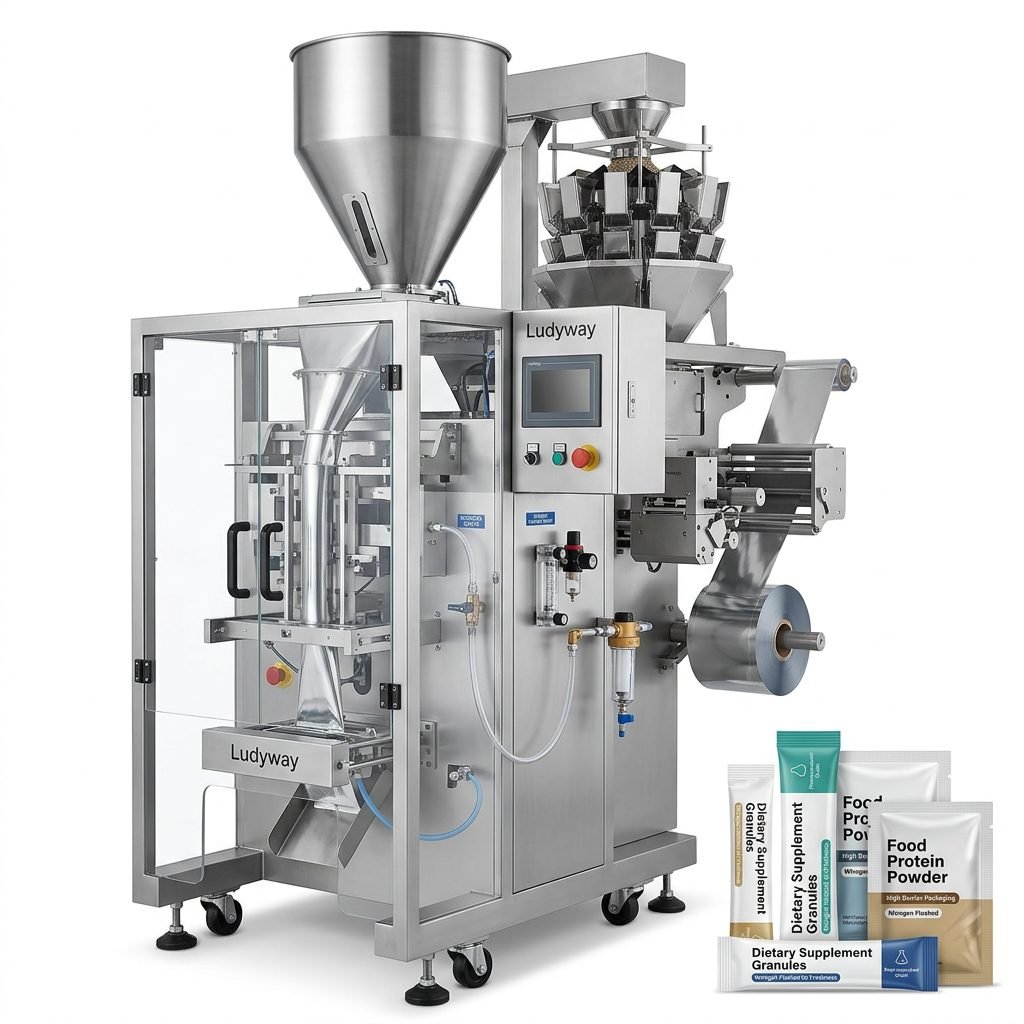
Selecting the right Supervac vacuum packaging machine requires balancing price, performance, and long-term reliability. Engaging with multiple suppliers, requesting detailed quotations with complete specification breakdowns, and verifying references from operations similar to your own provide the best foundation for a successful investment. The most cost-effective solution is not always the lowest purchase price—it is the machine that delivers consistent performance, lowest downtime, and optimal packaging quality throughout its operational life.