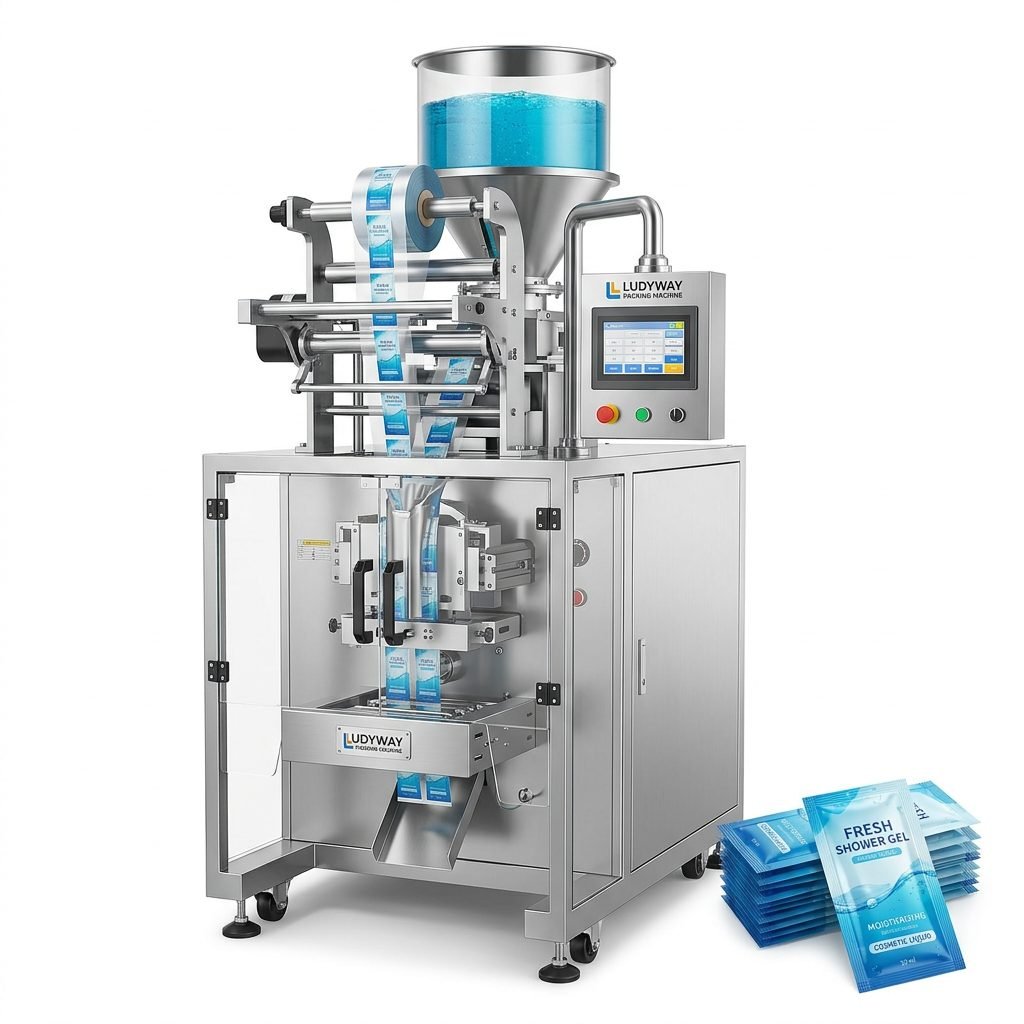
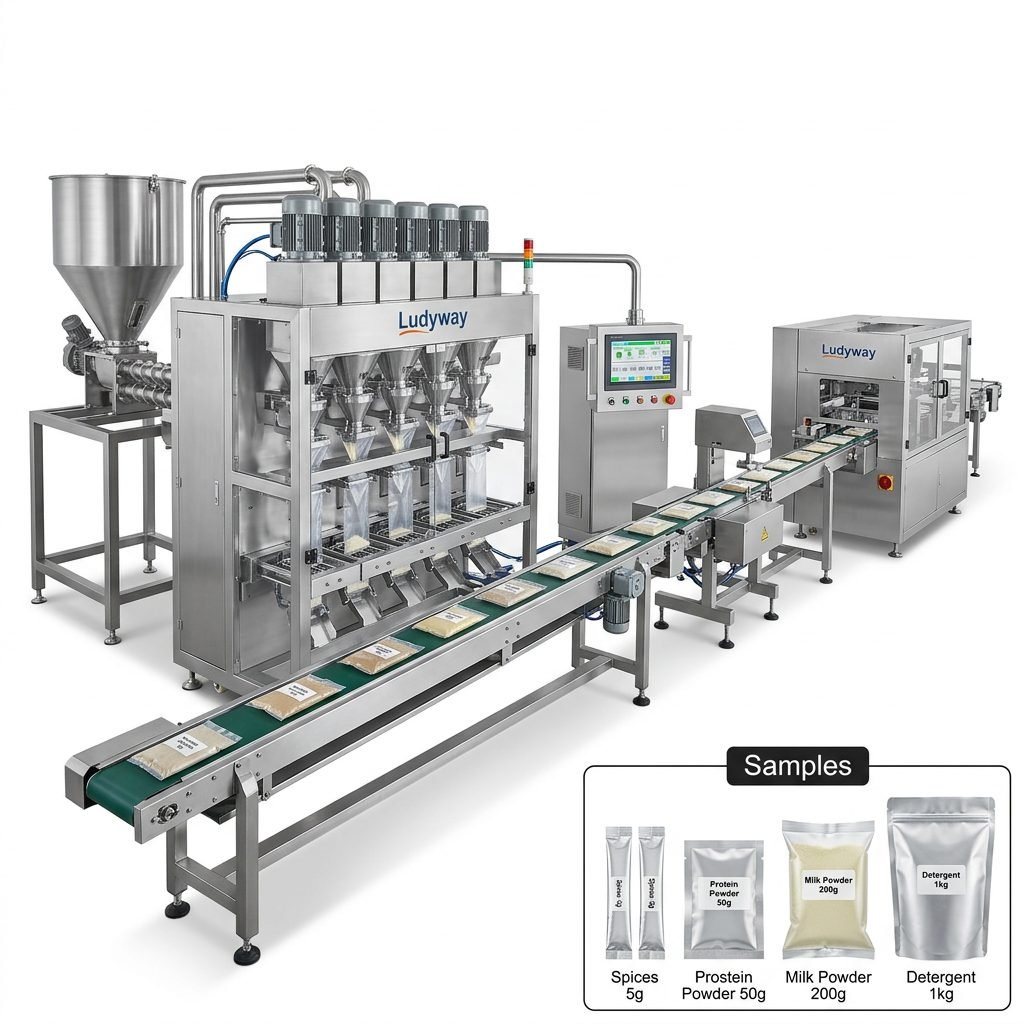
Asia has rapidly emerged as a global hub for animal food packaging machinery, driven by booming pet ownership, expanding aquaculture, and intensive livestock farming. Procurement professionals face a complex landscape of technologies, standards, and suppliers. Making an informed choice requires evaluating not just the upfront cost, but also the machine’s compatibility with specific feed formulations, long-term reliability, and compliance with evolving safety regulations. This guide breaks down the most critical factors to help you select the right equipment for granule, powder, and liquid animal nutrition products.
1. Understanding Your Product and Packaging Format
The first step is a precise analysis of your product characteristics. Material flowability, bulk density, and particle size directly determine the type of feeding and filling system required. Animal food products range from fine powders and fragile granules to sticky semi-moist treats and oily liquids.
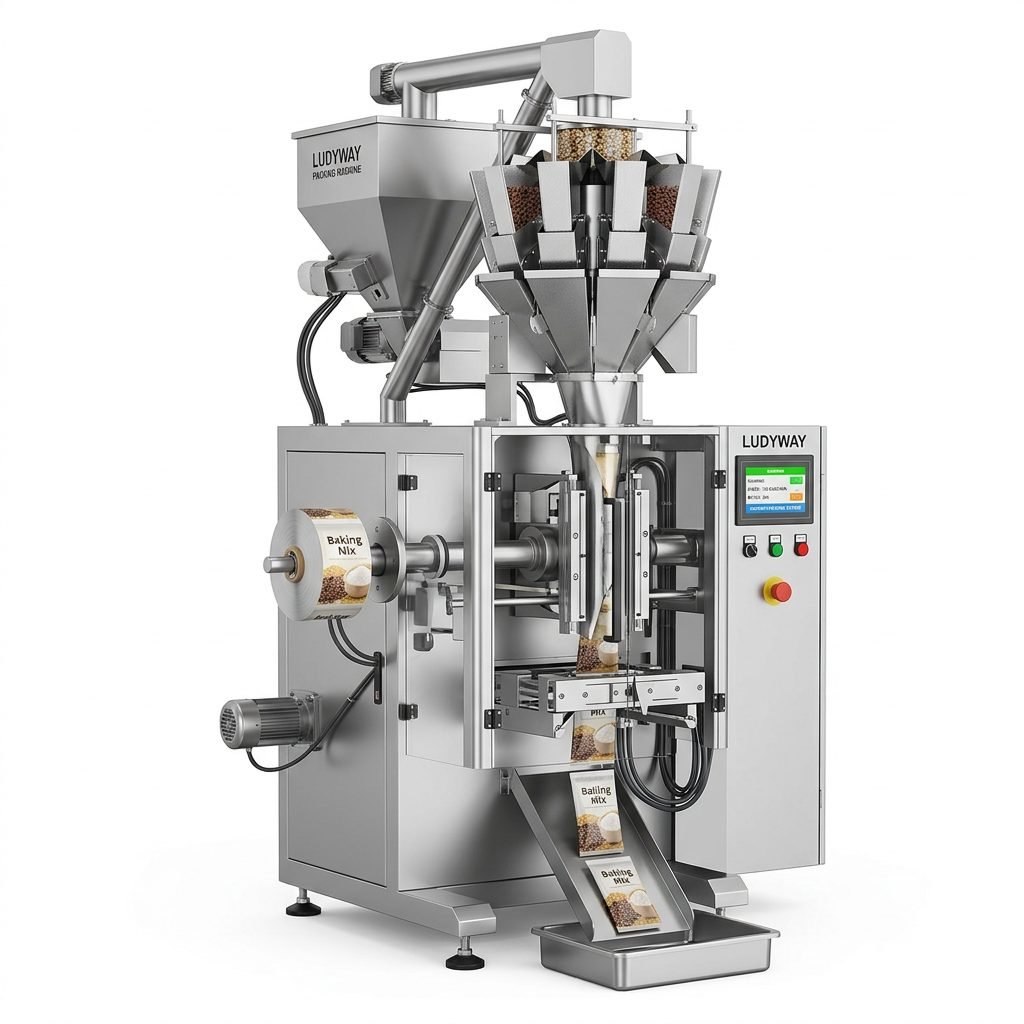
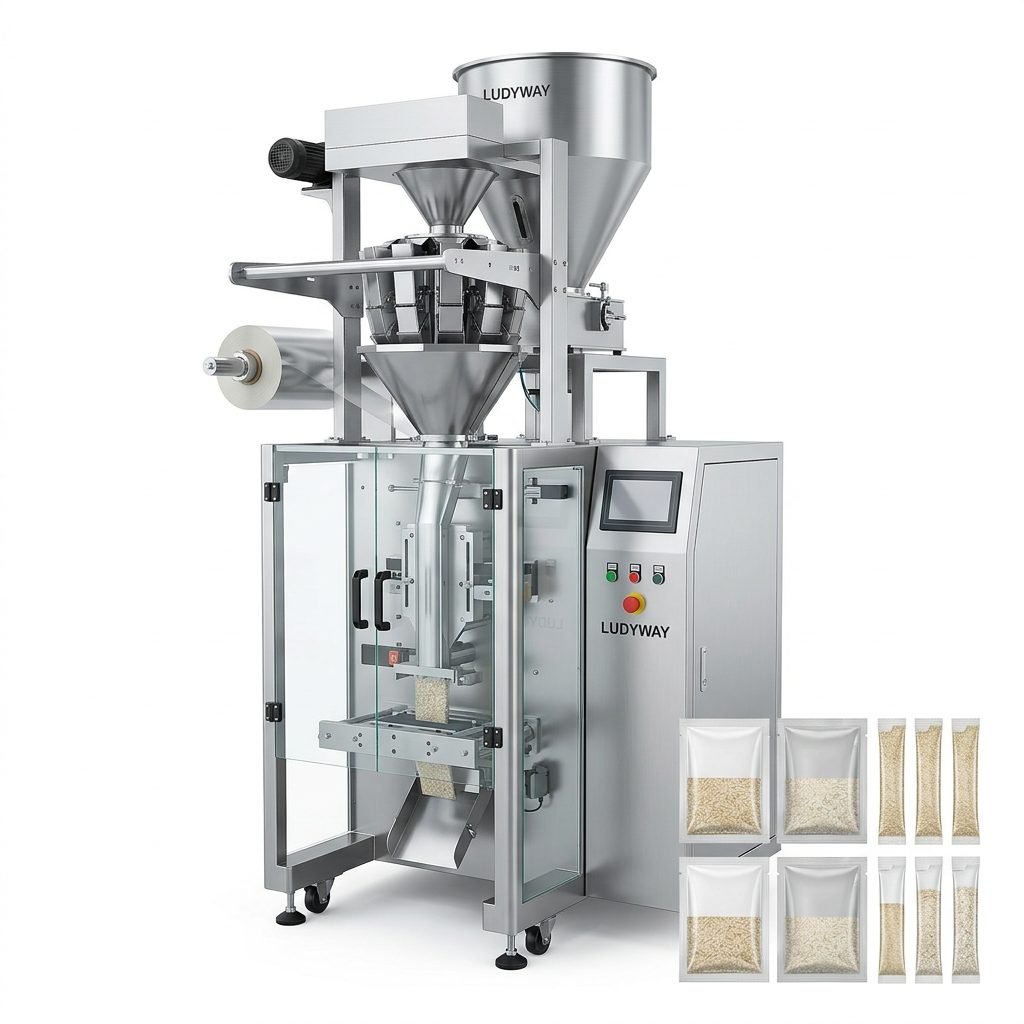
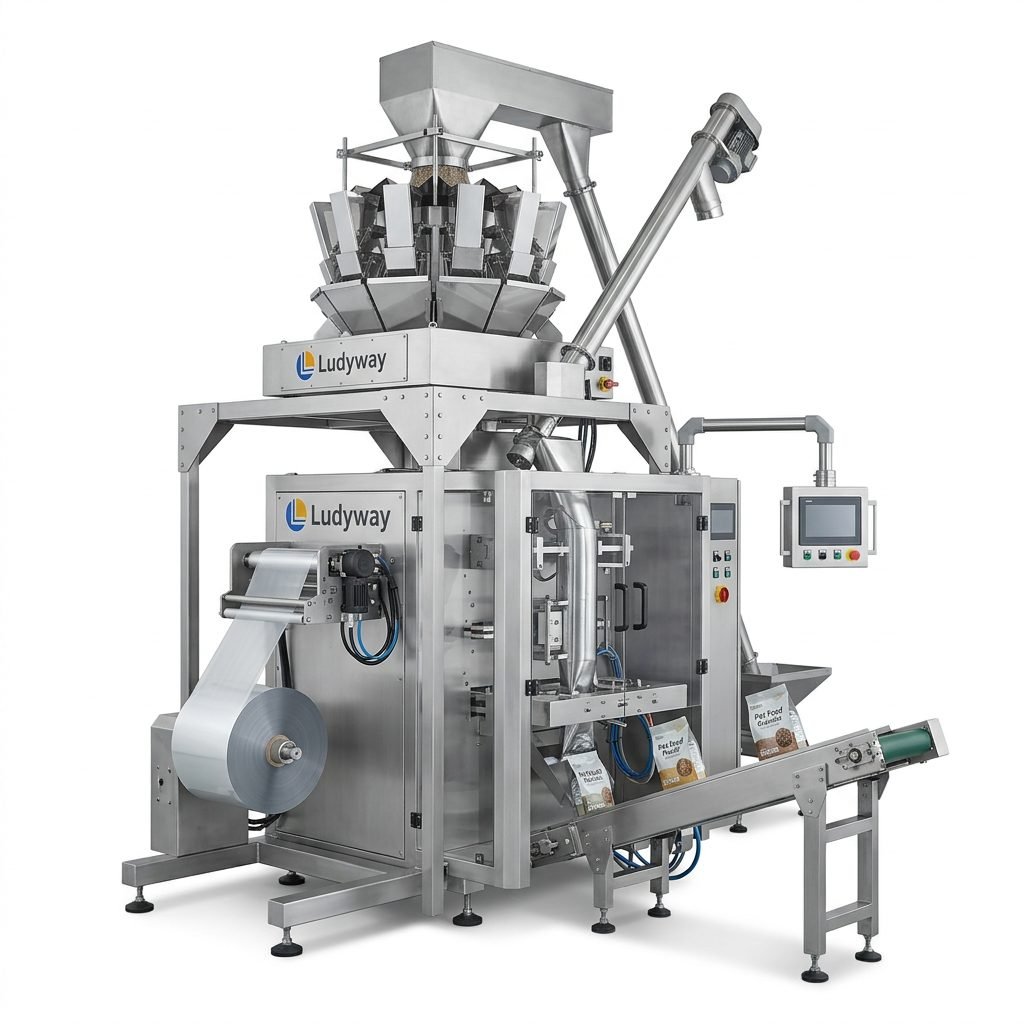
- Dry Kibble & Granules: Requires multi-head weighers or volumetric cup fillers for high-speed accuracy. Dust extraction systems are crucial for powdery products like feed premixes.
- Wet & Semi-Moist Food: Pouch packaging with hot-fill capabilities or specialized piston fillers are needed to handle sauces, gravies, and high-fat content without seal contamination.
- Freeze-Dried & High-Value Treats: Gentle handling systems and nitrogen flushing are often required to preserve product integrity and extend shelf life.
2. Key Technical Specifications and Materials
For animal food applications, build quality directly impacts uptime and sanitation. Focus on these technical aspects:
- Construction Material: AISI 304 or 316L stainless steel is non-negotiable for food contact parts. It resists corrosion from salts, fats, and acids commonly found in animal feeds.
- Sealing Integrity: Look for machines with adjustable temperature controls and pressure sensors. Poor sealing leads to fat leakage and pest infestation, a major issue for export-oriented pet food brands.
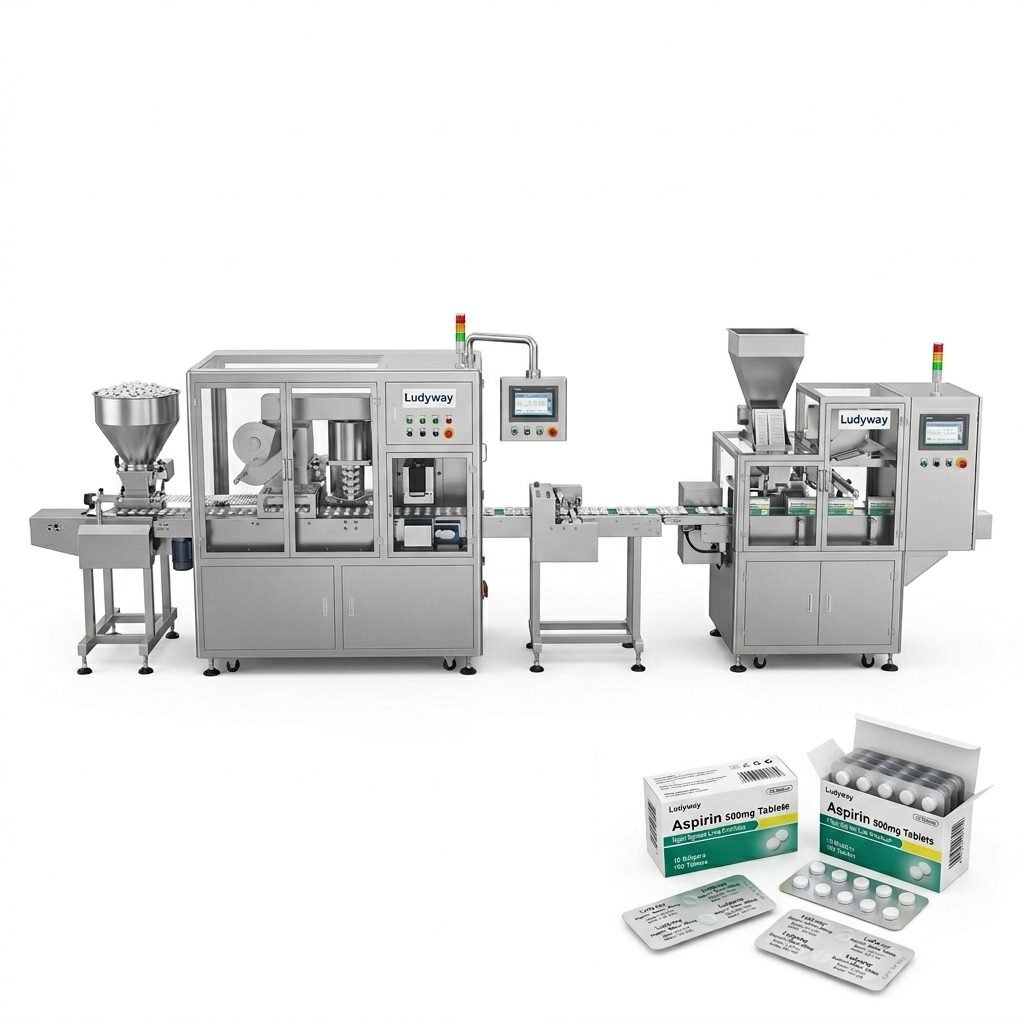
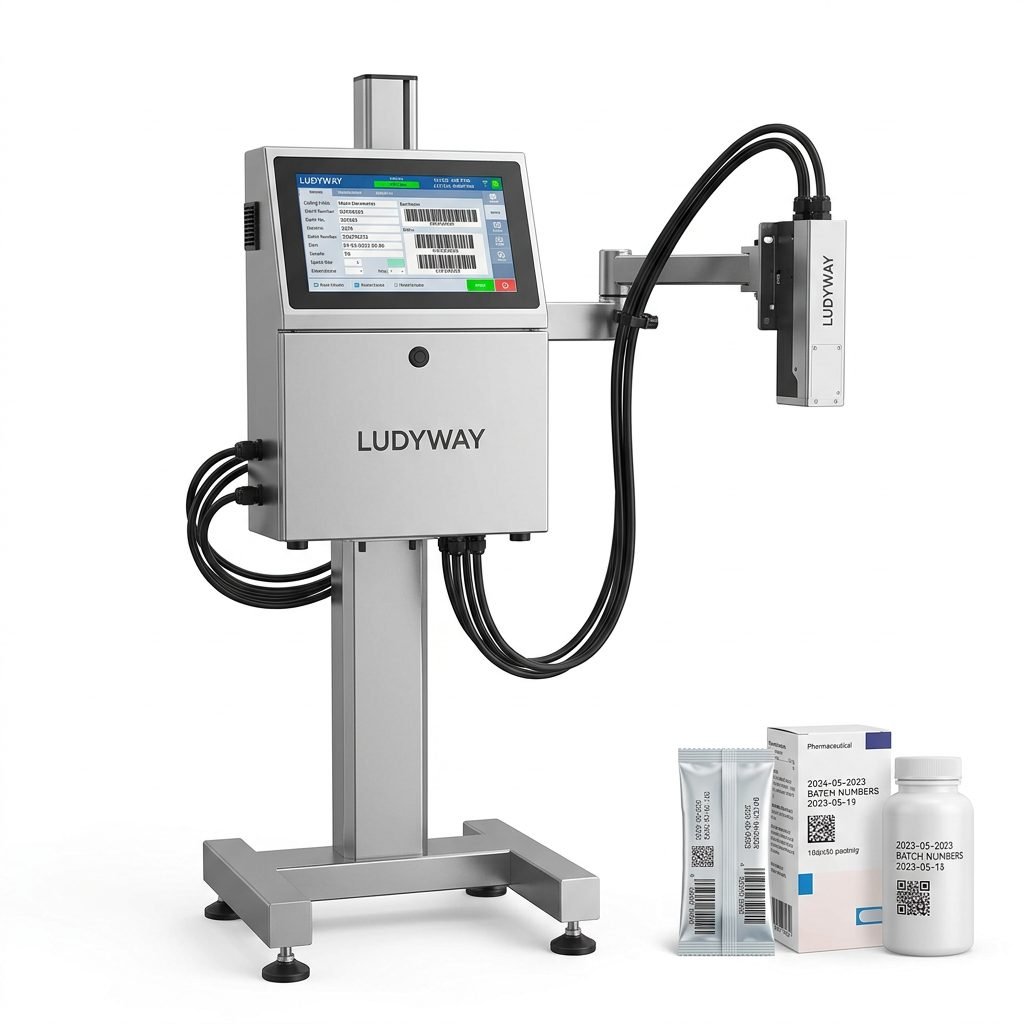
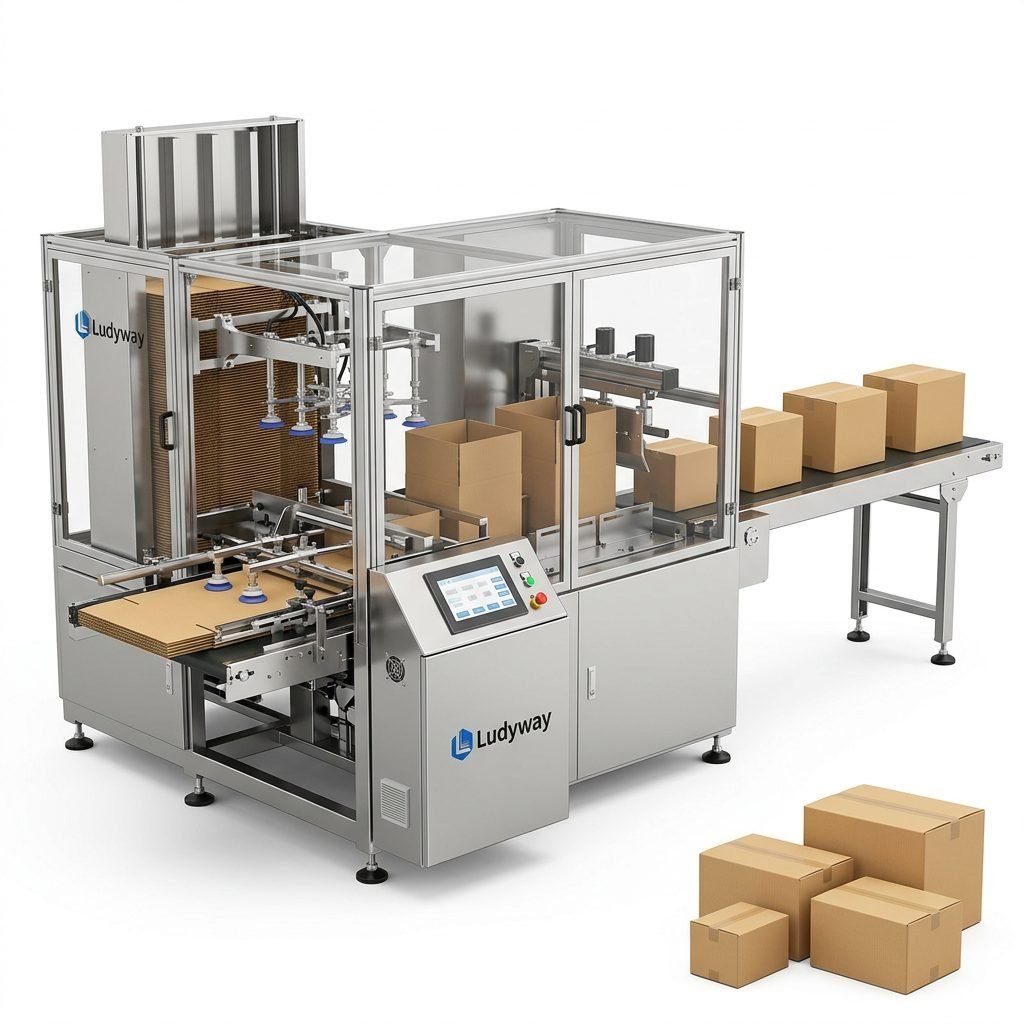
- Automation Level: Fully automated systems integrate weighing, filling, sealing, coding, and cartoning. This reduces manual handling and cross-contamination risks, which is critical for products like vitamin supplements and medicated feed.
Popular Machine Configurations
| Machine Type | Best For | Key Advantage |
|---|---|---|
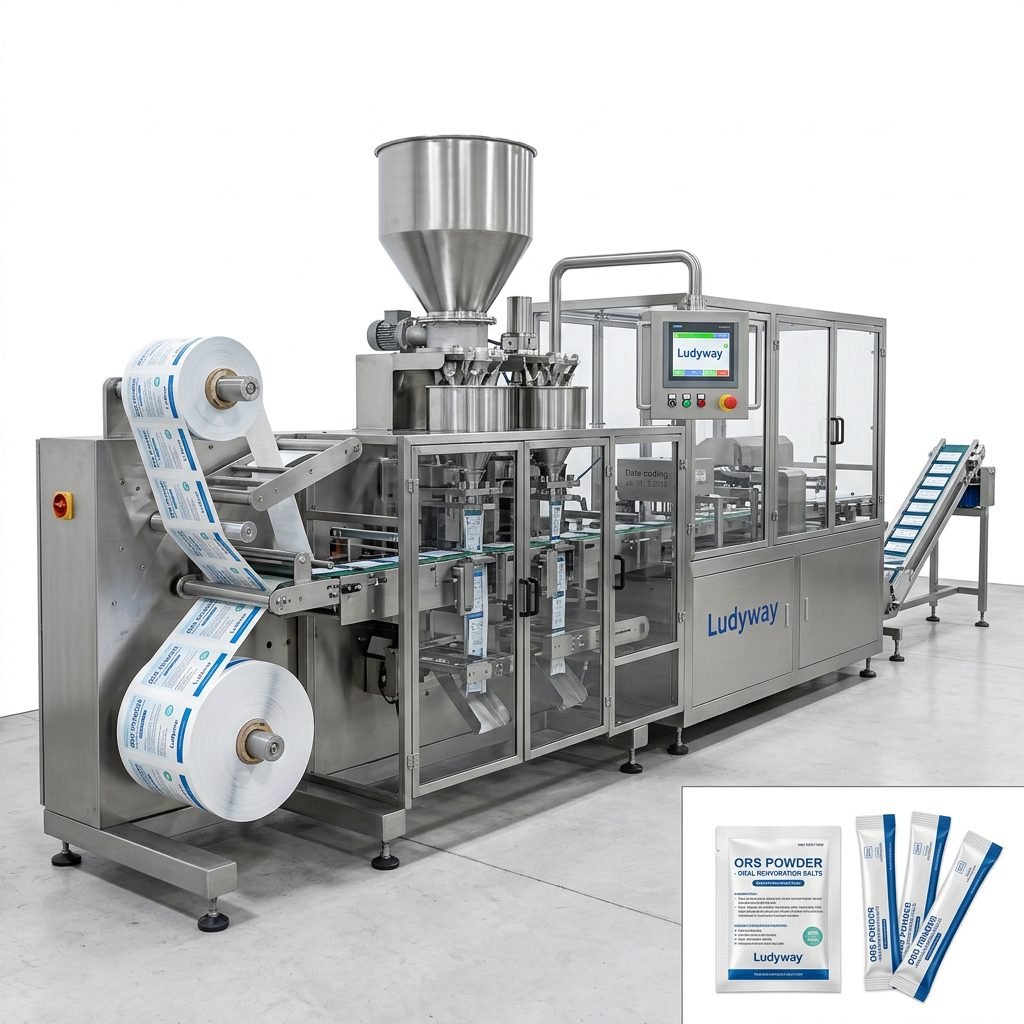
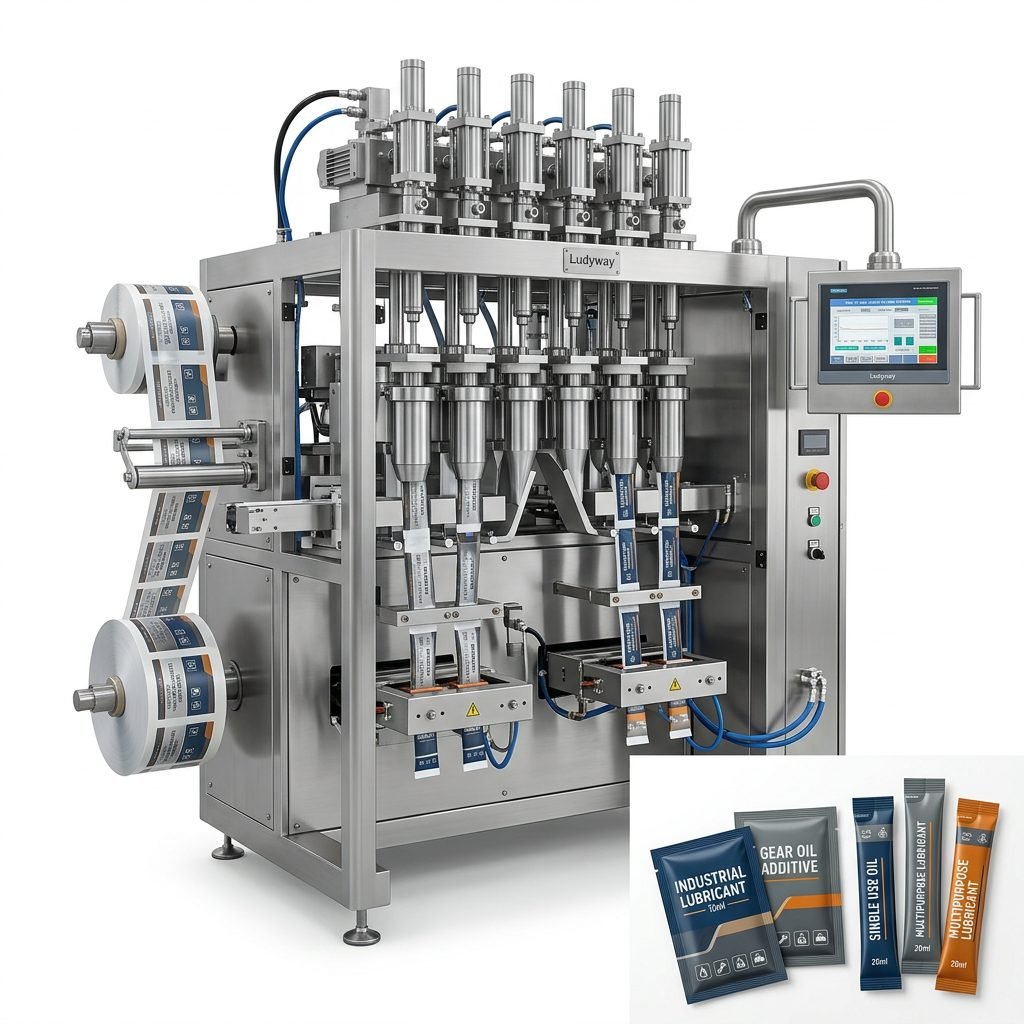
| Multi-Lane Stick Pack | Probiotic powders, supplement sachets | Ultra-high speed, precise micro-dosing |
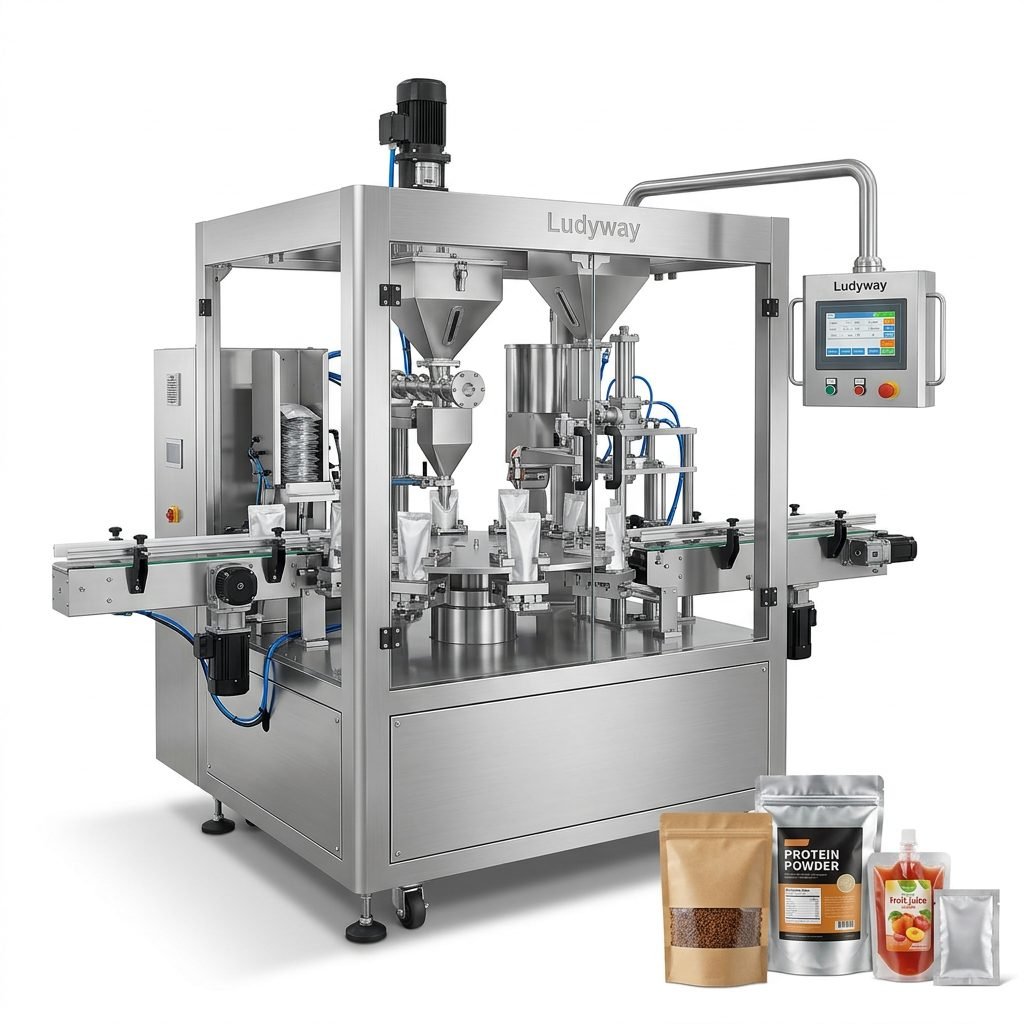
| Premade Pouch Rotary Fillers | Wet cat food, high-value treats | Superior seal quality, flexible formats |
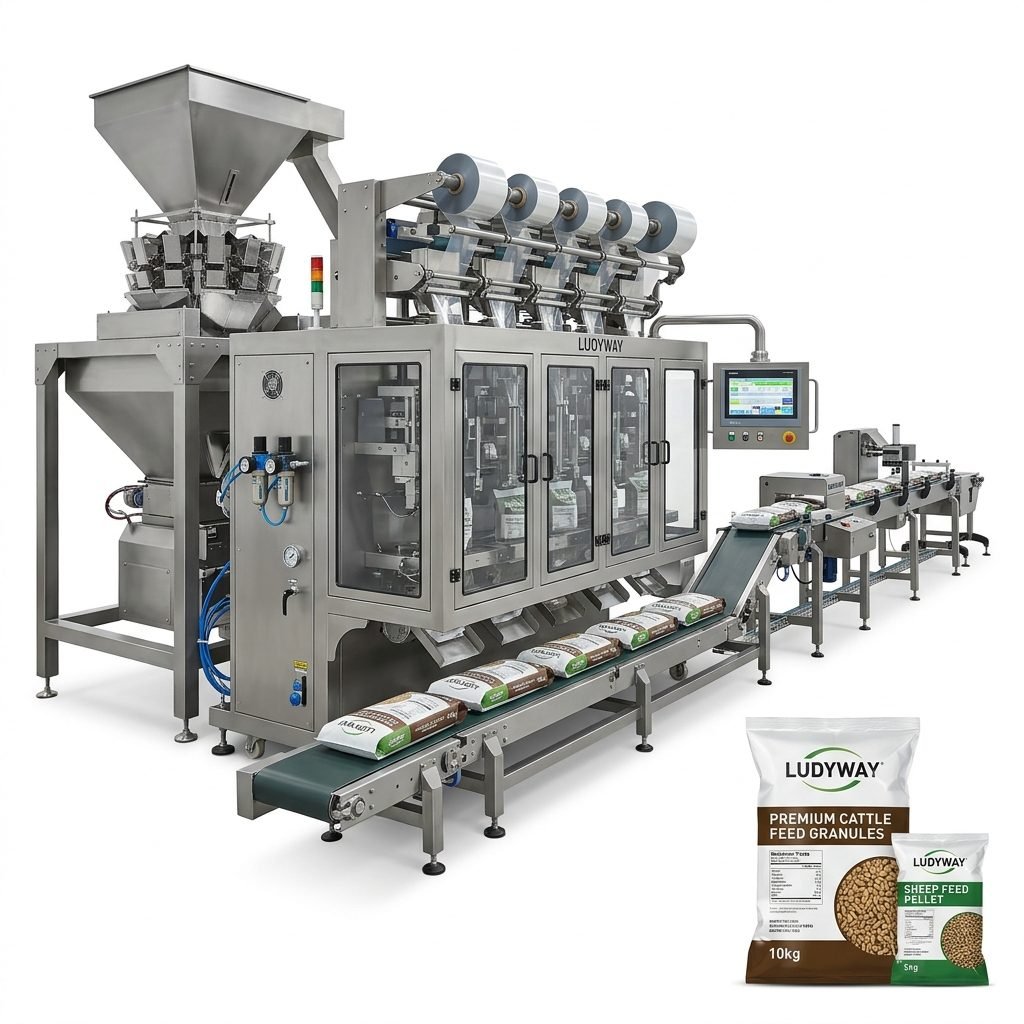
| Open-Mouth Bagging Lines | Bulk livestock feed, grain blends | Heavy-duty throughput from 5kg to 50kg |
| Vertical Form Fill Seal (VFFS) | Bird seed, small animal pellets | Cost-effective for a wide range of granule sizes |
3. Compliance and Food Safety Standards
Animal food safety is regulated with increasing stringency, especially for products exported to the EU and North America. Your packaging machine must facilitate compliance with:
- FSMA (USA): Focuses on preventive controls and sanitary design to prevent contamination.
- FDA 21 CFR: Requirements for food contact substances used in packaging materials.
- EU Regulations: Standards on materials and articles intended to come into contact with food, including animal feed.
- ISO 22000: Certification for food safety management systems, increasingly required by global buyers.
Verify that the equipment supports easy cleaning and CIP (Clean-in-Place) configurations, with minimal crevices and horizontal surfaces where feed residues can accumulate.
4. Production Efficiency and Total Cost of Ownership
Speed alone is a vanity metric. Calculate the Overall Equipment Effectiveness (OEE) by considering changeover times, film waste rates, and planned maintenance downtime. A machine running at 120 packs per minute with a 10% reject rate may be less profitable than a stable 80 ppm machine with 0.5% waste.
Key cost factors include:
- Energy Consumption: Servo-driven systems are more efficient than pneumatic counterparts over the long term.
- Spare Parts Availability: Insist on a detailed spare parts list with lead times. Manufacturers with regional service hubs in Southeast Asia or the Middle East offer a distinct advantage.
- Film Material Flexibility: Machines that run a wider range of sustainable films, including recyclable mono-materials, future-proof your packaging against plastic taxes.
Supplier Selection Checklist
- Does the supplier have specific experience in animal food, not just human food? Fat management and dust control differ significantly.
- Can they provide video proof of a similar line running in a real production environment?
- Is the control system based on globally recognized PLC brands (Siemens, Rockwell, Omron) for easy local servicing?
- What is their export track record? References from customers in your target regulatory market are invaluable.
5. After-Sales Support and Smart Manufacturing
Modern animal food lines are increasingly integrated with Industry 4.0 capabilities. Remote access for diagnostics, real-time OEE dashboards, and automated reject systems for underweight packs are becoming standard features.
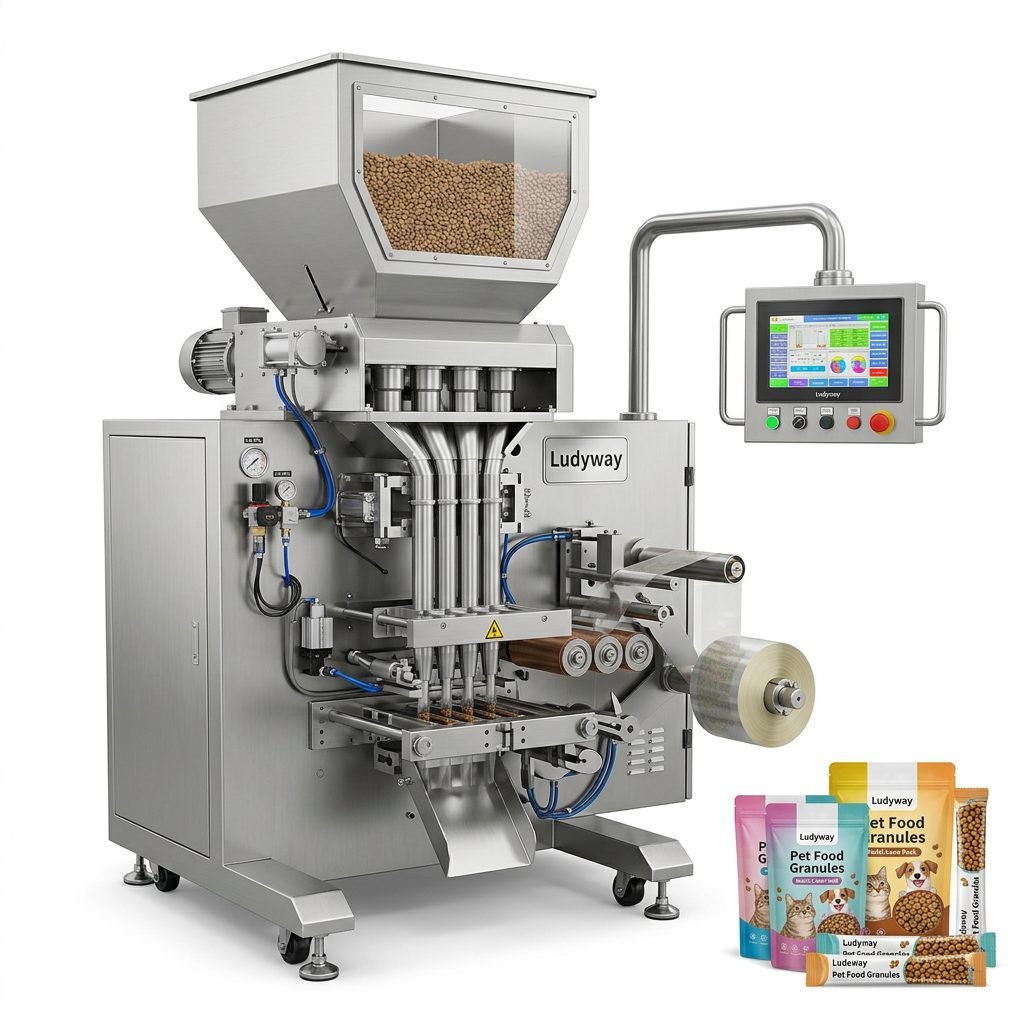
When evaluating a partner, prioritize those who offer comprehensive turnkey solutions, from raw material handling to palletizing. Established manufacturers like Ludyway, with over 30 years of industry experience and a presence in more than 100 countries, bring a depth of practical engineering knowledge that helps businesses improve productivity and product quality while navigating the complexities of international food safety standards.
6. Leveraging Industry Resources
To stay updated on packaging trends that impact animal food machinery, consult these authoritative sources:
- PMMI Business Intelligence – Packaging Machinery Market Research
- Flexible Packaging Association – Industry Data and Resources
- FDA – Packaging and Food Contact Substances
- ISO – Standards for Packaging and Distribution of Goods
7. Making the Final Decision
Selecting an animal food packaging machine in Asia requires a balance of mechanical robustness, digital intelligence, and regulatory foresight. Always request a detailed Factory Acceptance Test (FAT) protocol, and if possible, visit the manufacturing facility. Look for a partner that provides reliable and efficient packaging solutions backed by an experienced engineering team, ensuring your investment delivers consistent output for the next decade and beyond.