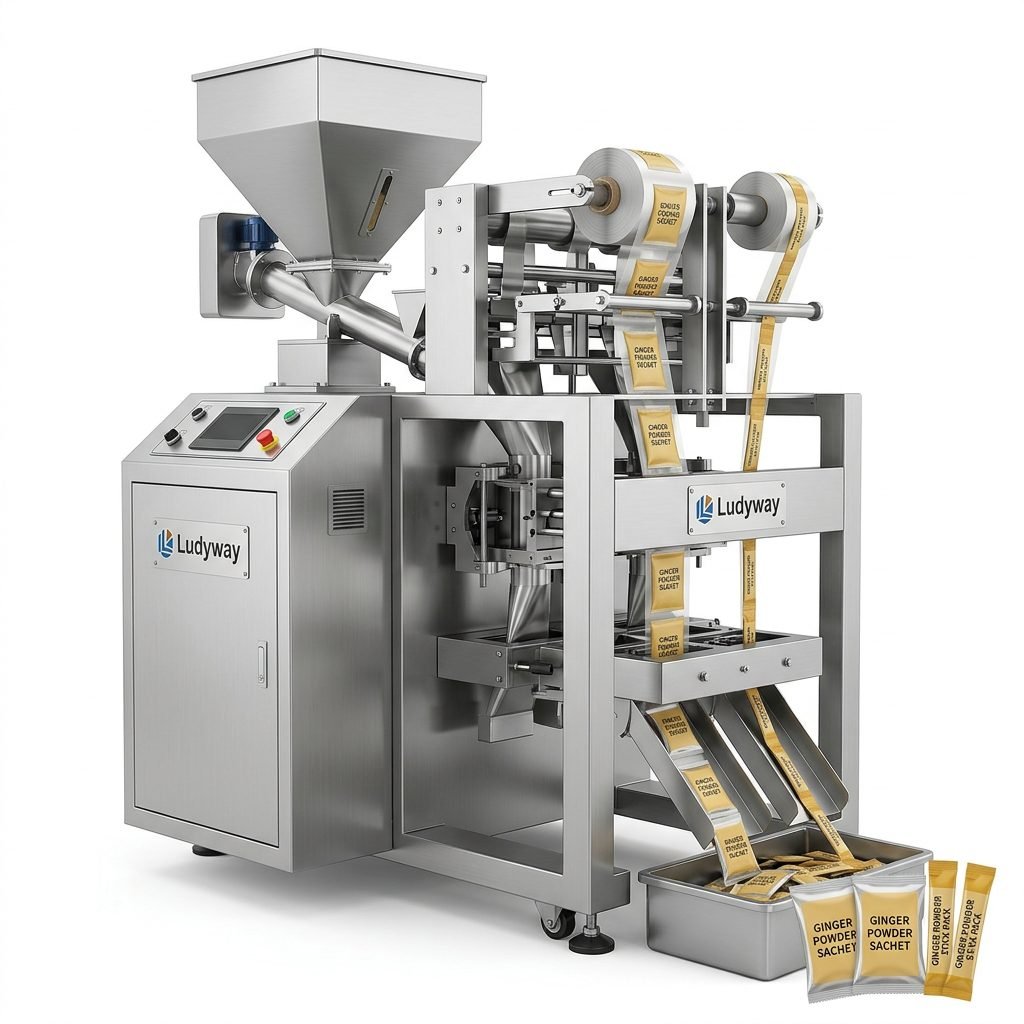
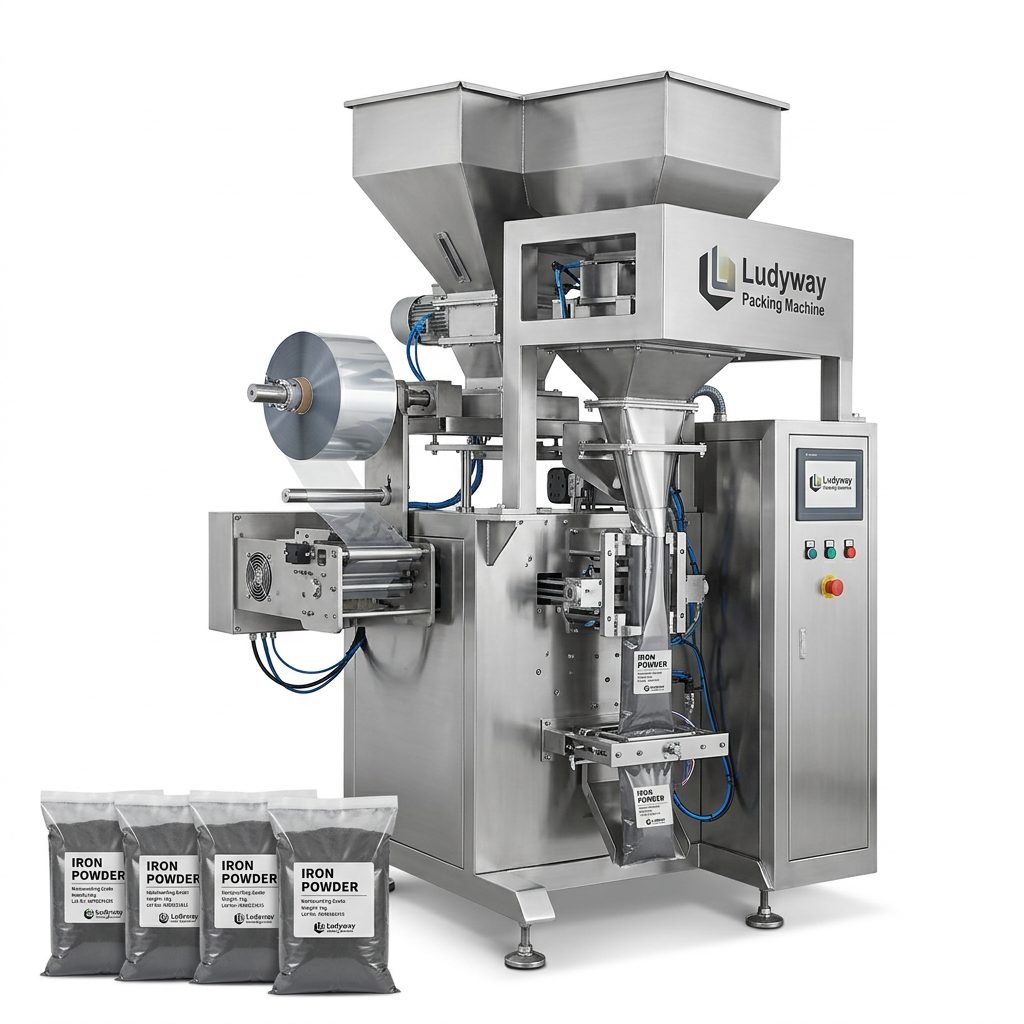
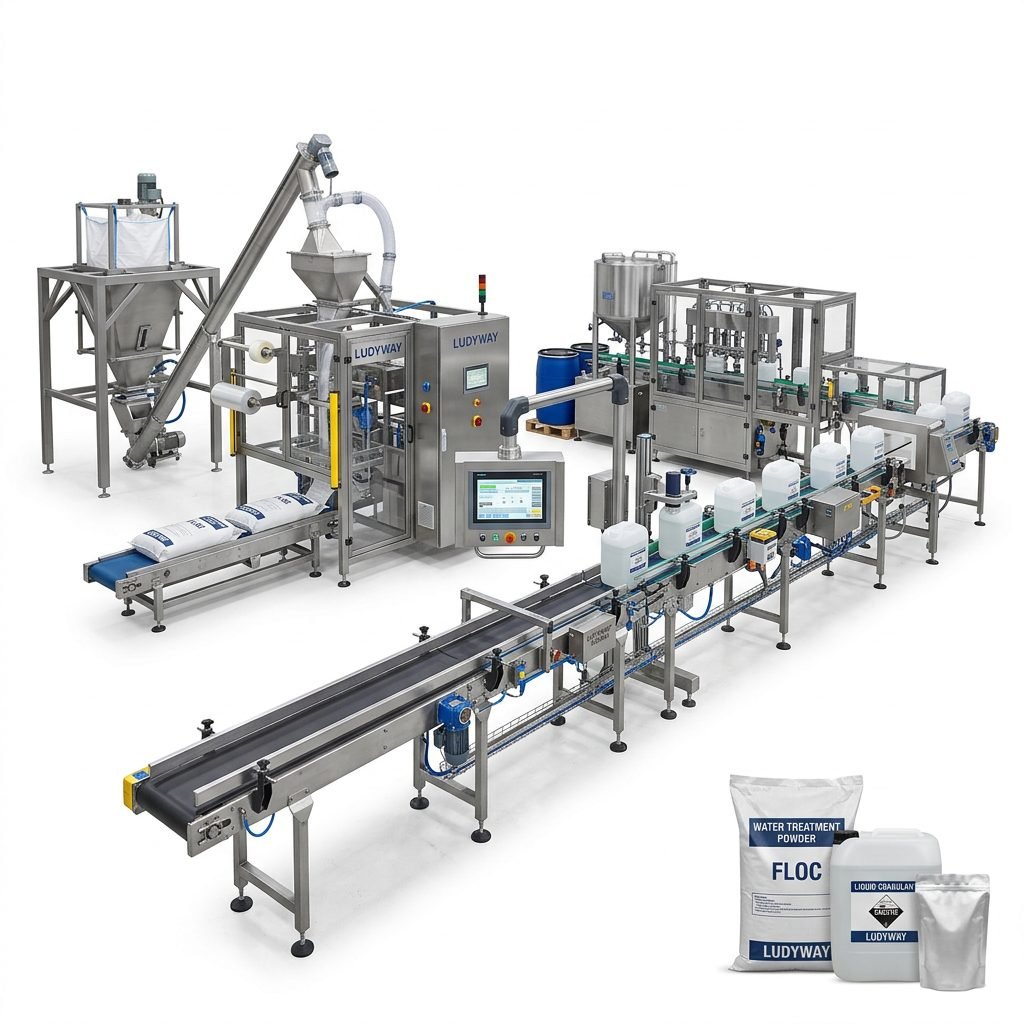
Setting up a tea bag packaging machine production line in France requires careful planning, regulatory awareness, and strategic equipment selection. Whether you are launching a new herbal tea brand or scaling an existing operation, understanding the French market landscape is essential for success.
Understanding the French Tea Market
France has emerged as one of Europe’s most dynamic tea markets, with a growing consumer preference for premium, organic, and functional tea blends. The demand for convenient single-serve formats, including tea bags, sachets, and stick packs, continues to rise across retail, hospitality, and e-commerce channels. French consumers increasingly value sustainable packaging materials and transparent sourcing, making it critical for producers to align their packaging operations with these expectations.
Market Trends Driving Tea Bag Demand
- Growing preference for organic and fair-trade certified teas
- Increased consumption of herbal infusions and wellness blends
- Rising demand for portion-controlled single-serve packaging
- Shift toward biodegradable and compostable tea bag materials
- Expansion of private-label tea brands in French supermarkets
Key Regulations and Compliance in France
Before installing a tea bag packaging production line in France, you must navigate EU and French national regulations governing food contact materials, machinery safety, and environmental standards. Compliance with these frameworks ensures smooth operations and market access across the European Union.
| Regulatory Area | Key Standard | Application to Tea Packaging |
|---|---|---|
| Food Contact Materials | EU Regulation (EC) No 1935/2004 | Covers tea bag paper, filter materials, and packaging films |
| Machinery Safety | EU Machinery Directive 2006/42/EC | CE marking requirements for packaging equipment |
| Packaging Waste | EU Packaging and Packaging Waste Directive | Recyclability and extended producer responsibility |
| Organic Certification | EU Organic Regulation (EU) 2018/848 | Required for organic-labeled tea products in France |
| Hygiene Standards | EN 1672-2 Food Processing Hygiene | Clean-in-place design and sanitary operation protocols |
For detailed regulatory guidance, consult the FDA food packaging resources and the European Commission packaging waste portal. Additionally, the PMMI packaging industry resources provide valuable insights into global packaging standards and machinery compliance.
Selecting the Right Tea Bag Packaging Machine
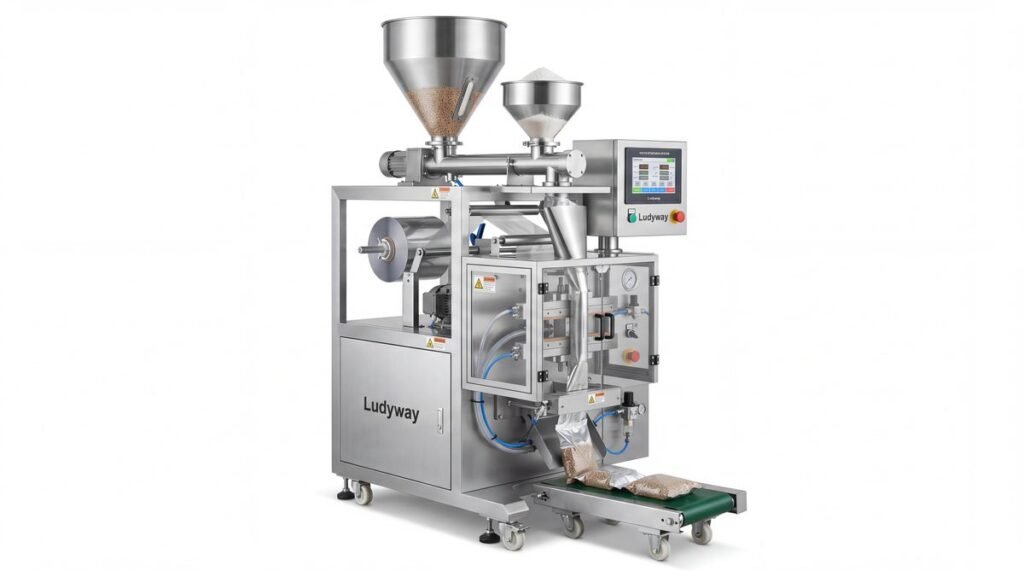
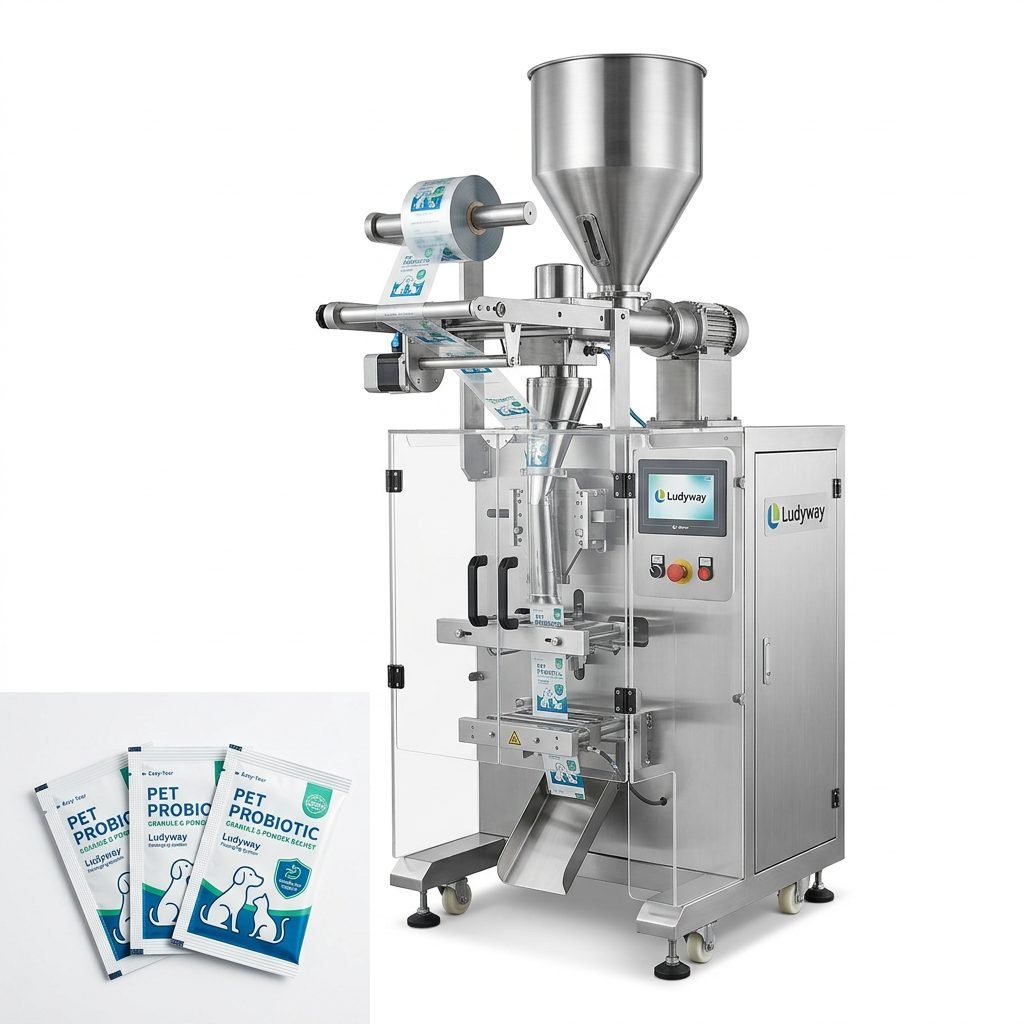
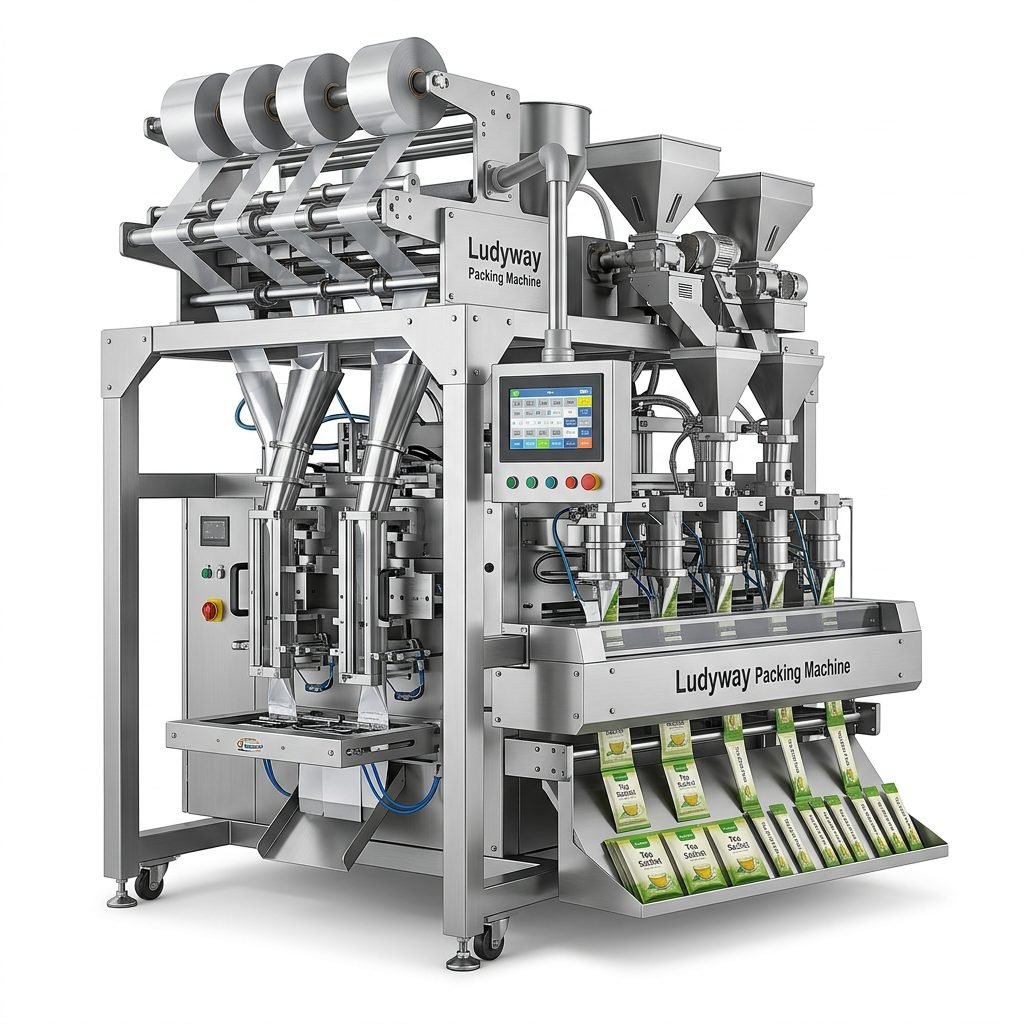
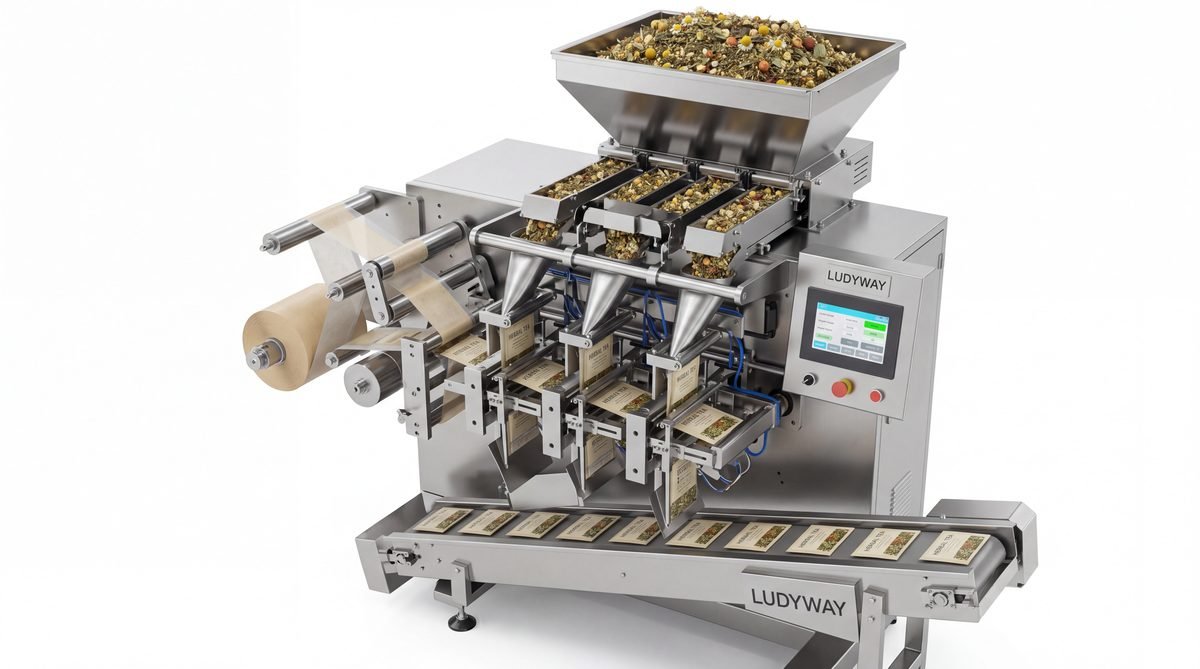
Choosing the appropriate tea bag packaging machine depends on your production volume, tea type, and desired packaging format. Modern machines can handle granule tea, powdered tea, whole-leaf blends, and herbal mixtures with varying flow characteristics. The key is matching equipment capabilities to your specific product requirements.
Types of Tea bag Packaging Machines
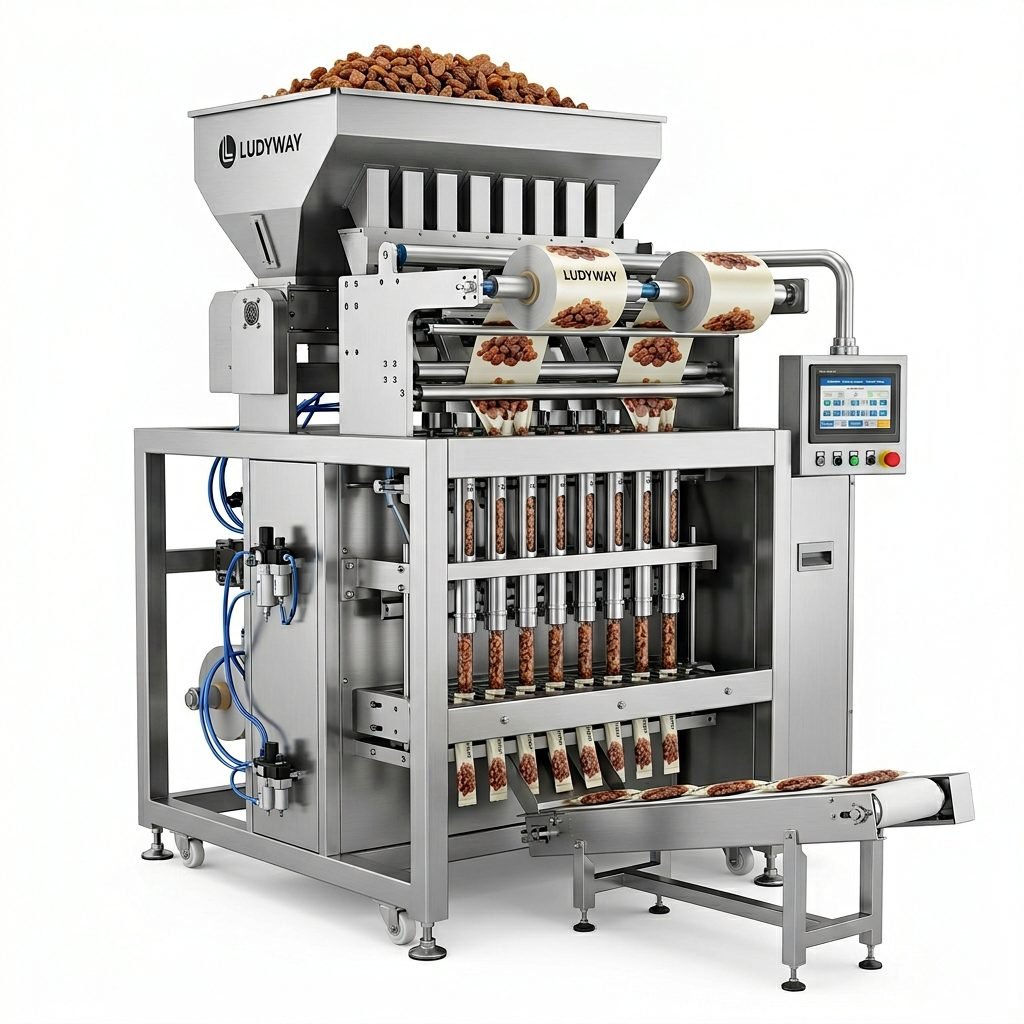
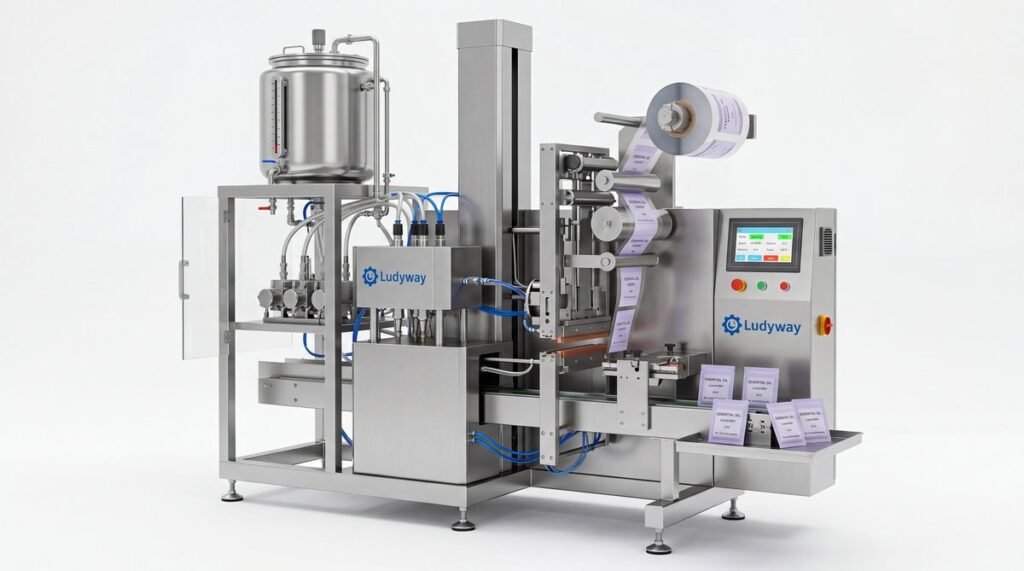
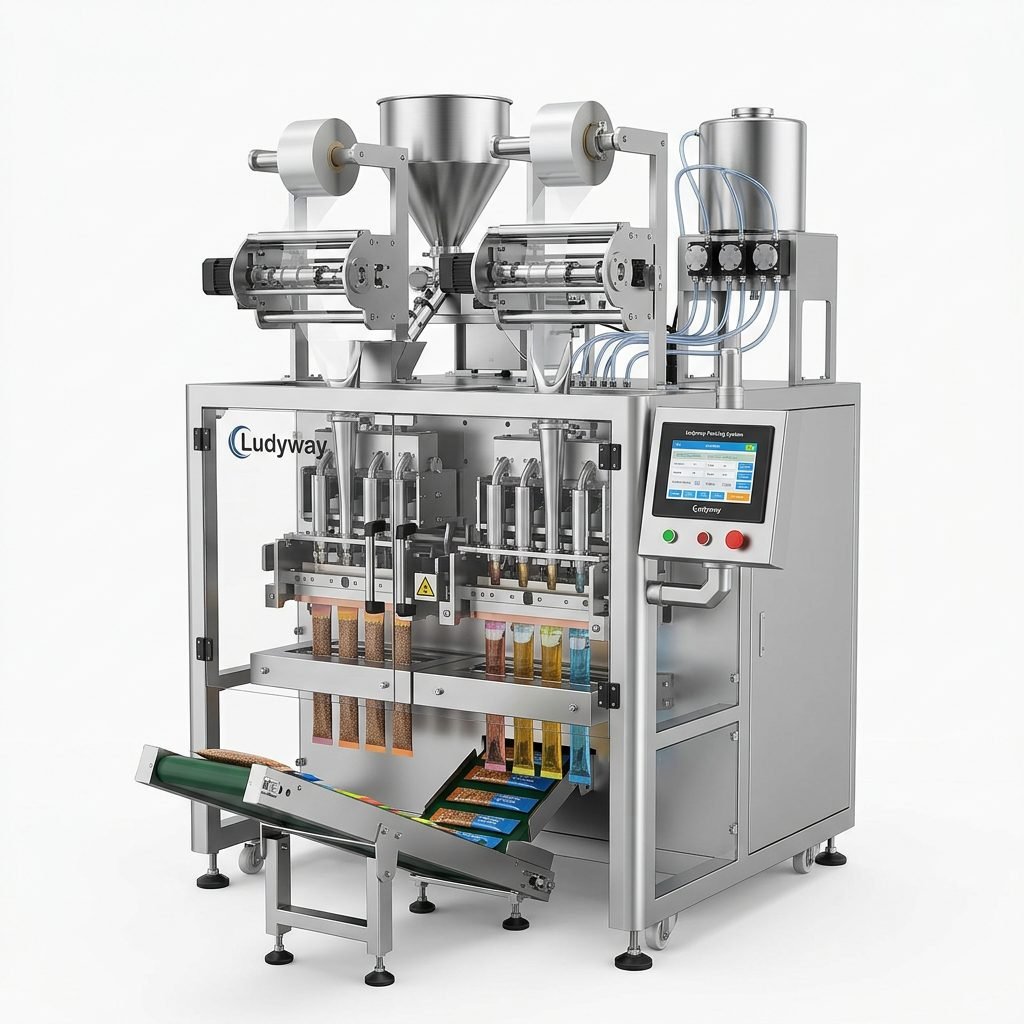
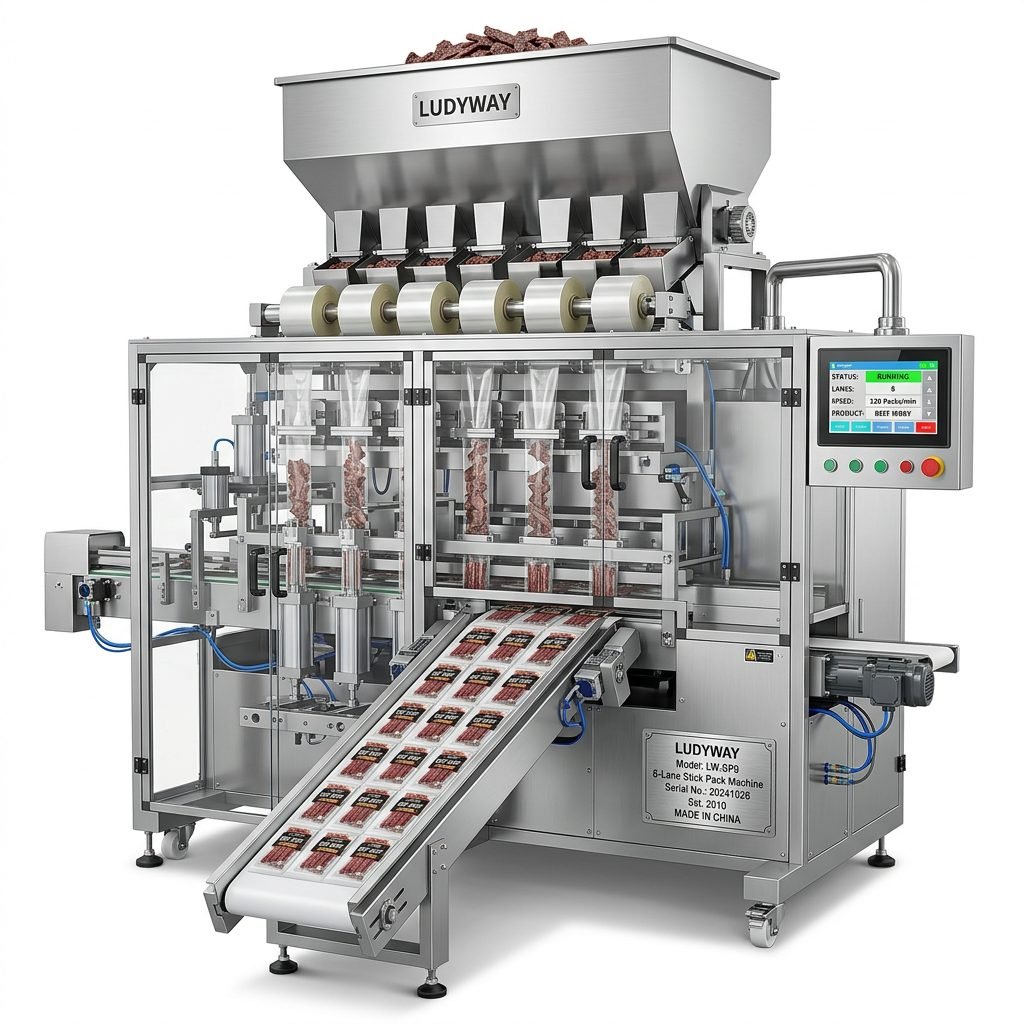
- Multi-lane sachet machines — Ideal for high-volume production of single-chamber tea bags with tag and string
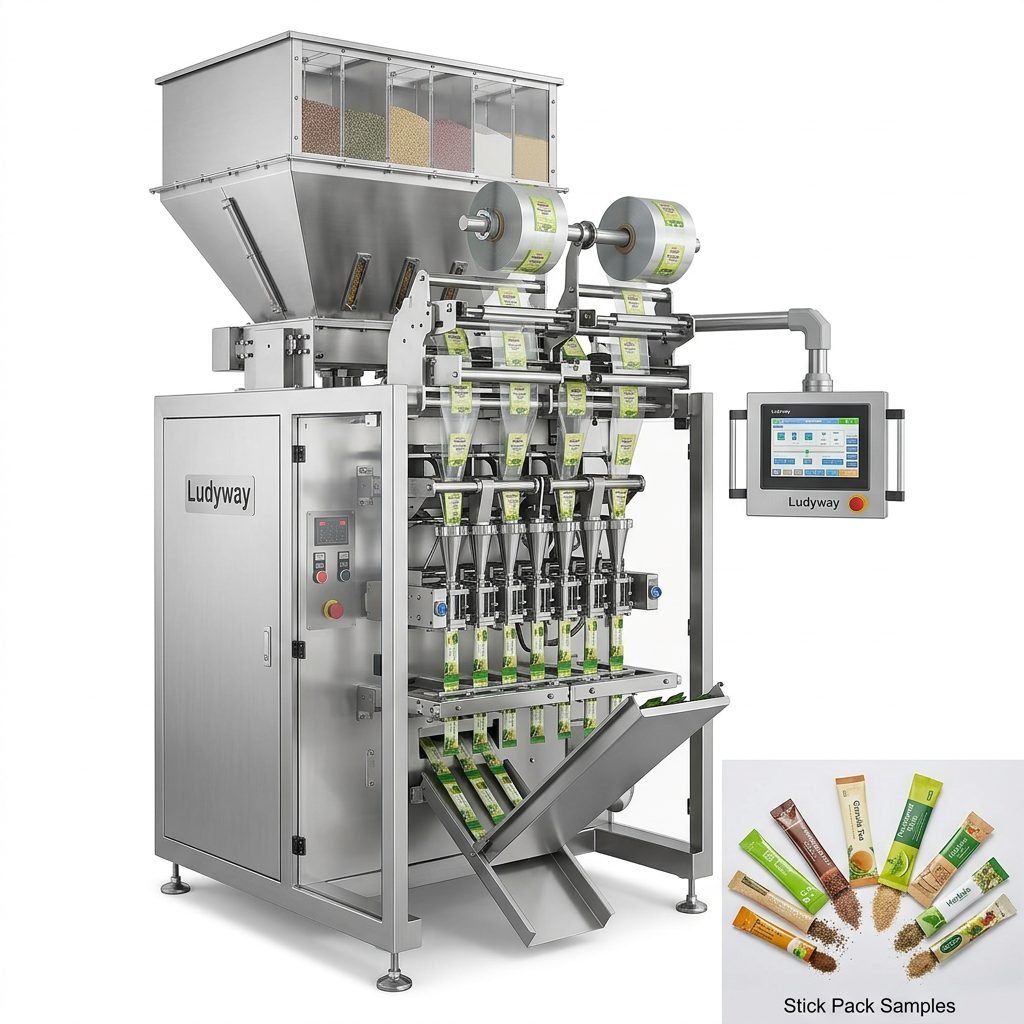
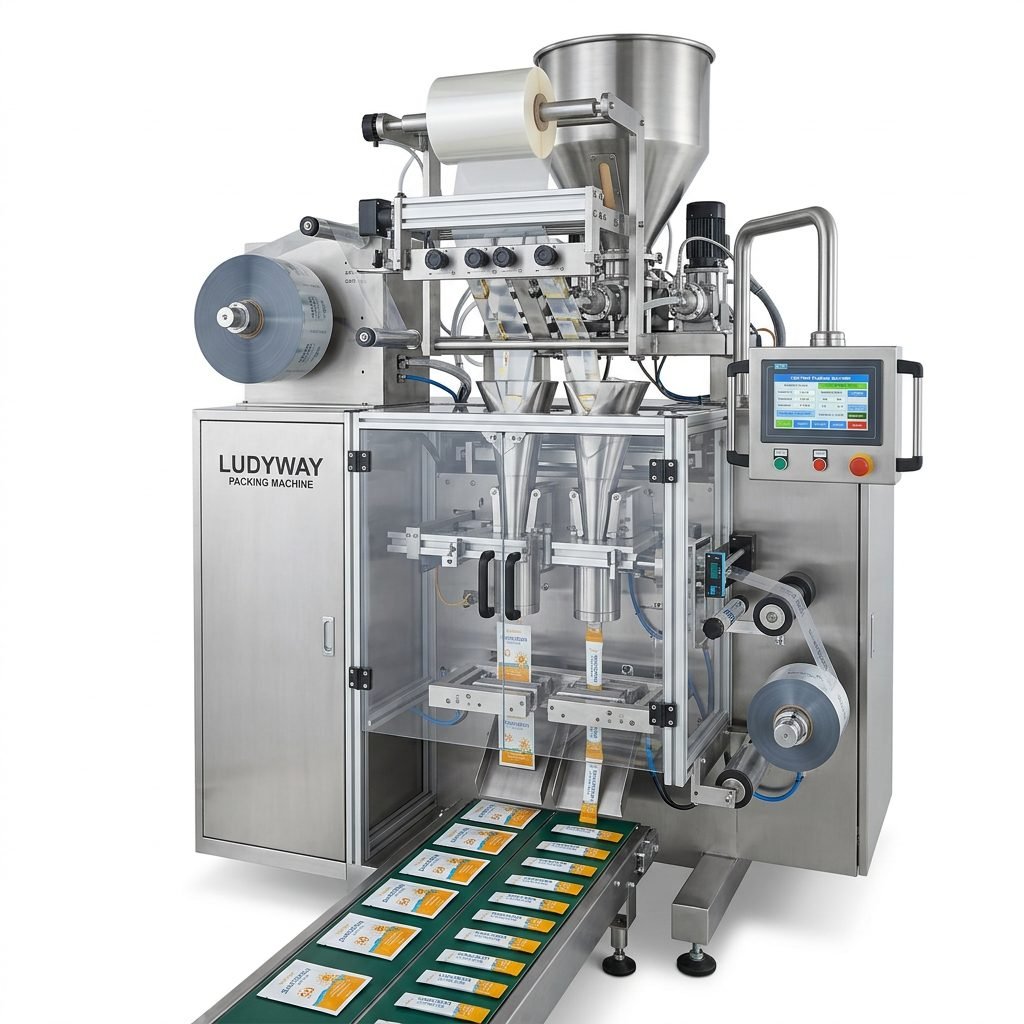
- Stick pack machines — Suitable for powdered tea, matcha, and instant tea products in narrow stick formats
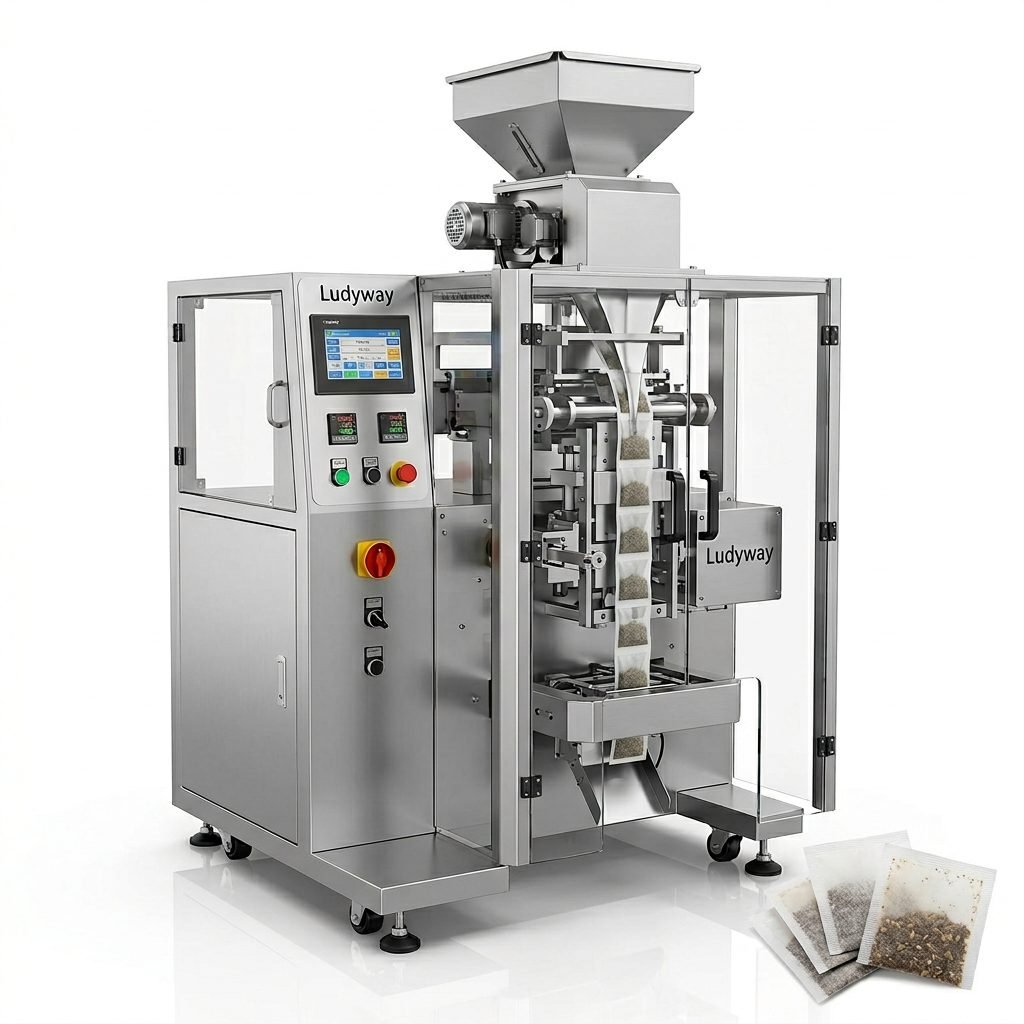
- Rotary tea bag machines — Designed for double-chamber tea bags with heat-seal or crimped closures
- Envelope wrapping machines — Add an outer protective layer for enhanced freshness and shelf appeal
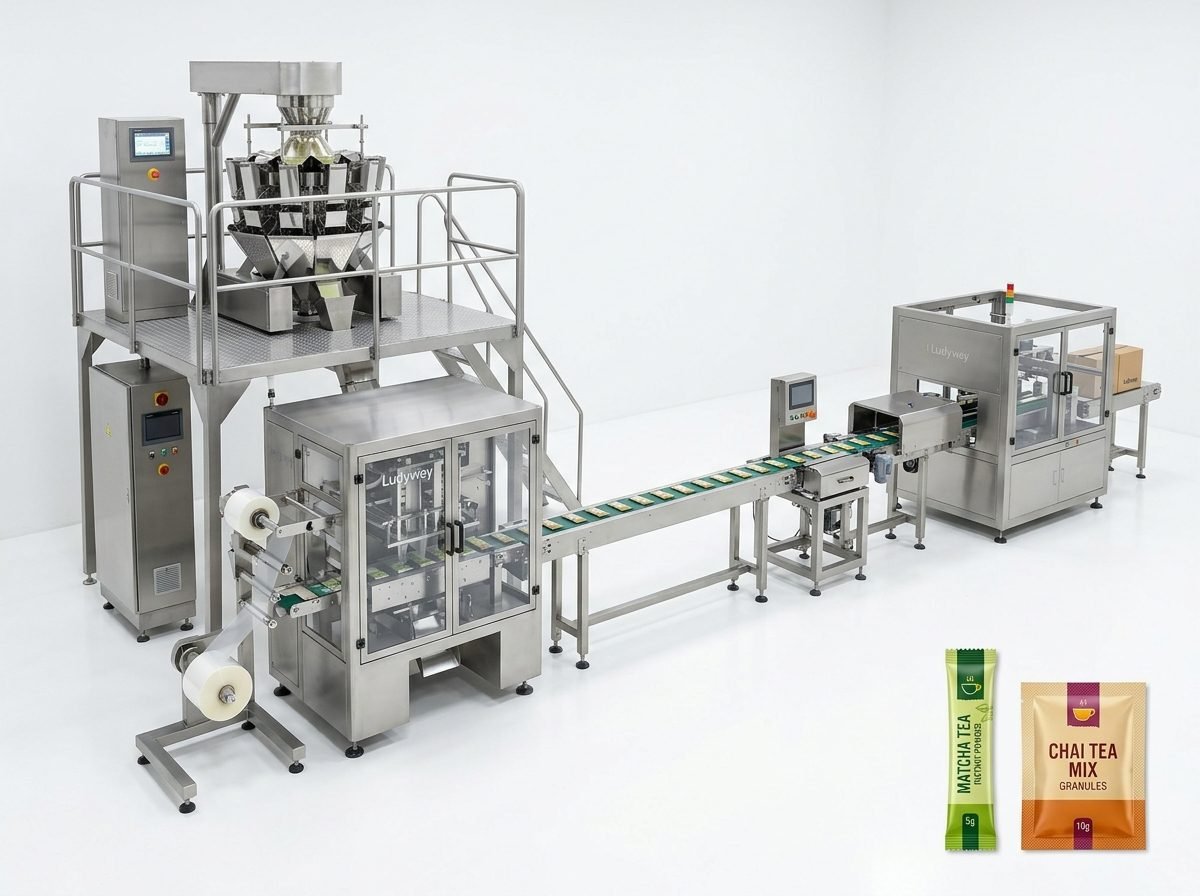
- Integrated cartoning systems — Combine bagging, wrapping, and carton packing in one continuous line
Critical Machine Features to Evaluate
When evaluating tea bag packaging machinery for your French production line, prioritize precision filling accuracy, compatibility with sustainable filter materials, and ease of format changeover. The ability to handle biodegradable tea bag paper and compostable overwrap films is increasingly important for the French market. Look for servo-driven systems that offer consistent seal integrity and minimal material waste.
Production Line Layout and Workflow
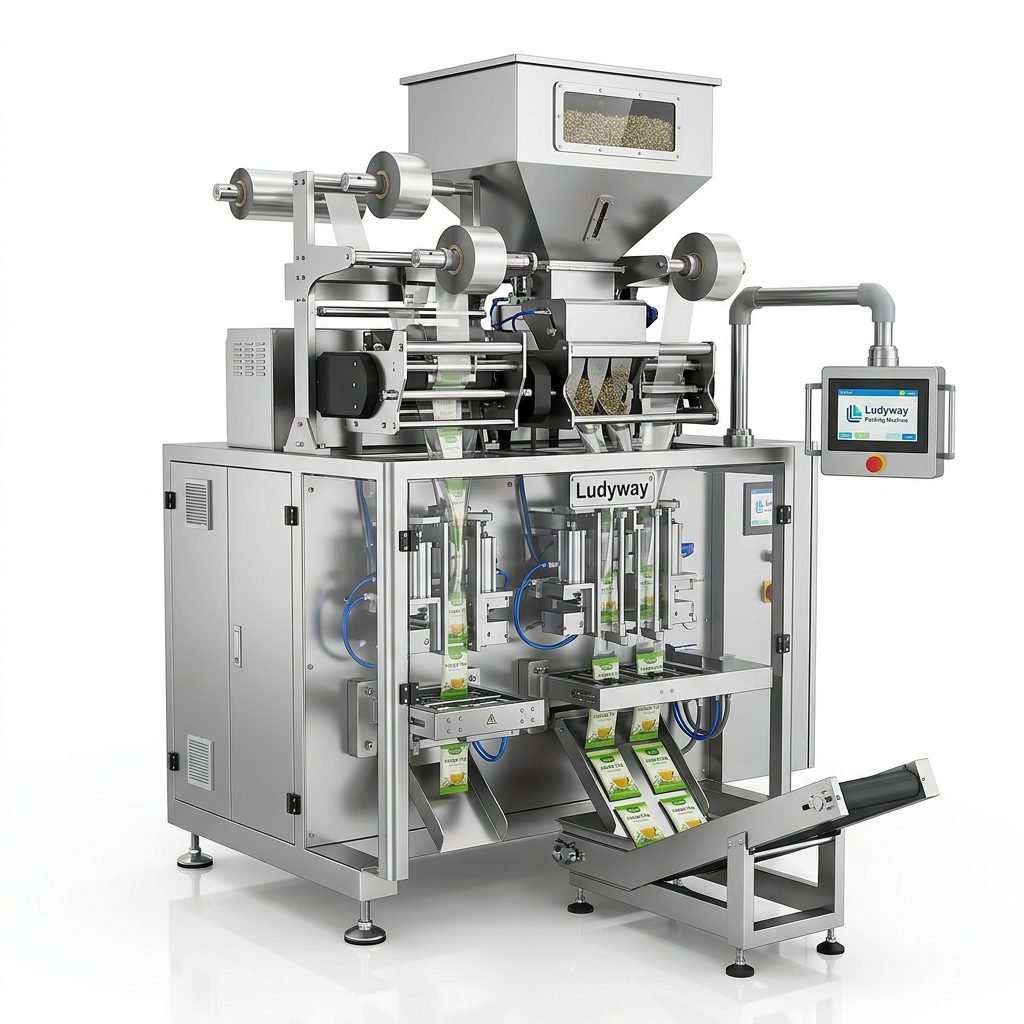
A well-designed tea bag packaging production line integrates several stages into a cohesive workflow. The typical configuration includes material feeding, dosing and filling, bag forming and sealing, tag and string attachment, envelope wrapping, and carton packing. Each stage must be synchronized to maintain throughput and minimize downtime.
Typical Production Line Sequence
- Raw material intake — Tea leaves or powder enter the hopper system with controlled humidity levels
- Weighing and dosing — Multi-head weighers or volumetric fillers dispense precise portions into each bag
- Bag forming and filling — Filter paper is formed into the desired bag shape and filled simultaneously
- Sealing and cutting — Heat sealing or mechanical crimping secures the bag, followed by precise cutting
- Tag and string attachment — Cotton strings with printed tags are attached to each tea bag
- Envelope wrapping — Individual bags are wrapped in protective outer sachets
- Carton packing and palletizing — Finished products are packed into cartons and prepared for distribution
Installation and Setup Process
Installing a tea bag packaging production line in France requires professional technical support and adherence to local installation standards. The process involves site preparation, utility connections (compressed air, electrical supply, exhaust systems), machine positioning, and comprehensive commissioning. Working with an experienced equipment supplier ensures the installation meets CE certification requirements and French workplace safety regulations.
Key Installation Considerations
- Verify adequate floor load capacity and vibration isolation for high-speed machinery
- Ensure proper ventilation and dust extraction for tea powder handling areas
- Comply with French electrical standards (NF C 15-100) for industrial installations
- Implement food-grade compressed air systems to prevent product contamination
- Establish controlled temperature and humidity zones for sensitive tea products
Testing and Quality Control
Before full-scale production begins, rigorous testing and validation protocols must be executed. This includes seal integrity testing, weight verification, metal detection sensitivity checks, and oxygen barrier performance evaluation. French consumers and retailers expect consistently high product quality, making quality control systems an integral part of the production line. Automated vision inspection systems can detect defective bags, missing tags, or improper seals at high speeds.
Maintenance and Support
Ongoing maintenance is critical for sustaining optimal performance of your tea bag packaging line. Establish a preventive maintenance schedule covering seal bar cleaning, knife blade sharpening, sensor calibration, and lubrication of moving parts. Having reliable access to spare parts and technical support within France or the broader EU region significantly reduces downtime risks. Training your operators on proper machine handling and troubleshooting further enhances production efficiency.
When planning a tea bag packaging production line in France, partnering with an experienced equipment manufacturer is invaluable. Ludyway provides turnkey packaging solutions that meet European regulatory standards, offering comprehensive support from machine selection through installation and after-sales service. For more information on compliance and industry best practices, refer to the Flexible Packaging Association industry resources and the ISO packaging standards database for internationally recognized guidelines.
Staying informed about evolving regulations is equally important. The PMMI State of the Industry reports offer valuable data on packaging machinery trends, while the Flexible Packaging Association regulatory affairs page provides updates on compliance requirements affecting tea packaging operations in European markets.