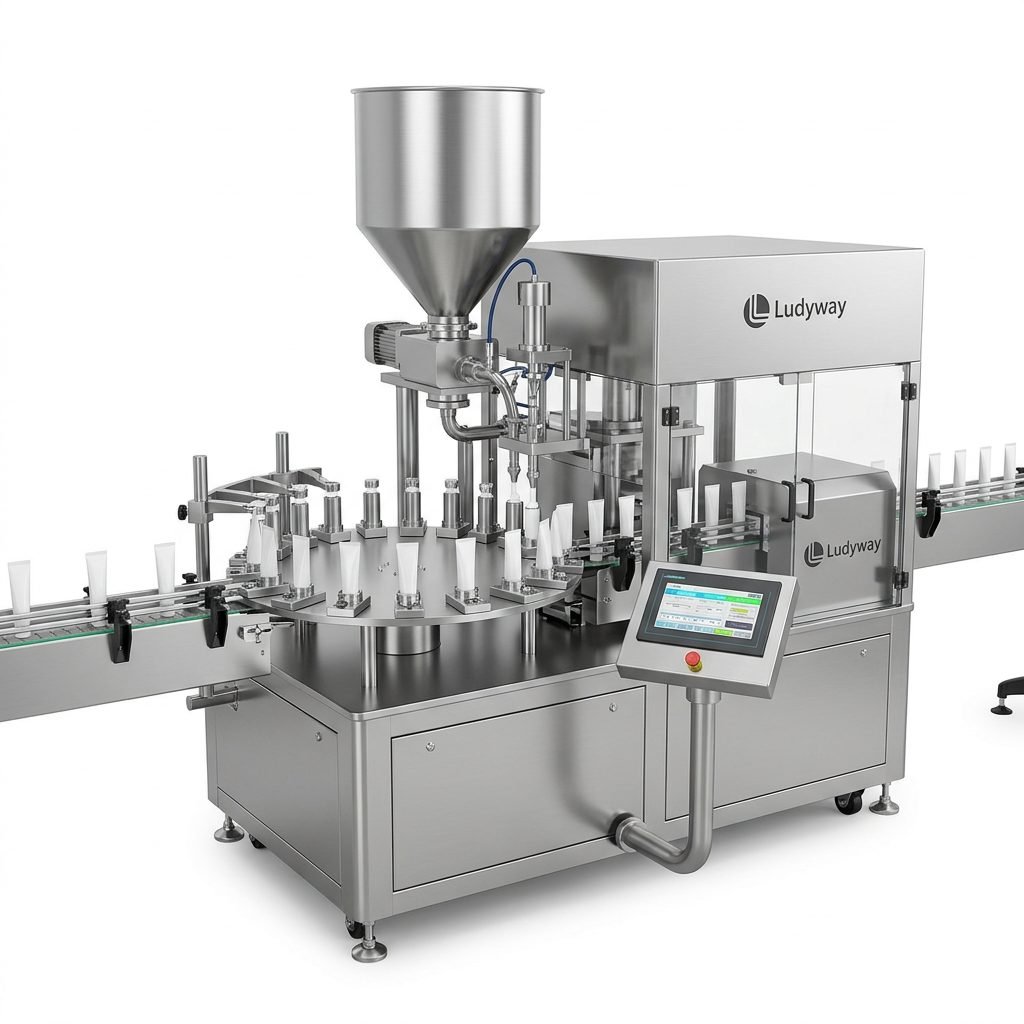
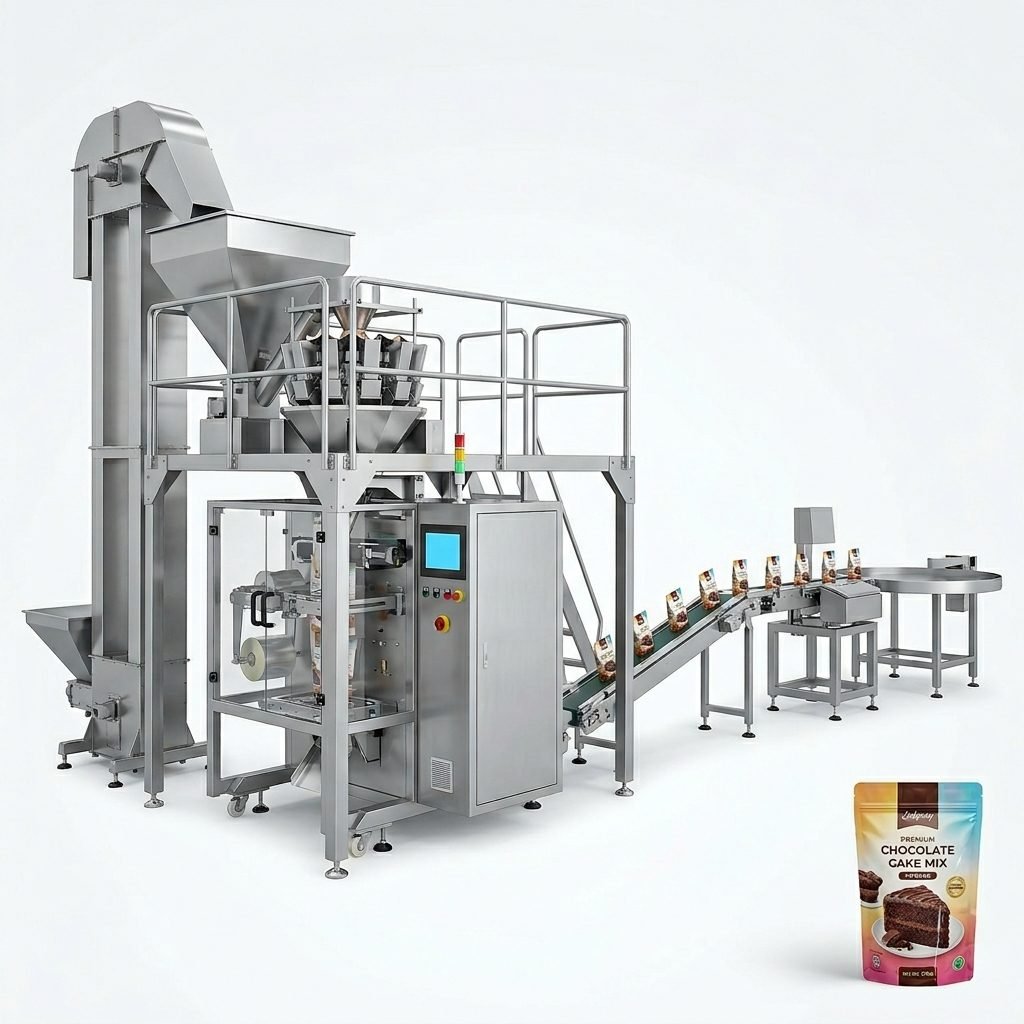
Selecting the right pillow vacuum packing machine is a critical decision for manufacturers in the bedding, home textile, and hospitality industries. The correct equipment reduces logistics costs, protects product hygiene, and extends shelf life. This guide walks you through the essential factors to evaluate before making a purchase.
Why Vacuum Packing Matters for Pillow Manufacturing
Pillows are inherently bulky products. Shipping and storing them without compression consumes excessive warehouse space and increases freight expenses. A pillow vacuum packing machine removes air from the package, significantly reducing volume by up to 60-80%. Beyond space saving, vacuum sealing creates a barrier against moisture, dust, and pests, ensuring the pillow reaches the end customer in pristine condition. For manufacturers aiming to optimize their supply chain, investing in automated packaging solutions is no longer optional—it’s a competitive necessity.
Key Factors to Consider When Choosing a Machine
There is no one-size-fits-all solution. The ideal machine depends on your production volume, pillow materials, and packaging format. Here are the primary variables you must analyze:
1. Production Speed and Output Requirements
Small businesses might only need a semi-automatic single-chamber machine, while large factories require fully automatic inline systems. Calculate your daily peak output. If you need to package over 10,000 pillows per day, a high-speed continuous band sealer or a rotary vacuum system is mandatory. Look closely at the sealing cycle time and the required cooling phase to ensure your targets are met without damaging the film.
2. Product Size Flexibility and Material Sensitivity
Pillows come in various shapes and fillings—memory foam, microfiber, down, and latex. Some materials are sensitive to high compression and require a controlled vacuum level. A machine with adjustable vacuum pressure and gas flushing capability is essential if you are packing memory foam or natural latex to prevent permanent deformation.
3. Sealing Quality and Film Compatibility
The integrity of the seal determines the shelf life. Analyze the machine’s sealing bar width and temperature control precision. Impulse sealing is common for most PE and multi-layer films. Verify the machine supports the specific thickness and type of barrier film you intend to use.
Machine Types: Chamber vs. External Nozzle vs. Inline
Understanding the mechanical distinction helps you align the machine with your process flow:
- Single/Double Chamber Machines: Ideal for smaller batches. The product and bag are placed inside the chamber. Air is evacuated from the chamber, ensuring uniform pressure. Best for specialty pillows.
- Nozzle (Snorkel) Vacuum Sealers: The nozzle inserts into the bag, extracts air, and retracts before sealing. These are cost-effective but less suitable for thick or highly compressible items.
- Inline Continuous Belt Sealers: Designed for high-volume production lines. Pillows are fed onto a conveyor belt that passes through the vacuum tunnel, providing non-stop operation.
Automation and System Integration
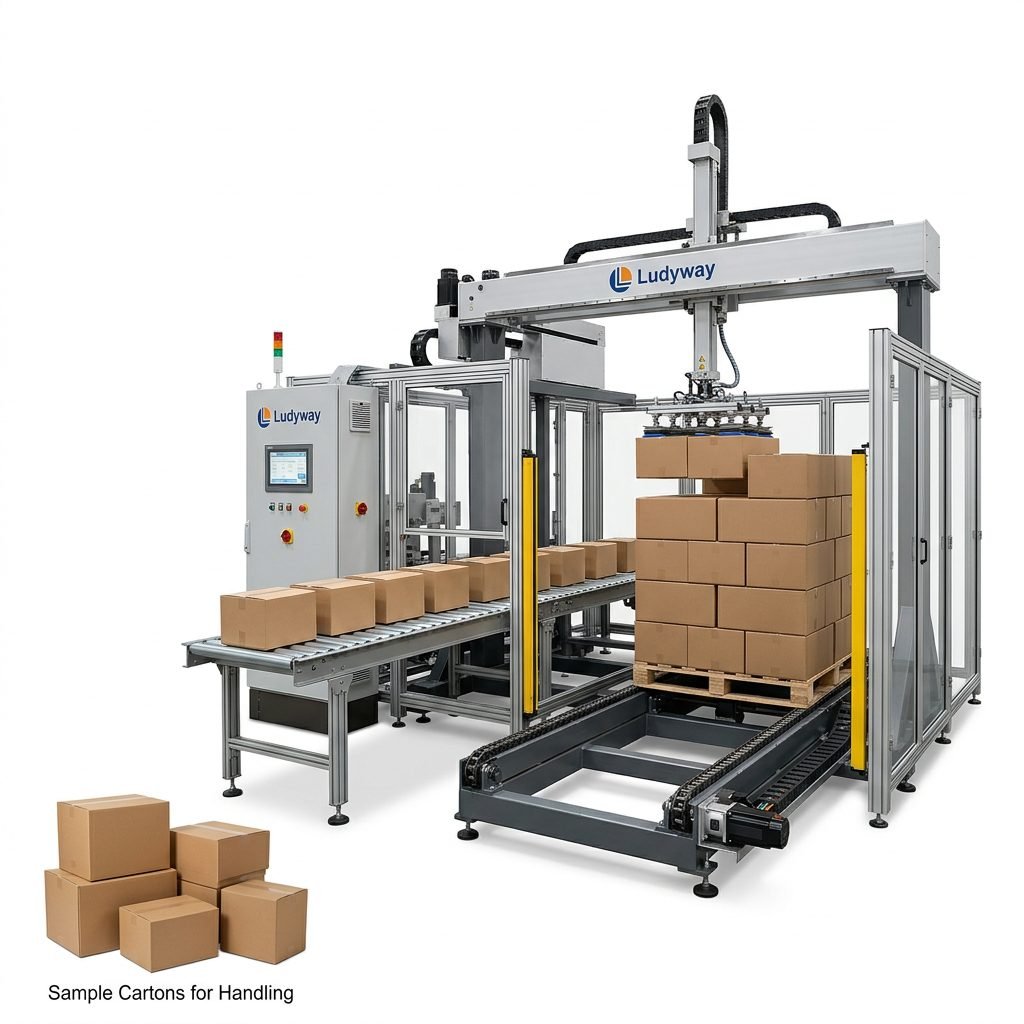
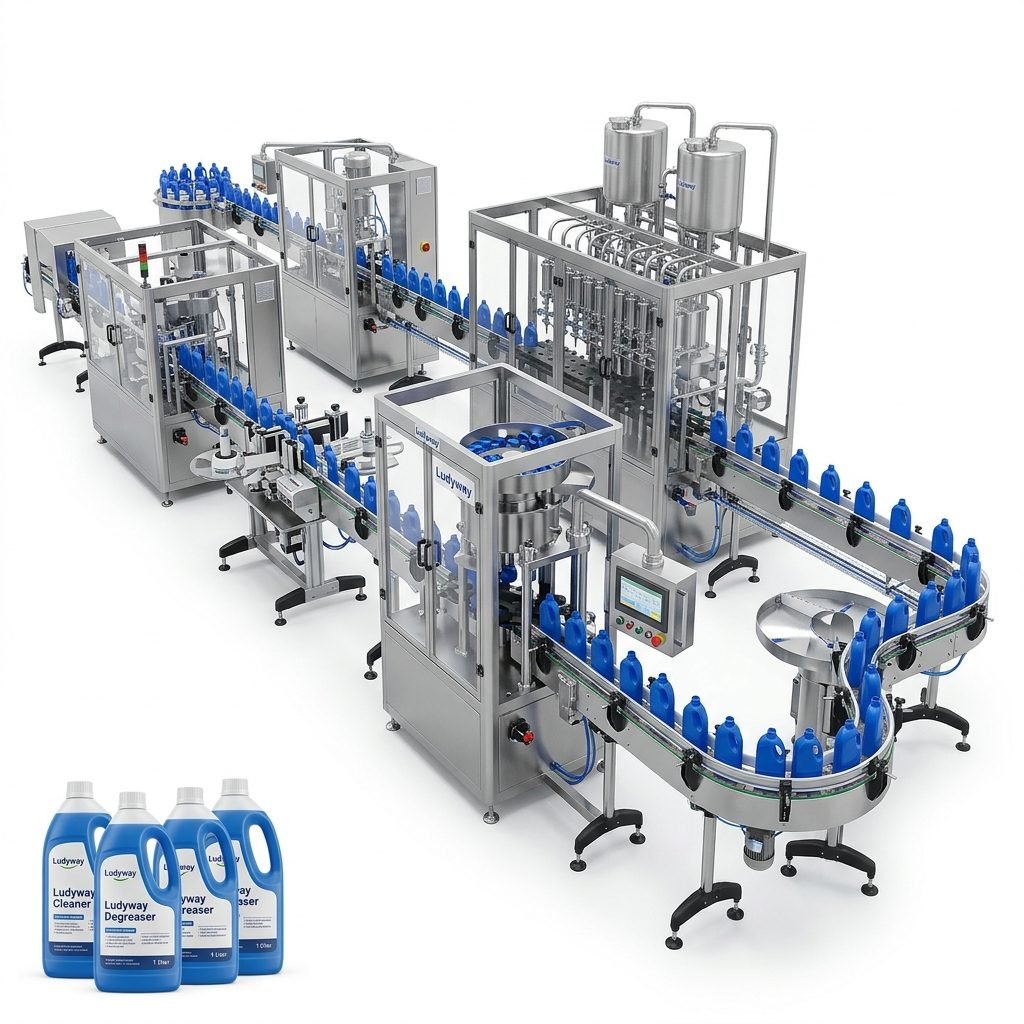
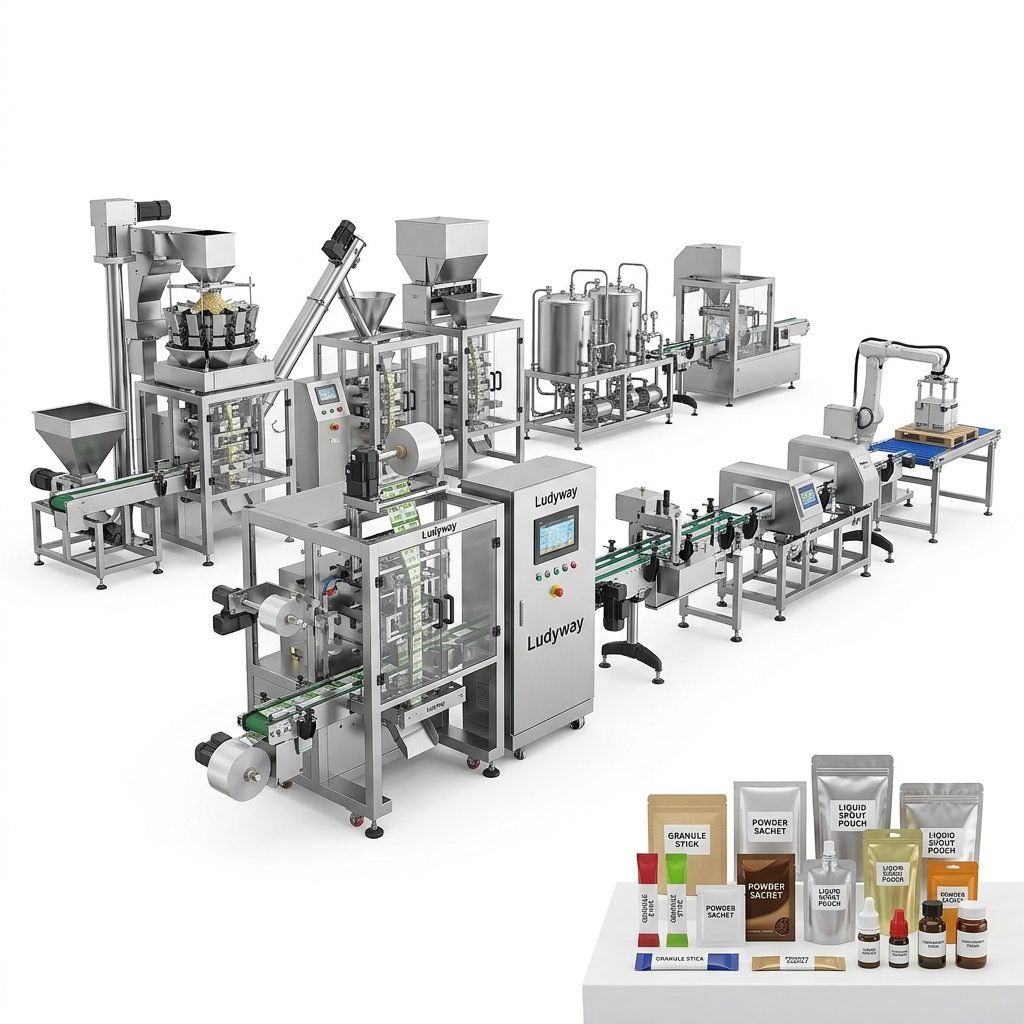
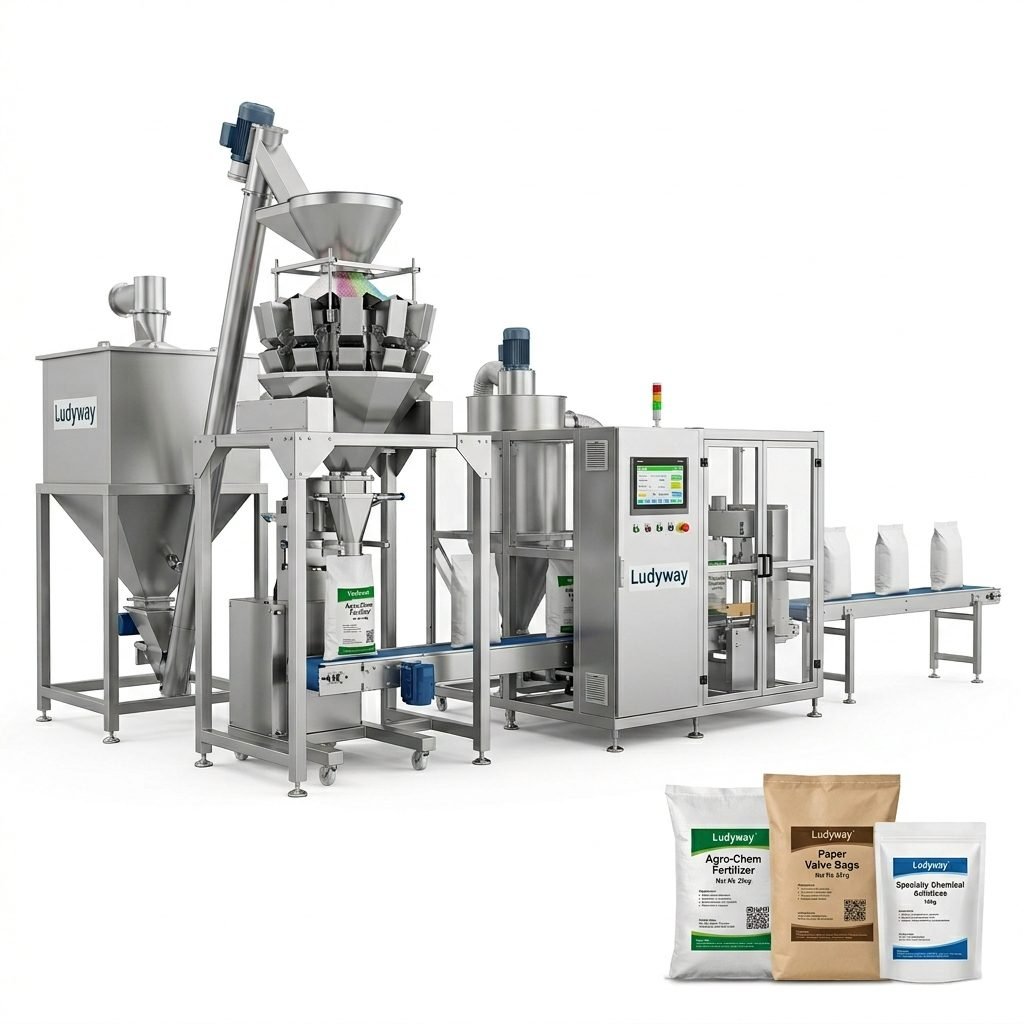
A standalone vacuum sealer might solve an immediate bottleneck, but integrating it into a comprehensive packaging line yields greater efficiency. Consider upstream and downstream equipment: automatic feeding conveyors, pre-compression stations, bagging modules, and final carton packing. A fully integrated turnkey system eliminates manual handling errors and boosts throughput consistency. For facilities looking to upgrade their entire workflow, Ludyway Machinery offers engineered turnkey solutions that combine vacuum packing, weighing, and case packing into one cohesive system.
Technical Specifications to Compare
When comparing side-by-side options, use the following technical checklist to ensure consistency and reliability:
| Feature | Why It Matters |
|---|---|
| Pump Flow Rate (m³/h) | Directly correlates to cycle speed. A higher flow rate from a reliable oil pump or dry pump reduces evacuation time. |
| Sealing Bar Length (mm) | Must exceed the maximum width of your pillow bag to ensure a complete, leak-proof seal. |
| Control System (PLC/HMI) | Touchscreen interfaces allow for recipe storage for different pillow sizes, reducing changeover downtime. |
| Gas Flush Option | Critical for memory foam or delicate materials to replace extracted air with nitrogen, preserving loft and feel. |
| Frame Material | Stainless steel construction (304 or 316 grade) is vital for hygiene and durability, particularly if exporting to humid climates. |
Material Handling and Pre-Compression
A common bottleneck in pillow vacuum packing is the loading stage. Standard pillows must be manually compressed before being inserted into the bag. Advanced machinery incorporates automatic pre-compression plates that flatten the pillow to a consistent height before vacuum sealing. This ensures uniform bag sizes and prevents film tearing at the corners. When evaluating machinery, check the maximum compression ratio. An efficient system pays for itself rapidly through reduced shipping costs and improved pallet density.
Energy Efficiency and Total Cost of Ownership
Purchase price is just the starting point. Analyze the total cost of ownership, which includes:
- Power consumption (kW per cycle)
- Consumable parts life span (sealing tape, Teflon cloth, heating elements)
- Vacuum pump oil maintenance schedules
- Expected machine lifespan and warranty terms
Dry claw pumps, while more expensive upfront, eliminate the cost and mess of oil changes and are becoming the standard in modern packaging environments.
Industry Standards and Compliance
If you export pillows to international markets, your packaging process must comply with regulatory standards. Vacuum-sealed packaging must not introduce contamination. Ensure the machine can be cleaned easily and meets safety directives. Review resources from the FDA regarding packaging contact substances or applicable ISO standards. Certifications like CE and ETL indicate the electrical and mechanical safety compliance of the system.
Choosing the Right Partner
Selecting a machine is also selecting a long-term support partner. Confirm the manufacturer offers comprehensive after-sales support, including remote diagnostics, spare parts inventory, and operator training. With more than 30 years of experience, companies that have a proven track record in flexible packaging machinery can provide an objective assessment of your production needs rather than simply selling a standard model off the shelf. A partner with global service capabilities ensures your pillow packaging line maintains peak operational consistency anywhere in the world.
Final Decision Matrix
To summarize, use this simplified decision matrix to narrow your search:
| Your Requirement | Recommended Solution |
|---|---|
| Low volume / Start-up | Semi-automatic double chamber machine |
| High volume / E-commerce | Inline continuous band sealer with automatic pre-compression |
| Memory foam / Latex | Machine with precise pressure control and gas flush |
| Integrated factory line | Turnkey automated packaging line with central PLC |