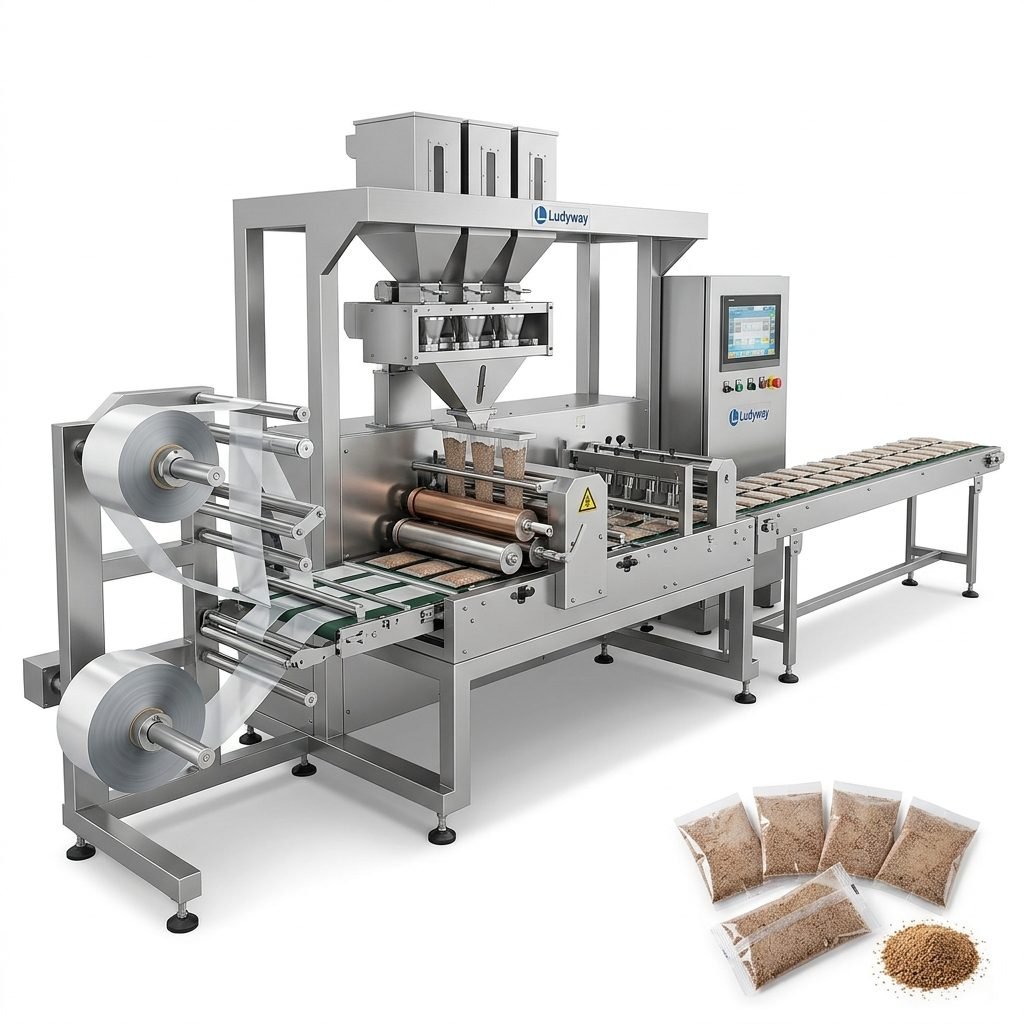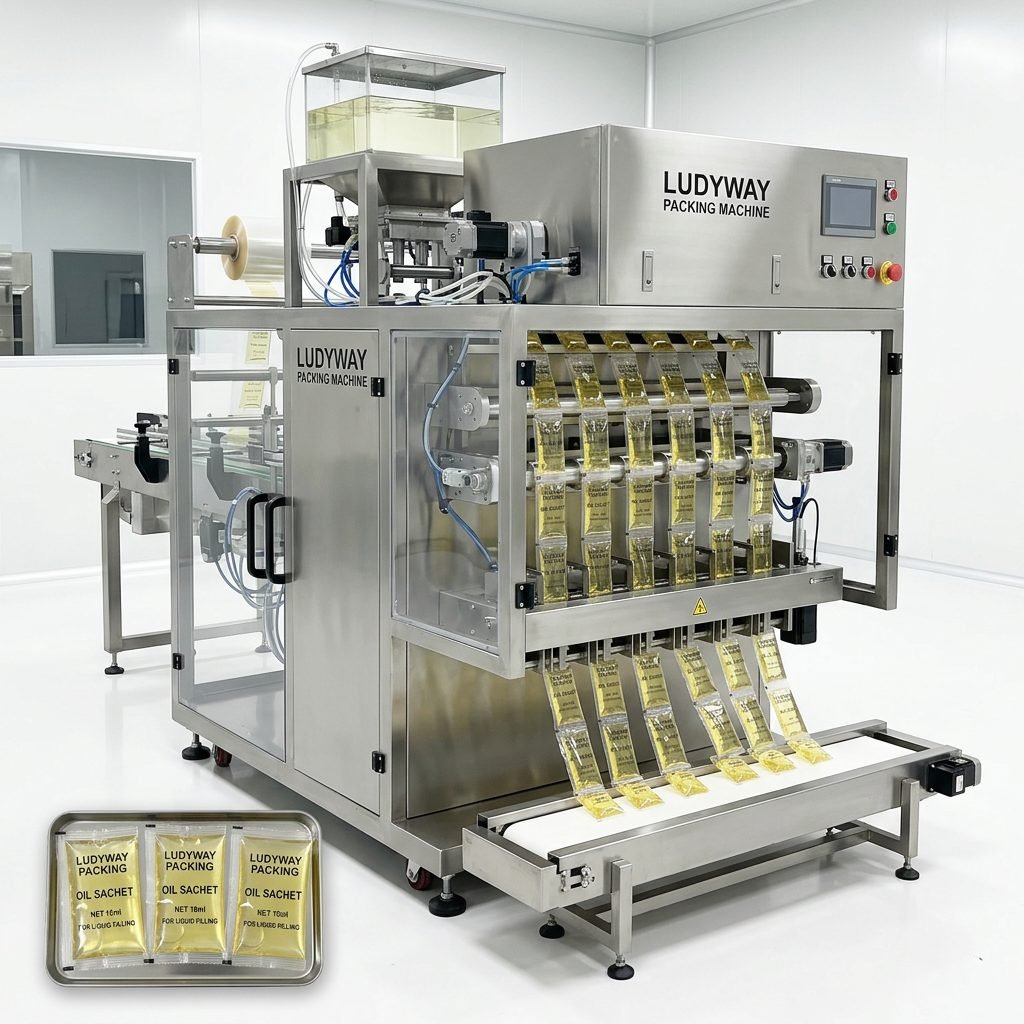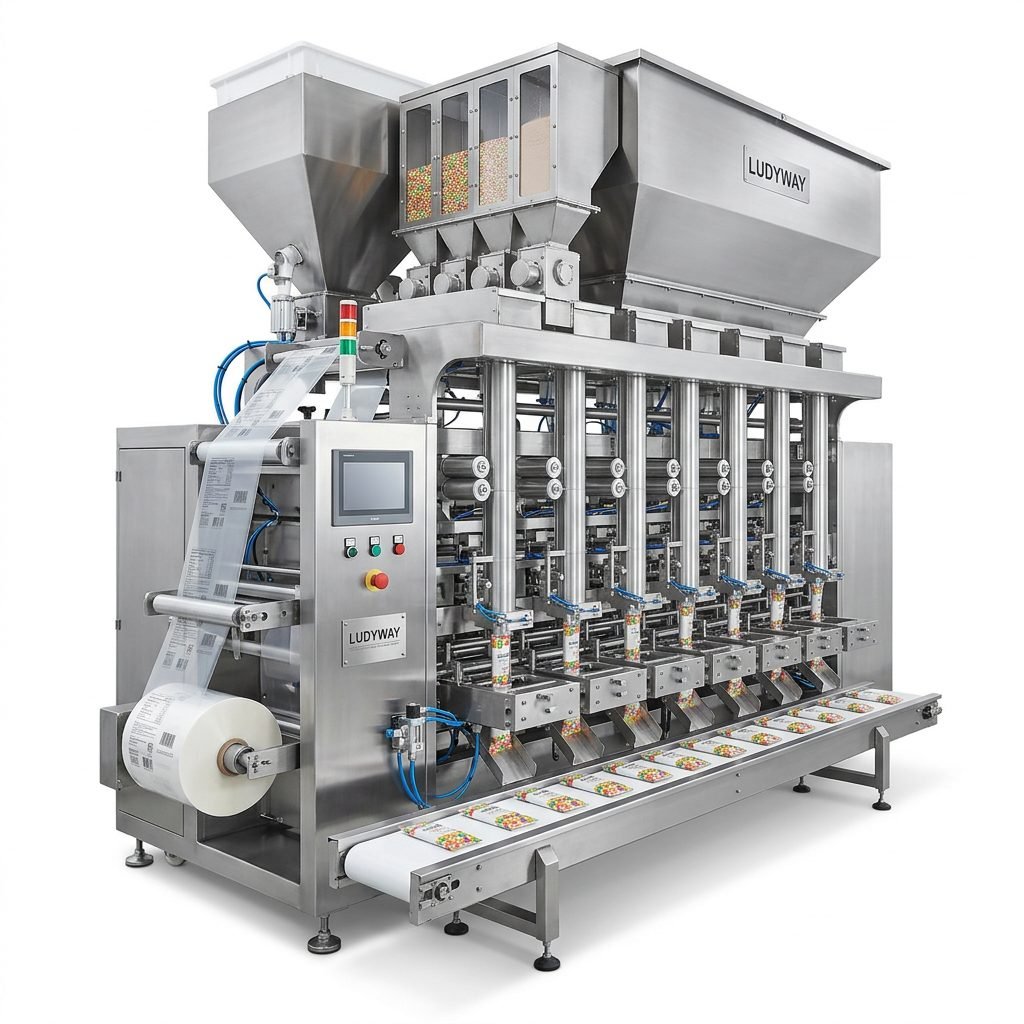
The United States confectionery market continues to expand, with hard candy remaining one of the most popular segments. For manufacturers looking to scale production, selecting the right hard candy packaging machine is a critical investment decision. The right equipment not only ensures product freshness and shelf appeal but also directly impacts operational efficiency, labor costs, and regulatory compliance. This guide walks you through the essential factors to evaluate when purchasing packaging equipment for hard candy production in the U.S. market.
Understanding Hard Candy Packaging Machine Types
Different hard candy products require different packaging approaches. Understanding the available machine types is the first step toward making an informed purchase.
Multi-Lane Stick Pack Machines
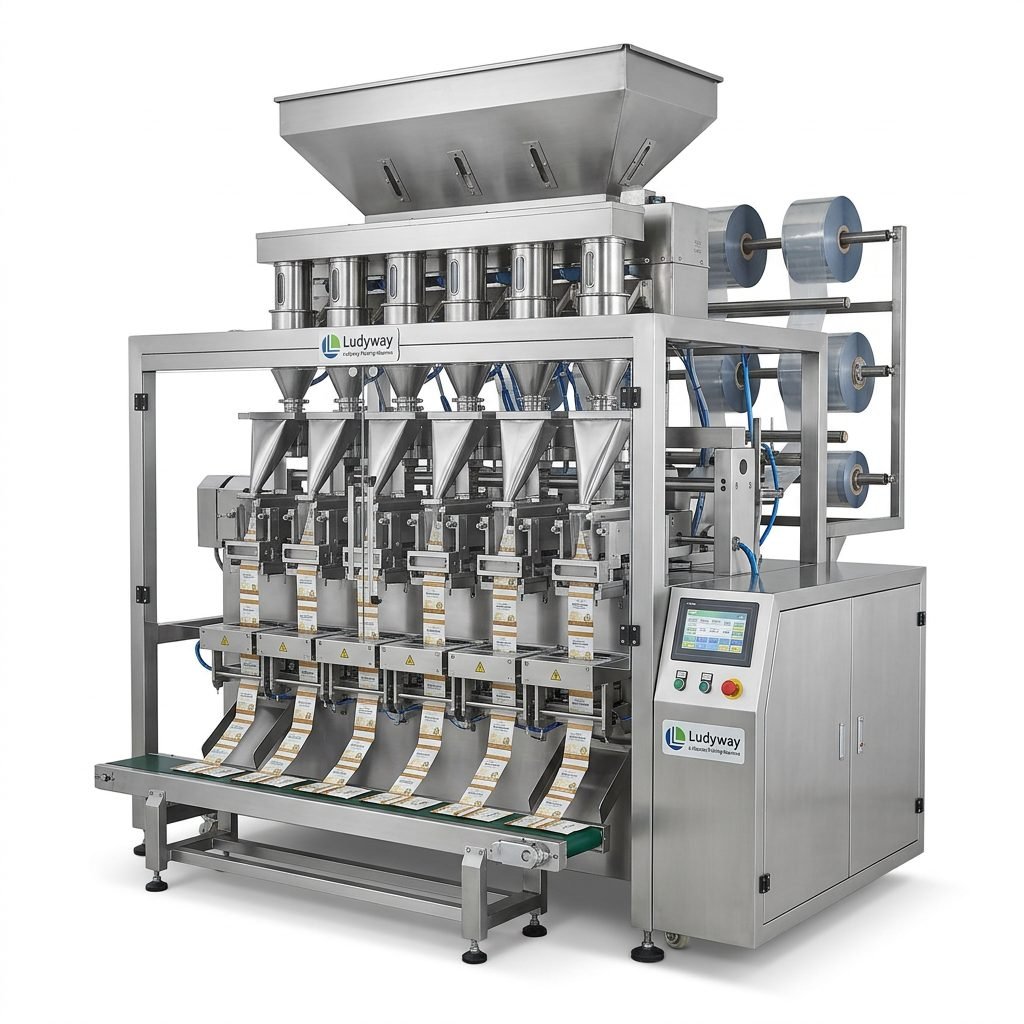
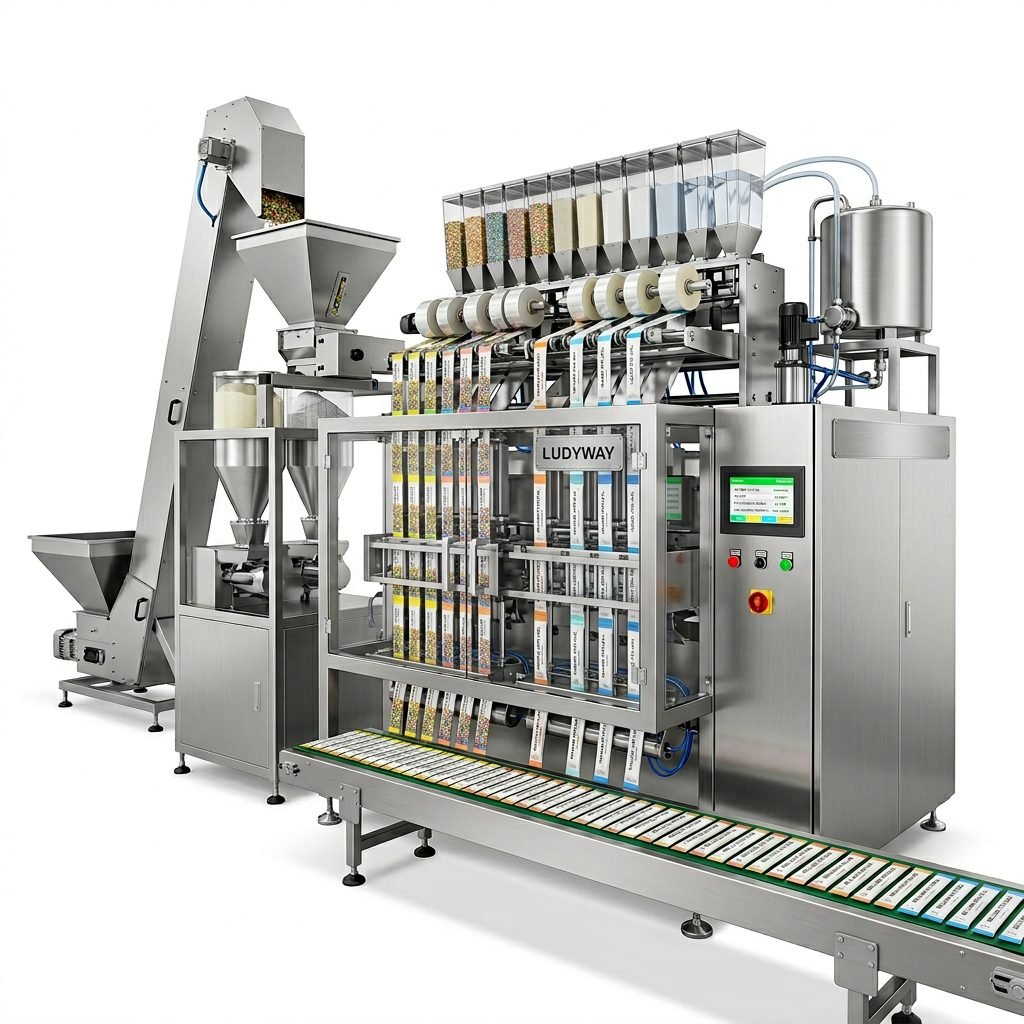
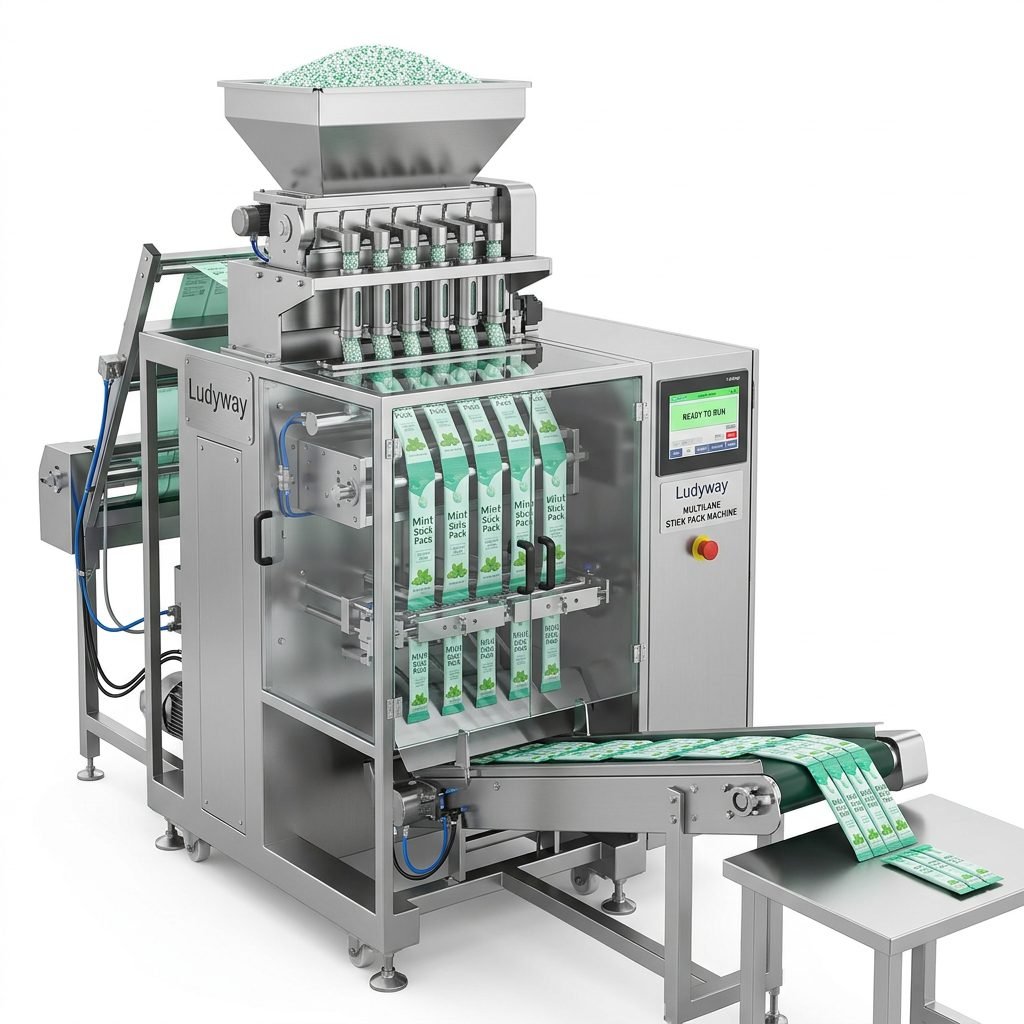
Multi-lane stick pack machines are among the most efficient solutions for packaging individual hard candy pieces or small quantities. These systems can run 4 to 20 lanes simultaneously, dramatically increasing throughput. They are ideal for single-serve hard candy portions, mints, and breath fresheners commonly found in convenience stores across the United States. The ability to produce stick packs at high speeds makes them a preferred choice for co-packers and large-scale confectionery brands.
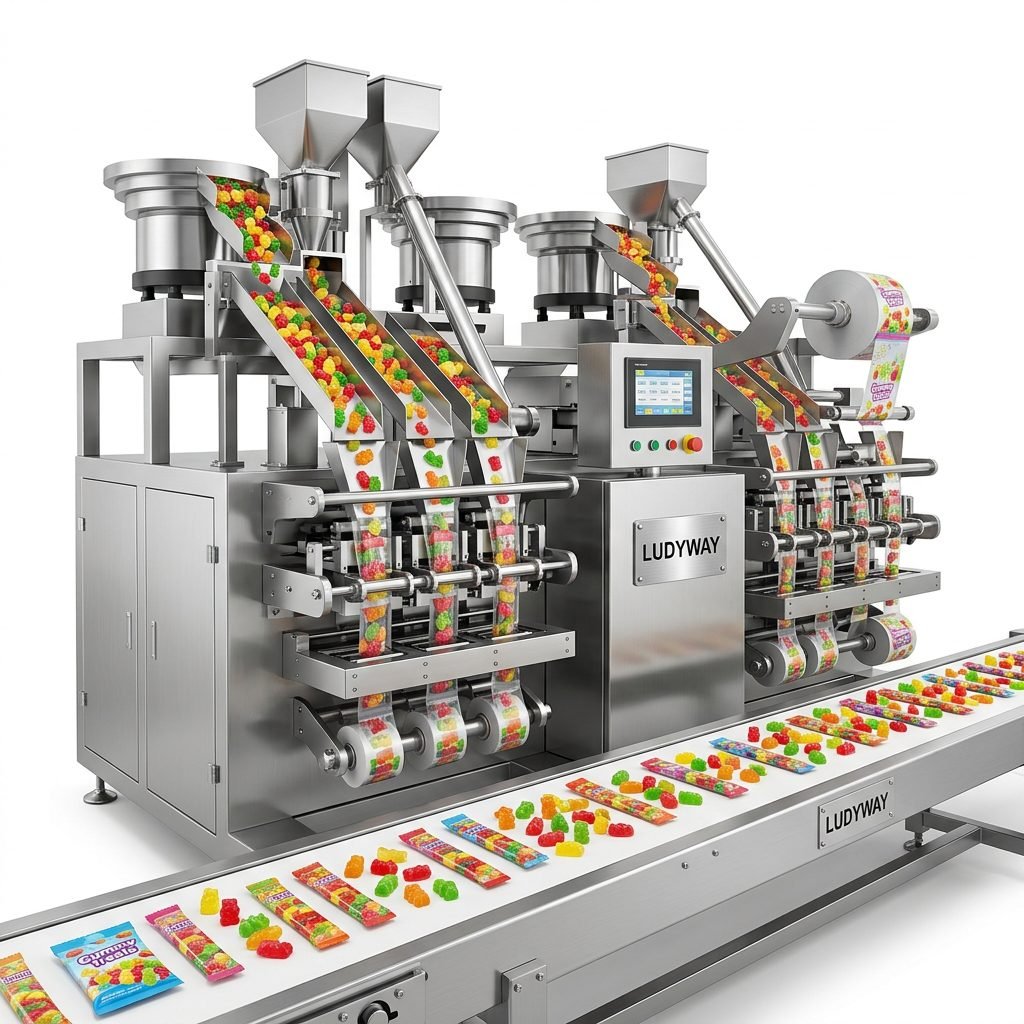
Sachet Packaging Machines
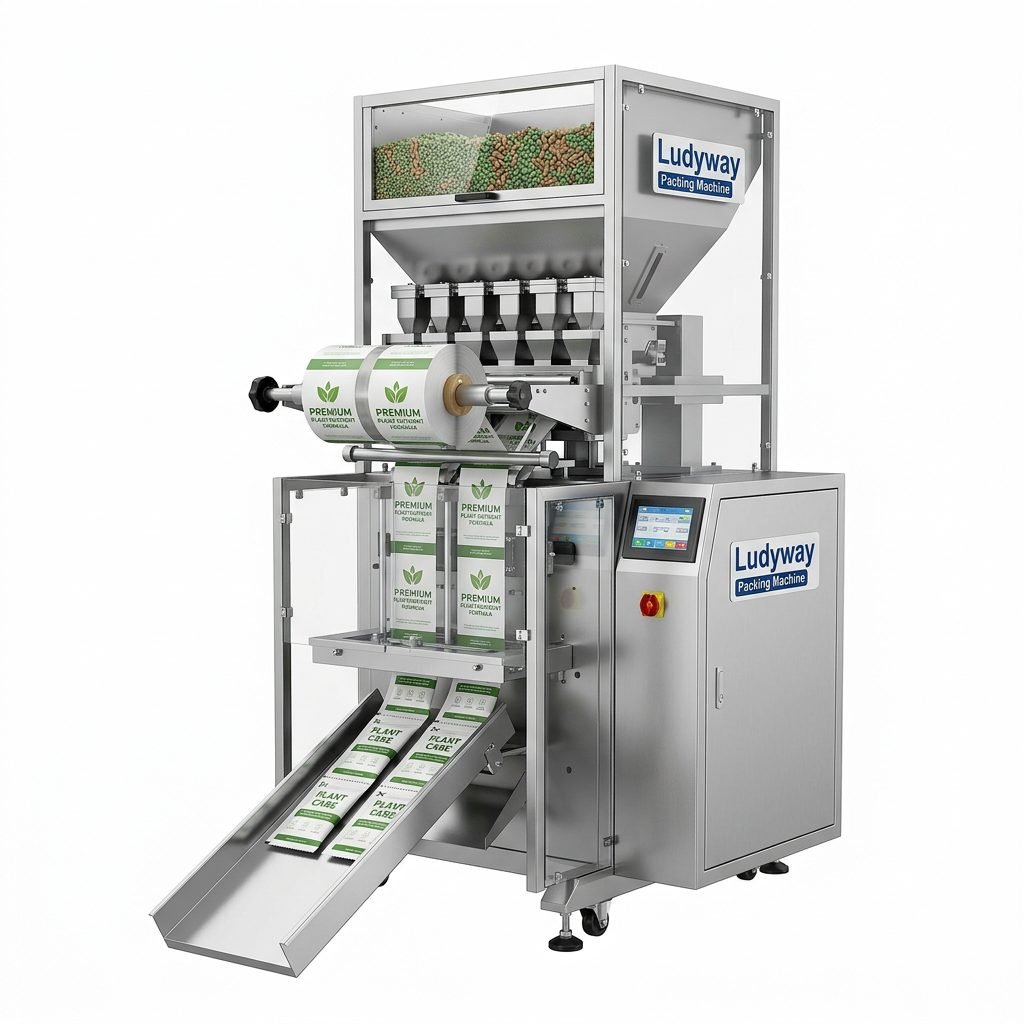
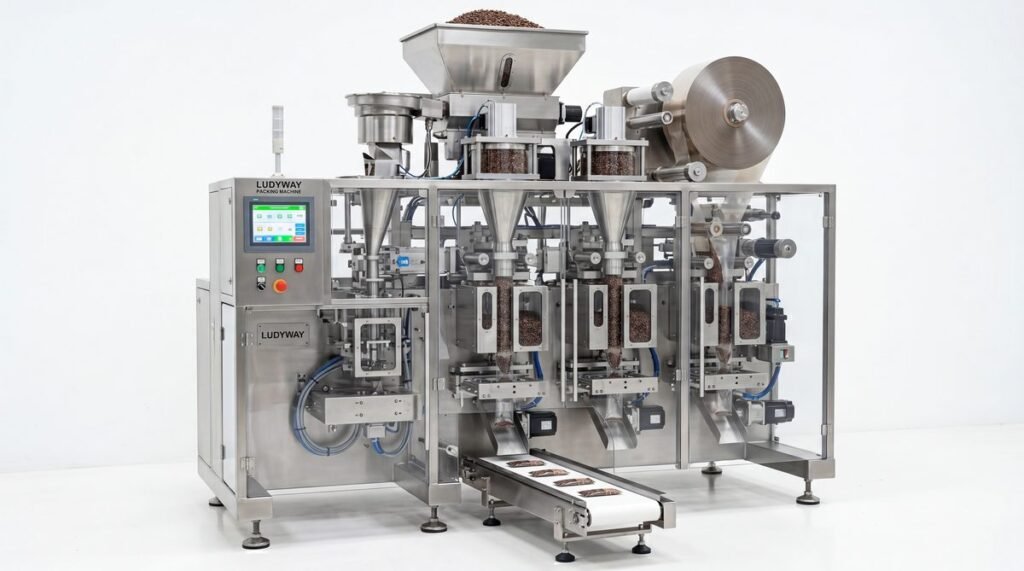
Sachet packaging remains a staple in the hard candy industry, particularly for products distributed through food service channels and international markets. Sachet packaging equipment offers excellent versatility, handling various bag styles including three-side seal, four-side seal, and pillow pouches. For U.S. manufacturers targeting both domestic and export markets, sachet machines provide the flexibility needed to meet diverse packaging specifications.
Flow Wrapping Machines
Flow wrapping technology is widely used for hard candy pieces that are individually wrapped. This method creates a tight, protective seal around each candy, preserving freshness and preventing moisture ingress. Horizontal flow wrappers are particularly popular for hard candy products sold in bulk bins or multi-pack configurations across American retail chains.
Key Factors to Consider When Choosing Equipment
Selecting the best hard candy packaging machine requires careful evaluation of several operational and technical parameters. Below are the most critical factors U.S. buyers should assess before making a purchase decision.
Production Speed and Output Requirements
Your projected production volume should dictate the speed class of your packaging machine. Entry-level machines may operate at 40-60 packs per minute, while high-speed multi-lane systems can exceed 400-800 packs per minute. Accurately forecasting your throughput needs helps avoid costly underinvestment or unnecessary overspending on capacity you will not utilize.
Packaging Format and Material Compatibility
Hard candy packaging uses a variety of materials including metallized films, polypropylene, polyethylene, and laminated structures. Ensure your chosen machine is compatible with the film types and thicknesses required for your product. Consider whether you need nitrogen flushing capabilities for extended shelf life, or specialized sealing technologies for high-barrier packaging applications common in the U.S. market.
Automation Level and Integration
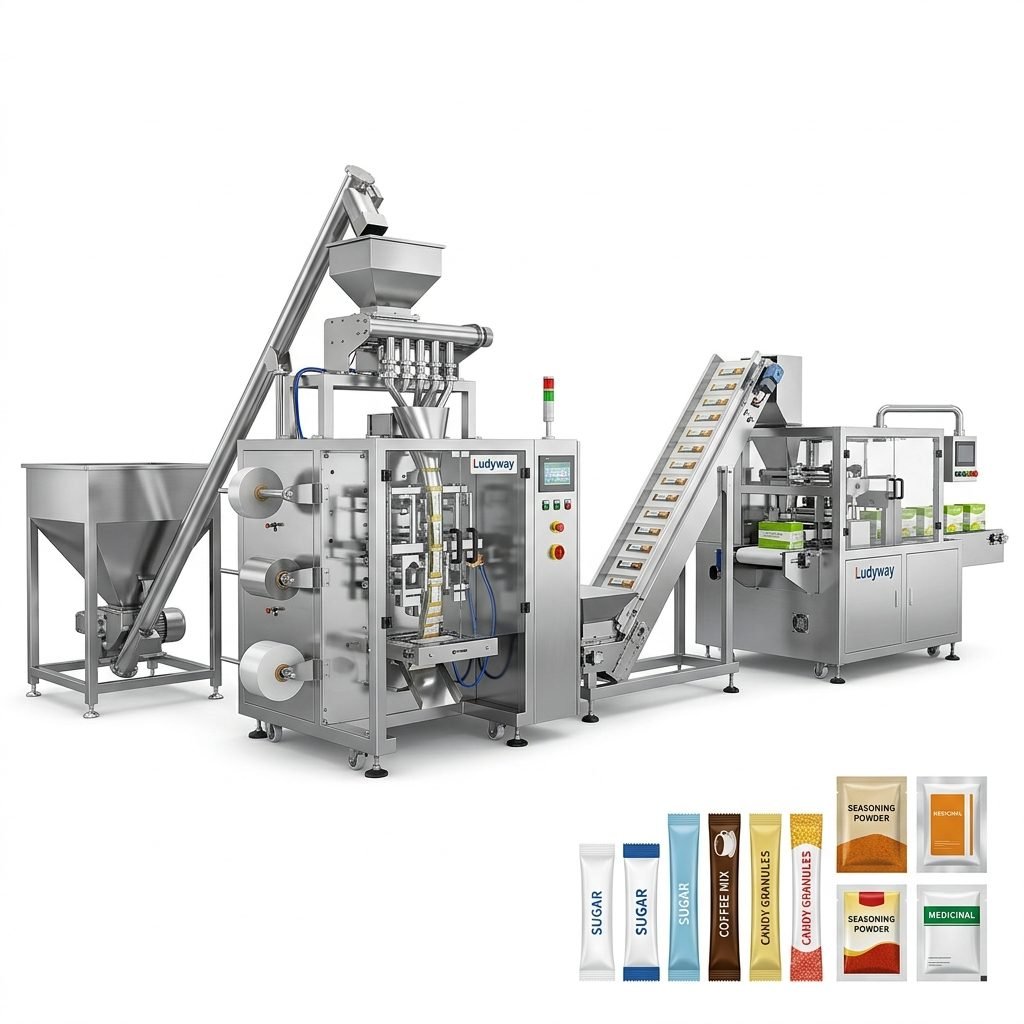
Modern packaging lines increasingly incorporate automation features that reduce manual labor and improve consistency. Evaluate whether you need:
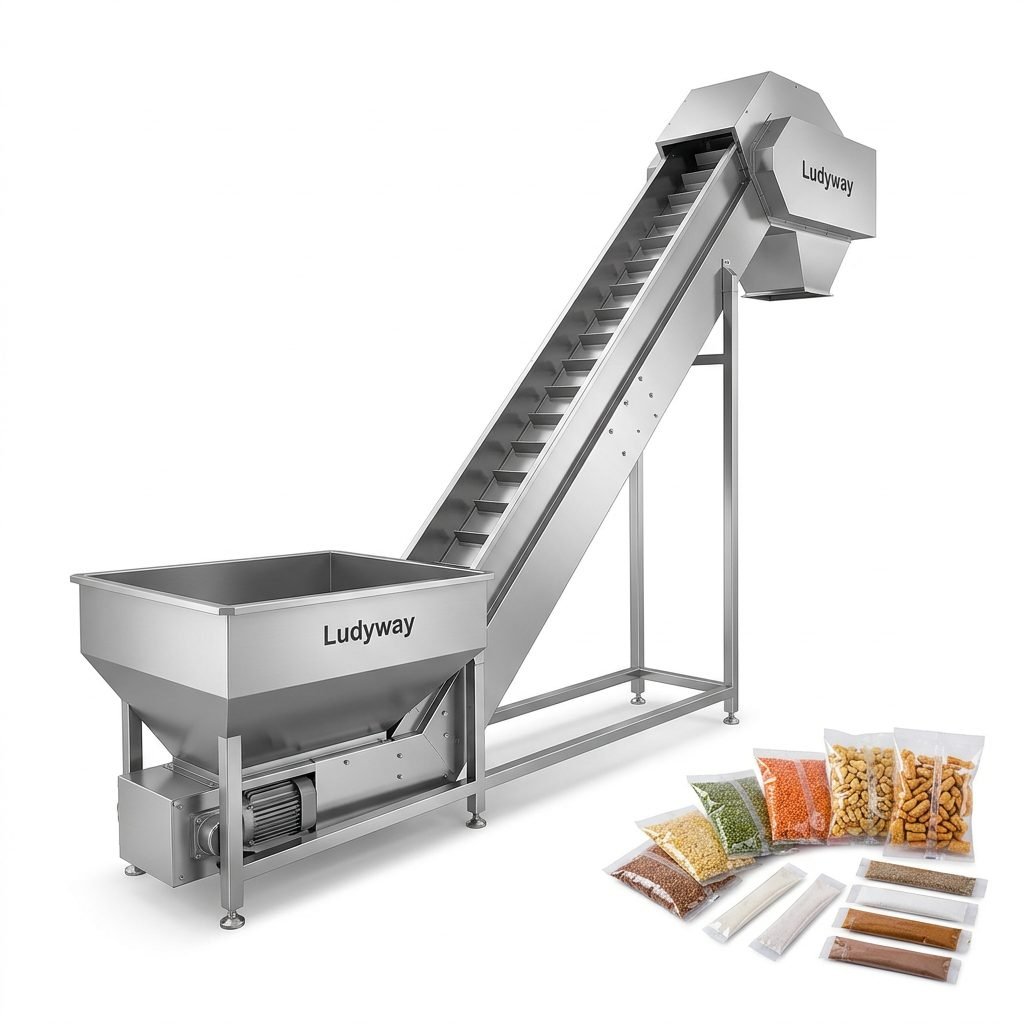
- Automatic feeding systems that connect directly to candy production lines
- Integrated multi-head weighers for precise portion control
- Automated cartoning and case packing modules
- Inspection systems including metal detectors and checkweighers
- Vision-based quality control for seal integrity and print verification
A fully integrated line can significantly reduce labor costs while improving overall equipment effectiveness, a key consideration for U.S. manufacturers facing rising operational expenses.
Compliance with U.S. Regulations
Any packaging equipment used for food products in the United States must comply with FDA regulations regarding food contact substances and Good Manufacturing Practices. Equipment should be constructed from food-grade stainless steel and designed for easy sanitation. Documentation demonstrating compliance with relevant standards is essential when importing machinery from overseas manufacturers.
Comparison of Hard Candy Packaging Machine Types
The following table provides a comparative overview of the main machine categories available for hard candy packaging operations.
| Machine Type | Best For | Speed Range | Key Advantage |
|---|---|---|---|
| Multi-Lane Stick Pack | Single-serve portions, mints | 200-800 ppm | Highest throughput per square foot |
| Sachet / Pouch Machine | Multi-piece packs, variety bags | 40-120 ppm | Versatile format options |
| Flow Wrapper | Individual piece wrapping | 100-600 ppm | Tight seal, excellent product protection |
| Vertical Form Fill Seal | Bulk bags, pillow packs | 30-80 ppm | Cost-effective for larger bag sizes |
U.S. Market Compliance and FDA Requirements
Packaging machinery destined for the U.S. market must meet stringent regulatory standards. The FDA’s food contact substance regulations require that all materials contacting candy products be safe and appropriate. Additionally, equipment should facilitate compliance with 21 CFR Part 110 regarding sanitary operations. Manufacturers should request documentation verifying that machines are built to meet these requirements before finalizing a purchase.
Why Invest in High-Quality Hard Candy Packaging Equipment
Choosing premium packaging machinery delivers measurable returns across multiple dimensions of your operation. Reduced downtime from reliable equipment translates directly to higher output. Precision filling systems minimize product giveaway, protecting your margins. Advanced sealing technologies extend shelf life and reduce consumer complaints. Furthermore, modern servo-driven machines offer rapid changeover capabilities, enabling manufacturers to efficiently run multiple SKUs on a single line—a significant competitive advantage in the dynamic U.S. confectionery market.
Selecting the Right Manufacturing Partner
Beyond the machine specifications, the relationship with your equipment supplier matters greatly. Look for manufacturers that offer comprehensive after-sales support, including installation assistance, operator training, and readily available spare parts. Consider whether the supplier has experience working with packaging industry standards recognized in the United States and can provide references from other U.S.-based confectionery producers. A partner with global expertise and local support capabilities can significantly streamline your equipment procurement and commissioning process.

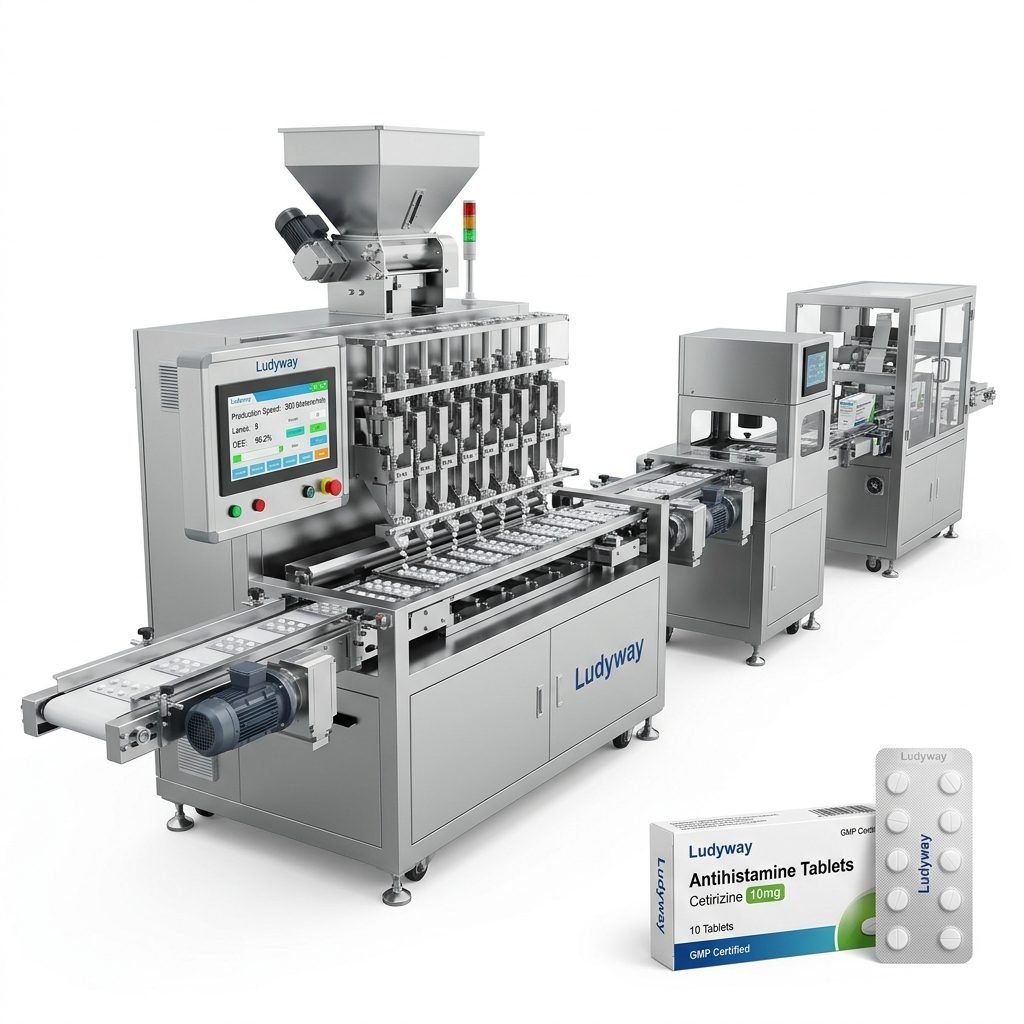
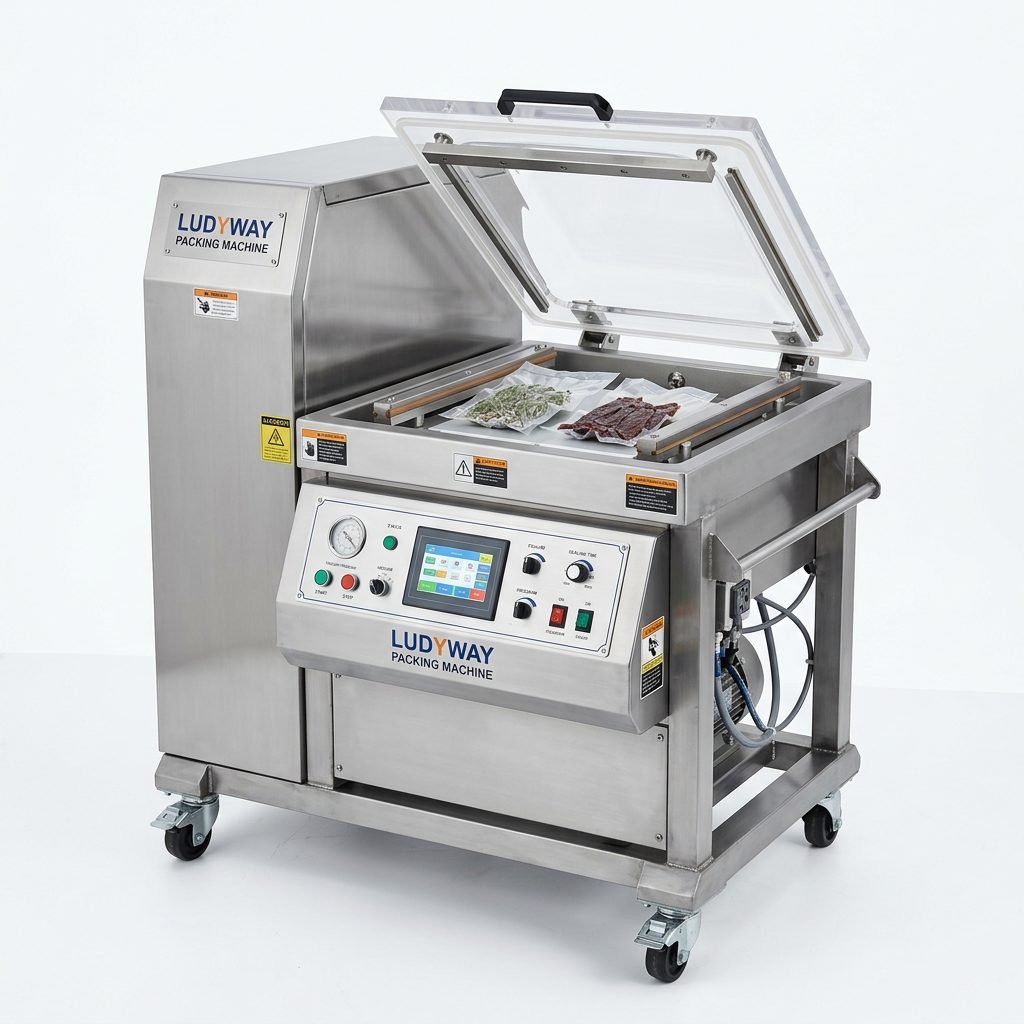
One manufacturer that has been gaining recognition in this space is Ludyway, a specialized packaging machinery manufacturer with over 30 years of industry experience. The company offers more than 50 intelligent packaging machine models, including multi-lane stick pack and sachet systems well-suited for hard candy applications. With a 20,000㎡ modern manufacturing facility and presence in over 100 countries, Ludyway provides comprehensive packaging solutions backed by engineering expertise and global service capabilities. For U.S. buyers evaluating equipment options, exploring manufacturers with proven international track records can open up valuable alternatives in terms of technology, customization, and total cost of ownership.
Conclusion
Investing in the right hard candy packaging machine is a strategic decision that impacts product quality, operational efficiency, and long-term profitability. By carefully evaluating your production requirements, understanding the available machine types, and ensuring compliance with U.S. regulations, you can select equipment that positions your business for sustainable growth. Take time to research multiple suppliers, request detailed proposals, and when possible, conduct factory acceptance tests before committing to a purchase. The right packaging solution will serve as a foundation for your brand’s success in the competitive American confectionery market.