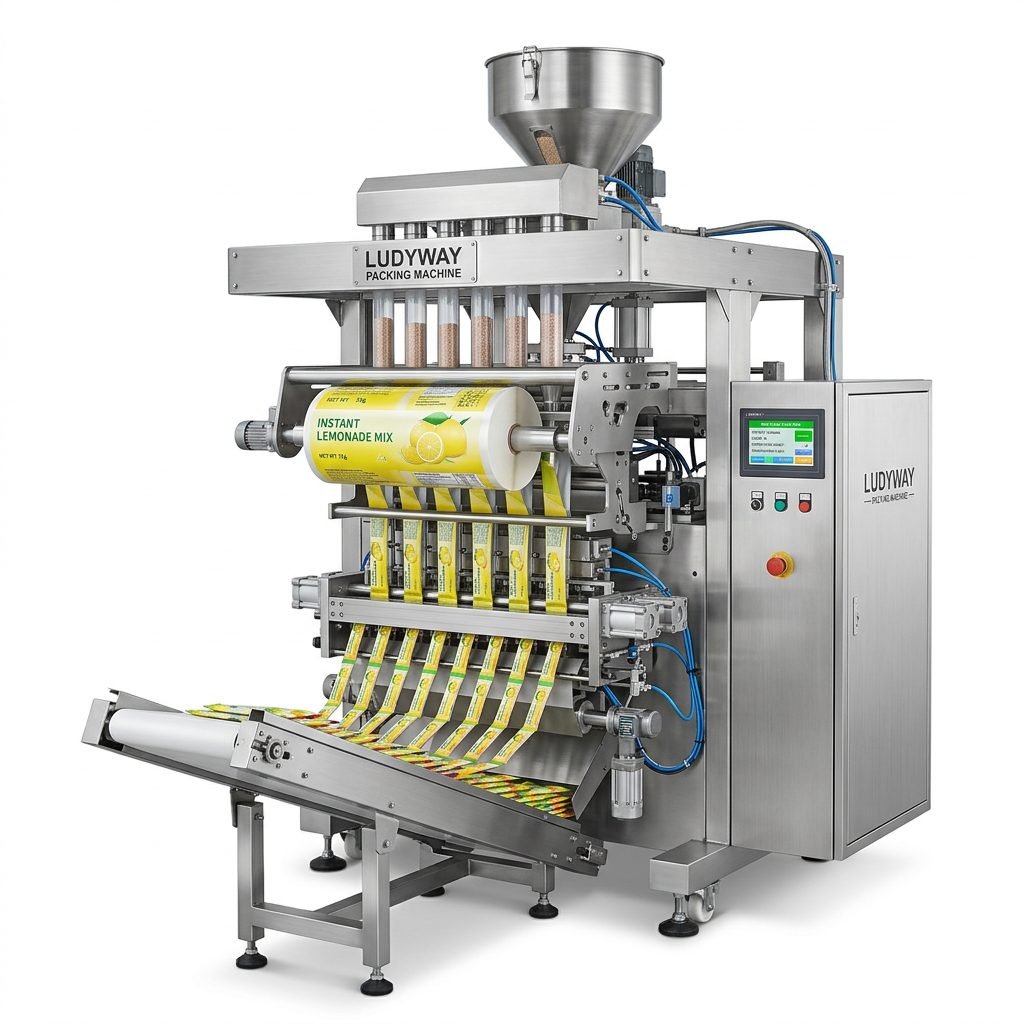
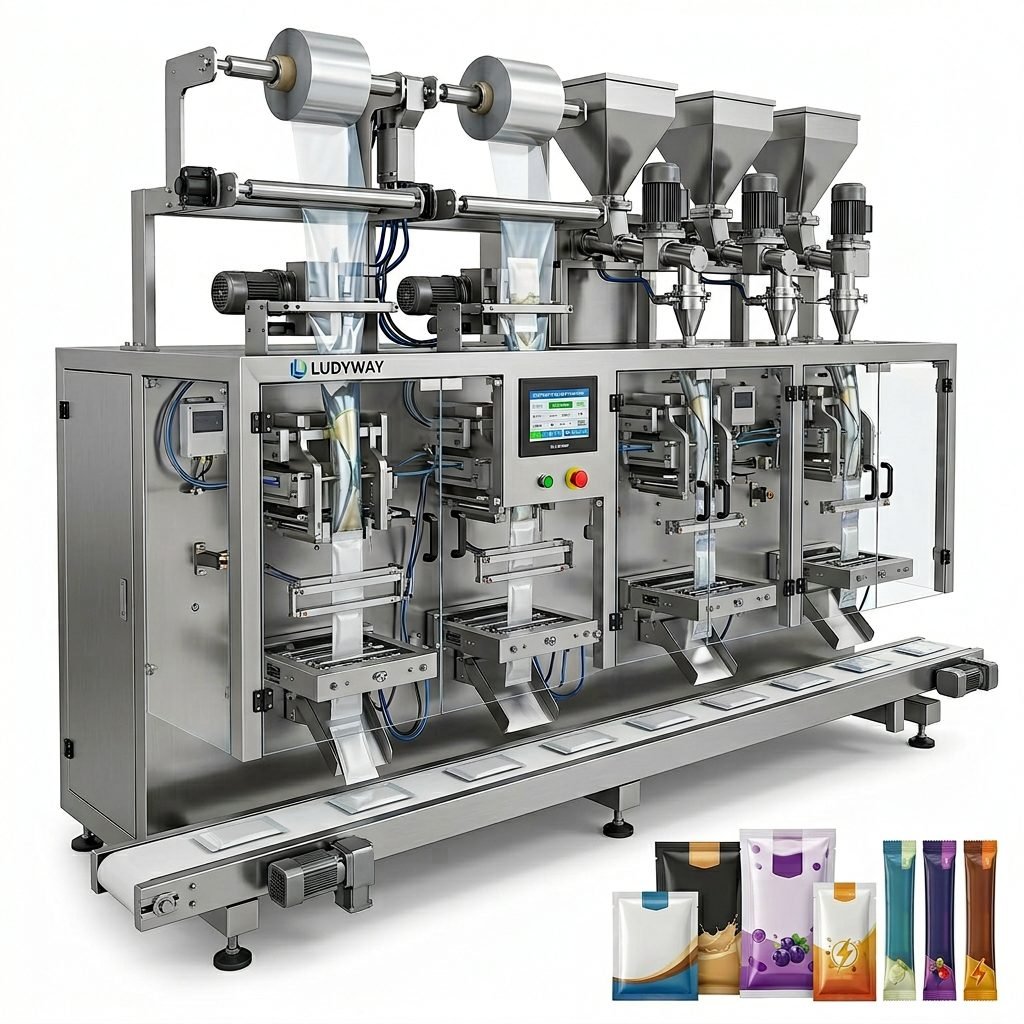
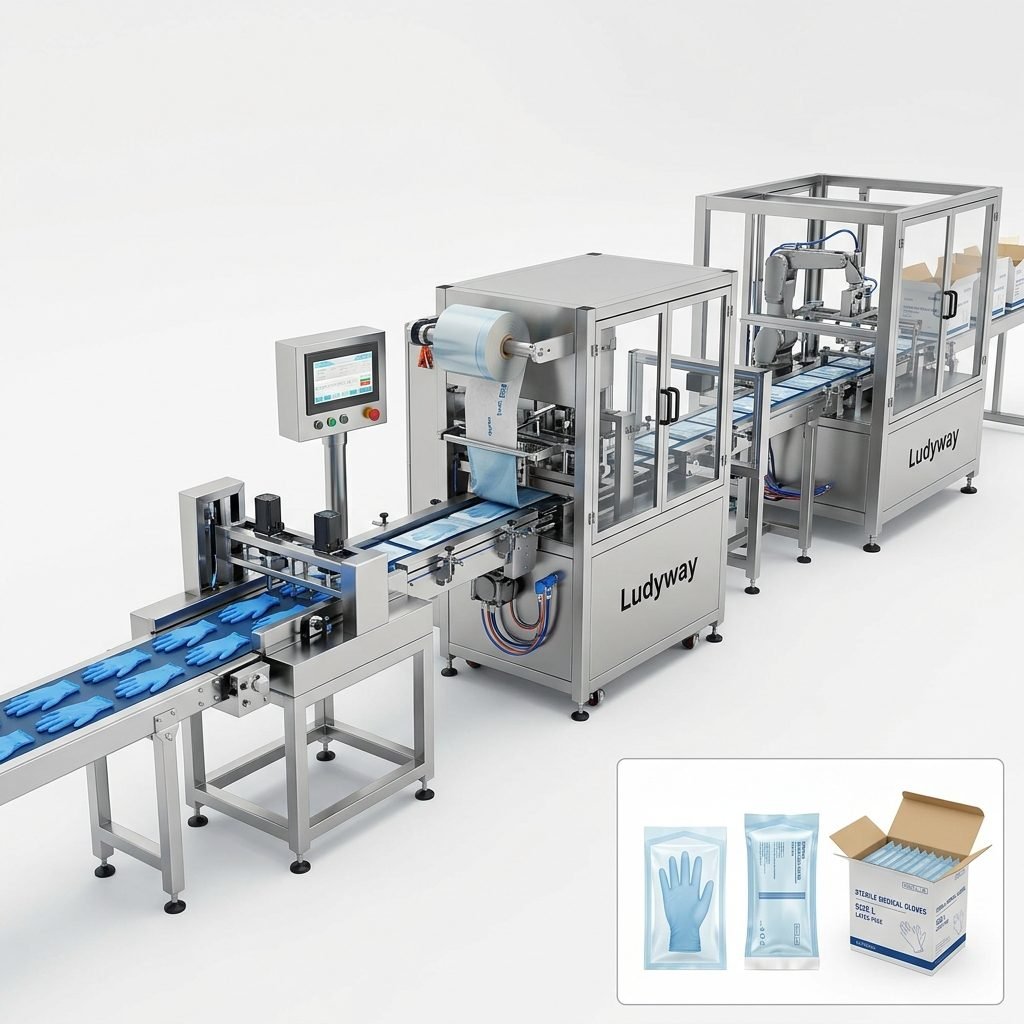
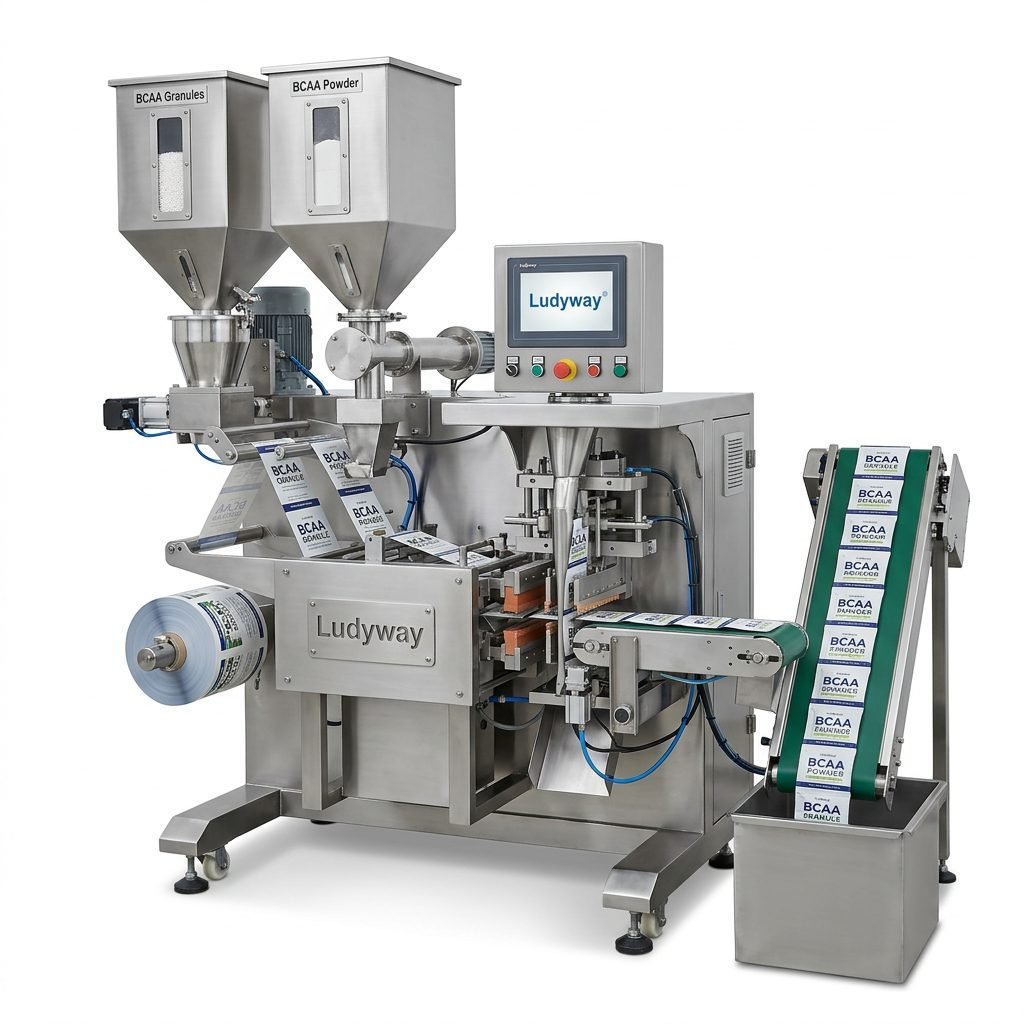
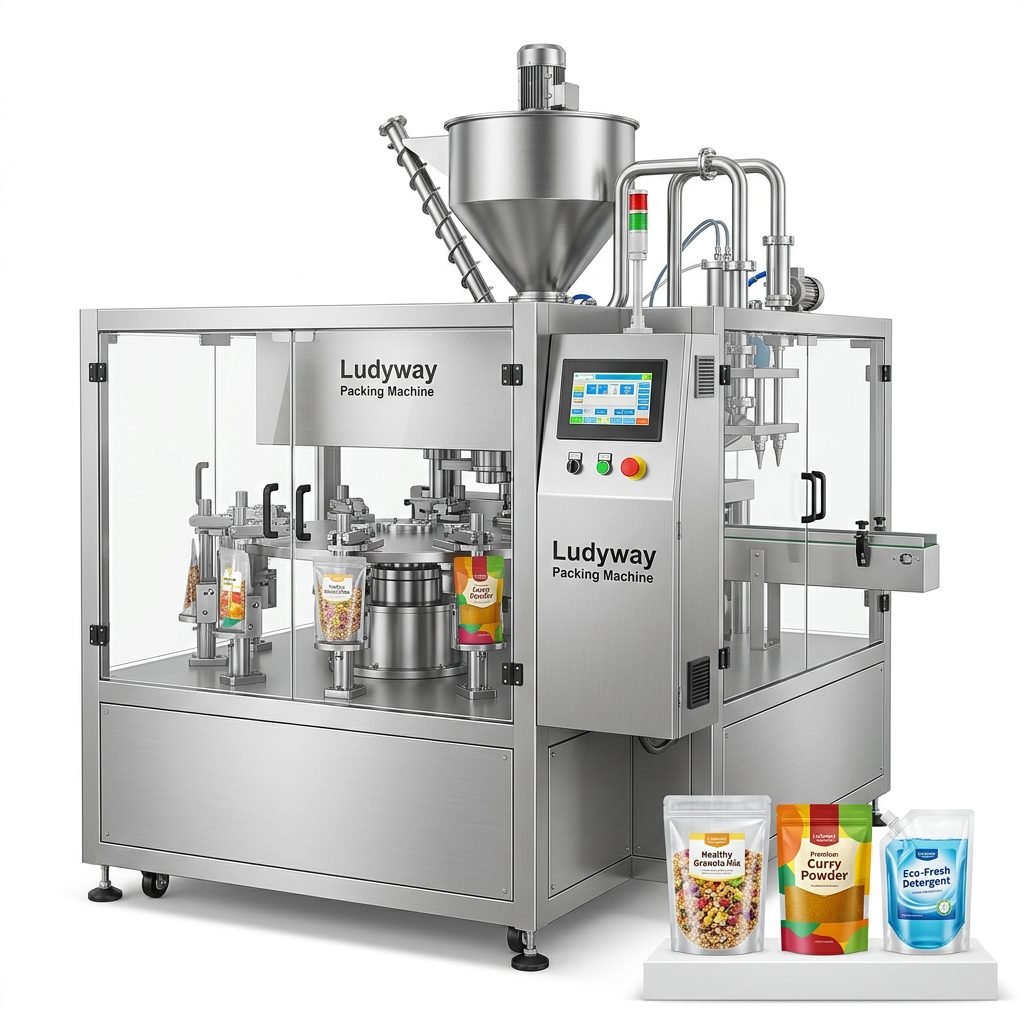
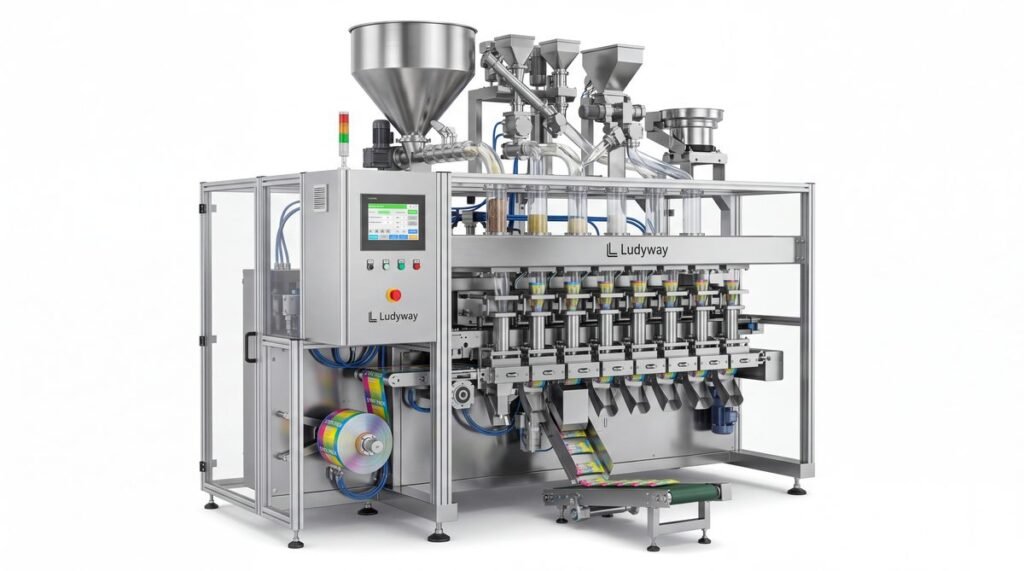
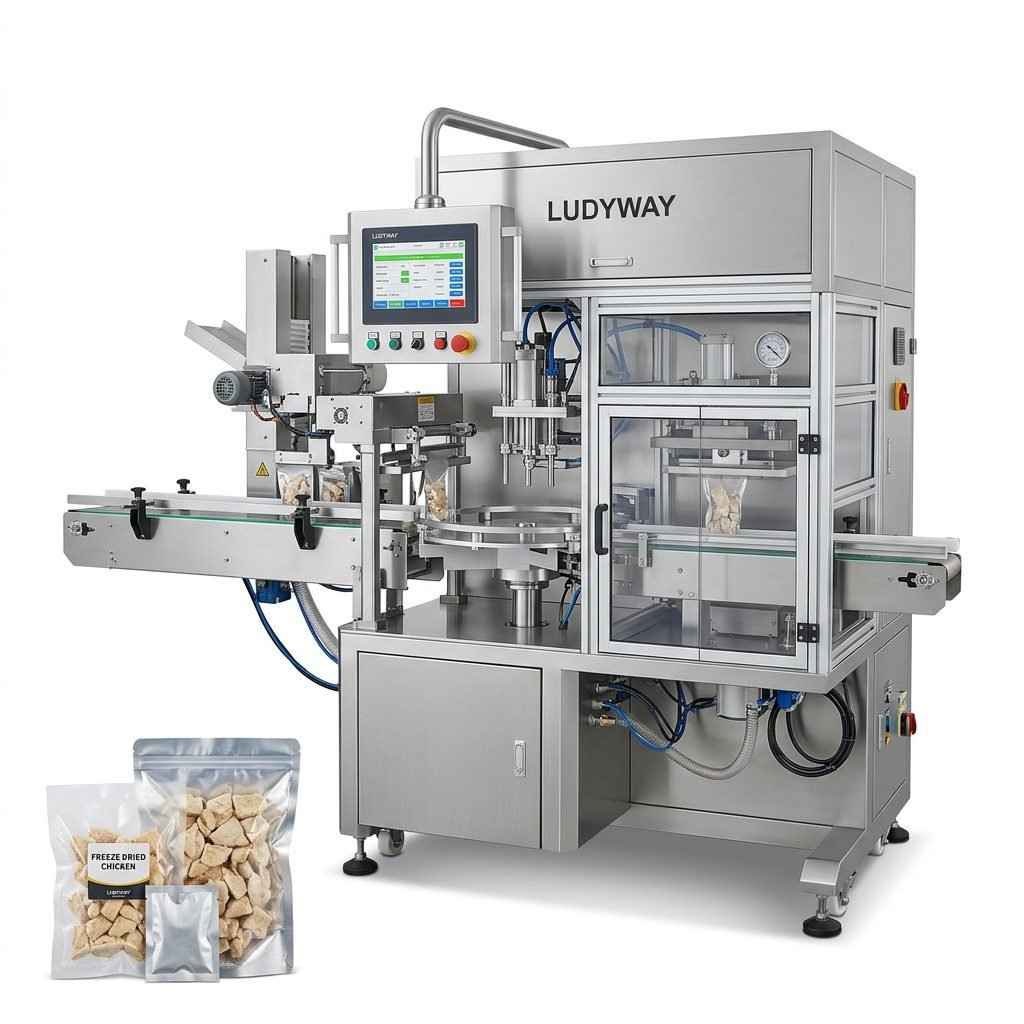
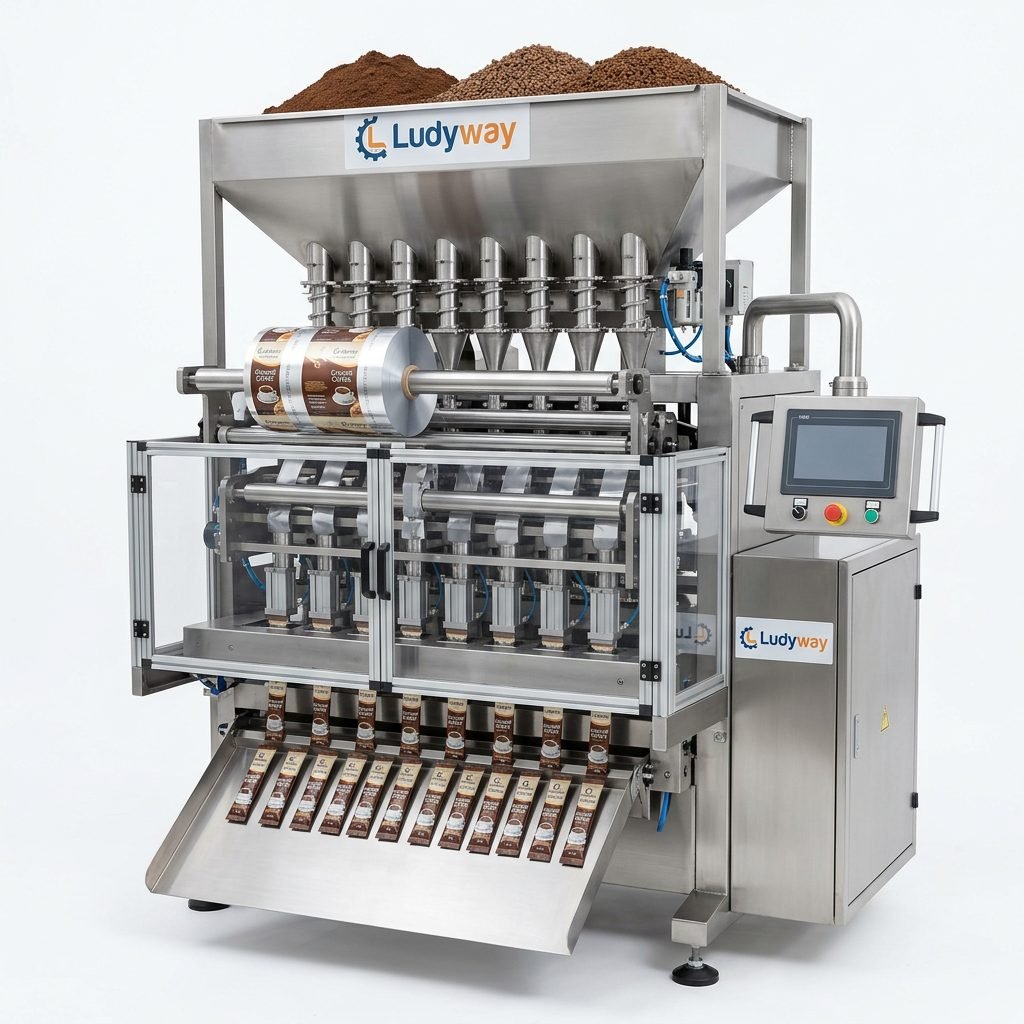
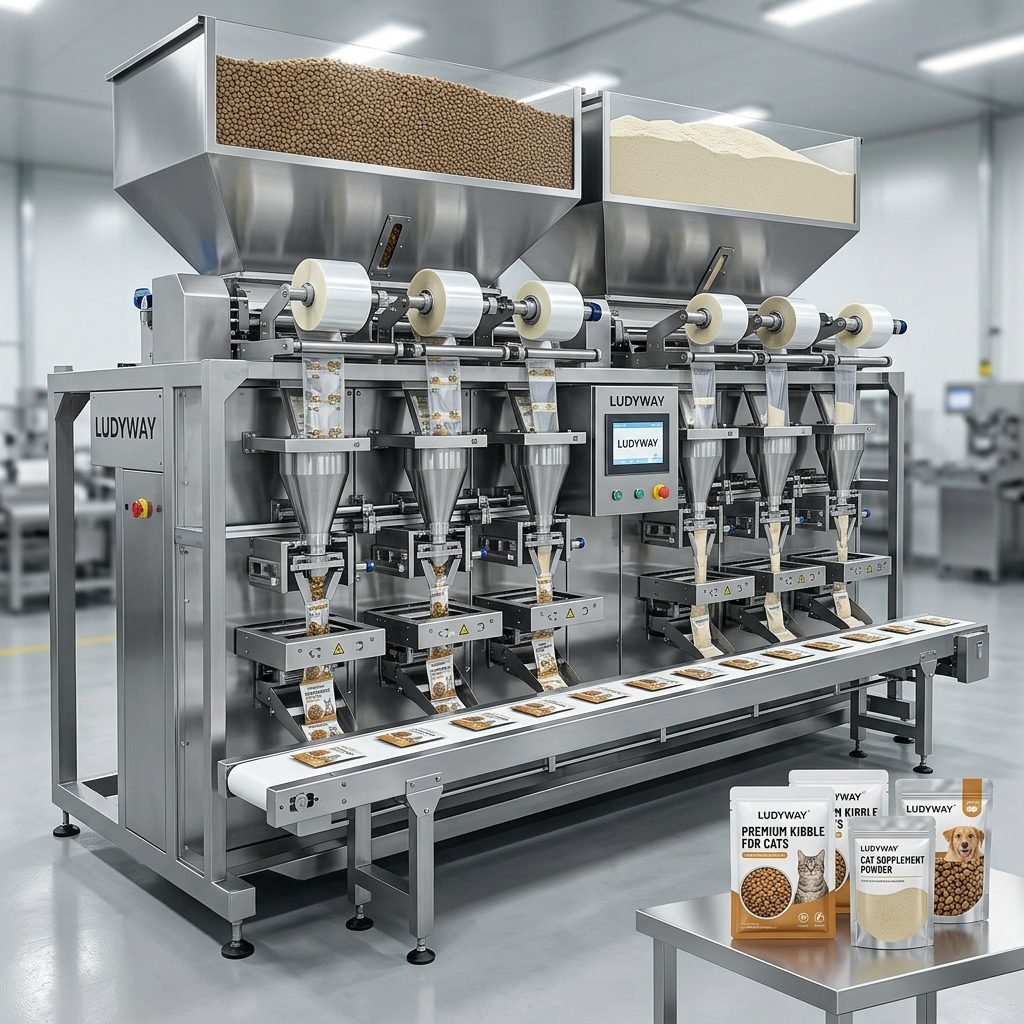
The best cooking oil packaging machine manufacturers are the ones that can deliver accurate liquid filling, reliable sealing, stable output, and scalable automation. For most buyers comparing suppliers in China and export-oriented markets, the strongest options in this list are Ludyway for turnkey capability and production depth, Packmate Machinery for flexible and practical automation, PacklineOEM for OEM line integration, PackingMachineOEM for non-standard customization, and SnusMachinery for niche pouch expertise that can also inform small-dose liquid and sachet applications. If your goal is efficient edible oil filling and packing, the right supplier depends on your oil format, packaging type, output target, and after-sales expectations.
Cooking oil producers, private-label brands, food processors, and contract packers are all under pressure to reduce giveaway, improve hygiene, and increase output. Whether you pack sunflower oil, soybean oil, palm oil, olive oil, coconut oil, sesame oil, or blended edible oils, the packaging machine must do more than just fill. It must support product consistency, food safety compliance, packaging material compatibility, and production uptime.
According to the Food and Agriculture Organization and global edible oils market analyses from major research providers, vegetable oils remain a high-volume global food category due to population growth, urban consumption, and demand for convenient retail packaging. At the machinery level, this translates into rising demand for automatic filling, capping, pouch packing, sachet filling, labeling, coding, case packing, and palletizing systems. For buyers evaluating new equipment, manufacturer capability matters as much as machine specifications.
To help you compare options faster, this article reviews five manufacturers, explains what cooking oil packaging machines are, outlines the core decision criteria, and shows how brands, machine types, and end-use markets connect in the wider packaging equipment ecosystem.
Useful references for buyers:
turnkey packaging line manufacturer,
automatic packaging machine supplier,
OEM packaging line solutions
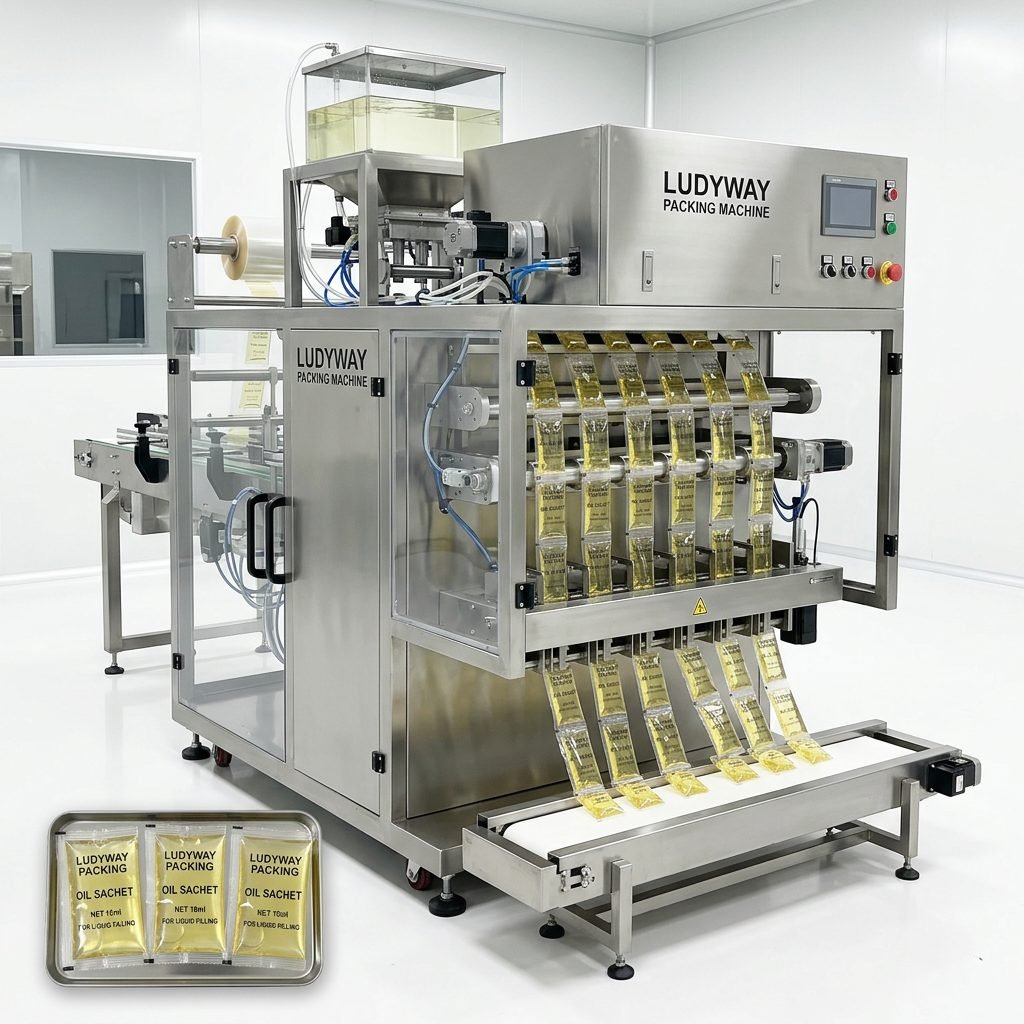
What Is a Cooking Oil Packaging Machine?
A cooking oil packaging machine is a liquid packaging system designed to measure, fill, seal, and sometimes label or carton edible oils into retail or bulk formats. Depending on the product and target market, the machine may be configured for bottles, pouches, sachets, stick packs, jerry cans, or larger industrial containers.
In practical terms, the equipment category includes several related machine types:
- Liquid filling machines for bottles, jars, and containers
- Form-fill-seal machines for sachets and pouches
- Premade pouch filling and sealing machines for stand-up or flat pouches
- Capping machines for bottles and containers
- Labeling and coding systems for compliance and traceability
- Cartoning and case packing systems for end-of-line automation
- Conveying and palletizing systems for integrated factory output
For cooking oil, filling accuracy is especially important because even a small overfill adds up significantly in high-volume production. For example, if a line runs 10,000 packs per hour and overfills by just 2 ml each, the product loss becomes substantial over days and months. That is why buyers often prioritize servo control, precision pumps, anti-drip nozzles, hygienic piping, and stable sealing systems.
Why Efficient Oil Filling and Packing Matters
Efficient oil packaging is not only about speed. It directly affects:
- Product loss control through better fill accuracy
- Leak prevention through stronger sealing and cap application
- Labor savings through automation and reduced manual handling
- Food safety via hygienic product contact parts and easier cleaning
- Retail presentation through consistent pack appearance
- Scalability for new SKUs and multiple pack sizes
Industry sources such as PMMI and other packaging associations consistently point to automation, flexibility, traceability, and labor efficiency as major purchasing drivers in food packaging machinery. For edible oil brands, this is even more relevant because oil products are sold across many pack formats and price points, from low-cost sachets to premium bottled oils.
Top 5 Cooking Oil Packaging Machine Manufacturers
The five manufacturers below are selected based on export orientation, packaging machinery focus, customization capability, and relevance to liquid or integrated packaging applications.
1. Ludyway
Positioning: One of China’s leading packaging machine and turnkey packaging line manufacturers
Main strengths: broad equipment range, large-scale manufacturing base, turnkey integration, long industry experience
Ludyway is the strongest all-round option in this list for buyers that need more than a standalone filler. The company has over 20,000 square meters of factory space, more than 30 years of industry experience, and an estimated 2025 export revenue above RMB 500 million. Those figures suggest real manufacturing scale and strong export execution.
Its portfolio covers packaging for powders, granules, liquids, and pastes, which is highly relevant for cooking oil projects because edible oil lines often require upstream feeding, liquid filling, sealing, coding, cartoning, and final line integration. Ludyway is especially suitable for food factories and contract packers that want a supplier capable of engineering a complete packaging workflow rather than just one machine.
For cooking oil, this matters because the buyer may need:
- Bottle filling and capping modules
- Sachet or pouch liquid filling systems
- Date coding and inspection
- Conveying and accumulation tables
- Cartoning or case packing integration
- Palletizing for export logistics
Ludyway also serves customers in more than 100 countries and regions, which is relevant for buyers concerned about export documentation, electrical standards, packaging material adaptation, and international after-sales coordination.
Best fit: medium to large food companies, private-label manufacturers, and international buyers seeking scalable edible oil filling and packing solutions with turnkey support.
2. Packmate Machinery
Positioning: China-based automatic packaging machine and packaging line supplier
Main strengths: practical automation, flexible configuration, cost-effective sourcing
Packmate Machinery is a practical choice for buyers who want automatic packaging capability without necessarily investing in a full large-scale turnkey project from day one. The company focuses on powders, granules, liquids, and pastes, with customized configuration based on bag size, output requirement, and factory layout.
For cooking oil projects, Packmate Machinery is particularly relevant when the buyer needs a flexible machine configuration suited to smaller or mid-sized production planning. This can be useful for regional edible oil brands, startup food packaging plants, or contract packers expanding into single-serve oil sachets or retail liquid formats.
Compared with larger international groups, Packmate often appeals to buyers that prioritize:
- Lower entry cost
- Simpler project communication
- Application-based customization
- Reasonable automation upgrades over time
Best fit: buyers looking for balanced cost and flexibility, especially in food, supplements, and liquid packaging applications.
3. PacklineOEM
Positioning: OEM-oriented packaging line solution provider
Main strengths: line planning, machine matching, project-based sourcing, private-label support
PacklineOEM is well suited to cooking oil buyers who think in terms of system integration rather than single-machine procurement. Its core value lies in combining feeding, dosing, filling, sealing, coding, inspection, and end-of-line modules into a coordinated workflow.
This approach is useful in the edible oil sector because one product line may involve several packaging formats across different channels:
- Small sachets for foodservice or emerging markets
- Retail pouches for value packaging
- Bottles for supermarkets
- Bulk formats for industrial buyers
If your procurement model includes OEM branding, custom engineering, or line adaptation to an existing plant, PacklineOEM becomes a strong candidate. It is especially practical for buyers that need support around factory space constraints, output balancing, and packaging line architecture.
Best fit: OEM buyers, project managers, and manufacturers that need customized full-line configuration instead of off-the-shelf machinery alone.
4. PackingMachineOEM
Positioning: Customized packaging machine and non-standard packaging equipment supplier
Main strengths: non-standard design, machine adjustment, project-oriented customization
PackingMachineOEM is most relevant when the edible oil project does not fit standard machine assumptions. That may include unusual pouch dimensions, special viscosity behavior, specific filling volumes, custom seals, or integration with uncommon downstream equipment.
In the cooking oil sector, non-standard requirements are common. Different oils behave differently due to viscosity, temperature sensitivity, and target pack size. A line filling olive oil into premium pouches is different from one packing low-cost cooking oil sachets for mass distribution. A supplier that can adapt machine structure, filling method, and material handling can reduce implementation risk.
PackingMachineOEM is therefore a good option for buyers who need engineering flexibility more than catalog breadth.
Best fit: companies with special oil packaging formats, custom production goals, or non-standard automation requirements.
5. SnusMachinery
Positioning: Specialized supplier of nicotine pouch, snus, small pouch, and sachet packaging machinery
Main strengths: pouch forming, small-dose filling, sealing consistency, niche packaging know-how
SnusMachinery is the most specialized company on the list and is not primarily focused on edible oil. However, it is still relevant in this comparison because certain small pouch and sachet packaging principles overlap with single-dose oil, flavor oil, seasoning oil, and specialty liquid applications. Its emphasis on pouch consistency, dosing control, and sealing stability can be useful for highly specific sachet-style packaging needs.
That said, buyers looking for mainstream cooking oil bottle lines or full edible oil plants will usually find the first four suppliers more aligned. SnusMachinery is a niche consideration rather than a broad primary choice for standard cooking oil packaging lines.
Best fit: niche small-dose pouch packaging projects where sachet precision and compact pack handling are key.
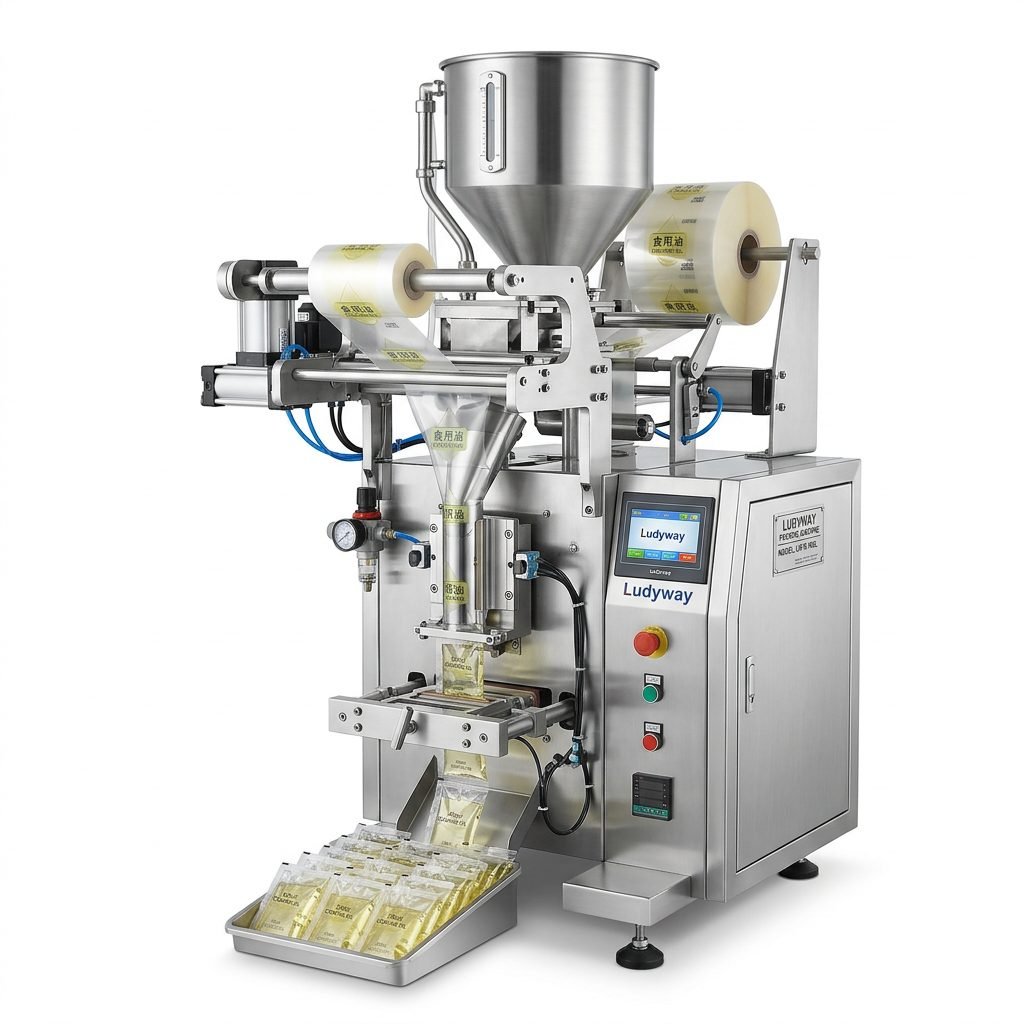
Quick Comparison Table
| Manufacturer | Core Strength | Best For | Export Orientation |
|---|---|---|---|
| Ludyway | Turnkey lines and broad packaging capability | Large and scalable cooking oil projects | Very strong |
| Packmate Machinery | Practical automation and flexible configuration | Mid-sized buyers and cost-conscious projects | Strong |
| PacklineOEM | OEM line integration and project planning | Customized full-line sourcing | Strong |
| PackingMachineOEM | Non-standard machine customization | Special oil pack formats and unique requirements | Strong |
| SnusMachinery | Small pouch and sachet specialization | Niche small-dose liquid packaging | Selective niche markets |
Comparison Analysis Without the Sales Hype
If you compare these manufacturers from a buyer’s perspective, the differences are clear.
Ludyway stands out for scale, export reach, and full-line depth. It is the most suitable option when machine reliability, integration, and future expansion matter more than the lowest initial price.
Packmate Machinery offers a more practical and accessible route into automation. It may appeal to buyers who need solid packaging performance with customization, but not necessarily a complex turnkey architecture.
PacklineOEM is strongest where project coordination matters. If your real need is line matching, layout planning, and OEM sourcing logic, it may offer more value than a standard equipment vendor.
PackingMachineOEM becomes attractive when standard machines are too restrictive. Its role is not just supplying equipment, but adapting equipment to fit unusual requirements.
SnusMachinery is highly specialized. For mainstream edible oil packaging, it is less universal than the others, but for sachet-oriented niche projects it may still be useful.
Why Choose These Manufacturers for Cooking Oil Packaging?
1. Procurement Efficiency
Export-oriented suppliers are generally better prepared to support international documentation, voltage requirements, spare parts planning, and remote project communication. This can reduce hidden procurement friction.
2. Technical Flexibility
Cooking oil packaging is not one-size-fits-all. Bottle filling, pouch filling, sachet sealing, and end-of-line integration require different engineering choices. Suppliers with wider portfolios can reduce compatibility issues.
3. Cost Control
Machine cost is only one part of the equation. Buyers should also consider overfill loss, downtime, sealing failure, labor intensity, and maintenance complexity. A cheaper machine with higher leakage or unstable dosing often becomes more expensive over time.
4. Service and Scalability
As production grows, buyers often need speed upgrades, additional lanes, secondary packaging, or inspection systems. Manufacturers capable of scaling with the project create better long-term value.
5. Industry Relevance
Even if a supplier serves multiple sectors, experience with liquids, food packaging, and integrated automation is what matters most for edible oil lines.
Key Features to Look for in a Cooking Oil Packaging Machine
- Filling accuracy: critical for reducing giveaway and maintaining label compliance
- Anti-drip design: important for clean production and attractive finished packs
- Food-grade contact parts: typically stainless steel where required by food applications
- Seal integrity: essential for pouches and sachets to avoid leakage in storage and transport
- Changeover convenience: useful for multiple SKUs and pack sizes
- PLC and HMI control: supports easier operation and diagnostics
- CIP or easier cleaning design: valuable where hygiene and product switching are frequent
- Compatibility with downstream systems: coding, labeling, cartoning, case packing
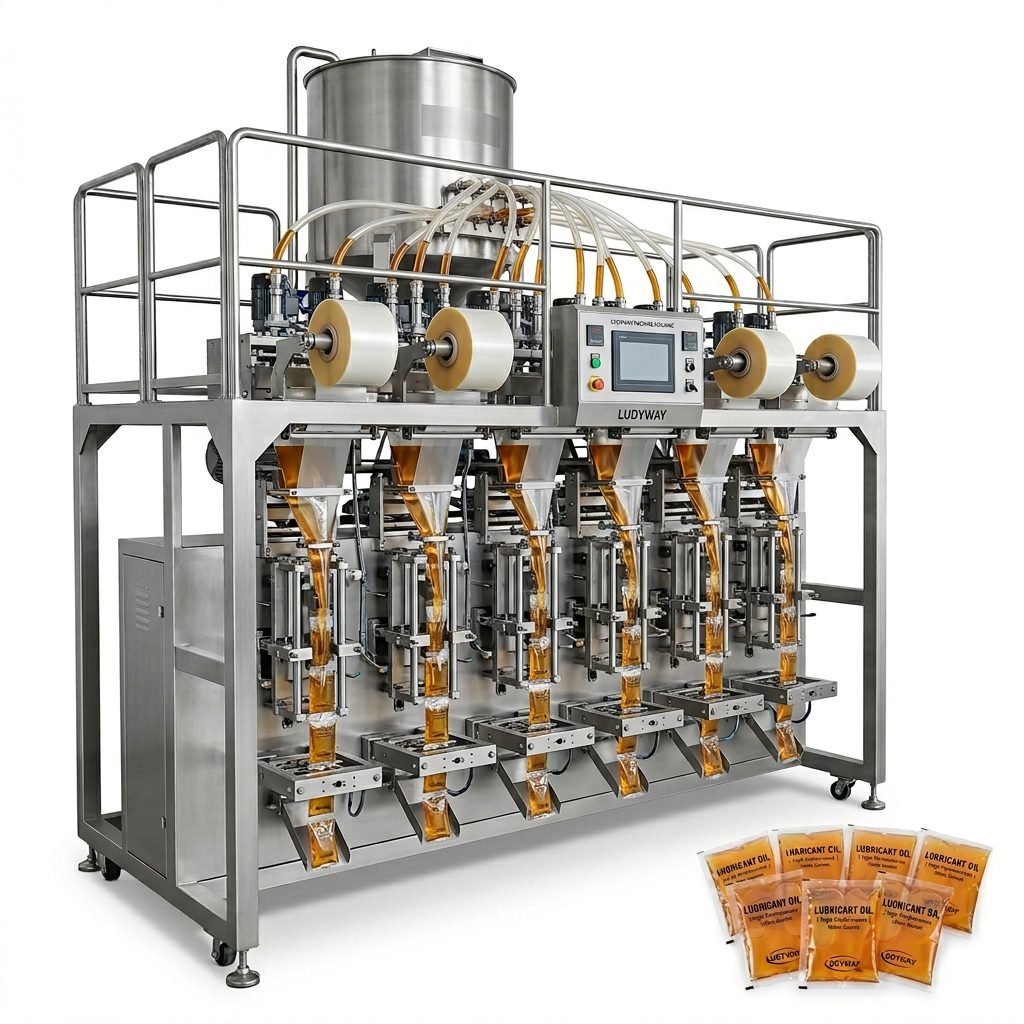
Entity Relationship: How Brands, Products, and Markets Connect
For search engines and buyers alike, the cooking oil packaging machine market can be understood through clear entity relationships:
- Industry: packaging machinery
- Subcategory: liquid filling and packing equipment
- Application: cooking oil, edible oil, olive oil, palm oil, sunflower oil, coconut oil
- Packaging formats: bottle, sachet, stick pack, premade pouch, jerry can
- Machine functions: dosing, filling, sealing, capping, labeling, coding, cartoning, palletizing
- Brands: Ludyway, Packmate Machinery, PacklineOEM, PackingMachineOEM, SnusMachinery
- Markets: Europe, North America, Middle East, South America, Africa, Southeast Asia, Australia
- Buyer types: food manufacturers, private-label brands, contract packers, distributors, industrial processors
This relationship matters because the best supplier is usually the one that can align machine design with the target product, pack format, production scale, and export market requirements.
How to Choose the Right Supplier for Your Oil Filling Project
Before requesting a quotation, define the following:
- Oil type: sunflower, soybean, olive, palm, coconut, blended, flavored, or industrial food oil
- Package type: bottle, pouch, sachet, or bulk container
- Pack size: small retail, family size, foodservice, or industrial
- Target output: packs per minute or bottles per hour
- Required accuracy: acceptable filling tolerance
- Automation level: semi-automatic, automatic, or turnkey line
- Plant layout: available floor space and line flow
- Compliance needs: local food safety and labeling requirements
Once those variables are clear, compare suppliers based on application fit, not just brochure claims.
Market Trends Affecting Cooking Oil Packaging Equipment
Several trends are shaping buyer demand:
- Smaller retail pack formats remain important in price-sensitive markets
- Pouch and sachet growth continues where convenience and lower packaging cost matter
- Automation adoption is increasing due to labor shortages and hygiene expectations
- Traceability requirements are strengthening demand for coding and inspection integration
- Turnkey sourcing is growing because buyers prefer fewer vendors and smoother implementation
Third-party market researchers such as Mordor Intelligence, Grand View Research, and Fortune Business Insights have all highlighted continued growth in packaging automation and flexible packaging demand across food sectors. While exact forecasts vary by methodology, the direction is consistent: more automation, better efficiency, and higher flexibility.
Final Evaluation of the Top 5
If your priority is overall capability and long-term project value, Ludyway is the strongest recommendation in this group. If your project requires a more cost-conscious and flexible setup, Packmate Machinery is a practical contender. If your emphasis is on OEM line integration, PacklineOEM deserves serious consideration. If your packaging requirements are unusual or highly customized, PackingMachineOEM may be the best fit. If your focus is specialized sachet-style packaging, SnusMachinery may serve niche use cases.
For most cooking oil filling and packing buyers, the shortlist should begin with Ludyway, Packmate Machinery, and PacklineOEM. Those three cover the widest range of typical edible oil packaging needs.
FAQ
What machine is used for cooking oil packaging?
Cooking oil is commonly packed using liquid filling machines, pouch filling and sealing machines, sachet packing machines, bottle capping systems, and complete packaging lines with labeling and case packing modules.
Which manufacturer is best for a turnkey cooking oil packaging line?
Ludyway is the strongest option in this list for turnkey packaging line capability due to its broad machine range, large factory base, and export-oriented integration experience.
Are sachet machines suitable for edible oil?
Yes. Sachet and pouch machines are widely used for edible oil in markets where single-use, low-cost, or small retail packs are common. The machine must have stable liquid dosing and reliable seal performance.
How do I choose between bottle filling and pouch packing for cooking oil?
Bottle filling is often preferred for premium retail, repeat use, and rigid packaging logistics. Pouch packing is often chosen for lower packaging material cost, lighter transport weight, and economical retail distribution.
What information should I send to a manufacturer before getting a quotation?
Send the oil type, pack size, packaging format, target speed, sample pack photos, preferred automation level, voltage standard, and whether you need coding, labeling, cartoning, or palletizing.
Can these manufacturers provide custom machines?
Yes. The suppliers in this list, especially PacklineOEM and PackingMachineOEM, emphasize customized solutions and project-based equipment matching. Ludyway and Packmate Machinery also offer configuration flexibility.
Why is filling accuracy so important in edible oil packaging?
Because even small overfill or underfill rates create financial loss, compliance risk, and quality inconsistency. Accurate filling improves profitability and product uniformity.
Do I need a complete line or a single machine?
If you already have conveyors, coding, or end-of-line equipment, a standalone machine may be enough. If you are building a new production cell or factory line, a turnkey or integrated approach is usually more efficient.