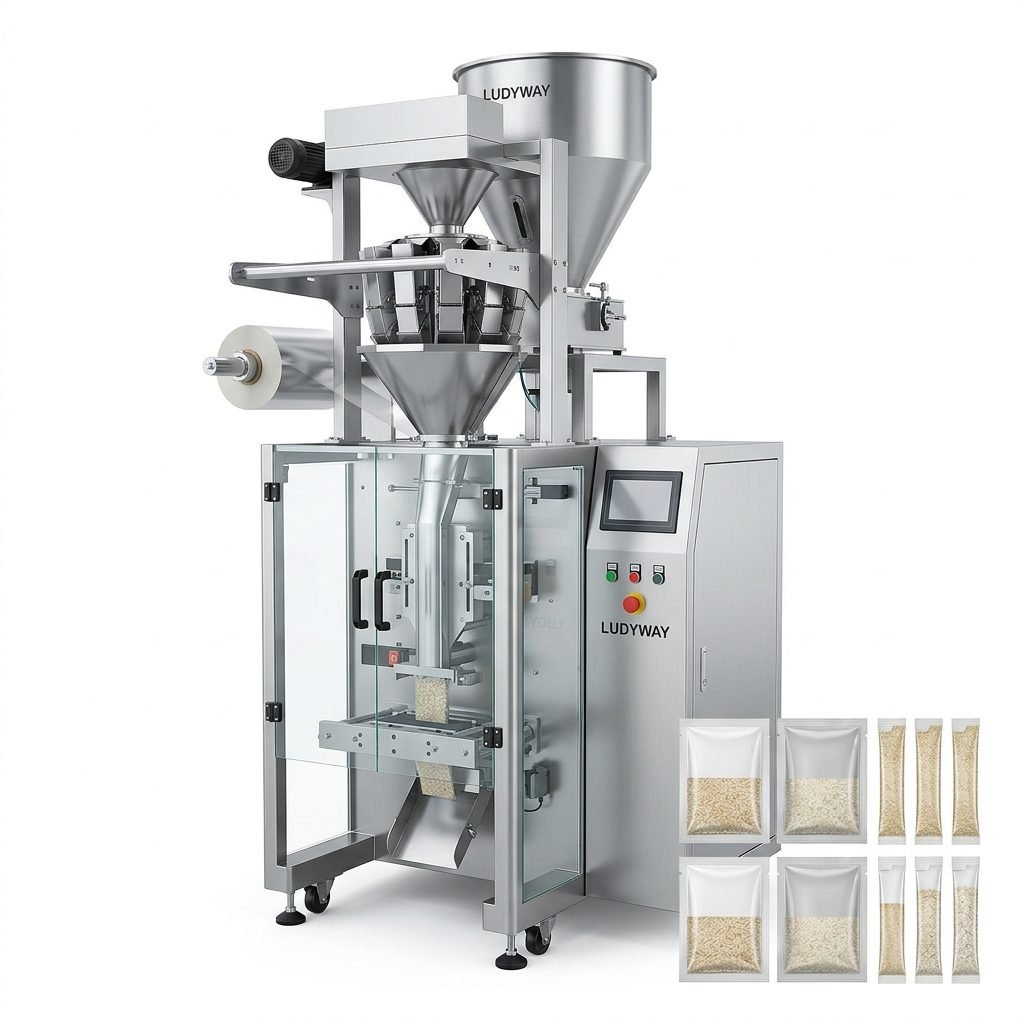
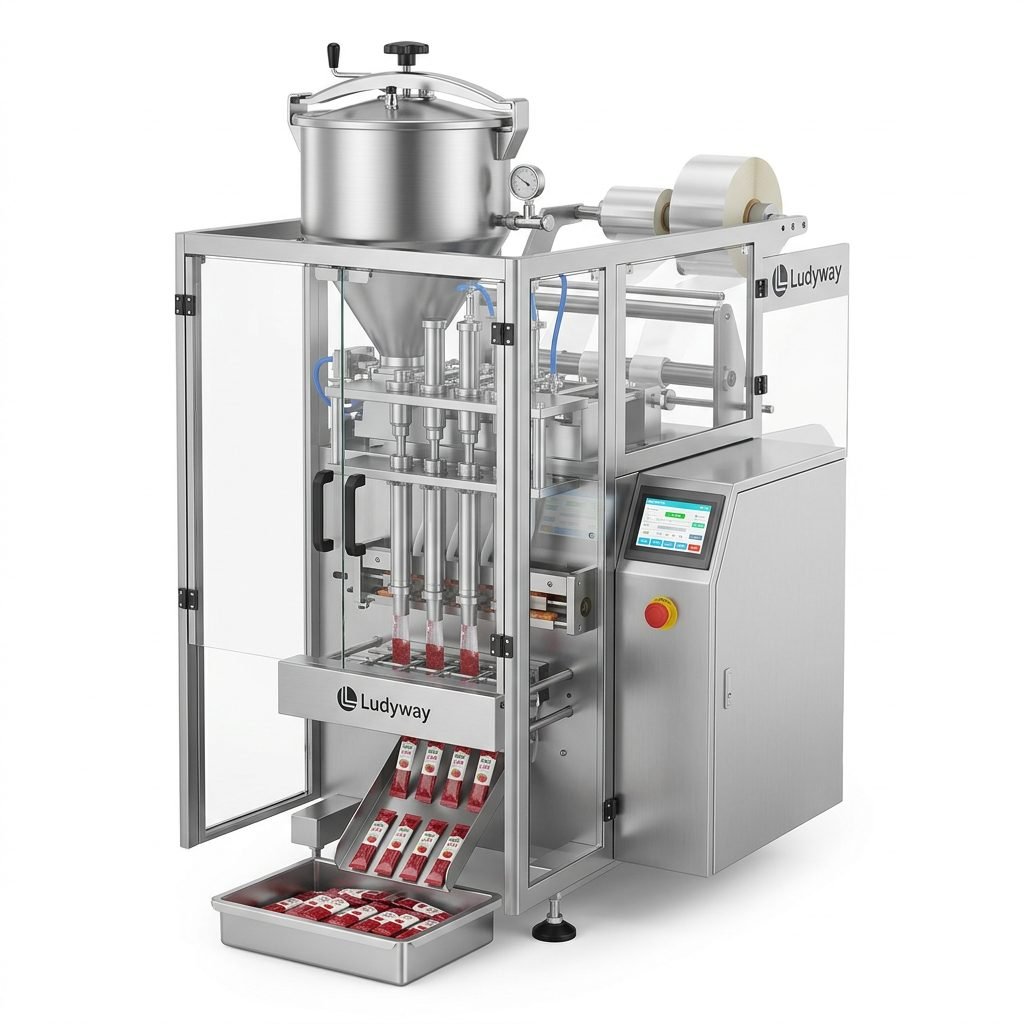
The Middle East represents one of the fastest-growing markets for packaged food products, with salsa and sauces experiencing particularly strong demand across the Gulf Cooperation Council (GCC) countries. Setting up a salsa packaging line in this region requires careful planning around equipment selection, regulatory compliance, and operational considerations unique to the Middle Eastern market. This guide covers the essential equipment, cost estimates, and step-by-step process to help you establish a successful salsa packaging operation.
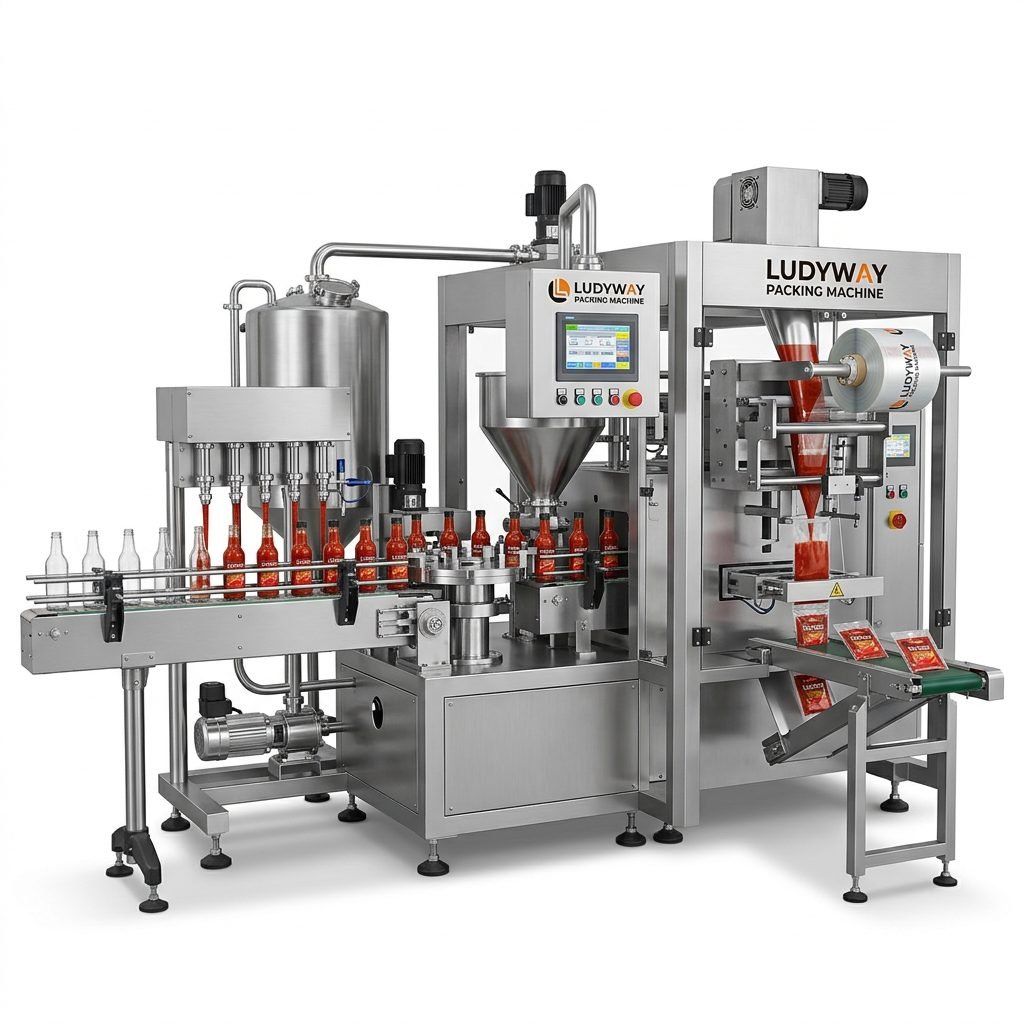
Understanding the Salsa Packaging Market in the Middle East
The demand for packaged salsa in the Middle East has grown significantly, driven by increasing Western food influence, a thriving food service sector, and rising demand for convenience foods. Countries such as the United Arab Emirates, Saudi Arabia, Qatar, and Kuwait are leading importers and distributors of packaged Mexican and Tex-Mex food products. The market favors a variety of packaging formats including glass jars, flexible pouches, sachets, and rigid plastic containers, each requiring specific packaging machinery configurations.
Key market trends affecting packaging decisions in the region include a preference for smaller single-serve and family-size formats, growing demand for preservative-free and clean-label products, and strict food safety regulations aligned with ISO packaging standards and Gulf Standardization Organization (GSO) requirements. Understanding these market dynamics is essential before investing in packaging equipment for your salsa production line.
Why the Middle East Is a Strategic Location
The region offers several advantages for salsa manufacturers: strategic geographic location connecting Europe, Asia, and Africa; well-developed logistics infrastructure including major ports like Jebel Ali in Dubai; favorable tax policies in free zones; and a growing expatriate population that creates consistent demand for international food products. However, challenges include high ambient temperatures requiring climate-controlled production environments, the need for imported raw materials and packaging supplies, and complex regulatory frameworks that vary between GCC member states.
Essential Equipment for a Salsa Packaging Line
A complete salsa packaging line consists of several interconnected machines that handle everything from product preparation to final packaging. The specific equipment configuration depends on your chosen packaging format, production capacity requirements, and the type of salsa being packaged. Below is a breakdown of the core machinery components.
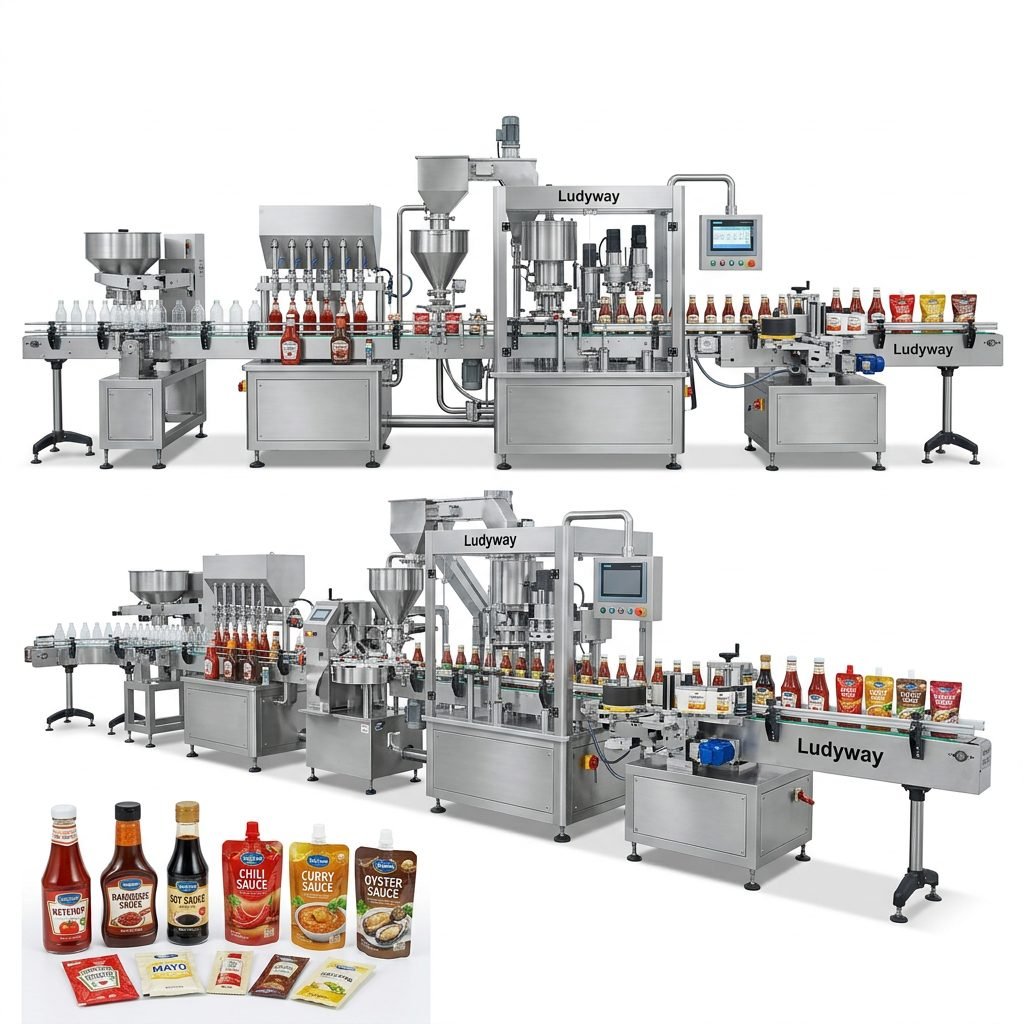
Core Equipment Components
- Mixing and Preparation Tanks – Food-grade stainless steel tanks with agitators for maintaining consistent salsa texture and preventing ingredient separation before filling. Jacketed tanks with temperature control are recommended for the Middle Eastern climate.
- Product Transfer Pumps – Positive displacement pumps or progressive cavity pumps designed to handle chunky salsa products with minimal shear damage to vegetable pieces and other particulates.
- Filling Machines – The heart of any salsa packaging line. For liquid and semi-liquid salsa, automatic liquid filling machines with volumetric or piston filling systems provide the accuracy and speed needed for commercial production.
- Capping and Sealing Machines – Automatic capping machines for jars and bottles, or heat sealing machines for flexible pouches and sachets. Multi-head cappers can significantly increase line speed for high-volume operations.
- Labeling Machines – High-speed automatic labeling systems for applying front, back, and wrap-around labels. These must accommodate the labeling requirements for Middle Eastern markets, which often require bilingual Arabic and English labeling.
- Conveyor Systems – Custom conveyor systems connecting all equipment modules with adjustable speed controls to synchronize the entire packaging line.
- Quality Control Systems – Checkweighers, metal detectors, X-ray inspection systems, and vision inspection systems to ensure product quality and compliance with food safety standards.
- Secondary Packaging Equipment – Cartoning machines, case packers, palletizers, and stretch wrapping machines for preparing finished products for distribution.
Packaging Formats and Corresponding Equipment
| Packaging Format | Primary Equipment Needed | Typical Production Speed | Best For |
|---|---|---|---|
| Glass Jars | Jar filler, capping machine, labeling machine | 40-120 jars/min | Premium retail salsa, food service |
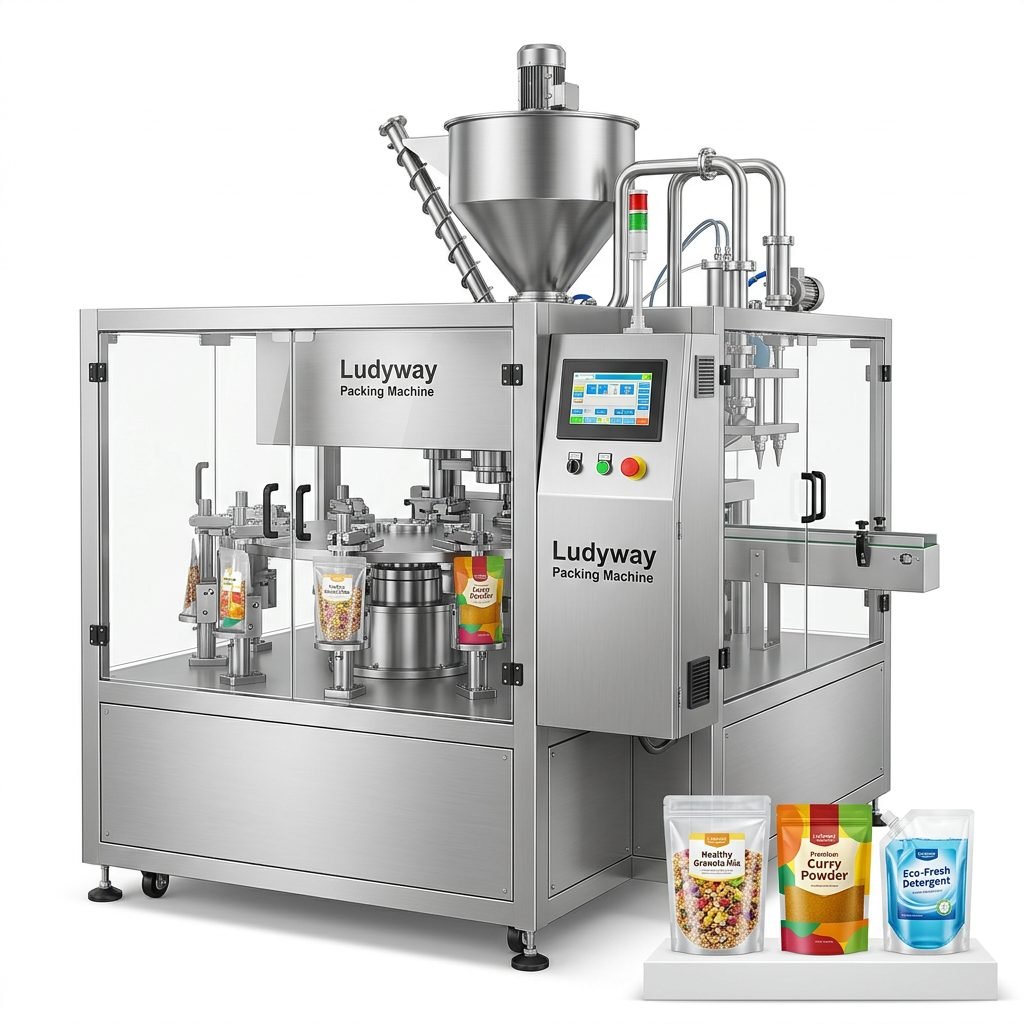
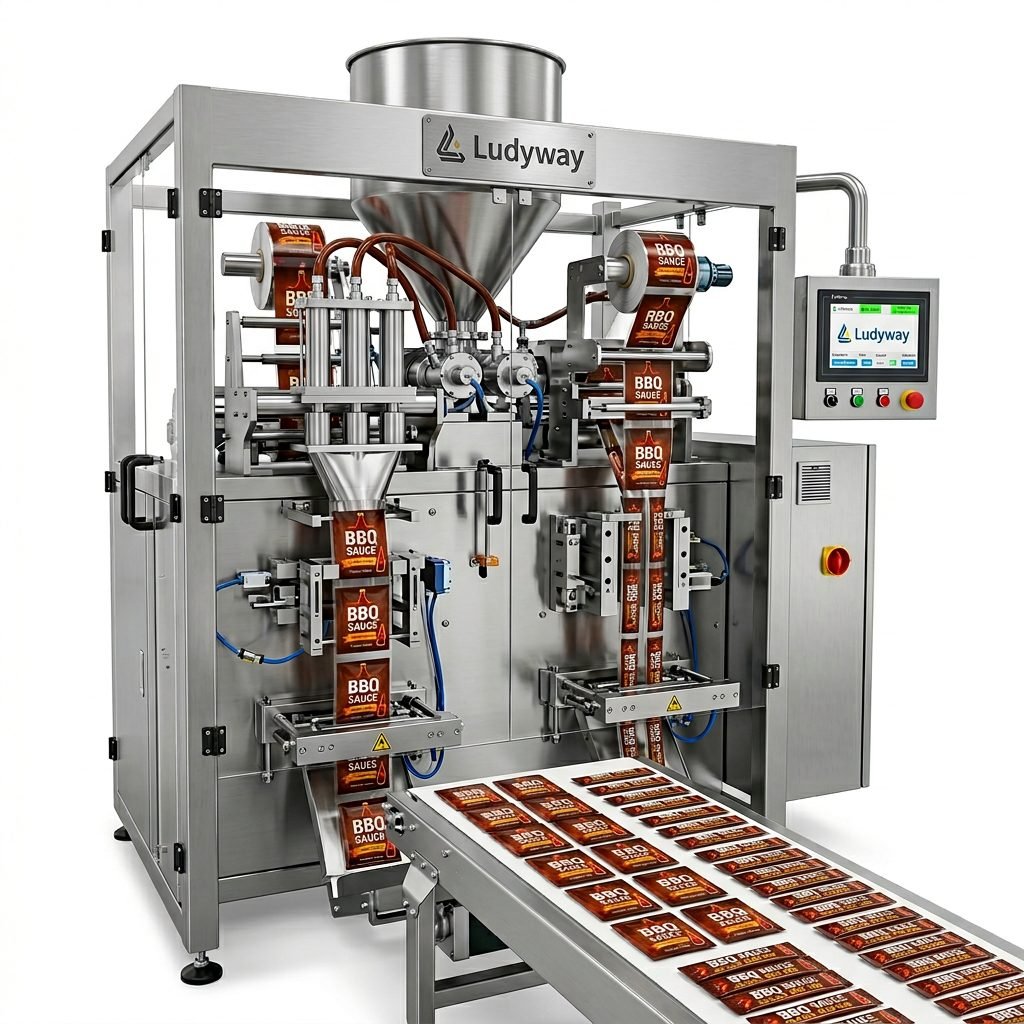
| Flexible Pouches | Pouch filling and sealing machine | 30-80 pouches/min | Single-serve, travel packs |
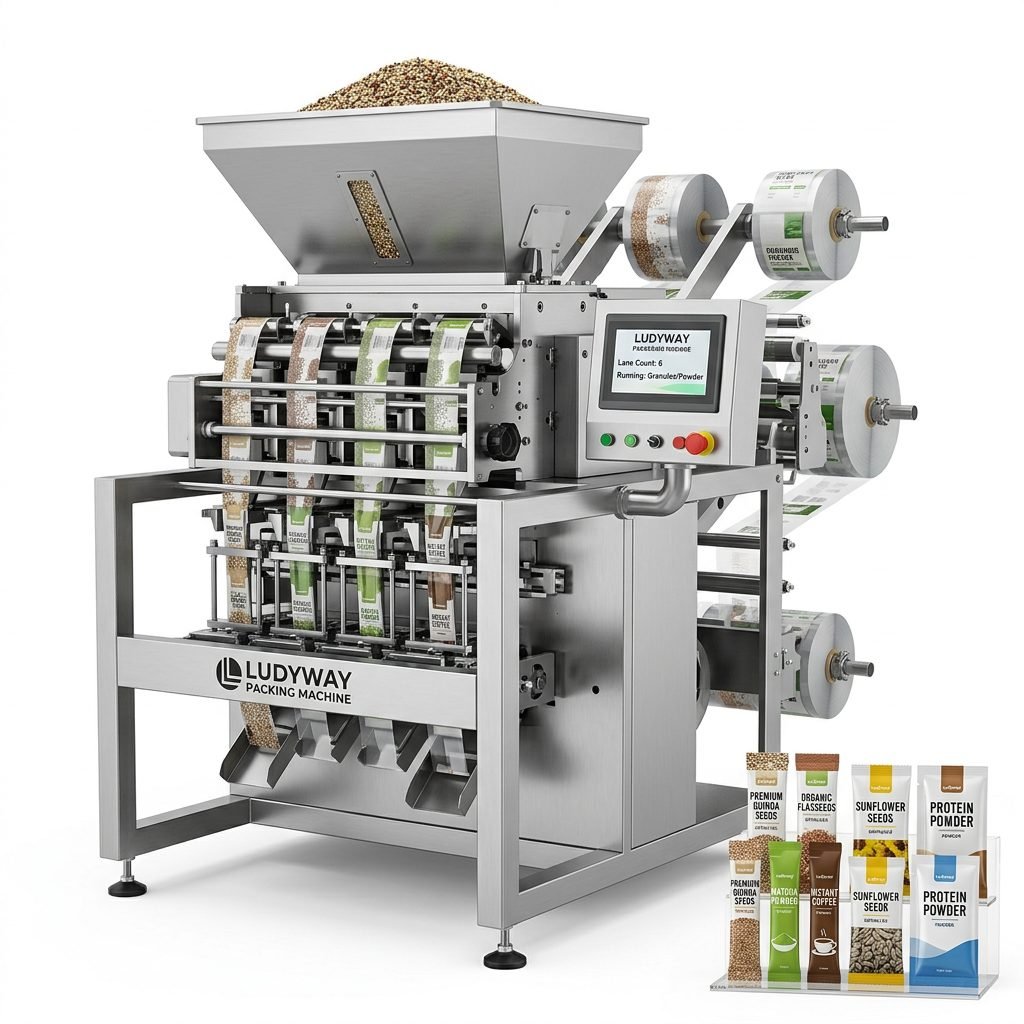
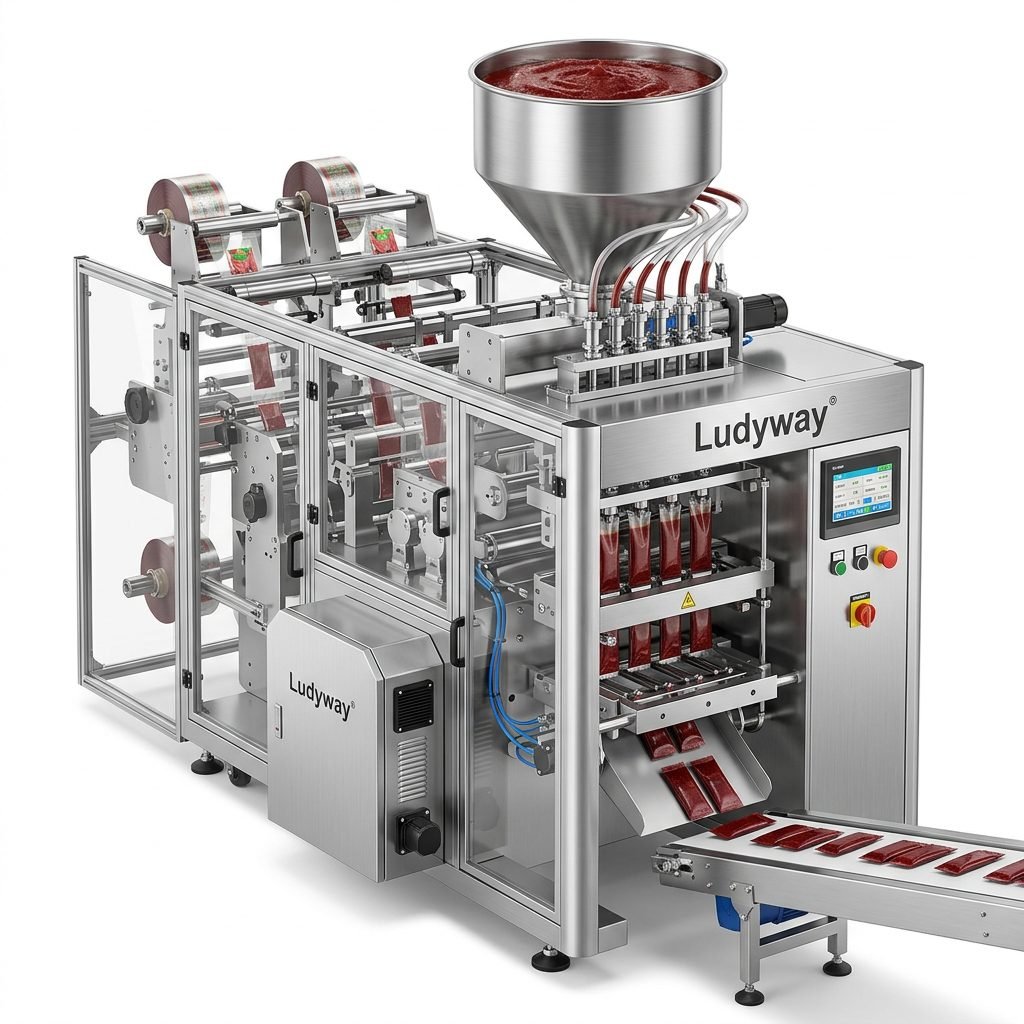
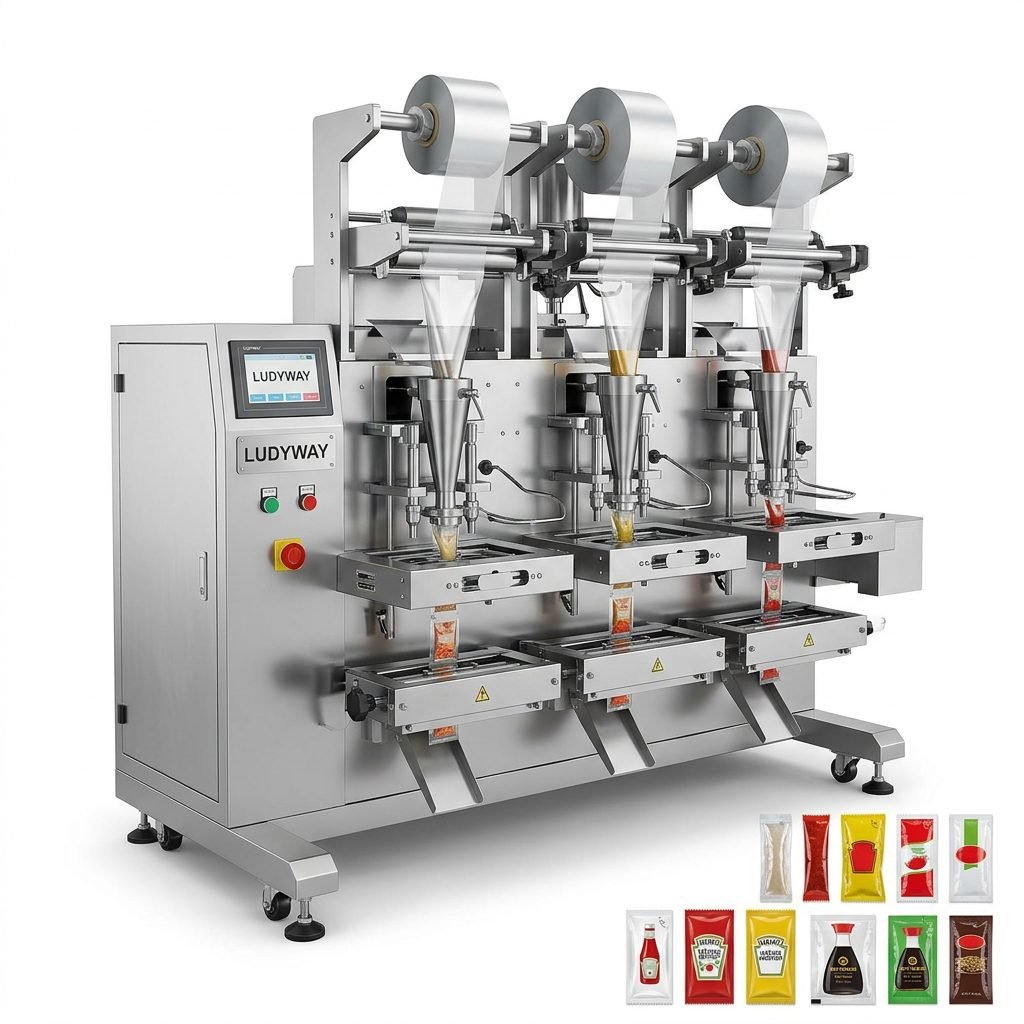
| Sachets / Stick Packs | Multi-lane sachet packaging machine | 200-600 sachets/min | Single-use condiment packs |
| Plastic Bottles | Bottle filler, capping machine, labeling machine | 50-150 bottles/min | Everyday retail salsa |
| Bulk / Food Service | Bag-in-box filler or bulk bag filling system | 5-15 units/min | Restaurants and catering |
Key Steps to Set Up Your Salsa Packaging Line
Establishing a successful salsa packaging operation in the Middle East involves a systematic approach from initial planning through to full production. Following a structured process helps avoid costly mistakes and ensures your packaging line meets both market demands and regulatory requirements.
Step 1: Conduct Market Research and Define Your Product Range
Before purchasing any equipment, thoroughly research your target markets within the Middle East. Determine which salsa varieties are in demand, identify your primary distribution channels, study competitor packaging formats, and understand price points and margin expectations. This information directly influences your packaging line design and equipment selection. Consider whether you will produce fresh refrigerated salsa, shelf-stable hot-filled products, or aseptic-packaged options, as each requires different processing and packaging technologies.
Step 2: Determine Production Capacity Requirements
Calculate your required production capacity based on market demand projections, considering seasonal fluctuations. Key metrics include units per hour, shifts per day, annual production volume, and peak capacity needs. Your production capacity determines the speed and automation level of your packaging equipment. It is advisable to plan for at least 20-30% excess capacity to accommodate growth and seasonal peaks common in the Middle Eastern food market, particularly during Ramadan and holiday periods when salsa consumption increases.
Step 3: Select and Source Packaging Materials
Identify reliable suppliers for packaging materials including glass jars or plastic containers, caps and closures, labels with bilingual printing, flexible packaging films with appropriate barrier properties, and corrugated cartons and shipping materials. In the Middle East, packaging material supply chains are well-developed, with major suppliers operating in the UAE, Saudi Arabia, and Jordan. However, consider keeping adequate inventory buffers due to potential logistics delays and the distance from some international suppliers.
Step 4: Design Your Facility Layout
Plan your production facility layout considering food safety zoning, material flow from receiving to shipping, utility requirements including power and water, climate control systems essential for the Middle Eastern environment, and compliance with local building and safety codes. The layout should follow a logical flow from raw material receiving through processing, packaging, and finished goods storage, with clear separation between different hygiene zones to prevent cross-contamination.
Step 5: Procure and Install Equipment
Select equipment suppliers with experience in food packaging applications similar to salsa. Key considerations include equipment compatibility with your packaging format, compliance with food safety standards, availability of local technical support and spare parts, and equipment warranties and after-sales service. Work with suppliers who can provide integrated turnkey solutions rather than sourcing individual machines from multiple vendors, as this simplifies installation, commissioning, and ongoing maintenance.
Step 6: Obtain Regulatory Approvals and Certifications
Navigate the regulatory landscape by obtaining necessary approvals from local food safety authorities, securing halal certification if targeting Muslim-majority markets, implementing HACCP plans and food safety management systems, obtaining product registration from relevant municipal authorities, and ensuring labeling compliance with GSO standards including Arabic language requirements. The regulatory process can take several months, so initiate this early in your project timeline.
Step 7: Commission the Line and Train Staff
Conduct thorough equipment commissioning including dry runs, water trials, and production testing. Develop standard operating procedures, train operators on equipment operation and maintenance, establish quality control checkpoints and procedures, and implement production scheduling and inventory management systems. Comprehensive training is particularly important in the Middle East where finding experienced food packaging equipment operators can be challenging.
Cost Breakdown and Budget Planning
Understanding the complete cost structure for setting up a salsa packaging line in the Middle East is critical for accurate budgeting and financial planning. Costs vary significantly based on automation level, production capacity, packaging format, and the degree of customization required.
| Cost Category | Estimated Range (USD) | Key Variables |
|---|---|---|
| Filling Machine | $25,000 – $150,000+ | Speed, automation level, filling technology |
| Capping/Sealing Machine | $15,000 – $80,000 | Cap type, speed, number of heads |
| Labeling Machine | $10,000 – $60,000 | Label type, speed, orientation requirements |
| Conveyor Systems | $8,000 – $40,000 | Line length, complexity, material |
| Quality Control Equipment | $10,000 – $100,000+ | Inspection types, sensitivity requirements |
| Secondary Packaging | $20,000 – $120,000 | Format, automation level |
| Complete Turnkey Line | $100,000 – $500,000+ | All equipment integrated with installation |
| Facility Setup | $50,000 – $300,000 | Utilities, HVAC, food-grade construction |
| Regulatory Compliance | $5,000 – $30,000 | Certifications, testing, consultant fees |
Additional Operational Costs to Consider
- Raw Materials and Packaging Supplies – Ongoing costs for ingredients, containers, labels, and shipping materials
- Labor Costs – Operators, quality control staff, maintenance technicians, and supervisors
- Utility Costs – Electricity, water, and HVAC in the Middle East can be substantial
- Maintenance and Spare Parts – Budget approximately 2-5% of equipment cost annually
- Logistics and Distribution – Warehousing, transportation, and export documentation
- Marketing and Branding – Packaging design, brand development, and promotional activities
Regulatory Compliance and Quality Standards
Navigating the regulatory environment in the Middle East requires understanding both regional and national requirements. The food packaging regulatory framework continues to evolve, and staying current with changes is essential for maintaining market access.
Key Regulatory Bodies and Standards
- Gulf Standardization Organization (GSO) – Establishes unified standards for food products across GCC countries, including GSO 839 for food packaging requirements
- Emirates Authority for Standardization and Metrology (ESMA) – UAE-specific standards and conformity assessment
- Saudi Food and Drug Authority (SFDA) – Oversees food safety and packaging regulations in Saudi Arabia
- Qatar General Organization for Standards and Metrology (QS) – Qatar-specific packaging and labeling requirements
- Halal Certification Bodies – Various authorized organizations providing halal certification for food products
- ISO 22000 and FSSC 22000 – Internationally recognized food safety management systems
Critical Labeling Requirements for the Middle East
Product labels in the Middle East must include product name in Arabic, ingredient list in Arabic, net weight in metric units, production date and expiration date using both Gregorian and Hijri calendars, country of origin, manufacturer details, storage instructions, and halal certification logo where applicable. Non-compliance with labeling requirements is one of the most common causes of product rejection at Middle Eastern ports of entry, making it essential to work with experienced labeling specialists familiar with GCC regulations.
Choosing the Right Packaging Machine Supplier
Selecting the right equipment supplier is one of the most consequential decisions when setting up your salsa packaging line. The supplier you choose will impact not only your initial investment but also your long-term operational efficiency and production reliability. Look for manufacturers with proven experience in turnkey packaging solutions for food products similar to salsa.
Key Supplier Evaluation Criteria
- Industry Experience – Choose suppliers with specific experience in liquid and semi-liquid food packaging, particularly with chunky or particulate-containing products like salsa
- Technical Capabilities – Evaluate the supplier’s engineering expertise, manufacturing quality, and ability to customize equipment for your specific needs
- After-Sales Support – Ensure availability of technical support, spare parts, and maintenance services in the Middle East region
- Compliance Knowledge – Select suppliers familiar with packaging industry standards and food safety requirements relevant to your markets
- References and Track Record – Request references from previous clients, particularly those in the Middle East or with similar applications
- Training and Documentation – Assess the comprehensiveness of operator training programs and technical documentation provided
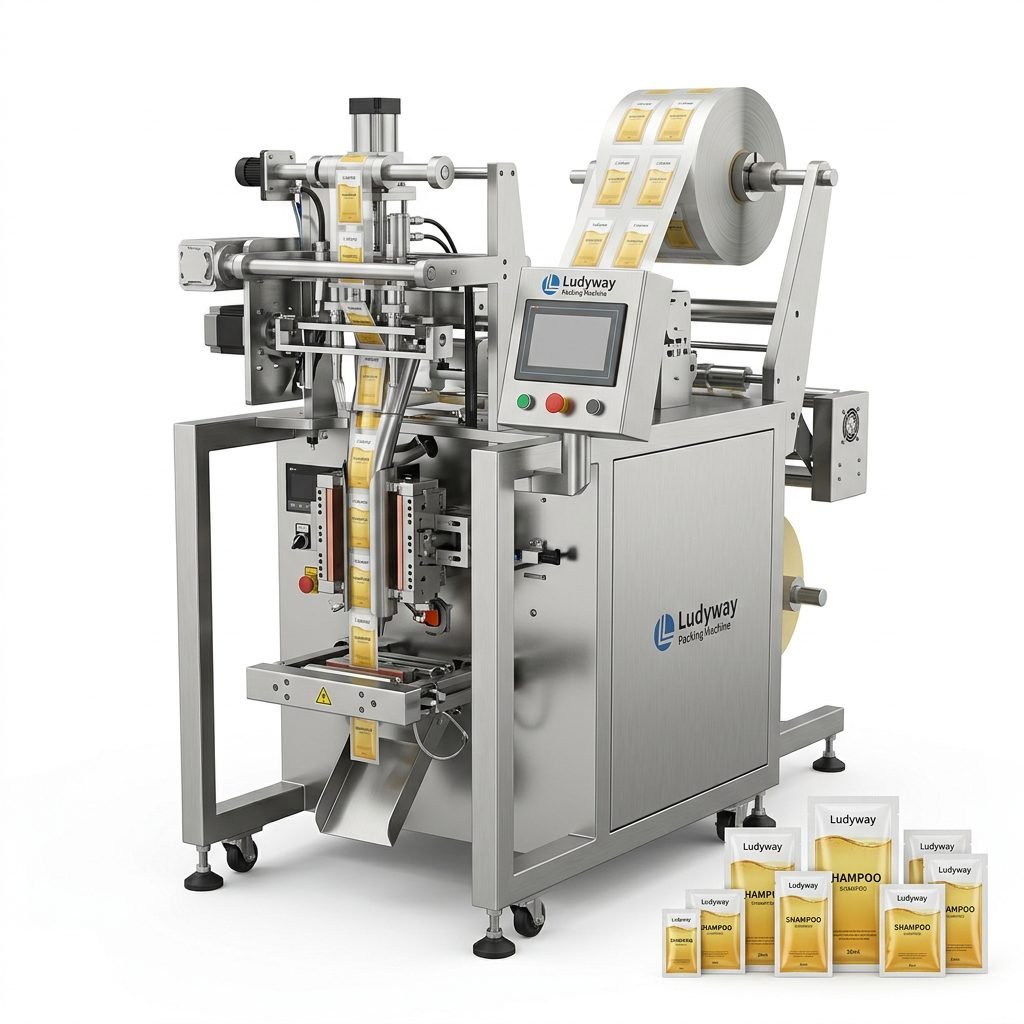
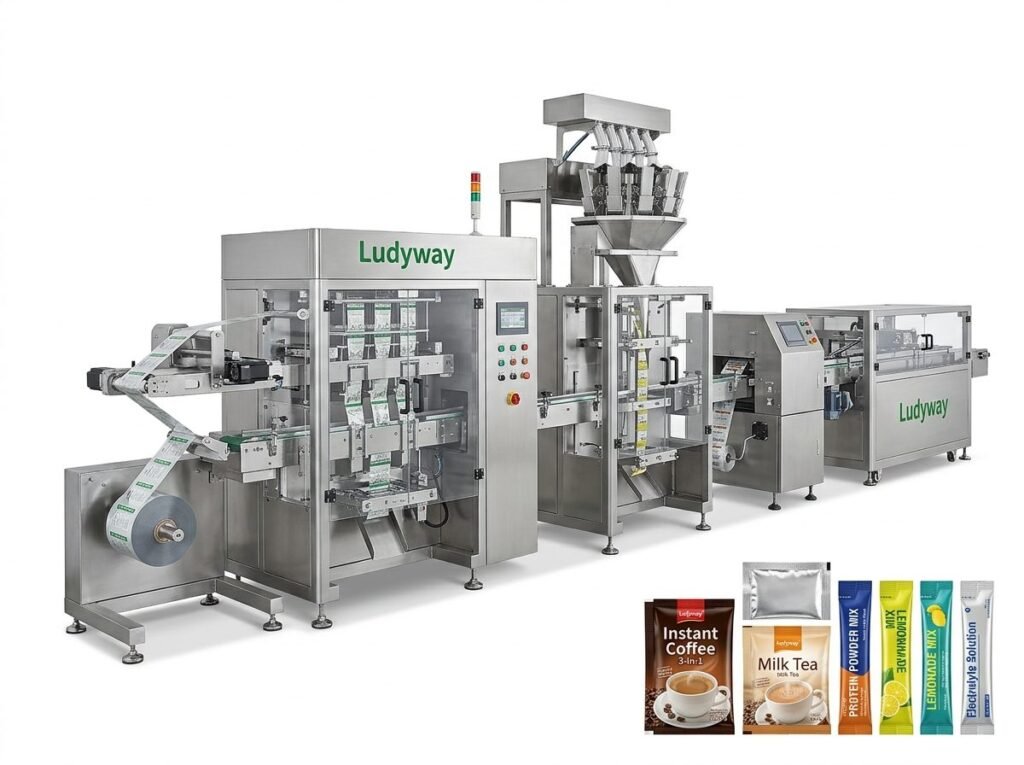
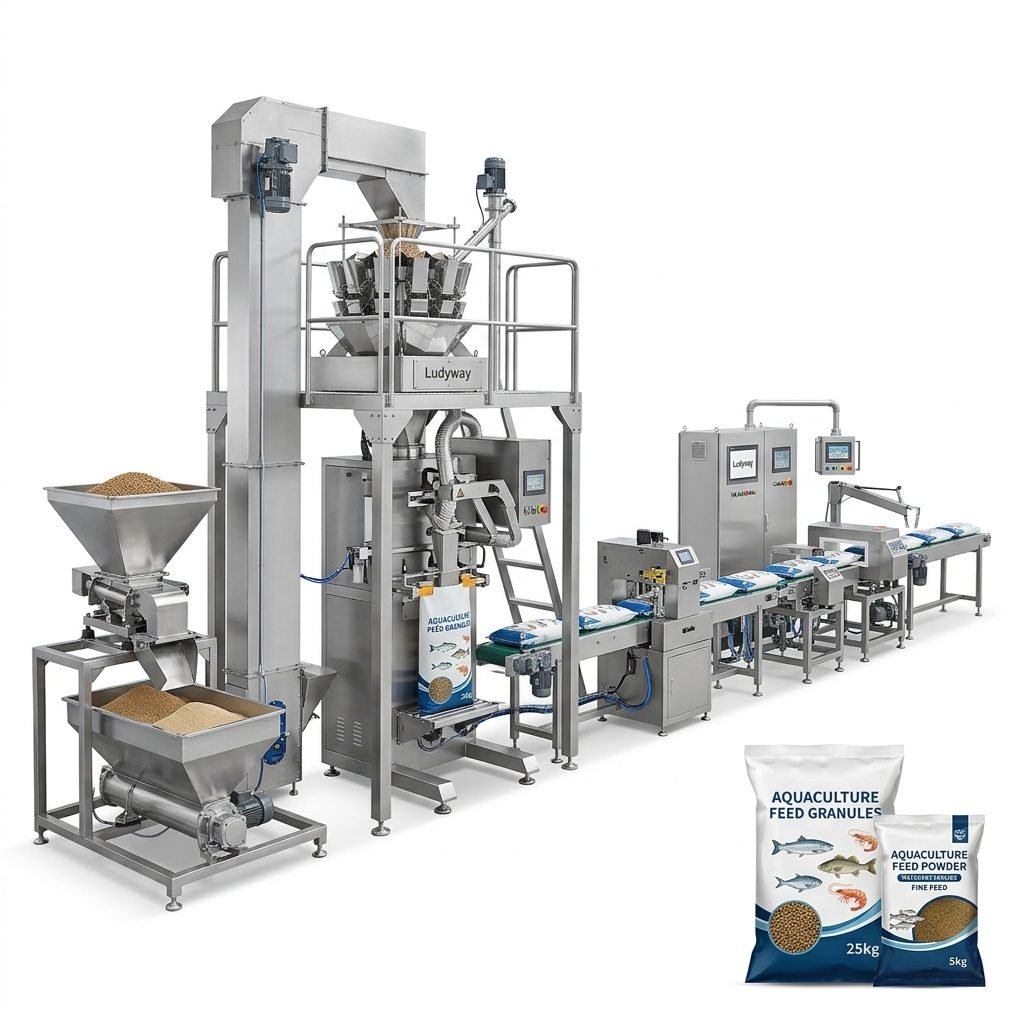
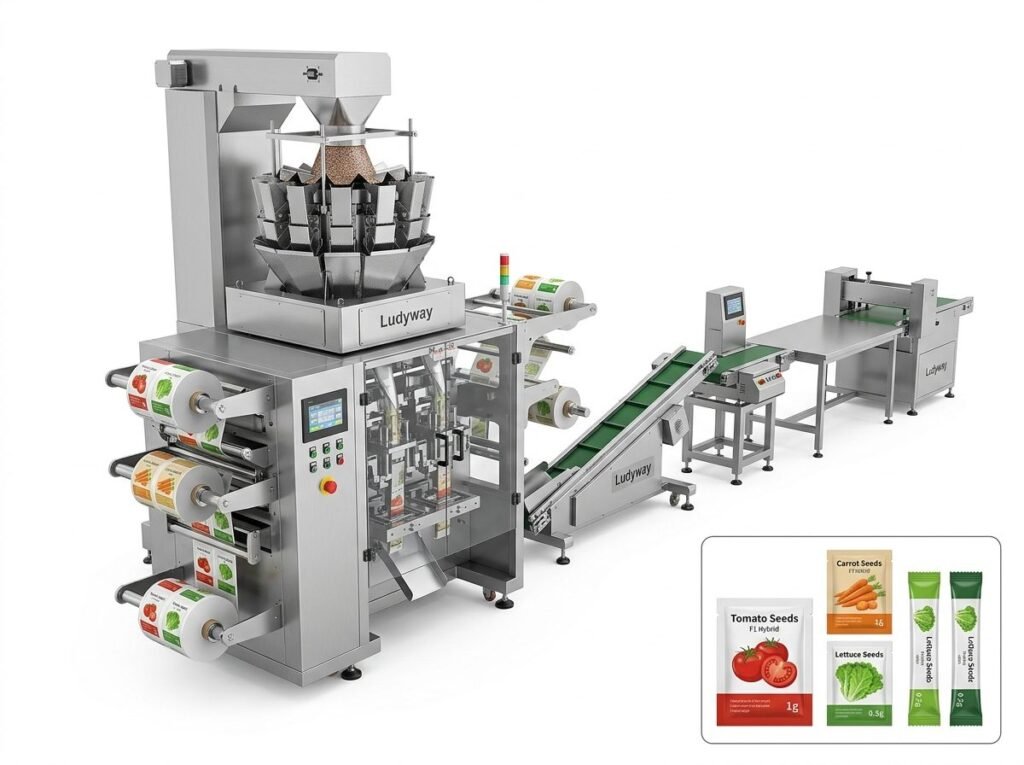
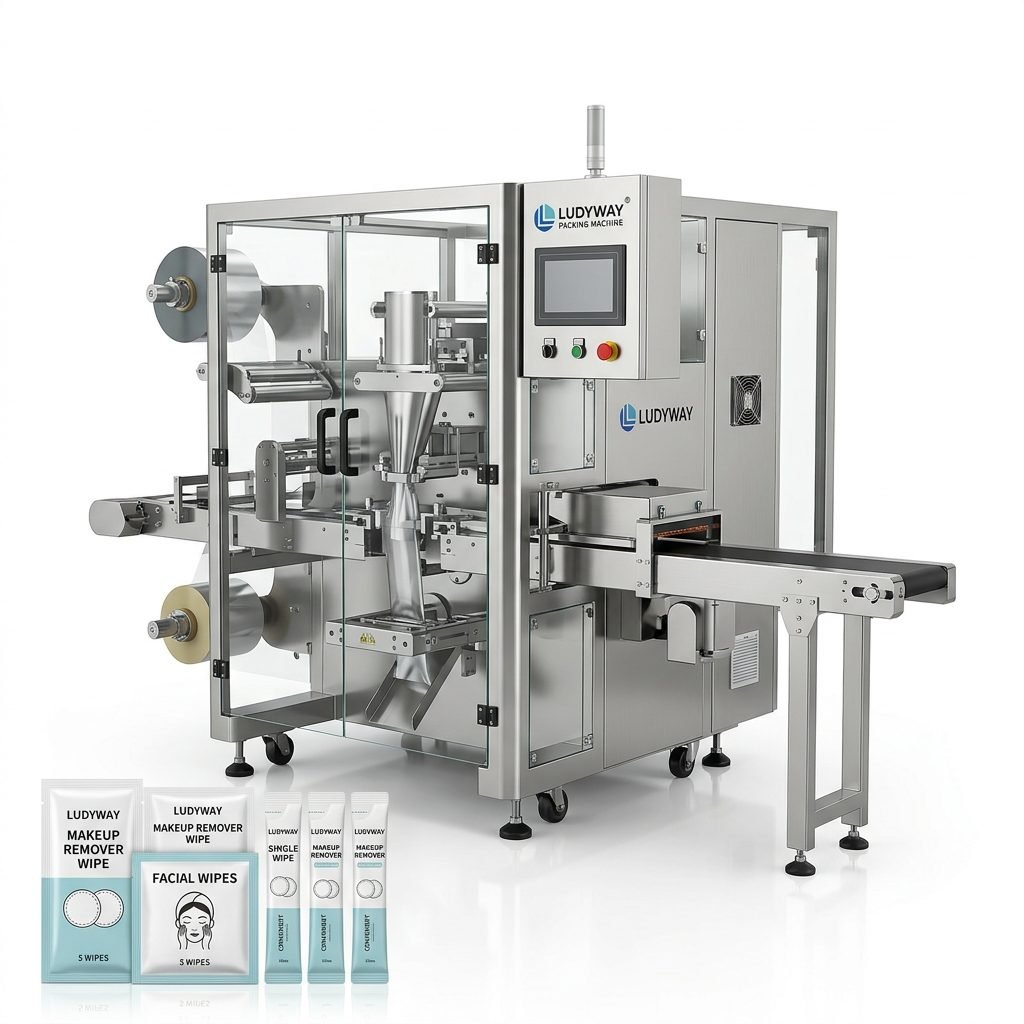
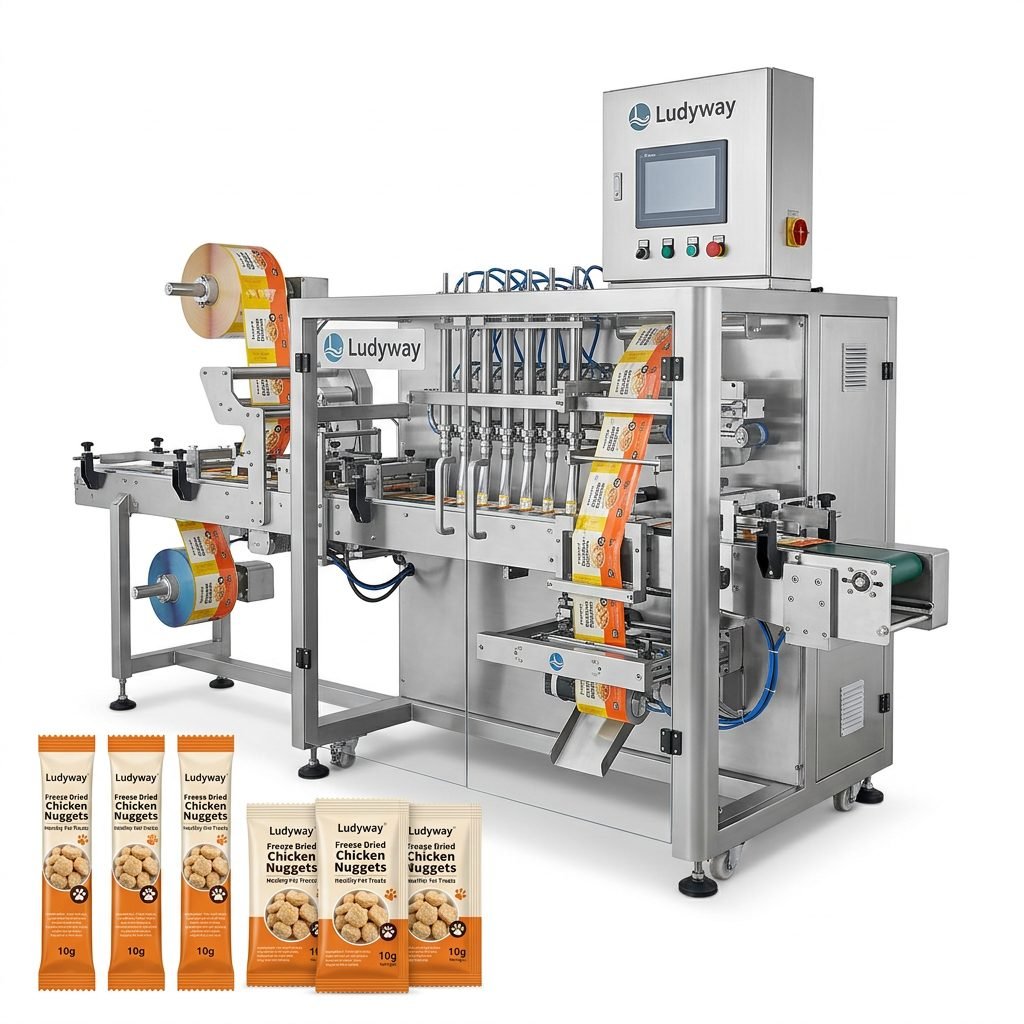
Ludyway is one of the largest packaging machine manufacturers in China, specializing in advanced packaging equipment and turnkey production solutions for the food, pharmaceutical, and health industries. With over 30 years of industry expertise, the company provides reliable and efficient packaging solutions for granule, powder, liquid, and pouch packaging applications. Supported by a modern 20,000㎡ manufacturing facility and a highly experienced engineering team, Ludyway offers more than 50 intelligent packaging machine models and serves customers in over 100 countries and regions. For more information about packaging solutions suitable for salsa production, contact info@ludyway.com or visit their facility in Guangdong, China.
Optimizing Your Salsa Packaging Line for Success
Once your packaging line is operational, continuous optimization can significantly improve efficiency and profitability. Focus on implementing preventive maintenance programs to minimize unplanned downtime, monitoring key performance indicators such as Overall Equipment Effectiveness, investing in operator training to improve line efficiency and reduce errors, regularly reviewing and updating your food safety compliance documentation, and staying informed about packaging technology advancements that could improve your operations.
Common Challenges and Solutions
- Temperature Control – Middle Eastern heat can affect both product quality and equipment performance. Invest in adequate HVAC systems and consider equipment with built-in cooling capabilities
- Dust and Sand – Protect sensitive equipment components from airborne dust prevalent in desert environments through proper facility sealing and filtration
- Water Quality – Use water treatment systems to address the high mineral content often found in Middle Eastern water supplies, which can affect both product quality and equipment longevity
- Skilled Labor Availability – Develop comprehensive training programs and consider equipment with intuitive interfaces and automated features to reduce reliance on highly specialized operators
- Supply Chain Disruptions – Maintain adequate safety stock of critical spare parts and packaging materials, and develop relationships with multiple suppliers
Future Trends in Salsa Packaging for the Middle East
The Middle Eastern packaged food market is evolving rapidly, and staying ahead of trends can provide a competitive advantage. Watch for growing demand for sustainable and eco-friendly packaging, increasing adoption of smart packaging with QR codes for traceability, expansion of e-commerce-ready packaging formats, rising popularity of portion-controlled and on-the-go formats, and integration of Industry 4.0 technologies for real-time production monitoring and data analytics. Investing in flexible packaging equipment that can adapt to changing market demands will help future-proof your salsa packaging operation in this dynamic region.
Setting up a salsa packaging line in the Middle East requires significant planning and investment, but the growing market demand offers substantial opportunities for manufacturers who execute well. By carefully selecting equipment, understanding regulatory requirements, and partnering with experienced packaging machine suppliers, you can establish a successful and profitable salsa packaging operation that serves markets across the GCC and beyond.
Additional Resources
- PMMI Business Intelligence Library – Industry data and market research for packaging professionals
- Flexible Packaging Association Industry Resources – Information on flexible packaging technologies
- European Commission Packaging Regulations – Reference for international packaging standards
- ISO Packaging and Distribution Standards – International standards for packaging systems