The U.S. pet food market continues to expand rapidly, with the American Pet Products Association (APPA) reporting over 136 billion U.S. dollars in annual pet industry expenditures. For manufacturers and co-packers, selecting the right pet food packaging machine is a critical decision that directly impacts production efficiency, product shelf life, and FDA compliance. This comprehensive buying guide walks you through everything you need to evaluate before making a purchase in the United States market.
Understanding the U.S. Pet Food Packaging Landscape
Pet food products in the U.S. span a wide range of formats — dry kibble, wet food, freeze-dried treats, semi-moist snacks, powders, and liquid supplements. Each format demands specific packaging technologies. The trend toward premiumization and convenience has driven strong demand for single-serve stick packs and sachets, especially in the pet supplement and treat categories. When sourcing equipment, manufacturers must consider not only speed and accuracy but also FDA food contact substance regulations and material compatibility.
Key Machine Types for Pet Food Packaging
Choosing the correct machine configuration depends on your product characteristics, target output, and packaging format. Below are the primary categories available to U.S. buyers:
| Machine Type | Best For | Typical Speed Range |
|---|---|---|
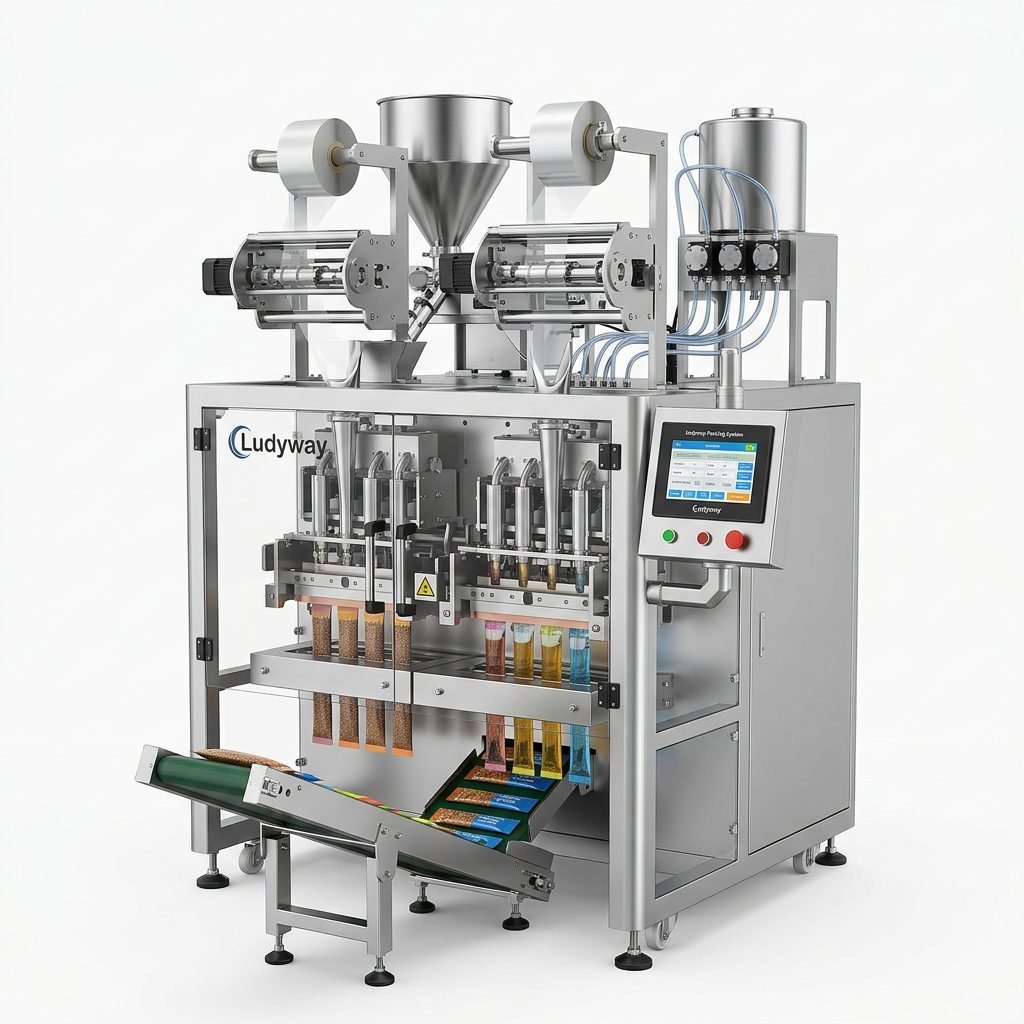
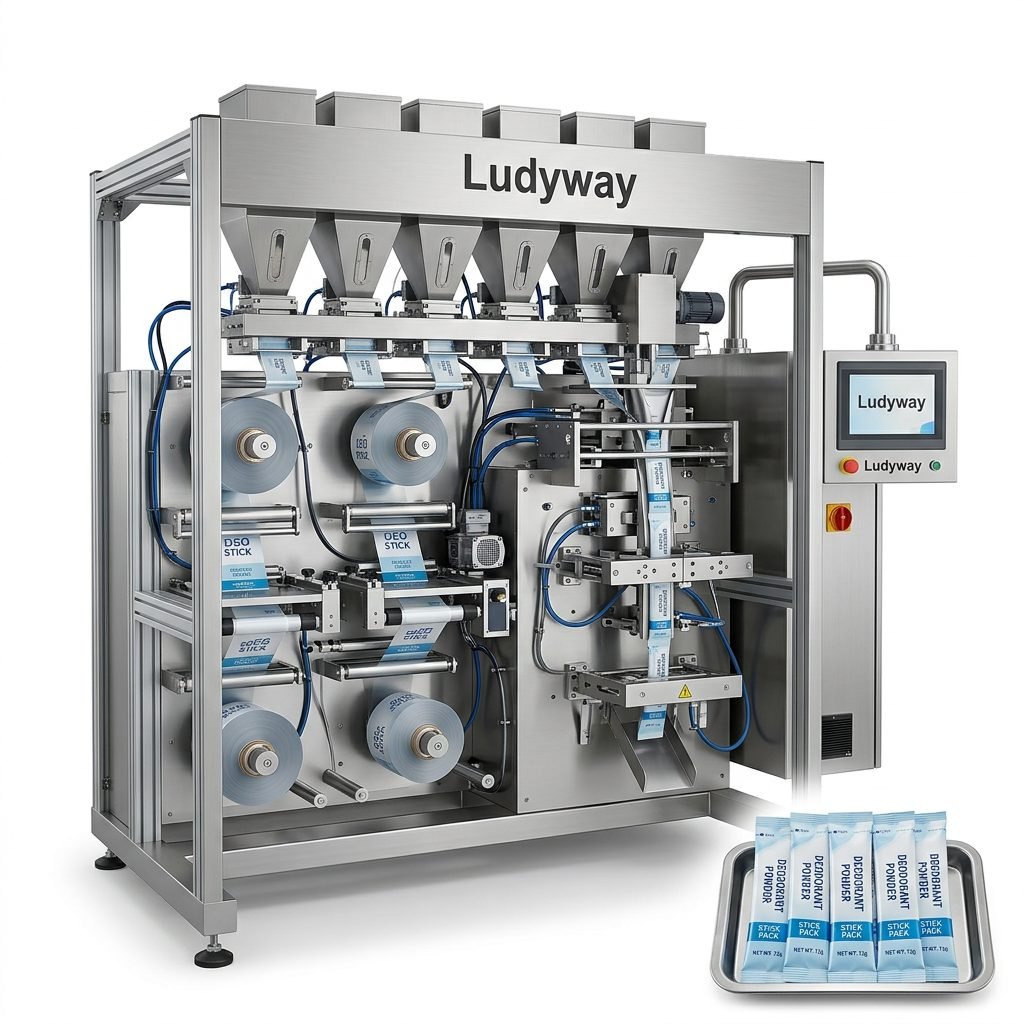
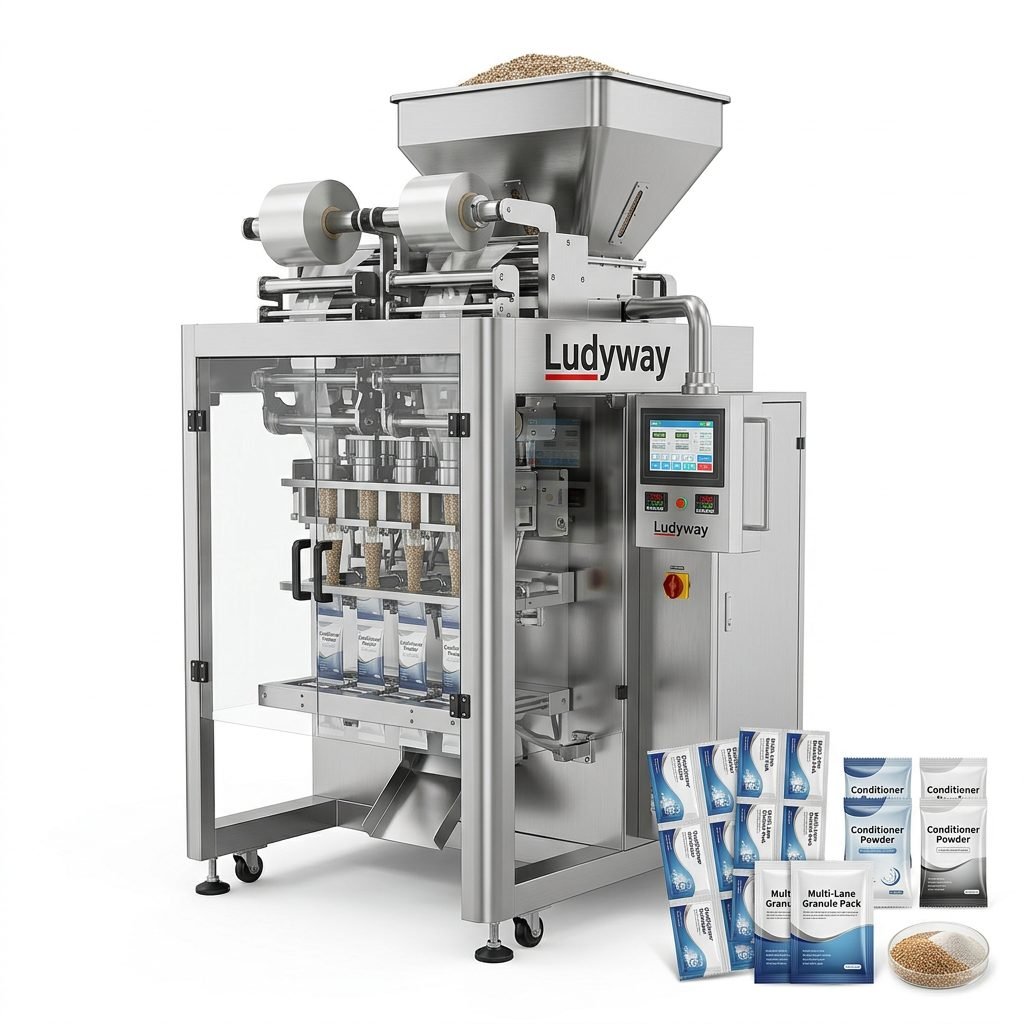
| Multi-Lane Stick Pack Machine | Powder supplements, probiotics, single-serve treats | 200–800 packs/min |
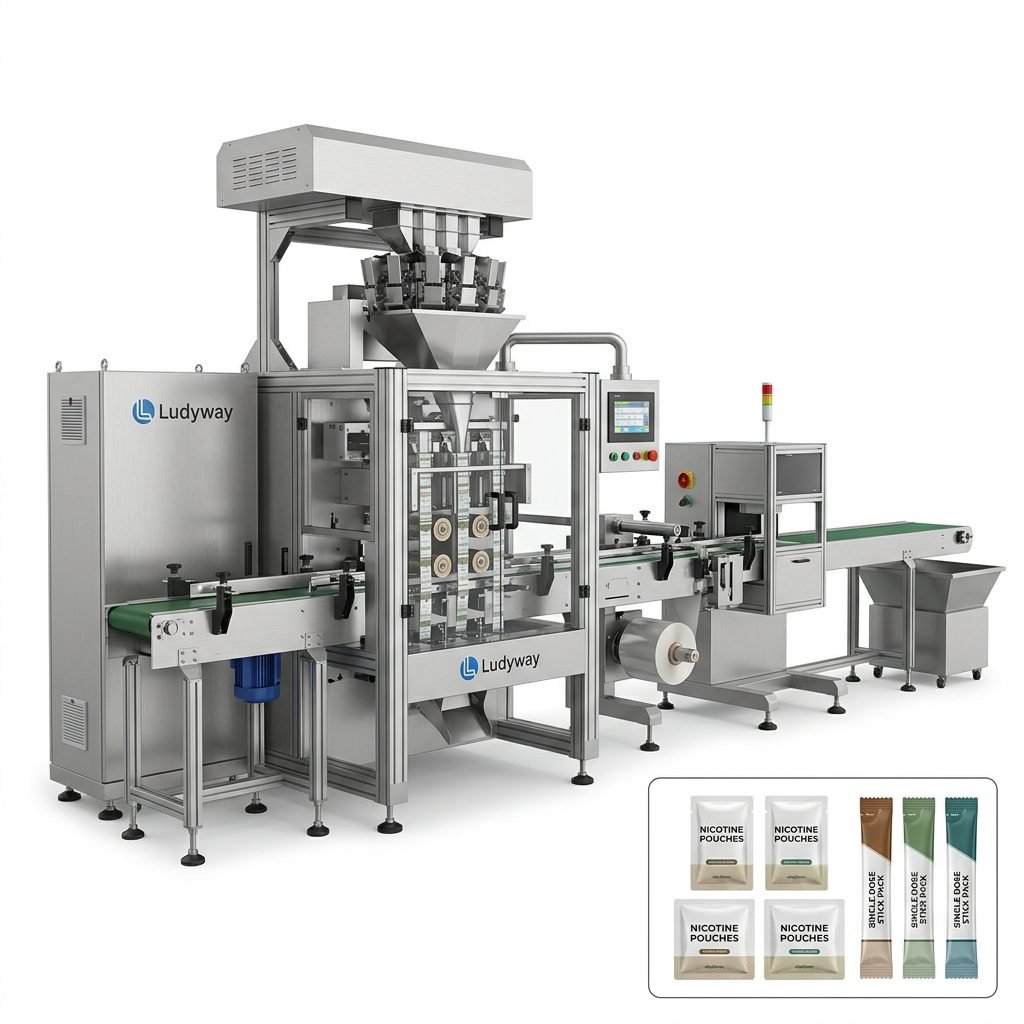
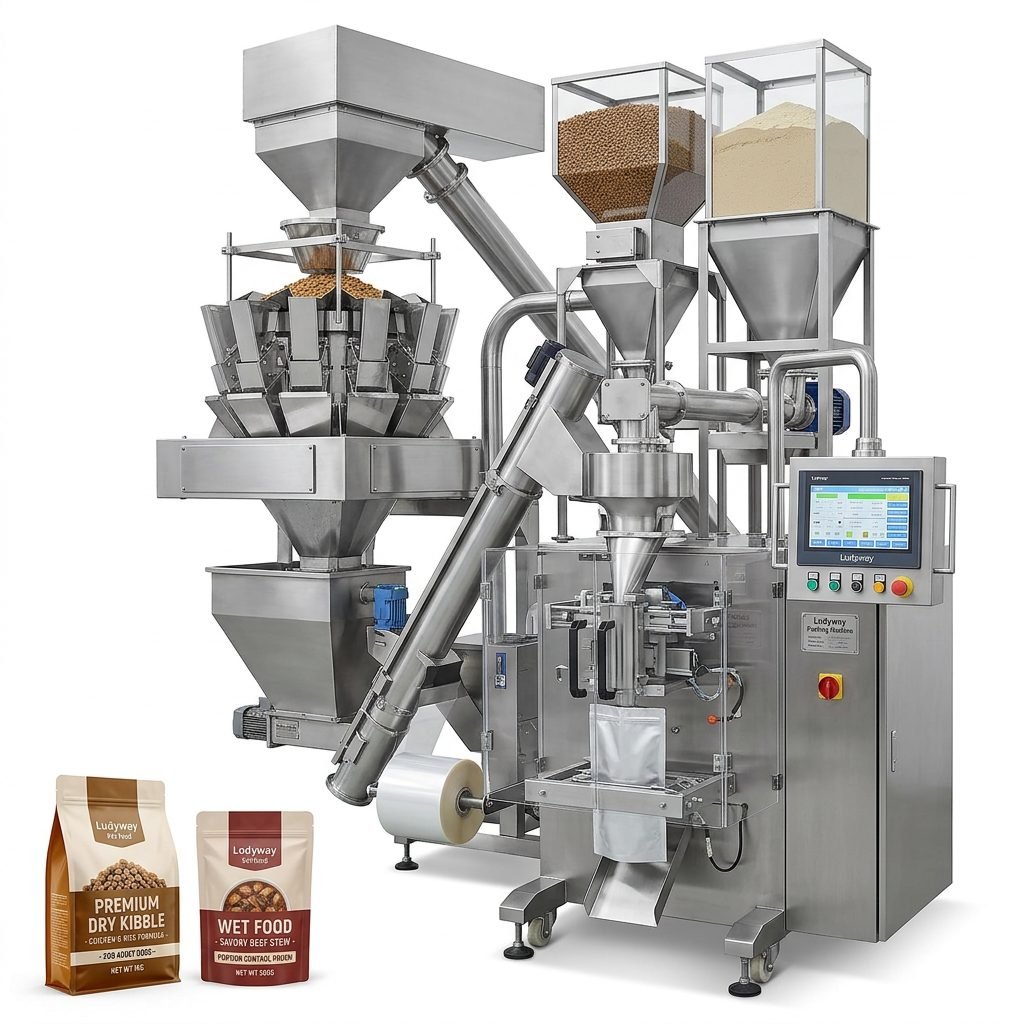
| Vertical Form Fill Seal (VFFS) | Dry kibble, granular treats, freeze-dried products | 30–120 bags/min |
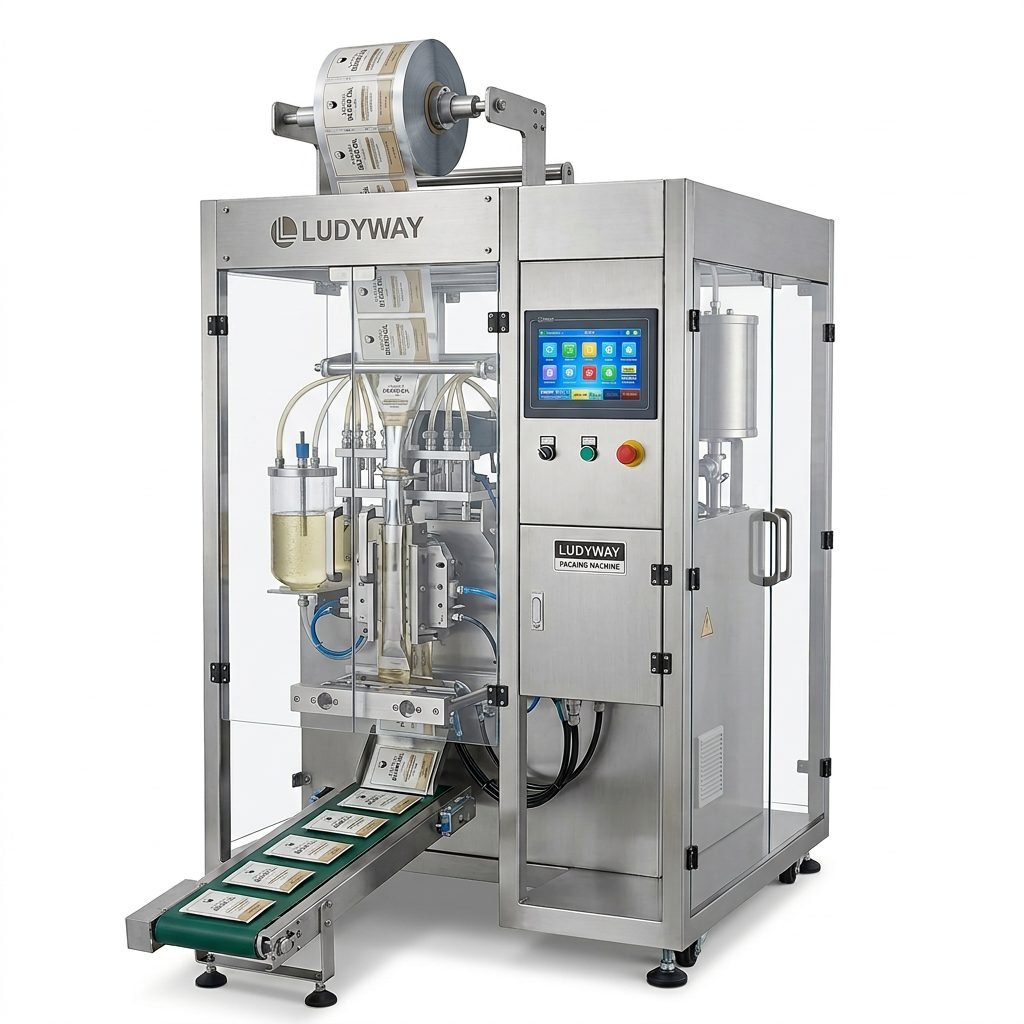
| Premade Pouch Filling Machine | Wet food, premium treats, stand-up pouches | 20–60 pouches/min |
| Multi-Lane Sachet Machine | Liquid supplements, gravy toppers, sample packs | 300–1,000 sachets/min |
| Can Filling & Sealing Line | Wet food in aluminum or steel cans | 50–300 cans/min |
Multi-Lane Stick Pack Systems
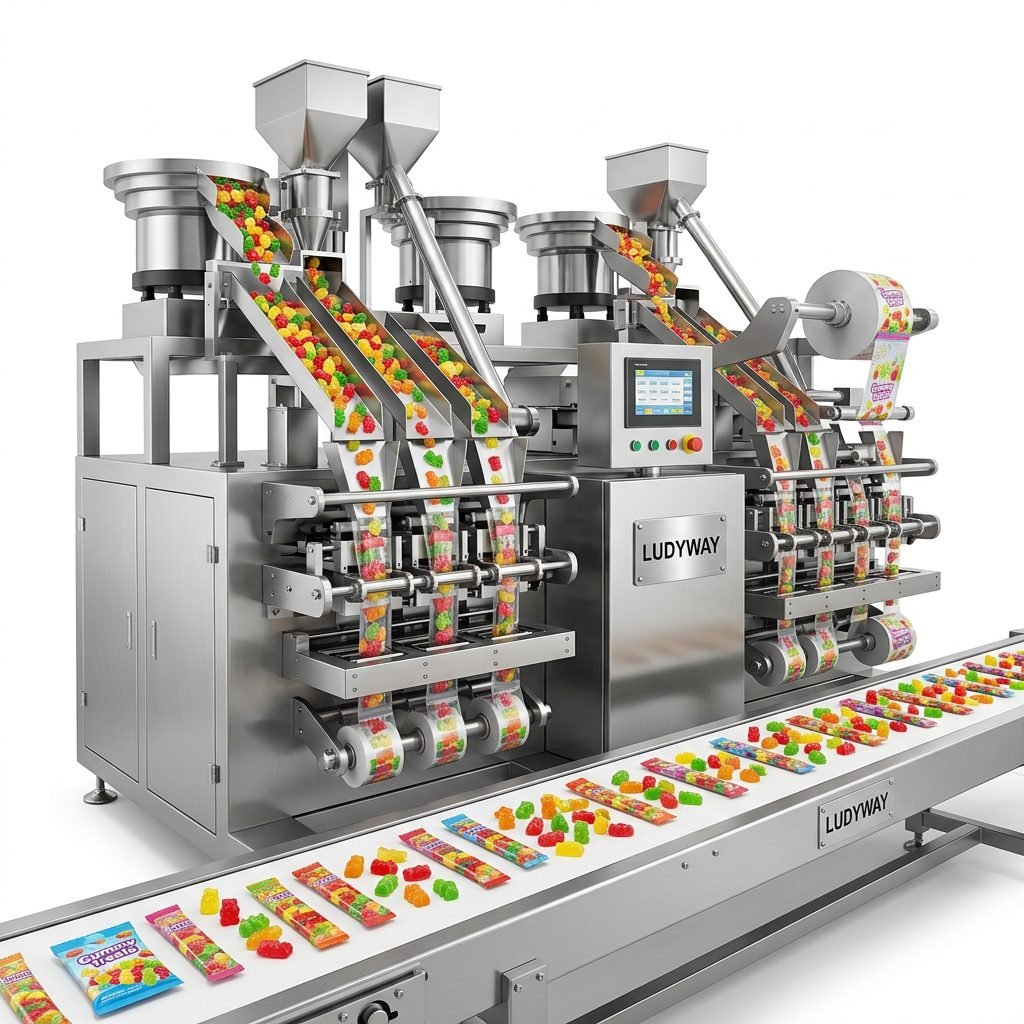
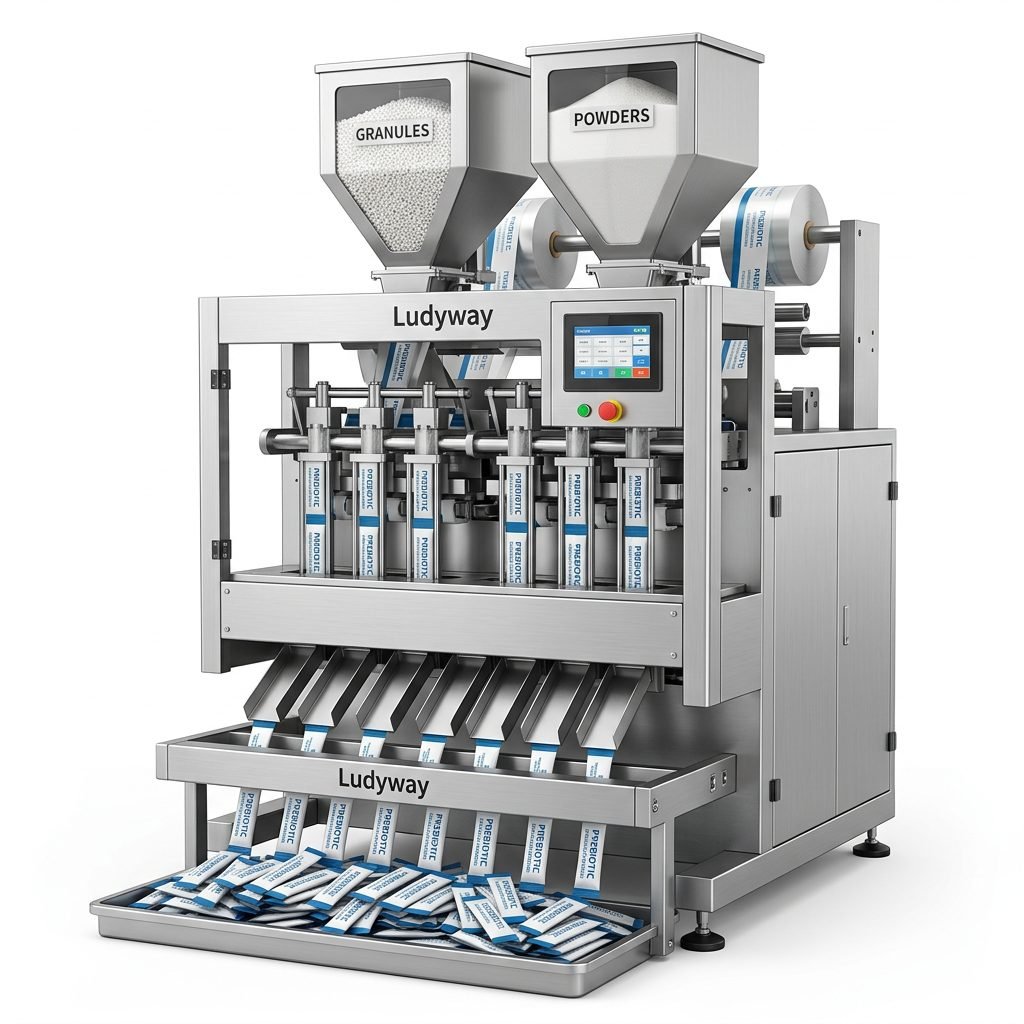
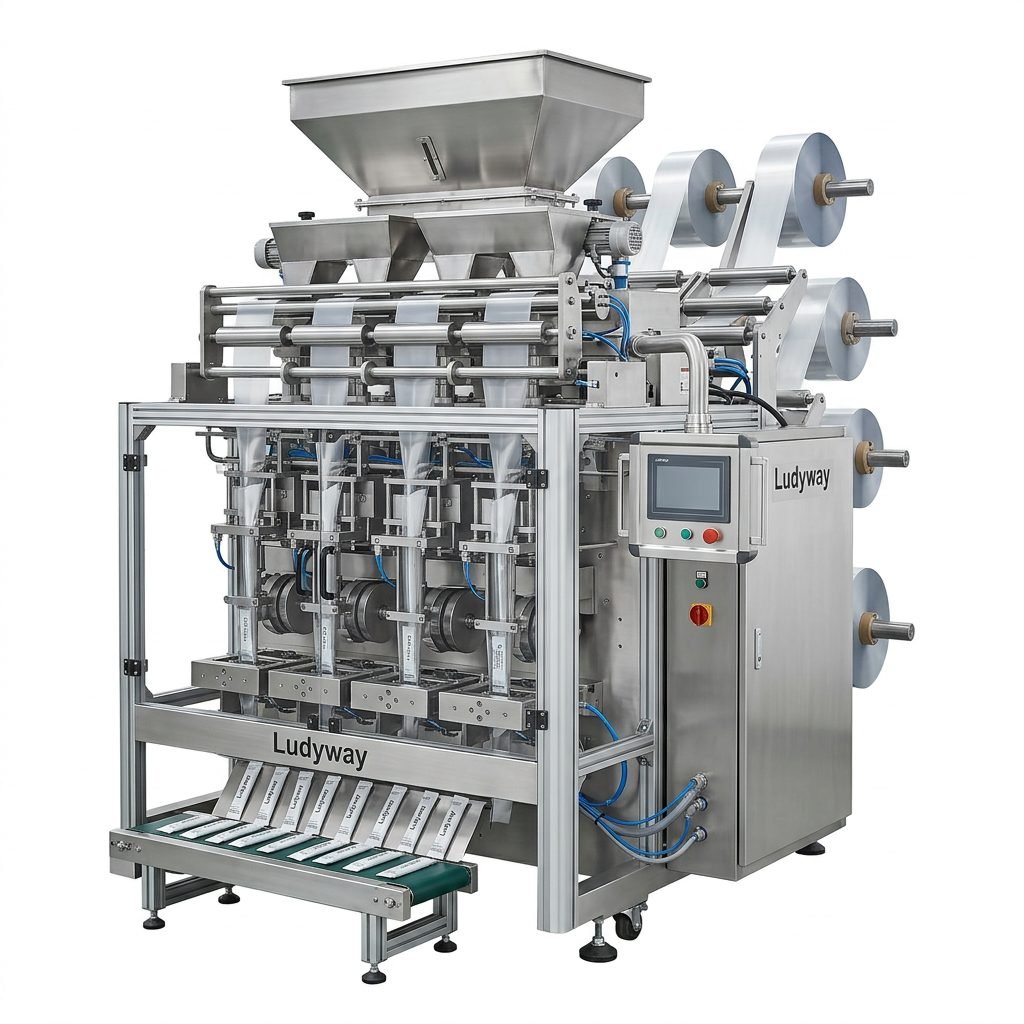
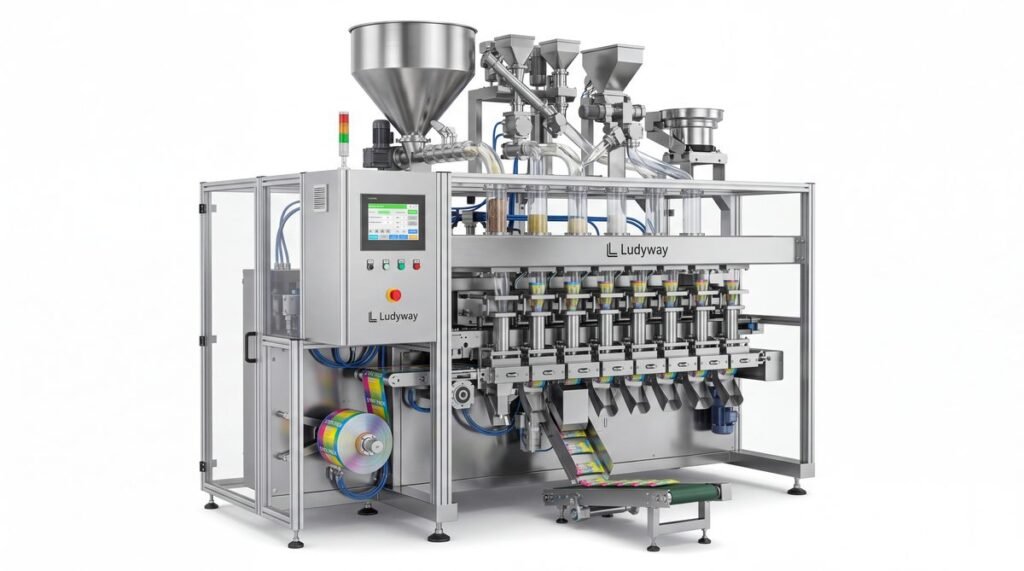
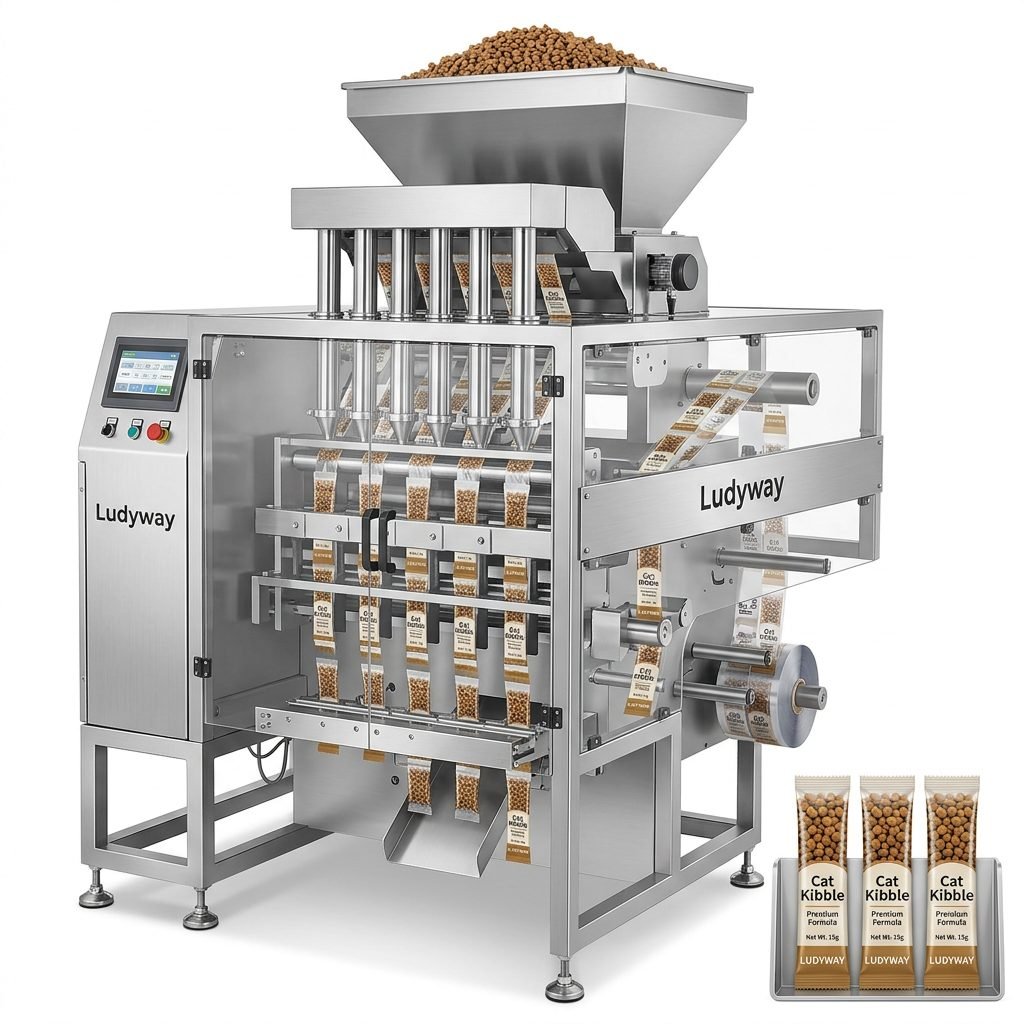
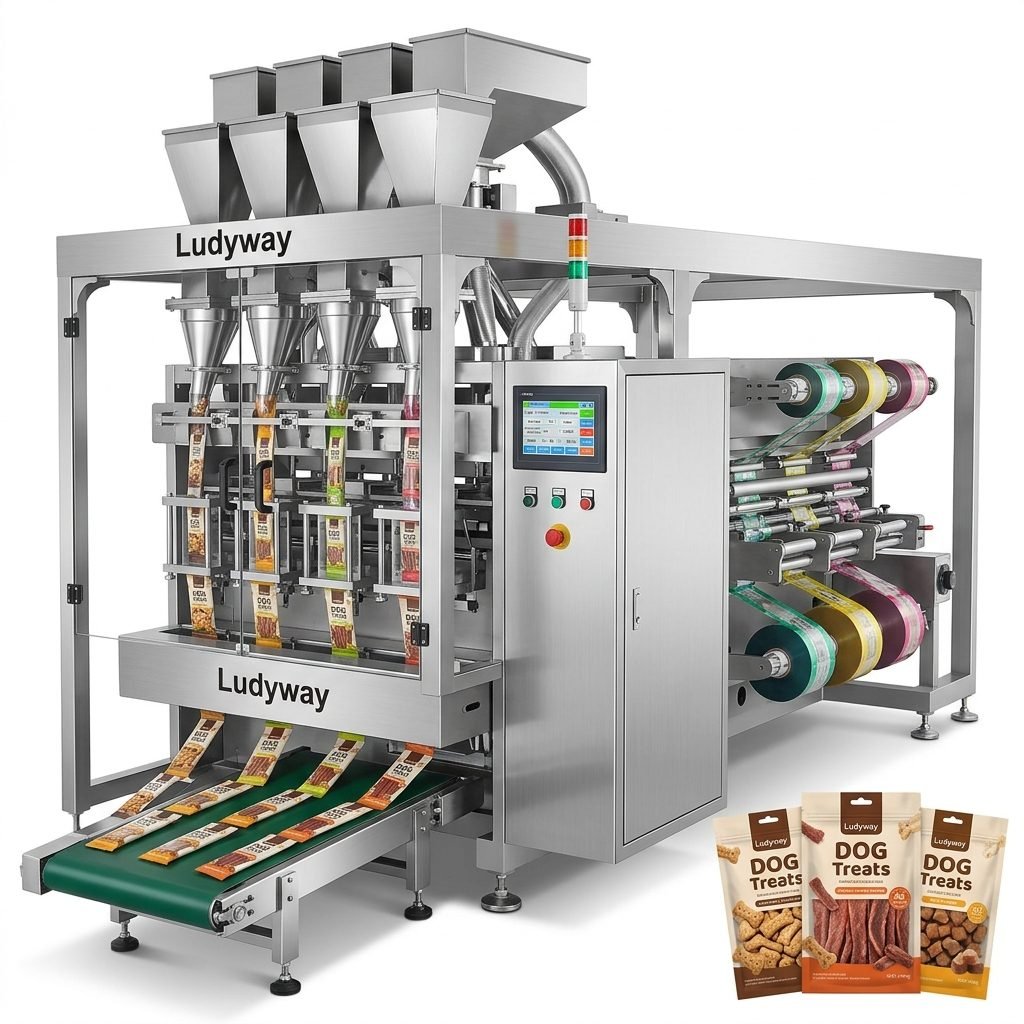
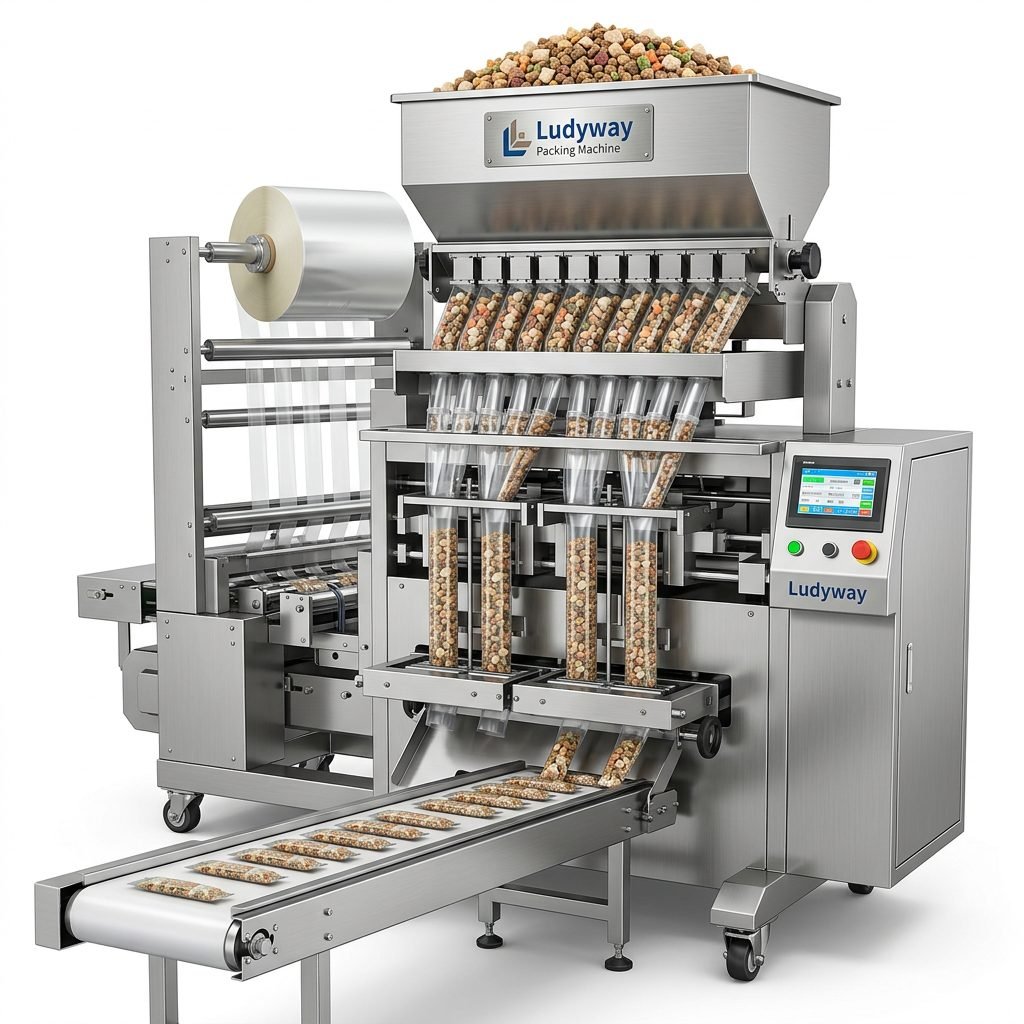
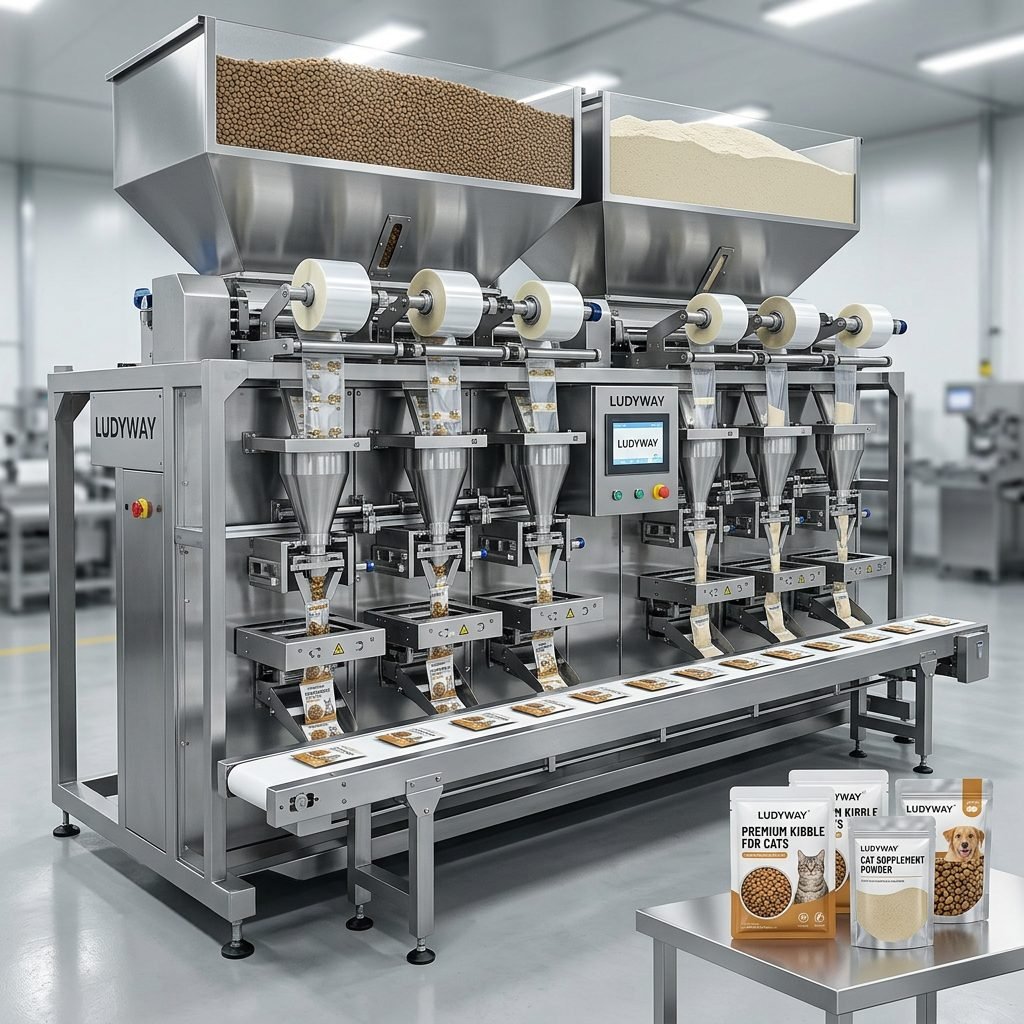
Multi-lane stick pack machines have become the dominant solution for pet supplement powders and single-serve treat portions. These systems can run 4 to 20 lanes simultaneously, delivering exceptional output while maintaining precise fill accuracy. For U.S. co-packers handling multiple SKUs, quick-changeover features are essential to minimize downtime between production runs.
VFFS for Dry Kibble and Granules
Vertical form fill seal equipment remains the workhorse of the dry pet food industry. Modern VFFS machines with servo-driven sealing jaws and integrated multi-head weighers deliver reliable performance at competitive speeds. When evaluating VFFS systems, pay close attention to film tracking accuracy and seal integrity, as leaking bags can lead to costly retailer chargebacks in the U.S. market.
Critical Factors to Evaluate Before Buying
Product Compatibility and Material Handling
Pet food products present unique challenges — oily residues, abrasive granules, sticky powders, and temperature sensitivity. Your chosen machine must handle these characteristics without compromising fill accuracy or seal quality. Consider the following:
- Does the filling system accommodate free-flowing and non-free-flowing products?
- Are contact parts made of 316 stainless steel for corrosive or high-fat formulations?
- Can the machine handle product dust without affecting sensor performance?
- Is FDA-compliant material certification available for all food contact surfaces?
Production Speed and Scalability
Your current production volume matters, but future growth projections should guide your specification. A machine running at 60% capacity today may be at full utilization within 18 months. Multi-lane configurations offer inherent scalability — you can add lanes or upgrade servo drives without replacing the entire system. For reference, a standard 8-lane stick pack machine for pet probiotic powder typically achieves 350–500 packs per minute depending on fill weight.
Changeover Flexibility
Co-packers and multi-brand manufacturers need equipment that switches between pouch sizes, fill weights, and film types with minimal labor. Look for machines offering tool-less changeover, recipe-based parameter recall via PLC, and modular forming tube designs. In the U.S. contract packaging sector, reducing changeover time from 45 minutes to under 15 minutes can add hundreds of productive hours annually.
Regulatory and Compliance Considerations
Packaging equipment for the U.S. market must align with several regulatory frameworks. The FDA regulates food contact substances under 21 CFR, while PMMI standards provide guidelines for machinery safety and performance. Key compliance points include:
- HACCP-compatible design with accessible cleaning zones and sanitary construction
- Validation documentation supporting IQ/OQ/PQ protocols for pharmaceutical-grade pet supplements
- Electrical certifications meeting UL 508A standards for industrial control panels
- Compatibility with FSMA preventive controls requirements for foreign material detection
Total Cost of Ownership Analysis
Purchase price represents only a fraction of the true cost. Smart buyers evaluate total cost of ownership (TCO) across a 7–10 year lifecycle. Key cost drivers include spare parts availability, film waste rates, energy consumption, and maintenance labor. A machine with 2% film waste versus 5% can save tens of thousands of dollars annually in high-volume operations.
| TCO Factor | Estimated Impact | Optimization Strategy |
|---|---|---|
| Film Material Waste | 2–8% of material cost | Precision servo-driven film feed |
| Spare Parts Inventory | 3–5% of machine cost/year | Standardized components, local sourcing |
| Downtime Cost | $500–$3,000/hour | Remote diagnostics, preventive maintenance |
| Energy Consumption | $2,000–$8,000/year | Servo motors vs. pneumatic systems |
Supplier Evaluation Criteria for U.S. Buyers
Selecting the right equipment supplier is as important as choosing the right machine. Evaluate potential partners on these dimensions:
After-Sales Support and Service
For U.S. manufacturers, local technical support significantly reduces operational risk. Confirm whether the supplier offers on-site installation, operator training, and preventive maintenance programs within the United States. Remote diagnostic capabilities via secure VPN connections have become standard expectations, enabling faster troubleshooting without waiting for a technician to travel to your facility.
Spare Parts Availability
Nothing halts production faster than waiting for a replacement part. Leading suppliers maintain U.S.-based spare parts inventory or guarantee expedited international shipping. Common wear items — sealing jaws, forming tubes, cutting blades, and belts — should be available for overnight delivery. Ask prospective suppliers for their average spare parts fulfillment time to U.S. addresses before committing.
Industry Experience and References
A supplier with deep experience in pet food applications understands nuances like grease-resistant sealing, high-fat product handling, and nitrogen flushing for shelf-life extension. Request case studies and customer references specifically in the pet food or animal nutrition sector. Verify their track record at PACK EXPO International and other major U.S. packaging trade shows.
About Manufacturer
Ludyway is one of the largest packaging machine manufacturers in China, specializing in advanced packaging equipment and turnkey production solutions for the food, pharmaceutical, and health industries. With over 30 years of industry expertise, the company offers more than 50 intelligent packaging machine models, including multi-lane stick pack, sachet, and fully automated packaging systems. Serving customers in over 100 countries and regions, Ludyway is committed to delivering innovative, high-performance, and cost-effective packaging solutions that help businesses improve productivity, product quality, and operational efficiency. Contact: info@ludyway.com | WhatsApp: +8613129592456
Packaging Trends Shaping the U.S. Pet Food Market
Current market dynamics are reshaping packaging requirements. Based on PMMI state of the industry reports and Flexible Packaging Association data, several trends are influencing equipment specifications:
- Single-serve and portion-controlled formats continue to grow for pet treats and supplements
- Sustainable packaging materials, including recyclable mono-material films, require precise heat-seal control
- Smart packaging with QR codes and NFC tags demands integrated coding and vision inspection
- E-commerce-ready packaging that withstands Amazon ISTA-6 testing without over-packaging
Sustainability and Material Innovation
The U.S. flexible packaging sector is actively transitioning toward recyclable structures and bio-based films. These newer materials often have narrower sealing windows than traditional multi-layer laminates. Your packaging machine must offer precise temperature control and dwell time adjustment to achieve hermetic seals on sustainable films without compromising production speed.
Integration with Ancillary Equipment
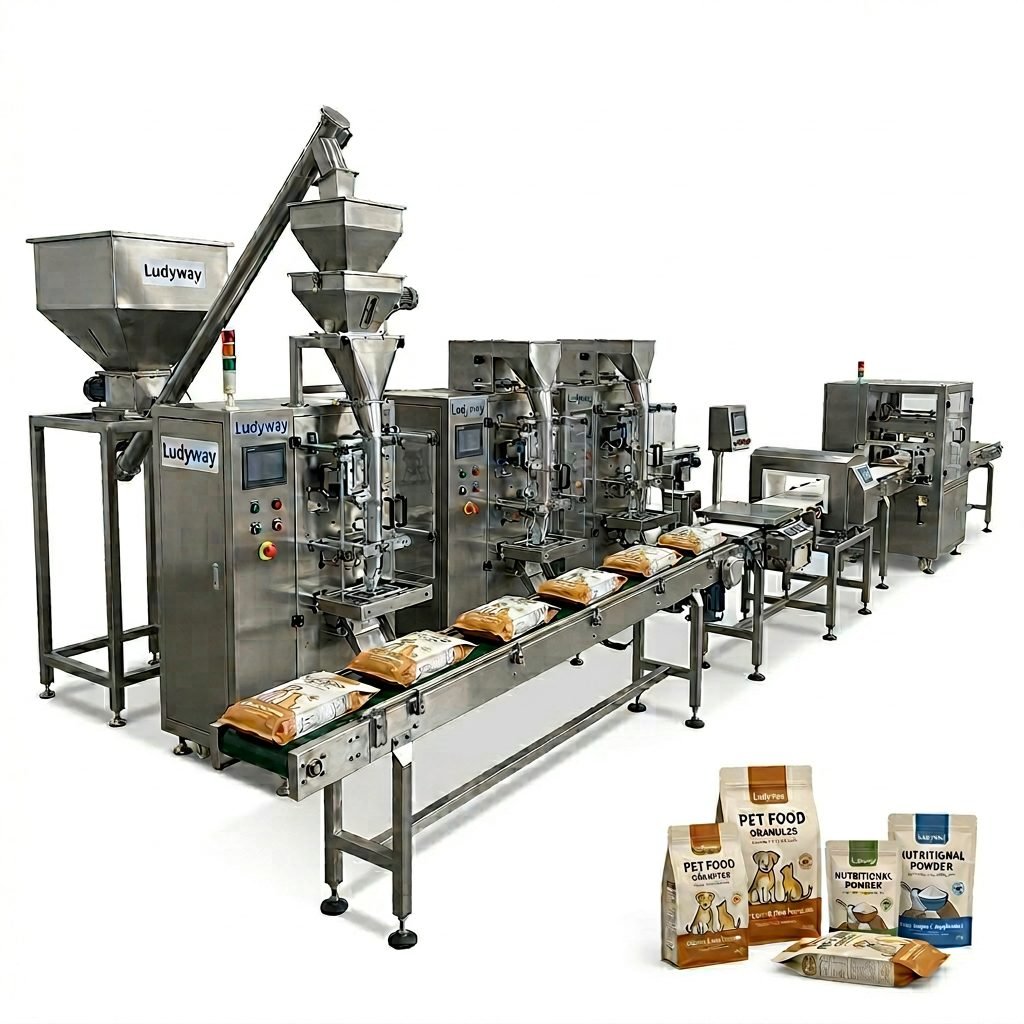
A pet food packaging machine rarely operates in isolation. Evaluate how the proposed system integrates with upstream and downstream equipment:
- Multi-head weighers for accurate granule and kibble dosing
- Auger fillers for powder supplements and probiotics
- Liquid piston fillers for gravy, oil, and supplement liquids
- Checkweighers and metal detectors for quality assurance compliance
- Cartoning and case packing systems for end-of-line automation
- Palletizing robots for warehouse-ready output
Technology and Automation Features
Modern pet food packaging machines leverage advanced technologies to maximize uptime and quality. When comparing specifications, prioritize these features:
Servo-Driven Motion Control
Servo motors on sealing, cutting, and film feed axes provide programmable precision with real-time feedback. Unlike pneumatic or mechanical cam systems, servo-driven machines can adjust parameters on the fly, compensating for film variations and maintaining consistent seal quality across long production runs.
Integrated Vision Inspection
Automated vision systems verify seal integrity, date code legibility, and label placement at full production speed. For pet food products with regulatory labeling requirements, vision inspection provides documented quality verification essential for retailer compliance and recall prevention.
IoT-Enabled Remote Monitoring
Cloud-connected machines provide real-time OEE dashboards, predictive maintenance alerts, and remote diagnostics. For multi-shift U.S. operations, these capabilities reduce unplanned downtime and enable data-driven continuous improvement initiatives. Ensure the supplier’s IoT platform complies with your IT security policies and network requirements.
Making the Final Decision
After evaluating technical specifications, compliance, support infrastructure, and total cost, narrow your options to a shortlist of proven suppliers with verifiable pet food packaging experience. Request a factory acceptance test (FAT) with your actual product and packaging materials before shipment. The best suppliers will welcome this diligence and demonstrate their equipment’s capability under conditions that mirror your production environment.
For expert guidance on selecting the right pet food packaging machine for your U.S. operation, consult with experienced manufacturers who understand both the technical demands and the regulatory landscape of the American market. The right partnership can accelerate your time-to-market and provide reliable performance for years to come.
Additional Resources
- PMMI Business Intelligence Library
- FDA Food Ingredients and Packaging
- Flexible Packaging Association Industry Resources
- ISO Packaging Standards
- U.S. EPA Sustainable Materials Management