India’s pet food industry is experiencing unprecedented growth. With a compound annual growth rate exceeding 12%, the demand for packaged dog food has surged across metropolitan cities and tier-2 towns alike. Setting up a dog food packaging line in India requires careful planning, the right machinery, and an understanding of local regulatory frameworks. This guide walks you through the essential machines, cost estimates, and step-by-step procedures to launch a successful operation.
Understanding the Indian Pet Food Market Opportunity
The Indian pet food market was valued at over USD 400 million in recent years and continues to expand rapidly. Urbanization, rising disposable incomes, and increasing pet adoption rates are driving this growth. Dog food dominates the market, accounting for more than 60% of total pet food sales. For manufacturers, this presents a significant opportunity to establish localized pet food packaging facilities that cater to both domestic consumption and export markets.
Key market drivers include the shift from unpackaged homemade food to commercially produced dry kibble, wet food, and treats. Consumers are increasingly seeking convenient, hygienically packaged products with clear labeling and extended shelf life. A well-designed packaging line is crucial to meeting these expectations while maintaining profitability.
Essential Machines for a Dog Food Packaging Line
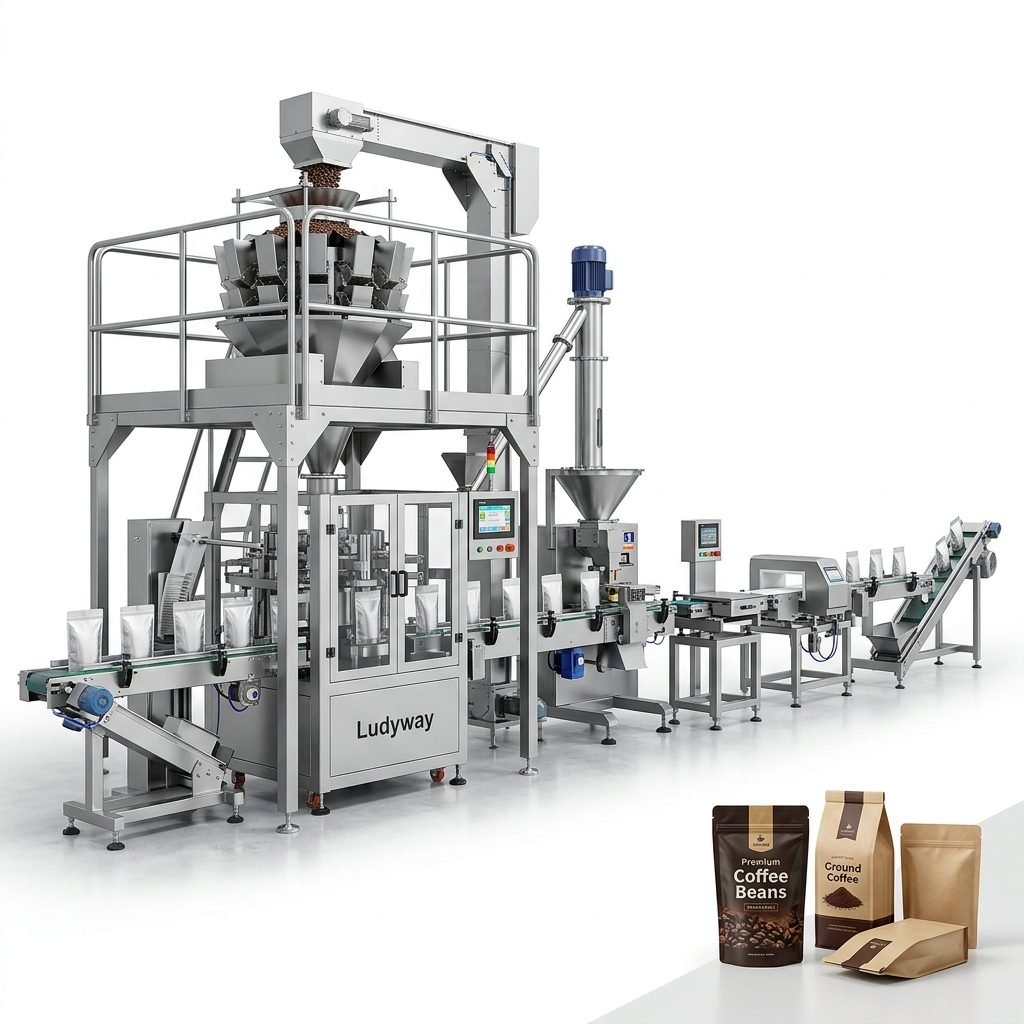
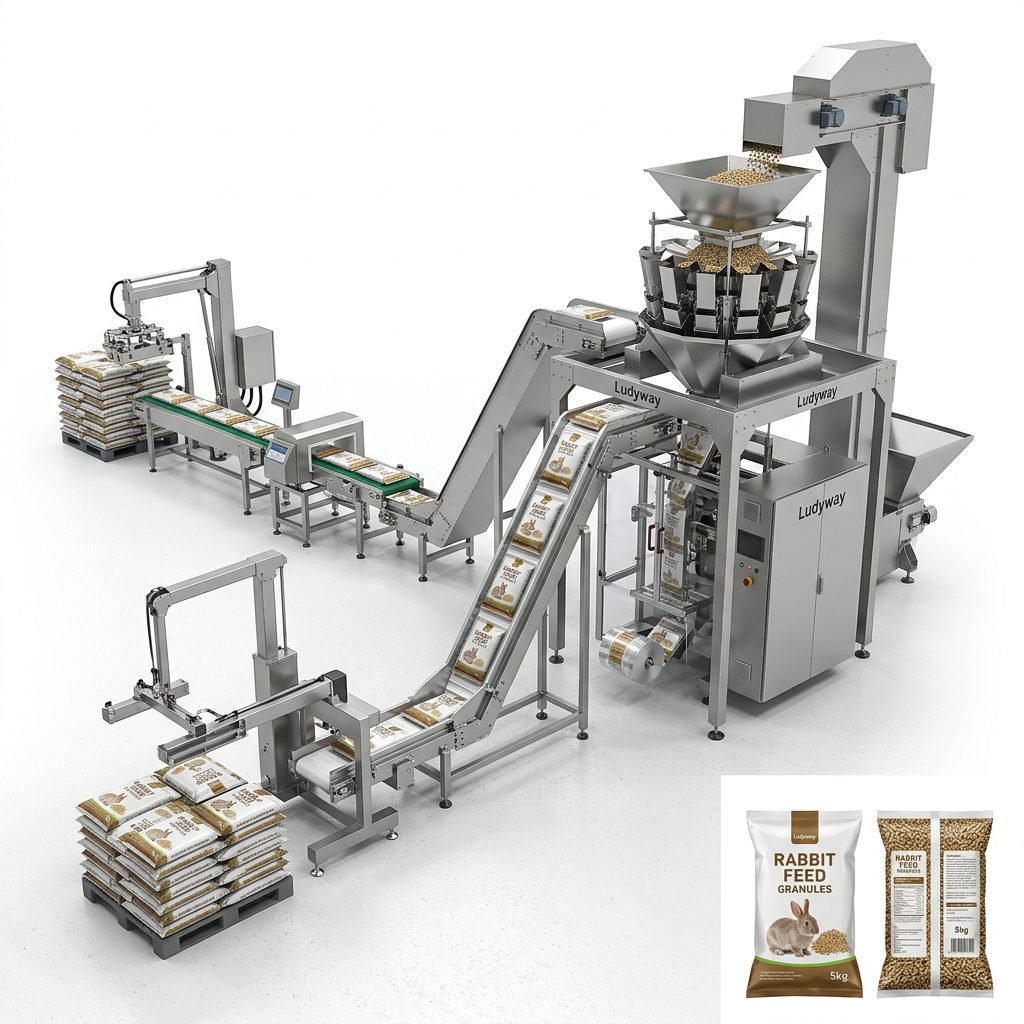
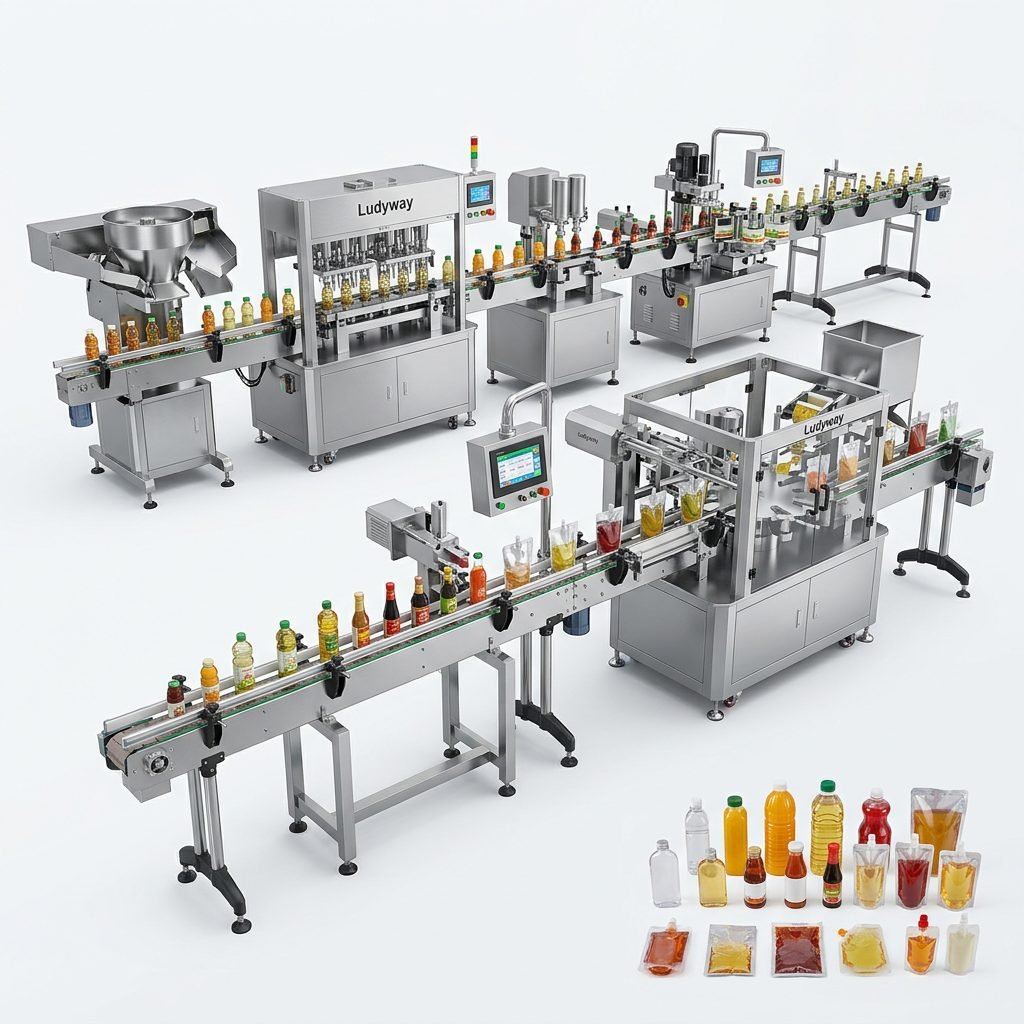
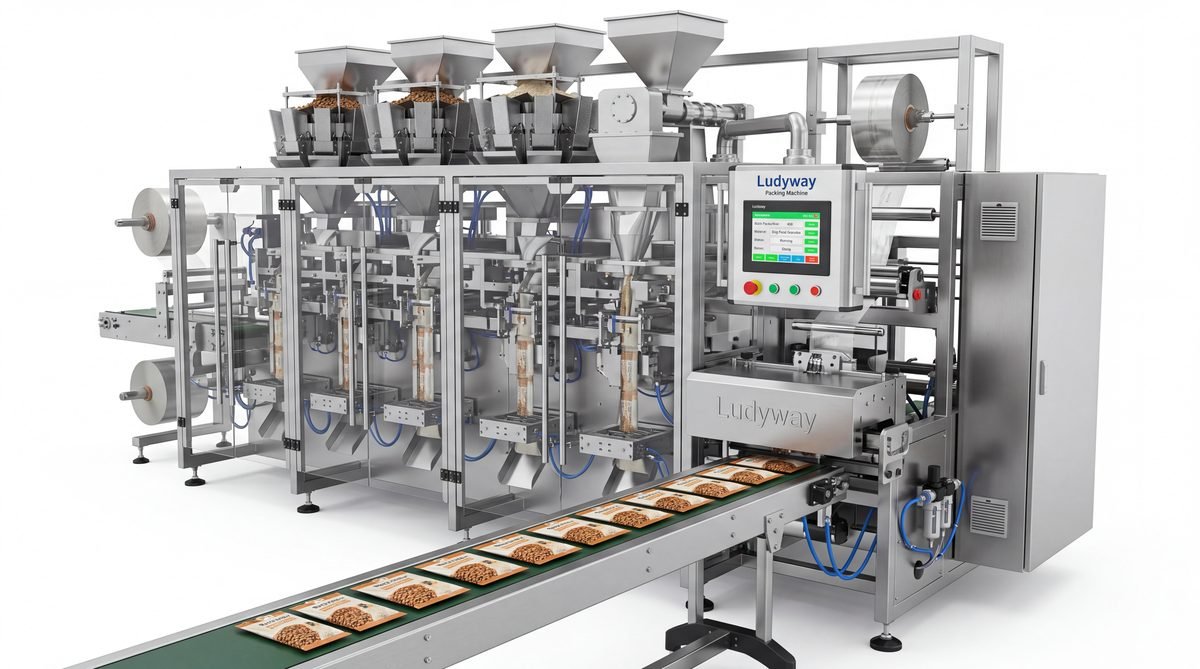
A complete dog food packaging line consists of multiple integrated machines that handle feeding, weighing, filling, sealing, and secondary packaging. Below are the core components you need to consider for granule and powder dog food products.
1. Feeding and Conveying Systems
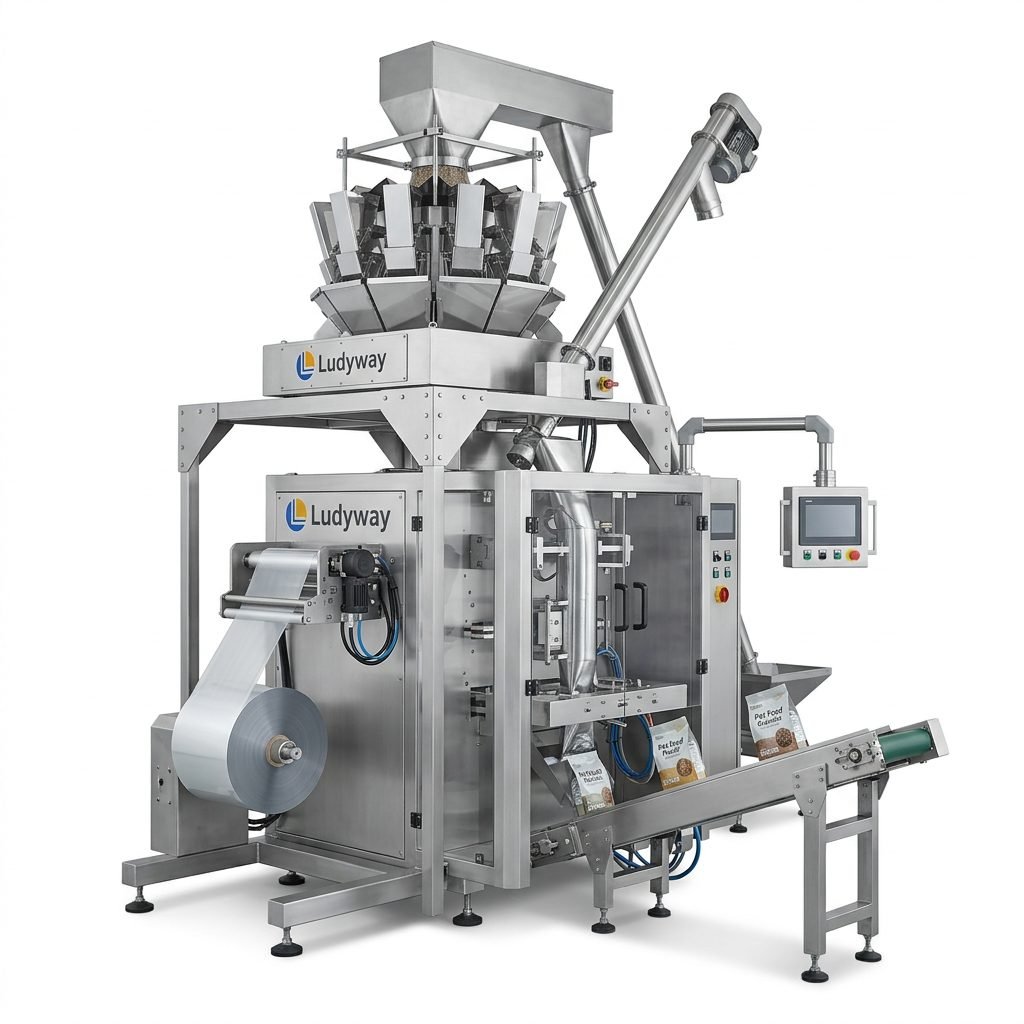
Bulk material handling starts with efficient feeding equipment. Z-type bucket elevators and inclined conveyor systems transport raw granules or kibble from storage hoppers to the packaging machine infeed. For high-capacity lines, automatic granule packaging machines require consistent material flow to maintain speed and accuracy. Vibratory feeders and auger fillers are commonly used for precise product dosing.
2. Multi-Head Weighing Systems
Accuracy is non-negotiable in dog food packaging. Multi-head weighers deliver high-speed, high-precision weighing for granules and kibble of varying sizes. These systems can achieve speeds of up to 80 packs per minute depending on the configuration, with weight accuracy within ±0.5-1 gram. Integration with the filling machine ensures minimal product giveaway and maximum yield.
3. Vertical Form Fill Seal Machines
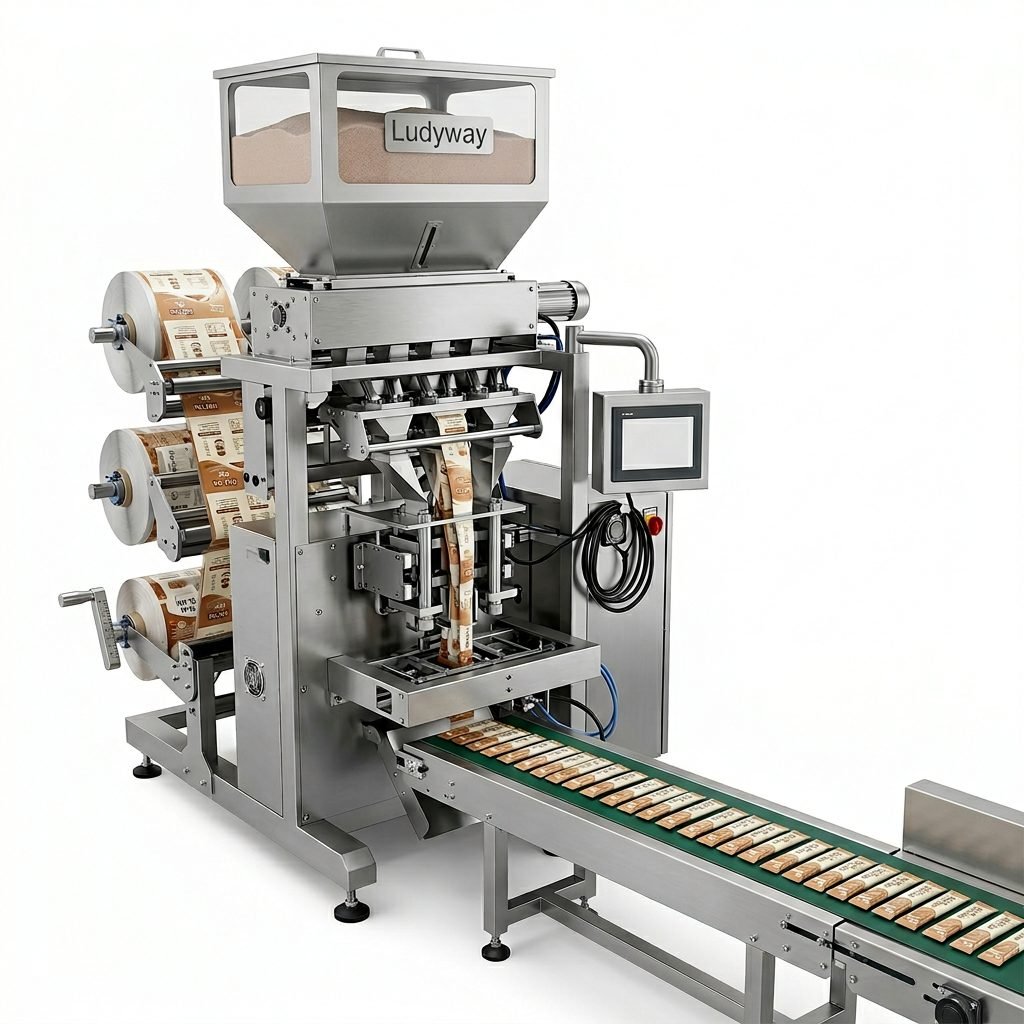
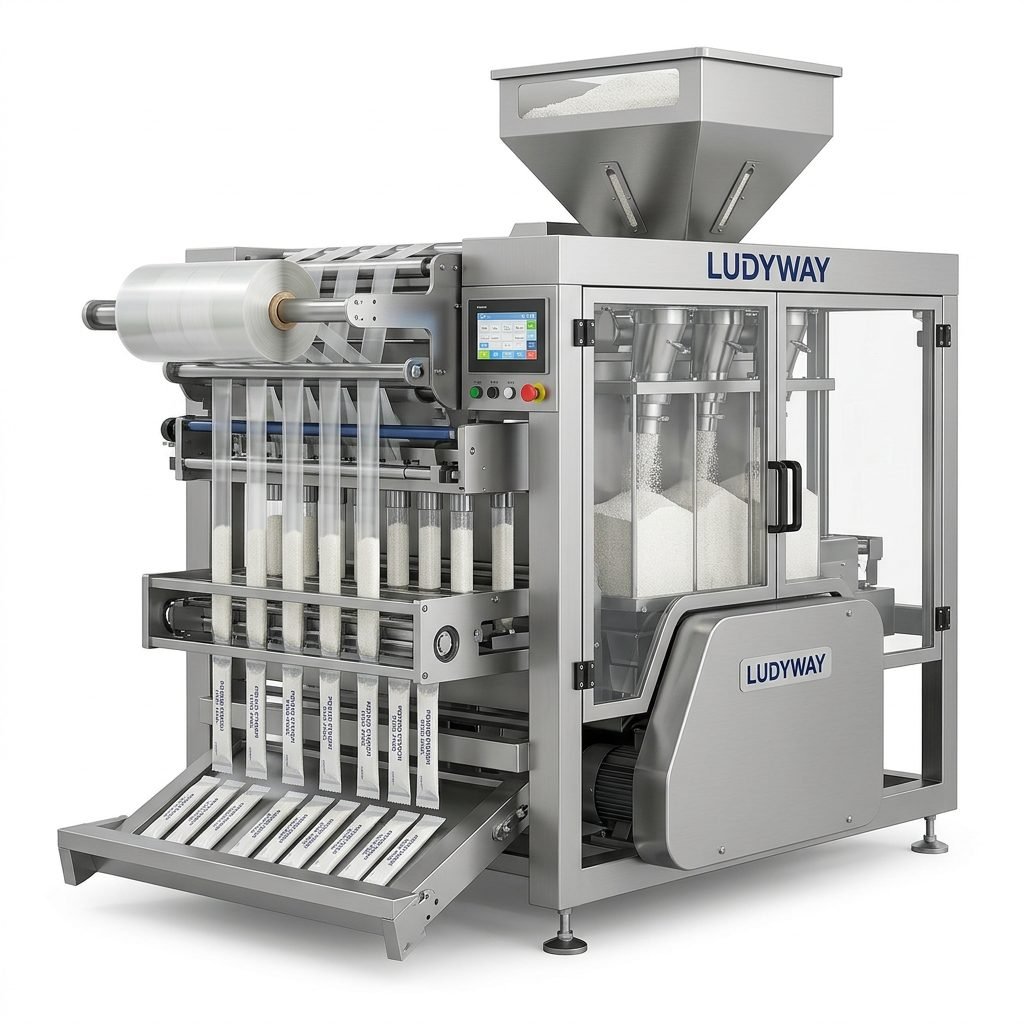
Vertical form fill seal machines are the workhorse of any multi-lane sachet packaging system. These machines form pouches from roll stock film, fill them with product, and seal them in a continuous operation. Multi-lane configurations allow simultaneous production of multiple packs, dramatically increasing output for high-demand markets like India.
4. Stick Pack and Sachet Machines
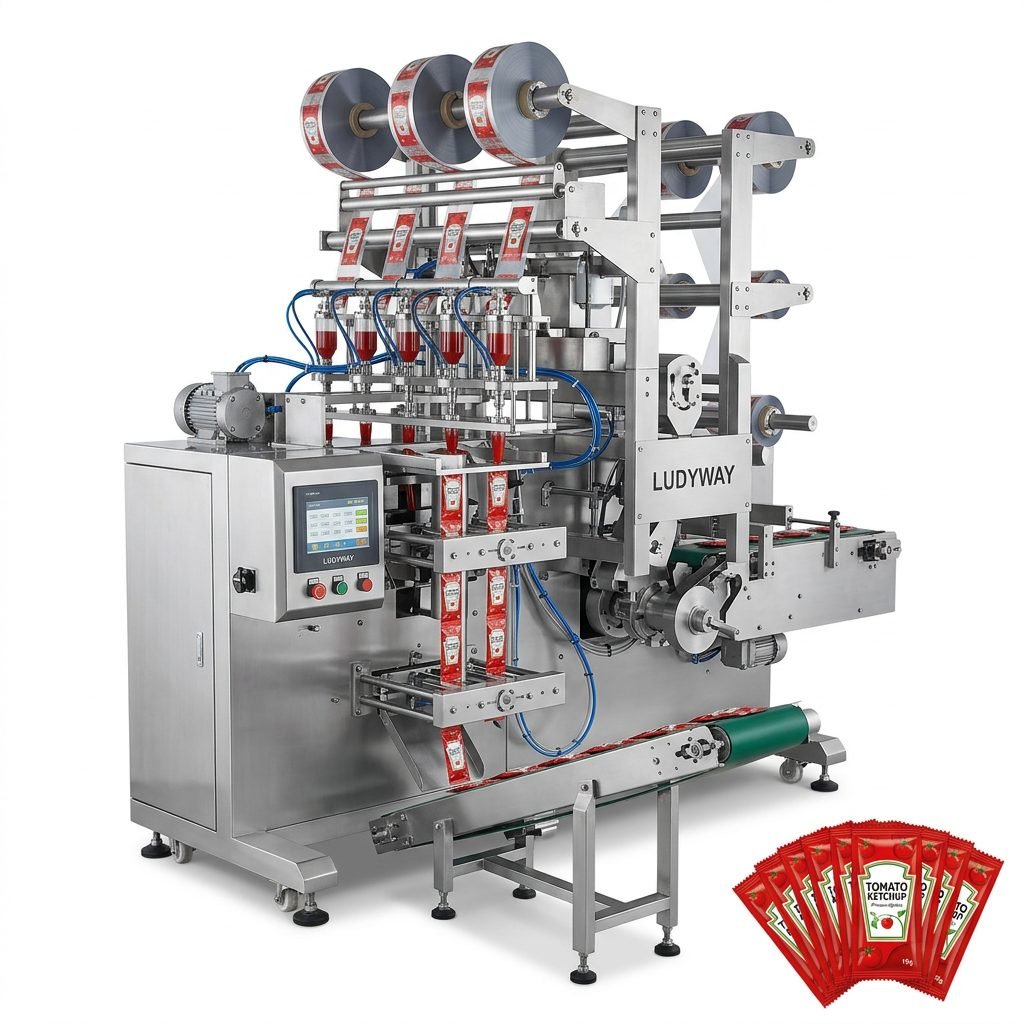
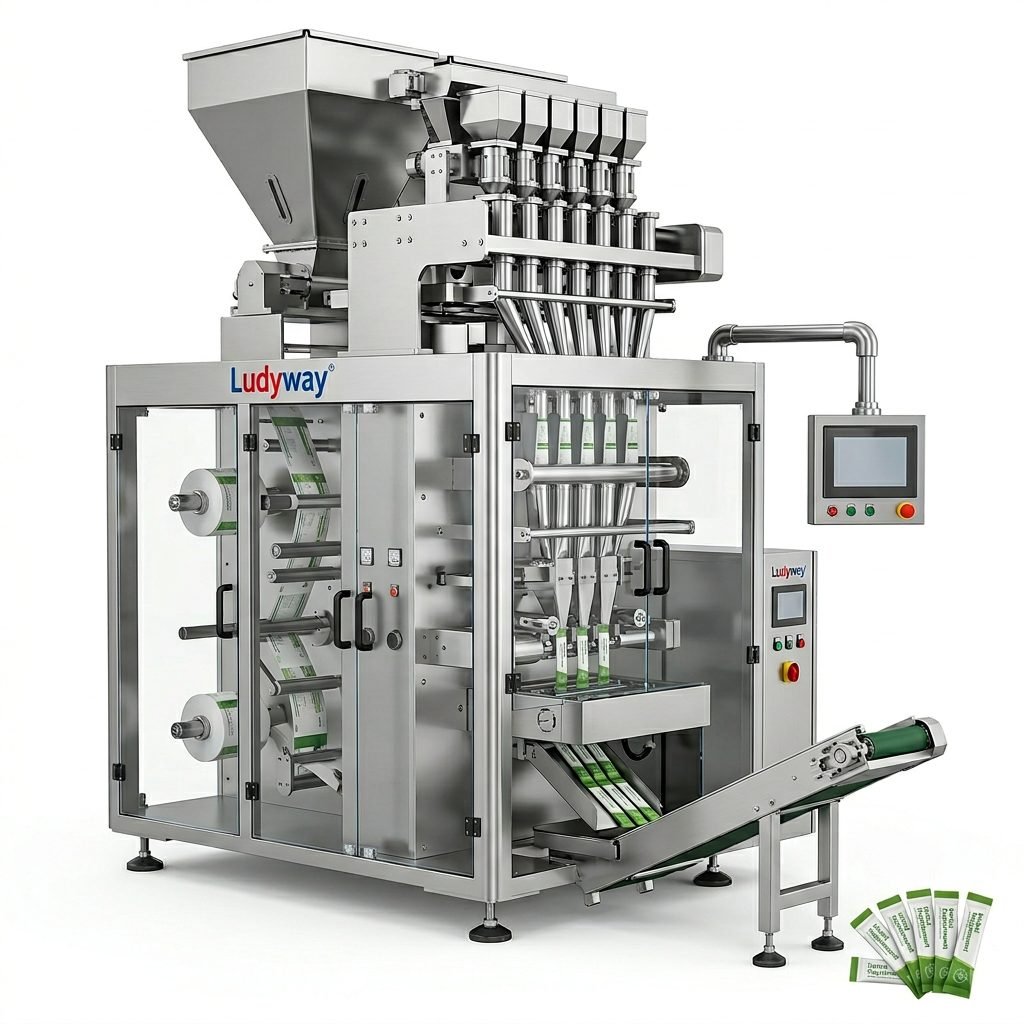
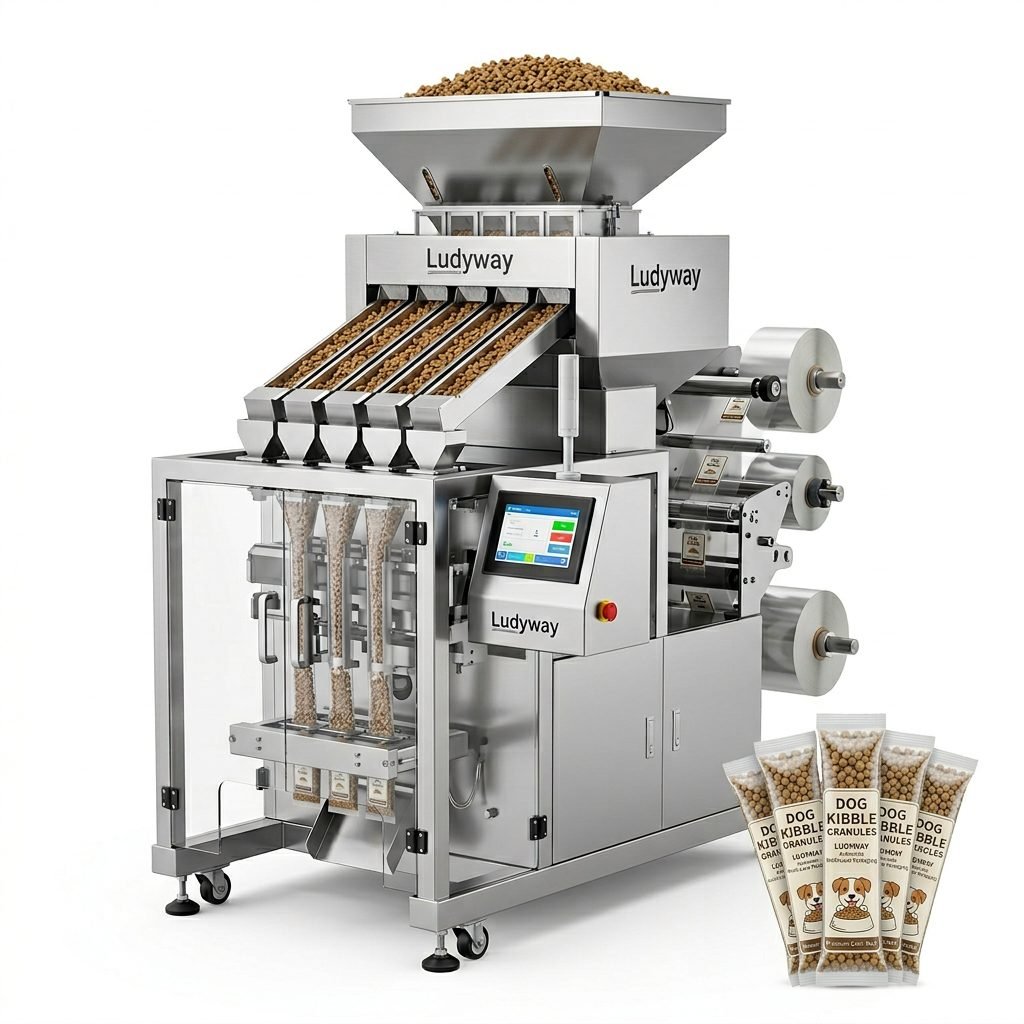
For single-serve and sample-sized portions, stick pack and sachet machines are ideal. They produce narrow, elongated stick packs or flat sachets that are popular for trial packs, travel sizes, and affordable price points in the Indian market. Multi-lane stick pack machines can produce 8-16 lanes simultaneously, achieving outputs of 400-800 packs per minute.
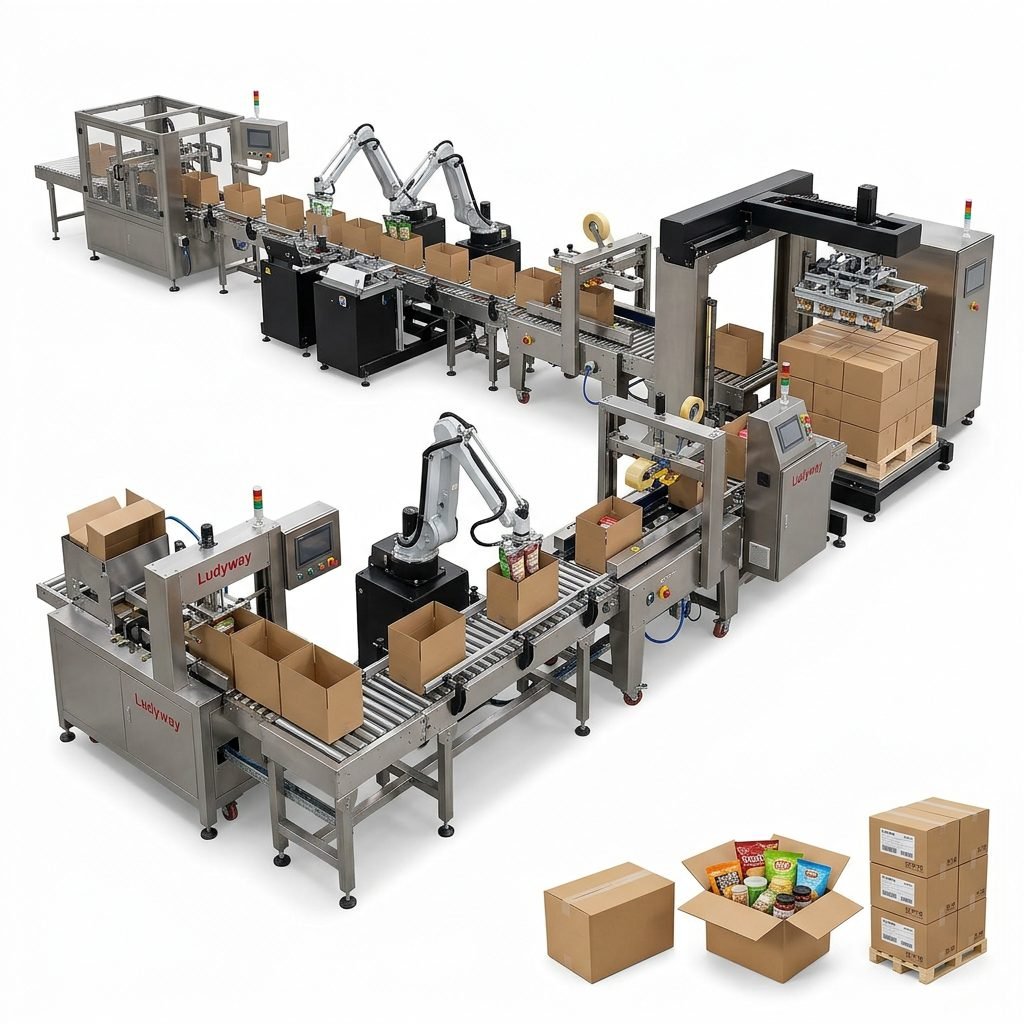
5. Secondary Packaging Equipment
After primary packaging, products need to be cartoned, case-packed, and palletized for distribution. Automatic cartoning machines, case packers, and palletizing systems streamline the end-of-line process. Coding and marking machines apply batch numbers, manufacturing dates, and barcodes essential for traceability and retail compliance in India.
Estimated Costs of Setting Up a Dog Food Packaging Line in India
The investment required depends on the automation level, production capacity, and packaging format. Below is a general cost breakdown for setting up a mid-scale dog food packaging line in India.
| Machine / Component | Estimated Cost Range (INR) | Notes |
|---|---|---|
| Feeding and Conveying System | ₹5 – 12 Lakhs | Depends on conveyor length and type |
| Multi-Head Weigher | ₹8 – 18 Lakhs | 10-14 head configurations |
| Vertical Form Fill Seal Machine | ₹15 – 35 Lakhs | Multi-lane models cost more |
| Stick Pack / Sachet Machine | ₹12 – 30 Lakhs | 4-16 lane options available |
| Cartoning and Case Packing | ₹10 – 25 Lakhs | Semi-auto or fully automatic |
| Coding and Inspection Systems | ₹3 – 8 Lakhs | Inkjet, laser, and checkweighers |
| Installation, Training, and Shipping | ₹5 – 15 Lakhs | Varies by supplier location |
| Total Estimated Investment | ₹58 Lakhs – 1.43 Crores | Mid-scale semi-automatic to fully automatic line |
These figures are indicative and can vary based on specific requirements, customization, and supplier choice. Imported machinery may attract additional customs duties and taxes in India. It is advisable to work with suppliers who offer turnkey packaging solutions to streamline procurement and reduce integration risks.
Key Steps to Set Up Your Dog Food Packaging Line
Launching a packaging line involves more than purchasing machines. Follow these structured steps to ensure a smooth setup and operational success in the Indian market.
Step 1: Define Your Product and Packaging Format
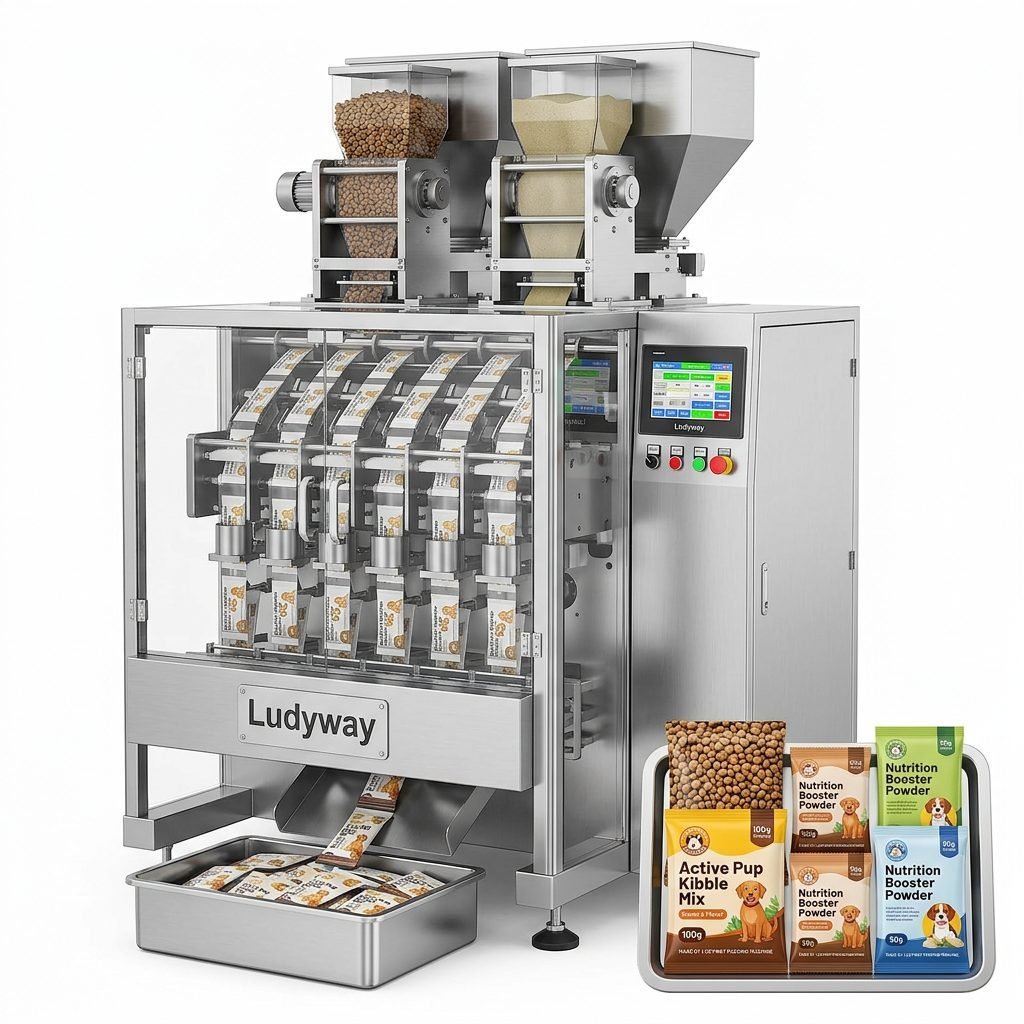
Determine whether you will package dry kibble, semi-moist food, treats, or powder supplements. Each product type requires specific machine configurations. Decide on pack sizes — popular formats in India range from 50g trial packs to 20kg bulk bags. Your choice of flexible packaging material — laminated films, biodegradable options, or recyclable pouches — will influence machine specifications.
Step 2: Conduct Site Assessment and Facility Planning
Evaluate your production facility for adequate space, power supply, compressed air availability, and environmental controls. Dog food packaging lines require clean, dry environments to prevent product spoilage and maintain hygiene standards. Plan the layout to optimize material flow from raw material intake to finished goods storage.
Step 3: Secure Regulatory Approvals
In India, pet food manufacturing falls under the purview of the Food Safety and Standards Authority of India. You must obtain FSSAI licensing, comply with packaging and labeling regulations, and ensure your facility meets Good Manufacturing Practices standards. For export-oriented units, additional certifications such as ISO 22000 and HACCP may be required.
Step 4: Source and Procure Packaging Machinery
Research and compare suppliers based on machine quality, after-sales support, and experience in the pet food sector. Request detailed quotations that include installation, training, and warranty terms. Consider visiting supplier factories or requesting video demonstrations to verify machine performance before committing.
Step 5: Installation, Commissioning, and Training
Once machines arrive, professional installation and commissioning are critical. Technicians should calibrate weighing systems, set sealing parameters, and test the line with your actual product. Operator training covering machine operation, troubleshooting, and maintenance ensures long-term productivity and reduces downtime.
Step 6: Trial Production and Quality Validation
Run trial batches to validate packaging quality, seal integrity, weight accuracy, and overall line speed. Conduct shelf-life testing on packaged products to confirm that barrier properties meet your requirements. Address any issues identified during the trial phase before scaling to full production.
Regulatory Compliance and Quality Standards
Compliance with Indian and international standards is essential for market access and consumer trust. Key regulatory considerations for dog food packaging in India include:
- FSSAI Registration and Licensing: Mandatory for all pet food manufacturers operating in India. The license must cover your specific product categories.
- Legal Metrology Compliance: All packaged products must display net weight, MRP, manufacturing date, and batch number as per the Legal Metrology Act.
- Packaging Material Safety: Materials in contact with pet food must be food-grade and comply with BIS standards where applicable.
- Export Certifications: For products destined for international markets, certifications like FDA compliance and EU food contact material regulations may be required.
- HACCP and ISO 22000: Implementing food safety management systems demonstrates commitment to quality and facilitates export approvals.
Choosing the Right Packaging Machine Supplier
Selecting a reliable equipment partner is one of the most important decisions you will make. Look for suppliers with proven expertise in automated pet food packaging systems, extensive machine portfolios, and strong after-sales support networks. Evaluate their track record with Indian clients or similar markets to ensure they understand local requirements.
Key evaluation criteria include machine build quality, availability of spare parts, technical support responsiveness, and willingness to customize solutions for your specific product range. A supplier with experience in granules, powders, and multi-format packaging can future-proof your investment as your product line expands.

Ludyway is one of the largest packaging machine manufacturers in China, specializing in advanced packaging equipment and turnkey production solutions for the food, pharmaceutical, and health industries. With over 30 years of industry expertise, a modern 20,000㎡ manufacturing facility, and a highly experienced engineering team, Ludyway offers more than 50 intelligent packaging machine models — including multi-lane stick pack, sachet, and fully automated packaging systems. The company serves customers in over 100 countries and is committed to delivering innovative, high-performance, and cost-effective packaging solutions that help businesses improve productivity, product quality, and operational efficiency. For inquiries, contact info@ludyway.com or reach out via WhatsApp at +8613129592456.
Optimizing Operational Efficiency After Setup
Once your packaging line is operational, continuous improvement should be a priority. Monitor Overall Equipment Effectiveness metrics, implement preventive maintenance schedules, and regularly train operators on best practices. Consider integrating vision inspection systems and checkweighers to automate quality control and reduce manual inspection costs.
Stay informed about advancements in packaging technology by following industry resources such as the PMMI Business Intelligence Library and the Flexible Packaging Association. These organizations provide valuable insights into market trends, regulatory updates, and technology innovations that can inform your long-term packaging strategy.
Conclusion
Setting up a dog food packaging line in India is a strategic investment that can yield significant returns given the market’s rapid growth trajectory. By carefully selecting the right combination of packaging line equipment, budgeting realistically, and following structured implementation steps, you can build a production line that meets both current demand and future expansion needs. Partnering with experienced machinery suppliers and prioritizing regulatory compliance will position your business for sustainable success in India’s dynamic pet food industry.
Whether you are launching a new brand or expanding an existing manufacturing operation, the time to invest in modern, efficient dog food packaging infrastructure in India is now. The combination of growing pet ownership, increasing consumer awareness, and favorable market conditions creates an ideal environment for well-planned packaging operations.