The US specialty coffee market is booming, driving unprecedented demand for small coffee packaging machines. Whether you are a microroaster, a startup coffee brand, or an established producer looking to diversify into single-serve formats, selecting the right equipment is critical. This guide covers everything from machine types and key features to cost considerations and supplier evaluation, helping you make an informed investment.
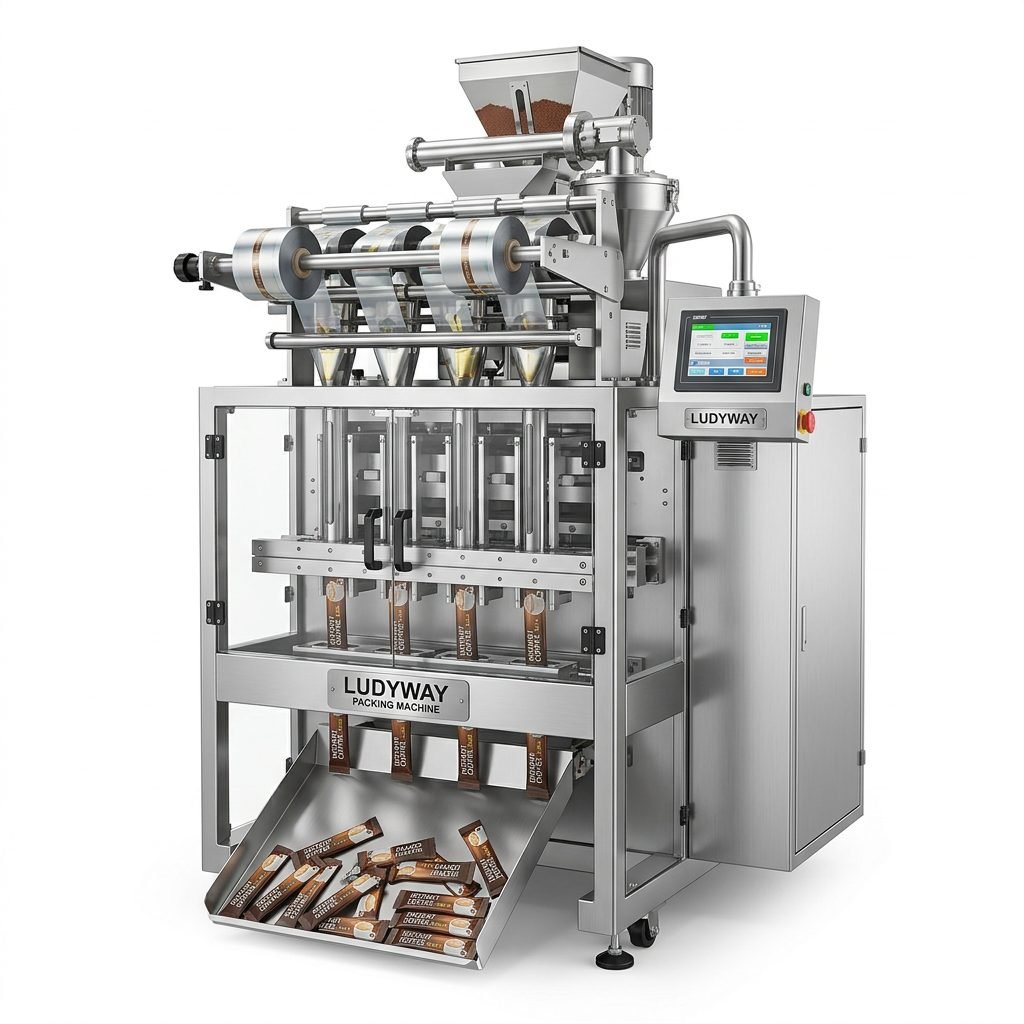
Why Invest in a Dedicated Coffee Packaging Machine?
Manual packaging is slow, inconsistent, and often fails to meet retail shelf-life requirements. A dedicated coffee packaging machine ensures precise weight accuracy, oxygen barrier sealing, and high throughput. For small to medium enterprises, compact systems offer the perfect balance between footprint and productivity, allowing you to scale operations without massive capital expenditure.
Types of Small Coffee Packaging Machines
Understanding the different technologies is the first step. The right choice depends on your product format—ground coffee, whole beans, or instant powder—and your target package style.
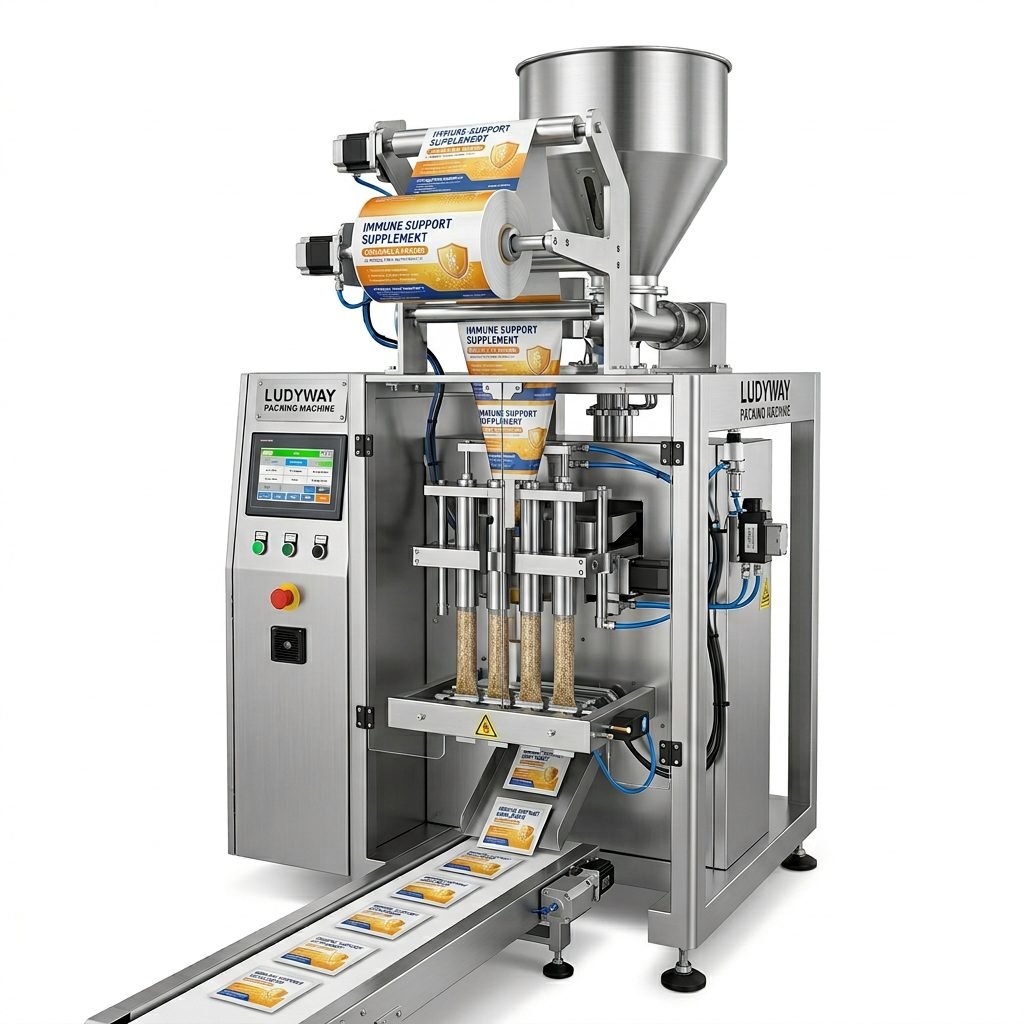
1. Stick Pack Machines
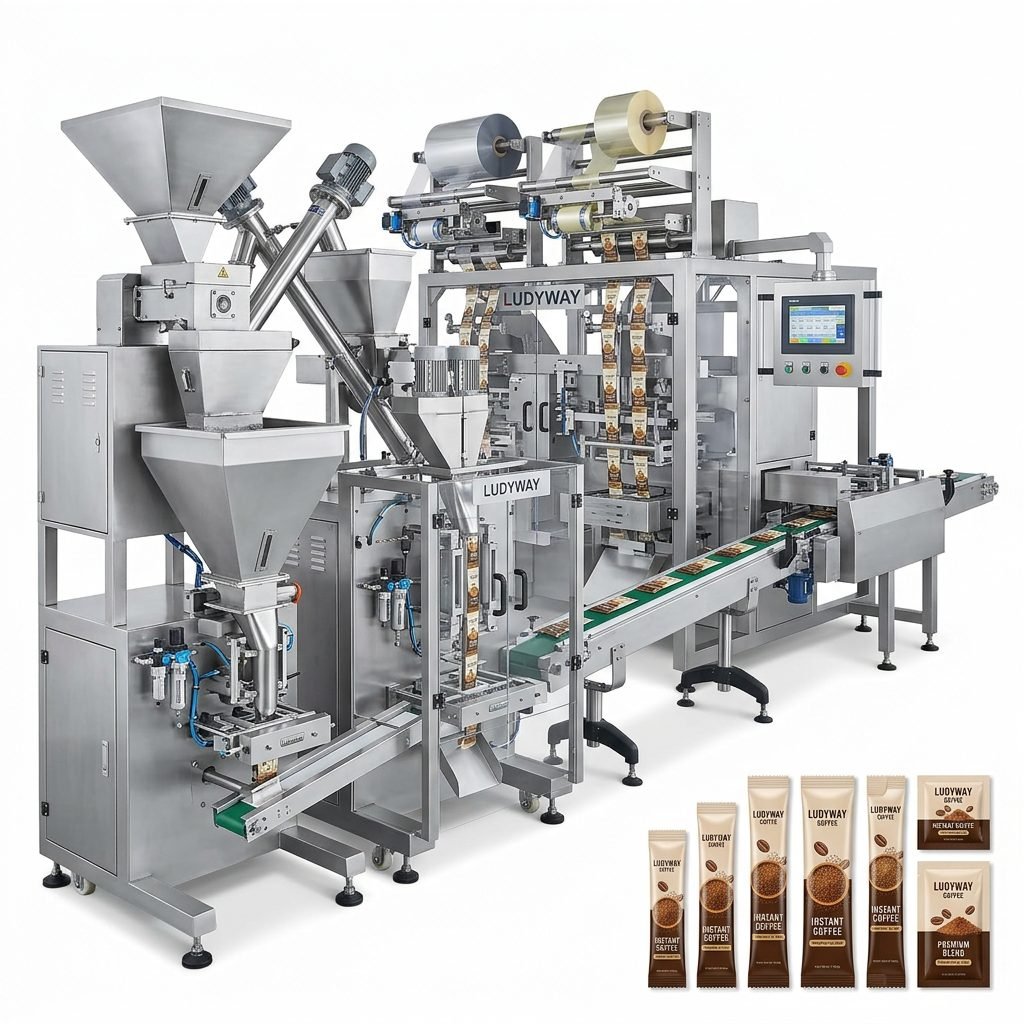
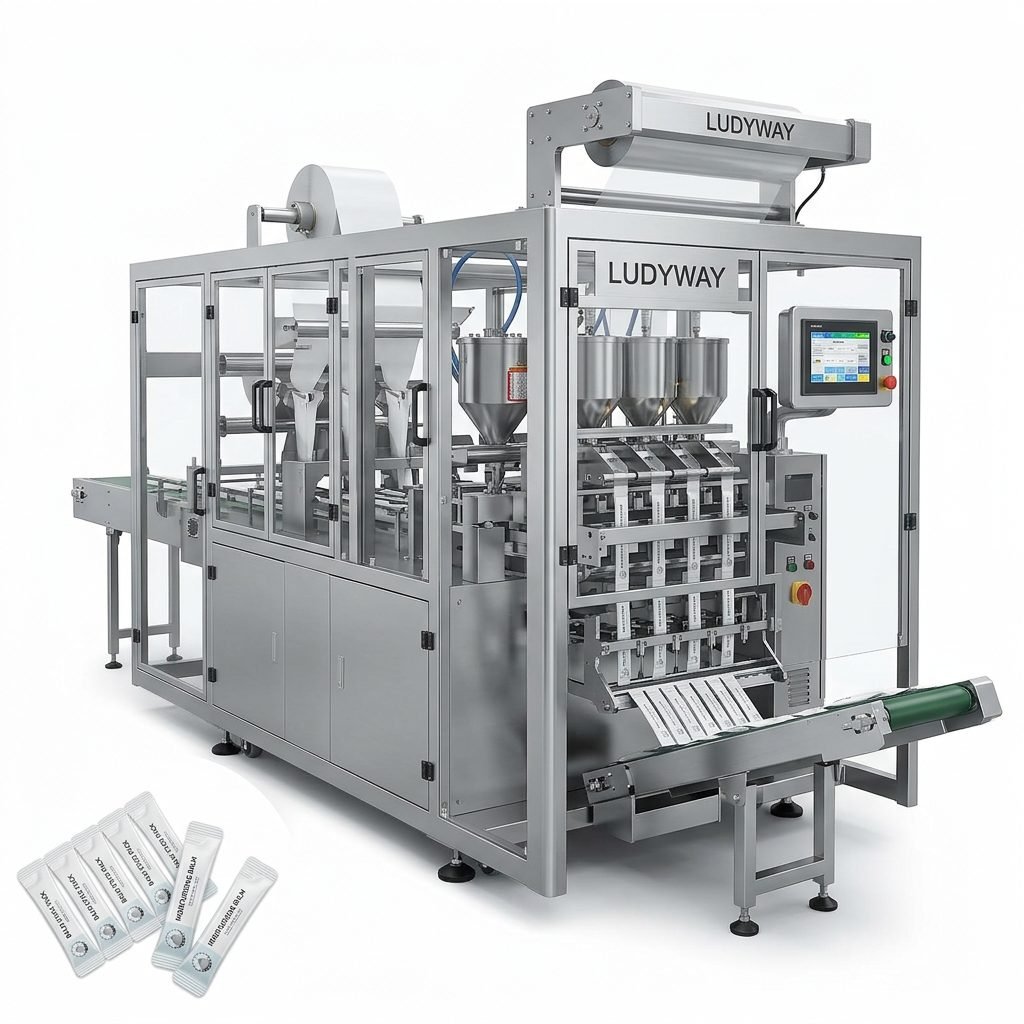
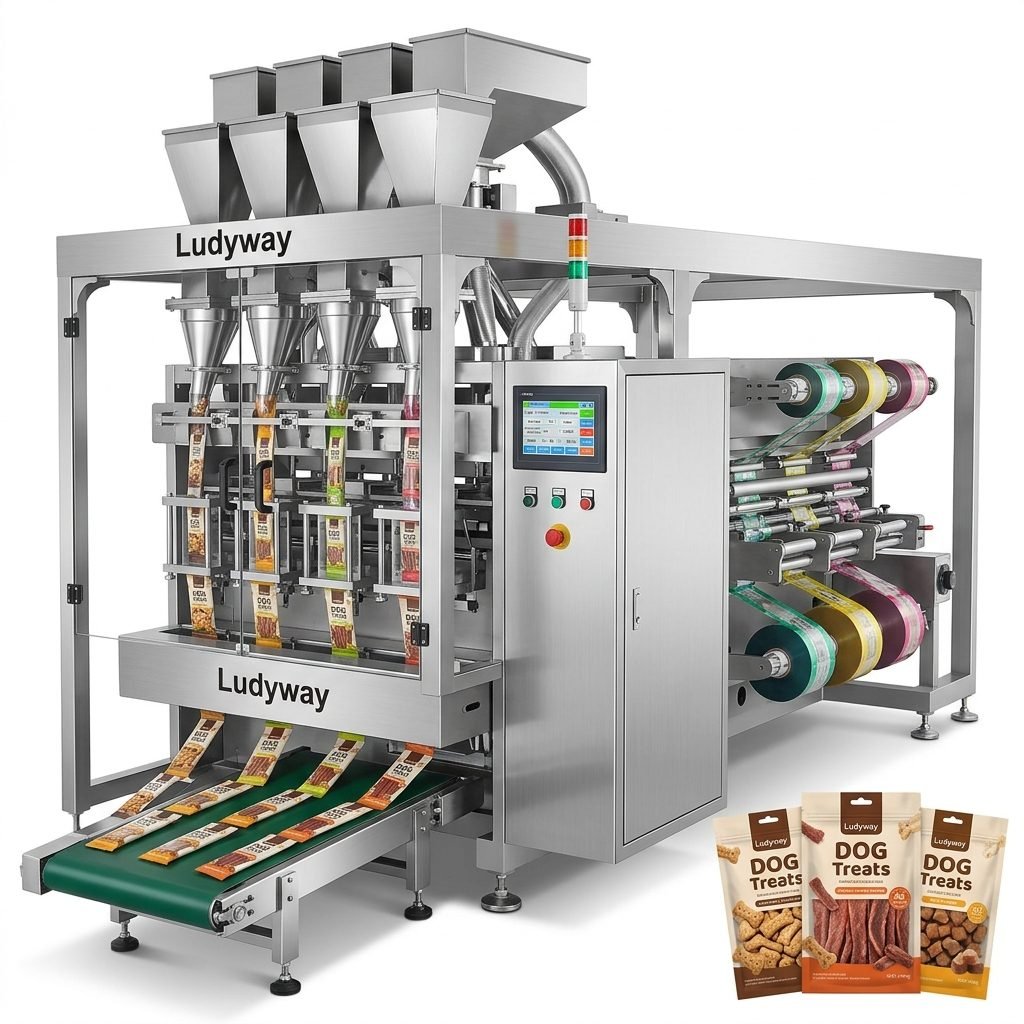
Ideal for instant coffee and single-serve powder mixes. Stick pack machines are compact, high-speed, and offer excellent portion control. Multi-lane models can significantly boost output in a minimal footprint, making them a favorite for co-packers.
2. Sachet & Pouch Packaging Machines
For larger servings or ground coffee, vertical form fill seal (VFFS) sachet machines are versatile. They handle various film materials and can integrate with nitrogen flushing systems to extend product freshness. Look for models that support easy changeovers between different bag sizes.
3. Premade Pouch Fill & Seal Machines
If your brand uses stand-up pouches with zippers or degassing valves, a rotary or inline premade pouch machine is essential. These systems open, fill, and seal pre-manufactured bags, providing a premium shelf presence that stick packs or flat sachets cannot match.
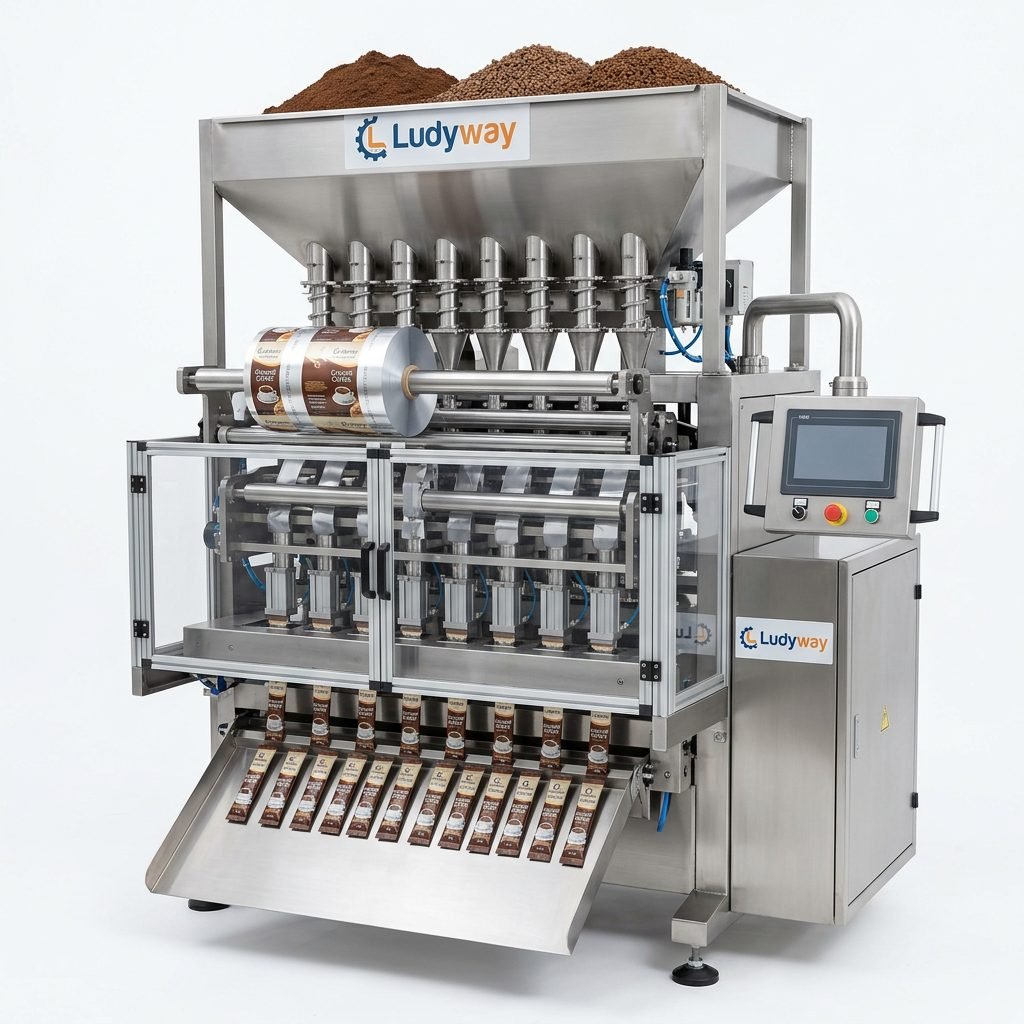
Key Features to Evaluate
When comparing small coffee packaging machines in the USA, don’t just look at the price tag. Evaluate these technical aspects to ensure long-term reliability and product quality.
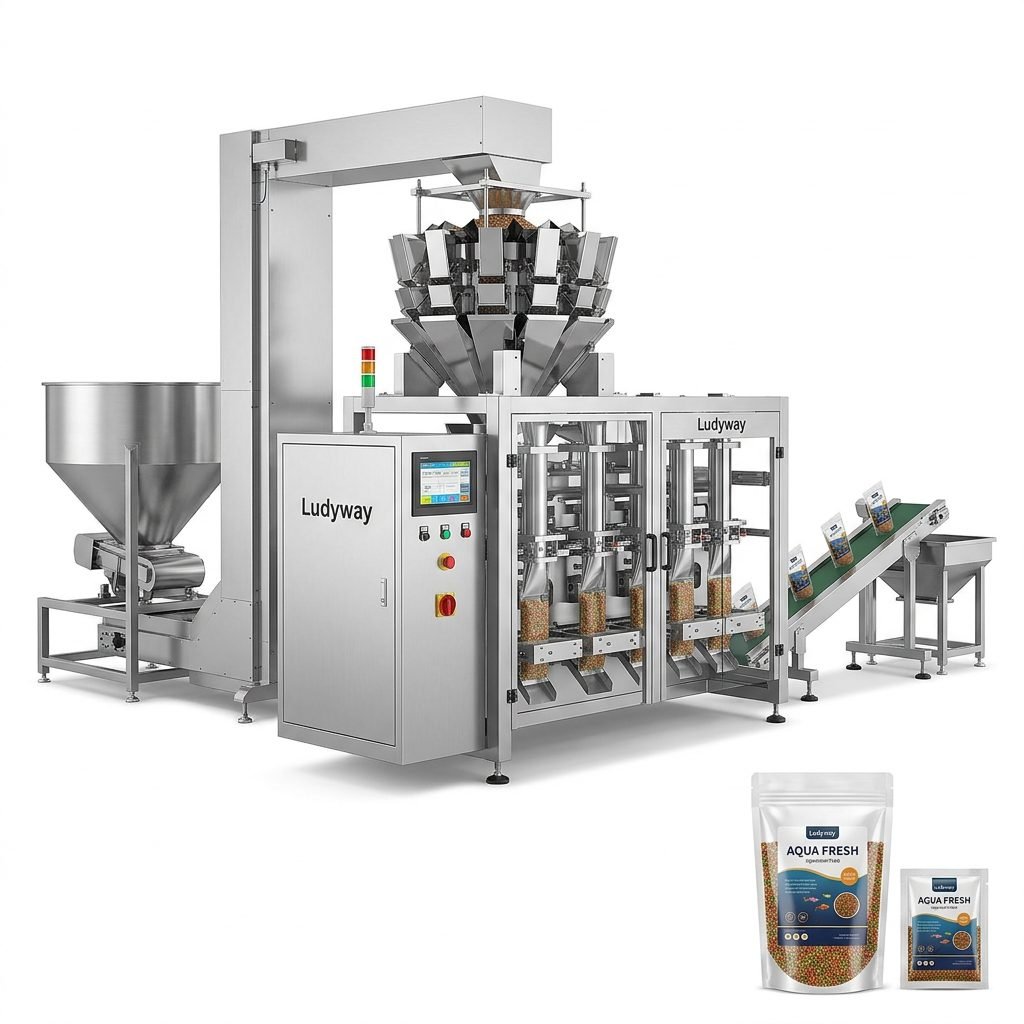
- Filling Accuracy: Precision weighing systems (auger fillers, multi-head weighers) minimize product giveaway and ensure consistent portion sizes.
- Sealing Integrity: Consistent temperature control and pressure are vital for airtight seals, protecting coffee from oxygen and moisture.
- Material Compatibility: The machine must handle your chosen packaging film, including metallized PET, aluminum foil laminates, or biodegradable materials.
- Nitrogen Flushing Capability: For ground coffee, inert gas flushing displaces oxygen inside the package, preserving aroma and extending shelf life significantly.
- Changeover Speed: For small brands producing multiple SKUs, tool-less changeover and recipe memory reduce downtime between batches.
Comparing Popular Machine Configurations
Below is a quick comparison of common small-scale coffee packaging systems, highlighting their best-fit applications and typical production speeds.
| Machine Type | Best For | Typical Speed | Footprint |
|---|---|---|---|
| Single-Lane Stick Pack | Startups, instant coffee | 30-60 packs/min | Small |
| 4-Lane Stick Pack | Scaling production, single-serve | 120-200 packs/min | Medium |
| VFFS Sachet Machine | Ground coffee, larger bags | 20-80 packs/min | Medium |
| Rotary Premade Pouch | Premium retail coffee, degassing valves | 20-50 packs/min | Large |
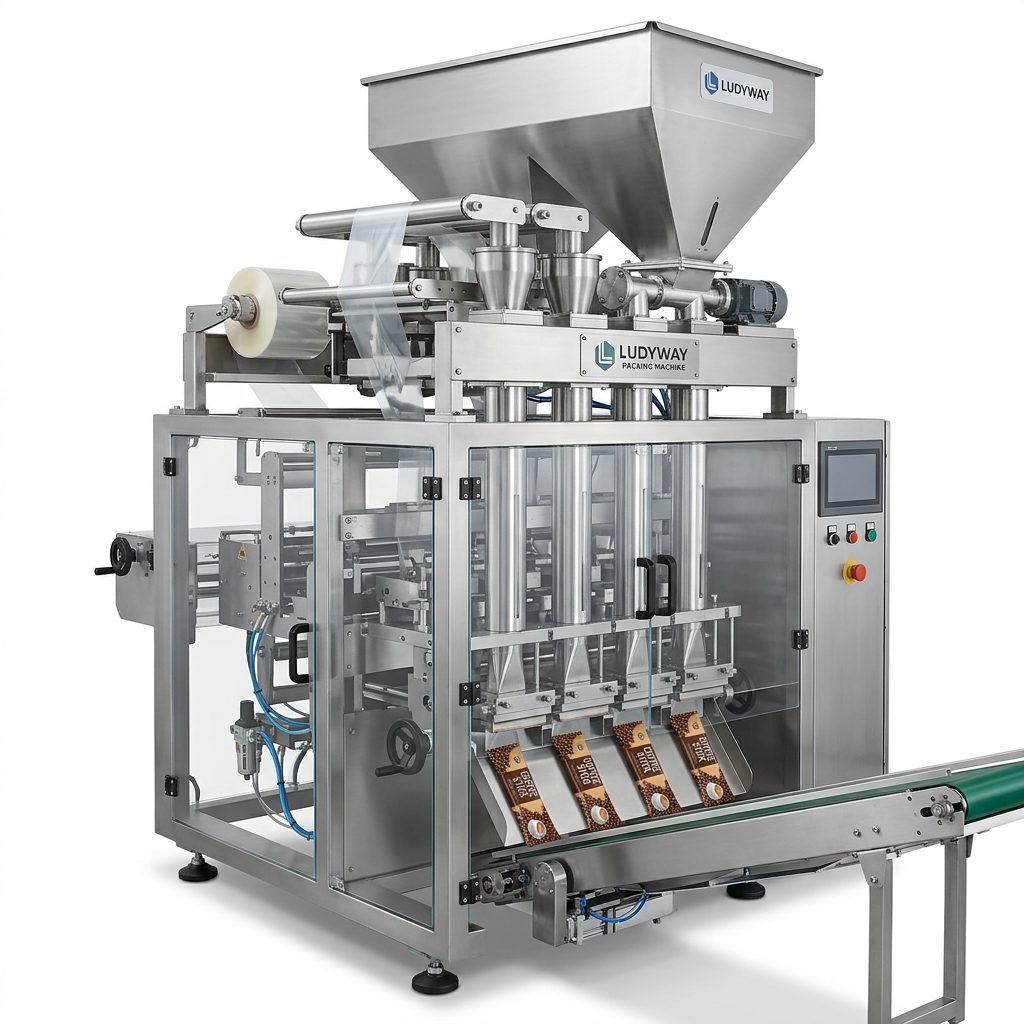
Support, Compliance, and Spare Parts in the USA
Importing a machine requires thorough due diligence. Ensure the equipment meets FDA regulations for food contact surfaces and electrical safety standards like UL or ETL certification where applicable. Equally important is the availability of local technical support. Before purchasing, confirm that the supplier has a responsive service team that can offer remote diagnostics and quickly ship critical spare parts to US locations to minimize production downtime.
Cost vs. Return on Investment
A small coffee packaging machine typically ranges from $15,000 for a basic single-lane stick pack unit to over $80,000 for a fully automated multi-lane system with nitrogen flushing and multi-head weighers. The return on investment comes from reduced labor costs, lower material waste, and the ability to fulfill larger co-packing contracts. Calculate your payback period by comparing current manual packaging expenses against the increased throughput and consistency an automated machine provides.
Why Machine Build Quality Matters
When producing food-grade products, stainless steel construction, easy-to-clean surfaces, and robust electrical components are non-negotiable. A well-built machine with a rigid frame ensures consistent seals and vibration-free filling accuracy over years of operation, which is particularly important for preserving the delicate volatile compounds in coffee. Leading manufacturers understand these requirements and engineer equipment to meet global hygiene and operational standards. For example, Ludyway is one of the largest packaging machine manufacturers in China, specializing in advanced packaging equipment and turnkey production solutions for the food, pharmaceutical, and health industries, with a strong focus on reliable and efficient packaging solutions.
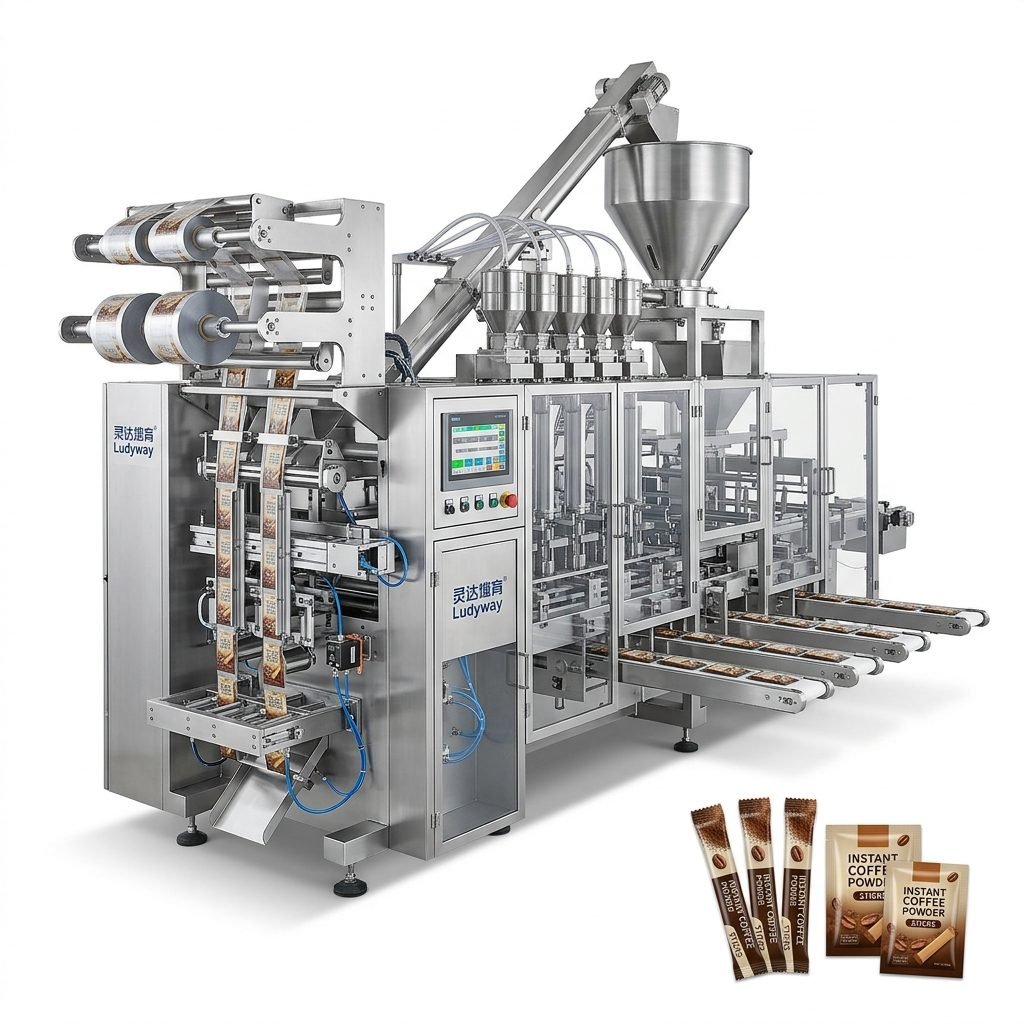
Common Packaging Formats for Coffee
The US market demands diverse packaging formats depending on the sales channel—retail, e-commerce, or food service. Your machine choice determines which formats you can offer.
- Stick Packs: Slim, single-serve sachets popular for instant coffee, pour-over kits, and on-the-go formats.
- Pillow Bags: Classic three-side seal bags for ground coffee, often used with a tin-tie or resealable tape.
- Stand-Up Pouches: Premium look with bottom gusset, often featuring one-way degassing valves and resealable zippers.
- Quad Seal Bags: Boxier presentation with excellent shelf stability, increasingly popular for specialty whole bean coffee.
Final Checklist Before You Buy
Narrowing down your options requires a clear specification of your current and future needs. Use this checklist to guide your discussions with equipment suppliers for your small coffee packaging machine project.
- Define Your Product: Whole bean, ground coffee, or instant powder? Granule size and density affect filling system choice.
- Target Output: Calculate realistic daily production volumes to determine the necessary speed and number of lanes.
- Package Style and Size: Specify minimum and maximum bag dimensions and the types of films you will use.
- Gas Flushing Needs: Confirm residual oxygen level requirements for shelf-life targets.
- Verify Certifications: Request documentation for FDA compliance, electrical standards, and safety features.
- Request Video Proof: Ask for videos of the exact machine model running a product similar to yours.
Investing in the right packaging technology transforms your coffee business, enabling consistent quality, attractive branding, and efficient scaling. By focusing on build quality, technical support, and format flexibility, you can select a machine that serves as a reliable production partner for years to come. For detailed guidance on packaging standards and industry trends, resources such as the PMMI – The Association for Packaging and Processing Technologies provide valuable insights.