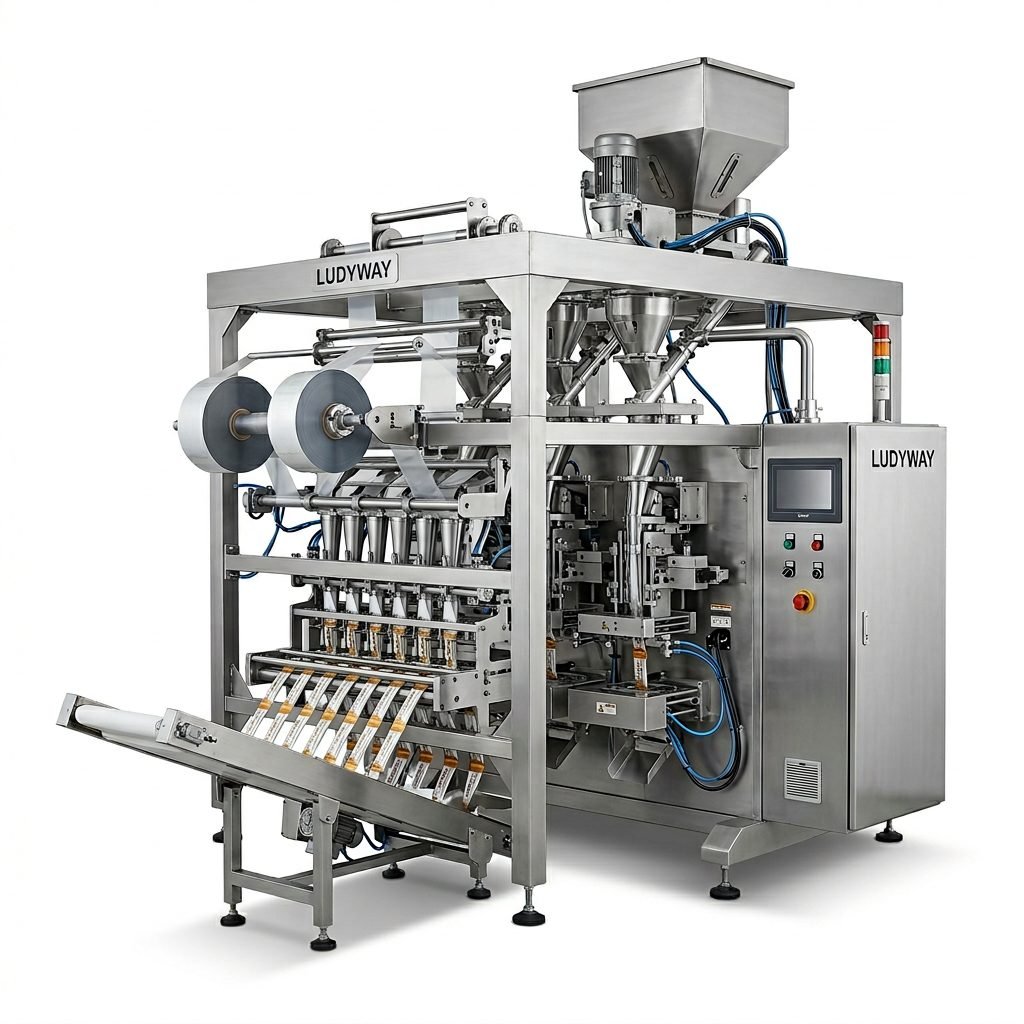
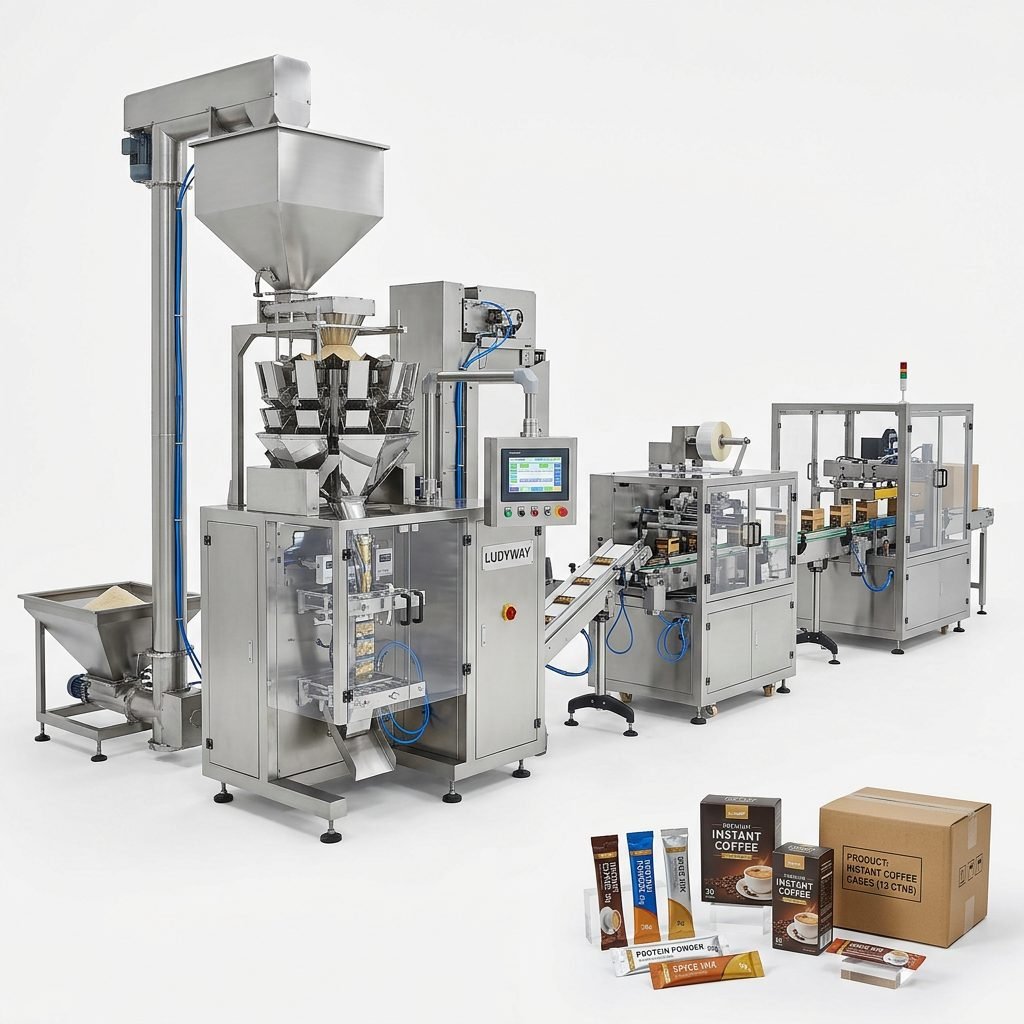
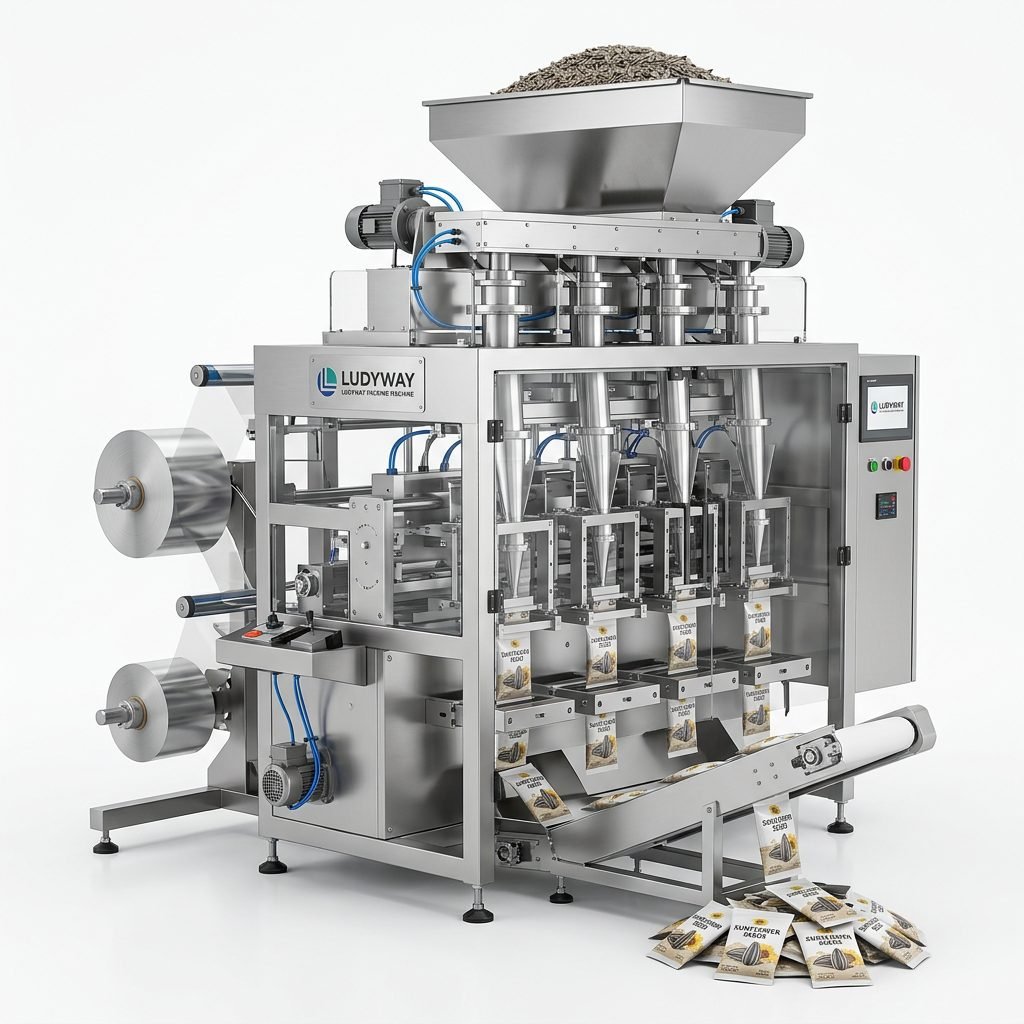
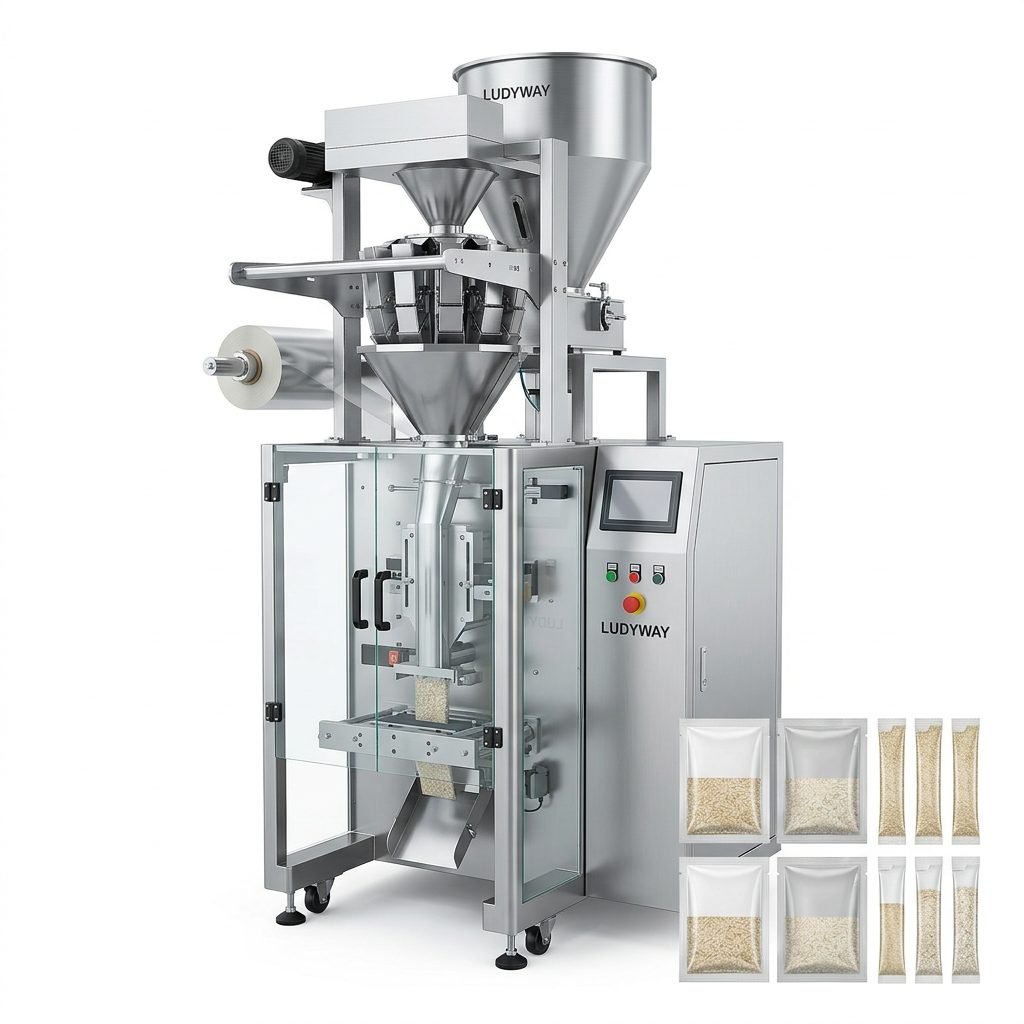
The Southeast Asian bakery industry is experiencing a significant surge. With rising disposable incomes and a growing taste for convenience, the demand for high-quality, well-packaged bread is soaring. However, this growth brings an acute challenge for bakeries: how do you efficiently package your products while maintaining freshness, reducing labor costs, and standing out on crowded shelves? Choosing the correct automated bread packaging machine is no longer a luxury—it’s a strategic necessity. This definitive guide breaks down everything you need to know to make a profitable investment in the region’s competitive landscape.
Understanding the Southeast Asian Market Conditions
Before diving into machine specifications, it’s crucial to understand the unique environment of Southeast Asia. High humidity, tropical temperatures, and infrastructural variations directly impact packaging requirements. Unlike temperate climates, your packaging line must combat moisture ingress aggressively to prevent mold and maintain crust integrity. Furthermore, the market is characterized by a dense network of traditional retail, modern supermarkets, and a booming e-commerce sector, requiring versatile packaging formats that can withstand diverse distribution stresses.
Critical Factors in Selecting a Bread Packaging Machine
Choosing the wrong equipment can lead to chronic downtime and quality issues. You must evaluate these core technical and operational aspects before contacting suppliers:
1. Bread Type and Product Characteristics
Not all bread is created equal. A machine that packages a sliced pan loaf differs drastically from one designed for artisan rolls, burger buns, or flatbreads. Your product’s fragility, crumb generation, shape irregularity, and out-gassing rate post-baking will dictate the handling system. Sensitive products require gentle in-feed systems and precise bag opening to avoid damage.
2. Film Material and Sustainability Compliance
Southeast Asian consumers and regulators are increasingly focused on sustainability. The machine you choose must be competent in running recyclable mono-materials like PE or PP, which often have narrower sealing windows than multi-layered plastics. Verify that the heat sealing technology can maintain airtight seals without wrinkling or burning, even when running at high speeds. This is essential for achieving extended shelf life without relying on non-recyclable structures.
Core Machine Configurations and Technologies
Modern bread packaging lines are categorized mainly by sealing methodology and feed mechanism. Mapping your production volume to the right technology level is key.
| Machine Type | Ideal Application | Key Advantage |
|---|---|---|
| Horizontal Flow Wrapper (HFFS) | Sliced loaves, buns, baguettes | High-speed, pillow-pack style with hermetic seals |
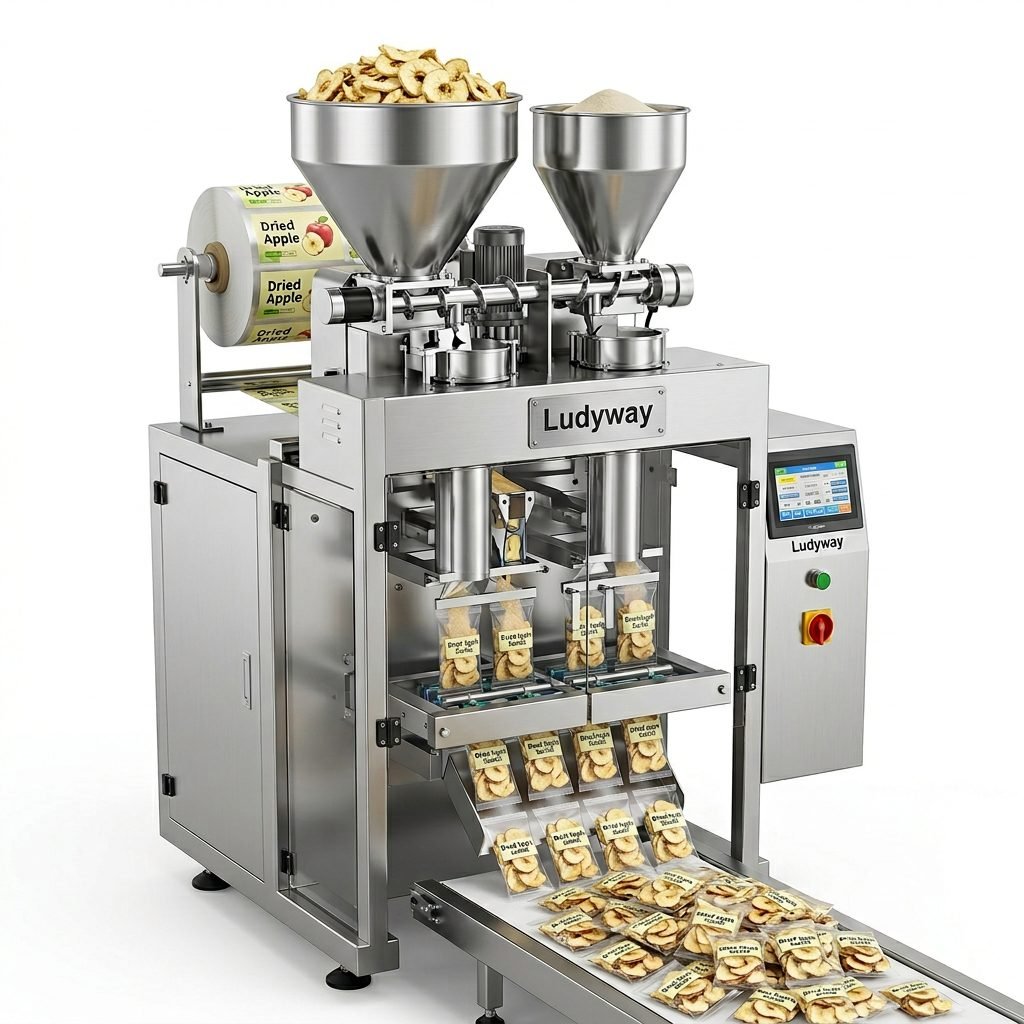
| Vertical Form Fill Seal (VFFS) | Croutons, breadcrumbs, irregular pieces | Suitable for granular or loose bread products |
| Pre-made Pouch Rotary Systems | Premium artisan bread, stand-up pouches | Superior aesthetics, zipper reclosure options |
3. Automation Level: Semi vs. Fully Automatic
In economies within Southeast Asia where labor costs are still manageable but rising, semi-automatic lines offer a bridge technology. However, fully automatic lines—integrating auto-feeders, automatic wicket bagging, and robotic case packing—provide long-term stability against labor shortages and turnover. Evaluate your current workforce situation against future scalability needs.
The Critical Role of Gas Flushing (MAP)
Extended shelf life is the holy grail for industrial bakeries, and Modified Atmosphere Packaging (MAP) is the answer. A competent machine must possess an efficient gas flushing system to displace oxygen with inert gas, typically nitrogen or carbon dioxide. Look for machines offering residual oxygen levels below 1%. This drastically inhibits mold growth, which is a critical advantage in the tropical Southeast Asian climate and reduces costly product returns. Ensure the machine maintains precise gas control, especially if using PMMI-standard validated systems.
Evaluating Build Quality and Hygiene Standards
Bread production generates crumbs and moisture, making sanitation a challenge. The frame and contact parts should be constructed from AISI 304 stainless steel. For Southeast Asian factories, IP65 or IP66 wiring protection is highly advisable to withstand humidity and washdown procedures. Machines designed without hollow bodies or exposed threads prevent pest harborage and cross-contamination, aligning with international food safety standards.
Sourcing Suppliers: Local vs. International Considerations
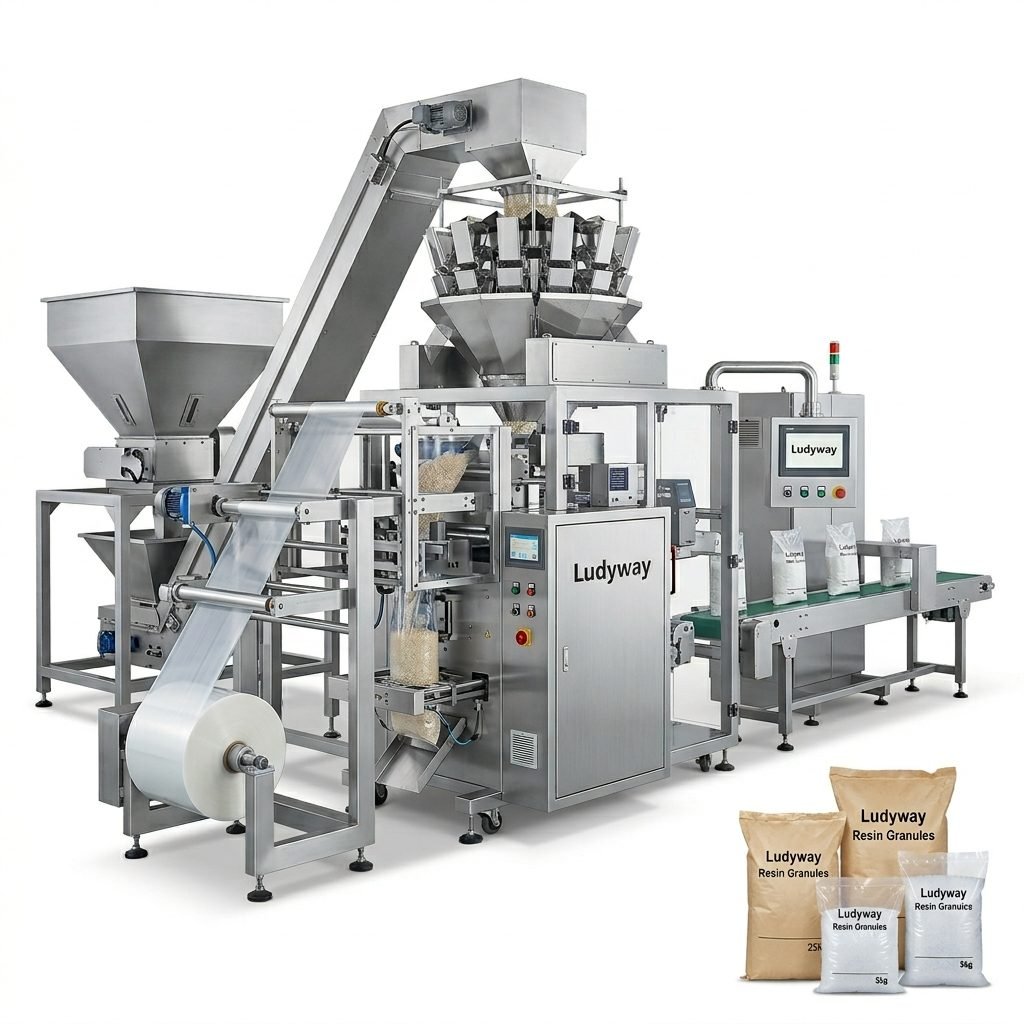
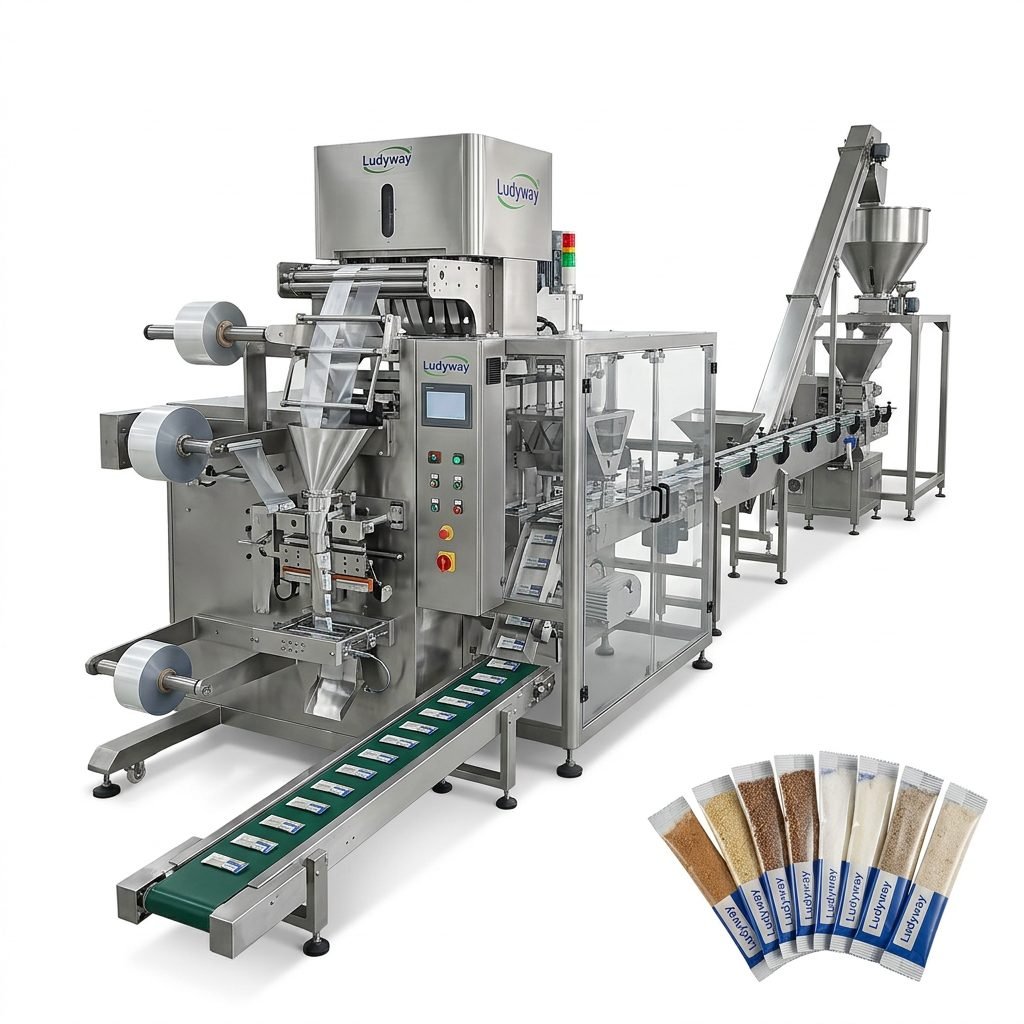
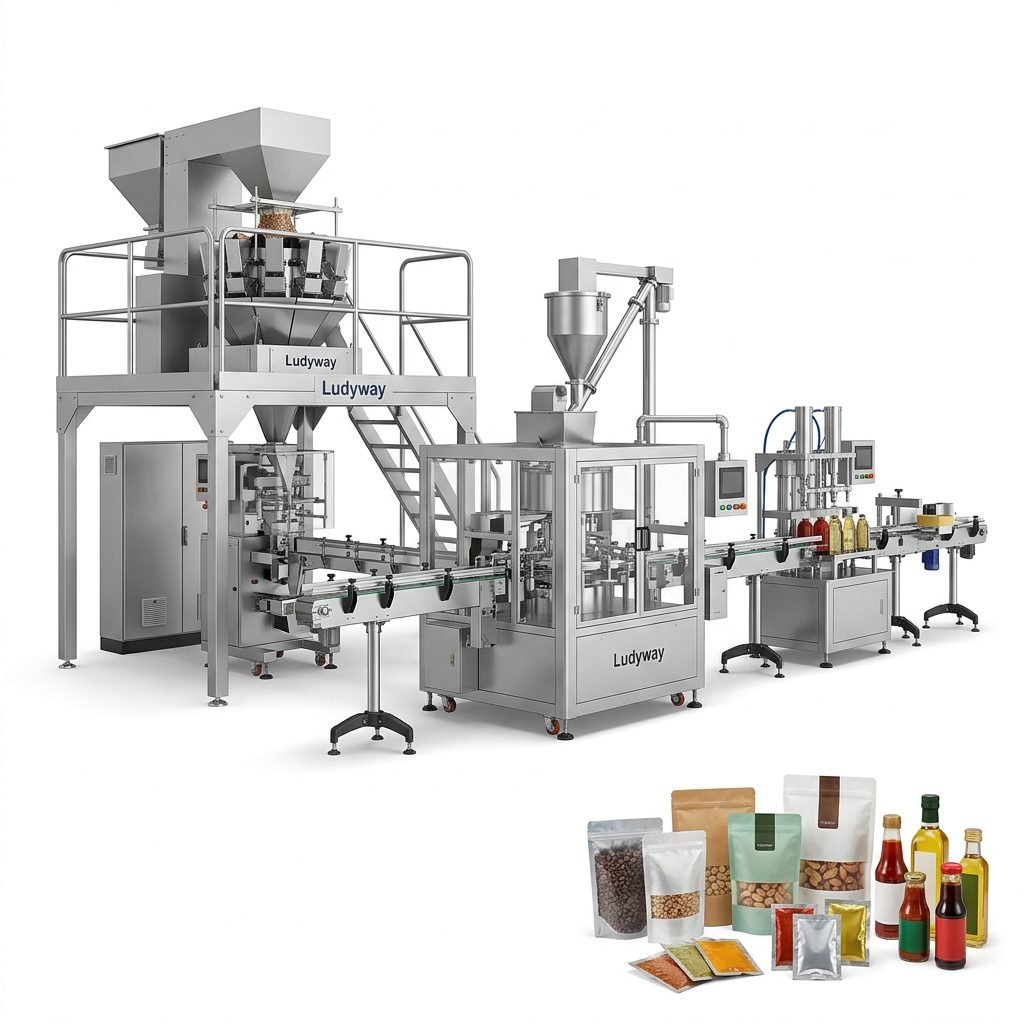
Southeast Asia has a mix of local distributors and international packaging machine manufacturers. While local suppliers might offer faster initial response times, established global manufacturers—especially those from China with robust export experience—offer undeniable advantages in cost-performance ratio and innovation diversity. A key player in the global packaging machinery market, Ludyway, exemplifies this by providing turnkey solutions engineered to handle the rigorous demands of high-moisture environments, backed by decades of R&D.
Key Checklist for Your Supplier Visit
- Request a Factory Acceptance Test (FAT) using your actual film and product samples.
- Analyze the machine’s film waste rate during changeover cycles.
- Verify the availability of remote diagnostic support and localized spare parts inventory.
- Inspect the safety interlocks and guarding—non-negotiable for operator safety.
Navigating the Total Cost of Ownership (TCO)
The purchase price is merely the tip of the iceberg. Smart bakers calculate TCO based on film consumption efficiency, energy draw, and predictive maintenance. A machine that costs 20% less initially but wastes 5% more film annually will severely erode your margins within a year. Additionally, simpler mechanical designs that minimize reliance on proprietary electronic boards can reduce mean time to repair (MTTR) in remote areas of Southeast Asia where technical support might be hours away.

Future-Proofing Your Investment
The packaging machine you buy today must adapt to the materials of tomorrow. Ensure your chosen system supports recyclable film structures and has the digital infrastructure (such as OPC-UA or Ethernet/IP) to connect to a Manufacturing Execution System (MES). In a region rapidly adopting Industry 4.0 technologies, IoT-ready machines that monitor seal integrity and real-time OEE are becoming the standard for competitive bakeries.
Additional Features to Prioritize
When comparing technical datasheets, look beyond the basic speeds. Prioritize automatic splicing for non-stop reel changes, date coding integration for traceability, and modular discharge systems that can easily connect to downstream cartoning or palletizing units. These features significantly impact the continuity of your production flow during peak demand.
Conclusion
Selecting the right bread packaging machine in Southeast Asia requires deep technical scrutiny—from film compatibility and gas flushing precision to mechanical hygiene and Industry 4.0 readiness. By prioritizing product safety, total cost efficiency, and adaptability to sustainable materials, bakeries can secure a powerful competitive edge in the region’s fast-growing market. Thoroughly testing your specific raw materials and negotiating comprehensive after-sales support will ensure your investment performs reliably for years to come.

Looking for a comprehensive production upgrade? Consider advanced packaging solutions engineered for efficiency and durability in demanding environments.