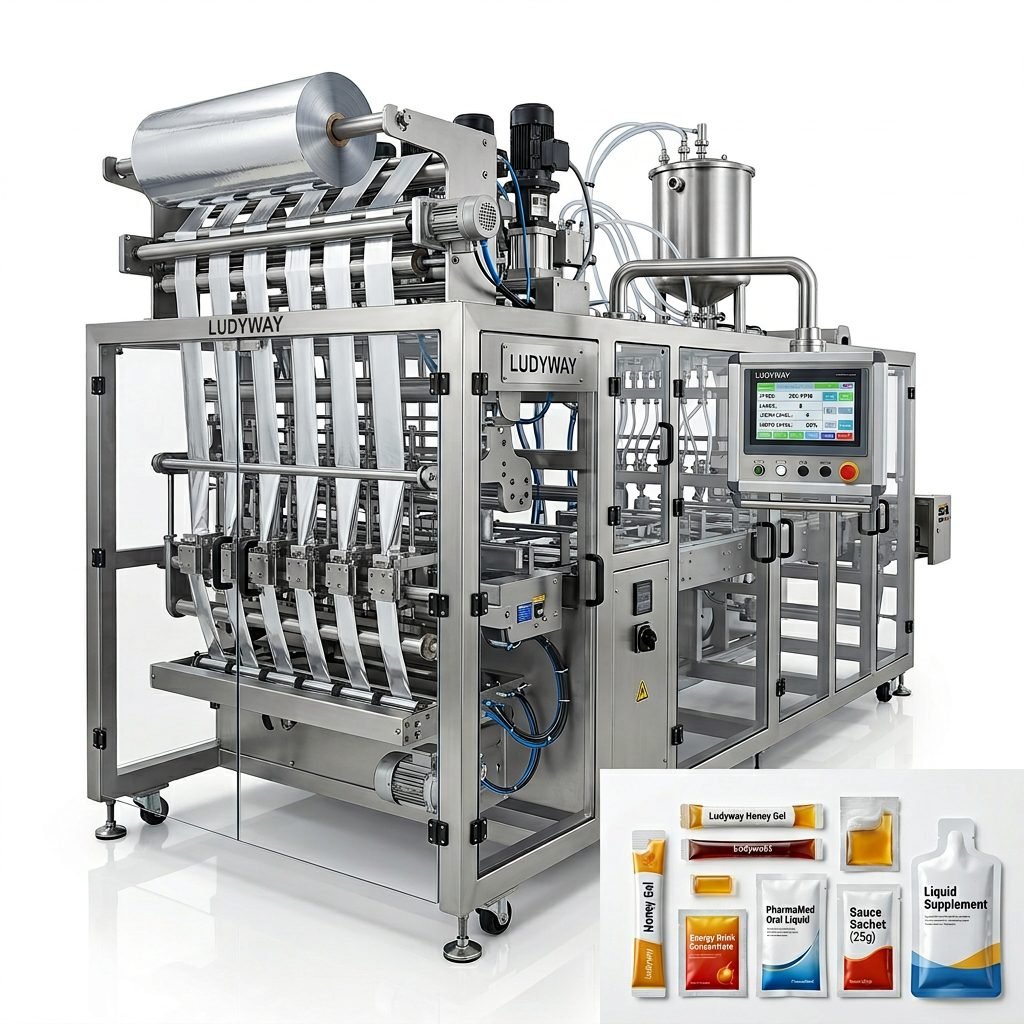
Investing in a straw packing machine is a strategic decision that directly impacts your production output, packaging consistency, and long-term operational costs. With the global shift toward single-serve, on-the-go consumption formats—especially in food, beverage, pharmaceutical, and nutraceutical sectors—manufacturers are increasingly transitioning from traditional bulk packaging to multi-lane stick pack and sachet systems. Choosing the wrong equipment can lead to frequent downtime, excessive material waste, inaccurate dosing, and scalability bottlenecks. This guide walks you through the essential factors to evaluate before purchasing a straw packing machine, helping you align your investment with your current production goals and future growth plans.
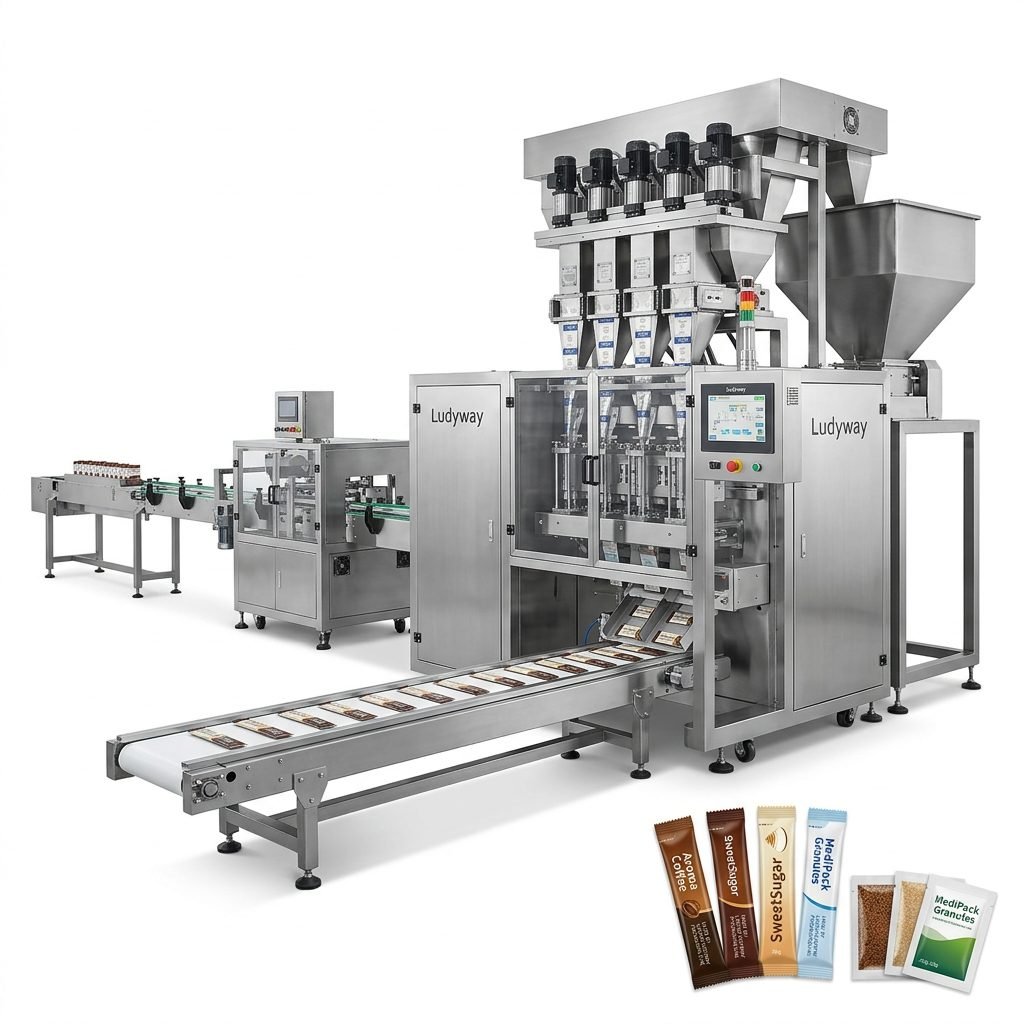
Understanding Your Product Characteristics First
Before comparing machine models or manufacturers, you must thoroughly analyze the physical properties of the product you intend to package. A straw packing machine designed for free-flowing granules will perform very differently when handling cohesive powders, sticky liquids, or fragile solids. Key product attributes to document include:
- Flowability – Does your product flow freely, or does it bridge and clump? This determines the type of dosing system required.
- Particle size and uniformity – Wide variations in granule size can affect filling accuracy and seal integrity.
- Bulk density – Light, fluffy powders need different handling than dense granules to achieve consistent fill weights.
- Moisture sensitivity – Hygroscopic products may require additional environmental controls or nitrogen flushing.
- Temperature sensitivity – Products that degrade under heat need cold-seal or low-temperature sealing technologies.
- Abrasiveness – Abrasive materials accelerate wear on contact parts, requiring hardened or replaceable components.
Matching the Machine Type to Your Packaging Format
Straw packing machines come in several configurations, each optimized for different packaging formats and production volumes. Selecting the correct type depends on your target bag style, filling volume range, and speed requirements. The table below summarizes the primary machine categories available on the market today.
| Machine Type | Best Suited For | Typical Output Range | Common Industries |
|---|---|---|---|
| Single-Lane Stick Pack Machine | Low-to-medium volume, flexible format changes, R&D batches | 30–80 packs/min | Pharma, supplements, specialty foods |
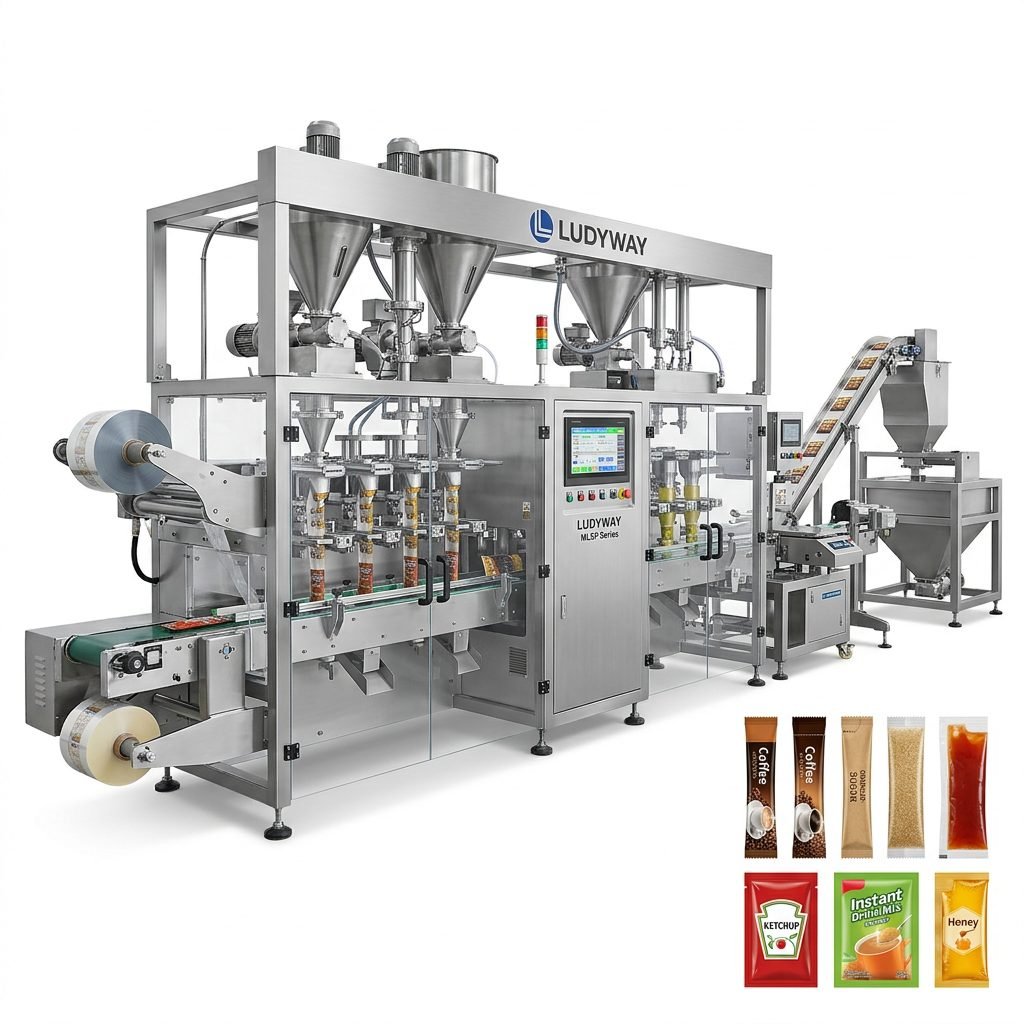
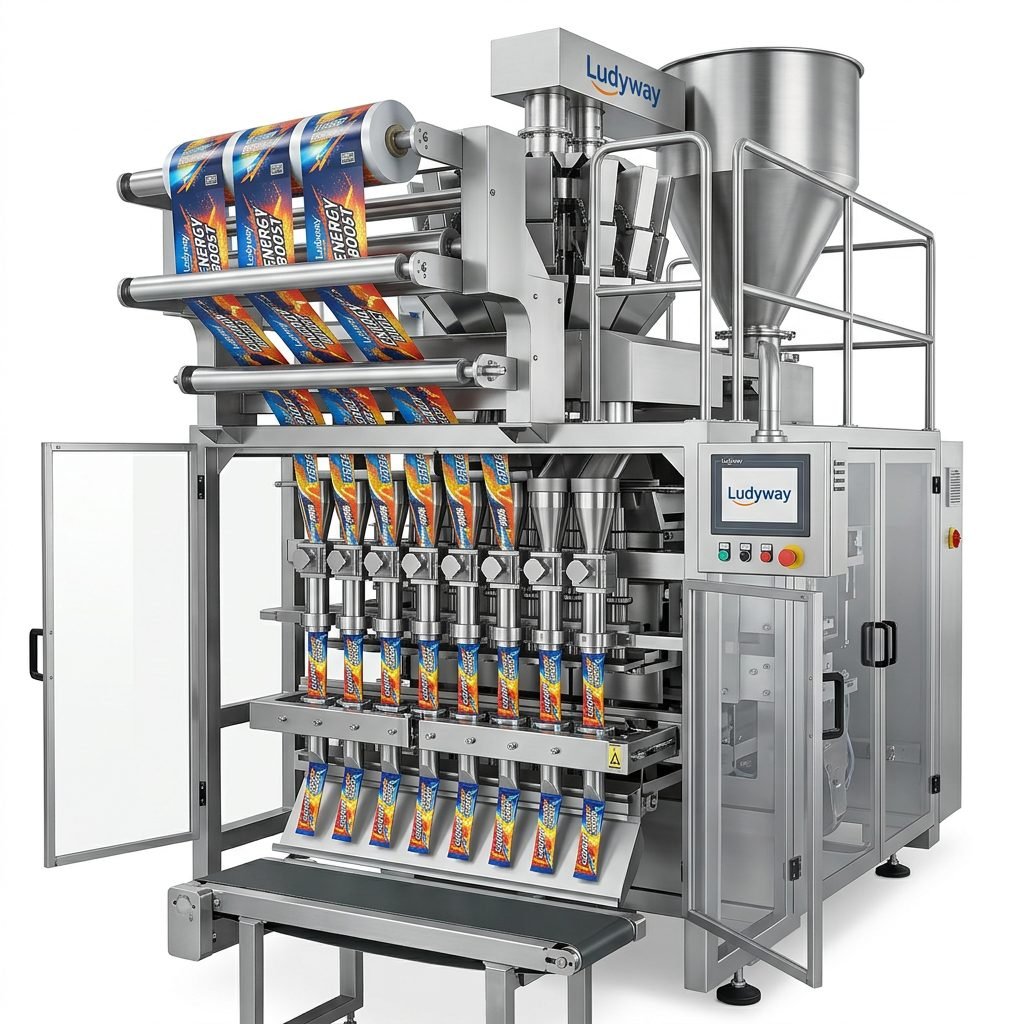
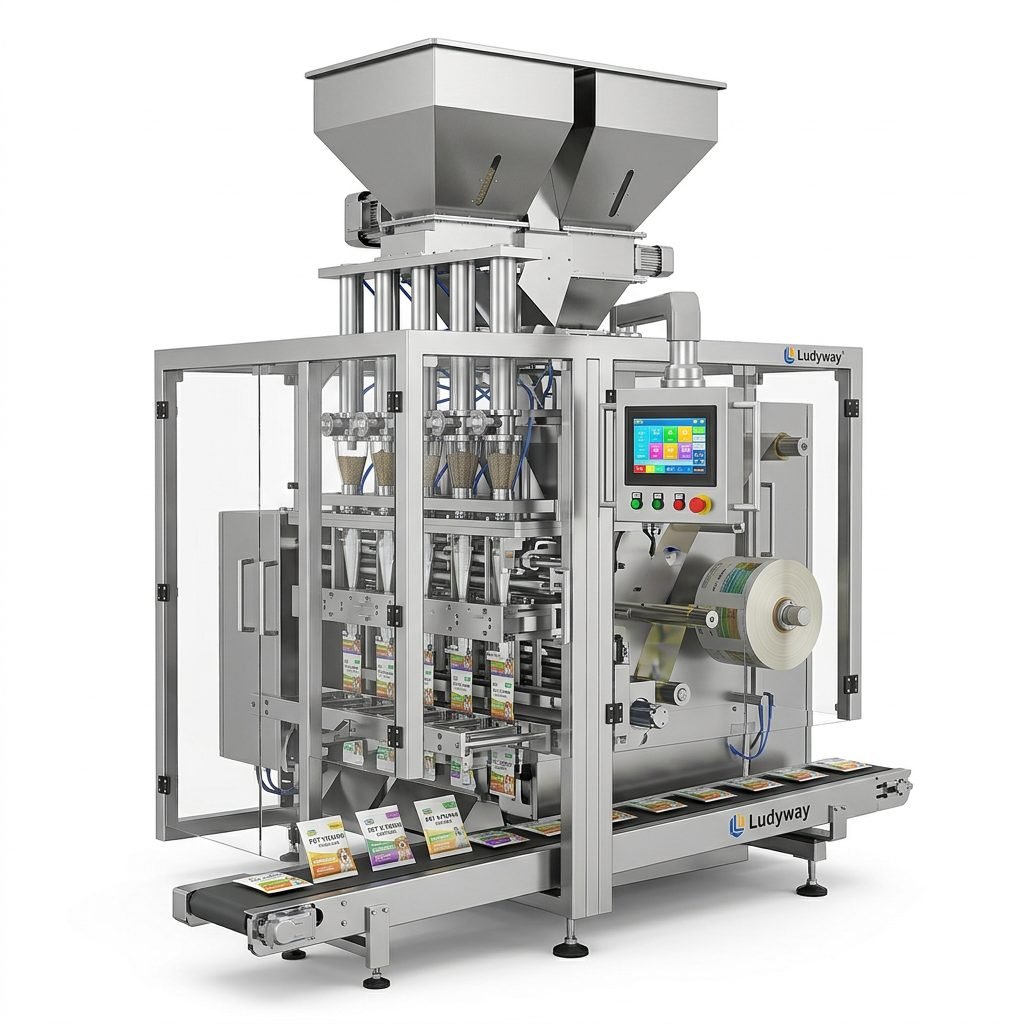
| Multi-Lane Stick Pack Machine (4–12 lanes) | Medium-to-high volume, consistent product formulations | 200–600 packs/min | Food & beverage, nutraceuticals, cosmetics |
| High-Speed Multi-Lane Stick Pack Machine (16+ lanes) | Very high volume, dedicated product lines, minimal changeovers | 600–1,500+ packs/min | Instant beverages, sugar, salt, seasonings |
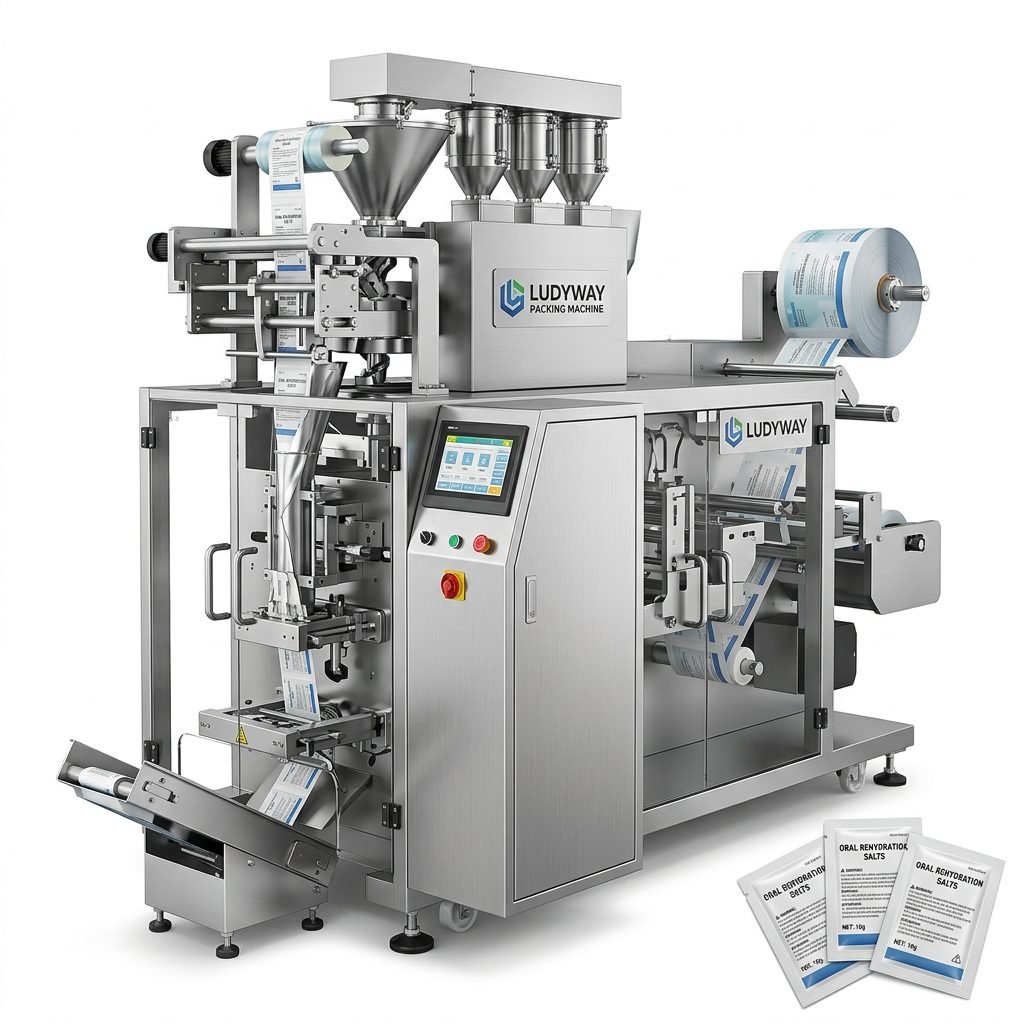
| Combination Stick Pack & Sachet Machine | Manufacturers requiring multiple packaging formats from one system | Varies by configuration | Contract packagers, diversified product lines |
| Integrated Turnkey Straw Packing Line | End-to-end automation from feeding to cartoning | Customized to line design | High-volume food, pharma, chemical, and pet food sectors |
Dosing and Filling Accuracy: The Core of Performance
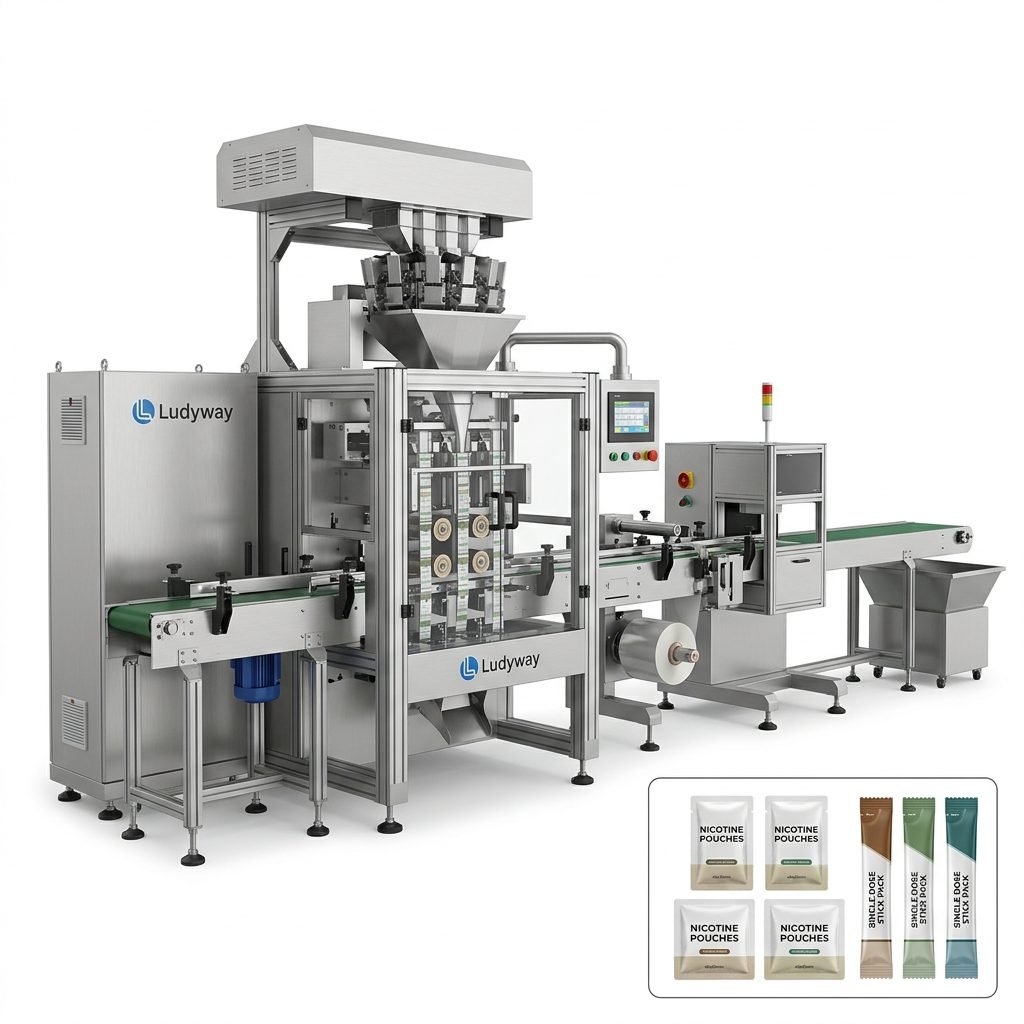
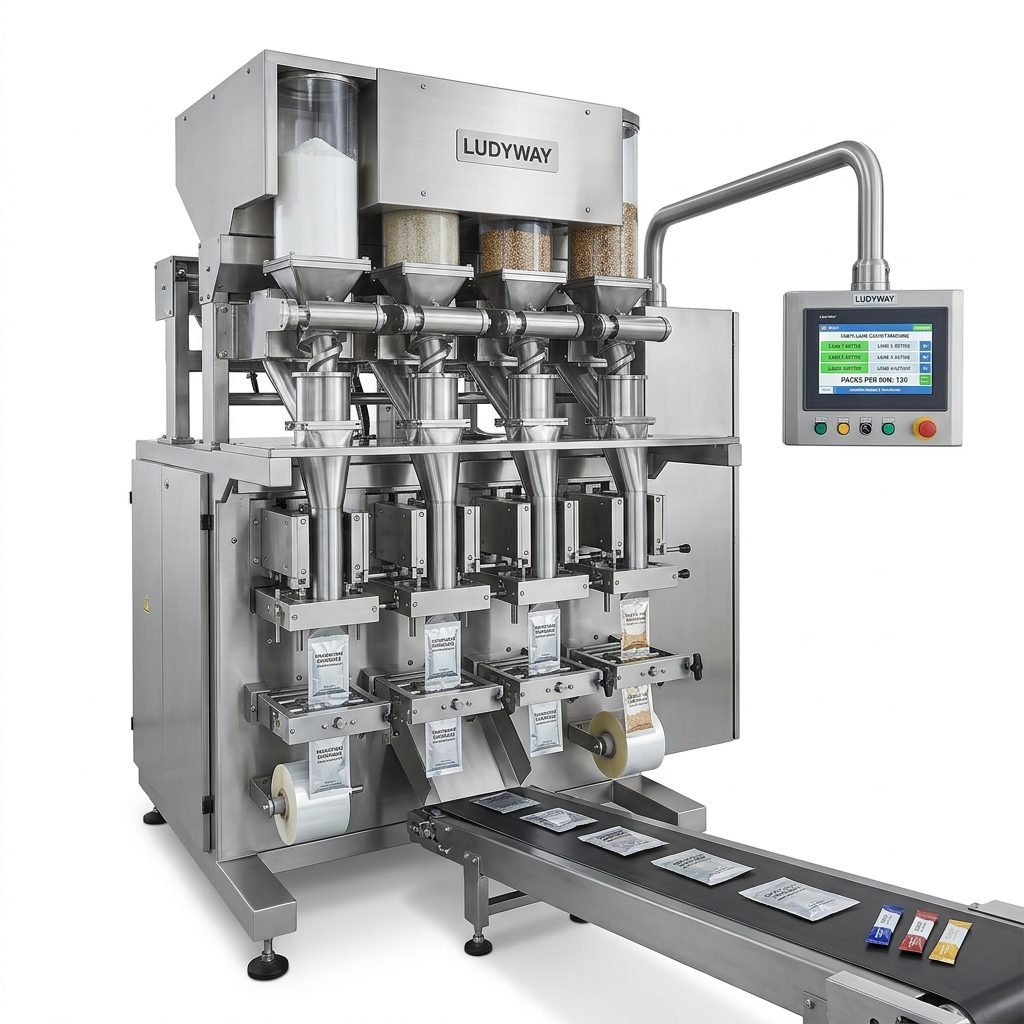
The dosing system is the heart of any straw packing machine, and its precision determines your product giveaway rates, regulatory compliance, and customer satisfaction. For powder and granule applications, auger fillers offer consistent volumetric dosing for free-flowing to semi-free-flowing materials, while multi-head weighers deliver gravimetric accuracy ideal for high-value formulations where every gram matters. According to packaging industry standards, acceptable fill accuracy deviations depend on product type and declared net weight, but modern automated systems typically achieve ±0.5% to ±1.5% accuracy under stable operating conditions.
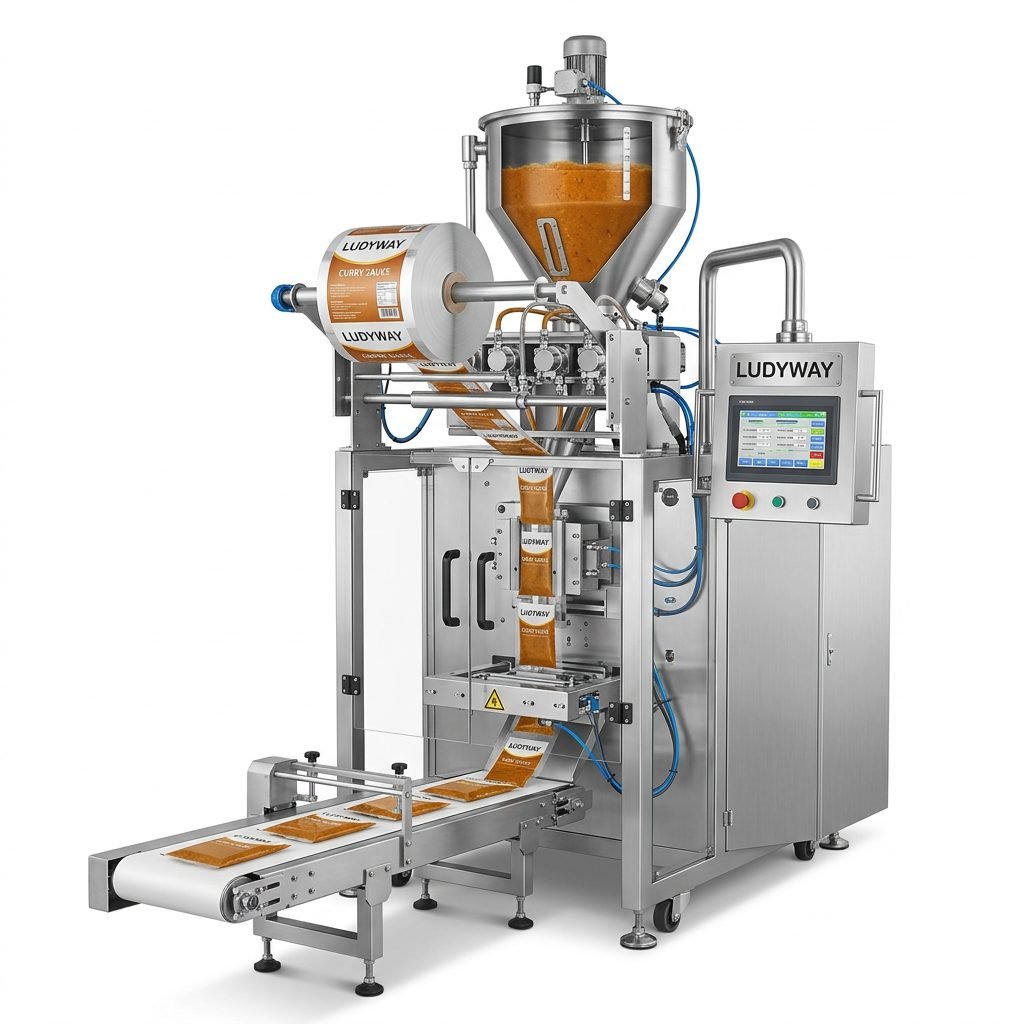
Liquid straw packing applications require different metering technologies. Piston fillers handle a wide viscosity range from water-thin liquids to thick gels. Peristaltic pumps offer clean-in-place advantages and precise small-volume dispensing. Magnetic flow meters provide high-speed, high-accuracy filling for conductive liquids. When evaluating a straw packing machine, request documented accuracy data at your target fill volumes and speeds—not just idealized laboratory performance.
Packaging Material Compatibility and Seal Integrity
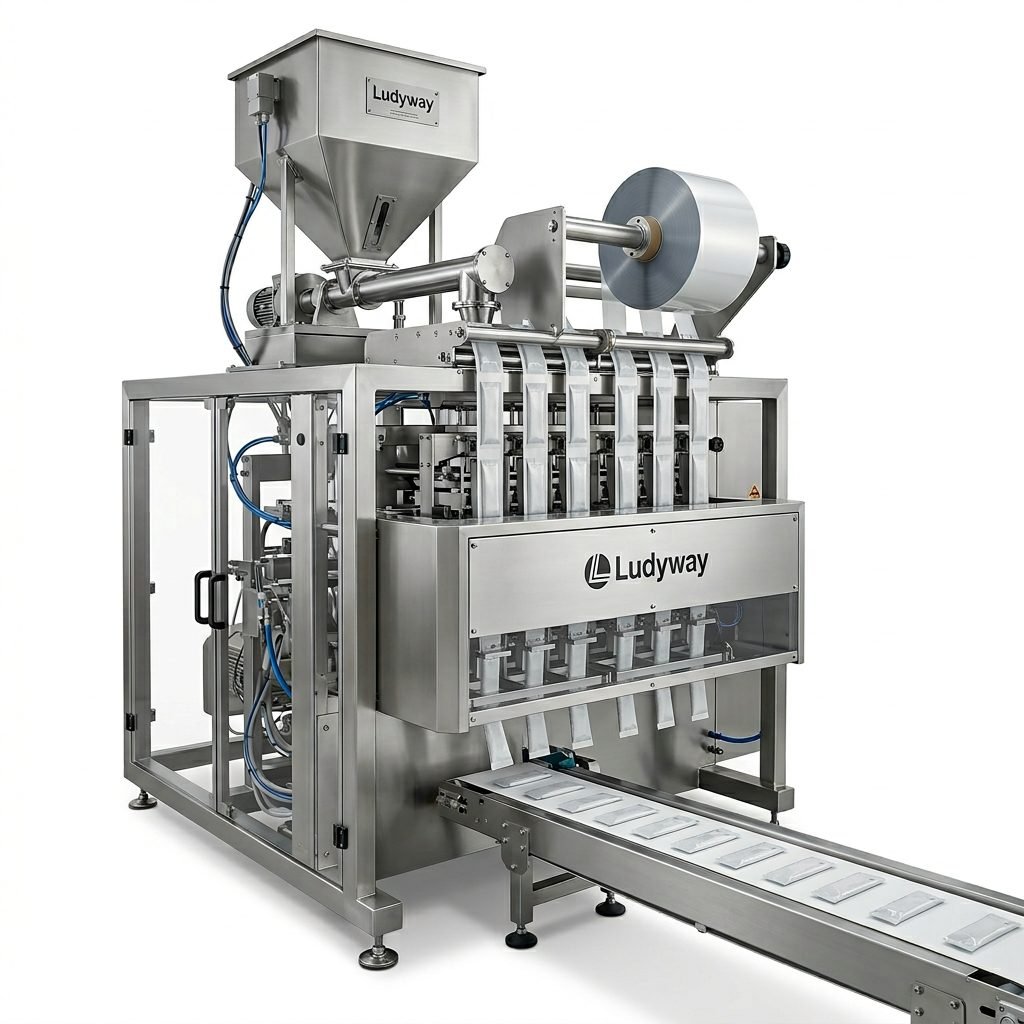
Your choice of packaging film or laminate directly influences the machine’s sealing system requirements. Multi-layer laminates—common in flexible packaging applications—often combine PET, aluminum foil, and polyethylene layers for barrier protection. The straw packing machine must achieve consistent seal strength across all lanes at production speed without compromising film integrity.
Key sealing technology considerations include:
- Heated jaw design – Serrated vs. flat sealing patterns affect peelability and shelf-life performance.
- Temperature control precision – Individual lane temperature monitoring prevents cold seals or film burn-through.
- Seal dwell time – Adjustable under high-speed conditions to ensure hermetic seals on each pack.
- Film tracking systems – Automatic web guiding compensates for film roll variations and prevents misaligned seals.
- Registered vs. non-registered film support – Printed films with registration marks require photoelectric sensor systems for accurate cut placement.
Automation Level and Line Integration Capabilities
Modern straw packing machines range from semi-automatic standalone units to fully integrated turnkey packaging lines. The automation level you choose should reflect your current labor cost structure, desired throughput, and future scalability plans. A semi-automatic system may suit startups and R&D-scale production, where lower capital expenditure and operational flexibility are priorities. A fully automated multi-lane machine with automatic feeding, checkweighing, reject systems, and downstream cartoning reduces labor dependency and improves overall equipment effectiveness.

When procuring equipment, you may work with packaging machinery manufacturers that specialize in integrated solutions. For example, Ludyway Machinery, a China-based packaging machinery manufacturer with over 30 years of industry experience, provides turnkey packaging systems that connect multiple stages of the packaging process—from dosing and filling to sealing, coding, inspection, and cartoning. This approach enables manufacturers to work with a single partner for equipment selection, system integration, customization, installation, commissioning, and technical support. The company serves customers in more than 100 countries and regions, with its packaging machinery configured for different production speeds, filling volumes, packaging materials, and bag formats. Such integrated solutions can be particularly valuable for manufacturers looking to automate manual packaging processes or introduce new packaging formats into an existing production line.
Speed, Uptime, and Overall Equipment Effectiveness
While maximum rated speed is often the headline specification, smart buyers evaluate sustainable running speed—the speed at which the straw packing machine can operate continuously with minimal rejects and stoppages. A machine rated at 600 packs per minute may only deliver 450–500 packs per minute in real production conditions due to film splices, product inconsistencies, and periodic cleaning cycles. Request documented uptime data from potential suppliers, and if possible, speak directly with existing customers about their actual production experiences.
Regulatory Compliance and International Standards
For manufacturers exporting to regulated markets, equipment compliance with FDA food packaging regulations or relevant ISO packaging standards is non-negotiable. Depending on your industry and target market, applicable standards may include cGMP requirements for pharmaceutical packaging, food-contact material compliance, and machinery safety directives such as CE marking for the European market. Verify that the manufacturer can provide the appropriate certification and compliance documentation for your specific equipment configuration and intended markets.
Evaluating Total Cost of Ownership
The purchase price of a straw packing machine represents only one component of its total cost of ownership. A comprehensive cost analysis should include:
- Initial capital expenditure – Machine cost, shipping, installation, and commissioning.
- Operational costs – Energy consumption, compressed air usage, labor requirements, and consumables such as sealing jaws and cutting blades.
- Maintenance and spare parts – Availability of critical spare parts, recommended preventive maintenance intervals, and technical support responsiveness.
- Changeover efficiency – Downtime between product or format changes significantly impacts overall line productivity, especially for multi-product operations.
- Material waste rates – Film waste during startups, splices, and reject cycles accumulates into substantial annual costs at high production volumes.
- Training and operator proficiency – Machines with intuitive interfaces and accessible training resources reduce the learning curve and minimize operator errors.
After-Sales Support and Long-Term Partnership
Your relationship with the equipment manufacturer extends well beyond the initial sale. Evaluate potential suppliers on their technical support infrastructure, including remote troubleshooting capabilities, on-site service availability, and spare parts logistics in your region. A manufacturer with established global service networks and documented response times provides a level of operational security that protects your production schedule. Ask about warranty terms, equipment documentation, operator training programs, and whether the manufacturer offers ongoing technical assistance throughout the project lifecycle.
For those seeking further market intelligence, the PMMI State of the Industry reports provide valuable data on packaging machinery market trends, technology adoption rates, and industry growth projections. The Flexible Packaging Association’s industry resources also offer insights into material innovations and sustainability developments that may influence your long-term packaging strategy.

Making Your Final Decision
Selecting the right straw packing machine is fundamentally about aligning your product characteristics, production requirements, regulatory obligations, and growth strategy with the capabilities of the equipment. Start by thoroughly documenting your product specifications and target throughput. Request detailed proposals from qualified manufacturers, and evaluate them against the criteria outlined in this guide—not just on price. Where possible, arrange on-site machine demonstrations with your actual product, and speak with reference customers about their experiences. A methodical, data-driven selection process minimizes risk and positions your operation for reliable, efficient, and scalable packaging performance well into the future. The right investment today can transform your production efficiency and open new market opportunities tomorrow.