Investing in a chocolate packaging machine for the European market requires careful planning. Whether you are producing chocolate bars, pralines, powder, or stick packs, the right equipment directly impacts your product quality, shelf life, and overall operational efficiency. European buyers face unique challenges, including strict food safety regulations, diverse packaging material standards, and high expectations for automation and sustainability. This guide breaks down the types of chocolate packaging machines available, explores the key features to evaluate, and provides a clear overview of costs to help you make an informed purchasing decision.
Types of Chocolate Packaging Machines
Understanding the different types of chocolate packaging machinery is essential. Each type serves a specific production need, and selecting the wrong one can lead to costly bottlenecks. Here are the most common categories relevant to European manufacturers:
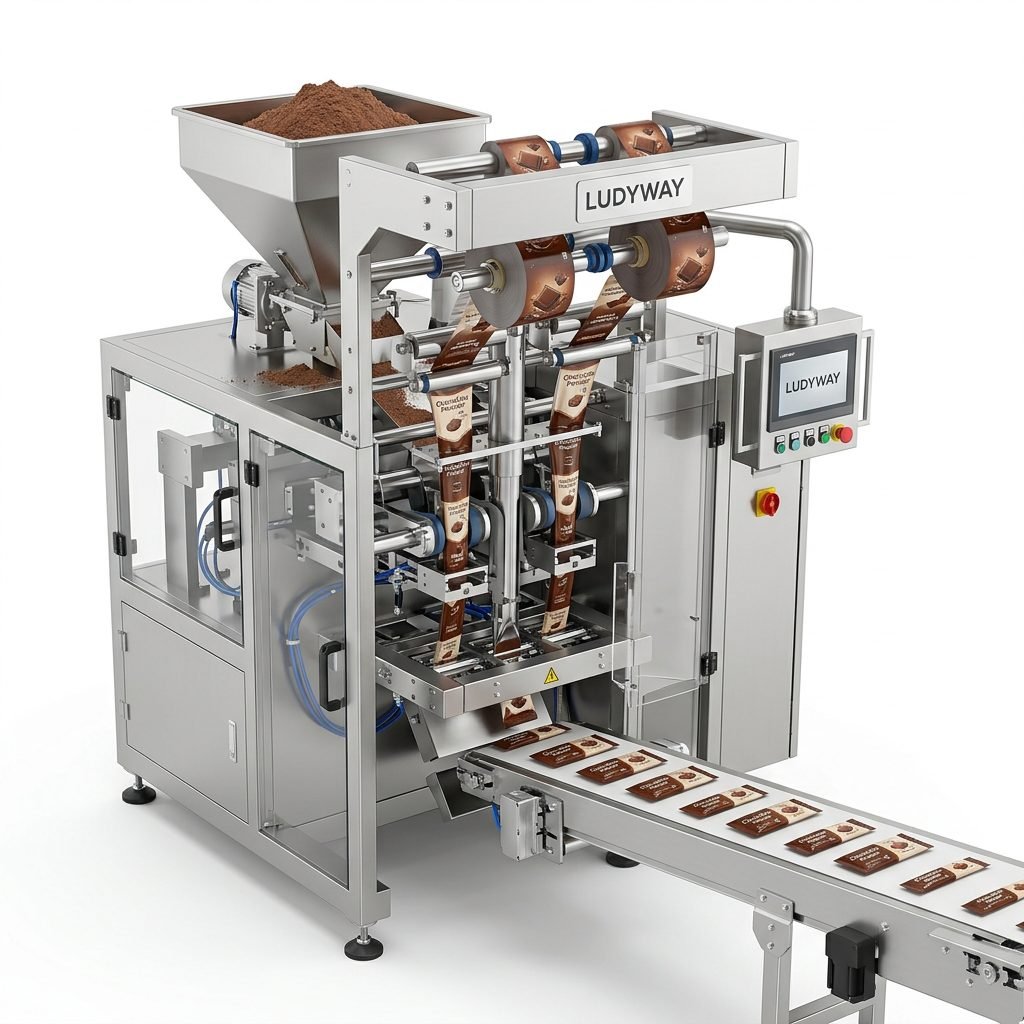
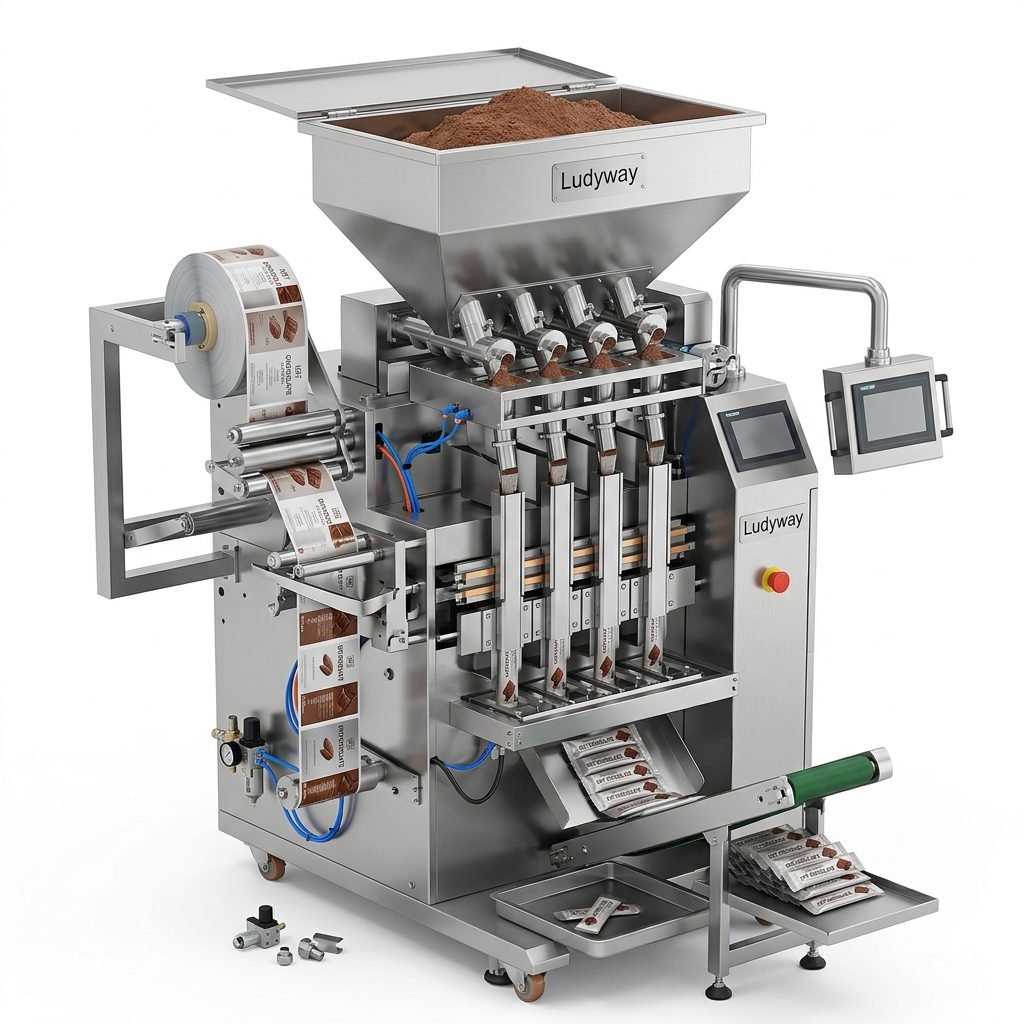
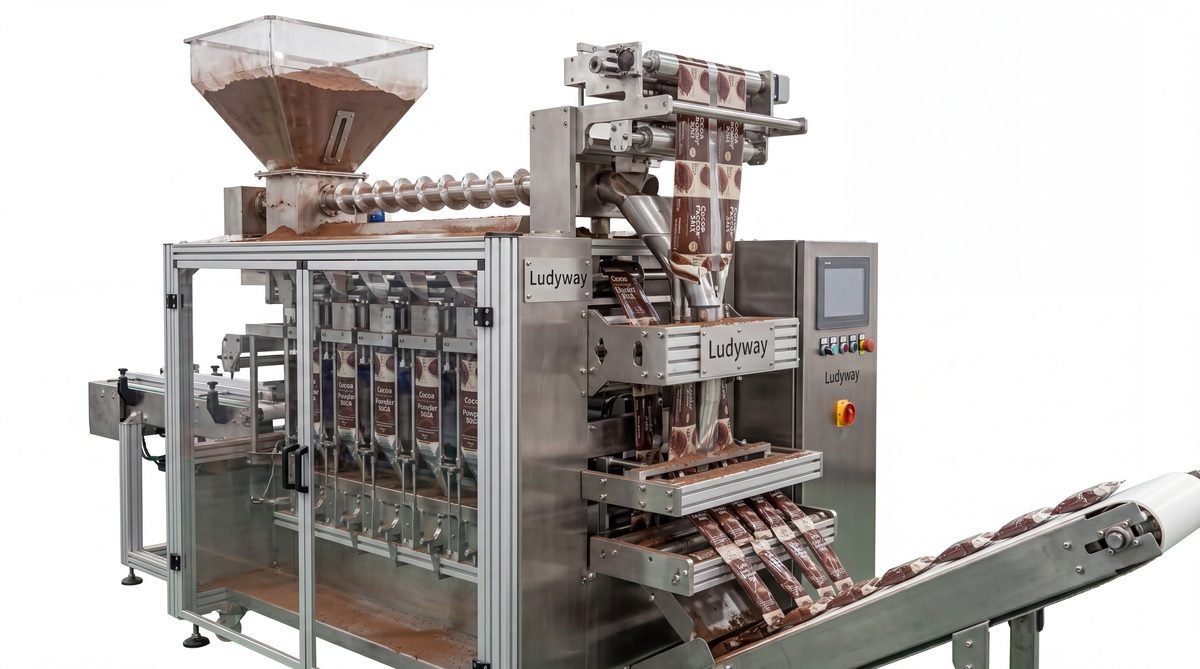
Multi-Lane Stick Pack Machines
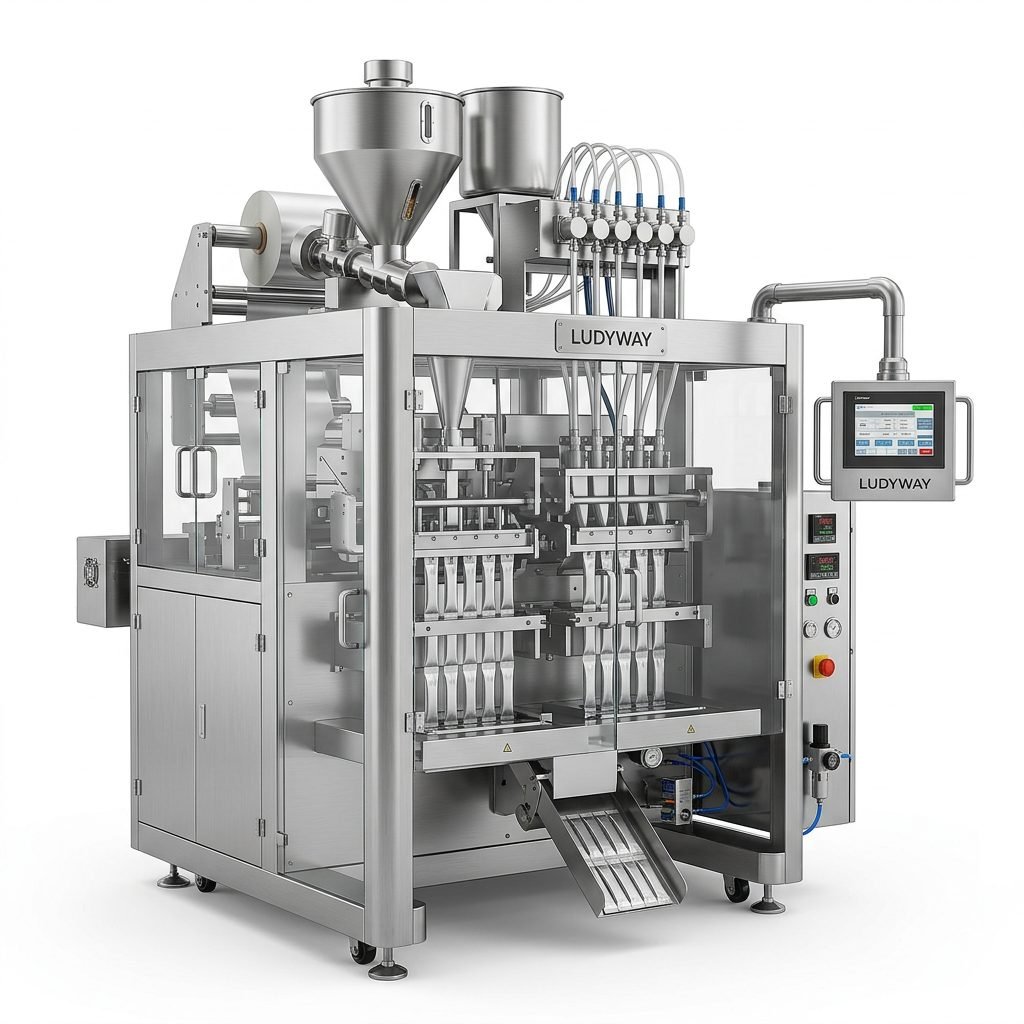
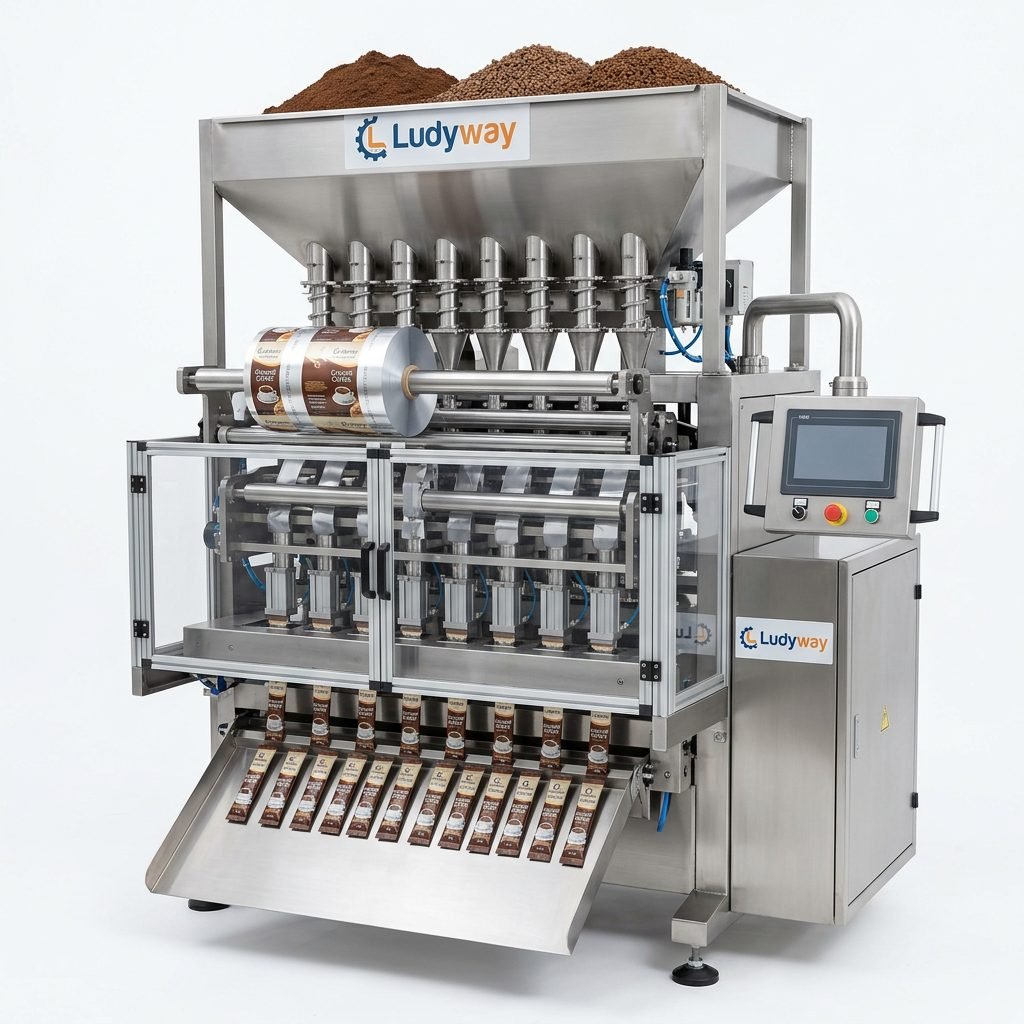
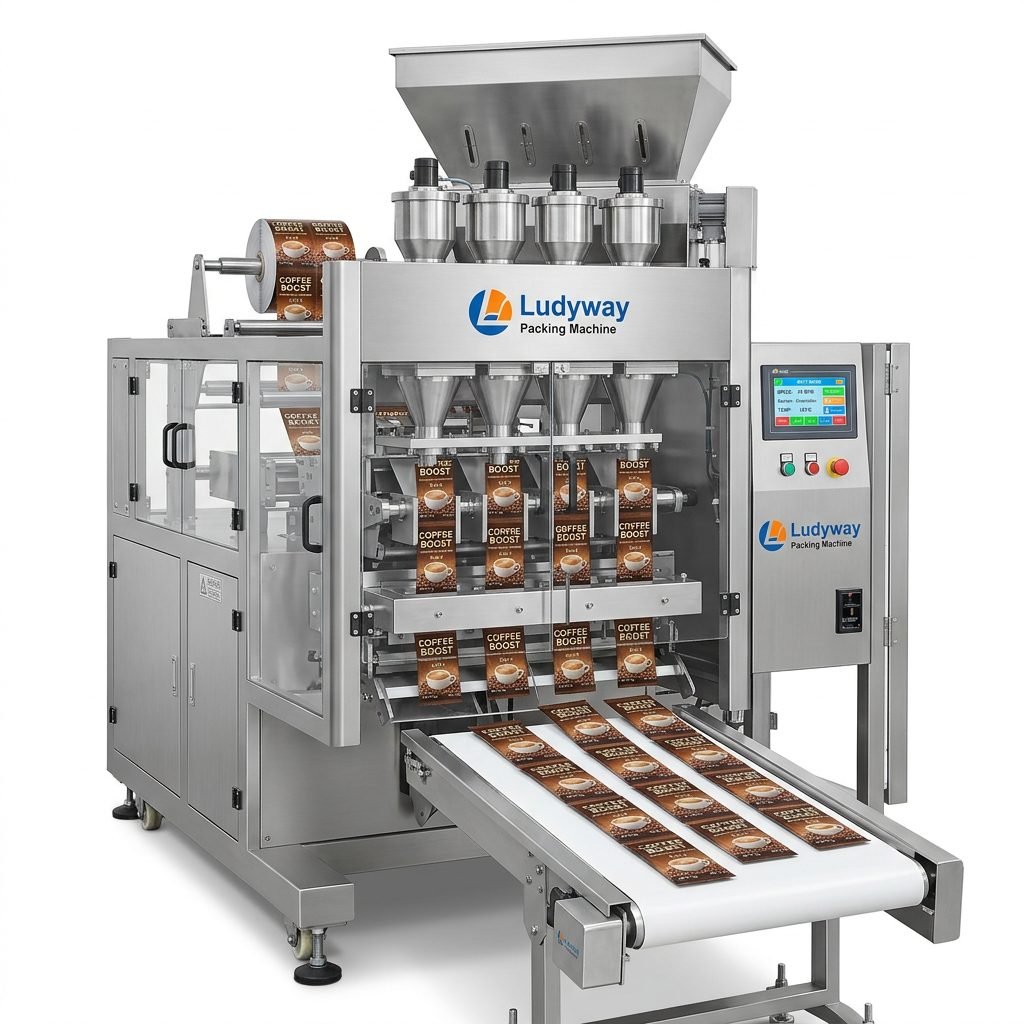
These machines are ideal for single-serve chocolate powder and instant hot chocolate products. A multi-lane stick pack machine can produce multiple narrow sachets simultaneously, significantly increasing throughput. European consumers favour convenient, portion-controlled packaging, making stick packs a popular format in retail and foodservice channels.
Sachet and Pouch Packaging Systems
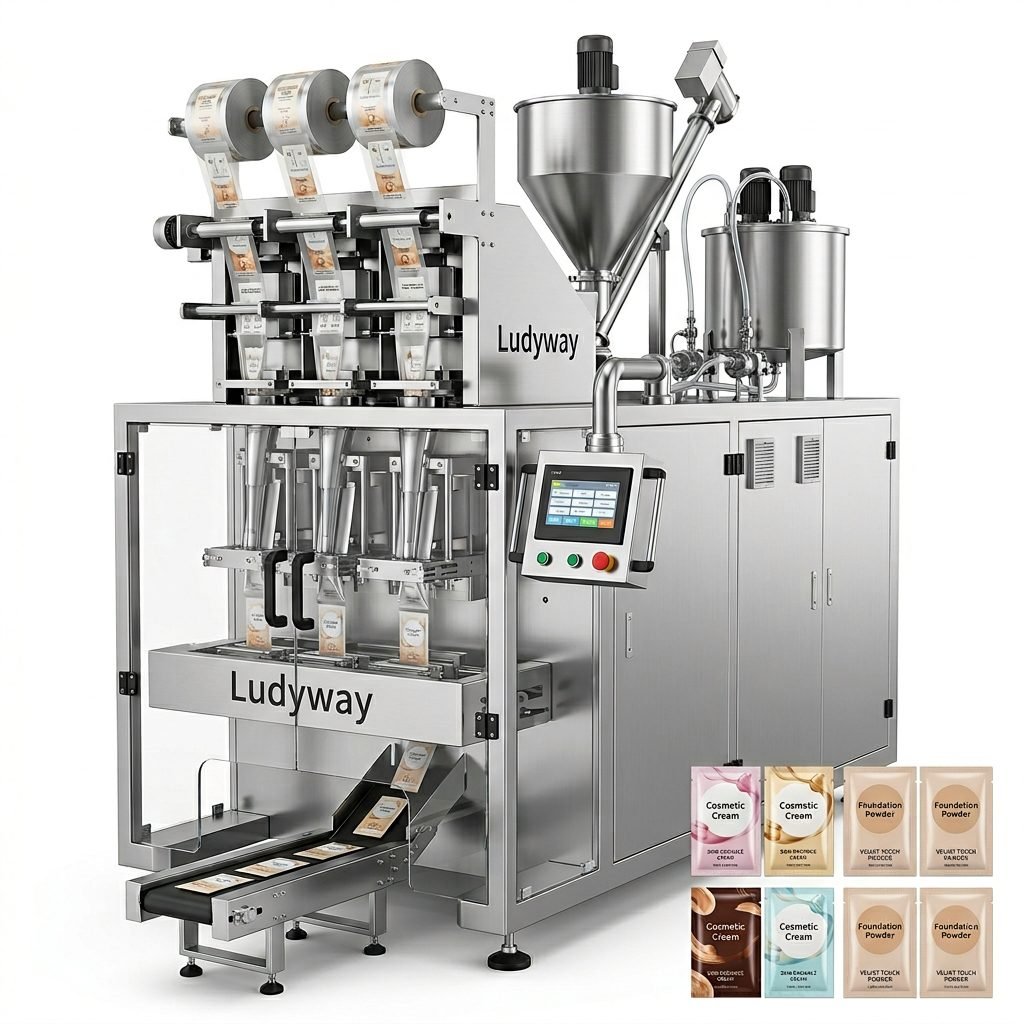
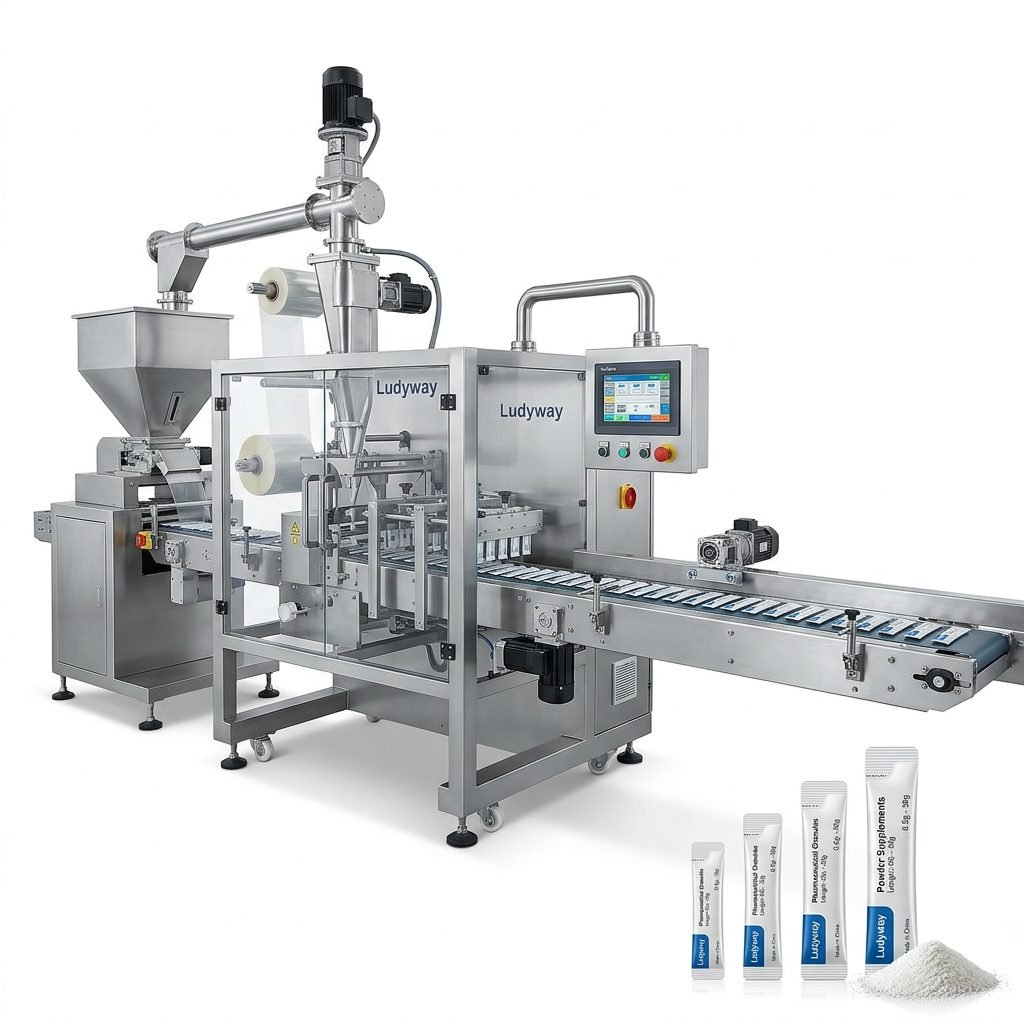
For larger portions of chocolate powder, cocoa mixes, or even chocolate-coated snacks, sachet packaging machines offer flexibility in bag dimensions and materials. These systems handle a variety of film types, including recyclable mono-materials that align with EU packaging waste directives.
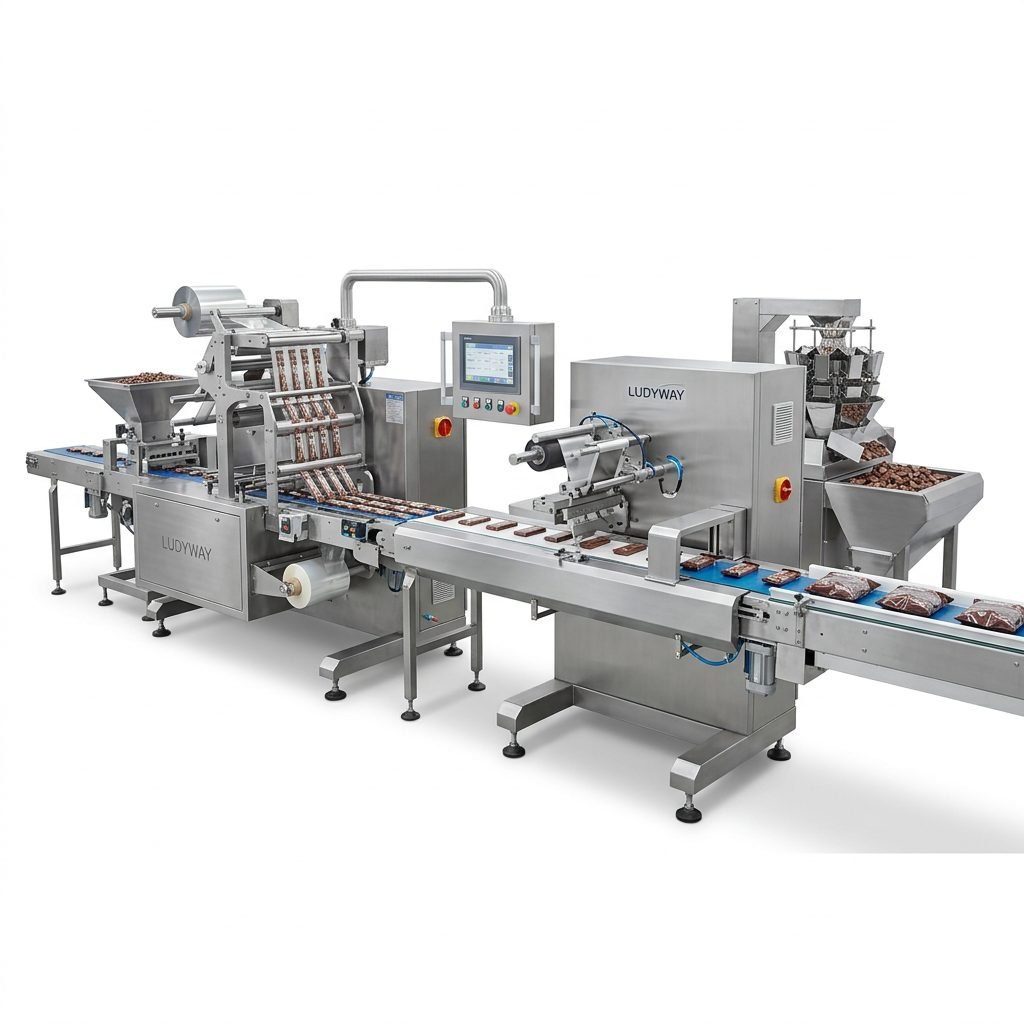
Flow Wrapping and Horizontal Packaging Lines
Solid chocolate products such as bars, tablets, and praline trays are typically packaged using horizontal flow wrapping machines. These systems wrap individual products in airtight film, preserving freshness and preventing fat bloom. European chocolate makers often require modified atmosphere packaging (MAP) capabilities to extend shelf life without preservatives.
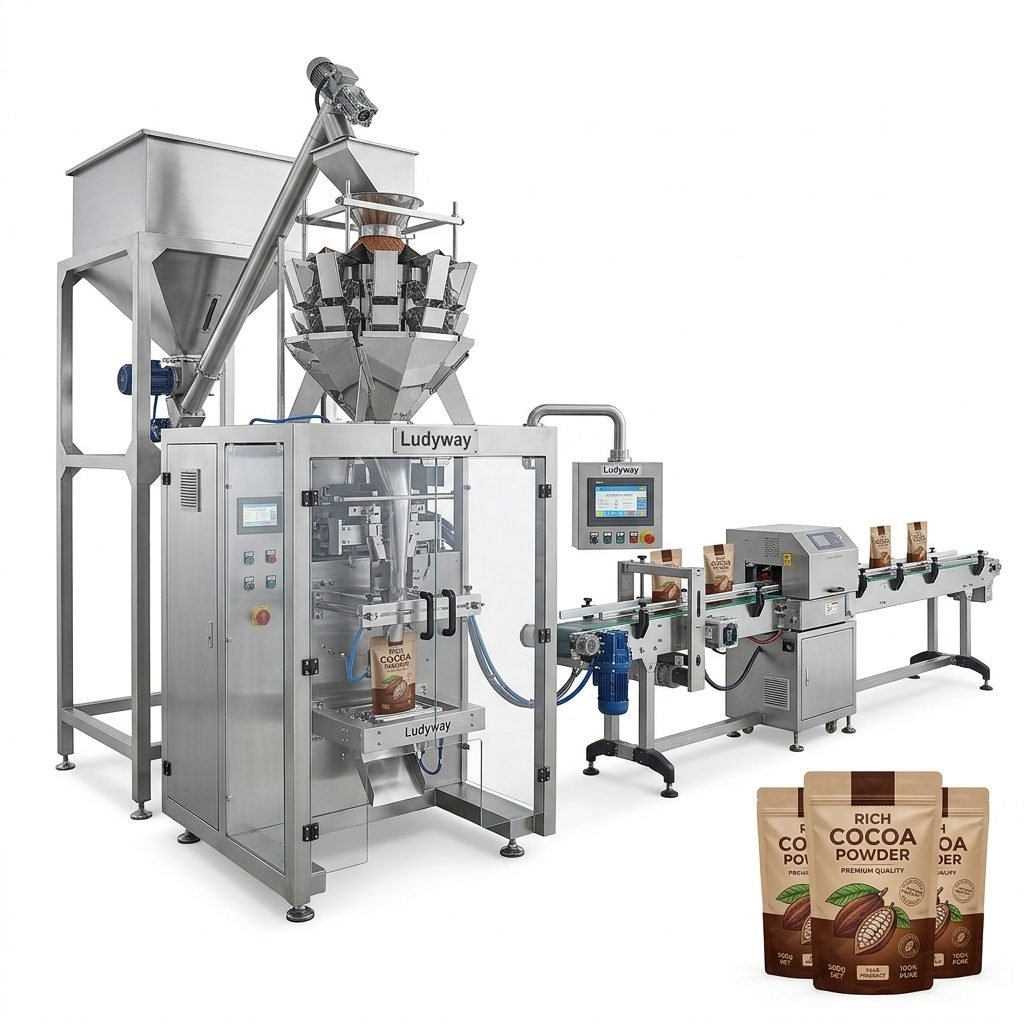
Vertical Form Fill Seal (VFFS) Machines
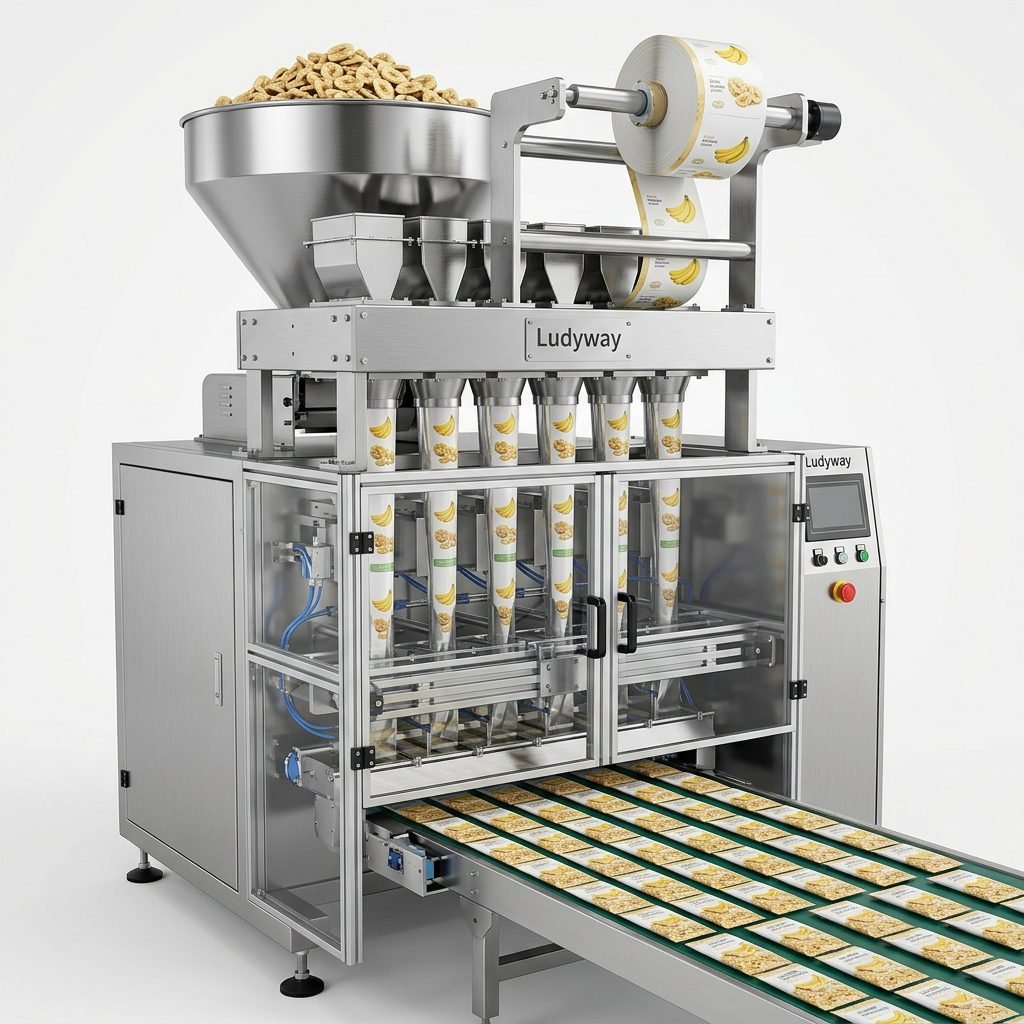
VFFS technology is widely used for granule and powder chocolate products. The machine forms a bag from a flat roll of film, fills it with product, and seals it in one continuous motion. These versatile systems can produce pillow bags, gusseted pouches, and quad-seal packs suitable for wholesale and bulk distribution.
Key Features to Evaluate Before Buying
Not all chocolate packaging machines are built the same. European production environments demand specific capabilities. Below is a comparison of essential features to assess when comparing different models and suppliers:
| Feature | Why It Matters for Chocolate | European Market Relevance |
|---|---|---|
| Temperature Control | Chocolate melts at low temperatures; sealing jaws and filling zones must stay cool to prevent product degradation. | Essential for maintaining EU food quality standards and avoiding waste during summer production runs. |
| Precision Weighing & Dosing | Accurate portion control for expensive cocoa powder and chocolate granules ensures profitability and regulatory compliance. | Meets ISO packaging standards for net content verification required across EU member states. |
| Film Compatibility | Machines must handle various film types, including recyclable and biodegradable materials increasingly mandated in Europe. | Directly impacts compliance with the EU Packaging and Packaging Waste Regulation (PPWR). |
| Automation Level | Fully automatic lines reduce labour costs and human error in chocolate handling, where hygiene is critical. | European labour costs make high automation a key ROI driver for packaging investments. |
| Cleaning & Maintenance | Tool-free disassembly and CIP (Clean-in-Place) capability minimise downtime between chocolate product changeovers. | Supports HACCP compliance and cross-contamination prevention for allergen management. |
Cost Considerations for European Buyers
Budgeting for a chocolate packaging line involves more than the initial equipment price. European buyers should account for several cost factors:
- Machine category and capacity: Entry-level semi-automatic machines may start around €15,000–€30,000, while high-speed multi-lane stick pack systems with full automation can range from €80,000 to €250,000 or more depending on lanes, features, and customisation.
- CE certification and documentation: Machines sold in Europe must carry CE marking. Ensure your supplier provides full technical documentation, risk assessments, and declarations of conformity. Retrofitting non-compliant equipment can be expensive.
- Shipping, import duties, and VAT: When sourcing from outside the EU, factor in logistics, customs clearance, and local VAT rates. These can add 15%–25% to the total landed cost.
- Installation, training, and after-sales support: Comprehensive on-site installation, operator training, and ongoing technical support are essential for chocolate producers. Confirm whether these services are included or charged separately.
- Spare parts and long-term maintenance: Evaluate the availability of spare parts within Europe and the supplier’s service response times before committing.
European Regulations and Sustainability Requirements
Compliance with European regulations is non-negotiable. The EU Packaging and Packaging Waste Regulation (PPWR) sets ambitious targets for packaging reduction, recyclability, and recycled content. Chocolate manufacturers must ensure their packaging machinery can handle recyclable mono-materials and lightweight films without compromising seal integrity or production speed.
Additionally, flexible packaging standards continue to evolve. Machines should be adaptable to future material innovations. Food contact compliance under EU Regulation (EC) No 1935/2004 is mandatory for all packaging materials and processes. Always verify that your equipment supplier understands these regulatory frameworks and designs machinery accordingly.
Selecting the Right Supplier
Choosing a supplier with proven expertise in chocolate packaging applications is critical. Look for manufacturers who offer:
- A broad portfolio of packaging machine models suitable for granule, powder, liquid, and solid chocolate products.
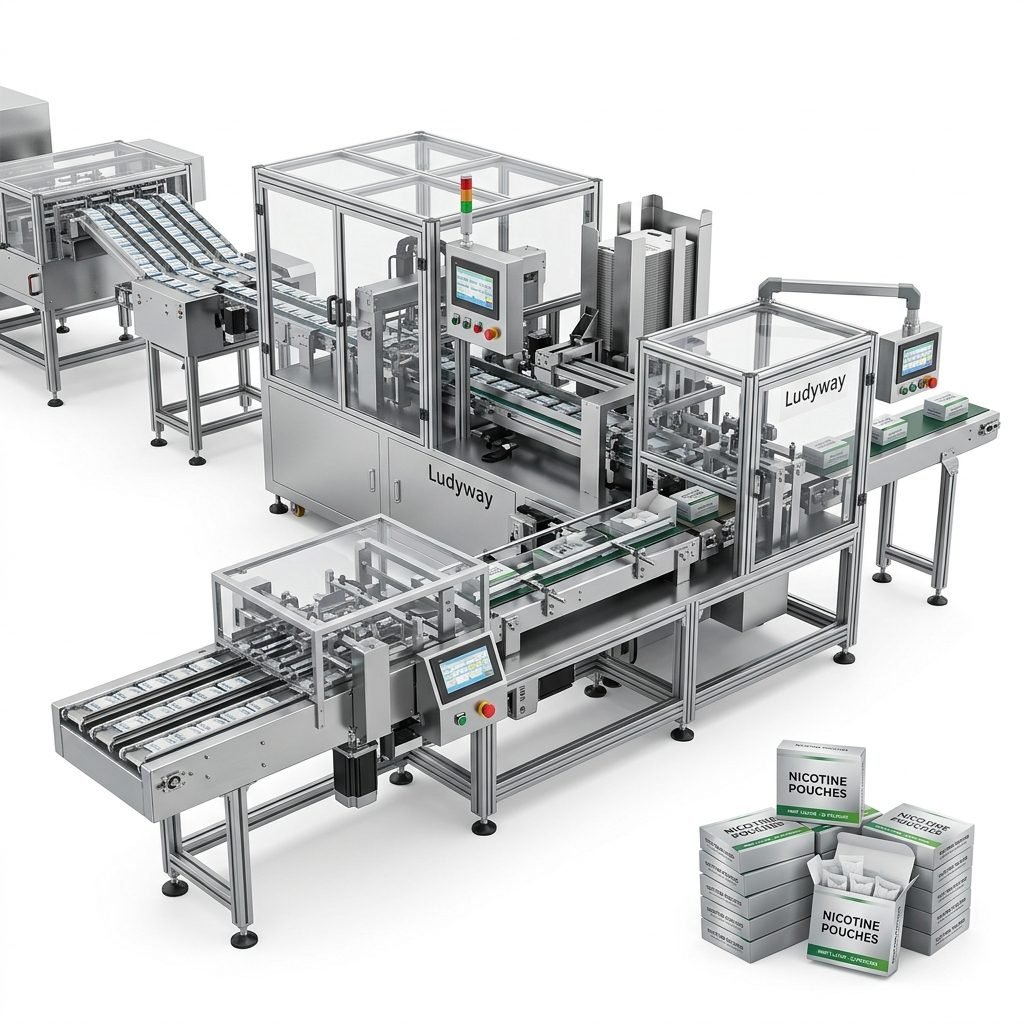
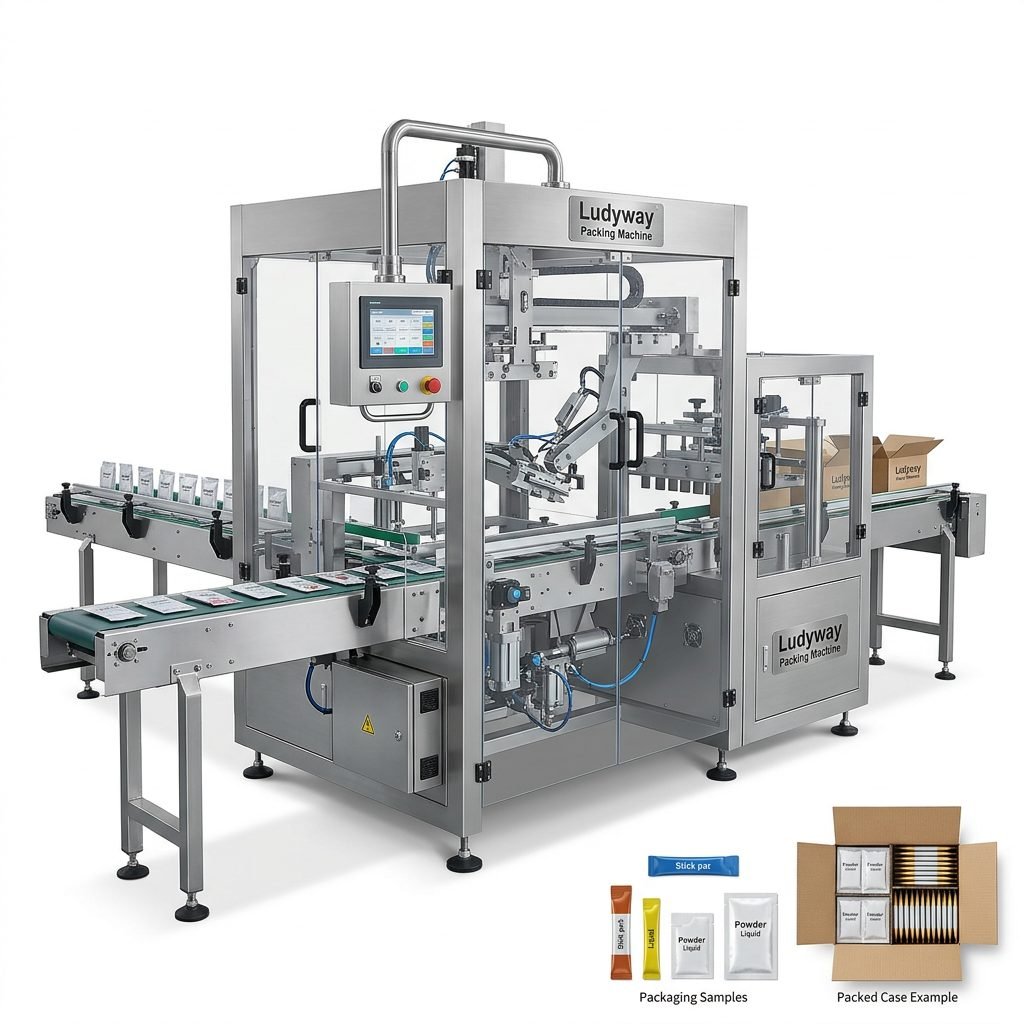
- Turnkey project capabilities, including upstream feeding and downstream cartoning and palletising systems.
- References from European customers in the confectionery and beverage sectors.
- Responsive technical support and readily available spare parts within the European region.
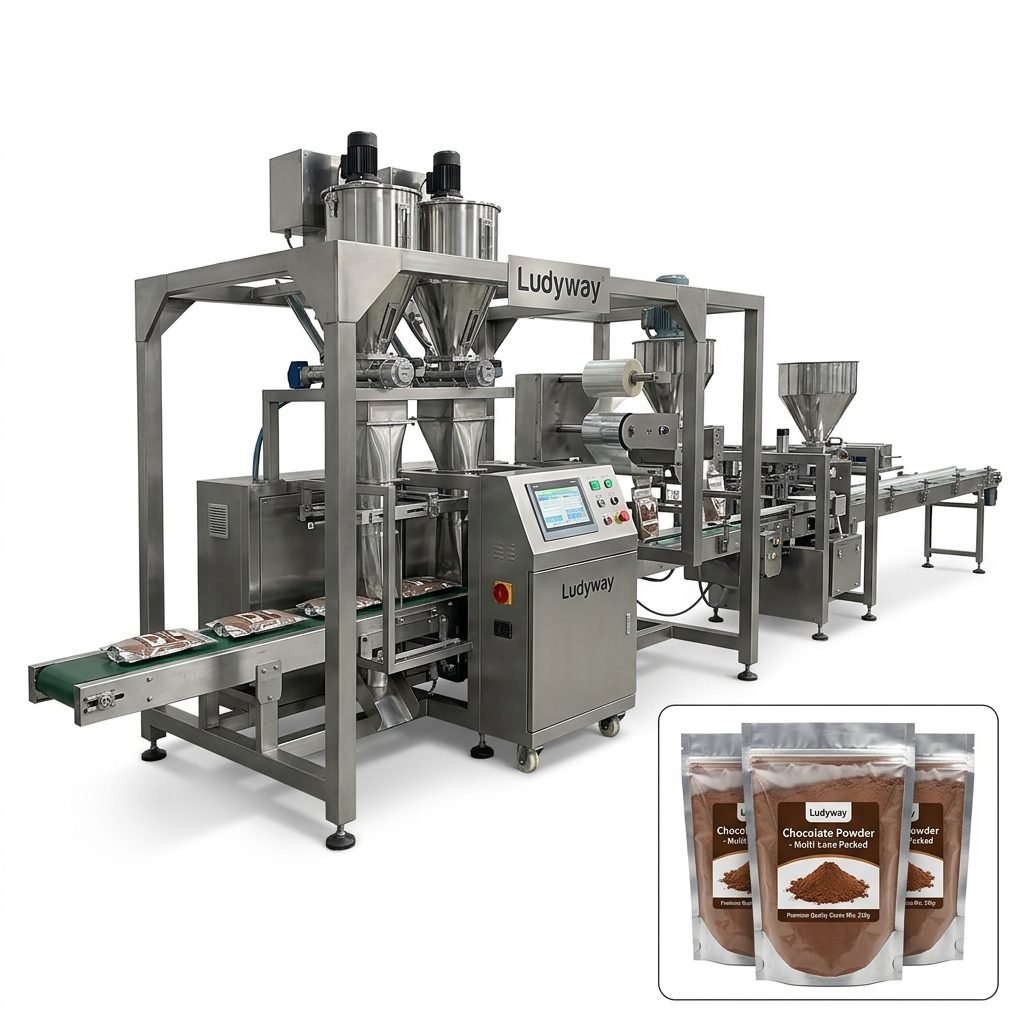
One established manufacturer serving global markets is Ludyway, which specialises in advanced packaging equipment for food, pharmaceutical, and health industries. With over 30 years of experience and a modern 20,000㎡ production facility, the company offers a wide range of intelligent packaging machines suitable for chocolate powder, stick pack, and sachet applications across Europe and beyond.
Making the Final Decision
Purchasing a chocolate packaging machine for the European market is a strategic investment. Start by clearly defining your production volume, packaging format, and sustainability goals. Compare machine specifications against your current and future needs, and prioritise suppliers with a strong European support network. A well-chosen packaging system will boost your productivity, ensure regulatory compliance, and strengthen your brand’s position in the competitive chocolate market.
For further industry insights, explore reports from PMMI Business Intelligence and the Flexible Packaging Association, which provide valuable data on packaging trends, machinery market forecasts, and material innovations shaping the European chocolate packaging landscape.