Selecting the right small sauce packaging machine for your production line in Southeast Asia is a critical decision that directly impacts operational efficiency, product quality, and long-term profitability. The region’s dynamic food and beverage sector, characterized by a high demand for single-serve sachets like chili sauce, ketchup, and soy sauce, requires equipment that is not only reliable but also adaptable to unique climatic and market conditions. This comprehensive buying guide will walk you through essential factors, from understanding local requirements to evaluating technical specifications and supplier credibility, ensuring you make an informed investment.
Understanding the Southeast Asian Sauce Market
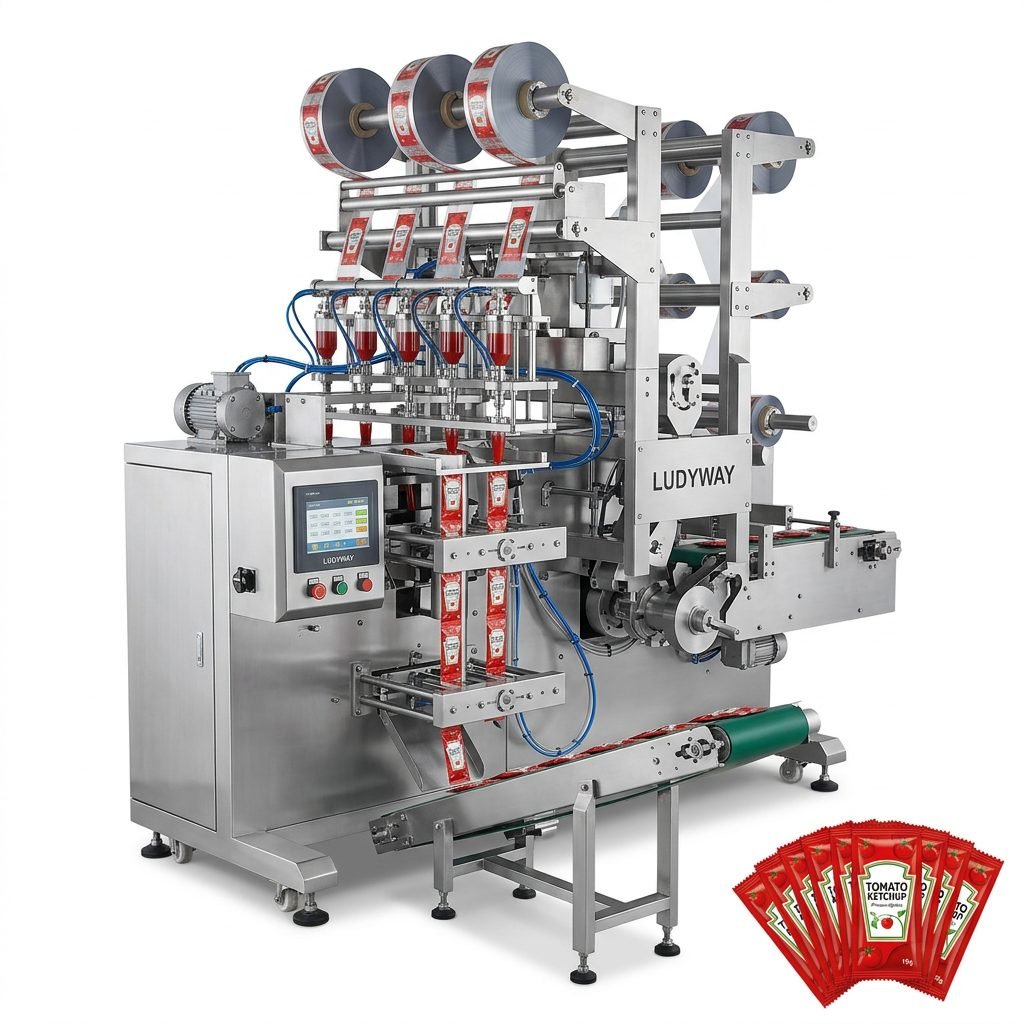
The packaging landscape in countries like Indonesia, Thailand, Vietnam, and the Philippines is dominated by small-format, affordable sachets. This model serves a vast consumer base and offers convenience. However, the high humidity and fluctuating ambient temperatures in this tropical region pose specific challenges. Your packaging machine must prevent moisture ingress and maintain seal integrity to avoid spoilage. Furthermore, the market favors high-speed, multi-lane machines for products like chili and tomato sauce to meet enormous volume demands while keeping production costs low. When sourcing equipment, look for features like corrosion-resistant materials and sealed electrical cabinets designed for tropical environments.
Key Machine Specifications to Evaluate
Before contacting a packaging machine manufacturer, you must define your production requirements. The technical specifications will determine the return on investment. Below is a breakdown of critical parameters.
| Specification | Relevance for Southeast Asia |
|---|---|
| Filling System | Piston fillers are precise for viscous sauces; suitable for sachet volumes from 5ml to 50ml. |
| Multi-Lane Capability | Essential for high-output markets; 4-lane to 12-lane models dramatically increase speed. |
| Material of Construction | SUS304 or SUS316 stainless steel is mandatory to resist acidic sauces and humid air corrosion. |
| Sealing Technology | Precise temperature control prevents leakage, crucial for oil-based or liquid condiments. |
Why Multi-Lane Stick Pack and Sachet Machines Excel
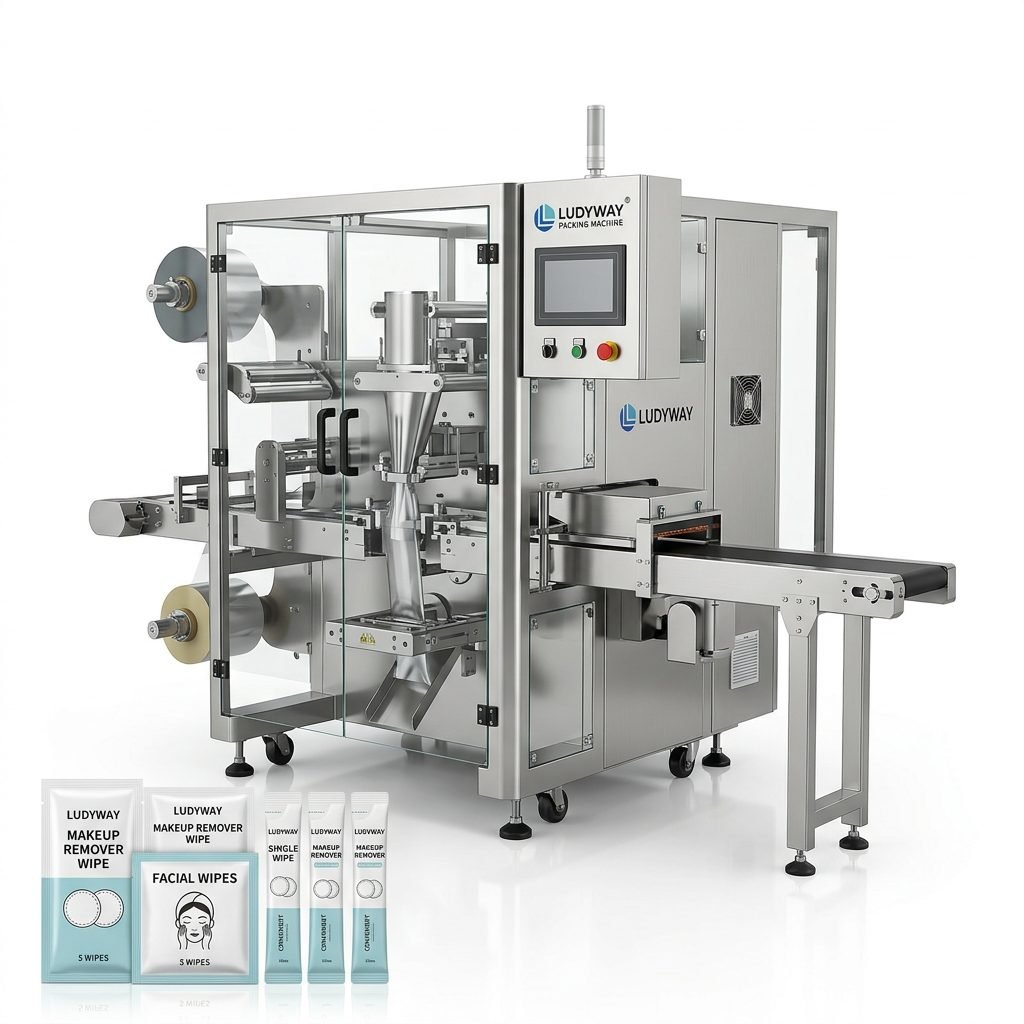
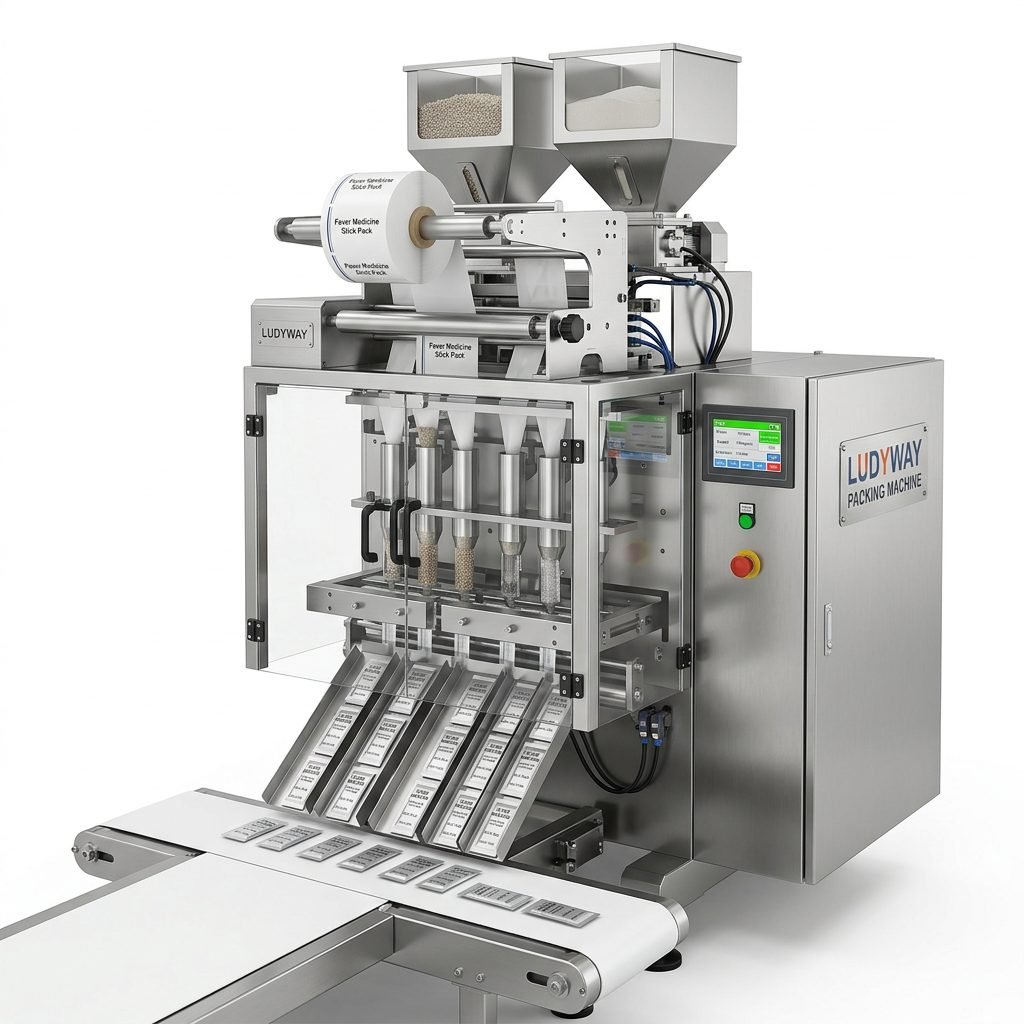
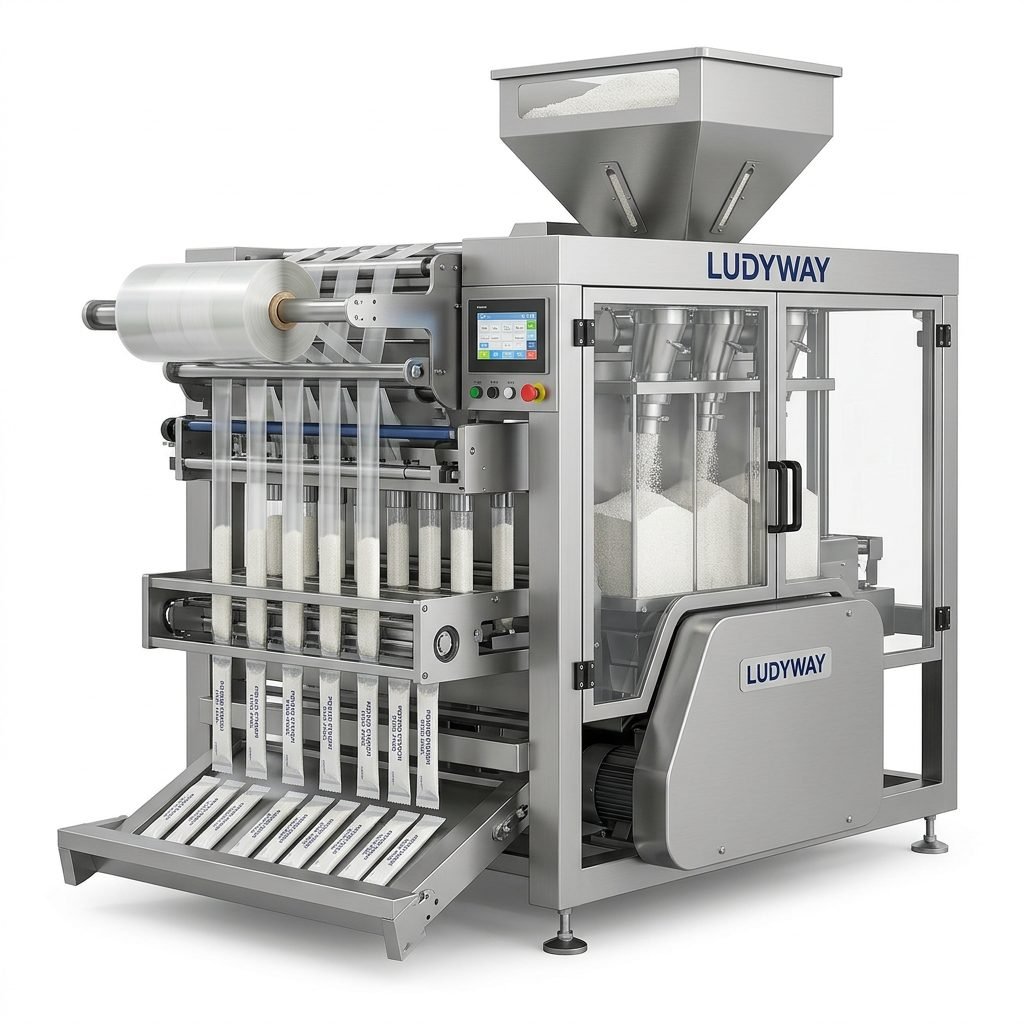
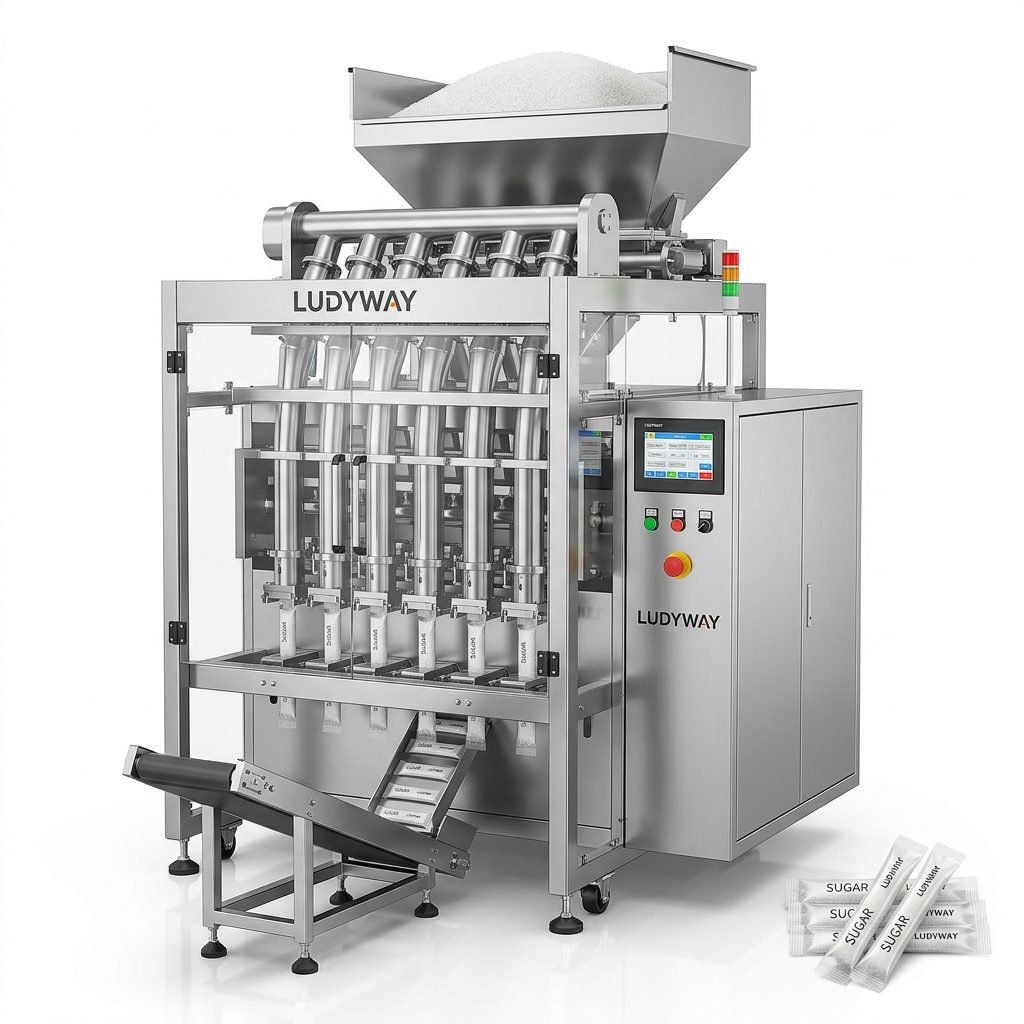
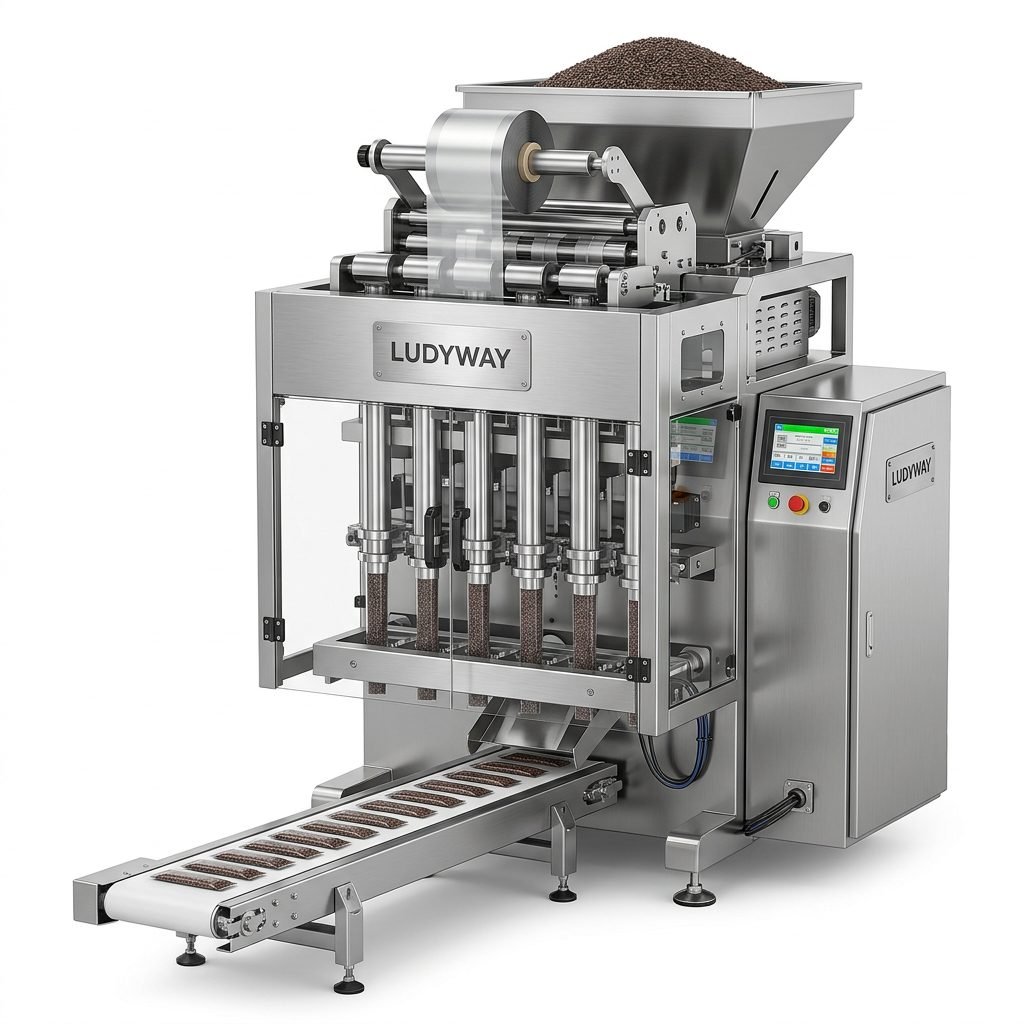
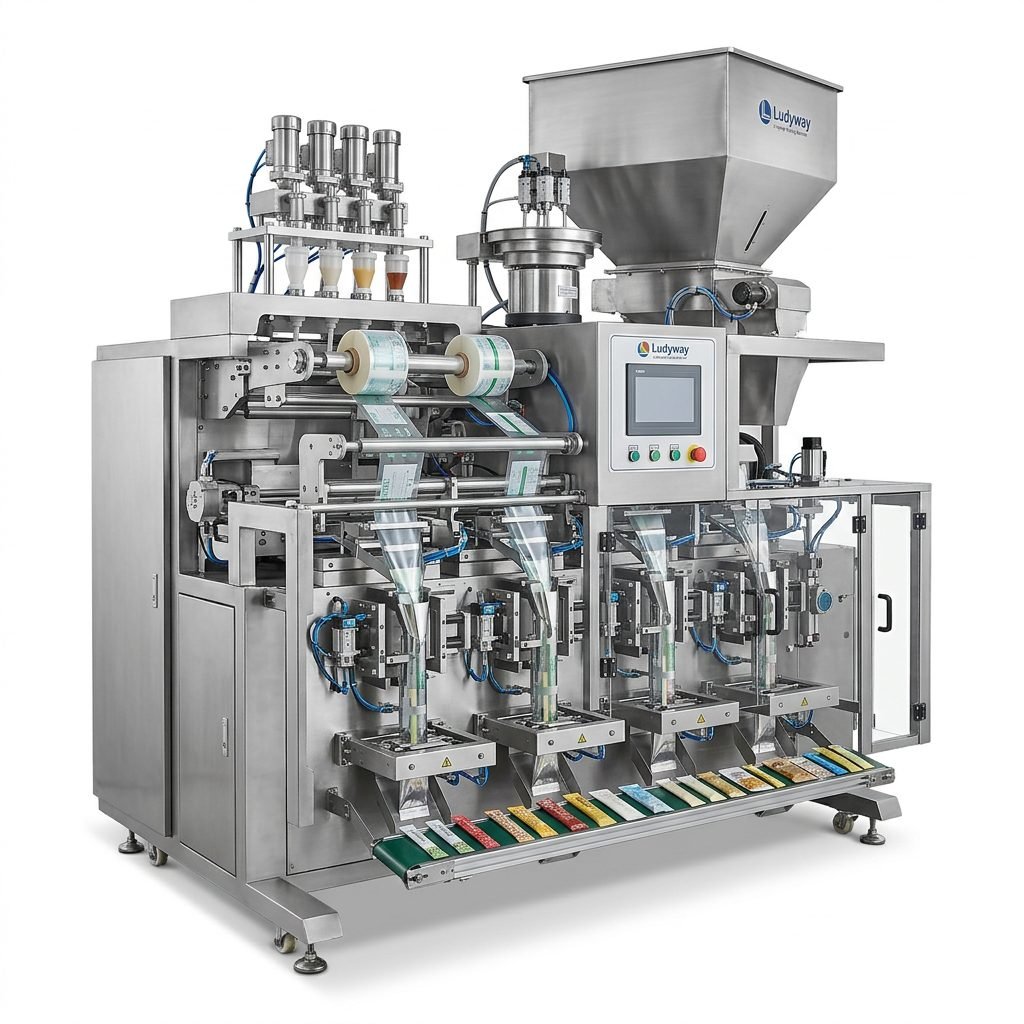
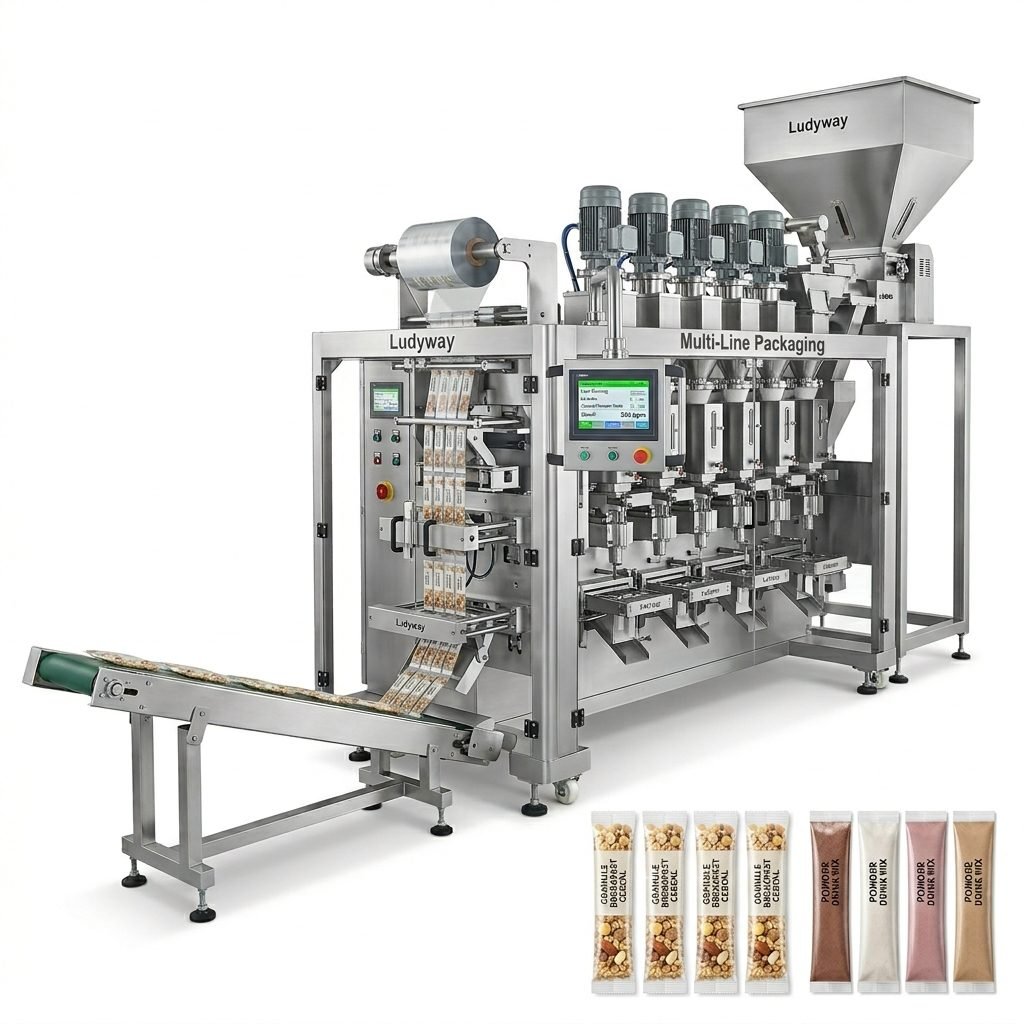
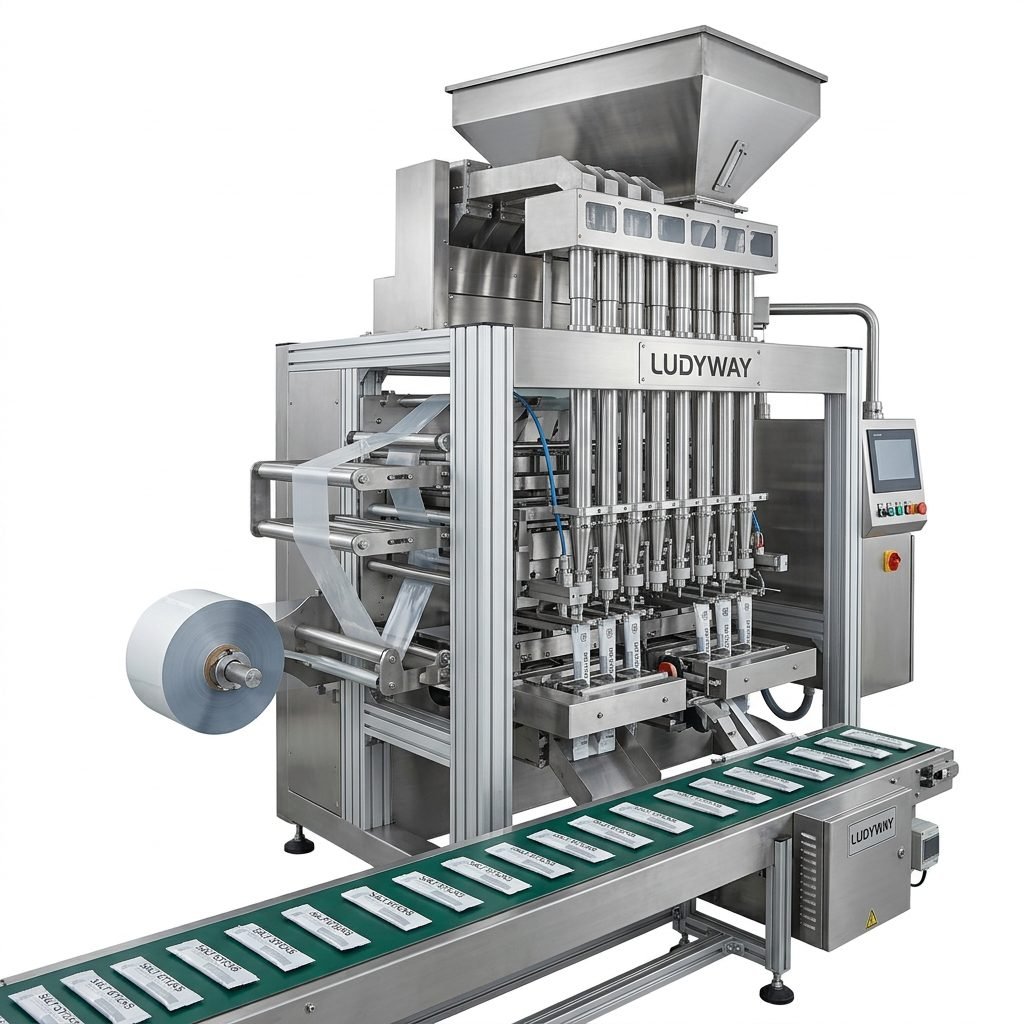
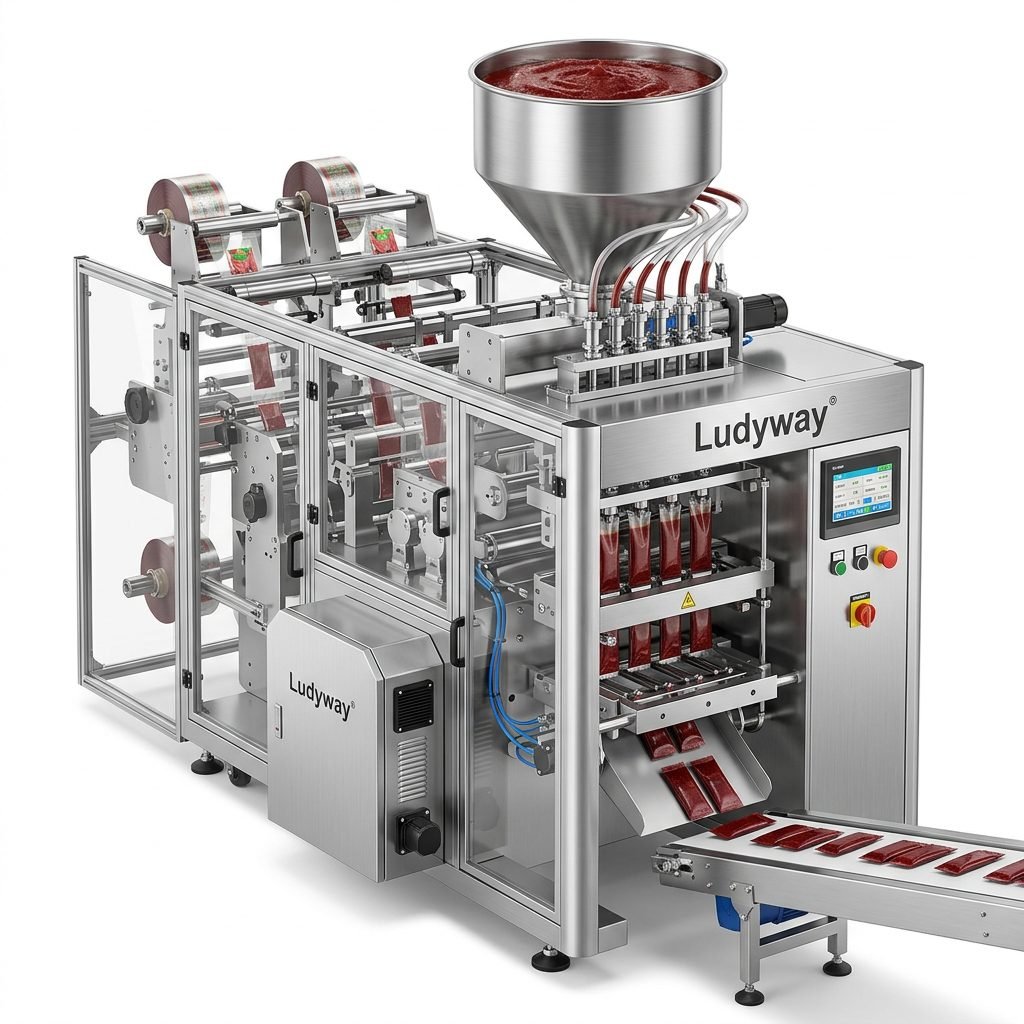
For small sauce packaging in this region, traditional single-lane equipment often falls short. Multi-lane stick pack and sachet machines have become the industry standard due to unparalleled efficiency. They enable manufacturers to produce multiple sachets in a single cycle, significantly reducing labor costs and production time. For example, a 6-lane machine packaging chili sauce can drastically increase output compared to a single-lane counterpart. Here are the key advantages:
- Maximized Production Output: Achieve higher packs-per-minute rates without increasing floor space proportionally.
- Reduced Operational Costs: Lower energy consumption and labor requirements per sachet produced.
- Superior Seal Integrity: Advanced vertical form-fill-seal technology ensures airtight seals, which is vital for liquid products in humid climates.
Navigating the Climate Challenge: Humidity and Corrosion
One of the most overlooked aspects when buying a small sauce packaging machine in Southeast Asia is environmental resilience. High humidity can cause powder clumping in conveyors and rapid degradation of non-treated metal parts. Liquid sauce spills combined with moisture accelerate rust. Consequently, you should prioritize machines with IP65-rated electrical components and food-grade stainless steel frames. Additionally, look for models with pneumatic systems that are sealed or have moisture traps to prevent erratic performance. Choosing a machine built with these considerations from the ground up ensures minimal downtime and consistent packaging quality.
Sourcing Smart: Local Supplier vs. Import
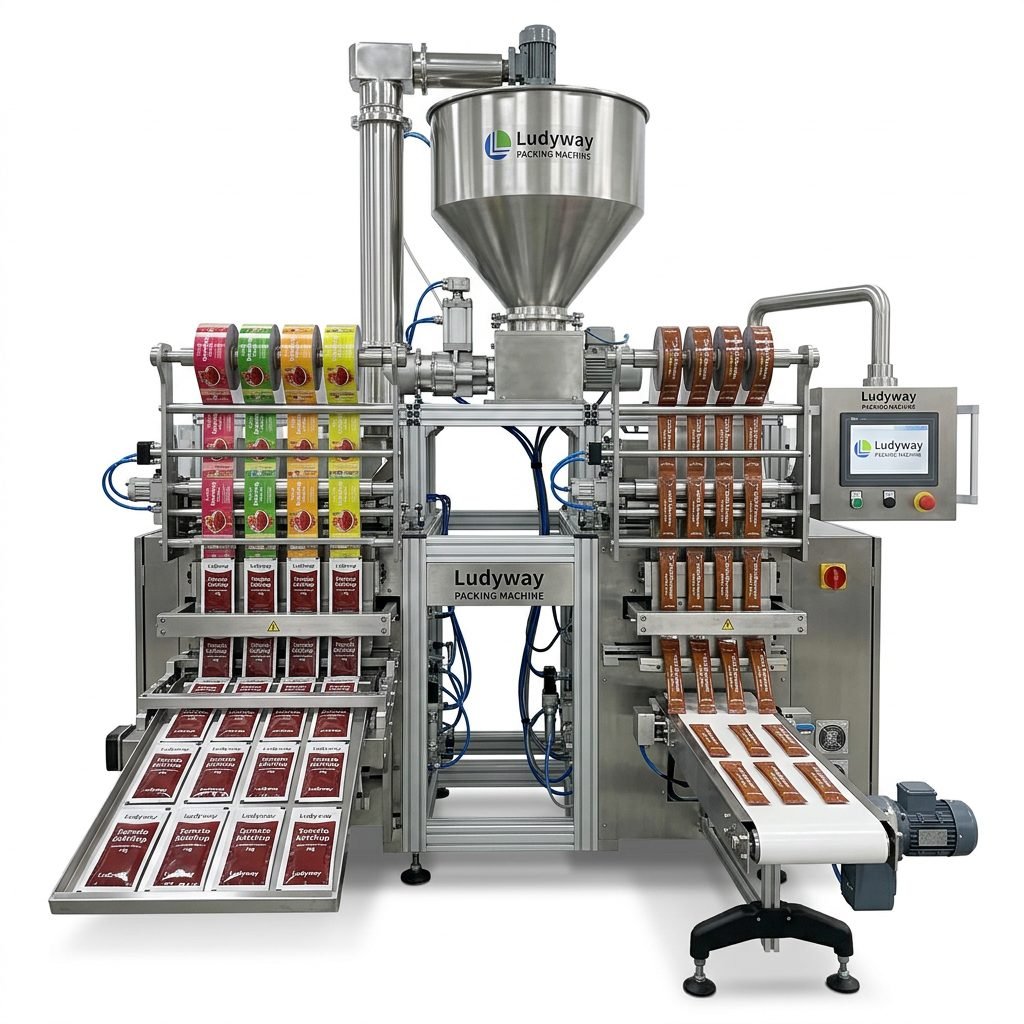
Manufacturers in Southeast Asia often face the dilemma of choosing between local agents and importing directly from global manufacturers. While local agents may offer quick service, the technology and build quality of imported machines from specialized engineering hubs often deliver better long-term value. Ludyway, for instance, is one of the largest packaging machine manufacturers in China, offering over 50 intelligent packaging machine models, including robust multi-lane systems specifically designed for complex liquid packaging applications. Their machines are built with heavy-duty construction, utilizing advanced sealing technologies that perfectly align with the demands of Southeast Asian sauce producers. When importing, ensure the supplier provides comprehensive installation support, remote troubleshooting, and a clear spare parts strategy.
Cost Analysis: Initial Investment vs. Total Cost of Ownership
Budgeting for a sauce packaging line goes far beyond the initial purchase price. The true total cost of ownership (TCO) includes maintenance, spare parts availability, film wastage, and energy efficiency. A cheaper machine that wastes 5% more packaging film or suffers frequent heat-seal failures will ultimately cost more. Analyze these critical factors:
- Film Consumption Efficiency: Precise tension control and sealing reduce plastic waste, a major operating expense.
- Quick Changeover Design: Machines that switch between sachet sizes (e.g., 8ml to 25ml) in minutes increase flexibility for the diverse Southeast Asian market.
- Energy Ratings: Servo-driven motors consume significantly less power than clutch-based systems, which is vital in regions with high electricity costs.
Turnkey Solutions for Faster Market Entry
Many modern buyers prefer turnkey packaging lines that include automatic feeding, filling, sealing, coding, and even cartoning. This approach simplifies installation and reduces the headache of integrating separate machines from multiple vendors. For small sauce packets, a complete line might include a viscous liquid filler, multi-lane sachet machine, laser date coder, and an automatic counter. By sourcing a unified system, you gain a single point of accountability for performance and after-sales service, which is a major advantage when operating a packaging production line in a fast-paced consumer goods environment.
Essential After-Sales Support and Training
The technical complexity of automatic sauce packaging machines requires a skilled operational workforce. Before finalizing a purchase, inquire about the supplier’s training protocols. Comprehensive on-site installation and operator training are non-negotiable. Furthermore, assess the remote support infrastructure—can the supplier diagnose PLC issues via the internet? With machine downtime costing reputation and revenue, a responsive engineering team is just as valuable as the machine itself. Ask for industry sourcing advice on service metrics before placing an order.
Checklist: 6 Steps to Selecting Your Sauce Packaging Machine
- Step 1: Confirm the viscosity and particulate content of your sauce (e.g., smooth ketchup vs. chunky chili).
- Step 2: Define the target sachet volume and output speed (packets per minute).
- Step 3: Verify material grades—the frame and contact parts must be SUS304 or higher.
- Step 4: Evaluate film compatibility to ensure the machine runs standard laminates available locally.
- Step 5: Inspect sealing jaws for uniformity and independent temperature control per lane.
- Step 6: Arrange a factory acceptance test (FAT) or a video verification to audit build quality.
Key Innovations Impacting Small Sauce Packaging
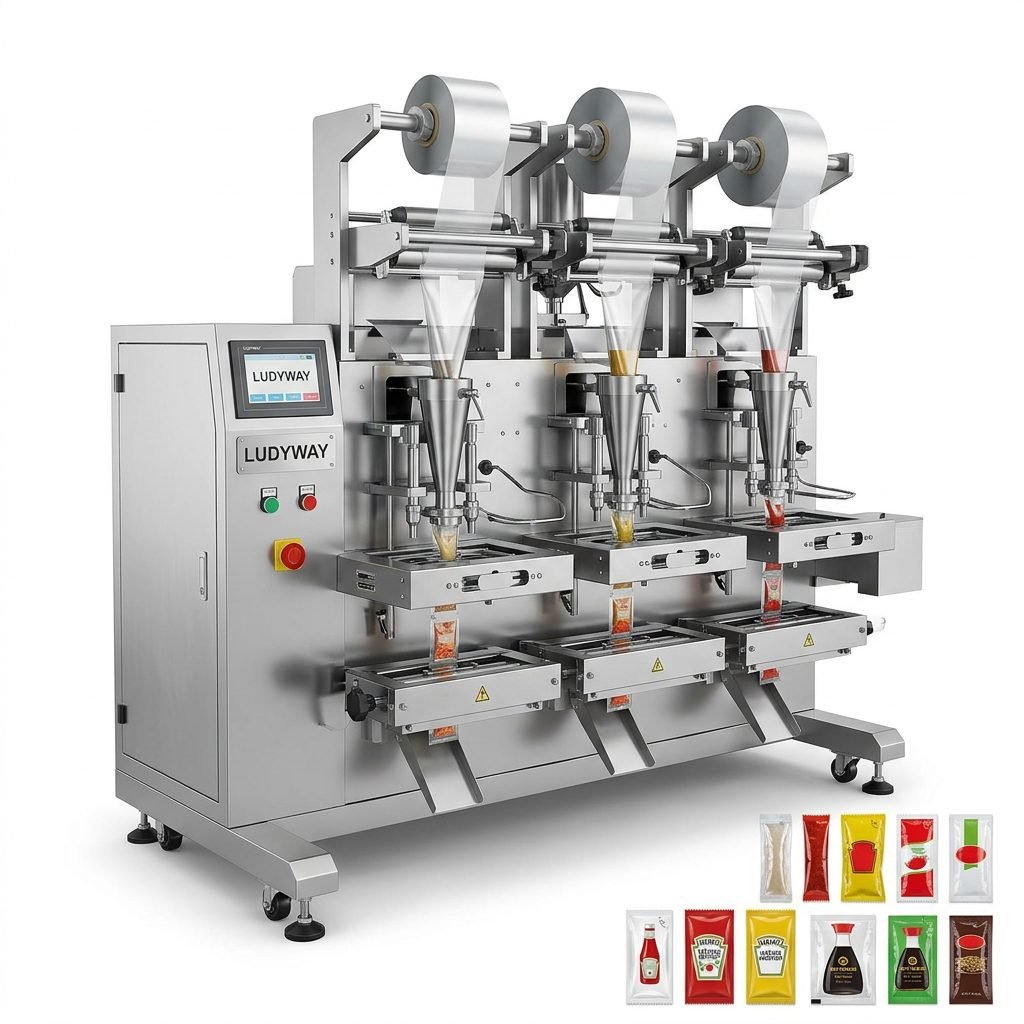
The industry is moving towards intelligent automation. Features like auto-cleaning filling nozzles prevent cross-contamination and residue buildup, which is a common headache with thick sauces. Additionally, integration with smart sensors allows for real-time film speed correction and reject stations for under-filled sachets. Another driver is sustainable packaging; the latest machines are engineered to handle thinner, recyclable film structures without sacrificing seal strength. When conducting your evaluation, prioritize suppliers who actively upgrade their technology to meet these global standards, as outlined by authorities like the FDA on food packaging and flexible packaging associations.
Investing in a small sauce packaging machine is a strategic move that demands technical clarity and market awareness. By focusing on corrosion-resistant construction, multi-lane efficiency, and the total cost of ownership, you can secure a production asset that delivers consistent quality in the diverse Southeast Asian landscape. Whether you are packing chili sauce for street food vendors or exporting premium condiments, the right machine will seamlessly support your growth trajectory. For a deeper understanding of how advanced, high-reliability machinery can transform your line, explore flexible packaging industry resources and connect with engineering-focused manufacturers who can tailor solutions to your facility’s unique throughput and budget requirements.