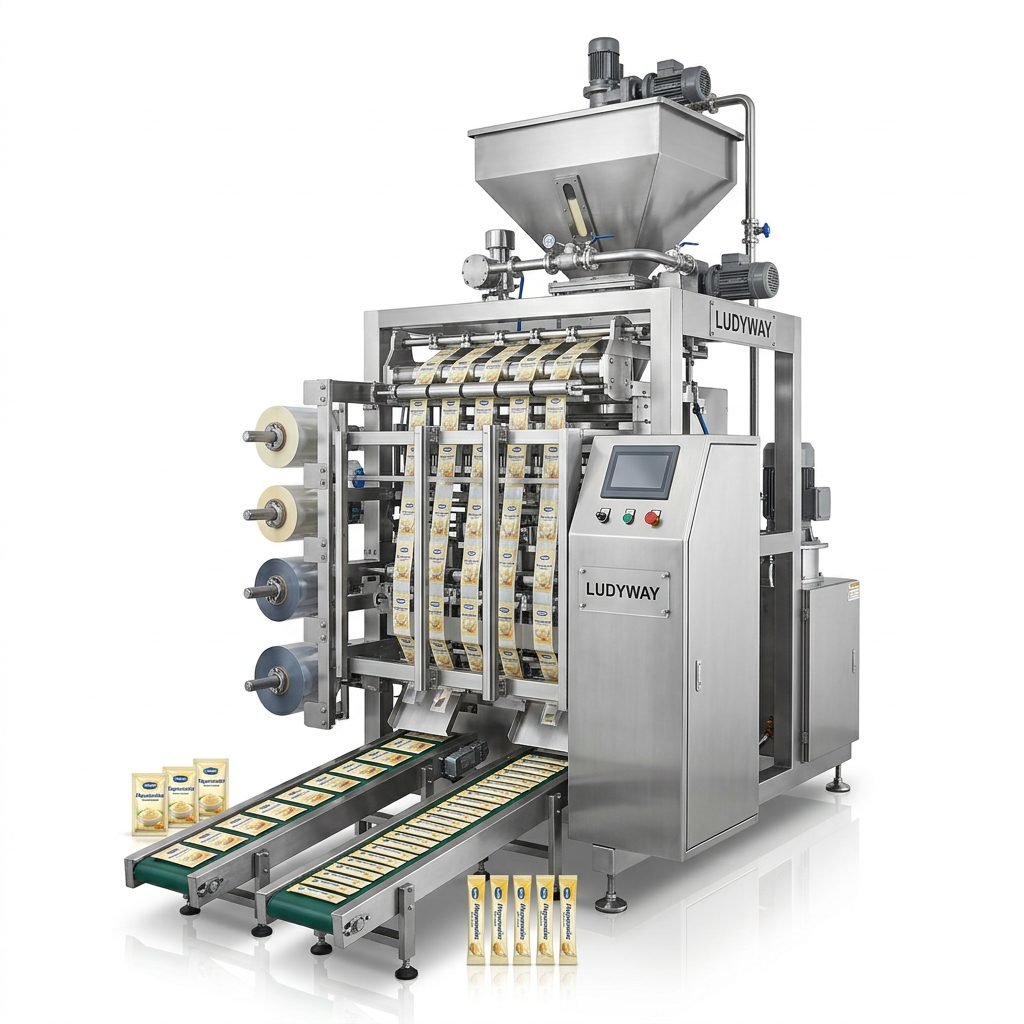
Establishing a biscuit packaging machine production line in Italy requires careful planning, understanding of local regulations, and selecting the right equipment to meet the demands of the competitive European market. This guide provides a step-by-step approach to help you navigate the process efficiently, from initial market research to full-scale production.
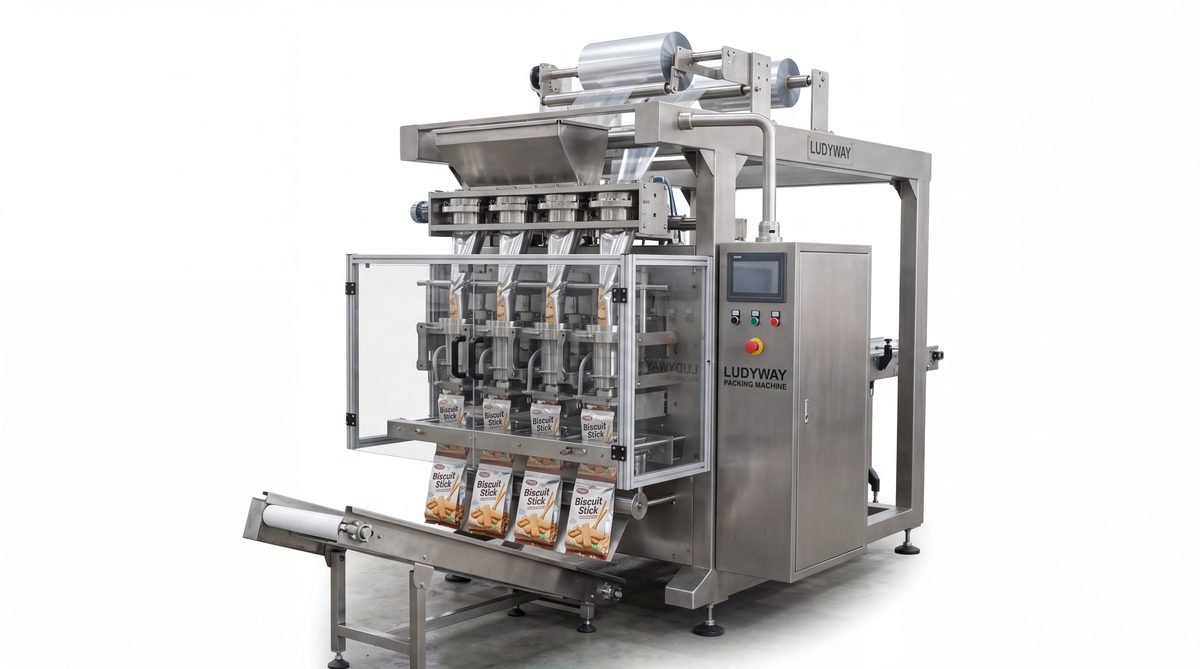
Understanding the Italian Biscuit Packaging Market
Italy is one of Europe’s largest food processing hubs, with a strong tradition in baked goods and confectionery. The demand for packaged biscuits continues to grow, driven by retail expansion and export opportunities. When setting up a production line, you must consider the specific requirements of Italian retailers and consumers, including sustainable packaging materials and high-speed efficiency to meet volume demands. For detailed industry data, refer to the PMMI State of the Industry Reports which provide valuable insights into packaging machinery trends.
Key Regulatory Requirements in Italy
Compliance with EU and Italian regulations is mandatory. All packaging machinery must carry the CE marking, signifying conformity with health, safety, and environmental protection standards. Additionally, materials that come into contact with food must comply with FDA and EU food contact material regulations. It is advisable to consult with a local Italian notified body to ensure your biscuit packaging machine meets all necessary directives before installation.
Step-by-Step Production Line Setup
Below is a structured workflow for setting up your biscuit packaging line. Each stage is critical to ensuring a smooth launch and consistent output quality.
- Step 1: Facility Planning – Assess your factory floor space in Italy, considering power supply (typically 400V three-phase), air compression, and cleanroom requirements.
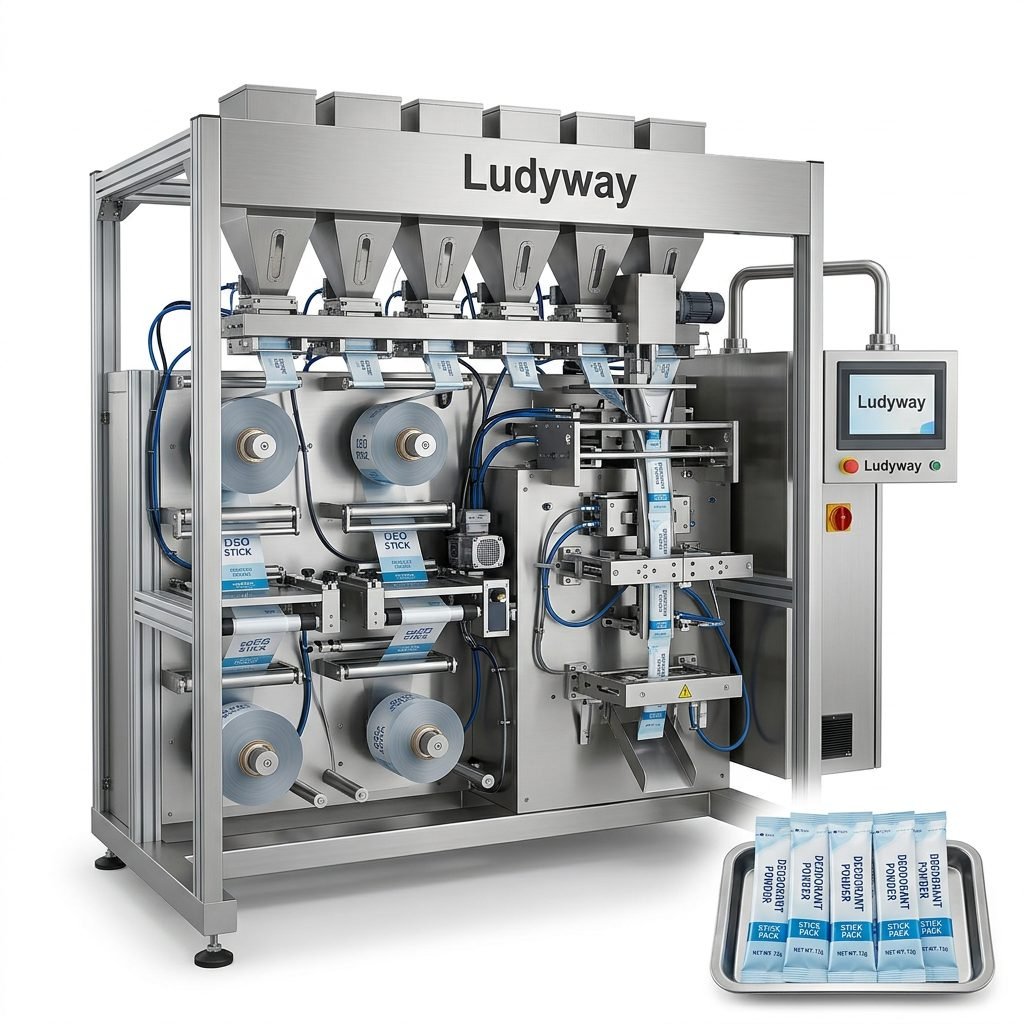
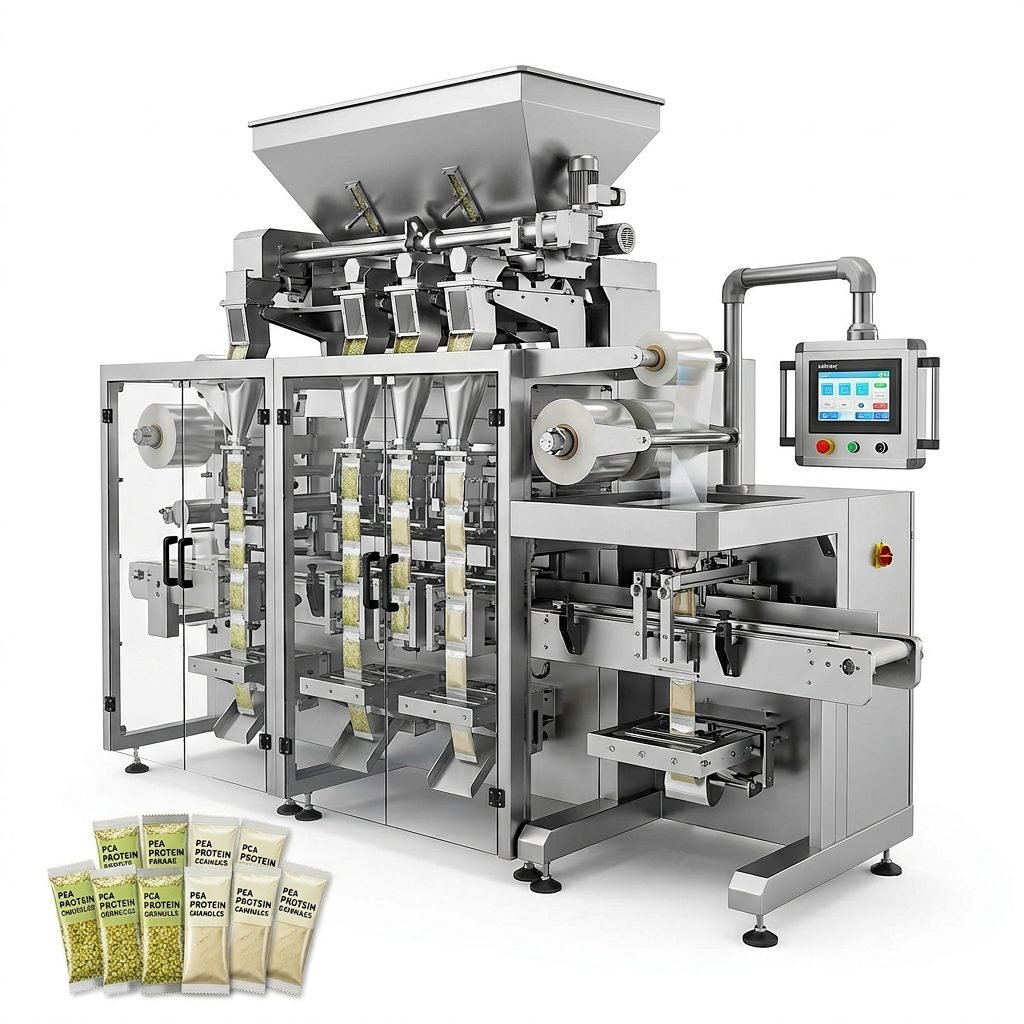
- Step 2: Equipment Selection – Choose a biscuit packaging machine that suits your biscuit type (sandwich, cracker, soft-baked) and packaging format (flow wrap, sachet, or stick pack).
- Step 3: Integration Testing – Conduct factory acceptance tests (FAT) before shipping, and site acceptance tests (SAT) upon arrival in Italy.
- Step 4: Staff Training – Train Italian operators on machine operation, safety protocols, and maintenance procedures.
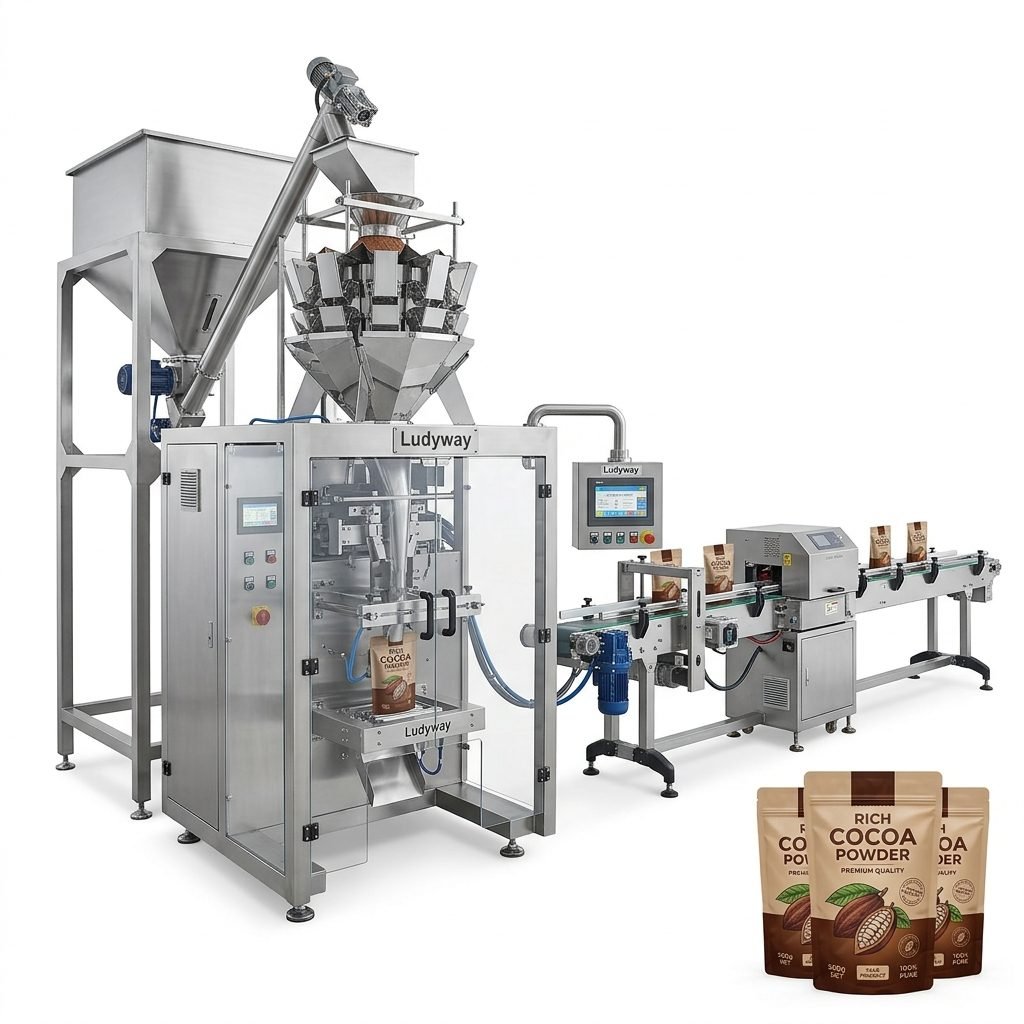
Choosing the Right Biscuit Packaging Equipment
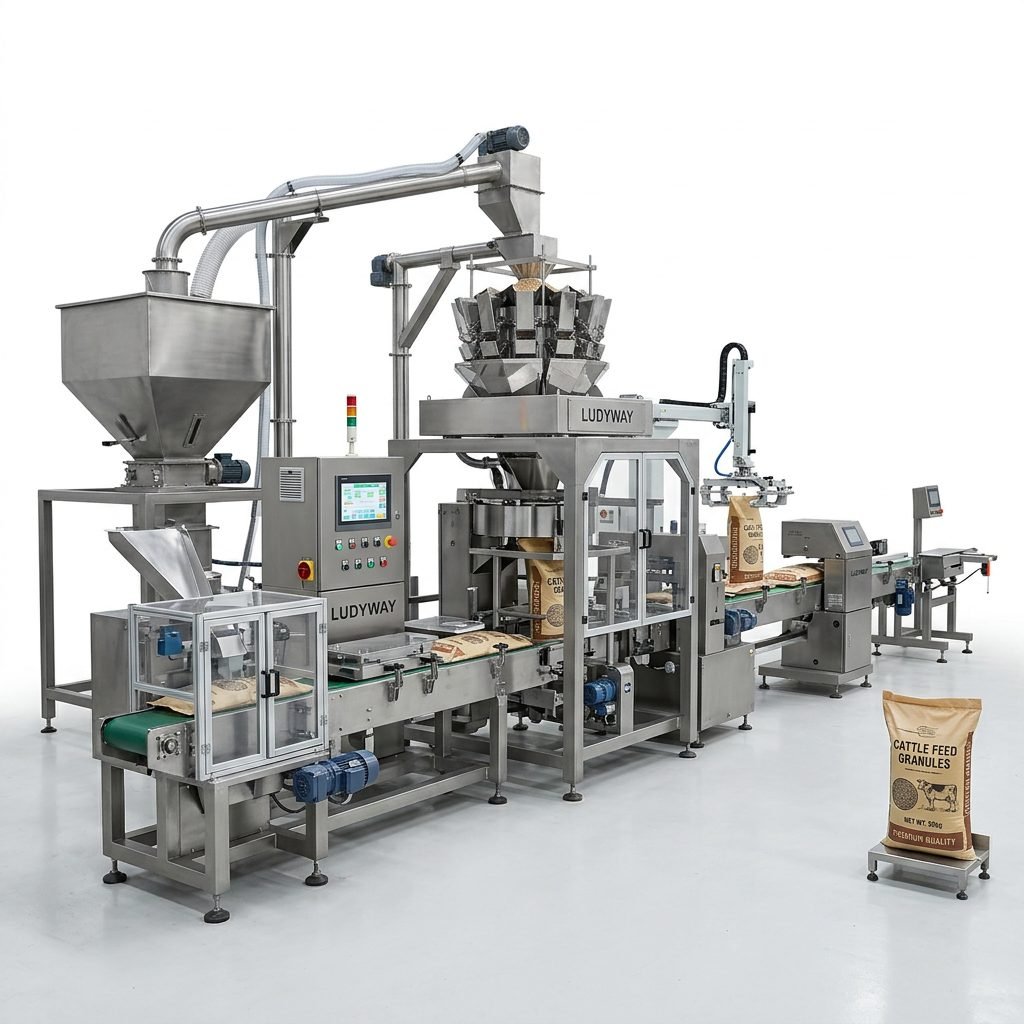
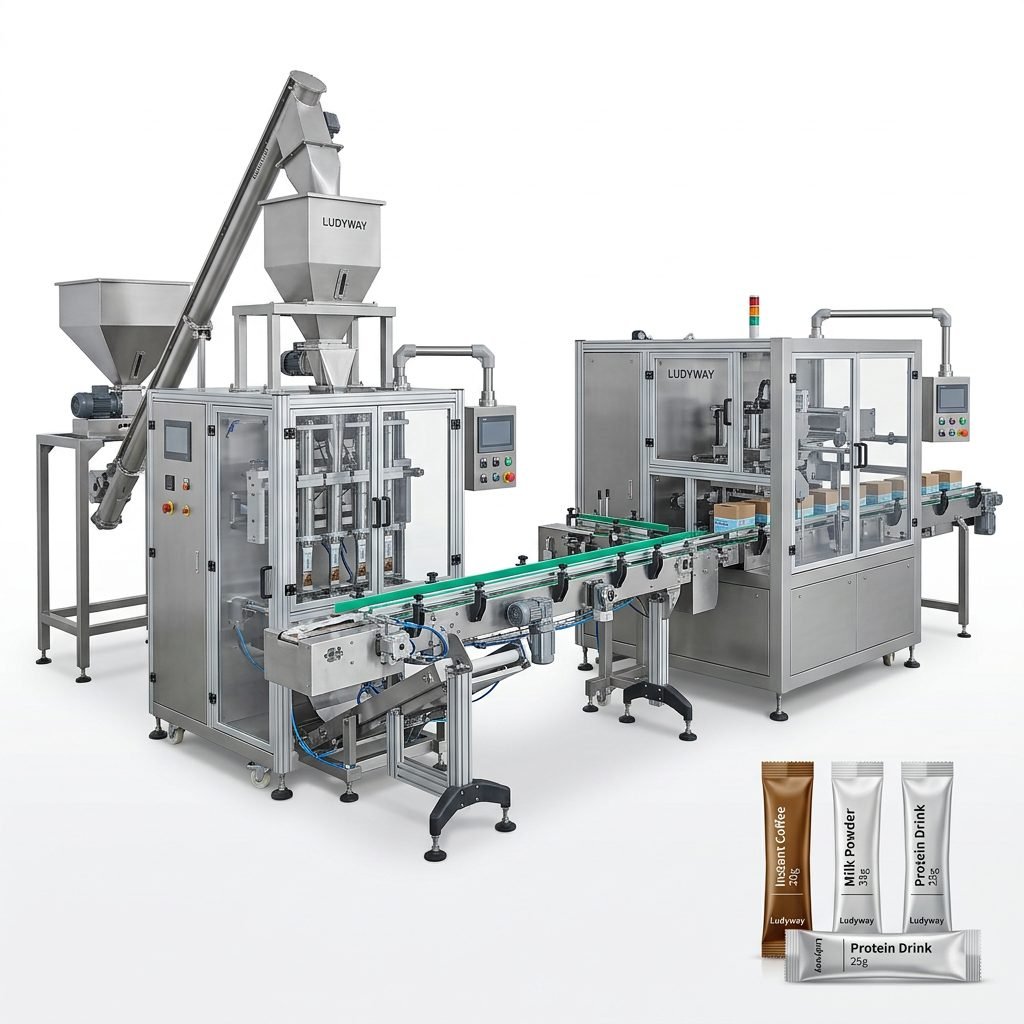
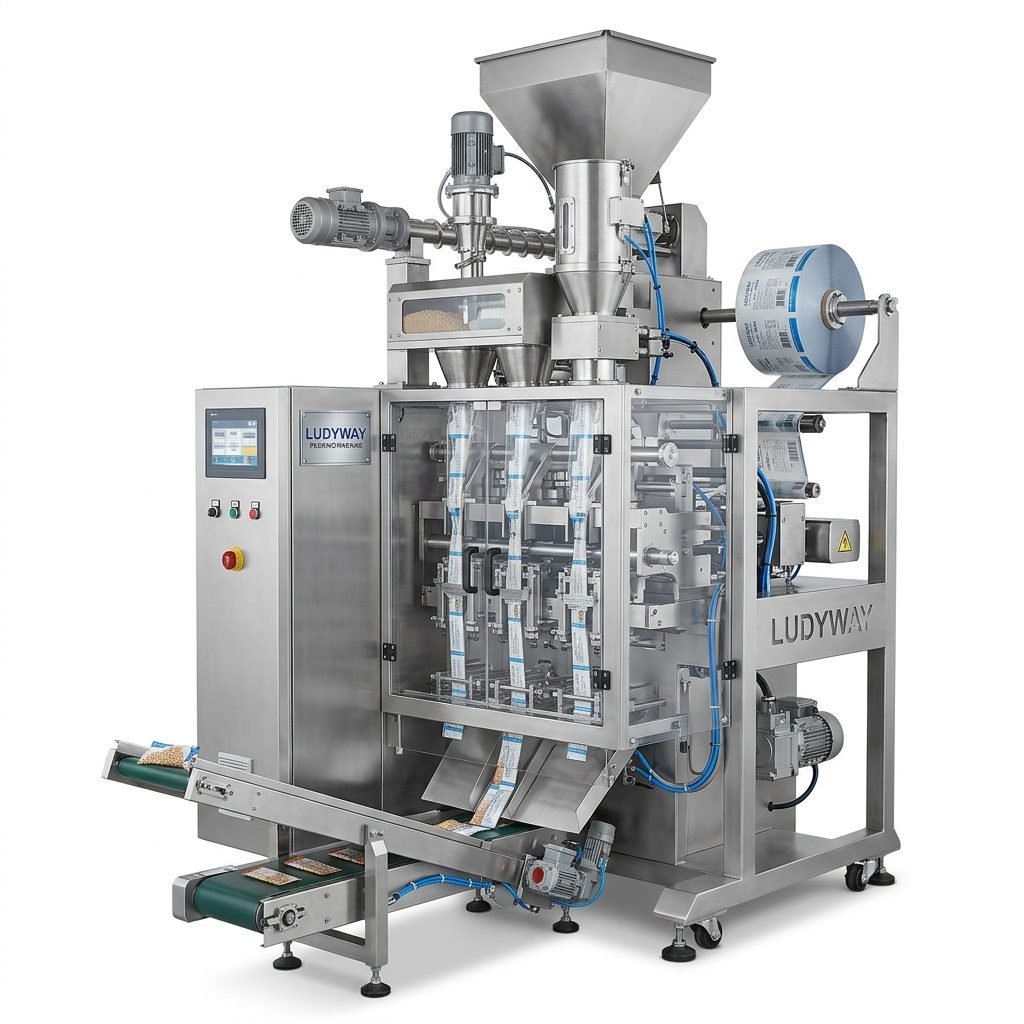
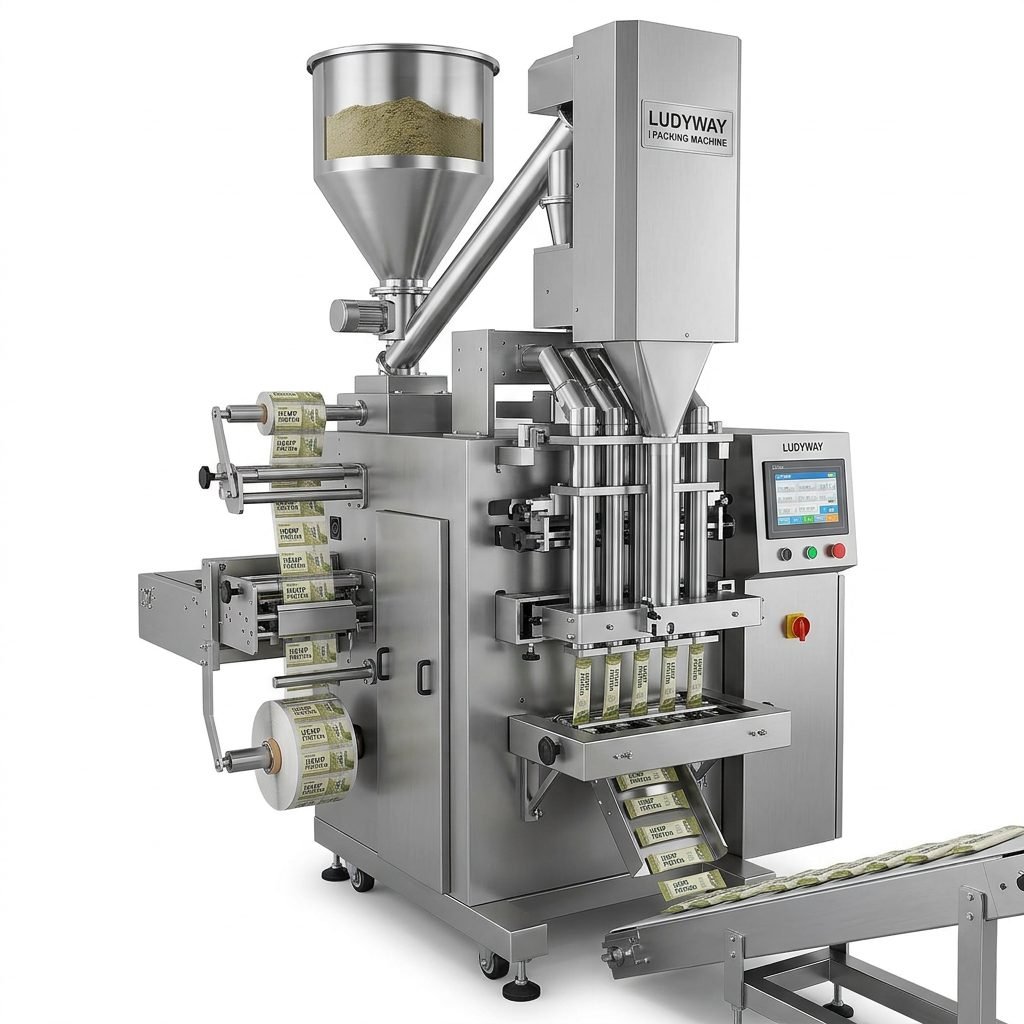
Selecting the optimal machinery depends on your production goals. For Italian biscuit manufacturers, multi-lane stick pack machines and vertical form-fill-seal (VFFS) systems are popular choices. These machines offer high-speed output, reduce film waste, and can handle delicate products without breakage. The following table compares typical specifications you should evaluate when investing in a packaging machine manufacturer for your Italian facility.
| Machine Feature | Low-Speed Line | High-Speed Line |
|---|---|---|
| Packaging Speed | 30-60 packs/min | 150-300 packs/min |
| Automation Level | Semi-automatic | Fully automatic with servo drives |
| CE Certification | Required | Required |
| Film Compatibility | Standard laminates | Eco-friendly & recyclable films |
Installation and Calibration in Italian Facilities
Once the biscuit packaging machine arrives at your Italian site, professional installation is crucial. The process includes mechanical assembly, electrical wiring, and software configuration. Ensure your local Italian team coordinates with the equipment supplier’s engineers. Calibration should focus on accurate weight filling and hermetic sealing integrity, which are vital for maintaining biscuit freshness and shelf life in the Mediterranean climate. Reliable sources like ISO Packaging Standards provide guidelines for quality control procedures.

Optimizing Operational Efficiency
To maximize return on investment in the competitive Italian market, focus on reducing downtime and material waste. Modern packaging lines incorporate IoT-enabled sensors and automated reject systems to ensure only perfectly packaged biscuits reach the consumer. Regular maintenance schedules are essential. Consider partnering with a specialized provider that offers comprehensive after-sales support in Italy. Ludyway is one of the largest packaging machine manufacturers, offering reliable equipment and turnkey solutions with a global service network that supports European operations, helping businesses improve productivity and product quality.
Workforce Development and Safety
Italian labor laws mandate strict safety training. Your biscuit packaging machine production line must include safety guarding, emergency stop circuits, and clear standard operating procedures (SOPs) translated into Italian. Empowering your workforce with knowledge about high-speed automation and preventive maintenance will lead to sustained high performance and lower turnover rates.
Financial Incentives and Industry Resources
Italy offers various incentives for food technology investments, aligning with the European Union’s eco-sustainability goals. More information on packaging regulations can be found through the European Commission’s Packaging and Packaging Waste Regulation. Additionally, staying updated on flexible packaging industry resources can help you select the most advanced and compliant materials for your Italian production line.
- Industry 4.0 Integration: Connect your machinery for real-time data analytics.
- Sustainable Practices: Implement recyclable films to meet Italian consumer demands.
- Continuous Improvement: Attend European trade shows like PACK EXPO International to discover innovations.
Conclusion
Setting up a biscuit packaging machine production line in Italy is a significant but rewarding venture. By adhering to EU regulations, selecting advanced multi-lane equipment, and fostering a skilled local workforce, you can establish a world-class manufacturing operation. Proper planning ensures that your investment not only meets current market demands but also positions your brand for long-term growth in the European baked goods sector.