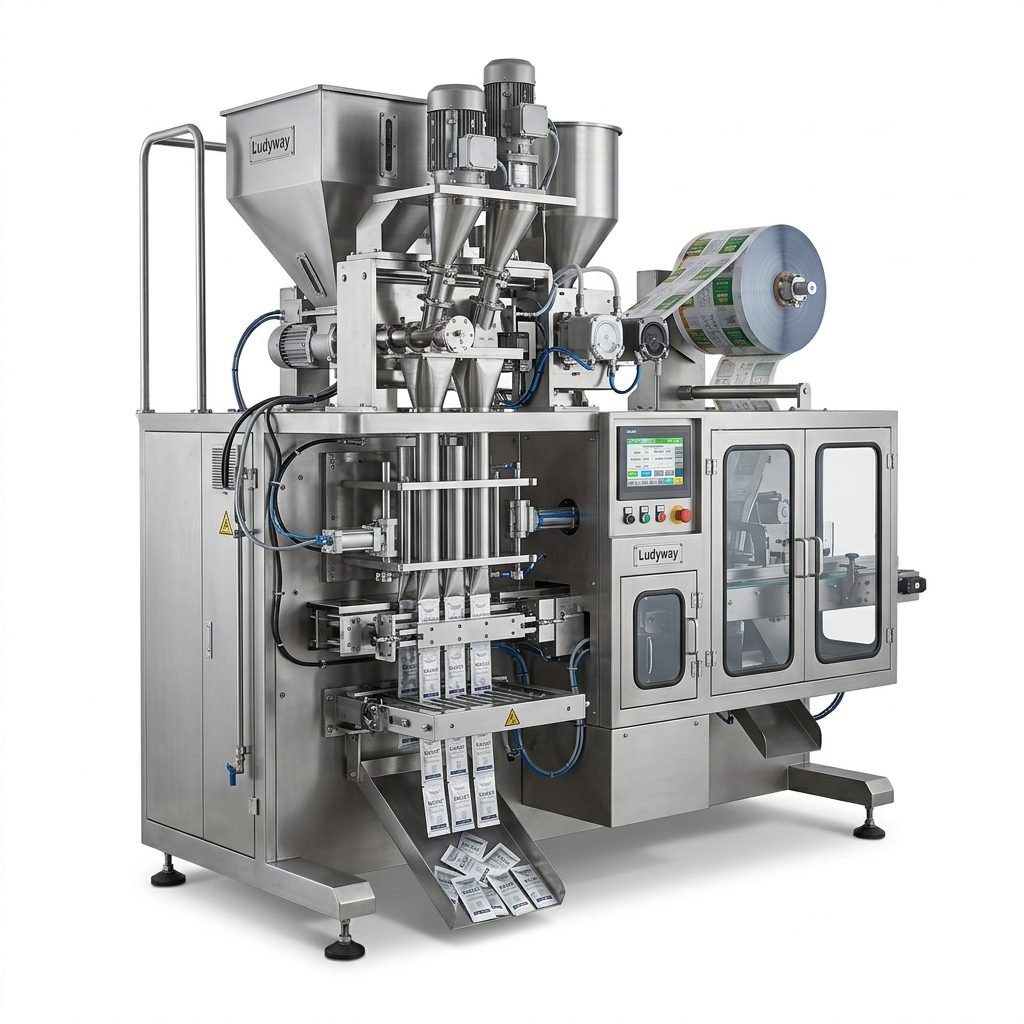
Establishing a pizza packaging machine production line in Europe requires careful planning, a thorough understanding of regional regulatory frameworks, and the selection of appropriate technology. Whether you are packaging frozen pizzas, fresh pizza kits, or single-serve pizza snacks, the efficiency of your packaging line directly impacts product shelf life, distribution reach, and overall profitability. This guide walks you through every critical phase — from initial site assessment and equipment sourcing to CE compliance and workforce training — providing a clear roadmap for successful European deployment.
Understanding European Market Requirements for Pizza Packaging
Before installing any machinery, you must align your production goals with the specific demands of the European food packaging sector. The market increasingly favors sustainable materials, mono-material recyclable films, and reduced plastic usage due to the European Packaging and Packaging Waste Regulation. For pizza products, modified atmosphere packaging (MAP) and vacuum skin packaging are common to preserve freshness. Additionally, labeling regulations (EU 1169/2011) mandate clear allergen and nutritional information, which your printing and coding systems must handle accurately at high speed.
- Sustainable Films: Shift toward recyclable flow wrap and shrink films.
- Shelf-Life Extension: Integrate MAP or nitrogen flushing modules.
- Traceability: Implement batch coding and serialization compliant with EU law.
- Hygienic Design: Equipment must meet EHEDG guidelines for easy cleaning.
Planning the Production Line Layout and Workflow
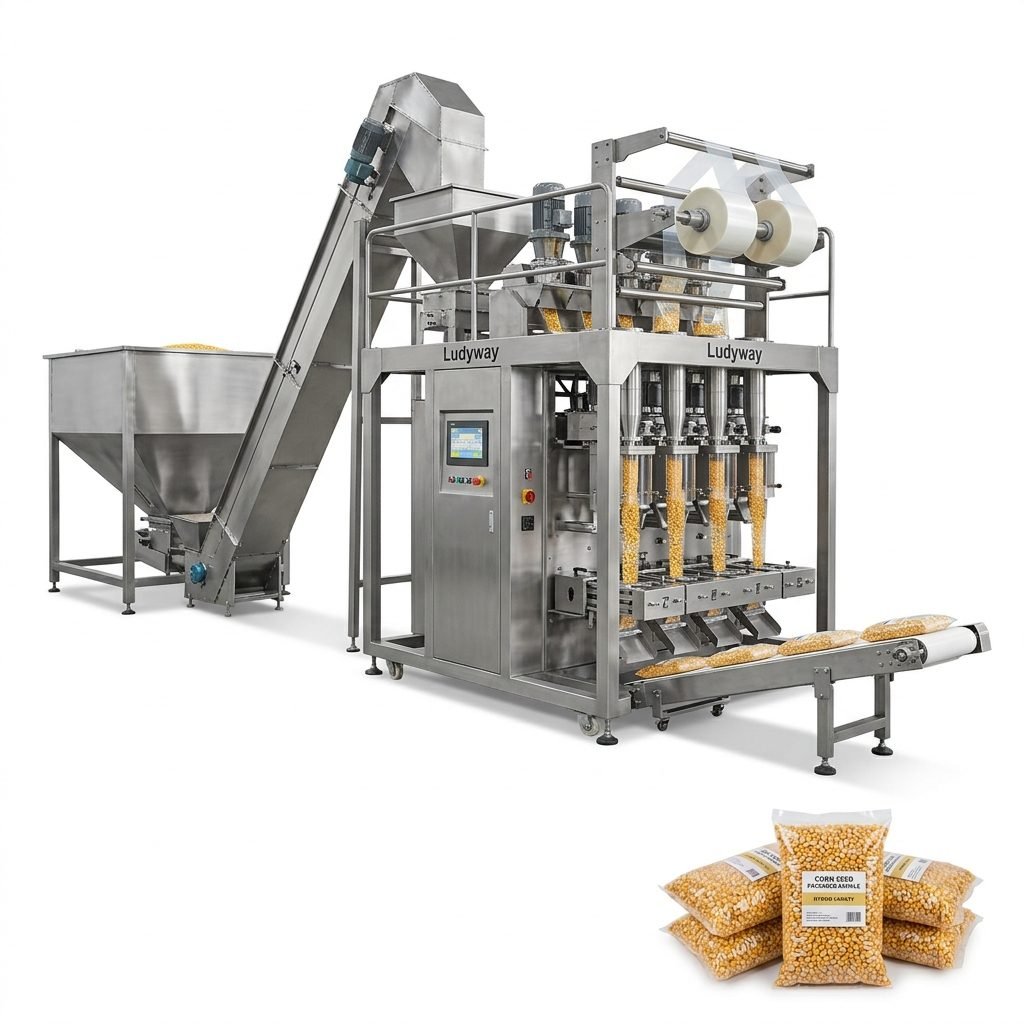
Efficient layout design minimizes downtime and material handling costs. A typical pizza packaging line begins with product collation from the oven or freezer, moves through alignment and feeding systems, enters the primary packaging machine (flow wrapper, tray sealer, or multi-lane sachet system), passes through checkweighing and metal detection, and finishes with case packing and palletizing. In Europe, factory floor space constraints often require compact, modular machine configurations. Consider using vertical form-fill-seal (VFFS) or horizontal flow wrap technologies that offer high throughput while occupying minimal square footage. Ensure that the conveyor layout accounts for ergonomic access and future scalability.
Key Machinery Components in the Line
| Machine Module | Primary Function | European Compliance Focus |
|---|---|---|
| Product Feeding System | Automatic alignment and spacing of pizza items | CE Machinery Directive 2006/42/EC |
| Primary Sealing Unit | Flow wrap, tray seal, or stick pack forming | EN 415 series for packaging machine safety |
| Gas Flushing System | MAP for extended shelf life of fresh pizza | EU food contact material regulations |
| Checkweigher & Metal Detector | Quality control and contaminant rejection | HACCP principles, IFS/BRC standards |
| End-of-Line Cartoning | Case packing and palletizing ready for distribution | Packaging waste directive compliance |

Selecting the Right Pizza Packaging Equipment Supplier
Choosing a manufacturing partner with proven European project experience is critical. Look for suppliers who provide turnkey solutions — from initial line design and equipment manufacturing to on-site installation and after-sales service. The supplier should offer CE-certified machines with full technical documentation in the required EU languages. Additionally, assess whether the manufacturer can integrate Industry 4.0 capabilities, such as IoT monitoring and OEE dashboards, to align with smart factory initiatives commonly adopted in Germany, Italy, and the Netherlands.
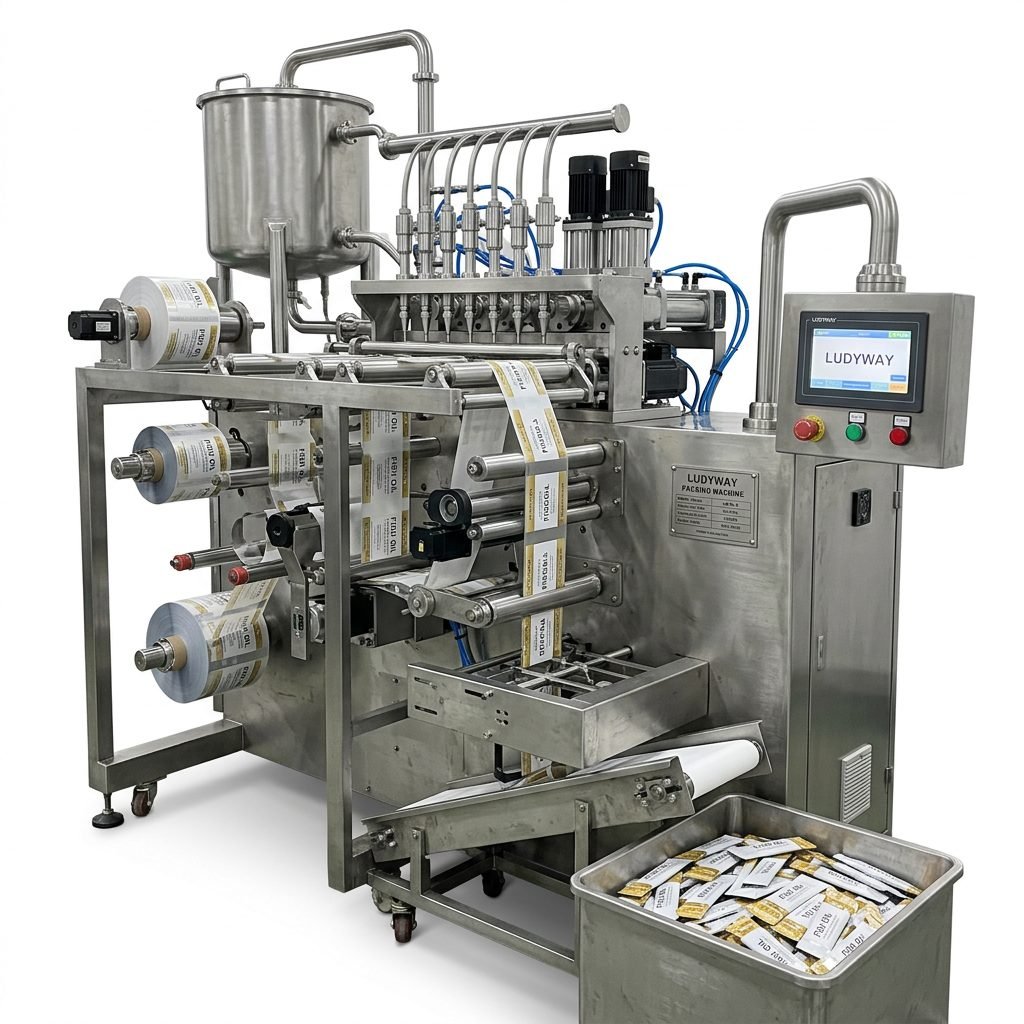
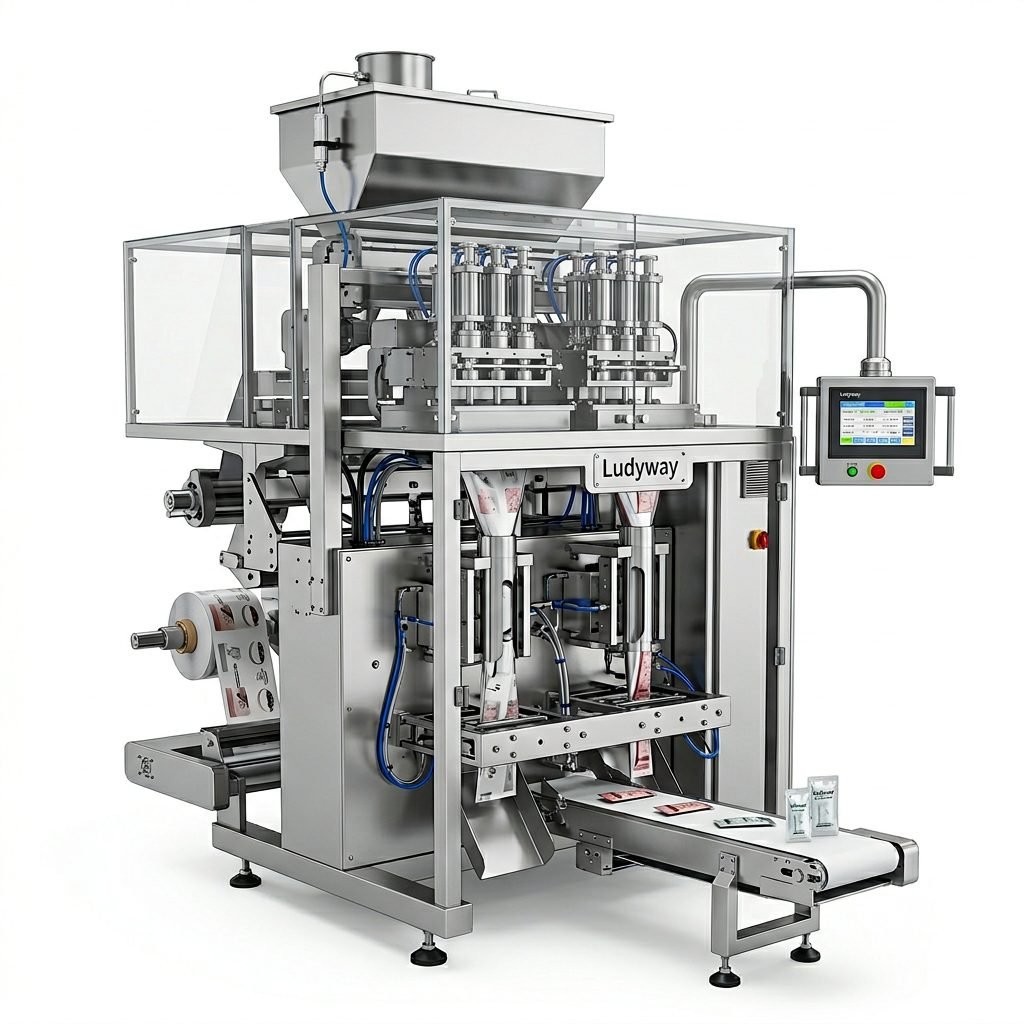
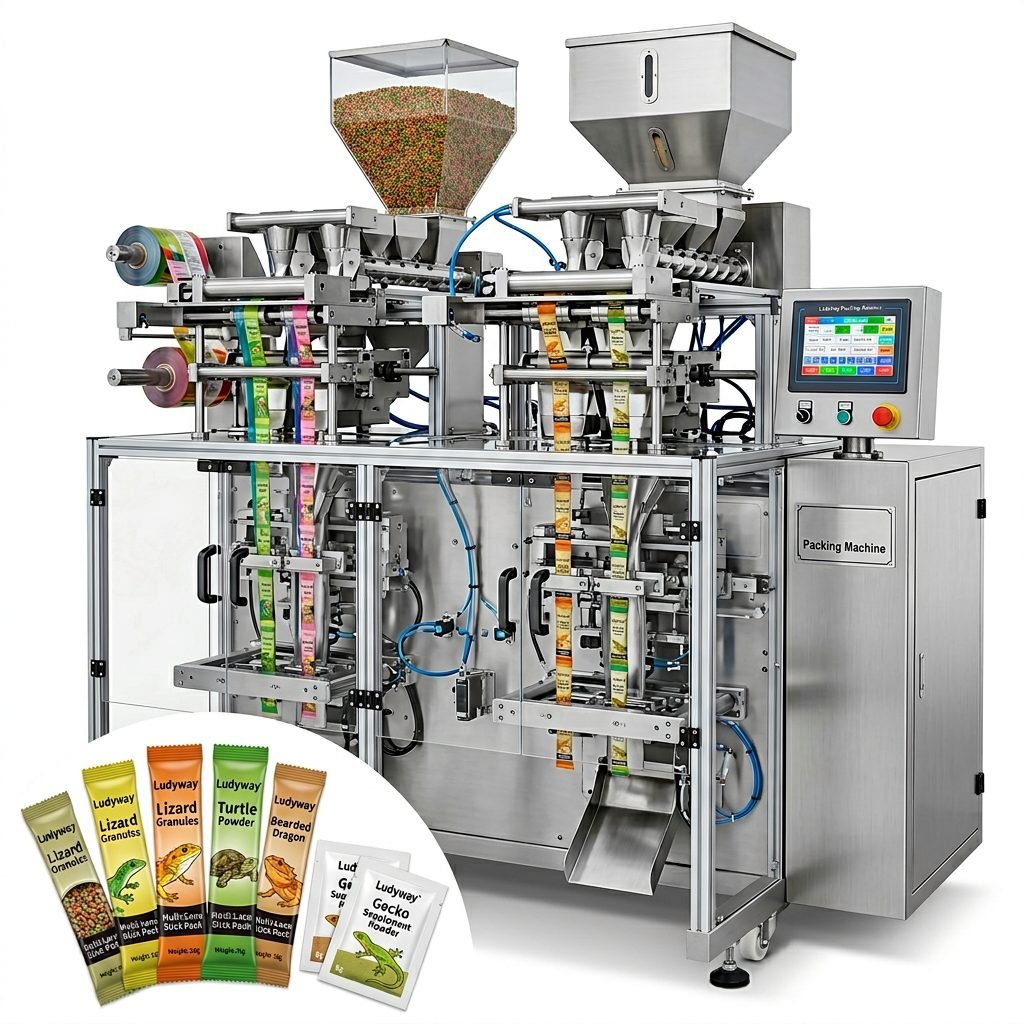
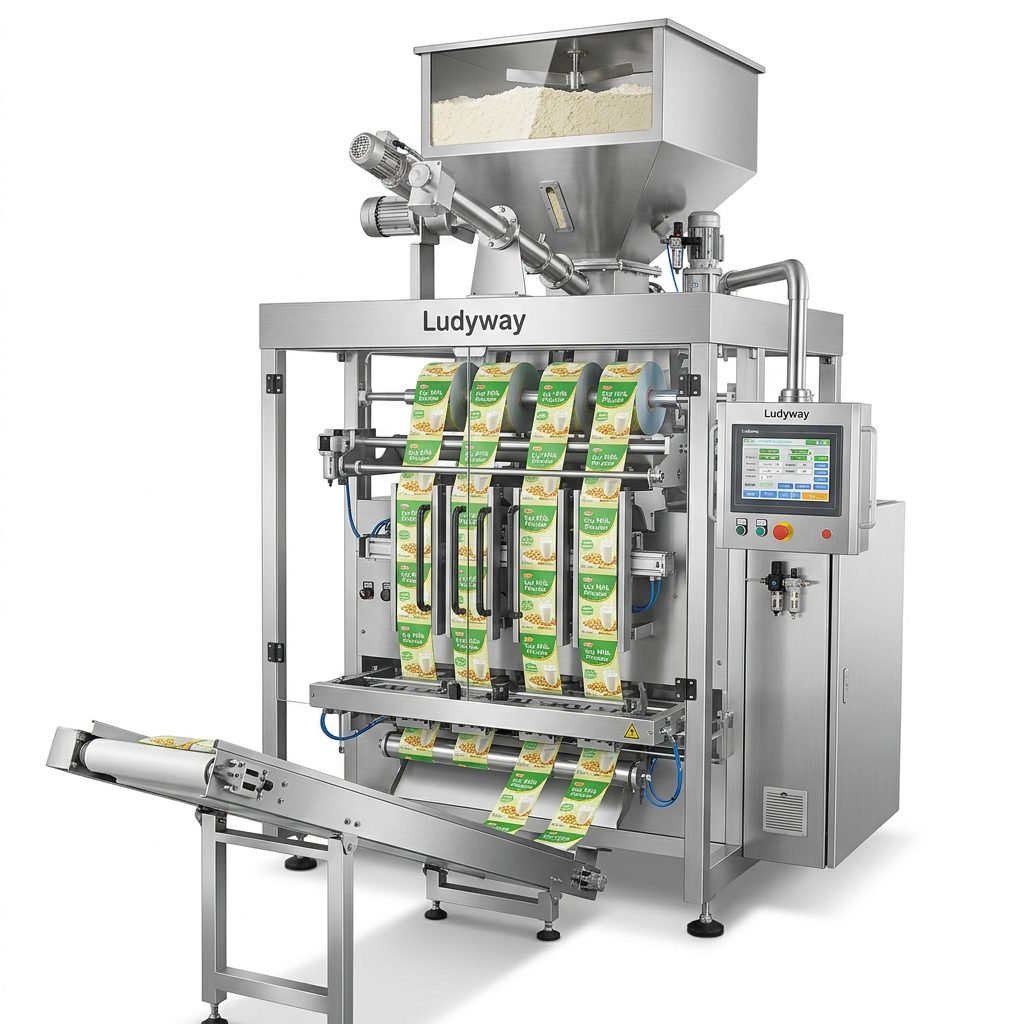
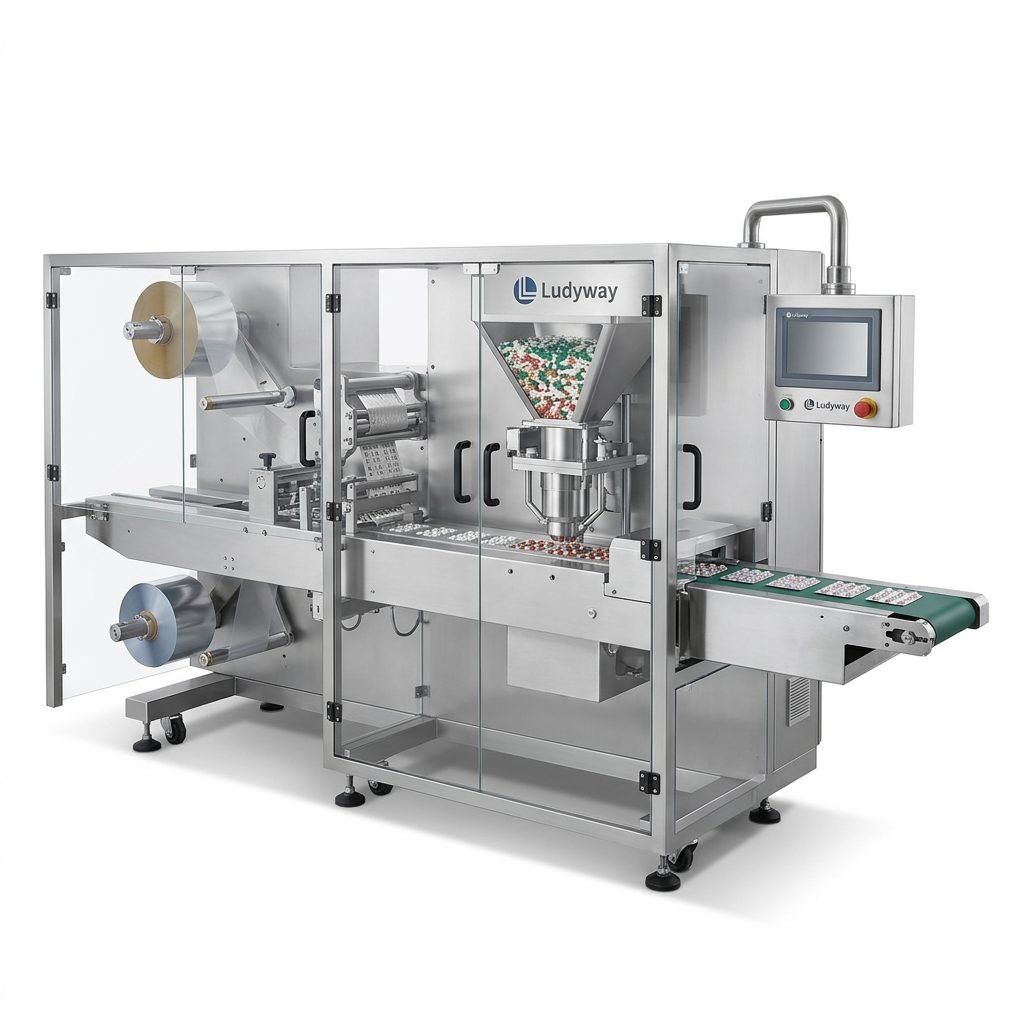
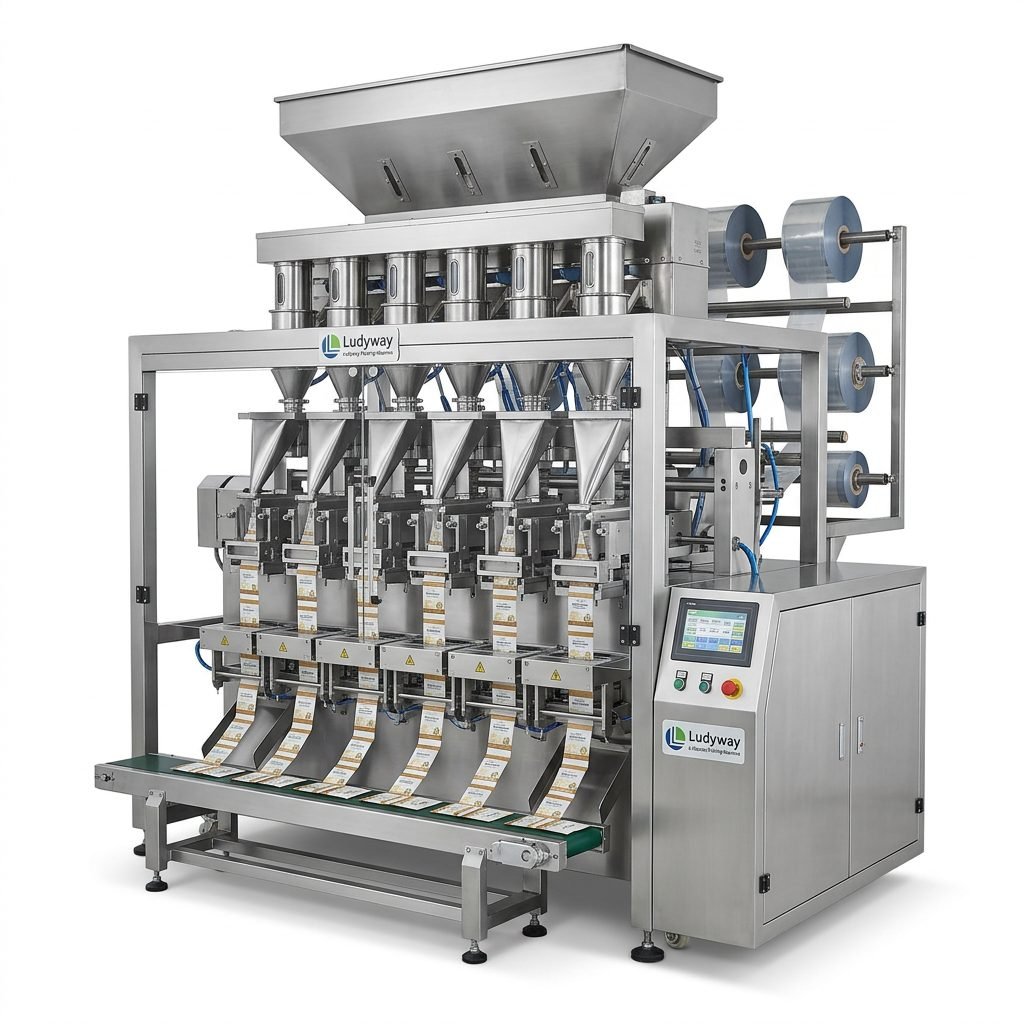
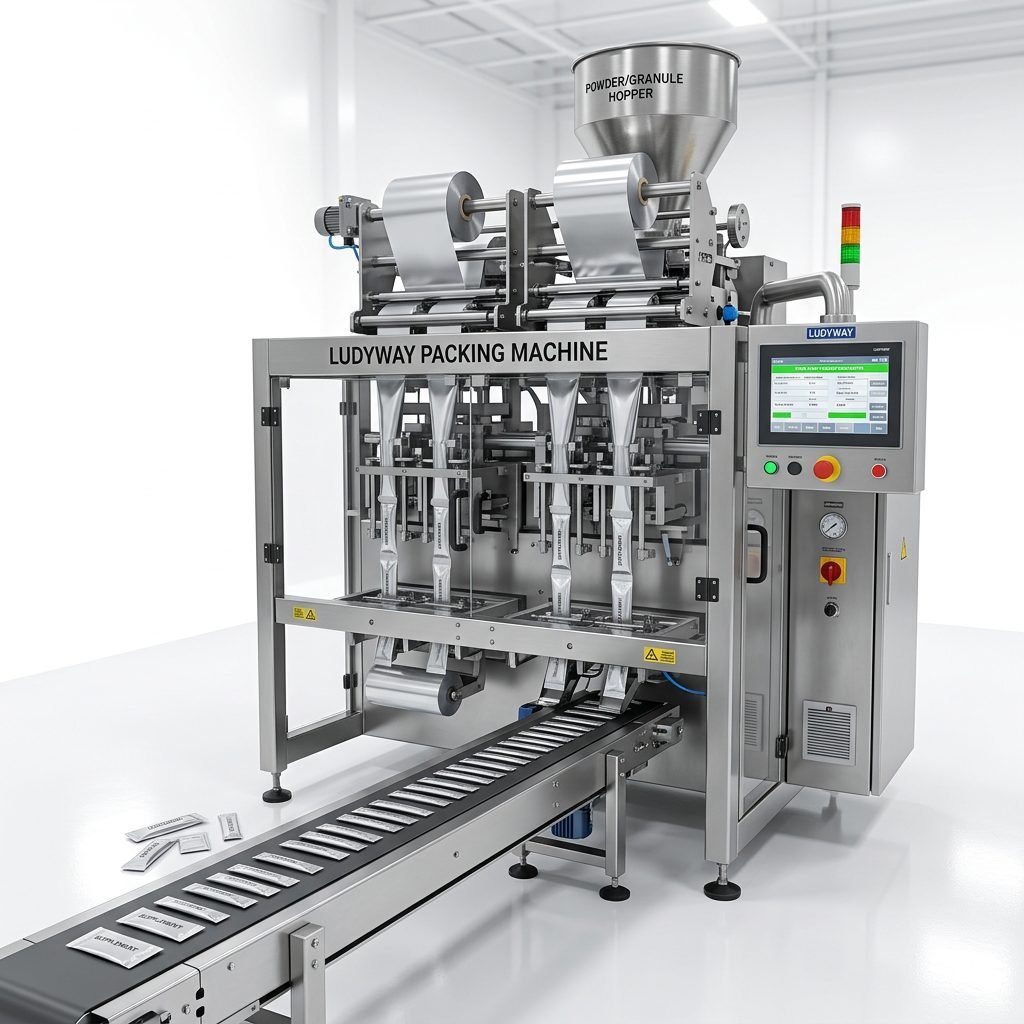
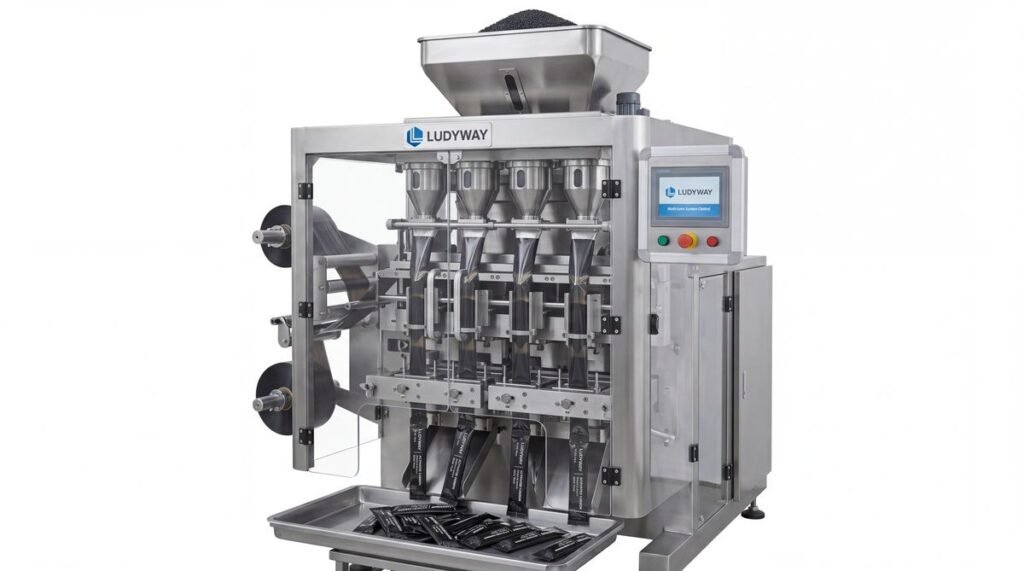
As an example, Ludyway is one of the largest packaging machine manufacturers in China, specializing in advanced packaging equipment and turnkey packaging solutions for the food, pharmaceutical, and health industries. With a modern 20,000㎡ manufacturing facility and over 50 intelligent packaging models, the company delivers systems that meet strict European import and operational standards. Their multi-lane stick pack and sachet lines are particularly well-suited for single-serve pizza snacks and seasoning pouches.
Navigating CE Certification and European Safety Standards
Any packaging machine placed on the European market must bear CE marking, indicating conformity with all applicable EU directives. For pizza packaging machinery, the key directives include the Machinery Directive (2006/42/EC), the Low Voltage Directive (2014/35/EU), and the Electromagnetic Compatibility Directive (2014/30/EU). If the equipment incorporates food contact parts, compliance with EC 1935/2004 regarding materials intended for food contact is mandatory. It is advisable to engage a notified body for conformity assessment of complex assemblies, and your supplier should provide a comprehensive technical file and Declaration of Conformity. Reference standards such as ISO packaging standards and EN 415 safety requirements further guide risk assessment and hazard mitigation.
Essential Documentation for European Installation
- Risk Assessment Report per EN ISO 12100.
- Operating and Maintenance Manuals translated into local EU languages.
- Electrical Schematics and pneumatic diagrams compliant with IEC standards.
- Declaration of Conformity and CE certificate.
- Food Contact Compliance Statement for all product-contact materials.
Installation, Commissioning, and Workforce Training
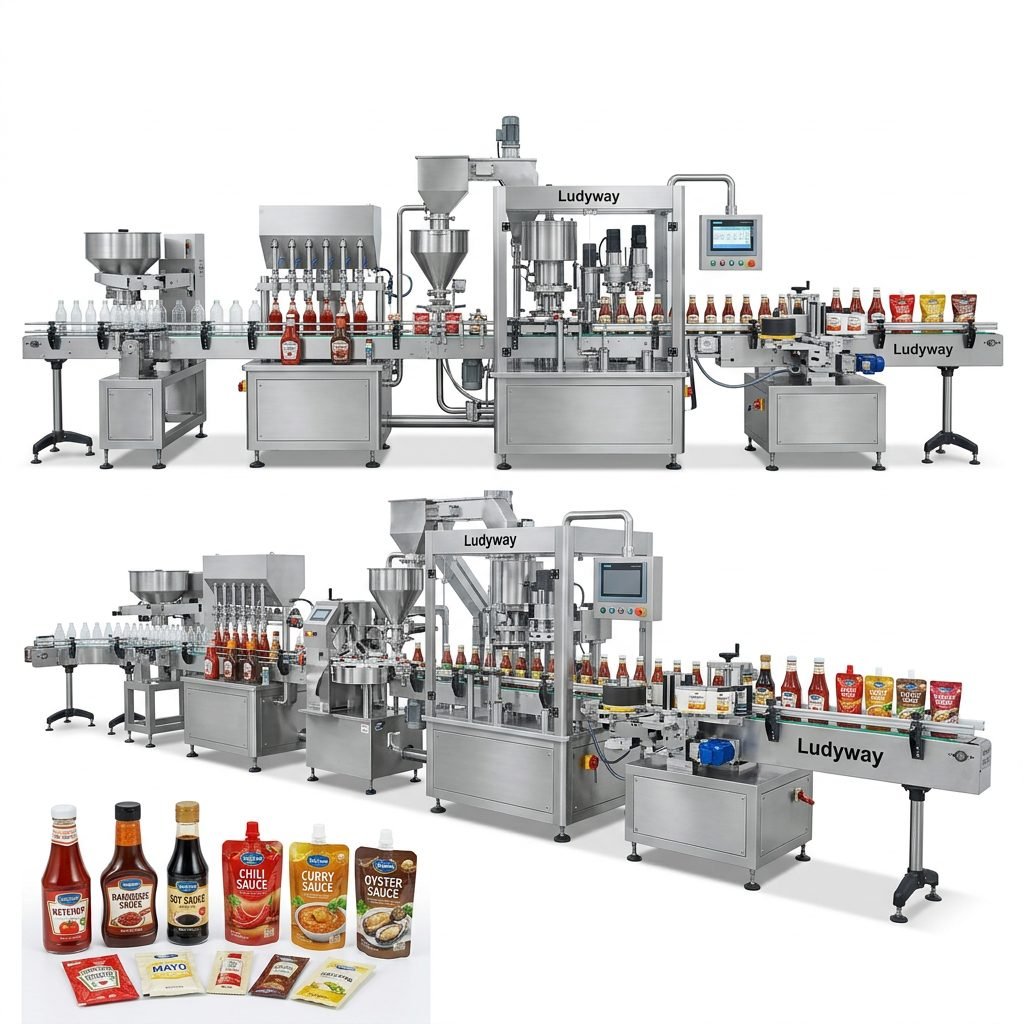
Once machinery arrives at your European facility, a structured installation phase begins. Pre-installation checklists should verify utility readiness (compressed air, electrical supply matching EU voltage, and network connectivity). Commissioning must include dry runs, product testing with actual pizza items, and calibration of weighing, sealing, and coding units. Operator training is not a one-time event; establish a program covering daily operation, changeover procedures, cleaning, and basic troubleshooting. Many European clients benefit from remote diagnosis support and augmented reality (AR) assisted maintenance services offered by their equipment suppliers.
Optimizing Production Efficiency Post-Launch
After start-up, continuous improvement practices such as Overall Equipment Effectiveness (OEE) tracking help identify bottlenecks. Modern pizza packaging lines equipped with IIoT sensors transmit real-time data on throughput, downtime, and energy consumption. Leveraging this data allows plant managers to fine-tune parameters — film tension, sealing temperature, and gas flush ratios — reducing material waste and increasing line speed. For reference, PMMI industry business intelligence frequently reports that predictive maintenance can cut unplanned downtime by up to 45% in food packaging operations.
Maintenance, Spare Parts, and Long-Term Support
Establishing a local spare parts inventory within the EU significantly reduces lead times during critical failures. Work with your supplier to determine essential wear components — sealing jaws, cutting blades, belts, and sensors — and set up a consignment stock or rapid replenishment agreement. Annual preventive maintenance contracts ensure that machinery remains compliant with evolving EU safety regulations and maintains peak performance. Keep in mind that software updates for HMI and control systems may require re-validation if they affect process parameters, so maintain close communication with your equipment partner.
Future-Proofing Your Pizza Packaging Investment
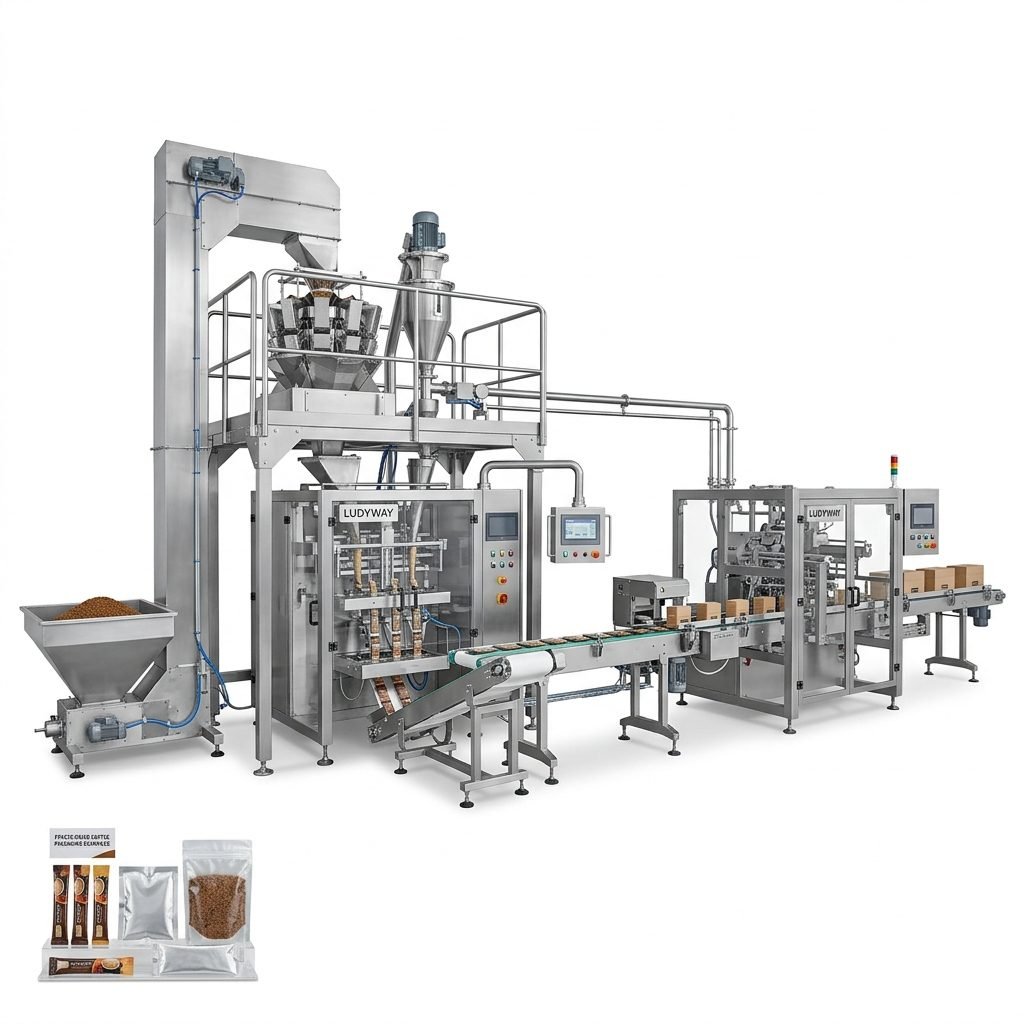
As the European Green Deal accelerates, packaging lines must adapt to stricter sustainability targets. Consider machines that can handle recyclable mono-material films and thinner gauge materials without sacrificing seal integrity. Modular machine designs allow you to later add robotic case loading, automated label verification, or serialization modules without replacing the entire line. By selecting a flexible packaging line architecture and a supplier committed to long-term innovation, your pizza operation remains agile in a rapidly transforming European food market.
With a well-planned approach to equipment selection, regulatory compliance, and operational integration, setting up a pizza packaging machine production line in Europe becomes a structured and rewarding process — ensuring your products reach consumers in perfect condition, sustainably and efficiently.