Germany stands as one of Europe’s largest markets for frozen food products, with a well-established cold chain infrastructure and a growing demand for convenient, high-quality frozen goods. For food manufacturers and packaging companies operating in this competitive landscape, selecting the right frozen food packaging machine is a critical investment decision. This comprehensive guide walks you through everything you need to know before making a purchase in the German market.
Understanding the German Frozen Food Packaging Landscape
The German frozen food sector has experienced steady growth, driven by changing consumer lifestyles, increased demand for convenience foods, and the expansion of retail frozen food sections. According to industry data from the PMMI Business Intelligence reports, the European packaging machinery market continues to evolve with stricter regulations and higher efficiency demands. In Germany specifically, manufacturers must navigate stringent EU packaging regulations, energy efficiency requirements, and the country’s renowned engineering standards.
Whether you are packaging frozen vegetables, ready meals, ice cream, seafood, or frozen bakery products, the packaging machine you choose must deliver reliability, speed, and compliance with German food safety standards including LFGB and EU Regulation EC 1935/2004 on food contact materials.
Types of Frozen Food Packaging Machines Available
Different frozen food products require different packaging approaches. Below is a comparison of the most common machine types used in the German frozen food industry:
| Machine Type | Best Suited For | Packaging Format | Typical Speed Range |
|---|---|---|---|
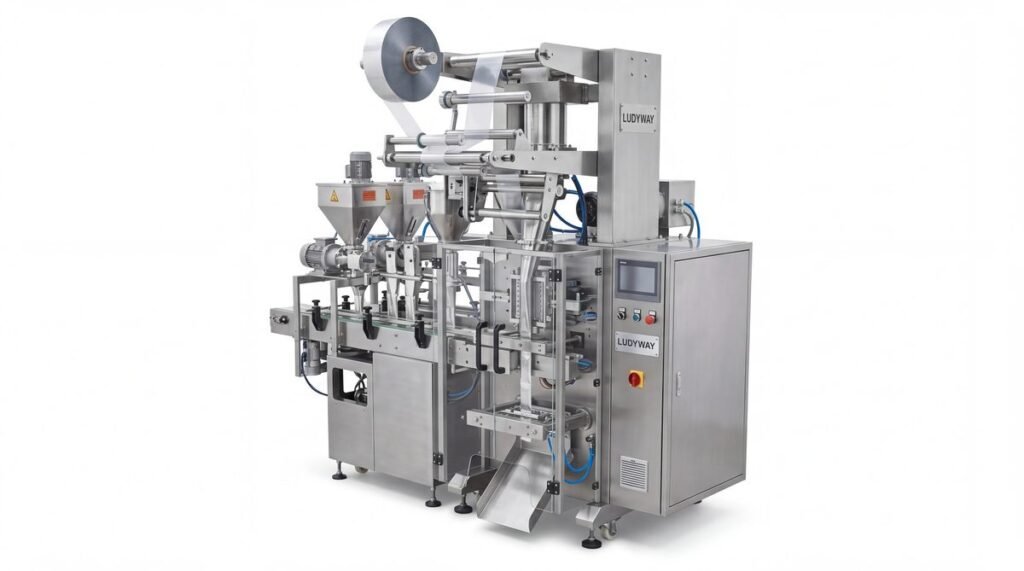
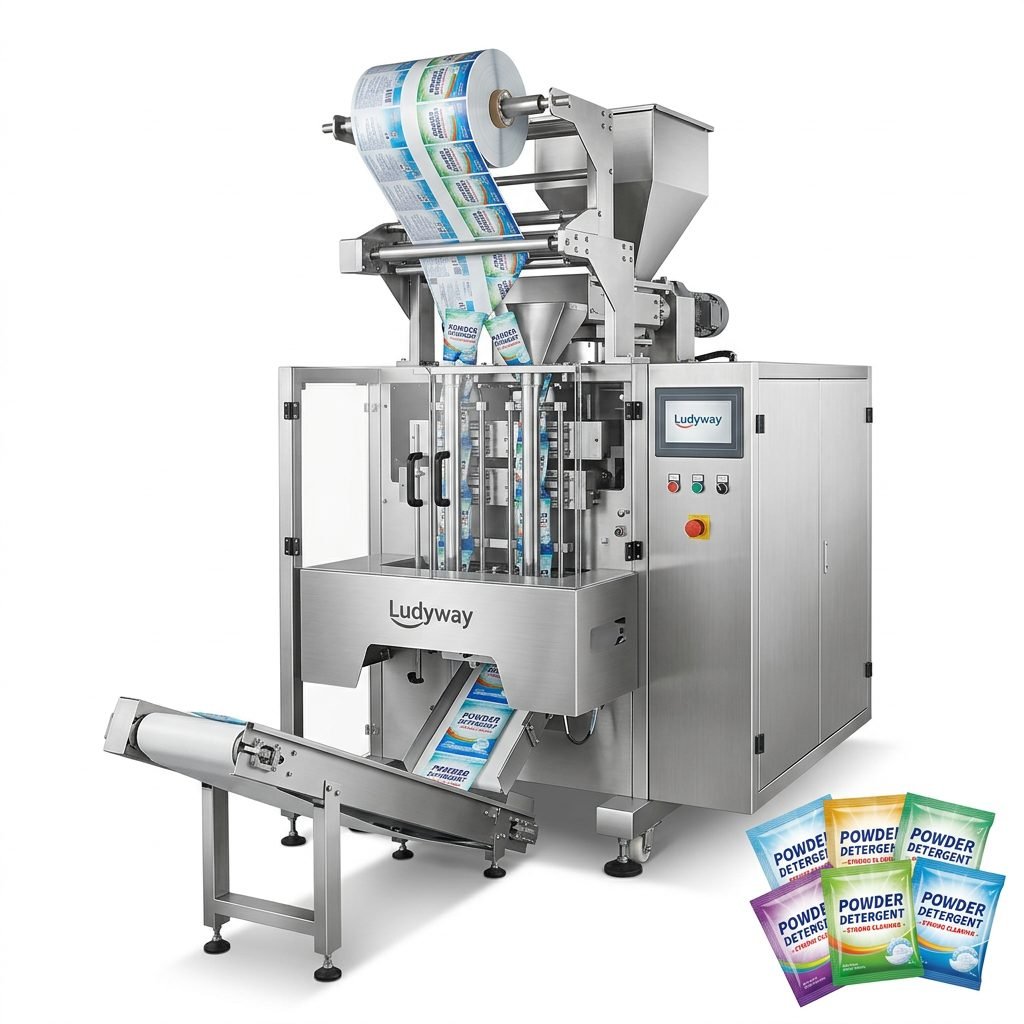
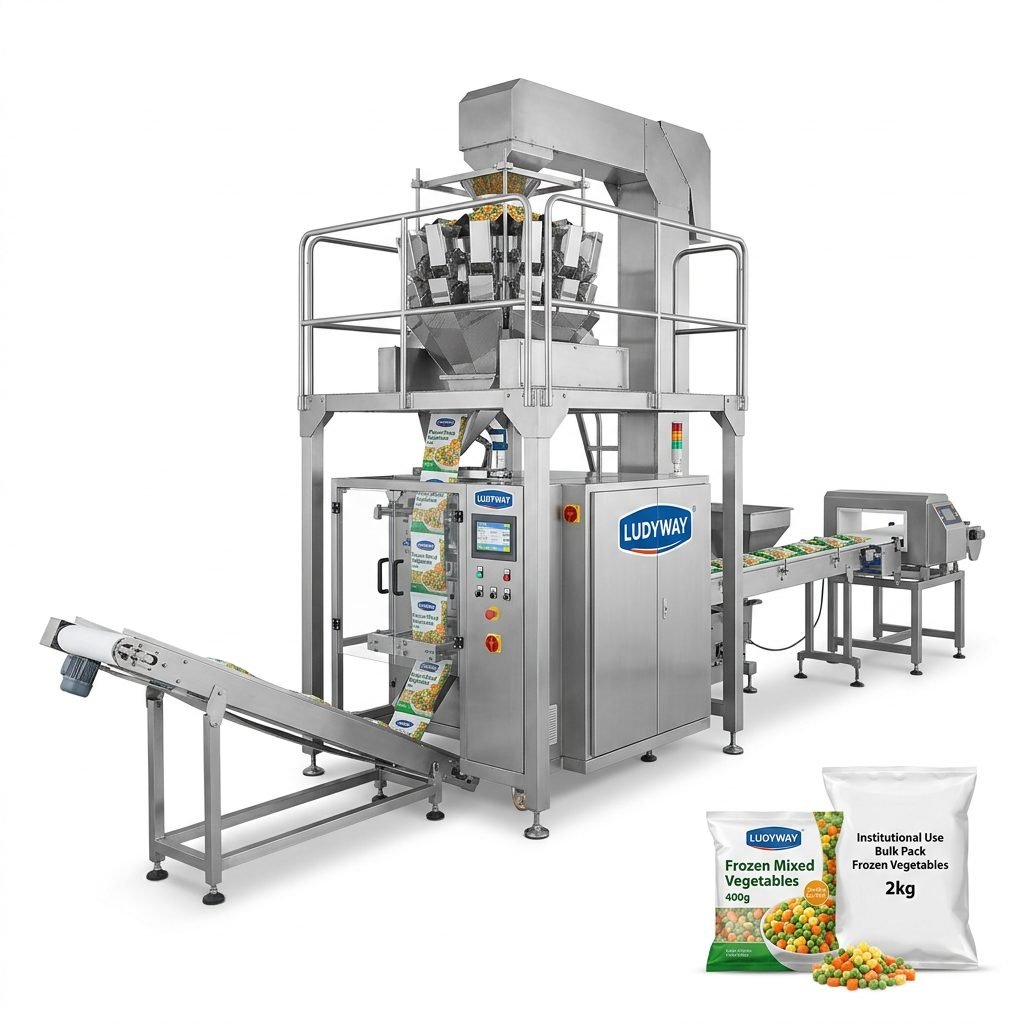
| Vertical Form Fill Seal (VFFS) | Frozen vegetables, fruits, French fries | Pillow bags, gusseted bags | 30-120 packs/min |
| Horizontal Form Fill Seal (HFFS) | Frozen burgers, patties, baked goods | Flow wrap, pillow packs | 40-150 packs/min |
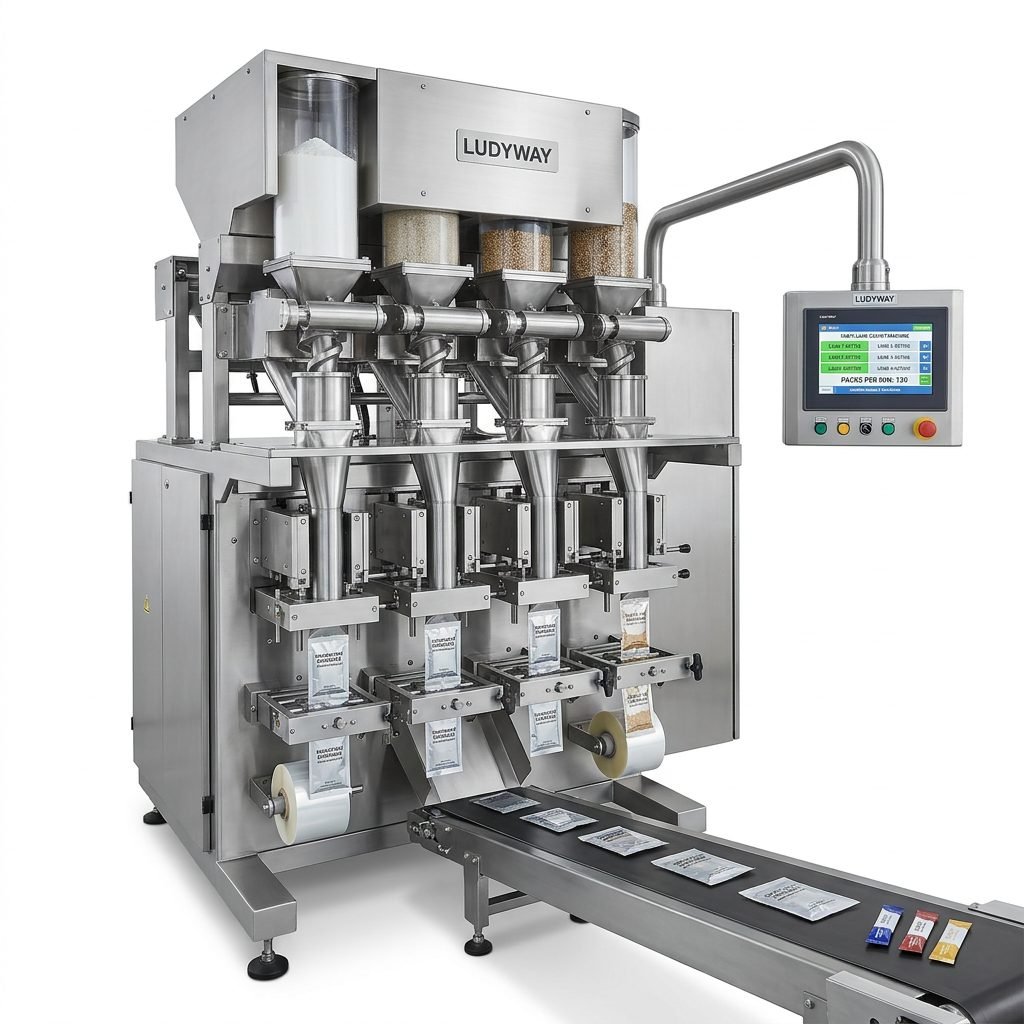
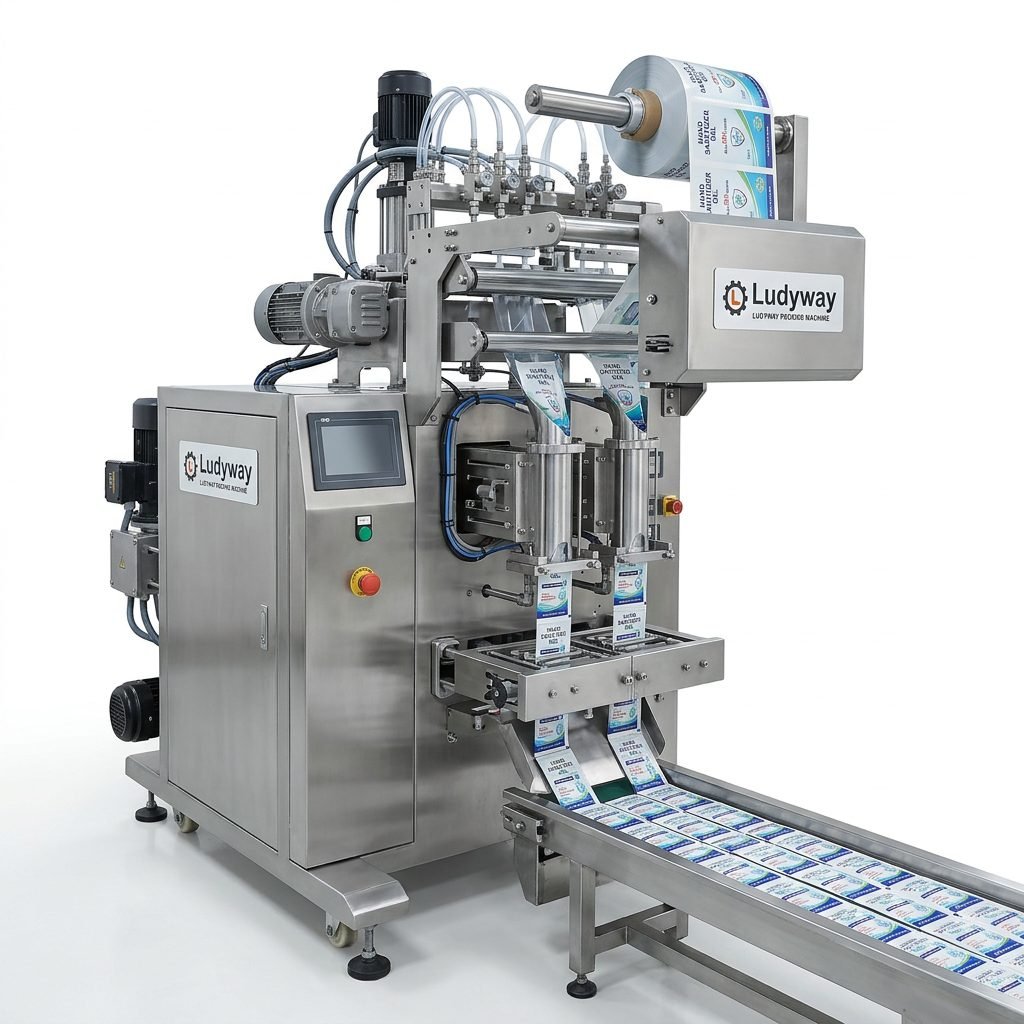
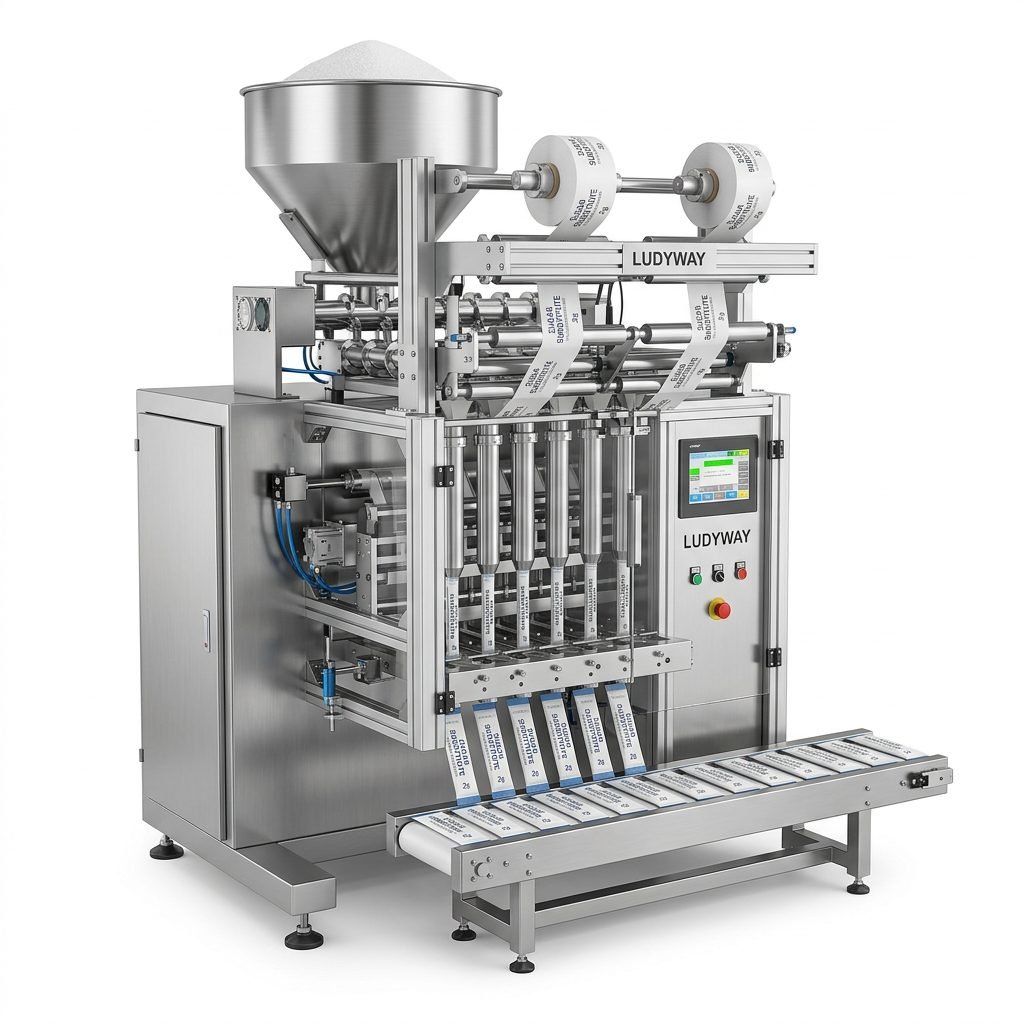
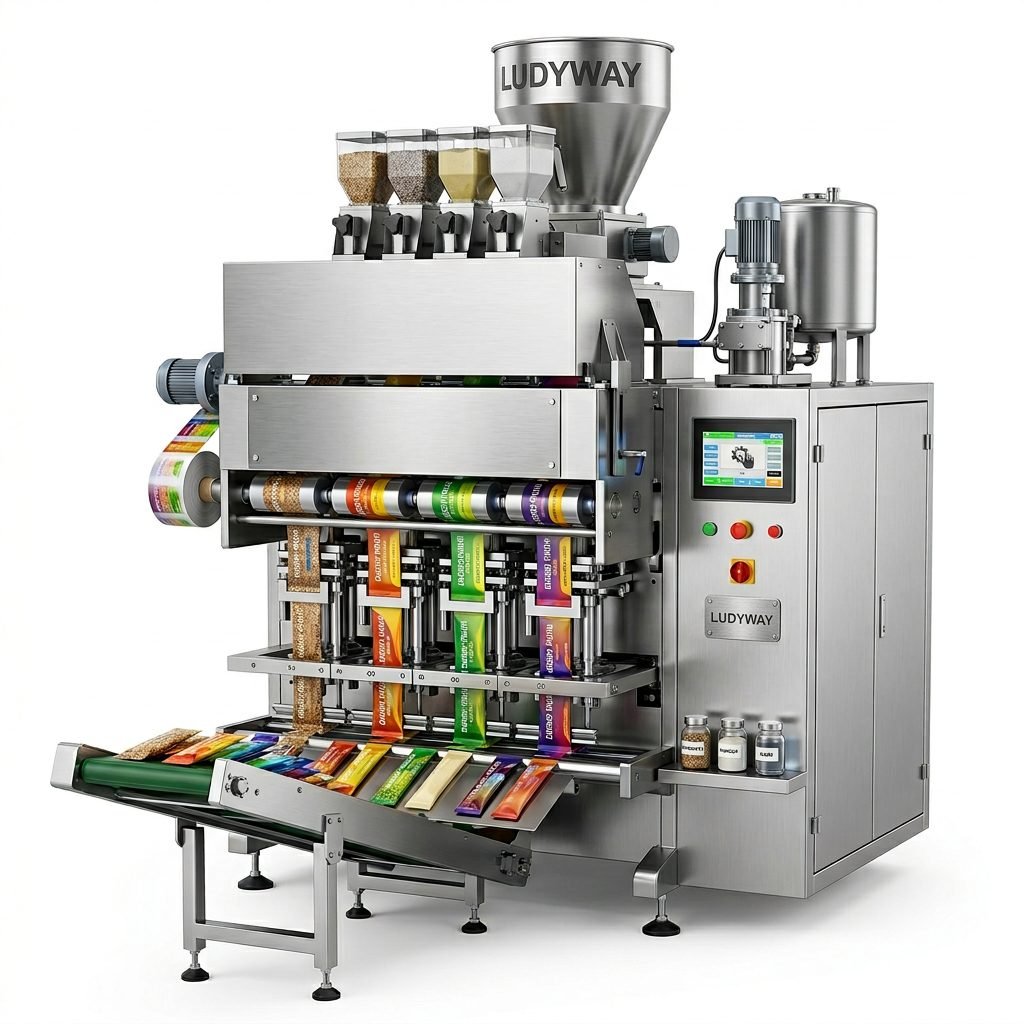
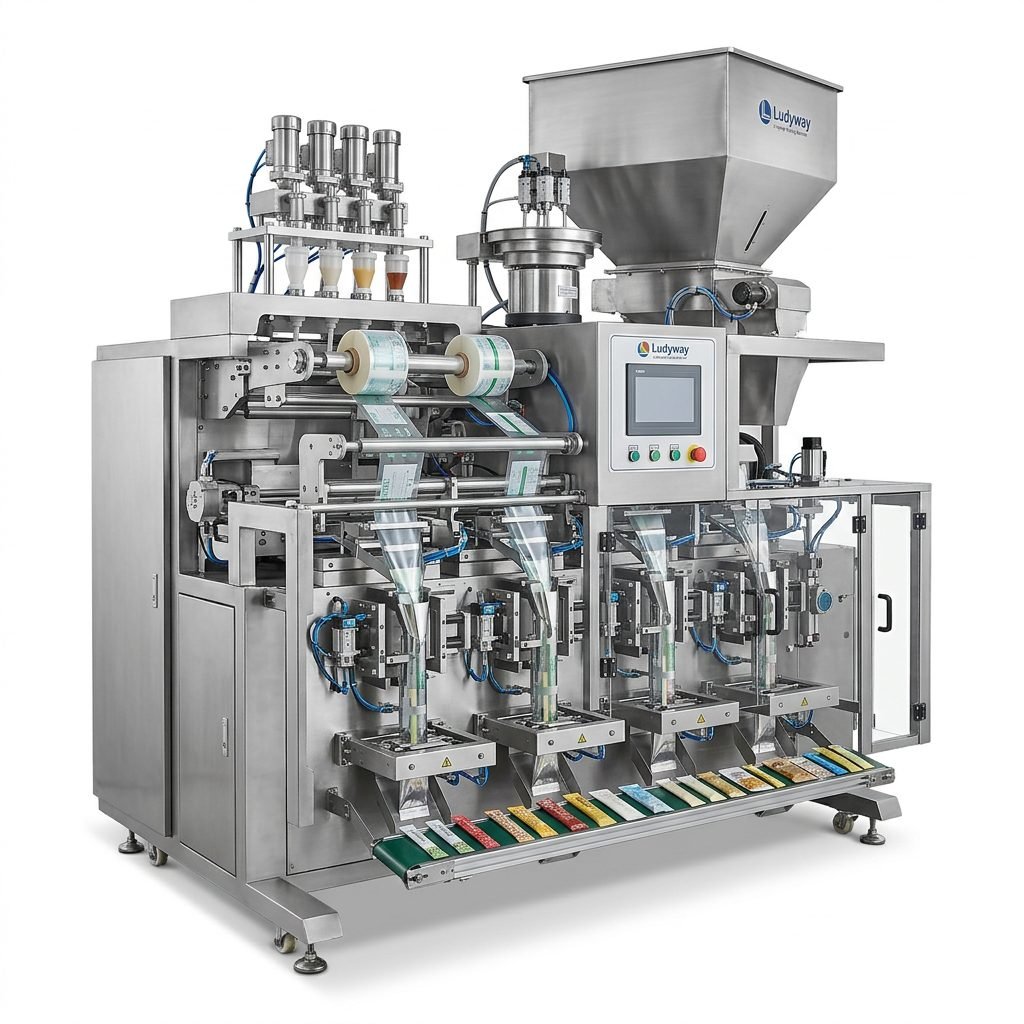
| Multi-Lane Stick Pack Machines | Frozen sauces, purees, portion packs | Stick packs, sachets | 200-600 packs/min |
| Tray Sealing Machines | Ready meals, frozen prepared foods | MAP trays, vacuum trays | 20-80 trays/min |
| Thermoforming Packaging Machines | Frozen meat, fish fillets, cheese | Vacuum skin packs, MAP packs | 8-20 cycles/min |
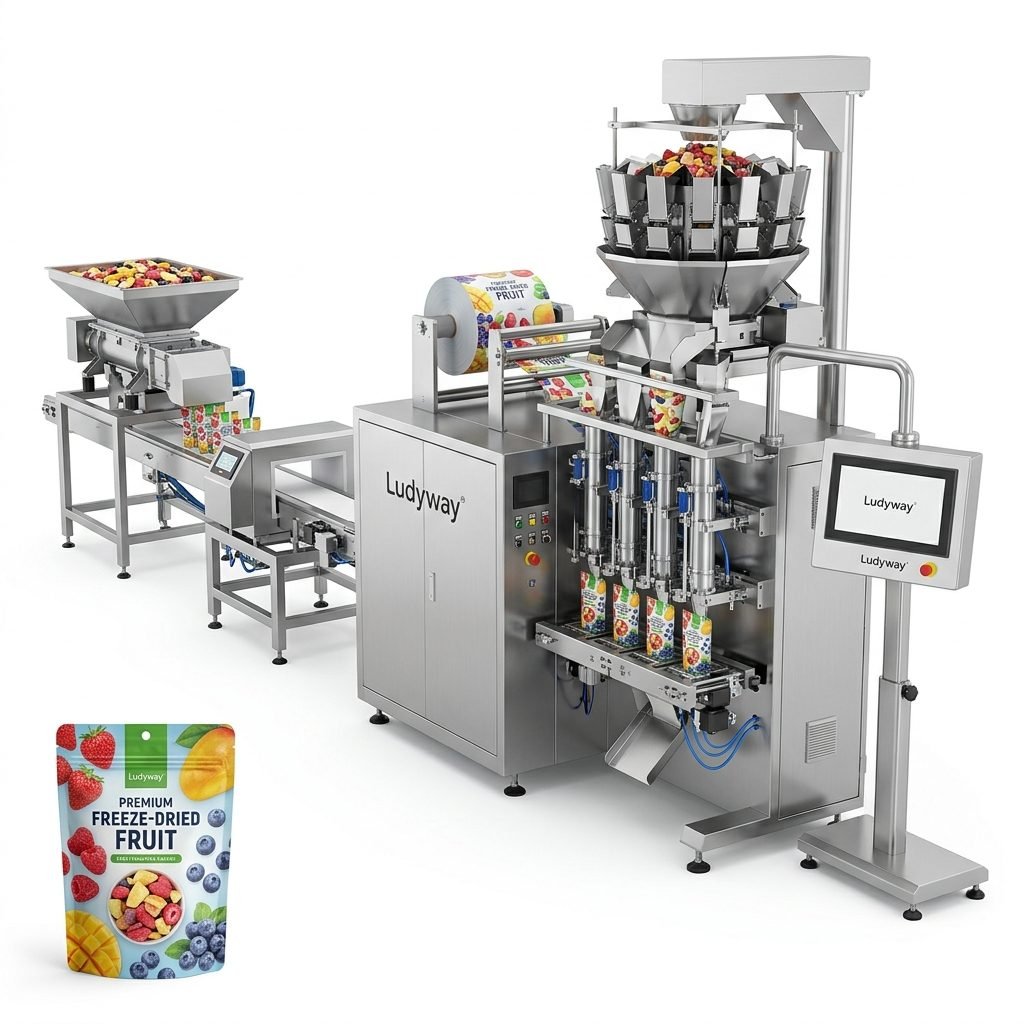
Key Factors to Consider When Buying in Germany
Regulatory Compliance and Certification
Any packaging machine operating in Germany must comply with EU Machinery Directive 2006/42/EC and carry the CE marking. For frozen food applications, additional requirements include compliance with food contact material regulations and hygiene design standards such as EN 1672-2 for food processing machinery. Machines should be designed for easy cleaning and sanitation, with IP65 or higher protection ratings for washdown environments commonly found in frozen food facilities.
Cold Environment Adaptability
Frozen food packaging environments typically operate at temperatures ranging from -18°C to -30°C. Packaging machines must be equipped with:
- Cold-resistant materials — stainless steel construction with low-temperature-tolerant seals and lubricants
- Condensation management — heated sealing jaws and anti-fog systems for film handling
- Low-temperature electronics — control systems rated for cold environment operation
- Insulated or heated cabinets — protection for sensitive electrical components
Modified Atmosphere Packaging (MAP) Capabilities
A significant portion of frozen food products in Germany utilize Modified Atmosphere Packaging to extend shelf life and maintain product quality. When selecting a machine, consider whether you need gas flushing capabilities for nitrogen or CO₂ injection, vacuum sealing options, and precise gas mixture control systems. MAP technology is particularly important for frozen ready meals and premium frozen products where color retention and texture preservation are critical.
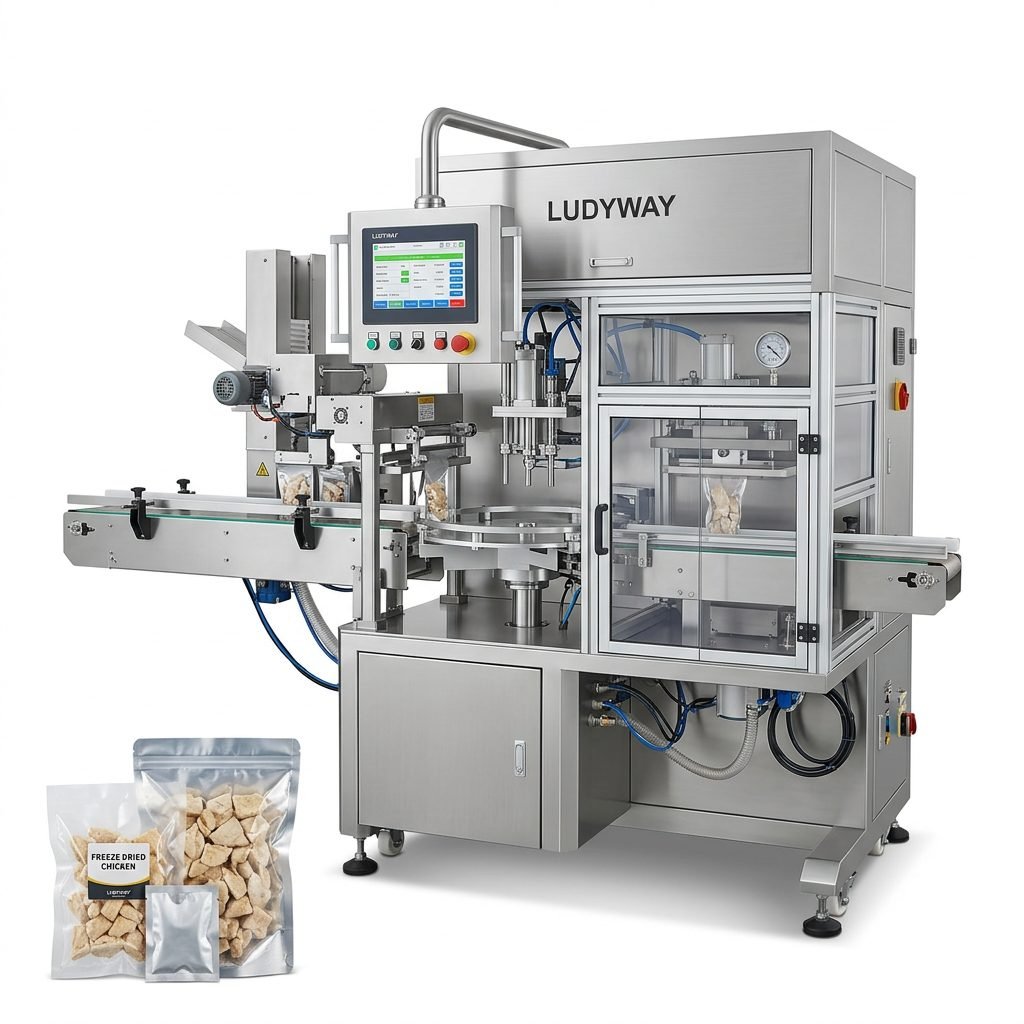
Automation Level and Integration with Production Lines
German food manufacturers increasingly prioritize full automation to address labor shortages and maintain consistent product quality. When evaluating a packaging line for frozen food, assess its compatibility with:
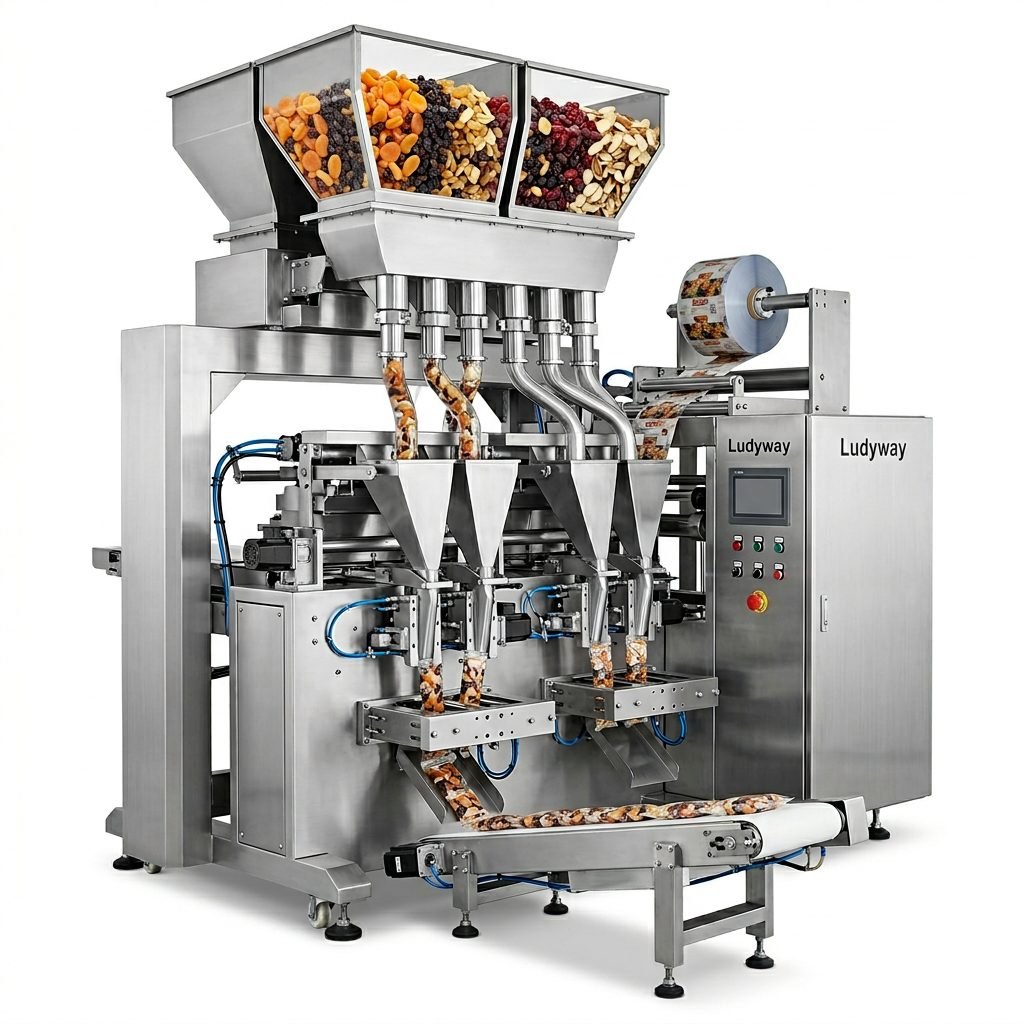
- Automatic feeding systems and multi-head weighers for precise portion control
- Upstream freezing tunnels or IQF (Individually Quick Frozen) processing equipment
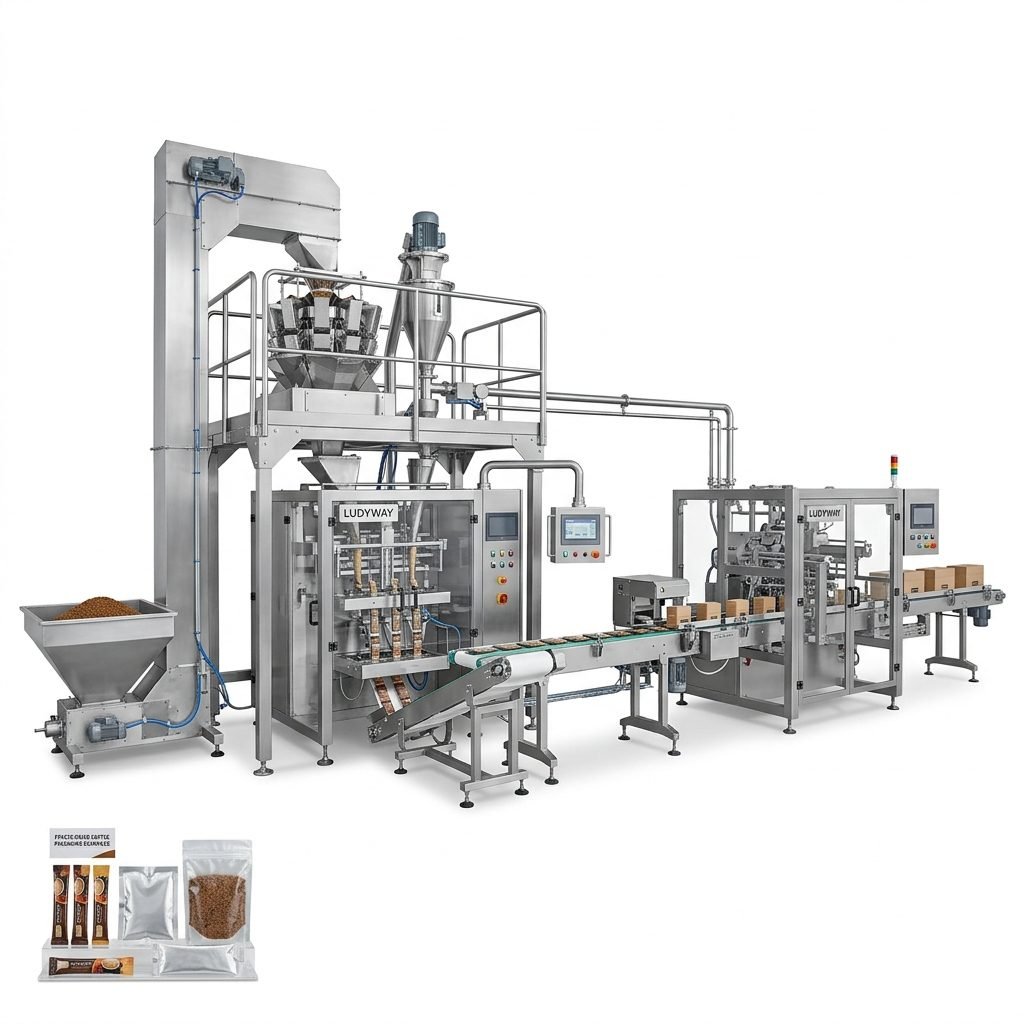
- Downstream cartoning, case packing, and palletizing systems
- Vision inspection and checkweighing systems for quality assurance
- Track-and-trace systems compliant with EU serialization requirements
Energy Efficiency and Sustainability Considerations
Germany’s strict energy efficiency regulations and the growing emphasis on sustainability make energy consumption a key purchasing criterion. The European Commission’s Packaging and Packaging Waste Regulation increasingly influences packaging machinery design. Look for machines with:
- Servo-driven motors that reduce energy consumption during idle periods
- Optimized heating systems for sealing jaws with precise temperature control
- Compatibility with recyclable mono-material films and sustainable packaging substrates
- Film-saving features that minimize material waste during format changes
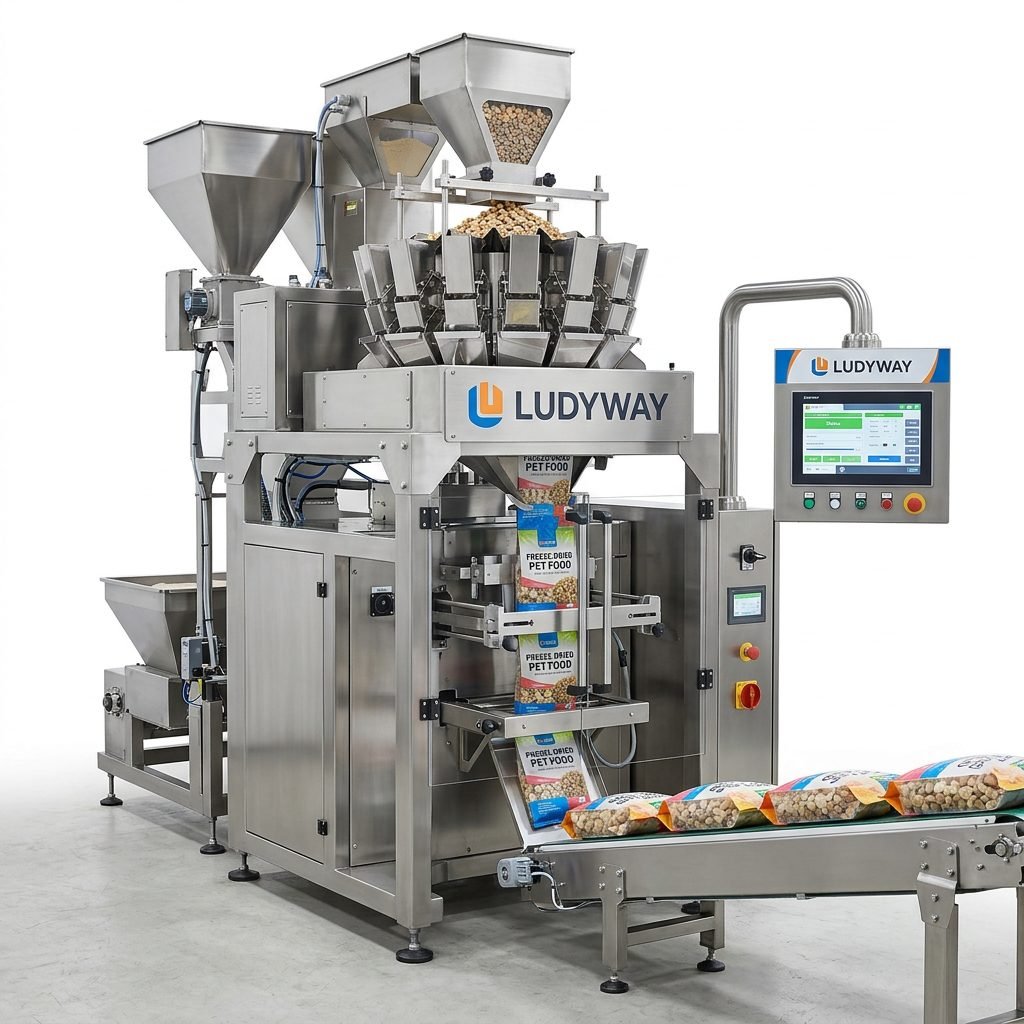
Cost Analysis and ROI Expectations
Investing in a frozen food packaging machine in Germany requires careful financial planning. Below is an overview of the cost components and expected returns:
| Cost Component | Estimated Range (EUR) | Key Variables |
|---|---|---|
| Entry-Level VFFS Machine | €45,000 – €90,000 | Speed, film width, automation level |
| Mid-Range Multi-Lane System | €120,000 – €280,000 | Number of lanes, MAP capability |
| High-End Thermoforming Line | €250,000 – €600,000+ | Output speed, tooling complexity |
| Installation & Commissioning | €8,000 – €30,000 | Site preparation, training needs |
| Annual Maintenance | €3,000 – €15,000 | Spare parts, service contracts |
Most German food manufacturers achieve ROI within 18 to 36 months through increased throughput, reduced labor costs, and minimized product giveaway through precise portion control. The 2025 State of the Industry report indicates that packaging machinery investments in Europe continue to deliver strong returns, particularly in the frozen food sector.
Selecting a Reliable Supplier for the German Market
When choosing a packaging machine supplier for your German operation, prioritize manufacturers with proven experience in cold-environment applications and familiarity with EU regulatory requirements. Key evaluation criteria include:
- Local technical support — availability of service engineers within Germany or neighboring EU countries
- Spare parts availability — established distribution network within the European Union
- Documentation — comprehensive technical manuals in German and English
- Reference installations — verifiable case studies from German frozen food producers
- After-sales service — preventive maintenance programs and rapid response guarantees
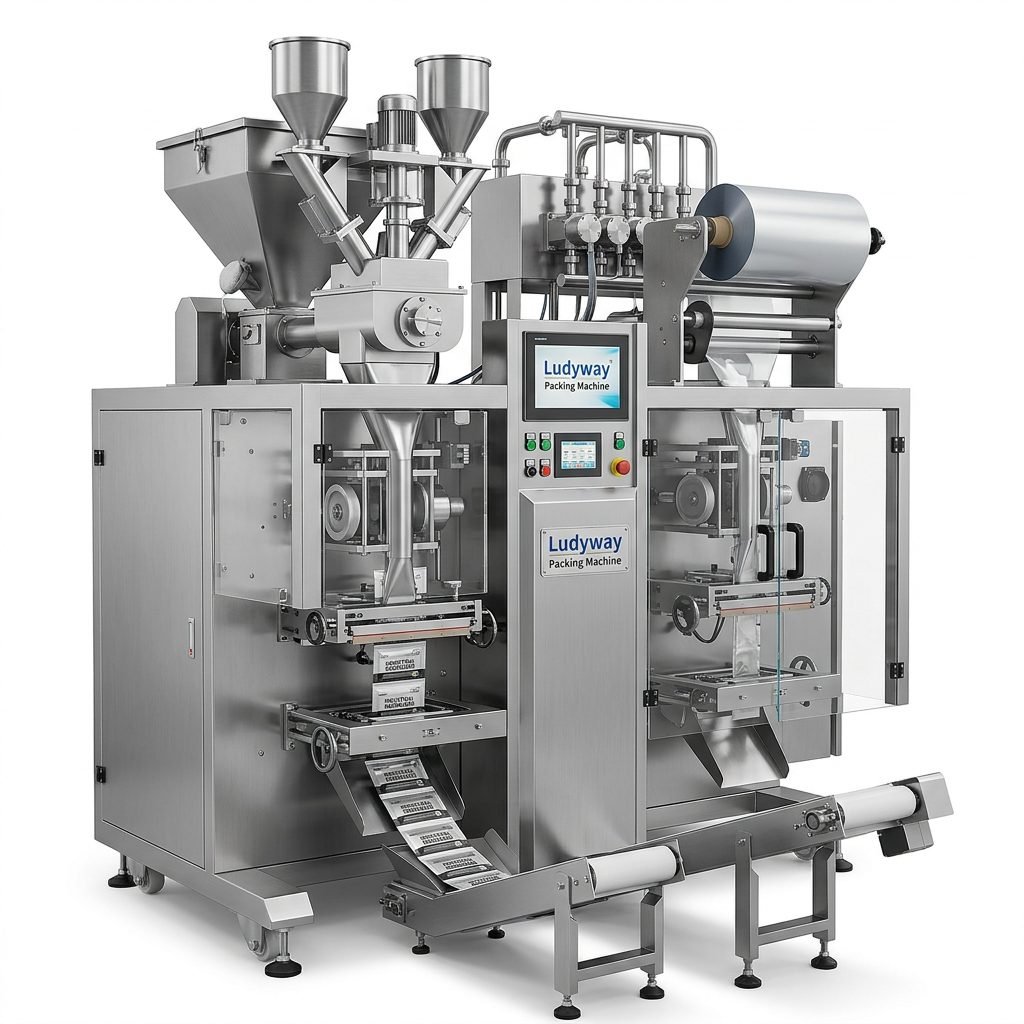
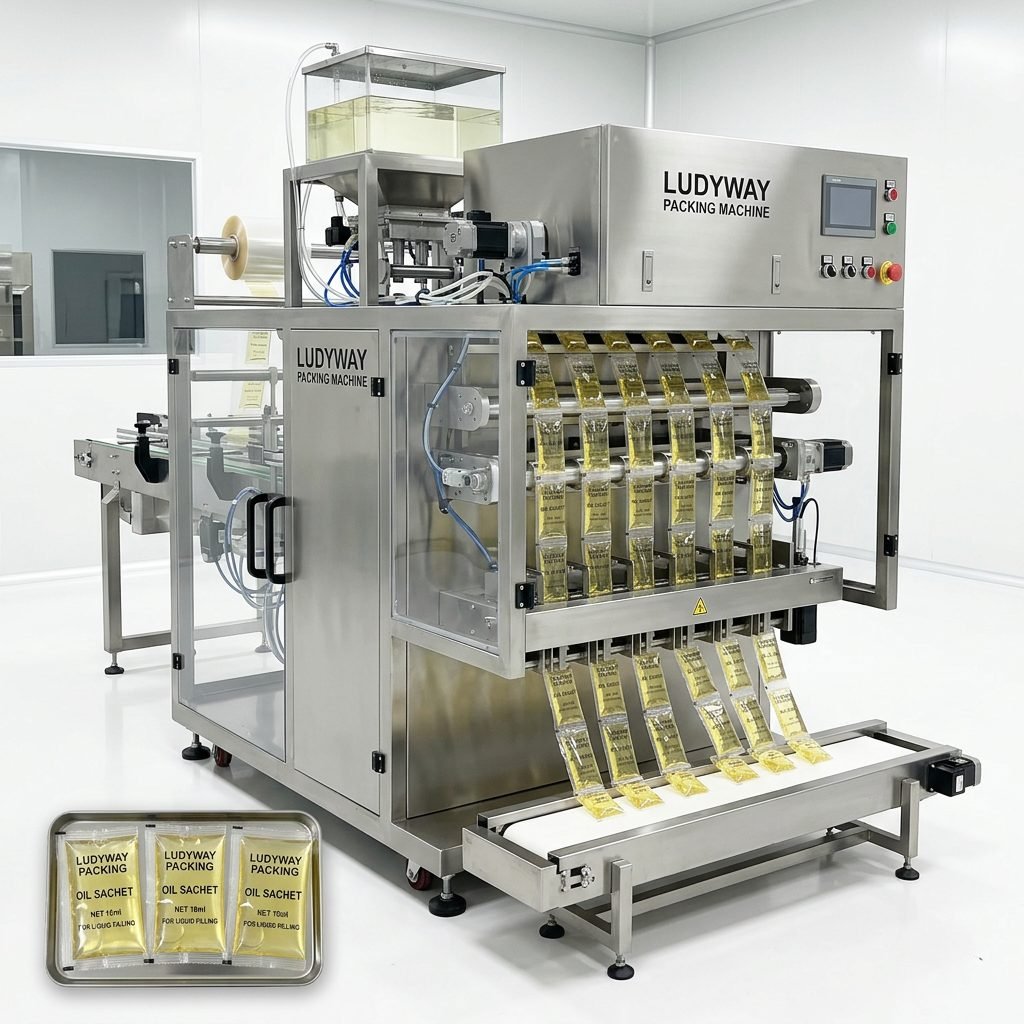
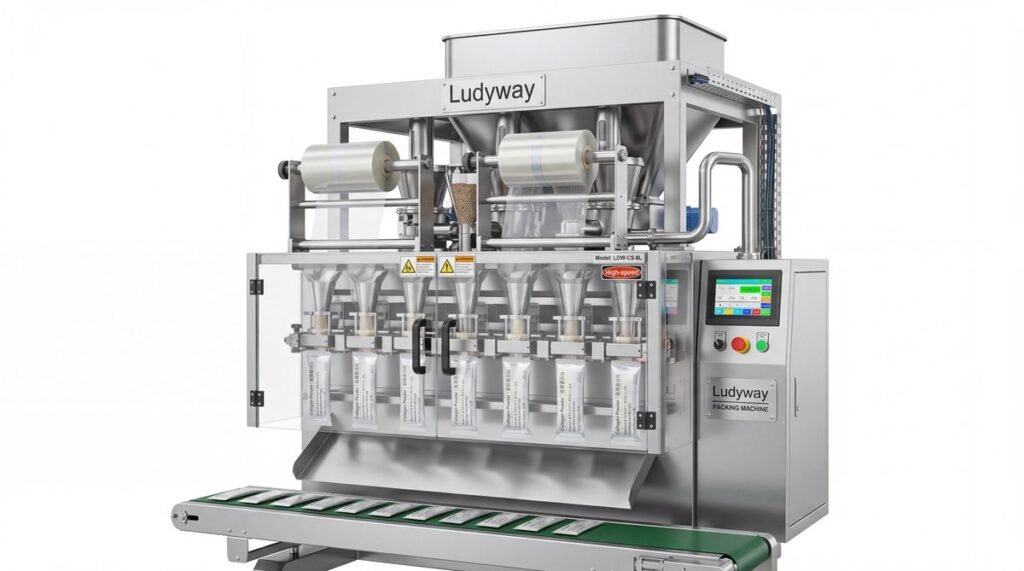
Ludyway is one of the largest packaging machine manufacturers with extensive experience in supplying multi-lane stick pack and sachet packaging systems for frozen food applications, offering CE-certified equipment that meets EU safety and hygiene standards. When evaluating any supplier, request detailed documentation on cold-environment performance and arrange factory acceptance testing (FAT) before shipment.
Installation, Training, and Ongoing Support
Successful integration of a frozen food packaging machine into your German production facility requires thorough planning. Installation typically takes 1-3 weeks depending on line complexity. Ensure your supplier provides:
- Pre-installation site surveys and utility requirement documentation
- Comprehensive operator training programs (typically 3-5 days)
- Maintenance training for your technical staff
- Remote diagnostics capabilities for rapid troubleshooting
- Documented standard operating procedures (SOPs) compliant with German workplace safety regulations
Future Trends in Frozen Food Packaging Technology
As you evaluate equipment for long-term investment, consider these emerging trends shaping the German and broader European market, as highlighted by the Flexible Packaging Association:
- Smart packaging — integration of sensors for temperature monitoring throughout the cold chain
- Digitalization — Industry 4.0 capabilities including OEE tracking and predictive maintenance
- Sustainable materials — growing adoption of recyclable and bio-based packaging films
- Flexible formats — machines capable of handling multiple package sizes with minimal changeover time
- Energy recovery systems — heat recovery from sealing processes to reduce overall energy consumption
Making the Final Decision
Purchasing a frozen food packaging machine for the German market is a strategic decision that impacts your production efficiency, product quality, and regulatory compliance for years to come. Focus on total cost of ownership rather than initial purchase price alone. Request detailed proposals from multiple qualified suppliers, conduct thorough reference checks, and whenever possible, visit existing installations to observe equipment performance under real production conditions.
For more detailed guidance on specific frozen food packaging applications or to explore turnkey packaging solutions tailored to your production requirements, consult with packaging machinery specialists who understand both the technical demands of frozen food processing and the regulatory landscape of the German market.
Related Industry Resources: