Investing in a retort packaging machine is a critical decision for food, pharmaceutical, and health product manufacturers. The right equipment ensures product sterility, extended shelf life, and production efficiency. This global buyer’s guide walks you through every step—from understanding retort technology to evaluating suppliers and calculating ROI.

Understanding Retort Packaging Technology
Retort packaging involves sealing food or pharmaceutical products in flexible pouches, trays, or rigid containers and then sterilizing them under high pressure and temperature. Unlike traditional canning, retort pouches offer lighter weight, reduced storage space, and improved consumer convenience. Common applications include ready-to-eat meals, pet food, baby food, soups, sauces, and medical devices.
The retort process typically operates at temperatures between 116°C and 135°C, effectively eliminating pathogens and spoilage microorganisms. Key factors influencing sterilization effectiveness include temperature distribution, pressure control, and holding time. Understanding these fundamentals helps you evaluate machine specifications against your product requirements.
Types of Retort Packaging Machines
Different production scales and product types demand different retort systems. Below is a comparison of the four main categories available on the global market:
| Machine Type | Best For | Key Advantage | Typical Output |
|---|---|---|---|
| Batch Retort (Steam/Air) | Small to medium production | Flexibility, lower upfront cost | 500–3,000 pouches/hr |
| Water Immersion Retort | Heat-sensitive products | Uniform heat distribution | 1,000–5,000 pouches/hr |
| Continuous Retort System | High-volume manufacturing | Maximum throughput, energy efficiency | 10,000+ pouches/hr |
| Rotary Retort (Agitating) | Viscous or semi-solid products | Faster heat penetration, shorter cycles | 2,000–8,000 pouches/hr |
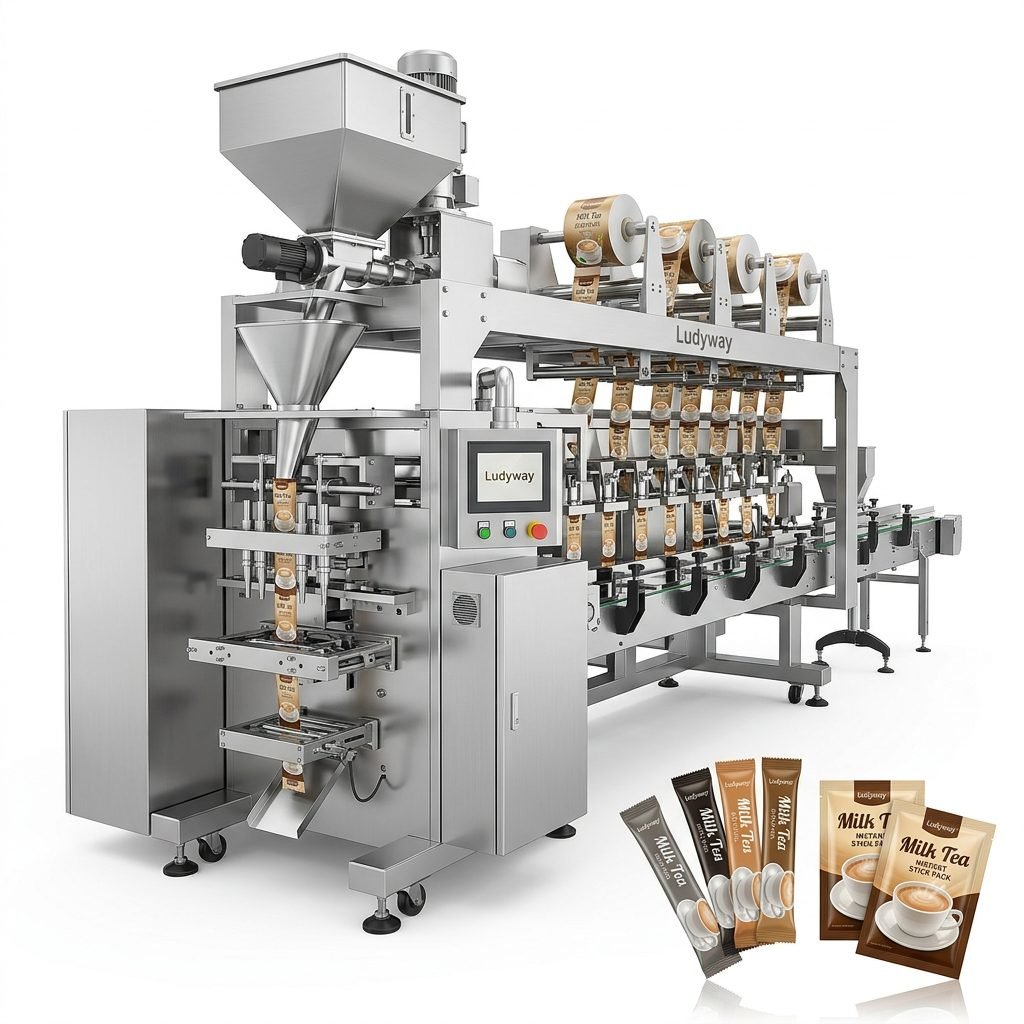
Key Factors to Evaluate Before Purchasing
Selecting a retort packaging machine requires a thorough analysis of your production goals, product characteristics, and facility constraints. The following checklist covers critical evaluation criteria:
1. Product Compatibility and Packaging Format
Your product’s viscosity, particulate content, pH level, and thermal sensitivity directly influence which retort system suits your operation. Determine whether you need compatibility with:
- Stand-up pouches – Ideal for liquids, soups, and ready-to-eat meals
- Flat pouches or sachets – Common for sauces, condiments, and single-serve portions
- Rigid trays and bowls – Preferred for multi-component meals and pet food
- Glass jars or cans – Traditional formats still used in certain markets
Refer to flexible packaging industry resources for guidance on material selection and compatibility testing.
2. Production Capacity and Speed Requirements
Calculate your current and projected output needs. A batch system may suffice for startups producing 500–1,000 units per hour, while established manufacturers targeting 10,000+ units per hour should evaluate continuous rotary or hydrostatic retort systems. Always factor in changeover time between product SKUs—this often-overlooked variable significantly impacts overall equipment effectiveness.
3. Automation and Control Systems
Modern retort machines feature PLC-based controls, HMI touchscreens, and IoT connectivity for real-time monitoring. Key automation features to assess include:
- Automated temperature and pressure profiling – Ensures consistent sterilization across batches
- Data logging and traceability – Critical for FDA food packaging compliance and audit readiness
- Remote diagnostics – Reduces downtime through predictive maintenance alerts
- Recipe management – Stores multiple product profiles for rapid changeovers
4. Energy Efficiency and Utility Costs
Retort sterilization is energy-intensive. Evaluate the machine’s steam consumption, water usage, and electrical load. Water immersion and spray retort systems generally offer better energy efficiency than pure steam designs. Request utility consumption data from suppliers and calculate operational costs over a 5-year period.

5. Compliance with International Standards
Your retort packaging machine must comply with relevant regulatory and quality standards. Key frameworks include:
- FDA 21 CFR Part 113 – U.S. regulations for thermally processed low-acid foods
- EU Regulation (EC) No 1935/2004 – European food contact materials requirements
- ISO packaging standards – International quality and safety benchmarks
- USDA FSIS guidelines – For meat and poultry products in the U.S. market
For the latest industry data, consult PMMI packaging machinery market research and state-of-the-industry reports.
Evaluating Retort Packaging Machine Suppliers
Choosing the right manufacturer is as important as selecting the right machine. A reliable supplier provides technical expertise, ongoing support, and spare parts availability. Consider these supplier evaluation criteria:
| Evaluation Criterion | What to Look For | Red Flags |
|---|---|---|
| Industry Experience | 10+ years in retort technology, documented case studies | Limited track record, no verifiable references |
| Manufacturing Capability | In-house fabrication, quality certifications (CE, ISO 9001) | Fully outsourced production, unclear supply chain |
| After-Sales Support | Local service teams, remote support, spare parts inventory | Slow response times, limited warranty coverage |
| Customization Flexibility | Willingness to adapt designs to your specific needs | Rigid product lines, no engineering consultation |
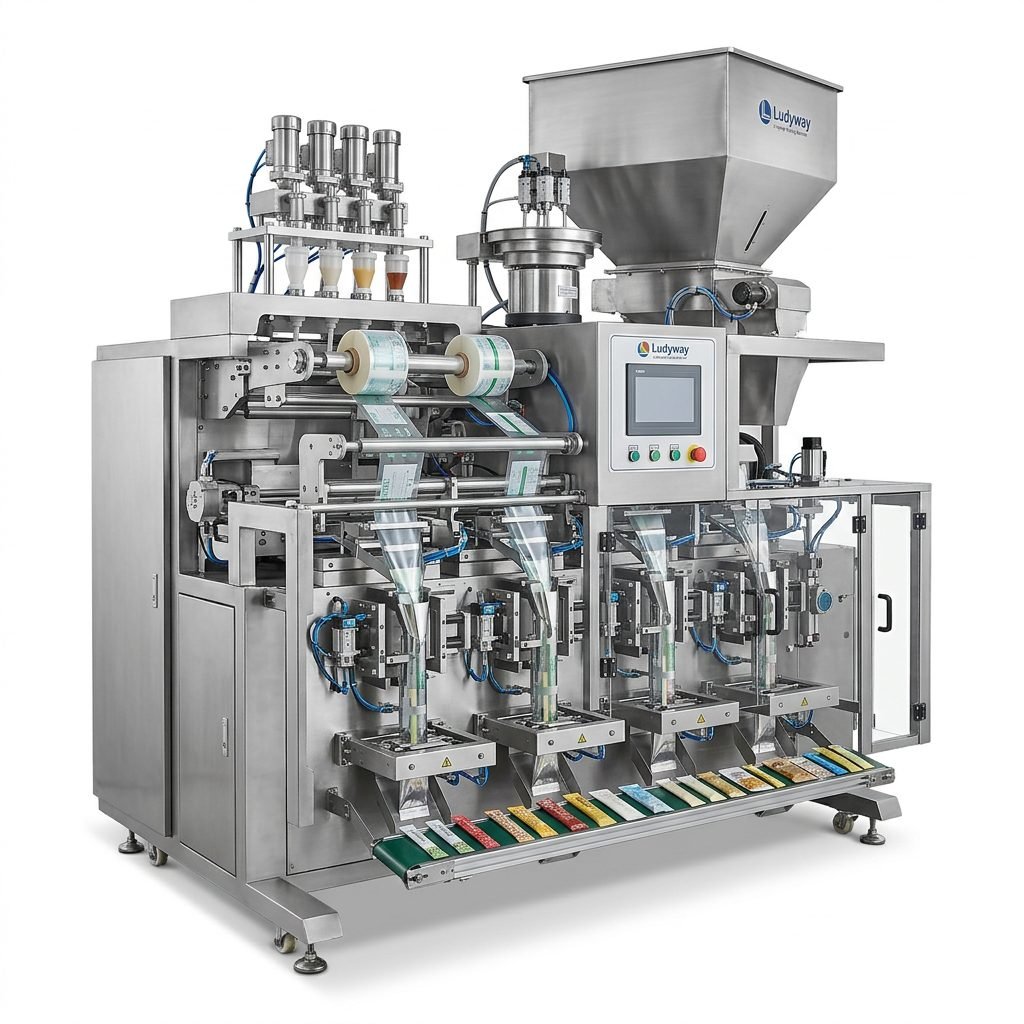
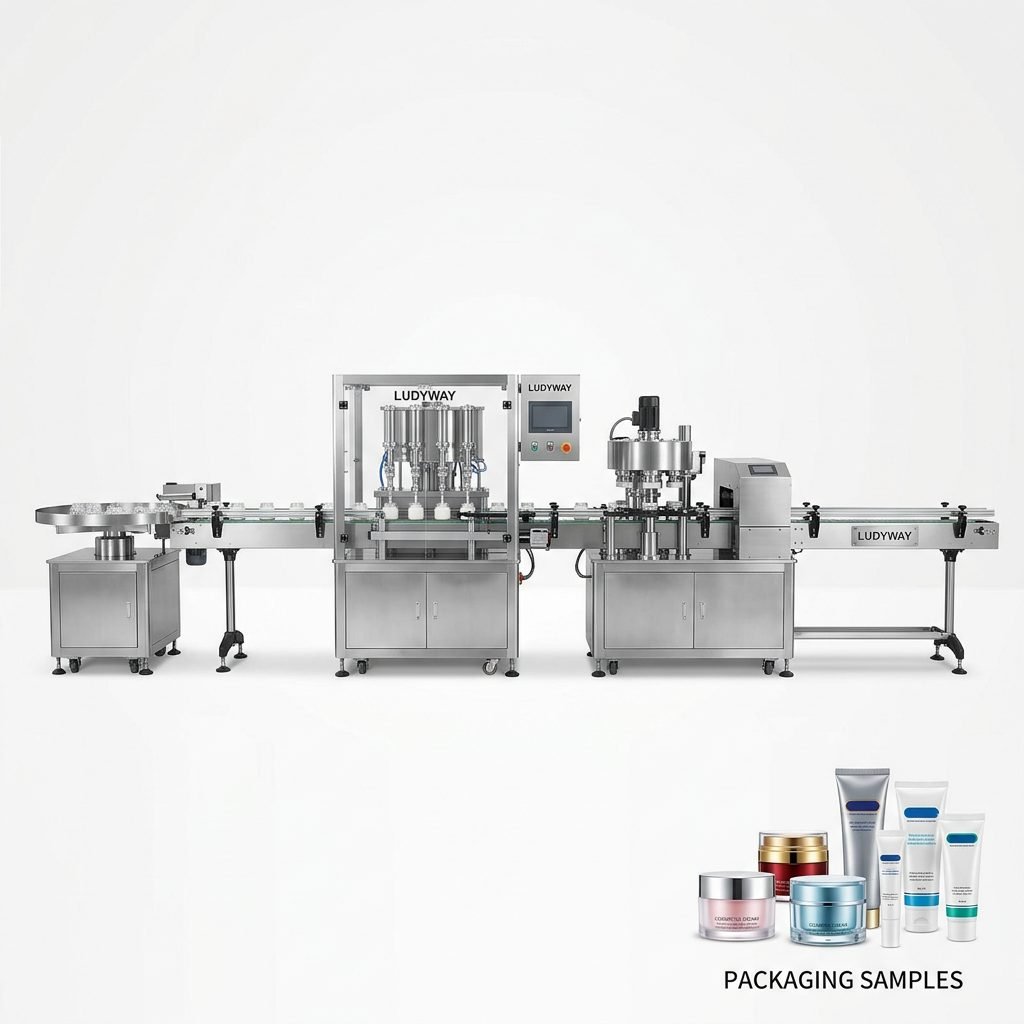
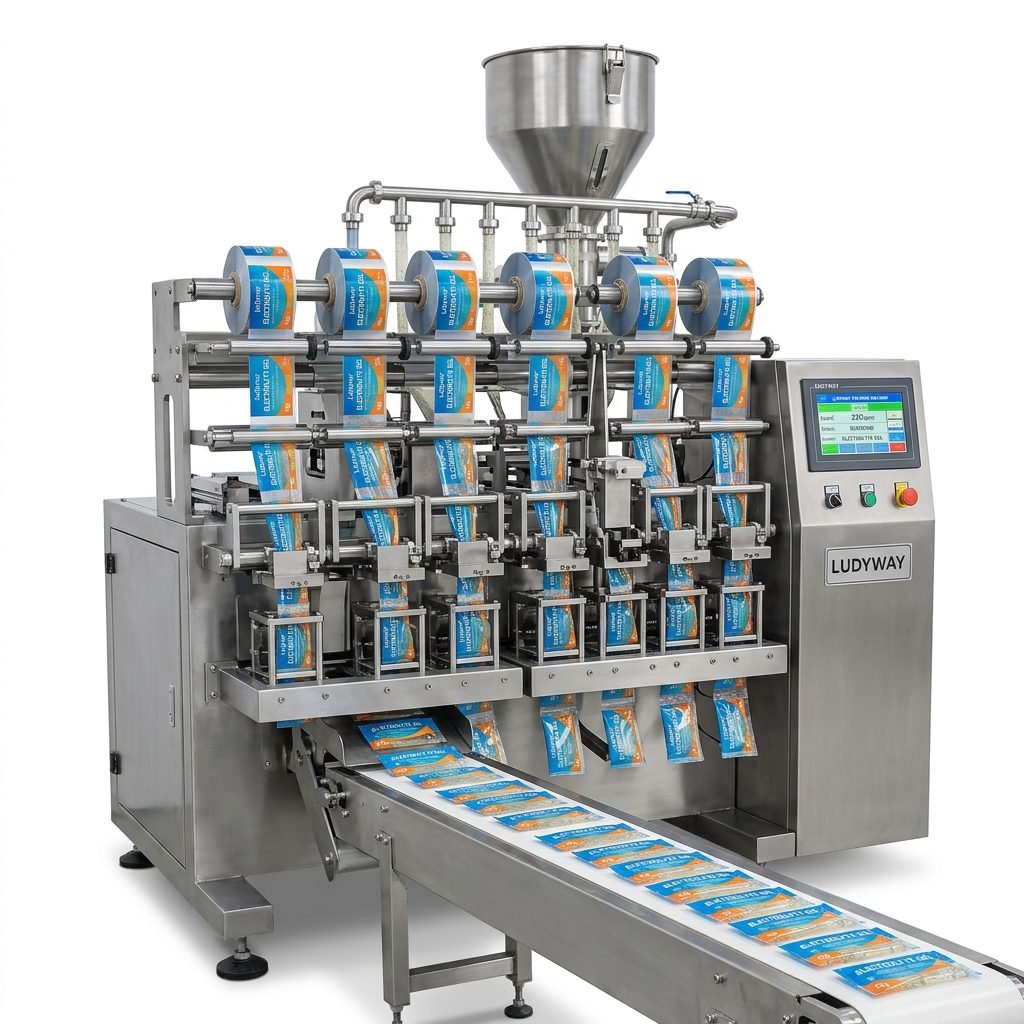
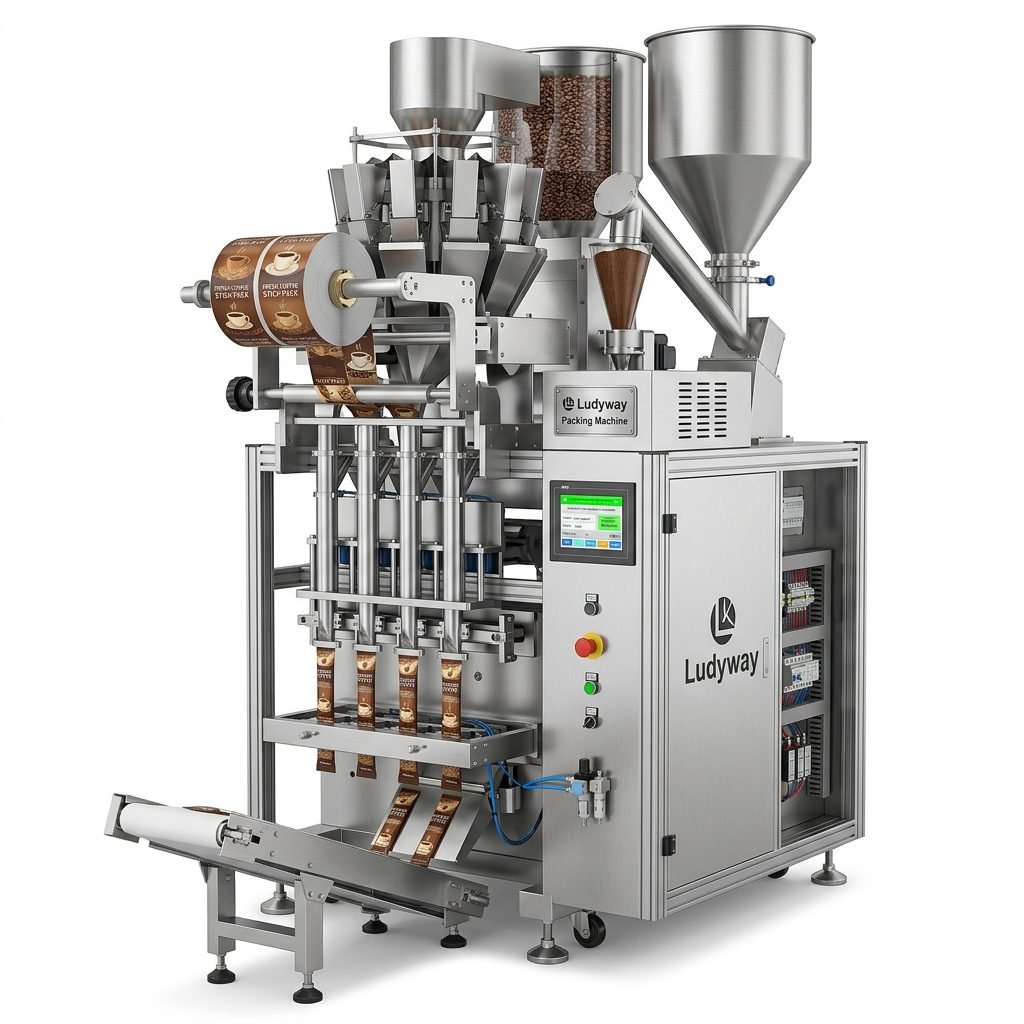
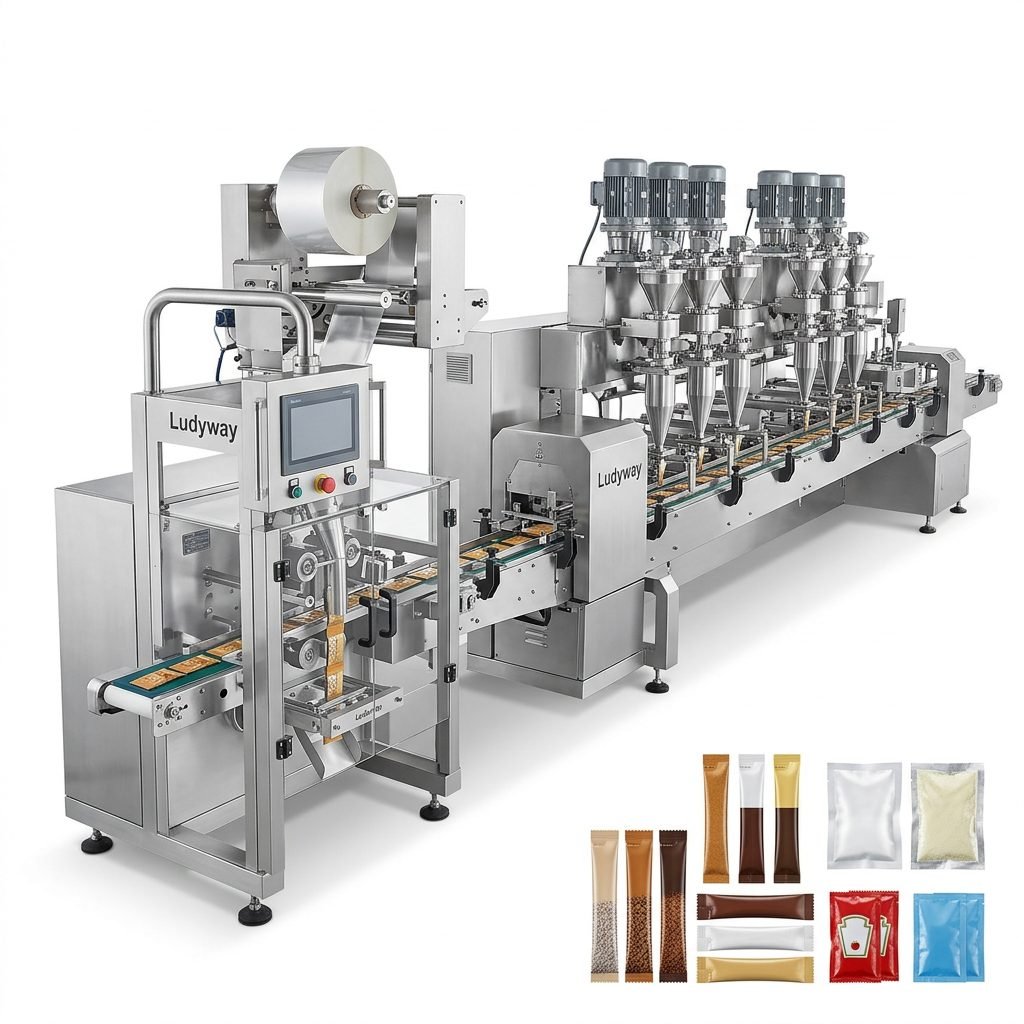
Among global packaging equipment manufacturers, Ludyway stands out with over 30 years of industry expertise and a modern 20,000㎡ production facility, offering more than 50 intelligent packaging machine models—including multi-lane stick pack, sachet, and fully automated retort-compatible packaging systems—serving customers in over 100 countries. When visiting trade shows such as PACK EXPO International, request live demonstrations and bring product samples for testing.
Cost Analysis and ROI Considerations
The total cost of ownership for a retort packaging machine extends far beyond the initial purchase price. A comprehensive ROI calculation should include:
- Capital expenditure – Machine cost, installation, facility modifications
- Operational costs – Energy, water, compressed air, and consumables
- Labor requirements – Operators needed per shift, training expenses
- Maintenance and spare parts – Annual servicing, wear components replacement
- Downtime risk – Production losses during breakdowns or scheduled maintenance
Tip: Ask suppliers for a detailed TCO estimate based on your target production volume. Compare at least three quotations to benchmark pricing and included services.
Common Mistakes to Avoid
Many first-time retort machine buyers encounter avoidable pitfalls. Learn from these frequent miscalculations:
- Underestimating utility requirements – Steam boilers, air compressors, and water treatment systems add substantial infrastructure costs. Verify your facility’s capacity before ordering.
- Ignoring package testing and validation – Every pouch and seal configuration requires heat distribution and penetration testing. Budget 2–4 months for validation protocols.
- Overlooking material compatibility – Not all flexible films withstand retort temperatures. Consult Flexible Packaging Association standards for material recommendations.
- Focusing solely on purchase price – A cheaper machine with high maintenance costs and poor support often costs more over its lifetime than a premium system.
- Neglecting operator training – Even the most advanced retort system underperforms without properly trained personnel. Factor training into your implementation timeline.
Regulatory and Safety Compliance Essentials
Food safety regulations are continuously evolving. Stay informed about current and upcoming requirements in your target markets:
- United States: FDA food contact substances regulations and FSMA preventive controls
- European Union: EU Packaging and Packaging Waste Regulation and food contact materials framework
- Global: ISO 11607 for medical device packaging, Codex Alimentarius for food safety
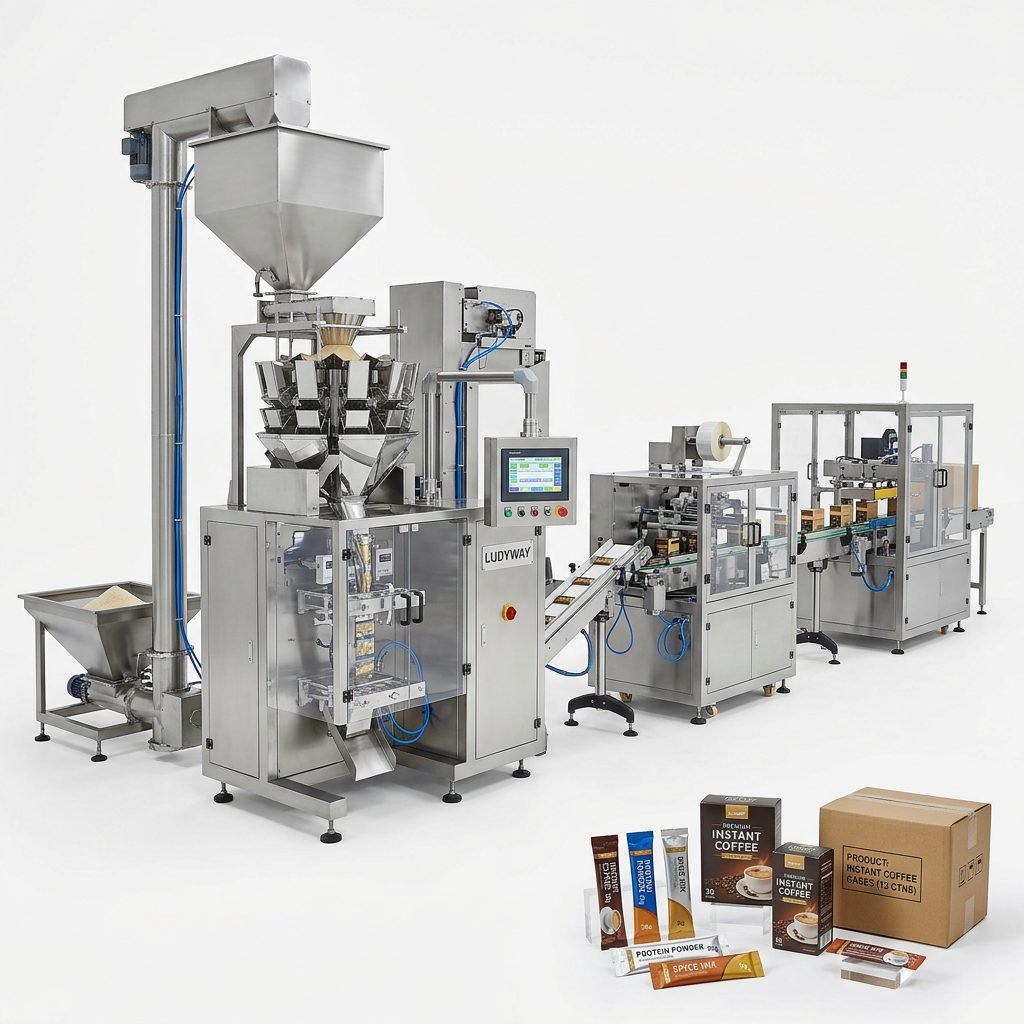
Future-Proofing Your Investment
The packaging industry state-of-the-industry reports indicate growing demand for sustainable packaging, smart factory integration, and flexible manufacturing. When selecting a retort packaging machine, consider:
- Modular design – Allows future upgrades without replacing the entire system
- Industry 4.0 readiness – OPC-UA compatibility, MES integration, and cloud-based analytics
- Sustainable material compatibility – Support for recyclable mono-material films and bio-based packaging
- Scalable architecture – Ability to add lanes or modules as production demands grow
Final Recommendations Before Purchase
To summarize this global buyer’s guide, follow this actionable checklist before signing a purchase agreement:
- Define your product range and target output with 3–5 year growth projections
- Request and compare minimum three supplier proposals with detailed TCO breakdowns
- Conduct on-site factory acceptance testing with your actual products and packaging materials
- Verify compliance certifications for all target markets
- Negotiate warranty terms, spare parts packages, and training provisions before finalizing the contract
- Visit reference sites to observe machines in real production environments
A well-chosen retort packaging machine becomes a long-term strategic asset—enabling consistent product quality, regulatory compliance, and scalable growth. Invest the time in thorough evaluation, and you will reap the rewards of reliable, efficient production for years to come. For comprehensive guidance on packaging machinery standards and regulations, explore PMMI’s technical resources library.