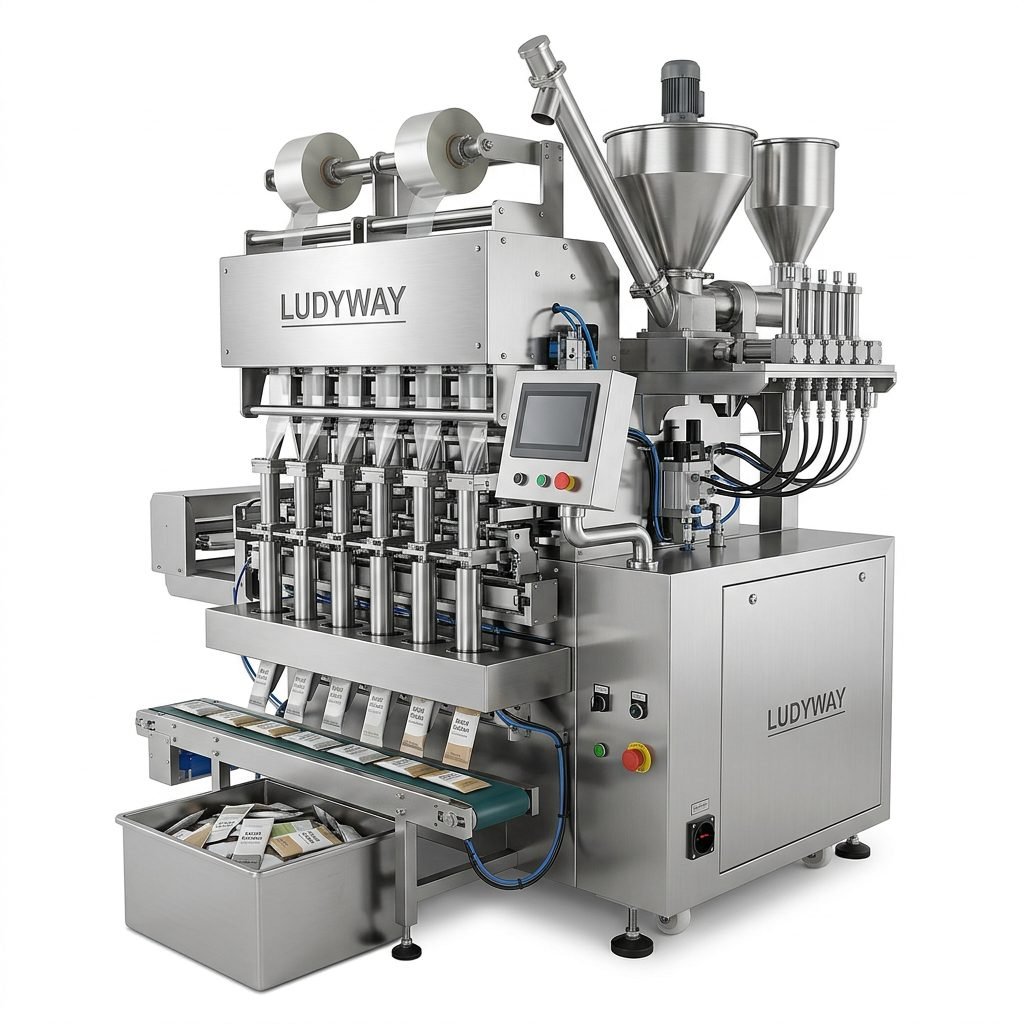
For food manufacturers, pharmaceutical producers, and industrial processors across the United Kingdom, investing in the right vacuum packaging machine is a strategic decision that directly impacts product shelf life, operational efficiency, and regulatory compliance. Whether you are packaging fresh meat, ready meals, medical devices, or sensitive electronic components, understanding the full landscape of vacuum packaging technology helps you make an informed purchasing decision tailored to your production requirements.
The UK packaging machinery market continues to evolve, driven by stringent food safety standards, growing demand for extended shelf life, and the rapid expansion of e-commerce food delivery. Selecting a vacuum packaging system that meets both current operational needs and future scalability is essential for long-term business growth.

Understanding Vacuum Packaging Technology
Vacuum packaging removes air from the package prior to sealing, creating an oxygen-depleted environment that inhibits the growth of aerobic bacteria, mould, and other spoilage organisms. This process significantly extends product shelf life while preserving texture, flavour, and nutritional value. In the UK, vacuum packaging is widely used across multiple sectors including food processing, packaging and processing industries, pharmaceuticals, and electronics manufacturing.
The core principle involves placing products in a specially designed bag or pouch, extracting the air using a vacuum pump, and then hermetically sealing the package. Modern machines incorporate advanced features such as gas flushing (Modified Atmosphere Packaging or MAP), precise vacuum level control, and automated sealing systems that ensure consistent quality across high-volume production runs.
Types of Vacuum Packaging Machines Available in the UK Market
UK businesses can choose from several distinct categories of vacuum packaging equipment, each designed for specific applications and production volumes. Understanding these differences is critical to selecting the right system for your operation.
Chamber Vacuum Packaging Machines
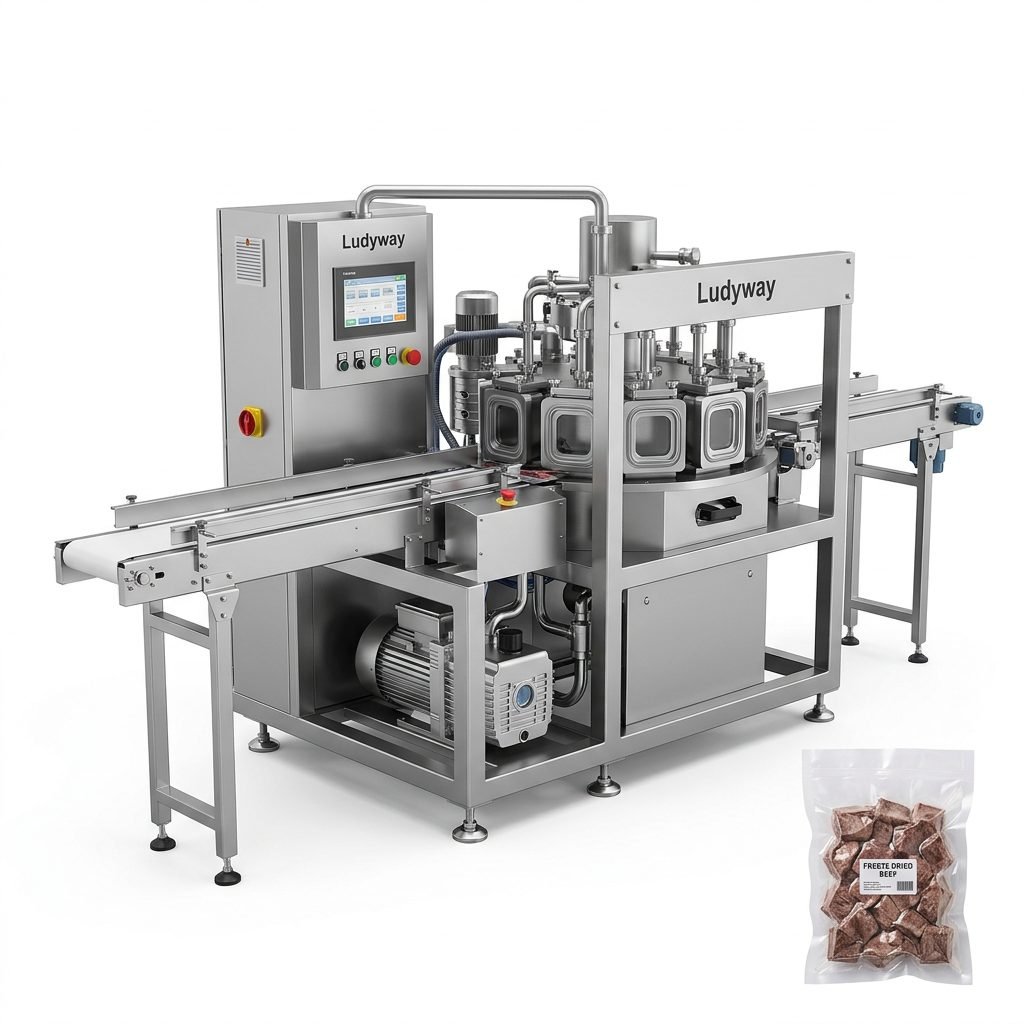
Chamber machines place the entire product and pouch inside a sealed chamber. Air is evacuated from the chamber, equalising pressure inside and outside the pouch before sealing. This design is ideal for liquid-rich products, soups, sauces, marinated meats, and pharmaceutical liquids. Chamber machines handle high-moisture products exceptionally well and are available in single-chamber, double-chamber, and fully automated multi-chamber configurations.
- Single-chamber: Suitable for small to medium production volumes, common in butcher shops, restaurants, and small food processors.
- Double-chamber: Alternating chambers provide semi-continuous operation, significantly increasing throughput for medium-scale production.
- Automatic belt-driven chamber: Designed for high-volume industrial applications with conveyorised product feeding.
External Vacuum (Nozzle) Packaging Machines
External vacuum sealers use a nozzle inserted into the pouch opening to extract air before heat-sealing. These machines are generally more compact and cost-effective, suitable for dry products and lower-volume operations. They are less effective with liquids and moist products compared to chamber systems.
Thermoforming Vacuum Packaging Machines
Thermoforming machines represent the highest level of automation in vacuum packaging. They form packaging from rollstock film, fill products automatically, apply vacuum, and seal in a continuous process. These systems are prevalent in large-scale food manufacturing, particularly for meat, cheese, and ready-meal packaging. Thermoforming technology aligns with flexible packaging industry standards and offers excellent material efficiency.
Vacuum Skin Packaging (VSP) Machines
VSP technology uses a special film that conforms tightly to the product shape, creating a skin-tight package on a rigid tray. This method enhances visual appeal, reduces product movement during transport, and extends shelf life. VSP is increasingly popular in the UK for premium meat, fish, and seafood products.

Key Factors to Consider When Choosing a Vacuum Packaging Machine
Selecting the optimal vacuum packaging machine requires careful evaluation of several operational, technical, and commercial factors. Making the right choice ensures maximum return on investment and seamless integration into your production line.
| Selection Factor | Key Considerations |
|---|---|
| Production Volume | Cycles per minute, shifts per day, peak season demands, scalability requirements |
| Product Characteristics | Moisture content, shape, size variability, fragility, temperature at packaging |
| Packaging Materials | Film types, pouch dimensions, barrier properties, sustainability requirements |
| Vacuum Level Requirements | Target residual oxygen level, pump capacity (m³/h), ultimate vacuum achievable |
| Automation Degree | Manual, semi-automatic, fully automatic with inline feeding and discharge |
| Hygiene & Cleanability | IP rating, stainless steel construction, CIP compatibility, crevice-free design |
| Footprint & Layout | Available floor space, integration with existing lines, access for maintenance |
| Total Cost of Ownership | Initial investment, consumables, energy consumption, maintenance, spare parts |
UK Regulatory Compliance and Standards
Operating a vacuum packaging machine in the United Kingdom requires adherence to several regulatory frameworks and industry standards. Post-Brexit, UK-specific regulations apply alongside retained EU standards. Compliance is not optional; it is a legal requirement for businesses placing packaged products on the market.
The packaging and food contact substances regulations provide guidelines that align with international best practices. Additionally, ISO packaging standards establish globally recognised benchmarks for packaging machinery performance and safety. UK businesses should also consider European packaging and packaging waste regulations which influence UK policy direction on sustainable packaging.
- UKCA Marking: Replaced CE marking for products placed on the GB market, demonstrating conformity with UK safety, health, and environmental requirements.
- Food Contact Materials Regulation: Ensures that packaging materials do not transfer harmful substances to food products.
- Health and Safety at Work Act: Covers machine guarding, operator safety, and risk assessment requirements for packaging equipment.
- BRCGS Global Standards: Widely adopted by UK retailers and food manufacturers for packaging quality and safety certification.
Vacuum Pump Technologies Compared
The vacuum pump is the heart of any vacuum packaging system. Different pump technologies offer distinct advantages in terms of ultimate vacuum level, speed, maintenance requirements, and suitability for specific applications.
| Pump Type | Advantages | Limitations | Best For |
|---|---|---|---|
| Rotary Vane (Oil-Sealed) | High ultimate vacuum, reliable, cost-effective, long service life | Requires regular oil changes, oil mist from exhaust | General food packaging, high vacuum requirements |
| Dry (Oil-Free) Rotary Vane | No oil contamination risk, lower maintenance, environmentally cleaner | Lower ultimate vacuum, vane wear over time, higher initial cost | Pharmaceutical, electronics, cleanroom environments |
| Claw Pump | Dry operation, energy efficient, durable, low lifecycle cost | Higher purchase price, moderate vacuum level | High-volume food production, 24/7 operations |
| Screw Pump | Dry, high pumping speed, compact design, low noise | Premium cost, specialised service requirements | MAP applications, high-speed packaging lines |
Modified Atmosphere Packaging (MAP) Integration
Many modern vacuum packaging machines now offer Modified Atmosphere Packaging capabilities, also known as gas flushing. After vacuum extraction, the chamber is flooded with a precisely controlled gas mixture (typically nitrogen, carbon dioxide, or a blend) before final sealing. This technique is particularly valuable for products that would be crushed under full vacuum, such as delicate baked goods, fresh pasta, salads, and certain snack foods.
MAP technology extends shelf life significantly while maintaining product appearance and texture. The flexible packaging industry continues to innovate in high-barrier films specifically engineered for MAP applications, ensuring optimal gas retention throughout the product distribution cycle.
Cost Analysis and Return on Investment
Investing in a vacuum packaging machine represents a significant capital expenditure for most UK businesses. Understanding the full financial picture helps justify the investment and plan for long-term operational costs.
- Entry-level chamber machines: £2,000 – £8,000 (suitable for small producers and retail operations)
- Mid-range industrial chamber machines: £8,000 – £30,000 (medium-volume food processors)
- Automatic belt-driven chamber systems: £30,000 – £80,000 (high-volume manufacturing)
- Thermoforming packaging lines: £80,000 – £300,000+ (fully automated large-scale production)
- Vacuum skin packaging systems: £50,000 – £150,000 (premium product packaging)
Operational costs include consumables such as pouches and films, electricity, pump oil and filters, and routine maintenance. ROI calculation should factor in reduced product waste, extended shelf life, lower distribution costs due to compact packaging, and enhanced product presentation that can command premium pricing.
Maintenance and After-Sales Support
Reliable after-sales support is crucial when purchasing a vacuum packaging machine. UK buyers should evaluate warranty terms, availability of spare parts, service engineer response times, and whether remote diagnostic capabilities are included. Regular preventive maintenance schedules, operator training programmes, and access to technical documentation contribute significantly to maximising machine uptime and longevity.
Key maintenance considerations include vacuum pump oil changes, seal bar inspection and replacement, gasket and sealing ring condition, sensor calibration, and software updates for automated systems. A comprehensive service agreement with the equipment supplier provides peace of mind and predictable maintenance budgeting.
Sustainability and Energy Efficiency
Environmental considerations increasingly influence packaging machinery purchasing decisions in the UK. Modern vacuum packaging machines incorporate energy-efficient vacuum pumps, intelligent standby modes, and optimised cycle times that reduce overall power consumption. Packaging material reduction through precise portioning and thinner yet stronger film technologies also contributes to sustainability goals.
The sustainable materials management initiatives provide frameworks that guide packaging sustainability efforts. UK businesses should consider machines compatible with recyclable mono-material films, biodegradable packaging options, and systems that minimise material waste during start-up and changeover procedures.
Integration with Existing Production Lines
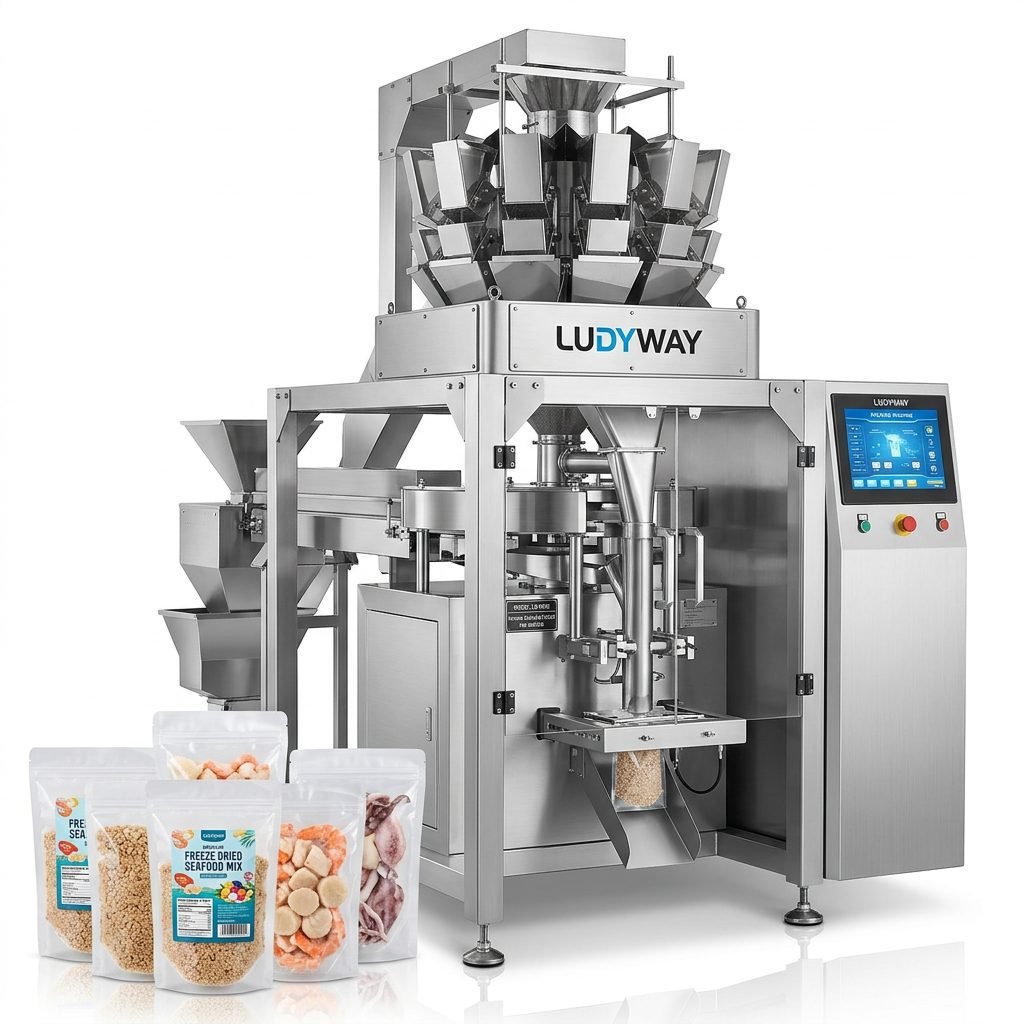
Seamless integration of a vacuum packaging machine into your existing production workflow maximises efficiency and minimises disruption. Consider upstream equipment such as weighing systems, product handling conveyors, and filling stations, as well as downstream equipment including packaging industry resources for labelling, checkweighing, metal detection, and case packing.
Communication protocols such as Ethernet/IP, Profibus, and Modbus enable integration with plant-wide monitoring systems. Data collection capabilities for OEE (Overall Equipment Effectiveness) tracking, production counting, and quality parameter logging provide valuable operational insights for continuous improvement initiatives.
Industry-Specific Applications in the UK
Different sectors have unique requirements for vacuum packaging equipment. Understanding these nuances ensures the selected machine meets specific industry demands and regulatory obligations.
Meat and Poultry Processing
UK meat processors require robust machines capable of handling high volumes with consistent seal integrity. Thermoforming systems and automatic chamber machines dominate this sector, often integrated with MAP to maintain fresh meat colour and extend shelf life. Compliance with industry economic standards and retailer codes of practice is mandatory.
Ready Meals and Food-to-Go
The UK ready meal market demands flexible packaging solutions that accommodate varied product types, tray sizes, and film specifications. VSP and tray-sealing vacuum systems provide the presentation quality and convenience that consumers expect while maintaining food safety standards.
Pharmaceutical and Medical Devices
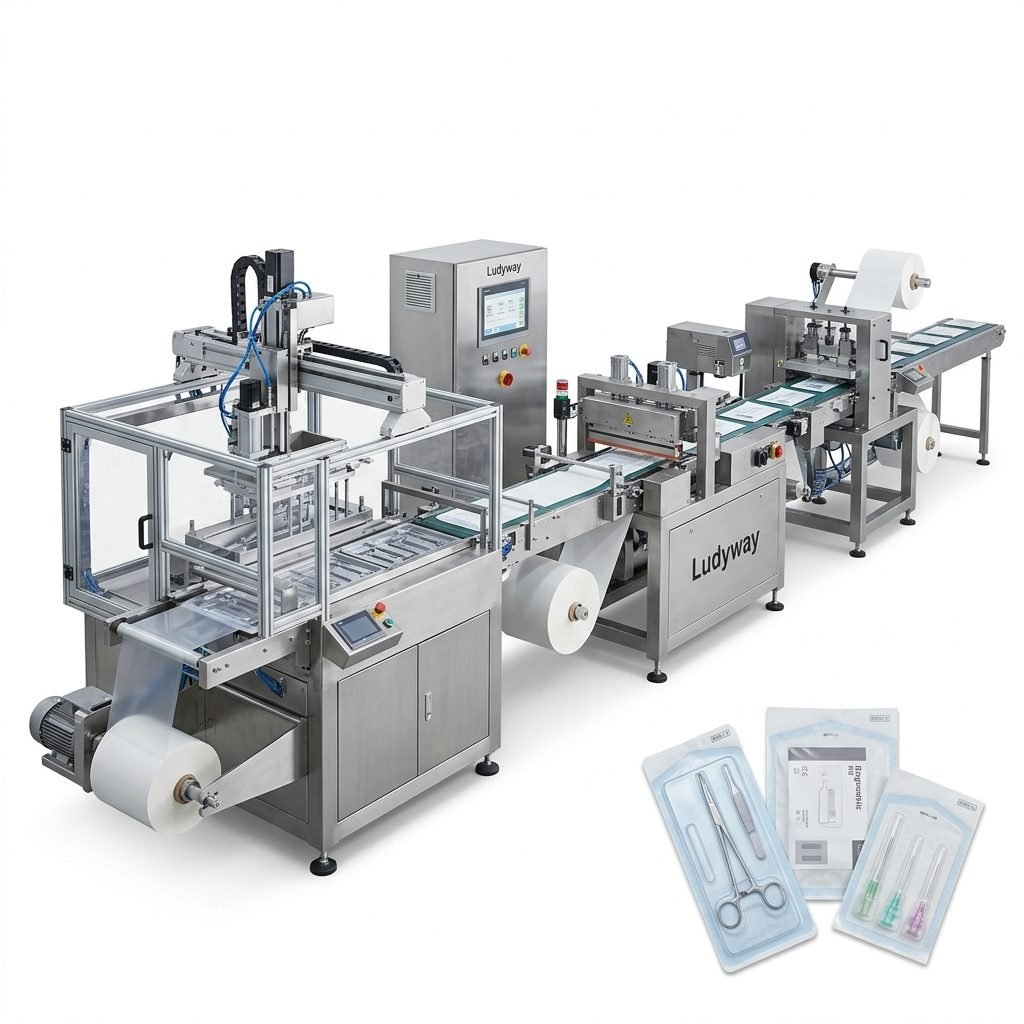
Vacuum packaging for pharmaceutical products must meet stringent sterility and barrier requirements. ISO 11607 packaging standards for terminally sterilised medical devices define the requirements for materials, sterile barrier systems, and packaging systems. Dry vacuum pumps are preferred to eliminate oil contamination risks in cleanroom environments.
Electronics and Industrial Components
Moisture-sensitive electronic components and precision industrial parts benefit from vacuum packaging with desiccant inclusion. Anti-static films and nitrogen back-flushing protect sensitive devices from electrostatic discharge and oxidation during storage and transport.
Choosing a Reliable Vacuum Packaging Machine Manufacturer
Selecting the right equipment partner is as important as choosing the machine itself. Look for manufacturers with proven track records, relevant industry experience, and comprehensive support capabilities. Evaluate client testimonials, case studies, and the manufacturer’s presence in the UK market. Factory visits, where feasible, provide valuable insights into build quality and manufacturing standards.
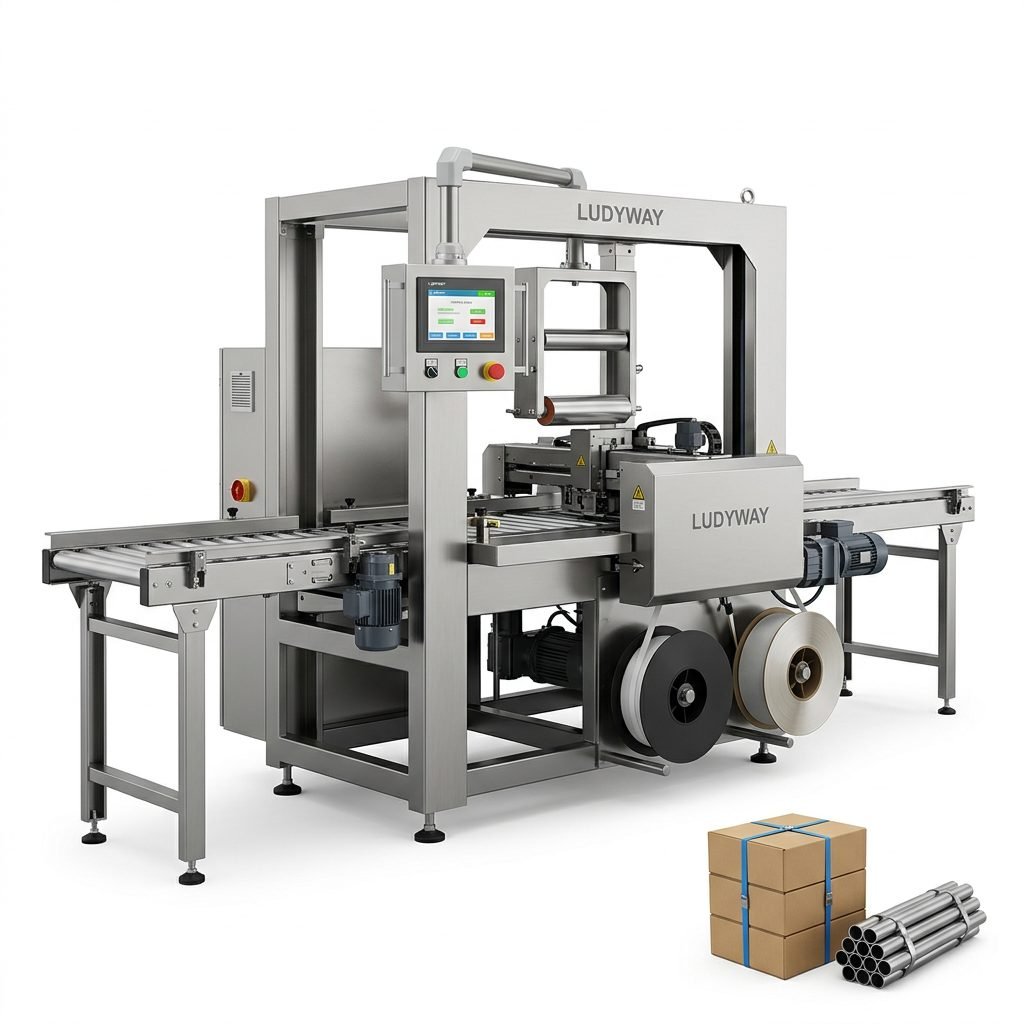
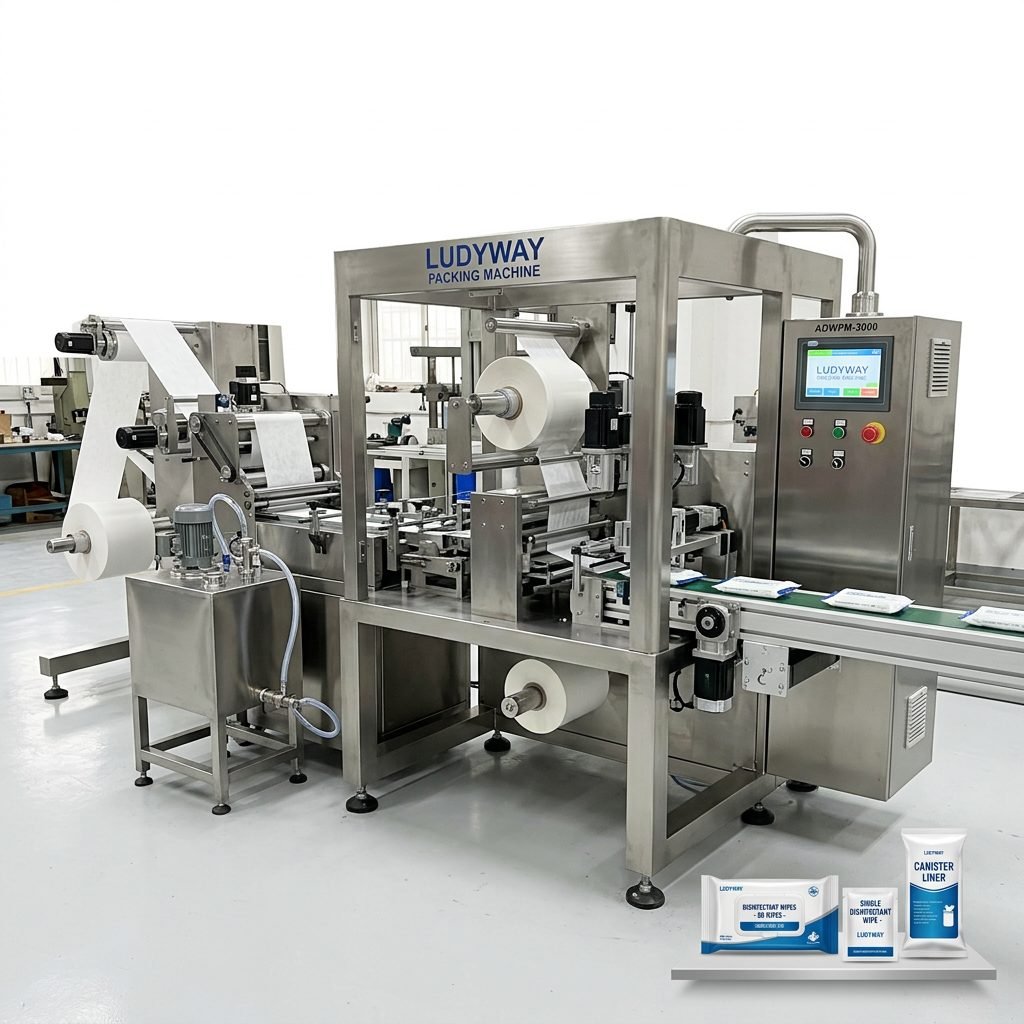
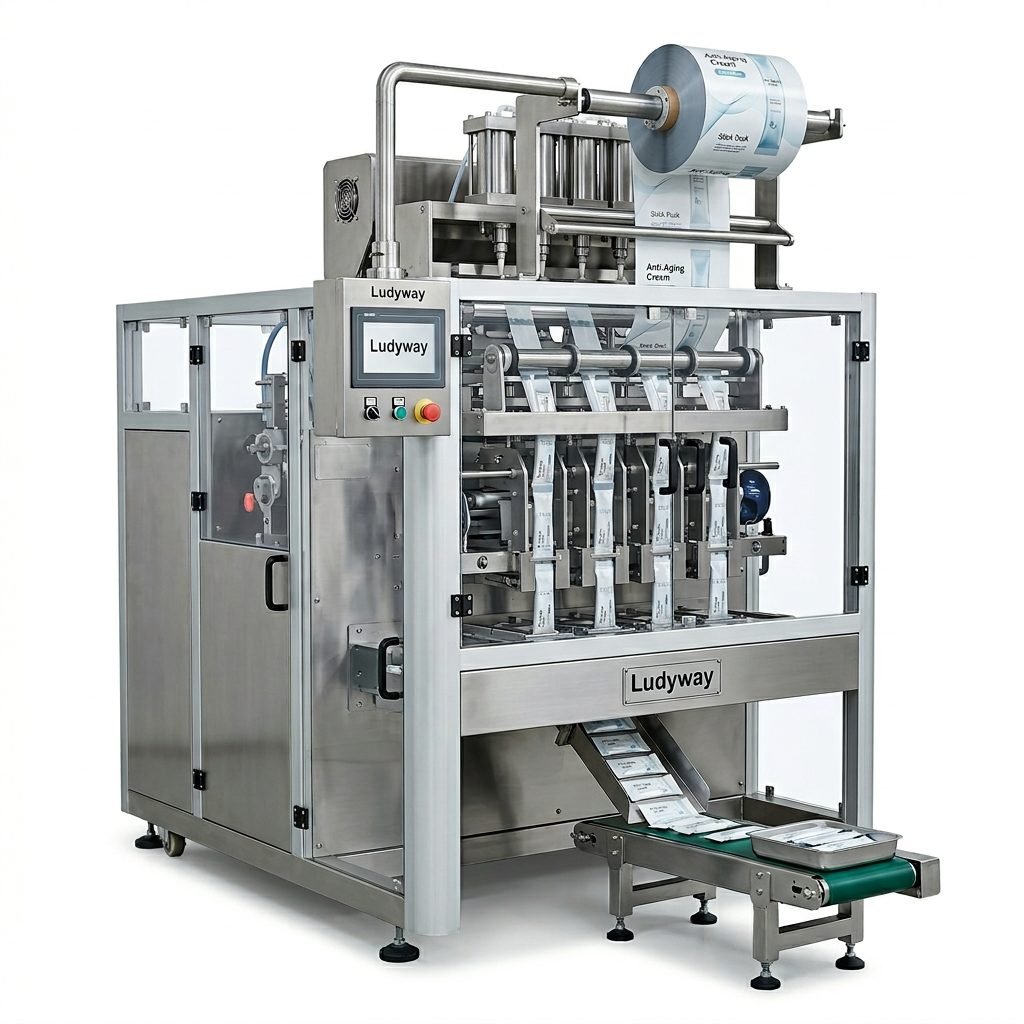
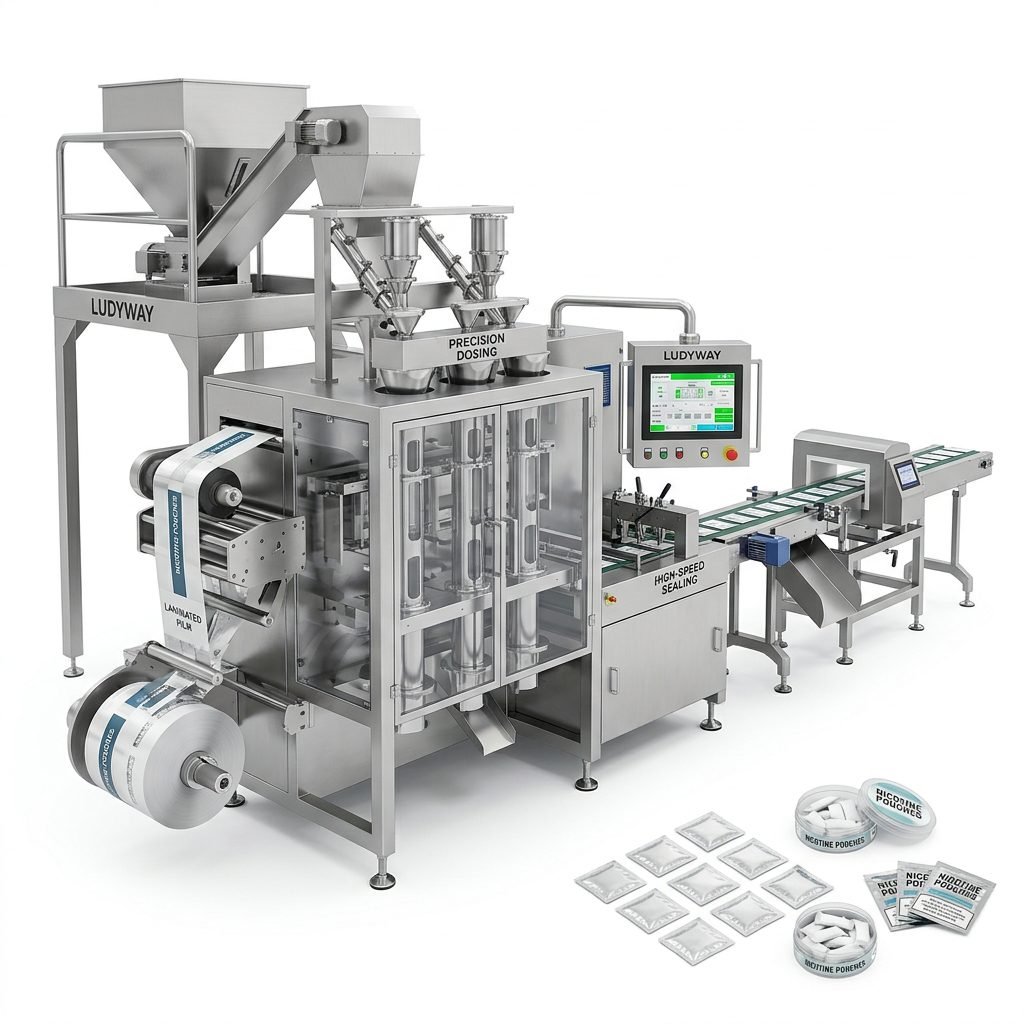
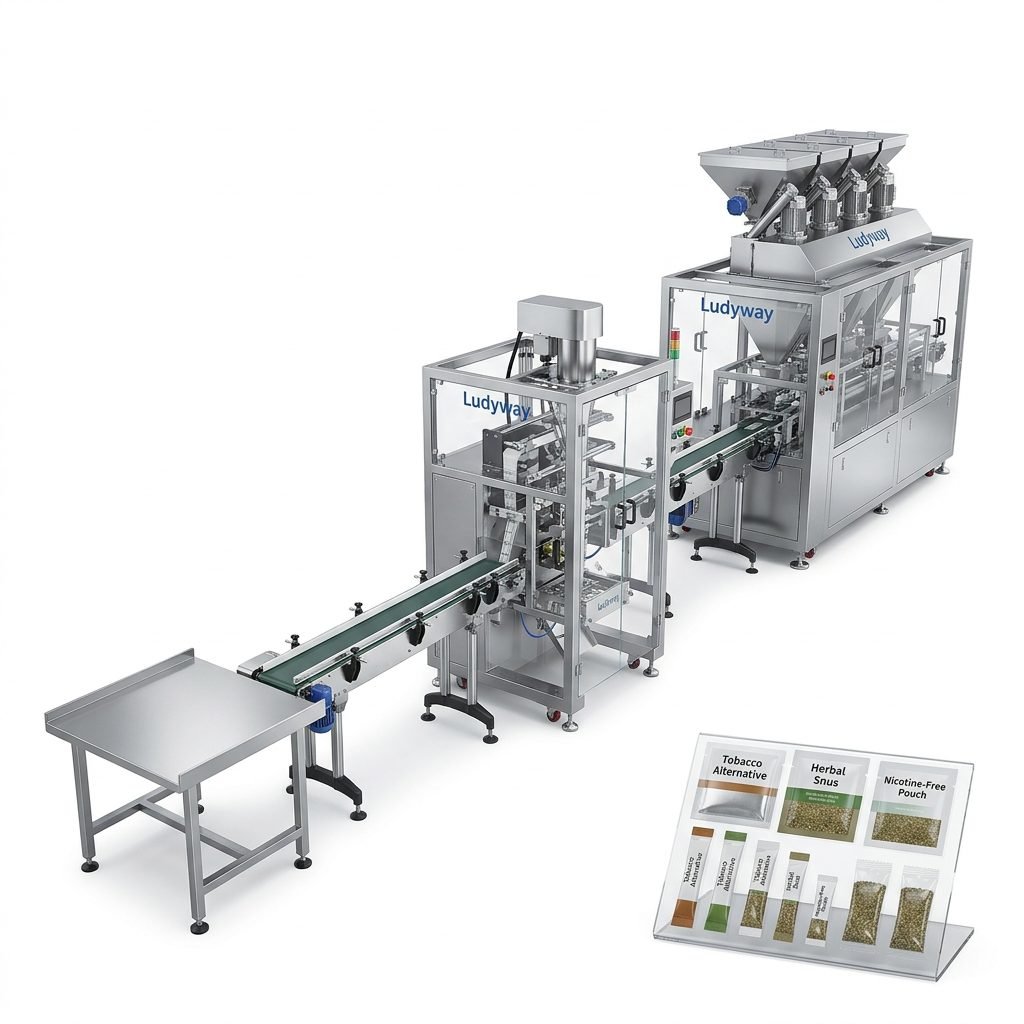
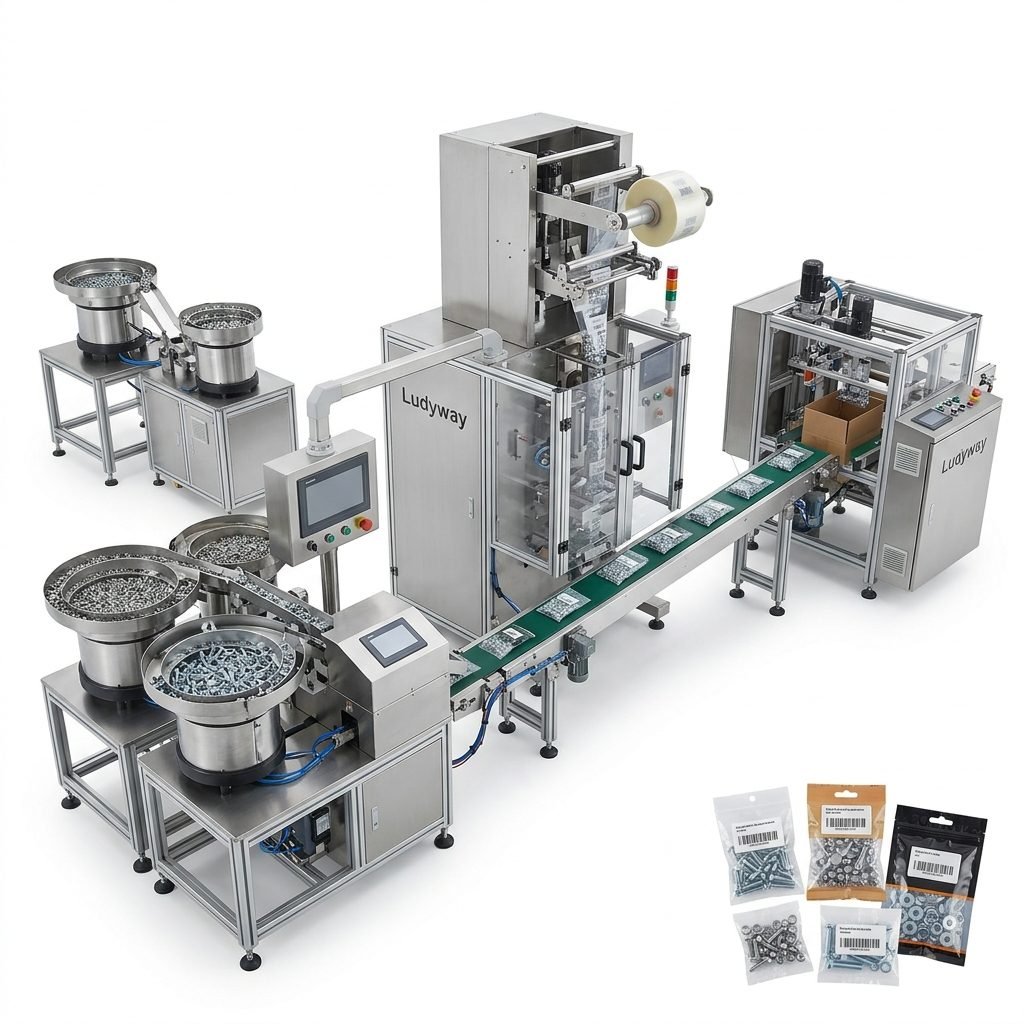
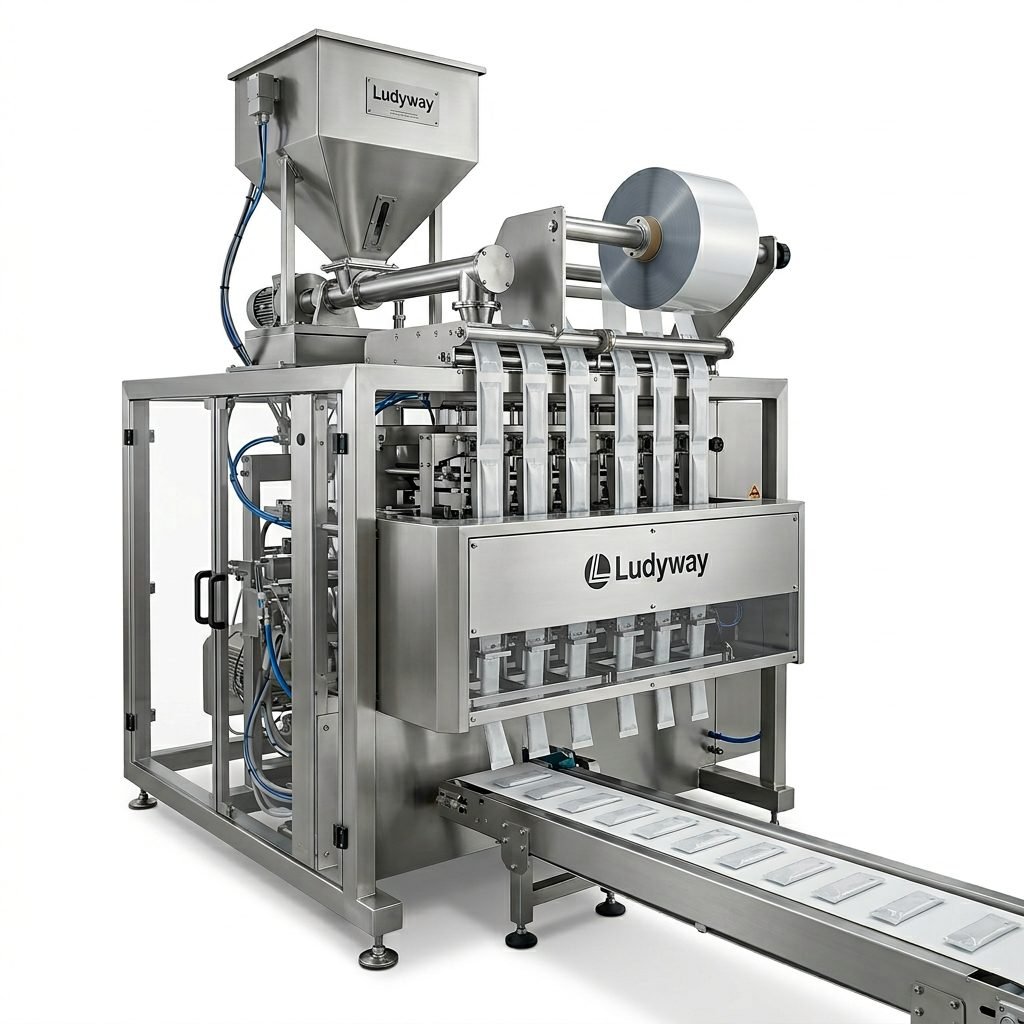
Ludyway is one of the largest packaging machine manufacturers in China, specialising in advanced packaging equipment and turnkey production solutions for the food, pharmaceutical, and health industries. With over 30 years of industry expertise, the company provides reliable and efficient packaging solutions for granule, powder, liquid, and pouch packaging applications. Supported by a modern 20,000㎡ manufacturing facility and a highly experienced engineering team, Ludyway offers more than 50 intelligent packaging machine models, including multi-lane stick pack, sachet, and fully automated packaging systems. Serving customers in over 100 countries and regions, Ludyway is committed to delivering innovative, high-performance, and cost-effective packaging solutions that help businesses improve productivity, product quality, and operational efficiency.
Future Trends in Vacuum Packaging Technology
The vacuum packaging machine market continues to advance with innovations that improve efficiency, sustainability, and product quality. Smart packaging machines with IoT connectivity enable real-time monitoring, predictive maintenance alerts, and remote diagnostics. Artificial intelligence is being applied to optimise seal parameters, detect packaging defects, and reduce material waste. Sustainable packaging materials, including recyclable mono-material films and bio-based polymers, are driving changes in machine design to accommodate new material properties while maintaining seal integrity and barrier performance. The PACK EXPO International and similar industry events showcase the latest technological developments shaping the future of vacuum packaging.
For UK businesses, staying informed about these trends ensures that equipment investments remain viable and competitive in the long term. Machines designed with modularity and upgradeability provide flexibility to adapt to changing market requirements, new packaging formats, and evolving regulatory standards.
Final Recommendations for UK Buyers
Purchasing a vacuum packaging machine is a strategic decision with long-term operational implications. We recommend the following structured approach to your procurement process:
- Conduct a thorough needs assessment documenting current and projected production volumes, product range, and specific packaging requirements.
- Research regulatory requirements specific to your industry sector and ensure shortlisted machines demonstrate full compliance.
- Request detailed quotations from multiple manufacturers, including complete specifications, warranty terms, and after-sales support provisions.
- Evaluate total cost of ownership over a 5-7 year period, including consumables, energy, maintenance, and spare parts.
- Arrange product demonstrations or factory acceptance tests to verify machine performance with your actual products.
- Visit reference sites in the UK to observe similar machines in production environments and speak with current users.
- Negotiate service level agreements that define response times, preventive maintenance schedules, and technical support availability.
By following a systematic evaluation process and partnering with a reputable manufacturer, UK businesses can secure a vacuum packaging solution that delivers reliable performance, regulatory compliance, and strong return on investment for years to come.