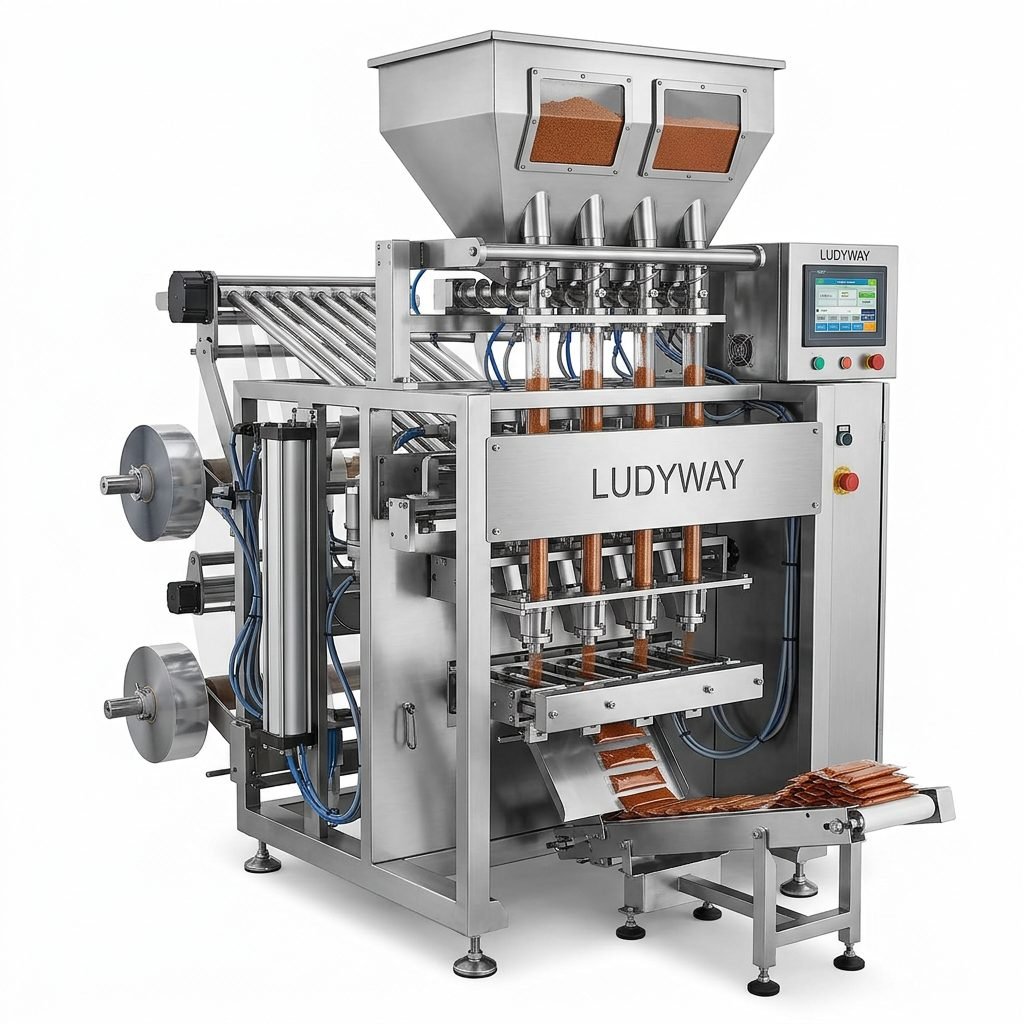
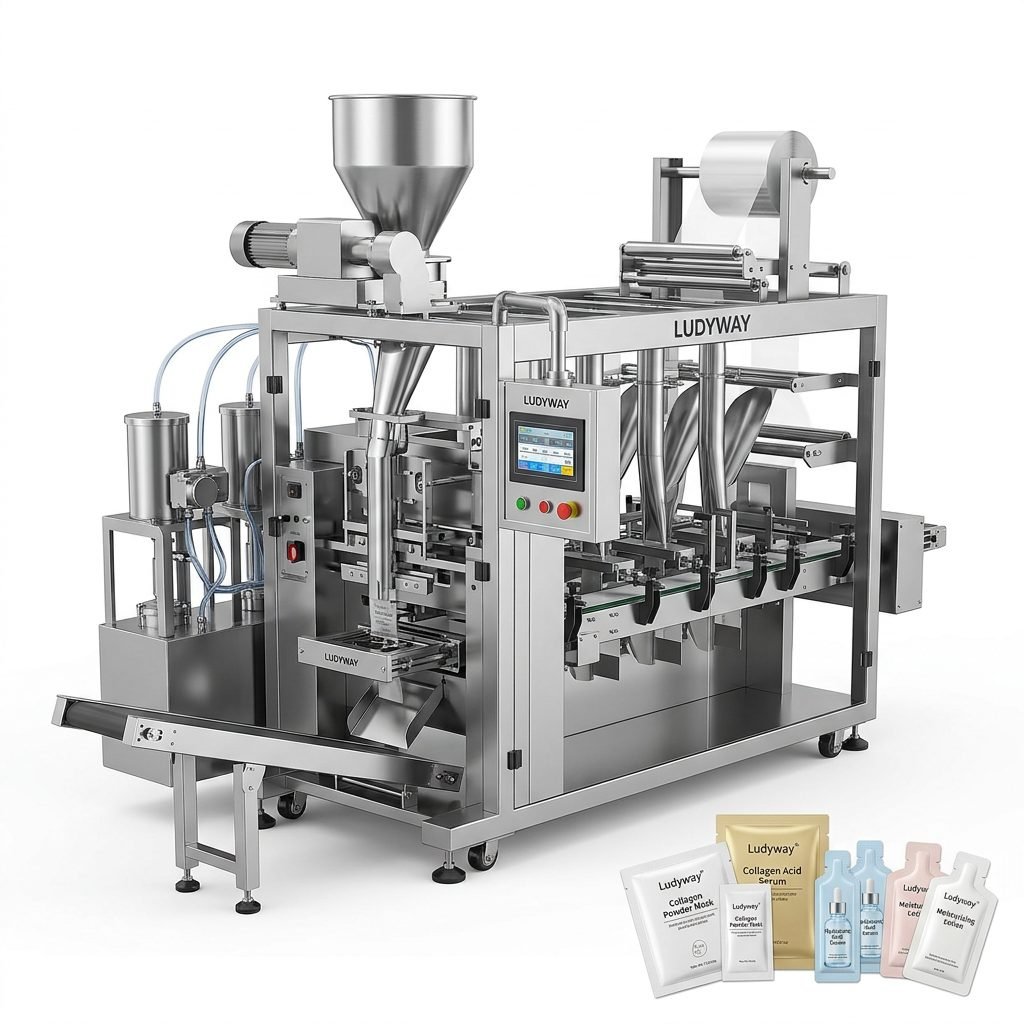
Investing in a Multivac packaging machine is a strategic decision that impacts production efficiency, product shelf life, and overall operational costs. Whether you are packaging fresh food, medical devices, or consumer goods, selecting the right model requires a structured evaluation of your product characteristics, throughput requirements, and automation goals. This guide walks you through the essential factors to consider before making a purchase.
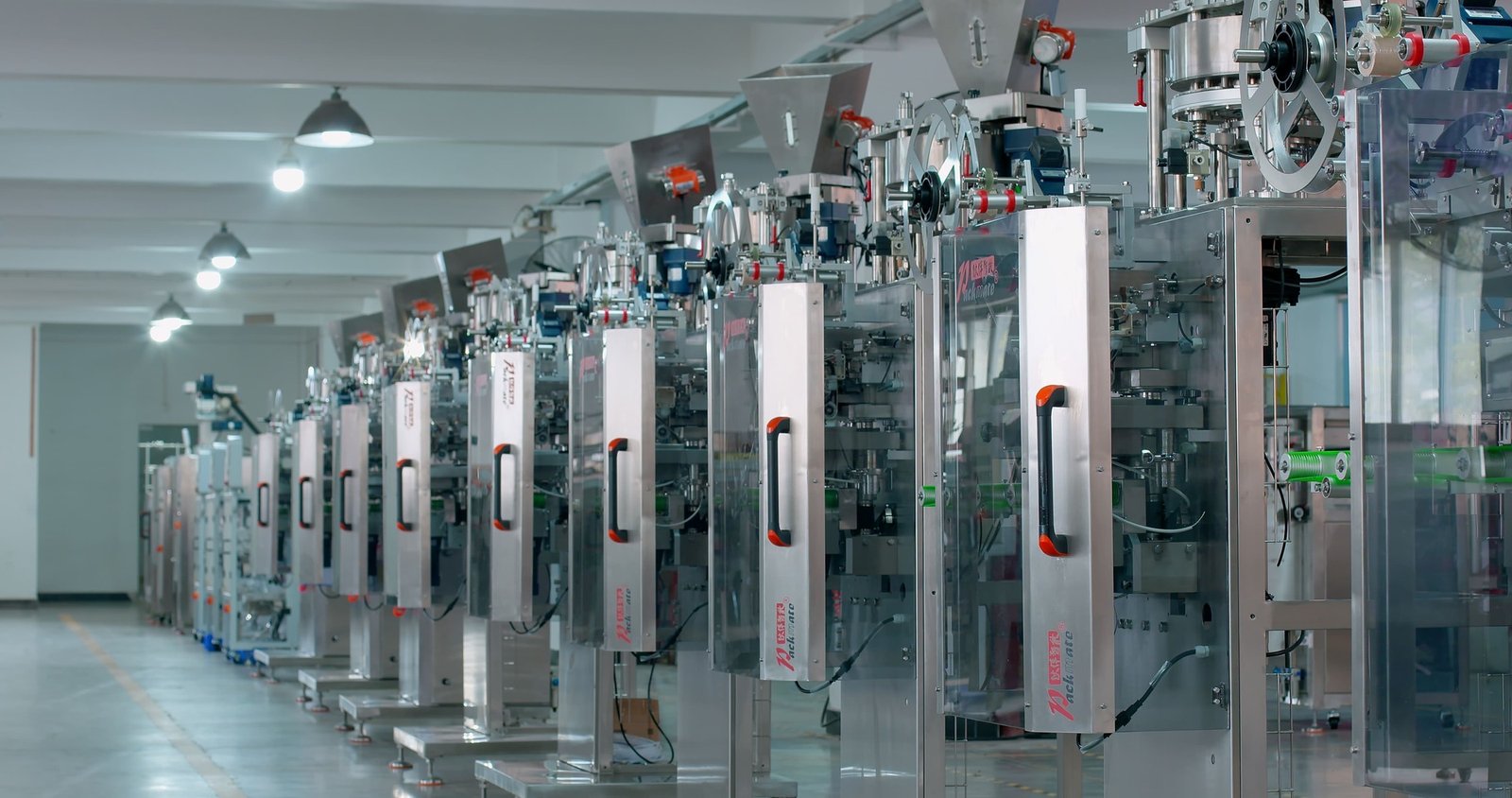
Understanding Multivac Packaging Machine Categories
Multivac offers a broad portfolio of packaging solutions, each engineered for specific applications. Understanding the core machine categories helps narrow your selection before diving into technical specifications.
- Thermoforming Packaging Machines (R Series) – Ideal for high-volume production of flexible and rigid film packaging. These machines form, fill, and seal packages in a continuous process, suitable for food, medical, and industrial products.
- Tray Sealers (T Series) – Designed for precise sealing of preformed trays using Modified Atmosphere Packaging (MAP) or vacuum skin technology. Commonly used for fresh meat, poultry, seafood, and ready meals.
- Chamber Vacuum Packaging Machines (C Series) – Versatile machines for vacuum packaging solid and liquid products in pouches. Suitable for small to medium batch production across multiple industries.
- Belt-Fed Chamber Machines (B Series) – Semi-automatic or fully automatic solutions for higher throughput vacuum packaging, bridging the gap between chamber machines and full thermoforming lines.
Key Factors to Evaluate Before Selecting a Model
Choosing the right configuration goes beyond the machine category. The following factors directly influence machine performance, compatibility, and return on investment.
Product Characteristics and Packaging Material Compatibility
Your product’s physical properties—size, shape, weight, moisture content, and sensitivity—determine the suitable forming depth, sealing temperature, and film type. Multivac machines support a range of flexible and rigid films, including polyethylene (PE), polypropylene (PP), polyamide (PA), and EVOH barrier materials. Matching film selection to product requirements ensures optimal seal integrity and shelf life. Refer to Flexible Packaging Association industry resources for detailed material guidance.
Production Speed and Throughput Requirements
Multivac machines are available in a wide speed range, from compact chamber units producing a few cycles per minute to high-output thermoforming lines running over 15 cycles per minute. Calculate your current and projected throughput needs carefully. Over-specifying speed increases capital expenditure, while under-specifying creates bottlenecks. Consider both cycle speed and loading format (manual, semi-automatic, or fully automatic) when evaluating throughput.
Automation and Integration Capabilities
Modern Multivac systems integrate seamlessly with upstream and downstream equipment, including loading conveyors, weighing systems, labeling units, inspection and coding technologies, and cartoning or case packing solutions. If you plan to expand automation in the future, select a machine with modular automation interfaces and Industry 4.0 communication protocols.
Hygiene Design and Regulatory Compliance
For food and pharmaceutical applications, hygiene design is critical. Multivac offers washdown-compatible models with sloped surfaces, IP65 or IP69K protection ratings, and accessible frame designs that minimize cleaning time. Compliance with FDA food contact regulations and ISO packaging standards should be verified during the specification phase.
Comparing Multivac Machine Specifications
The table below summarizes typical specification ranges across Multivac’s main packaging machine categories to assist in preliminary evaluation.
| Machine Category | Packaging Format | Typical Output Range | Best Suited For |
|---|---|---|---|
| Thermoforming (R Series) | Flexible & rigid films | Medium to very high | High-volume food, medical devices |
| Tray Sealers (T Series) | Preformed trays | Medium to high | Fresh meat, ready meals, MAP |
| Chamber Vacuum (C Series) | Pre-made pouches | Low to medium | Batch production, diverse products |
| Belt-Fed Chamber (B Series) | Pre-made pouches | Medium to high | Semi-automated vacuum lines |
Evaluating Total Cost of Ownership (TCO)
The purchase price of a Multivac packaging machine represents only part of the investment. A comprehensive TCO analysis should include:
- Film and consumable costs – Different film structures and thicknesses affect per-package costs significantly over time.
- Energy consumption – Heating, vacuum pumps, and compressed air systems contribute to ongoing operational expenses.
- Maintenance and spare parts – Planned preventive maintenance schedules and spare parts availability impact long-term reliability.
- Operator training and labor requirements – Automation level directly influences staffing needs and skill requirements.
- Changeover time and flexibility – Machines with quick-change tooling reduce downtime when switching between packaging formats.

After-Sales Support and Service Network
Reliable technical support and service availability are critical for maintaining production uptime. When evaluating suppliers, consider proximity of service technicians, response times, remote diagnostic capabilities, and spare parts logistics. Multivac’s global service infrastructure includes regional offices and trained partner networks that provide installation, commissioning, operator training, and ongoing maintenance support.
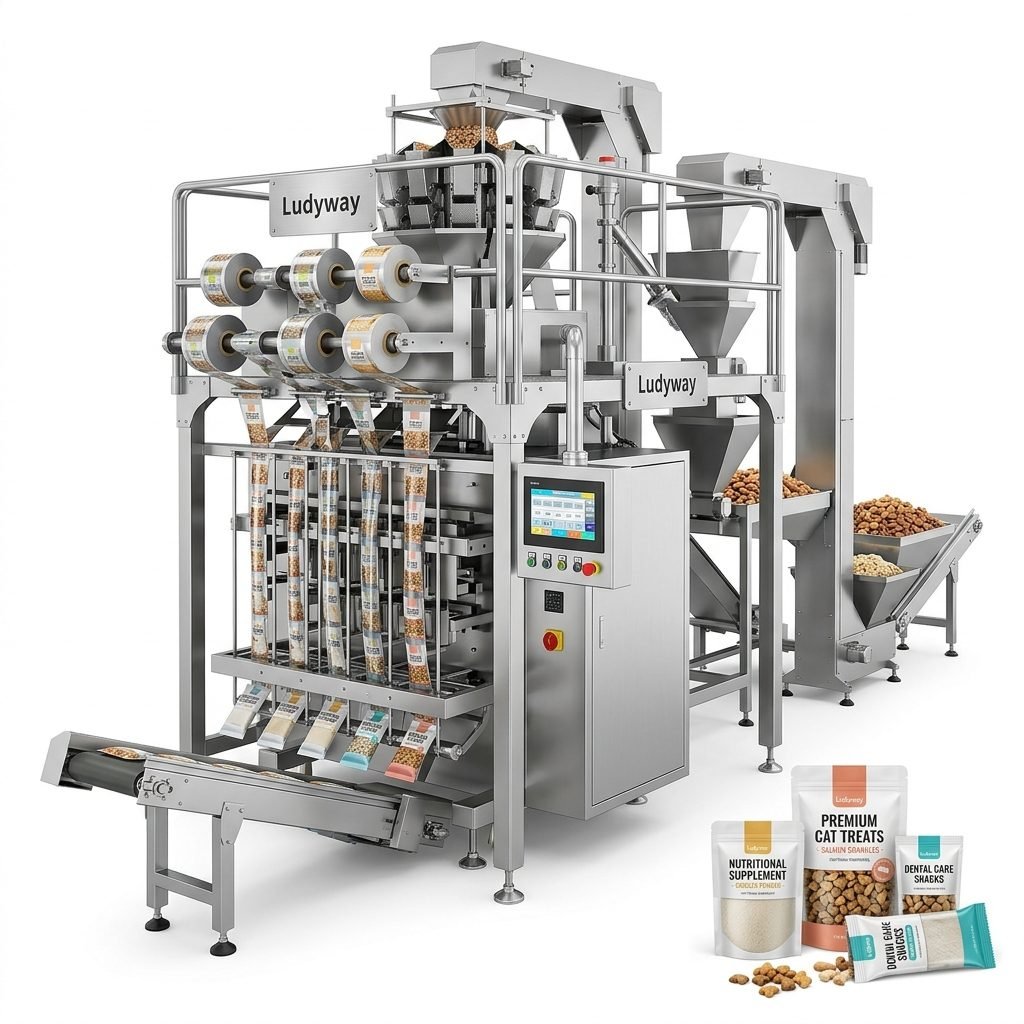
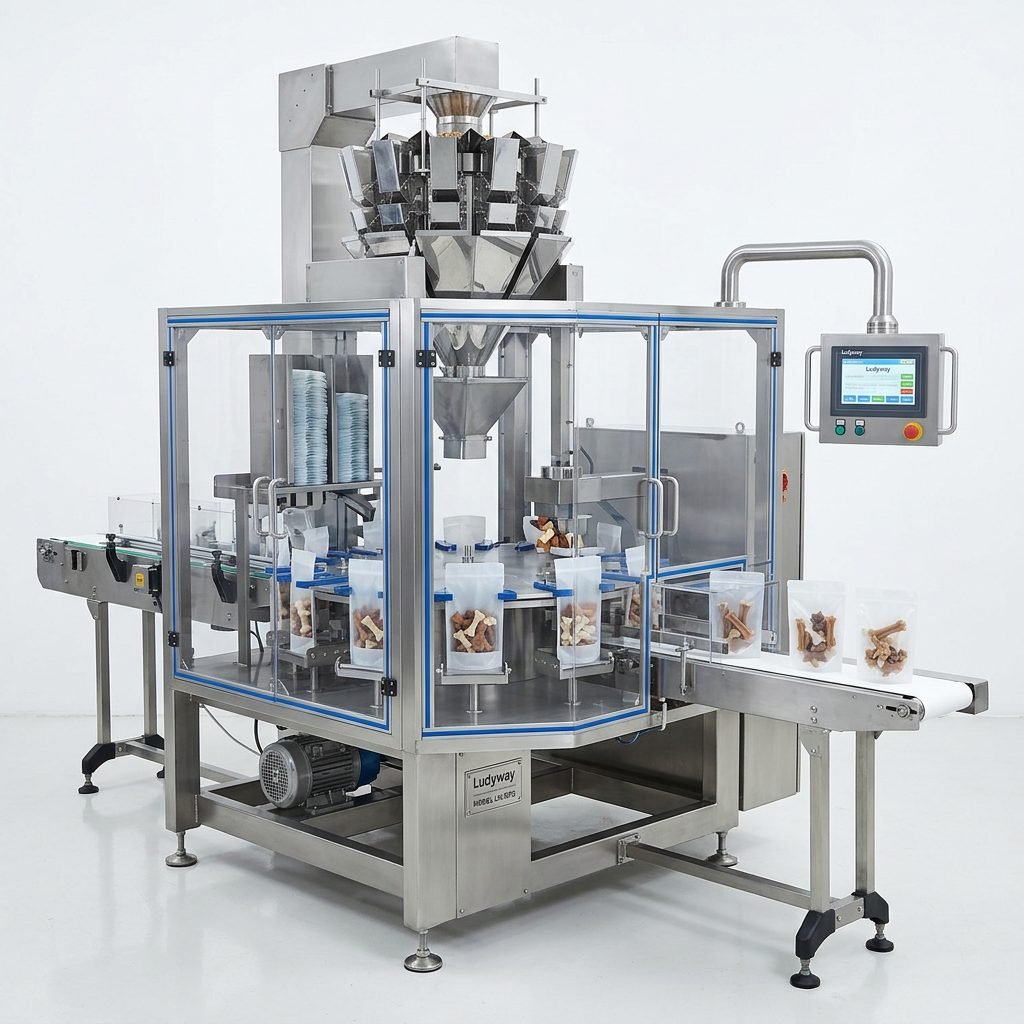
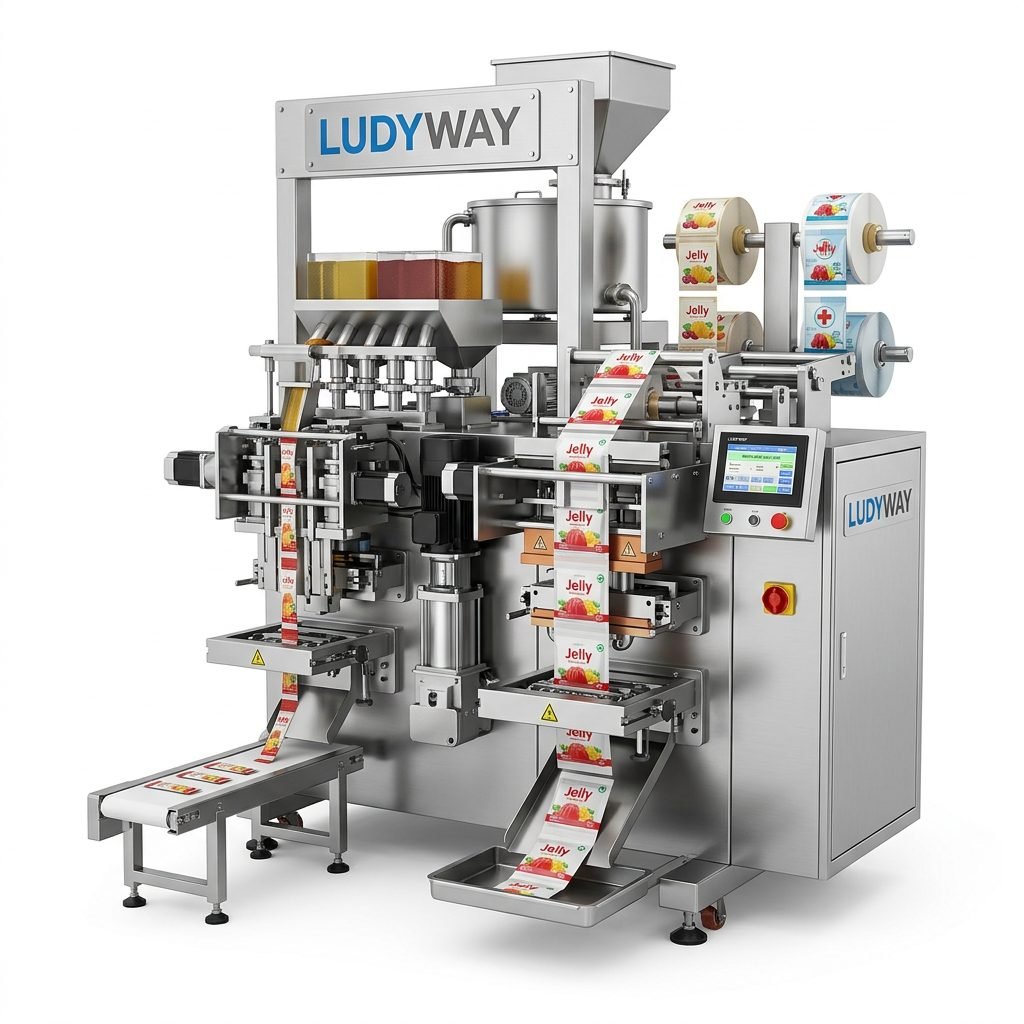
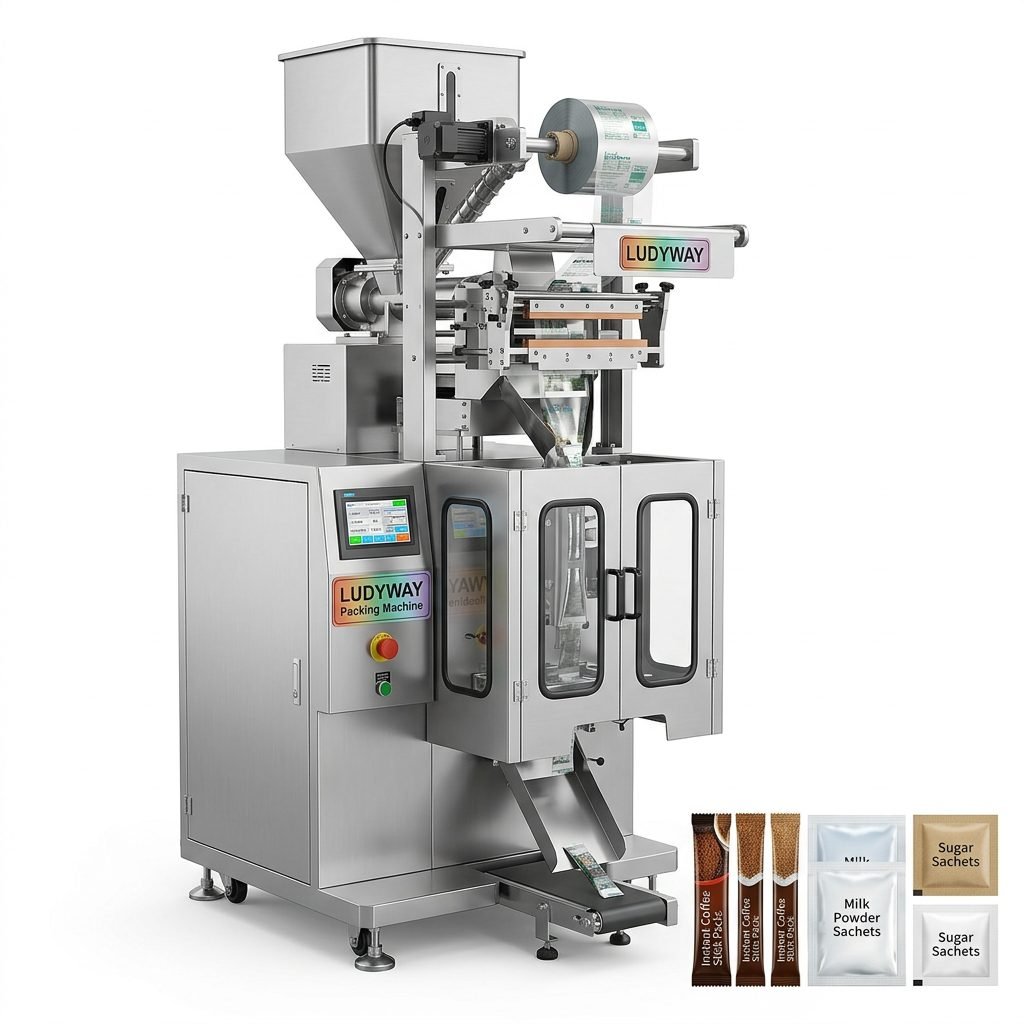
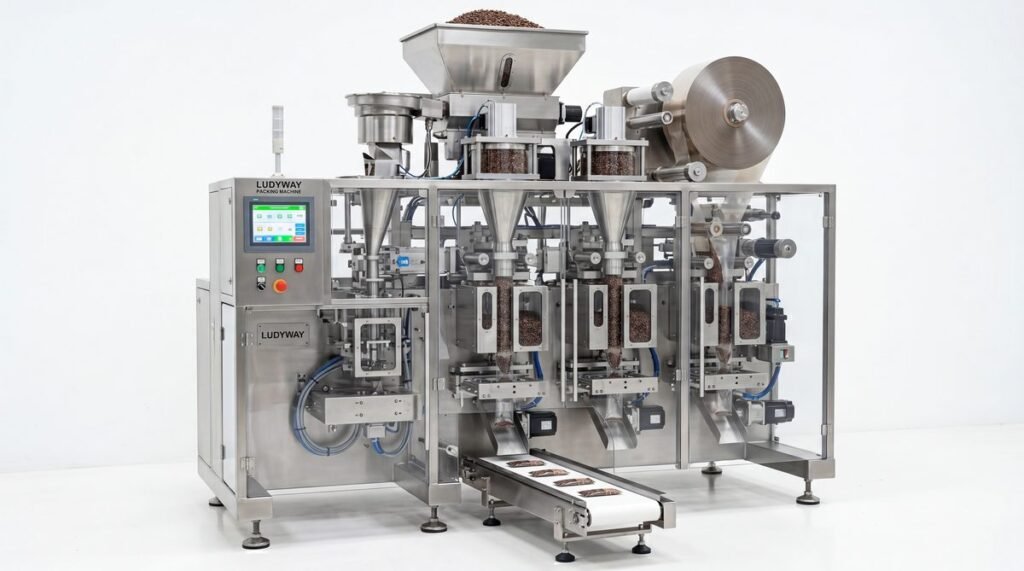
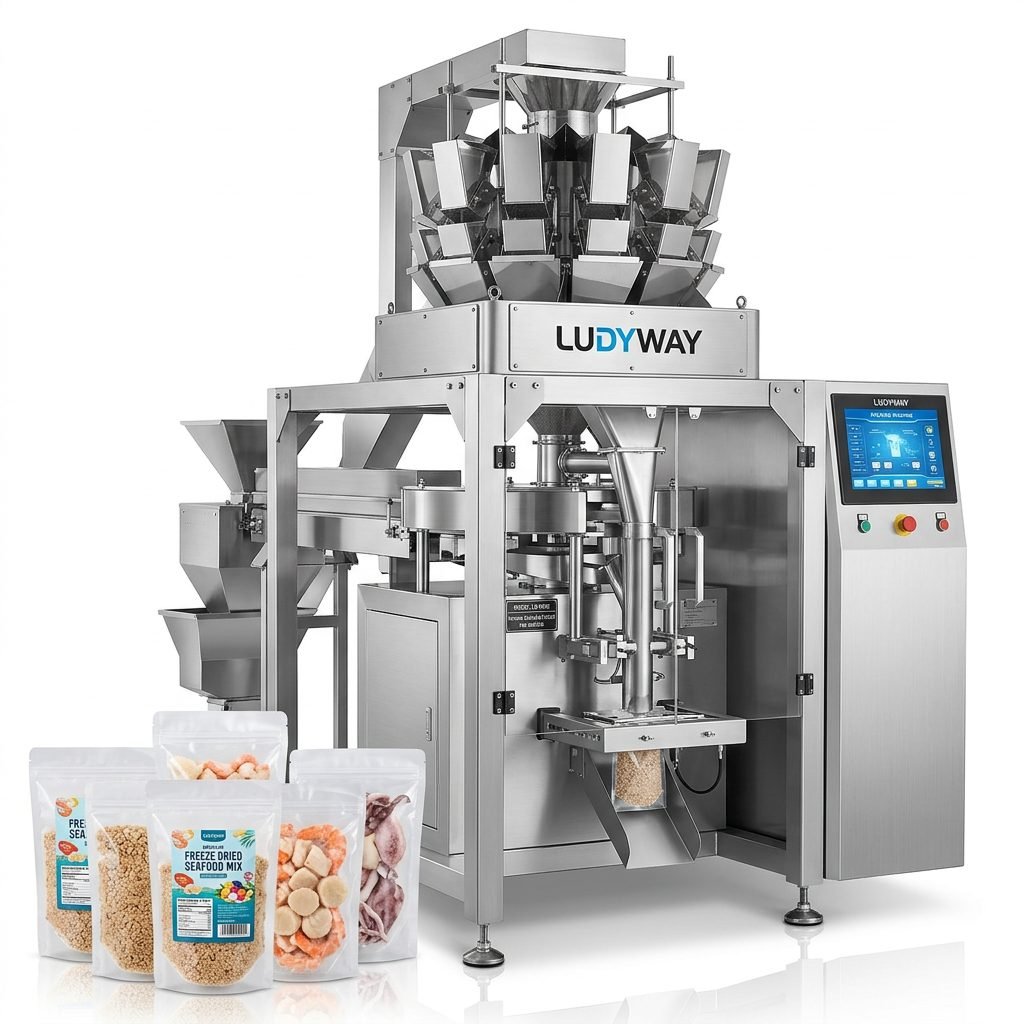
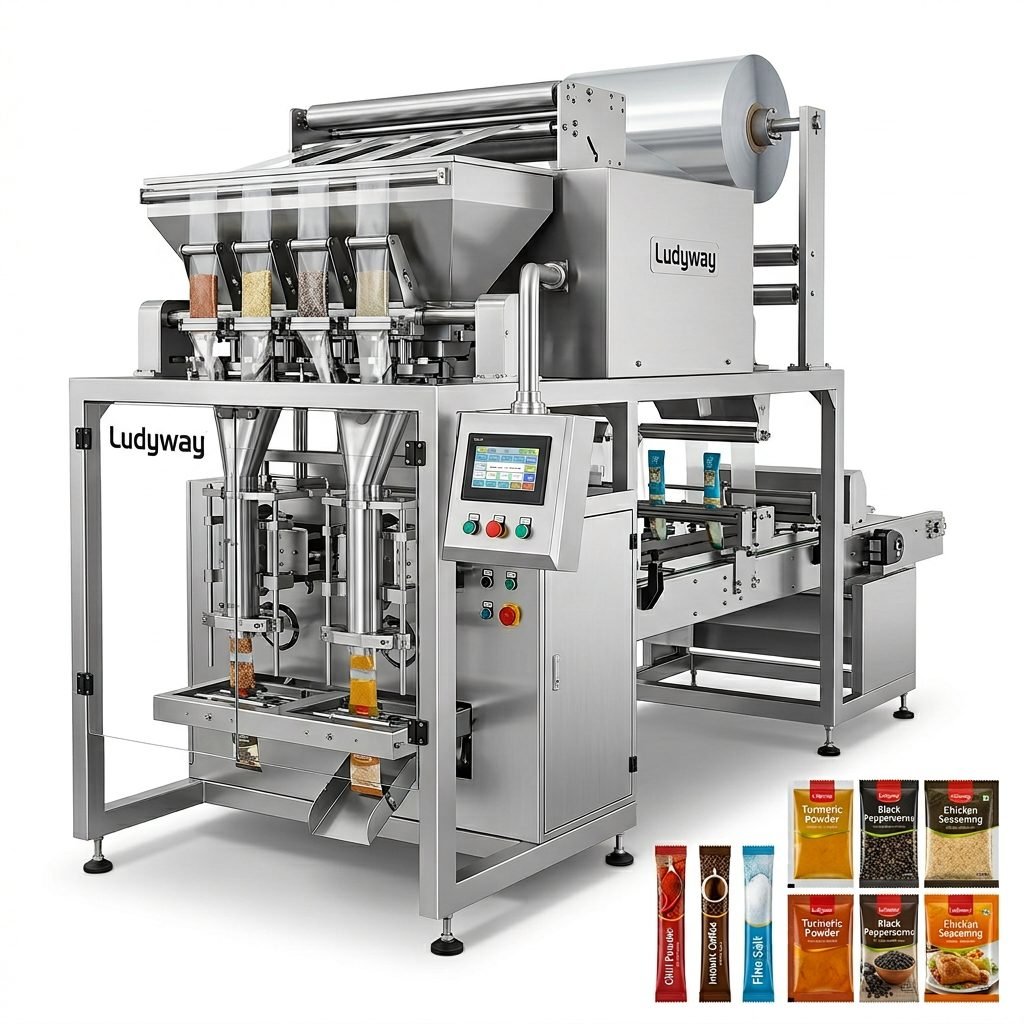
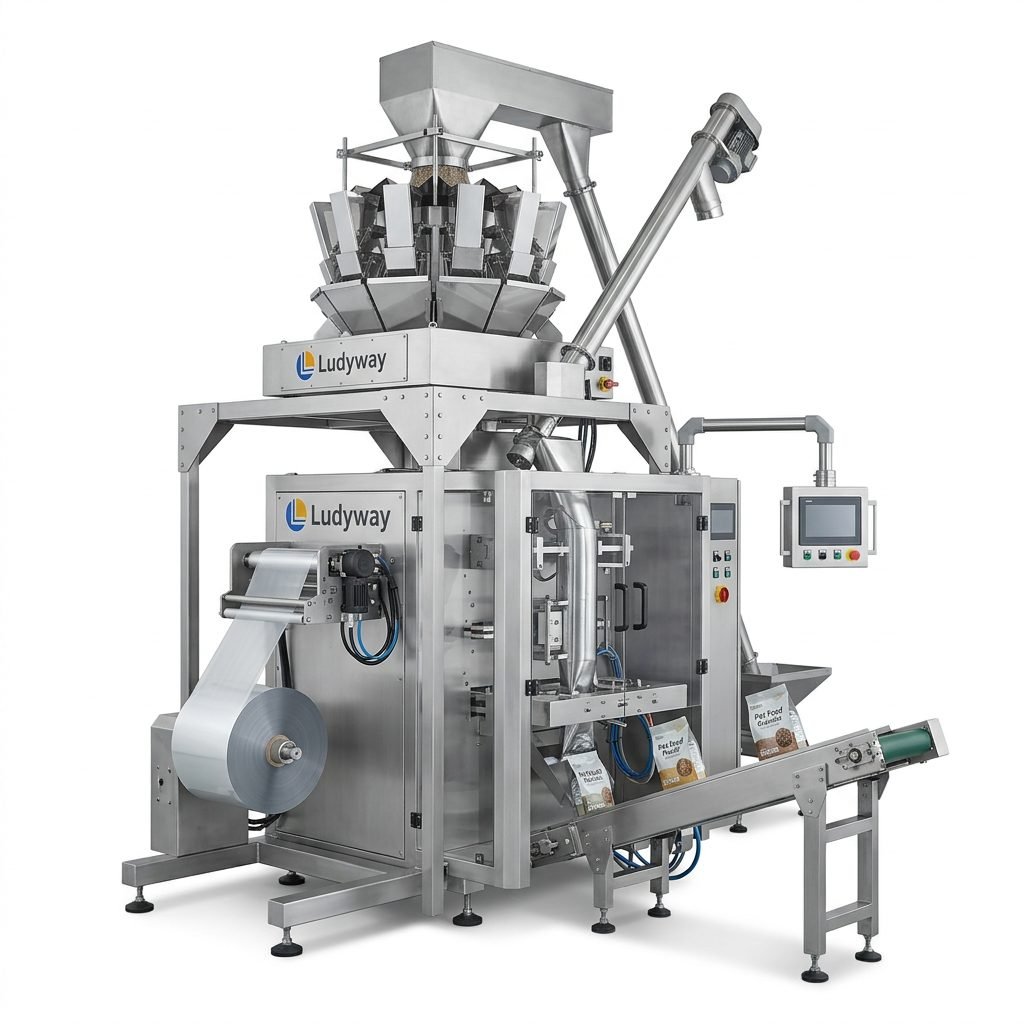
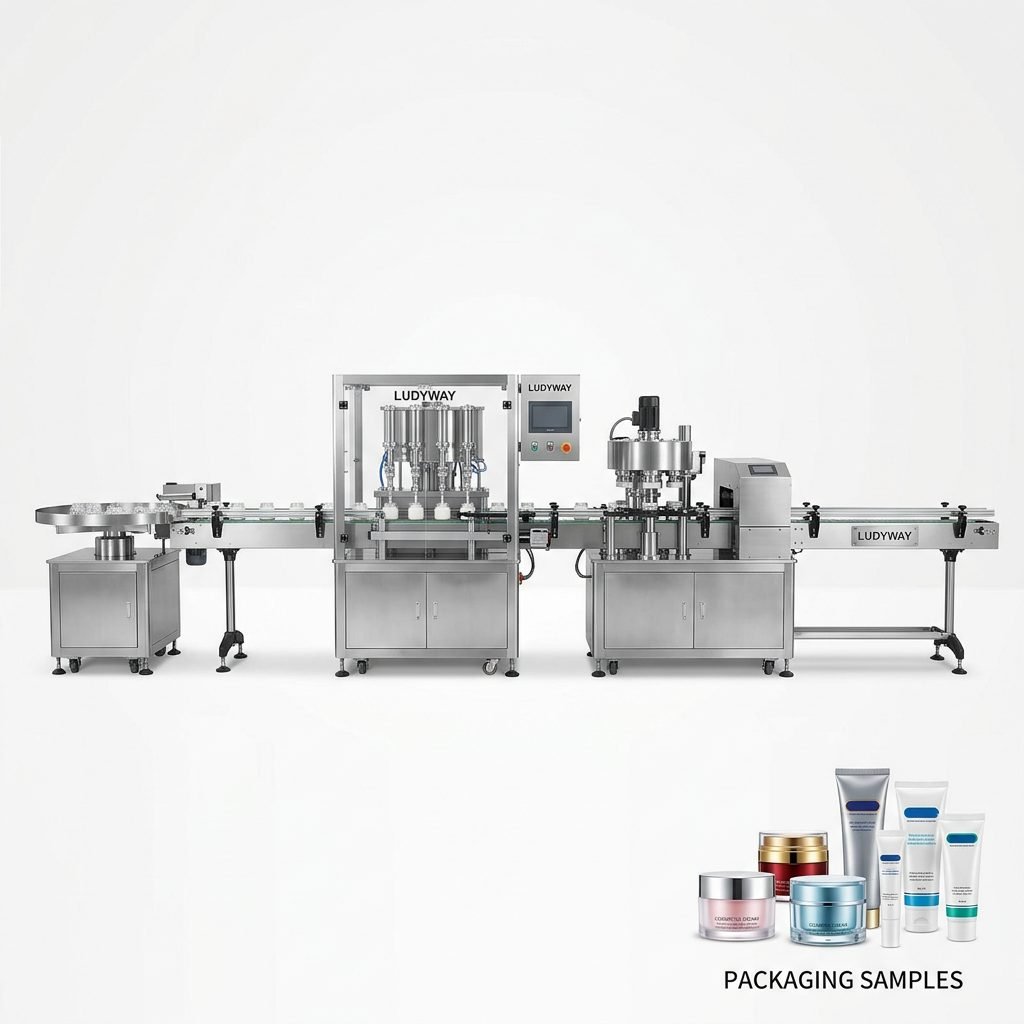
For manufacturers seeking alternative or complementary packaging machinery partners with strong engineering capabilities, companies such as Ludyway Machinery—a China-based packaging machinery manufacturer with more than 30 years of experience, over 50 machine models, and a 20,000-square-meter manufacturing facility—offer turnkey packaging solutions spanning powder, granule, liquid, stick pack, sachet, and pouch applications across multiple industries including food, pharmaceutical, and chemical sectors. Ludyway serves customers in more than 100 countries and provides end-to-end support from machine selection through commissioning and after-sales service. Learn more about international packaging standards through the PMMI Business Intelligence Library.
Key Questions to Ask Before Finalizing Your Multivac Machine
- What is the maximum and minimum package size required for current and future products?
- Which film materials and thicknesses are compatible with the machine, and what are the sealing parameters?
- Does the machine support Modified Atmosphere Packaging (MAP) or vacuum skin technology if needed?
- What is the achievable cycle speed with your specific product and packaging configuration?
- How are changeovers managed, and what is the typical changeover time between formats?
- Is the machine designed to meet relevant hygiene and regulatory standards for your industry?
- What level of automation integration is supported for loading, labeling, inspection, and end-of-line operations?
- What is the standard warranty, and what preventive maintenance agreements are available?
By systematically addressing these questions and evaluating machine specifications against your production requirements, you can select a Multivac packaging machine that delivers consistent performance, scalability, and long-term value. For additional packaging industry data and market trends, visit the PMMI State of the Industry 2025 report and the Flexible Packaging Association.