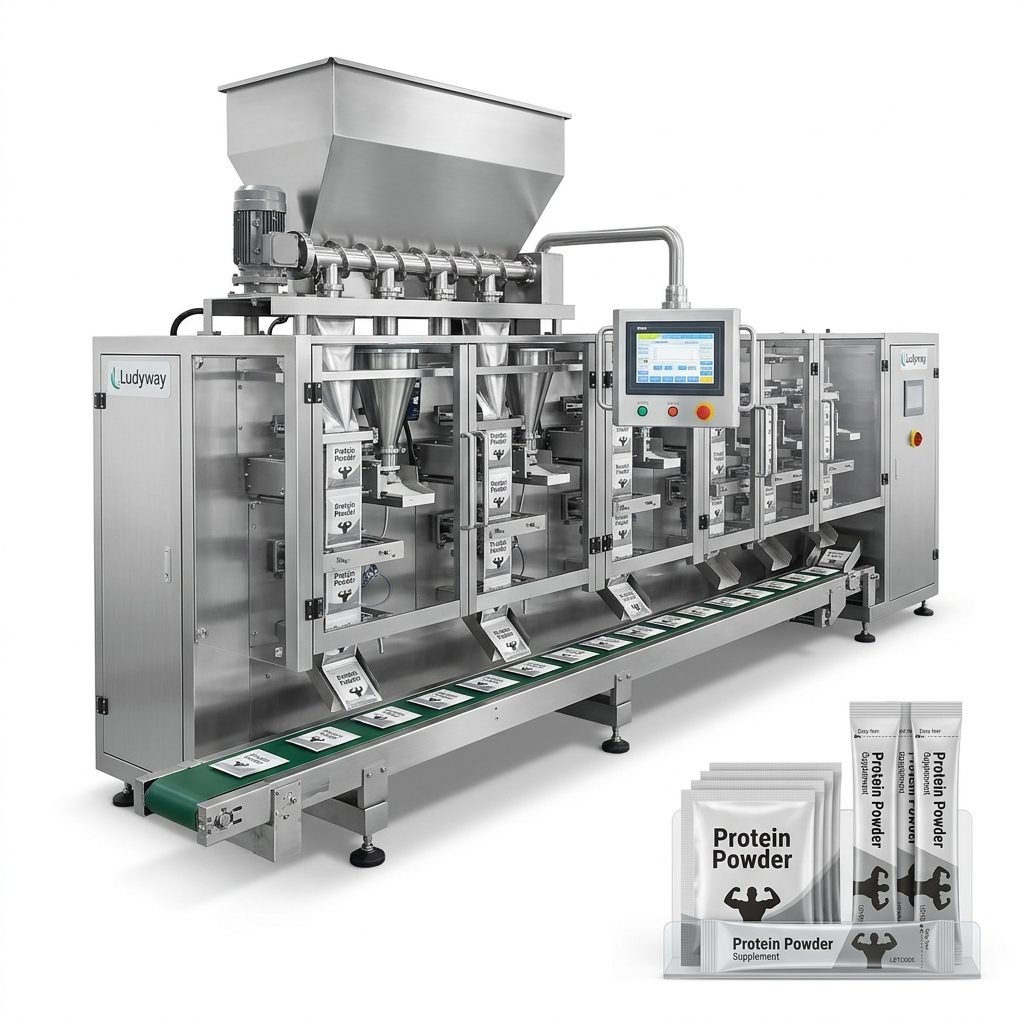
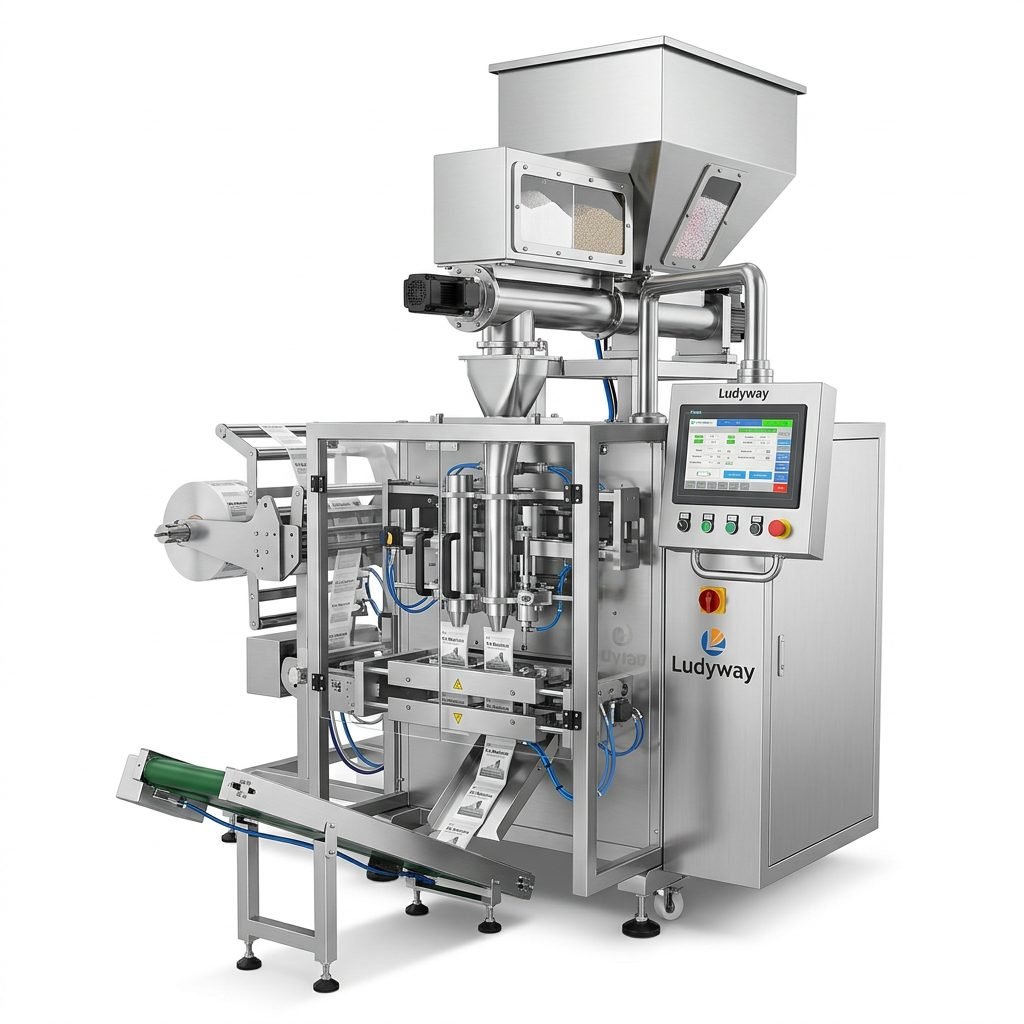
Selecting the right popsicle packaging machine is a critical decision for frozen treat manufacturers aiming to scale production, ensure product freshness, and maintain competitive advantage. The global frozen novelty market continues to expand, driven by rising consumer demand for convenient, portion-controlled desserts. A high-performance packaging machine directly impacts throughput, seal integrity, and overall operational efficiency. This guide walks you through the essential factors to consider when choosing popsicle packaging equipment and evaluating suppliers worldwide.
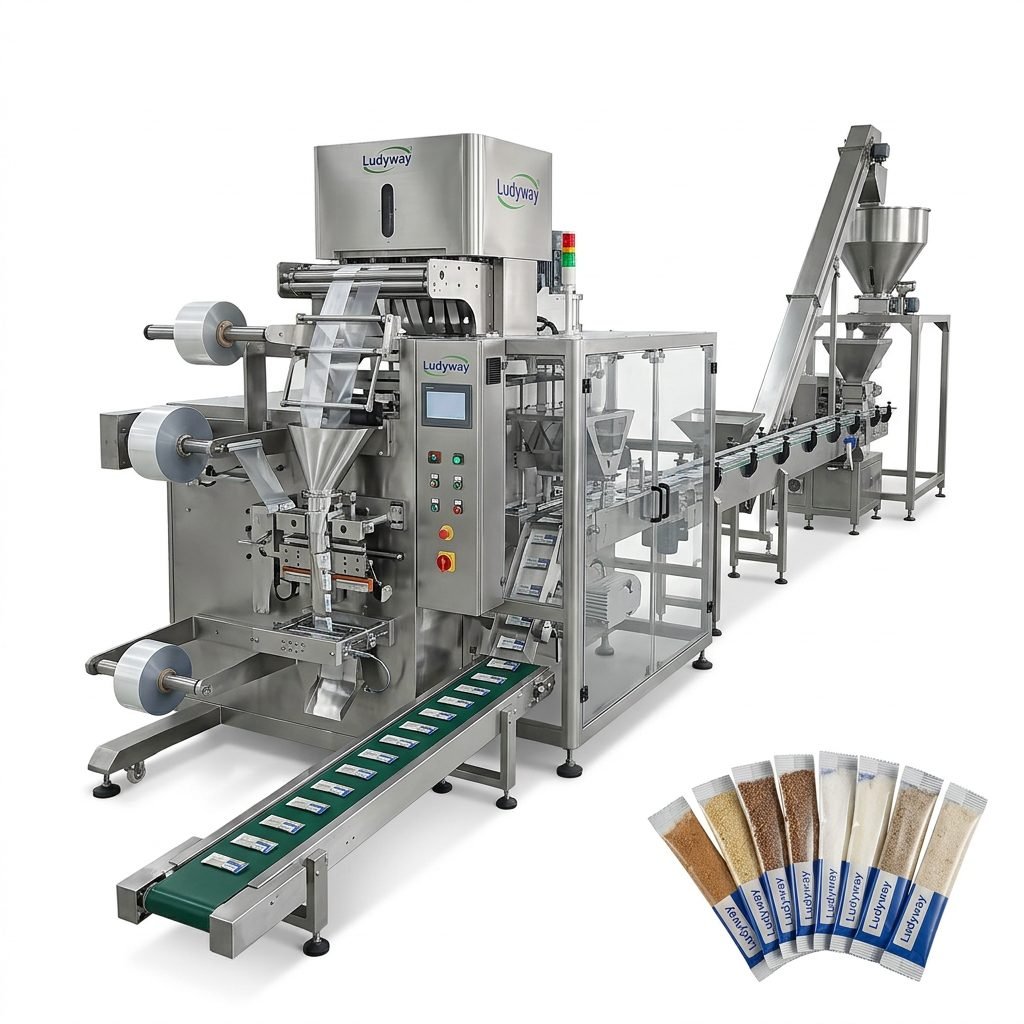
Understanding Popsicle Packaging Machine Types
Before evaluating suppliers, it is essential to understand the different machine configurations available for popsicle packaging. Each type offers distinct advantages depending on your production volume, product format, and packaging material requirements.
Horizontal Flow Wrappers
Horizontal flow wrapping machines are among the most widely used systems for individually wrapped popsicles and ice pops. These machines form a sealed package around each product using a continuous film roll. They excel at handling high-speed production lines and can accommodate various product shapes, including flat, round, and tubular popsicles. Key features such as servo-driven sealing jaws and automatic film tension control ensure consistent seal quality even at elevated speeds.
Stick Pack and Sachet Machines
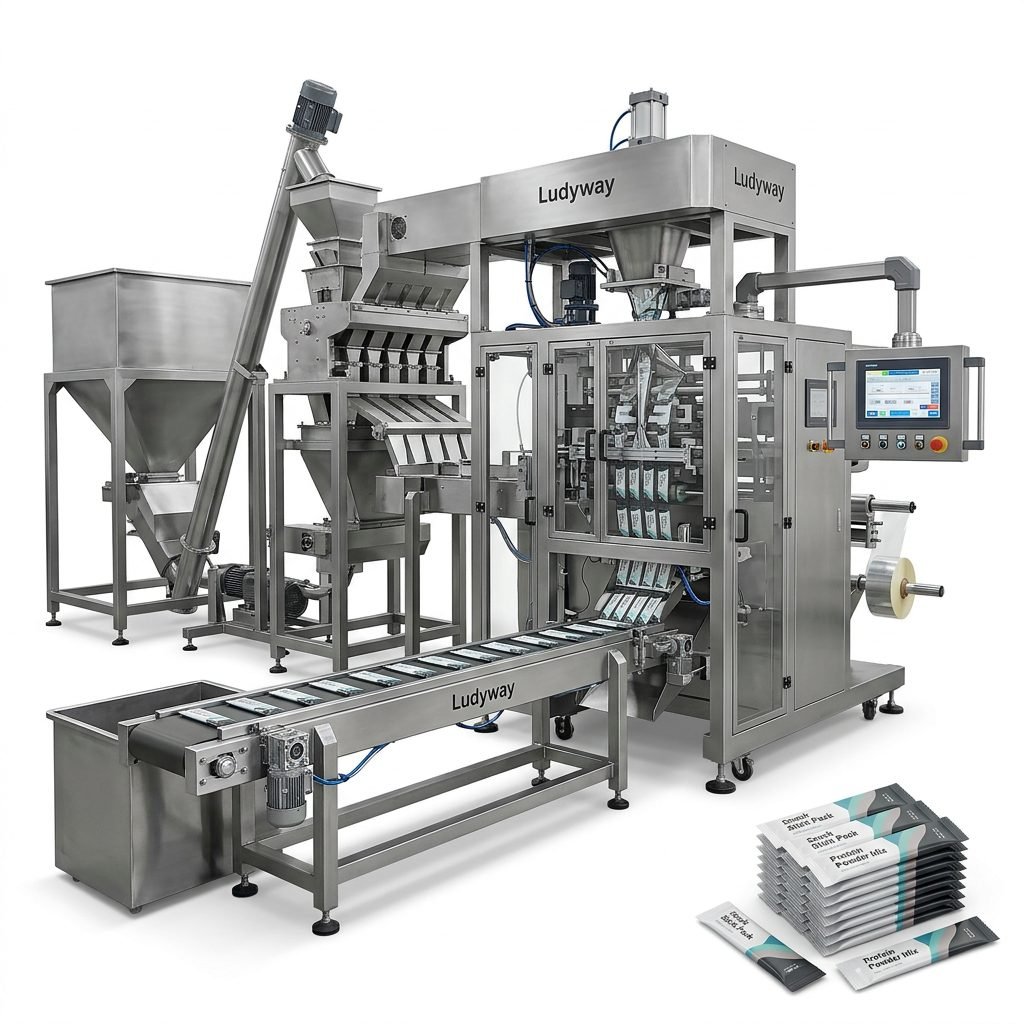
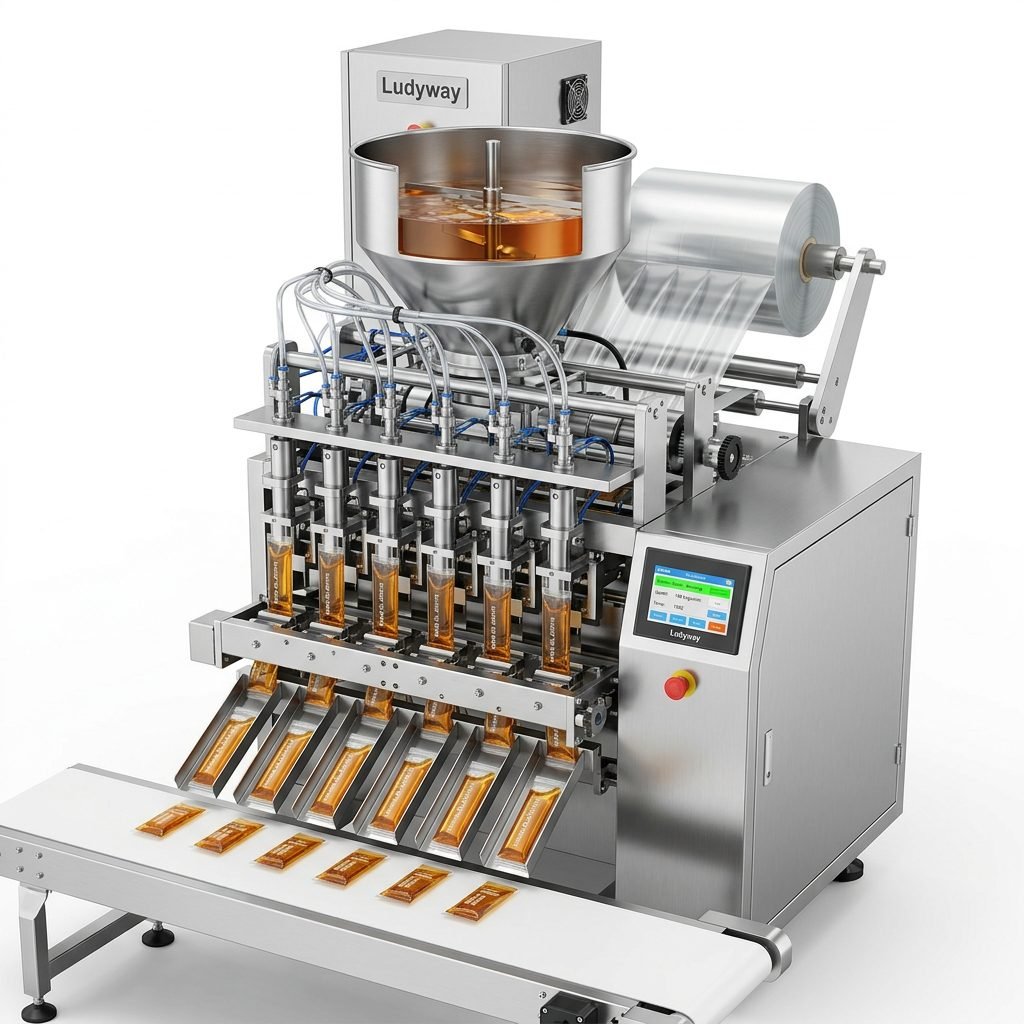
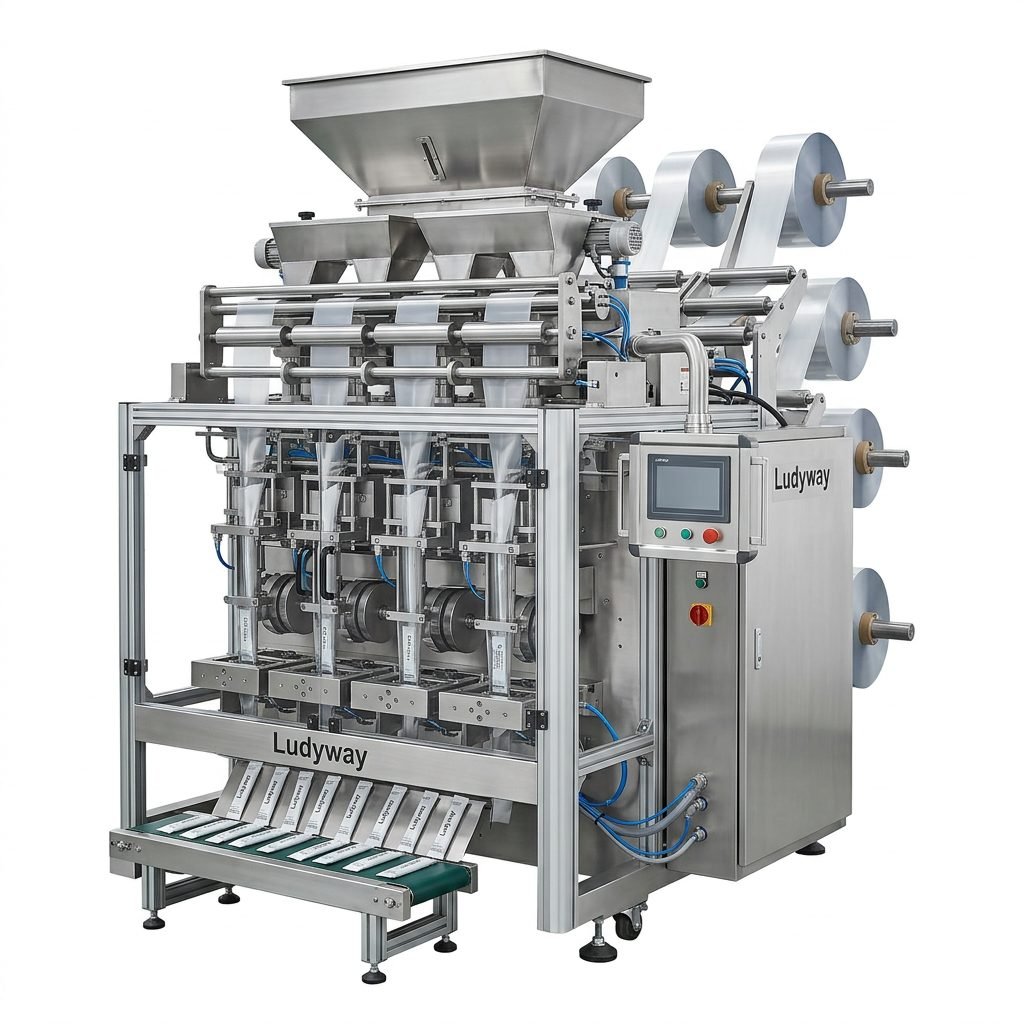
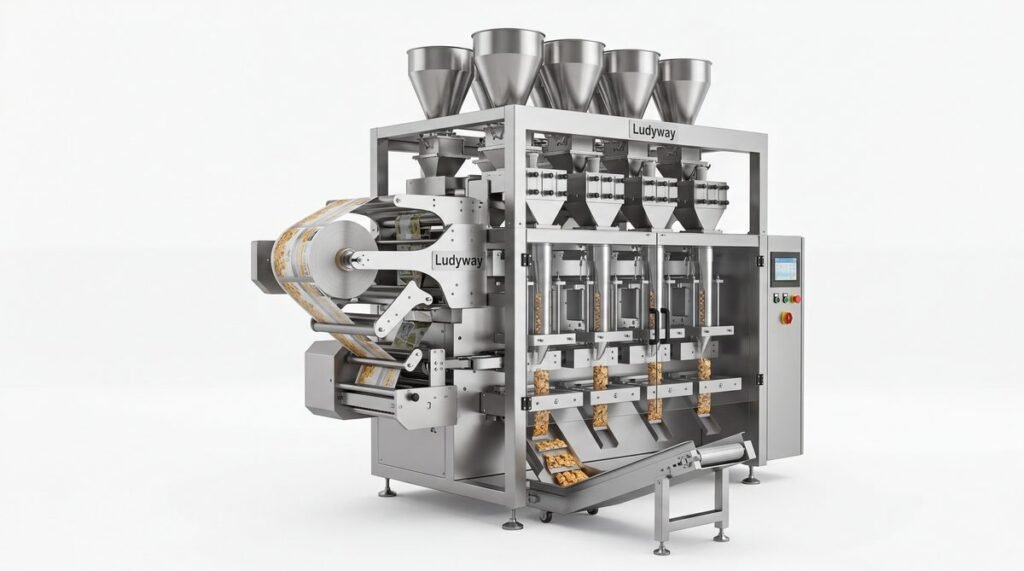
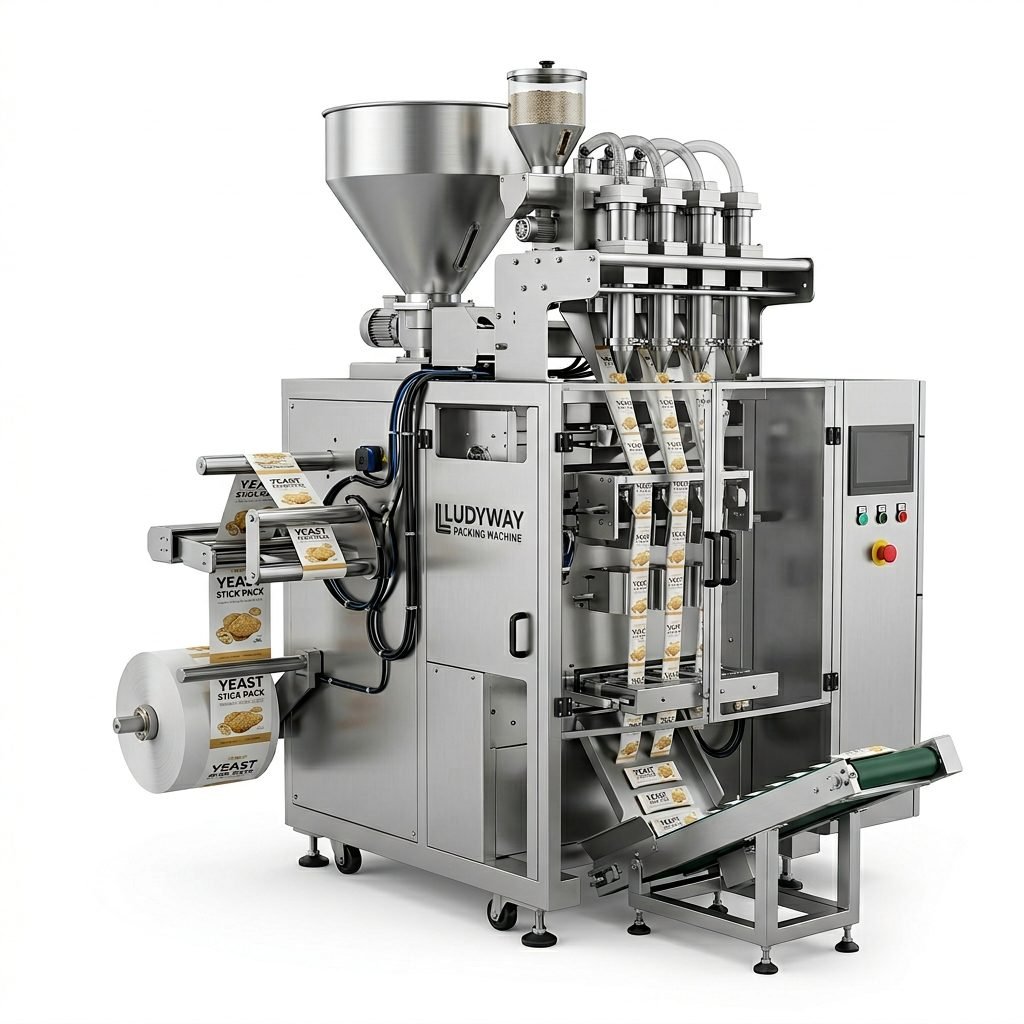
For freeze-pop style products filled with liquid that freezes after packaging, vertical form-fill-seal (VFFS) stick pack machines offer an efficient solution. These systems form a tube from rollstock film, fill it with liquid, and create individual sealed stick packs. According to industry data from the Flexible Packaging Association, stick pack formats continue gaining market share due to portion control benefits and reduced material usage compared to traditional formats.
Multi-Lane Packaging Systems
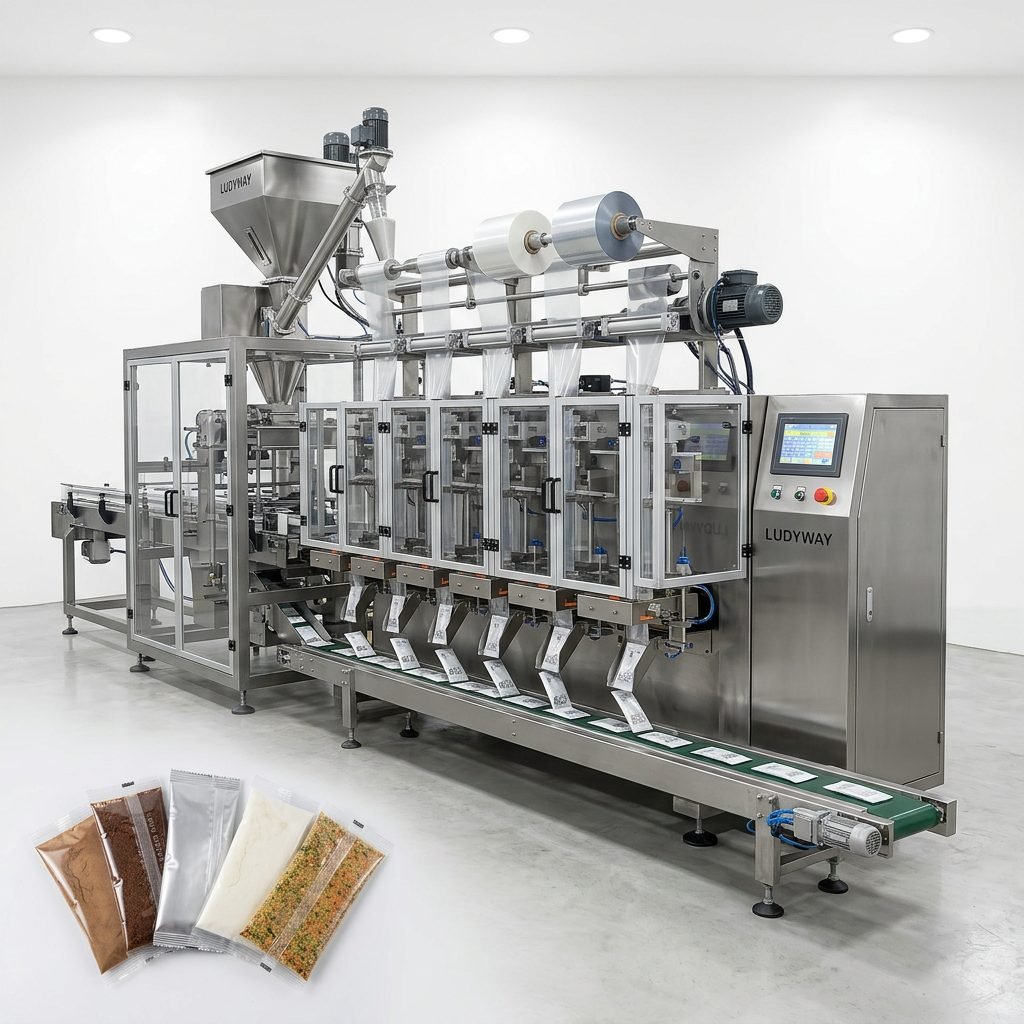
Manufacturers with high-volume requirements often turn to multi-lane popsicle packaging lines. These systems run multiple packaging lanes simultaneously, dramatically increasing output per square foot of factory floor space. A well-designed multi-lane system can produce hundreds of packaged popsicles per minute, making them ideal for large-scale frozen novelty brands serving international markets.
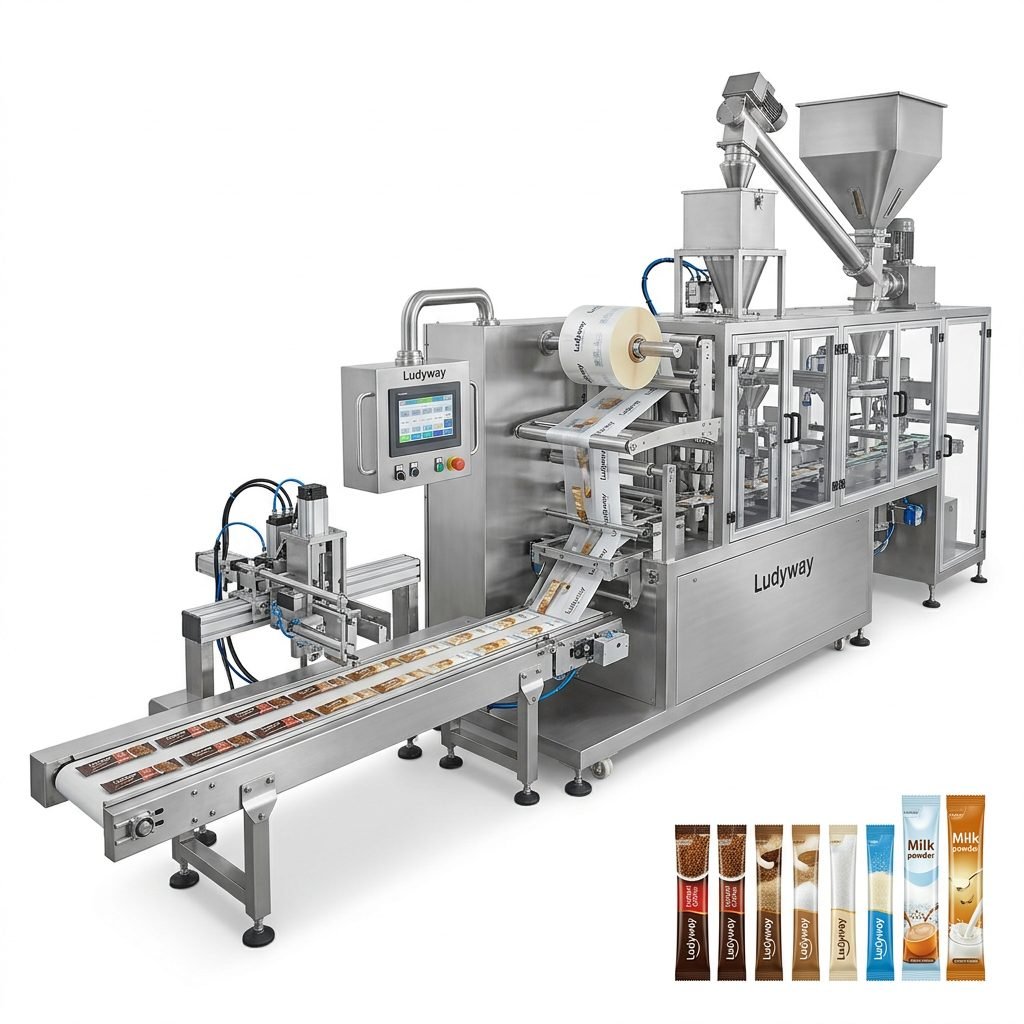
Key Factors to Consider When Selecting Equipment
Investing in a popsicle packaging machine requires careful evaluation of multiple technical and operational criteria. The following factors will guide your selection process and help avoid costly purchasing mistakes.
Production Speed and Output Requirements
Calculate your current and projected daily output before comparing machine specifications. Packaging equipment speed is typically measured in packs per minute (ppm). Entry-level machines may operate at 30-60 ppm, while high-speed industrial systems can exceed 200 ppm. Always factor in a 20% buffer above your current needs to accommodate future growth and peak season demands.
Material Compatibility and Seal Integrity
Popsicle packaging involves unique challenges related to moisture resistance and cold temperature durability. The packaging film must withstand freezing temperatures without becoming brittle or losing seal strength. Verify that the machine supports your preferred film materials, whether laminated structures, metallized films, or polyethylene-based cold-seal materials. The FDA food packaging regulations provide important guidance on food-contact materials that should inform your film selection.
Changeover Flexibility
If your production line handles multiple popsicle sizes or flavors, evaluate how quickly the machine can switch between formats. Modern servo-driven machines offer recipe-based changeovers that reduce downtime to under 15 minutes. This flexibility is particularly valuable for contract packagers and co-manufacturers serving diverse customer requirements.
Hygiene and Cleanability
Food-grade packaging equipment must meet stringent sanitation standards. Look for machines with stainless steel construction, sloped surfaces for water drainage, and tool-free disassembly for cleaning. Compliance with international standards such as ISO packaging standards demonstrates a manufacturer’s commitment to quality and safety.
Evaluating Global Packaging Machine Suppliers
Choosing the right supplier is as important as selecting the right machine. A structured evaluation process helps mitigate risks associated with international equipment procurement.
- Manufacturing Experience: Prioritize suppliers with at least 10-15 years of experience in food packaging machinery. Companies like Ludyway, one of the largest packaging machine manufacturers in China with over 30 years of industry expertise and a modern 20,000㎡ manufacturing facility, exemplify the level of engineering capability and reliability buyers should seek.
- Technical Documentation: Request detailed machine specifications, including dimensional drawings, utility requirements, and control system architecture before making any commitment.
- After-Sales Support: Confirm the availability of remote troubleshooting, on-site service engineers, and spare parts inventory. Downtime during peak popsicle season can result in significant revenue loss.
- Installation and Training: Comprehensive installation support and operator training programs ensure your team can maximize machine performance from day one.
Comparing Technical Specifications
The following table summarizes key specifications to compare when evaluating popsicle packaging machines from different suppliers. Use this framework to create a standardized comparison matrix for your procurement process.
| Specification | Entry-Level | Mid-Range | High-End Industrial |
|---|---|---|---|
| Speed Range | 30-60 ppm | 80-150 ppm | 200+ ppm |
| Pack Format | Single product wrap | Single / multi-pack | All formats including variety packs |
| Film Type Support | Heat-seal only | Heat-seal + cold-seal | All film types including registered print |
| Changeover Time | 30-45 minutes | 15-25 minutes | Under 10 minutes (servo-driven) |
| Control System | Basic PLC | Touchscreen HMI | Full IoT integration with remote monitoring |
| Frame Construction | Painted steel / partial stainless | Full stainless steel | Full 304/316 stainless with washdown rating |
Automation Level and Industry 4.0 Integration
Modern popsicle packaging lines increasingly incorporate smart manufacturing capabilities that go beyond basic mechanical operation. When evaluating equipment, consider the following automation features that can significantly impact long-term operational efficiency.
Servo-Driven Motion Control
Servo motors provide precise, programmable motion control for sealing jaws, film feeding, and cutting mechanisms. Unlike mechanical cam-driven systems, servo-driven machines allow operators to adjust timing, stroke length, and speed parameters through the HMI without mechanical modifications. This technology reduces wear parts inventory and enables faster troubleshooting.
Data Collection and Remote Access
Equipment with IoT connectivity enables real-time production monitoring, predictive maintenance alerts, and remote diagnostics. According to PMMI business intelligence reports, packaging operations adopting data-driven maintenance strategies reduce unplanned downtime by up to 25%. For popsicle manufacturers operating seasonal production schedules, minimizing downtime during peak months directly protects revenue.
Integrated Quality Control
Advanced systems now incorporate vision inspection and checkweighing directly into the packaging line. These quality control modules detect seal defects, misaligned film, and missing products before packaged popsicles leave the production area. Investing in integrated quality control reduces costly product recalls and protects brand reputation.
Logistics, Importation, and Total Cost of Ownership
When sourcing popsicle packaging machinery from international suppliers, the purchase price represents only one component of the total investment. A comprehensive cost analysis should account for the following elements.
- Freight and Insurance: Ocean freight for heavy packaging machinery can add 5-10% to the equipment cost. Request Incoterms clarification (CIF vs. FOB) early in negotiations.
- Import Duties and Tariffs: Verify the Harmonized System (HS) code classification for packaging machinery in your destination country to calculate applicable duties. Rates vary significantly between jurisdictions.
- Installation and Commissioning: Budget for technician travel, accommodations, and daily service rates during the installation period, which typically spans 5-10 business days for standard popsicle packaging lines.
- Spare Parts Inventory: Maintain an initial stock of critical wear components, including sealing jaws, cutting blades, belts, and sensors. Suppliers should provide a recommended spare parts list with lead times.
- Operator Training: Factor in the cost of comprehensive training, whether conducted on-site or at the supplier’s facility, to ensure your team achieves full productivity quickly.
Industry Standards and Compliance
Popsicle packaging equipment must comply with relevant safety and hygiene standards in your target market. The PMMI packaging machinery standards provide a comprehensive framework for equipment safety and performance. Additionally, the European packaging regulations increasingly influence global packaging equipment design, particularly regarding material reduction and recyclability. Verify that potential suppliers demonstrate familiarity with these regulatory requirements and design their machines accordingly.
Making the Final Decision
After evaluating technical specifications, supplier capabilities, and total cost of ownership, the final decision should balance current production needs with long-term strategic goals. Request detailed proposals from at least three qualified suppliers, conduct reference checks with existing customers in the frozen novelty industry, and whenever possible, arrange a factory acceptance test (FAT) before shipment. A well-chosen popsicle packaging machine becomes a long-term production asset that supports brand growth, product quality, and operational efficiency for years to come.
By following this structured approach to machine selection and supplier evaluation, popsicle manufacturers can confidently invest in packaging equipment that delivers reliable performance, consistent product quality, and a strong return on investment in the competitive global frozen treats market.