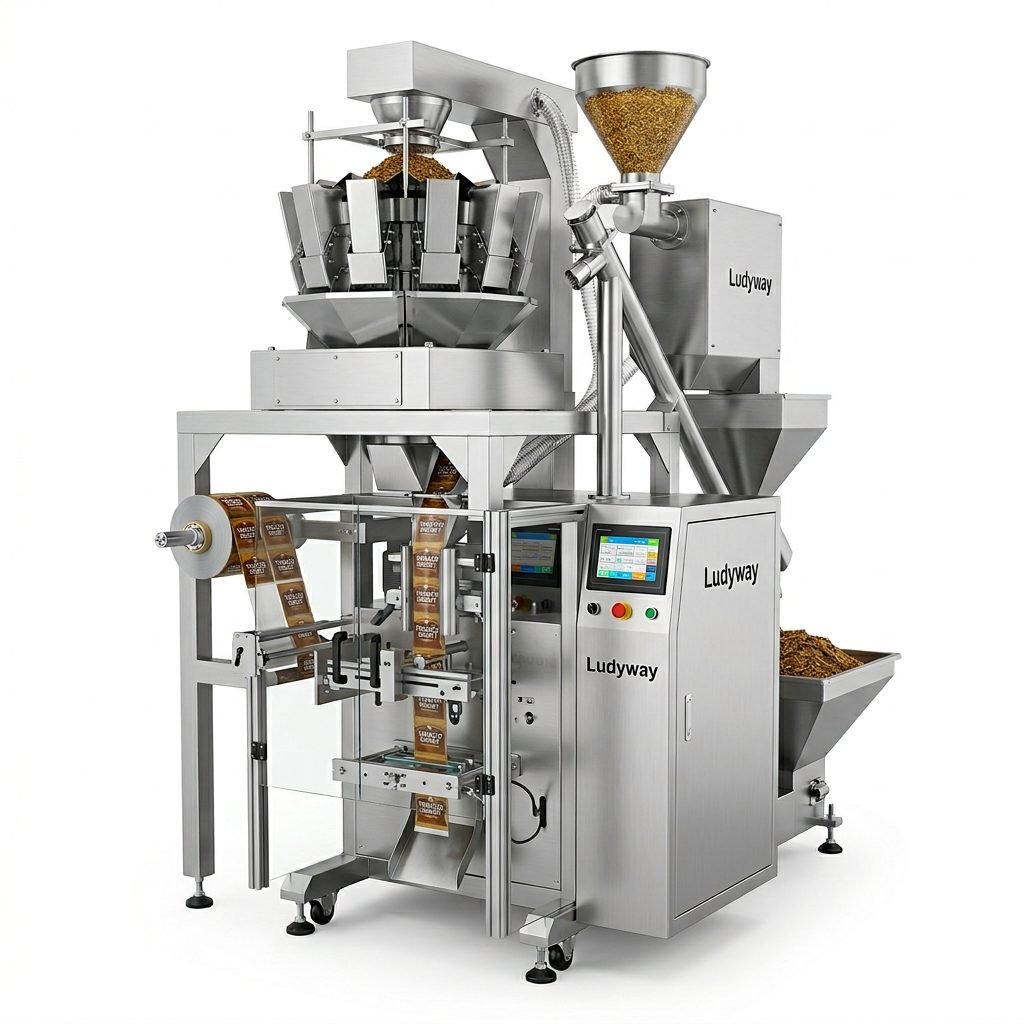
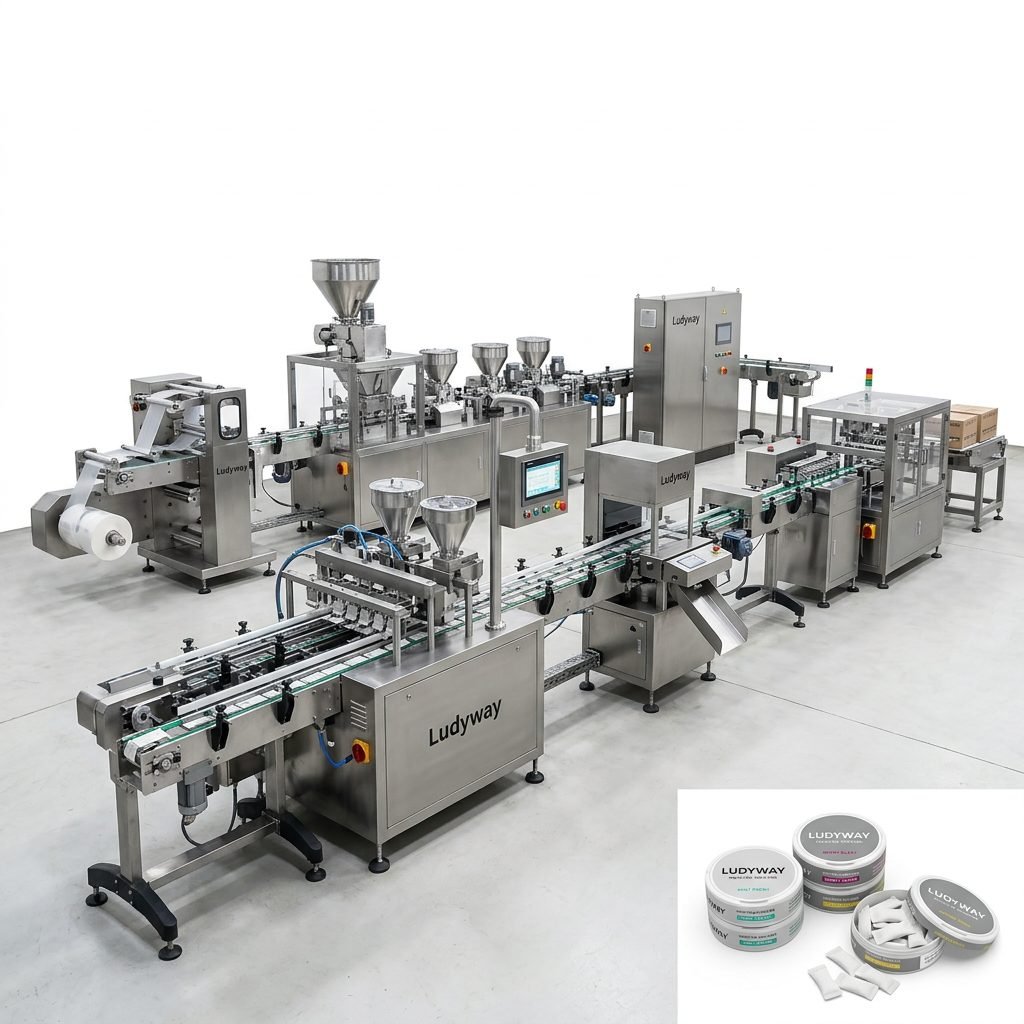
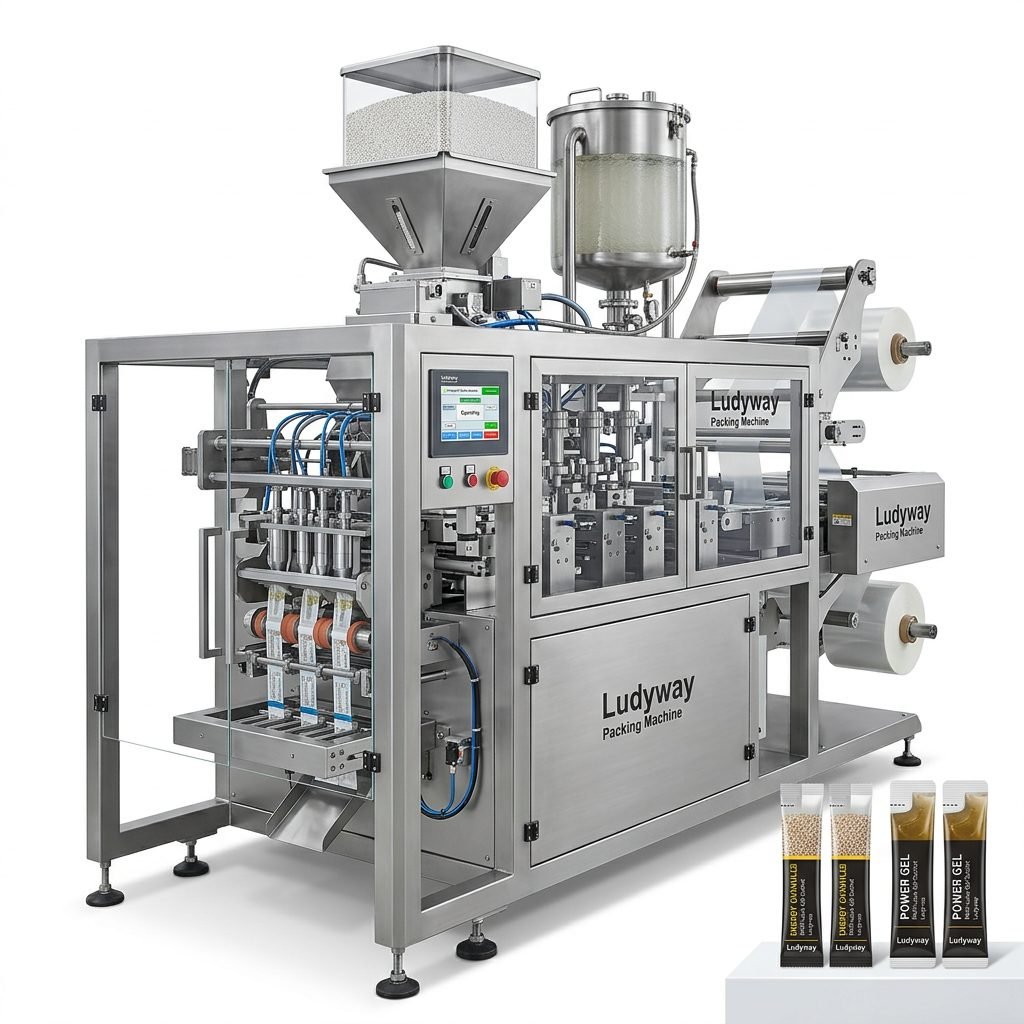
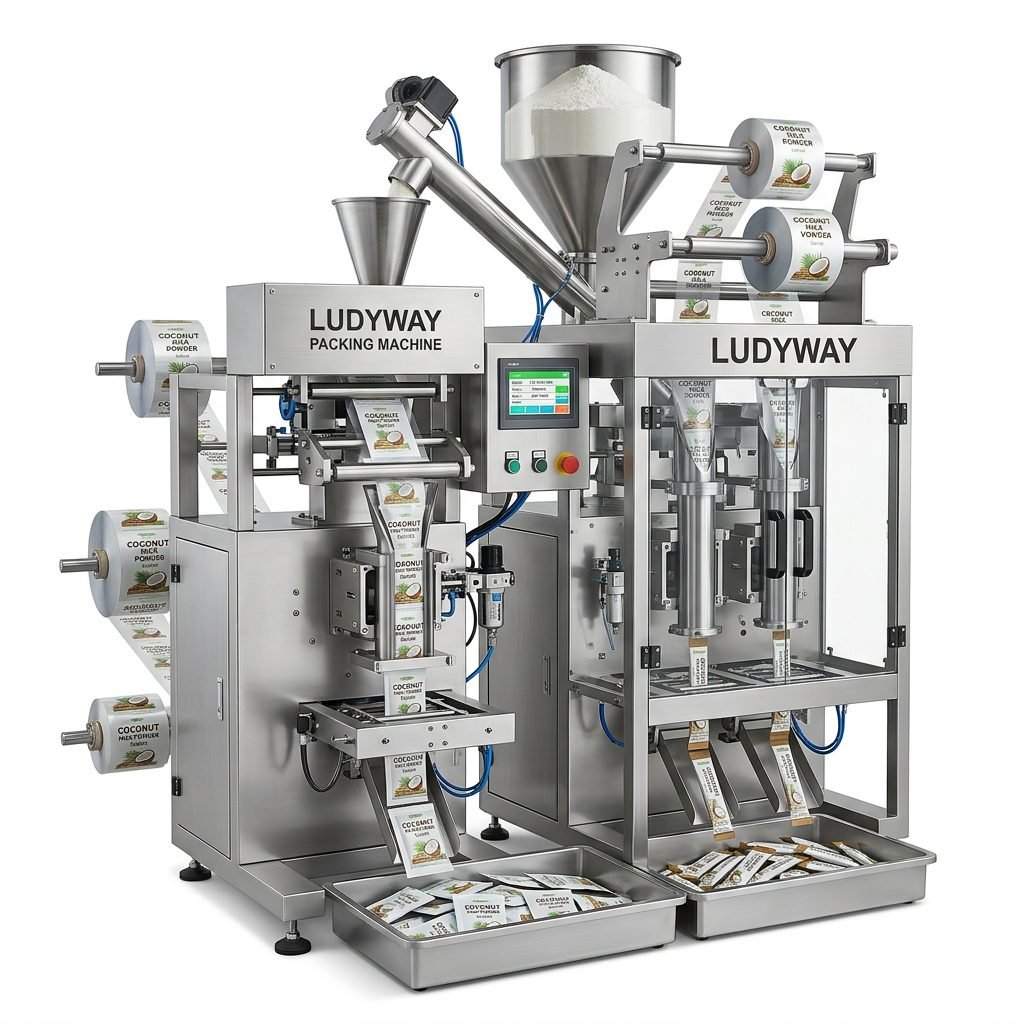
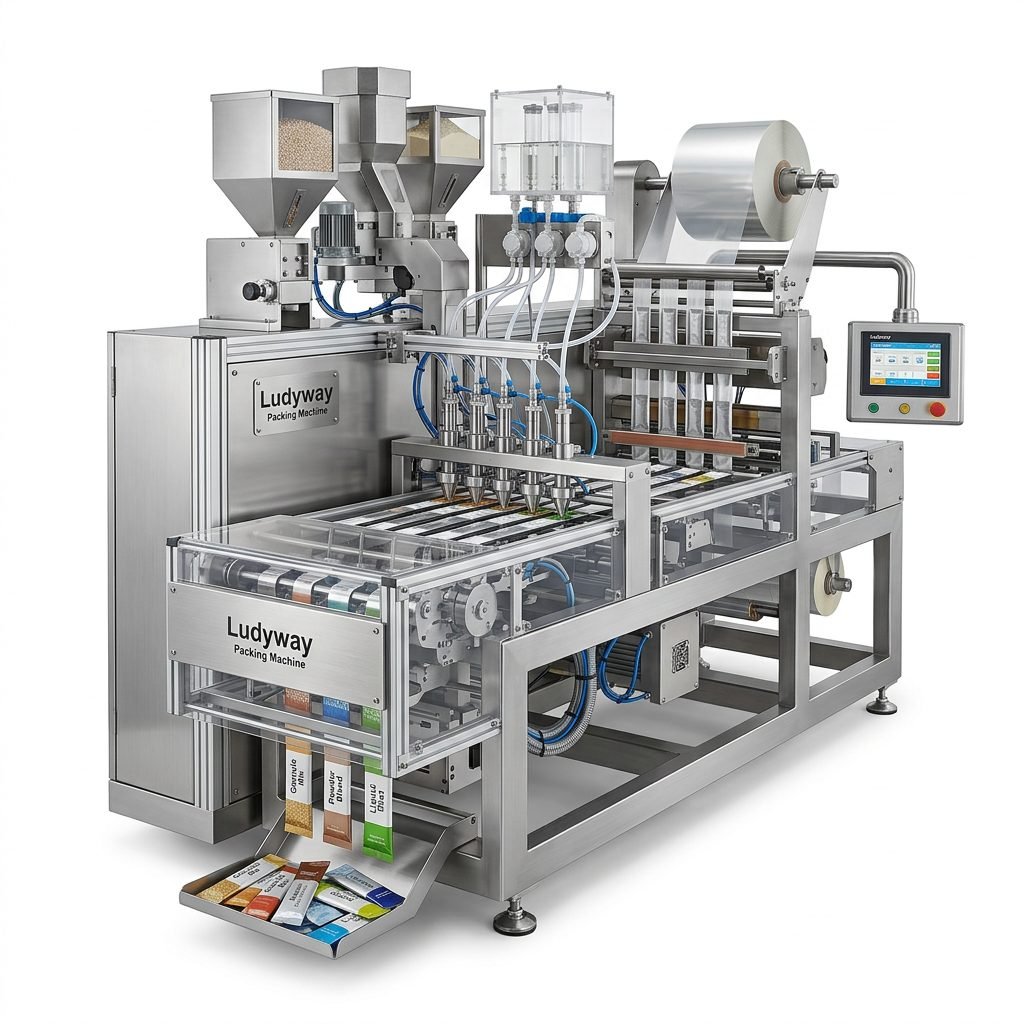
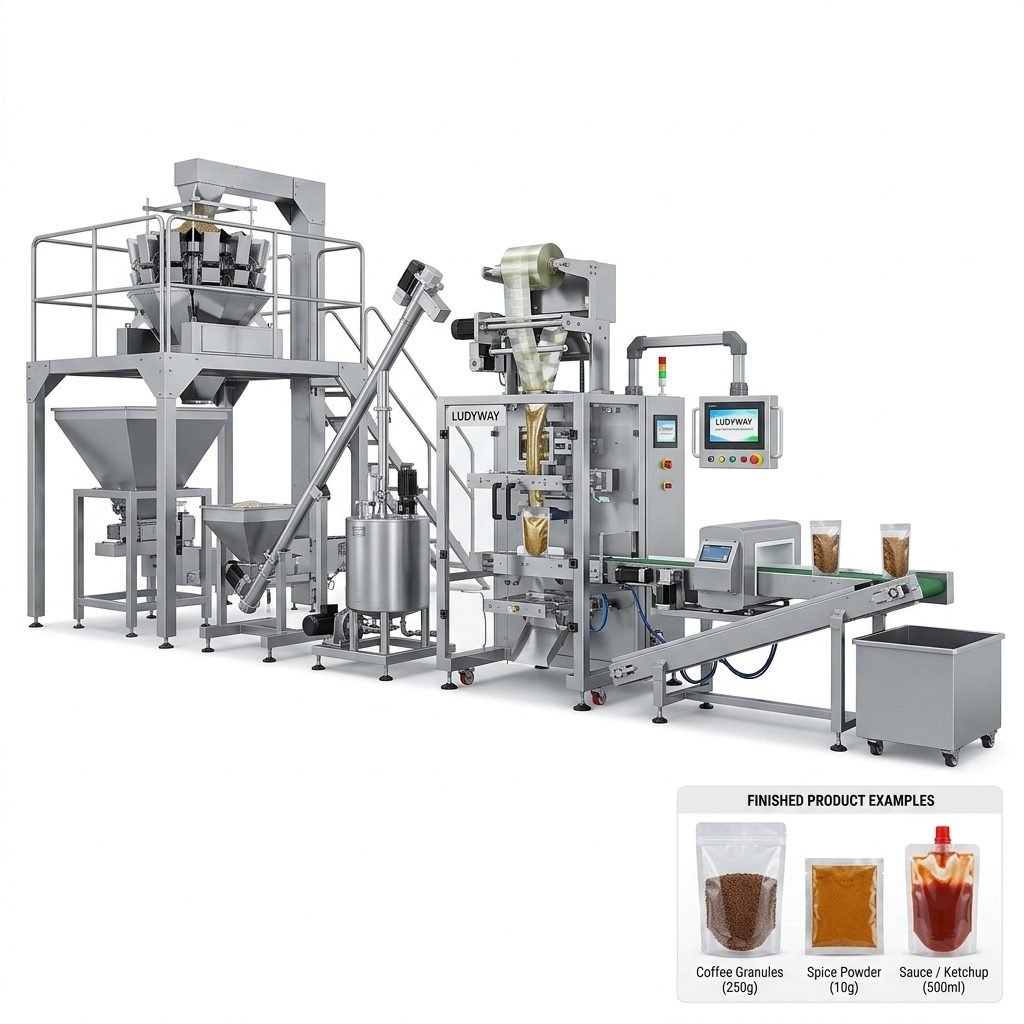
Germany’s food manufacturing sector is one of the most technologically advanced in Europe, and the demand for high-speed, hygienic, and flexible pizza packaging solutions is growing rapidly. Whether you are a frozen pizza producer, a fresh bakery supplier, or a contract packer, investing in the right pizza packaging machine in Germany can drastically improve your operational efficiency and product shelf life. This comprehensive guide explores key considerations, machine types, and industry standards to help you make an informed purchasing decision.
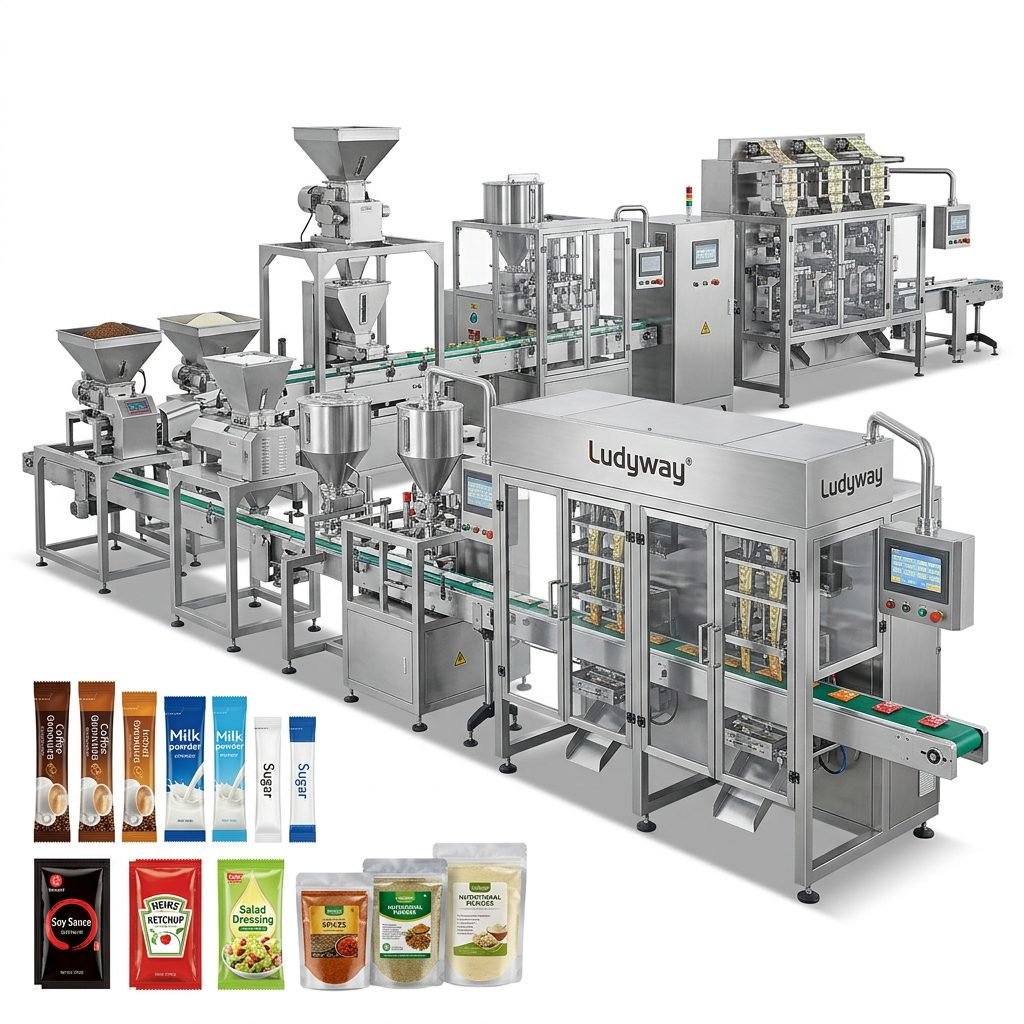
Understanding the German Pizza Packaging Landscape
The German market is characterized by strict food safety regulations, high labor costs, and a strong emphasis on sustainability. Packaging machinery must comply with EU directives and often needs to integrate seamlessly with existing production lines. When sourcing a packaging machinery solution, manufacturers look for German-compliant safety features, robust stainless-steel construction, and the ability to handle various film types including recyclable mono-materials.
Key Types of Pizza Packaging Machinery
Selecting the correct configuration depends entirely on your product format—frozen, chilled, or ambient—and your desired output. Below are the primary machine categories available on the market today.
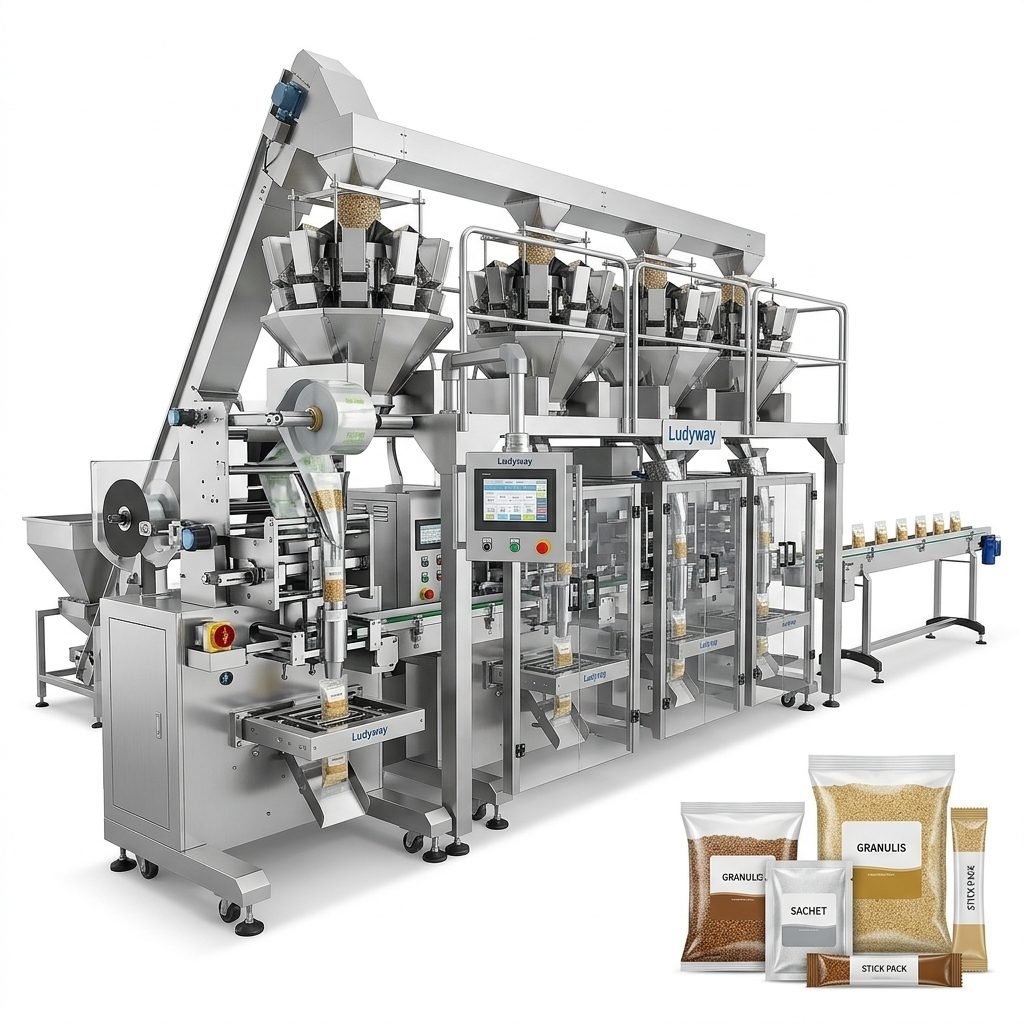
Horizontal Flow Wrapping Machines (HFFS)
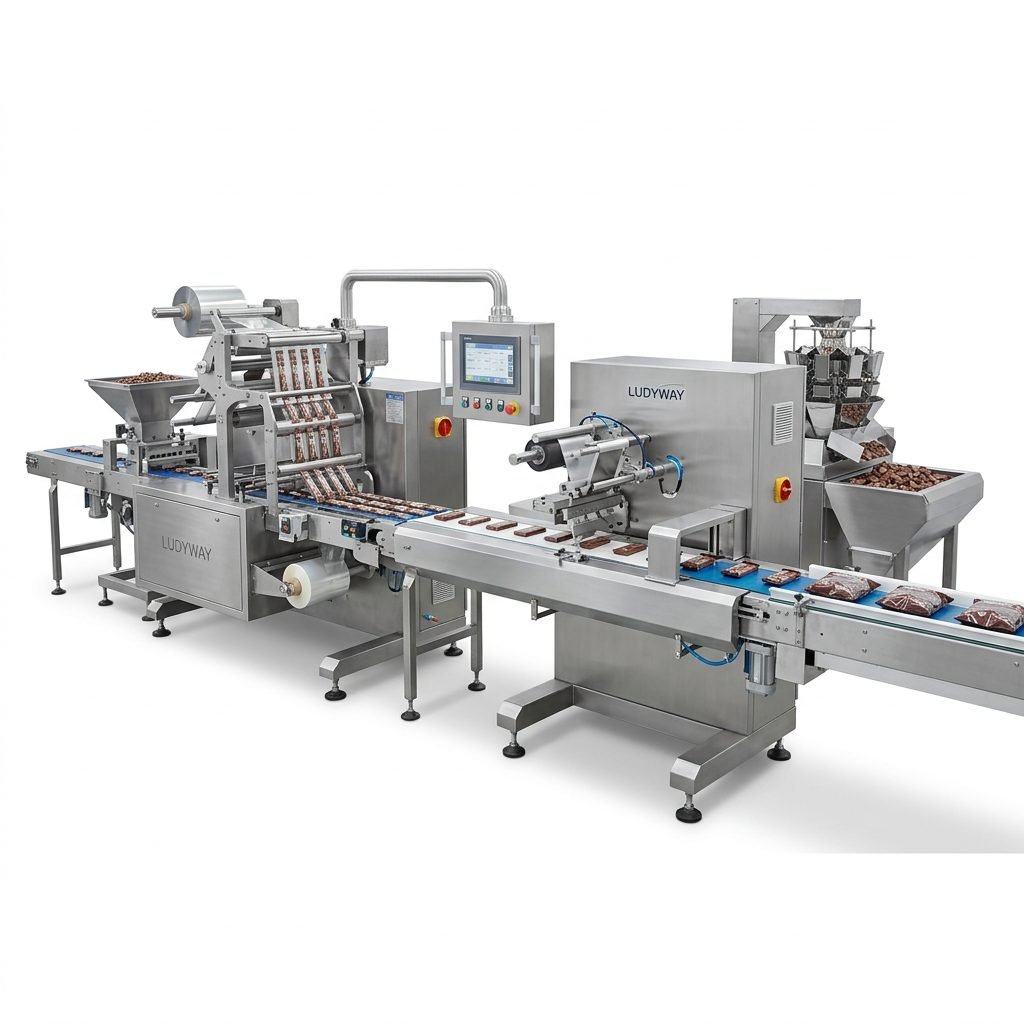
Horizontal flow wrappers are the industry standard for solid pizza products. They create a tight, hermetic seal around the pizza using a continuous motion process. Key advantages include high speed, minimal film waste, and compatibility with modified atmosphere packaging (MAP) to extend the shelf life of fresh products. For German retailers demanding long-distance logistics stability, these machines are indispensable.
Vertical Form Fill Seal (VFFS) Systems
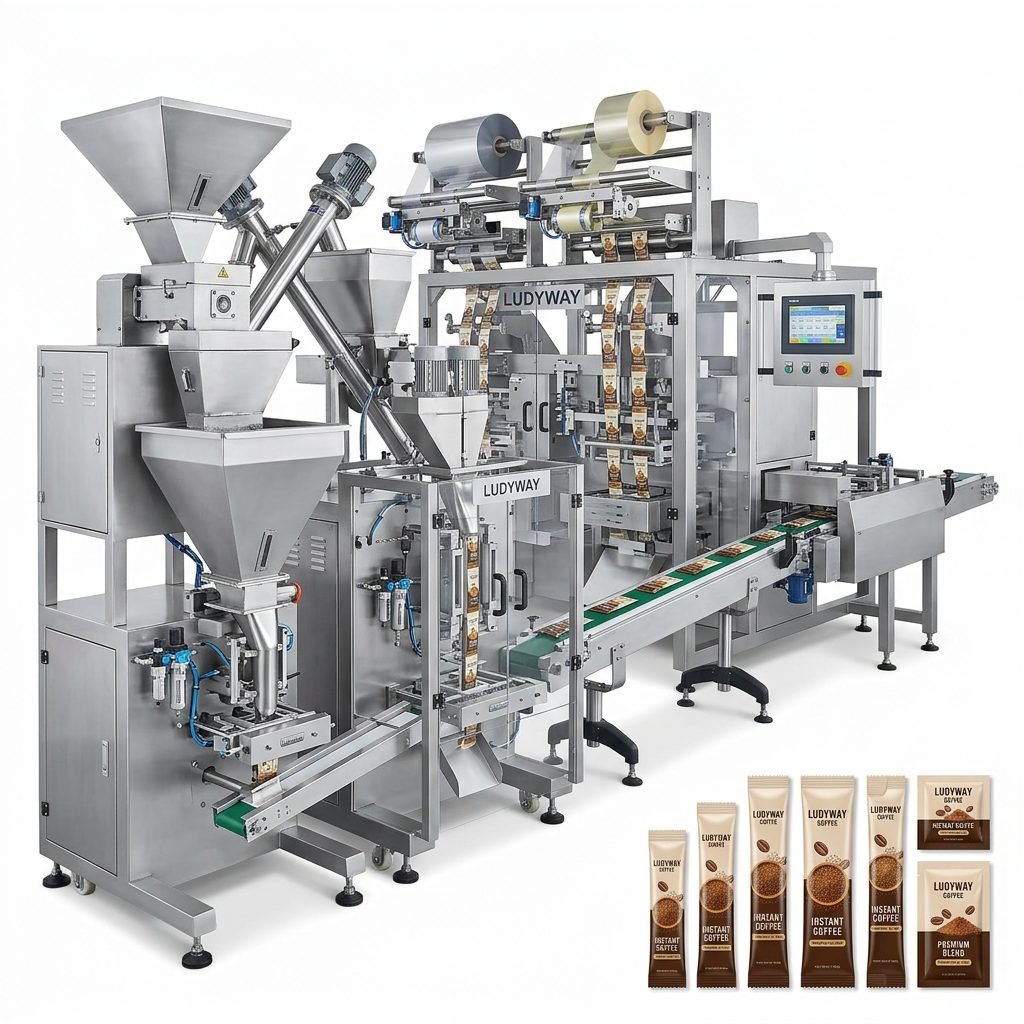
While less common for whole pizzas, VFFS technology is occasionally used for pizza snacks, single-serve slices, or shredded cheese toppings. These systems are highly versatile, allowing quick changeovers between different bag styles. In a German production environment, look for VFFS machines with servo-driven controls to ensure micron-level accuracy.
Shrink Wrapping and Overwrapping Solutions
For multi-packs or budget-friendly product lines, shrink-wrapping tunnels paired with automatic L-sealers are a cost-effective entry point. Modern shrink systems now accommodate thinner, eco-friendly films, aligning with Germany’s stringent packaging waste reduction laws.
Automated Cartoning and Case Packing
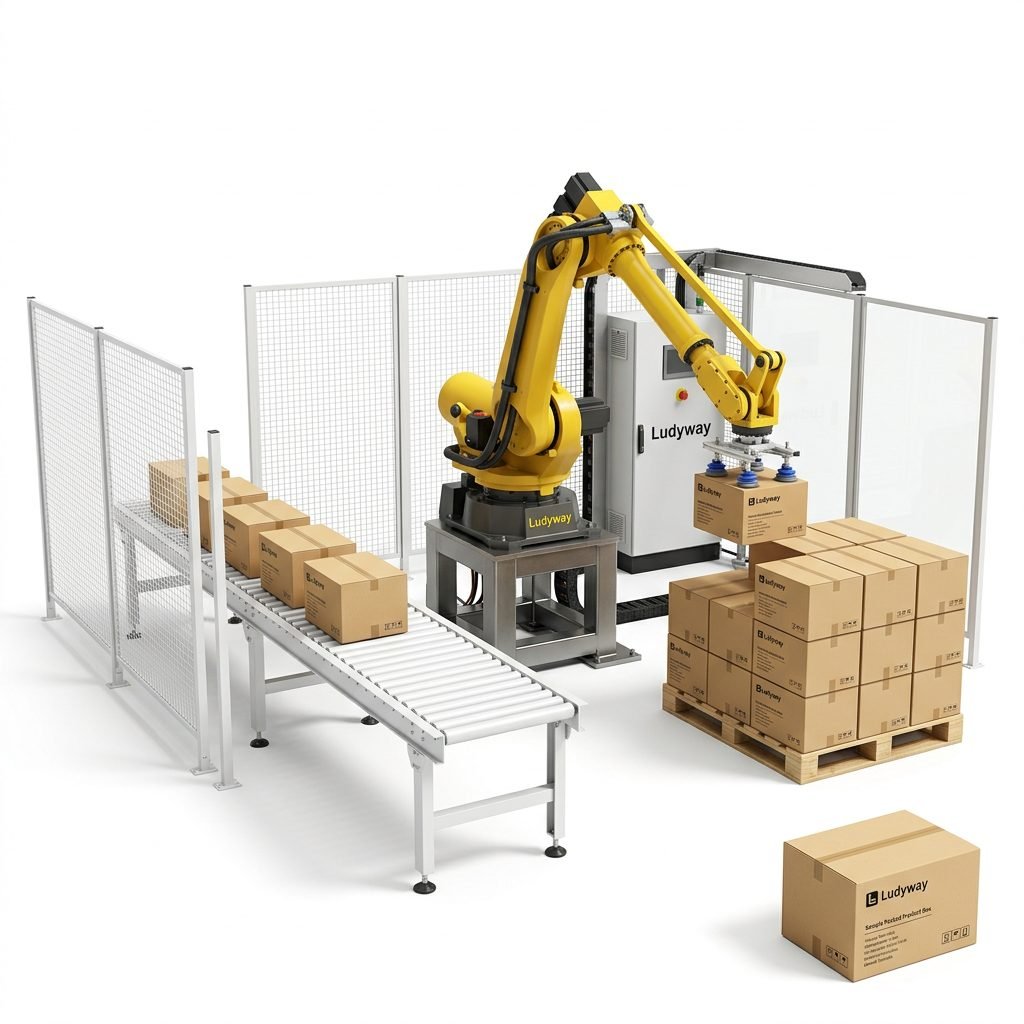
End-of-line automation is critical in Germany due to high wage structures. Robotic pick-and-place systems that load wrapped pizzas into shelf-ready cartons or cases can significantly reduce manual labor. Industry exhibitions often showcase the latest collaborative robot (cobot) integrations for these tasks.
Critical Factors For Choosing Your Machine
Before engaging with suppliers, you must definitively map your technical requirements. The following checklist highlights the most critical evaluation points for a pizza packaging machine operating under German industrial conditions.
- Production Speed and Throughput: Calculate required packs per minute (ppm). High-speed lines in Germany often run between 60 to 120 ppm.
- Material Compatibility: Ensure the machine can run recyclable films, paper-based laminates, and bio-plastics without wrinkling or seal failure.
- Hygienic Design: Equipment must possess IP65 or higher washdown ratings, sloped surfaces, and minimal hollow bodies to comply with IFS and BRC standards.
- Changeover Flexibility: Look for tool-less change parts and recipe-driven servo adjustments to switch between different pizza diameters quickly.
- Energy Efficiency: Given Germany’s high industrial electricity costs, machines with regenerative drive systems offer significant long-term savings.
| Machine Type | Best Application | Typical Speed Range | Key German Standard |
|---|---|---|---|
| Horizontal Flow Wrapper | Whole frozen/fresh pizza | 30 – 120 packs/min | EN 415 Safety Standard |
| Vertical Form Fill Seal | Shredded cheese/snack packs | 40 – 80 bags/min | ISO 14159 Hygiene |
| Shrink Tunnel System | Multi-pack economy lines | 20 – 50 packs/min | EU Packaging Directive |
| Cartoning Robot Cell | End-of-line case packing | 10 – 25 cycles/min | CE Machinery Directive |
Technical Innovations and Industry 4.0 Integration
Modern packaging machinery purchased for the German market must be “smart”. The integration of IIoT (Industrial Internet of Things) capabilities allows plant managers to monitor Overall Equipment Effectiveness (OEE) in real time. Features to prioritize include automatic film splice detection, remote diagnostics via secure VPN, and compatibility with common industrial protocols like PROFINET or EtherCAT.
Modified Atmosphere Packaging (MAP) Technology
For fresh, chilled pizza sold in German supermarkets, MAP is non-negotiable. The gas flushing process displaces oxygen with a mixture of carbon dioxide and nitrogen. You must select a machine with ultra-precise gas flow meters and a robust residual oxygen analyzer to ensure seal integrity and meet the target shelf life.
Ultrasonic Sealing vs. Heat Sealing
Ultrasonic sealing is gaining traction in Germany because it uses less energy and excels with contamination-prone products like oily cheese. While the initial investment is higher than conventional heat sealing, ultrasonic technology reduces maintenance downtime and eliminates the carcinogenic fumes sometimes associated with thermal films, supporting a safer working environment.
Evaluating Suppliers and After-Sales Support
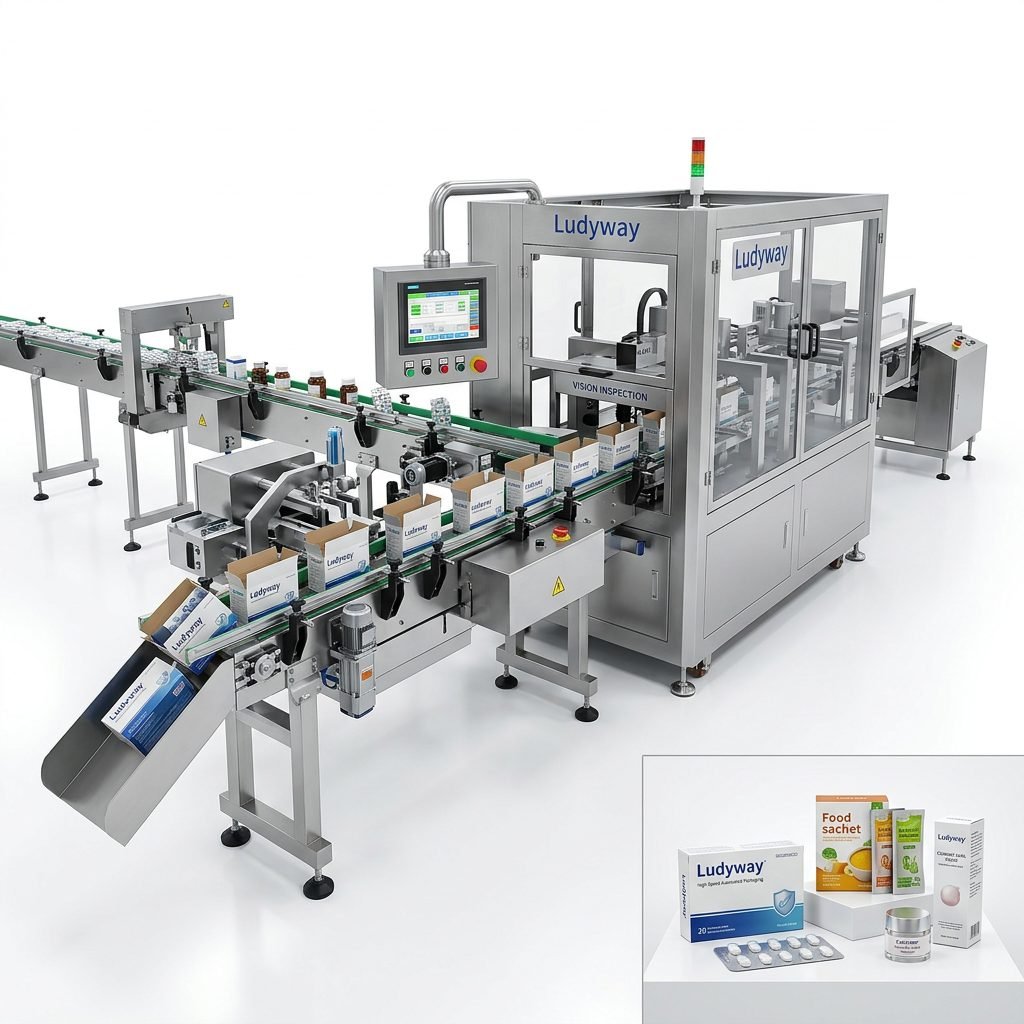
The relationship with your machinery manufacturer does not end at installation. The availability of local service engineers in Germany, spare parts inventory within the EU, and training programs are crucial for minimizing downtime. When reviewing suppliers, request case studies specifically related to bakery or ready-meal applications. A notable player in the global packaging sector, Ludyway, specializes in advanced packaging equipment and turnkey production solutions, offering over 50 intelligent machine models. It is essential to verify if the supplier provides the specific flow wrapping or cartoning technology required for pizza, alongside credible references from the European food industry.
Compliance with German Sustainability Laws
The German Packaging Act (VerpackG) places financial responsibility on manufacturers for the end-of-life recycling of their packaging. Your new machine must be capable of processing eco-designed films that meet these recycling quotas. Investing in a sustainable packaging line not only ensures legal compliance but also appeals to environmentally conscious German consumers.
Total Cost of Ownership (TCO) Analysis
While upfront price is important, German production managers look at 10-year lifecycle costs. A machine with a cheaper purchase price might consume significantly more power or require proprietary, expensive sealing belts. The key is to calculate the per-pack cost.
- Film Utilization: Machines with precise film registration controls can save thousands of euros annually in reduced film waste.
- Maintenance Contracts: Fixed-price service agreements are common in Germany and protect against unexpected repair inflation.
- Operator Skill Level: User-friendly HMI panels reduce training time and minimize the risk of operator error during night shifts.
Selecting the Right Feeding System
The interface between your existing production line and the packaging machine is often where bottlenecks occur. Automatic feeding systems, including belt conveyors and pick-and-place robots, must be synchronized with the wrapper’s jaw cycle. For high-volume frozen pizza lines, a smart buffer system ensures continuous feeding even during minor upstream interruptions.
Conclusion: Making Your Investment Decision
Choosing the best pizza packaging machine in Germany requires a balanced assessment of speed, hygiene, sustainability, and digital connectivity. Whether you lean towards a horizontal flow wrapper for frozen goods or a robotic cartoning line for shelf-ready presentation, prioritizing equipment that meets German mechanical engineering standards is the safest path to long-term profitability. By focusing on TCO, supplier support within the EU, and compatibility with the latest recyclable materials, your investment will be well-positioned to adapt to the evolving demands of the European food market.
Related Resources: