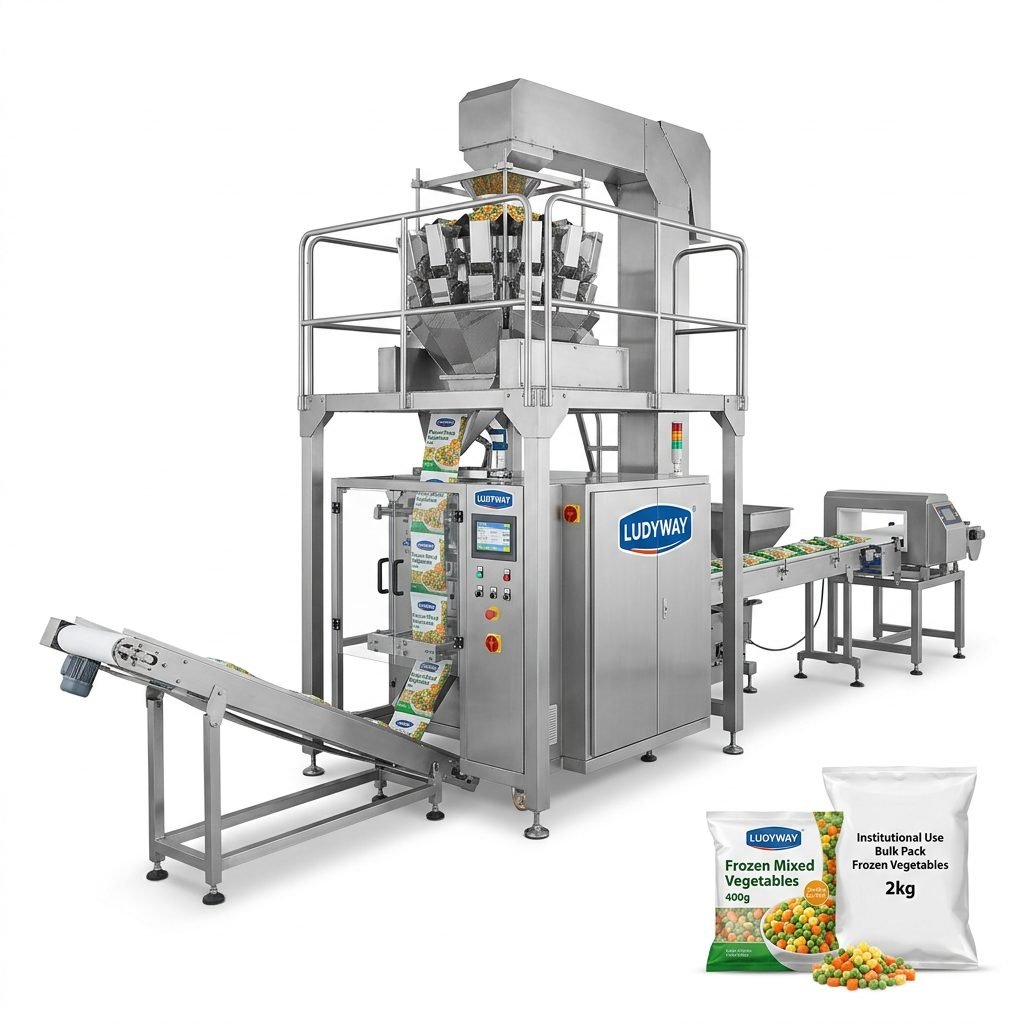
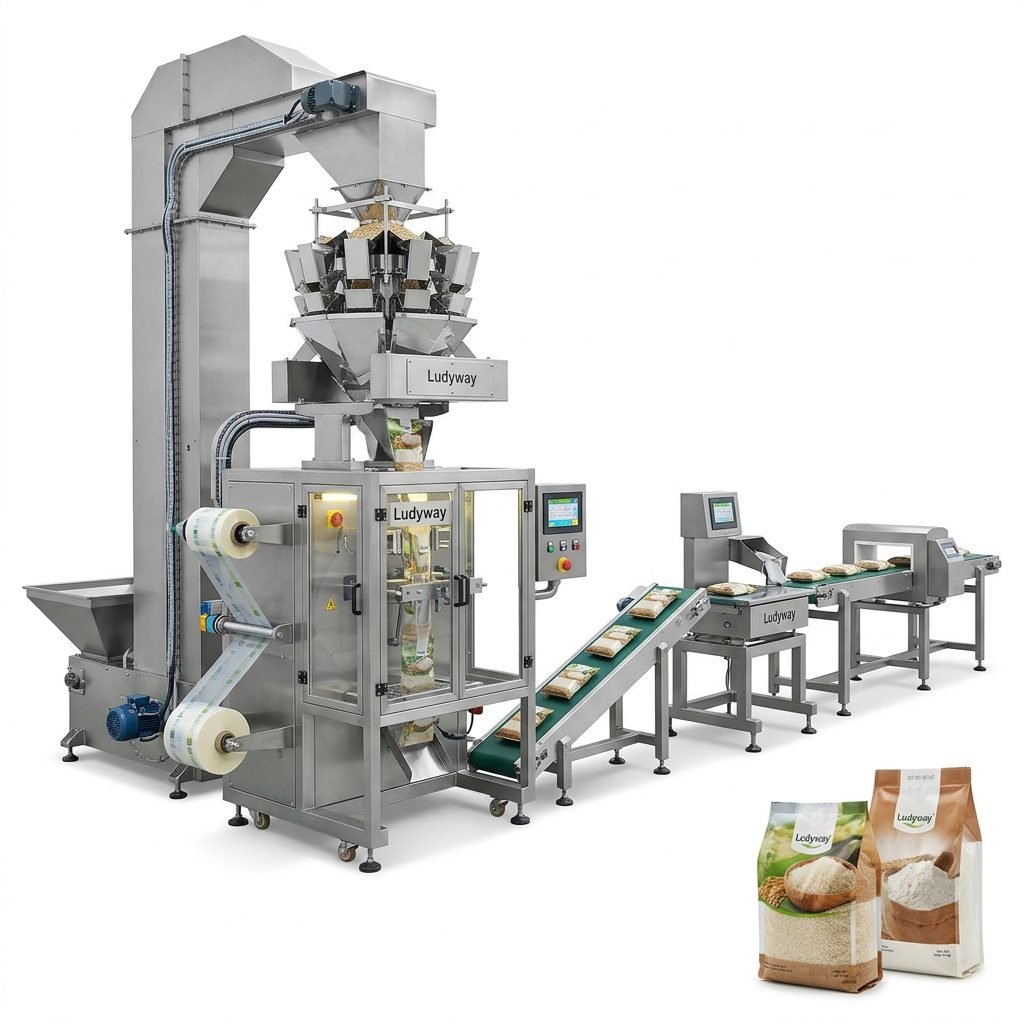
Establishing a food packaging machine production line in China has become a strategic priority for manufacturers worldwide. With a mature industrial supply chain, competitive equipment costs, and advanced automation capabilities, China offers an ideal environment for scaling packaged food operations. Whether you are launching a new product or upgrading an existing facility, understanding the complete setup process—from equipment selection to compliance—is essential for maximizing efficiency and return on investment.
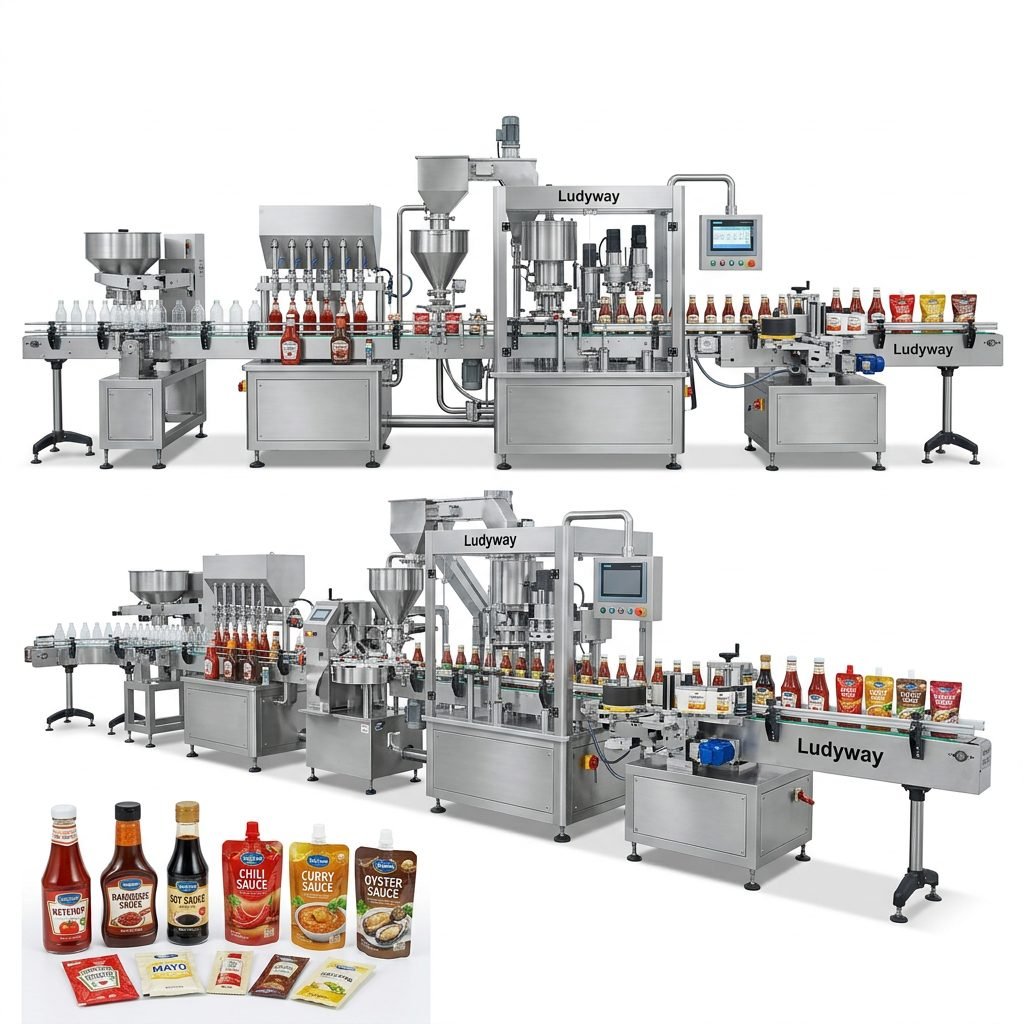
Understanding the Chinese Packaging Machinery Landscape
China has developed one of the most comprehensive packaging machinery ecosystems globally. According to industry data from the PMMI Business Intelligence reports, the packaging equipment market in Asia-Pacific continues to expand at a rapid pace, driven by food safety regulations and increasing demand for convenience packaging. A reliable packaging machine manufacturer in China can provide turnkey solutions encompassing filling, sealing, coding, and secondary packaging—all integrated into a single automated workflow.
Key Steps to Setting Up Your Production Line
Setting up a food packaging line requires careful planning across multiple phases. Below is a structured overview of the critical stages involved:
| Phase | Key Activities | Estimated Timeline |
|---|---|---|
| Project Assessment | Define product specifications, target output, packaging format, and budget parameters | 2-4 weeks |
| Equipment Selection | Evaluate machine types, automation levels, and compatibility with existing infrastructure | 4-8 weeks |
| Factory Planning | Design floor layout, utility connections, material flow, and personnel workflows | 3-6 weeks |
| Installation & Commissioning | Machine delivery, assembly, calibration, and initial testing runs | 4-12 weeks |
| Validation & Training | Performance qualification, operator training, and quality protocol establishment | 2-4 weeks |
Selecting the Right Packaging Machine Type
Your product characteristics determine the optimal packaging equipment configuration. The primary packaging formats for food products include:
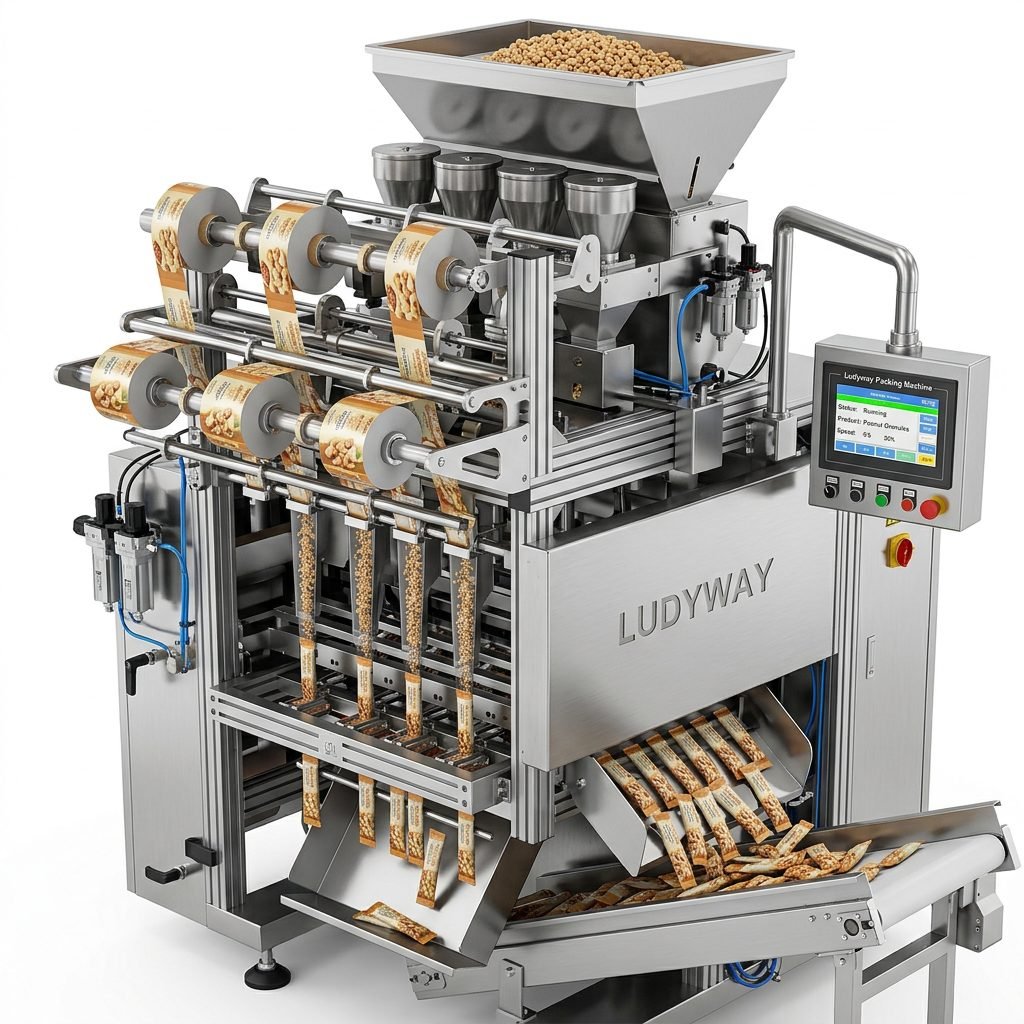
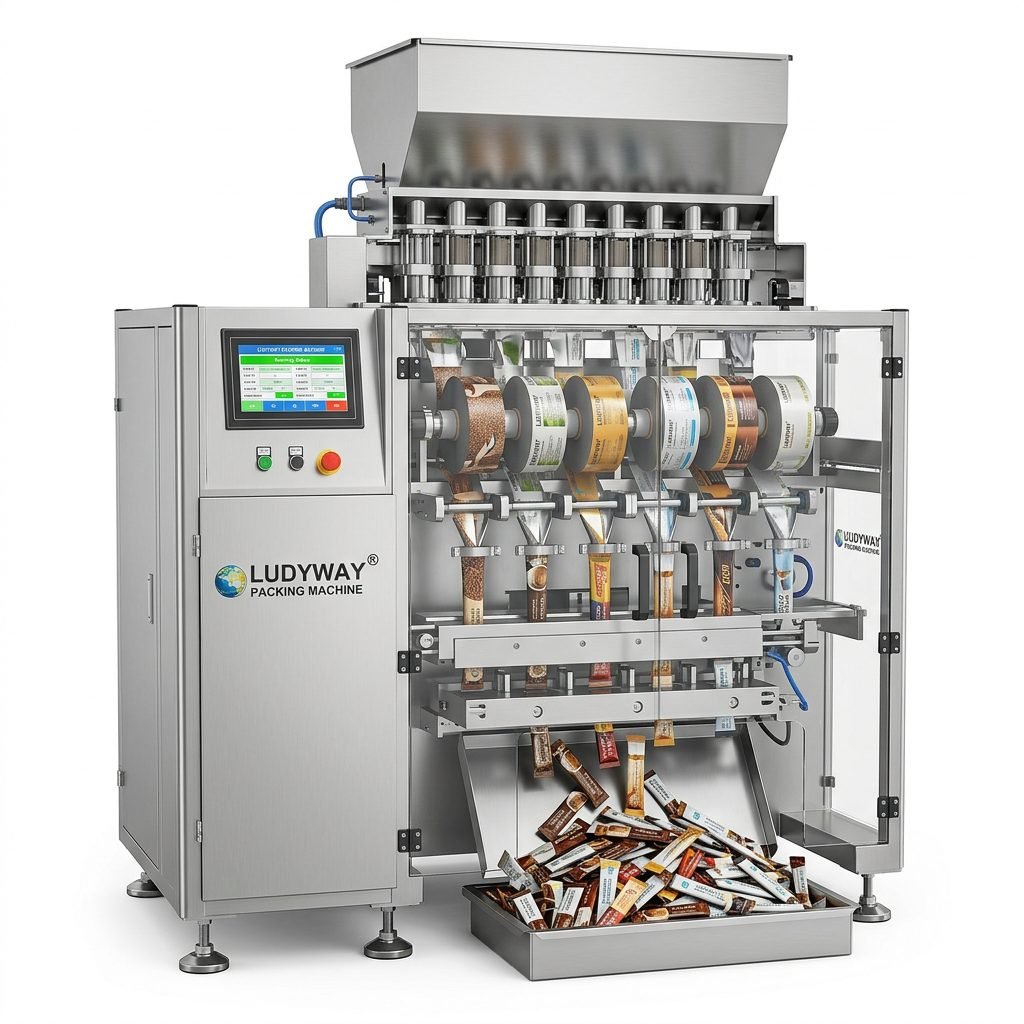
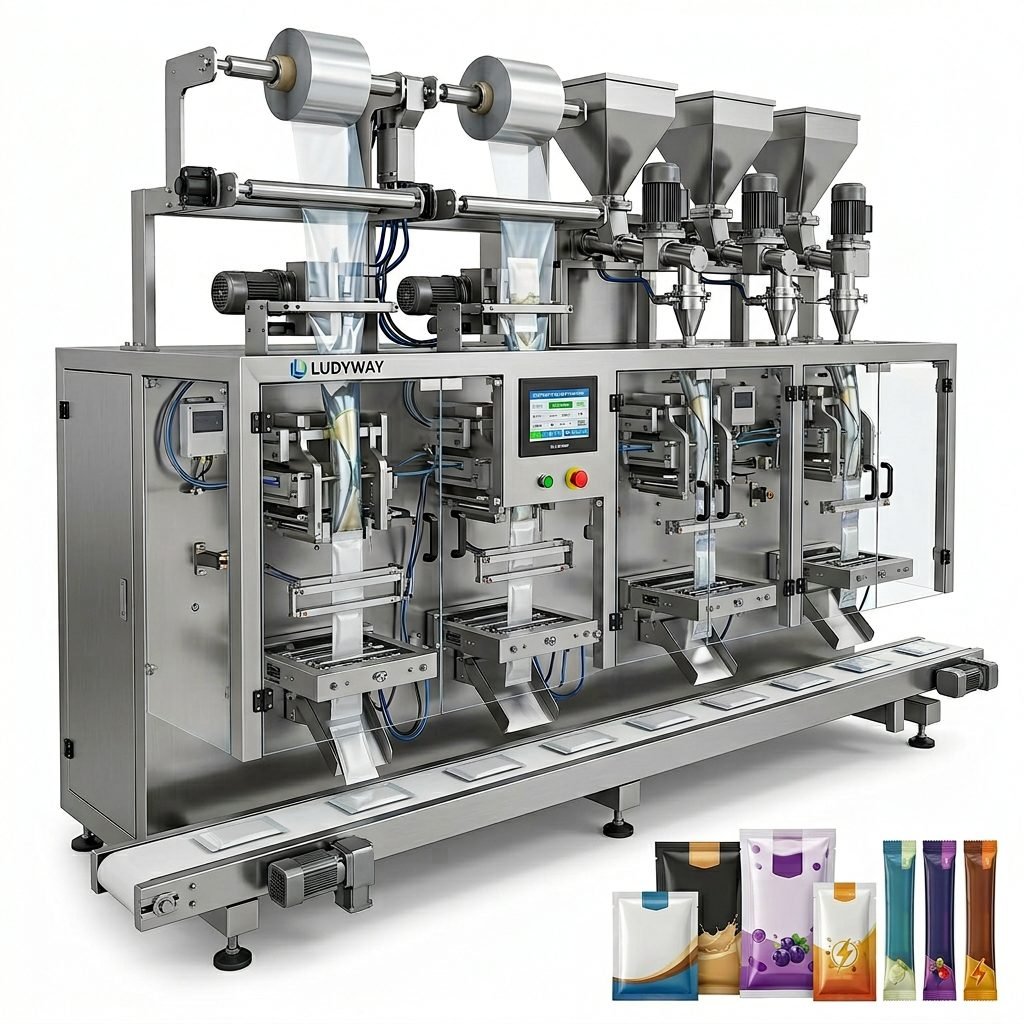
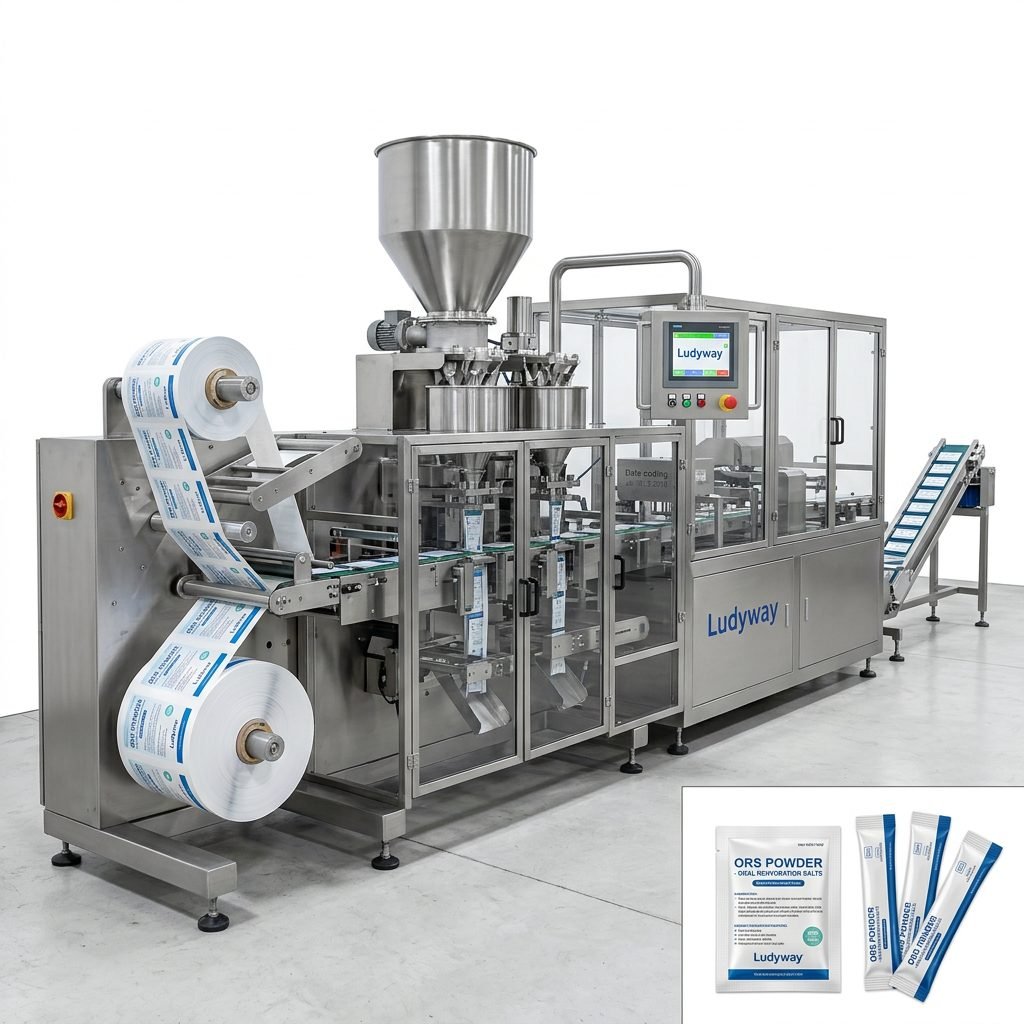
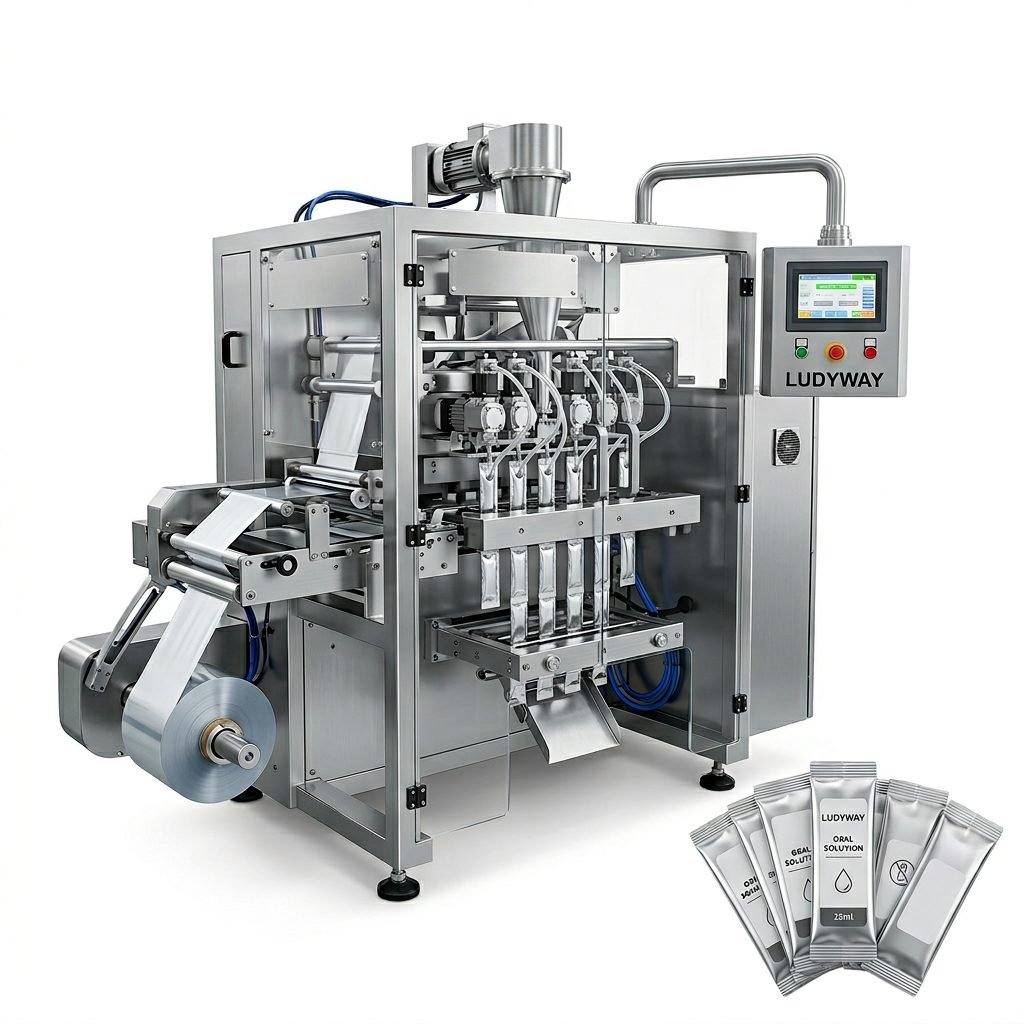
- Stick pack machines — Ideal for single-serve powders, instant coffee, sugar, and protein supplements. Multi-lane models can produce 400-800 packs per minute depending on lane count.
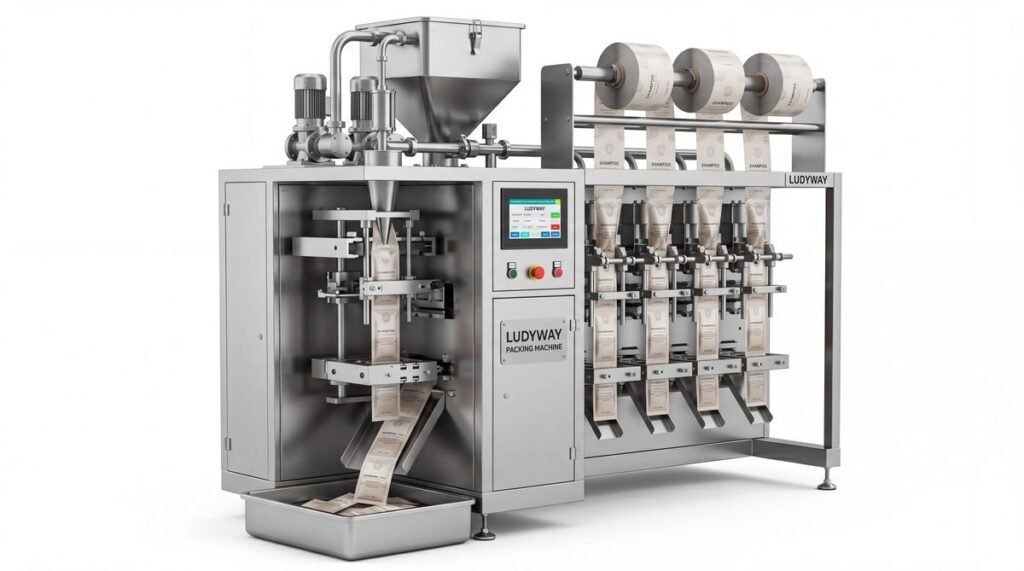
- Sachet packaging systems — Suitable for sauces, condiments, liquid detergents, and sample portions. These offer flexible format sizes from 1ml to 100ml.
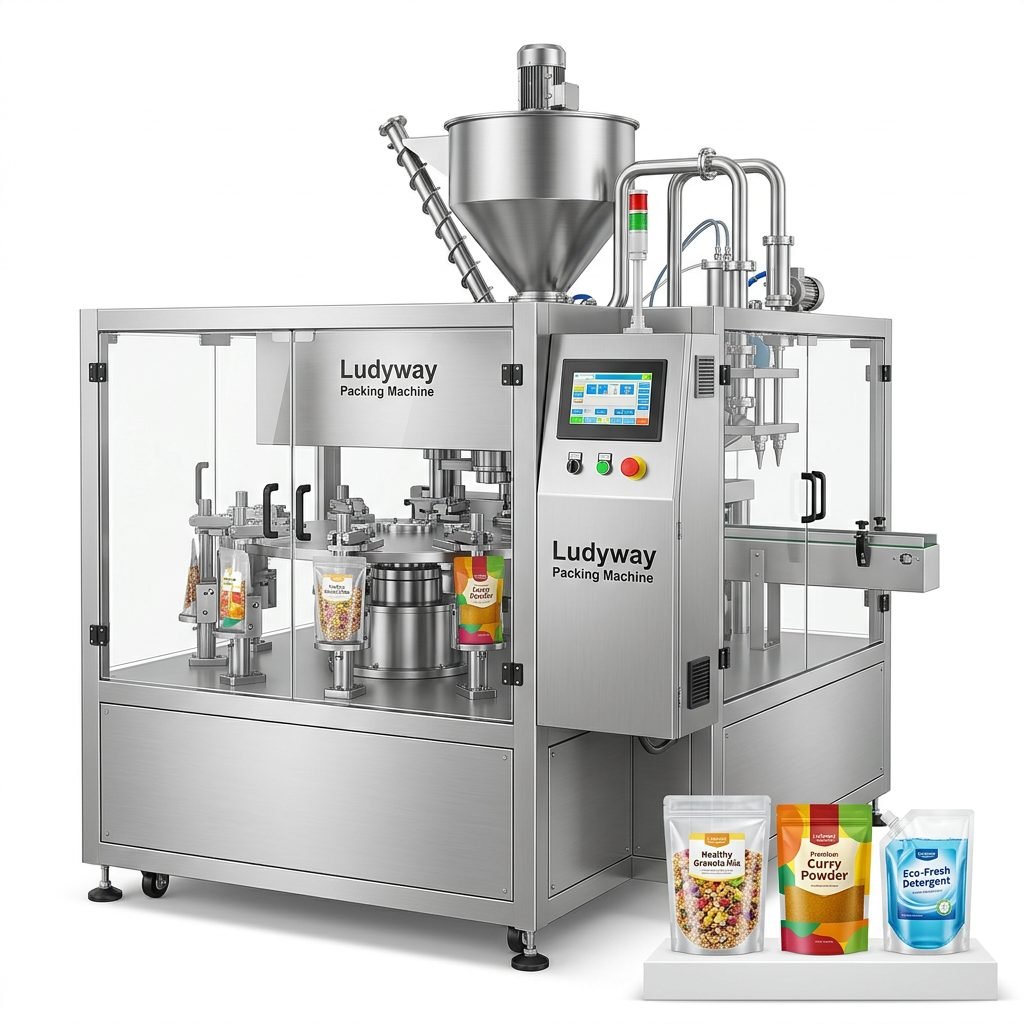
- Pouch filling lines — Designed for larger quantities of granules, powders, or liquids, typically from 100g to 5kg per pouch.
- Vertical form-fill-seal (VFFS) machines — Versatile systems capable of handling multiple product types with quick changeover capabilities.
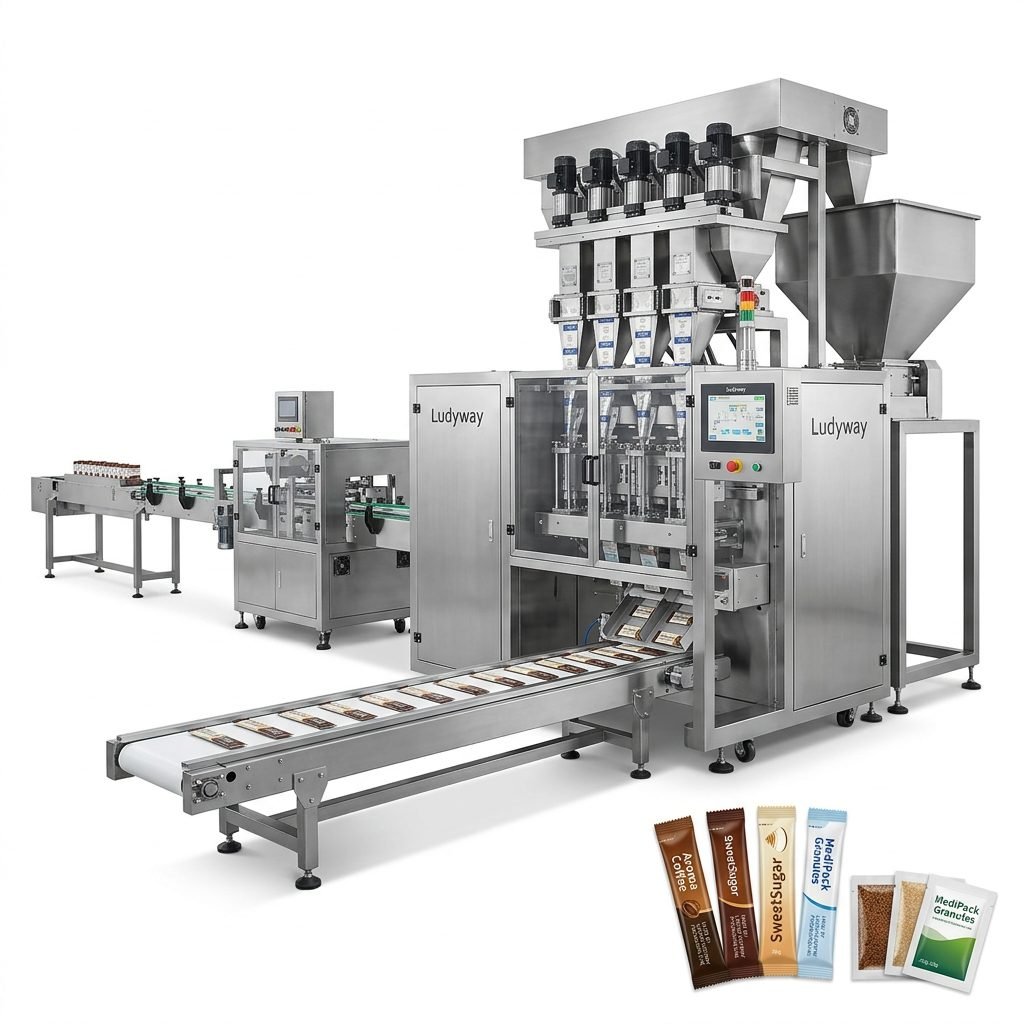
Automation Levels and Integration Options
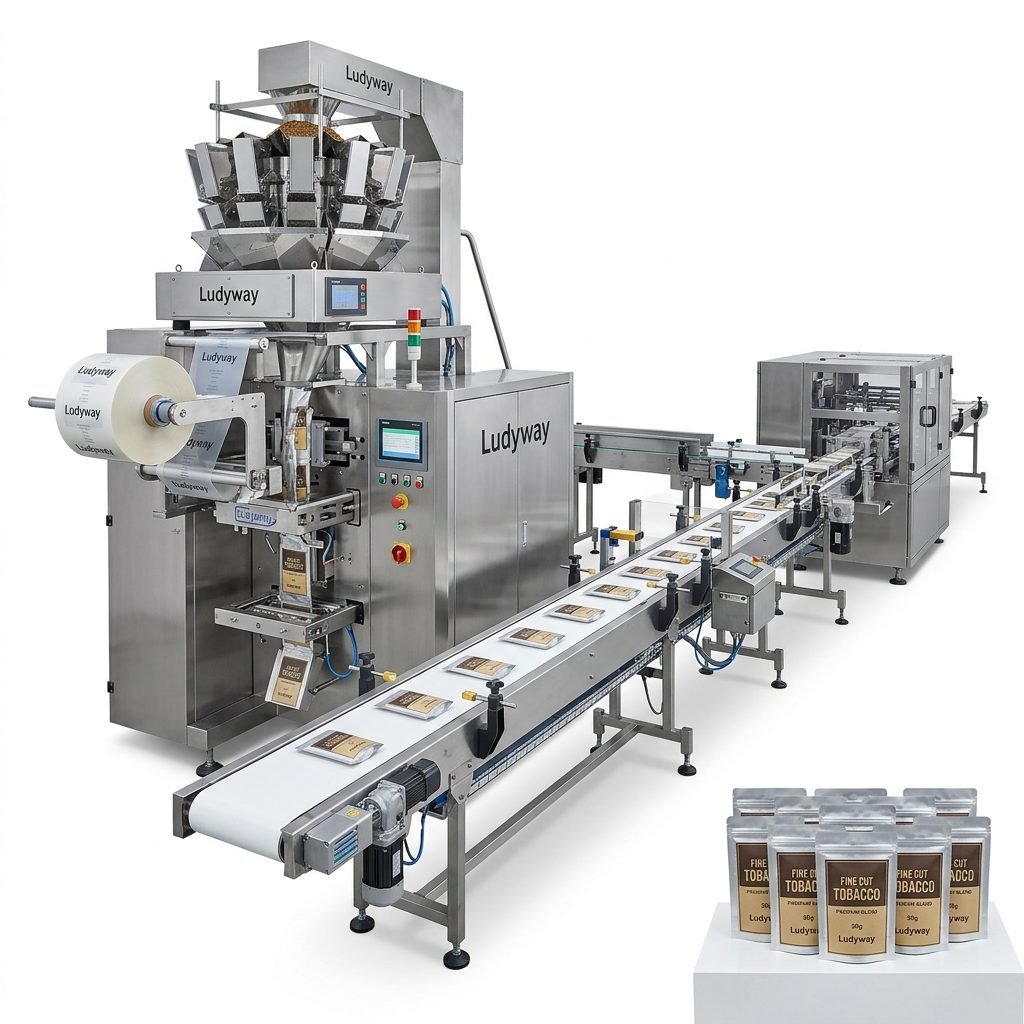
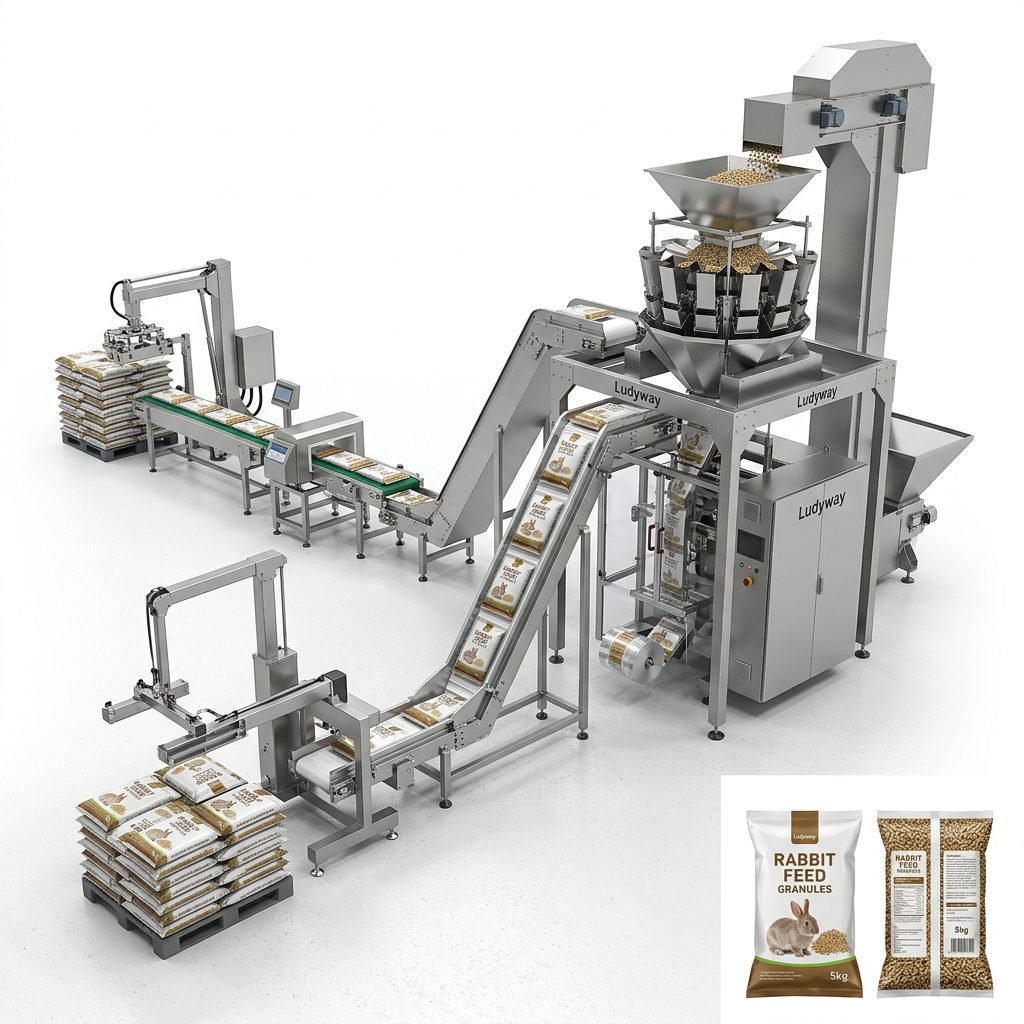
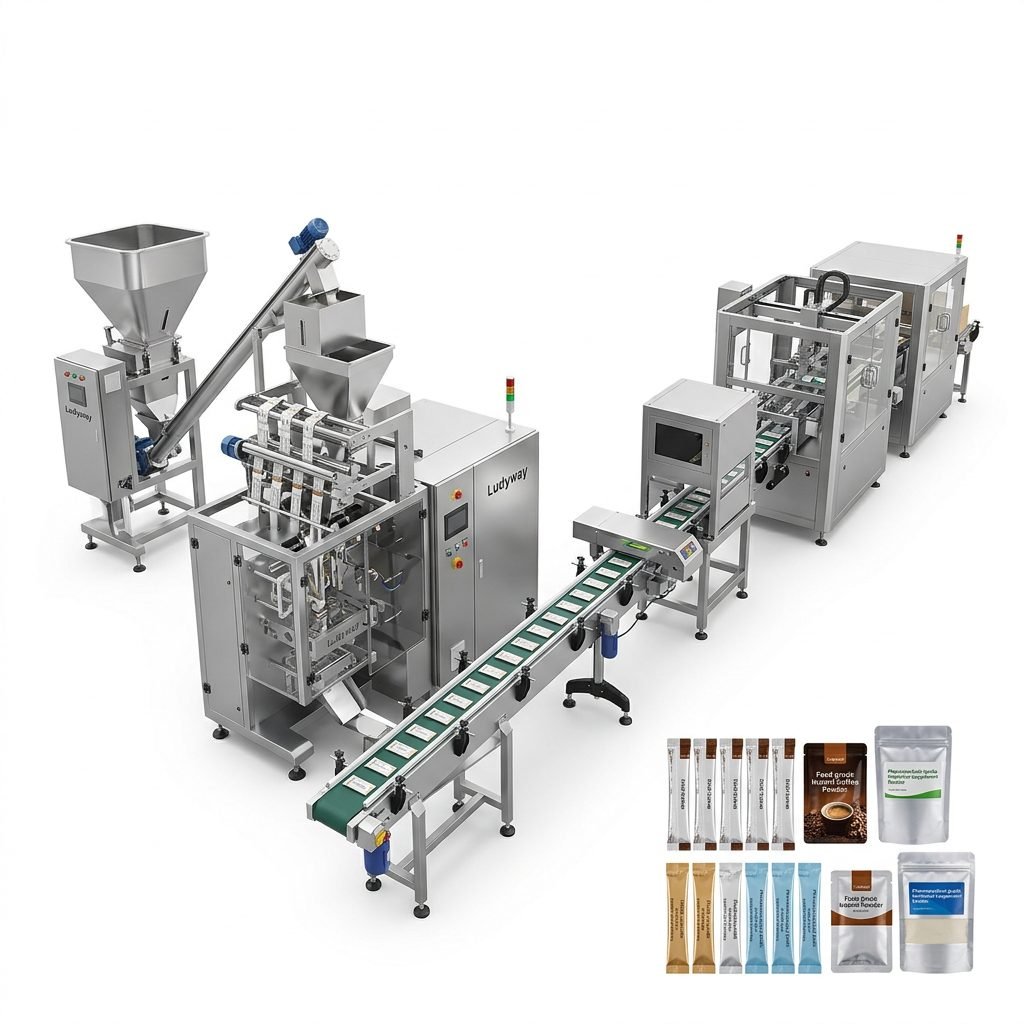
Modern stick pack machines and sachet lines offer varying degrees of automation. A fully integrated line typically includes:
- Automatic feeding systems (vibratory feeders, screw conveyors, or bucket elevators)
- Multi-head weighers or volumetric fillers with precision dosing accuracy of ±0.5%
- Primary packaging unit (VFFS or horizontal flow wrapper)
- In-line checkweighing and metal detection
- Batch coding and labeling modules
- Secondary cartoning and case packing
- End-of-line palletizing systems
The decision between semi-automatic and fully automatic systems largely depends on your production volume targets and labor cost considerations. For operations producing over 10,000 units per shift, full automation typically delivers the strongest ROI.
Regulatory Compliance and Quality Standards
Food packaging operations must adhere to strict regulatory frameworks. The FDA Food Packaging and Food Contact Substances guidelines outline requirements for materials that come into contact with food products. Additionally, ISO packaging standards provide internationally recognized benchmarks for machinery safety and performance. Key certifications to look for when sourcing equipment include:
- CE certification — Confirms conformity with European health, safety, and environmental standards
- ISO 9001 — Quality management system certification for manufacturing facilities
- GMP compliance — Good Manufacturing Practice standards for food-grade production environments
- FDA-compliant materials — Ensures food contact surfaces meet U.S. regulatory requirements
Factory Layout and Workflow Optimization
An efficiently designed packaging production line requires thoughtful spatial planning. The layout should follow a logical material flow—from raw material receiving, through processing and packaging zones, to finished goods storage. Critical considerations include:
- Linear flow design minimizes cross-contamination risks and reduces material handling time
- Adequate clearance around equipment for maintenance access and sanitation procedures
- Dedicated clean zones with controlled humidity and temperature for sensitive products
- Integration of dust collection systems for powder-handling areas
- Proper electrical and compressed air infrastructure to support all machinery simultaneously
Installation, Commissioning, and Operator Training
The installation phase is critical for long-term equipment reliability. Professional packaging machine suppliers typically dispatch engineering teams to oversee the entire commissioning process. This includes mechanical assembly, electrical wiring, pneumatic connections, and software configuration. Following installation, a structured operator training program should cover:
- Machine startup and shutdown procedures
- Film threading, product changeover, and parameter adjustment
- Routine cleaning, lubrication, and preventive maintenance schedules
- Common troubleshooting scenarios and rapid fault diagnosis
- Safety protocols including emergency stop procedures and guarding systems
Cost Considerations and Budget Planning
Investing in a food packaging line involves several cost categories. The table below summarizes typical budget allocation for a mid-scale operation:
| Cost Category | Percentage of Total Budget | Key Variables |
|---|---|---|
| Primary packaging equipment | 40-50% | Number of lanes, speed, automation level |
| Ancillary equipment | 15-20% | Feeders, conveyors, printers, checkweighers |
| Installation and commissioning | 10-15% | On-site engineering support duration |
| Infrastructure and utilities | 10-15% | Electrical, air, ventilation upgrades |
| Training and documentation | 5-10% | Operator training depth, SOP development |
Ongoing Maintenance and Technical Support
Preventive maintenance is essential for maximizing the lifespan of your sachet packaging equipment. Establishing a maintenance schedule that includes daily cleaning, weekly inspections, and quarterly component replacements can reduce unplanned downtime by up to 40%. When evaluating equipment suppliers, prioritize those offering remote diagnostic capabilities, readily available spare parts, and responsive after-sales support. The PMMI packaging industry resources provide additional guidance on equipment lifecycle management and operational best practices.
Sourcing Strategies and Supplier Evaluation
When selecting a Chinese packaging machinery partner, thorough due diligence is essential. Evaluate potential suppliers across these dimensions:
- Manufacturing scale — Facility size, in-house fabrication capabilities, and annual production output
- Technical expertise — Engineering team size, R&D investment, and innovation track record
- Quality control systems — Inspection protocols, testing equipment, and certification portfolio
- International experience — Export track record, overseas installation references, and multilingual support
- After-sales infrastructure — Spare parts inventory, remote support capabilities, and warranty terms

Industry Trends Shaping Food Packaging in 2025 and Beyond
The packaging machinery sector is evolving rapidly. According to the 2025 State of the Industry report by PMMI, several trends are reshaping production line design:
- Smart factory integration — IoT-enabled machines with real-time production monitoring and predictive maintenance algorithms
- Sustainable packaging — Equipment designed to handle recyclable films, biodegradable materials, and reduced material thickness
- Flexible manufacturing — Quick-changeover systems allowing multiple product formats on a single line
- Digital twin technology — Virtual simulation of packaging lines for optimization before physical installation
- Enhanced traceability — Serialization and track-and-trace systems meeting global regulatory requirements
The Flexible Packaging Association also reports growing demand for monolayer recyclable structures that maintain barrier properties while improving environmental performance.
Common Challenges and How to Overcome Them
Even well-planned packaging line installations encounter obstacles. Anticipating these challenges can significantly reduce project delays:
- Product-package compatibility issues — Conduct thorough material trials before finalizing film specifications to avoid sealing failures or barrier degradation
- Supply chain disruptions — Maintain buffer inventory of critical spare parts and packaging materials to mitigate lead time variability
- Skill gaps — Invest in comprehensive training programs and consider hiring experienced packaging engineers familiar with automated systems
- Regulatory changes — Stay informed through resources like the European Commission packaging regulations to ensure ongoing compliance

Calculating Return on Investment
A well-implemented food packaging machine production line typically achieves full ROI within 18-36 months, depending on throughput and product margins. Key metrics to track include:
- Overall equipment effectiveness (OEE) — Target ≥85% for world-class operations
- Labor cost reduction per unit produced
- Material waste reduction versus previous packaging methods
- Throughput increase measured in units per shift
- Quality improvement reflected in reduced customer complaints and returns
About Ludyway
Ludyway is one of the largest packaging machine manufacturers in China, specializing in advanced packaging equipment and turnkey production solutions for the food, pharmaceutical, and health industries. With over 30 years of industry expertise, we provide reliable and efficient packaging solutions for granule, powder, liquid, and pouch packaging applications. Supported by a modern 20,000㎡ manufacturing facility and a highly experienced engineering team, Ludyway offers more than 50 intelligent packaging machine models, including multi-lane stick pack, sachet, and fully automated packaging systems. Serving customers in over 100 countries and regions, we are committed to delivering innovative, high-performance, and cost-effective packaging solutions that help businesses improve productivity, product quality, and operational efficiency.

Key Company Statistics
| Metric | Value |
|---|---|
| Professional Packaging Experts | 130+ |
| Modern Production Facility | 20,000㎡ |
| Years of Industry Experience | 30+ |
| Manufacturing Equipment Units | 200+ |
| Countries and Regions Served | 100+ |
Additional Resources
For further reading on packaging machinery standards and industry developments, the following authoritative sources provide valuable insights:
- PMMI – The Association for Packaging and Processing Technologies
- FDA – Packaging and Food Contact Substances
- ISO – Packaging Standards
- Flexible Packaging Association – Official Website
- U.S. EPA – Sustainable Materials Management
- PACK EXPO International
- European Commission – Packaging and Packaging Waste