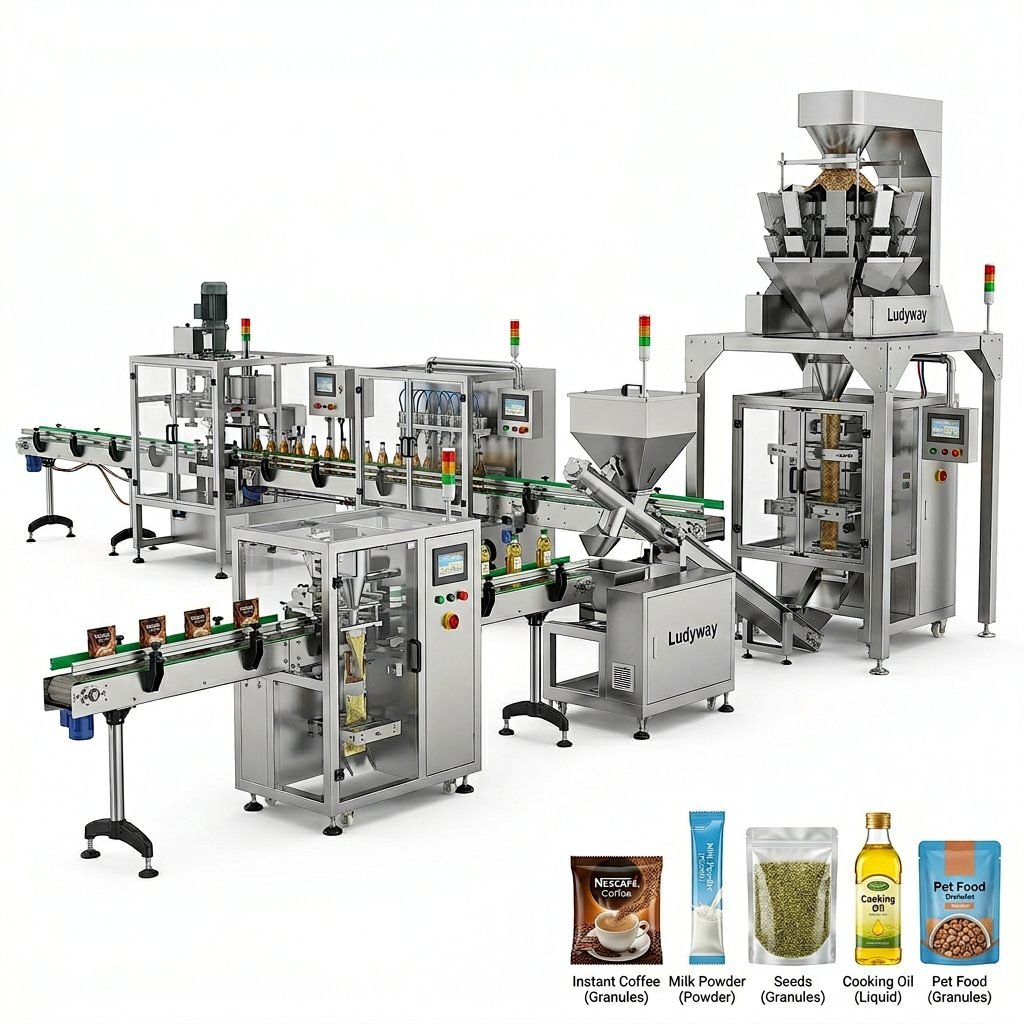
Investing in a vacuum packaging machine like the DZ-500 is a strategic decision for food processors, pharmaceutical manufacturers, and industrial operators looking to extend product shelf life, reduce waste, and improve operational efficiency. This guide walks you through the essential factors to evaluate before making your purchase, helping you select a machine that aligns with your production goals, product characteristics, and budget.
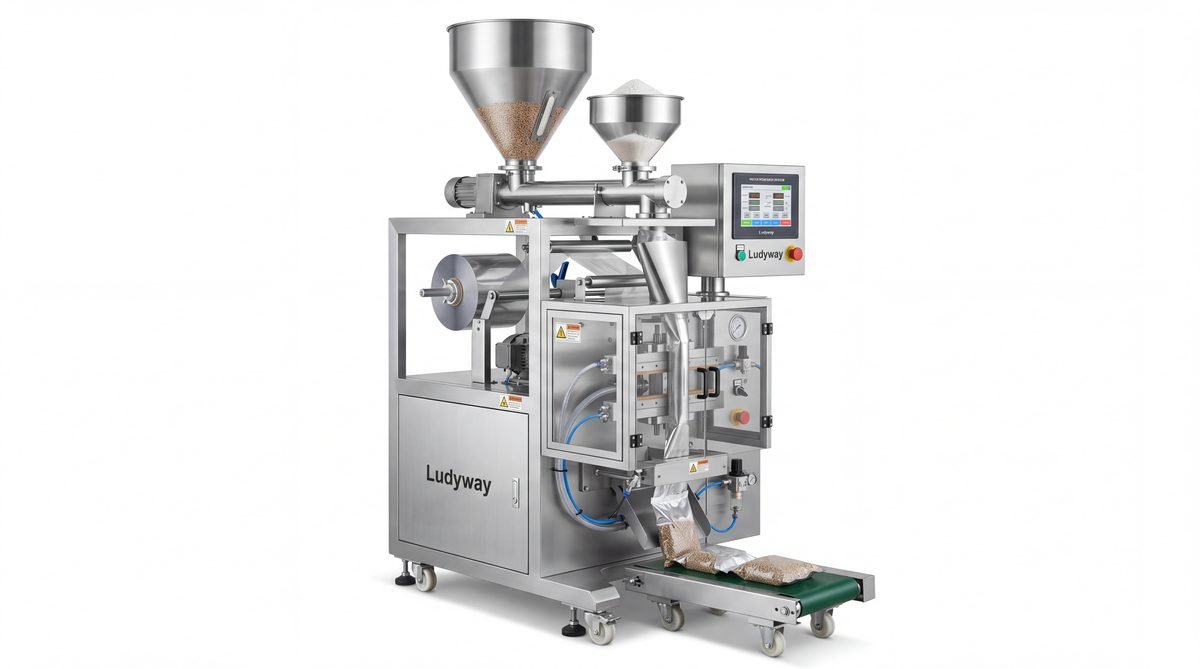
Understanding Your Vacuum Packaging Requirements
Before comparing models, start by defining your specific application. The DZ-500 vacuum packaging machine is commonly used for medium-scale operations, but its suitability depends on several operational variables:
- Product type — Are you packaging solid foods, powders, granular materials, liquids, or medical devices? Each product category demands different vacuum levels and chamber configurations.
- Packaging material — Most DZ-500 machines work with flexible packaging films, including PA/PE, PET/PE, and aluminum-laminated materials. Verify compatibility with your preferred film supplier.
- Production volume — Single-chamber models suit batch processing, while double-chamber or conveyor-belt versions accommodate higher throughput.
- Bag size range — Ensure the chamber dimensions support your largest and smallest packaging formats without excessive film waste.
- Seal integrity requirements — Products requiring extended shelf life or sterile barriers need machines with precise temperature control and consistent sealing pressure.
Key Technical Specifications to Evaluate
When comparing DZ-500 models from different manufacturers, focus on these critical performance indicators. The table below highlights the specifications you should prioritize during your evaluation process.
| Specification | Why It Matters | Recommended Range |
|---|---|---|
| Chamber Dimensions | Determines maximum bag size and loading capacity | 500mm × 500mm or larger (customizable) |
| Vacuum Pump Capacity | Affects evacuation speed and final vacuum level | 20–40 m³/h (oil-lubricated or dry) |
| Sealing Bar Length | Limits the maximum width of sealed bags | 500mm (single or double bar) |
| Cycle Time | Directly impacts throughput and labor efficiency | 20–40 seconds per cycle |
| Control System | Influences ease of operation and repeatability | Digital panel with programmable settings |
| Power Supply | Must match your facility’s electrical configuration | 220V/380V, 50/60Hz, single or three-phase |
Build Quality and Material Considerations
The longevity and hygiene performance of a DZ-500 machine depend heavily on construction materials and manufacturing standards. Look for the following attributes when assessing build quality:
- Stainless steel construction — Food-grade 304 or 316L stainless steel chambers and frames resist corrosion and simplify cleaning, especially important in meat, seafood, and ready-meal applications.
- Transparent lid with safety sensors — Clear acrylic or tempered glass lids allow operators to monitor the vacuum process, while built-in safety switches prevent accidental operation.
- Heavy-duty sealing elements — Nickel-chromium heating wires with Teflon-coated sealing bars deliver consistent, durable seals across thousands of cycles.
- Industrial-grade vacuum pump — Busch, Leybold, or equivalent-quality pumps offer reliable performance and widely available spare parts globally.
For manufacturers targeting international markets, verify that the equipment meets applicable ISO packaging standards and regional safety regulations. Compliance documentation should be available from the supplier prior to purchase.
Evaluating Manufacturer Support and Service
Beyond the machine itself, the reliability of your packaging line depends on the technical support infrastructure behind it. When sourcing a DZ-500 vacuum packaging machine, assess the following support capabilities:
- Pre-sales application engineering — Can the supplier evaluate your product and recommend the correct chamber configuration, pump size, and sealing parameters?
- Installation and commissioning — On-site setup and operator training reduce the learning curve and prevent early-stage operational errors.
- Spare parts availability — Confirm lead times for critical wear components such as sealing bars, heating elements, vacuum pump filters, and gaskets.
- Remote technical assistance — Video-guided troubleshooting and remote diagnostics can minimize downtime for international users.
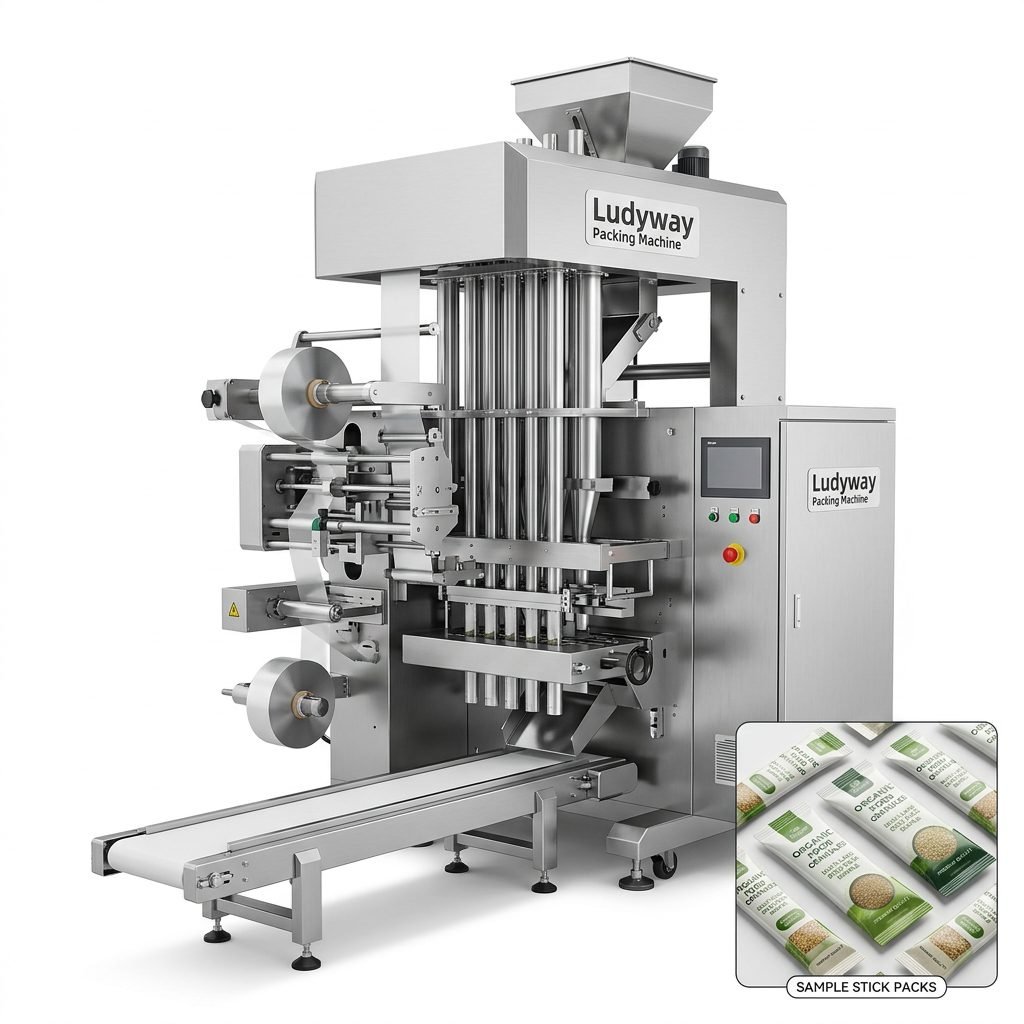
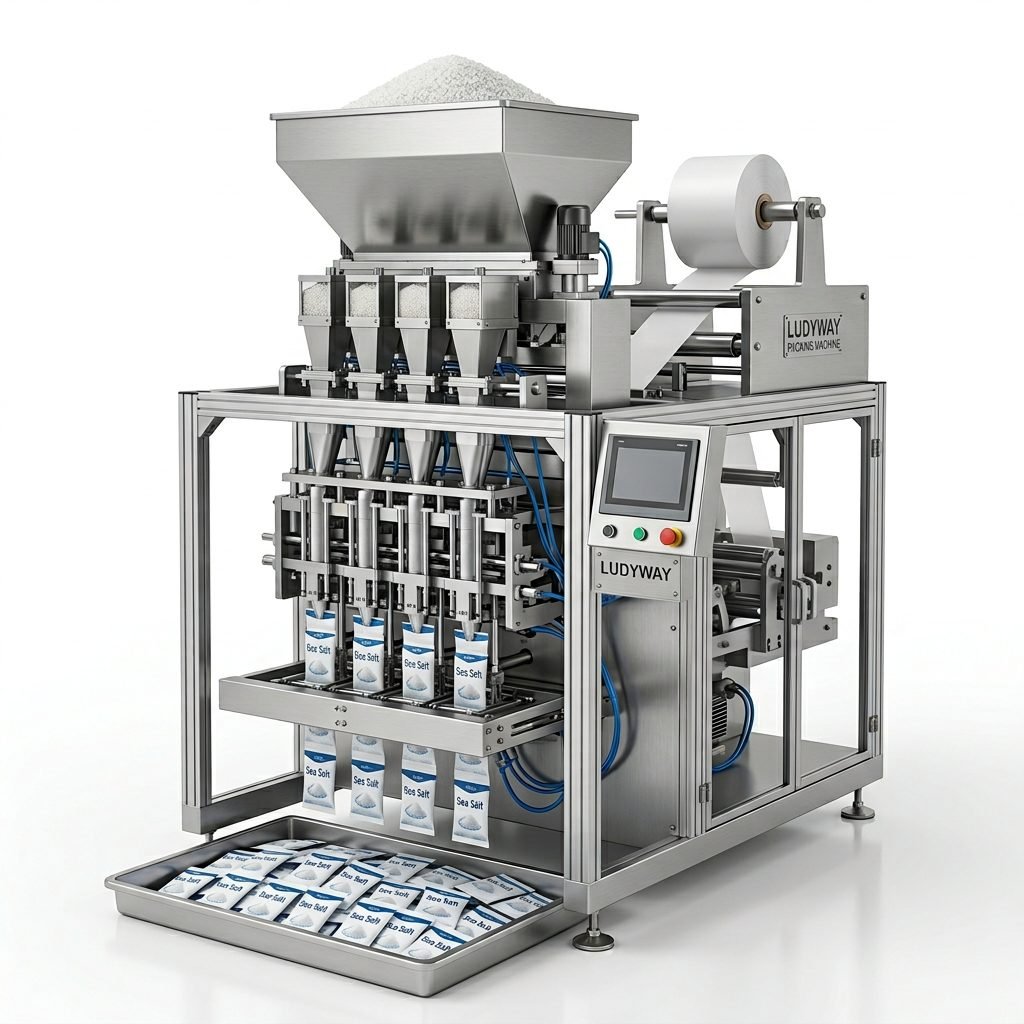
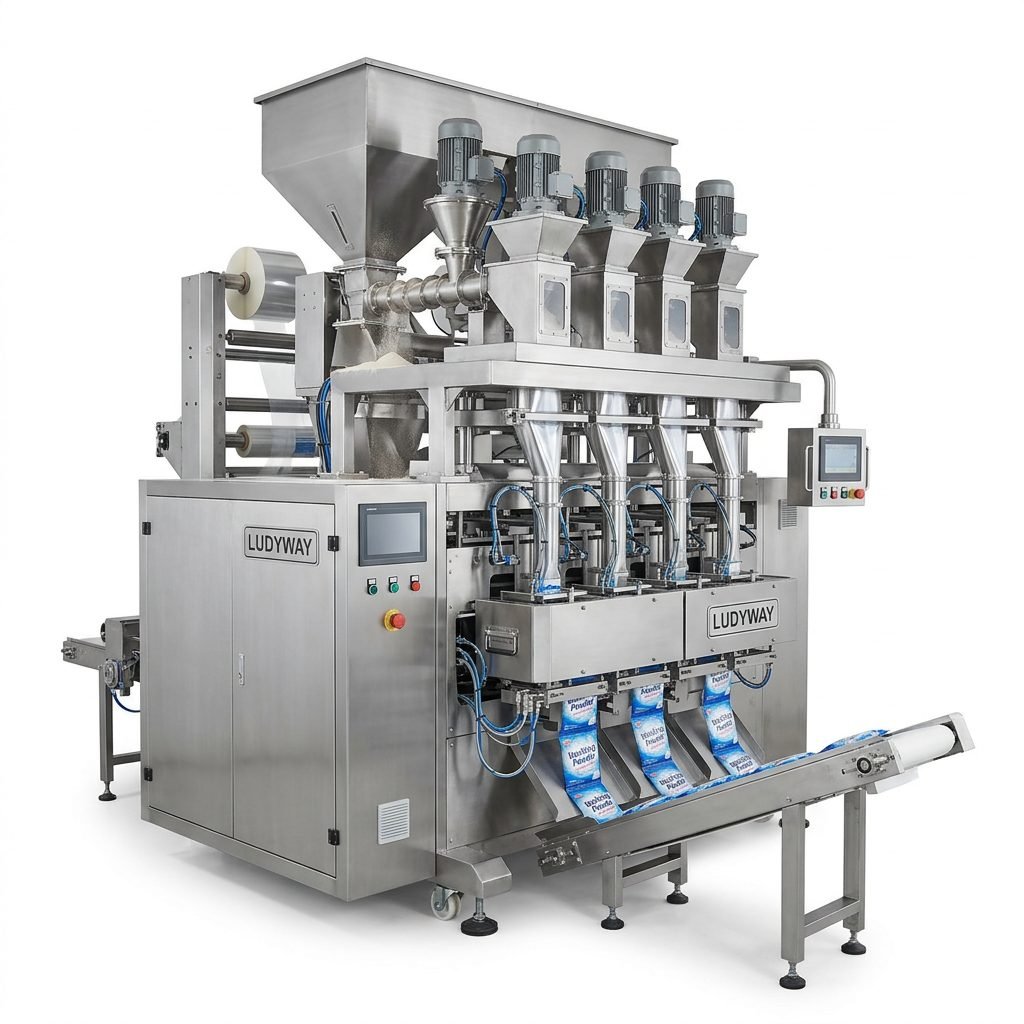
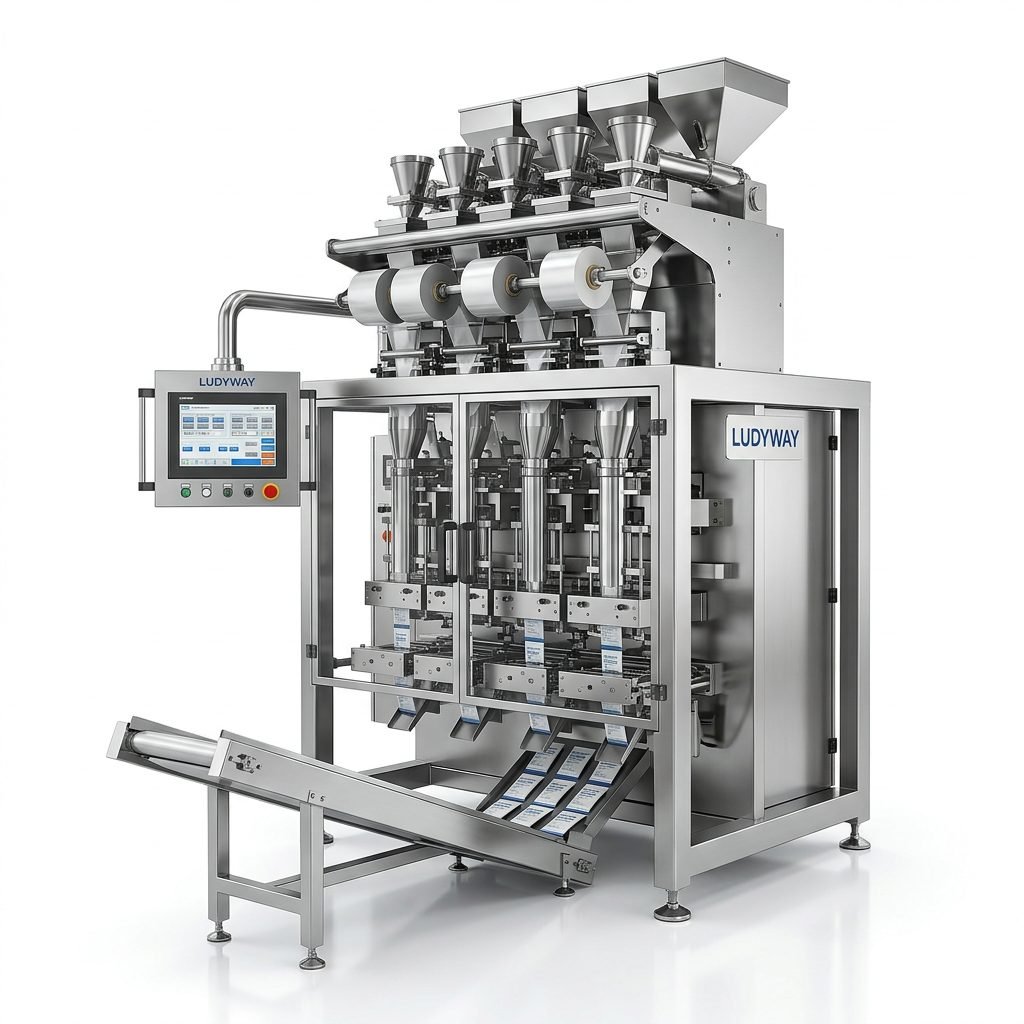
Companies with extensive industry experience, such as Ludyway Machinery — a China-based packaging machinery manufacturer with more than 30 years in the industry and a 20,000-square-meter production facility — offer integrated support covering machine selection, customization, commissioning, and after-sales service across more than 100 countries.
Cost Considerations and ROI Analysis
The purchase price of a DZ-500 machine varies depending on configuration, automation level, and optional features. However, focusing solely on upfront cost can lead to poor long-term value. Consider the total cost of ownership (TCO) across these dimensions:
- Initial capital expenditure — Base machine, vacuum pump, optional gas flushing system, and auxiliary equipment such as conveyors or labeling units.
- Operating costs — Electricity consumption, vacuum pump oil changes, sealing element replacement, and film usage rates.
- Labor efficiency — Machines with faster cycle times and intuitive controls reduce operator fatigue and increase daily output per shift.
- Product waste reduction — Consistent vacuum and seal quality minimize rework, customer returns, and product spoilage.
A well-built DZ-500 machine that aligns with your throughput requirements and product specifications typically delivers a return on investment within 12–18 months through labor savings and reduced packaging waste alone.
Compliance and Industry Standards
For regulated industries such as pharmaceuticals and food processing, vacuum packaging equipment must meet stringent hygiene and safety requirements. When evaluating a DZ-500 machine, confirm the following compliance aspects with your prospective supplier:
- CE marking for European market access
- FDA-compliant materials for food and pharmaceutical contact surfaces
- GMP design principles for cleanroom and hygienic production environments
- Electrical safety certifications applicable to your region
Refer to resources from the Association for Packaging and Processing Technologies (PMMI) for up-to-date information on packaging machinery market research and industry standards that may affect your equipment selection.

Making the Final Decision
Selecting the right DZ-500 vacuum packaging machine requires balancing technical specifications, build quality, supplier reliability, and total cost of ownership. Before finalizing your order, request the following from your shortlisted manufacturers:
- Detailed technical data sheets including chamber dimensions, pump specifications, cycle times, and power requirements
- Sample sealing demonstrations using your actual packaging materials and representative products
- Customer references from operations similar to yours in scale and application
- Clear warranty terms covering parts, labor, and vacuum pump service intervals
By methodically evaluating these factors and partnering with an experienced manufacturer that offers customization and global technical support, you can implement a DZ-500 packaging solution that delivers consistent performance, regulatory compliance, and profitable operations for years to come.