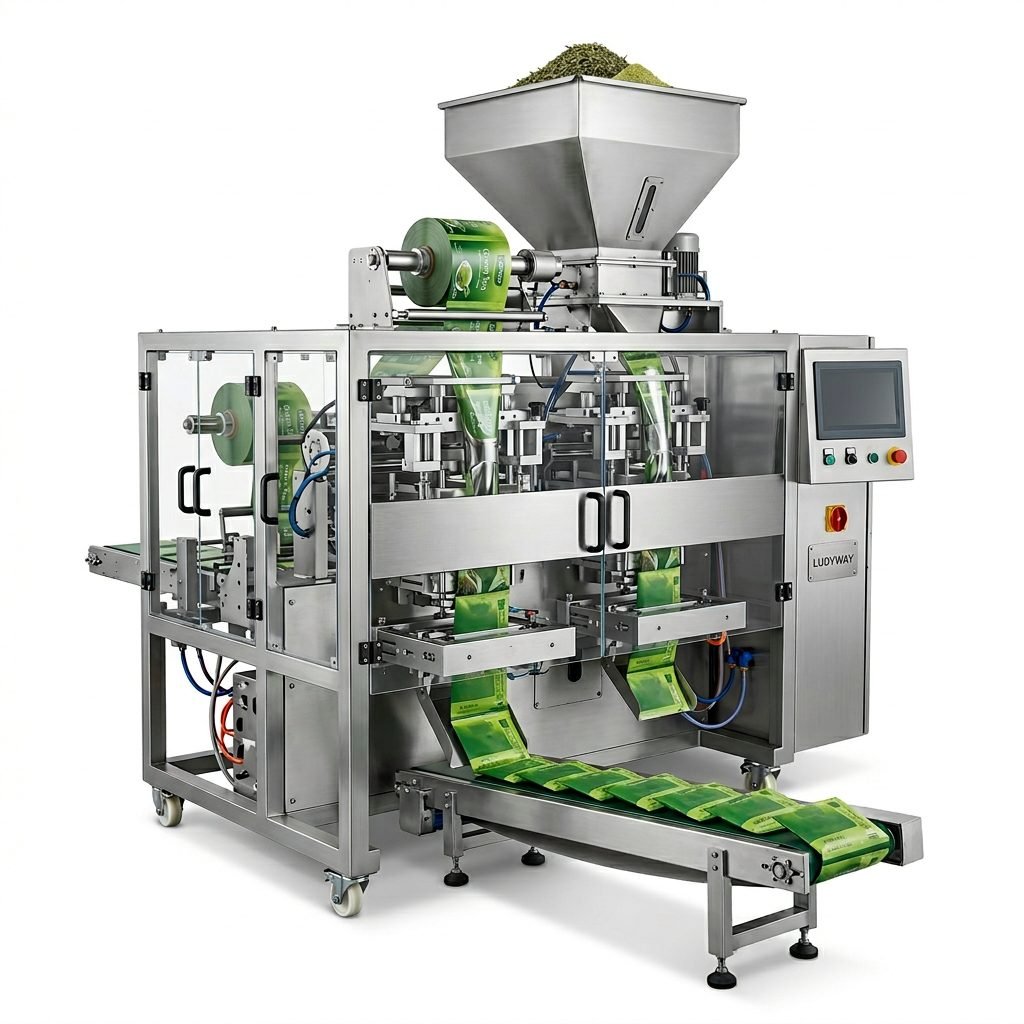
The French dairy industry is one of the most sophisticated and highly regulated markets in Europe. With over 24 billion liters of milk collected annually and a strong consumer preference for high-quality dairy products, investing in the right milk packaging machine is a critical decision for any dairy processor, cooperative, or food manufacturer operating in France. Whether you are packaging UHT milk, fresh pasteurized milk, flavored milk drinks, or milk powder, selecting the appropriate equipment directly impacts product shelf life, food safety compliance, production efficiency, and overall profitability.
This comprehensive guide covers everything you need to know before purchasing a milk packaging machine in France — from understanding local market requirements and machine types to evaluating suppliers, navigating EU regulations, and planning your total investment.
Understanding the French Dairy Packaging Market
France is the second-largest dairy producer in the European Union, with a diverse market spanning liquid milk, cheese, butter, cream, yogurt, and specialized dairy ingredients. The liquid milk segment alone accounts for a significant share, with consumers increasingly demanding convenient, sustainable, and portion-controlled packaging formats.
Key market trends influencing milk packaging machine purchases in France include:
- Rising demand for extended shelf life (ESL) products — requiring advanced aseptic filling technologies
- Shift toward sustainable packaging — recyclable mono-materials, reduced plastic usage, and bio-based films
- Growth in single-serve and on-the-go formats — stick packs, sachets, and small pouches
- Increasing automation and Industry 4.0 integration — smart sensors, real-time monitoring, and data-driven production
- Stricter hygiene and traceability requirements — driven by both EU regulations and retailer standards
Before selecting a machine, it is essential to understand where your product fits within the French market and which packaging machinery market trends will affect your long-term investment.
Types of Milk Packaging Machines Available
Milk packaging machines come in various configurations depending on the product form (liquid, powder, or condensed), packaging format, production capacity, and automation level. Understanding the different types is the first step toward making an informed purchase.
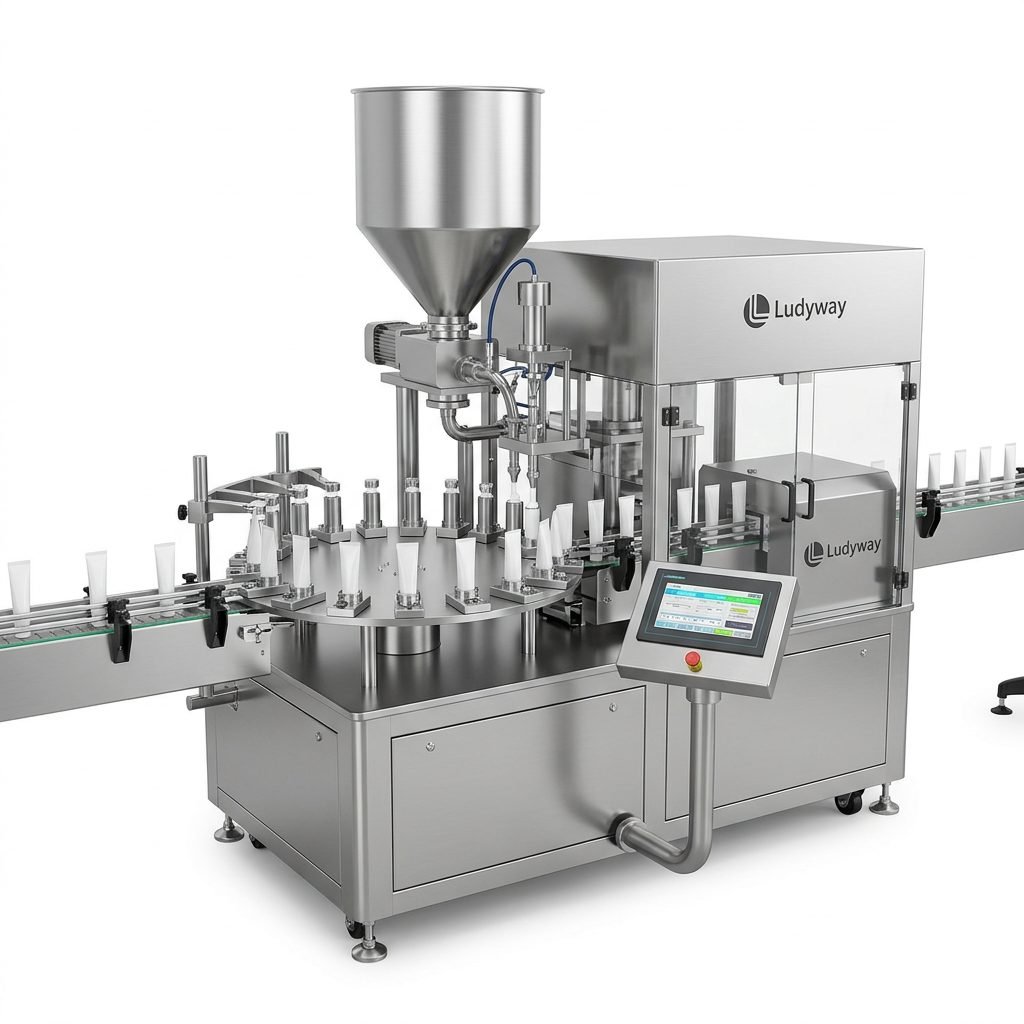
Liquid Milk Packaging Machines
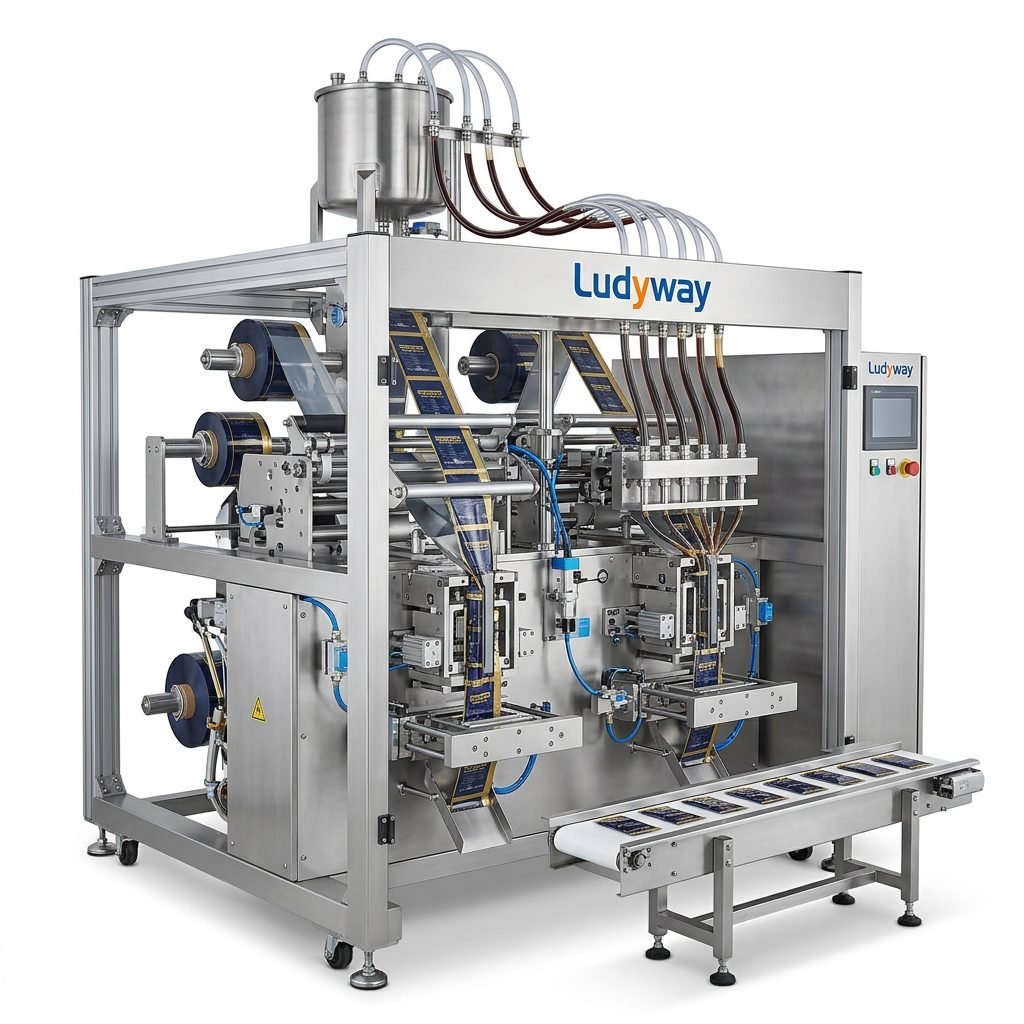
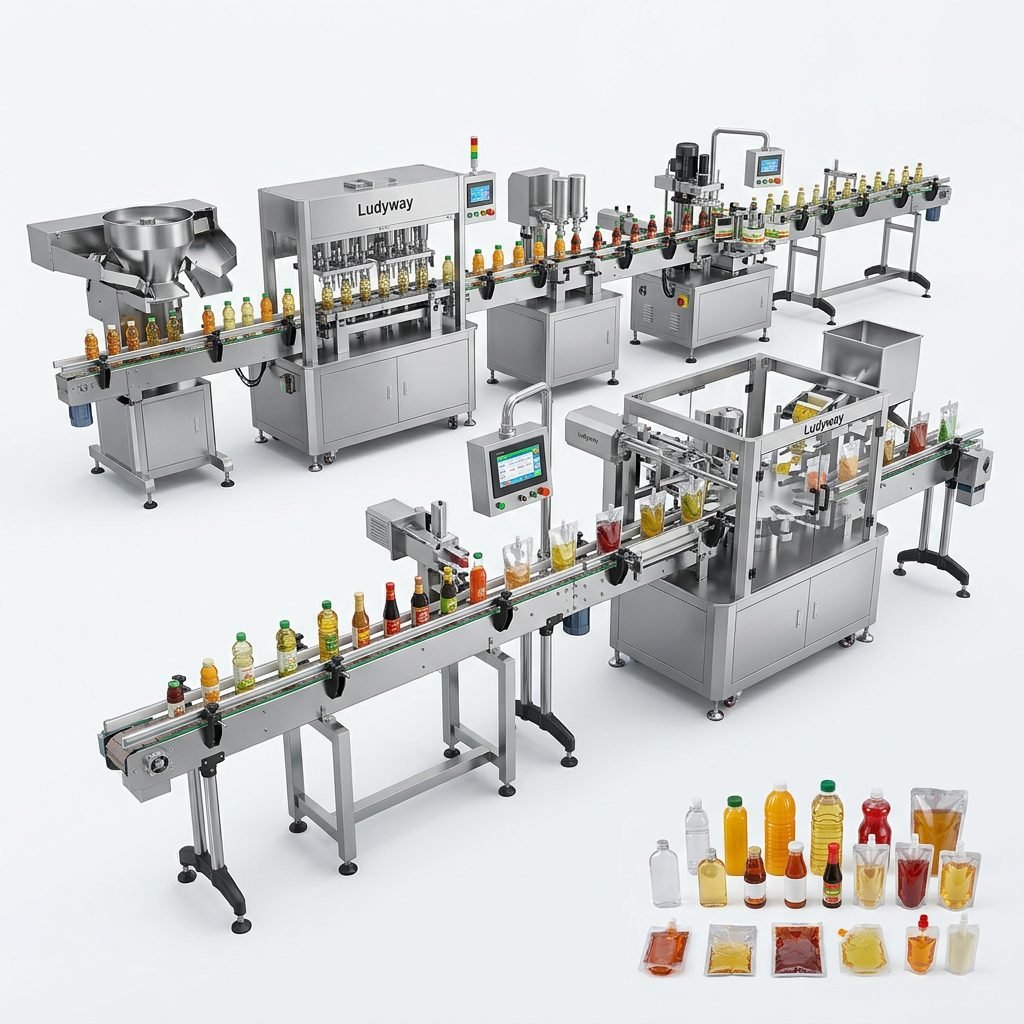
These machines handle fresh milk, UHT milk, flavored milk, cream, and other liquid dairy products. Common packaging formats include:
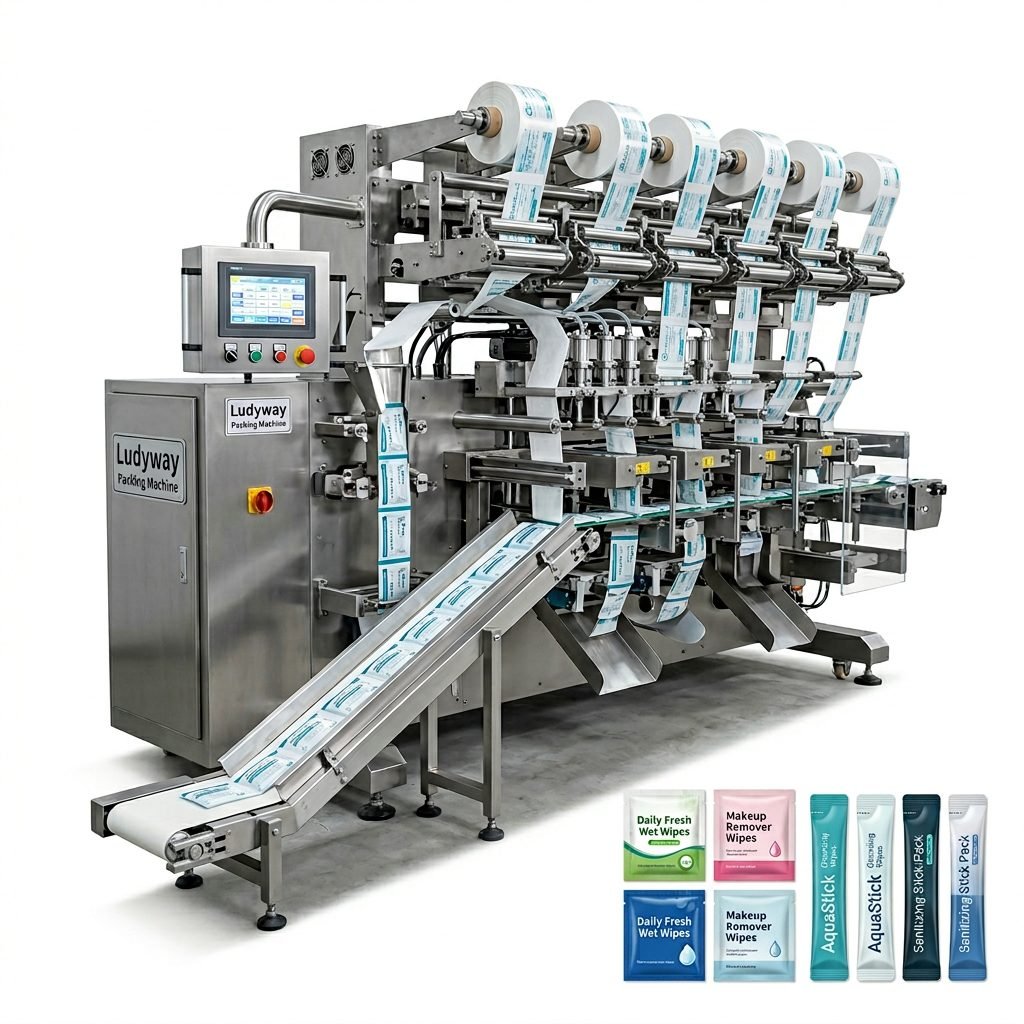
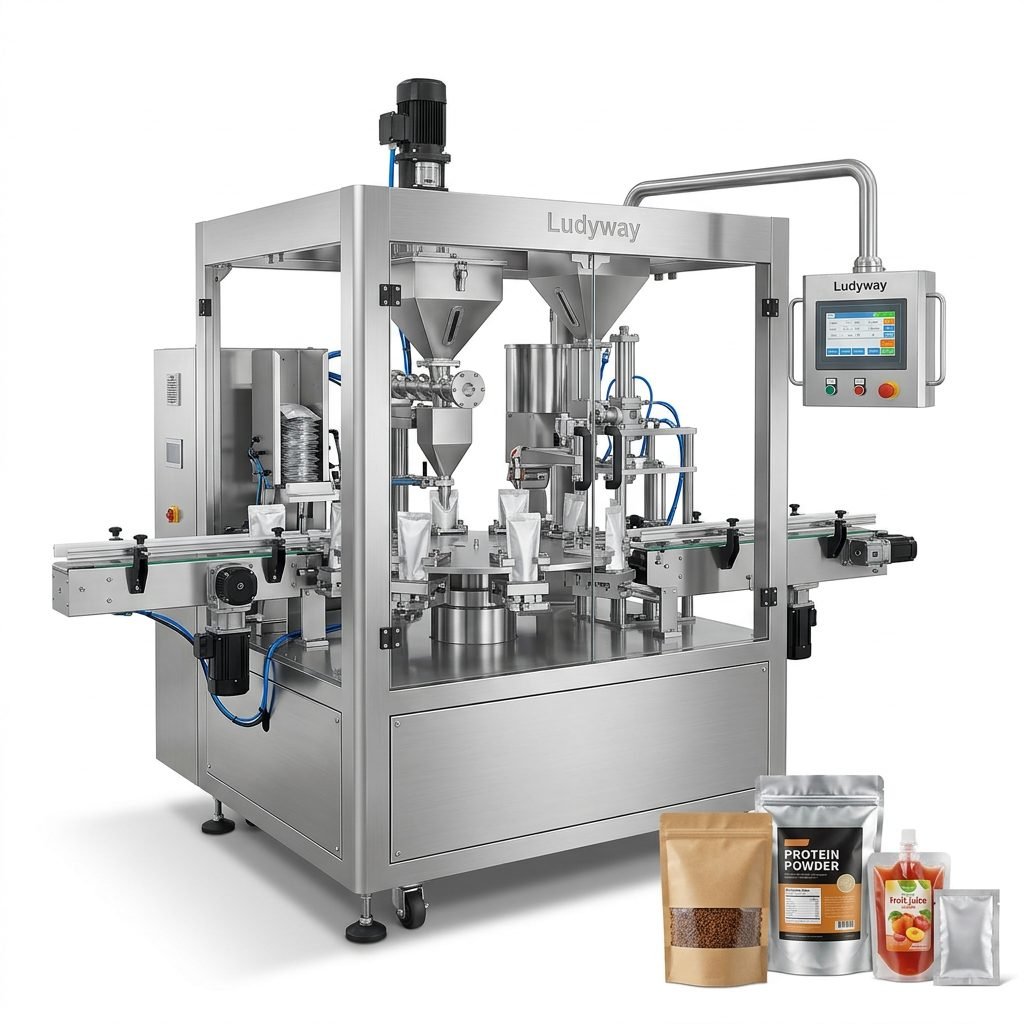
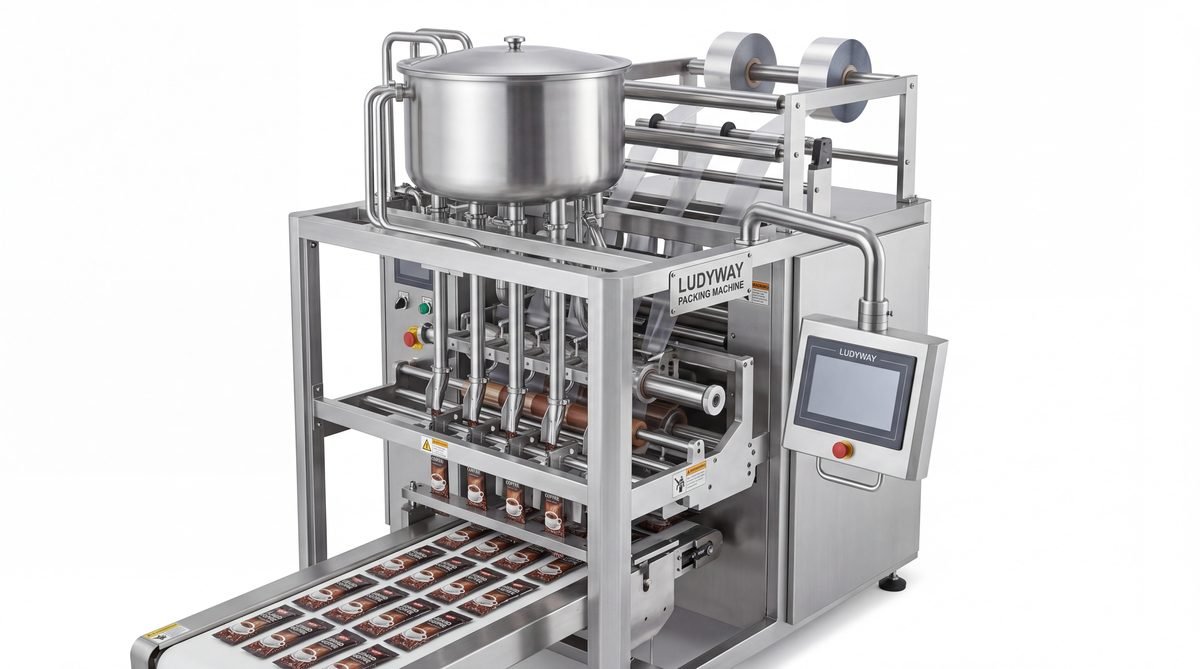
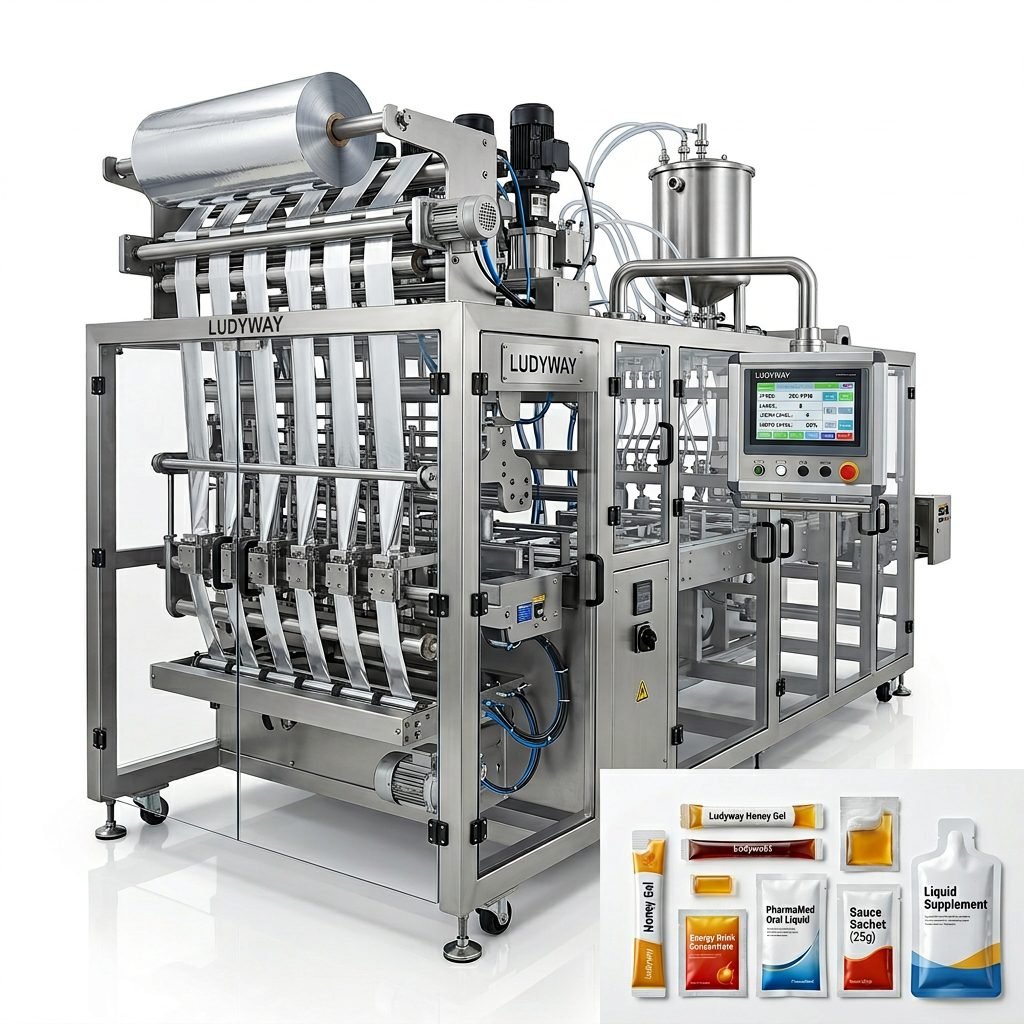
- Pouch and sachet packaging machines — ideal for single-serve milk portions popular in French cafés and hotels
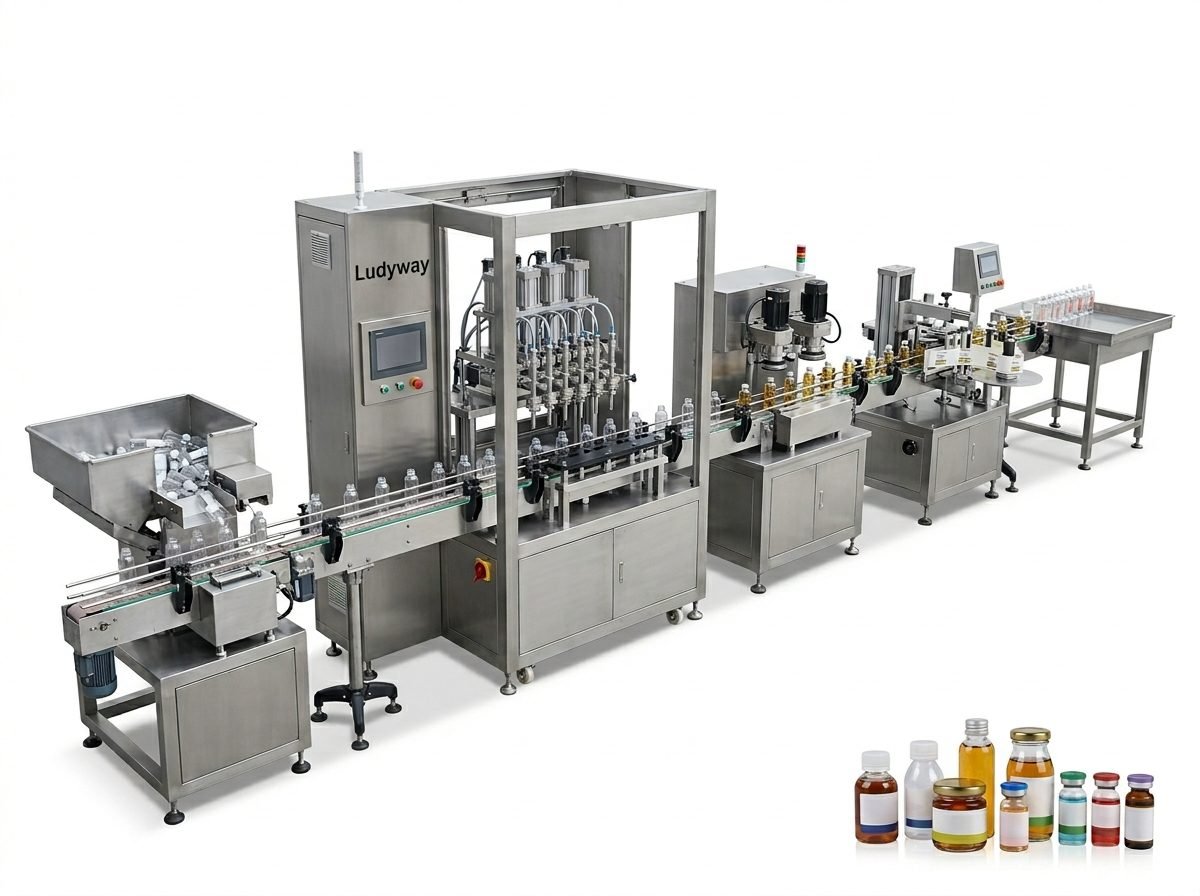
- Bottle filling lines — for HDPE, PET, or glass bottles ranging from 200ml to 2L
- Carton packaging systems — gable-top and aseptic brick cartons for retail distribution
- Cup filling and sealing machines — widely used for yogurt, fermented milk drinks, and dairy desserts
Milk Powder Packaging Machines
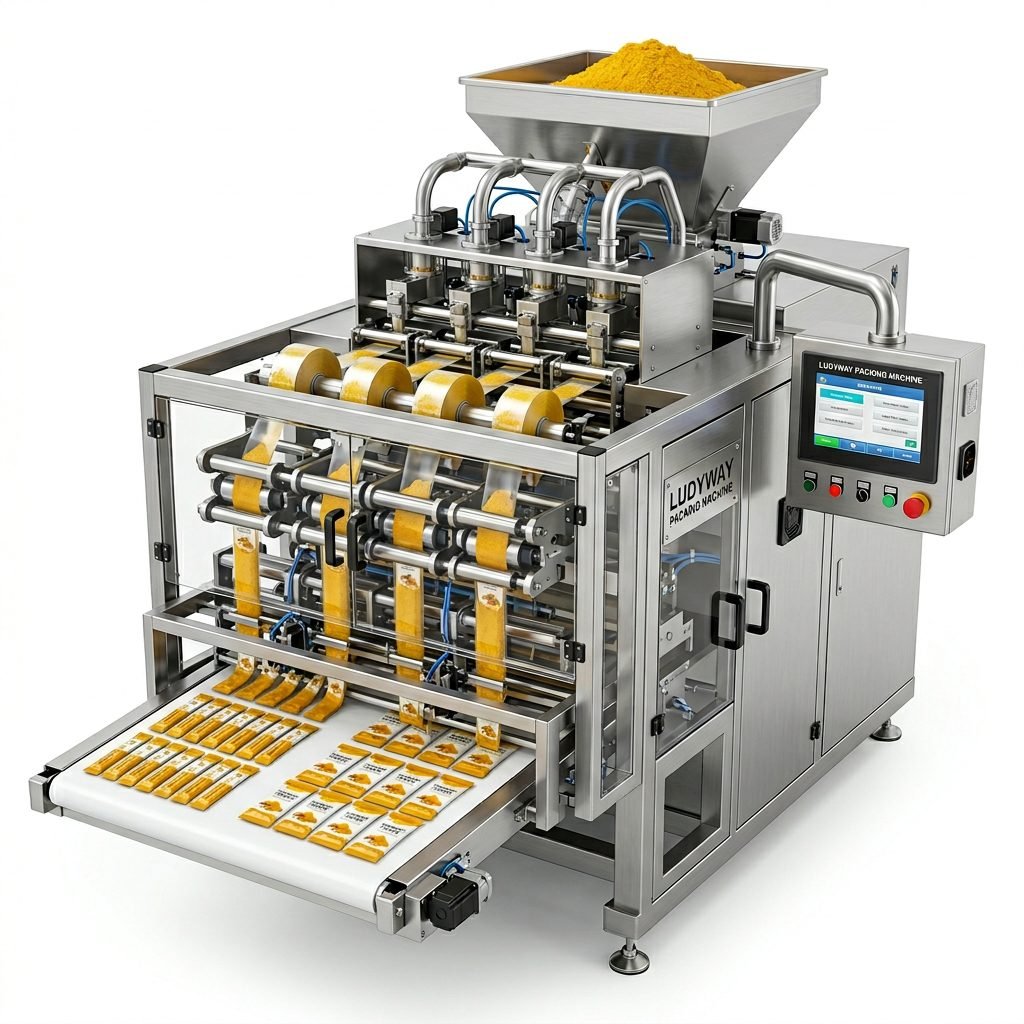
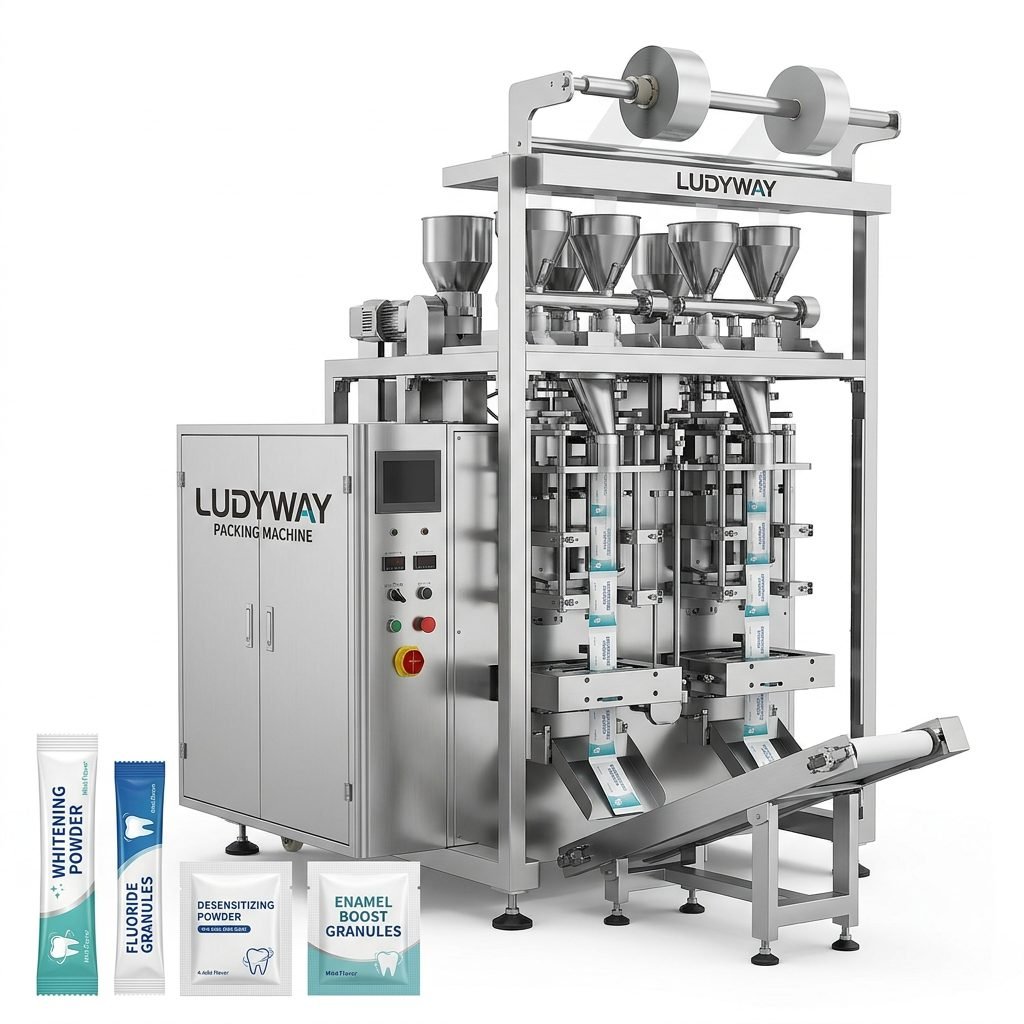
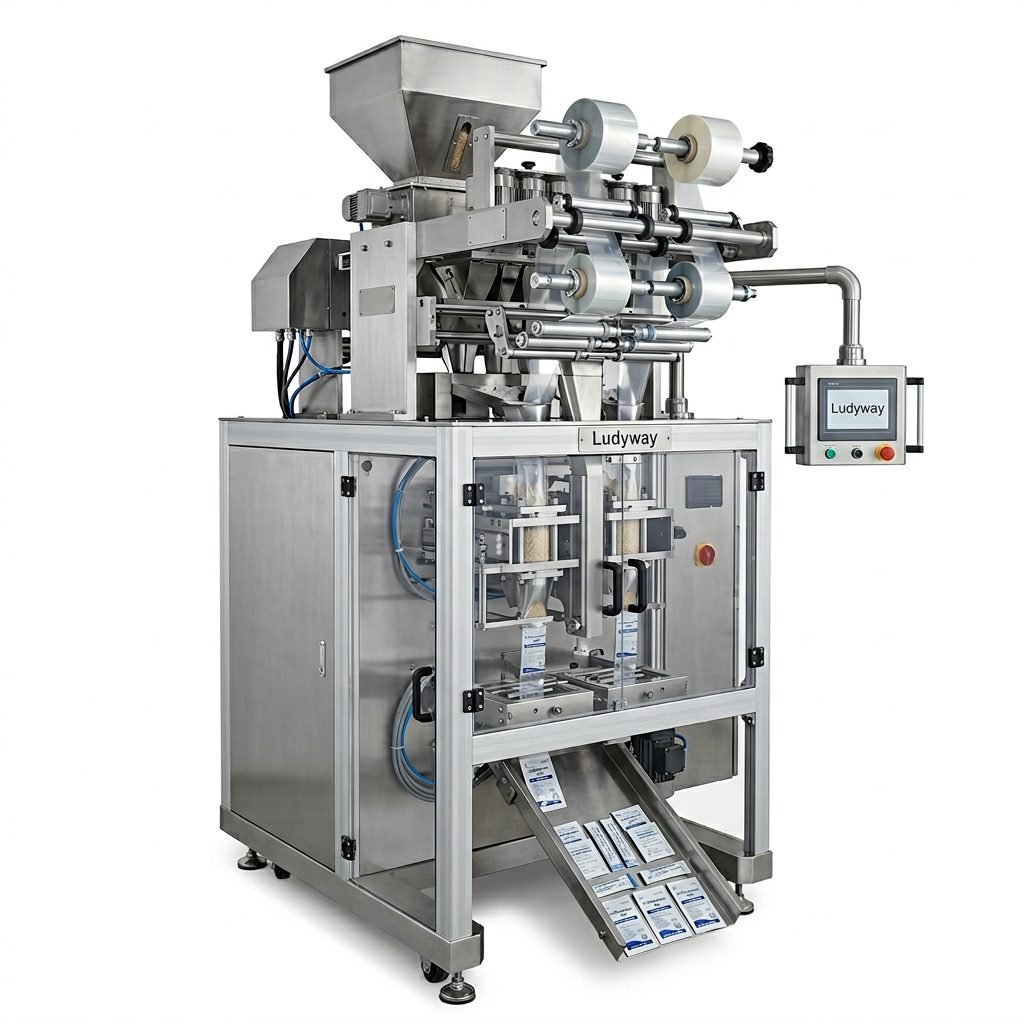
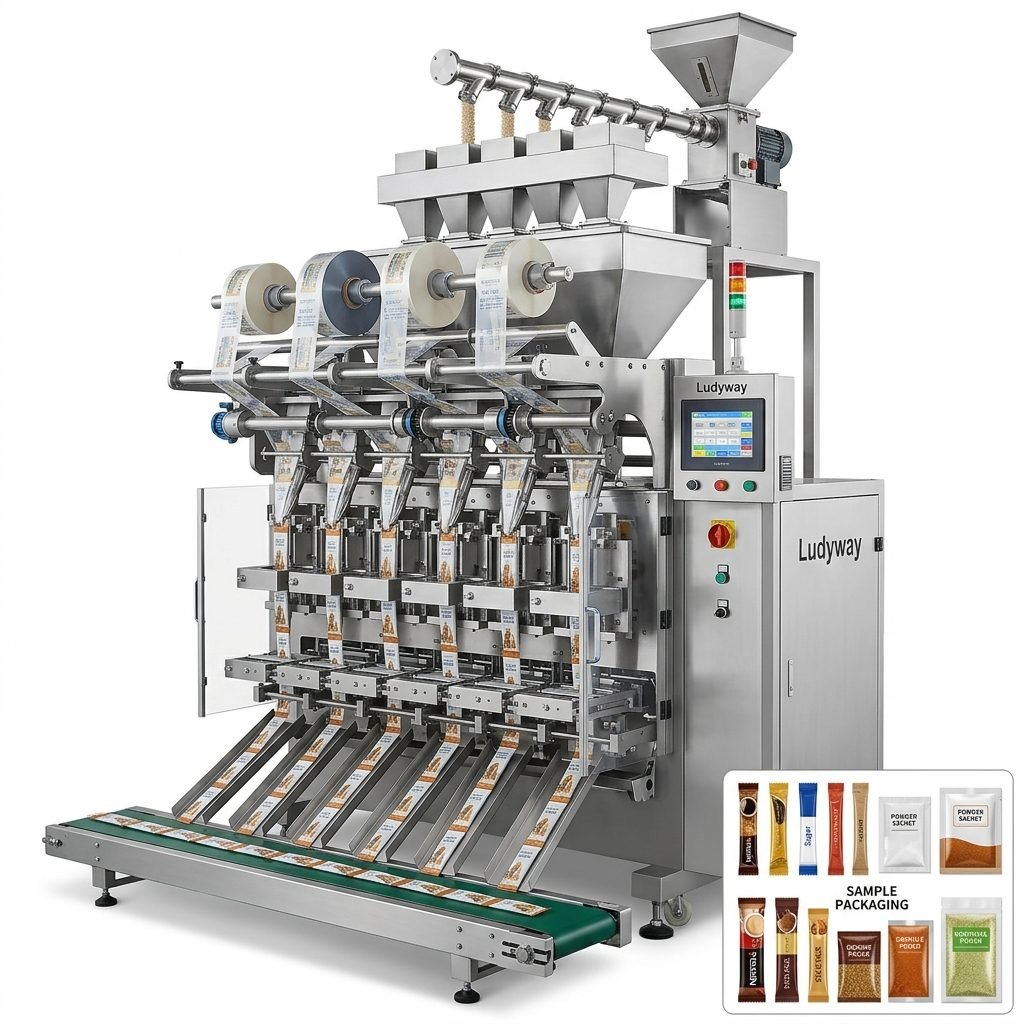
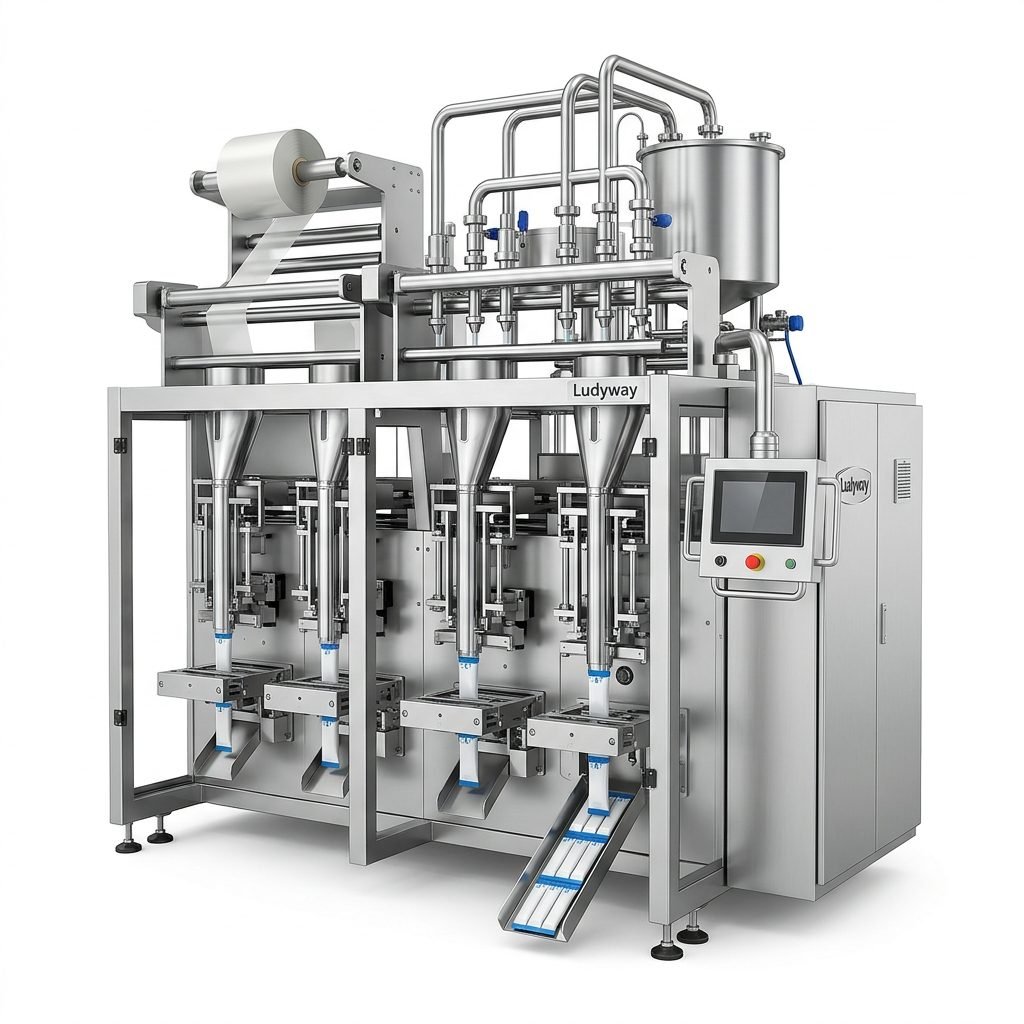
For infant formula, skimmed milk powder, whey powder, and other dried dairy products, flexible packaging solutions such as multi-lane stick pack machines and sachet packaging systems are preferred. These machines offer:
- High-speed filling with precision dosing
- Multi-lane configurations for maximum output
- Modified atmosphere packaging (MAP) capability for extended shelf life
- Integration with nitrogen flushing systems
Aseptic vs. Non-Aseptic Systems
One of the most critical distinctions is between aseptic and non-aseptic packaging lines. Aseptic systems sterilize the product and packaging separately before filling in a sterile environment, enabling ambient shelf life of 6–12 months without refrigeration. These systems are essential for UHT milk and are subject to rigorous food contact substance regulations. Non-aseptic systems are suitable for pasteurized fresh milk with cold chain distribution and shorter shelf life.
Key Factors to Consider When Purchasing
Selecting the right milk packaging machine requires evaluating multiple technical, operational, and commercial factors. Below is a detailed comparison table of the most important criteria to assess:
| Selection Criteria | What to Evaluate | Importance for French Market |
|---|---|---|
| Production Capacity | Pouches/bottles per hour, lane count, cycle speed | Critical |
| Packaging Format | Pouch size range, material compatibility, seal type | Critical |
| Hygiene Design | CIP/SIP capability, stainless steel construction, clean-in-place systems | Critical |
| Automation Level | Semi-automatic vs. fully automatic, robotic integration | High |
| Energy Efficiency | Power consumption, compressed air usage, water consumption | High |
| CE Certification | Compliance with EU machinery directives and safety standards | Mandatory |
| Material Waste | Film waste rate, changeover waste, startup/shutdown waste | Medium-High |
| Footprint | Floor space requirements, layout flexibility | Medium |
| After-Sales Support | Local service availability, spare parts supply, remote diagnostics | Critical |
French and EU Regulatory Compliance
Operating a milk packaging machine in France means complying with a comprehensive framework of French and European Union regulations. Non-compliance can result in fines, product recalls, or facility shutdowns. Key regulatory areas include:
- EU Machinery Directive 2006/42/EC — requires CE marking and conformity assessment for all packaging equipment
- EU Food Contact Materials Regulation (EC) No 1935/2004 — governs materials that come into contact with milk and dairy products
- Hygiene Regulation (EC) No 852/2004 — establishes general hygiene requirements for food processing equipment
- French DGCCRF oversight — the French Directorate General for Competition, Consumer Affairs and Fraud Control enforces compliance
- ISO 22000 and FSSC 22000 — food safety management system standards widely adopted in France
For pharmaceutical-grade lactose or specialized medical nutrition products, additional standards such as ISO 11607 for medical device packaging may also apply. Always consult with a regulatory expert familiar with the French dairy sector before finalizing equipment specifications.
Furthermore, French environmental regulations increasingly require packaging equipment to support recyclable and sustainable materials, in line with the EU Packaging and Packaging Waste Regulation. Machines that minimize material waste and support eco-design principles are gaining preference among French buyers.
Cost Considerations and ROI Analysis
The total cost of ownership for a milk packaging machine extends well beyond the initial purchase price. French buyers should prepare a comprehensive budget that accounts for the following components:
| Cost Category | Estimated Share of Total Investment | Key Variables |
|---|---|---|
| Machine Purchase | 45–55% | Capacity, format, automation level, brand |
| Installation & Commissioning | 8–12% | Site preparation, electrical/plumbing, calibration |
| Operator Training | 3–5% | Number of staff, complexity, language requirements |
| Spare Parts (Year 1) | 5–8% | Wear parts, seals, cutting blades, filters |
| Maintenance Contract | 5–10% annually | Preventive vs. reactive, local technician availability |
| Packaging Materials | Ongoing operational cost | Film type, order volume, supplier contracts |
| Utilities | Ongoing operational cost | Electricity, compressed air, water, steam |
ROI typically ranges from 18 to 36 months for a well-specified milk packaging machine in France, depending on production volume, labor cost savings, and product margin. High-capacity multi-lane systems tend to offer faster payback due to significantly higher throughput.
Selecting the Right Supplier for the French Market
Choosing the right equipment supplier is just as important as selecting the right machine. For French dairy companies, the ideal supplier should demonstrate:
- CE-certified equipment with full technical documentation in French or English
- Proven experience with dairy and liquid food applications
- Local representation or service partner based in France or neighboring EU countries
- Responsive after-sales support — ideally with remote diagnostic capabilities
- Compliance references from other European or French food manufacturers
- Transparent warranty terms and clear spare parts availability
For buyers seeking a reliable international partner, Ludyway is one of the largest packaging machine manufacturers in China, with over 30 years of industry expertise, a modern 20,000m² manufacturing facility, and more than 50 intelligent packaging machine models serving customers in over 100 countries. Their equipment range includes multi-lane stick pack machines, sachet packaging systems, and fully automated turnkey lines suitable for milk, dairy powders, and liquid dairy products, all manufactured to meet international quality and safety standards.
When evaluating suppliers, request a Factory Acceptance Test (FAT) and, if possible, visit existing installations to observe real-world performance. Reference checks with other French or European dairy processors can provide invaluable insights into long-term reliability and support quality.
Installation, Training, and Ongoing Maintenance
A successful milk packaging machine installation in France requires careful planning and coordination. Key steps include:
Pre-Installation Preparation
- Verify floor load capacity and machine footprint compatibility
- Ensure adequate electrical supply (typically 380V/400V three-phase for industrial equipment in France)
- Confirm compressed air quality and capacity (oil-free, food-grade air is essential for dairy applications)
- Plan for cleanroom or hygienic zone requirements per HACCP principles
- Arrange for qualified local technicians to support installation
Operator Training
- Comprehensive training on machine operation, cleaning procedures, and basic troubleshooting
- Documentation in French or English with clear SOPs
- Hands-on sessions covering format changeovers and preventive maintenance routines
- Training on traceability systems and data logging for regulatory compliance
Preventive Maintenance Program
- Daily: Visual inspection, cleaning verification, seal integrity checks
- Weekly: Lubrication, sensor calibration, wear part assessment
- Monthly: Comprehensive mechanical and electrical inspection, software backups
- Quarterly: Professional service audit, belt and chain tension checks, safety system verification
- Annually: Full overhaul with replacement of all wear components, deep cleaning, and re-validation
Many suppliers now offer remote monitoring and predictive maintenance capabilities, which can significantly reduce unplanned downtime. For French facilities operating 24/7 production schedules, this feature can deliver substantial cost savings.
Common Mistakes to Avoid
Based on industry experience with French dairy packaging projects, here are the most frequent pitfalls to avoid:
- Underestimating throughput requirements — always factor in future growth and seasonal peaks
- Overlooking packaging material compatibility — test all films and laminates before machine purchase
- Neglecting local service availability — ensure the supplier has proven support capability in France or the EU
- Ignoring total cost of ownership — cheap initial pricing can hide high spare parts and maintenance costs
- Skipping FAT and SAT procedures — always test before shipping and after installation
- Failing to plan for format changeovers — ensure changeover times are practical for your production schedule
Emerging Technologies in Milk Packaging
The milk packaging machine landscape is evolving rapidly. French buyers should be aware of several emerging technologies that may influence future purchasing decisions:
- Aseptic blow-fill-seal (BFS) systems — forming, filling, and sealing containers in a continuous sterile process
- Smart packaging with QR codes and NFC tags — enabling consumer engagement and supply chain traceability
- AI-powered quality inspection — automated visual inspection for seal integrity, fill level, and label placement
- Energy recovery systems — capturing and reusing heat from sterilization and drying processes
- Modular machine platforms — allowing capacity expansion through additional lanes or modules without full replacement
Staying informed about packaging industry trends and market reports helps ensure your investment remains competitive for years to come.
Frequently Asked Questions
What is the average price of a milk packaging machine in France?
Entry-level semi-automatic machines start around €25,000–€50,000, while fully automatic multi-lane systems for high-volume production can range from €150,000 to over €500,000 depending on configuration, capacity, and automation features. Aseptic systems command a significant premium.
How long does delivery and installation typically take?
Standard machines typically require 8–16 weeks for manufacturing and shipping, plus 2–4 weeks for installation and commissioning. Custom-configured lines may take 16–24 weeks or longer. Plan for FAT scheduling and shipping logistics, especially for overseas suppliers.
Do I need a French-speaking technician for installation?
While many international suppliers provide English-speaking engineers, having access to French-speaking technical support is highly recommended for training operators and troubleshooting. Some suppliers partner with local French service providers for this purpose.
What certifications must the machine have for use in France?
At minimum, the machine must carry CE marking with a Declaration of Conformity to applicable EU directives. For dairy applications, compliance with food contact material regulations and hygienic design standards (EHEDG guidelines) is also expected.
Can one machine handle both liquid milk and milk powder?
Generally, separate machines are recommended for liquid and powder products due to fundamentally different filling technologies (volumetric/piston fillers for liquids vs. auger fillers for powders). However, some versatile multi-lane systems can be configured with interchangeable dosing units.
Final Recommendations
Purchasing a milk packaging machine in France is a strategic investment that requires thorough research, careful supplier evaluation, and comprehensive planning. By understanding the French dairy market context, regulatory environment, available machine types, and total cost considerations, you can make a confident decision that supports your business growth for years to come. Prioritize suppliers with proven European presence, responsive local support, and CE-certified equipment to minimize risk and ensure smooth operations from day one.
For further guidance on packaging machinery selection and industry best practices, explore resources from the Association for Packaging and Processing Technologies (PMMI) and the Flexible Packaging Association, both of which provide valuable market intelligence and technical standards for the global packaging industry.