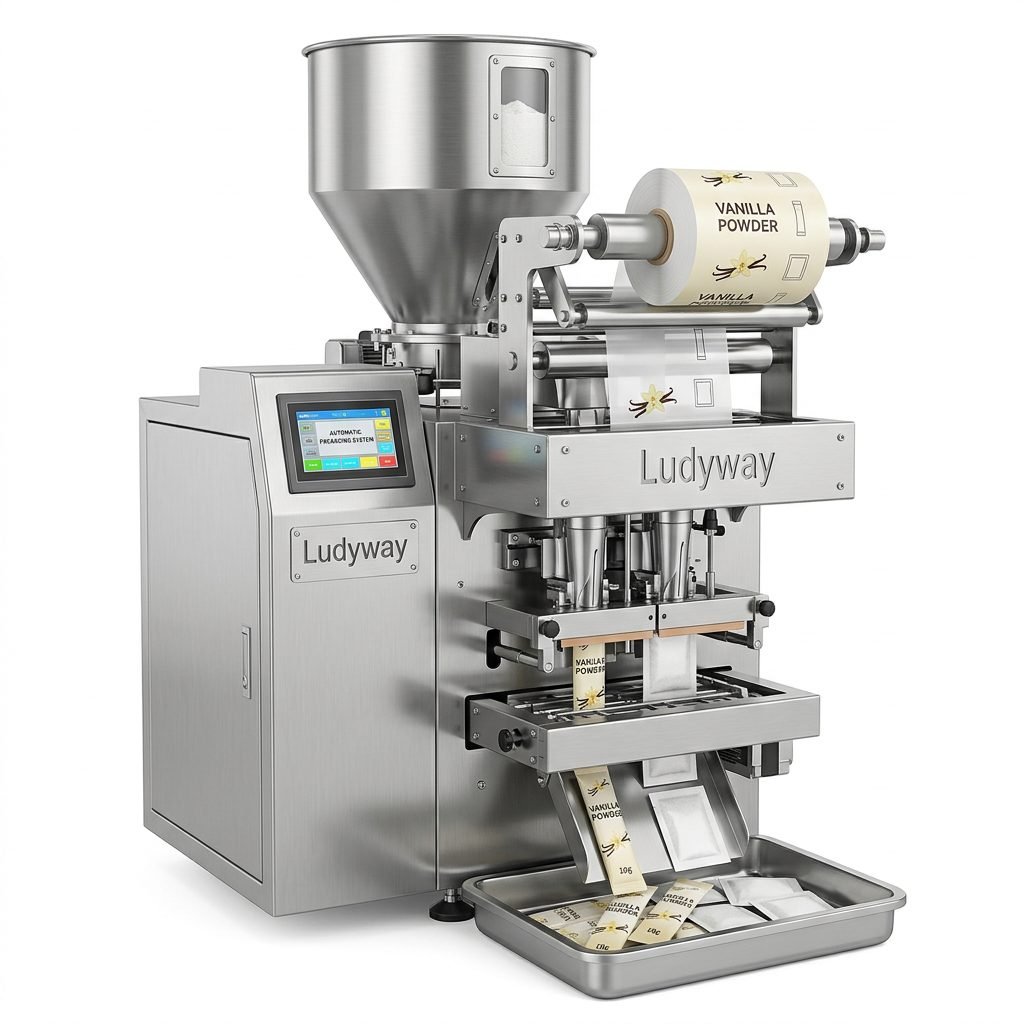
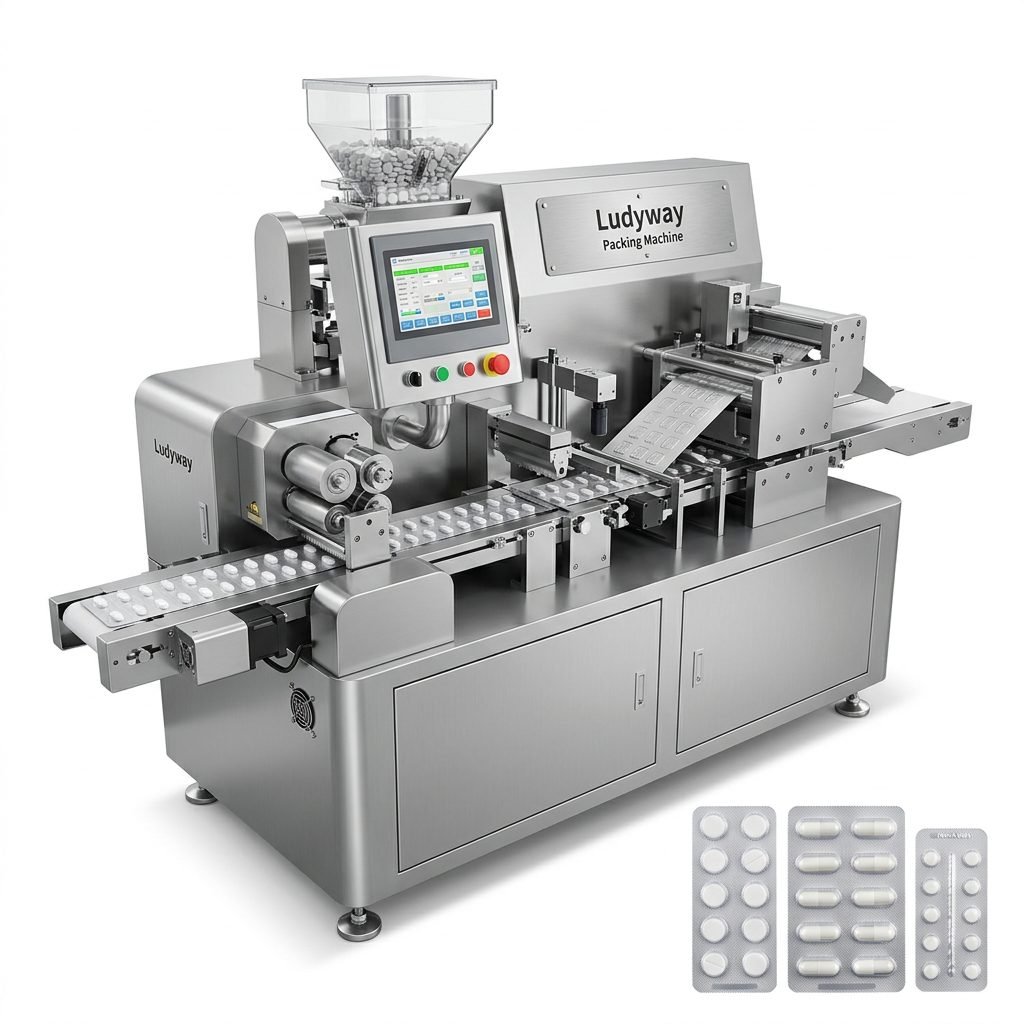
Investing in a packaging machine is a significant decision that affects your production efficiency, product quality, and long-term operational costs. Whether you are packaging powders, granules, liquids, or solid products, choosing the wrong equipment can lead to downtime, material waste, and inconsistent output. This guide walks you through the essential factors to consider when selecting the right packing material machine for your manufacturing needs.

Understanding Your Product and Packaging Material Requirements
Before comparing machine specifications, you need to clearly define what you are packaging and the materials you plan to use. The physical characteristics of your product directly determine which packing material machine configuration will work best. Key product attributes to evaluate include:
- Product state: Is it a free-flowing powder, sticky granule, viscous liquid, paste, or solid item? Each state requires different feeding, dosing, and sealing mechanisms.
- Particle size and density: Fine powders behave differently from coarse granules. Bulk density affects filling volume calculations and hopper design.
- Hygroscopic or oxygen-sensitive properties: Products that absorb moisture or oxidize quickly may require nitrogen flushing or vacuum-sealing capabilities.
- Temperature sensitivity: Heat-sensitive products need controlled sealing temperatures to prevent degradation during the packaging process.
Equally important is the packaging material itself. According to the Flexible Packaging Association, modern flexible packaging materials include multi-layer laminates, aluminum foil composites, and high-barrier films. Your machine must be compatible with the specific film thickness, heat-sealing temperature range, and material structure you intend to use.
Types of Packing Material Machines by Packaging Format
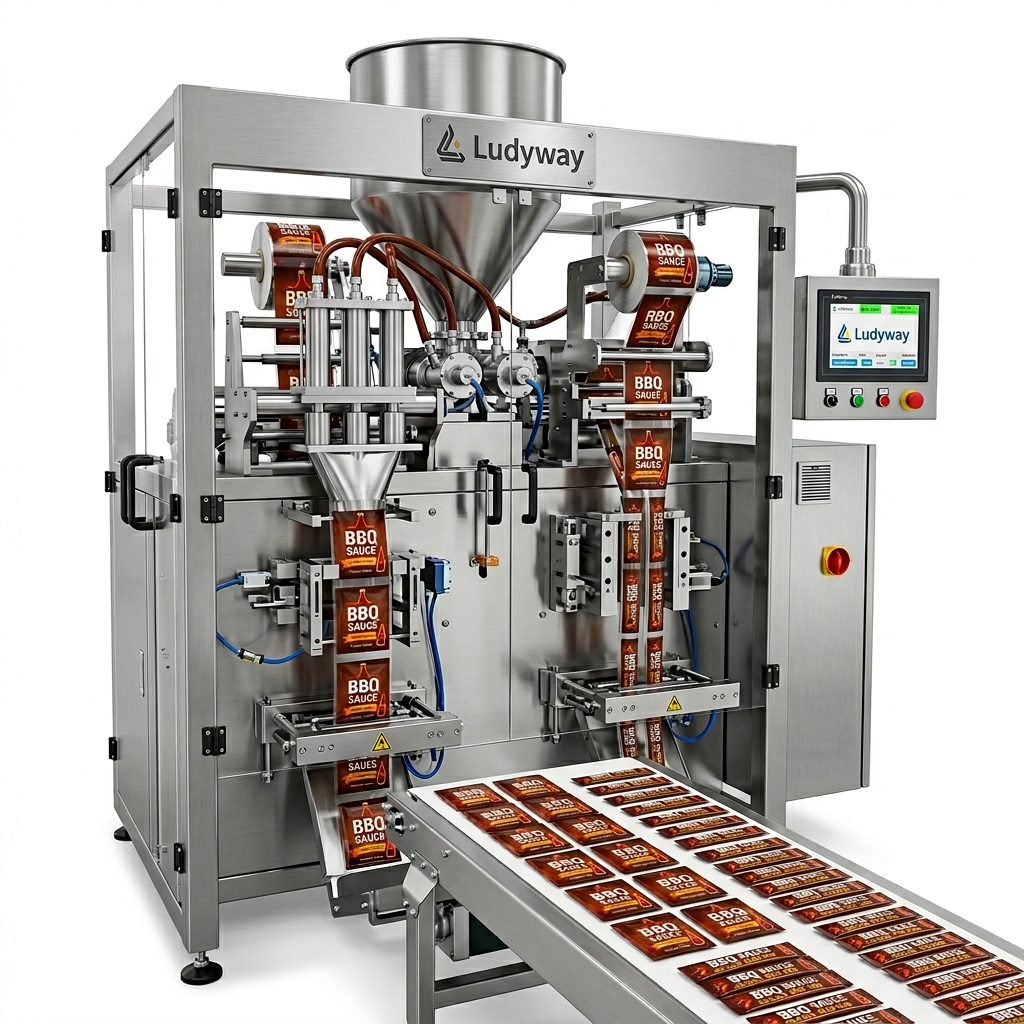
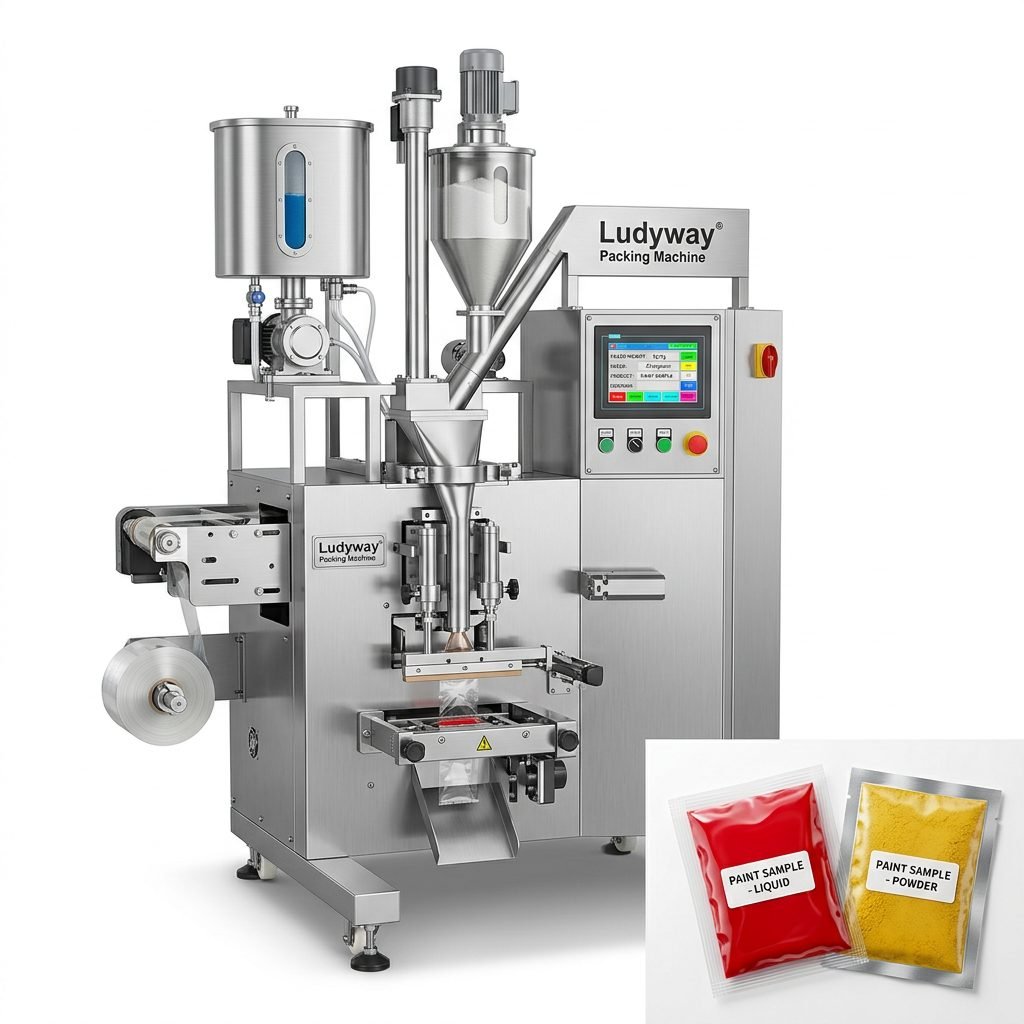
Different production requirements call for different packaging formats. Understanding the major machine categories helps narrow down your options quickly:
| Machine Type | Best For | Common Packaging Format |
|---|---|---|
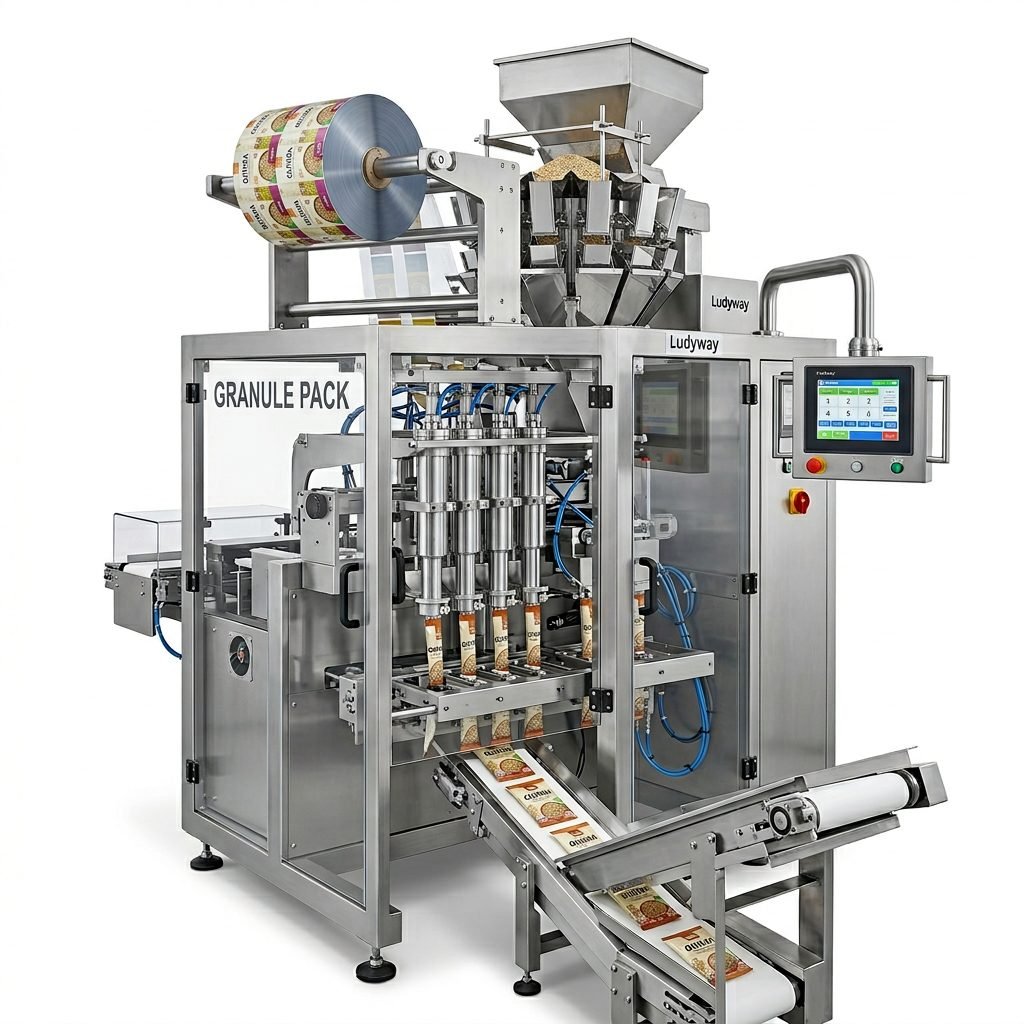
| Vertical Form Fill Seal (VFFS) | Powders, granules, snacks | Pillow bags, gusseted bags |
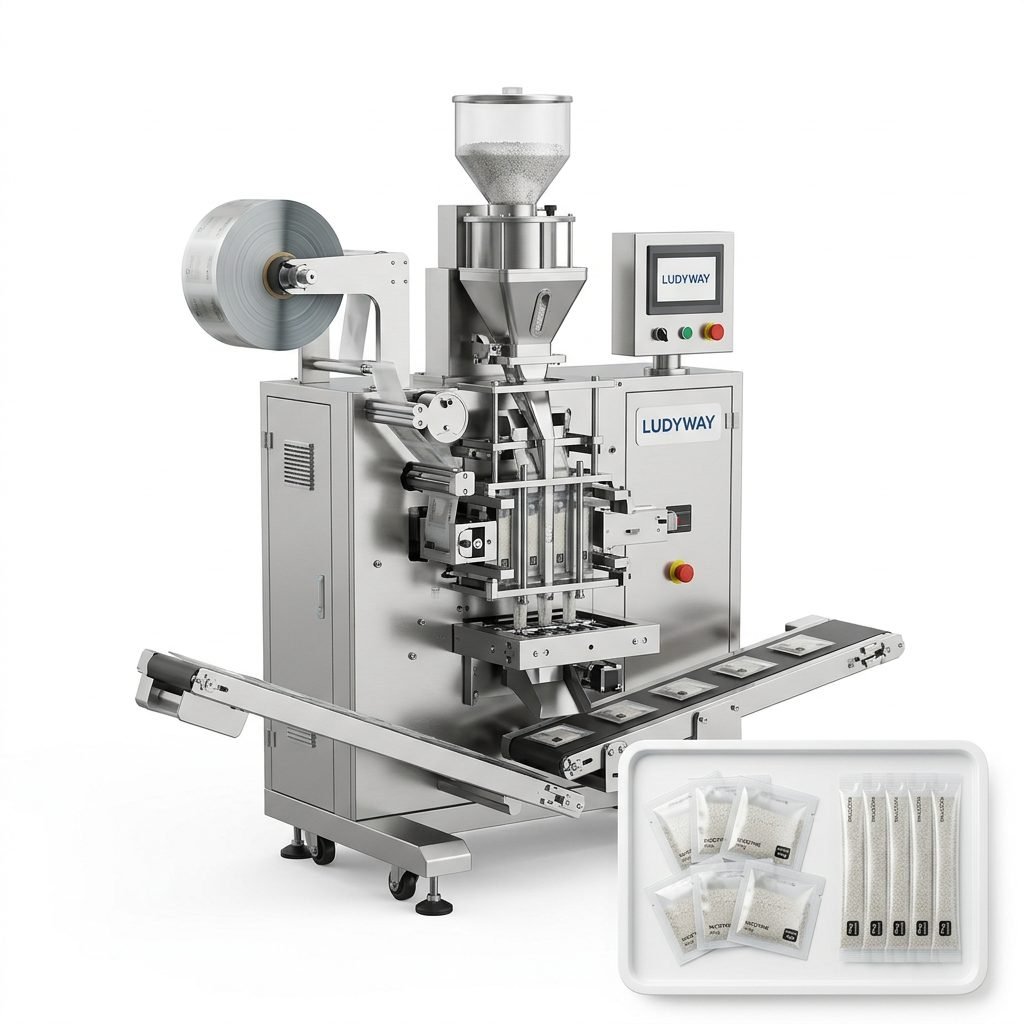
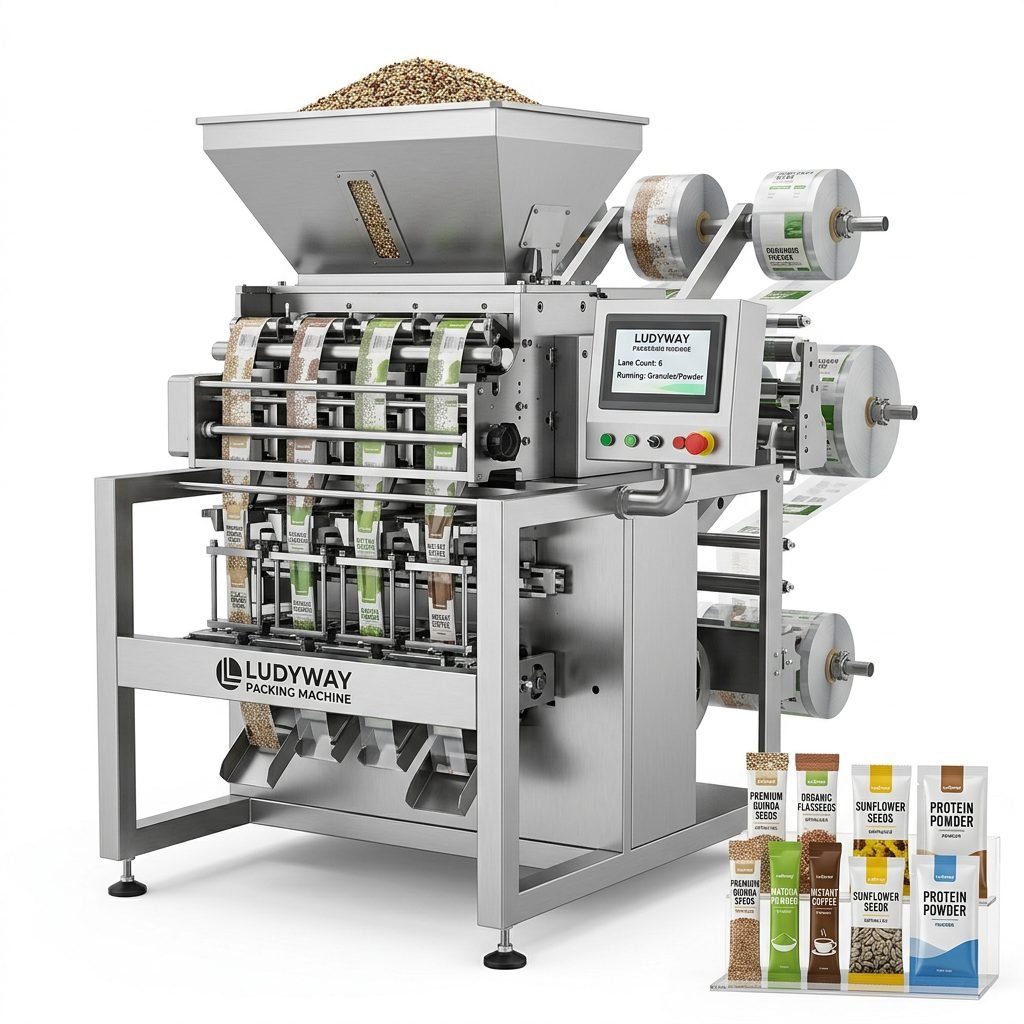
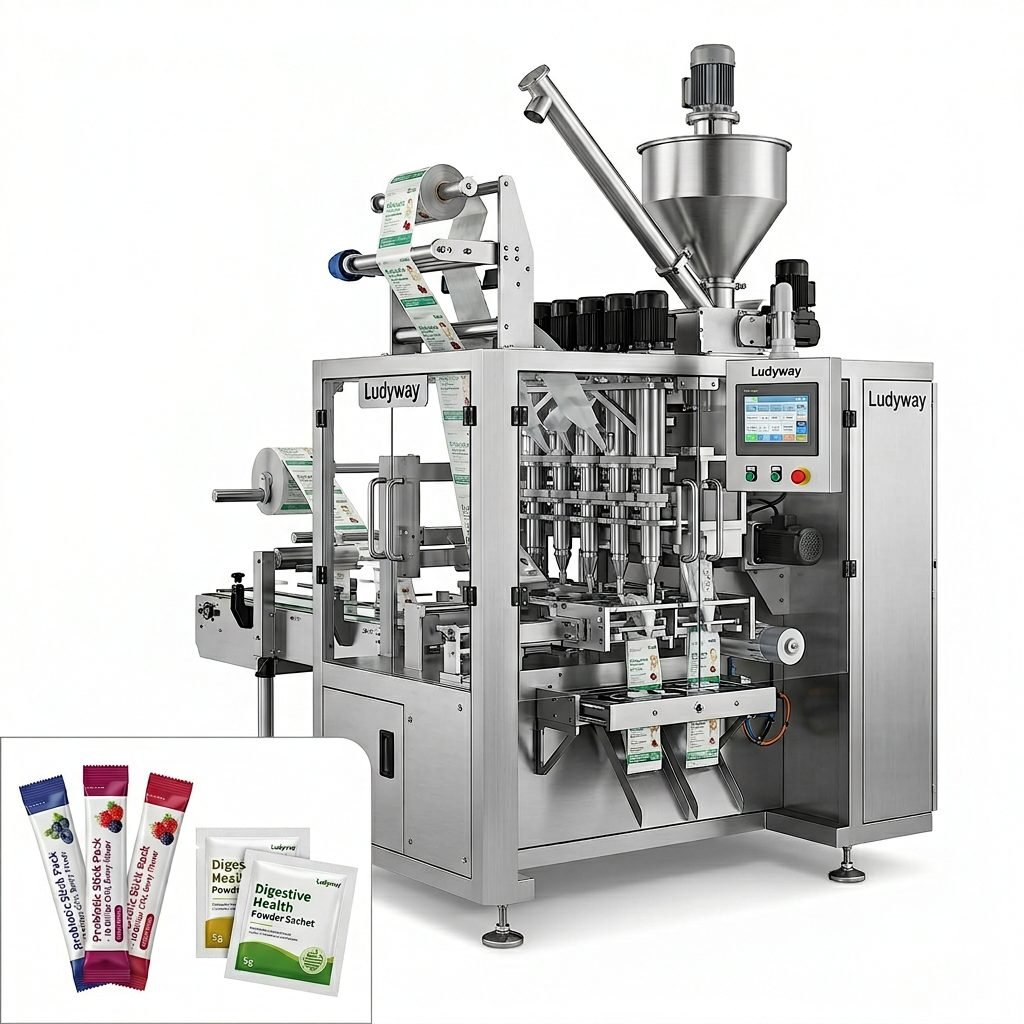
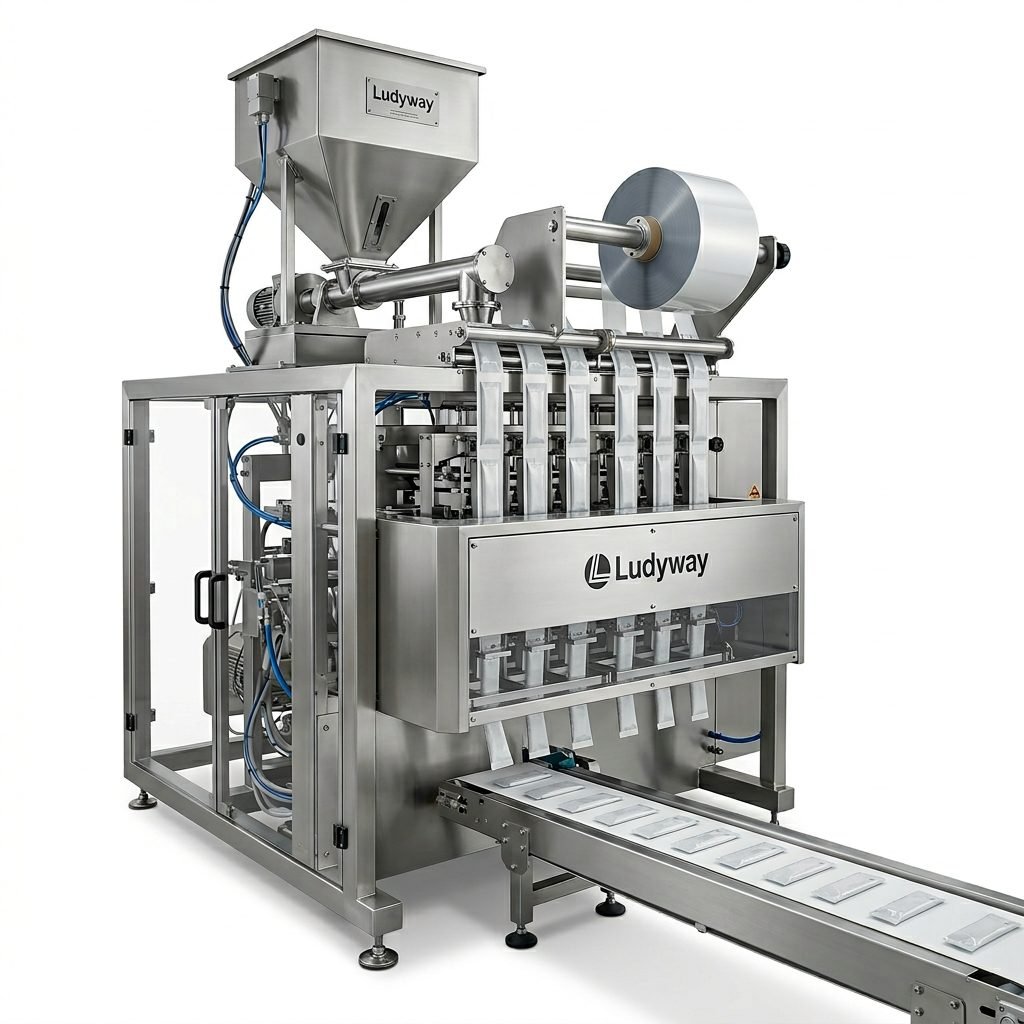
| Multi-Lane Sachet Machine | Single-dose products, samples | Sachets, stick packs |
| Pre-Made Pouch Machine | Liquids, sauces, premium products | Stand-up pouches, spout pouches |
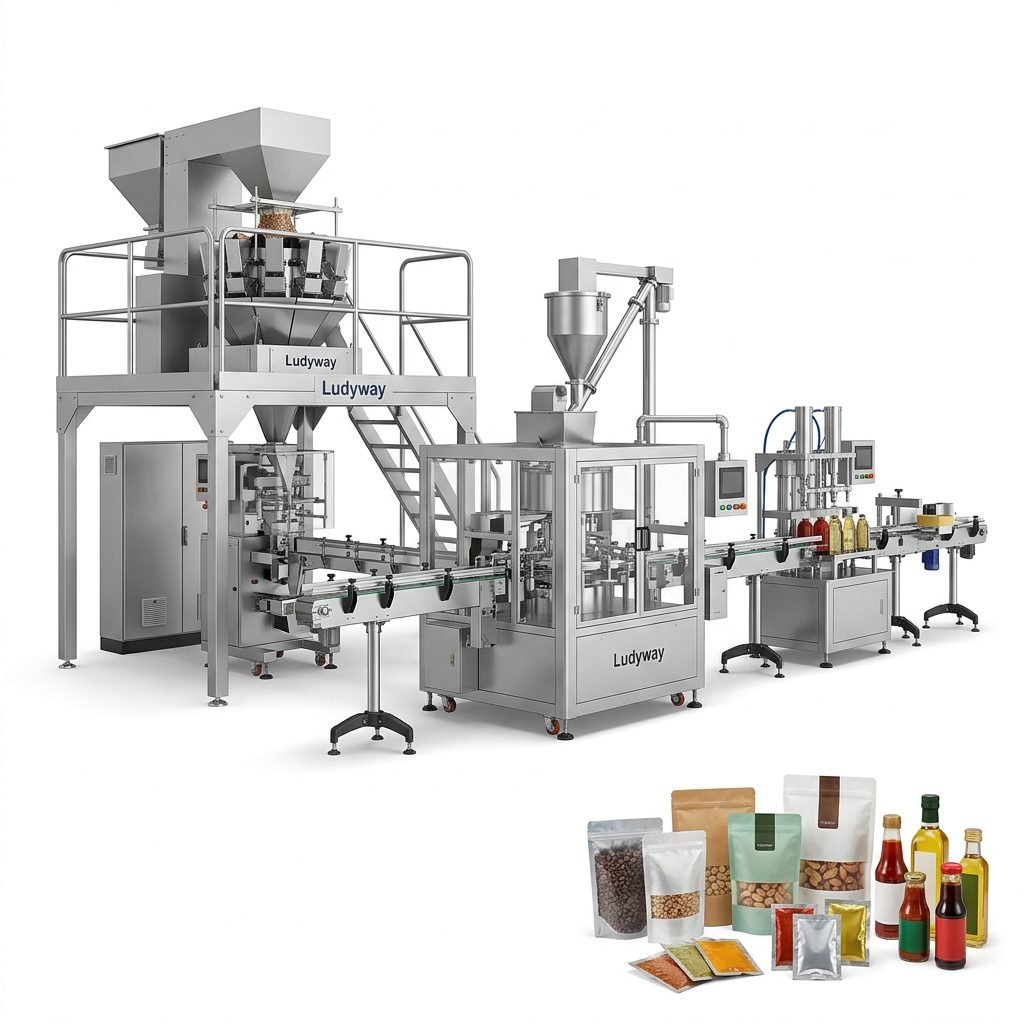
| Liquid Filling & Sealing Line | Beverages, oils, chemicals | Bottles, sachets, pouches |
| Big Bag / Bulk Packaging System | Industrial materials, fertilizers | 25kg–50kg bags, FIBC |

Single-Lane vs. Multi-Lane Packaging Systems
For manufacturers who need high-volume output, multi-lane packaging machines offer a significant productivity advantage. A multi-lane system can simultaneously produce 4, 6, 8, or even 12 lanes of sachets or stick packs from a single machine. While the initial investment is higher, the per-unit packaging cost decreases substantially when running at full capacity. Single-lane machines are more appropriate for lower production volumes or frequent product changeovers where flexibility is prioritized over raw speed.
Production Speed and Automation Level
Production speed requirements should be evaluated against both current demand and future growth projections. A machine operating at maximum capacity will experience more wear and may require more frequent maintenance. It is generally advisable to select a machine rated for at least 20–30% above your current required output to allow for peak demand periods and future expansion.
Key automation considerations include:
- Semi-automatic machines: Require manual product feeding or bag positioning. Suitable for startups and low-volume production where labor costs are manageable.
- Fully automatic systems: Integrate feeding, dosing, filling, sealing, coding, and collection with minimal operator intervention. Ideal for medium to high-volume operations.
- Turnkey packaging lines: Connect multiple stages — from raw material feeding to case packing and palletizing — into a single, continuous production flow. These systems maximize throughput and consistency.
Critical Machine Features to Evaluate
Beyond basic functionality, certain features can dramatically impact long-term performance and ease of use. When comparing different packing material machine models, pay close attention to the following specifications:
Filling and Dosing Accuracy
Precision in filling directly affects product give-away costs and regulatory compliance. For pharmaceutical and nutraceutical applications, dosing accuracy is particularly critical — and must often meet standards outlined by organizations such as the FDA and ISO packaging standards. Auger fillers excel with powders, piston fillers handle liquids well, and multi-head weighers provide high-speed accuracy for granules and snack products.
Sealing Technology and Integrity
The sealing system must be compatible with your chosen packaging material. Heat sealing, ultrasonic sealing, and impulse sealing each have different advantages depending on film type and product sensitivity. Inconsistent seals lead to leaks, contamination, and costly product recalls. Look for machines with adjustable temperature control and pressure settings to accommodate different film structures.
Changeover Flexibility
If your production line handles multiple products or packaging formats, rapid changeover capability becomes essential. Tool-less adjustments, recipe memory storage, and modular design all reduce downtime between production runs. The PMMI business intelligence reports consistently highlight changeover flexibility as a top priority for contract packagers and manufacturers with diverse product portfolios.
Budget, ROI, and Total Cost of Ownership
The purchase price of a packaging machine is only one component of its total cost. A comprehensive total cost of ownership analysis should include:
- Installation and commissioning: Freight, rigging, electrical and pneumatic connections, and initial setup.
- Operator training: Time required to train personnel on proper operation, cleaning, and basic troubleshooting.
- Spare parts and consumables: Availability and cost of wear parts such as sealing jaws, cutting blades, belts, and filters.
- Downtime cost: Lost production during maintenance or unexpected breakdowns.
- Energy consumption: Electrical and compressed air usage over the machine’s lifespan.
A higher-quality machine with better components and support infrastructure often delivers lower total cost over a 5–10 year period, even if the initial purchase price is higher. When calculating ROI, consider both direct savings — reduced labor, less material waste, higher throughput — and indirect benefits such as improved product quality and brand reputation.

Industry-Specific Requirements and Compliance
Different industries impose different standards on packaging equipment. Understanding your sector’s specific requirements early in the selection process prevents costly modifications later:
| Industry | Key Requirements | Typical Machine Features |
|---|---|---|
| Food & Beverage | Hygiene, washdown capability, food-grade materials | Stainless steel construction, CIP compatibility |
| Pharmaceuticals | GMP compliance, traceability, validation documentation | Precision dosing, serialization, cleanroom-ready |
| Cosmetics | Aesthetic finish, flexible formats, fast changeover | Multi-format capability, premium sealing |
| Chemicals & Industrial | Corrosion resistance, safety, bulk handling | Heavy-duty construction, explosion-proof options |
For pharmaceutical manufacturers, compliance with ISO 11607 standards for packaging for terminally sterilized medical devices may also apply if the packaged product falls under medical device regulations. Always verify that your chosen machine can be configured to meet the applicable regulatory requirements in your target markets.
Supplier Evaluation: What to Look for Beyond the Machine
Selecting the right supplier is as important as selecting the right machine. A reliable packaging machinery partner provides value far beyond the initial equipment sale. When evaluating potential suppliers, consider these factors:
- Industry experience: How long has the manufacturer been building packaging equipment? Do they have specific experience in your industry?
- Manufacturing capabilities: Does the supplier have in-house engineering, manufacturing, and testing facilities? This often translates to better quality control and faster lead times.
- Customization capability: Can the supplier modify standard designs to accommodate your specific product characteristics, packaging materials, or factory layout?
- After-sales support: What technical support, spare parts availability, and training does the supplier offer after installation?
- Global reach: If you operate in multiple countries, a supplier with international service capabilities can simplify maintenance and support across your facilities.
For example, Ludyway Machinery — a China-based packaging machinery manufacturer with over 30 years of industry experience, a 20,000-square-meter manufacturing facility, and more than 50 packaging machine models — provides both individual machines and integrated turnkey packaging solutions. The company serves customers in more than 100 countries and offers technical support throughout the project lifecycle, from machine selection and installation to operator training and after-sales service. When evaluating any supplier, requesting references, visiting manufacturing facilities when possible, and reviewing their track record in your specific application area are all prudent steps.

Future-Proofing Your Investment
Packaging trends and regulations evolve. When investing in a packing material machine, it is worth considering how adaptable the equipment will be to future changes. The PMMI 2026 State of the Industry report highlights several trends shaping packaging machinery demand, including sustainability requirements, smart factory integration, and increasing demand for flexible packaging formats. Machines with modular designs, upgradeable control systems, and compatibility with multiple packaging materials provide greater long-term flexibility.
Additionally, consider how the machine will integrate with existing or planned upstream and downstream equipment. A packaging line is a system, and the overall efficiency depends on how well each component works together — from product feeding and dosing to coding, inspection, case packing, and palletizing.
Key Questions to Ask Before Purchasing
- What is the machine’s rated output, and how does that compare to our current and projected production needs?
- What packaging materials and film specifications are compatible with the machine?
- How quickly can changeovers between different products or bag sizes be completed?
- What is the availability and cost of critical spare parts?
- Does the supplier offer remote technical support and on-site service in our region?
- What documentation, training, and warranty coverage are included?
- Can the machine be integrated into a broader turnkey packaging line if needed in the future?
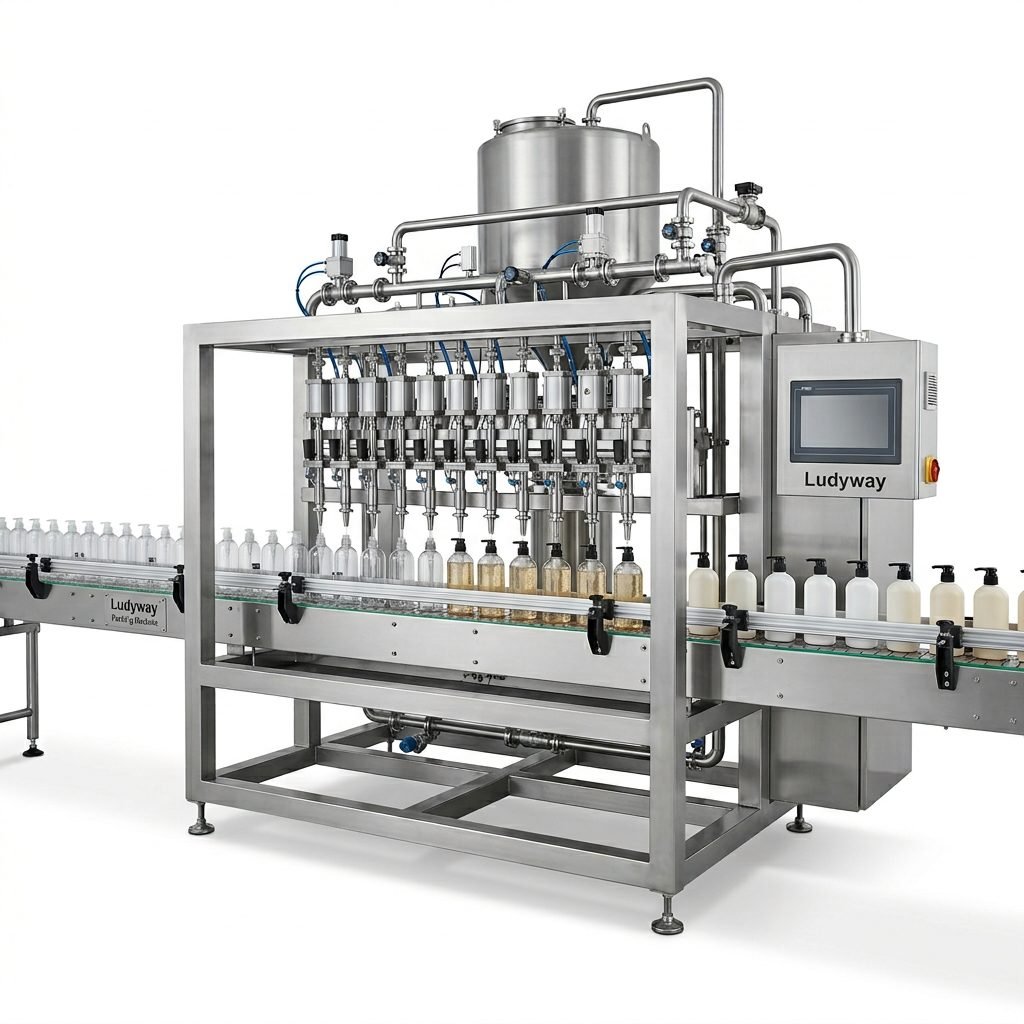
Making the Final Decision
Choosing the right packing material machine requires balancing technical specifications, production requirements, budget constraints, and supplier reliability. The most successful purchases result from a thorough evaluation process that considers not just the machine’s capabilities today, but how well it will serve your operation over the next decade. By carefully assessing your product characteristics, required packaging format, production volume, automation level, industry compliance needs, and supplier support infrastructure, you can make a confident investment that drives efficiency and supports your long-term manufacturing goals.
For further guidance on packaging machinery standards, market trends, and industry best practices, resources from organizations such as the PMMI Packaging Industry Resources, the Flexible Packaging Association, and the ISO packaging and distribution standards provide valuable reference points throughout the selection process.