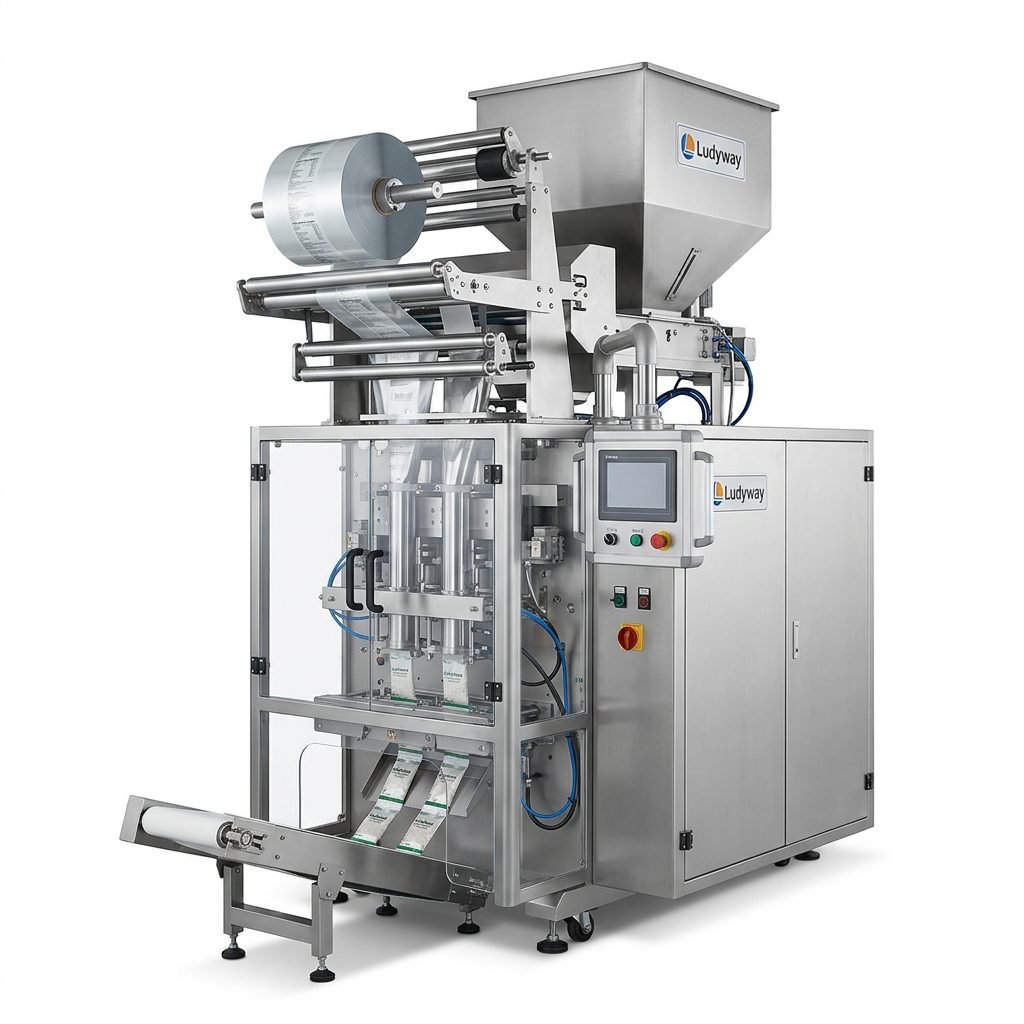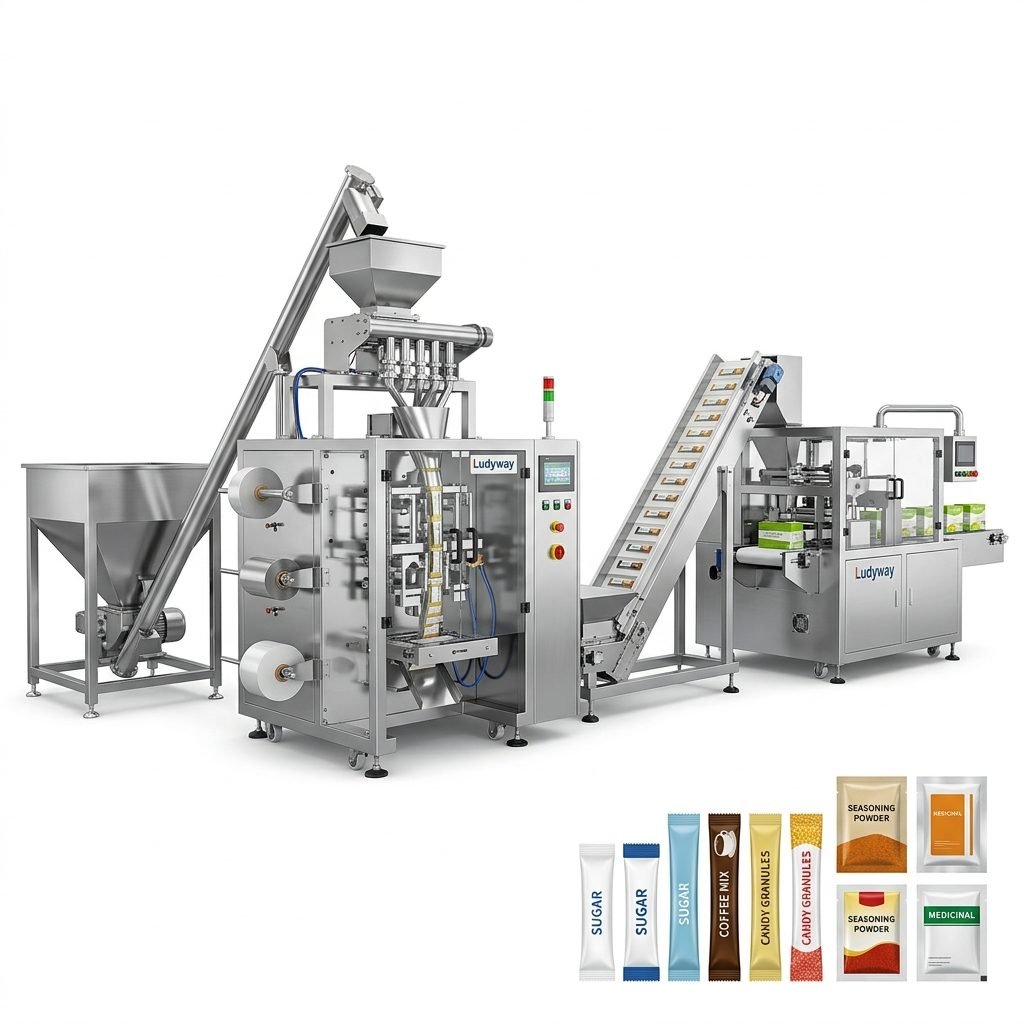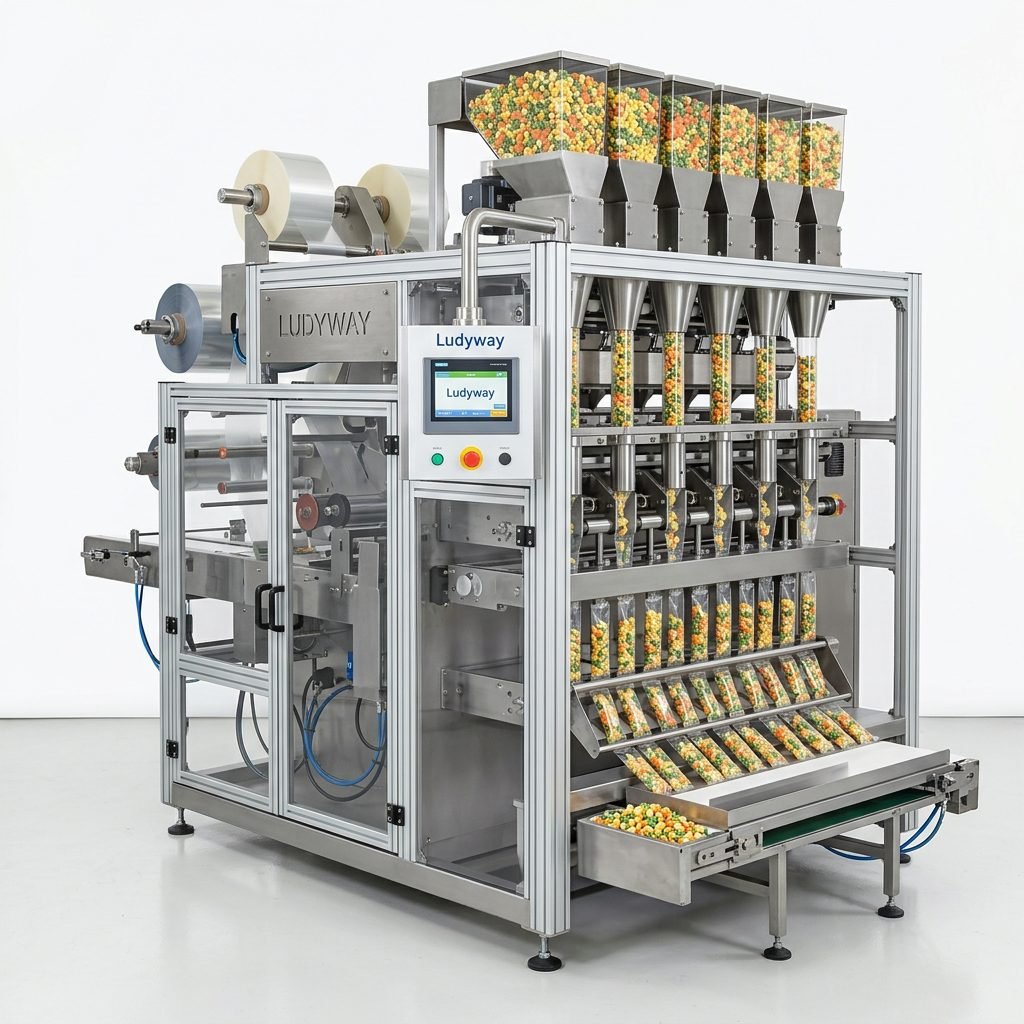
The Middle East is rapidly emerging as a powerhouse in the food processing and packaging sector. With a growing population, rising disposable incomes, and an increasing appetite for ready-to-eat meals, the demand for retort packaging machines has surged across the GCC region, particularly in Saudi Arabia, the UAE, Qatar, and Kuwait. Whether you are launching a new production facility or upgrading an existing line, understanding how to properly set up a retort packaging machine production line is critical to your operational success.
This guide walks you through every stage — from initial planning and equipment selection to installation, compliance, and long-term maintenance — tailored specifically for the Middle Eastern market.
Understanding Retort Packaging in the Middle Eastern Context
Retort packaging involves filling products into pouches, trays, or cans and then sterilizing them using high-temperature steam or hot water under pressure. This method is widely used for ready-to-eat meals, sauces, soups, pet food, and baby food. In the Middle East, the halal food industry, military catering, and the booming HoReCa (Hotel/Restaurant/Café) sector are major drivers of retort packaging adoption.
According to PMMI packaging industry data, the flexible retort pouch market continues to expand at a compound annual growth rate exceeding 6%, with the Middle East and Africa representing one of the fastest-growing regional segments. Understanding local consumer preferences and regulatory frameworks is essential before investing in retort packaging equipment.
Key Considerations Before Setting Up Your Production Line
- Production Capacity: Determine your target output in pouches per minute. Multi-lane retort packaging machines can process anywhere from 40 to over 400 pouches per minute depending on configuration.
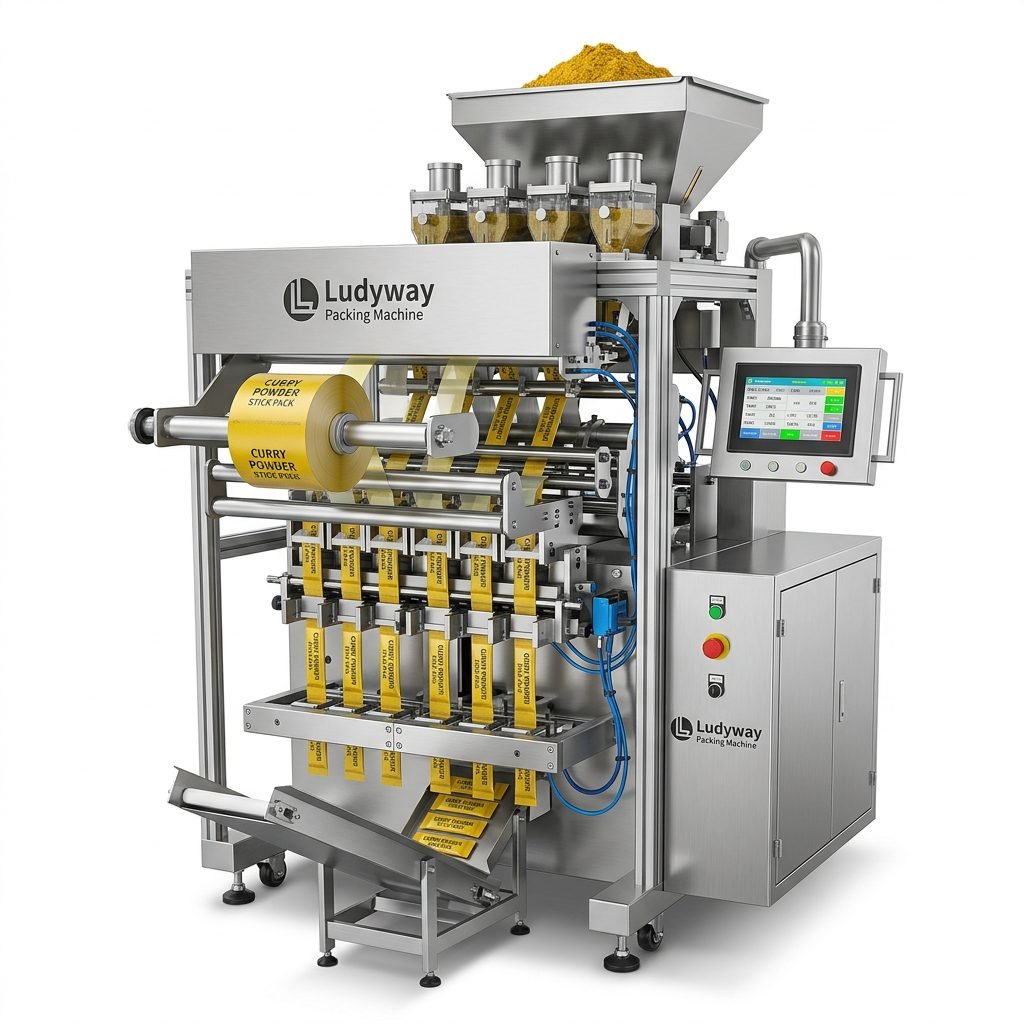
- Product Characteristics: Granules, powders, liquids, and pastes each require different filling mechanisms — from auger fillers for powders to piston fillers for viscous sauces.
- Pouch Format and Size: Stick packs, sachets, stand-up pouches, and flat pouches all demand specific forming, filling, and sealing modules.
- Sterilization Requirements: The retort process must achieve commercial sterility while preserving product quality — temperature, pressure, and cycle time parameters vary significantly.
- Facility Infrastructure: Adequate steam supply, water treatment, compressed air, and electrical capacity are non-negotiable prerequisites.
- Regulatory Compliance: Products destined for GCC markets must meet international food safety standards including GSO (GCC Standardization Organization) requirements and ISO 22000.
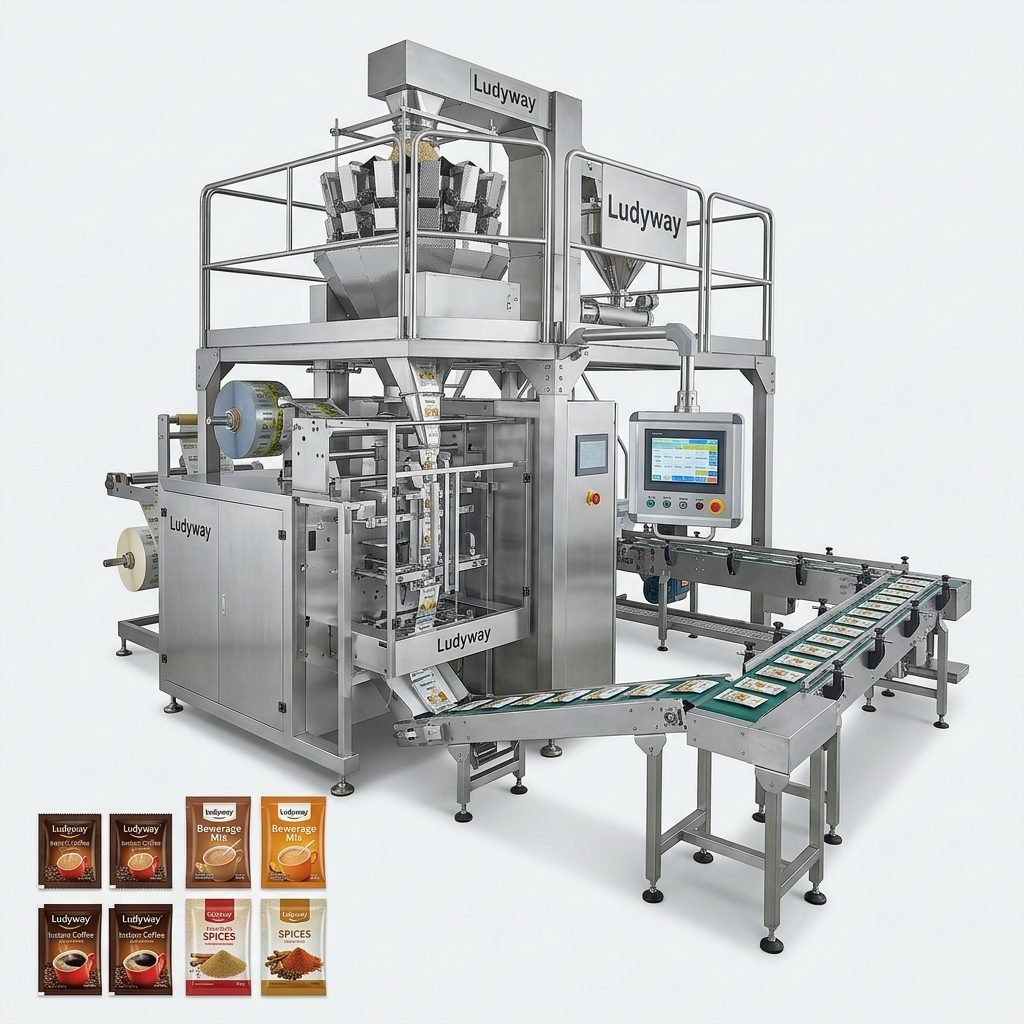
Step-by-Step Production Line Setup
Step 1: Facility Layout and Workflow Design
Begin by mapping out your production floor. A well-designed retort packaging line follows a logical sequence: raw material receiving → preparation area → filling zone → sealing station → retort sterilization → cooling/drying → secondary packaging → warehousing. Ensure adequate space for equipment access, maintenance, and future expansion. Cross-contamination prevention is paramount — design your layout with clear separation between raw and processed zones, a requirement emphasized by ISO packaging and distribution standards.
Step 2: Selecting the Right Retort Packaging Equipment
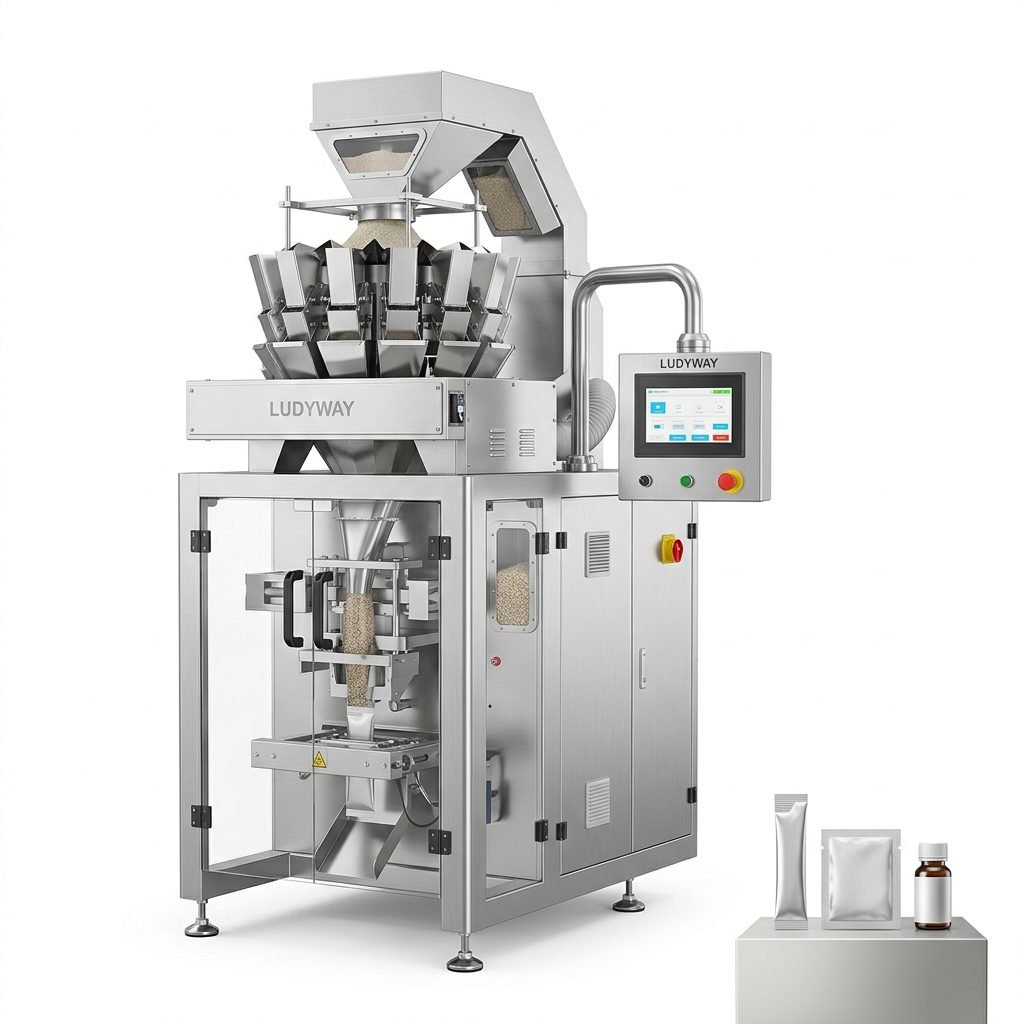
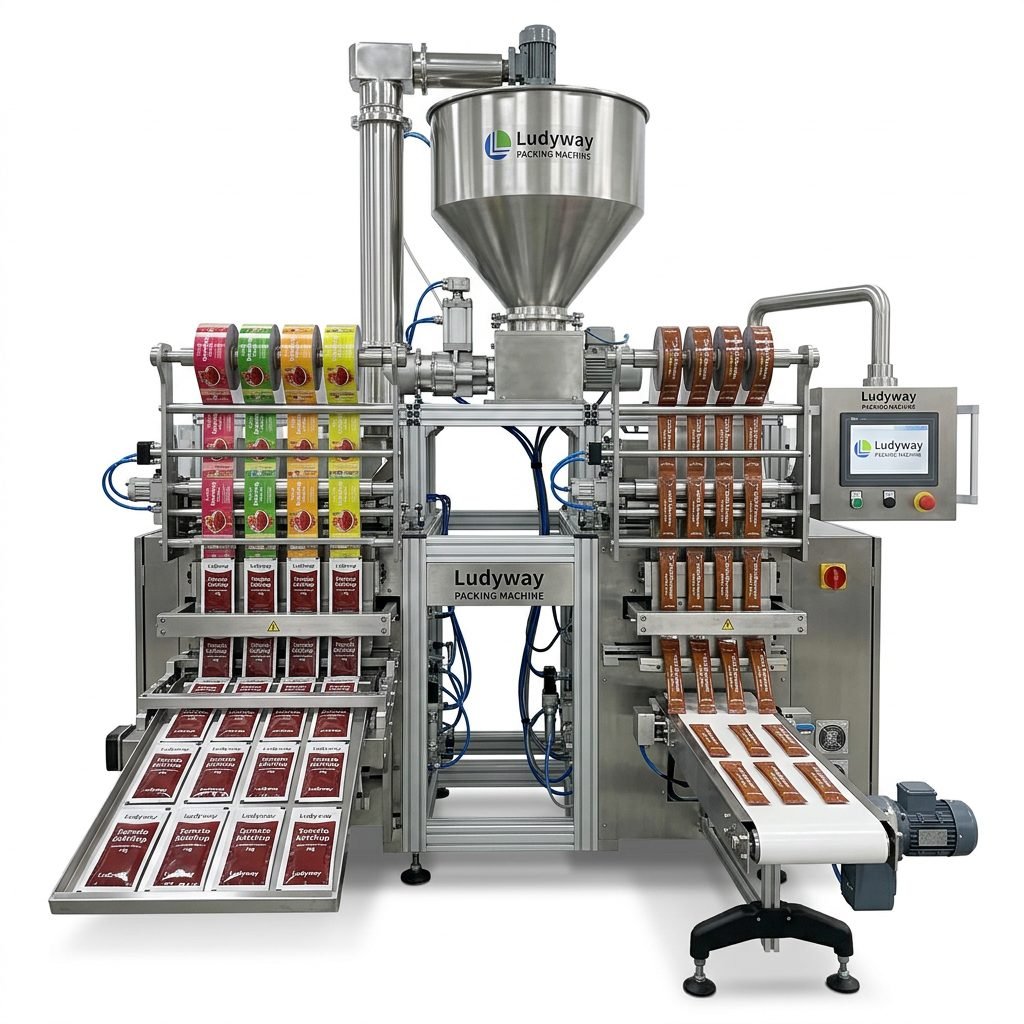
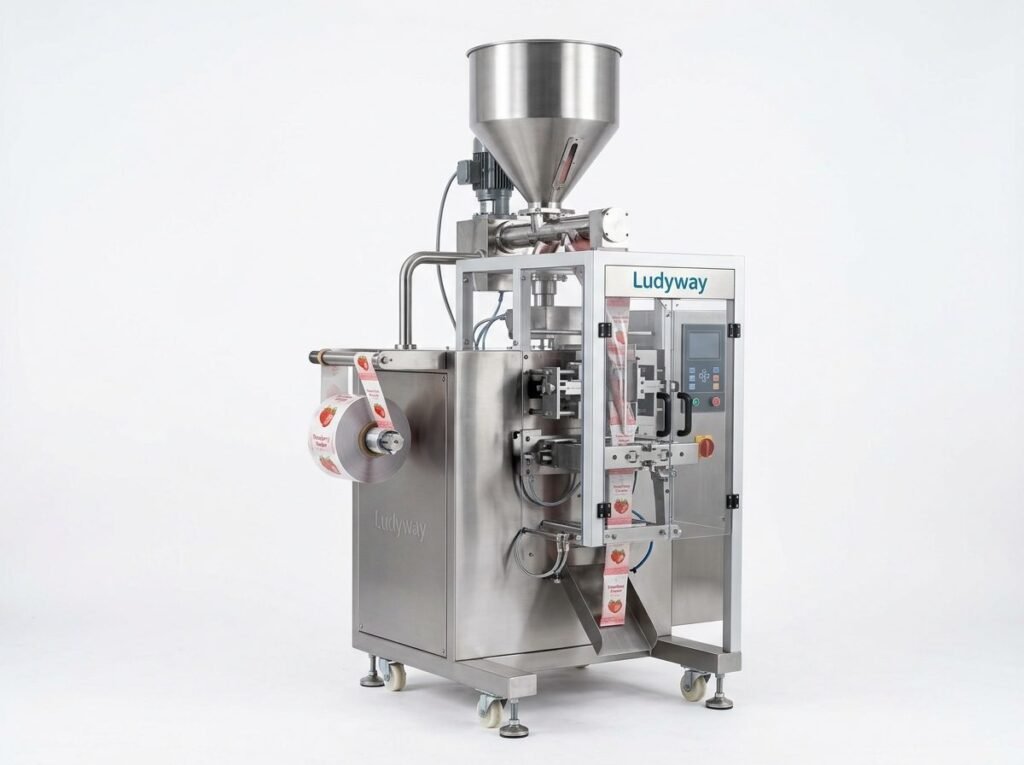
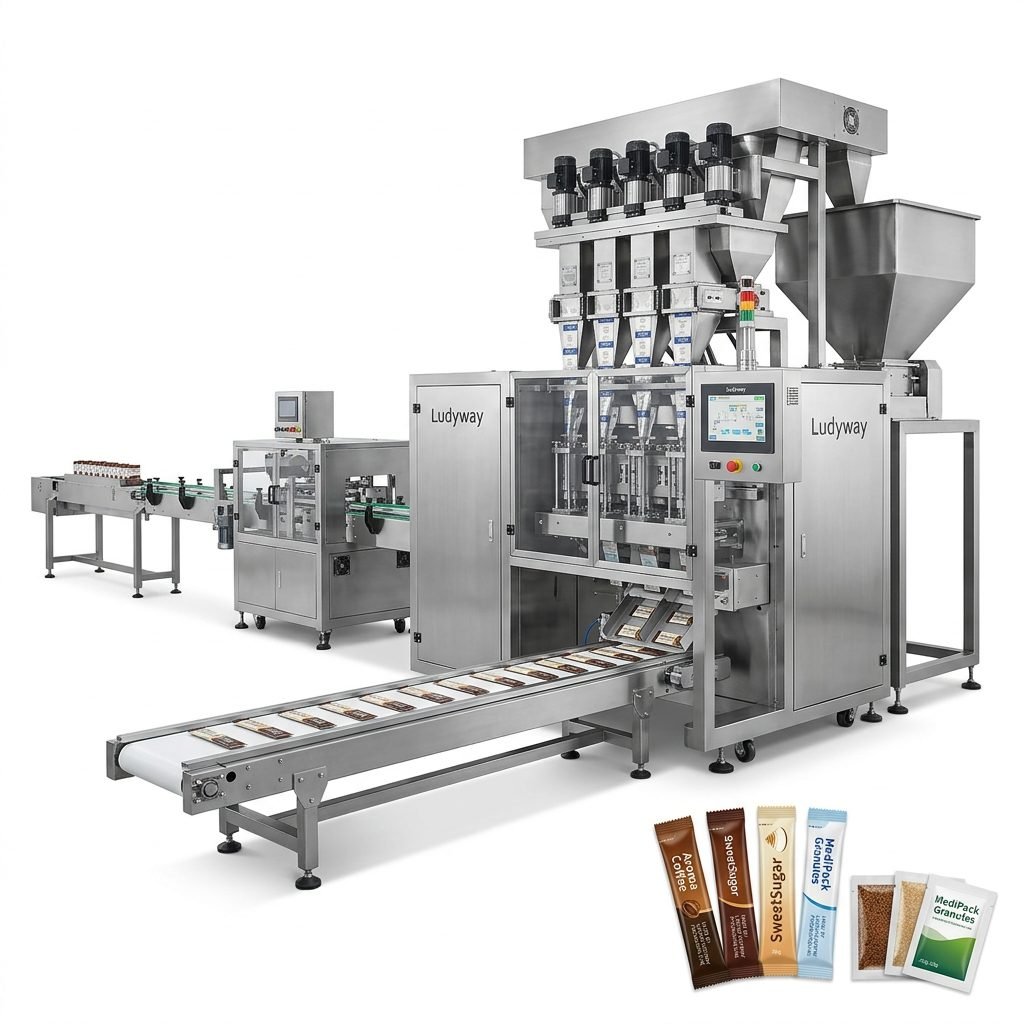
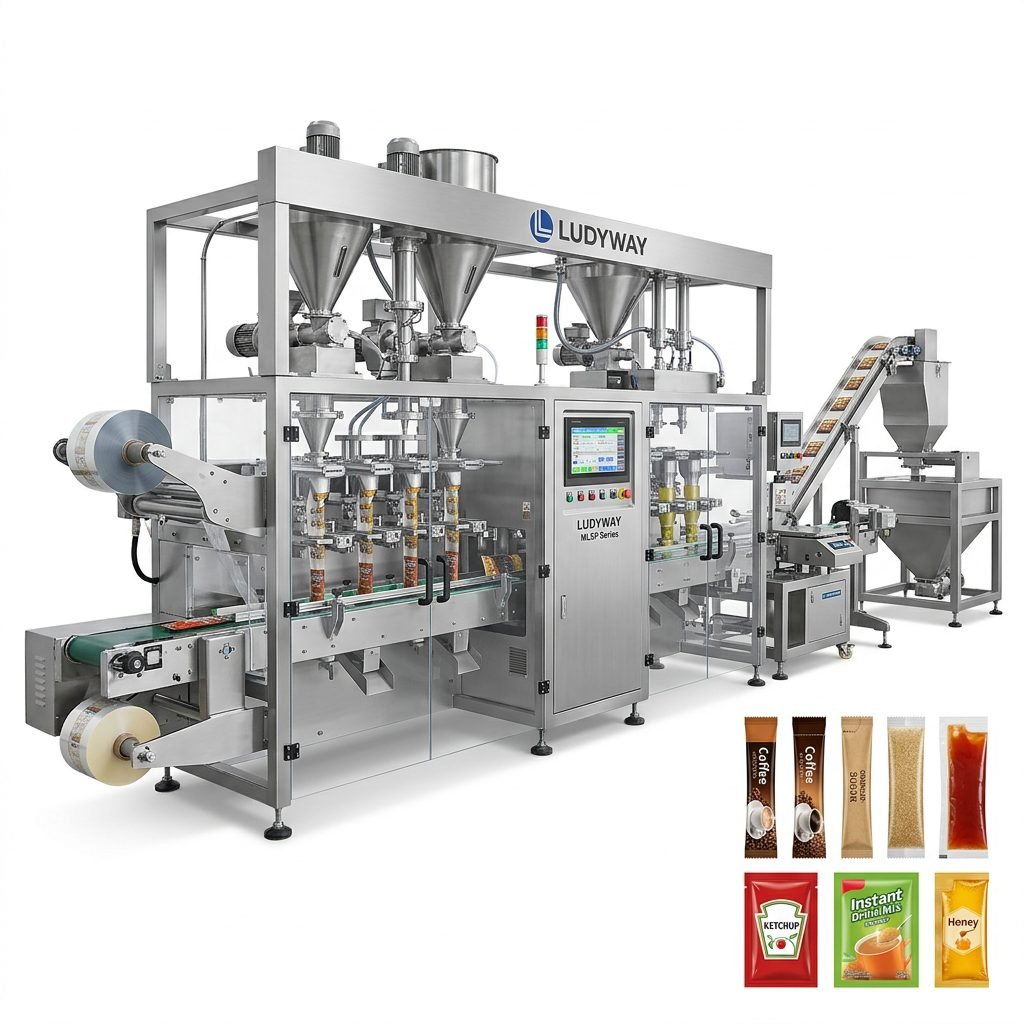
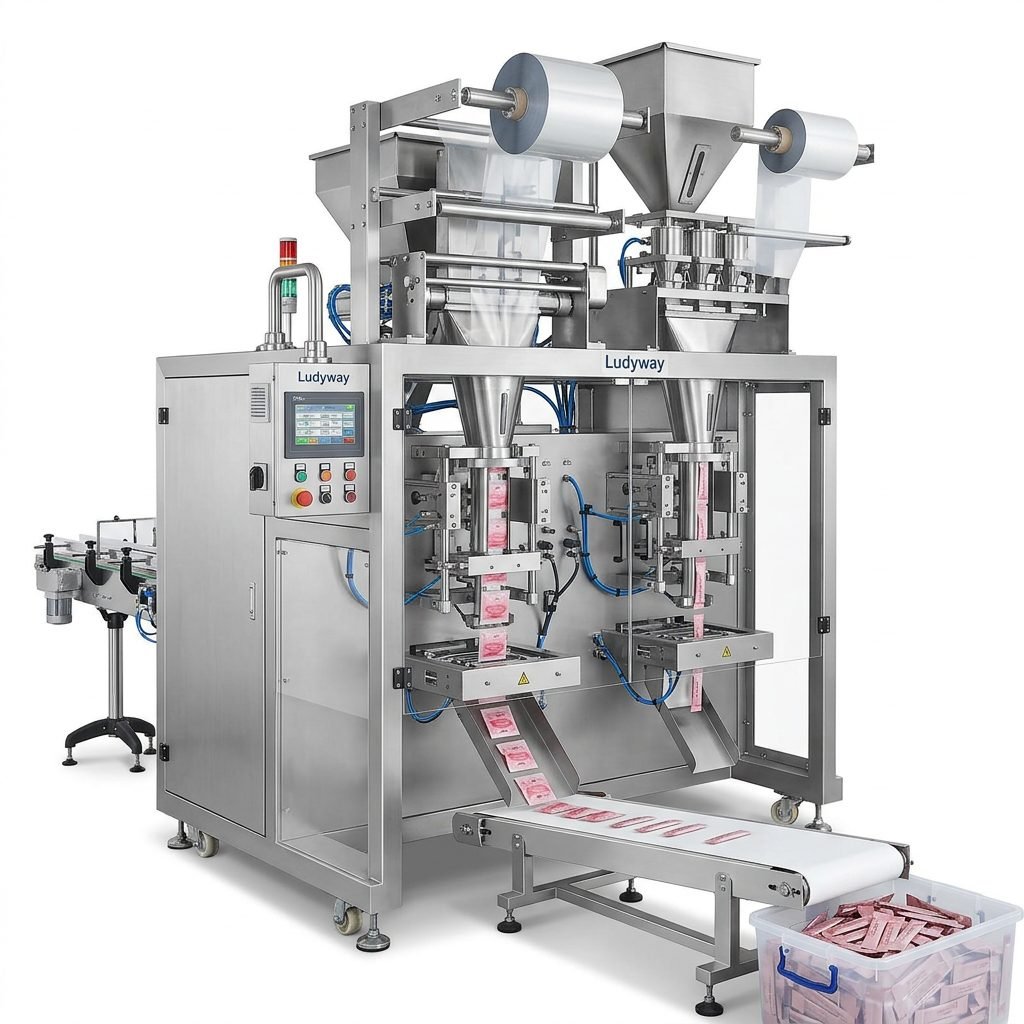
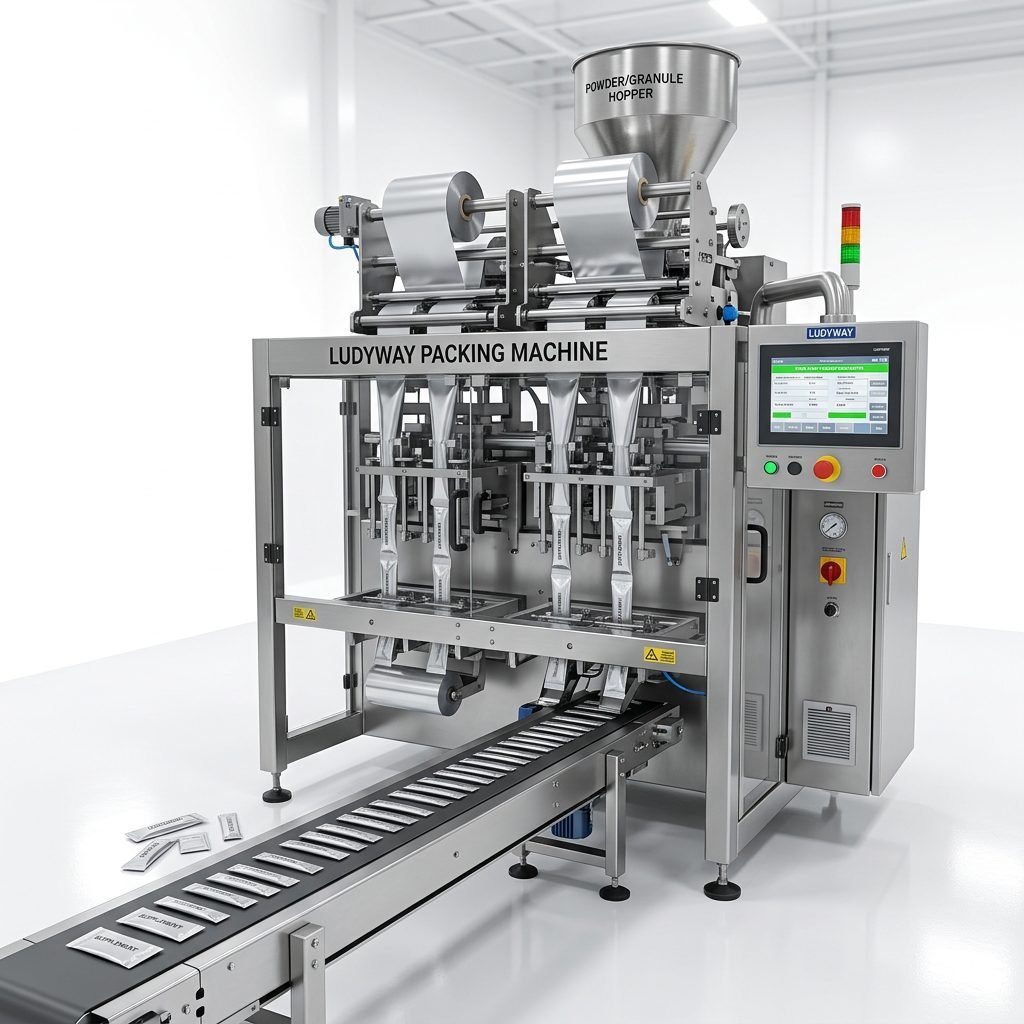
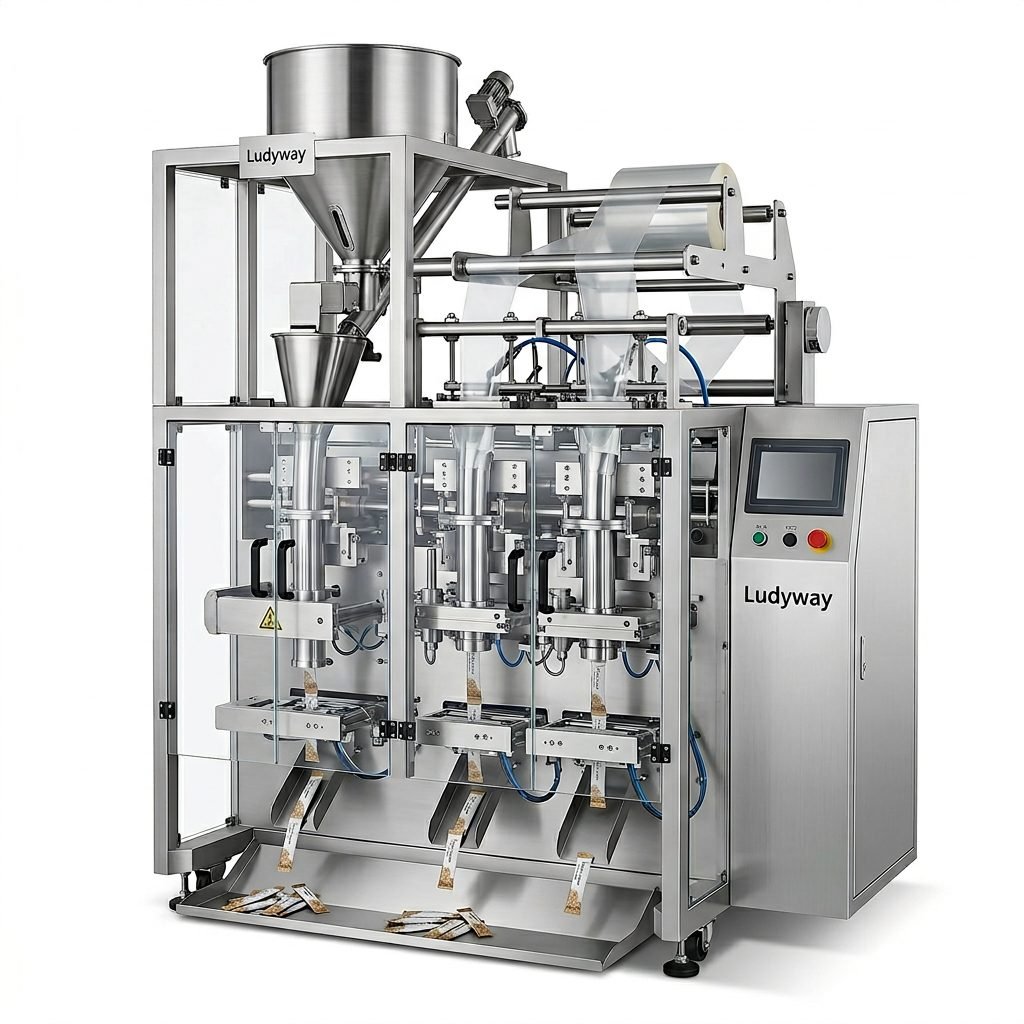
The heart of your operation is the retort packaging machine itself. Key equipment components include:
| Equipment Module | Function | Key Selection Criteria |
|---|---|---|
| Filling System | Accurate dosing of product into pouches | Product viscosity, fill volume range, accuracy tolerance |
| Pouch Forming & Sealing | Creating pouches from roll stock and hermetic sealing | Seal integrity, speed, film compatibility |
| Retort Sterilization System | Thermal processing for commercial sterility | Temperature range, pressure control, cycle flexibility |
| Cooling & Drying Unit | Post-sterilization temperature reduction | Water efficiency, drying speed, pouch integrity |
| Secondary Packaging | Cartoning, case packing, palletizing | Automation level, format flexibility, throughput |
Step 3: Installation and Commissioning
Professional installation is essential. Expect a timeline of 4 to 8 weeks for complete installation and commissioning, depending on line complexity. Key milestones include equipment positioning, utility connections, control system integration, dry runs, and production trials. Working with an experienced packaging machine manufacturer that offers on-site support in the Middle East can significantly reduce startup time and troubleshooting.
Step 4: Operator Training and SOP Development
Your team must be thoroughly trained on operating procedures, safety protocols, and quality control checks. Develop comprehensive Standard Operating Procedures (SOPs) covering startup, normal operation, changeover, cleaning, emergency stop, and shutdown. Training should be conducted in both English and Arabic where applicable, ensuring all operators understand critical control points.
Regulatory Compliance and Quality Assurance
The Middle East has stringent food safety regulations. Key compliance areas include:
- GSO Standards: Gulf Standardization Organization mandates specific requirements for packaged food products across GCC member states.
- Halal Certification: Your retort packaging process must maintain halal integrity throughout production, including cleaning protocols and cross-contamination prevention.
- Shelf-Life Validation: Conduct accelerated shelf-life testing under Middle Eastern climate conditions — ambient temperatures in the region can exceed 45°C during summer months.
- Traceability: Implement batch coding and traceability systems as recommended by Flexible Packaging Association guidelines.
Climate Considerations for Middle East Operations
Operating a retort packaging production line in the Middle East presents unique challenges. Ambient temperatures frequently exceed 40°C, and humidity levels in coastal areas like Dubai, Jeddah, and Doha can impact equipment performance and product quality. Consider these factors:
- HVAC Requirements: Production areas must maintain controlled temperature (typically 22-26°C) and humidity (below 60% RH) for optimal machine performance and product stability.
- Cooling Water Temperature: Incoming water temperatures in summer can reach 30°C or higher, requiring chiller systems for effective post-retort cooling.
- Dust Protection: Desert environments demand enhanced filtration and sealed electrical enclosures to protect sensitive components.
- Power Stability: Voltage fluctuations are common in some areas; installing voltage stabilizers and UPS systems protects your investment.
Maintenance and Spare Parts Strategy
A proactive maintenance program is critical for maximizing equipment uptime in retort packaging operations. Develop a preventive maintenance schedule covering daily, weekly, monthly, and annual tasks. Maintain a strategic inventory of critical spare parts — seals, gaskets, sensors, heating elements, and pneumatic components are among the most frequently replaced items.
Establish a relationship with your equipment supplier that includes remote diagnostic support and guaranteed spare parts availability. The cost of downtime in a retort packaging line can exceed $5,000 per hour when factoring in lost production, labor, and wasted materials.
Investment and ROI Analysis
A complete retort packaging production line represents a significant capital investment, typically ranging from $200,000 to over $1 million depending on automation level, capacity, and configuration. However, the return on investment can be rapid in the Middle Eastern market where demand for shelf-stable packaged foods continues to grow. Key ROI drivers include:
| ROI Factor | Impact | Estimated Payback Period |
|---|---|---|
| Reduced Labor Costs | Automated lines reduce headcount by 60-80% | 12-18 months |
| Extended Shelf Life | Retort products achieve 12-24 months ambient stability | Immediate market advantage |
| Export Potential | Shelf-stable products open international markets | 18-24 months |
| Waste Reduction | Precision filling reduces giveaway by 2-5% | 6-12 months |
Choosing the Right Supplier Partner
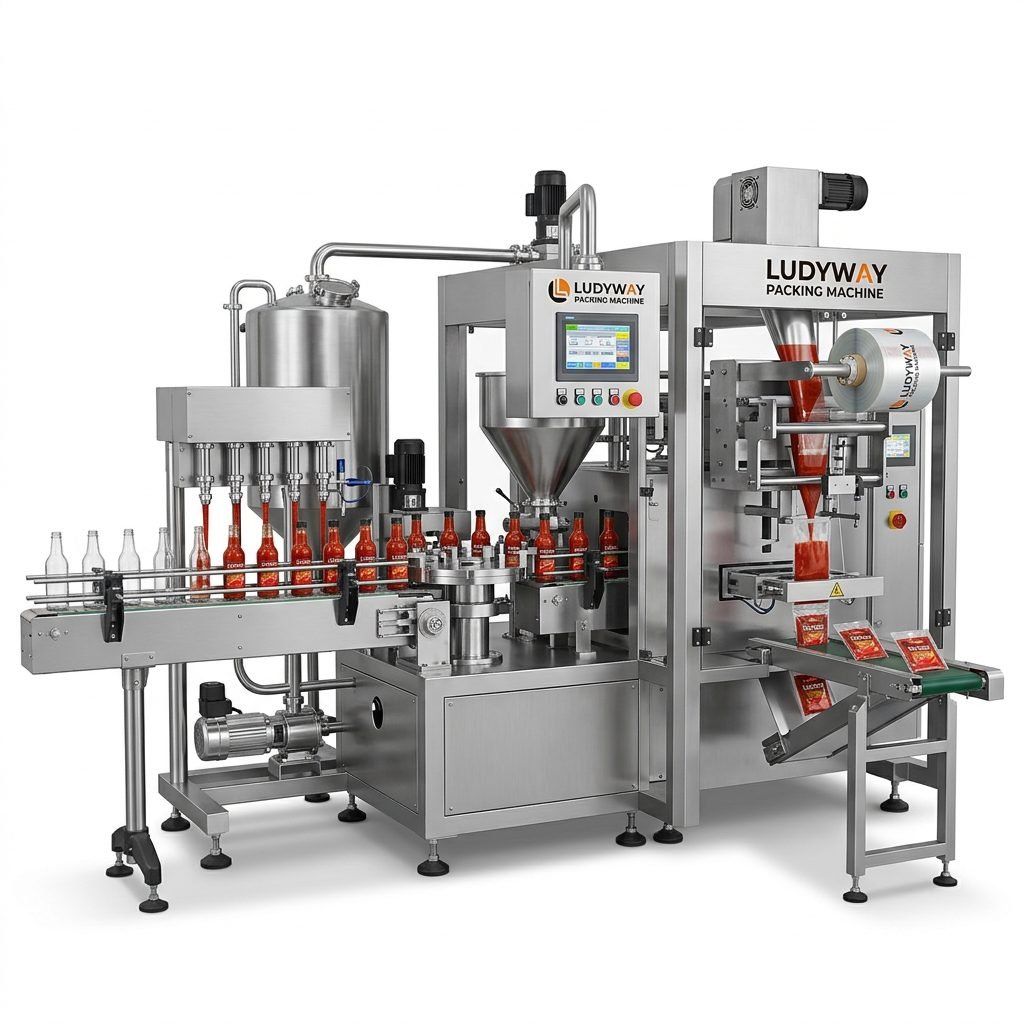
Selecting the right equipment partner is arguably the most important decision you will make. Look for a supplier with proven experience in the Middle East, comprehensive after-sales support, and the ability to deliver turnkey solutions. Ludyway is one of the largest packaging machine manufacturers in China, offering advanced retort packaging equipment and complete production line solutions with over 30 years of industry expertise, serving customers in over 100 countries including markets across the Middle East.
When evaluating suppliers, consider their track record with packaging machinery standards, availability of local service technicians, response times for spare parts delivery, and willingness to provide customer references in your region.
Future Trends in Retort Packaging for the Middle East
The retort packaging landscape is evolving rapidly. Key trends shaping the future include smart packaging with integrated QR codes for traceability, lightweight pouch materials that reduce shipping costs and environmental impact, energy-efficient retort systems that cut utility costs by 30% or more, and integration of AI-powered quality inspection systems. Staying ahead of these trends will position your operation for long-term success in the competitive Middle Eastern market.
For more detailed industry data, consult the PMMI State of the Industry report and resources from the Flexible Packaging Association.

Conclusion
Setting up a retort packaging machine production line in the Middle East requires careful planning, the right equipment partner, and a thorough understanding of local regulatory and environmental conditions. By following the step-by-step approach outlined in this guide, you can minimize startup risks, accelerate your time to market, and build a production operation capable of delivering consistent, high-quality retort-packaged products to consumers across the GCC and beyond.
Whether you are packaging ready-to-eat meals for the Saudi market, halal-certified soups for the UAE, or shelf-stable pet food for export across the region, investing in the right retort packaging technology is a strategic decision that will pay dividends for years to come.