Setting up a biscuit packaging machine production line in Oceania requires careful planning, adherence to regional food safety standards, and selecting the right equipment for your specific output requirements. Whether you are launching a new facility or upgrading an existing line in Australia, New Zealand, or the Pacific Islands, understanding the complete workflow is essential for achieving high efficiency and consistent product quality.
Understanding the Oceania Market Requirements
Before investing in a biscuit packaging production line, you must familiarize yourself with the regulatory landscape. Food Standards Australia New Zealand (FSANZ) governs packaging materials and food contact substances. Compliance with these standards is non-negotiable. Additionally, understanding local consumer preferences—such as portion sizes, resealable features, and sustainable packaging trends—will influence your machine configuration.
Key considerations for the Oceania region include:
- Adherence to FSANZ food packaging regulations and labeling laws
- Humidity and temperature control for biscuit freshness during packaging
- Demand for eco-friendly and recyclable packaging materials
- Labor costs driving the need for full automation
Step-by-Step Guide to Setting Up Your Biscuit Packaging Line
1. Site Preparation and Layout Planning
Your production floor must be designed for optimal workflow efficiency. Consider the linear flow from baking, cooling, to primary and secondary packaging. Ensure adequate space for raw material storage, finished goods, and maintenance access. A well-planned layout minimizes product handling and cross-contamination risks.

2. Selecting the Right Biscuit Packaging Machine
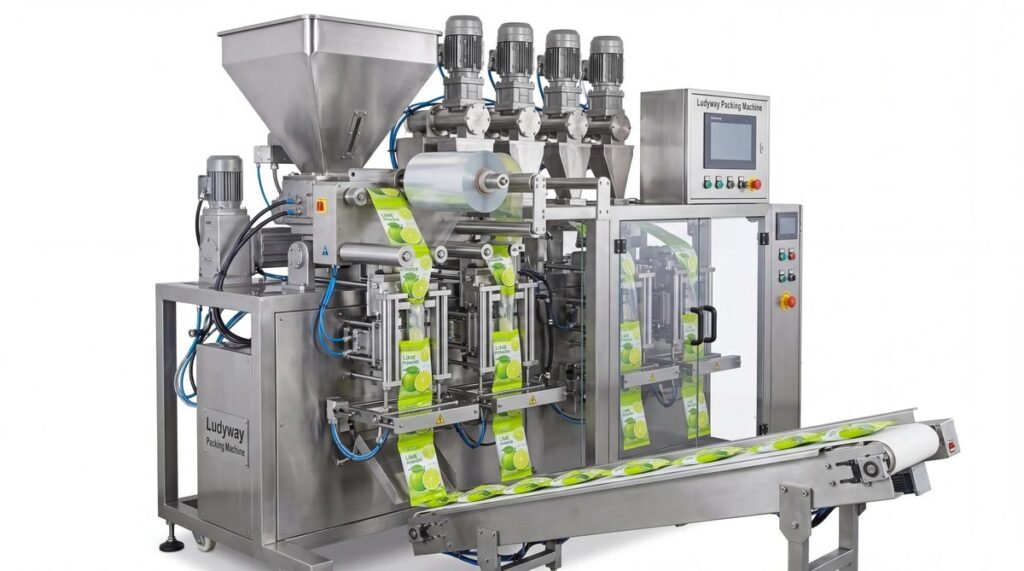
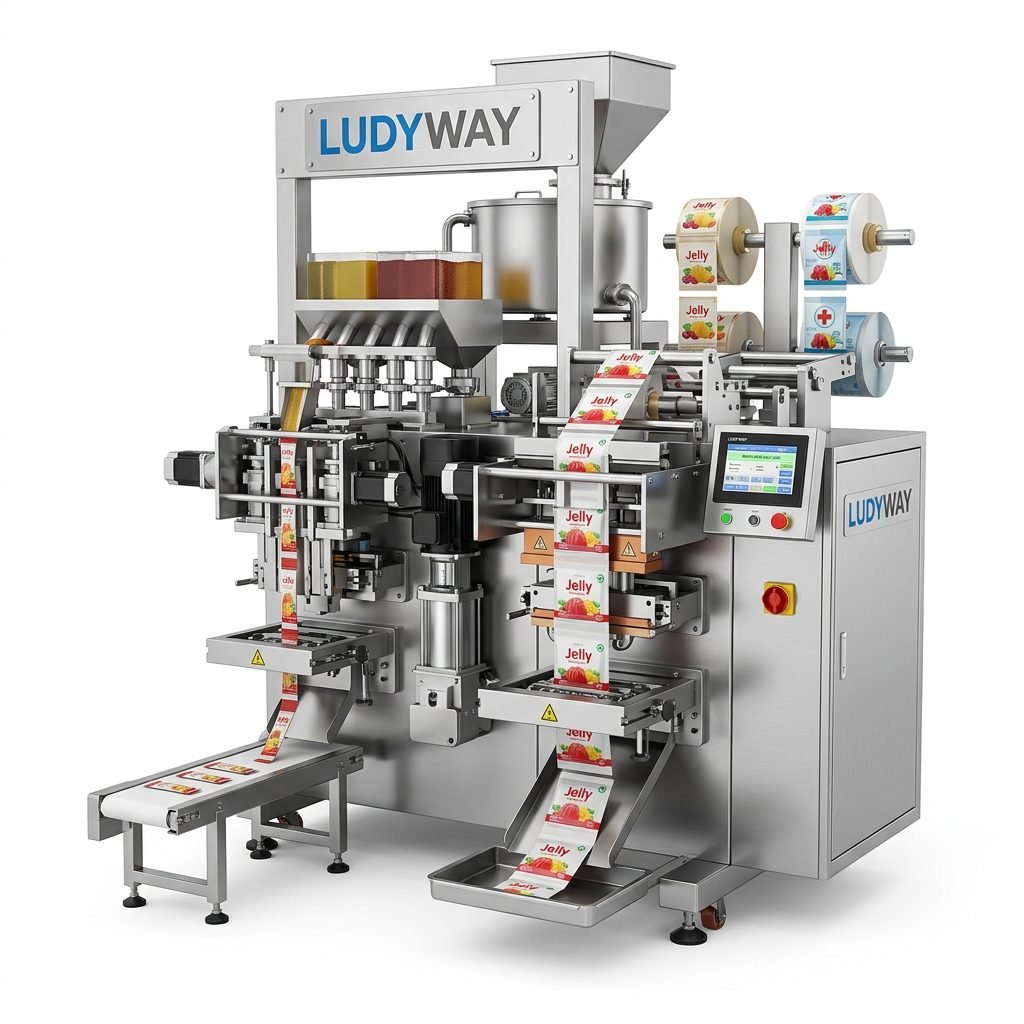
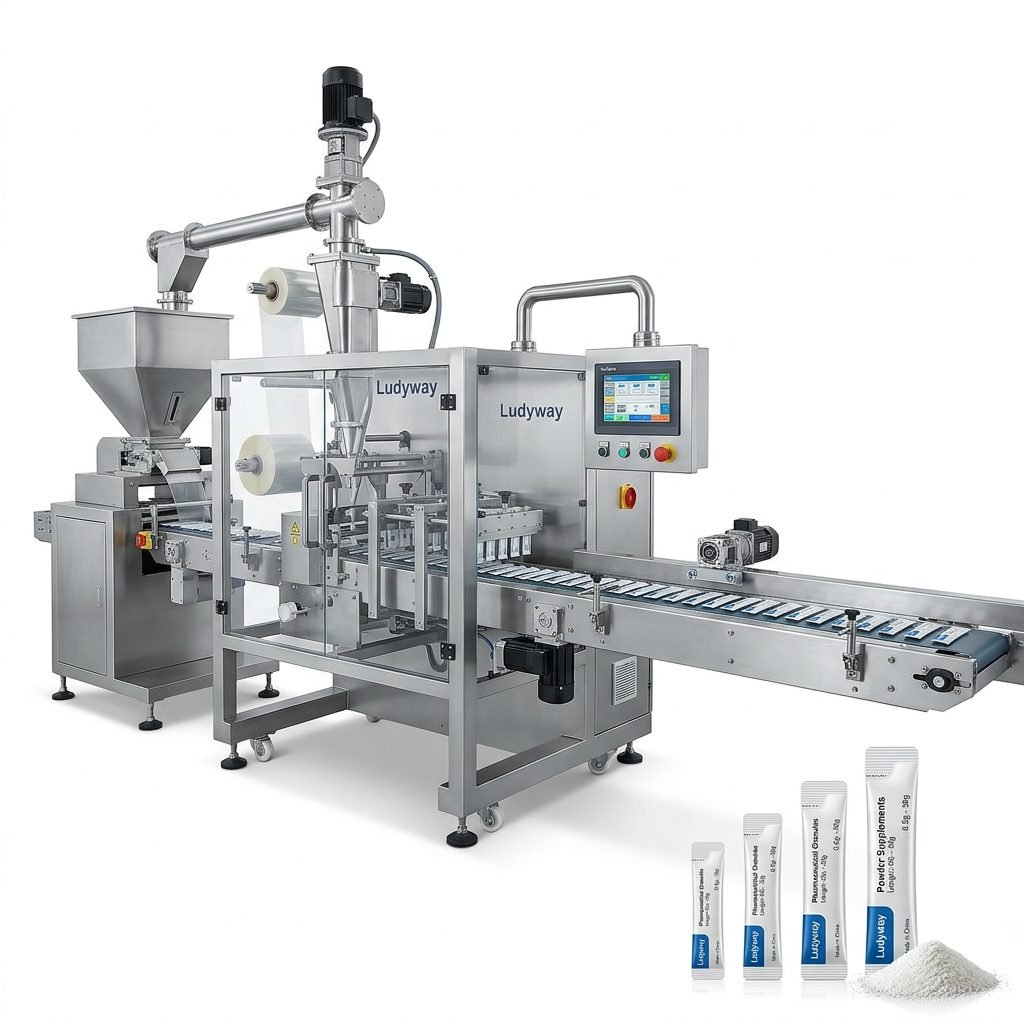
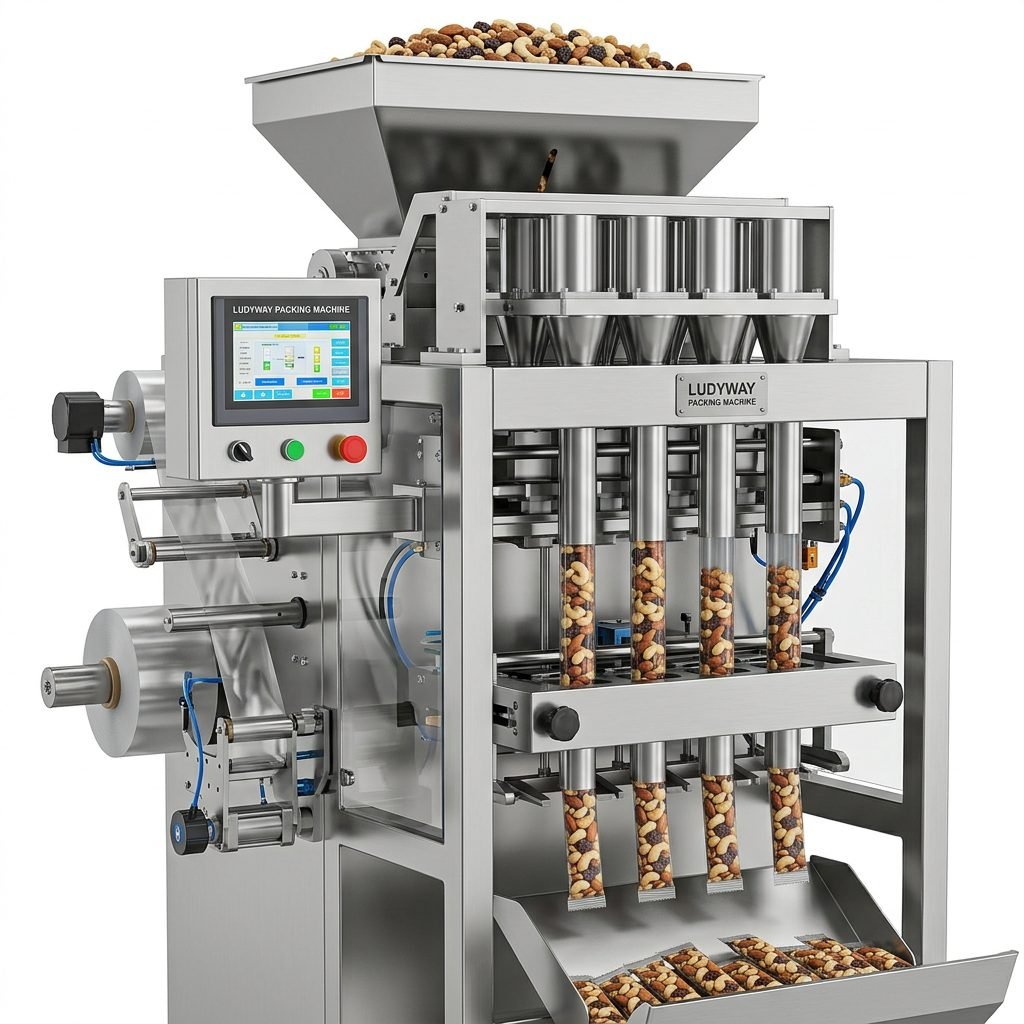
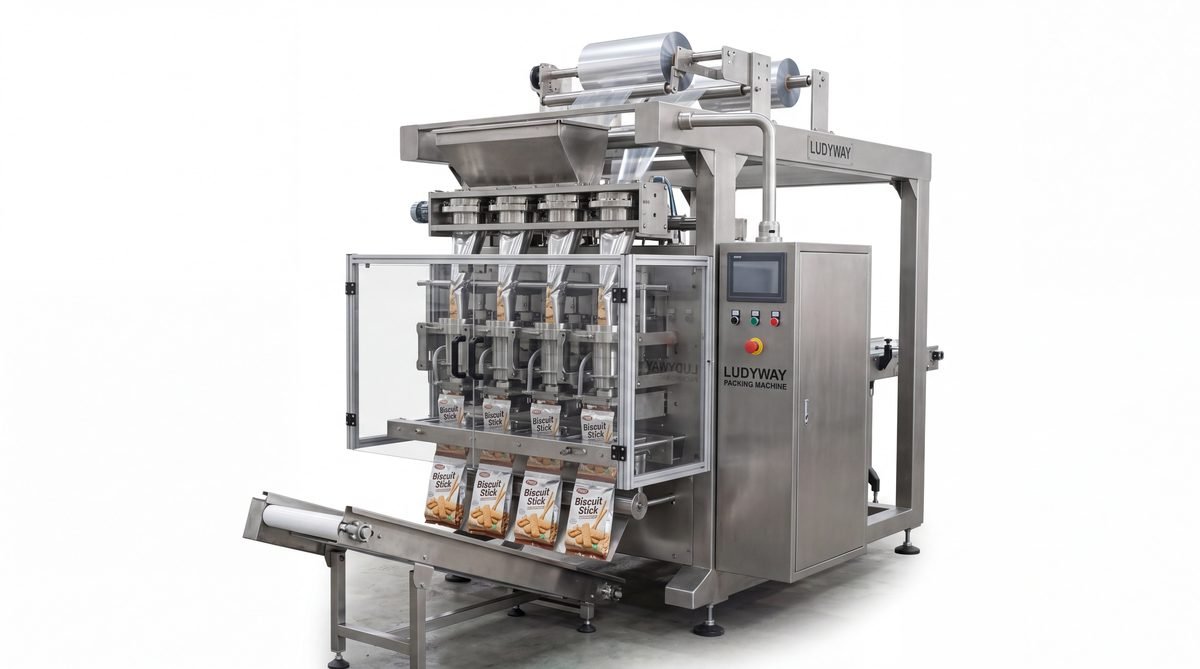
Choosing the appropriate machine depends on your biscuit type—whether sandwich biscuits, crackers, cookies, or delicate wafers. Multi-lane stick pack and sachet systems offer high-speed output for single-serve portions, while flow wrapping machines are ideal for slug packs and family-sized portions.
Evaluate these machine specifications:
- Packaging speed: Measured in packs per minute (PPM)
- Film compatibility: Support for various materials including BOPP, CPP, and laminates
- Sealing technology: Heat sealing, ultrasonic sealing, or cold sealing for heat-sensitive products
- Integration capability: Compatibility with upstream and downstream equipment
3. Feeding and Alignment Systems
Biscuits are fragile products. A gentle feeding system is critical to prevent breakage. Vibratory conveyors, belt feeders, and robotic pick-and-place systems ensure proper orientation and spacing before entering the packaging station. Product integrity must be maintained throughout the entire process.
4. Primary Packaging Configuration
Primary packaging directly contacts the biscuit and preserves freshness. Common formats include:
- Pillow packs with fin seal or lap seal
- Gusseted bags for enhanced shelf presence
- Tray sealing for premium biscuit assortments
- Multi-lane stick packs for on-the-go snacking

5. Secondary Packaging and Cartoning
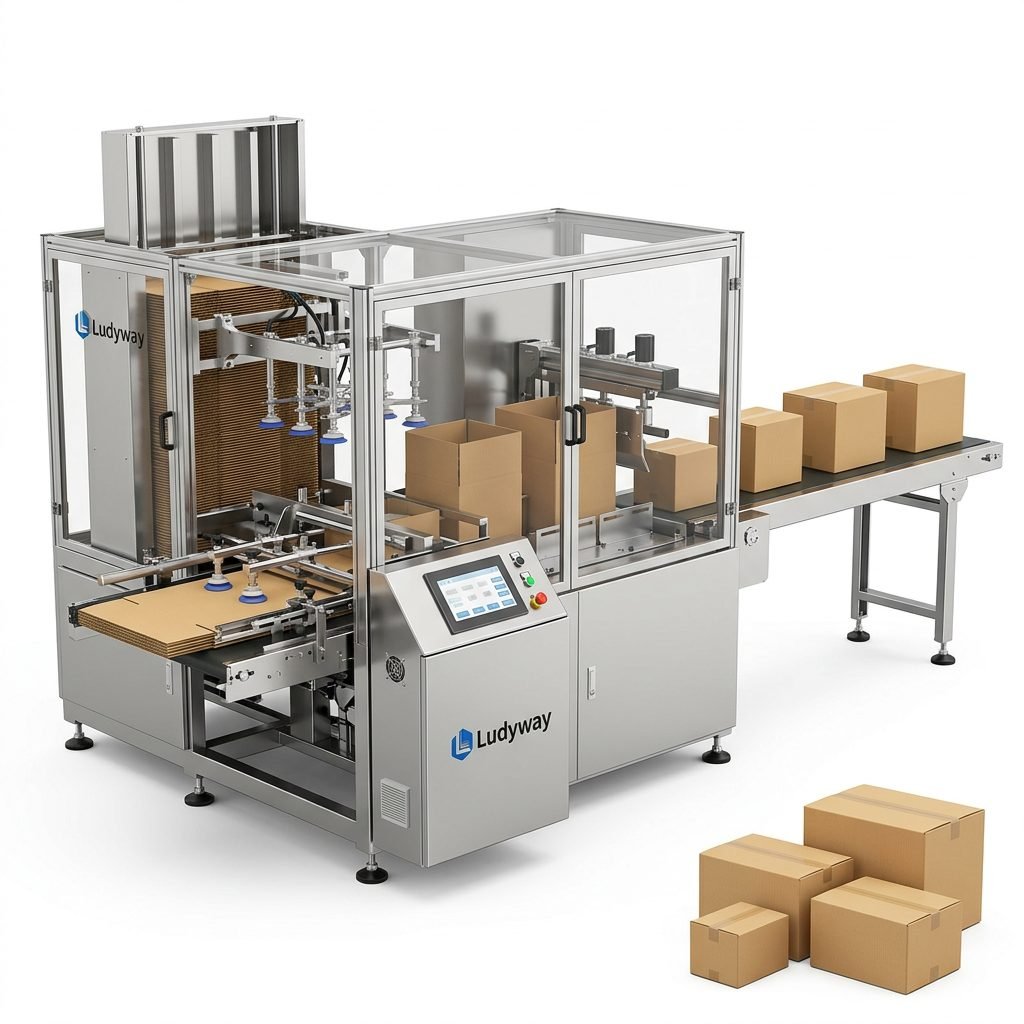
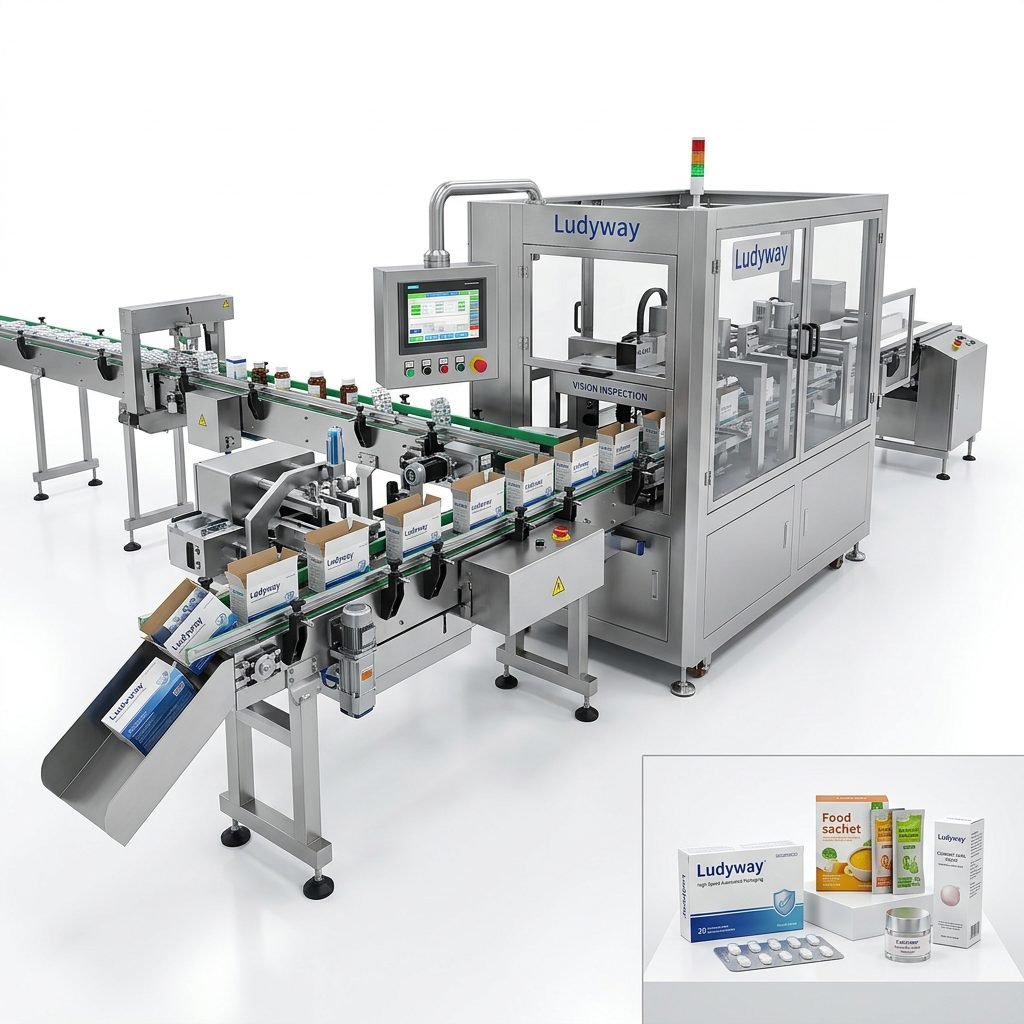
After primary wrapping, biscuits are collated and packed into cartons or display boxes. Automated cartoning machines significantly reduce labor costs and increase throughput. For high-volume operations, robotic case packers and palletizers complete the end-of-line process.
Key Equipment Components for a Complete Production Line
| Equipment Component | Function | Key Benefit |
|---|---|---|
| Feeding Conveyor | Transports biscuits from cooling to packaging | Minimizes product damage |
| Multi-Head Weigher | Accurate portion weighing for bulk packs | ±0.5g precision |
| Primary Wrapper | Hermetic sealing of individual packs | Extended shelf life |
| Cartoning Machine | Secondary packaging into boxes | High-speed automated collation |
| Checkweigher & Metal Detector | Quality control and contaminant detection | Compliance with ISO packaging standards |
| Palletizing Robot | Automated stacking for distribution | Reduces manual handling injuries |
Critical Factors for Successful Line Setup
Environmental Control
Oceania’s climate varies significantly across regions. Temperature and humidity control in your packaging area is vital. Excessive moisture can compromise biscuit crispness and packaging seal integrity. Install dehumidifiers and maintain a controlled environment between 20–25°C with relative humidity below 60%.
Operator Training and Safety
A well-trained team ensures smooth operation and rapid troubleshooting. Comprehensive training should cover machine operation, cleaning procedures, basic maintenance, and emergency protocols. Safety guarding and lockout-tagout procedures must meet Australian Work Health and Safety (WHS) regulations.
Preventive Maintenance Schedule
Establish a preventive maintenance program from day one. Regular inspections of sealing jaws, belts, bearings, and sensors prevent unexpected downtime. Maintain a critical spare parts inventory locally to minimize lead times for replacements in Oceania.
Industry Resources and Standards
Staying informed about packaging industry developments is crucial. PMMI – The Association for Packaging and Processing Technologies provides valuable resources, including business intelligence reports and the annual State of the Industry report. The Flexible Packaging Association also offers excellent guidance on materials and sustainability.
For regulatory compliance in Oceania, consult the European Commission’s packaging waste directives as many Oceanian standards align with international best practices. Additionally, ISO 11607 provides guidelines for packaging validation that apply across food sectors.
Sustainability Considerations for the Oceania Market
Australian and New Zealand consumers increasingly demand sustainable packaging solutions. Your biscuit packaging line should be capable of handling recyclable mono-materials, compostable films, and reduced plastic formats. The U.S. EPA Sustainable Materials Management principles offer a useful framework that aligns with Oceania’s circular economy goals.
Key sustainability features to consider:
- Source reduction: Minimizing packaging material without compromising protection
- Recyclable film compatibility on existing machinery
- Energy-efficient drives and servo motors
- Reduced compressed air consumption through optimized pneumatics
Common Pitfalls to Avoid
Based on industry experience, here are frequent mistakes made during production line setup:
- Underestimating utility requirements: Ensure sufficient power, compressed air, and ventilation capacity
- Ignoring future scalability: Design your line with expansion capability for additional lanes
- Inadequate product testing: Run extensive trials with your specific biscuit recipes before final commissioning
- Poor integration between machines: Verify communication protocols between equipment from different suppliers

Working with Reliable Equipment Partners
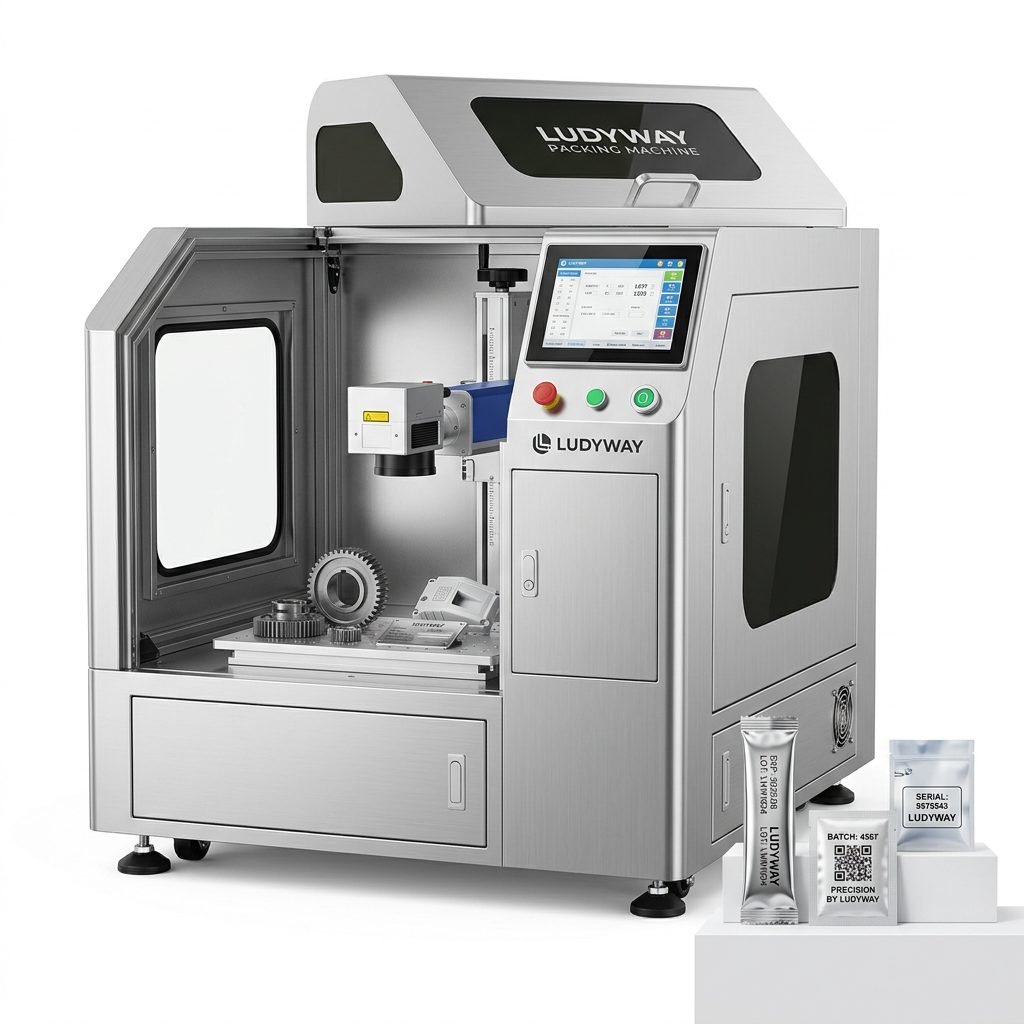
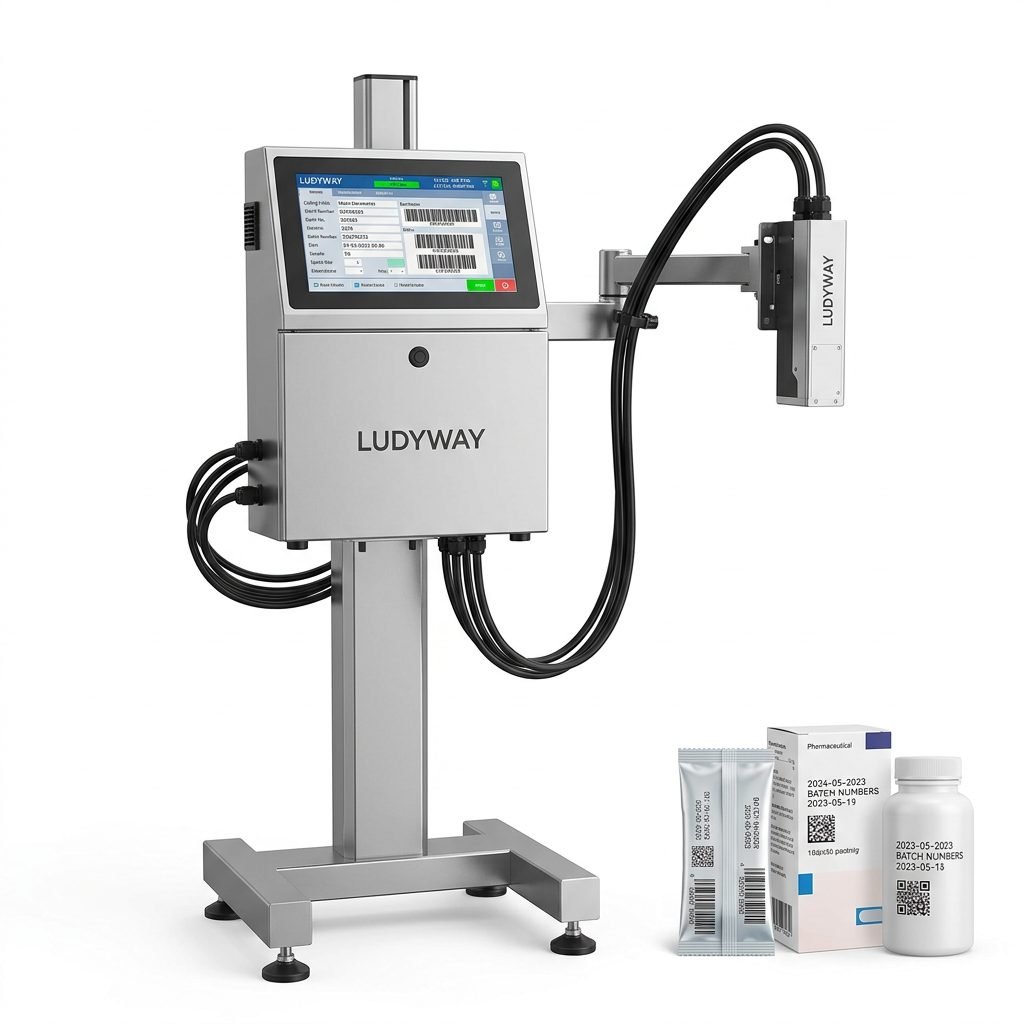
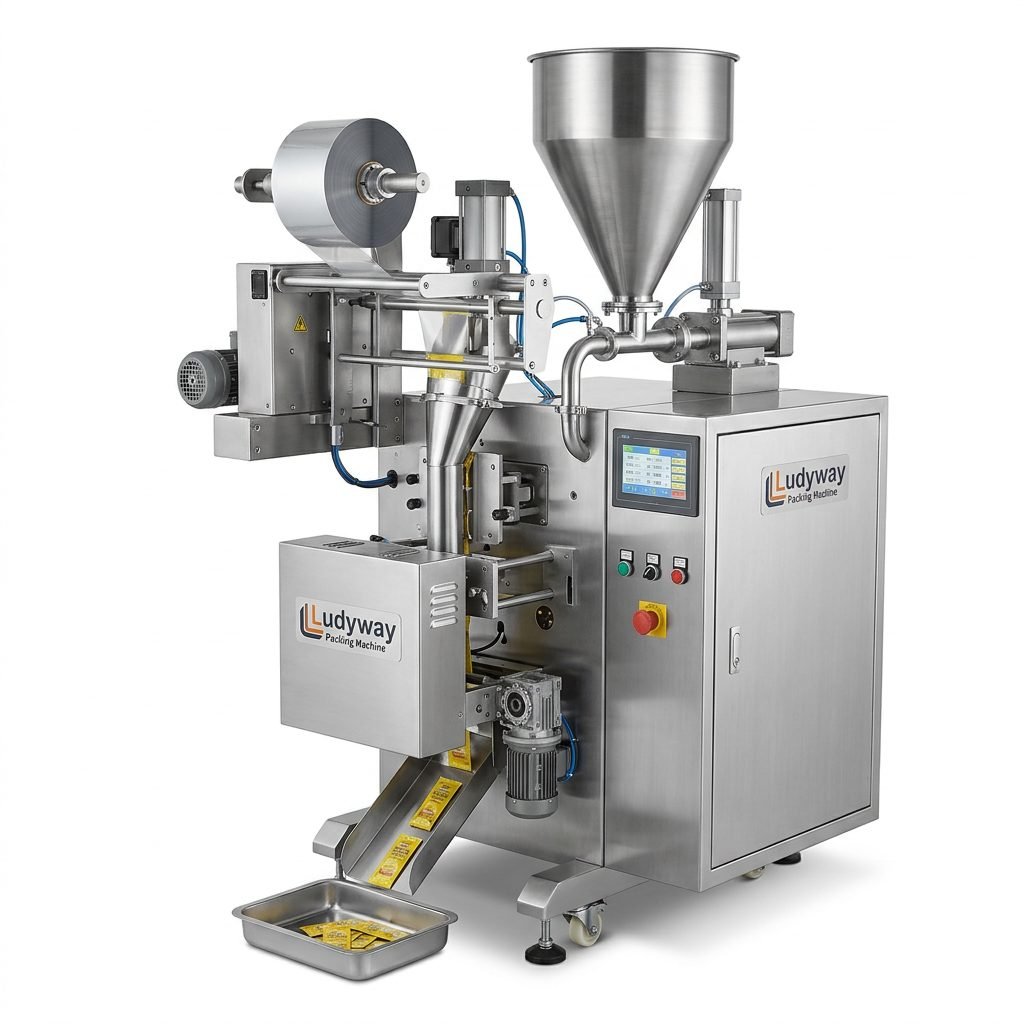
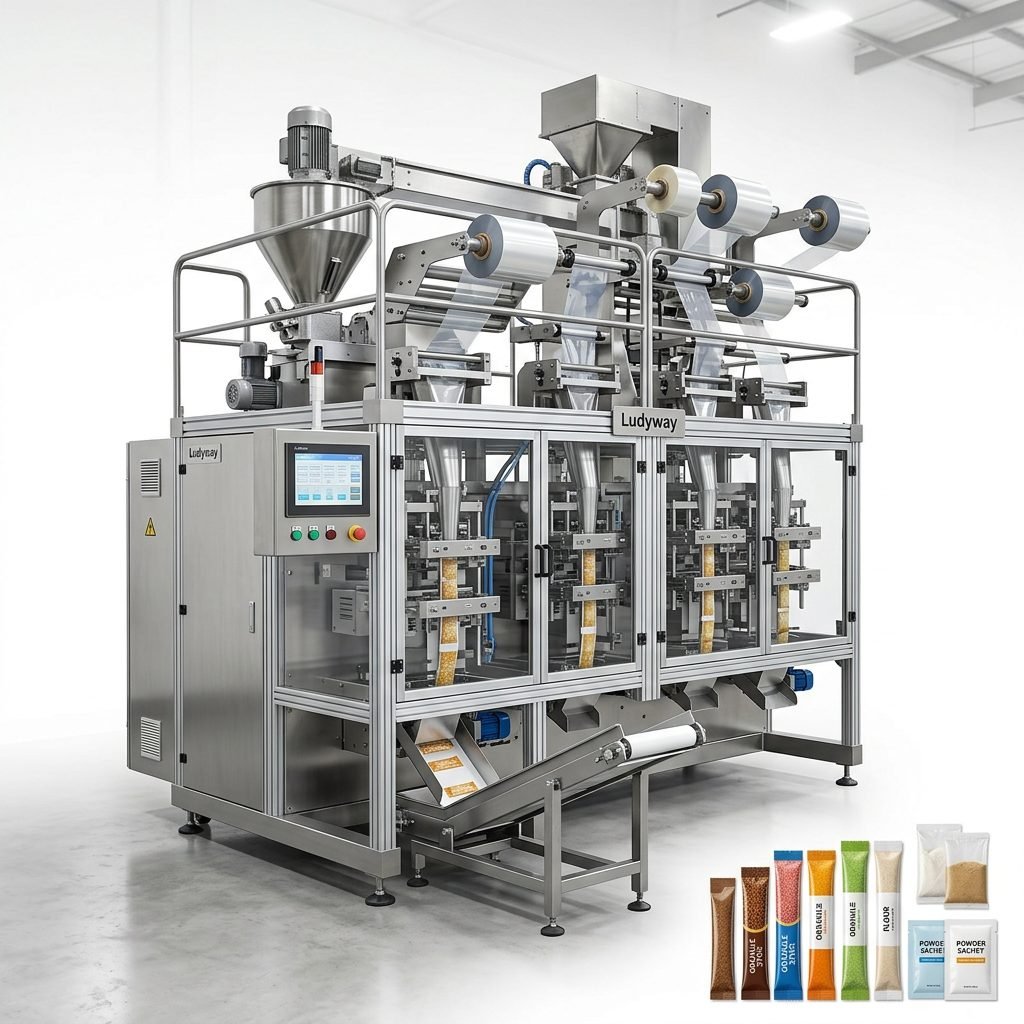
Selecting a trusted equipment manufacturer is critical for long-term success. Look for suppliers with proven experience in food packaging automation and a strong support network. Ludyway, one of the largest packaging machine manufacturers in China with over 30 years of industry expertise, provides turnkey packaging solutions for the food, pharmaceutical, and health industries. With a modern 20,000㎡ manufacturing facility and service coverage in over 100 countries, including the Oceania region, companies like Ludyway offer comprehensive support from equipment selection through installation and after-sales service.
Commissioning and Validation Process
Before full-scale production begins, a structured commissioning process is essential:
- Installation Qualification (IQ): Verify equipment is installed correctly per specifications
- Operational Qualification (OQ): Test machine functions across defined operating ranges
- Performance Qualification (PQ): Validate consistent output quality under production conditions
- Final acceptance testing with your actual product and packaging materials
Key Takeaways for Oceania Success
Setting up a biscuit packaging machine production line in Oceania demands meticulous planning, from regulatory compliance and equipment selection to operator training and sustainability integration. By following this guide and partnering with experienced equipment suppliers, you can establish a high-performance packaging operation that meets regional demands and positions your business for growth.
For further reading, explore these authoritative resources: