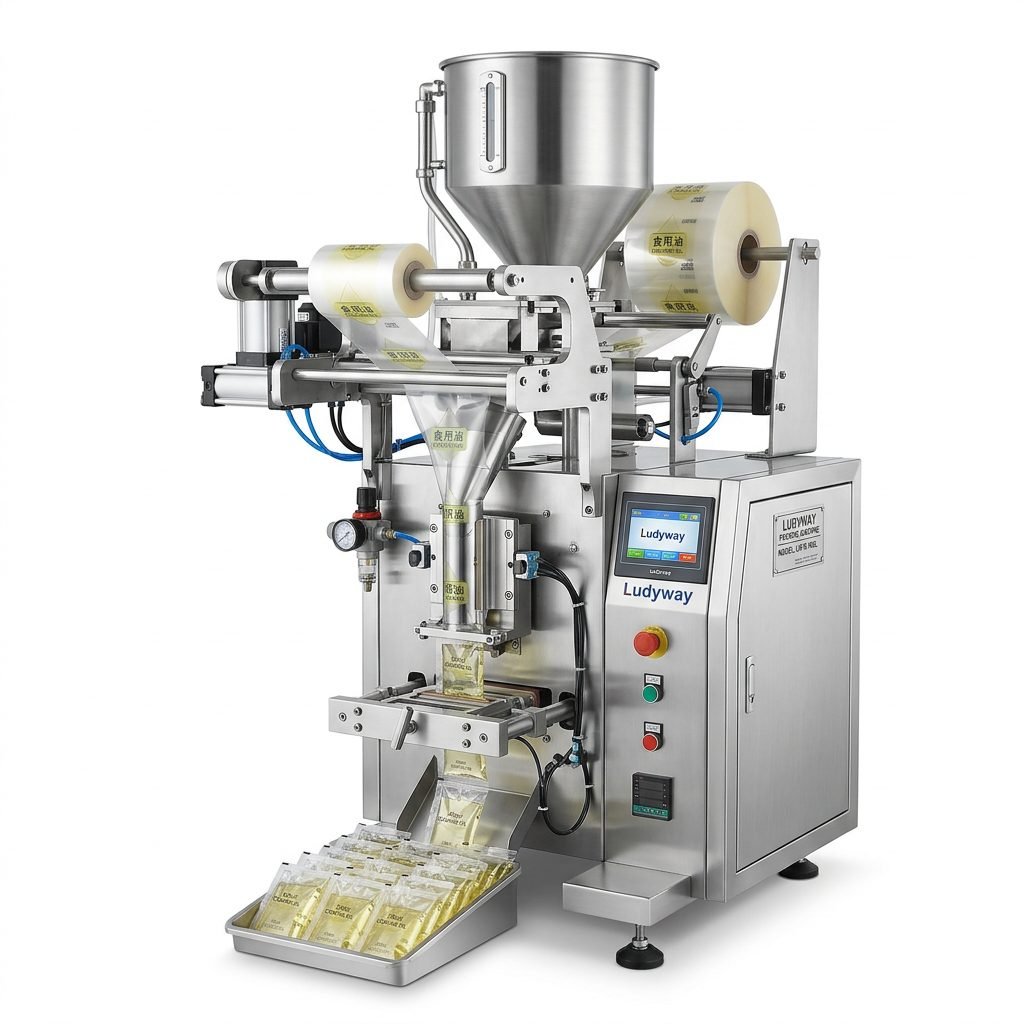
When comparing pouch formats for powders, granules, liquids, or single-dose products, one of the most common questions is whether a three-side seal pouch or a four-side seal pouch is the better choice. While both are widely used in food, pharmaceutical, cosmetic, and chemical packaging, they differ in structure, machine compatibility, appearance, cost, and application range.
In simple terms: a three-side seal pouch is sealed on three edges and formed from folded film, while a four-side seal pouch is sealed on all four edges and usually offers a more symmetrical, premium look. The right option depends on your product type, filling accuracy, shelf presentation, and production goals.
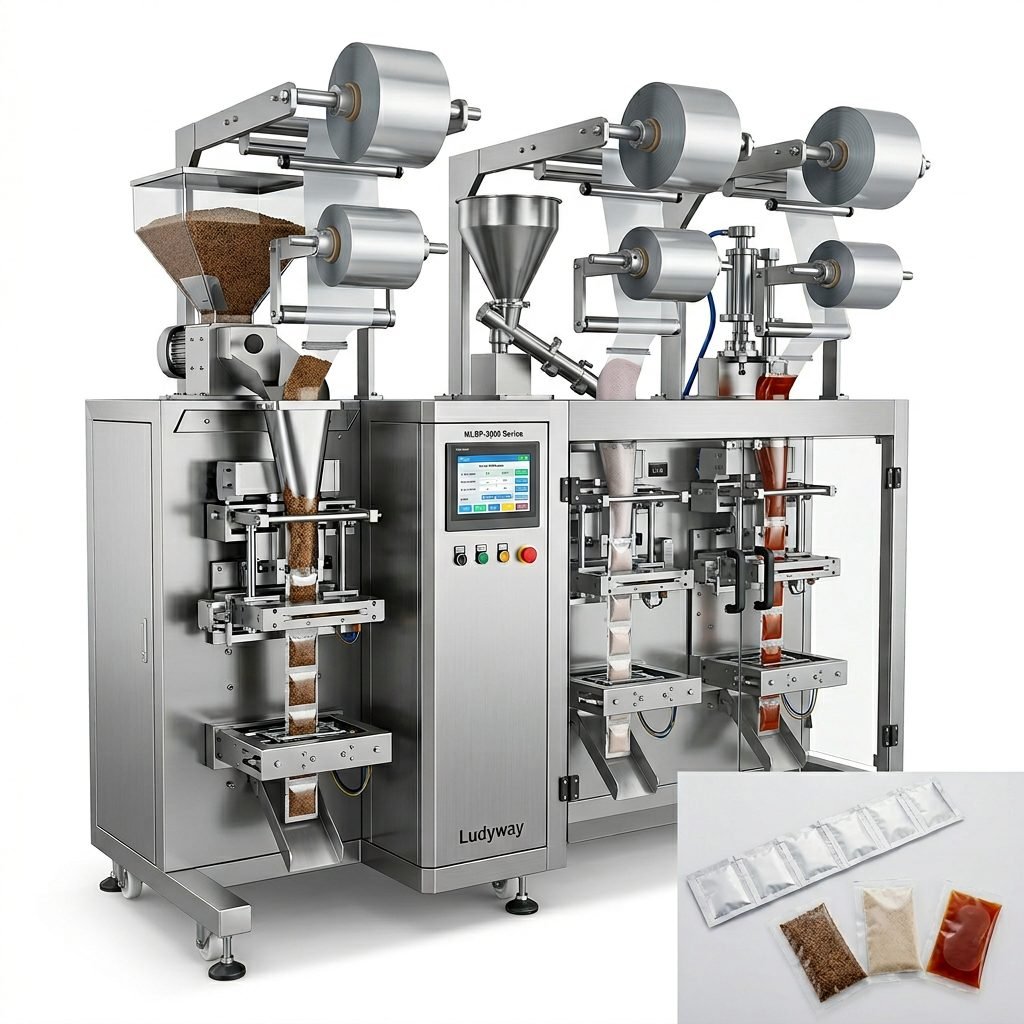
What Is a Three-Side Seal Pouch?
A three-side seal pouch is made by folding packaging film and sealing two side edges plus one top or bottom edge. The folded side acts as the fourth side. This structure is common in sachets for powders, sauces, seasonings, wipes, health supplements, and many pharmaceutical applications.
- One side is a film fold
- Three sides are heat sealed
- Often used for economical, high-volume packaging
- Suitable for flat sachets and compact single-use packs
What Is a Four-Side Seal Pouch?
A four-side seal pouch is sealed on all four edges. Instead of relying on a folded film side, it is fully formed through sealing on every perimeter edge. This creates a balanced pouch shape and often improves presentation, especially for retail or premium products.
- All four edges are sealed
- Provides a neat, symmetrical appearance
- Common in pharmaceutical, cosmetic, and premium food packaging
- Often chosen when branding and shelf impact matter
Three-Side Seal vs Four-Side Seal: Quick Comparison
| Feature | Three-Side Seal | Four-Side Seal |
|---|---|---|
| Structure | One folded side, three sealed edges | Four sealed edges |
| Appearance | Simple, practical, cost-efficient | More balanced and premium-looking |
| Material Use | Usually lower material and sealing cost | May require more processing |
| Production Speed | Often ideal for high-speed runs | Can also be fast, depending on machine design |
| Common Uses | Seasonings, powders, wipes, sauces | Pharma sachets, cosmetics, high-end food packs |
| Branding Impact | Good | Excellent |
Main Structural Difference
The biggest difference lies in how the pouch body is formed. A three-side seal pouch uses folded film, which reduces one seal line. A four-side seal pouch creates a fully enclosed format with seals on every edge.
This affects several practical factors:
- Edge uniformity — four-side seal pouches look more even.
- Seal layout — three-side seal pouches have one folded side, which may simplify production.
- Visual presentation — four-side seal pouches often feel more premium in retail settings.
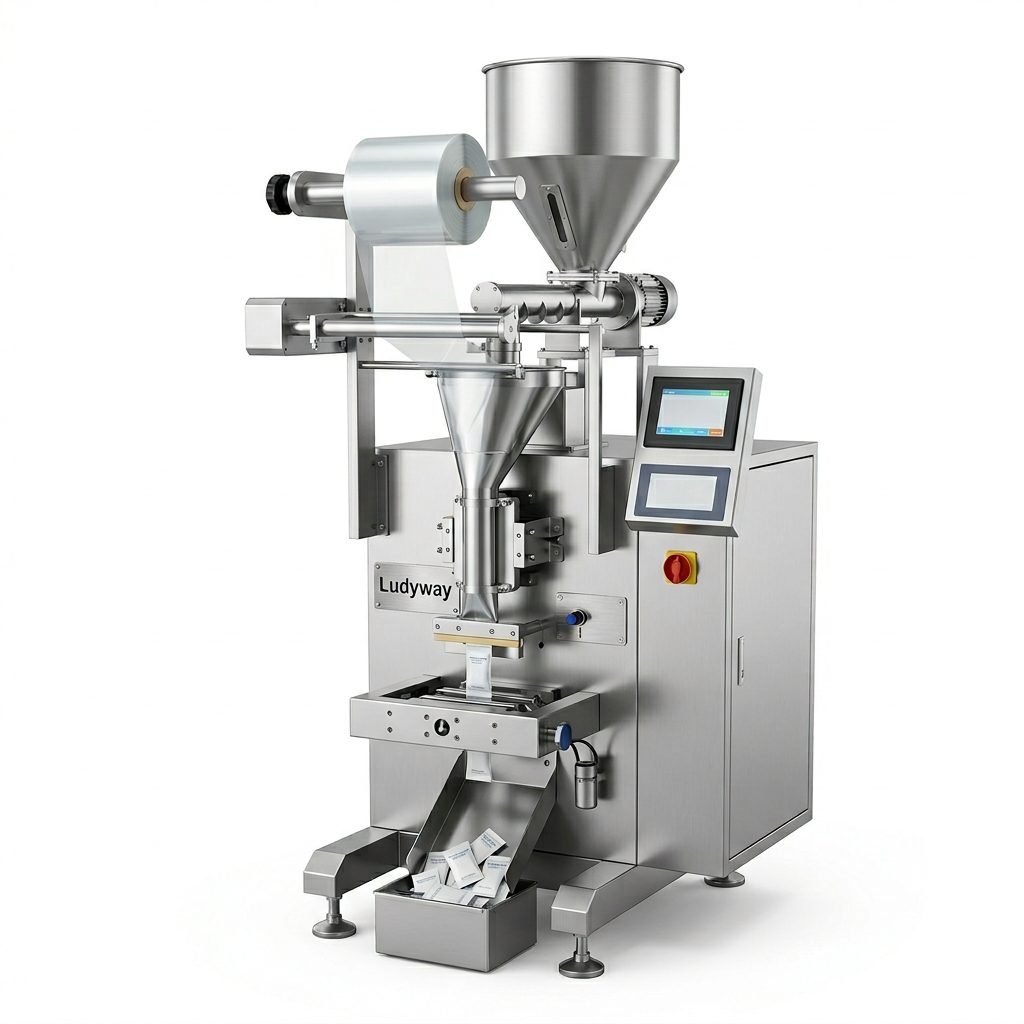
Which Pouch Type Is More Cost-Effective?
In many packaging projects, three-side seal pouches are considered more cost-effective because the structure is simpler and often aligns well with high-output production. For mass-market products where efficiency matters most, this format is a popular choice.
However, cost-effectiveness should not be judged by material use alone. A four-side seal pouch may deliver better value when:
- Product appearance directly affects sales
- The pack needs stronger visual consistency
- The target market expects premium packaging
- Brand positioning justifies a more refined pouch format
Which One Looks Better on the Shelf?
If shelf appeal is a major priority, four-side seal pouches usually have the advantage. Their equal sealed edges create a cleaner, more structured appearance. This can be especially important for:
- Pharmaceutical sachets
- Cosmetic sample packs
- Nutraceutical and supplement products
- Premium food seasonings or drink powders
That said, three-side seal pouches still offer an attractive and professional presentation, especially when paired with strong print design, quality film materials, and precise sealing.
Performance in Different Product Types
Powders and Granules
Both pouch types work well for powders and granules. Product flow, dust control, seal strength, and dosing accuracy are usually more important than the pouch format itself. For coffee powder, seasoning, ORS, sugar, supplements, and herbal blends, either option can be effective.
Liquids and Pastes
Liquid and paste products such as sauces, gels, shampoos, and syrups require stable sealing performance. In these applications, machine precision and film compatibility are critical. Both three-side and four-side seal pouches can perform well when seal temperature and filling synchronization are properly controlled.
Pharmaceutical and Health Products
For medical and pharmaceutical applications, four-side seal sachets are often preferred because of their neat shape and strong packaging presentation. They are commonly used for oral powders, granules, and diagnostic-use sachet products. Still, three-side seal remains common where speed and efficiency are key.
Advantages of Three-Side Seal Pouches
- Efficient production structure for large-volume output
- Simple pouch formation
- Widely used across many industries
- Suitable for compact, flat sachet packaging
- Often practical for cost-sensitive packaging projects
Advantages of Four-Side Seal Pouches
- Premium and symmetrical appearance
- Excellent for branding and retail display
- Professional look for pharmaceutical and cosmetic products
- Clear pouch edge definition
- Good choice for products where presentation matters
Potential Limitations of Each Format
| Pouch Type | Possible Limitation |
|---|---|
| Three-Side Seal | May appear less premium compared with fully symmetrical four-edge packs |
| Four-Side Seal | Can involve a more complex pouch-making structure depending on machine setup |
How Packaging Machinery Affects the Decision
The pouch style you choose must match your machine configuration, sealing system, product characteristics, and target speed. In practice, the best decision is rarely just about pouch shape—it is about the entire packaging process.
Key machine-related factors include:
- Film feeding stability
- Seal consistency
- Filling accuracy
- Changeover convenience
- Output target per minute
- Compatibility with powders, granules, liquids, or pastes
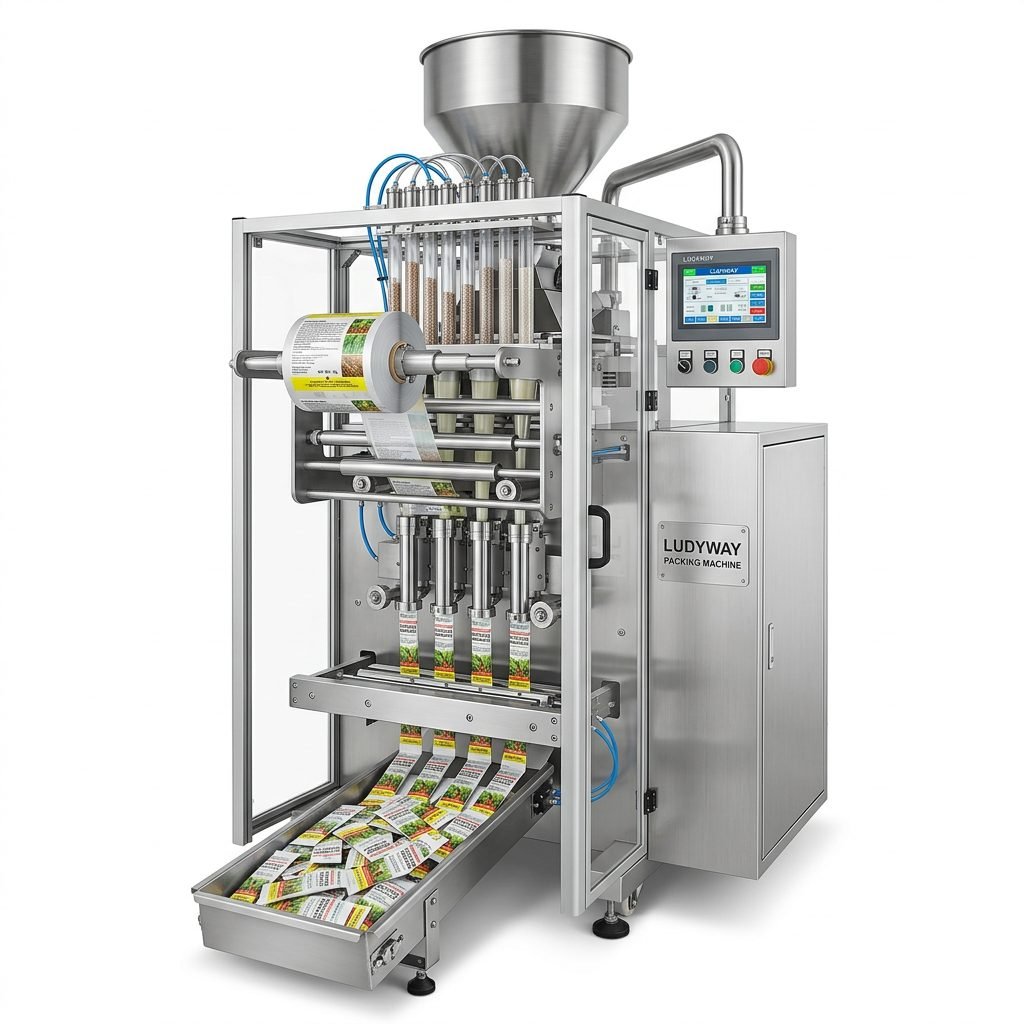
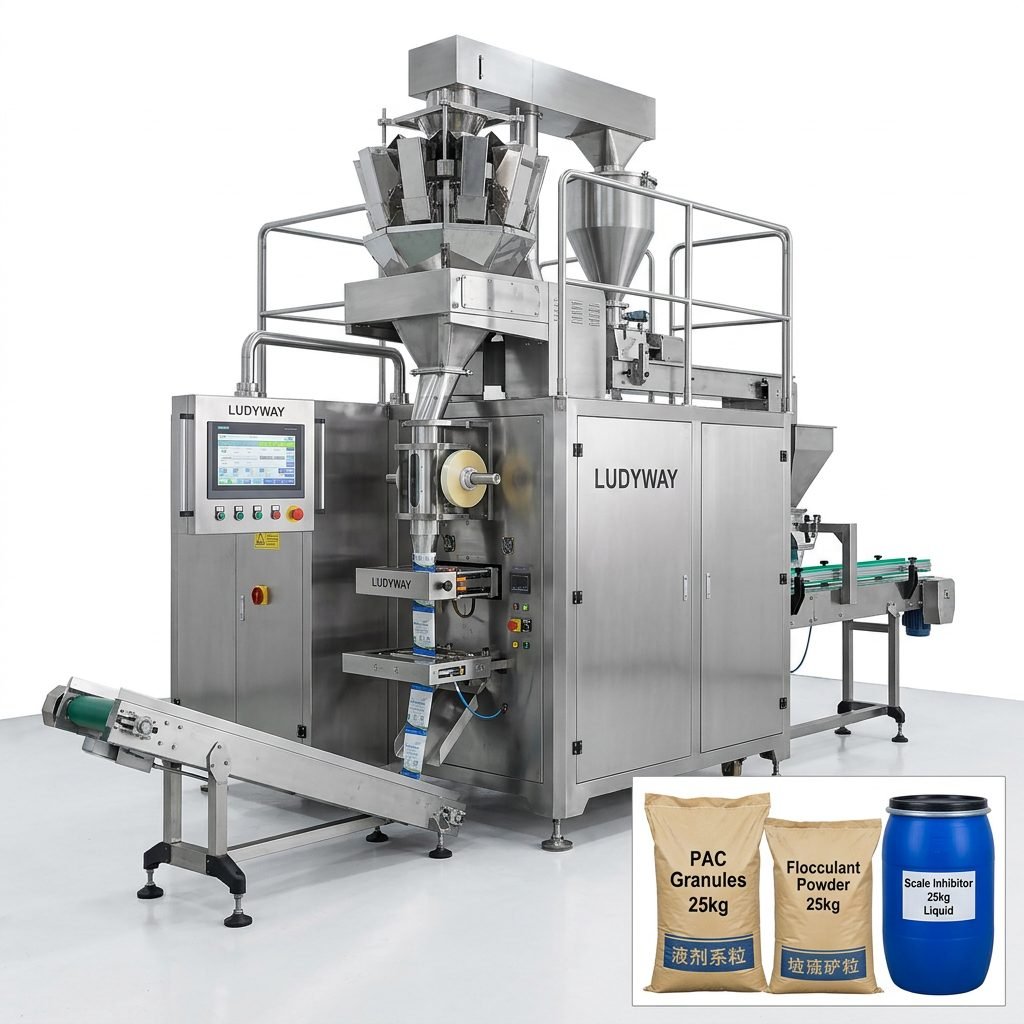
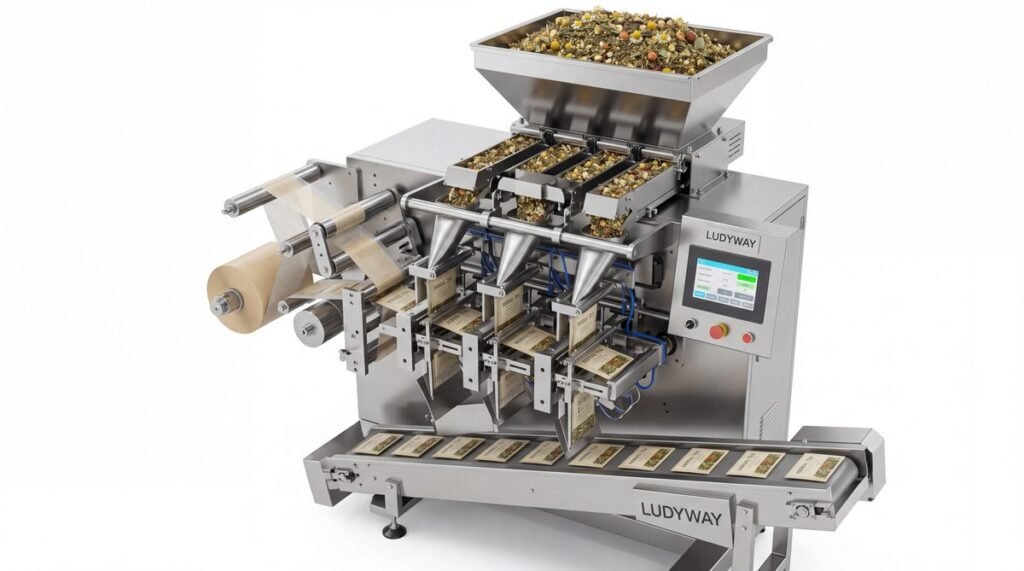
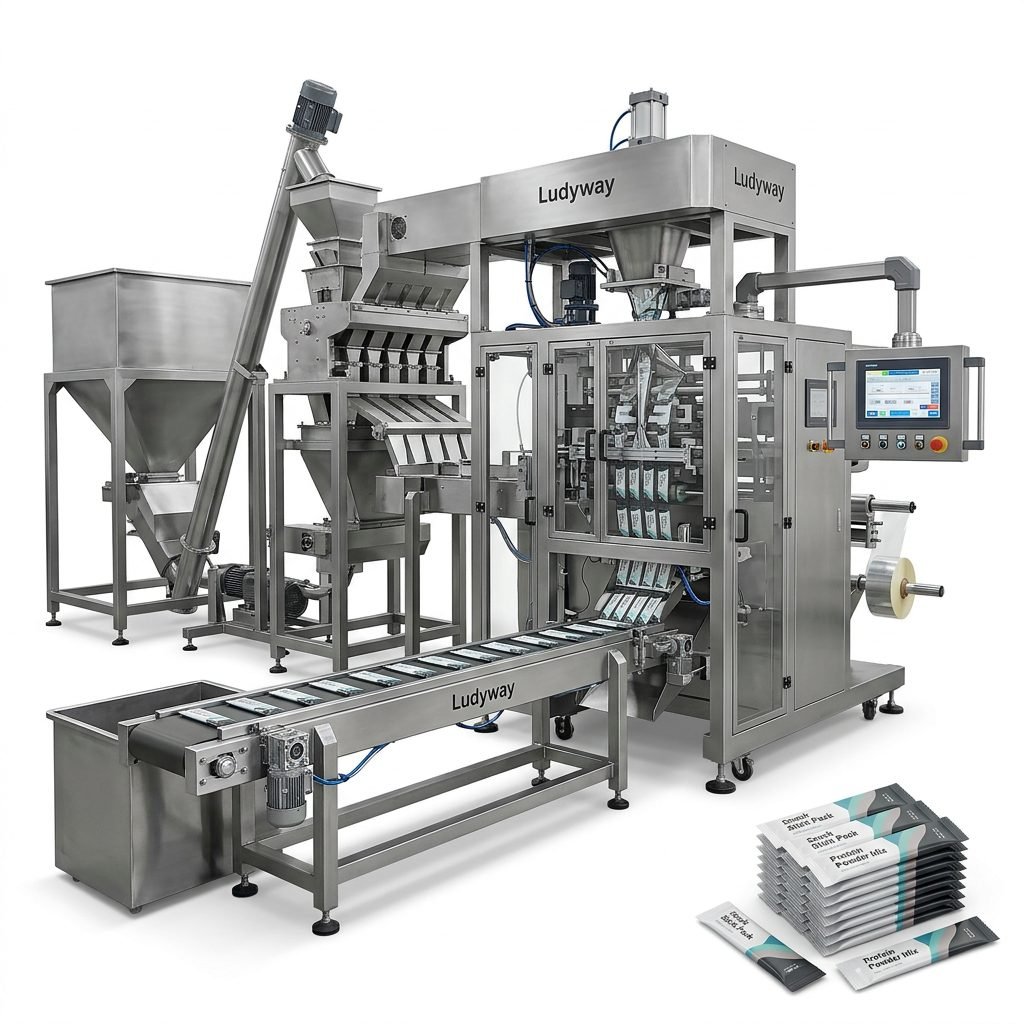
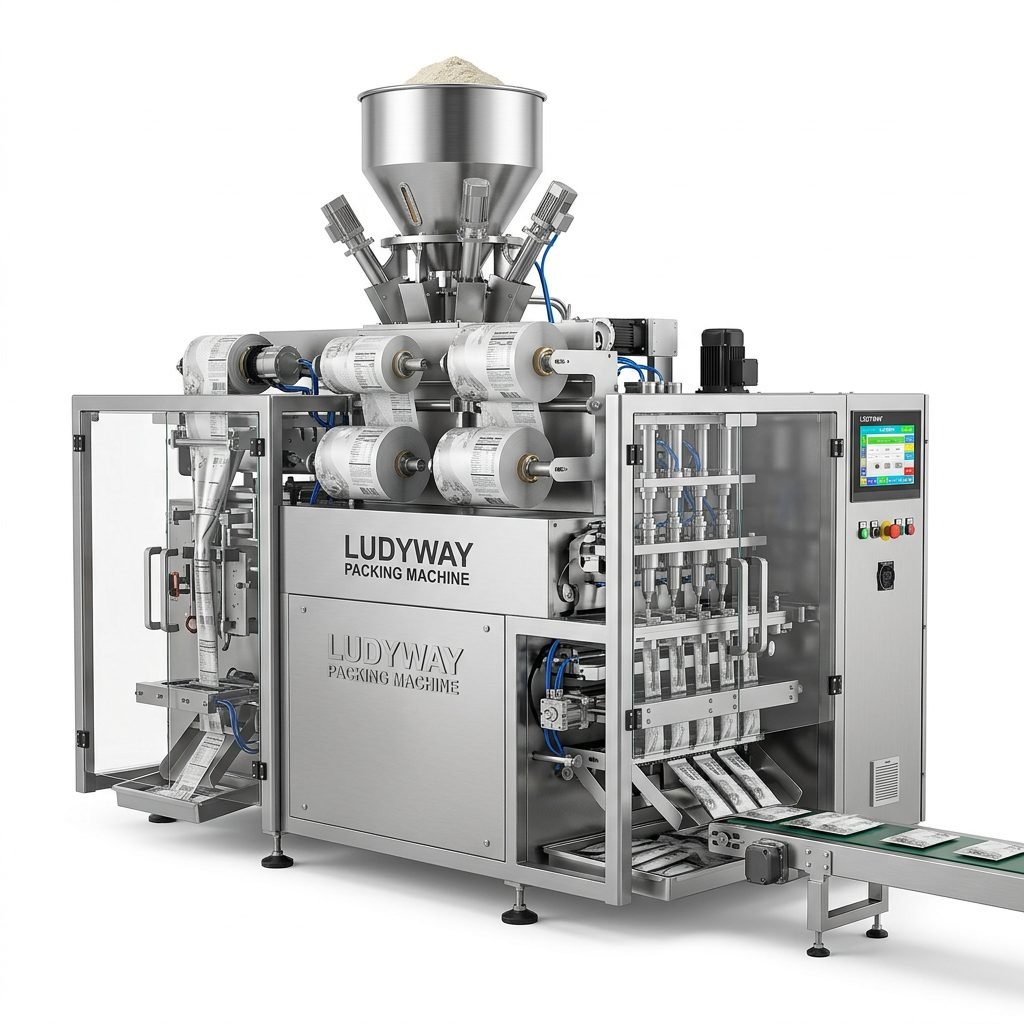
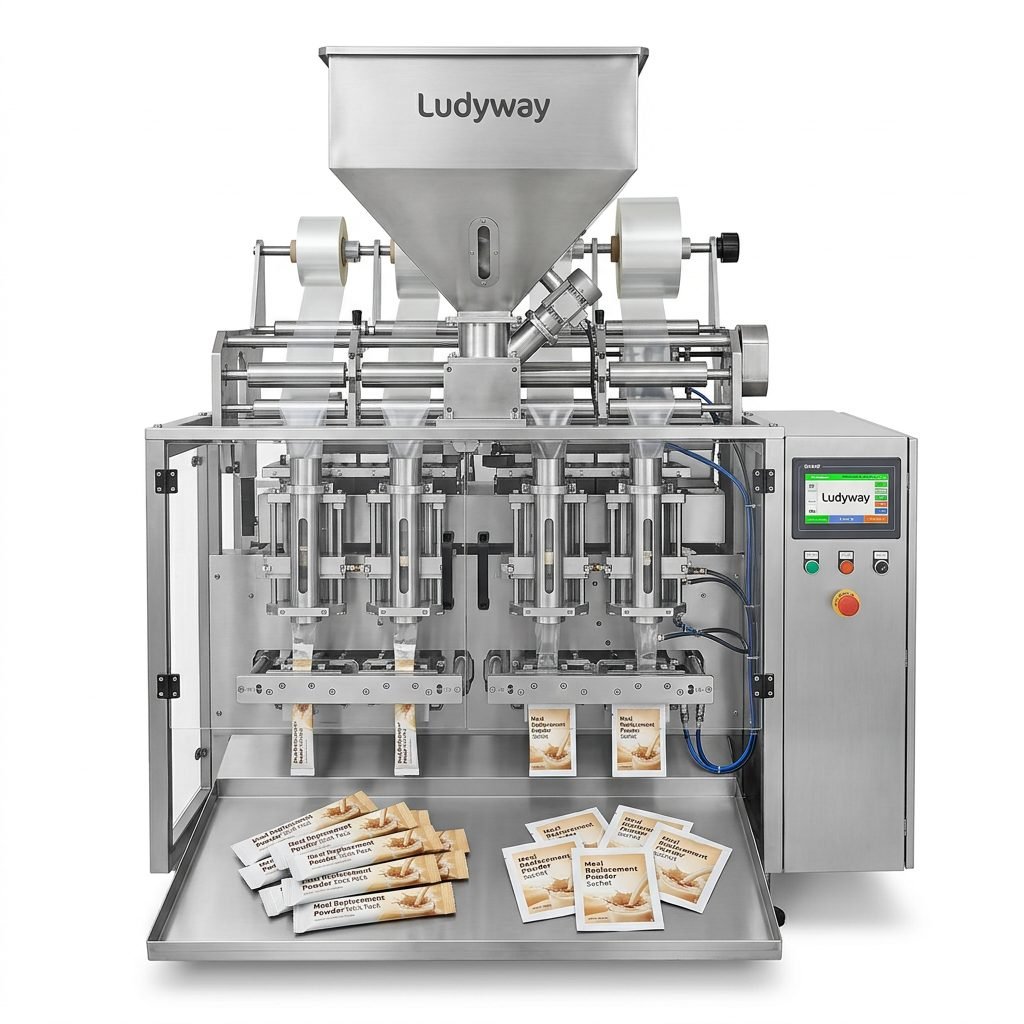
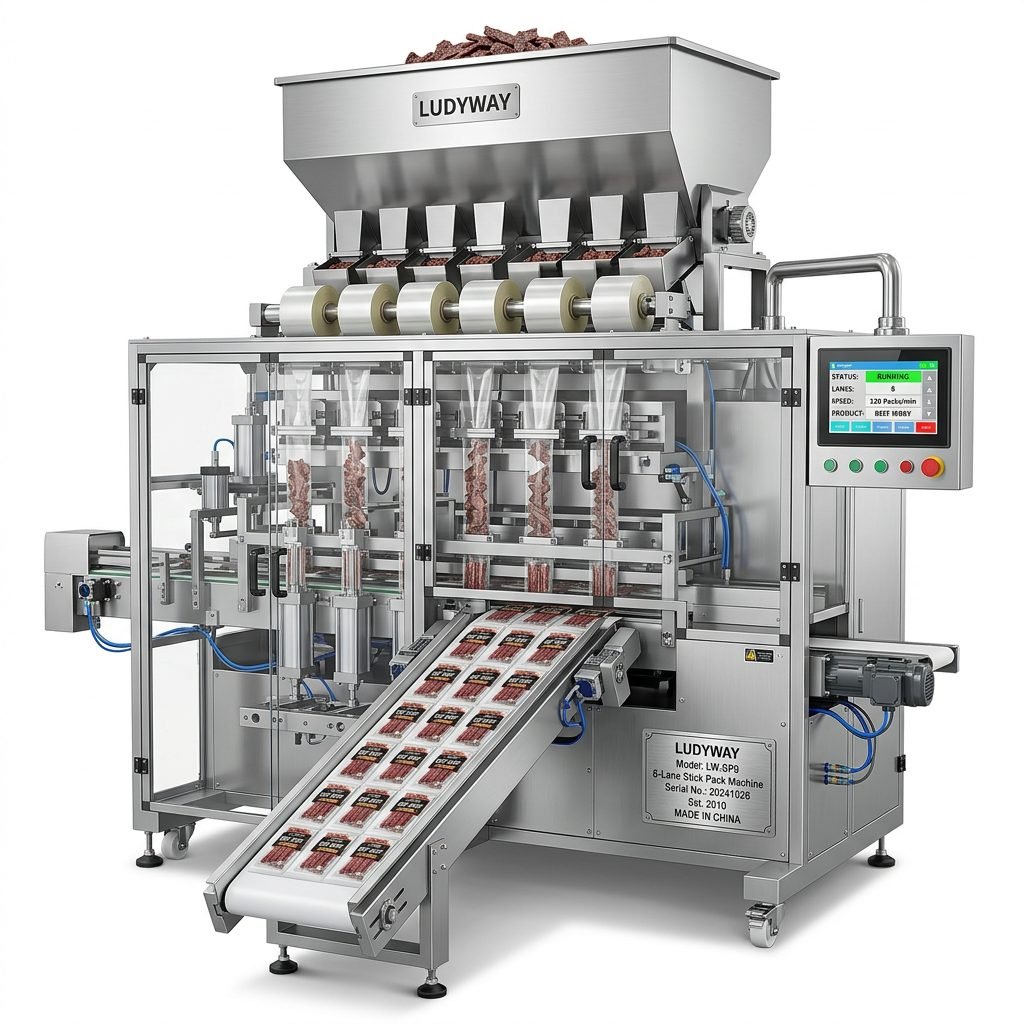
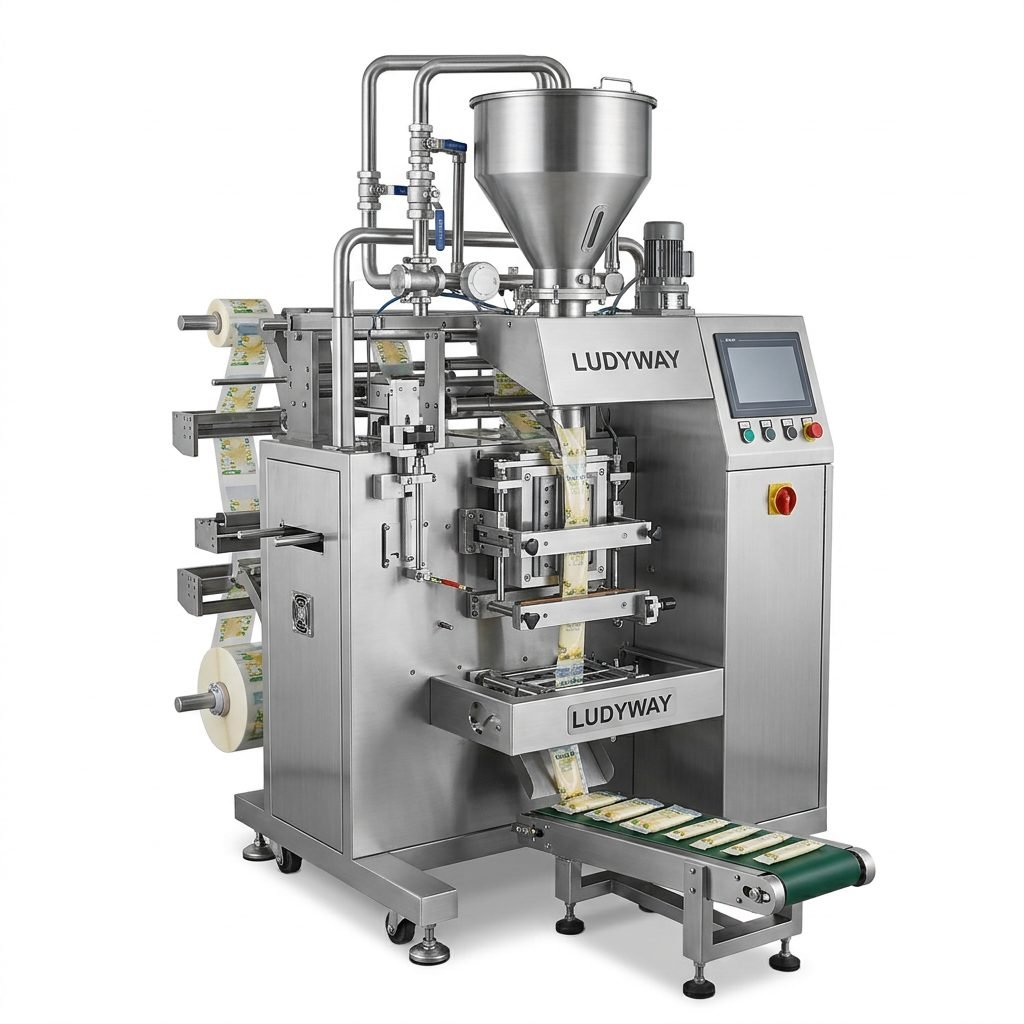
For manufacturers planning automated sachet lines, working with an experienced equipment supplier can help avoid mismatch between pouch design and machine capability. Companies such as Ludyway support pouch packaging projects across food, pharma, health supplement, cosmetic, and chemical applications with packaging machines and turnkey line solutions.
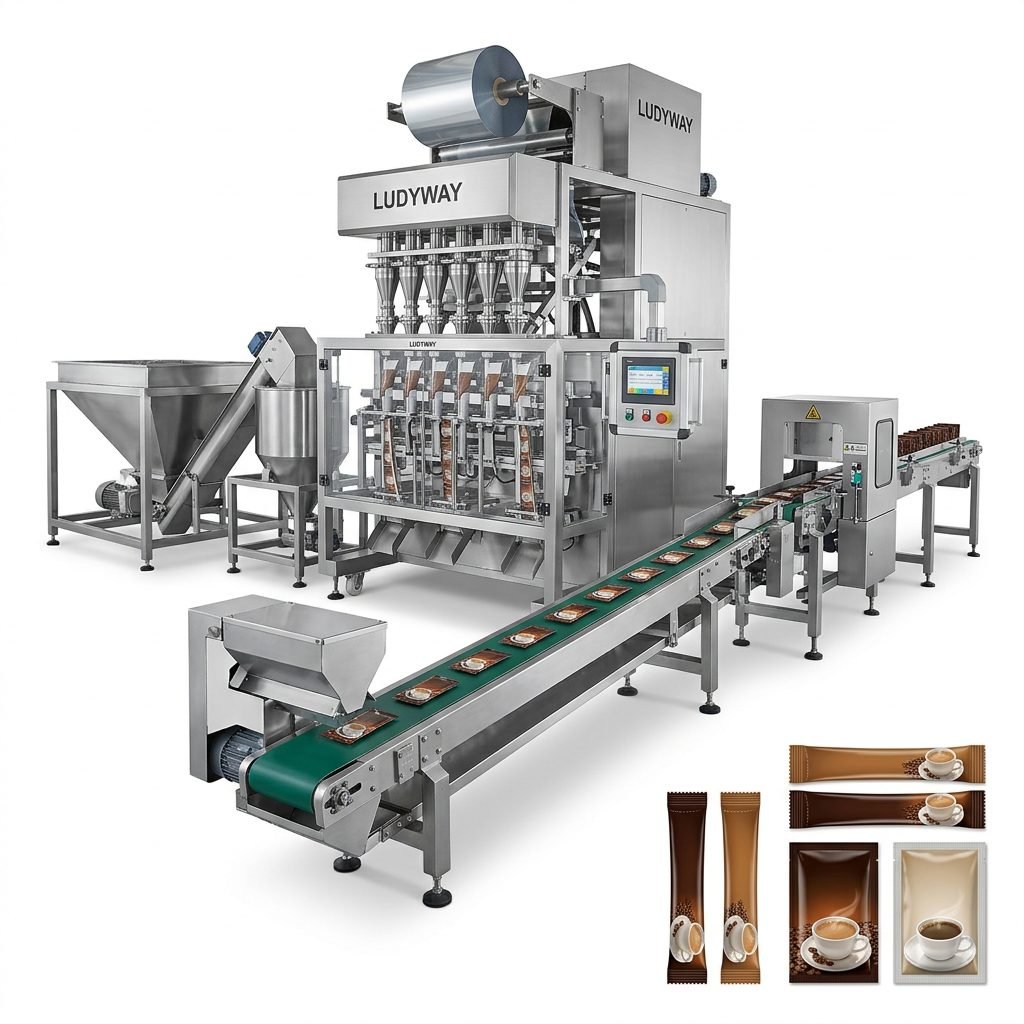
How to Choose Between Three-Side Seal and Four-Side Seal
Ask these questions before making a final decision:
1. Is your priority cost and output?
If yes, a three-side seal pouch may be the more practical option for high-volume runs.
2. Is premium appearance important?
If your product relies on visual presentation, four-side seal packaging may better support your brand image.
3. What product are you packing?
For powders, granules, liquids, and pastes, both formats can work. The final choice should depend on product behavior and sealing reliability.
4. What machine are you using or planning to buy?
Your packaging equipment should support the pouch structure efficiently. Machine design can strongly influence the best pouch format.
5. Who is the end customer?
Industrial, pharmaceutical, and retail buyers may respond differently to packaging appearance, convenience, and pack shape.
Best Use Cases for Each Pouch Type
| Application Need | Recommended Option |
|---|---|
| High-volume economical sachet production | Three-side seal |
| Premium cosmetic sample packs | Four-side seal |
| Seasonings, sugar, coffee, drink powders | Either, depending on budget and branding |
| Pharmaceutical granule or powder sachets | Often four-side seal |
| Mass-market liquid or paste sachets | Often three-side seal |
Final Decision: Which Is Better?
There is no universal winner. Three-side seal is often better for efficiency and cost control, while four-side seal is often better for appearance and premium positioning. The best choice depends on your product, market, packaging goals, and machine setup.
If you need a practical rule of thumb:
- Choose three-side seal for economical, high-speed, mainstream sachet packaging.
- Choose four-side seal for premium-looking, highly uniform pouch presentation.
For growing brands and manufacturers, evaluating pouch format together with automation level, sealing performance, and future production expansion will lead to a smarter long-term packaging investment.