The South American beverage market is experiencing rapid growth, with soda can packaging machines becoming essential equipment for manufacturers looking to capture market share. Countries like Brazil, Argentina, Colombia, and Chile are seeing increased demand for carbonated beverages, driving the need for efficient, reliable canning solutions. Whether you’re a startup beverage company or an established producer expanding operations, selecting the right packaging machinery is crucial for your business success in this competitive region.
Understanding South America’s Unique Market Demands
Before investing in equipment, it’s essential to understand the regional factors that affect soda can packaging operations in South America. The climate varies significantly across the continent, from tropical humidity in Brazil to high-altitude conditions in the Andes. These environmental factors can impact machine performance, material handling, and product shelf life. Additionally, many South American countries have specific regulatory requirements for food and beverage packaging that differ from North American or European standards.
Power supply stability is another critical consideration. Many manufacturing facilities in South America experience voltage fluctuations, making it vital to choose machines with built-in voltage regulators or to plan for external power conditioning equipment. Understanding these local conditions will help you select a soda can packaging machine that performs reliably under real-world operating conditions.
Key Types of Soda Can Packaging Machines
The term “soda can packaging machine” encompasses several distinct equipment types that work together in a complete canning production line. Understanding each type helps you make informed purchasing decisions and ensures all components work seamlessly together.
Can Filling Machines
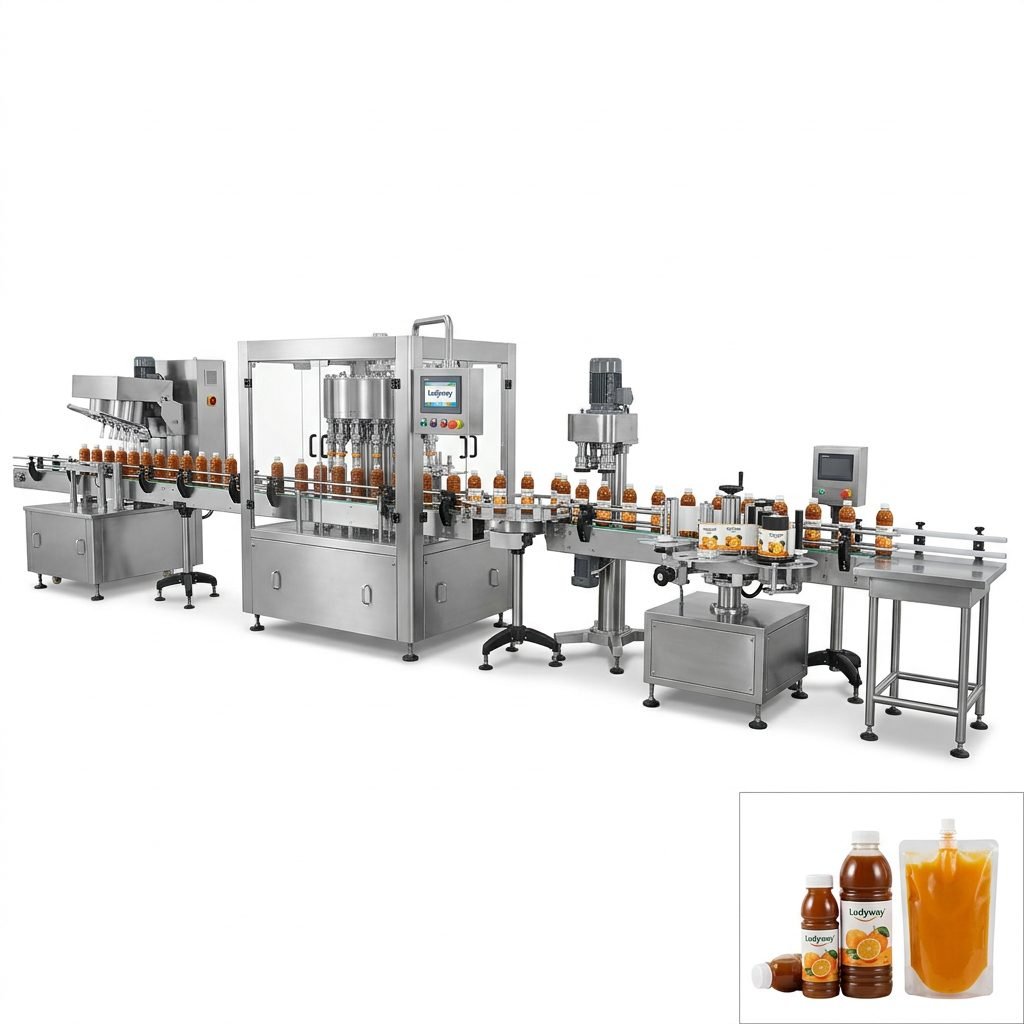
These are the core of any soda canning operation. Rotary fillers are the most common type for high-speed production, capable of filling hundreds of cans per minute. They work by rotating cans through multiple filling stations, ensuring consistent fill levels and minimal product waste. For smaller operations, inline fillers offer a more affordable entry point while maintaining good accuracy.
Can Seaming Machines
After filling, cans must be sealed with precision. Can seamers create an airtight double seam that preserves carbonation and prevents contamination. The quality of the seam directly affects product shelf life and safety, making this one of the most critical components in your packaging line. Modern seamers include automated monitoring systems that detect and reject improperly sealed cans.
Packaging and Palletizing Equipment
Once cans are filled and sealed, they need to be packed into cartons, trays, or shrink-wrapped bundles. End-of-line packaging systems automate this process, significantly reducing labor costs and improving throughput. For operations distributing across South America’s diverse geography, robust palletizing systems ensure products arrive at their destination in perfect condition.
Technical Specifications That Matter Most
When evaluating soda can packaging machines for the South American market, several technical specifications deserve careful attention. Making the right choices here can significantly impact your operational efficiency and long-term costs.
| Specification | Entry-Level Range | Mid-Range | High-End Industrial |
|---|---|---|---|
| Speed (CPM) | 30-80 | 80-300 | 300-1200+ |
| Fill Accuracy | ±2-3 ml | ±1-2 ml | ±0.5-1 ml |
| Can Size Range | 1-2 sizes | 3-5 sizes | Full range with quick changeover |
| Automation Level | Semi-automatic | Fully automatic | Smart factory ready with IoT |
| Maintenance Requirements | Weekly manual checks | Automated alerts | Predictive maintenance AI |
Can size flexibility is particularly important in South America, where different markets may prefer different formats. Brazil commonly uses 350ml cans, while other countries may favor 330ml or 355ml formats. A machine that offers quick changeover between sizes allows you to serve multiple markets without significant downtime. Additionally, consider the material compatibility of the machine with both aluminum and tin-plated steel cans, as availability can vary by region.
Budget Considerations and ROI Analysis
Investing in a soda can packaging machine represents a significant capital expenditure. Understanding the total cost of ownership and projected return on investment is essential for making a sound business decision. The purchase price is just the beginning—you must also account for installation, training, maintenance, spare parts, and energy consumption.
For South American operations, also factor in import duties and logistics costs. Many countries in the region have complex tariff structures for industrial machinery. Working with suppliers who have experience navigating these regulations can save substantial time and money. Mercosur trade agreements may offer reduced duties for equipment imported between member countries, making regional sourcing an attractive option.

Choosing the Right Supplier for South America
Selecting a supplier with proven experience in the Latin American market can make the difference between a smooth installation and ongoing operational headaches. Look for manufacturers who offer Spanish and Portuguese language support, have local service technicians or partners, and maintain spare parts inventory within the region.
Key Supplier Evaluation Criteria
- Local Presence: Does the supplier have representatives, service centers, or successful installations in South America?
- Language Support: Can they provide technical documentation and support in Spanish or Portuguese?
- Training Programs: Do they offer comprehensive operator and maintenance training, preferably on-site?
- Spare Parts Availability: How quickly can critical replacement parts be delivered to your facility?
- Warranty Terms: What is covered, and how are claims handled for international customers?
- After-Sales Service: Is there a structured service program with guaranteed response times?
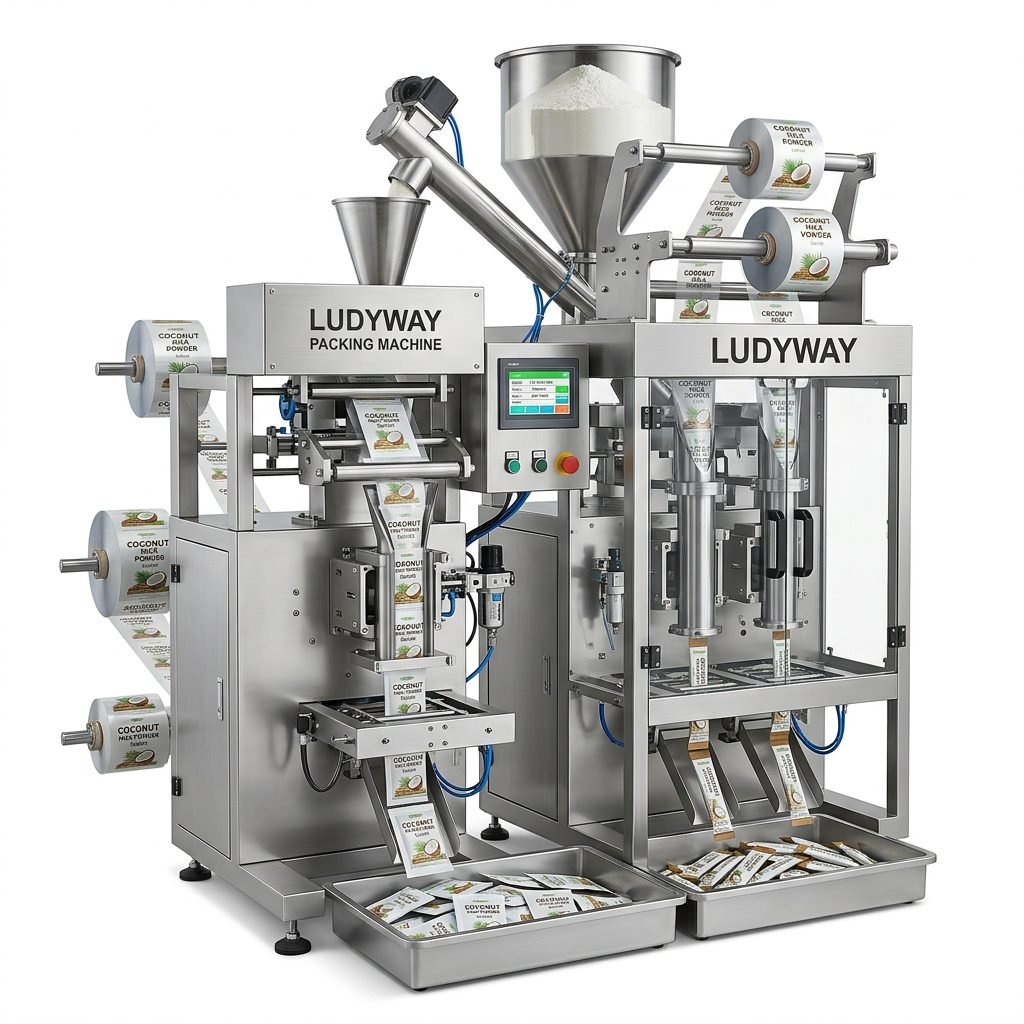
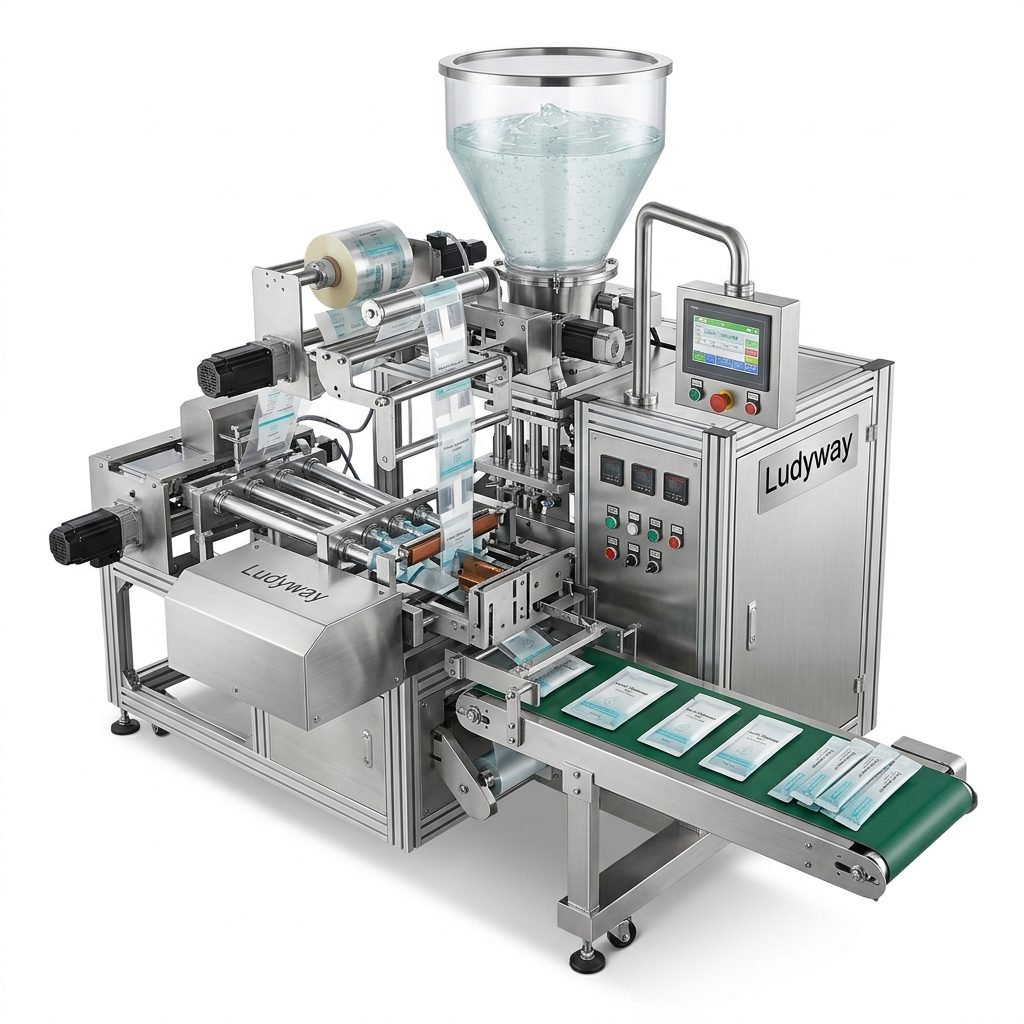
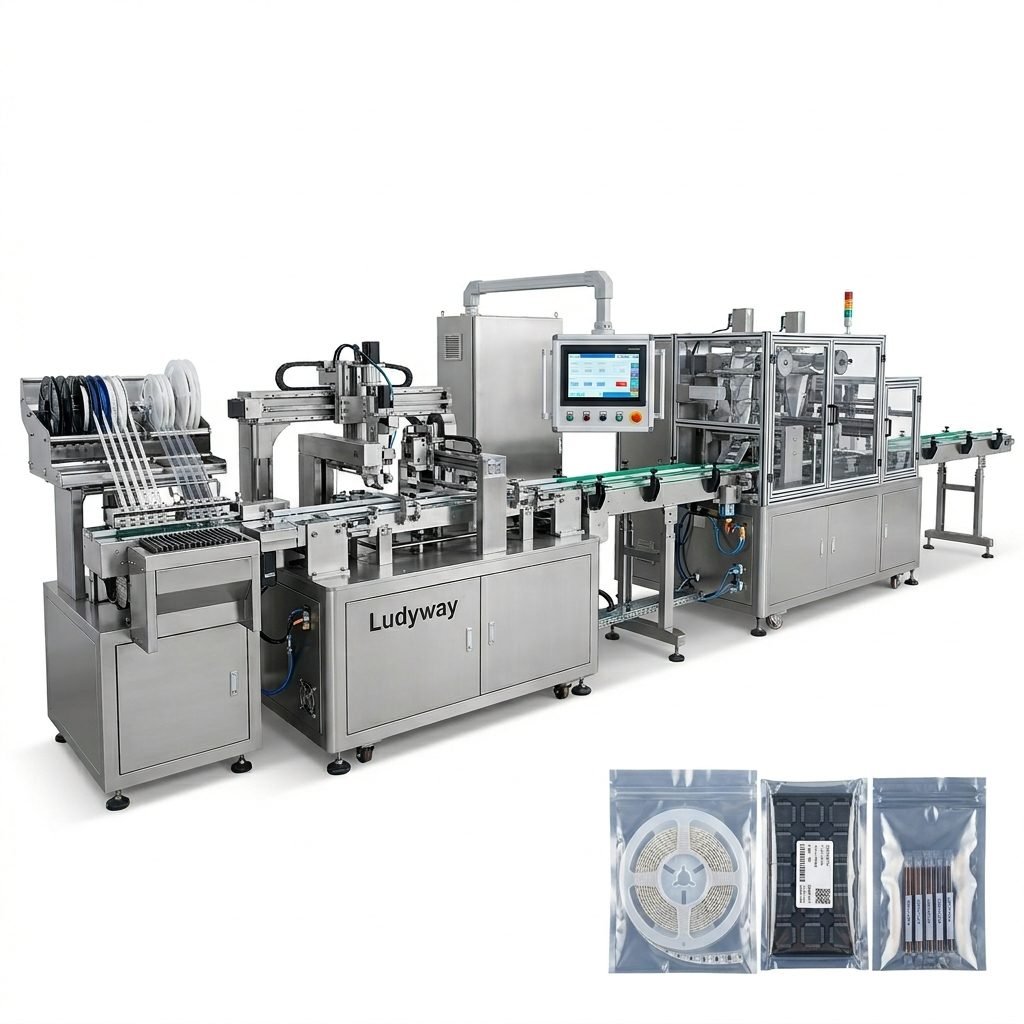
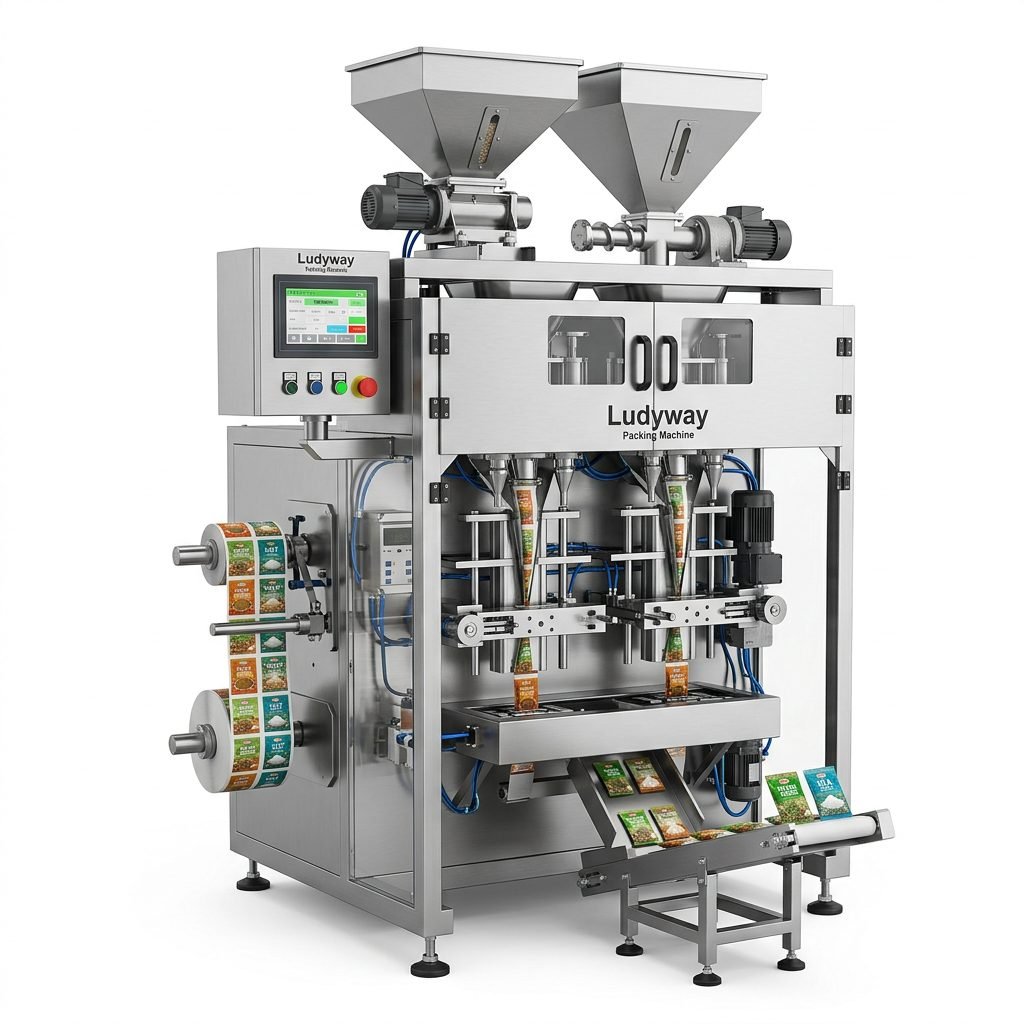
One notable manufacturer serving the region is Ludyway, which provides advanced packaging equipment with international support capabilities. When evaluating any supplier, request references from existing South American customers and, if possible, visit operational installations to see the equipment in action.
Regulatory Compliance and Certifications
South American countries maintain their own food safety and packaging regulations that equipment must comply with. Brazil follows ANVISA (National Health Surveillance Agency) standards, while Argentina adheres to SENASA regulations. Understanding these requirements ensures your soda can packaging line meets all necessary certifications before installation begins.
Key certifications to verify include food-grade material compliance, electrical safety standards, and pressure vessel certifications where applicable. Many countries also require local registration or homologation of industrial equipment. Working with a supplier who understands these processes can accelerate your time to market significantly. For more detailed information on packaging standards, you can reference the ISO packaging standards and FDA food packaging guidelines which often serve as international benchmarks.
Installation and Operational Considerations
Proper installation is critical for optimal machine performance. In South America, you should plan for extended commissioning timelines compared to installations in North America or Europe, especially if technical support must travel from overseas. Key operational factors to address include:
- Utility requirements: Verify that your facility can provide adequate compressed air, water quality, and electrical supply for the equipment.
- Operator training: Invest in thorough training programs to build in-house expertise and reduce dependency on external support.
- Preventive maintenance schedules: Establish routines that account for local environmental conditions like dust, humidity, or altitude.
- Spare parts strategy: Maintain an inventory of critical consumables and wear parts to minimize downtime.
Future-Proofing Your Investment
The South American beverage market continues to evolve, with healthier soda alternatives, craft beverages, and functional drinks gaining popularity. When selecting your soda can packaging machine, consider equipment that can accommodate future product variations. Features like modular design, upgradeable software, and multi-format capability ensure your investment remains relevant as market trends shift.

Industry 4.0 capabilities are becoming increasingly important. Remote monitoring, data analytics, and predictive maintenance features allow you to optimize production efficiency and reduce unplanned downtime, even when technical support is located in another country. The packaging industry’s state of the art continues advancing rapidly, and staying informed about flexible packaging innovations will help you maintain a competitive edge.
Making Your Final Decision
Choosing the right soda can packaging machine for your South American operation requires balancing multiple factors—performance specifications, budget constraints, supplier capabilities, and local market conditions. Taking a methodical approach to evaluation will yield the best long-term results.
Consider creating a weighted decision matrix that prioritizes factors most important to your specific operation. Schedule factory acceptance tests (FAT) whenever possible, and don’t hesitate to negotiate terms that protect your investment, such as performance guarantees tied to local operating conditions. With thorough planning and the right equipment partner, your soda canning operation can thrive in South America’s dynamic and growing beverage market.