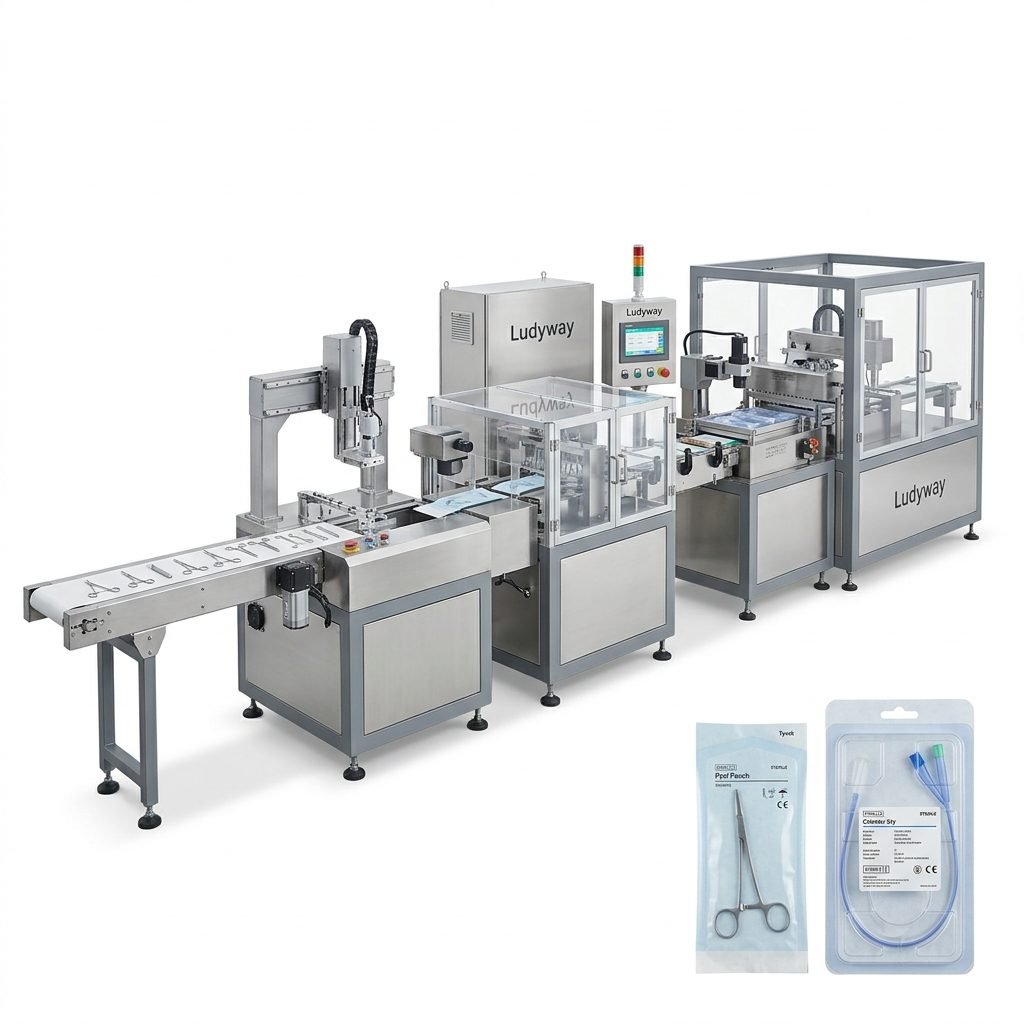
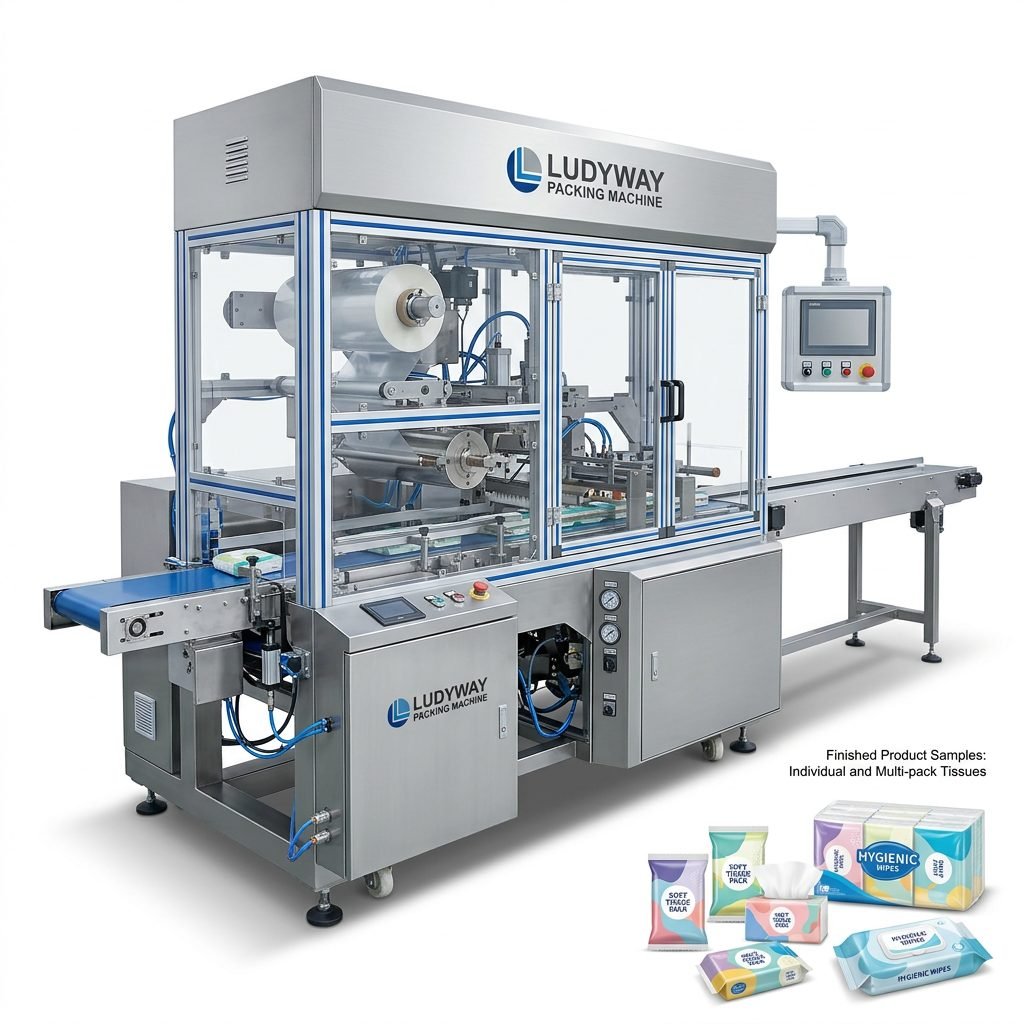
Investing in an IMA PG blister packing machine is a significant decision for pharmaceutical and nutraceutical manufacturers. These machines are renowned for their precision, reliability, and compliance with stringent regulatory standards. However, selecting the right configuration requires a deep understanding of your production goals, product characteristics, and the machine’s technical capabilities. This comprehensive buyer’s guide breaks down the critical factors to consider before making a purchase.
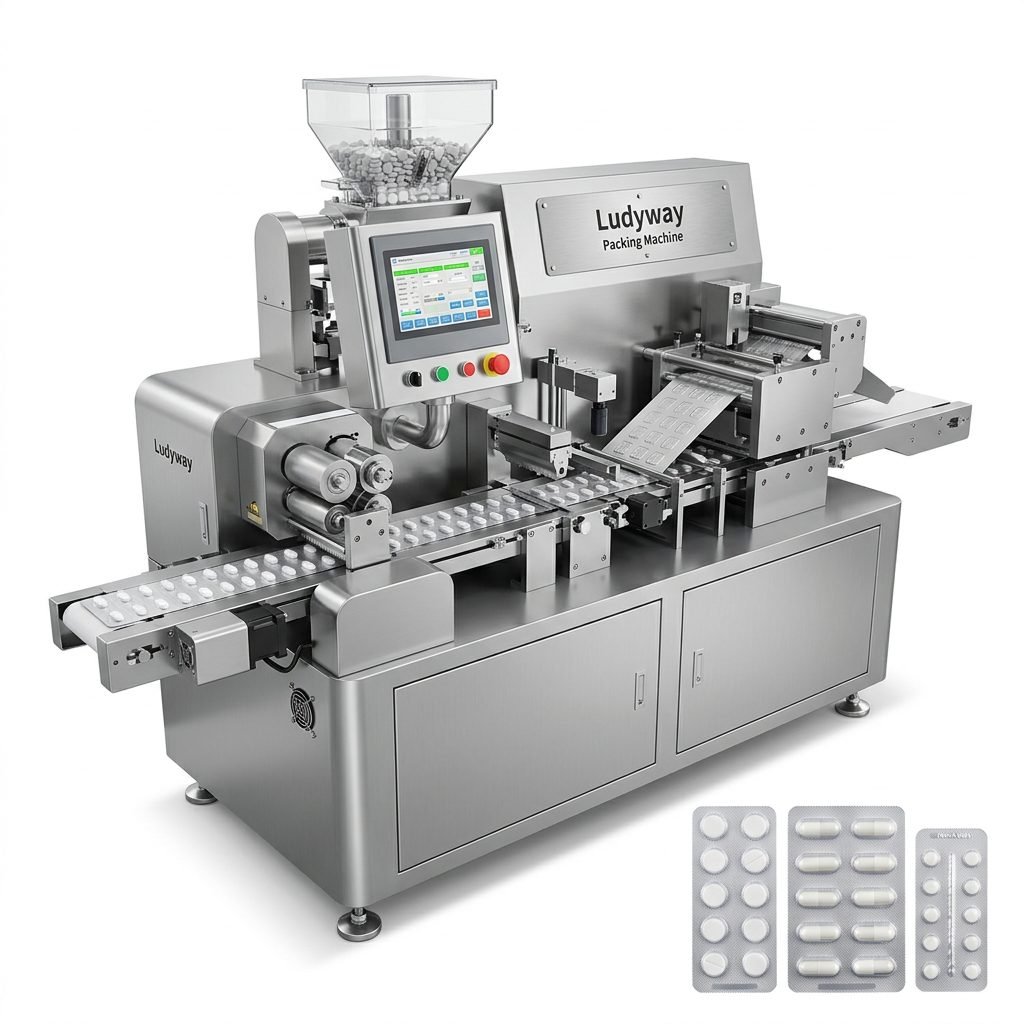
Understanding the Core Technology Behind Blister Packing
Before diving into specifications, it is essential to understand the forming, filling, and sealing process. An IMA PG blister machine typically utilizes flat forming or flat sealing technology, which is ideal for protecting sensitive pharmaceutical products. The process involves heating a plastic film, forming it into cavities, filling the cavities with tablets or capsules, and sealing them with a lidding material. According to the PMMI – The Association for Packaging and Processing Technologies, machinery that adheres to these precise steps is crucial for maintaining product integrity and extending shelf life.
Step 1: Analyze Your Product and Material Compatibility
The first and most critical step is evaluating the physical properties of your product. The configuration of the machine largely depends on whether you are packaging tablets, capsules, ampoules, or syringes. You must also consider the packaging materials. Material compatibility is not just about performance but also about regulatory compliance, especially regarding FDA food packaging and food contact substances.
- Forming Film: PVC, PVDC, or cold-form aluminum. The choice affects moisture and oxygen barrier properties.
- Lidding Material: Push-through foil (aluminum) or peelable paper/polyester structures.
- Product Fragility: Delicate tablets may require a gentle feeding system to prevent breakage.
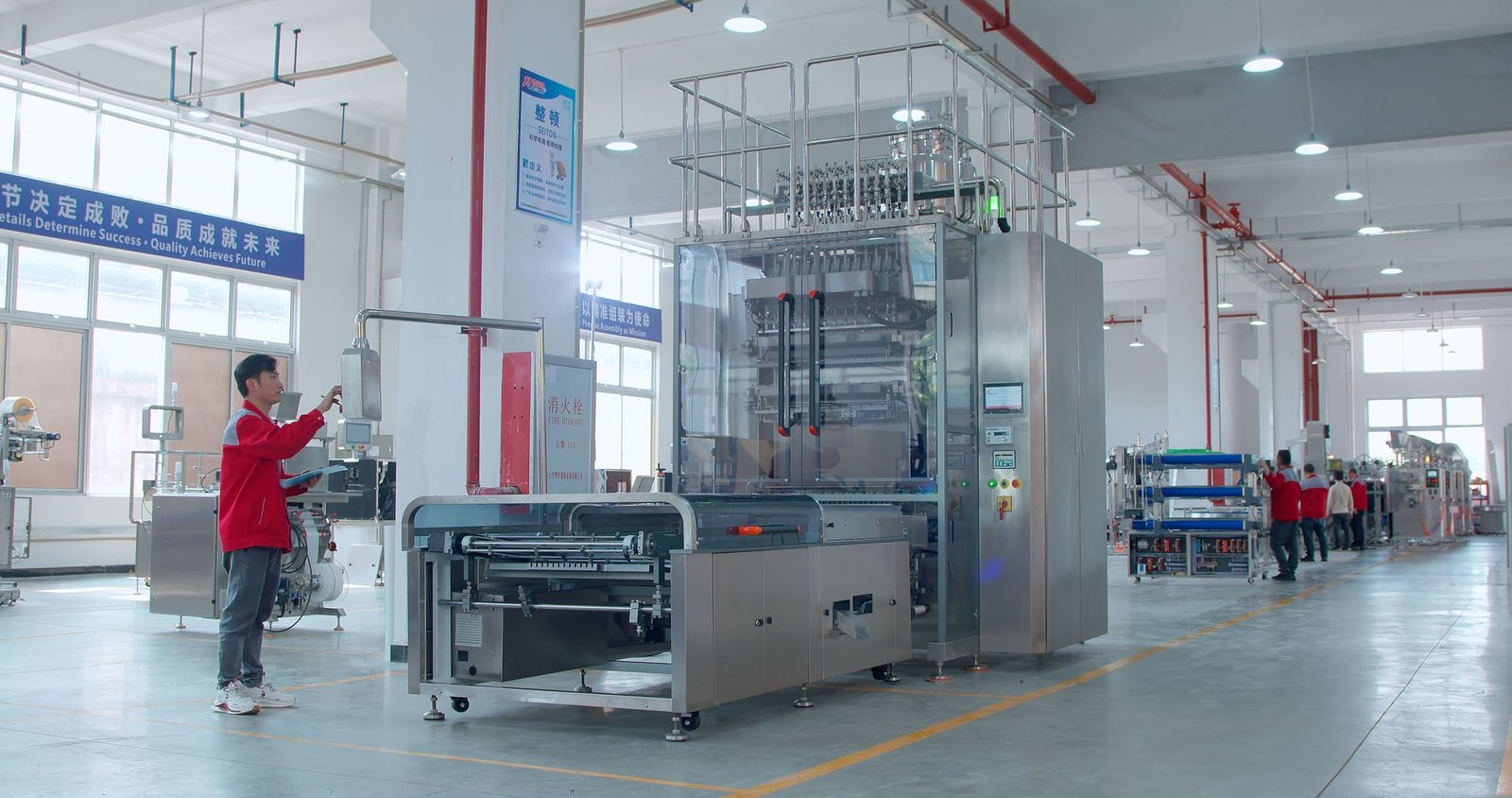
Step 2: Evaluate Production Speed and Output Requirements
IMA PG machines are available in different speed configurations, often categorized by the number of cycles per minute. You must match the machine’s capacity with your batch production needs. Overestimating speed can lead to unnecessary capital expenditure, while underestimating it creates a production bottleneck.
| Machine Model Tier | Typical Output (Blister Packs/Hour) | Ideal Application |
|---|---|---|
| Continuous Motion | > 400,000 | High-volume generics, dedicated lines |
| Intermittent Motion | 100,000 – 300,000 | Medium-volume production, flexible batch sizes |
Step 3: Consider Tooling and Changeover Flexibility
In today’s market, contract manufacturing is common, requiring frequent batch changes. Quick changeover capabilities are vital for minimizing downtime. Modern blister machines offer tool-less change parts that significantly reduce setup times. You should look for features like servo-driven format adjustments that allow you to switch between different blister sizes and depths without manual intervention. The ISO 11607 standards for packaging for terminally sterilized medical devices also emphasize the importance of validated sealing processes, which must be repeatable across different formats.
Step 4: Integration with Cartoning and End-of-Line Equipment
A blister machine rarely operates in isolation. The IMA PG series is designed to integrate seamlessly with downstream equipment. You must plan your line layout to include:
- Automatic Stackers: To collect blister packs before cartoning.
- Cartoning Machines: For inserting blisters and patient information leaflets into cartons.
- Track and Trace Systems: For serialization compliance (from late-stage customization of Ludyway Machinery to global pharma regulations).
Step 5: Regulatory Compliance and Validation Support
Pharmaceutical packaging is heavily regulated. The chosen machinery must comply with 21 CFR Part 210 and 211 (cGMP) in the US, and Annex 11 in Europe. Data integrity is non-negotiable. The machine’s software should support audit trails and user access management. You can find comprehensive resources on these requirements through the PMMI Business Intelligence Library. Ensure the supplier provides full documentation packages, including Installation Qualification (IQ), Operational Qualification (OQ), and Performance Qualification (PQ) protocols.
Key Maintenance and Total Cost of Ownership (TCO)
The purchase price is only one component of the total cost. You must analyze the Total Cost of Ownership (TCO), which includes spare parts, preventative maintenance, and energy consumption. Machines with high-precision sealing stations require strict maintenance schedules to maintain flat sealing geometry. Always inquire about the availability of critical wear parts and the proximity of technical support services.
Comparing Flat Forming vs. Flat Sealing in IMA PG
The distinction between forming and sealing stations is vital for product quality. The flat forming process ensures uniform cavity depth, which is critical for child-resistant and senior-friendly packaging. Conversely, the flat sealing process guarantees a hermetic seal, preventing moisture ingress. The Flexible Packaging Association provides valuable insights into material dynamics that affect this sealing process.
- Platen Sealing (Heat Sealing): Best for high-barrier foils; requires even heat distribution.
- Cold Sealing: Uses pressure-sensitive adhesives; suitable for temperature-sensitive products.
Making the Final Decision
Choosing the right IMA PG blister packing machine is a balance between technical ambition and operational reality. Prioritize machines that offer a modular design, allowing you to add automation features like automatic blister ejection or vision inspection systems later. Always run a Factory Acceptance Test (FAT) with your actual products and materials before shipment to validate the machine’s performance under real-world conditions. For a deep dive into current market trends impacting packaging investments, refer to the PMMI 2025 State of the Industry Report.