The African yogurt market is experiencing unprecedented growth, driven by rising disposable incomes, urbanization, and increasing health consciousness among consumers. For manufacturers looking to capitalize on this opportunity, investing in the right yogurt packaging machine is a critical business decision that directly impacts product quality, shelf life, and profitability. This comprehensive guide walks you through everything you need to know before making your purchase.
Understanding the African Yogurt Market Landscape
Africa’s dairy sector is projected to grow at a CAGR of over 4% through 2030, with yogurt being one of the fastest-growing segments. Countries like Nigeria, Kenya, Ethiopia, and South Africa are leading this expansion. The demand for both drinking yogurt and spoonable varieties has created diverse packaging requirements — from single-serve sachets to multi-pack pouches and cup formats. Before selecting a machine, it is essential to evaluate which packaging format best suits your target market and distribution channels.
Popular Yogurt Packaging Formats in Africa
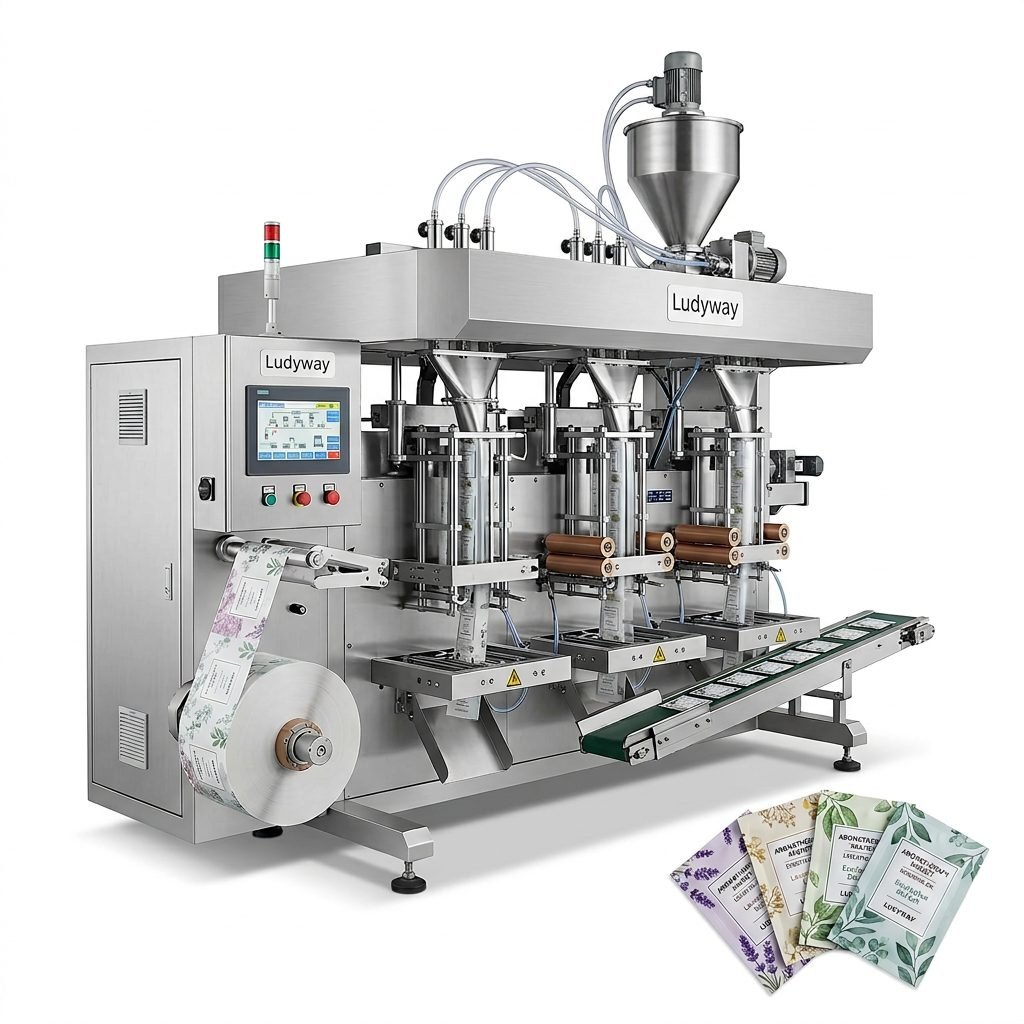
- Sachet packaging — Economical single-serve option popular in West African markets
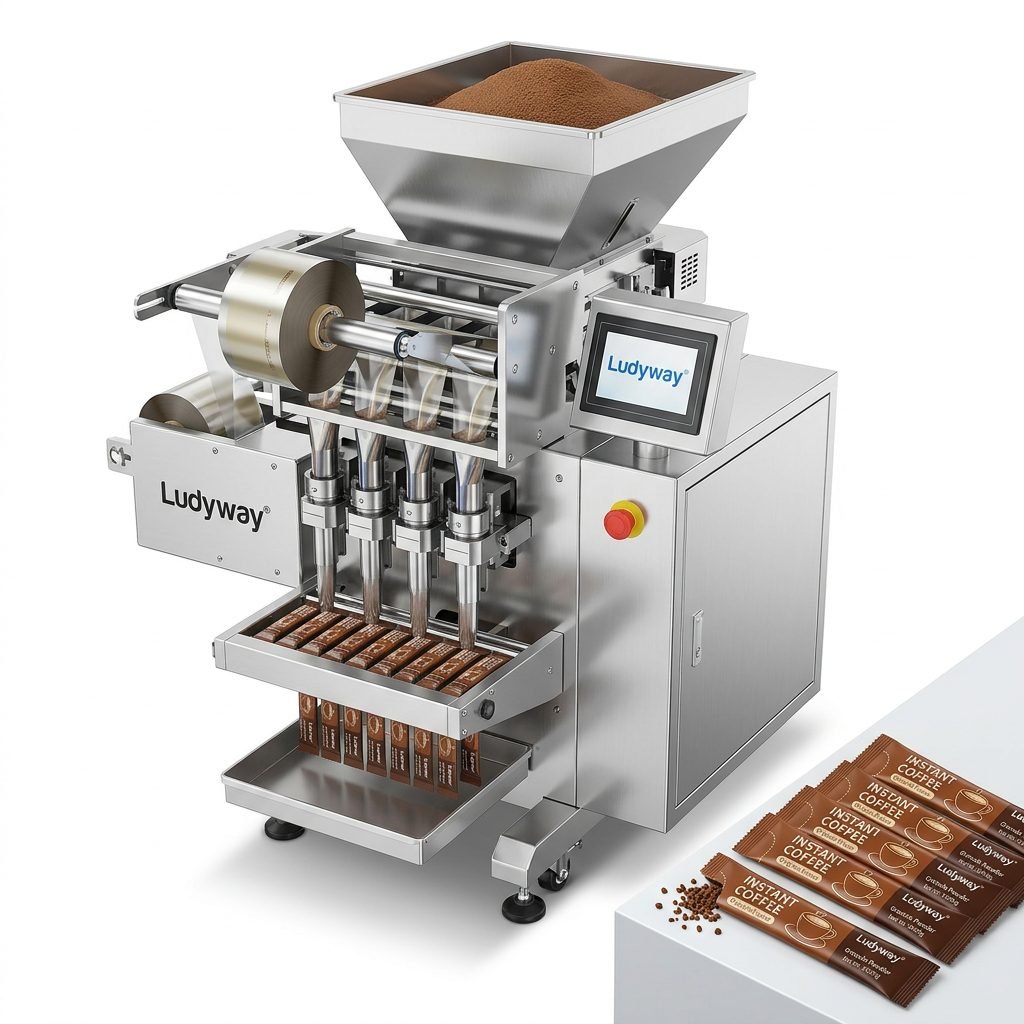
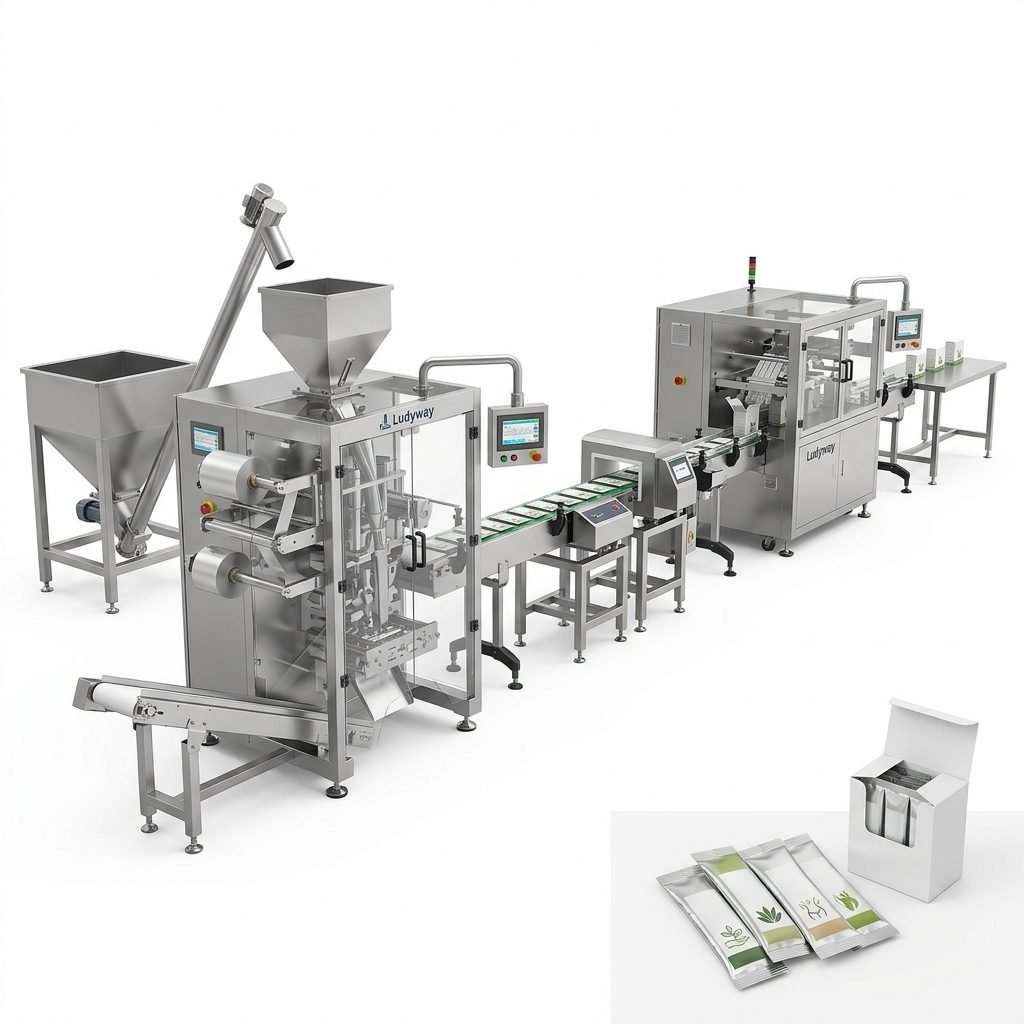
- Stick pack packaging — Convenient format for on-the-go consumption, gaining traction in urban areas
- Pouch packaging — Ideal for larger volumes and family-size products
- Cup filling and sealing — Premium presentation for retail and supermarket channels
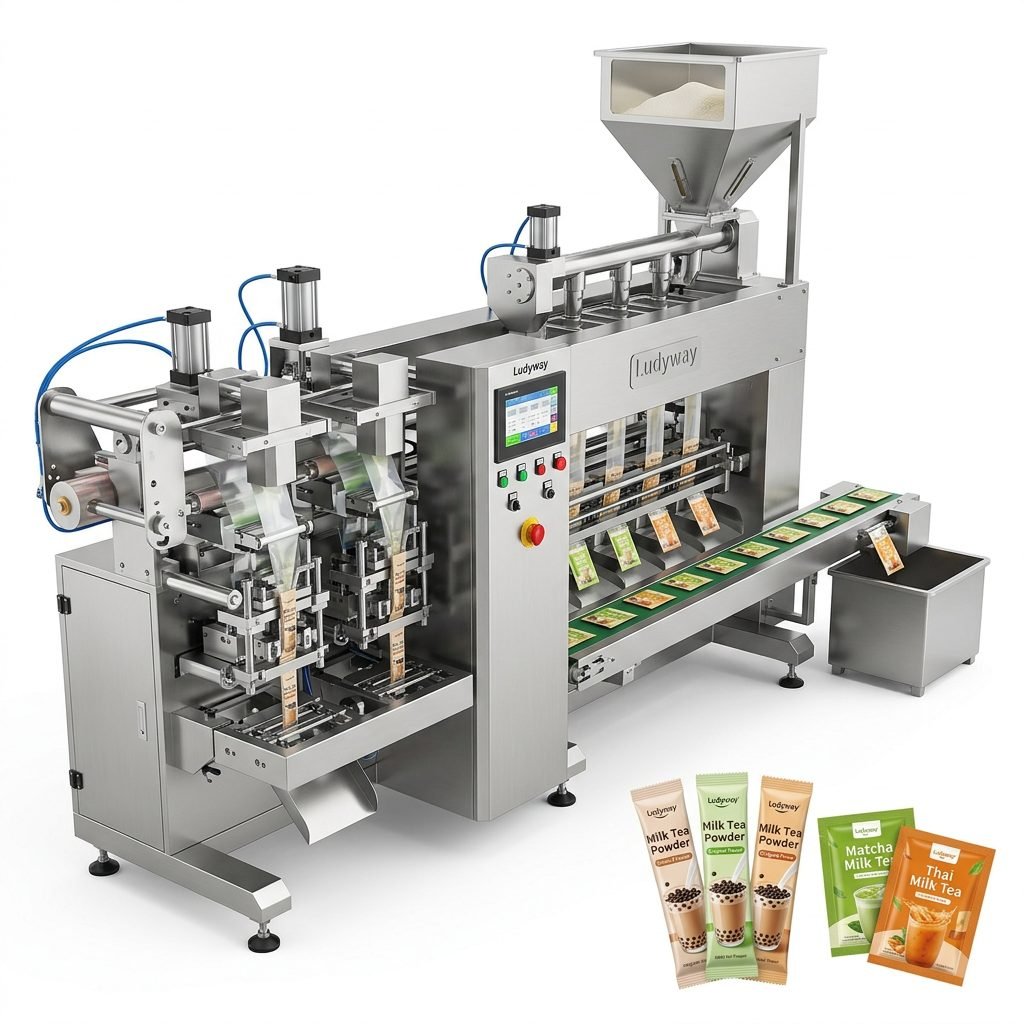
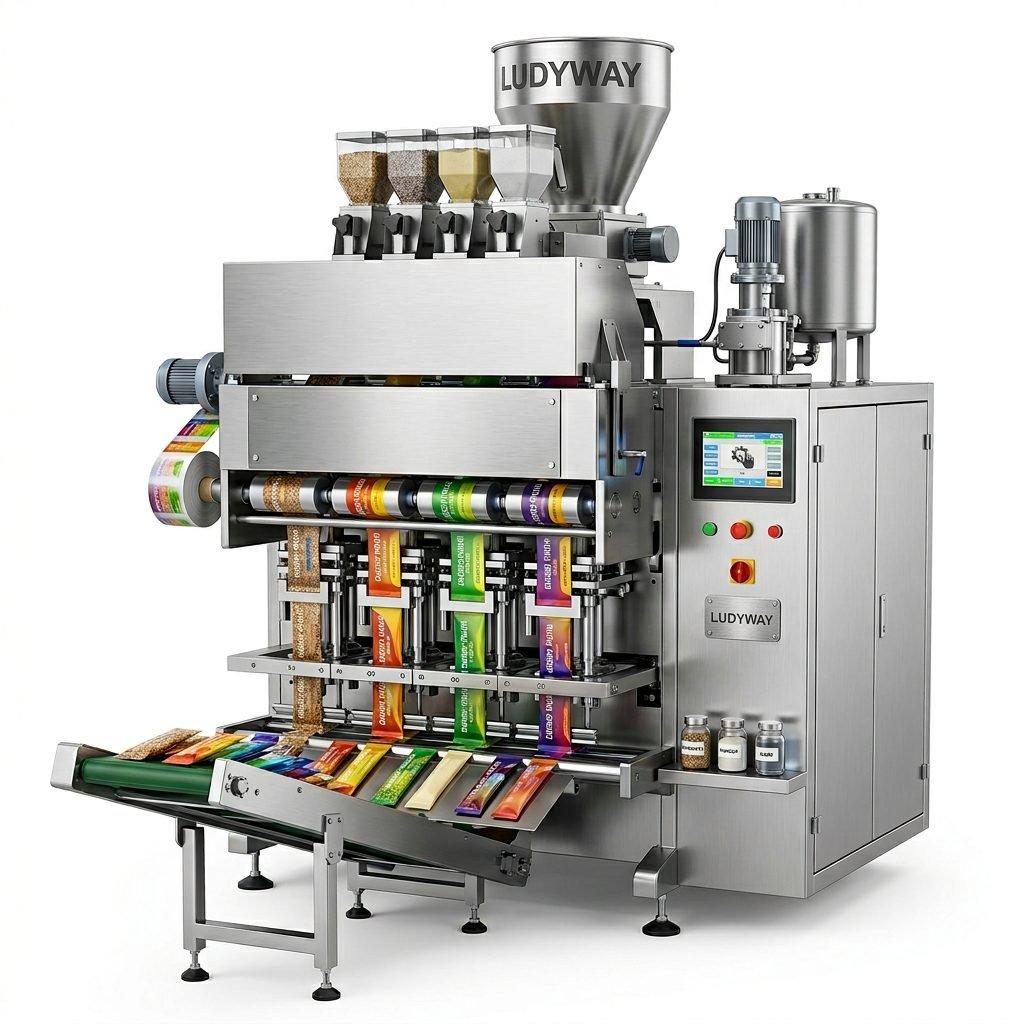
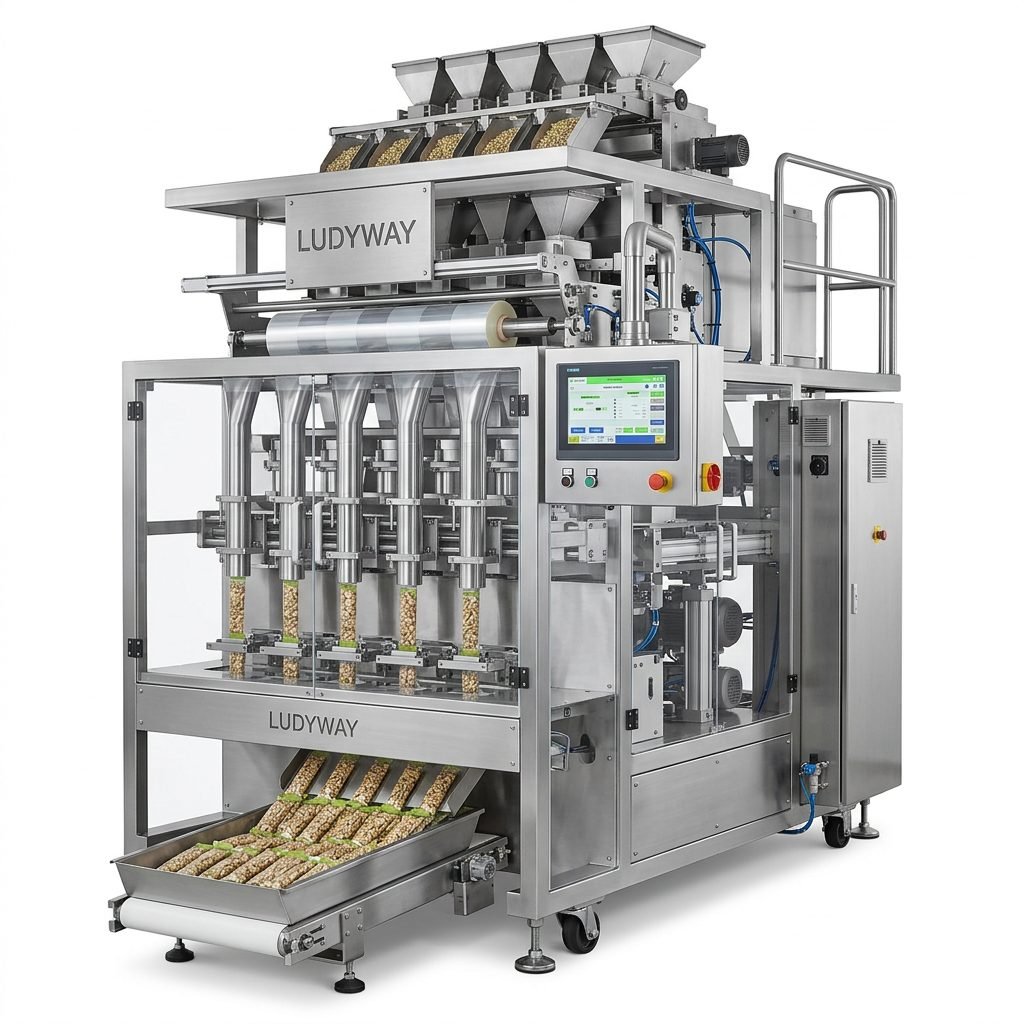
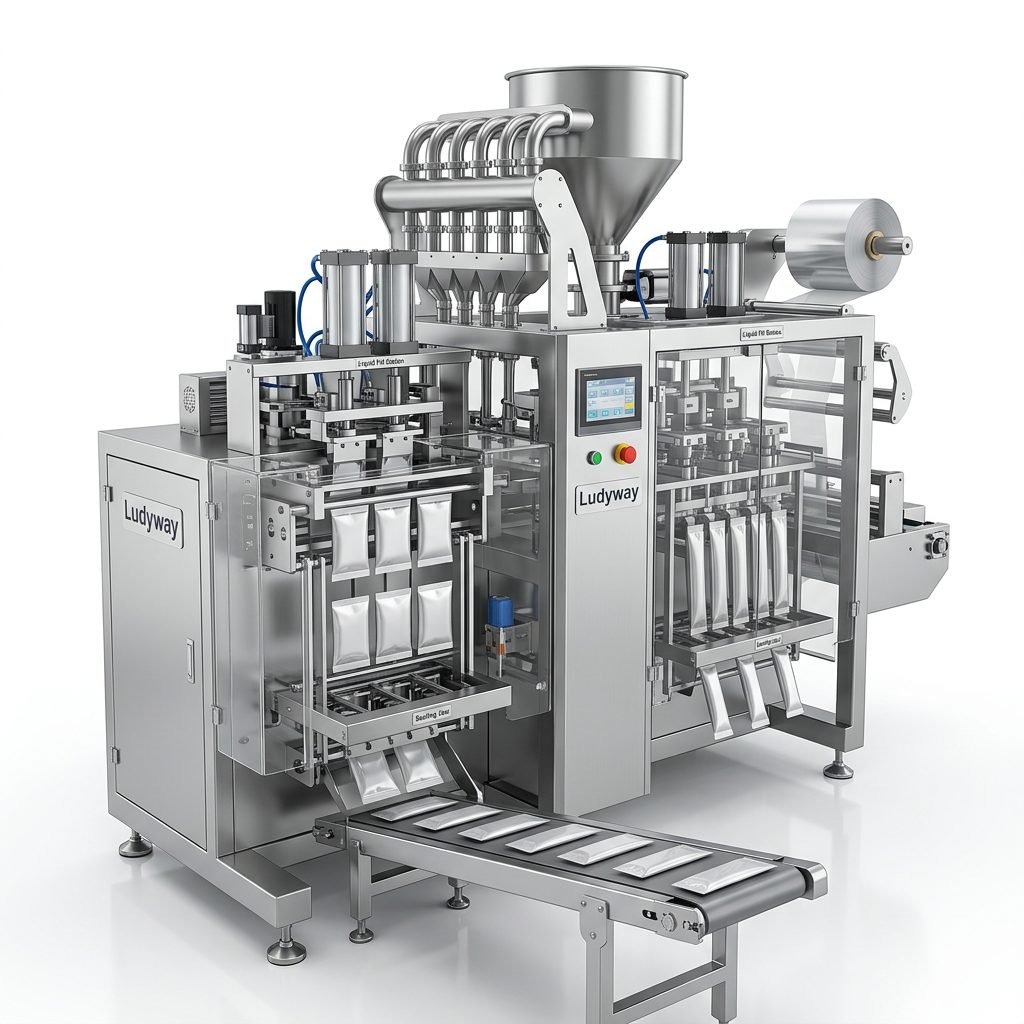
- Multi-lane stick pack systems — High-output solution for mass-market distribution
Types of Yogurt Packaging Machines
Selecting the appropriate machine type depends on your production scale, product viscosity, and packaging format. Below is a comparison of the most common machine categories relevant to African manufacturers:
| Machine Type | Best For | Key Advantage |
|---|---|---|
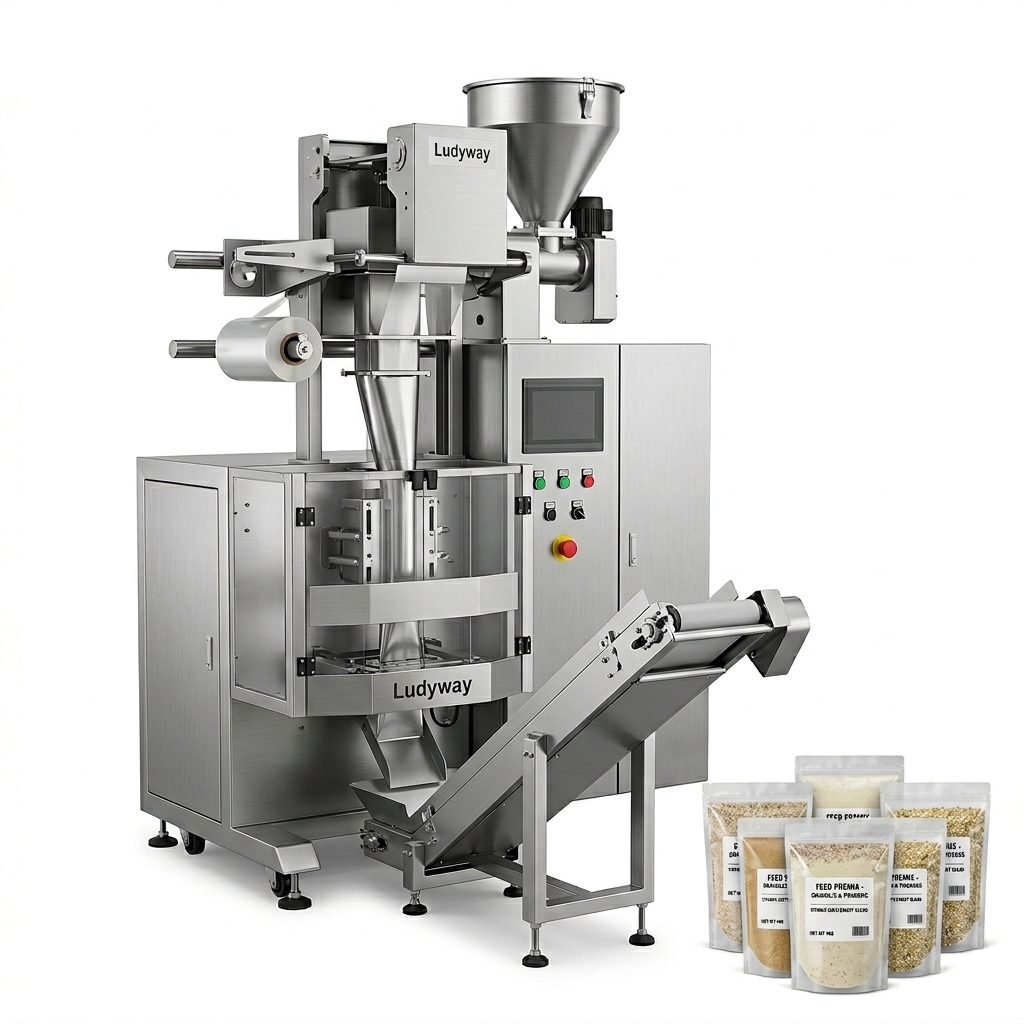
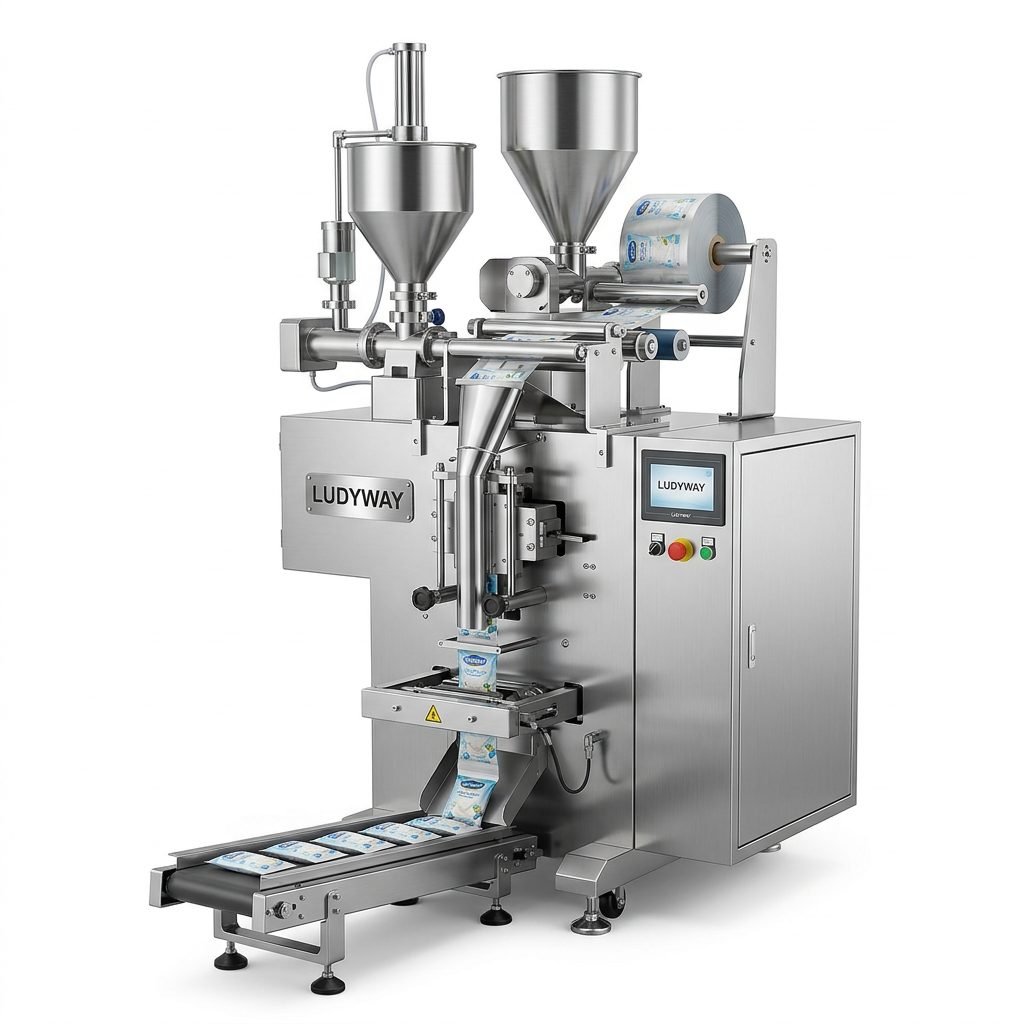
| Vertical Form Fill Seal (VFFS) | Sachets and pouches for liquid yogurt | Cost-effective, versatile film options |
| Multi-Lane Stick Pack Machine | High-volume single-serve stick packs | Exceptional output speed (up to 600+ packs/min) |
| Cup Filling & Sealing Machine | Premium cup-format yogurt products | Superior shelf appeal and tamper evidence |
| Pre-Made Pouch Filling Machine | Stand-up pouches with spouts | Premium look with resealable convenience |
| Aseptic Packaging Line | Extended shelf life without refrigeration | Critical for regions with limited cold chain |
Critical Factors to Evaluate Before Purchasing
Investing in a yogurt packaging machine requires careful evaluation of multiple operational and commercial factors. Overlooking any of these can lead to costly downtime or product quality issues. The following considerations are especially important for African manufacturing environments:
Key Selection Criteria Checklist
- Production capacity — Match machine output (packs per minute) with current and projected demand
- Product viscosity handling — Ensure the filling system can handle your specific yogurt consistency (liquid, stirred, or set)
- Packaging material compatibility — Verify the machine works with locally available or imported film materials
- Power requirements — Confirm compatibility with local voltage and phase standards across African countries
- Automation level — Decide between semi-automatic and fully automatic systems based on labor costs and skill availability
- Cleaning and CIP systems — Critical for dairy hygiene compliance; look for Clean-in-Place capable designs
- Climate resilience — Machines must operate reliably in high-temperature, high-humidity conditions common in tropical Africa
- Spare parts availability — Prioritize suppliers with established distribution networks serving African markets
Understanding Food Safety and Regulatory Compliance
Yogurt packaging in Africa must comply with both local and international food safety standards. The FDA food packaging regulations provide an excellent reference framework, even for non-US markets. Additionally, manufacturers targeting export markets should align with ISO packaging standards to ensure international acceptance. Key compliance areas include food-grade contact materials, hygienic machine design, and traceability features.
Essential Hygiene Standards for Dairy Packaging
Dairy products are particularly sensitive to contamination. Your packaging machine should feature stainless steel construction (preferably SUS304 or SUS316L), sealed electrical components to prevent moisture ingress, and easily accessible surfaces for sanitation. Machines equipped with automatic sterilization systems or UV treatment options provide additional protection, which is especially valuable in regions where environmental hygiene control may be challenging.
Cost Considerations and ROI Analysis
The price of a yogurt packaging machine varies significantly based on automation level, speed, and configuration. For African manufacturers, understanding the total cost of ownership is more important than the initial purchase price alone. Consider the following cost components:
- Initial machine cost — Entry-level semi-automatic machines can start from $15,000, while high-speed multi-lane systems may exceed $200,000
- Installation and commissioning — Factor in technician travel costs if the supplier is overseas
- Operator training — Budget for comprehensive training to avoid operational errors
- Ongoing consumables — Packaging film, cleaning solutions, and wear parts
- Maintenance and repairs — Include annual service contracts where available
- Energy consumption — Especially important in areas with high electricity costs or unreliable supply
Sourcing from Reliable Packaging Machine Suppliers
For many African yogurt producers, sourcing packaging machinery from established international manufacturers offers advantages in technology, reliability, and ongoing support. When evaluating suppliers, look for demonstrated experience in dairy applications, willingness to provide references from existing African clients, and the ability to offer packaging machinery market insights relevant to your region. The flexible packaging industry data suggests that working with manufacturers who understand regional market dynamics yields significantly better outcomes.
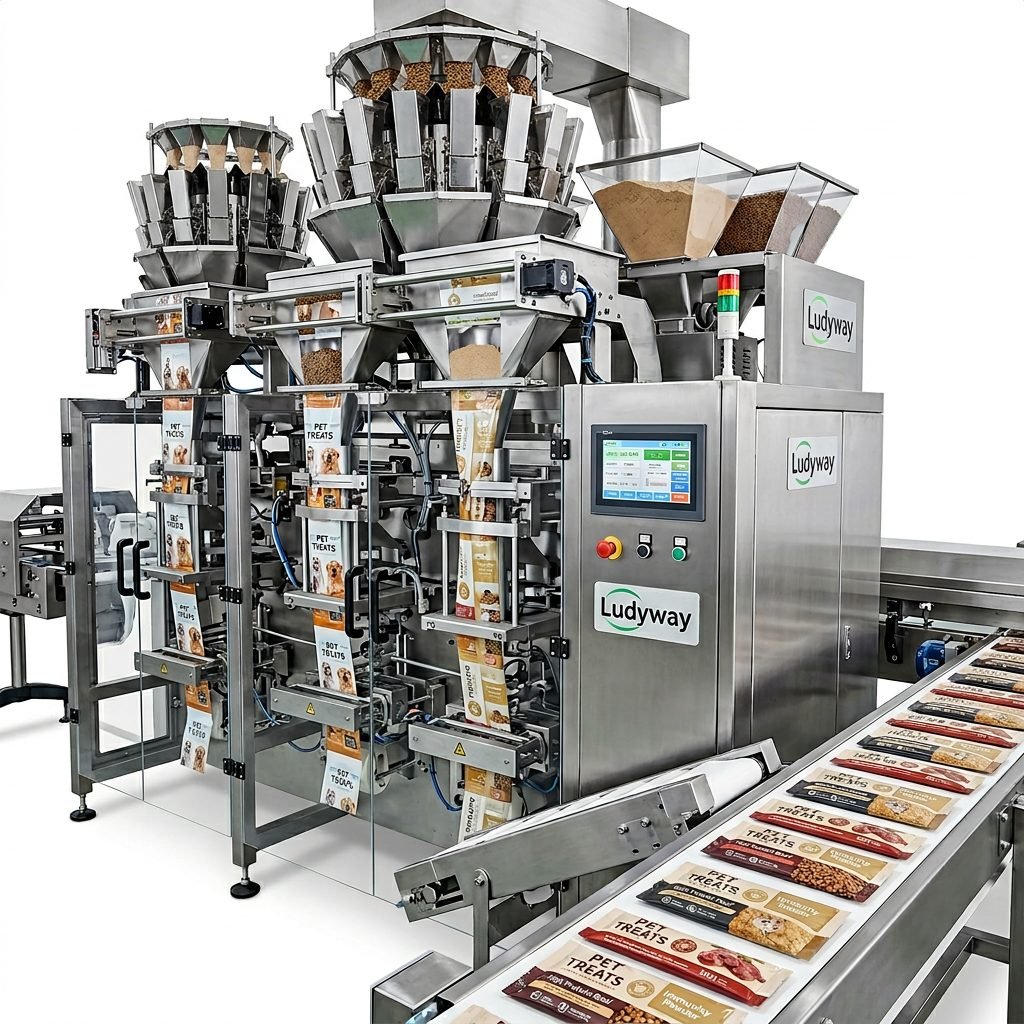
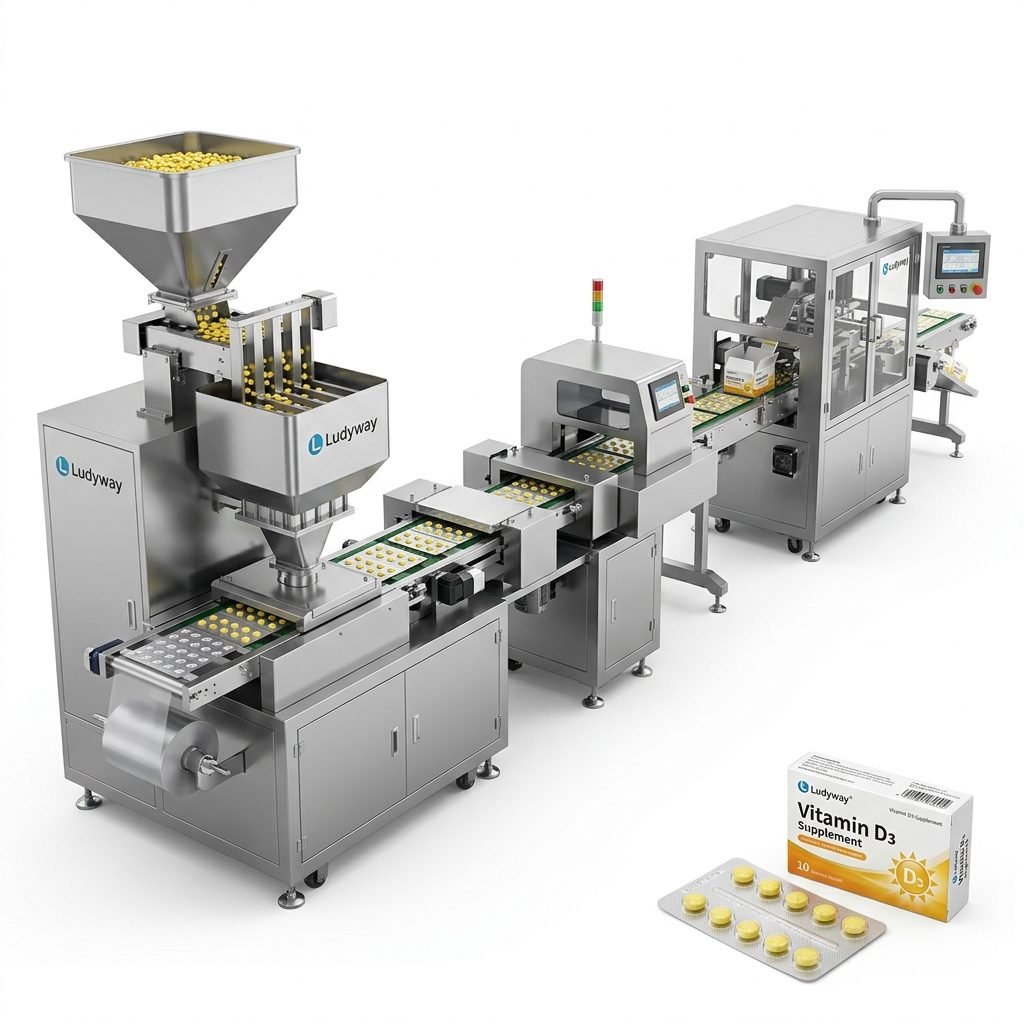
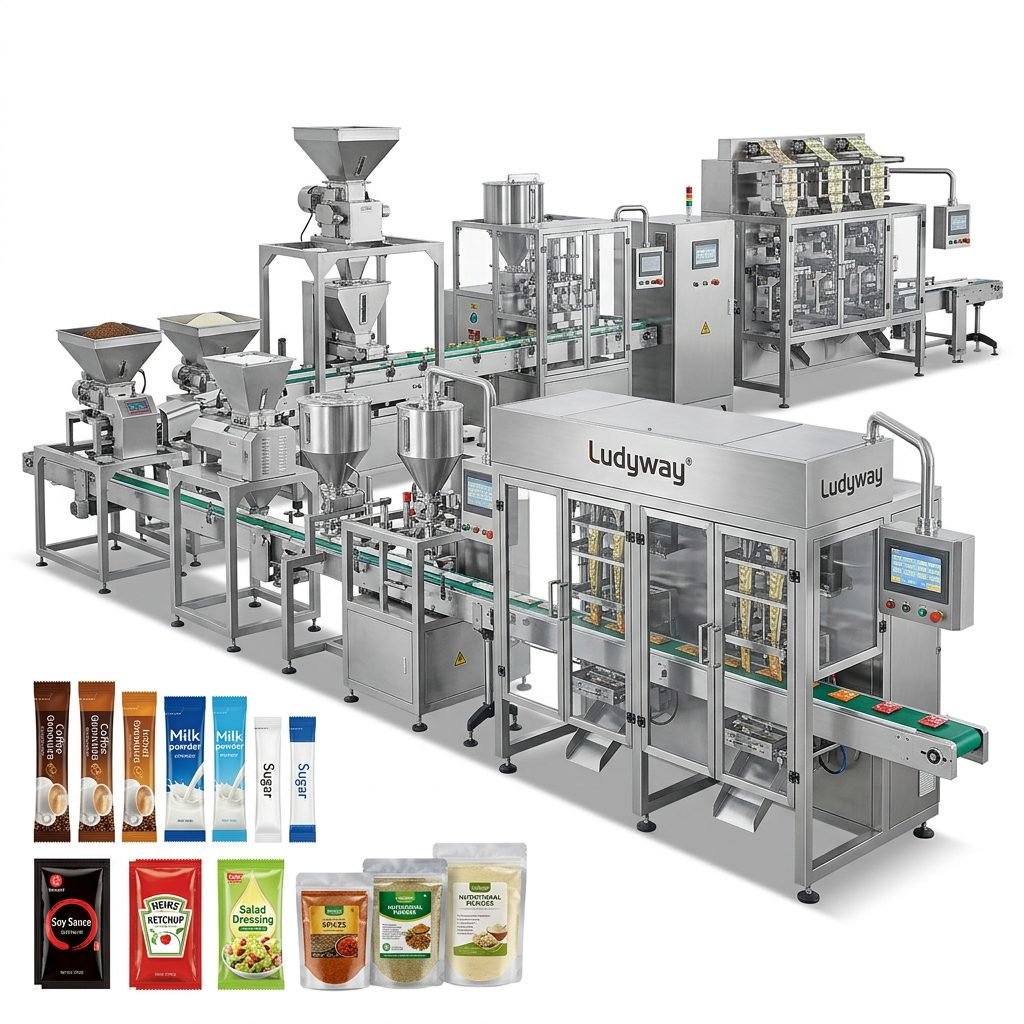
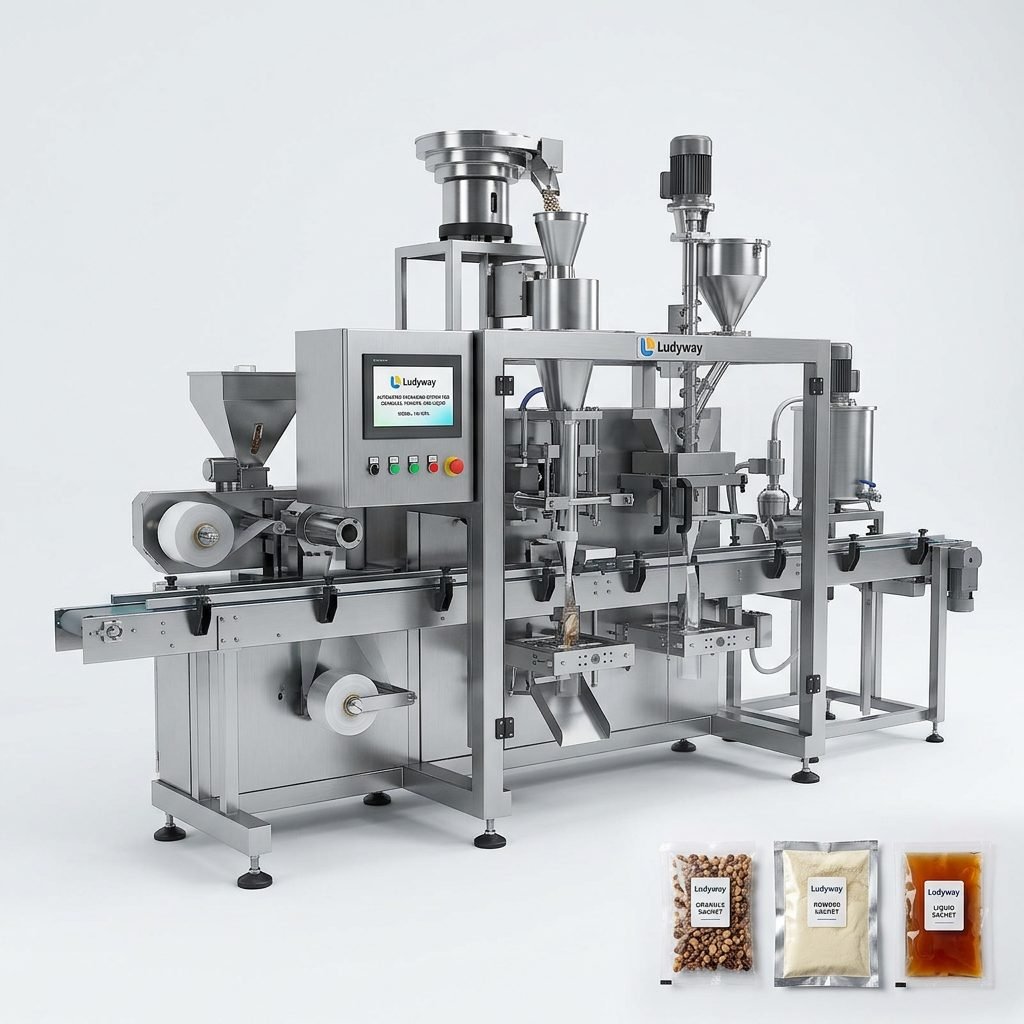
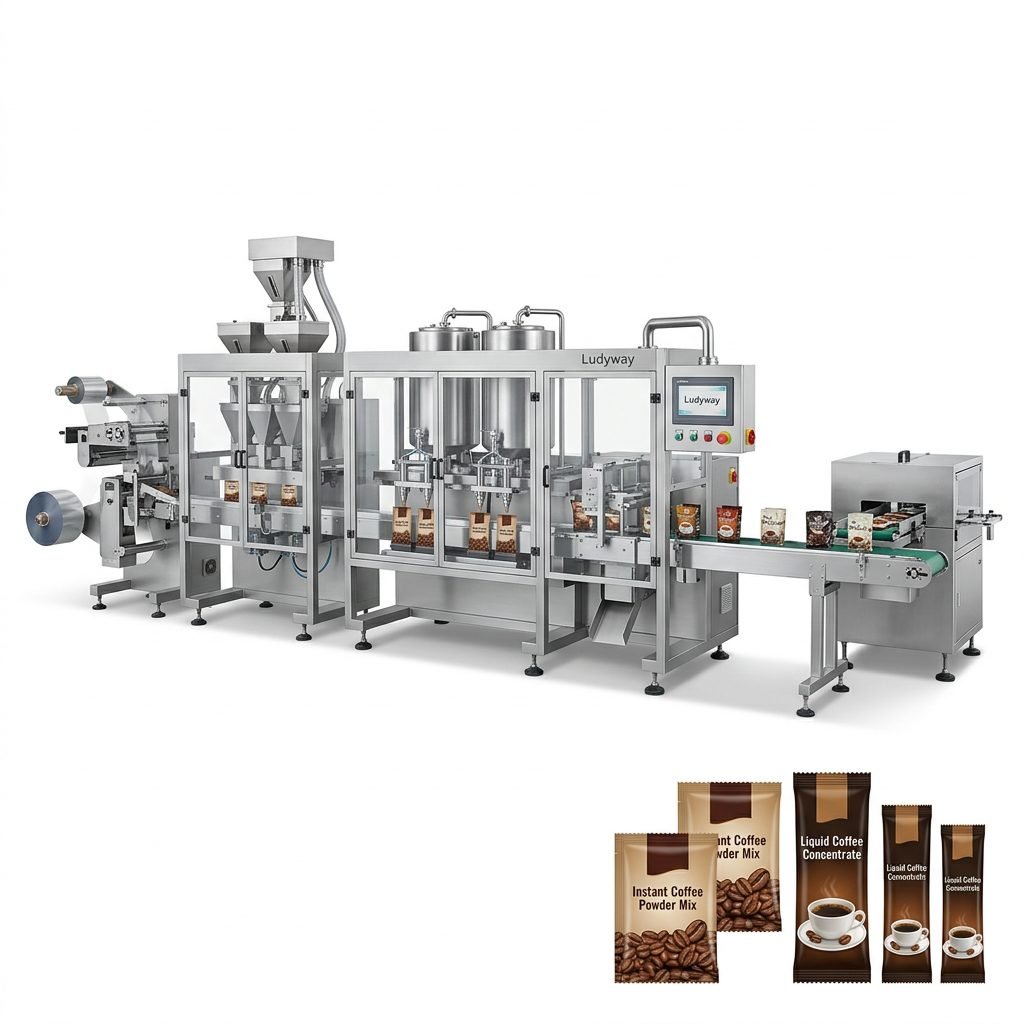
One notable manufacturer serving the African market is Ludyway, a leading packaging machine manufacturer with over 30 years of industry experience and a presence in more than 100 countries. Their portfolio includes multi-lane stick pack machines, sachet packaging systems, and fully automated turnkey solutions suitable for yogurt and dairy applications. With a modern 20,000㎡ manufacturing facility and a dedicated engineering team, they offer customized solutions that address the specific challenges faced by African food manufacturers, including climate-adaptive designs and comprehensive after-sales support.
Questions to Ask Potential Suppliers
- Do you have existing installations in African countries with similar climate conditions?
- What is the typical lead time for spare parts delivery to our location?
- Can you provide remote diagnostic support and troubleshooting assistance?
- What training programs do you offer for our operators and maintenance technicians?
- Is your machine compatible with locally sourced packaging materials?
- What warranty coverage do you provide, and how are warranty claims handled?
Logistics, Shipping, and Installation in Africa
Importing heavy packaging machinery into African countries involves navigating customs procedures, port handling, and inland transportation. Working with a supplier experienced in African logistics can significantly reduce delays and complications. Key logistical considerations include:
- Confirming import duty rates and any applicable exemptions for food processing equipment
- Arranging appropriate shipping insurance for the full journey
- Coordinating with local freight forwarders for port clearance and delivery
- Planning for installation space, utilities, and environmental requirements at your facility
- Scheduling supplier technicians for on-site commissioning and training
After-Sales Support and Long-Term Maintenance
The relationship with your packaging machine supplier should extend well beyond the initial purchase. Ongoing technical support is essential for maintaining production efficiency throughout the machine’s operational life. In the African context, where local technical resources may be limited, suppliers that offer remote diagnostics, video-assisted troubleshooting, and regular preventive maintenance guidance are highly valuable. Establishing a spare parts inventory strategy early on prevents extended downtime waiting for international shipments.
Conclusion: Making an Informed Investment Decision
Purchasing a yogurt packaging machine for your African production facility is a strategic investment that requires thorough research and careful planning. By understanding your specific market needs, evaluating machine types against your product portfolio, ensuring food safety compliance, and partnering with a reliable supplier, you can build a packaging operation that supports long-term business growth. Take the time to visit supplier factories when possible, request sample runs with your actual product, and speak with existing customers in comparable markets before making your final decision. The right packaging machine will not only protect and preserve your yogurt products but also enhance your brand’s competitiveness in Africa’s rapidly evolving dairy market.